In your preparation you should also stock up on guns and ammunition. When everyone else runs out of food they will be coming for yours.
I am stocking up on knowledge.
6 Likes
Right. That’s the other guy’s plan.
As much as you hate potatoes, if you really want to survive Armageddon it would help to have food in the ground. Marauding bands might force you to harvest tubers, but they’re not gonna stick around to do it themselves. Nothing’s more vulnerable than a sack of grain or a cow.
3 Likes
I’m just gonna put this out there:
What would it take to collapse modern society? Would knocking out the grid do the trick? Without a consistent supply of electricity, and maybe throw in some supply chain disruptions, you can’t exactly have pizza and nightclubs and shopping malls anymore.
Turns out, nah, modern society keeps on ticking even with blackouts and only a few hours of electricity each day.
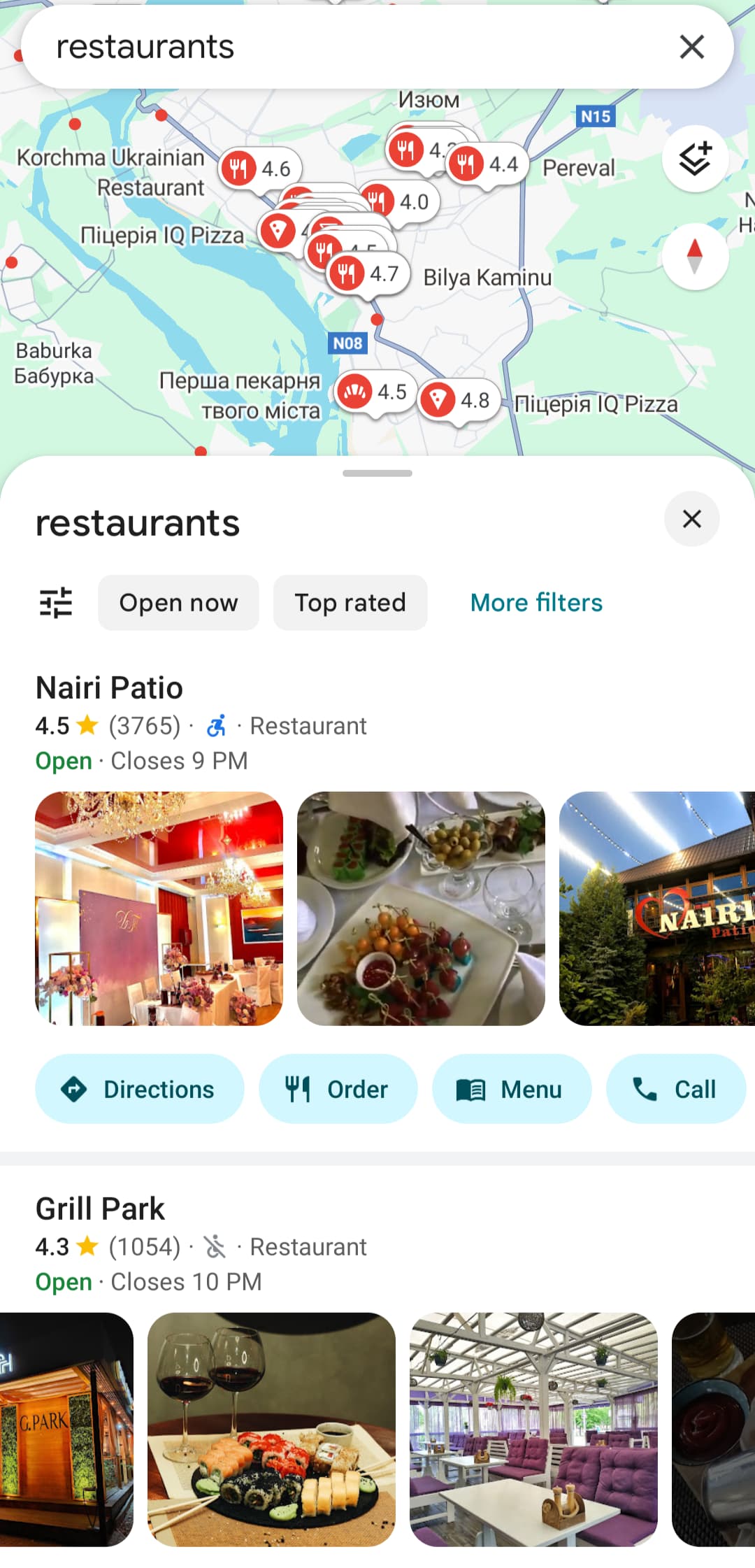
Zapirozhzhia City is near enough the front line that it regularly gets bombed. Bombed, not missile strikes, bombs dropped by fighter jets. It’s even within MLRS artillery range of the front. The grid has been bombed for three years, most businesses, schools, hospitals etc. have to run on generators. And yet, even high end restaurants are completely unfazed.
Here’s a small sample of restaurants in the southern district of the city, a district that after a recent offensive is now less than ten miles from the front line. No stable grid, almost daily bombings, right next to the front lines and even within drone range, and yet pizza, beer, sushi, boba tea, Irish pub food, shish kabobs, you name it, you can get it:

Modern society is incredible resilient particularly in developed countries, contrary to popular folk wisdom. Absent a complete blockade by a hostile foreign government, you will always still be able to get fuel, food, and basic essentials. That’s a empirical fact.
Here’s a grocery store in downtown Kherson. In the last three years, they’ve had almost no power or water, they’ve been subject of two major offensives and battles for the city, been shelled and bombed, and had a large part of the city flooded when the hydroelectric dam upstream collapsed.
There’s a special sale going on this week, 38% off select Lay’s brand chips, 28% off imported Jack Daniel’s flavored whiskeys:
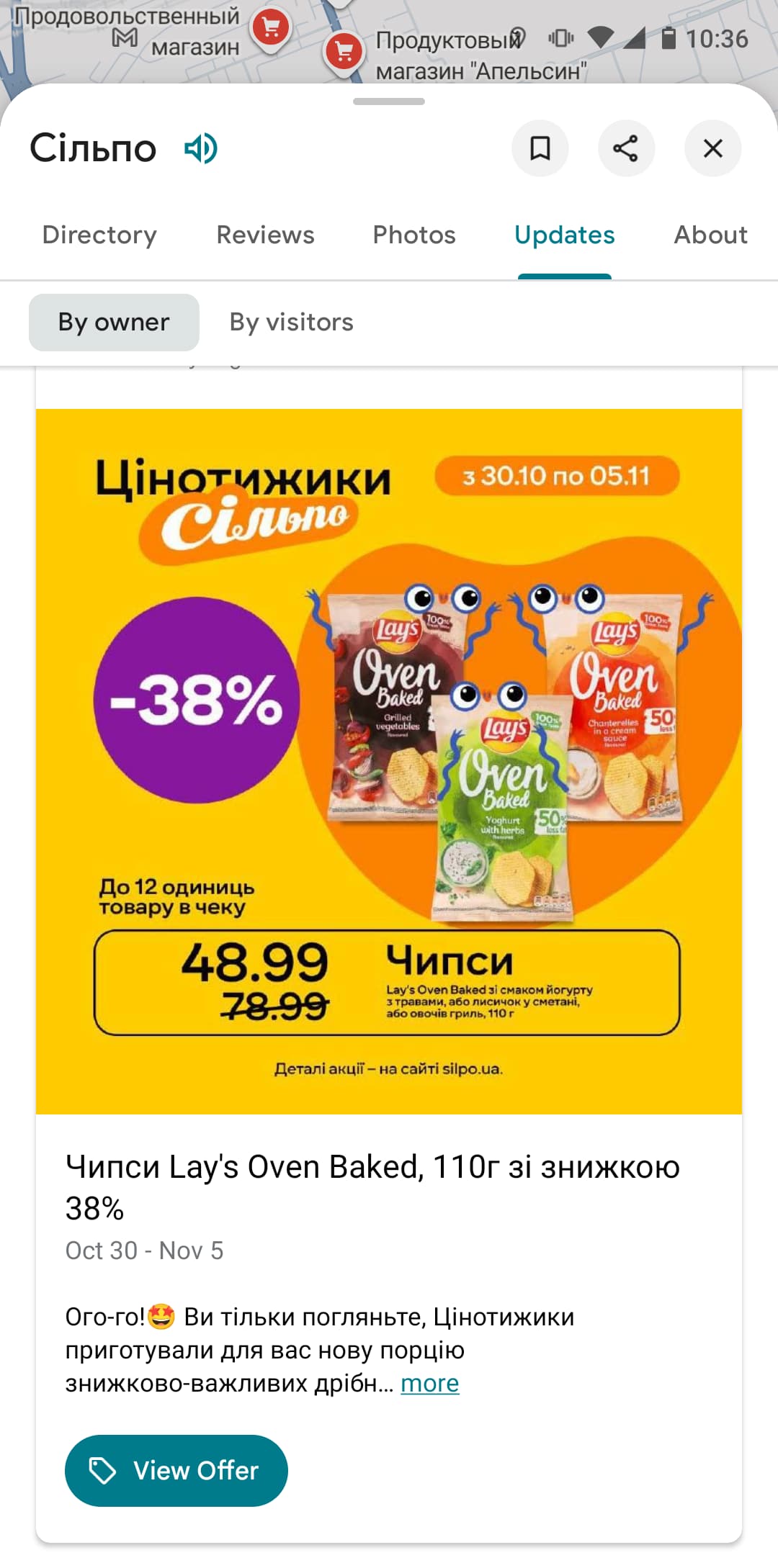

Forget social collapse, they’re still doing luxury food marketing. Without a grid in a flooded war zone.
Modern society is literally bombproof. That fact should probably be accounted for when weighing up the pros and cons of prepper type gardening.
I’ll add this: preppers are very much an American culture phenomenon that’s non-existent in societies that haven’t been Americanized. Here’s a French article explaining the unheard-of (in France) American thing called “Preppers”
Here’s a Belarusian asking what the heck a prepper is
You can find similar stuff about self-sufficiency being a mostly Anglophone phenomenon. For some reason, the other parts of the world, the parts that actually have experienced major economic disruptions and conflicts, all seem to be puzzled by this notion of society reversing ten thousand years of development in the course of a week, and of single atomized and autonomous families or even individuals somehow going it alone and surviving off the land or something.
Just some perspective for the current discussion.
11 Likes
I also try to grow for a little self sufficiency. My goal for the end of this year is to always have something I grew/produced as a part of my meals. Usually spices, teas, syrups or greens. I eventually want my lunches to be almost completely home-grown. But I am never gonna grow wheat or raise a cow, its a lot of work for not enough reward imo. So I will always be buying my cheese and my flour tortillas.
4 Likes
i might get sheep one day. i train sheepdogs for agility so having a small herd is a pipedream one day to work them. plus my wife is a big crocheter so the idea of wool is very appealing. but otherwise the only animals i can imagien raising is chickens or ducks
4 Likes
Oh yea I did come across the ‘biotensive’ method on my research wanderings.
Not looking deeply into it though.
Very interesting they add grains to the list! contrary to all of the naysayers!
Also that % spread between different food types is pretty much exactly what I had in mind! with high energy carbs (grains) making up a large part! Corn I see is also in their image. Now that is another one I do like (unlike potatoes) and plan to try soon!
when ive grown corn it hasnt been worth it because of scale but i enjoy the taste enough i think it could be worth growing as well. though i much prefer sweet corn to like nixtamalized corn, not that i dislike that
I would love to grow self-fertilizing corn some day, very cool variety.

2 Likes
Your scenarios are about the narrow scenarios of human on human conflicts. Do you think a virus will care about that stuff? Who is going to man these city centre bistros if they are all disabled or dead?
Also, when supply chains are disrupted, who is going to stock them? It doesn’t have to be full apocalypse for it to grind society to a halt which is what we saw in 2020/21.
1 Like
What is that? Does it just mean processed as flour is to wheat, so maize is to corn? I agree that is why I eat the wheat berries as stated.
Until recently I didn’t really know that corn produces fat to any appreciable degree as it isn’t that popular in the UK. Still available as that is how I found out, by looking on the oils sections and picking it but not really the go to in our culture, which would be vegetable, or more recently olive oil.
I started using it in my quest for purchasing only growable products but I would not make my own oil it would be wasteful. Probably just eat the corn. Haven’t thought about how I will deal with oils but it is far down the line. Sunflowers are easy and grew them this year.
Of course in a survival scenario I would make concessions.
Yet they still managed. Grain stores are a thing; placed on staddle stones.
But don’t you have to dry the grain before storing it? How are you planning to make that happen? I’m not saying it’s impossible. I’m just curious as to the plan. Then repeat the answer for everything else.
My wife and I just dried lots of figs, apples, and pears. We canned or froze berries and beans. It can be as much work as growing the stuff. And it consumes energy. I assume that the goal of self-sufficiency doesn’t include big I incremental bills for gas and electricity.
2 Likes
The main problem with potatoes is blight. Many places can not keep them in the ground long and can not replant potatoes in the same field for several years.
Grain can survive extreme conditions that would rot potatoes. I think the best way to maximize output would be to plant peas and beans in Summer and Winter grains in the Autumn. Lentils and navy beans are a great source of iron & calcium and require less cooking than many other legumes.
If you climate can grow maize, you can plant it together with squash and legumes to make better use of your space. If you can’t grow maize, sunflowers can also work. I would suggest using ~1/2 of your space for grain & legumes, ~1/4 for annuals, and ~1/4 for perennials. Avoid growing too many perishable foods that are difficult to preserve.
Don’t forget to include some things that will grow well in an unsually wet/dry conditions. You can never be sure what nature will throw at you.
3 Likes
maize is just another word for corn, corn is just a general term that historically means a lot of different grains, but these days basically just refers to maize.
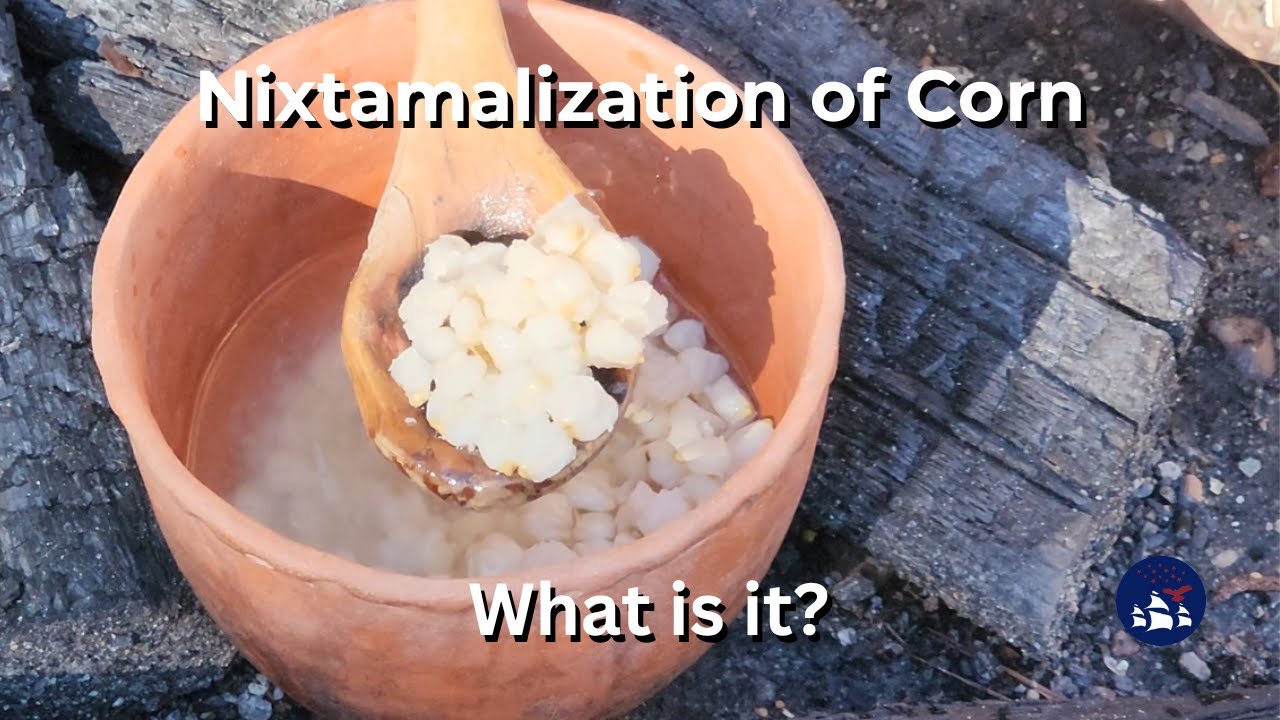
Nixtamalizing is a technique to turn corn into masa or hominy, which will make it usable for things like tortillas, tamales, soups like pozole. it makes certain nutrients bioavalible, like b vitamins, protein etc. its an absolute must if youre growing corn for sustenance imo. I know england and wales doesnt have much mexican food but its a staple in mexican food. I mean id still eat some non nixtamalized corn, but some should be definatley treated this way
1 Like
Well I haven’t had to yet because as I wrote above the sheep ate the crop I made this year when it was coming ripe!
I have read and watched the process. I would just do it how it has been done traditionally for thousands of years. Not sure why you are making out it is so hard. The wheats is cut with scythes or sickles and left to stand in the field in ‘stooks’ and then hung up upside down in said grain stores to air and dry from what I understand.
Then threshed and left to dry longer in containers also can be fanned to put more air through.
There are hundreds of videos on the process, doing it on a small scale, if you just look.
Great post and good to see another one for Team Grains (and corn) and against nasty potatoes lol.
Maize does grow here now in the UK. Seen massive fields of it this year the farmers were growing and recently cropped.
Yea peas are another great one for protein and taste nice and store well dried.
I grew them this year and had a few meals with them.
1 Like
If you are serious into prepping, you be sure to get/build yourself a small still. The ability to make distilled water, ethanol, essential oils, and hydrosols should not be underestimated.
1 Like
I would always reccomend fruit and nut trees. Calorie per effort wise, they can’t be beat. They have drought tolerance and can be planted in locations that are not ideal for cropping.
4 Likes
I try to always grow “the dirty dozen,” which are the 12 foods most contaminated by herbicides and pesticides. I also add a lot of winter squash and root vegetables to that list because they are nutritious and store well. You can plant crops between your trees… they don’t have to be in a separate garden until/unless your trees are throwing too much shade.
5 Likes
I love this! What an excellent approach. Just adding to the inter-planting amongst trees: many herbs are shade-tolerant and will grow great there. Added bonus of the beneficials they bring in if you have extra and let them flower.
2 Likes
Herbs won’t get me far in accounting for daily caloric requirements.  I was thinking more of rye which I read grows naturally in woodlands.
1 Like
important for nutrition and vitamins though. also like. enjoyment of life.
5 Likes