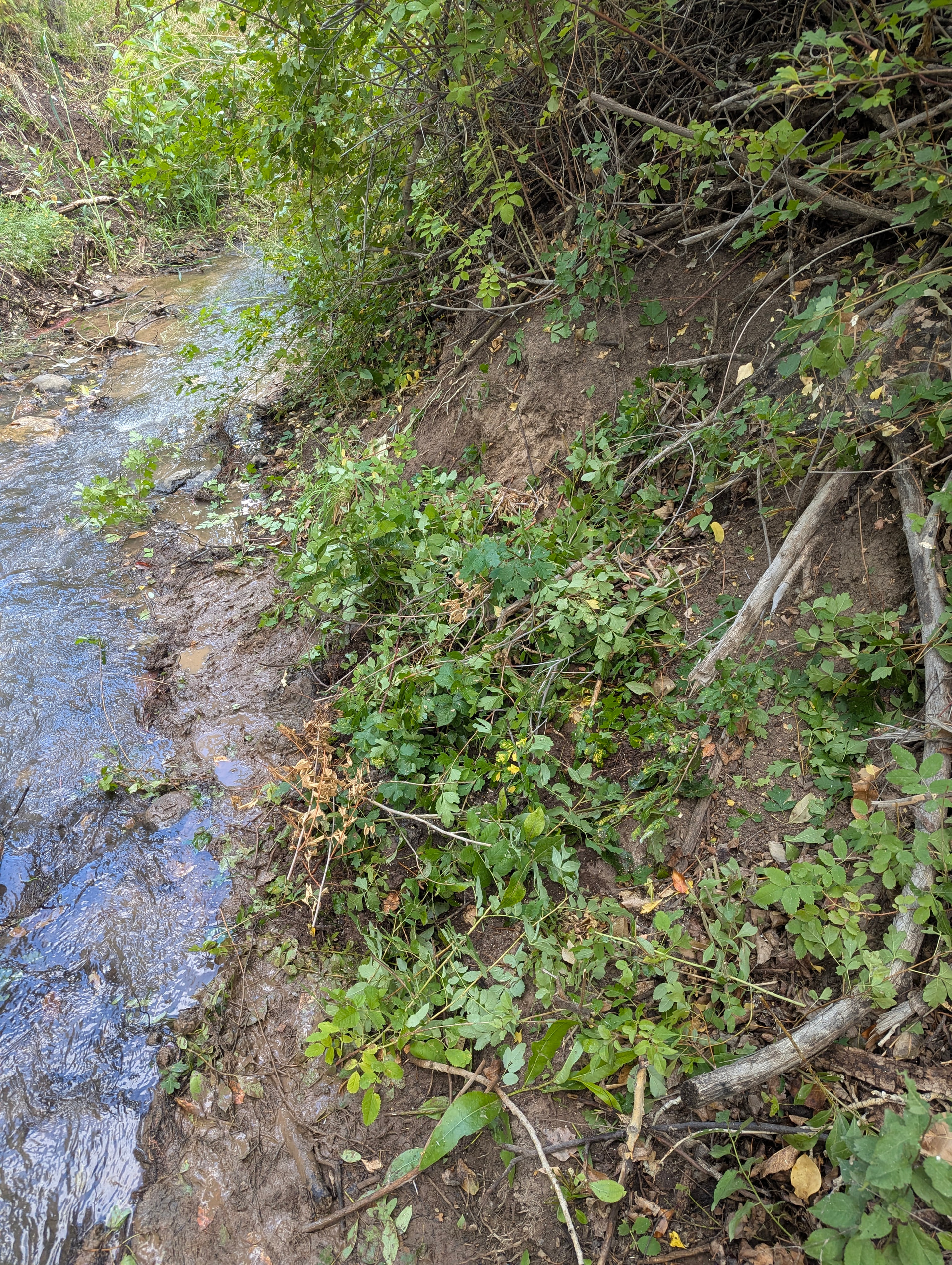
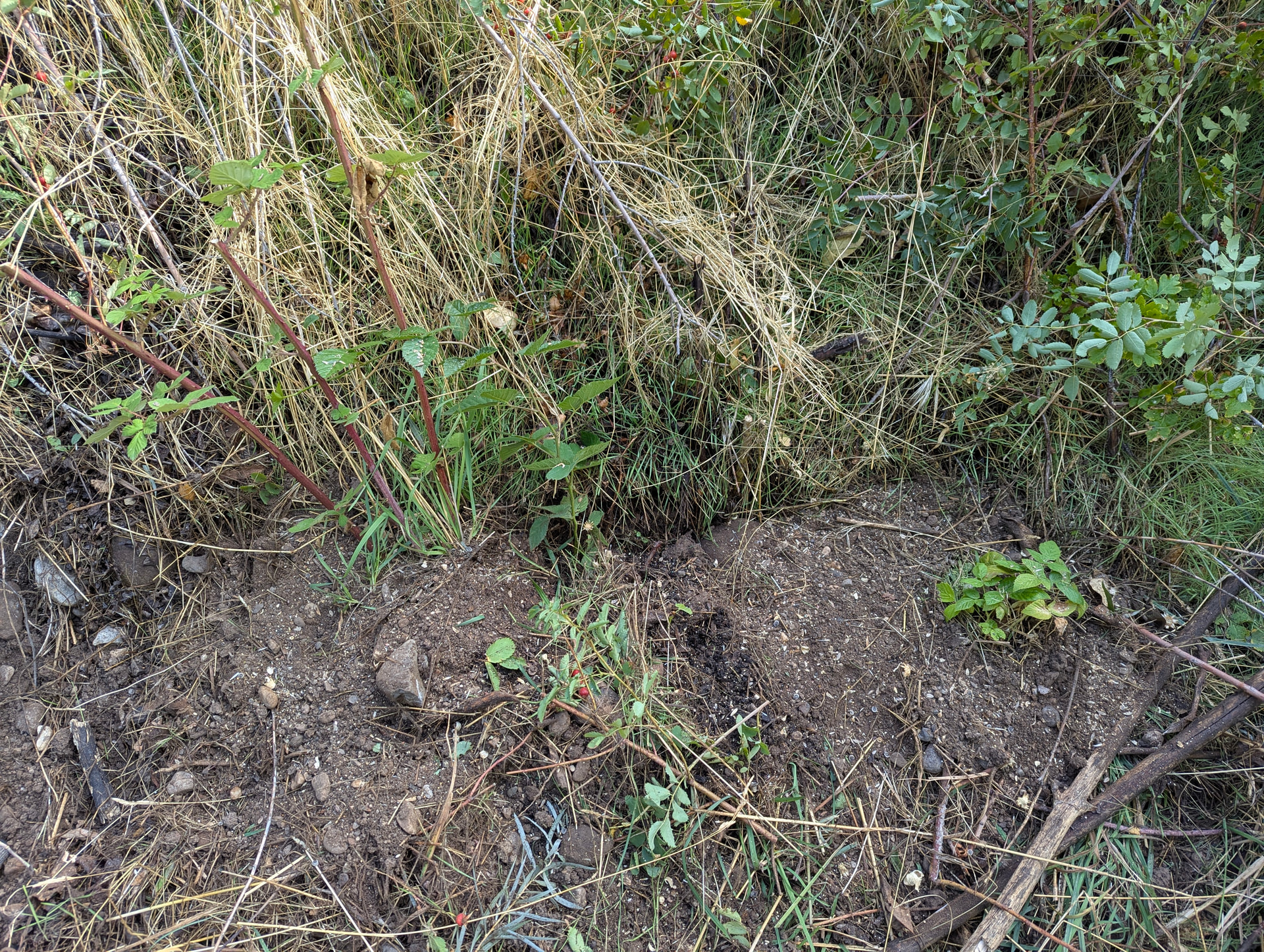
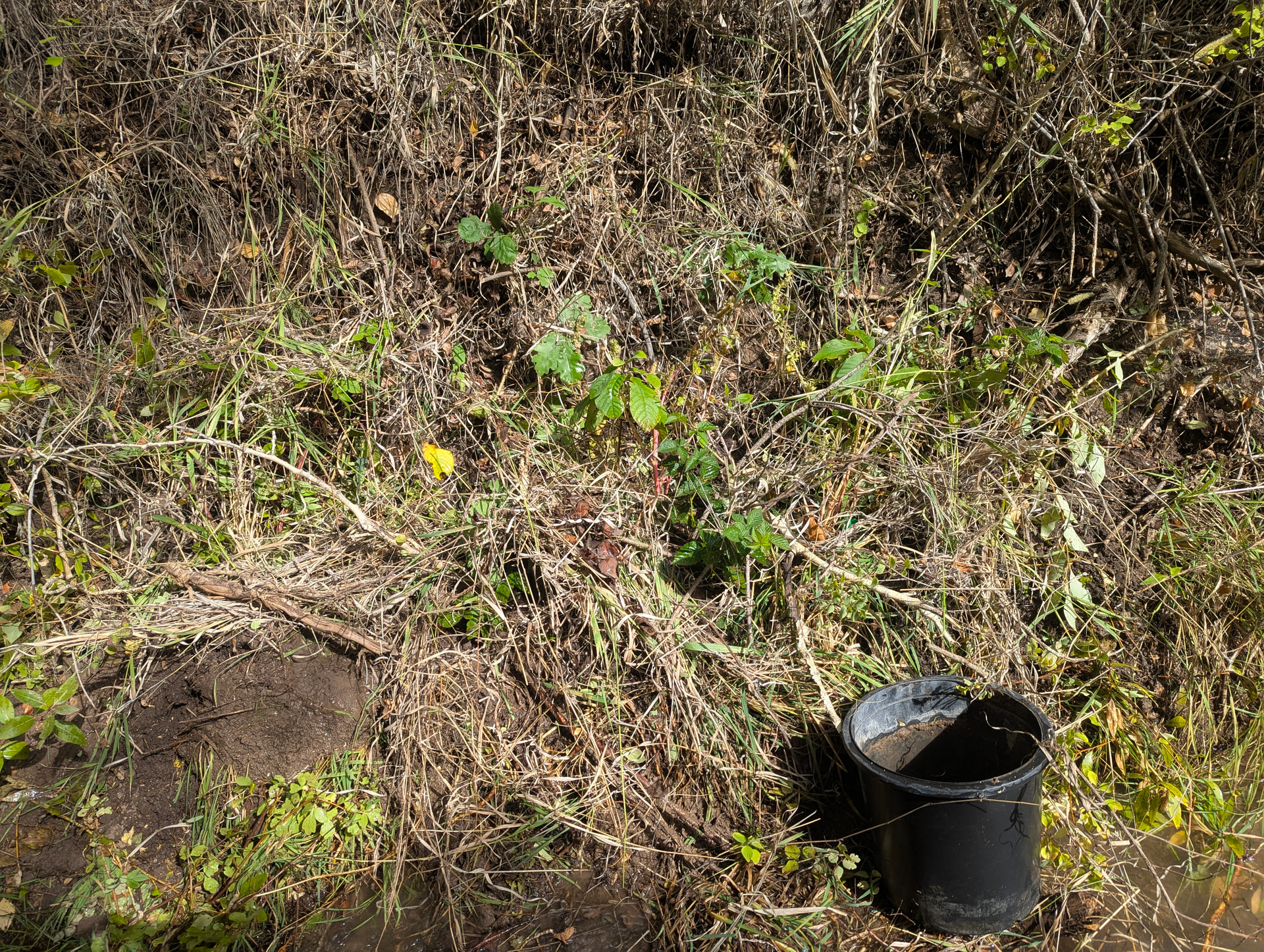
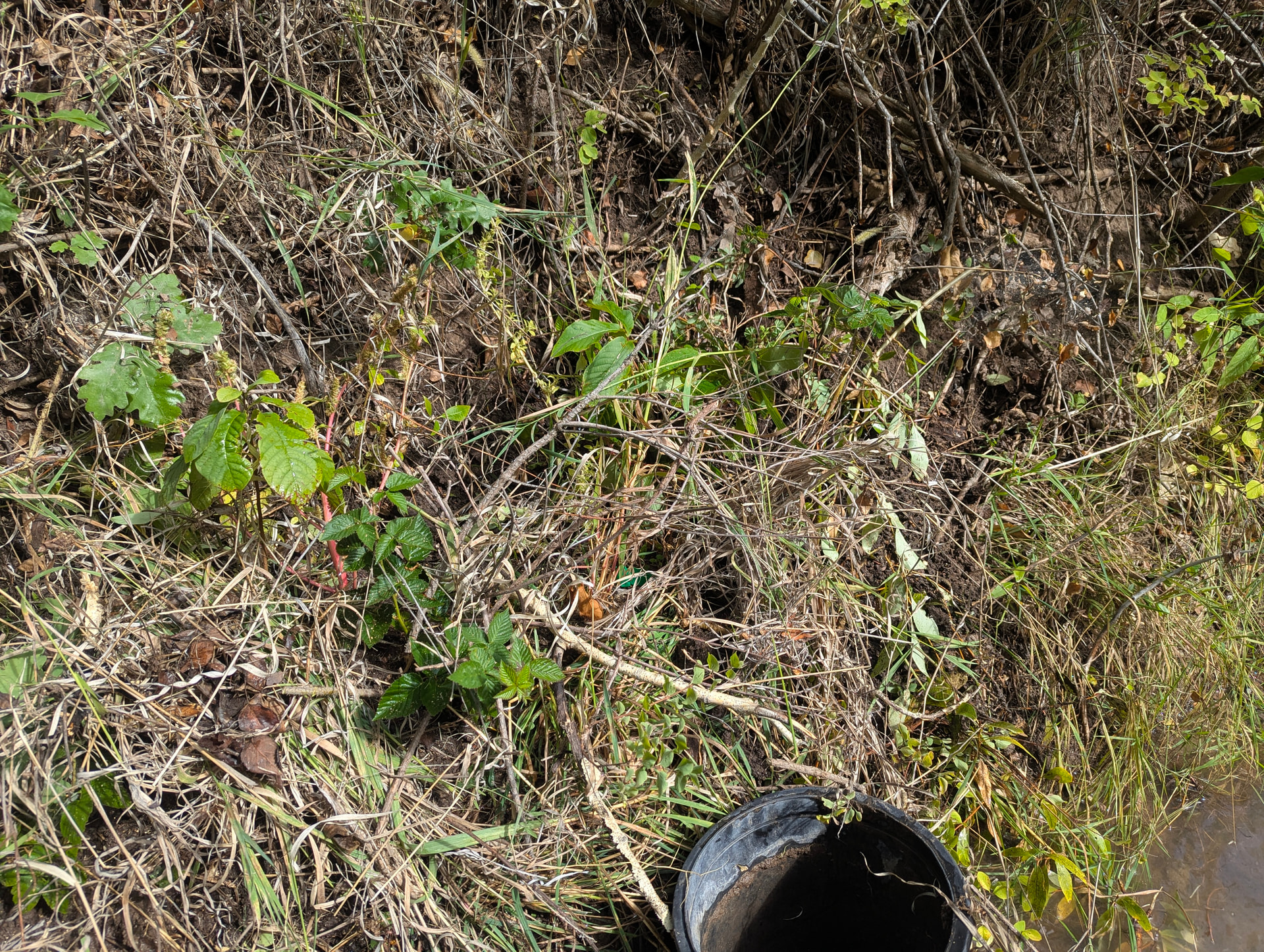
Chance's Guerilla Gardening Food Forest Project Area

Okay, a few of you have asked me to catalog my work in my project area so you can follow along.

Some details about the area:

It’s a wooded area adjacent to a local park that has concrete and dirt paths running through it, as well as a bare dirt canal through the center of the area that runs from ≈ May to October.

The area sports the remnants of some Utah Pioneer orchards that lasted for several generations before the land was purchased by the City.

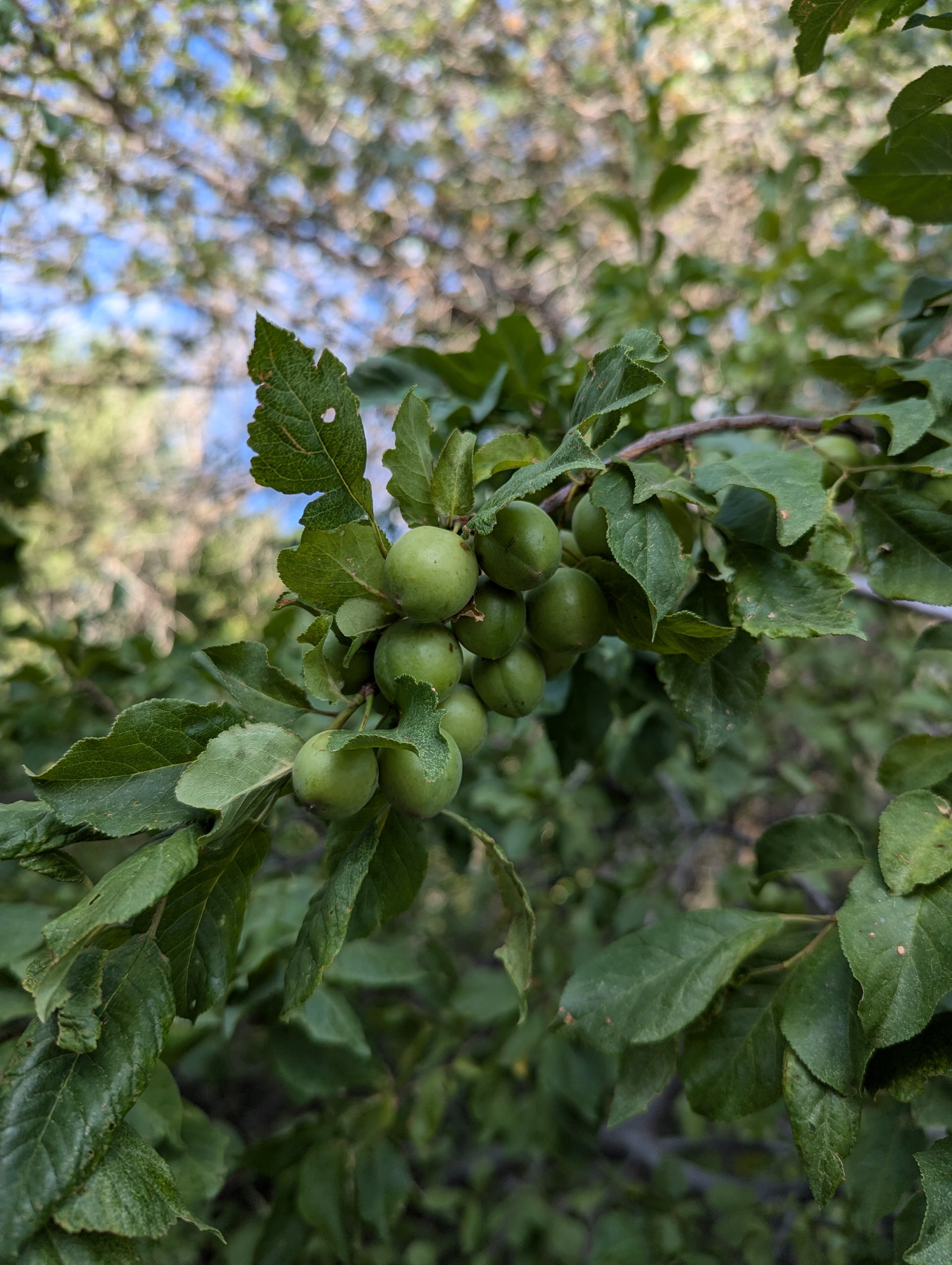
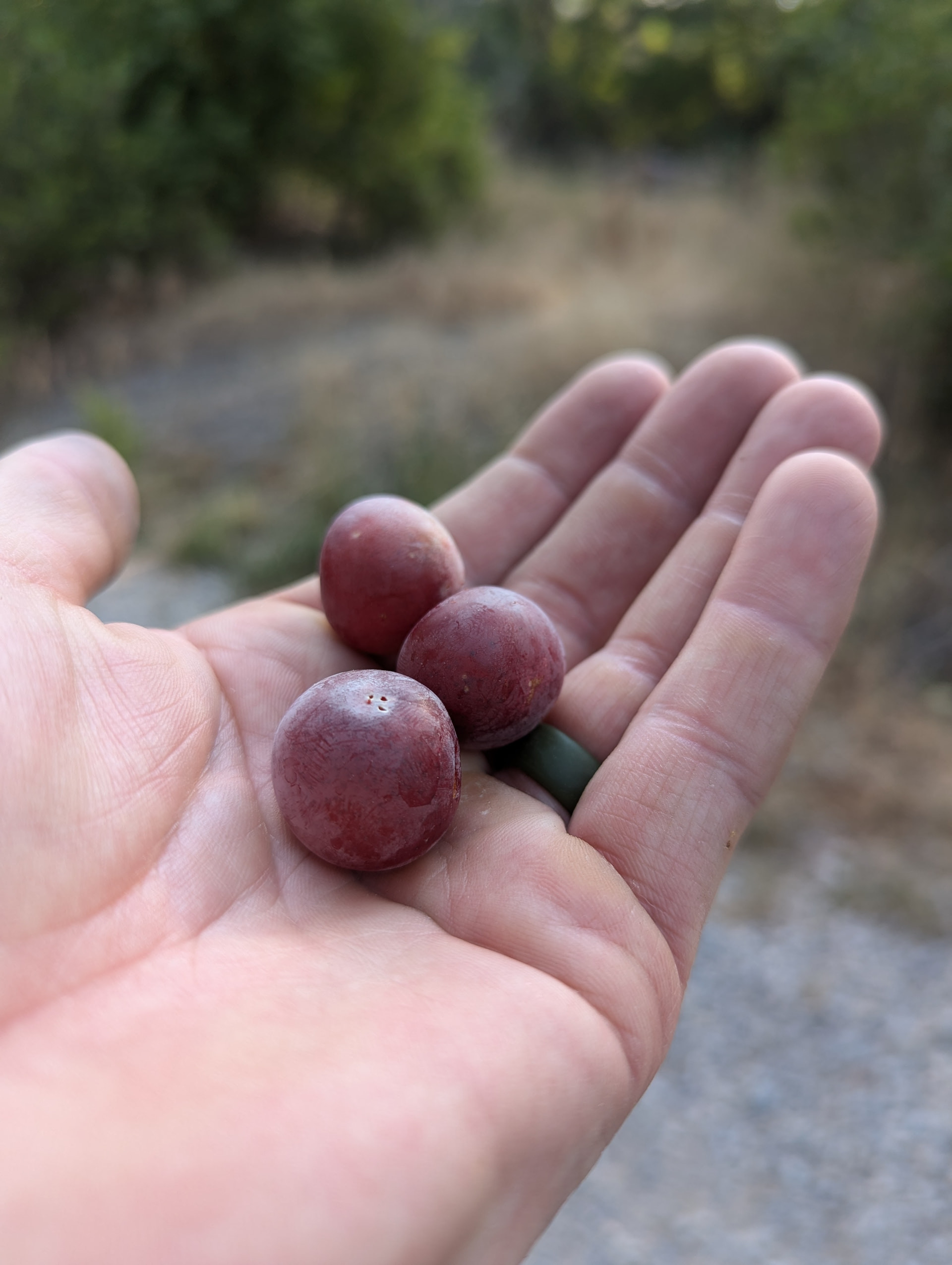
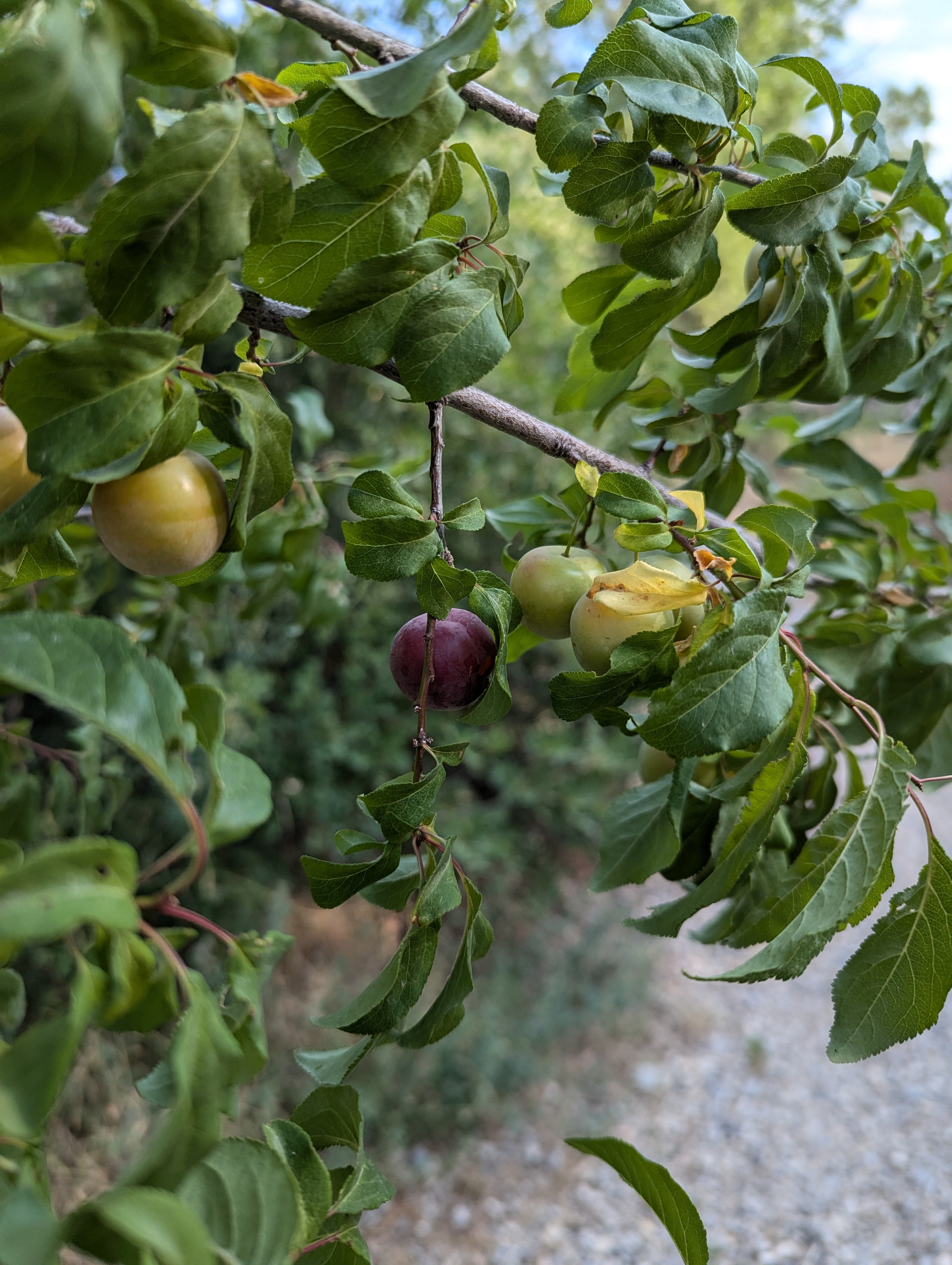
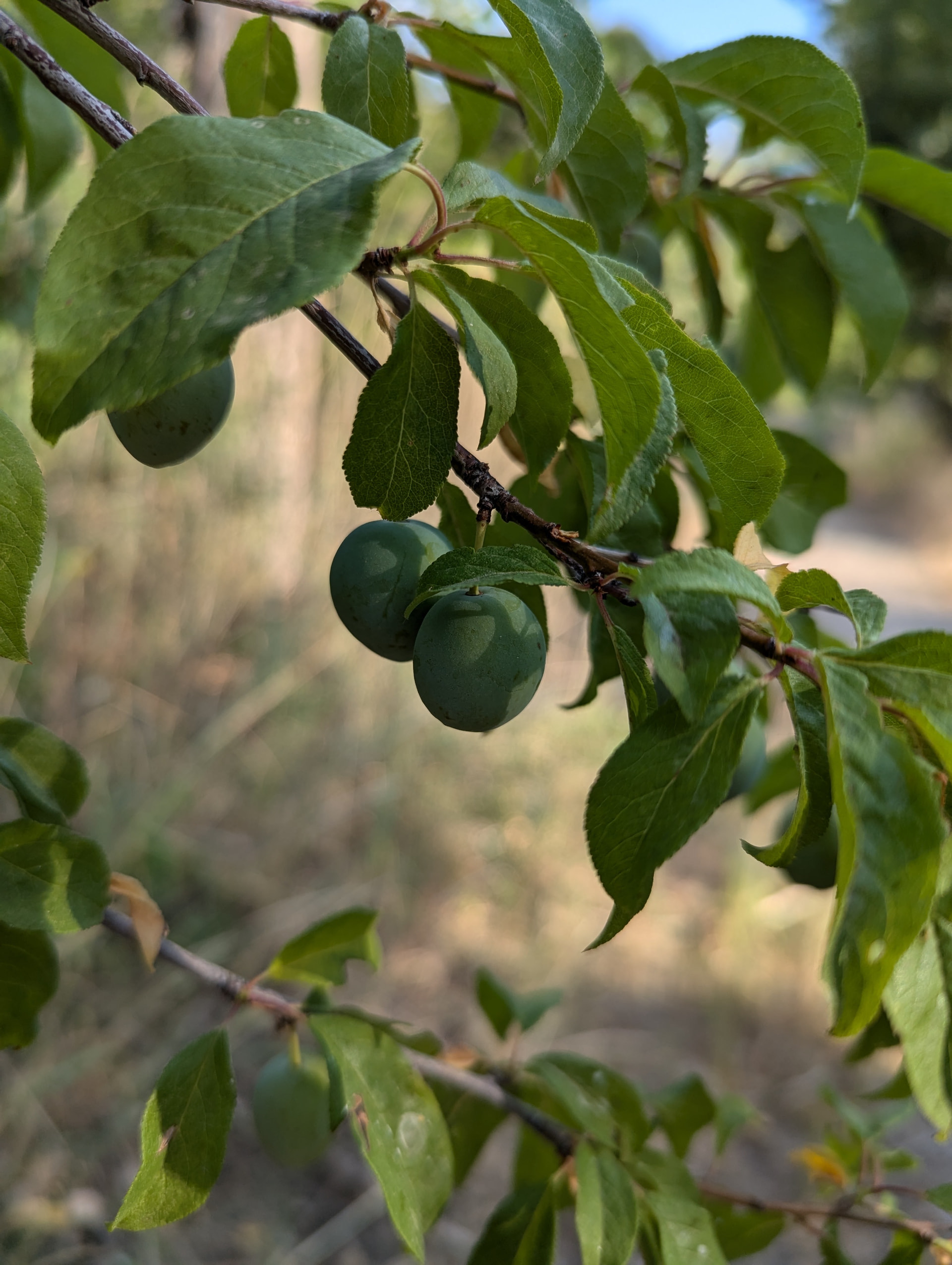
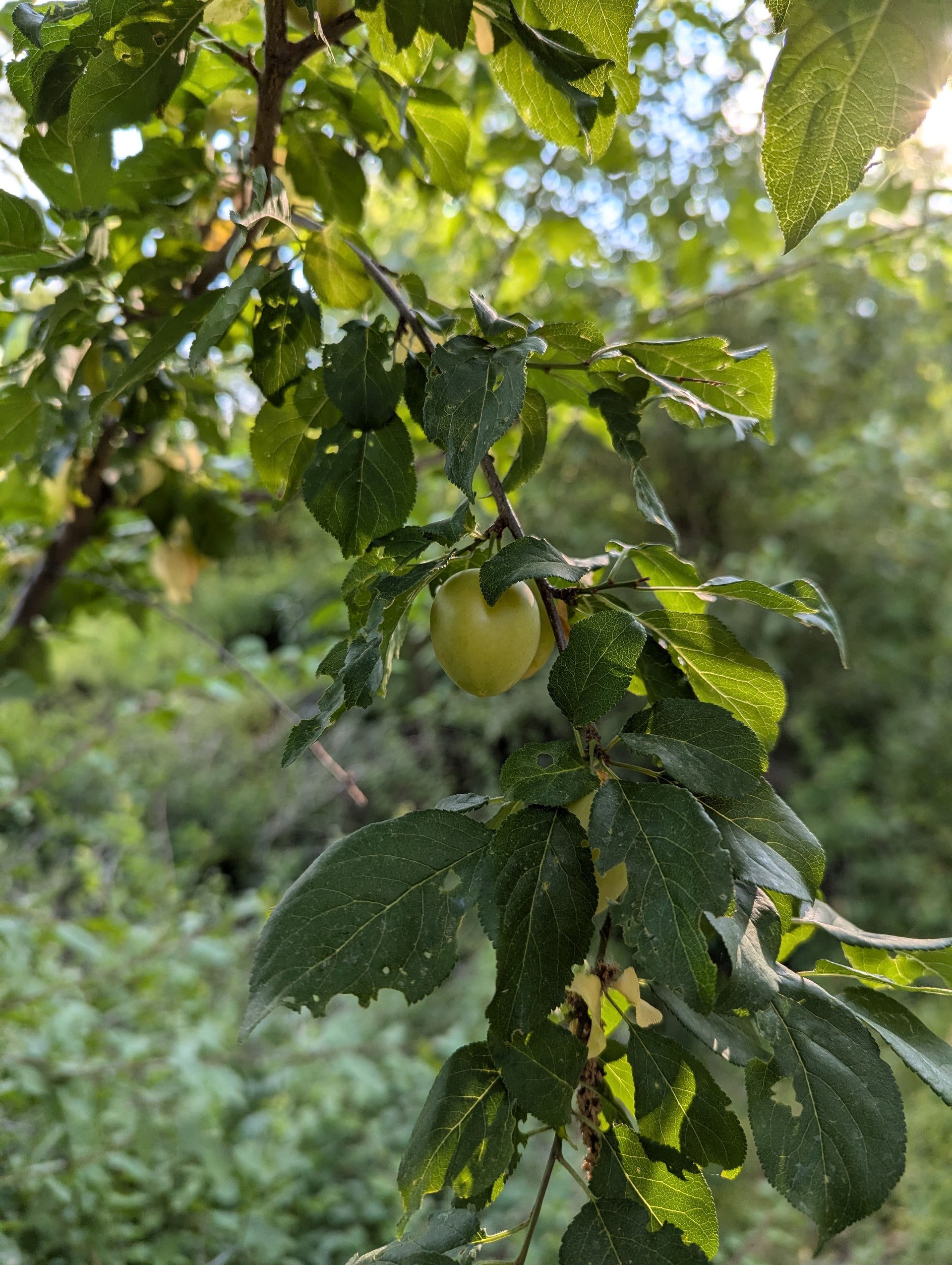
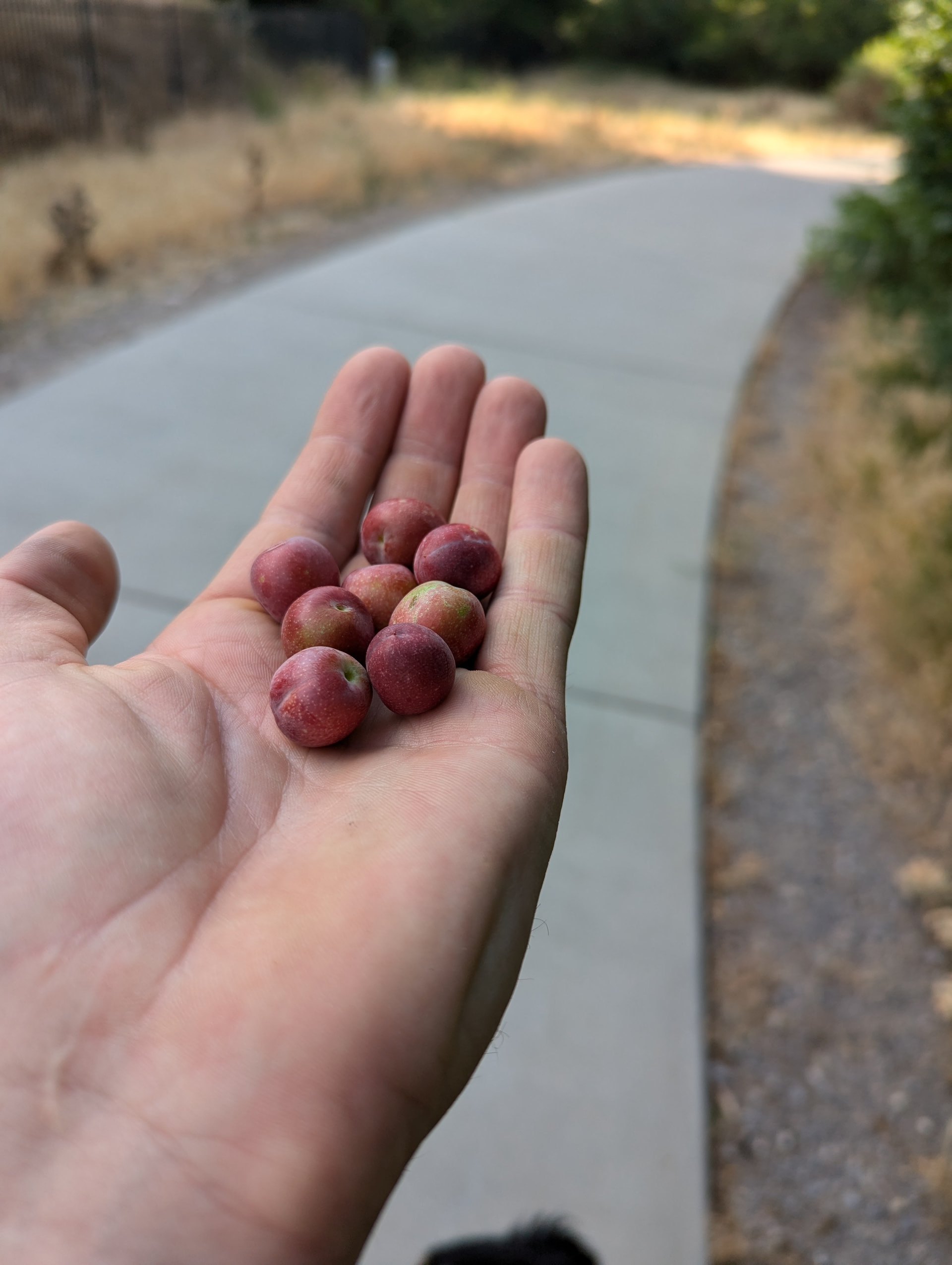
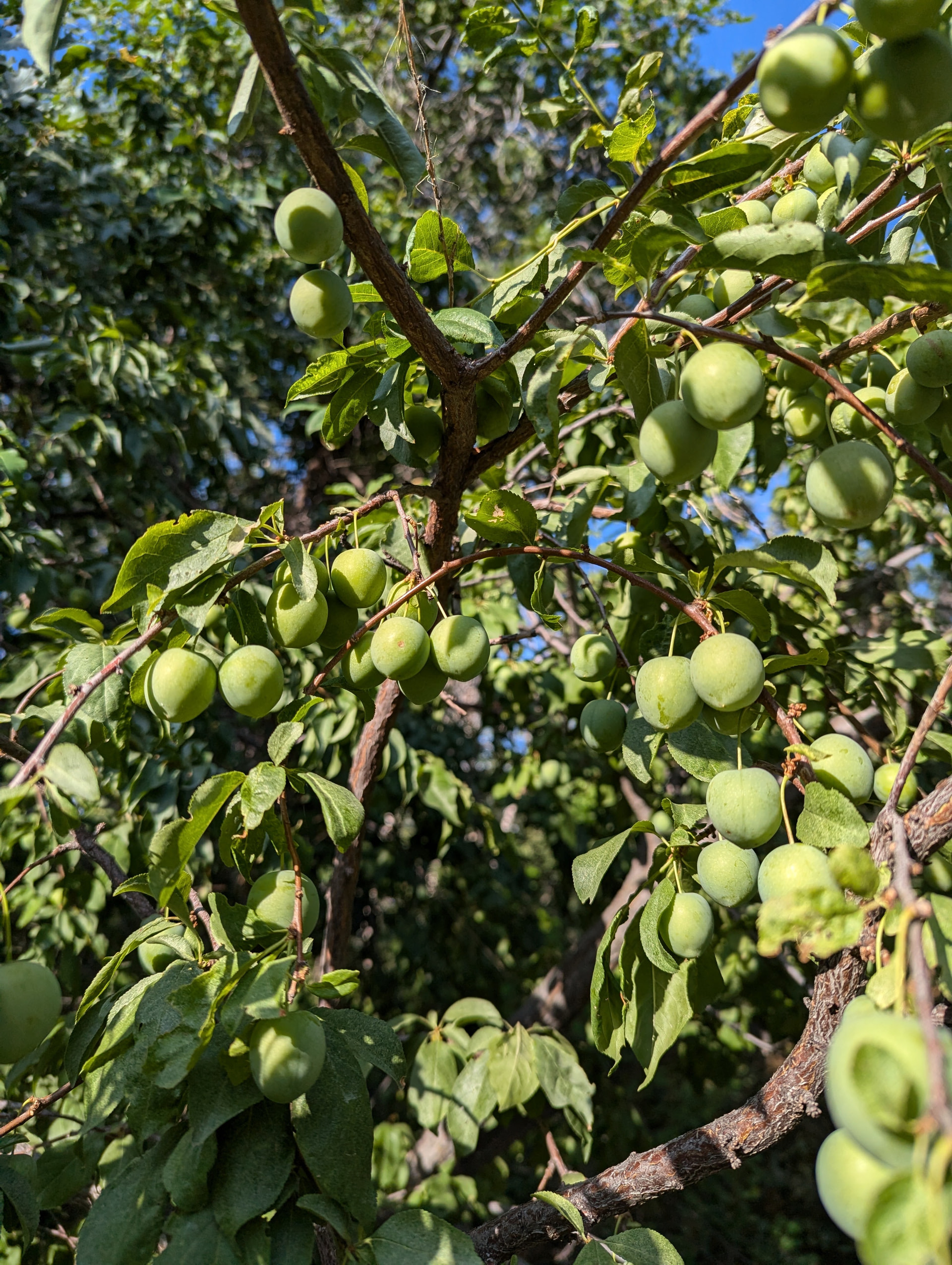
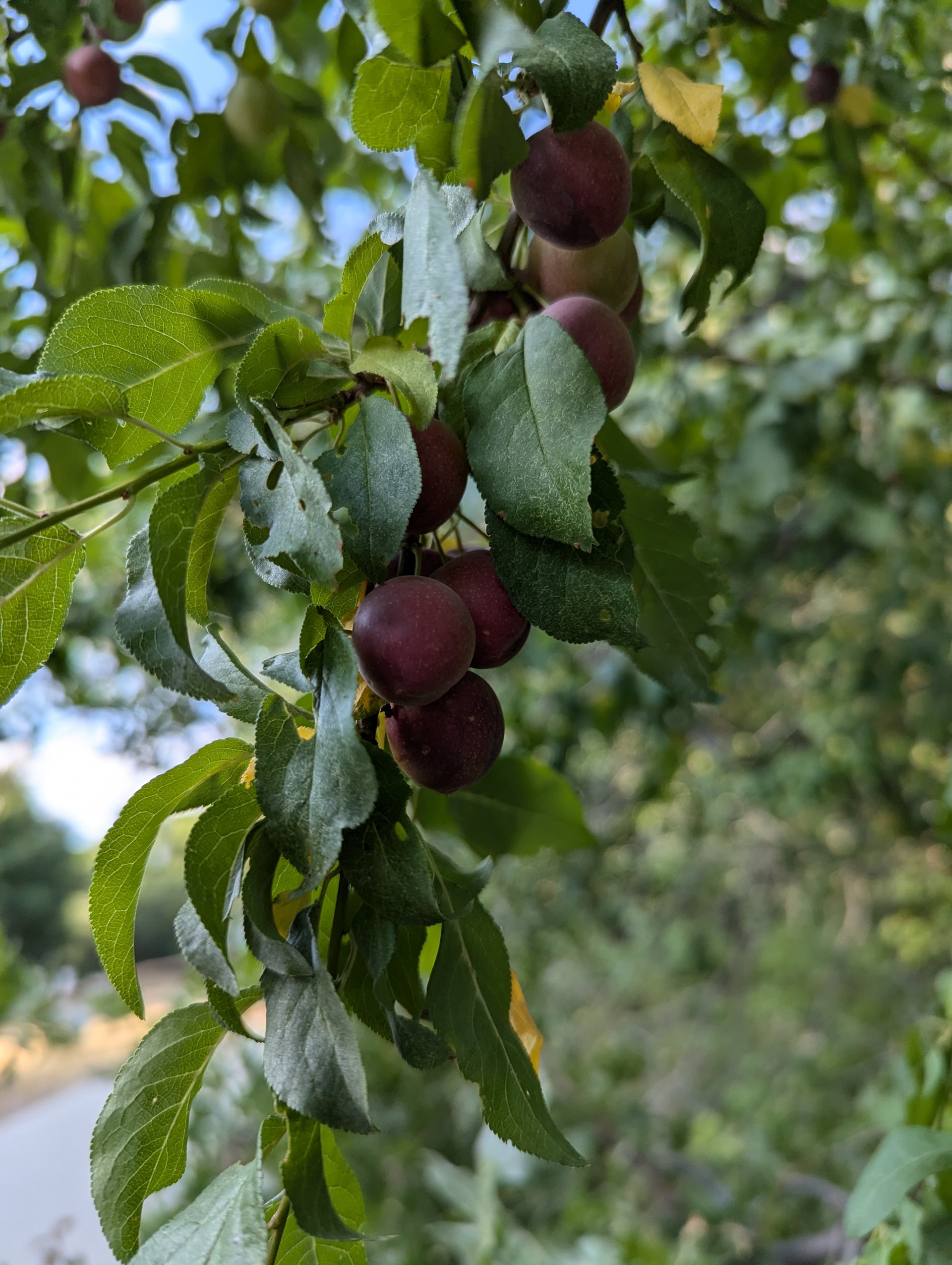
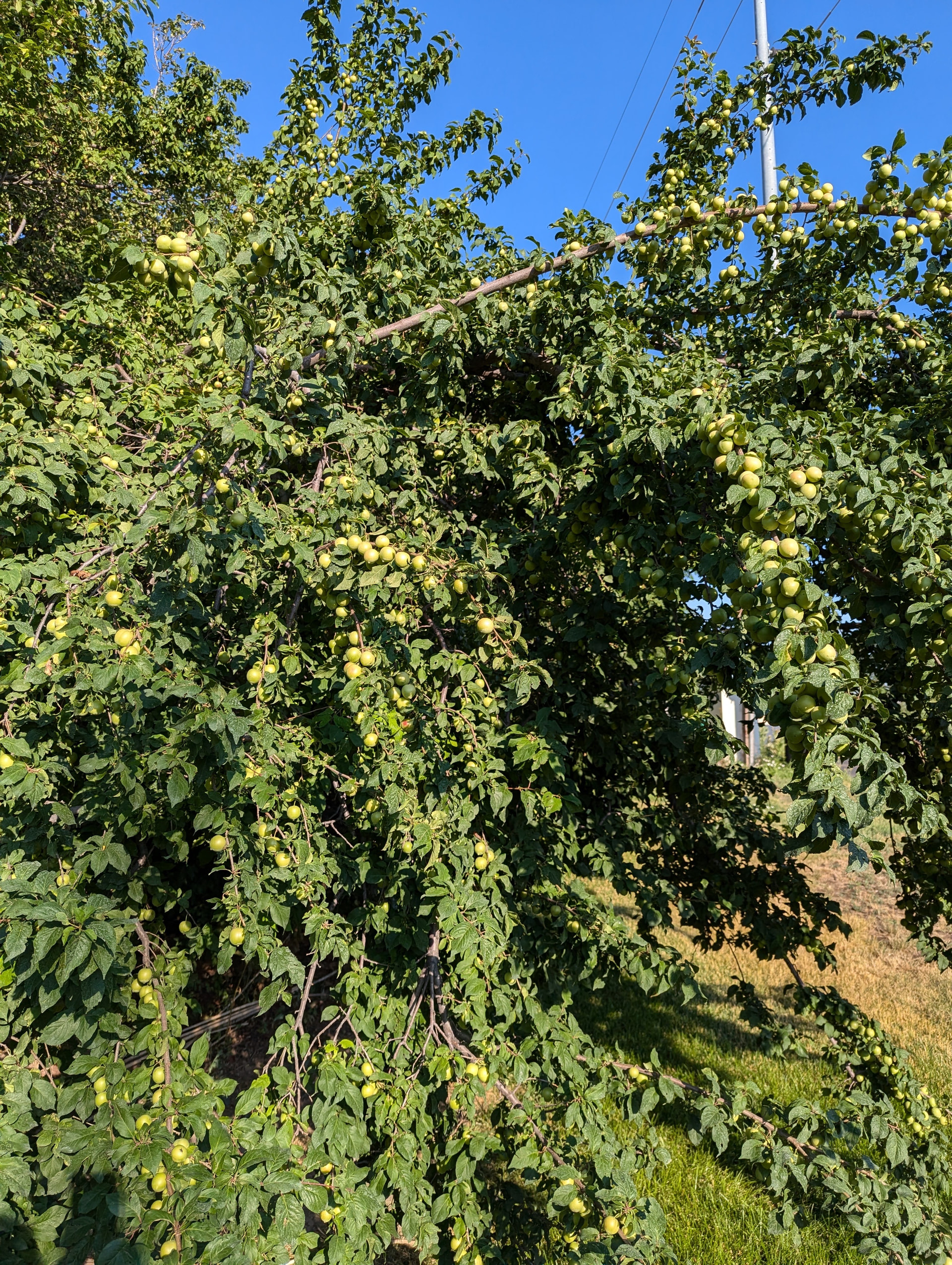
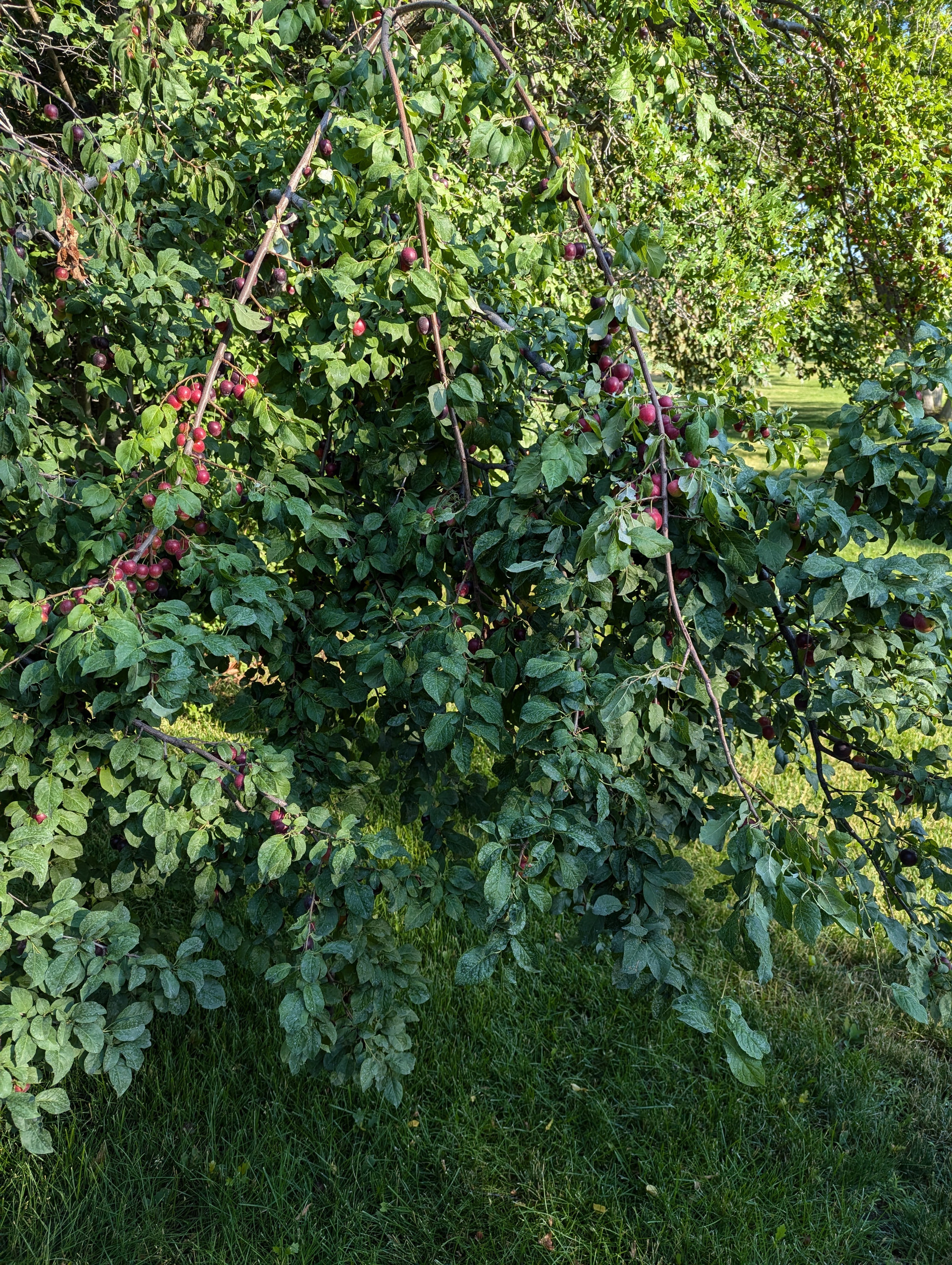
Within are hundreds of plum trees, some Japanese and some are native American plum species of at least two distinct varieties as well as some hybrids.

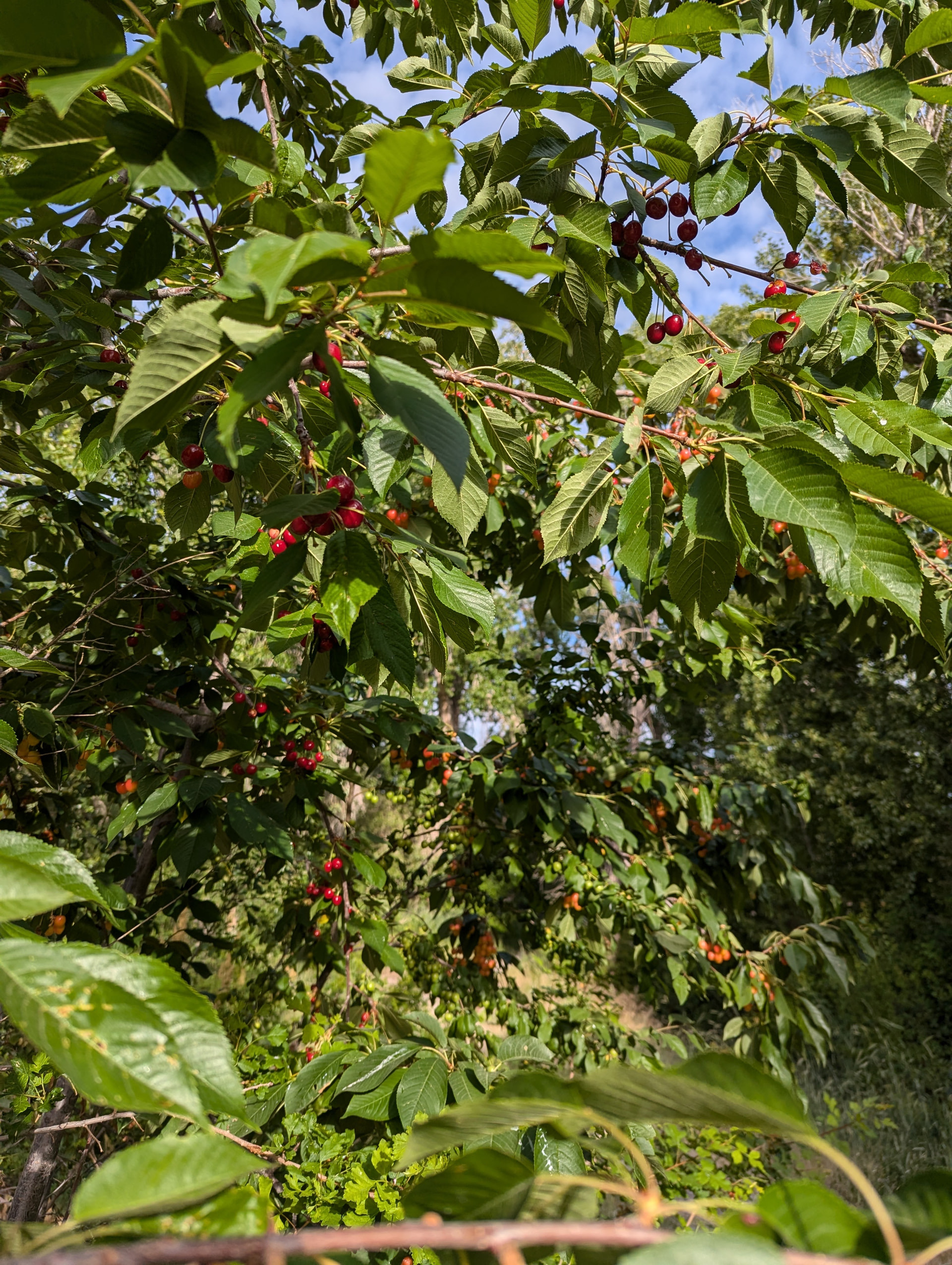
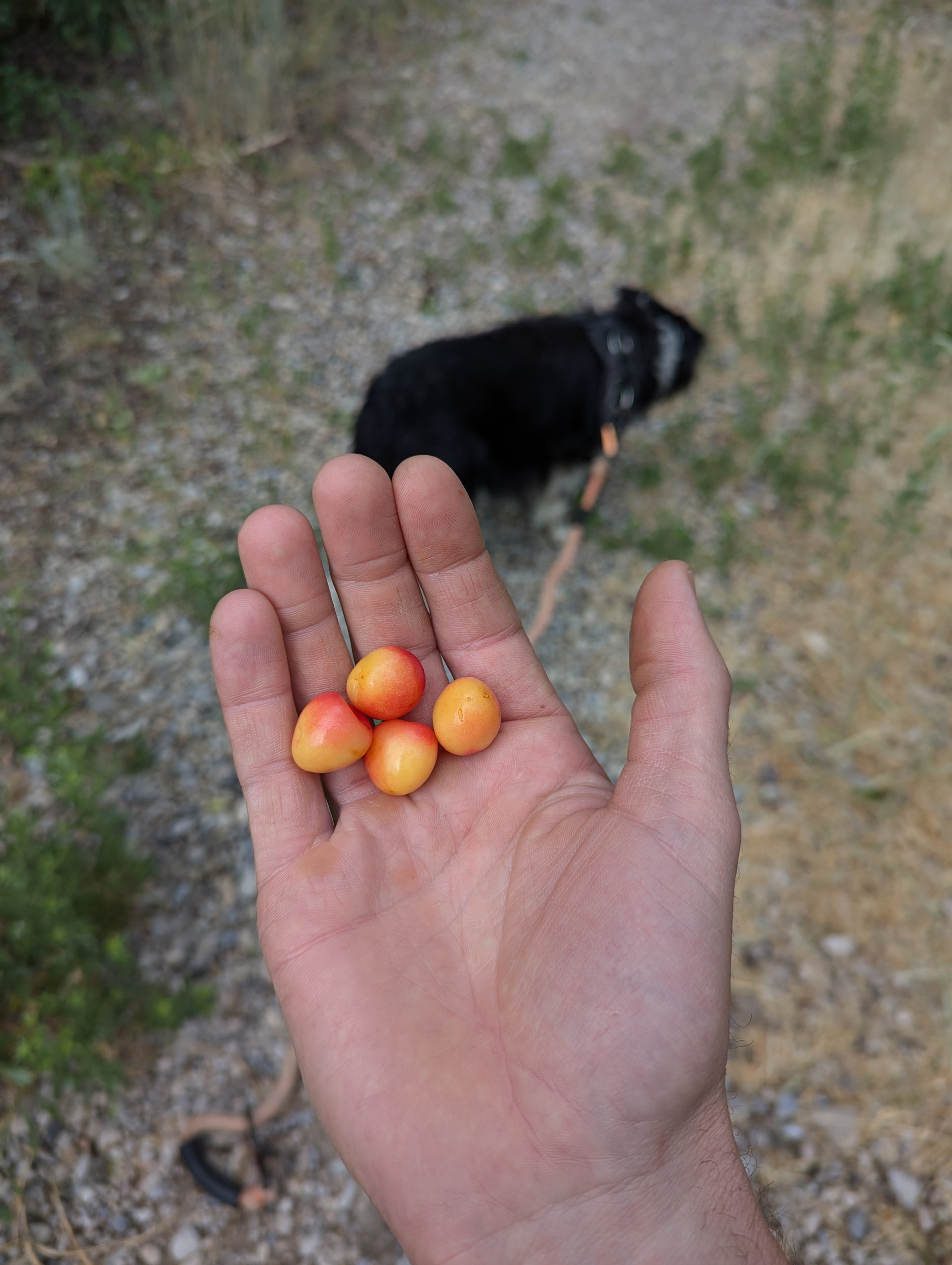
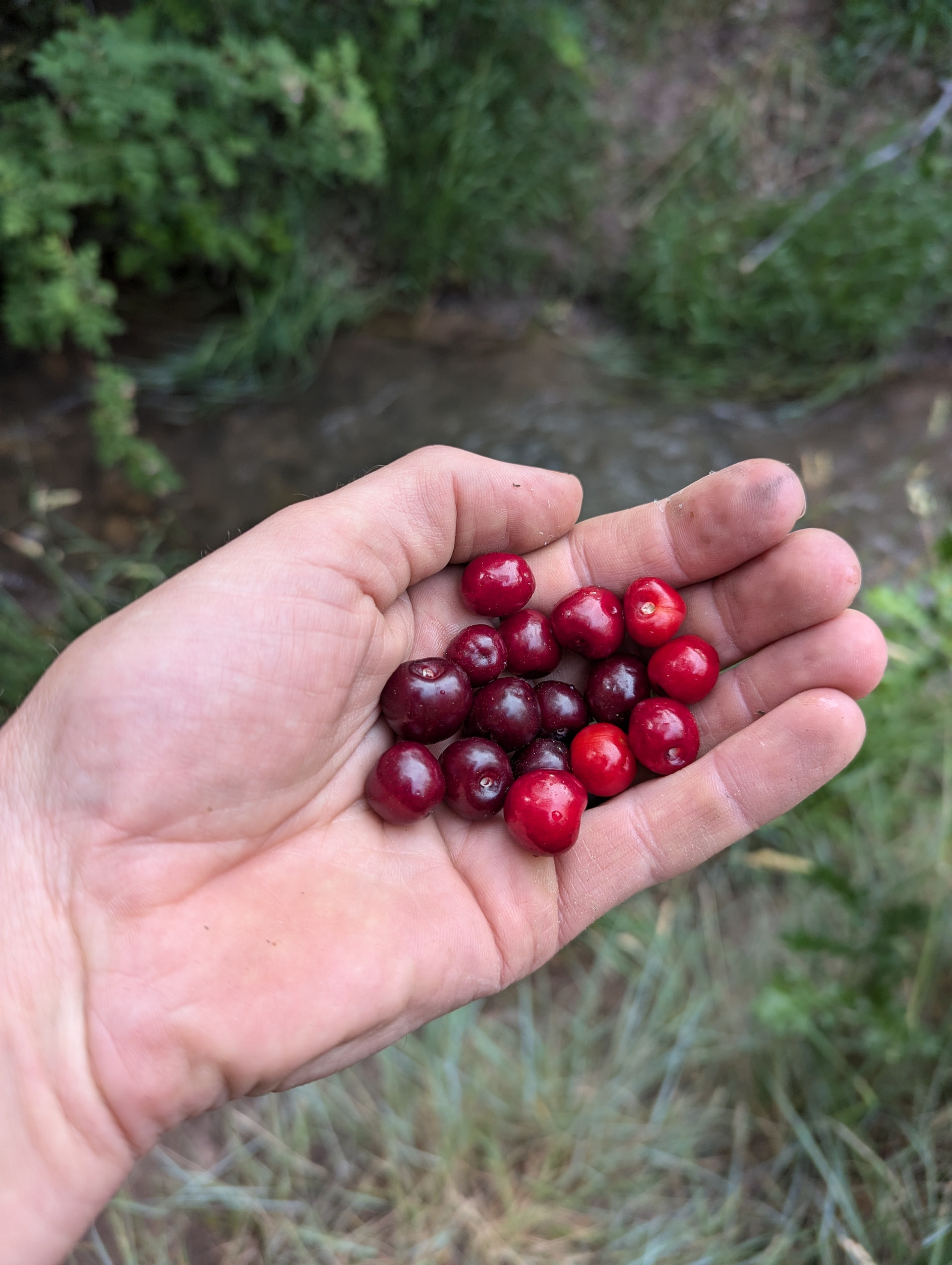
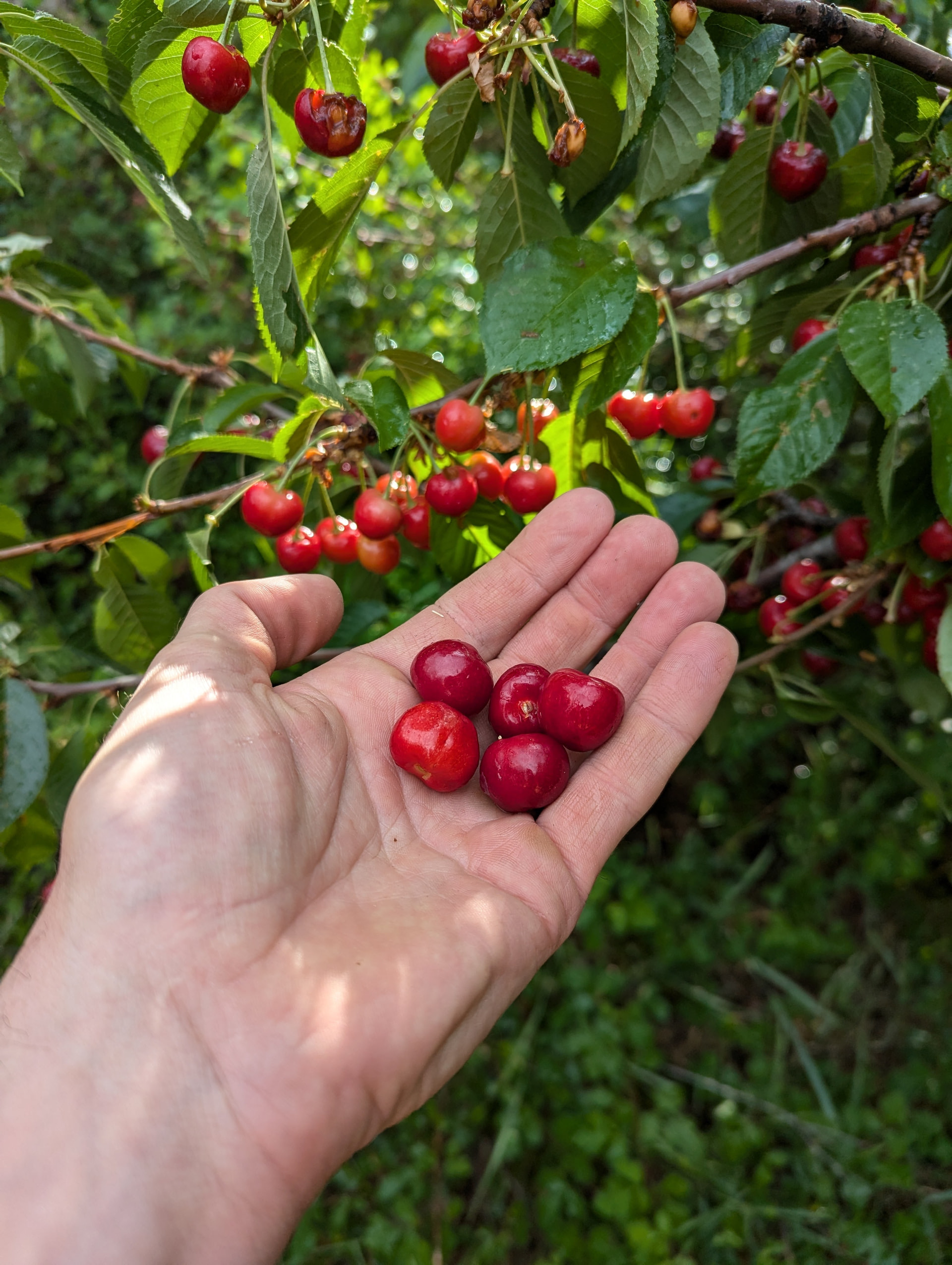
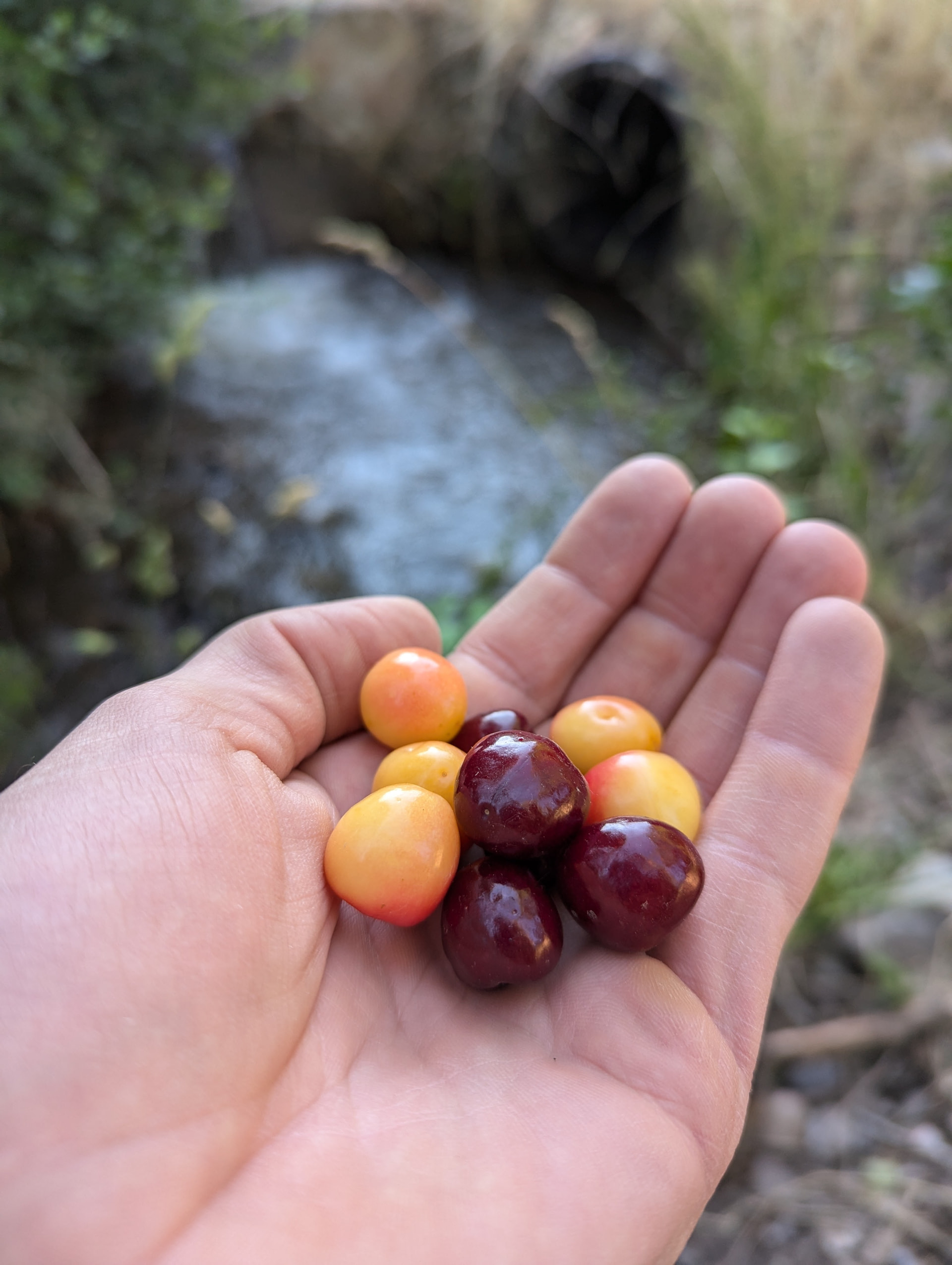
There are also some wildling apples, some old, old timber cherries, and some really delicious volunteer cherries as well.

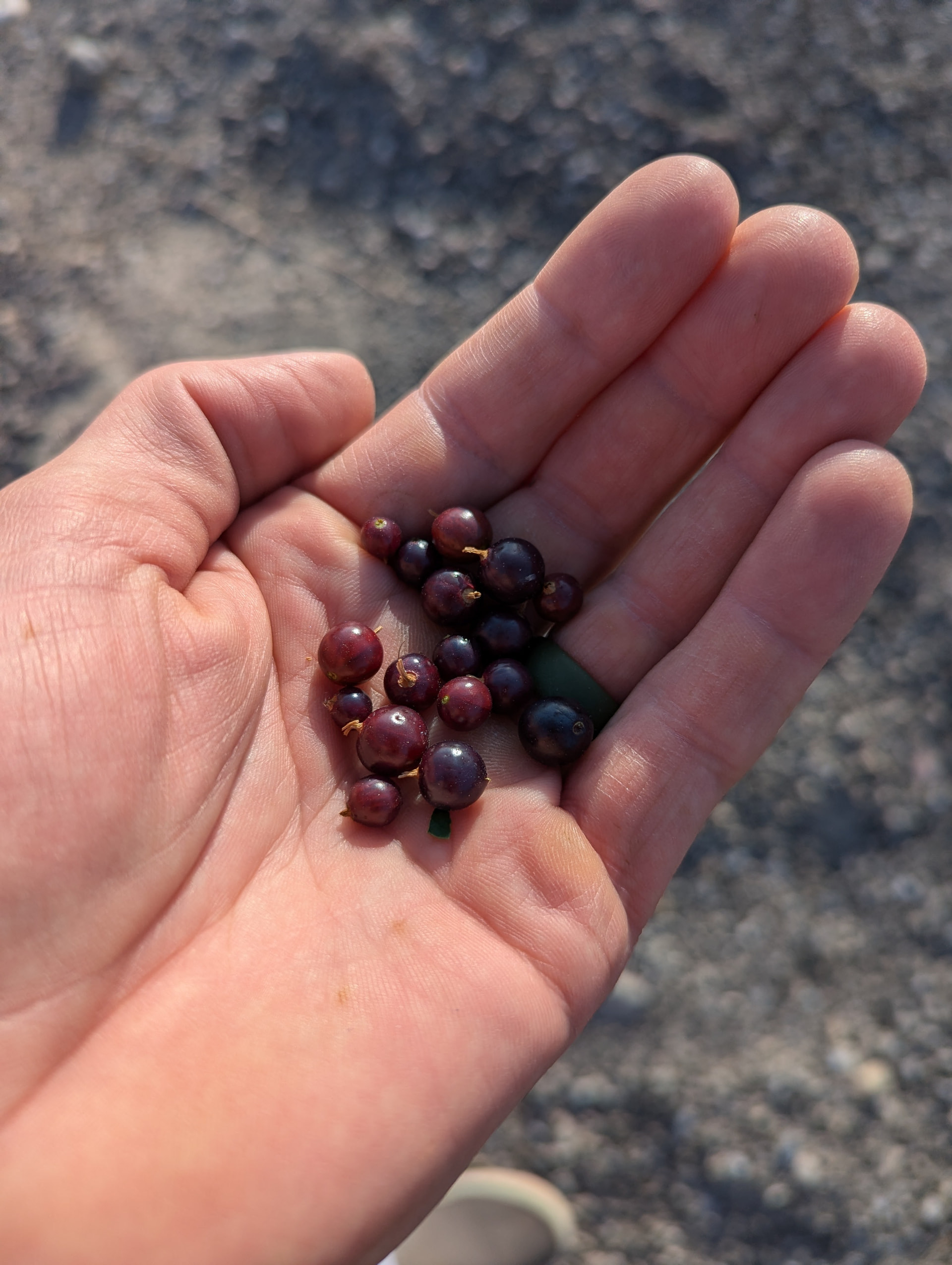
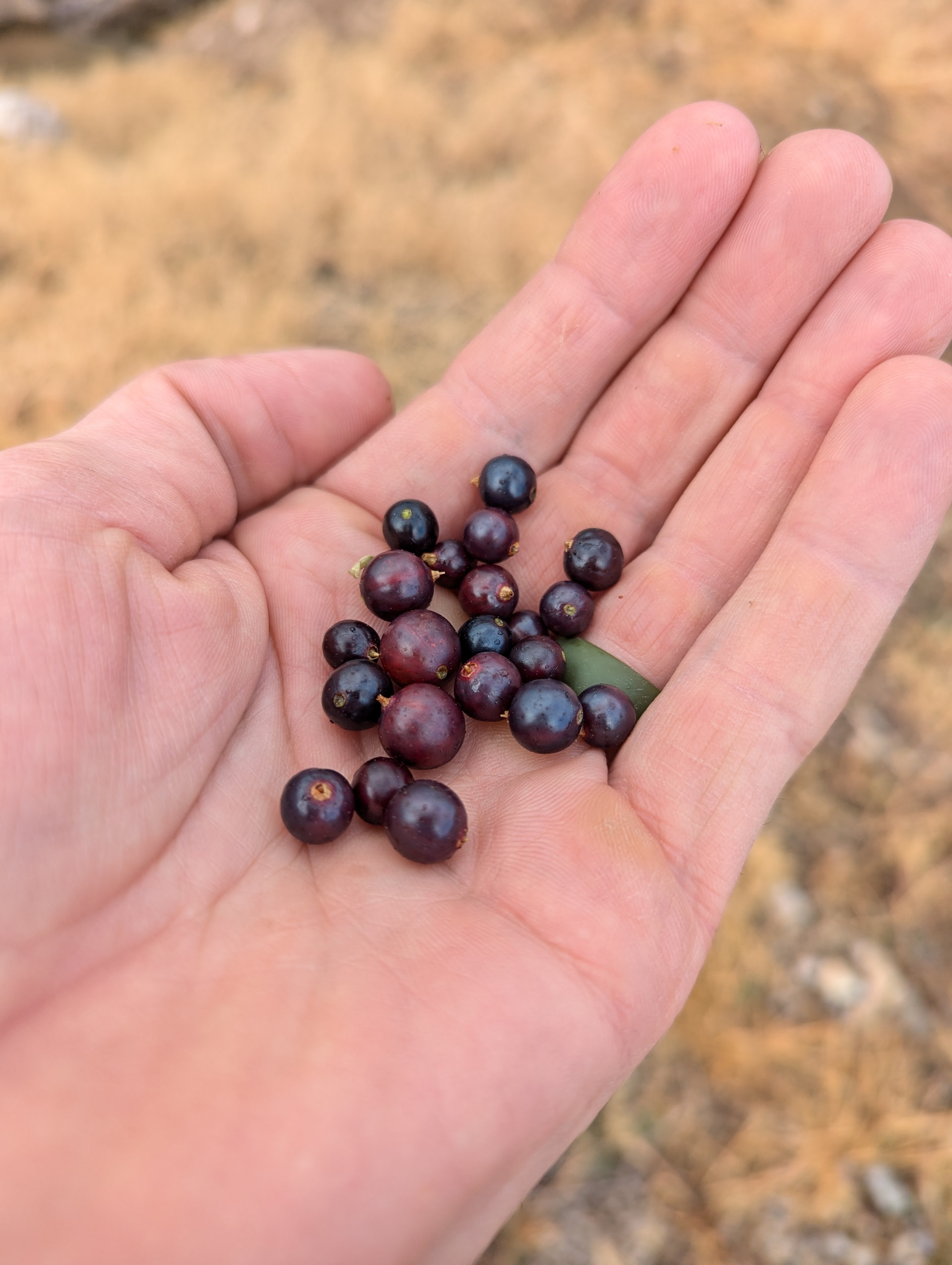
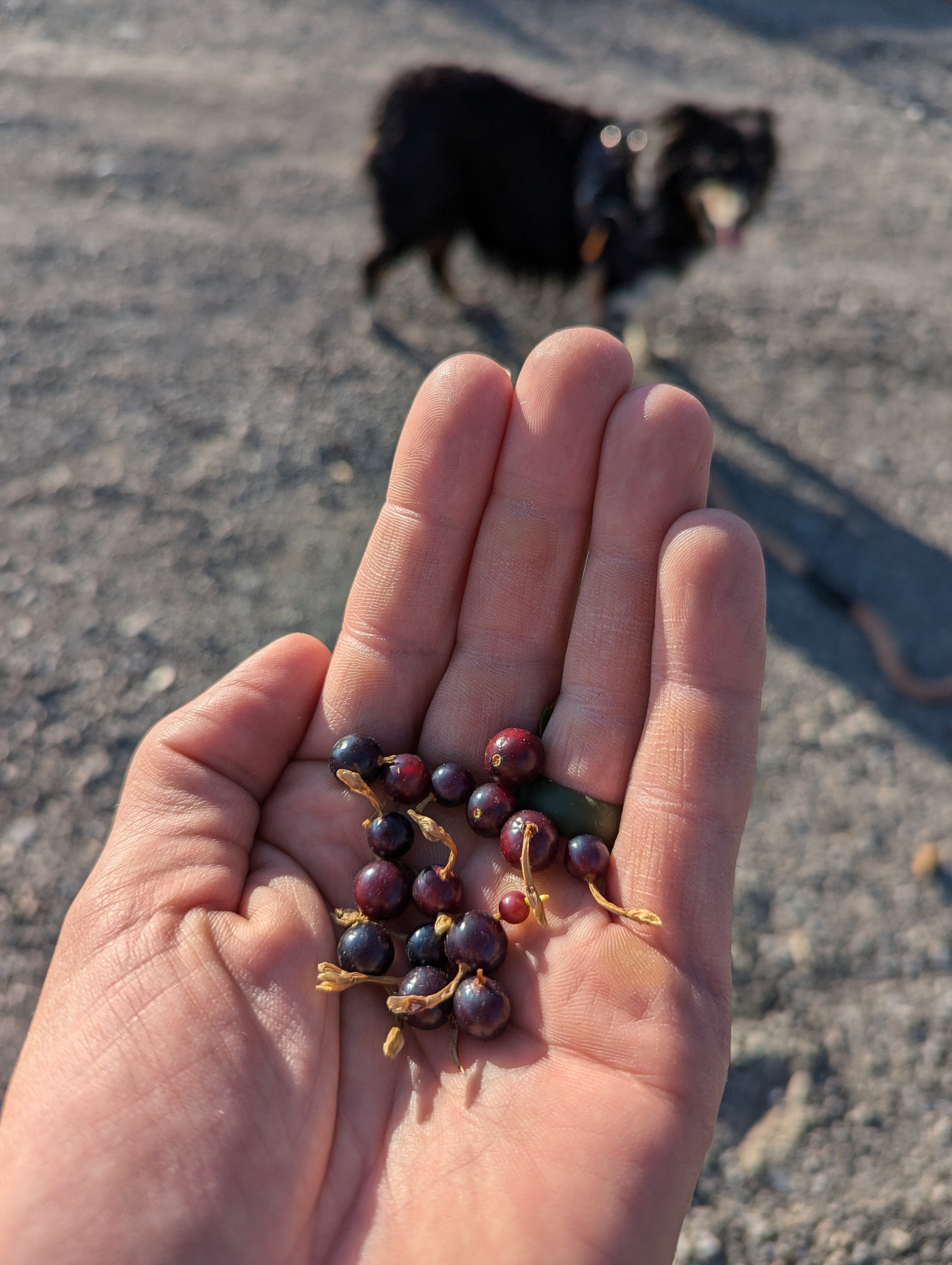
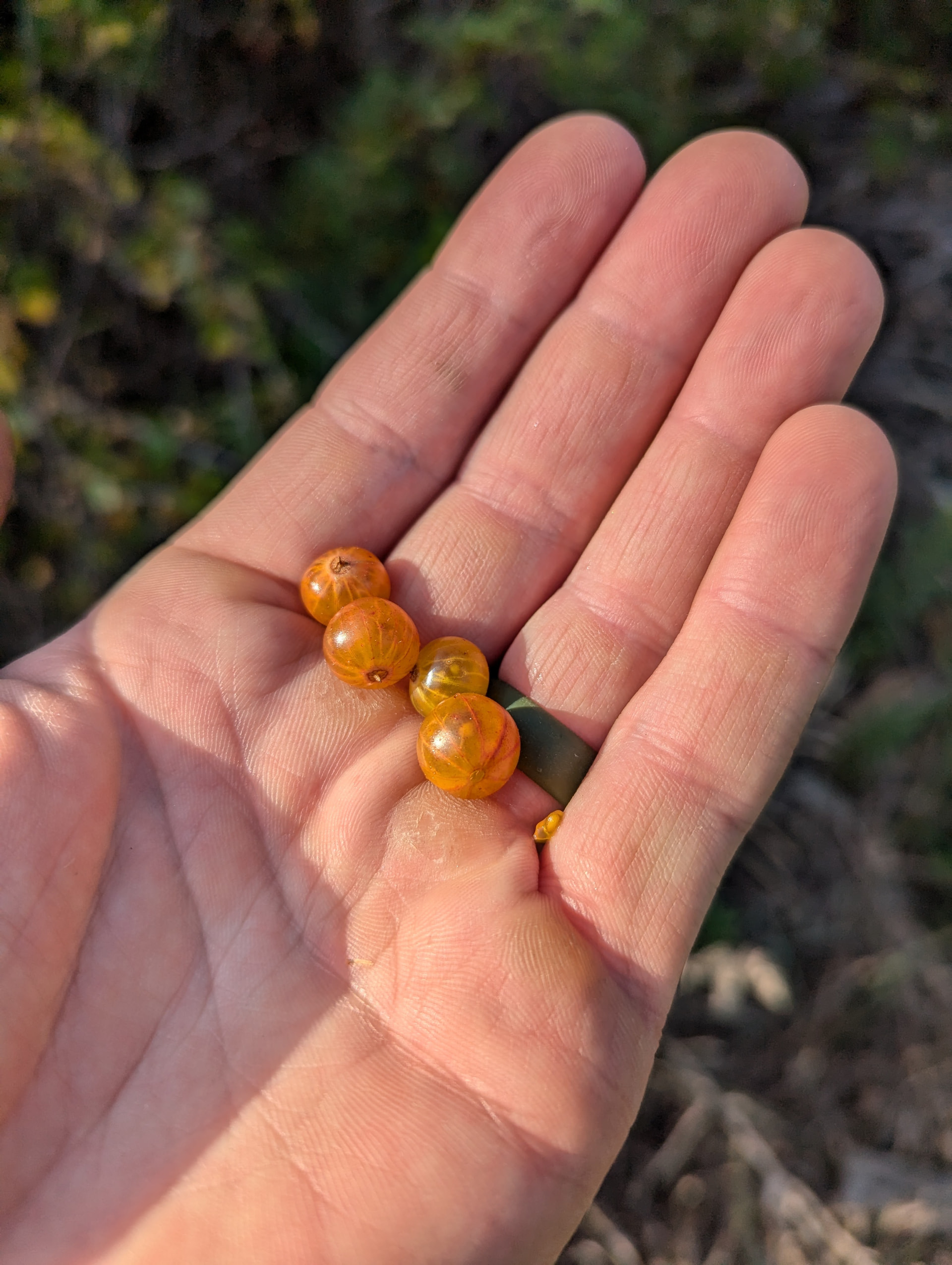
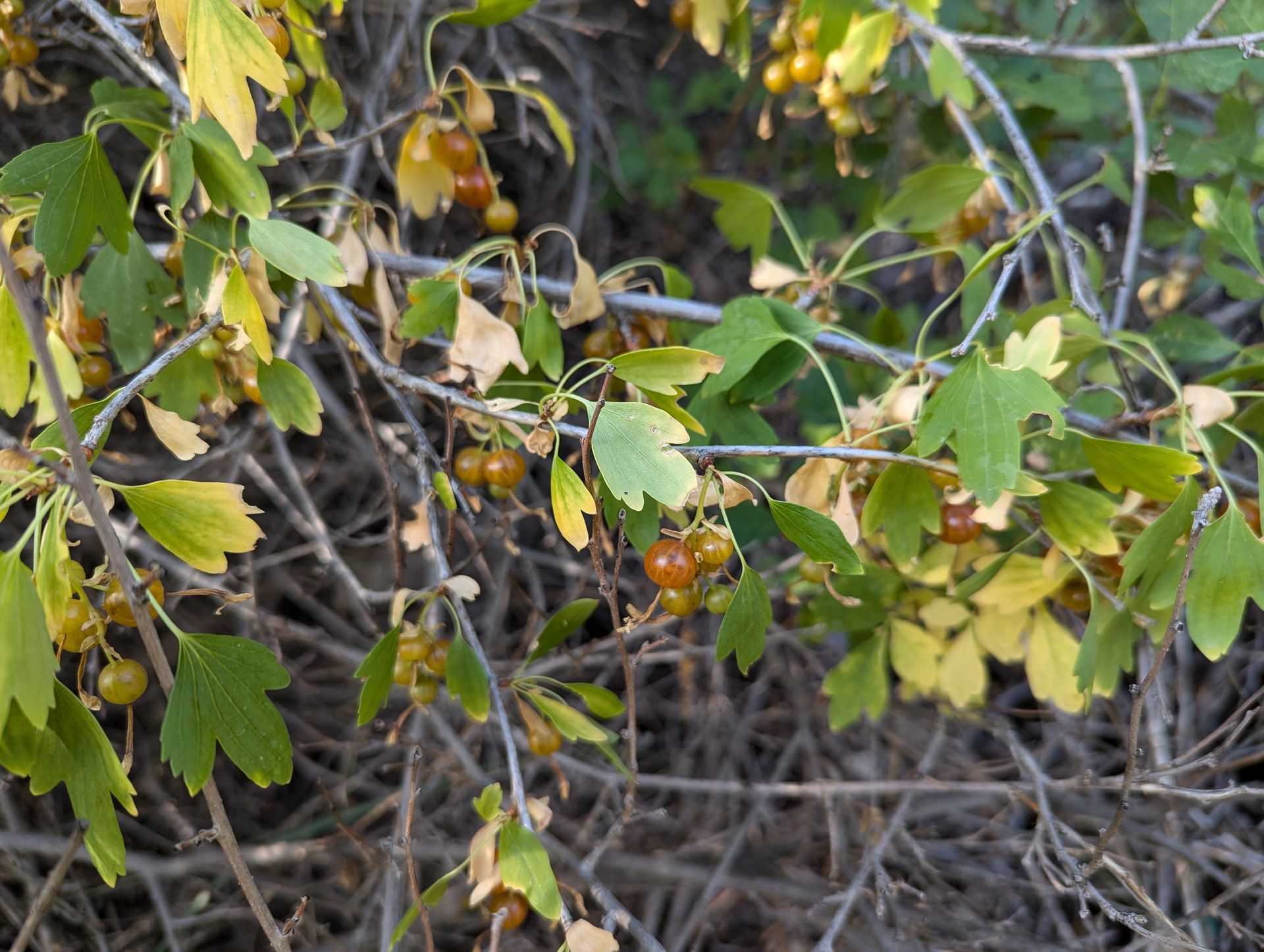
There are also rugosa roses, Golden Currant bushes (including the now famous on this forum Amber Fruited Golden Currant that tastes like spiced apple pie which about a dozen of you have requested starts of), Utah Serviceberry, and a few other marginally edible plants (looking at you, salsify).

I’ve also added around 10 blackberry plants, around 2 dozen strawberries, around a dozen black raspberries, and I’ve planted lots of other stuff from seed as well.

Most of the strawberries and black raspberries are dead, because I we experienced historic drought and heat last year pretty much directly after I planted them.

I’ve got around 60 propagated or seed grown fruiting plants that I’ll be taking over in the spring, and I’m stratifying a bunch of seed right now which will yield dozens if not hundreds of additional plants for next year and the year after.

I’m also working on naturalizing every annual vegetable I grow in this area, and I’ve got plans to bring in dozens of more fruiting species and varieties over the next 5-10 years in order to trial, select, and propagate locally adapted high-performance varieties to share with the world via my (just started getting prepared this fall) nursery business.

When I’m done, there will be thousands of pounds of fruit available to my community among beautiful trails, and I’ll have developed some unique and special offerings tailored to my region.

I’ll post pictures and developments as I feel like it and as things progress.
13 Likes

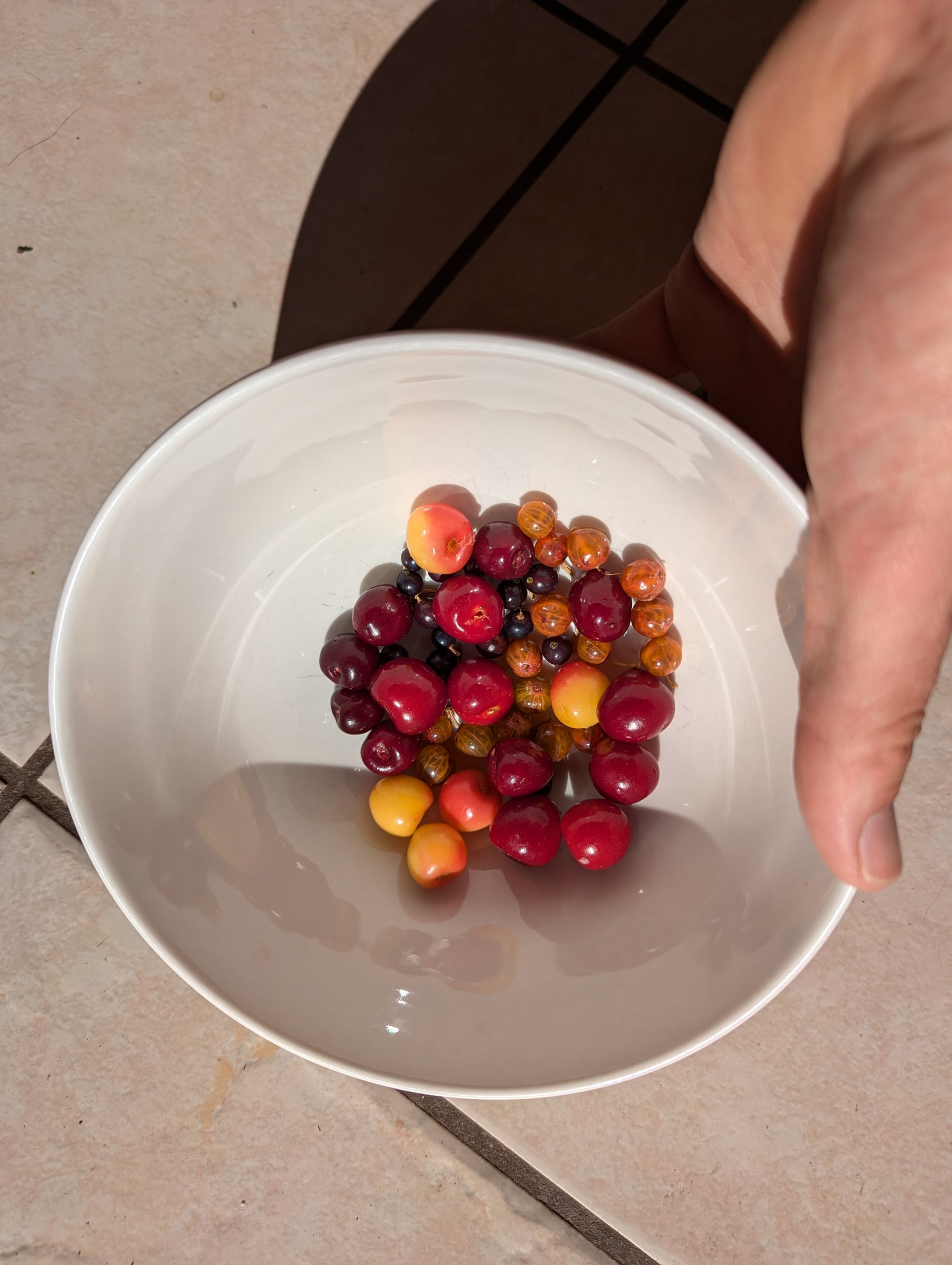
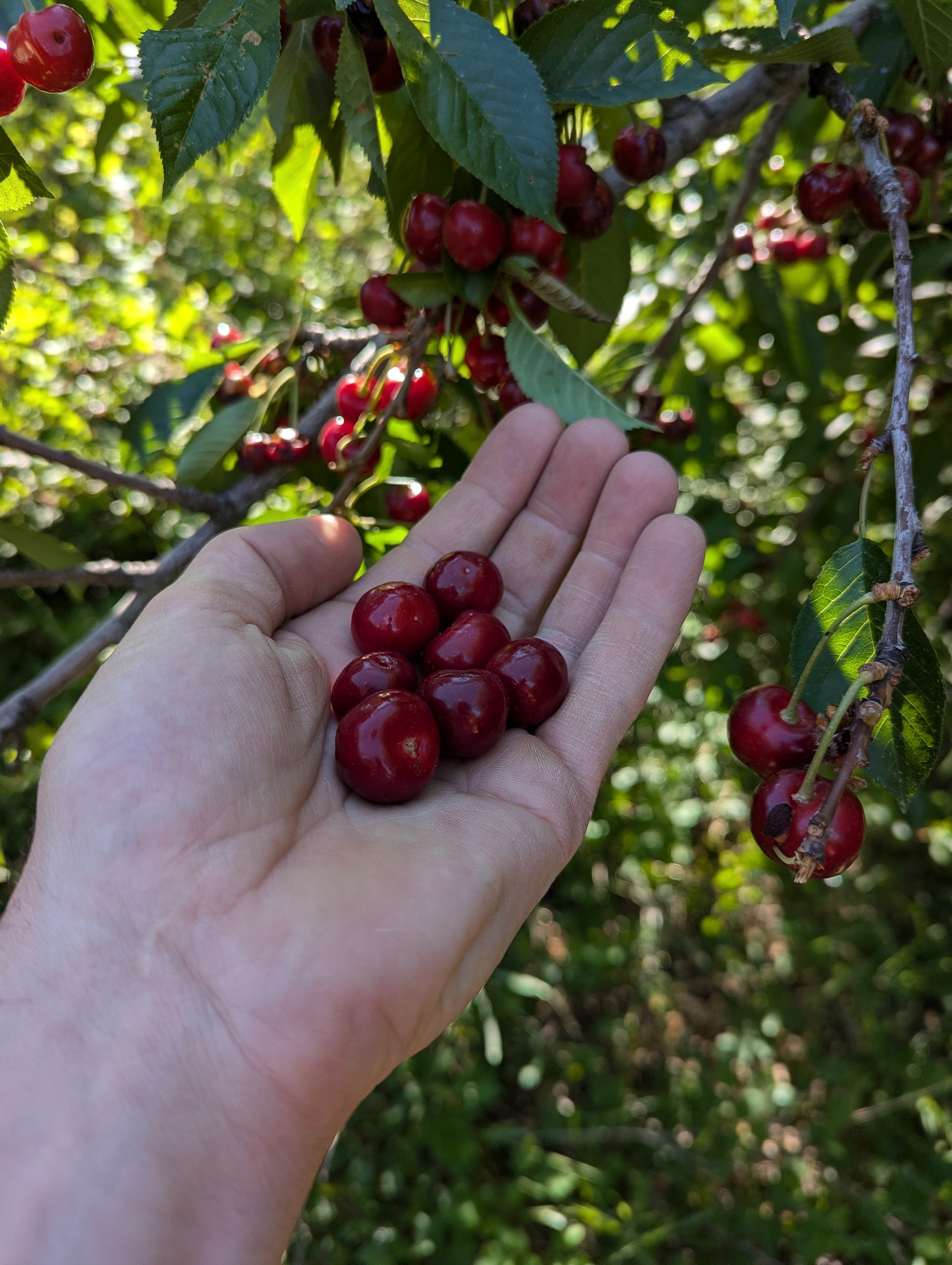
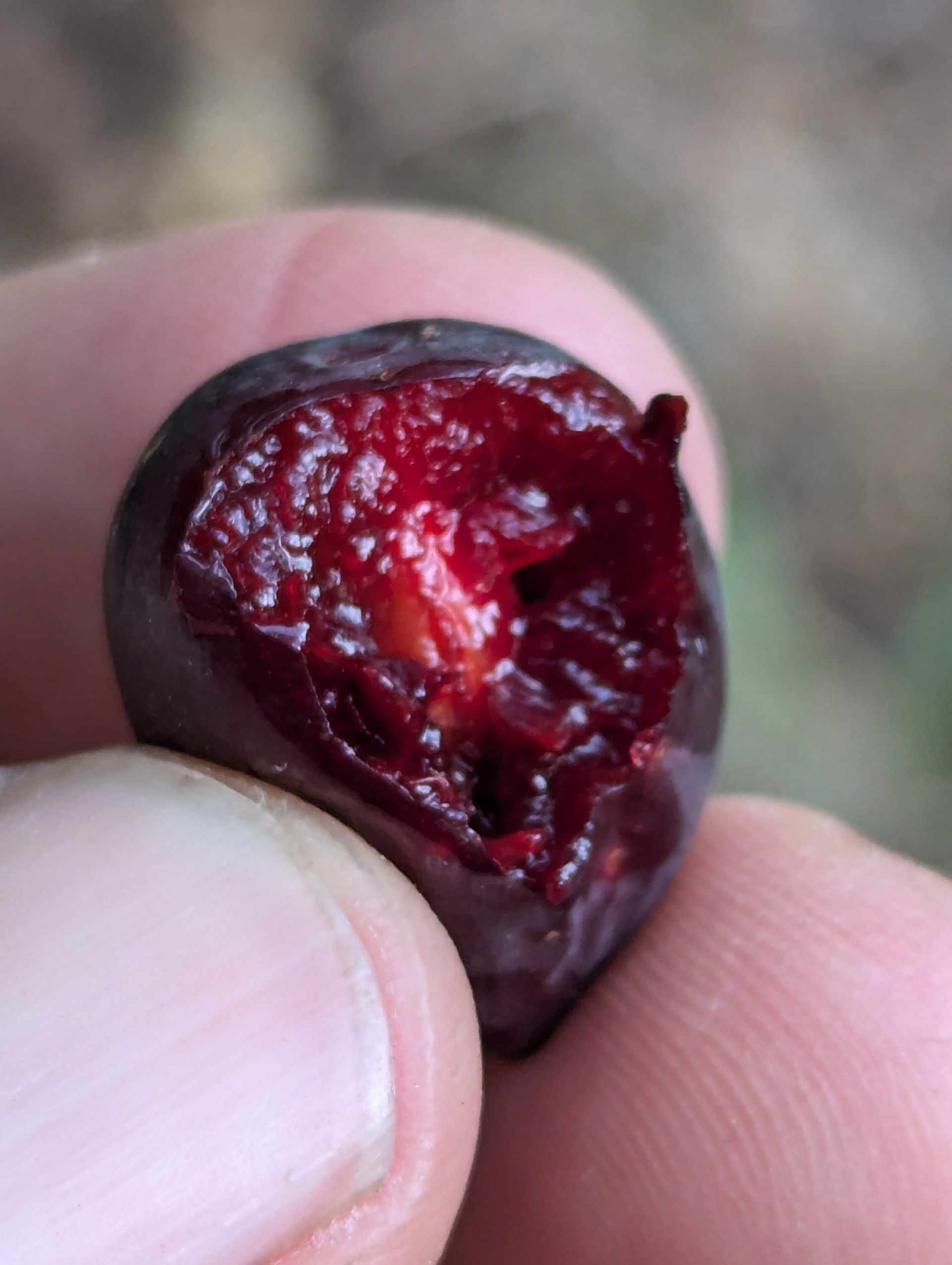
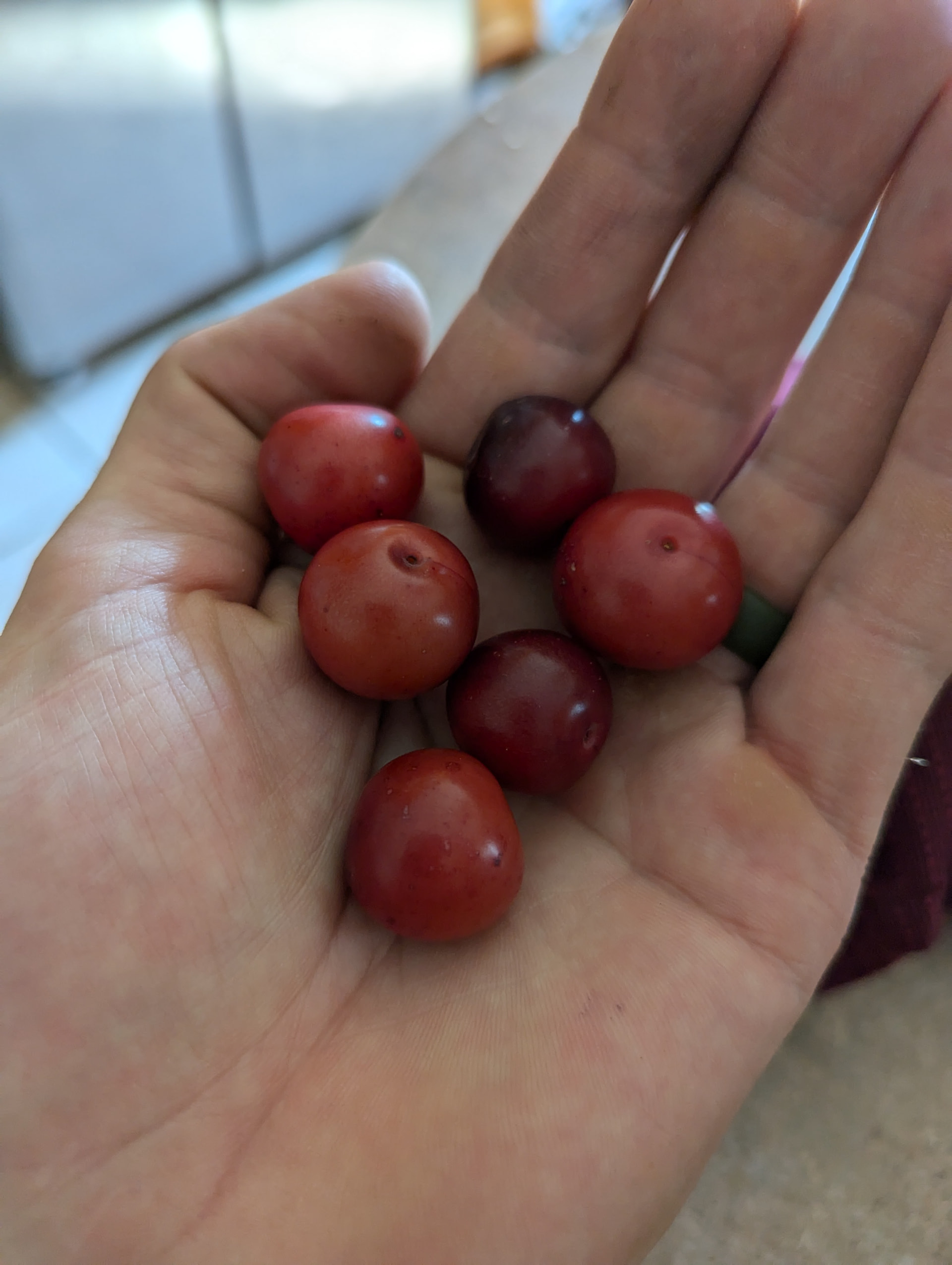
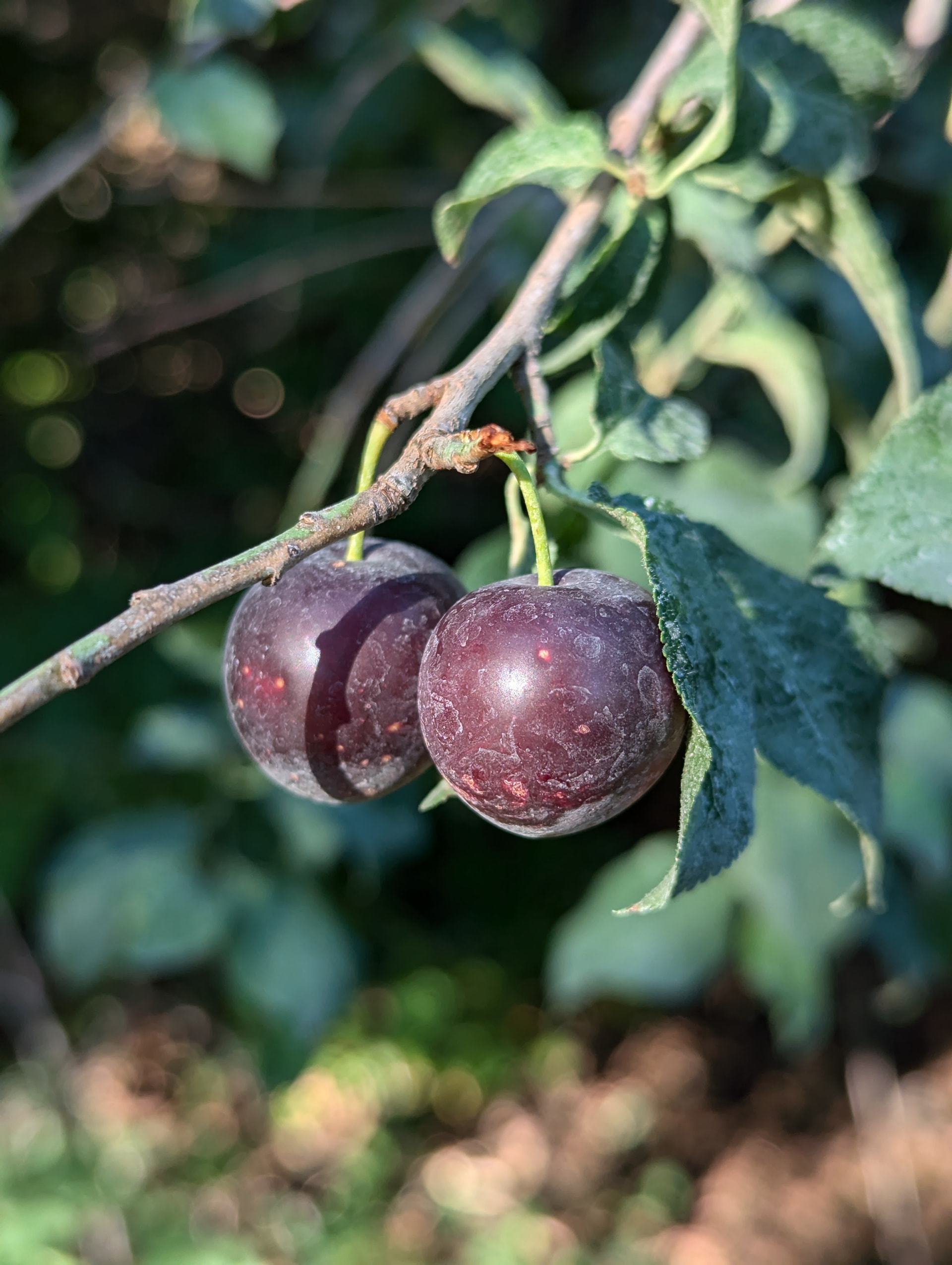
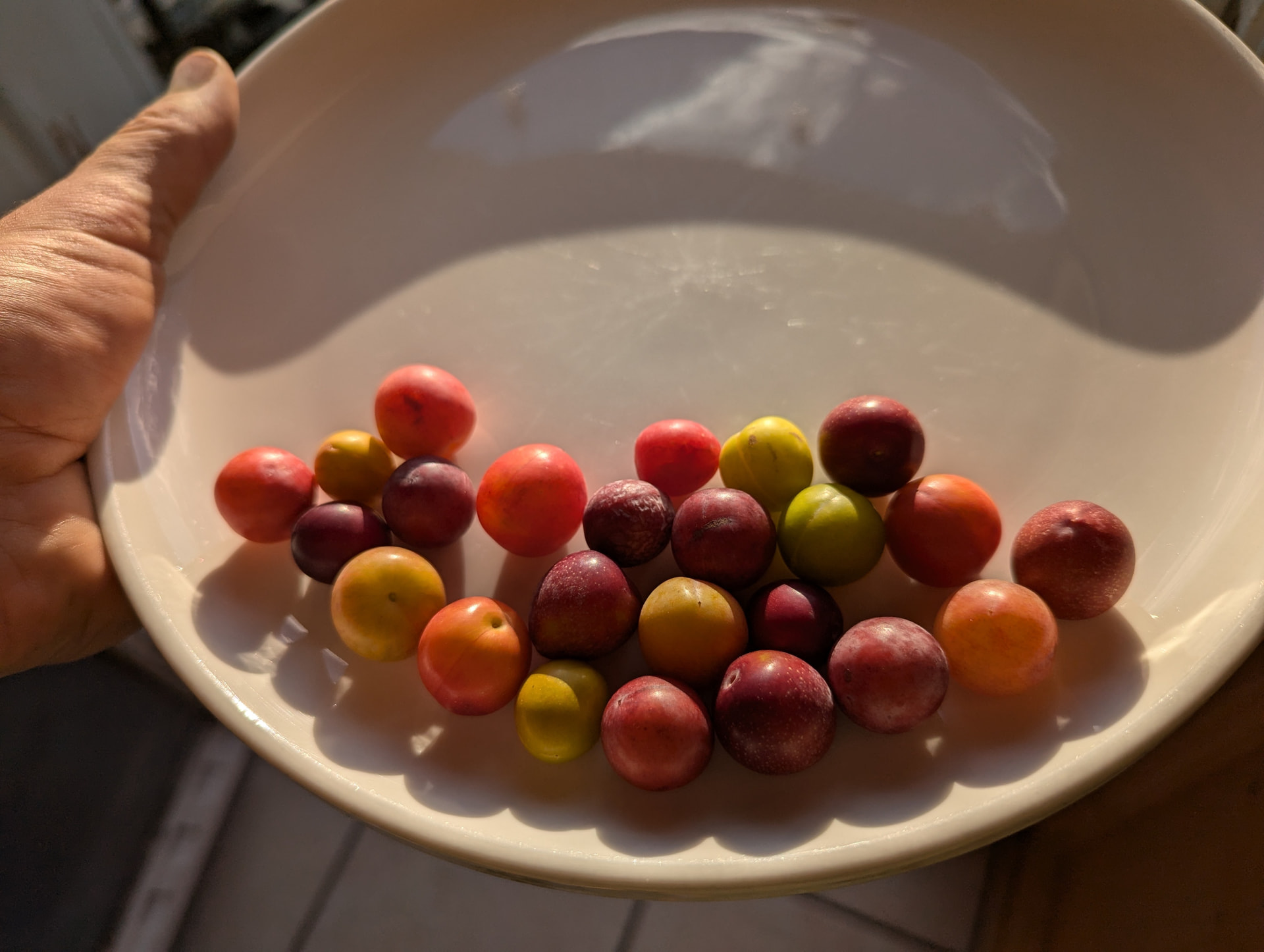
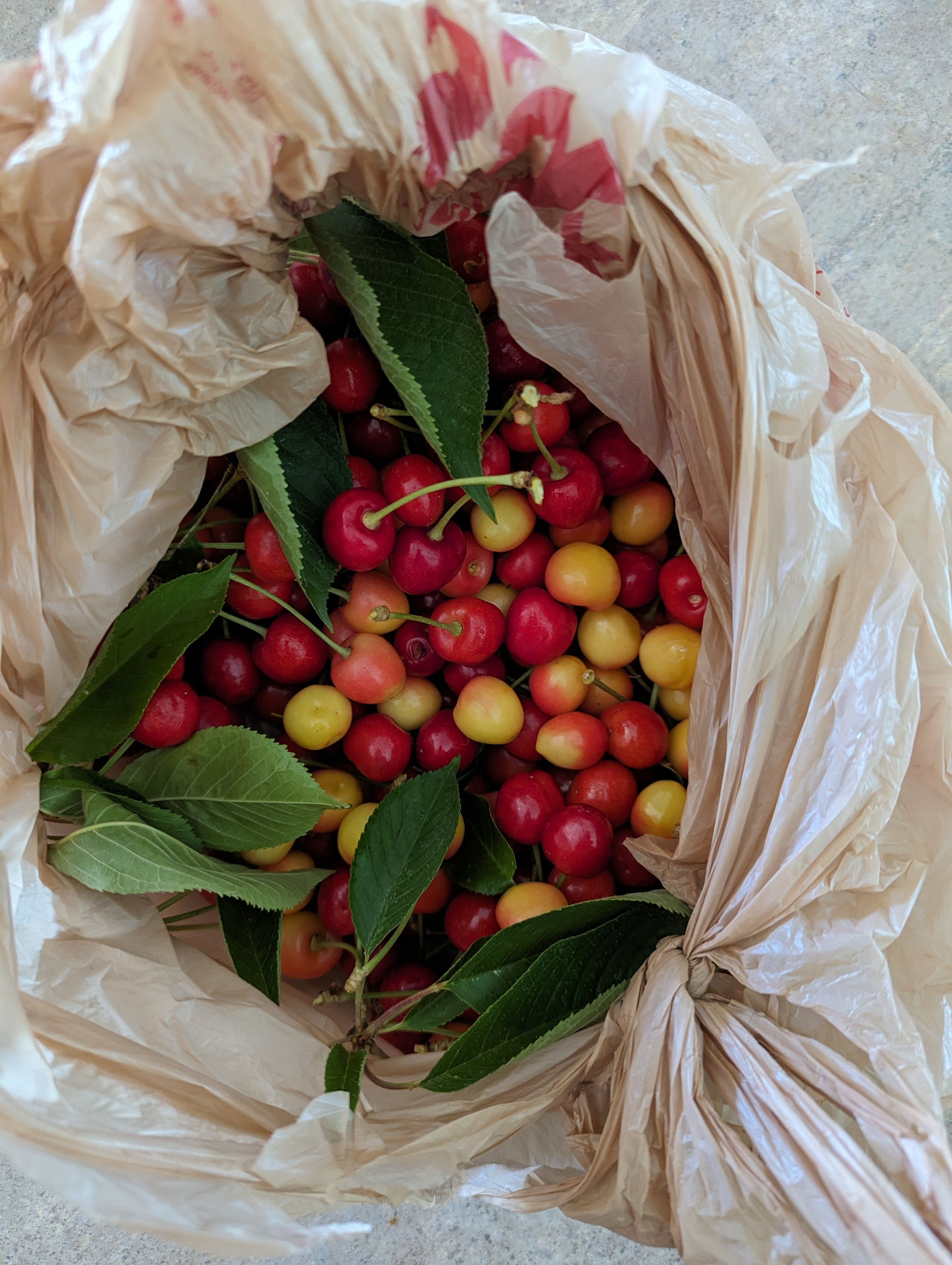
Here are some pictures of the fruit already growing in the project area, both on the plant and harvested.

9 Likes

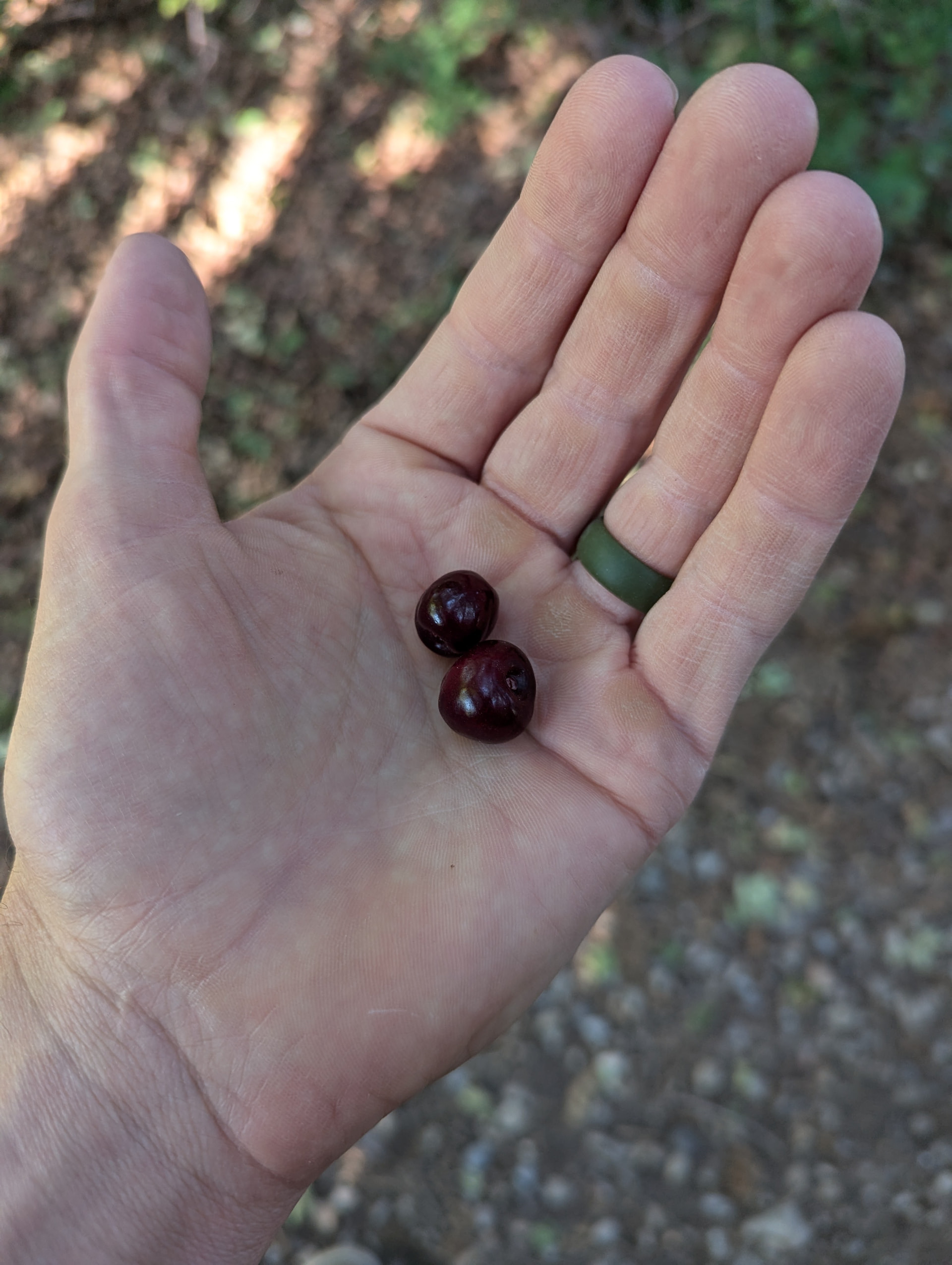
Here are some more:

8 Likes

And some more:

9 Likes

And some more, plus some of the plants (some rubus plus some pawpaws, stonefruit, walking onions and wildflowers) I’ve clandestinely planted:

9 Likes

id be hesitant with planting cane fruit, they spread and can become reallll issues. rest looks great though. they can get out of hand without people cleaning spent canes
6 Likes

That’s a fair point, but two counterpoints:

  1. I’ll be tending them. If I don’t, there’s a good chance the City will get fussy and pull them. Then they might get fussy about some other stuff. So, keeping what I’ve put in place well managed, especially in these early years, is quite important.

  2. This is an extremely marginal area outside of some very specific pockets. I’ve only found one wildling blackberry in the area after 6 years of searching, and it’s also next to the canal about a half mile from my project area. I’m in high desert, with highly alkaline soils and even more alkaline subsoils, with 14” of annual rain and 2-3 months of 95-105°F with 0-.2” of rain per month, and then it’s Zone6B for winter. We also have 20-40°F temperature swings in day and night temperatures. All that is to say, the brambles will do well where I’ve installed them, but pretty much nowhere else.

Also, though,

My project WILL push the bounds for rubus in the area with the promiscuous pollination paradigm I’m working towards. I might just create the bramble that has the capacity to be obnoxious in this particularly difficult region.

Heh.

7 Likes

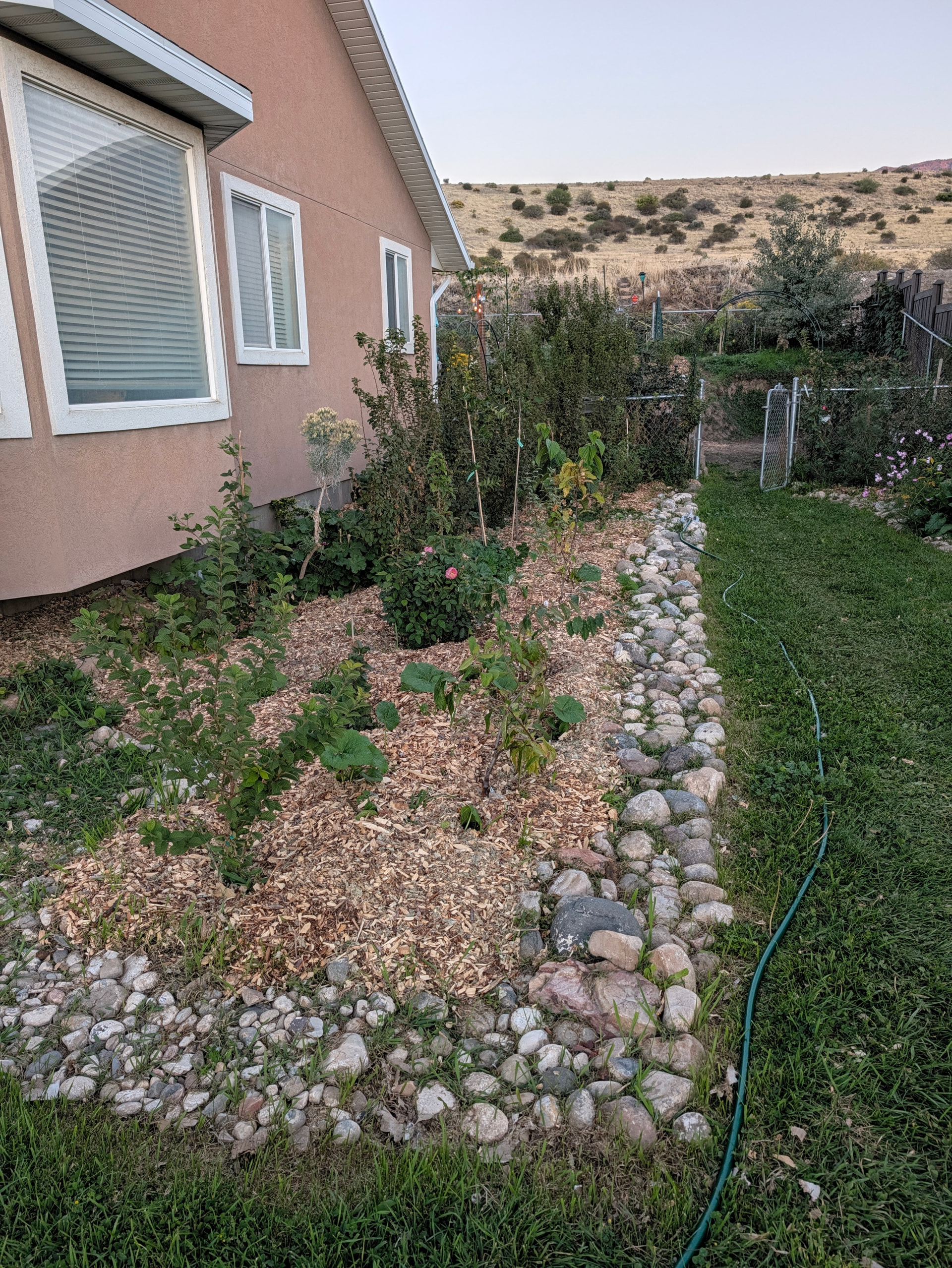
Here’s a good picture comparing a bit of my yarden to the surrounding natural landscape. Note the rugged landscape beyond my nurturing hand. Even there, the roses you see are supported by several pioneer canals on contour that are mostly filled in with debris now, but which retain moisture longer and deeper than would otherwise be possible.

9 Likes

Very cool. Where in Utah is this?

What native beneficials exist there? (If you know)

2 Likes

If you’re talkin’ native (or naturalized) beneficial plants, there are lots. Here’s a list of a few:

  • Utah Serviceberry
  • Great Mullein
  • Dock
  • Golden Currant
  • Skunkbush and Smooth Sumac
  • Salsify
  • Western Sunflower
  • Rugosa Rose

If you’re talkin’ insects, again there’s lots, but here’s a list of a few:

  • Green Lacewing
  • Lady Bug
  • Many species of predatorial wasps
  • Lots of different bees (including honeybees from the local orchardists’ bee boxes)

There are many more that could be included on both lists.

4 Likes

mullein is invasive. so is rugasa rose. not familiar with many of the others. dock is here.

1 Like

Invasive is an overused term, and I don’t understand why people use it so frequently.

Is Kudzu invasive? Yeah, it takes over everything and displaces the local ecology. That’s an invasion.

Is Mullein invasive? No. Not at all.

It’s imported, yes, but naturalized and not a nuisance. Indeed, it’s the most favored plant by insects I know of and has many practical uses including medicine and butt wiping. It’s a model immigrant, if you will.

Dock is imported as well, FYI.

3 Likes

Well I wouldn’t say they can’t be invasive, though usually they are a benefit to some degree.
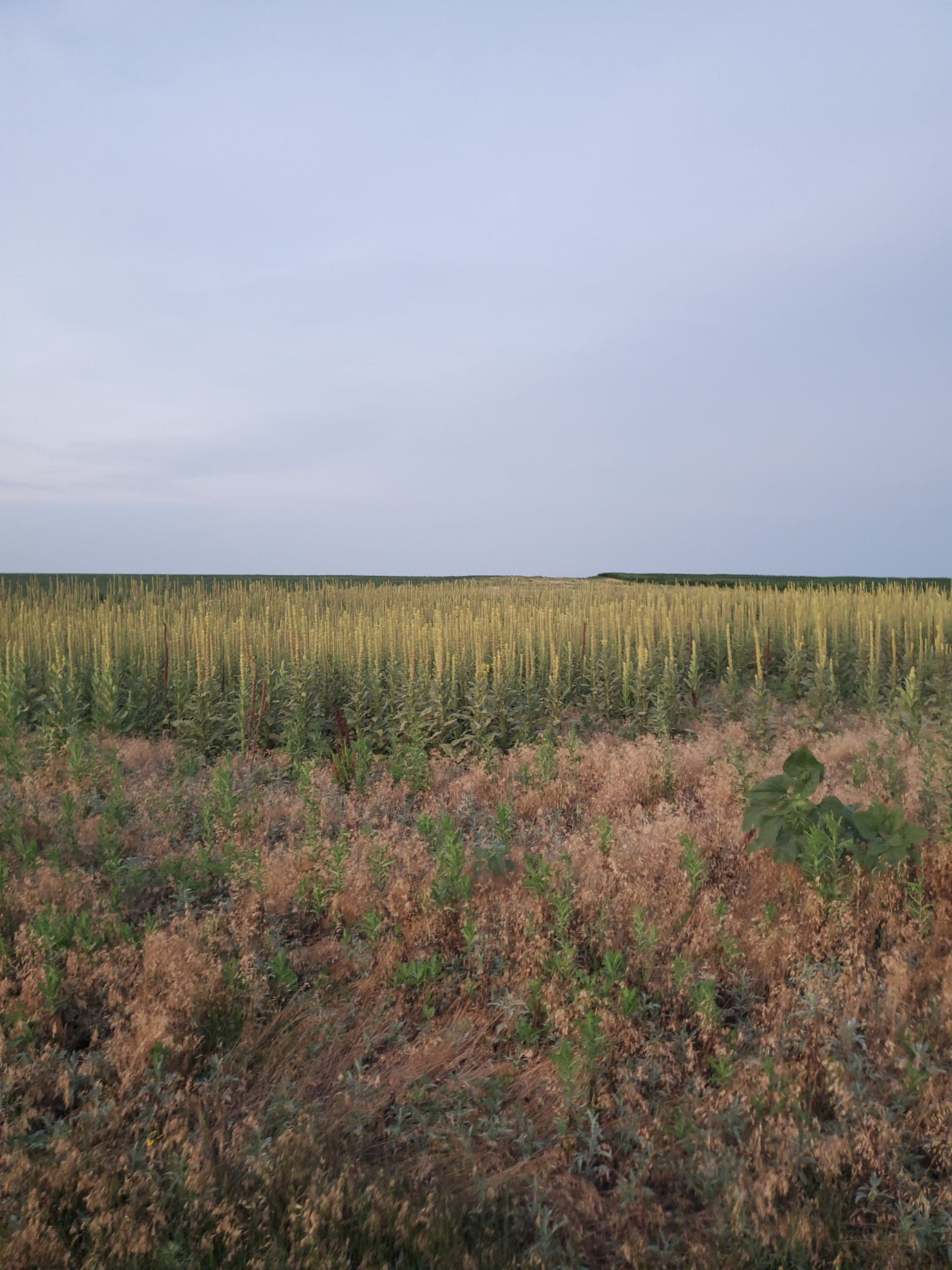
Here is an extreme example of mullein being invasive. Probably around 10 acres of only it growing (it was on an irrigation pivot corner, so spray drift probably killed/stunted most of its normal competition).

8 Likes

Yes, I was just commenting on another forum how the only time mullein behaves invasively is on disturbed, poor soils. It’s an example of poor stewardship being disguised as misbehaving plants.

Specifically regarding the picture:

That’s not an invasive species problem, that’s a land-management issue. You can’t get a mullein monocrop without previously ruining the soil with monocrop farming.

2 Likes

Yeah, the soil there is pretty kapoot, because it’s out in the sand hills of Nebraska, where the “soil” is just sand.

5 Likes

Gotcha. Thanks for the context.

Fits with what I’ve observed in my sojourning.

4 Likes

Very interesting project Chance, best of luck to you.
I will be watching for new post from you.

5 Likes

its equally as prolific in old gravel pits and roadsides here where its usually the only thing that will grow there. i believe, over time, it will correct those spots it dominates and will move on to poorer pastures. i have quite a bit of it in my rows. i let some grow and pull others. i really like the looks of the plant. if i let all of the seedlings take, they would quickly become my new orchard though.

5 Likes

You hit the nail on the head.

Soil improvement helps the next wave of the succession outcompete the pioneer.

One of the most impressive soil-improving plants I know of is also one of the most perennially obnoxious: bindweed (or morning glory to those who’ve never grown the far more ornamental and well-behaved cousin). If it runs rampant in an area for 2-3 years, the massive increase in fertility via organic matter accelerates the growth of perennials that begin to shade out the bindweed. By 5 years in, it’s mostly an obnoxious plant that only grows on the margins.

Indeed, kudzu also improves the soil and is a normal successional plant in its native ranges. I suspect that over a few more decades, especially since the introduction of the Kudzu bug, the Kudzu mess in the South will achieve balance.

That said, it’s destroyed a lot of beautiful habitat and what that environment will eventually become is not clear.

4 Likes

How do the native American plums taste?