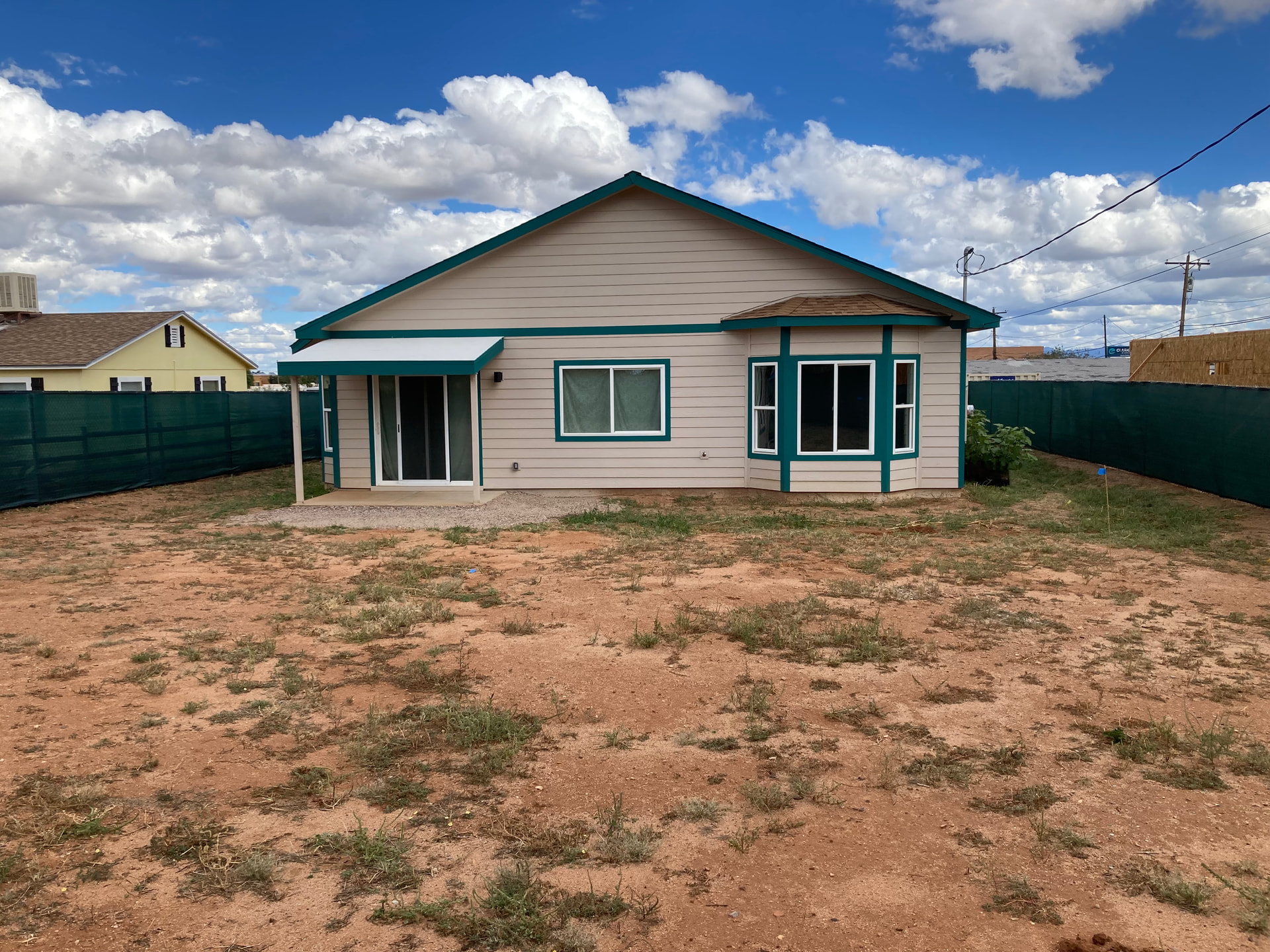
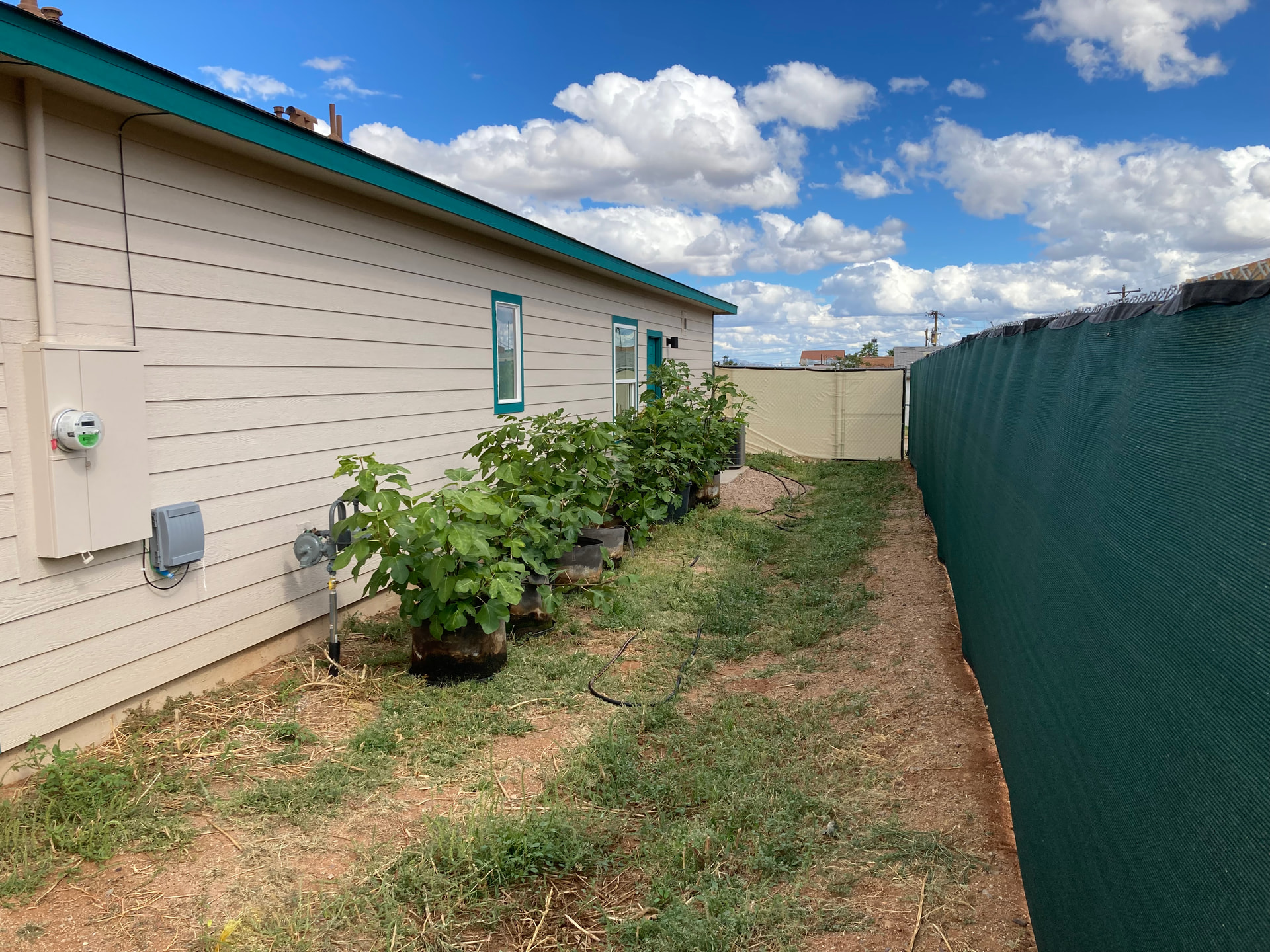
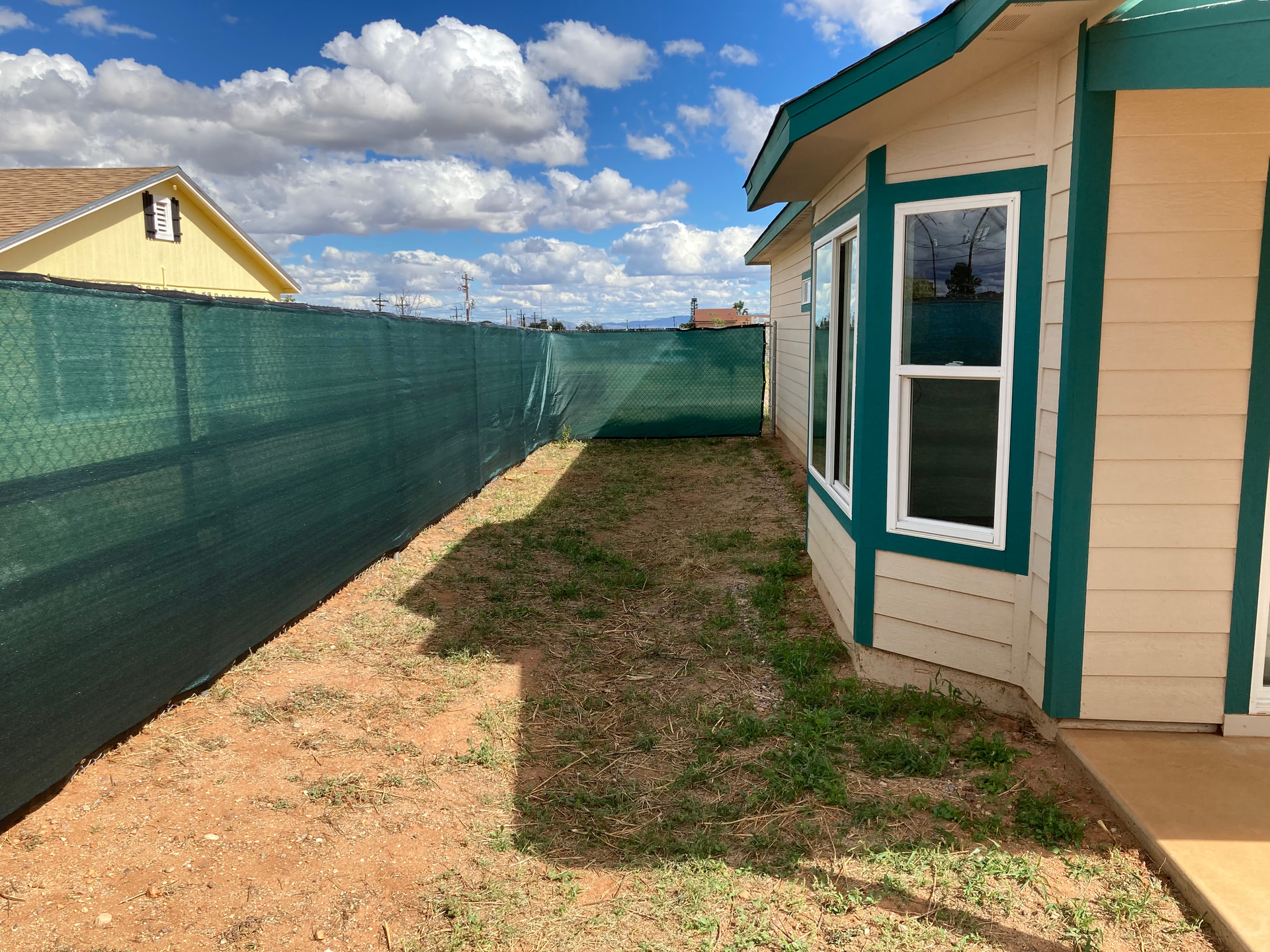
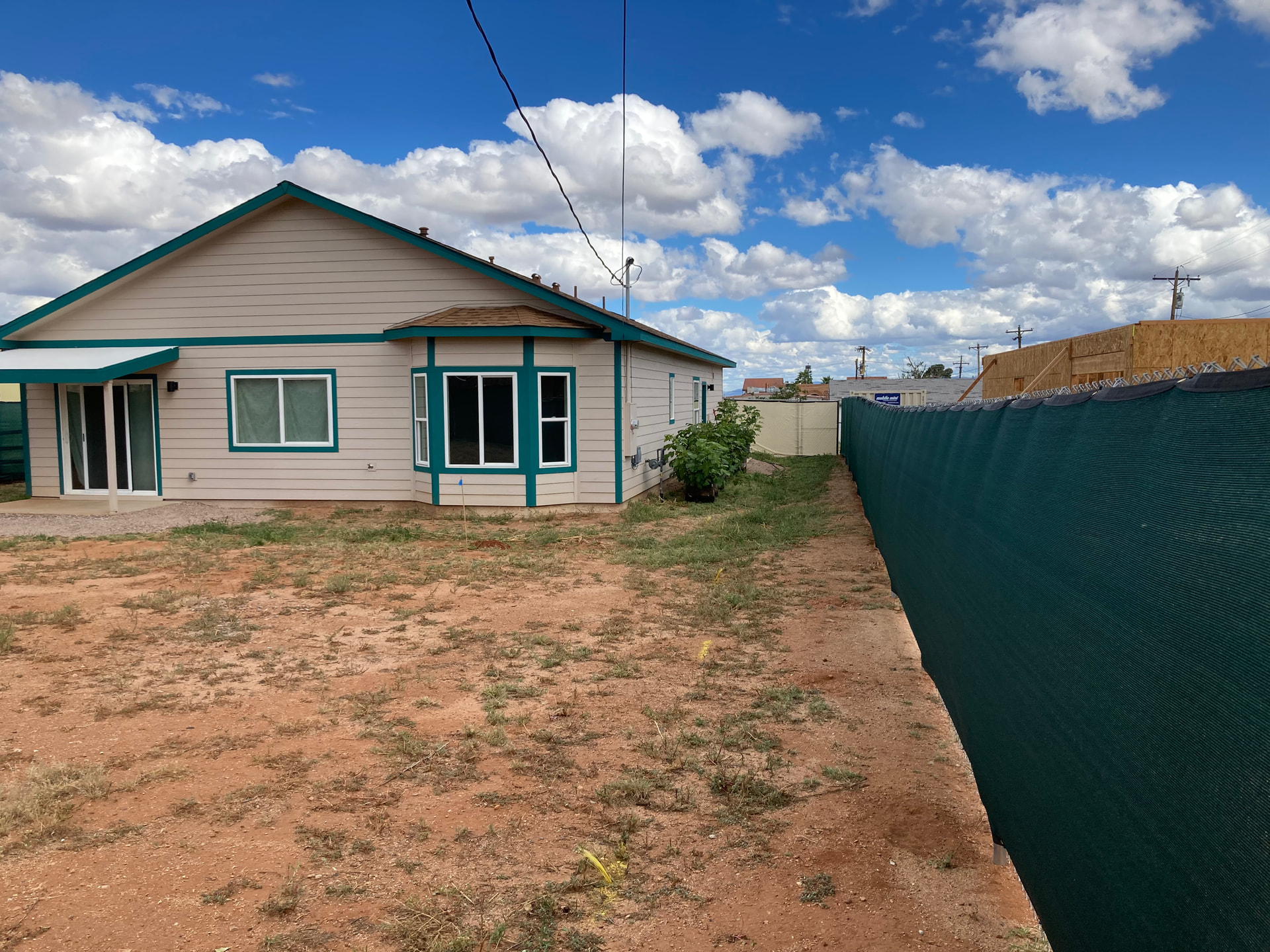
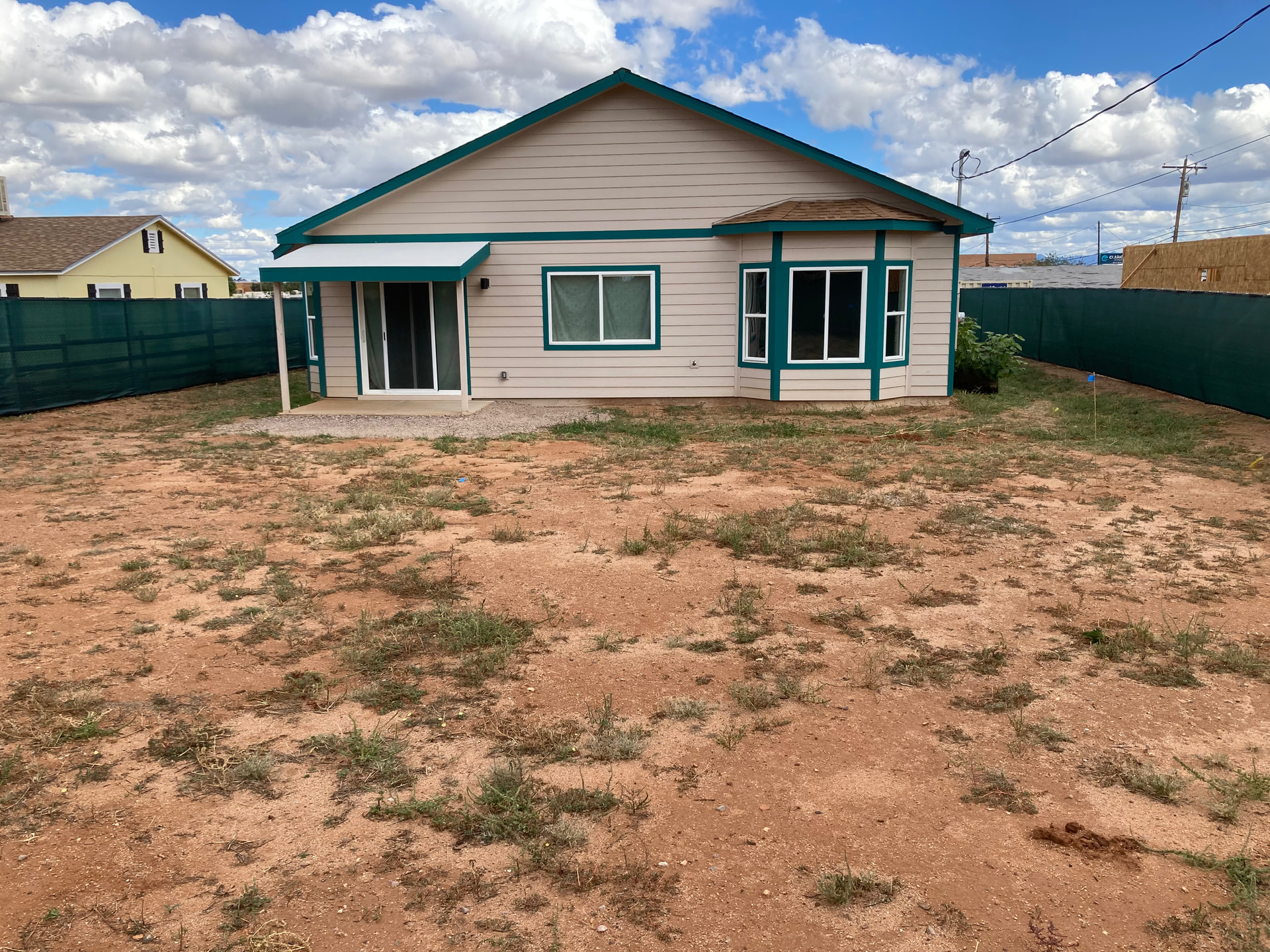
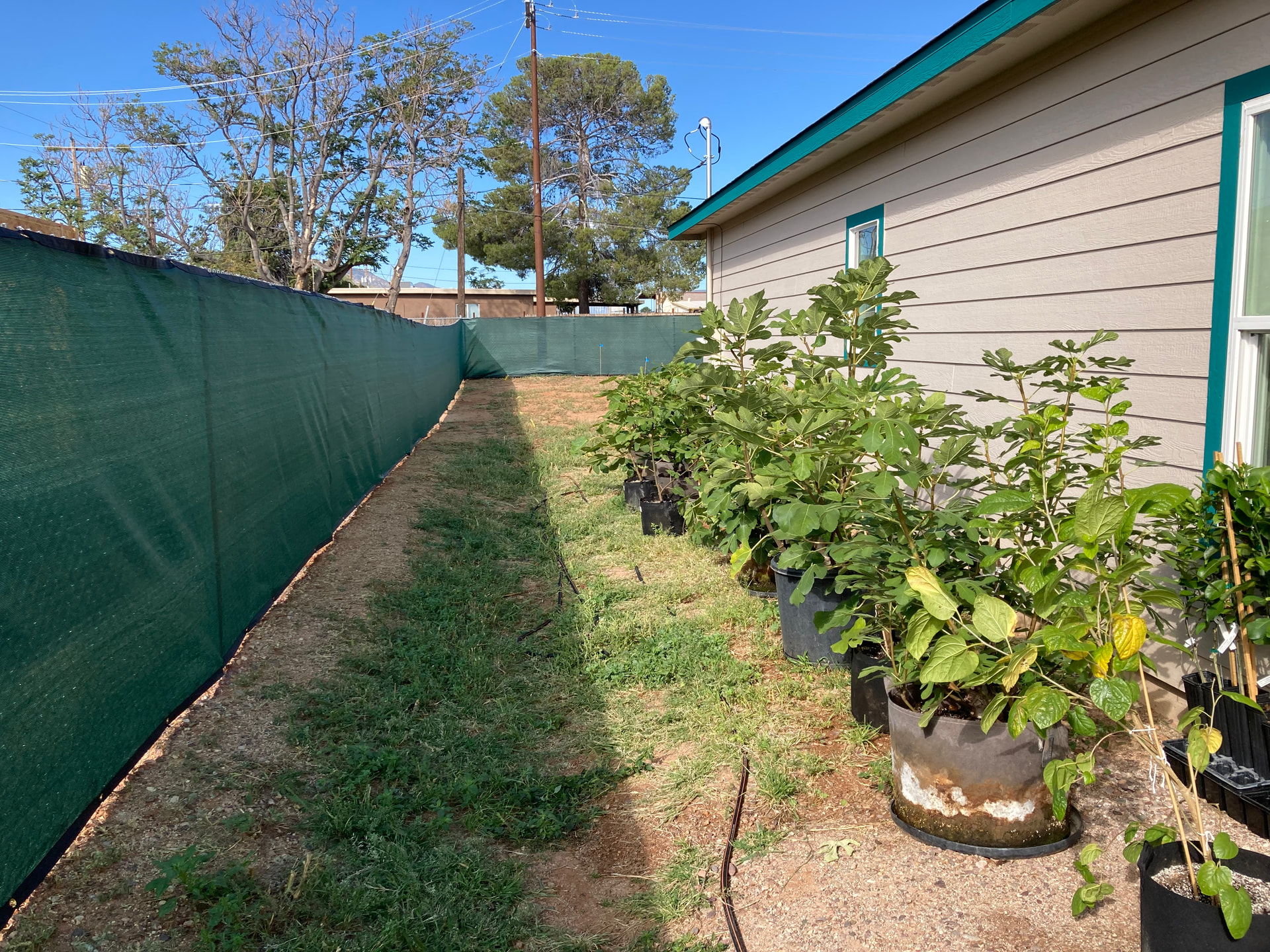
A month ago I arrived in Sierra Vista to my new home on a 60x150 ft lot. The backyard is ~60x50. Two side yards are about 12x60 and 12x50ft. Perfect for a home orchard! I’m planning to build an ~25x35ft greenhouse in the backyard. More on that later.
Sierra Vista, at 4600ft elevation, is mostly listed as an 8b zone. There are a lot of plants that indicate that it’s warmer than my last orchard in Alpine TX at 4500ft el. Sierra Vista is more protected from the arctic blasts but it still averages near freezing at night in Dec and Jan. Rainfall is very low Jan thru June so diseases won’t be an issue. And I’d expect low pest pressure.
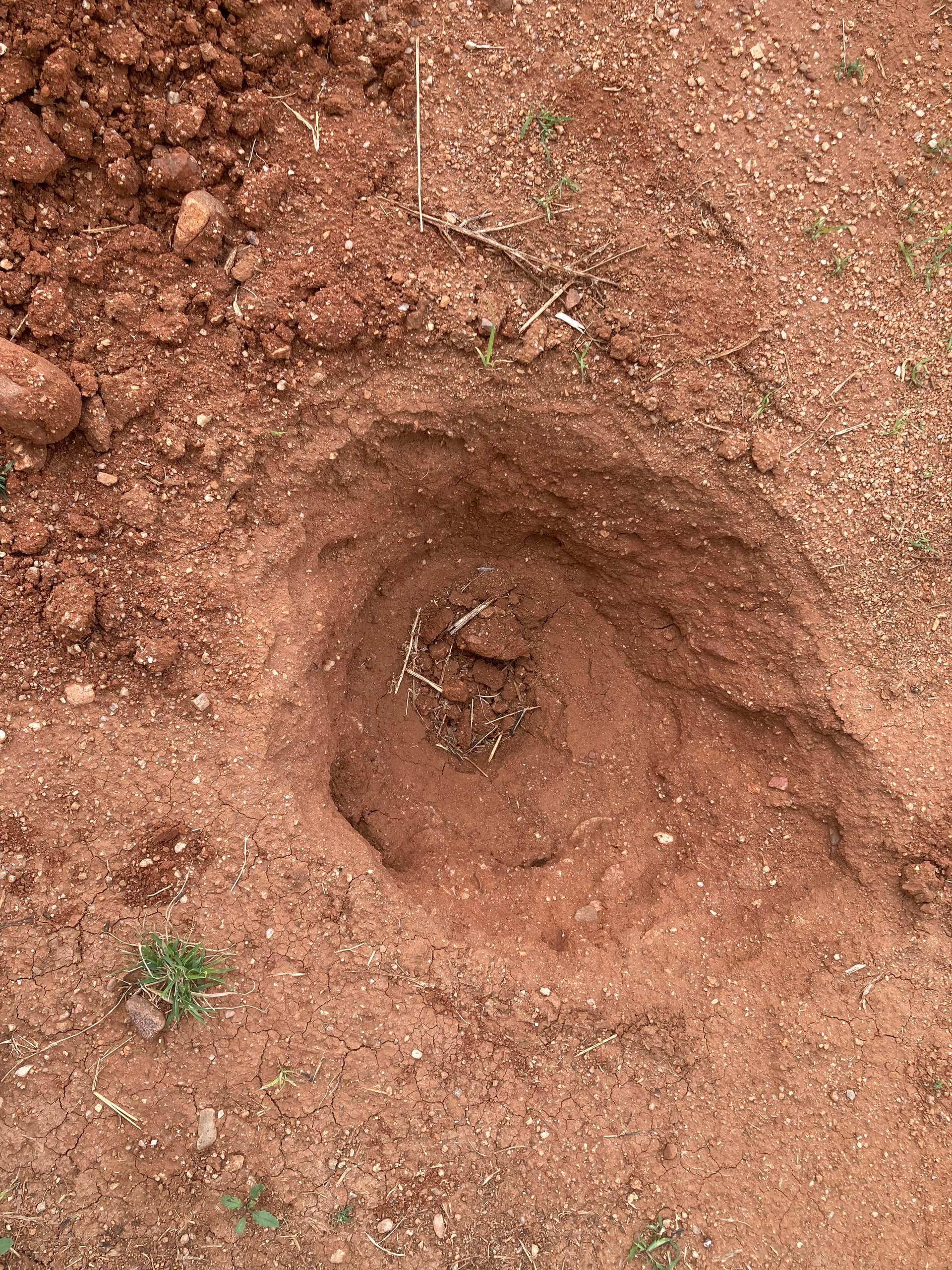
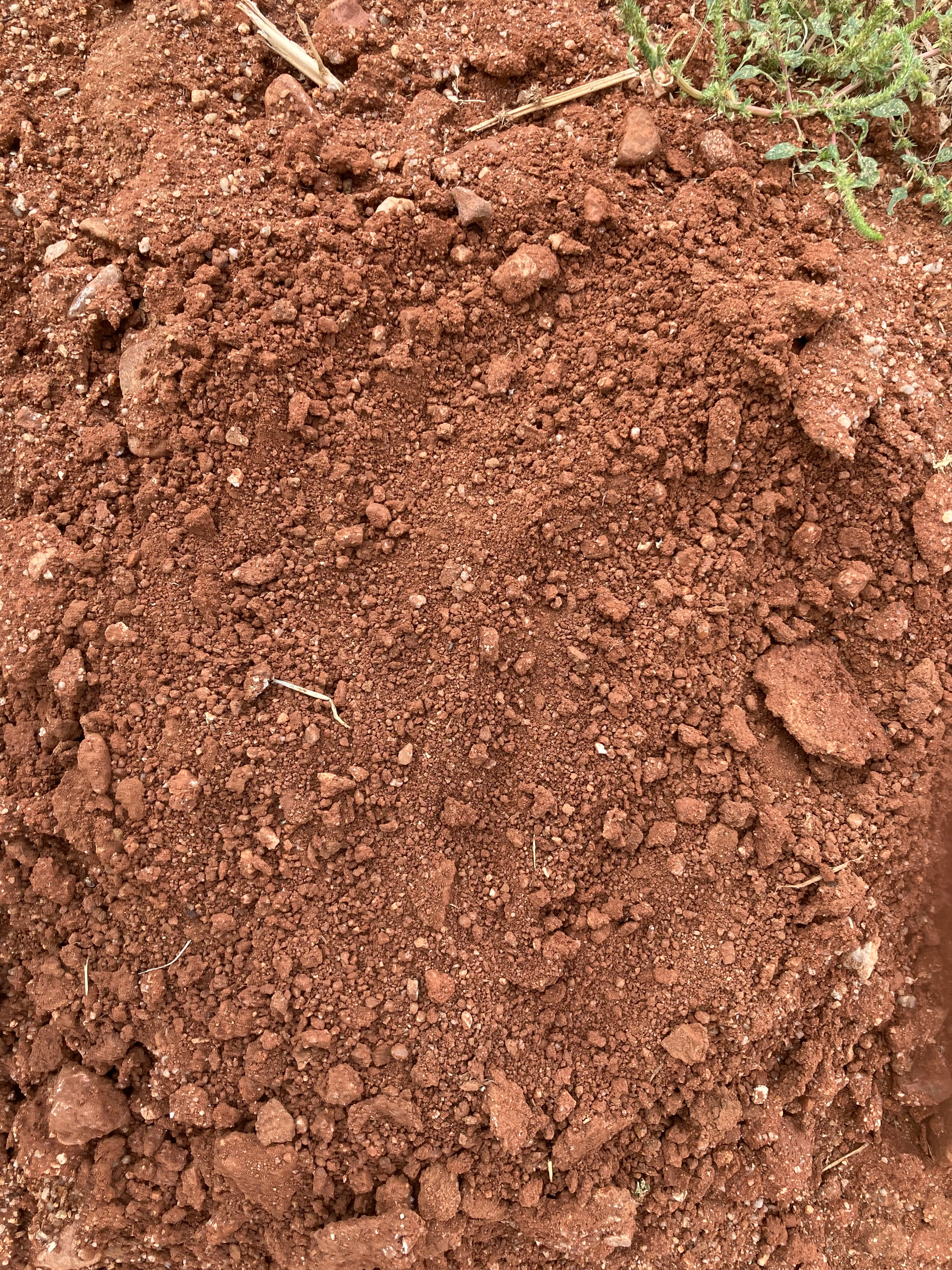
The soil is a bit unusual in that it’s a sandy clay. The sand is coarse and angular not water worked. It’s very hard to dig in when dry. But drainage is good according to a test hole that drained dry in 1, 2, and 3 hours when fill up three times. Organic matter is near zero, but I expect vigorous plant growth with little fertilizer needed. All indications from looking around are that anything watered grows rapidly.
My plan for the greenhouse is to build a frame out of 2 7/8 inch used oilfield pipe. Drive those about 6ft deep into the soil at 5ft centers around the perimeter. Then walls 10ft high above that. South side would have a 10ft roll up curtain where air would enter for ventilation. The top would slope up from 10ft on the south side to 15ft on the north side. Hot air would exit out the 5x35ft opening on the north side again covered with a roll up curtain. East, west, and north wall covered in single layer Palring 182 an 11 mil woven poly. Roof covered in double layer inflated Palring 182.
My biggest issue so far is getting a permit from the city to build the greenhouse. They want it rated and certified for 115 mph wind. That seems a bit excessive. One greenhouse supplier said his data said 96 mph. Very few greenhouses sold to hobbyist are rated 115 mph. I think I’m going to have to hire an engineer to evaluate my plan and hopefully certify it. Any suggestions on that front would be welcome.
Right now I have 14 citrus trees, one mulberry and a dozen fig plants. The citrus will all go in the GH. I’m undecided about the figs. I have 12 fruit trees, one pomegranate, and an English walnut on order. Mostly those will be planted outside at about 12x12ft spacing.
This is my 7th home orchard. Four in Amarillo over 30 years as we changed homes. The soil was a moderate to slowly drained clay loam. Four years in Piedra CA about 10 miles west of Fresno. That soil was nearly a sand with maybe a touch of silt. Water table was 6ft in summer and 2 ft in winter. Then 21 years in Alpine Texas on another clay loam with very good to excessive drainage. This soil will be as good or better than any in the past.
To my knowledge there are few to no tornados in AZ. High winds here would all be from thunderstorms. And I think 115 would be very rare for a thunderstorm. If it happened, it would be for a matter of seconds or minutes. I’d think a hurricane with sustained winds up to 115 for hours would be much more damaging.
There have been 18 tornados in Cochise county in 75 years. It’s a big county. Strongest ever had sustained winds up to 112 mph. So, I guess they’re planning for the worst case scenario which I guess makes sense.
That’s alright. I’ll build a bullet proof greenhouse.
Can’t reiterate how amazing it is there. Knowing what you want out of your figs they should probably go in the greenhouse, I could easily see a big monsoon rain splitting a bunch in late August.
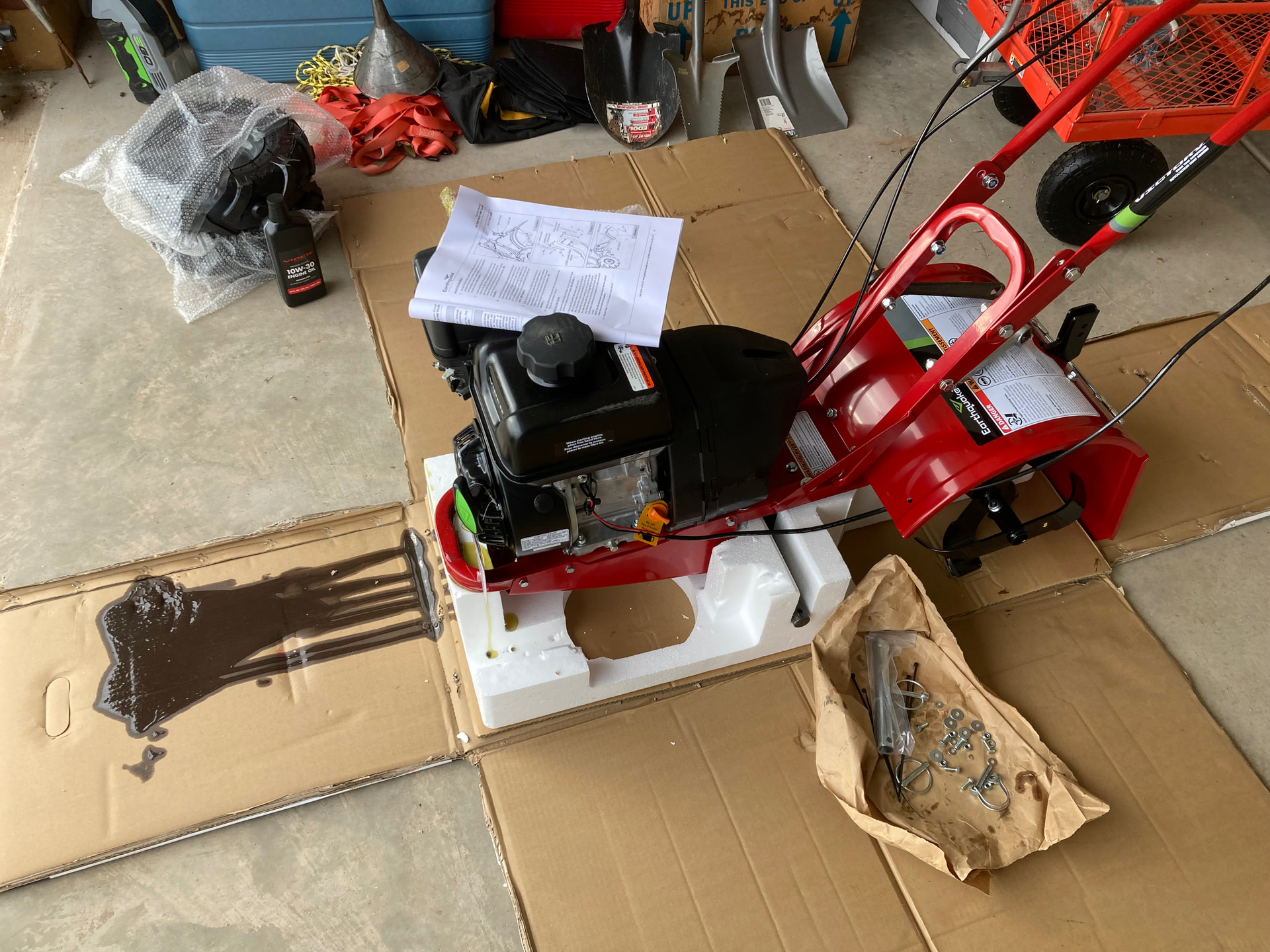
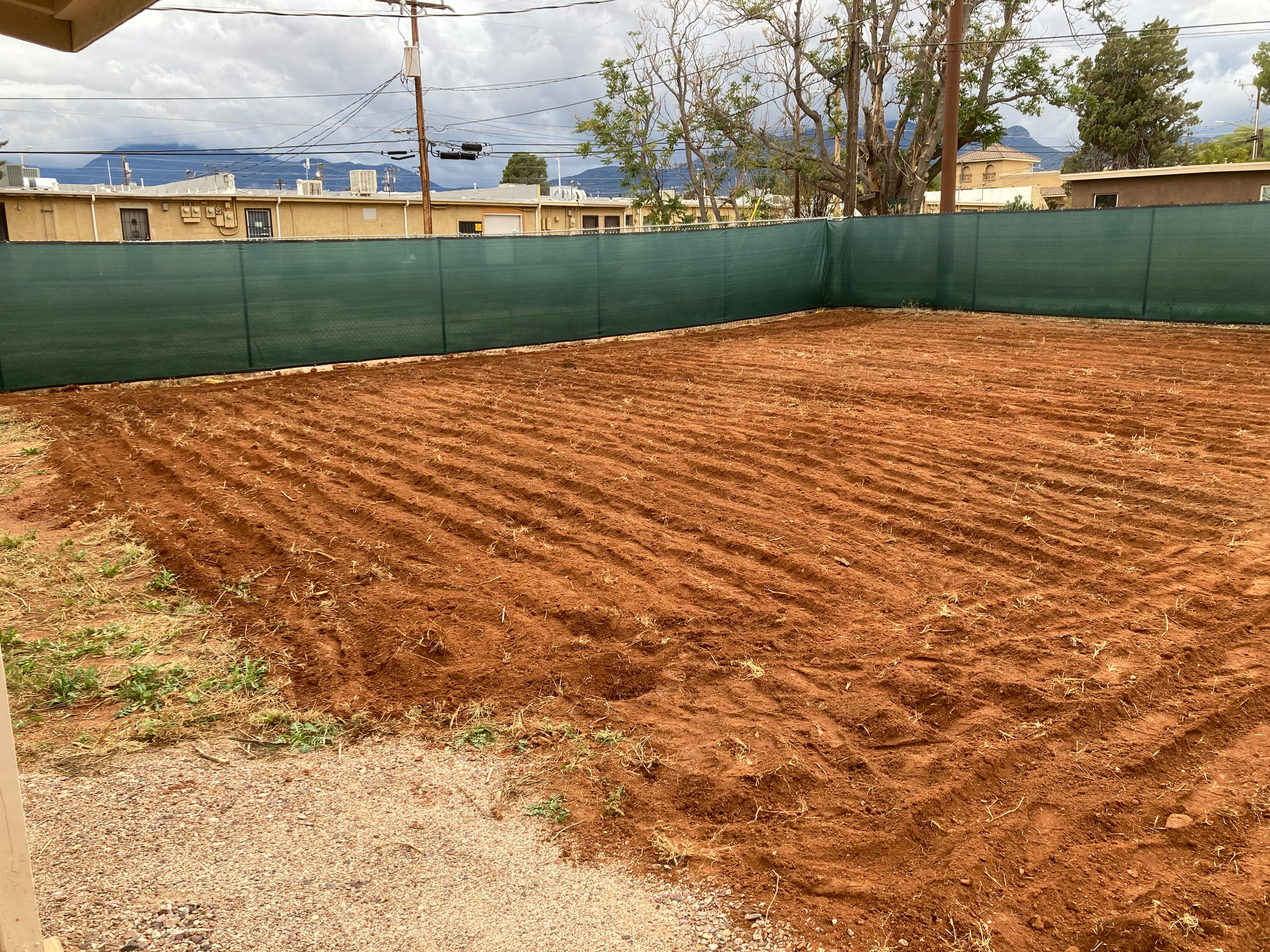
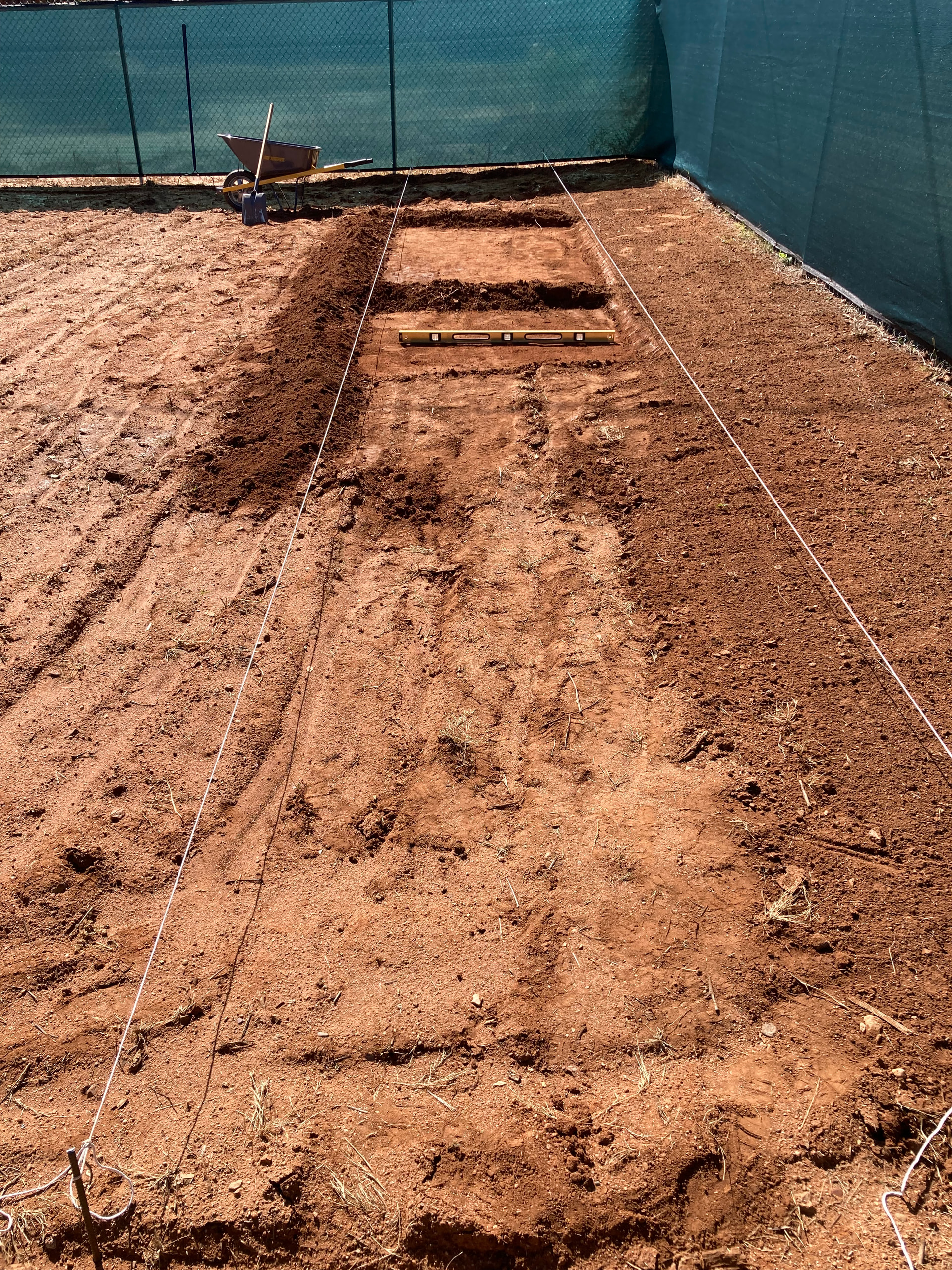
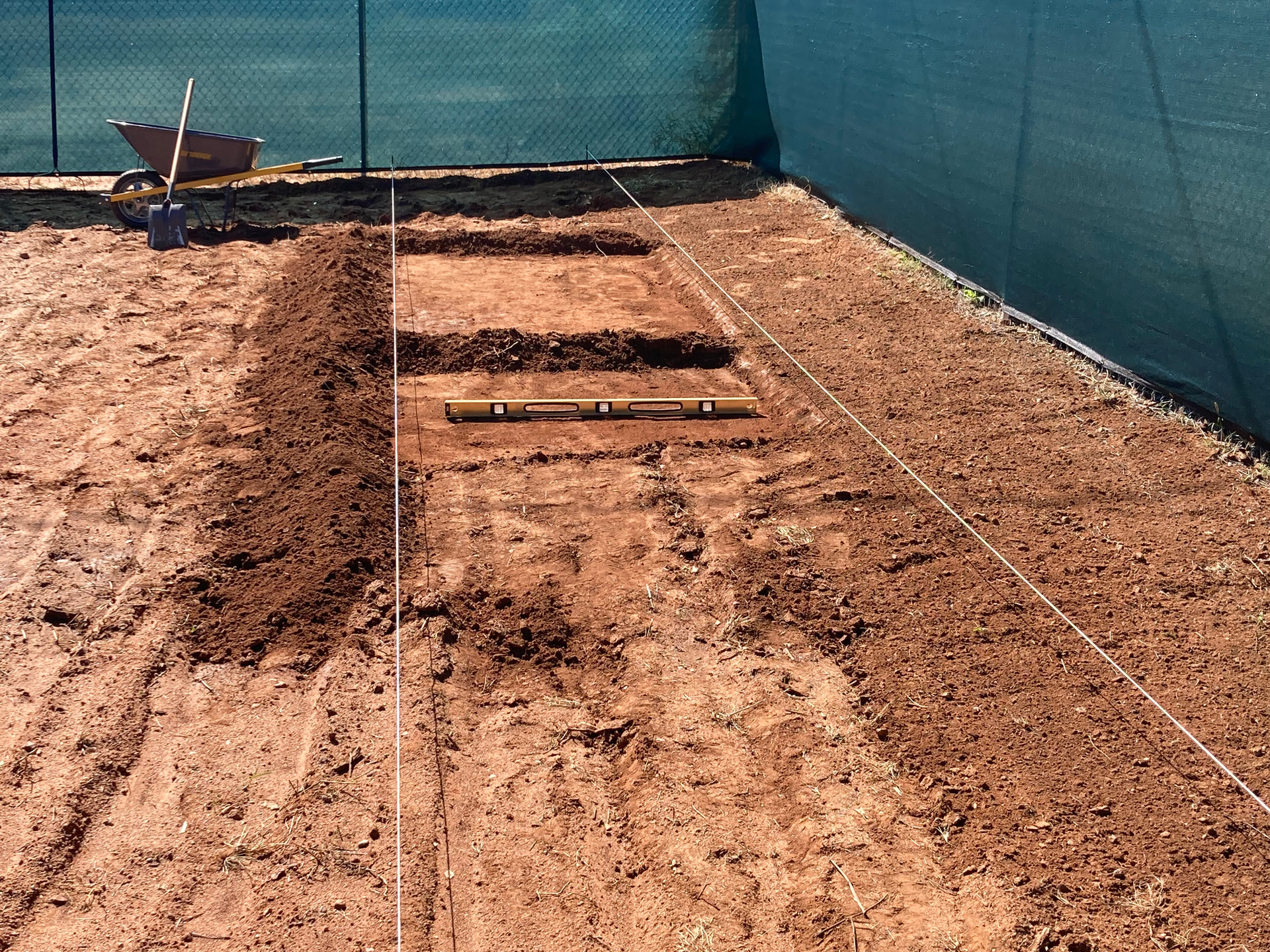
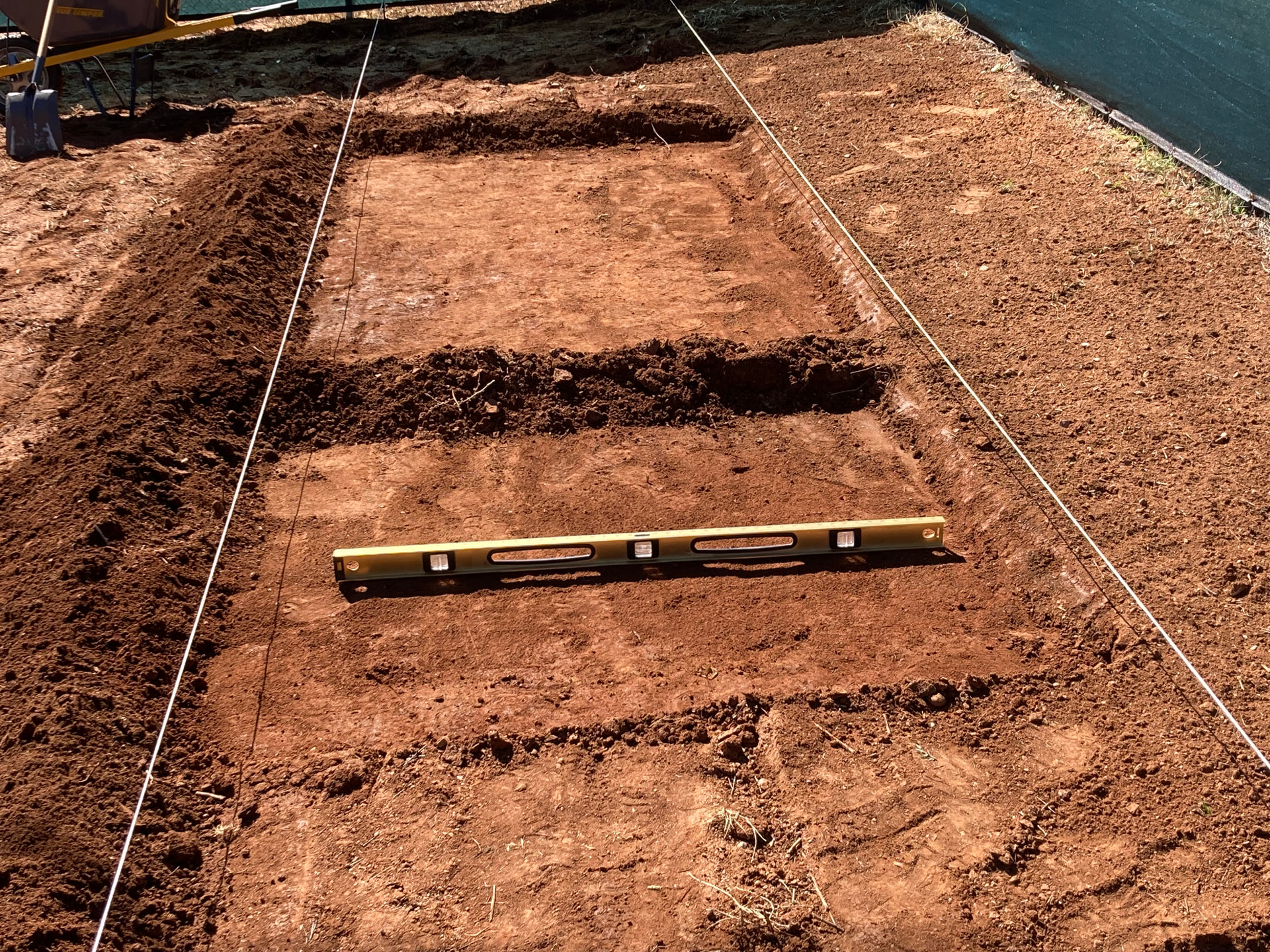
I’ve figured out what I’m going to do. The citrus will go in the south side yard. The other trees will be planted in level basins in the backyard. To make the basins I bought a rototiller. We got a 1/3 inch rain to soften the ground so I rototilled a 50x60ft area in the backyard. That area slopes about 18 inches from the back towards the house. On this soil that causes a lot of runoff and erosion. Hence the basins with berms to hold the rain and irrigation in place.
The trees will be planted 10x10ft. I was going to go bigger but the bigger the basin the more soil that needs to be moved. The basin will be 8x5ft for each tree with a 4 inch high berm on the low side. 8x5ft is enough area to support a modest sized tree.
My main concern is how will I keep the berm from washing away when we get a heavy rain. I know from past experience that at the minimum this will require something like weed barrier on the berm. I’ll figure that out after the trees are planted in January.
experimenting with different green mulches could be the way for soil retention. Could do the classics like vetch and comfrey
an interesting idea would be Dalea greggii,i think its a native to you and its a low growing spreading legume. along with Panicum obtusum which is a spreading stolonifourous grass also native (and thus low matinence)
Man, what a fantastic opportunity to build something amazing from nothing.
My own yarden has a similar history in which I arrived to a burned out husk of a yard and have been working to create Edenic conditions since.
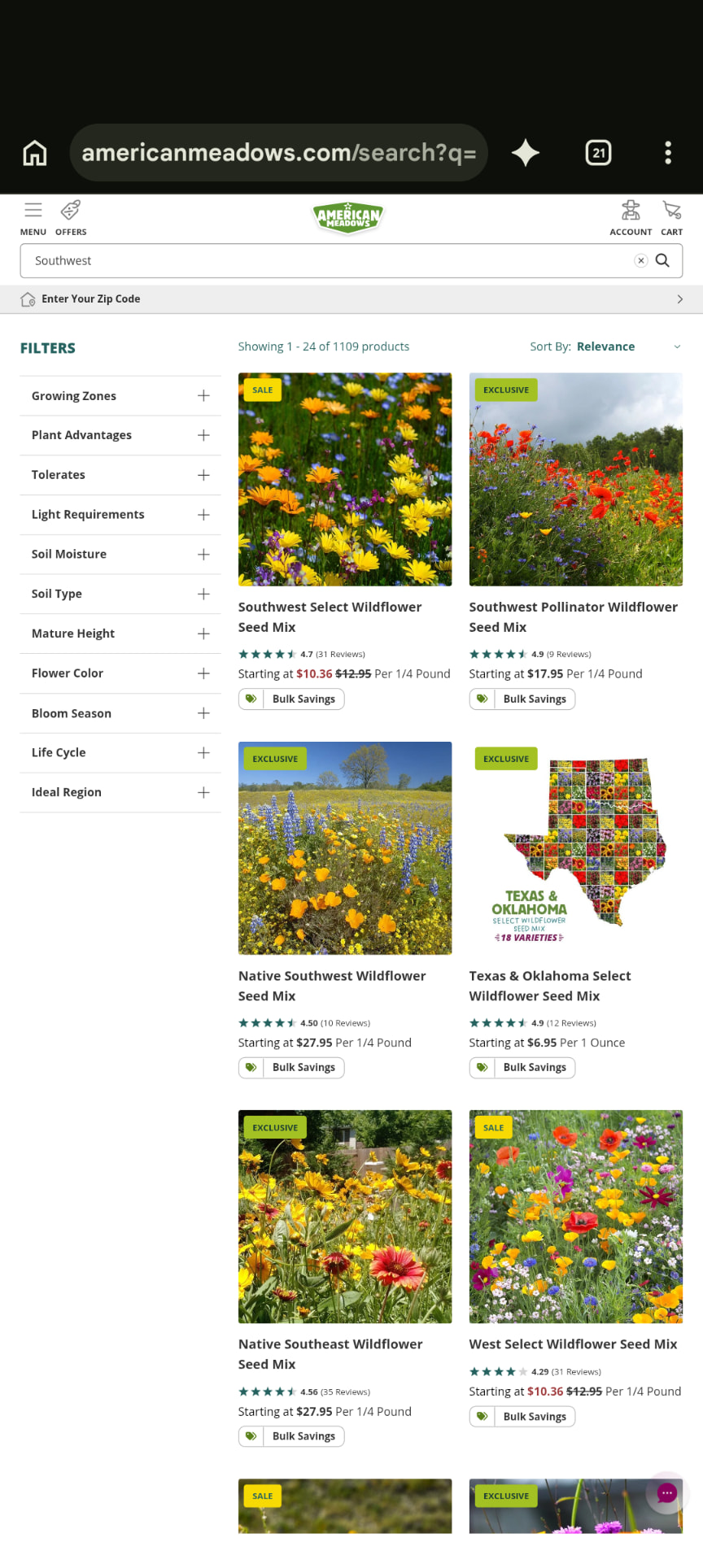
I like @snarfing’s idea of green mulch. Might like to hop onto American Meadows website and purchase their Southwest Native Wildflower mix, in addition to any specifics you’d like to use, in order to maximize pollinator habitat and beauty while securing your mini-berms.
Just search “Southwest,” or, you could get funky and add a bunch more stuff, too.
Thank you both for great ideas. I’d like something that’s low growing and good soil coverage. If it has nice flowers and is pretty that would be a big plus. Lots of hummingbirds here so it would be nice to see them in the orchard. And other pollinators are welcome.
Nativeseeds is the best source for everything you could ever want to grow from seed in your area.
They are great people right in Tucson who have trialed and preserved the desert crops of SW indigenous peoples there
In addition to tons of natives and such. They could probably even give you the perfect recommendation for a cover crop. Things like tepary beans or some kind of squash might be really effective and ultra tough
I hope I can do better than that. The go to here is common Bermuda. Most people would call it a weed and it can be. But I could do a lot worse like goat head if anyone knows what that is. It’s taking over areas in the dry SW.
Common Bermuda needs full sun. So under fruit trees it isn’t that bad. While providing ground cover in sunny spots.
Painful memories of goat head as a kid in north central Kans and ne Colo. I used an older strain of single flowered portulaca on an abandoned 40’ x 6’ flagstone pad at my mom’s house years ago. Still coming up thickly when summer heat starts!