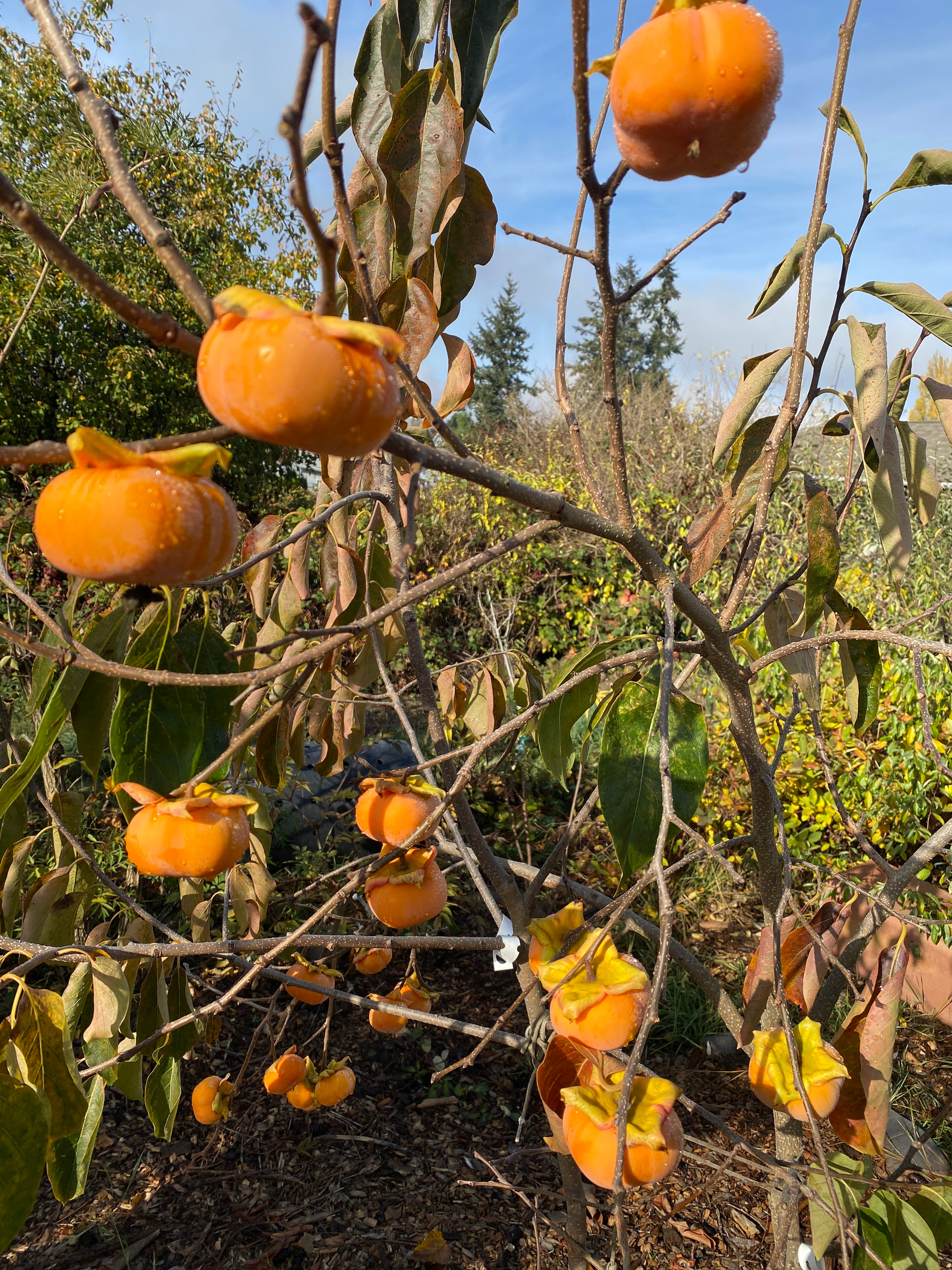
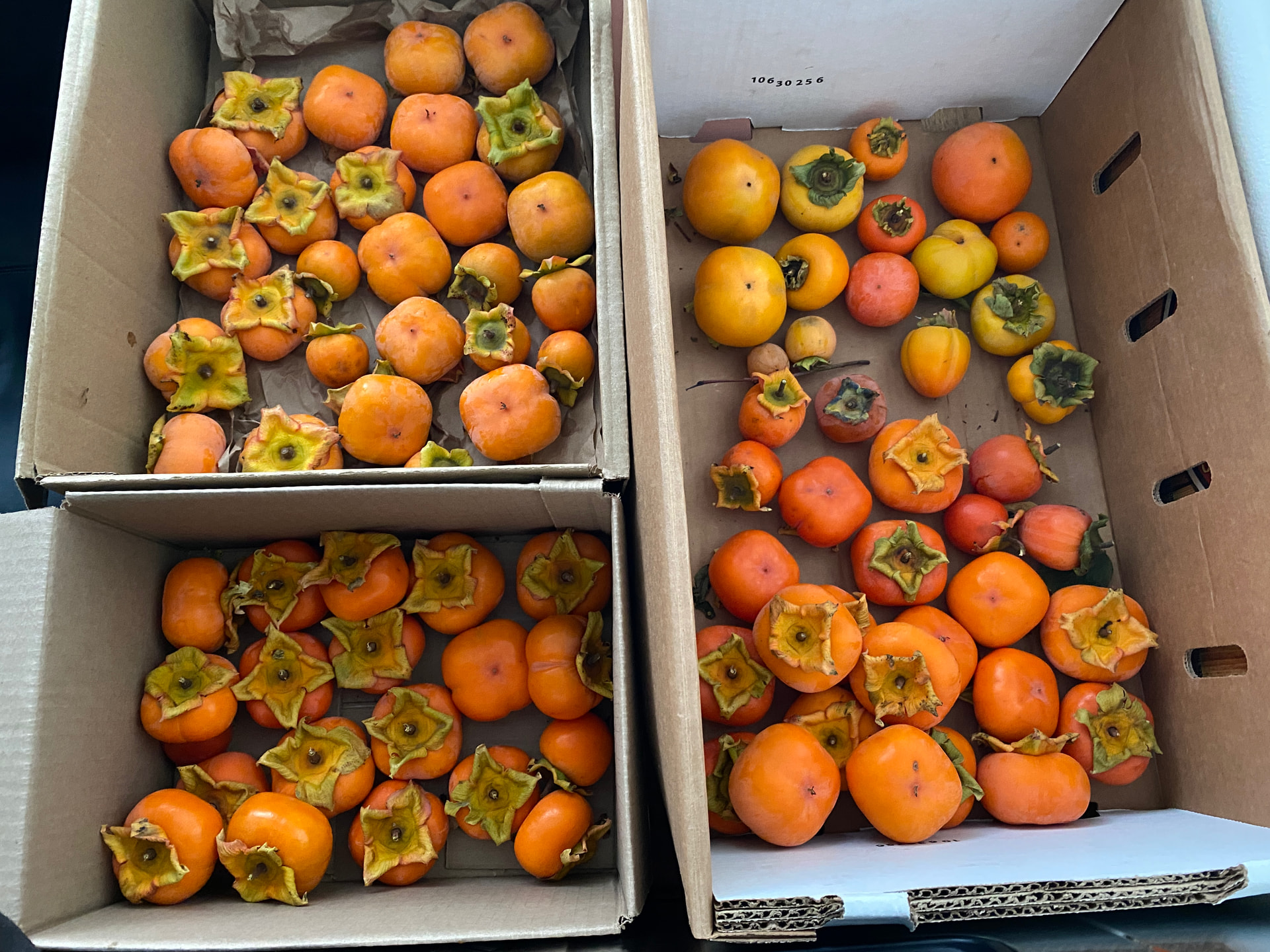
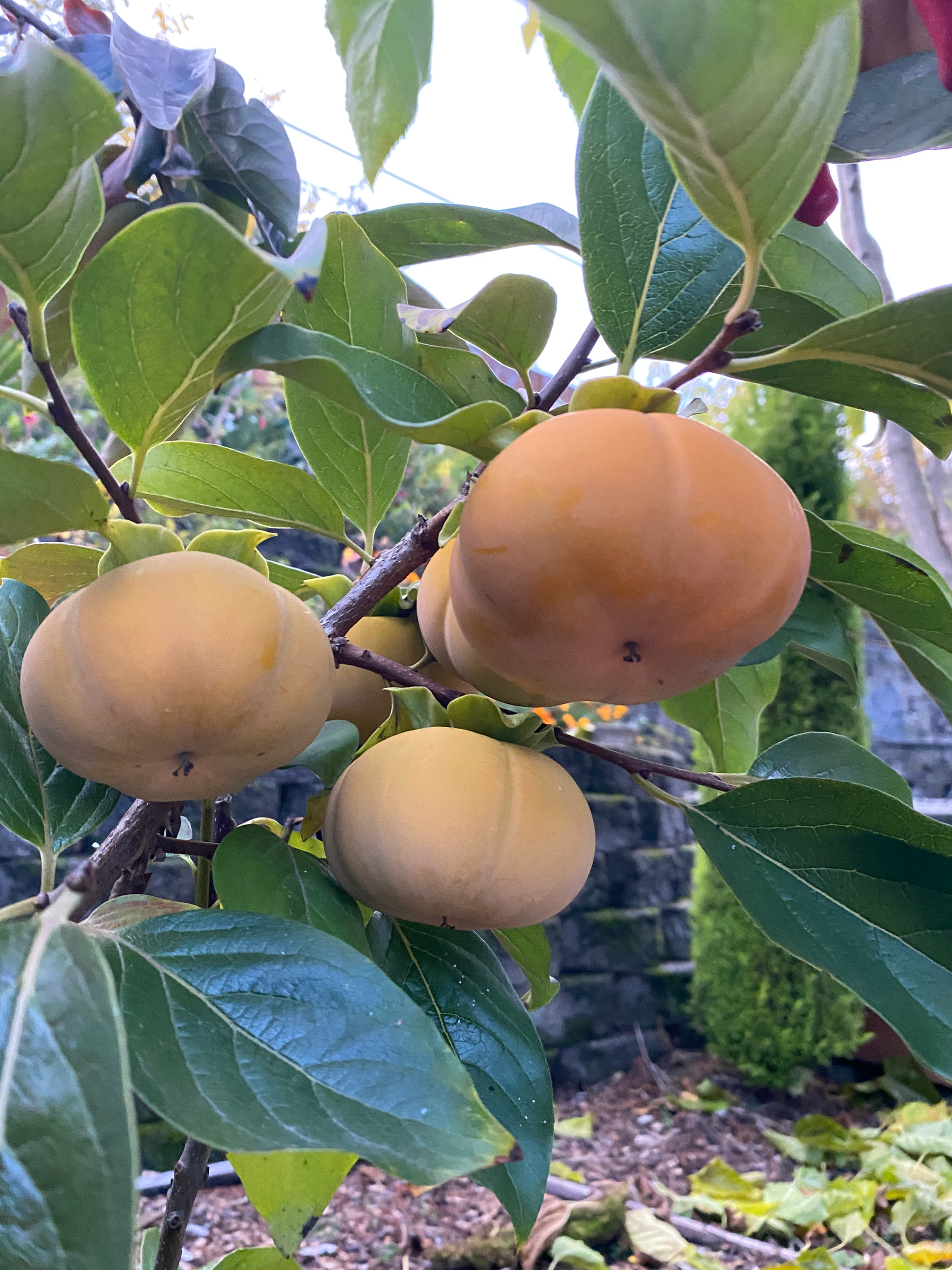
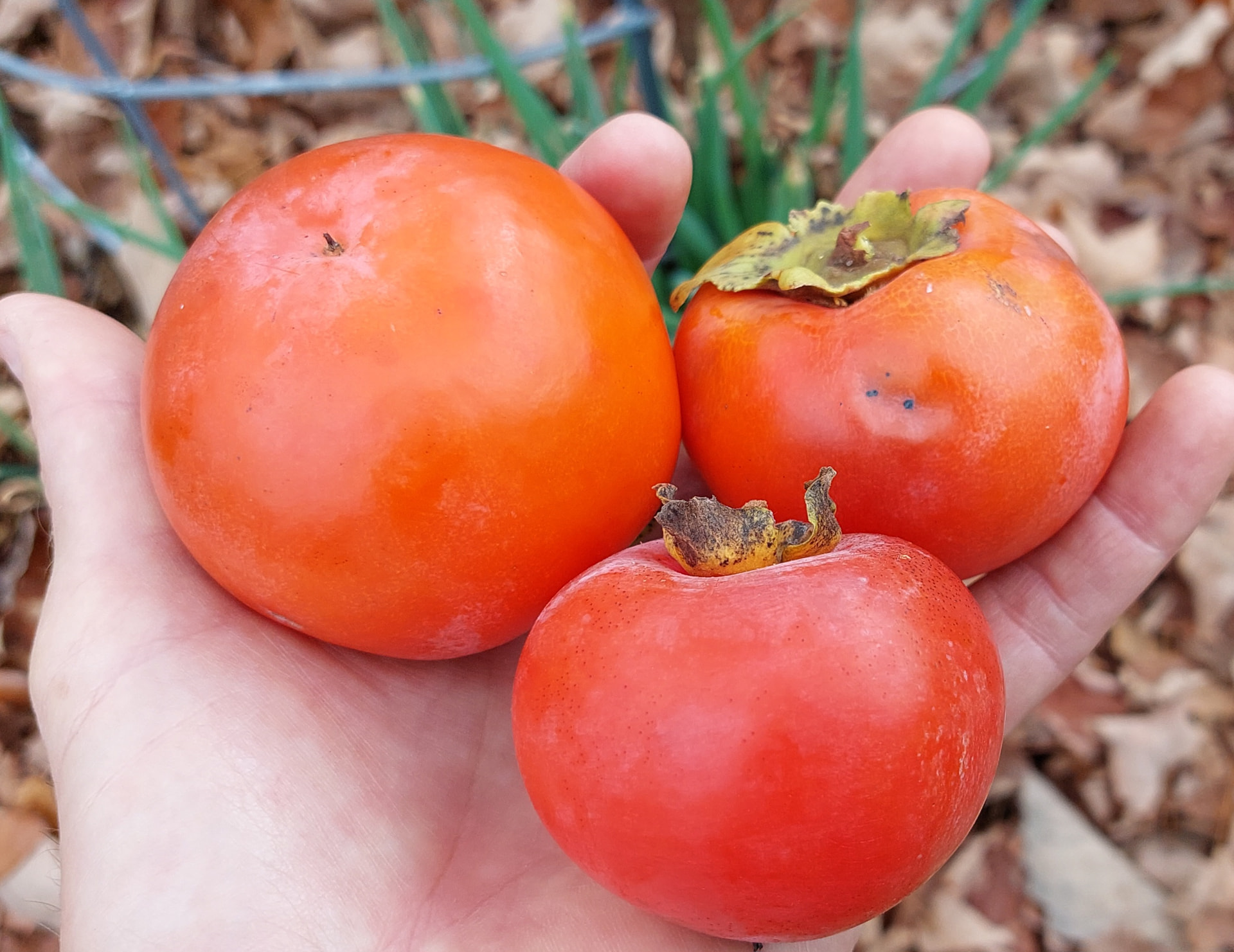
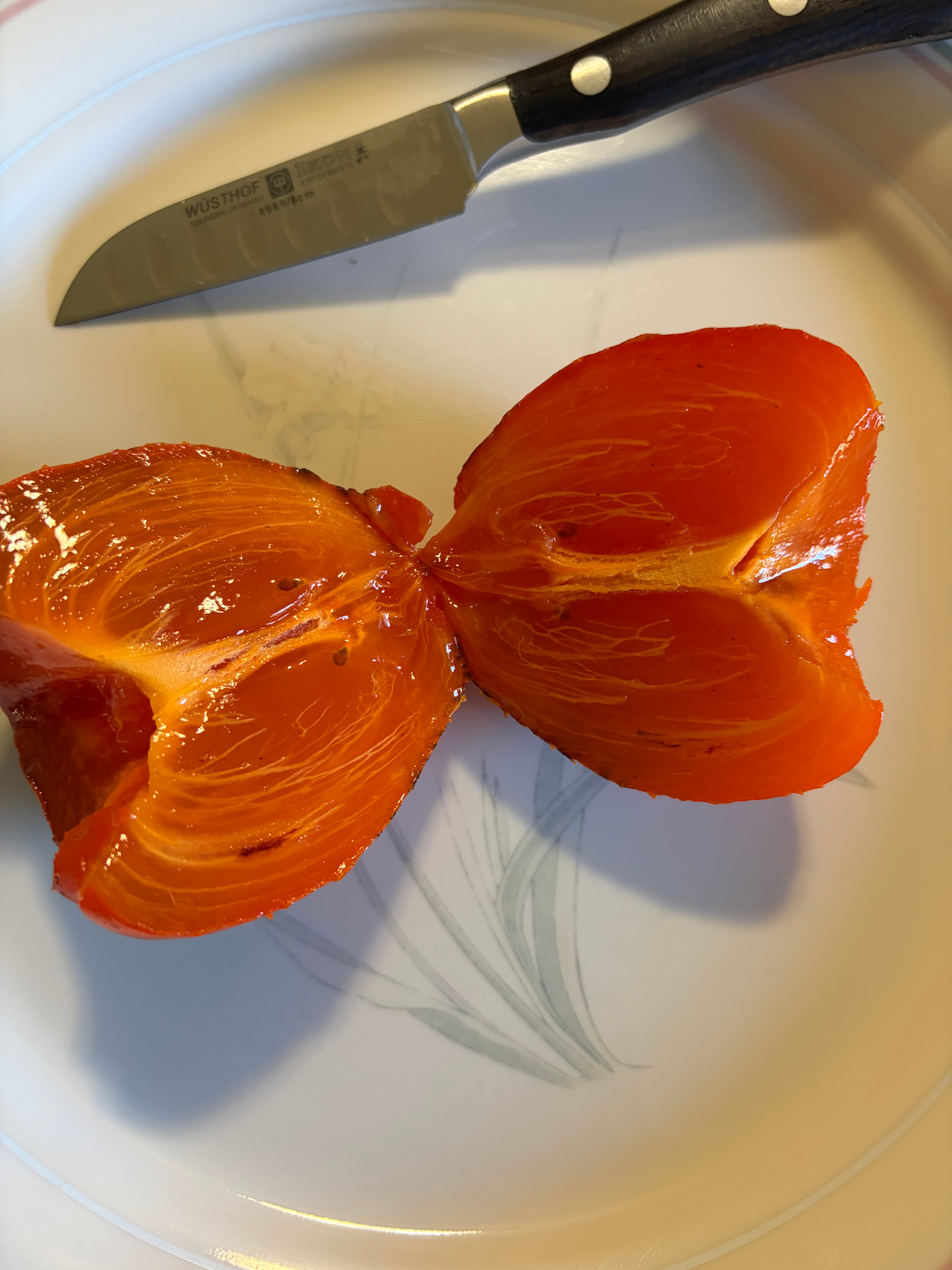
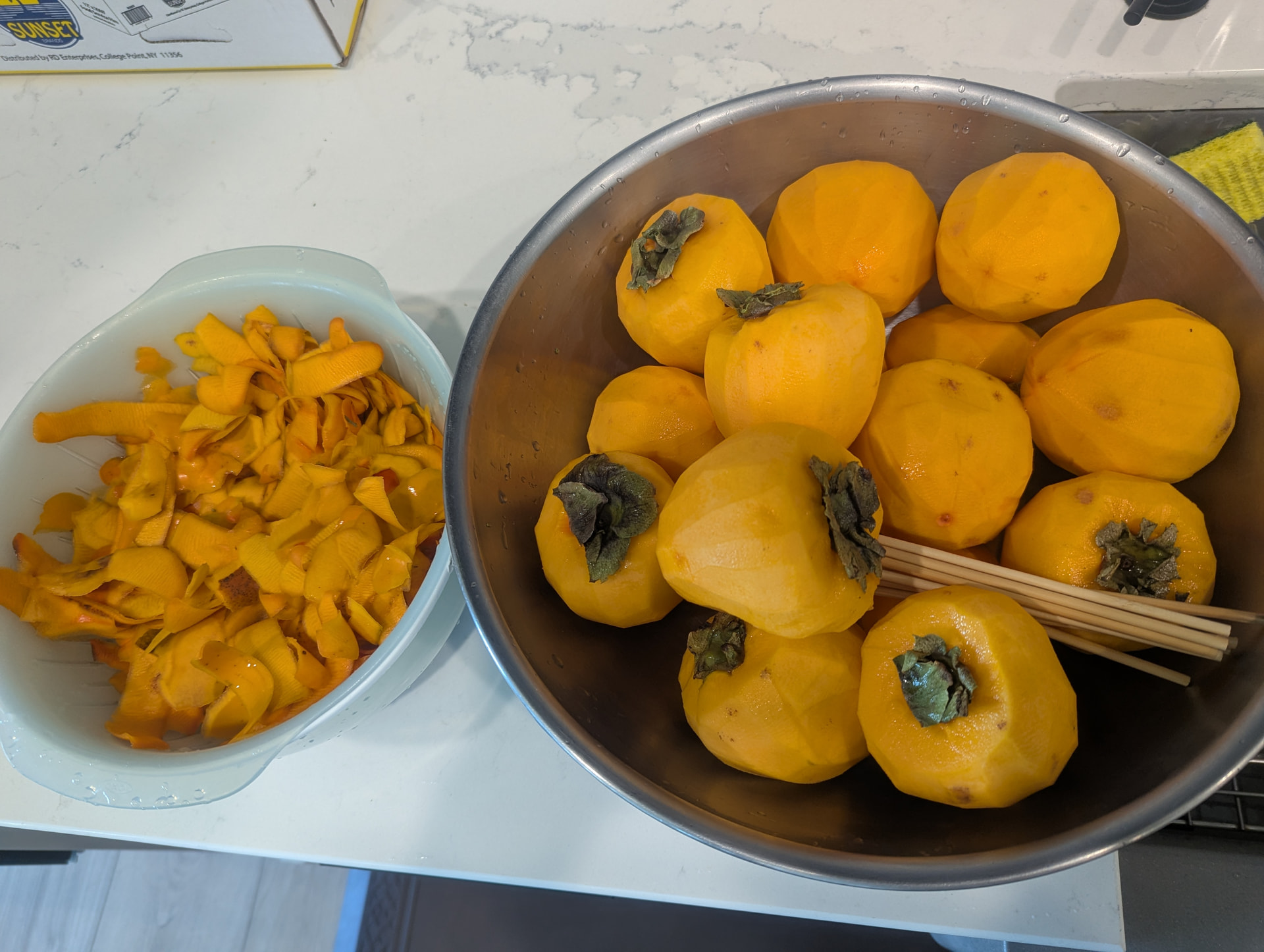
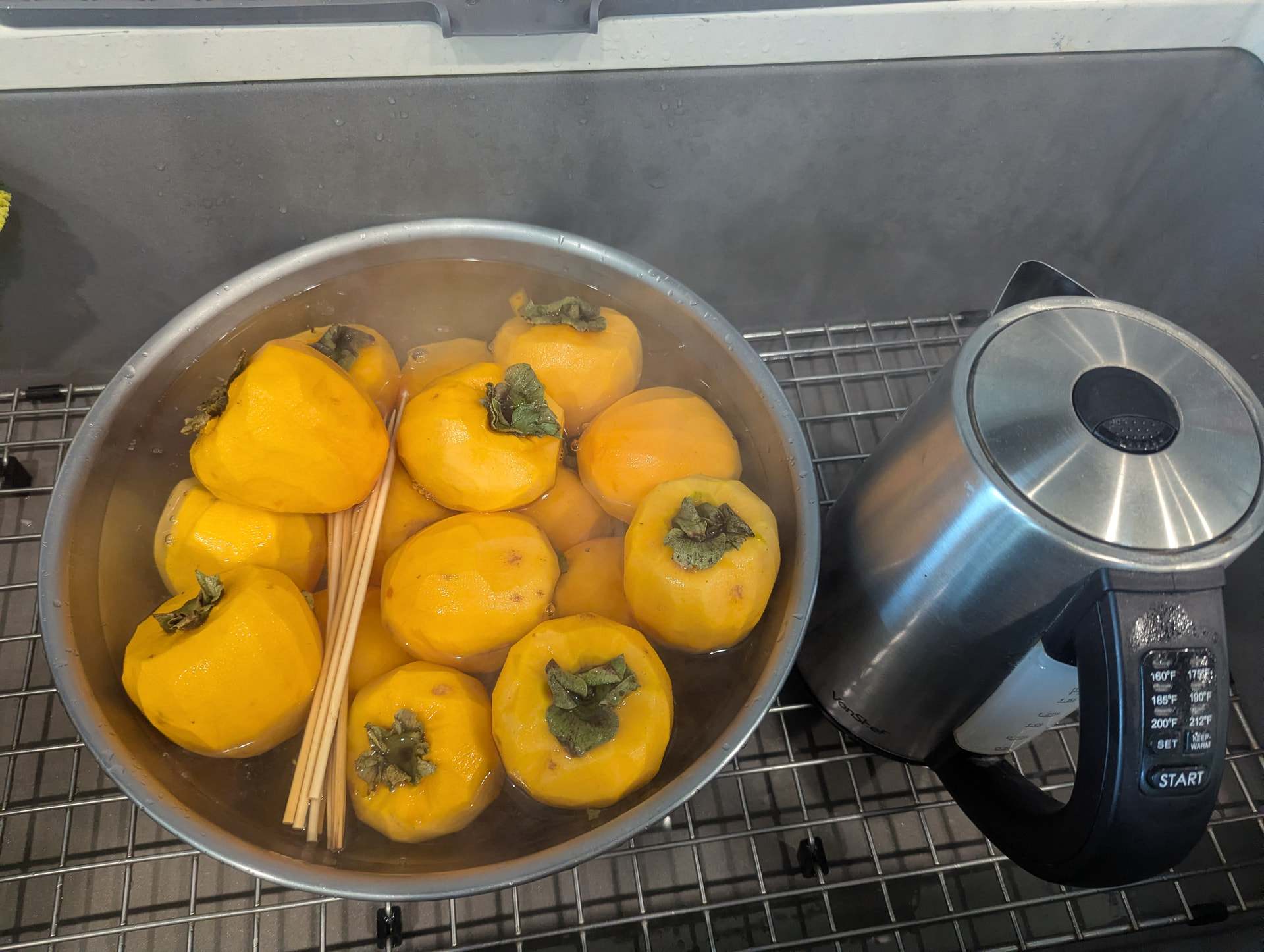
Dutchess County NY Z6A…I think you may be a degree or two colder than me on average…downtown Poughkeepsie right on the Hudson at near sea level is marginally into Z6B…but the part further from the river is 6A…as soon as one gets 4+ miles in from the river, definitely Z6A… I’m at about 5 miles in…I’m going to go with JT-02 / Chuchupaka / Sosnovskaya / Dar Sofiyivky / Kasandra and hope for the best…(just ordered JT-02 and Chuchupaka)…plus as you say, desiccating winds are very bad…I had 3 hybrid hollies supposedly hardy to Z6A with varying degrees of wind burnt leaves last winter…one died completely while the other two came back and leafed out strongly this spring…multiple Ilex opaca were totally unaffected…I just might have to give the young trees some winter protection as Tim Lane suggests…I used to live in northern Dutchess close to the Conn. line and at ~1K elevation…one winter there saw three straight nights with -25F on my thermometer after a fresh snow fall…killed even Ilex opaka above the snow line…no forsythia bloom above the snow line that spring either…glad I moved for that and other reasons…anyway, looking forward to see how the hybrid persimmons do…hope I live long enough to see…they look fantastic in the cut fruit photos…Beemster
…
…spoke to the owner at Rock Bridge Trees and he said he doesn’t know why people buy some of the persimmons he sells but has tasted both Chuchupaka and JT-02 and he considers them both PRIMO!
from GROK AI:
Chuchupaka (also spelled Chuchupaka, Cucupaka, or Чучупака) is a cold-hardy Ukrainian hybrid persimmon (Diospyros kaki × Diospyros virginiana).
Key Characteristics
- Origin: Ukraine. Bred by V.N. Derevyanko (associated with the broader Ukrainian hybrid breeding program linked to Nikita Botanical Garden lines). It is a 3rd-generation hybrid. Officially registered around 2020. Named in honor of a Ukrainian historical figure.
- Hardiness: Excellent — one of the hardiest modern hybrids. Commonly rated to –28 to –30 °C (approx. –18 to –22 °F). Ukrainian trial data showed no damage in severe cold events (e.g., –26.7 °C). Suitable for USDA Zone 5 in good microclimates. Often ranked alongside or above Sosnovskaya and better than Rosseyanka or Nikita’s Gift for winter hardiness.
- Growth habit: Moderate vigor, relatively compact tree (typically 3–3.5 m / 10–11.5 ft). Flattened-rounded to spreading crown.
- Fruit:
- Medium size, usually 100–120 g.
- Round to flat-round.
- Color: Yellow-orange ripening to darker orange, chestnut, or nearly black if left on the tree longer.
- Flavor: Very sweet and rich, with date-like or complex aromatic notes. Growers frequently describe it as better-tasting than Rosseyanka. Flesh is homogeneous with no hard spots.
- Astringent until fully soft (PCA type). Seeds typically 2–4 when pollinated.
- Ripening: Early to mid-season — often mid-to-late October (can begin late September in warmer sites). Generally earlier than Nikita’s Gift and Kasandra; one of the earlier high-quality hybrids.
- Yield: High and reliable once established (reports of up to ~90 kg on mature trees).
- Pollination: Mixed reports. Some sources describe it as parthenocarpic (sets fruit without a pollinator). Ukrainian breeder notes indicate relatively low parthenocarpy, so a pollinizer (Asian or other hybrid) significantly improves yield.
Growing Notes
- Strong natural resistance to fungal diseases and pests.
- Good choice for cooler or shorter-season climates due to its combination of hardiness and relatively early ripening.
- Fruit left on the tree can darken dramatically and develop a more complex flavor.
- Young trees benefit from trunk protection the first 1–2 winters in the coldest sites.
Context
Chuchupaka ranks among the top modern Ukrainian hybrids (with Sosnovskaya, Dar Sofiyivky, and Bozhyi Dar) for growers seeking reliable performance in colder regions. It is particularly valued for its winter hardiness, early ripening relative to many hybrids, and good fruit quality.
Availability is still limited outside specialty European nurseries and scion exchanges, though it is gradually becoming more known among North American hybrid collectors.
…
JT-02 (also known as Mikkusu) is widely regarded as one of the hardiest and highest-quality first-generation hybrid persimmons (Diospyros virginiana × Diospyros kaki).
Key Characteristics
- Origin / Parentage: Josephine (D. virginiana) × Taishu (D. kaki). Hybridized in Japan via embryo rescue and introduced to the United States by Jerry Lehman of Indiana in the early/mid-2000s.
- Hardiness: Excellent for a hybrid — commonly rated and tested to –20 to –22 °F (–29 to –30 °C), with some reports of survival near –26 °F in Zone 5 trials (e.g., Omaha, Nebraska). One of the most reliable hybrids for colder Zone 5 sites. More cold-hardy than Nikita’s Gift, Rosseyanka, or most other early hybrids.
- Growth habit: Semi-vigorous to moderate. Spreading growth habit. Broad, glossy foliage that resembles Asian kaki more than pure American types. Can be maintained as a smaller ornamental tree.
- Fruit:
- Size: Medium to large (often 2.5–3+ inches; larger than many pure Americans).
- Shape: Round to flattened (somewhat Fuyu-like).
- Color: Orange; can develop mottled or darker (sometimes bluish-black) skin in certain years/conditions.
- Flavor: Frequently praised as rich, sweet, dense, and syrupy. Descriptions include butterscotch, honey, apricot, and complex persimmon notes. Many growers rank it richer than Hachiya. Texture can be somewhat watery/mushy when fully soft.
- Astringent until fully soft (PCA type). Can produce seedless fruit without a pollinator.
- Ripening: Mid- to late-season among hybrids (often later than Nikita’s Gift, Kasandra, or the earliest Ukrainian types). In cooler climates it may require counter-ripening off the tree.
- Other traits: Productive once established. Good disease resistance typical of hybrids. Attractive tree form.
Grower Reputation
JT-02 is frequently called out by experienced northern growers (especially in Zone 5) as one of the best overall hybrids for the combination of cold hardiness + fruit quality. Long-term trials (e.g., Tony in Omaha) have highlighted it as surviving repeated –20 °F winters with little or no dieback while producing excellent fruit. Flavor opinions vary slightly — some prefer the richer complexity of Kasandra or certain Ukrainian hybrids, while others rate JT-02 at or near the top, especially for its hardiness advantage.
Growing Notes
- Best in full sun with well-drained soil.
- Young trees benefit from protection the first 1–2 winters in marginal Zone 5 sites.
- Fruit must be fully soft before eating.
- Available from several specialty U.S. nurseries and as scionwood.
In summary: JT-02 / Mikkusu stands out as a top-tier cold-hardy hybrid, particularly valuable for growers in Zone 5 who want larger, higher-quality fruit than pure American persimmons while retaining strong winter survival.
…
might add Bozhy Dar for reliable cross pollination
Bozhy Dar
Practical Summary for Your Planting Block
If you want to ensure solid cross-pollination across JT-02, Chuchupaka, Sosnovskaya, Dar Sofiyivky, and Kasandra without taking up space with a non-fruiting male:
- Add a Bozhy Dar tree (or top-work a scaffold branch of one of your existing trees with Bozhy Dar or Universal scion wood).
- It will act as a primary pollen engine for the entire group, maximizing fruit retention and fruit size across all five trees while producing a heavy crop of its own fruit. (Note: Pollinated fruit across the block will contain seeds).
…
Fruit Trees for Sale | Native & Low-Spray | Rock Bridge Trees