There is not a belly on the bottom like the navel, but just a small dot. The climate is still in the summer, despite Autumn. To get the internal color red, cooler nights or days must be present. There is none right now, it’s still hot. The red flesh is forming close to the skin. The skin is mainly green. I think the split is due to heat, stress, and this will be the first time the tree produce fruits. This tree have at least 20 - 30 fruits. What set it apart, was the taste. It tasted nothing like an orange. That is a big give away. It don’t taste like Cara Cara.
4 Likes
I agree that many cool nights are required for blood oranges to develop internal color. Here in SE Texas they only begin to color up in mid-December, and don’t reach their best internal “bloodiness” until March. Usually hard freezes necessitate picking them well before then. Here is a page from my formal presentation on growing citrus that shows my recommendations for blood oranges to grow in SE Texas. It has a photo (lower right) taken in mid-December that compares a Moro I grew (“The Woodlands”, about 50 km north of Houston; a second Moro grown in Houston; and a third Moro grown in Lake Jackson, about 80 km south of Houston)
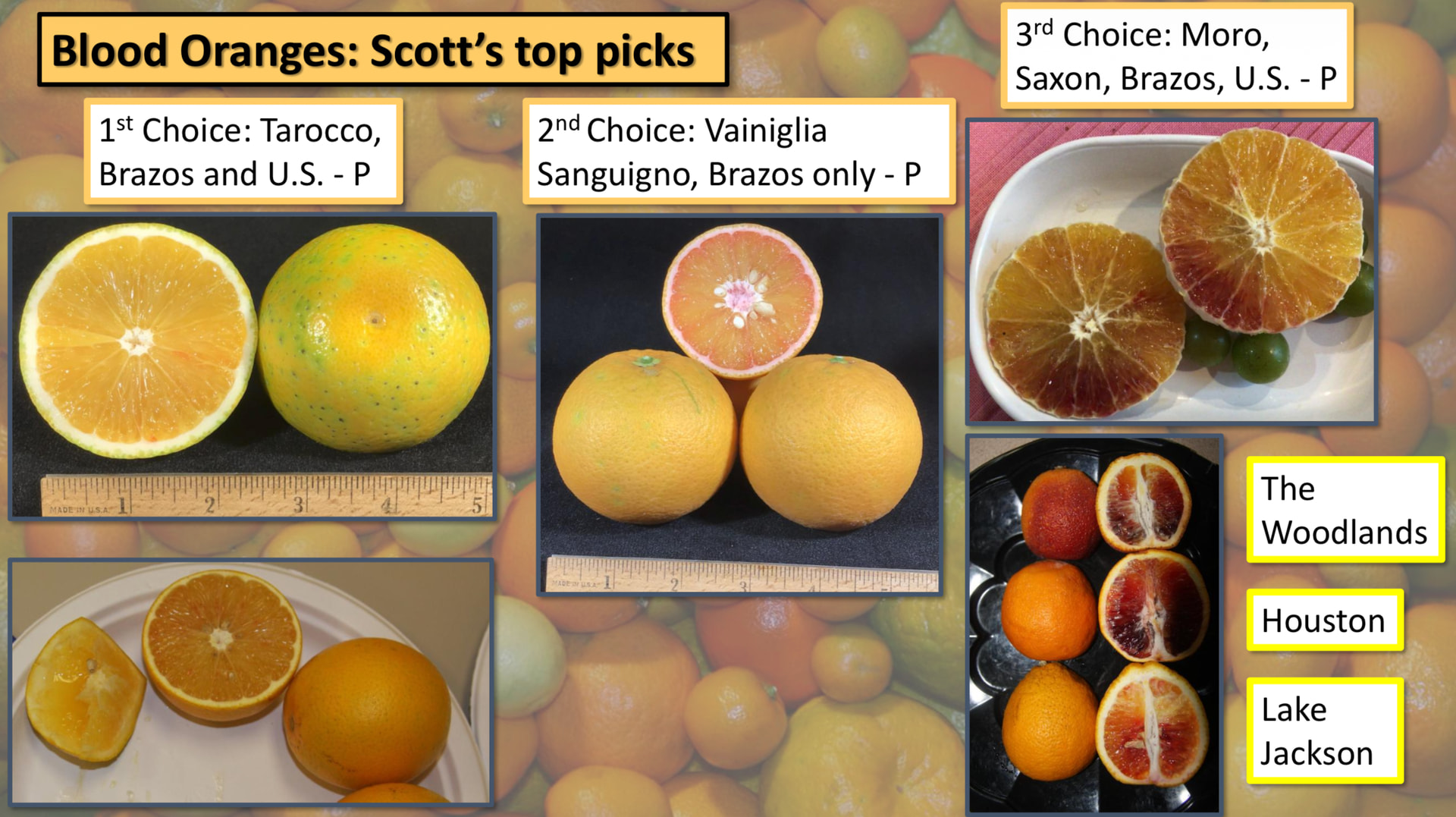
These 3 areas span an entire USDA growing zone (8b in The Woodlands, 9a in Houston, 9b in Lake Jackson). Note the decreasing “bloodiness” as you grow them further south.
6 Likes
Late summer is lime season in SE Texas! Here is a selection of home-grown limes from our orchard. Most of these were picked this past week. The Outback limes (a seedless selection of Australian Desert Lime, Citrus glauca) ripened and dropped back in August:
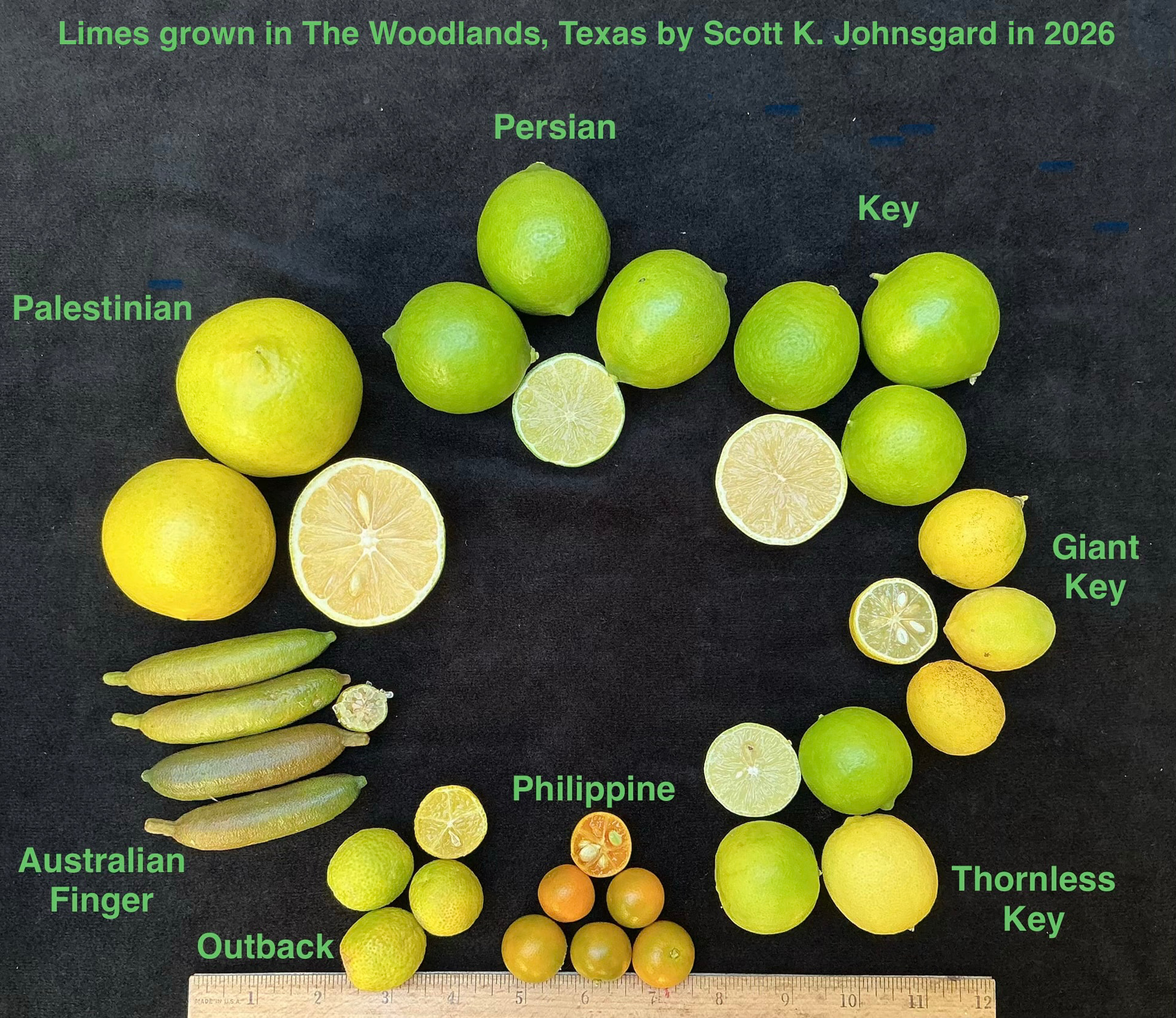
Limes are very freeze-sensitive, so most of these are container-grown. Exceptions are the Thornless Key and Australian Finger limes. They will suffer significant freeze damage if unprotected during hard freezes (below about 28 F).
8 Likes
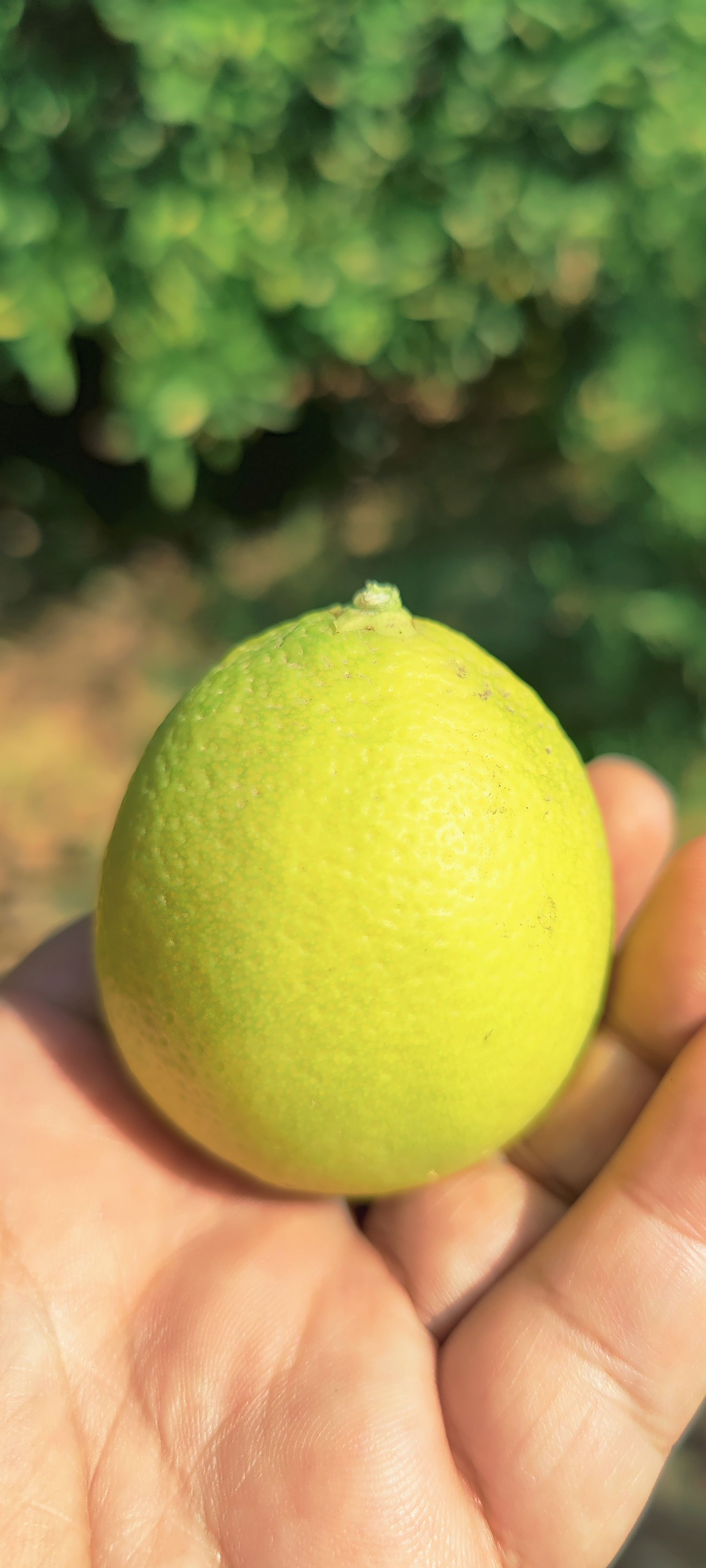
Today, I sample another blood orange seedling. The skin is turning yellow. It’s a cute size. I didn’t know what to expect, but I have a gut feeling this was something different. Yeah the size give it away. I eat the entire thing. It wasn’t harsh or full of seeds.
Look at the cute little thing. You could guess what it looked like.
4 Likes
Yesterday I harvested fruits of 6 different Satsuma cultivars from our orchard (USDA Zone 8b/9a in Southeastern Texas), and added samples of Xie Shan that I harvested about 3 weeks ago. I also weighed each fruit, measured the Brix of each cultivar, and had our family’s “expert fruit taster” (Carol) taste them and give me some adjectives to describe them. Here are the 7 Satsumas we compared:

Of these, all 7 were legally seedless (6 or fewer seeds per fruit in Texas) and very easy to peel. Most had hollow cores. Some were just reaching peak ripeness, some were clearly past their peak (Xie Shan, Silverhill), and some were somewhat underripe (Seto, BC-2). Average Brix ranged from a low of 7.5 (Silverhill) to a high of 15.1 (Brown’s Select). Flavor profiles and textures ranged from excellent to fairly marginal (drying out, “ricey”, very chewy membranes, reduced flavor, etc.). The clear winner for taste (sweetness, good sugar/acid balance, juiciness, depth of flavor, tenderness, etc.) was Brown’s Select, followed closely by China S-9. In my experience Xie Shan is usually excellent early in the season (mid to late September), but was disappointingly over-mature when picked in early October. Both Owari (average Brix 11.0) and China S-9 (Brix 8.2) were also very good with favorable comments. I think BC-2 (a Texas-local variety that was seed-grown and selected/named by the late Bonnie Childers) is also quite good, but is clearly the smallest of these 7 and still a little immature. I suspect it’s Brix (12.4 average now) will climb a little further. Note, poor peel color is common on Satsuma in Texas due to our lack of any cold nights so far this fall. I always try to harvest our Satsuma fruits by tasting samples of them starting in September and harvesting the entire tree and storing them in the fridge once they reach peak flavor. Not doing so risks them drying out and becoming “ricey” inside.
Not growing any Satsumas yet? You should be! They are the only Texas Superstar fruit tree.
11 Likes
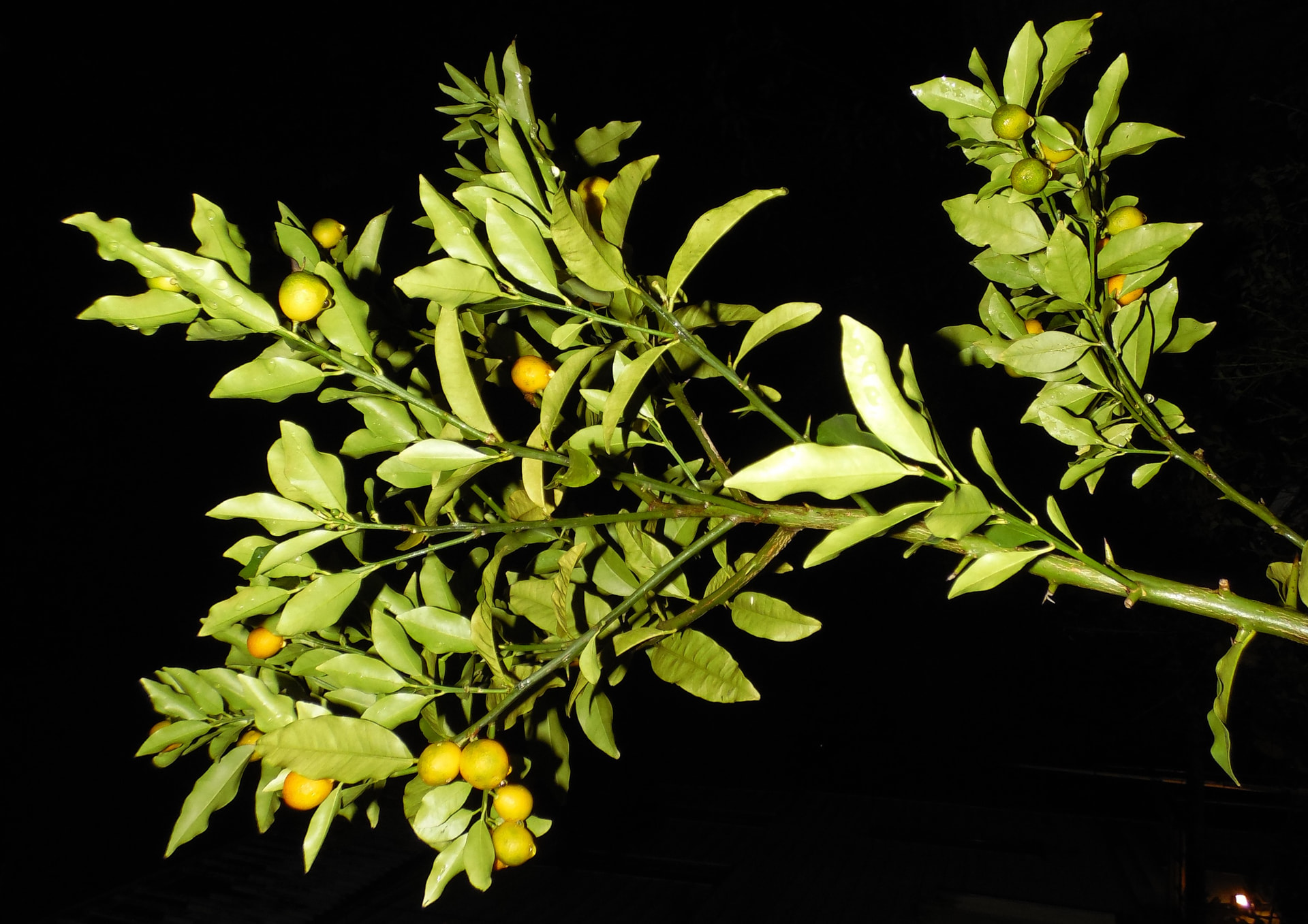
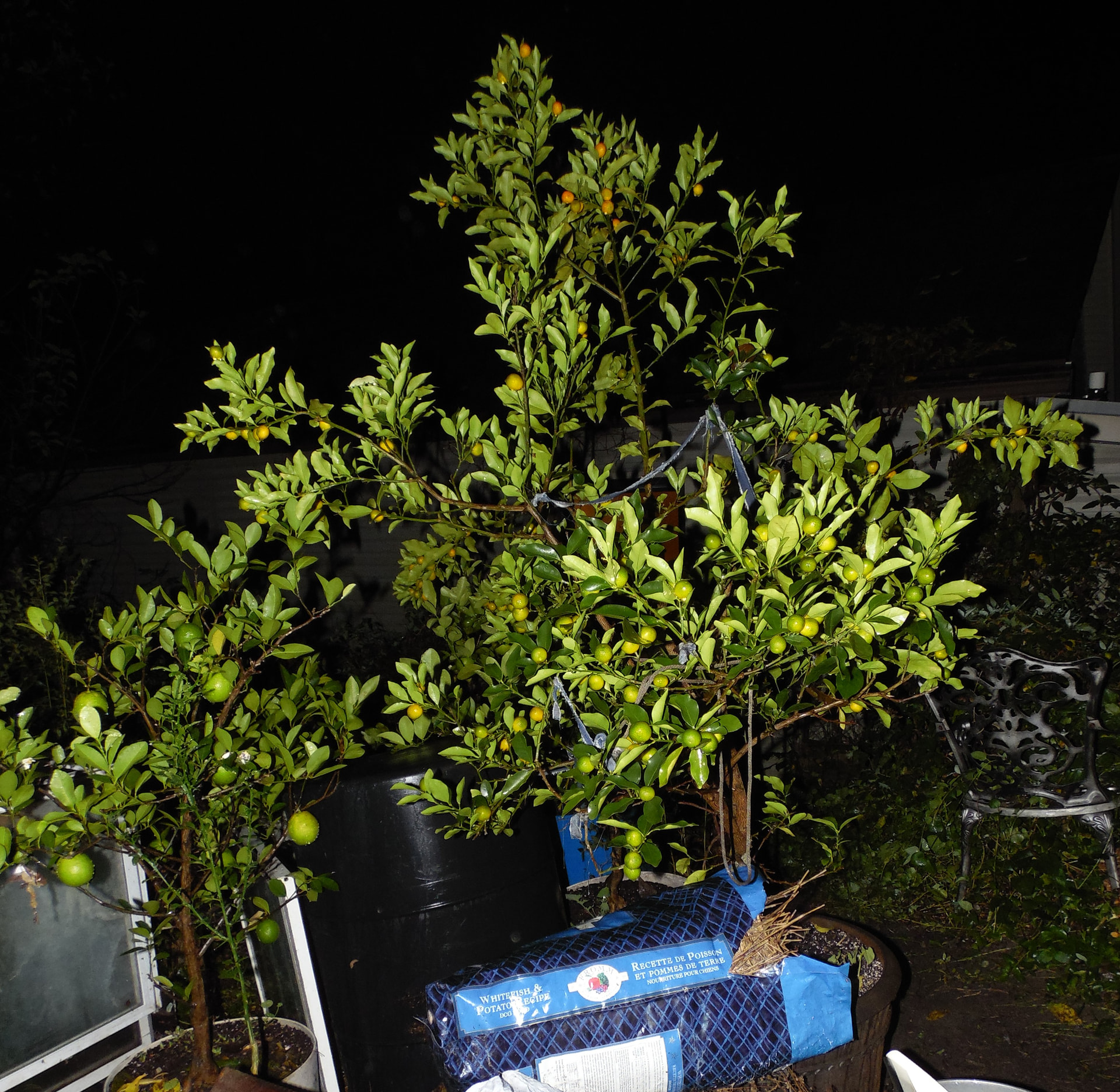
Do the kumquats taste sweet before they turn orange?
1 Like
Thanks for the info. Looks like I got lucky, before I knew anything about citrus I randomly picked browns select and owari as 2 satsumas to grow out here in the PNW. Would you say in your experience is Xie shan the earliest ripening variety?
3 Likes
The very earliest Satsumas include Miho Wase, Okitsu Wase (“Wase” means “Early” in Japanese), and Early St. Anne (and possibly others). Not sure if any of these is available in the PNW. I find Xie Shan to also be pretty early ripening, at least in SE Texas. We get many more heat units here than the PNW by far, so not quite sure when Satsuma fruits will ripen there. Owari is an excellent old cultivar, but I think Brown’s Select is better.
4 Likes
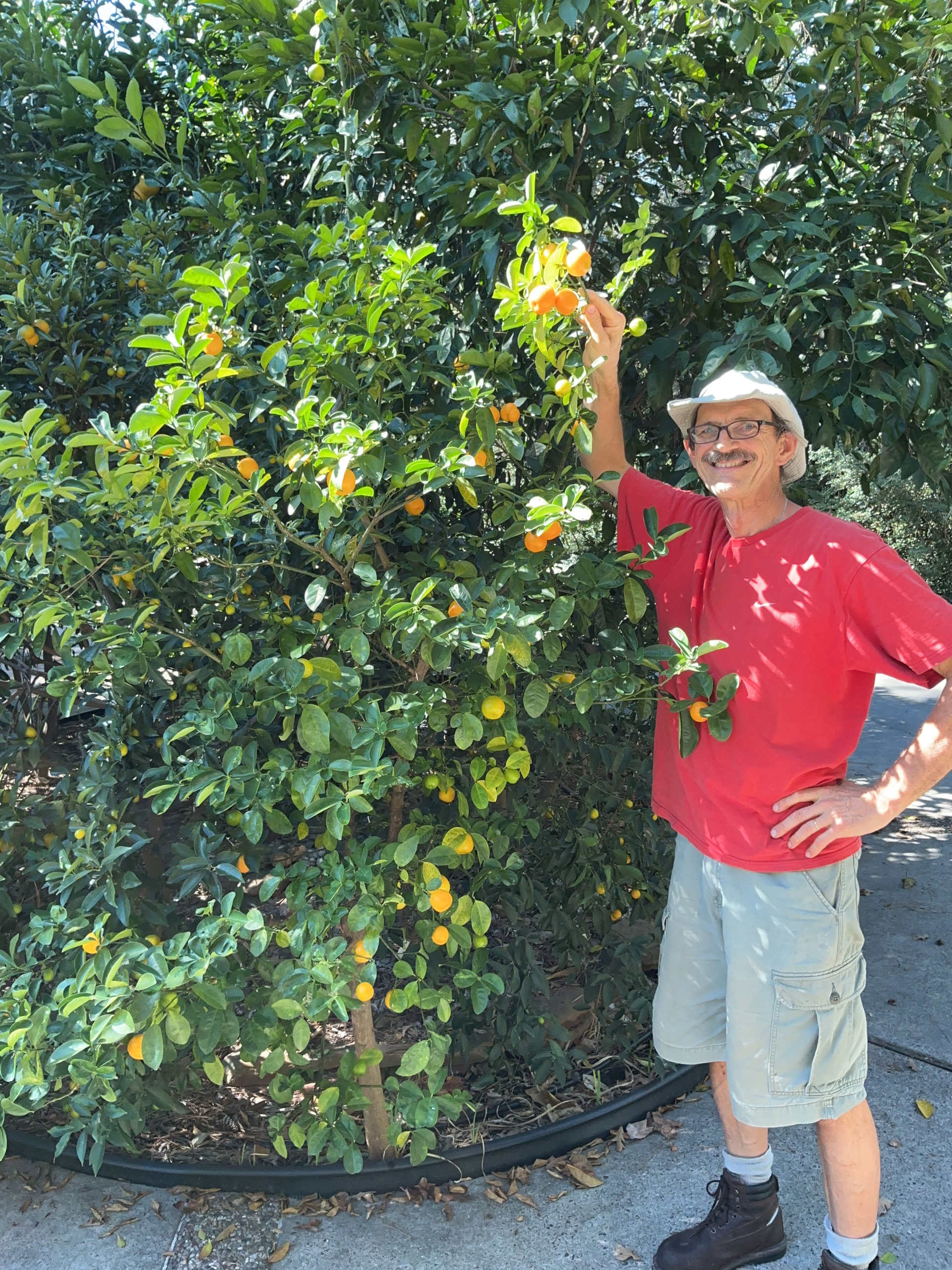
In my experience, green kumquats are far too tart to eat. Even partially orange fruit usually have a lingering bitterness. In fact, during our drought this summer hundreds of the Meiwa and Nagami fruits on our many in-ground bushes turned yellow/orange and dropped, but none were close to edible. I usually start tasting a few of these two kumquats here (SE Texas) in late November, but they are best left on the bushes until January, or even (with no hard freezes) February. Then they are outstanding. Interestingly our Chanshou kumquats are nearly ripe now:
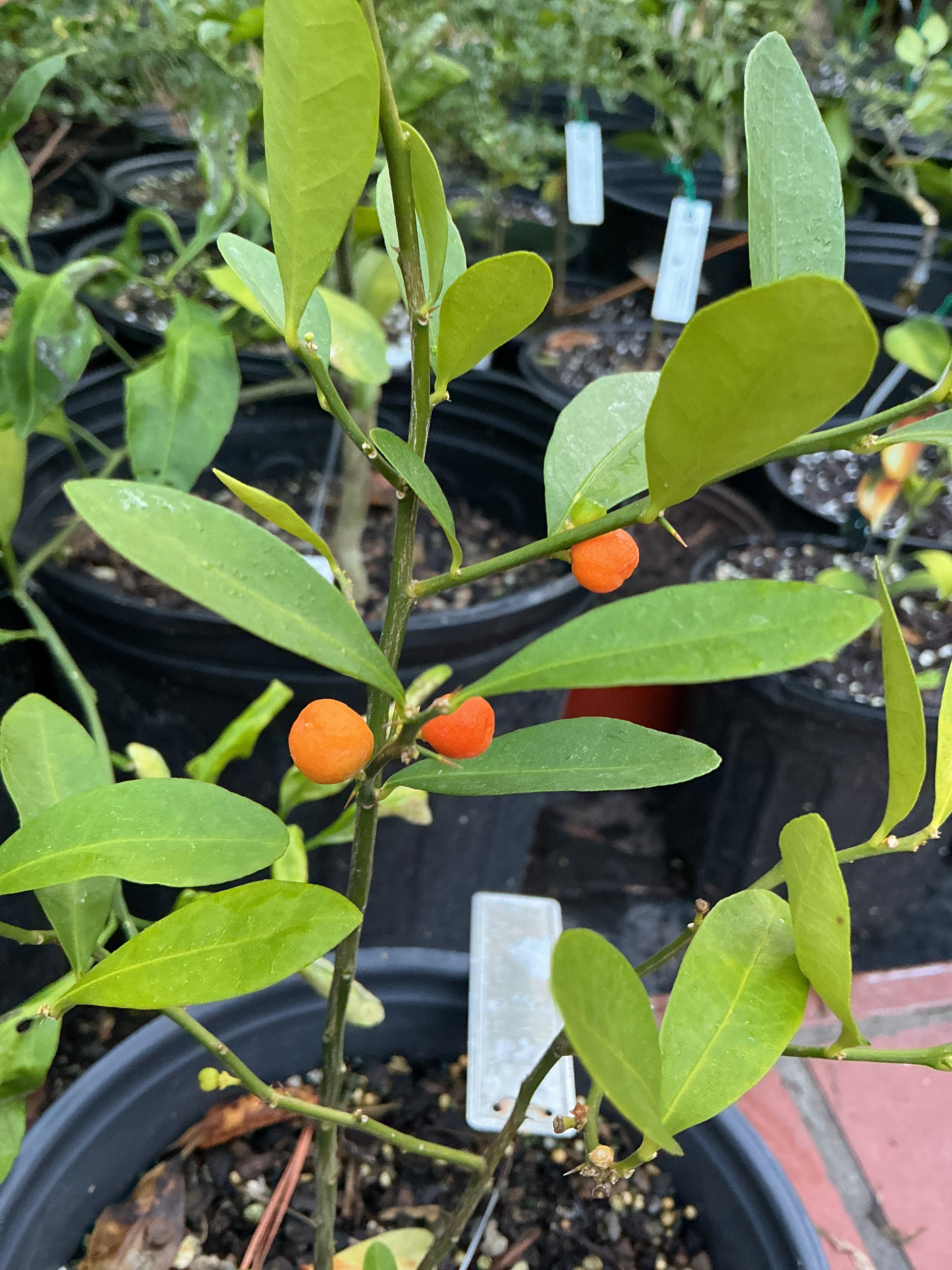
I have some Golden Bean (aka Hong Kong) kumquats that are completely ready to be harvested now:
9 Likes
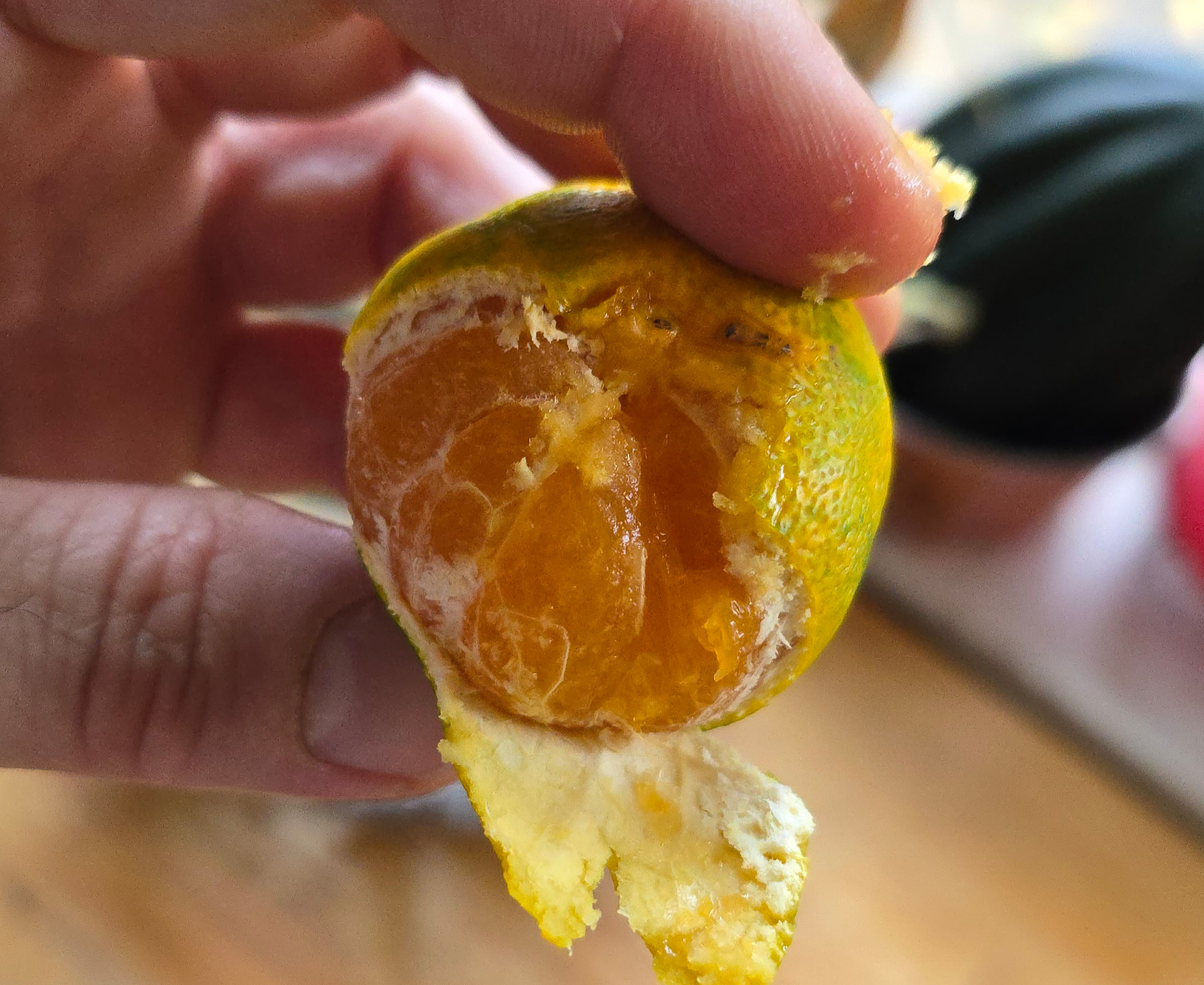
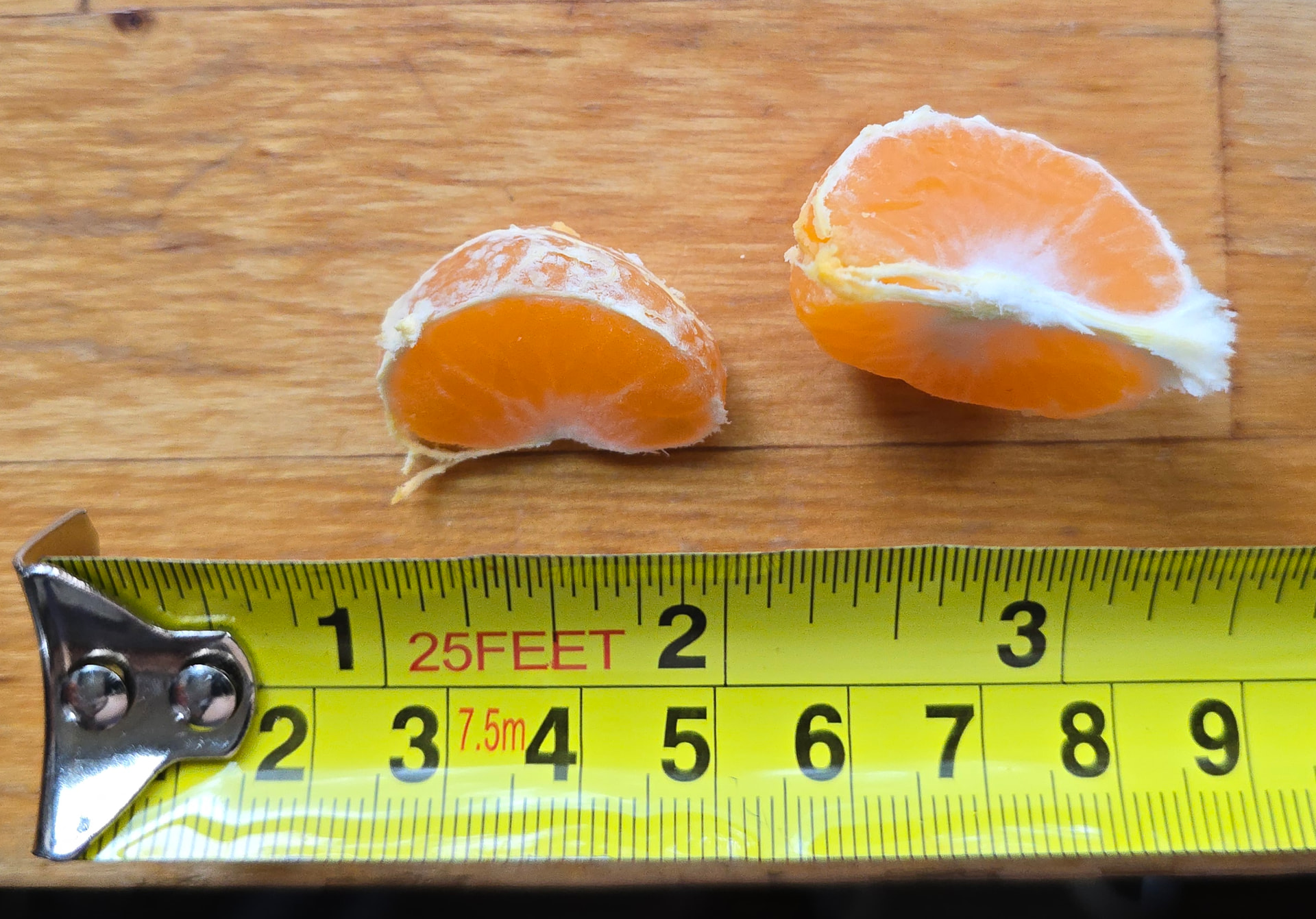
China s-6. Little guys, but first year for fruit. Few were getting a little soft, so I picked the rest. Brix averaged between 11 and 13 across each. Very tasty.




9 Likes
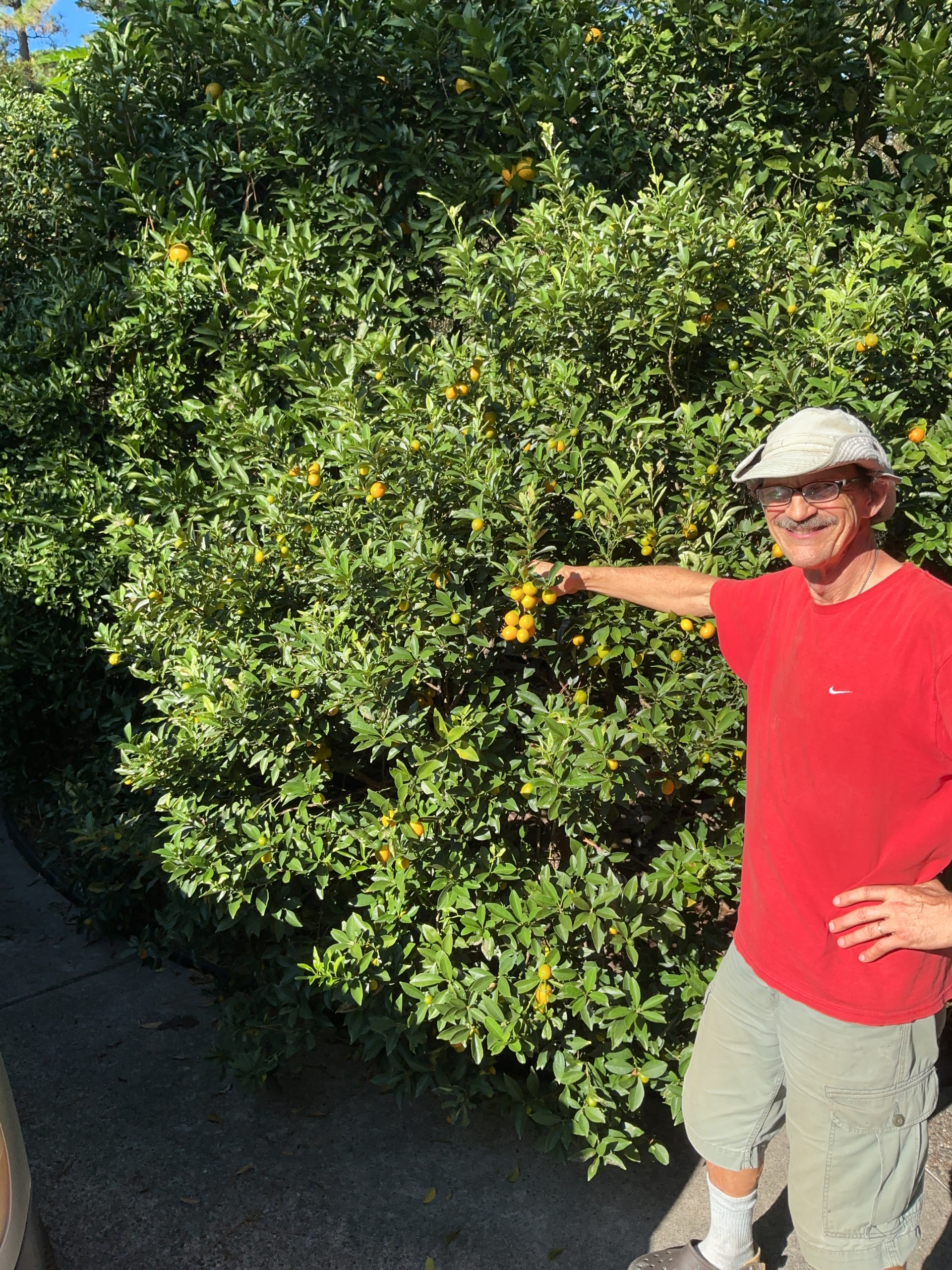
Our in-ground Nagami kumquats (SE Texas) are starting to ripen too. This bush is about 12’ tall (circa 10 years old)

Our in-ground Meiwa kumquats are also starting to color-up. This bush is over 6’ tall and quite wide (also about 10 years old)
8 Likes
I’ve been eyeing this kumquat variety for a while, once you try the fruit could you post about it more? I was thinking about using it in citrus breeding, thanks.
3 Likes
I have eaten my Golden Bean fruit previously. They are about the size of a green pea (circa 1/4” in diameter), and really just barely edible, mostly a few large seeds with a meager amount of poor-tasting peel. The good news is that I have had seed-grown plants bloom and even set fruits only 6 months after sowing, at only 6” height. I don’t know if they are monoembryonic seeds (I recall they are), which would be really important for cross-breeding. It should say online somewhere…
4 Likes
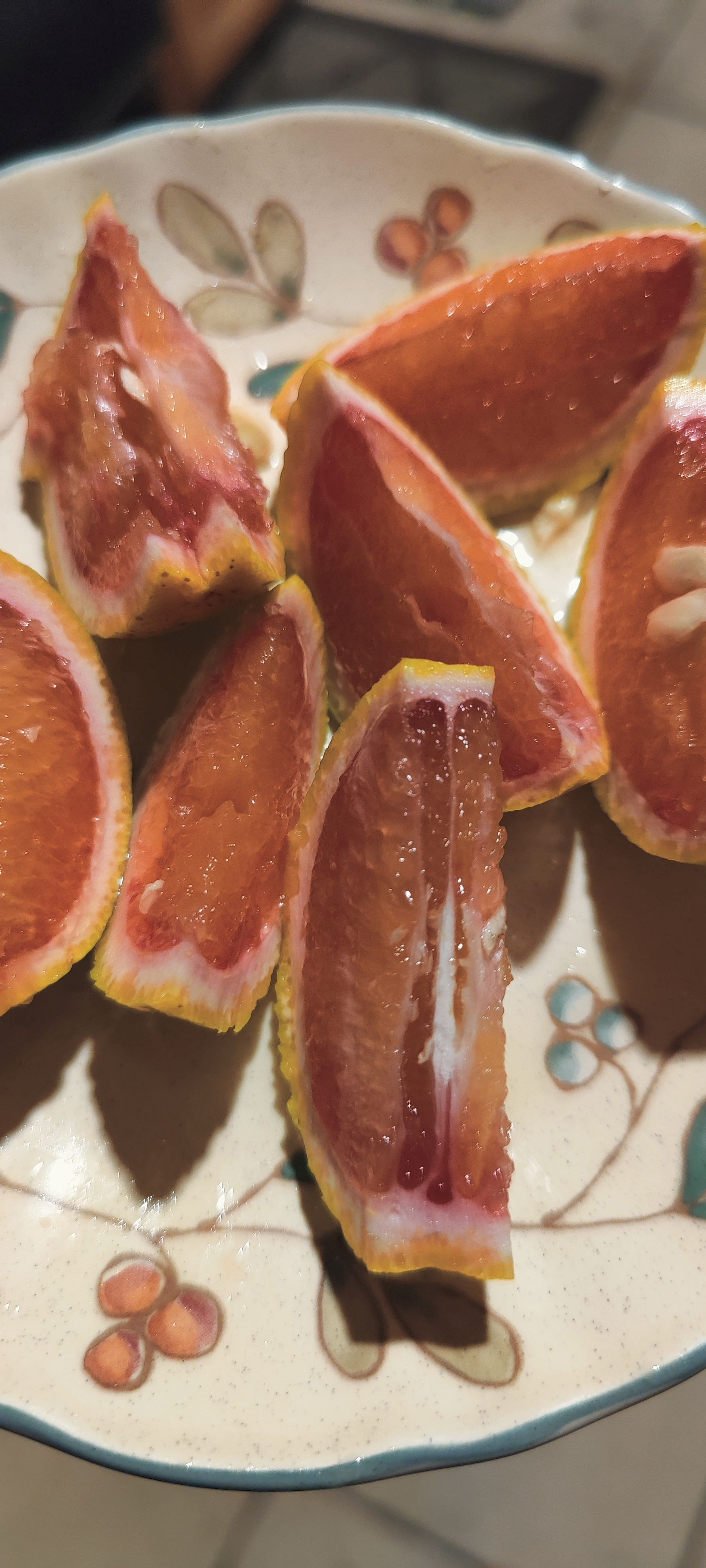
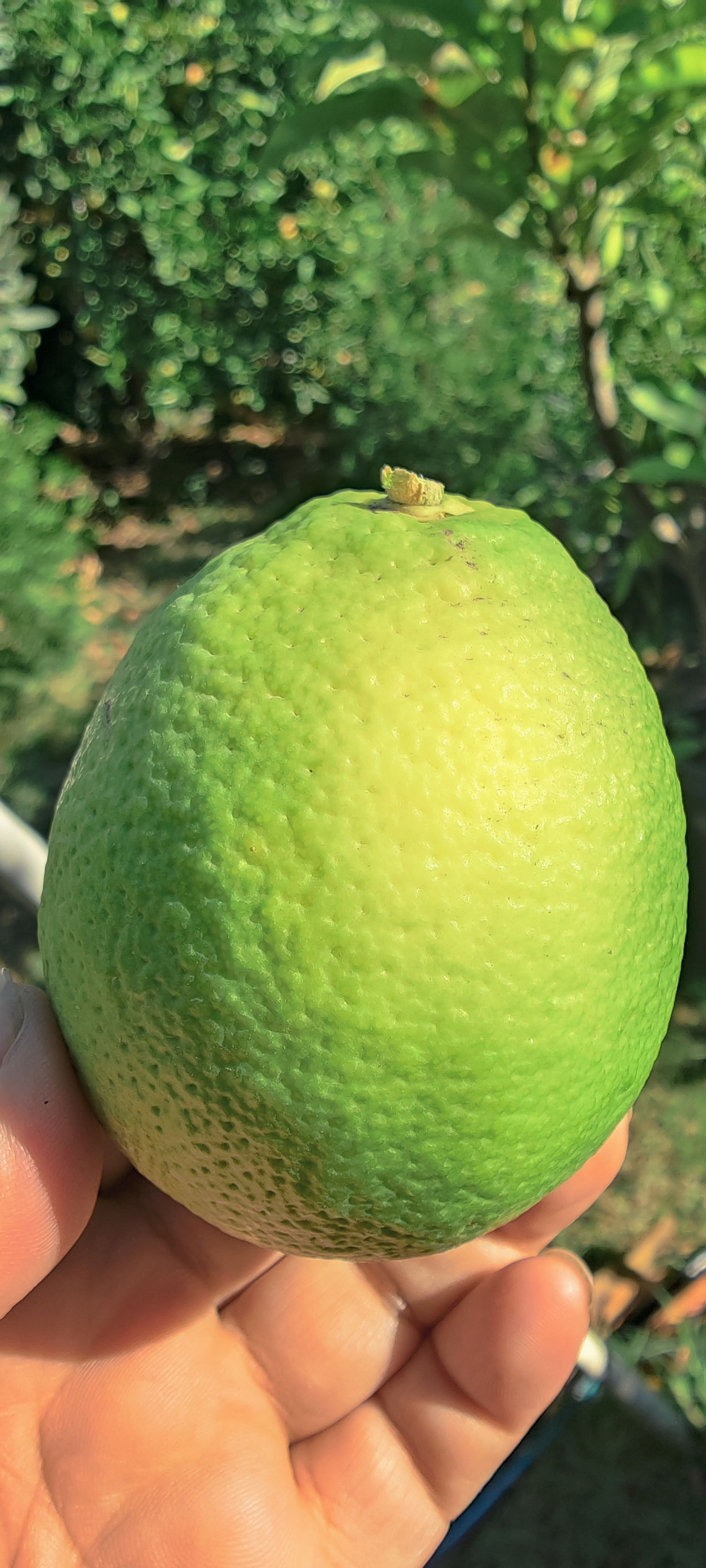
I have 3 trees from blood orange seed that fruited this year. All of them have different result. The 1st tree is blood orange, the 2nd tree is sweet/sour lime/lemon, and the 3rd is sweet orange. As the weather is getting colder, the blood orange pigment is turning red.
Below picture is the blood orange.
Below picture is the sweet orange. Forget to take the internal as I was sampling it.
7 Likes
I checked, and Golden Bean kumquat has monoembryonic seeds at a rate of about 90% and a typical juvenile stage of only about 8 months: Genome sequencing and CRISPR/Cas9 gene editing of an early flowering Mini‐Citrus (Fortunella hindsii) - PMC
5 Likes
I gathered about 7 pounds of finger limes from beneath our bushes over the past couple of weeks:
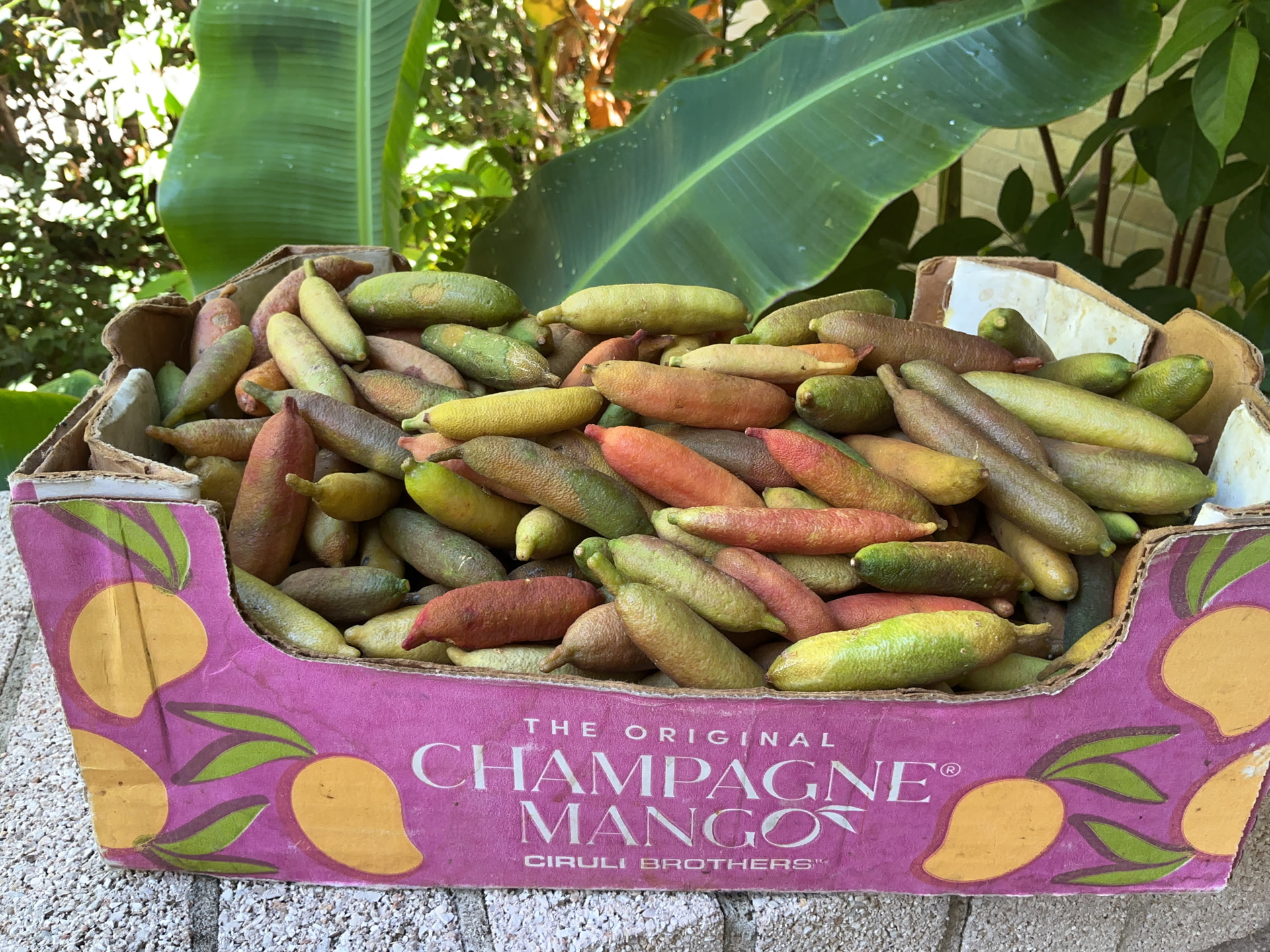
Now, what in the world do I do with all these wacky, barely-edible fruits… A couple months ago I offered to sell them to a chef at local high-end restaurant (and even gave the chef a 1 pound sample for free), but no joy. I have added them to homemade key lime pies as a topper (or to the filling before baking), but 7 pounds exceeds my need for eating pies!
7 Likes
can you tell the difference between a still green persian lime and eureka lemon? i was looking over mine and realizing i probably couldnt differentiate between them.
1 Like
Golden Bean…pickles - chilli’s, sounds GOOD.
2 Likes
Maybe dry them (or freeze) and use them in potpourri simmer pots over the year? Or candy them? Not sure how well they take to that with the difference in flesh vs other citrus.
4 Likes