Murky - R U a Mandalorian fan? haha
1 Like
Might someone want to add a blurb for newbies about interstems and why to use one? There are interstem threads but they’re about types and outcomes as far as I can tell.
1 Like
There are several purposes possible for using an interstem. The first is for compatibility. As an example, certain interstems can make a pear rootstock accept an apple graft. Interstems are commonly used when grafting stone fruits (peach, plum, almond, etc) for this reason.
A second reason for an interstem is to induce specific changes in the scion such as dwarfing. With a dwarfing interstem, it is possible to limit growth of the scion which would normally produce a full size tree.
Very rarely, an interstem will be used because it conveys a specific trait to the scion.
9 Likes
All that. I did it specifically for size control and drought tolerance, and precocity.
1 Like
So would it be possible to use a standard size rootstock for the benefits of a vigorous rootstock i.e. drought tolerance, and then a dwarfing interstem to control above ground size?
1 Like
Yes, but combining for multiple traits is often difficult with some unexpected problems. For example, a vigorous rootstock may throw repeated sprouts from the crown and the interstem may be very small size wise as compared with either the scion or the rootstock. Several people who post here can describe results from such experiments.
5 Likes
I used bud10 and m111. M111 is often used with bud 9, results in a lot of suckers from what I’ve seen. Maybe bud10 being slightly more vigorous will result in slightly less suckering. Some say burying graft union could suppress suckering. I have one growing in its third leaf, no suckers so far. Though this is the first year it’s put on serious growth. I expect fruit next year.
3 Likes
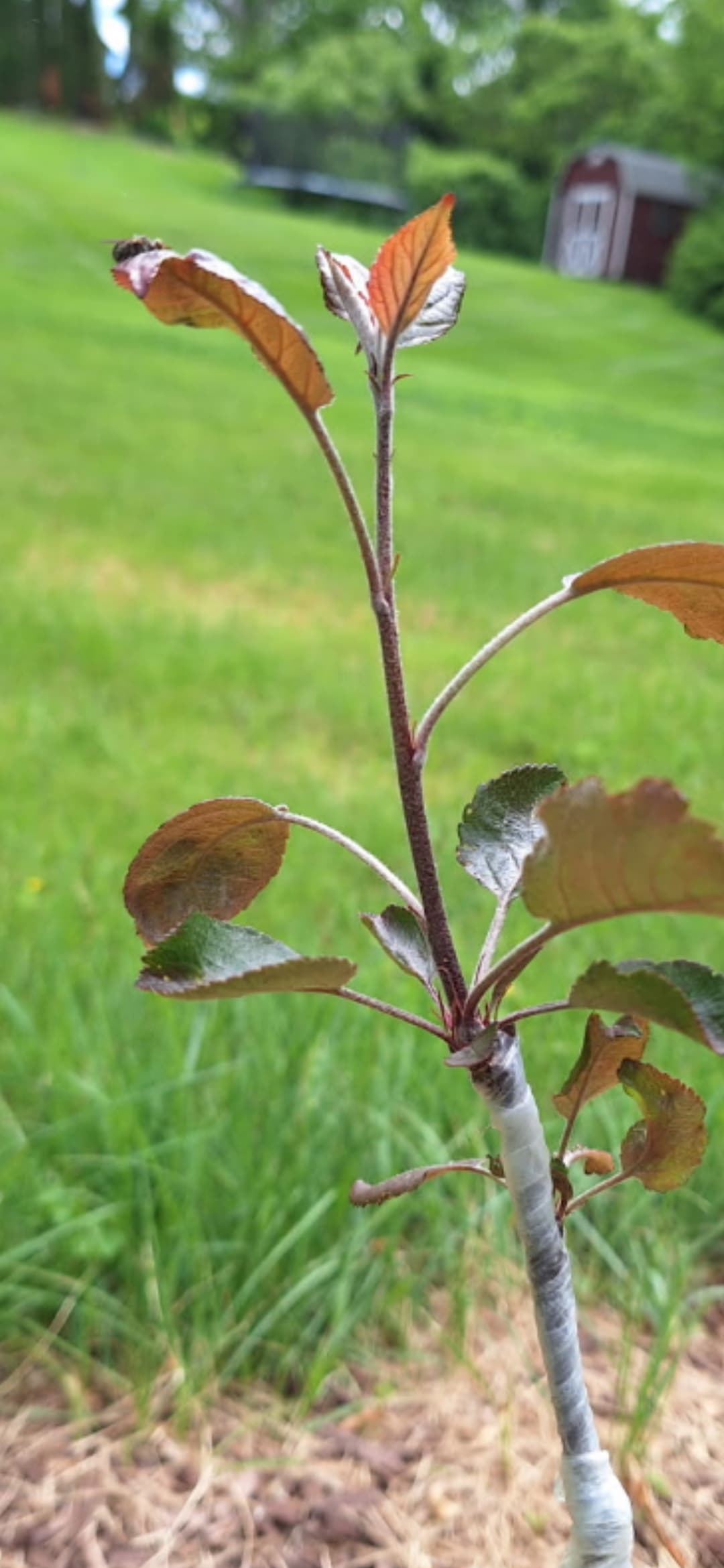
It has been around four weeks for this graft. Is this the shoot extension that you had mentioned? This is a red flesh apple grafted to m26 rootstock.
3 Likes
Yep, it probably wouldn’t grow that much unless it’s being actively fed by the rootstock.
1 Like
What Paul said. The sap in a scion alone can’t support that much growth.
1 Like
Interesting, thanks. Just an academic question for me, my trees are all semi-dwarf, and at 15 in the backyard I’m probably done planting for the most part.
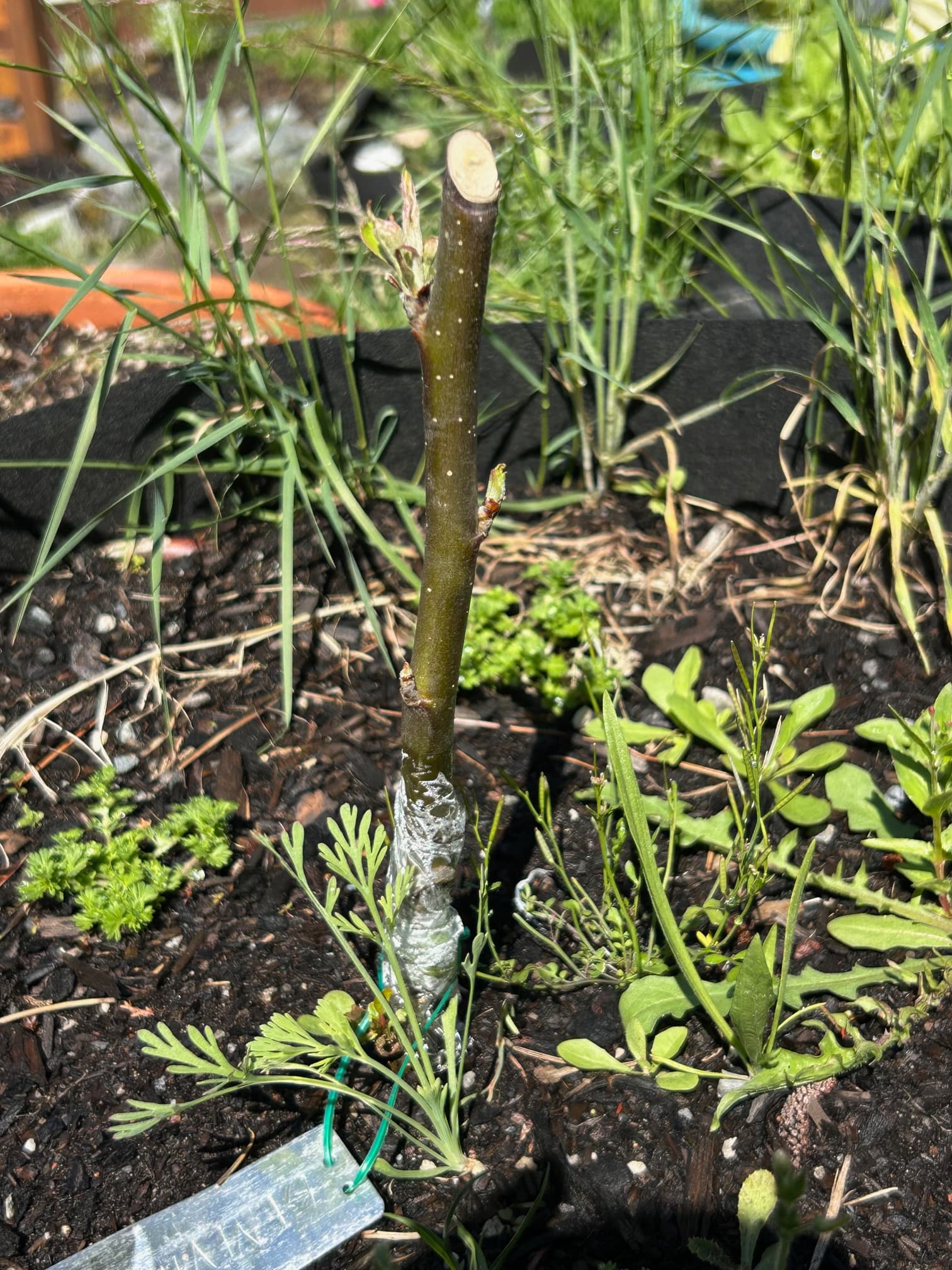
I’ve never done grafting before and I want to preserve an apple tree on my property before I cut it down. Last year all my grafts failed, I did some research, and I am giving it another try this year. I’ve noticed that 3 different grafts look like this and the top bud started opening up (the one lower looks like it’s ready to go too). Is that it, did I finally succeed at my first graft?
5 Likes
I had an apple scion fail on a graft (all my others seem fine). The MM.111 rootstock was pushing really good growth, 4”+, and the scion was very questionable when grafted so it wasn’t a shock. Thankfully I saved some excess scion wood and while I know it is a bit late in the season I trimmed off all the rootstock growth and I’m trying again with different scion wood. Fingers crossed.
1 Like
That has been my experience so far with Claygate, a rather slow-growing tree. Mine stands on Bud118 & has finally reached 9 feet tall in 8 years. Heavy twigs & one of my favorite apples.
Being triploid, I watch closely to see that other apples have overlapping bloom time. Checking this year’s calendar, Claygate began blooming with mid-season Lamb Abbey & Gold Rush & ended the same day as Maiden Blush - a fairly long bloom. It should make enough fruit to need some thinning in the next month.
2 Likes
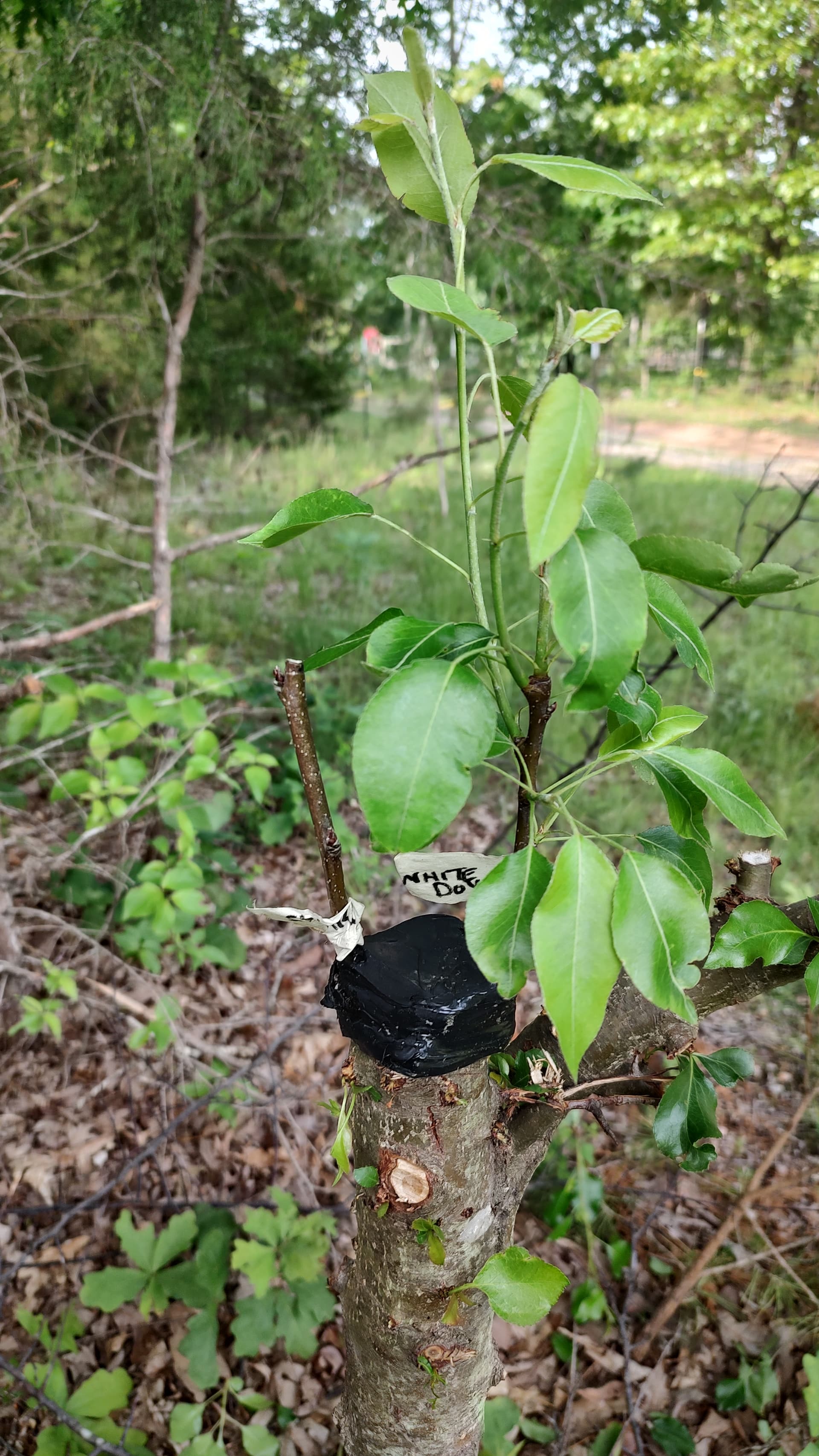
These are some grafts I did to some callery pear trees on our property. All but one took. Some are growing so vigorously they lifted both the electrical tape and the pruning sealer up.
IMG_20250519_162237198|562x1000
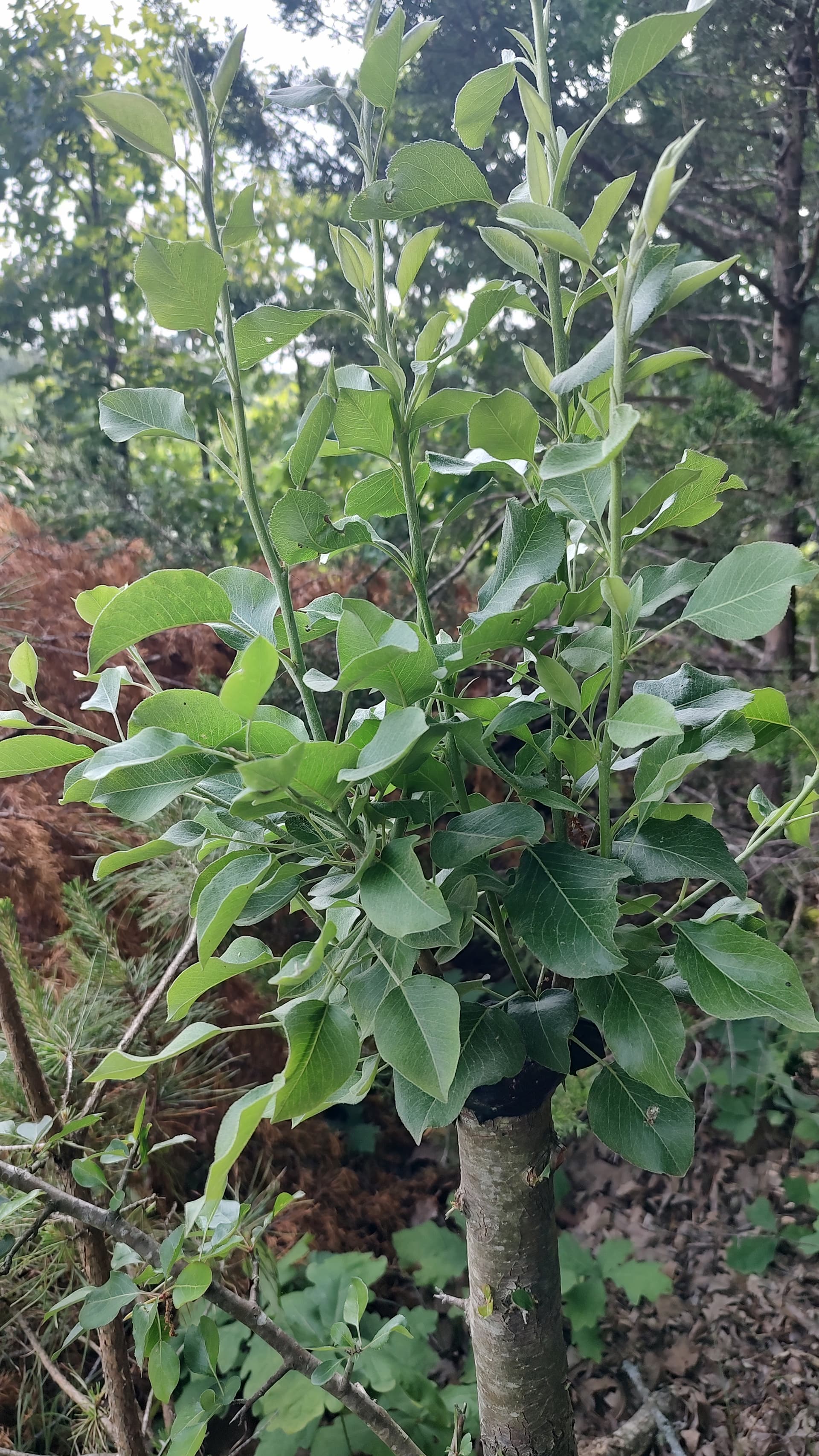
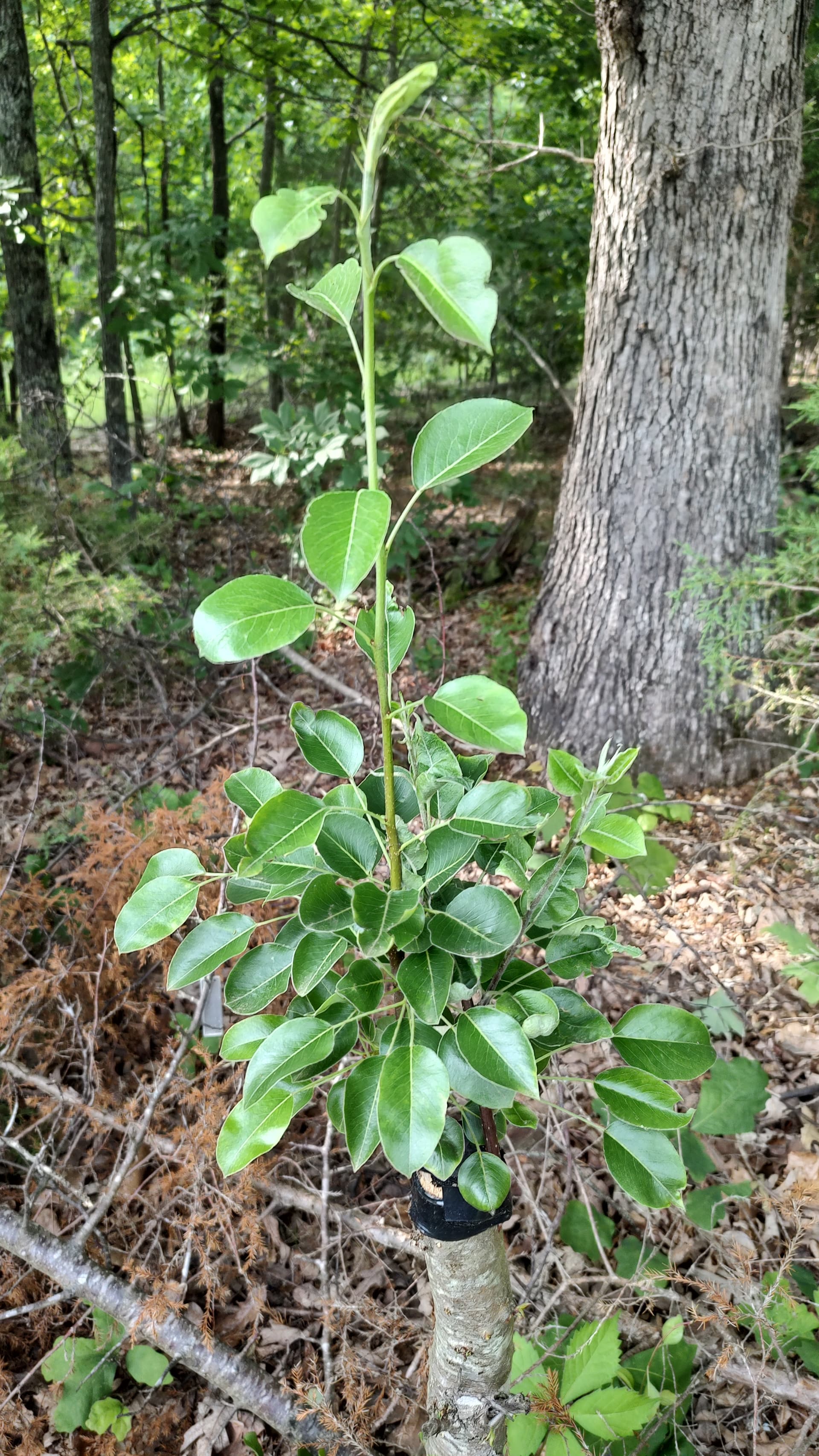
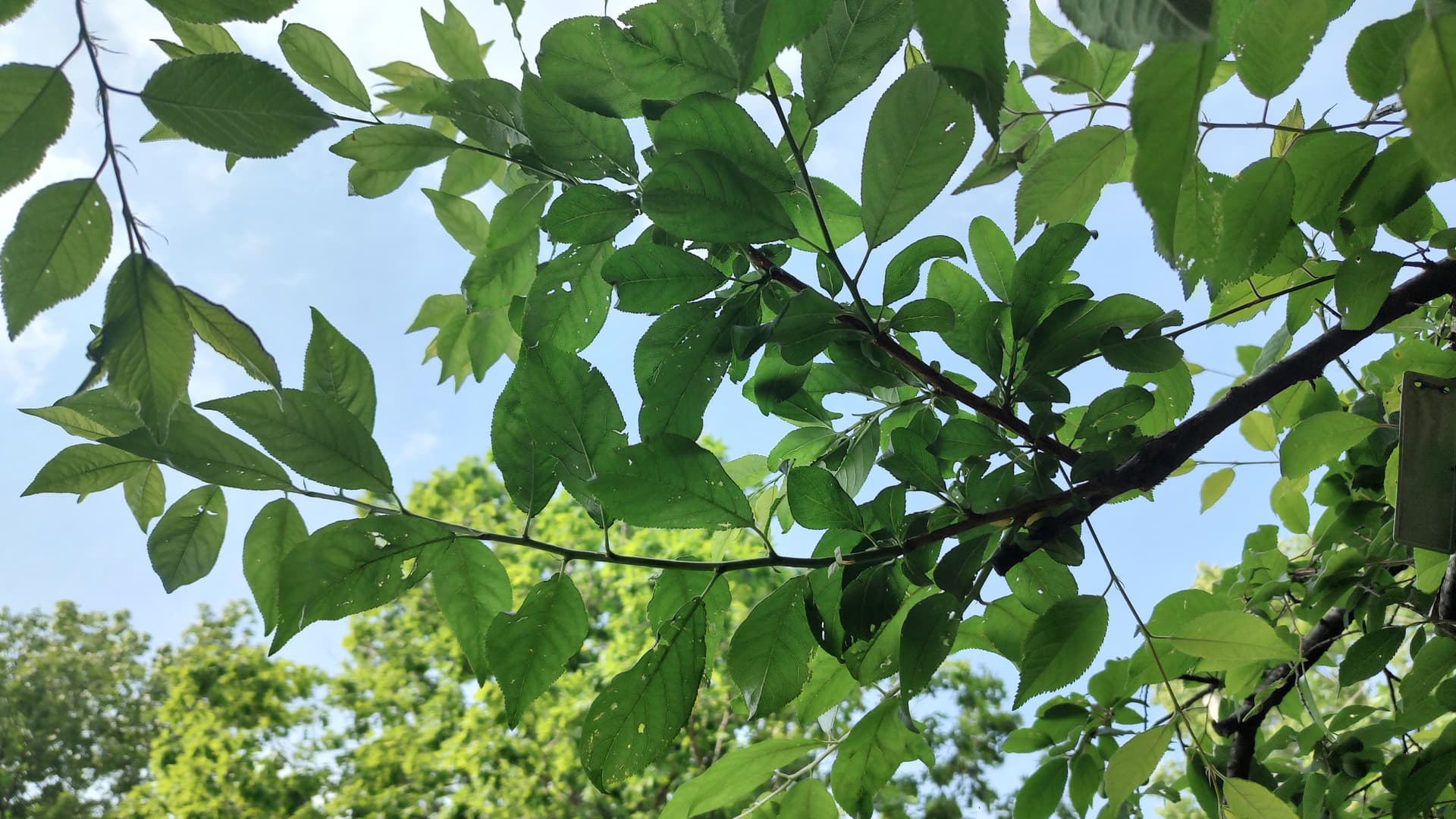
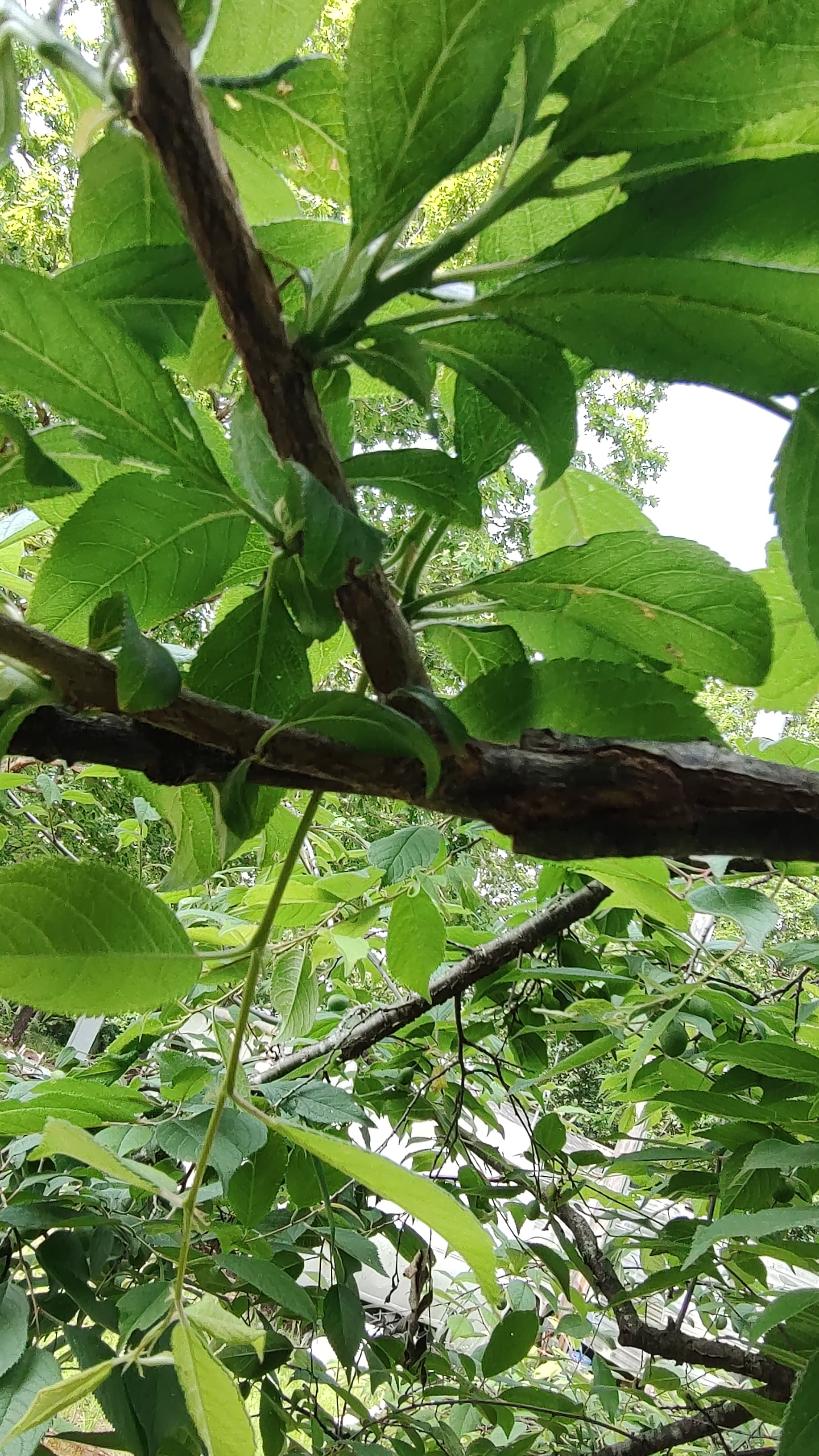
Here is a Dapple Dandy pluot that I grafted to my wild plum last year with a cleft graft. I’m hoping to get some fruit from it next year. None of my grafts I attempted on it this year took.
4 Likes
I see a lot of long grafts, typically I graft 1 bud, occasionally 2, but not very often. Anyone see any significant benefit to using longer grafted pieces?
Define long graft as a scion with 4 or more buds and/or length greater than 6 inches. I’ve used both long and single bud grafts quite a bit. It is mostly species dependent where pecan is receptive to longer scions but no benefit for pear or apple. Single bud works but fails more often than 2 bud grafts. I suspect hormone signalling is stronger with 2 buds. Long grafts may desiccate faster which can makes them fail. I’ve had good success with longer grafts when they were wrapped in parafilm though I rarely use long grafts except when bud health is questionable. For example, I made a few long grafts on pecan this year because only 1 large healthy bud was on the stick with several secondary or smaller buds. Of these long grafts, most appear to be successful.
On a different tangent, when grafting pecans, I often set 2 scions. This increases percentage of takes by about 10 to 20 percent. I have one pecan graft which I could take a picture of right now that has only 1 of the 2 scions growing. The second scion failed.
4 Likes
Here are a couple examples of my typical apple grafts.
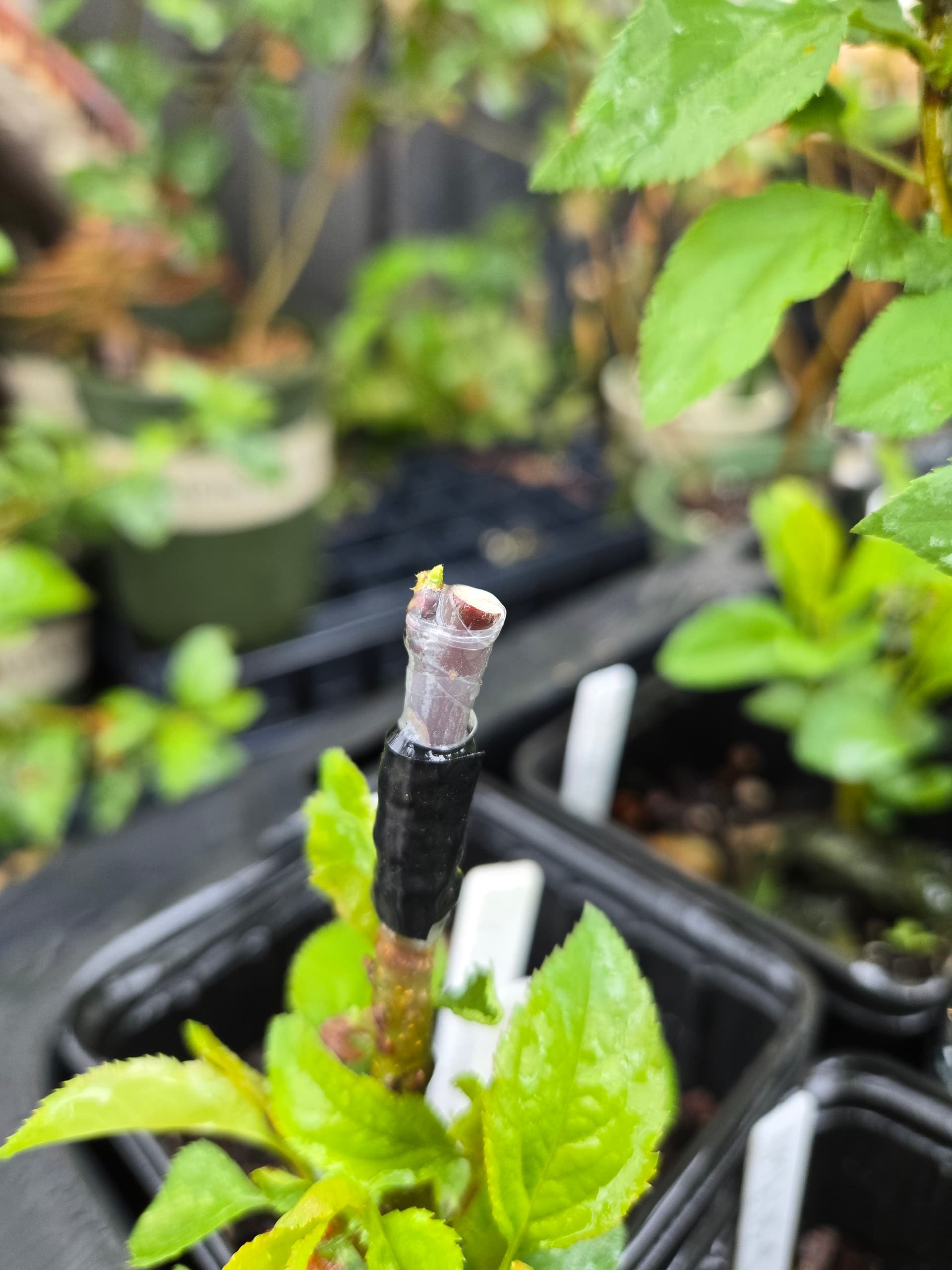
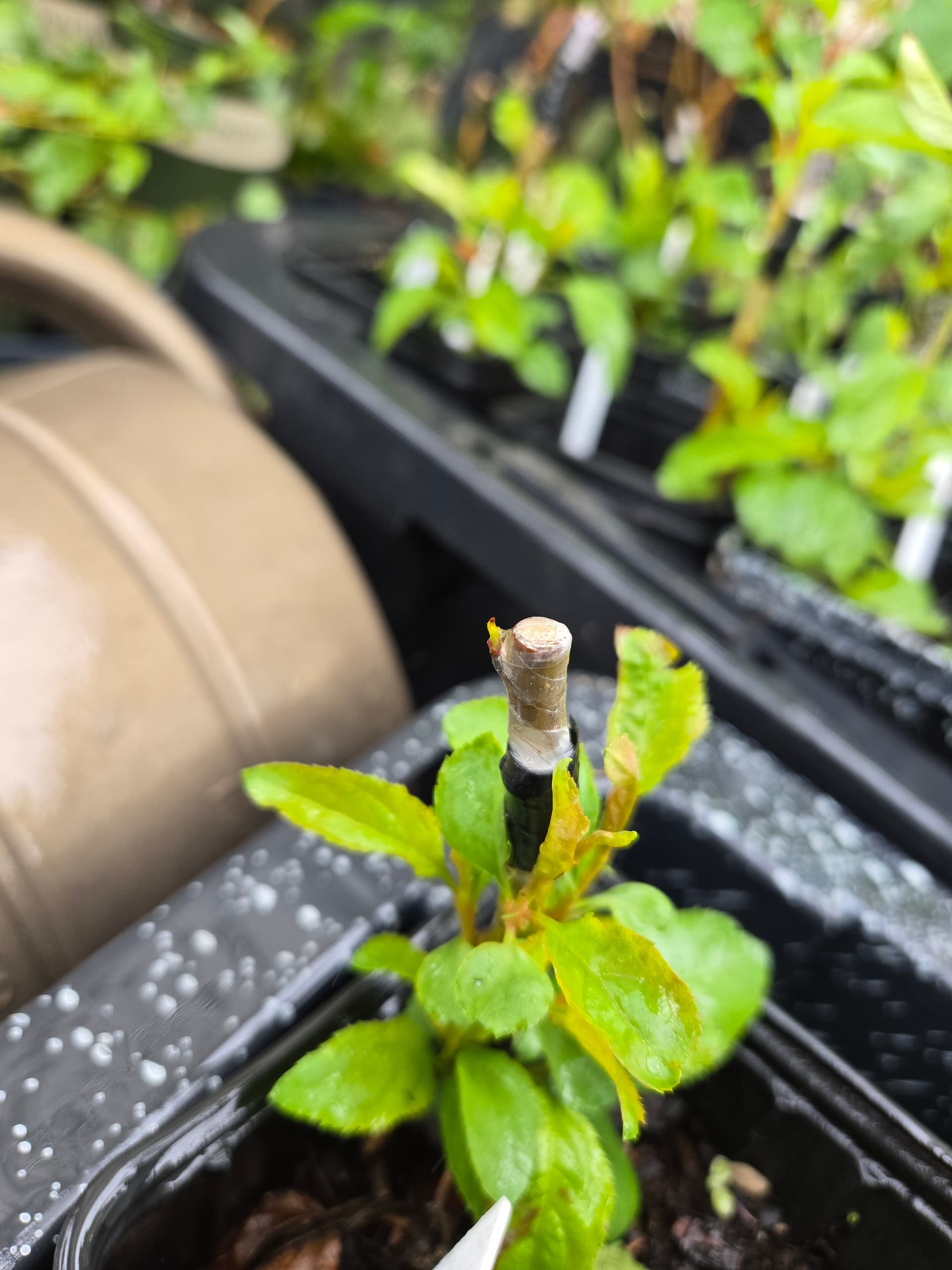

I find it easier to wrap short grafts with parafilm usually…
2 Likes
I usually have way more scion than I need so I just use up most of the stick. There’s no shortage of relative humidity here in the early spring so I don’t even wrap the whole scion on the apples and pears. I probably have a 95%+ success rate so I don’t worry too much about it. I like to let the scion choose the bud it likes the most too. If I get damage to the new or upper growth it’s nice to have more buds down there to push from.
But everyone’s mileage varies.
4 Likes
I will only do 1-2 buds if I am light on scionwood. I guess on some level I’ve heard larger scions store more energy but quite honeslty I just find it much easier to cut a scion that is not a nub like you posted. I dont like the cuts I make on something so small and I feel I am more likely to hurt myself on a scion 1-3 inches long vs one where my supporting hand can stay well behind the knifes edge.
7 Likes