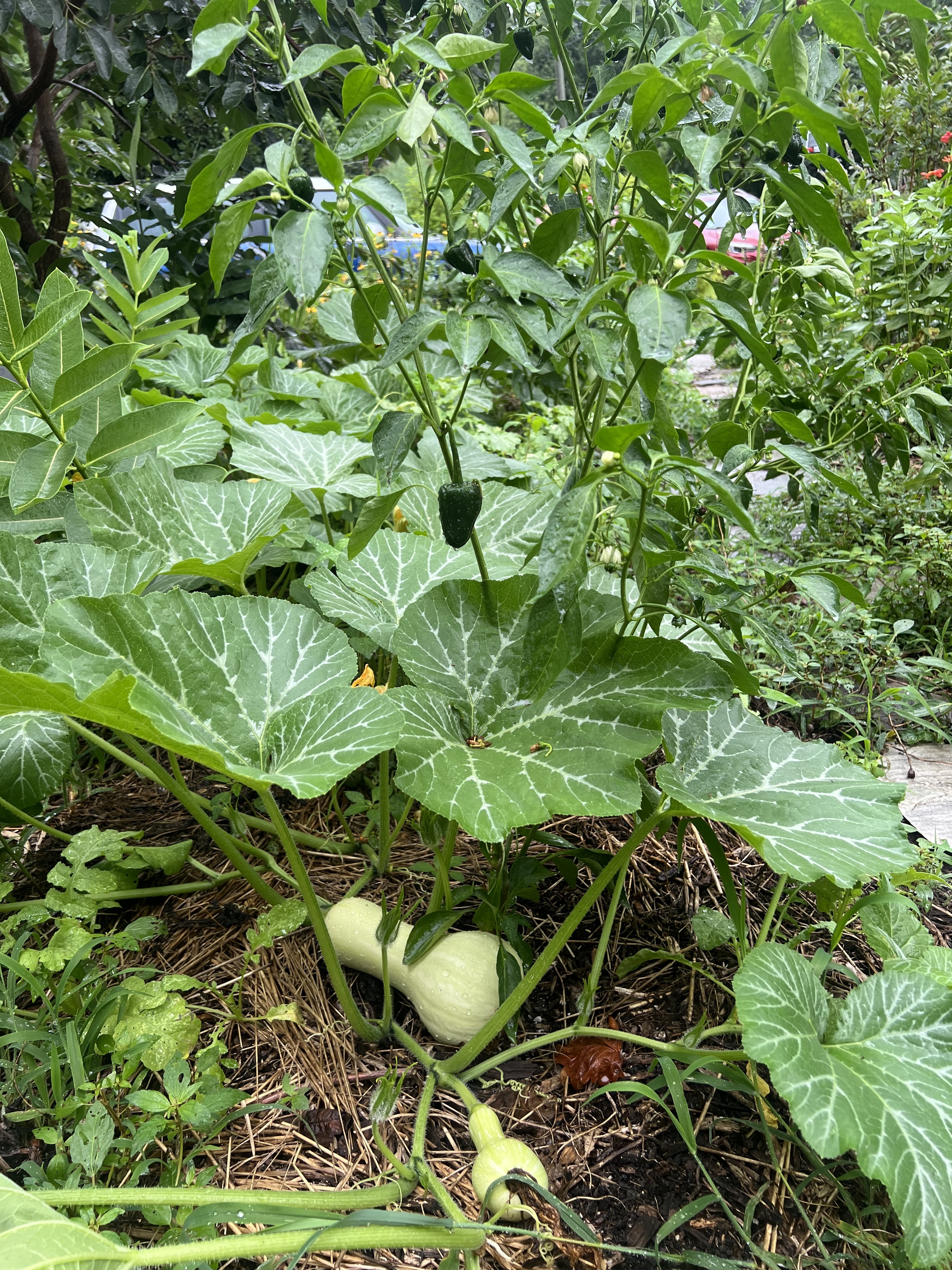
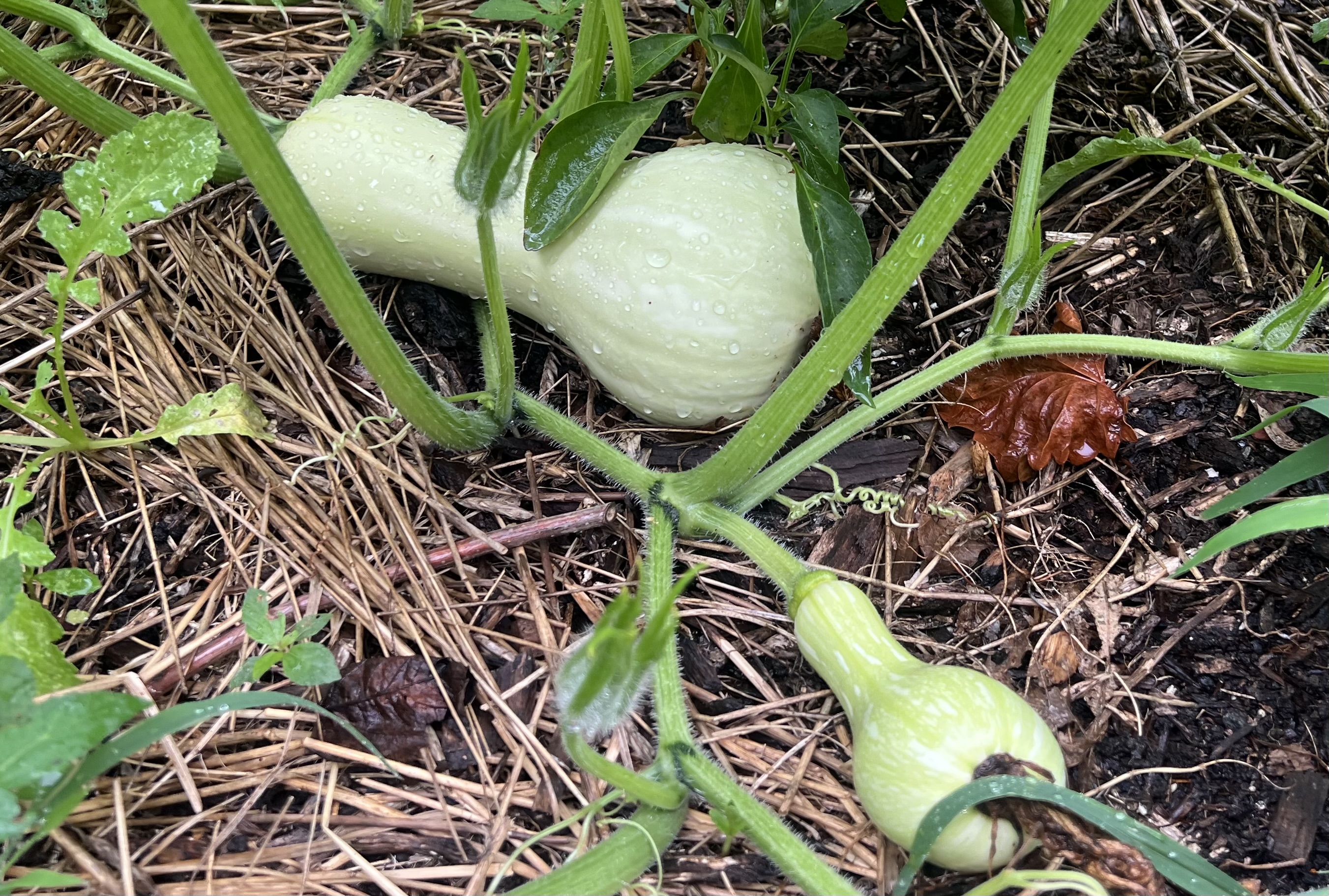
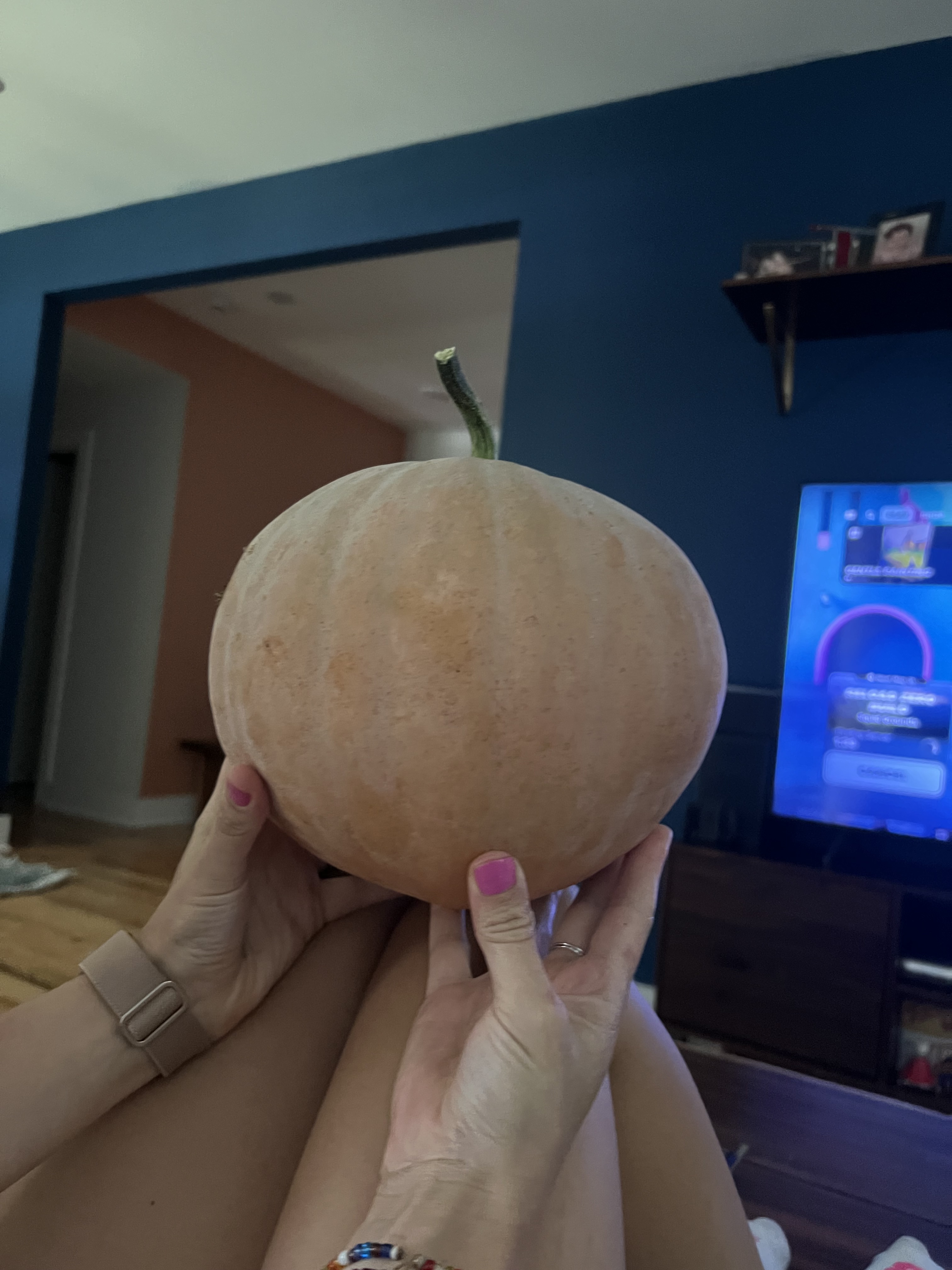
Just because it’s fun and I’m a teacher (assistant prof in stats) and a kind-of-biologist, I’ll do an attempt at explaining F1 hybrids:
Genetic material (DNA) is organised in chromosomes, really big molecules that we have in every cell. Squash plants, like humans, have two sets of chromosomes. That’s one full set from the father and one full set from the mother. (For acorn squash 20+20=40, for humans 23+23=46.)
In F1 hybrids, the father and mother are bred to be special: they are really strongly inbred. That’s something you get when you keep crossing plants to themselves, their own offspring, or brothers/sisters. The result of of this, is that the two sets of chromosomes of an individual become almost identical.
Genetics is often explained with letters that show common variations in DNA. We call those alleles. Let’s do a very small example, with only 5 alleles. Differences are shown by using capital or small letters. A normal individual could look like this:
AA
bB
cC ← just some random individual
Dd
ee
That individual had two different alleles for positions b, c and d. But for a and e they had two copies of the same allele (AA and ee, respectively).
Now, let’s go back to the inbred father and mother. If we make inbred individuals, those look special. For example, they could look like this:
AA
BB
cc ← parent 1 (mother)
DD
ee
… and …
aa
bb
CC ← parent 2 (father)
dd
EE
We can see that they are inbred, because they have the same two copies of each allele.
What happens if we cross those two inbred individuals? Their children are called F1 (the first generation). All children will look exactly the same, because they will get one letter from one parent and one from the other. So we will always get:
Aa
Bb
cC ← F1 individual (any)
Dd
eE
… for all the children!
This has two advantages. First, all the children are genetically identical, so we know exactly what to expect from our plants. However, that was also true for the inbred father and mother, if we had just used one of those lines. But this is where the second advantage comes in: the F1 children have two different alleles for a lot of different positions. It turns out that this often gives bigger, stronger plants and larger fruits. You can think of it as having lots of backup genes: if one is somehow broken, there’s a different copy/allele on the other chromosome. For the same reason, inbreeding is problematic in humans and many other animals and plants.
But I digress. There’s actually a third “advantage” of making these F1 hybrids, which is that their breeding is often controlled by commercial seed producers. Growers need to buy their seed every year and can’t save their own and expect to get reliable results. We can see that when we try to cross one of those F1 individuals with itself (or a brother/sister, which is the same). Those could turn out to be anything! For example:
AA
bB
cC ← a random F2 individual
Dd
ee
… or …
aA
bb
CC ← another random F2 individual
dD
EE
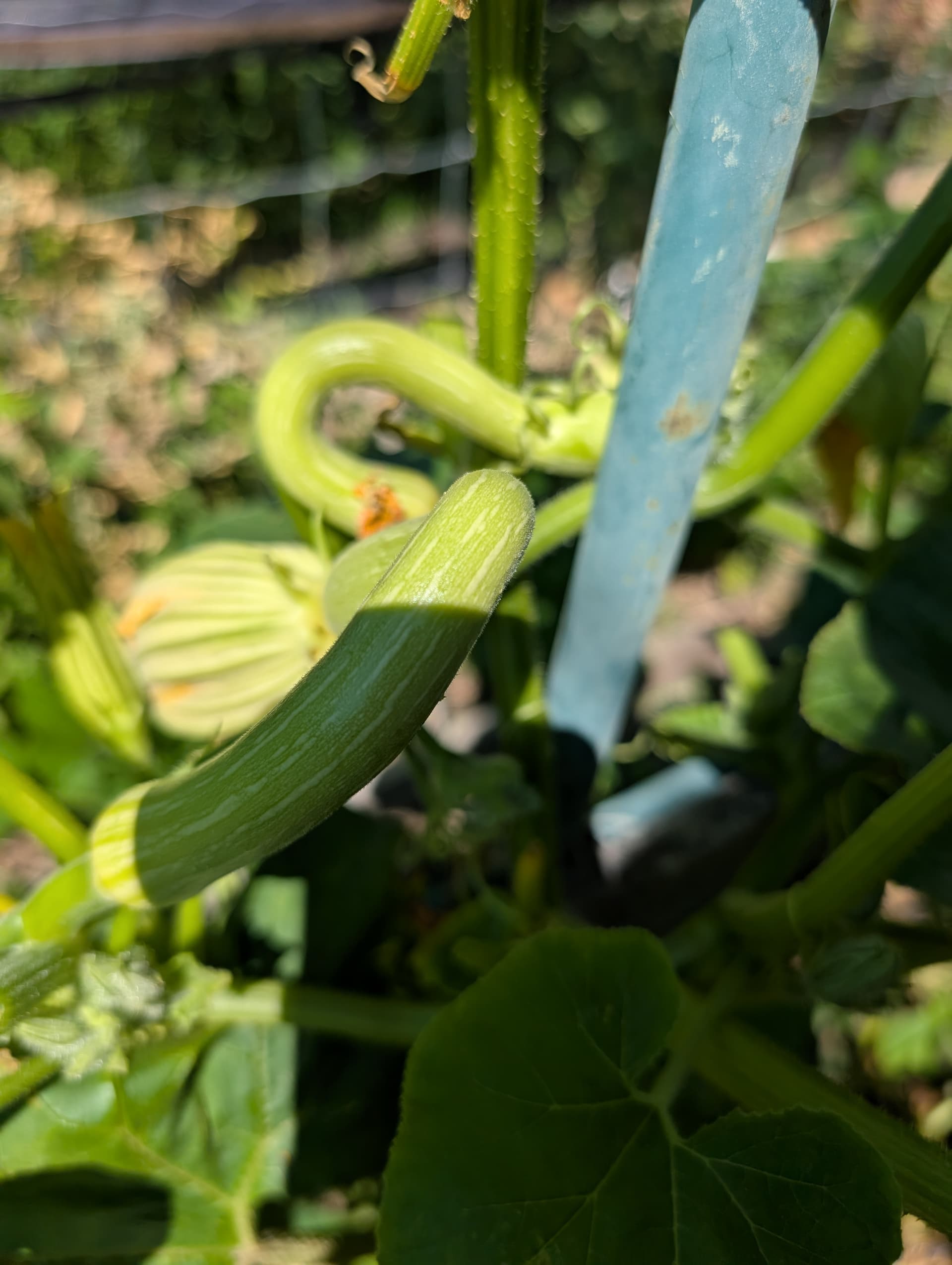
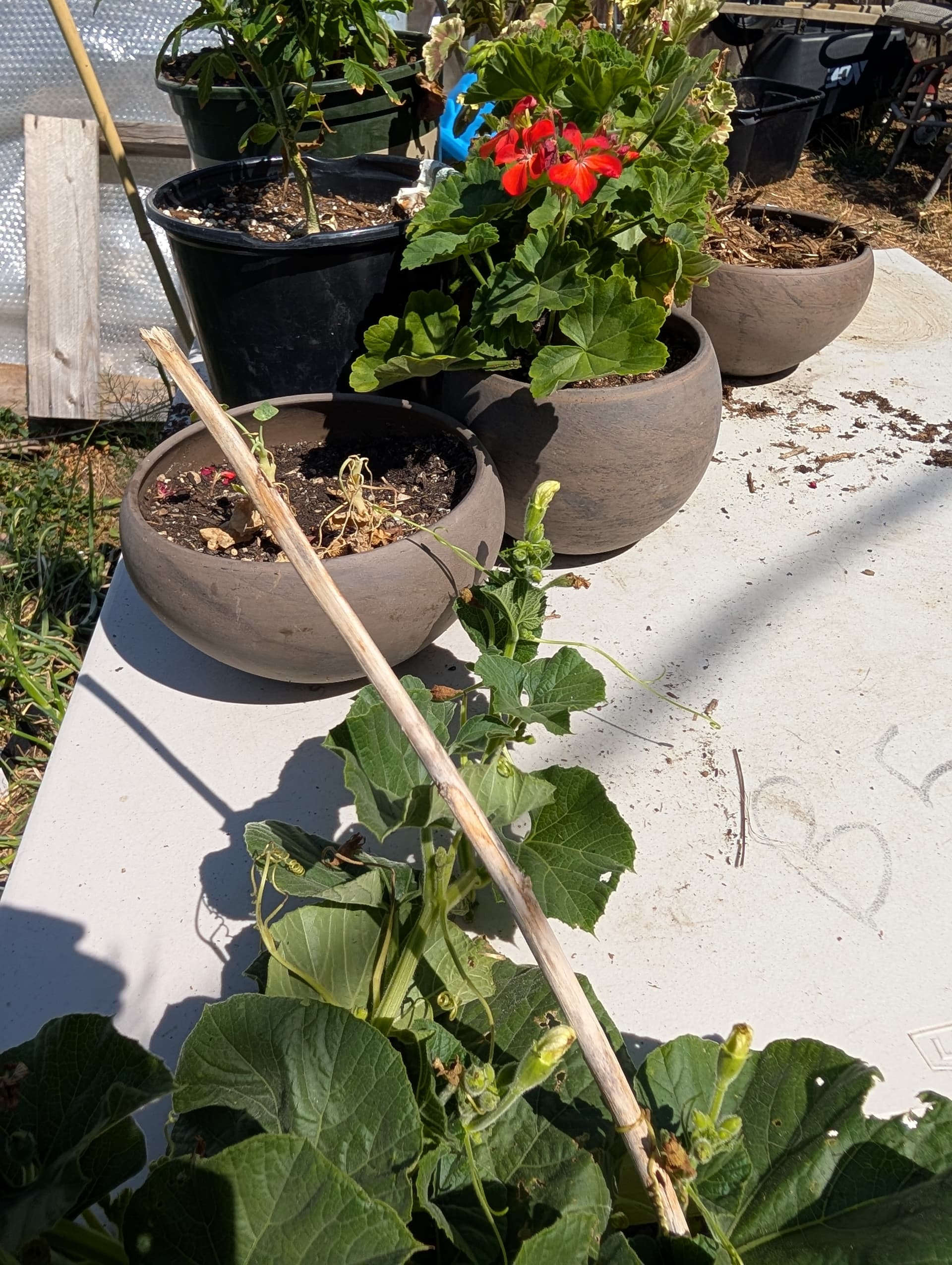
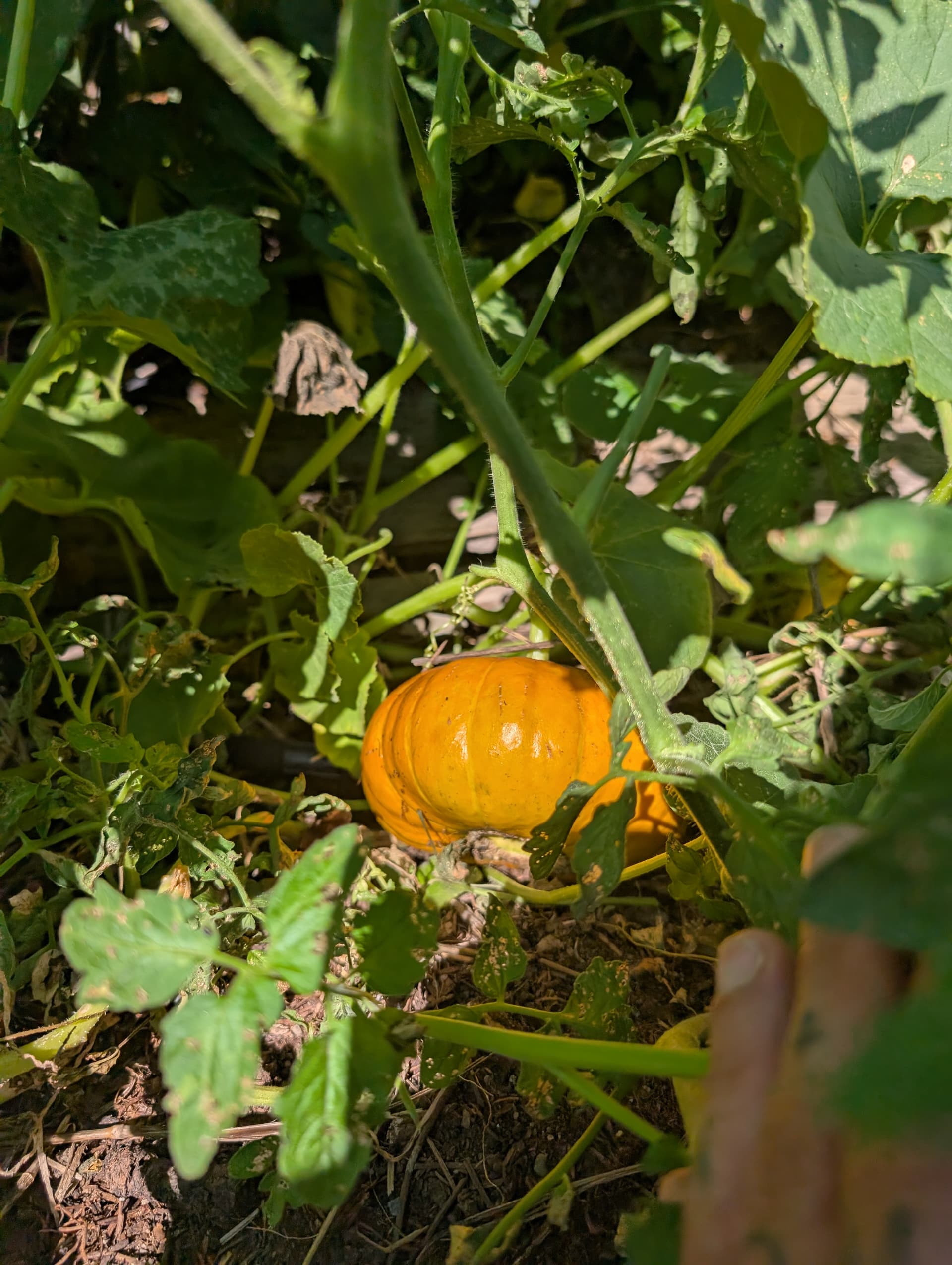
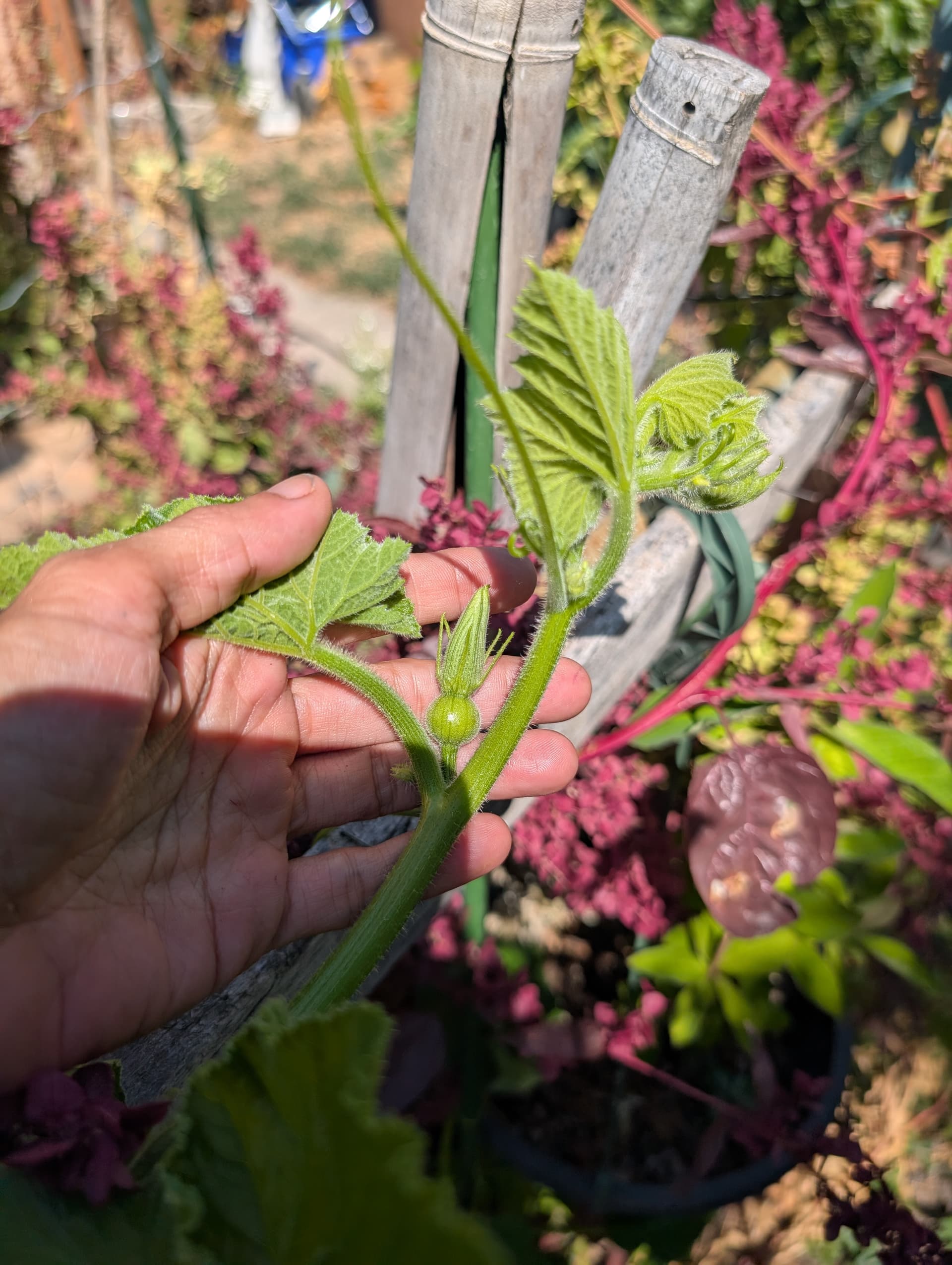
What this means in practice, is that F1 seeds will always give you the same results, but when you save their seeds (usually crossed with themselves), you get a mix of traits of their original parents (“in the F2”). So your acorn squash and my pumpkin now suddenly have a different colour. It doesn’t mean they’ll be bad, but just unpredictable.
OK, that was a very long post, don’t know it it helps anyone, but I had fun typing it! 
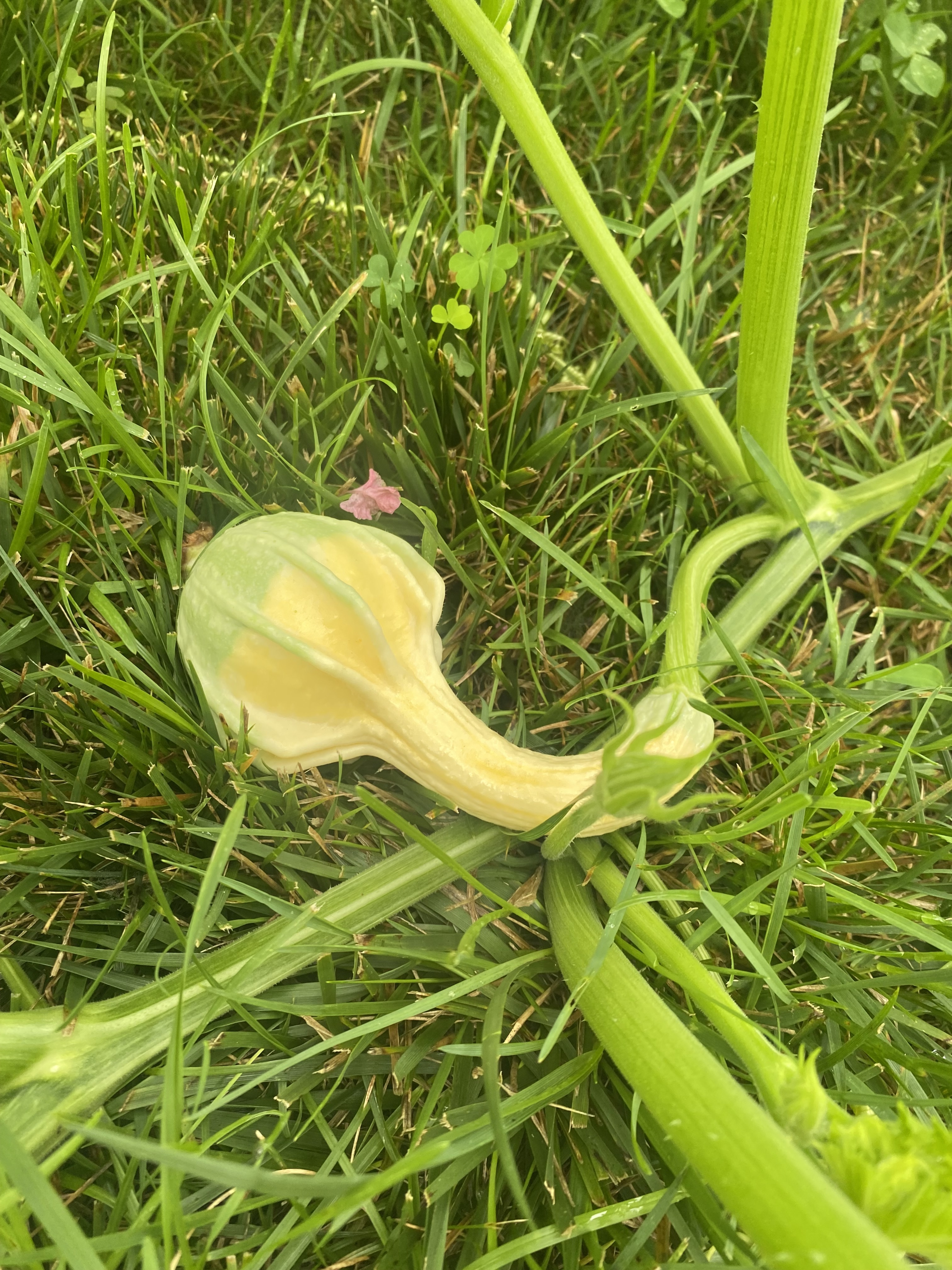
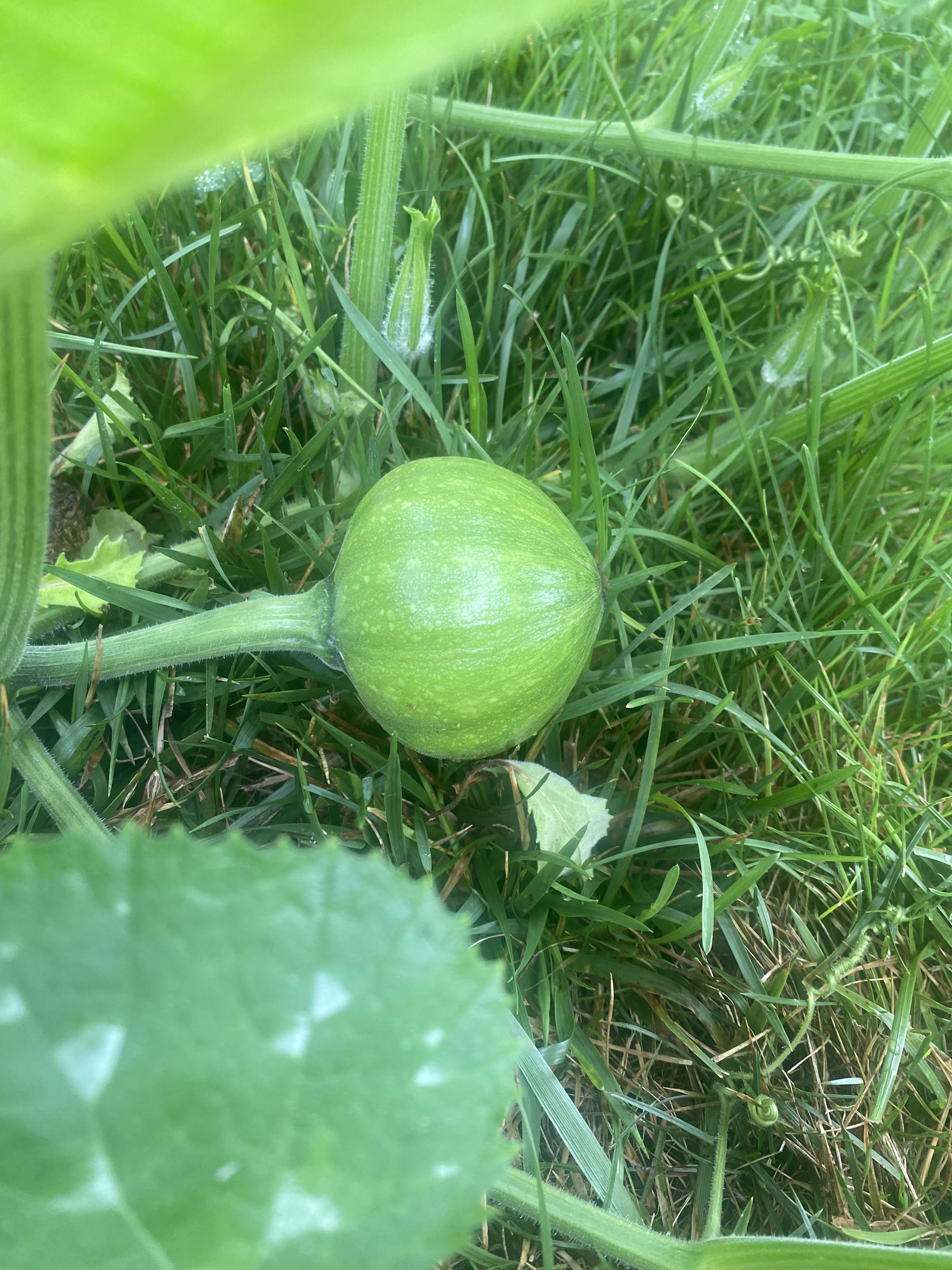
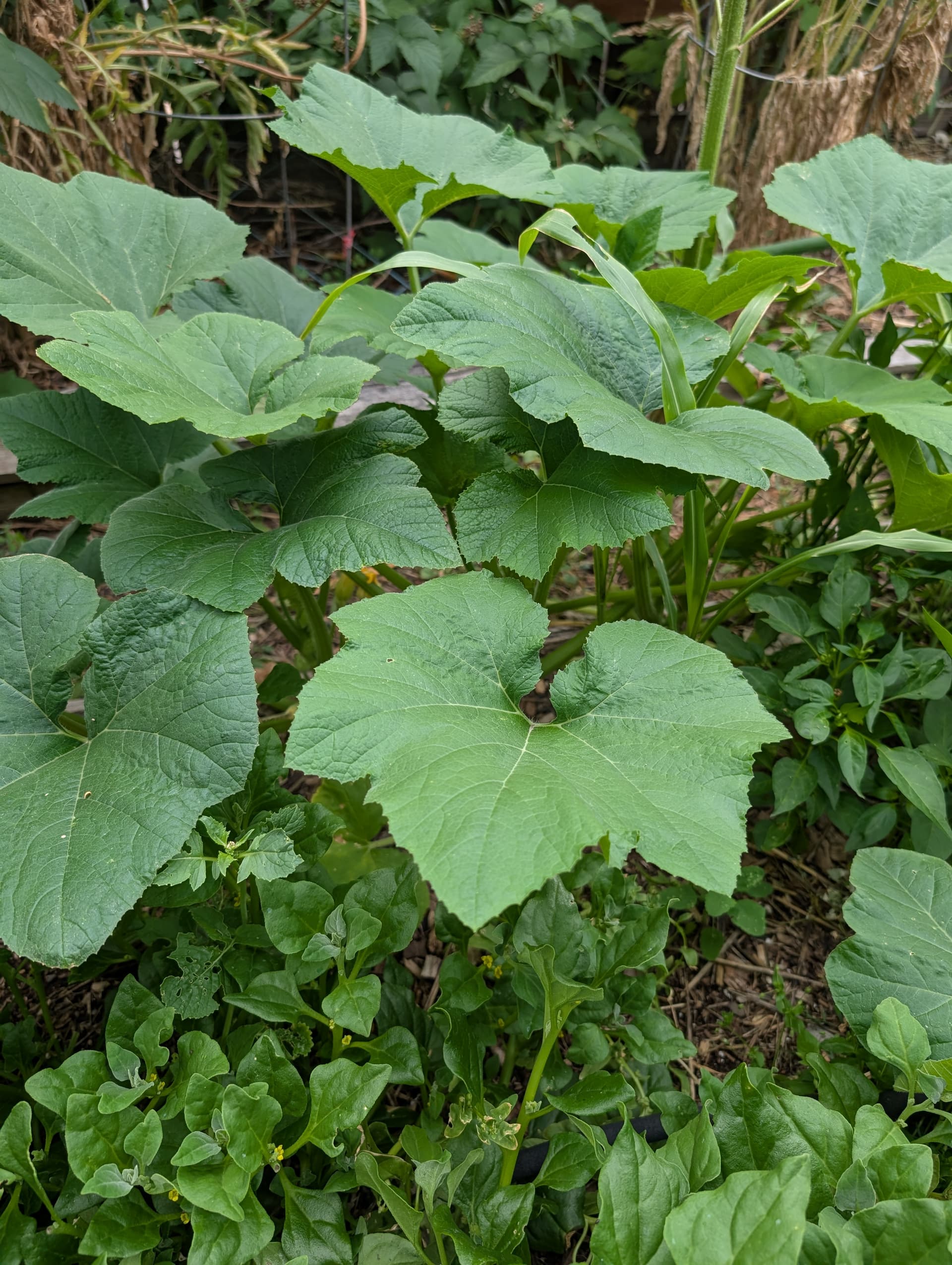
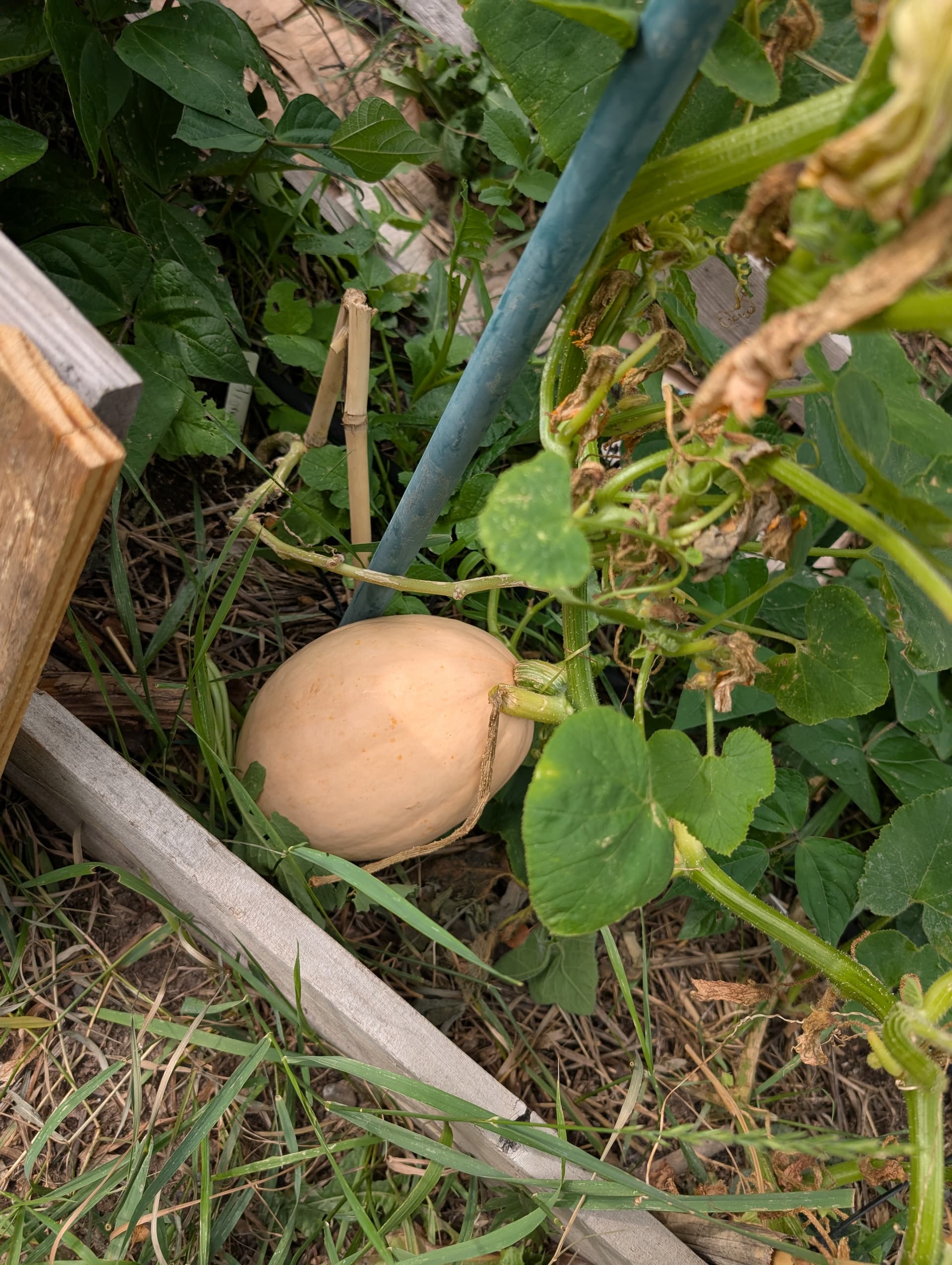
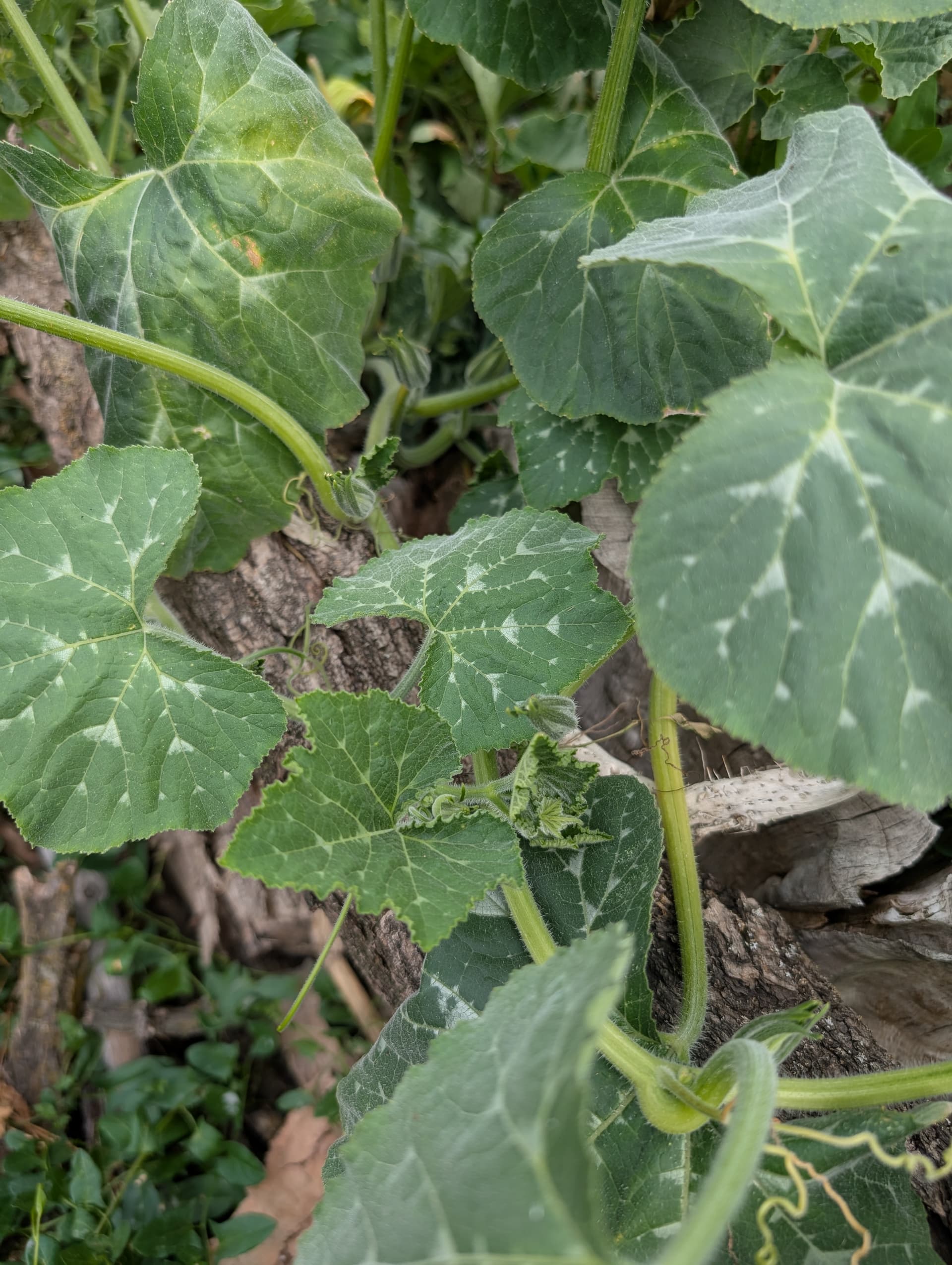
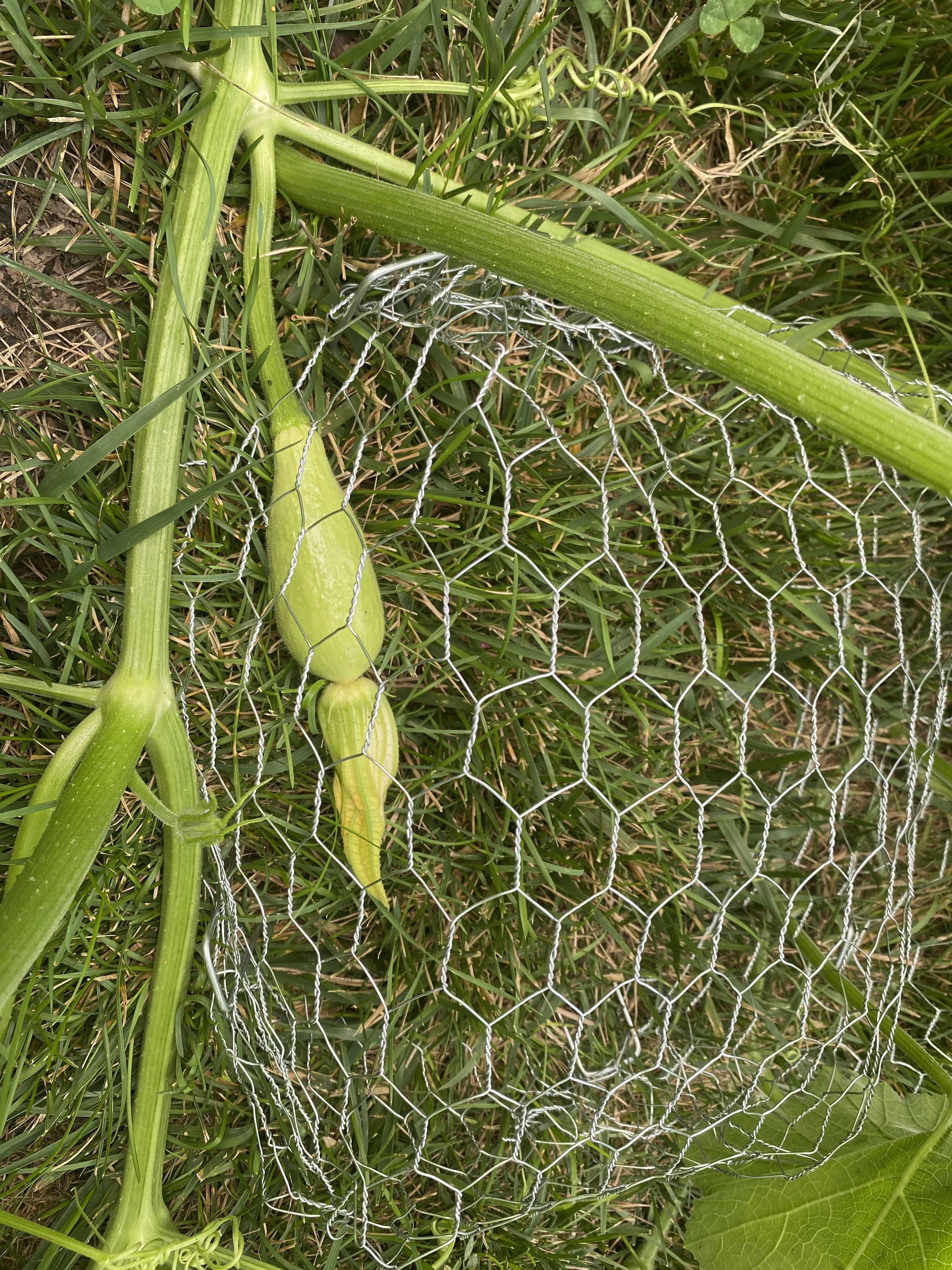
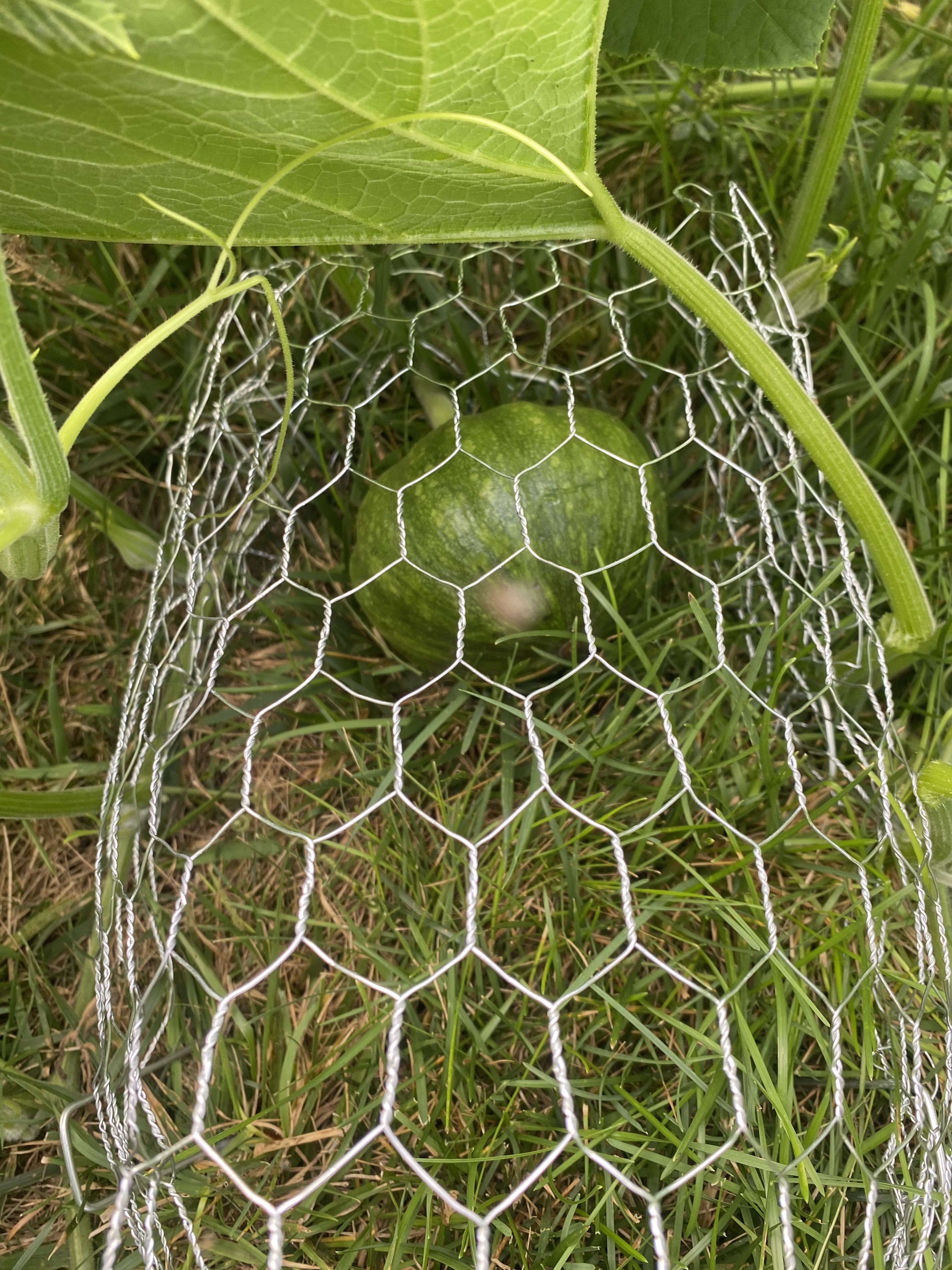
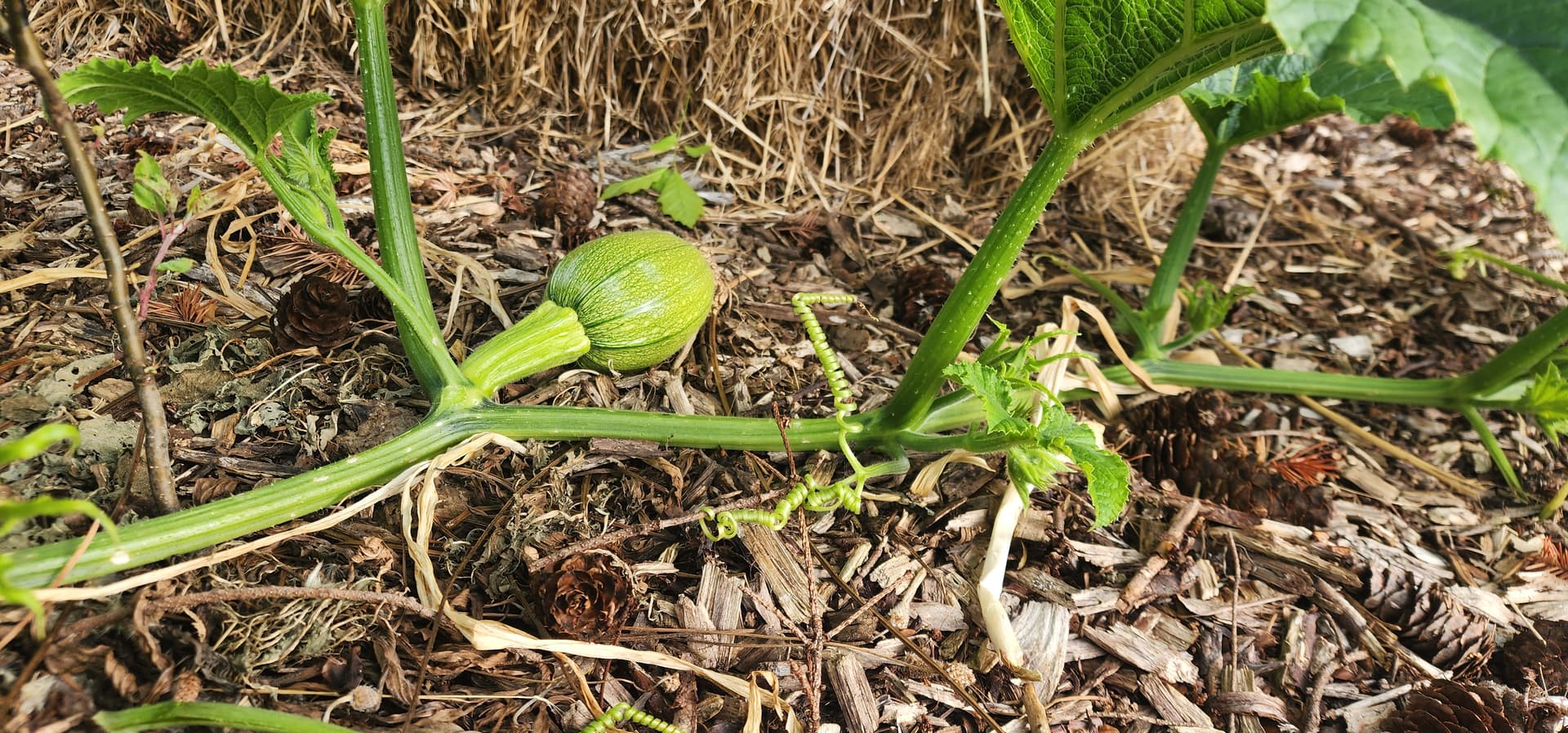
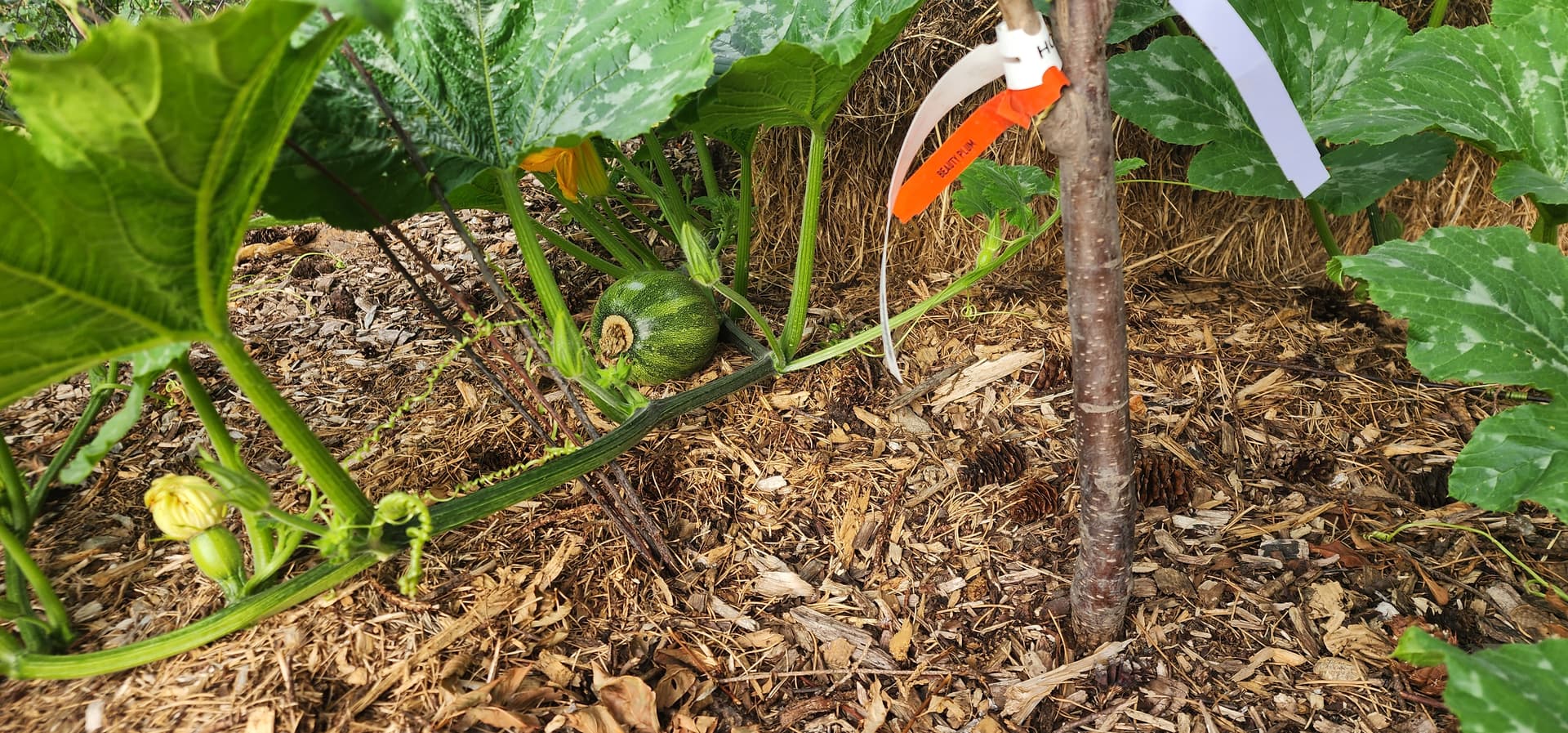
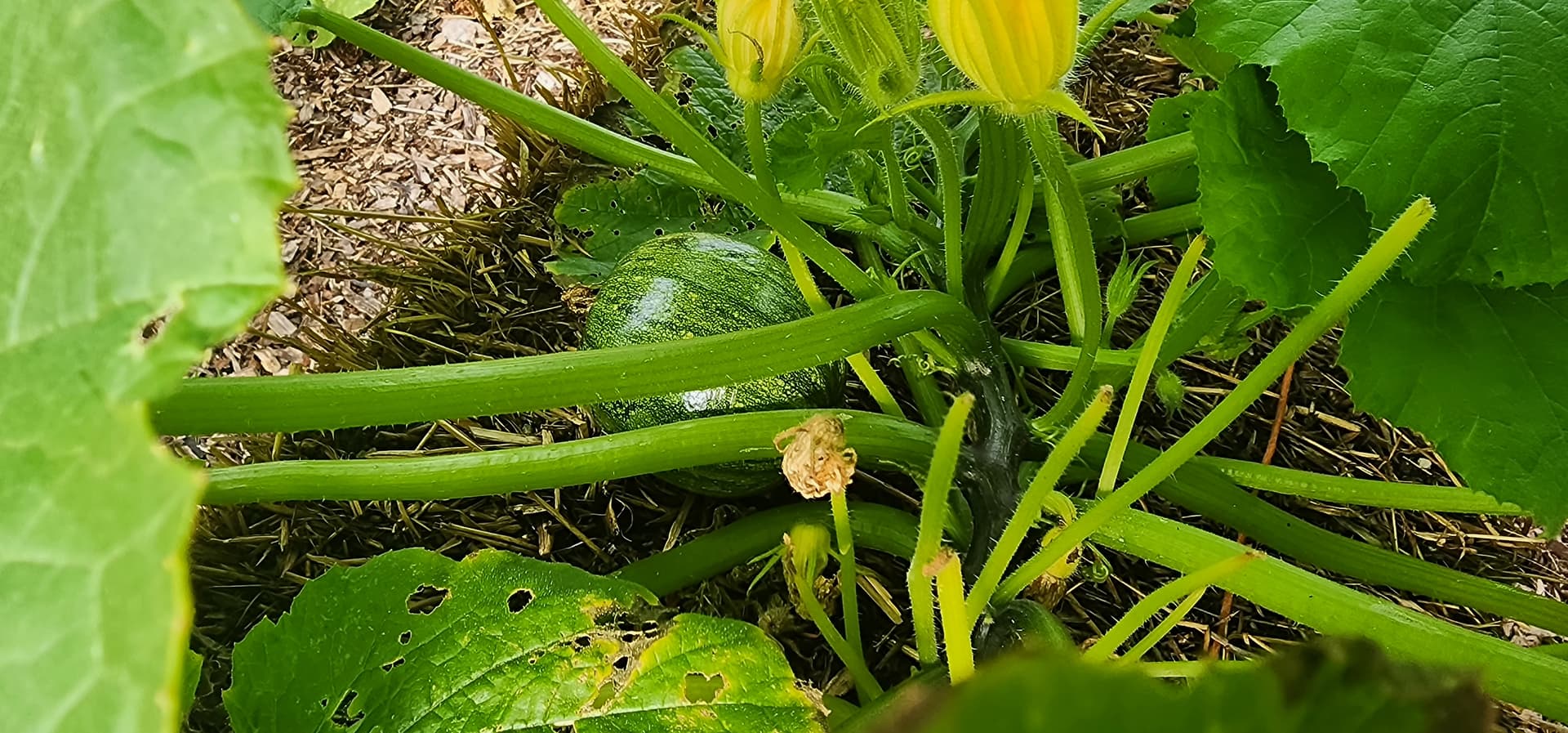
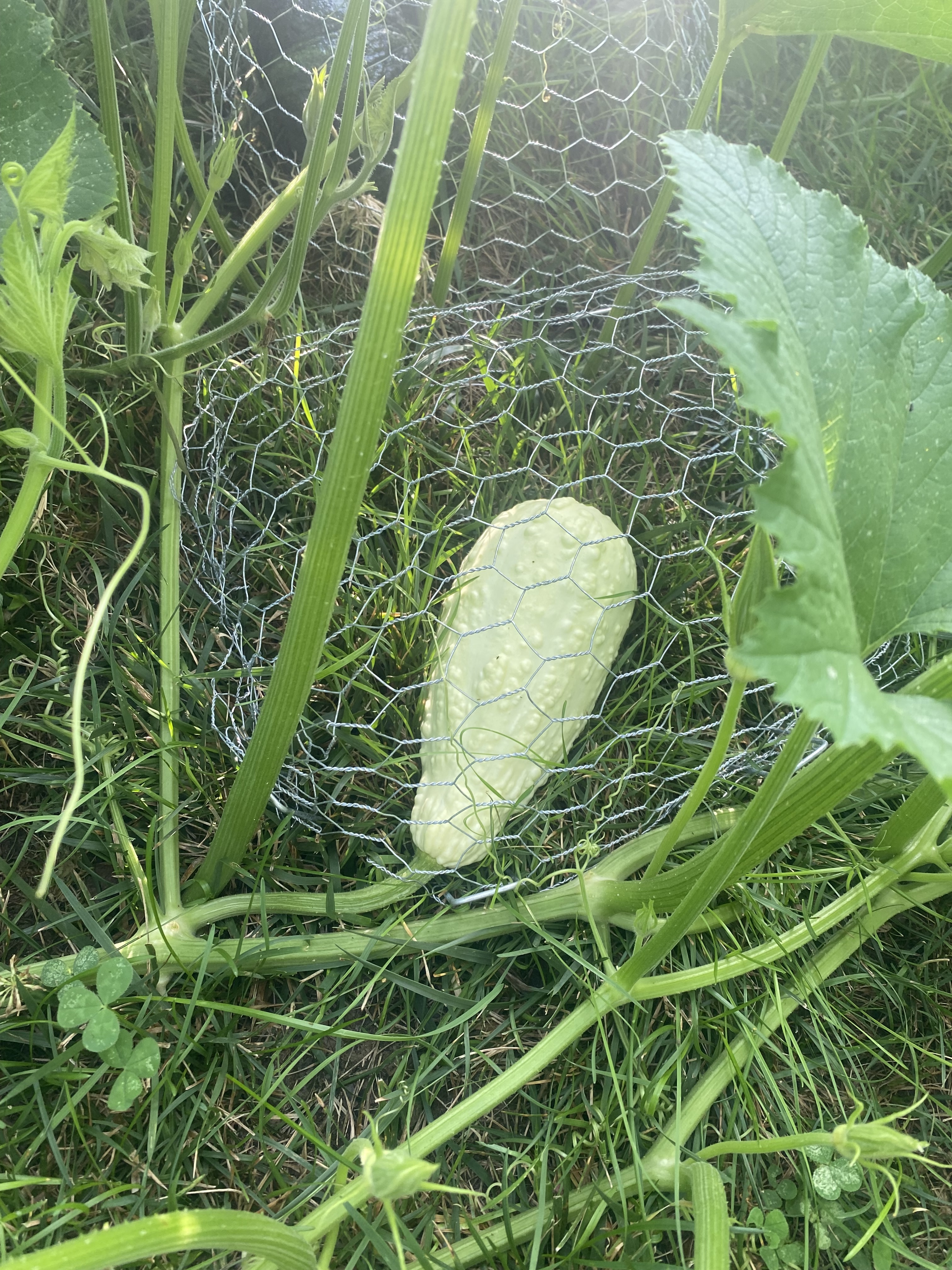
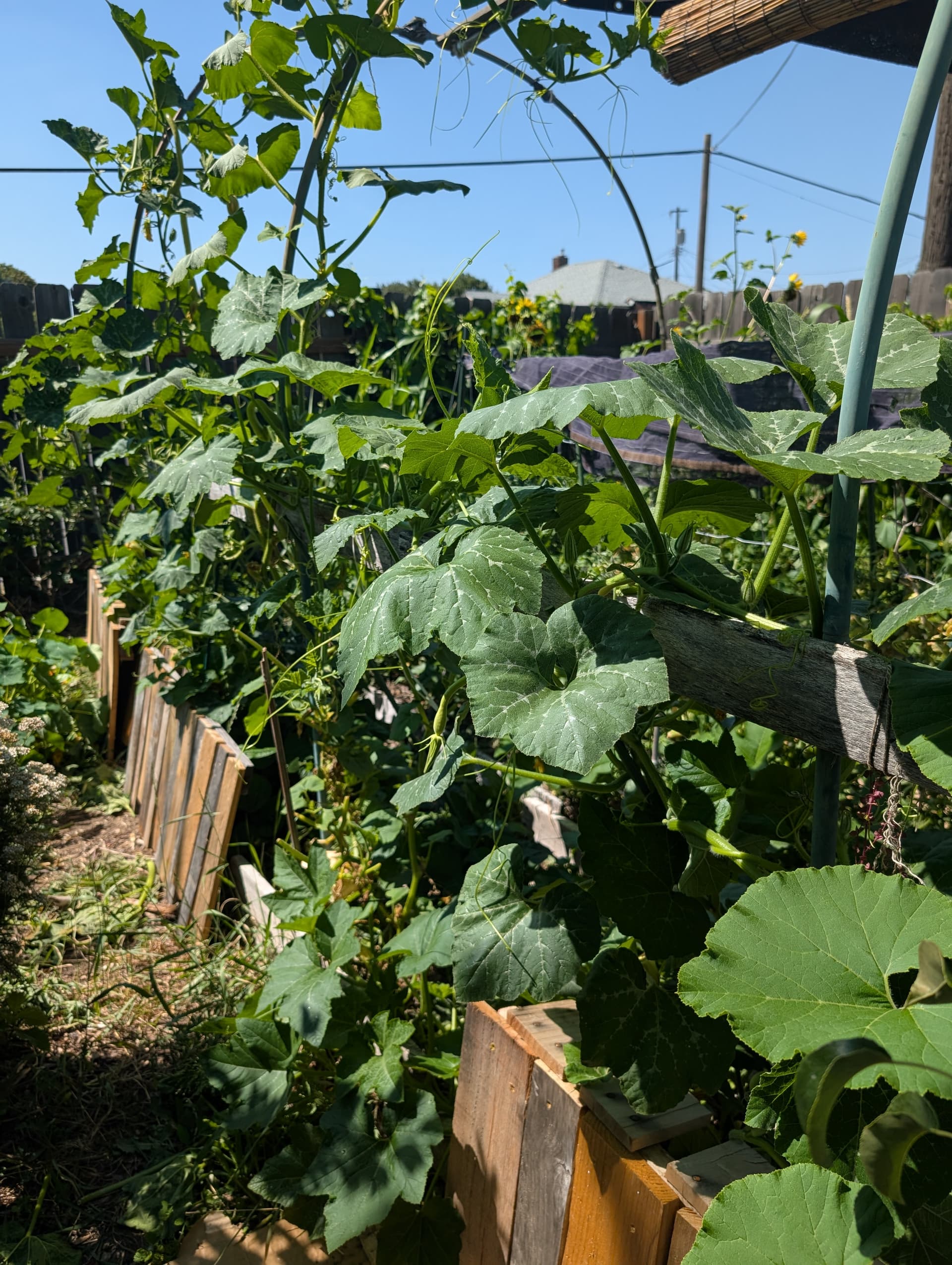
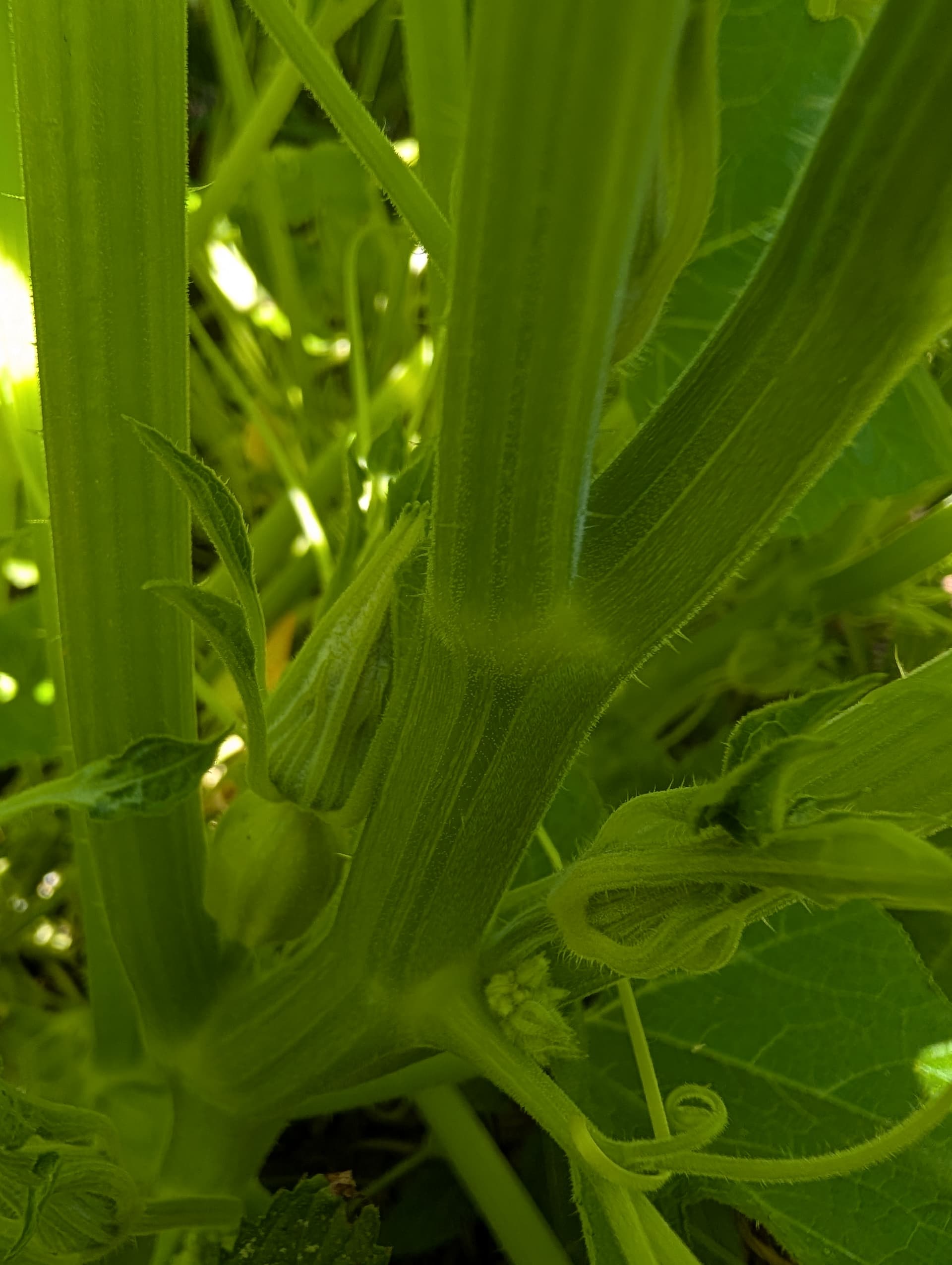
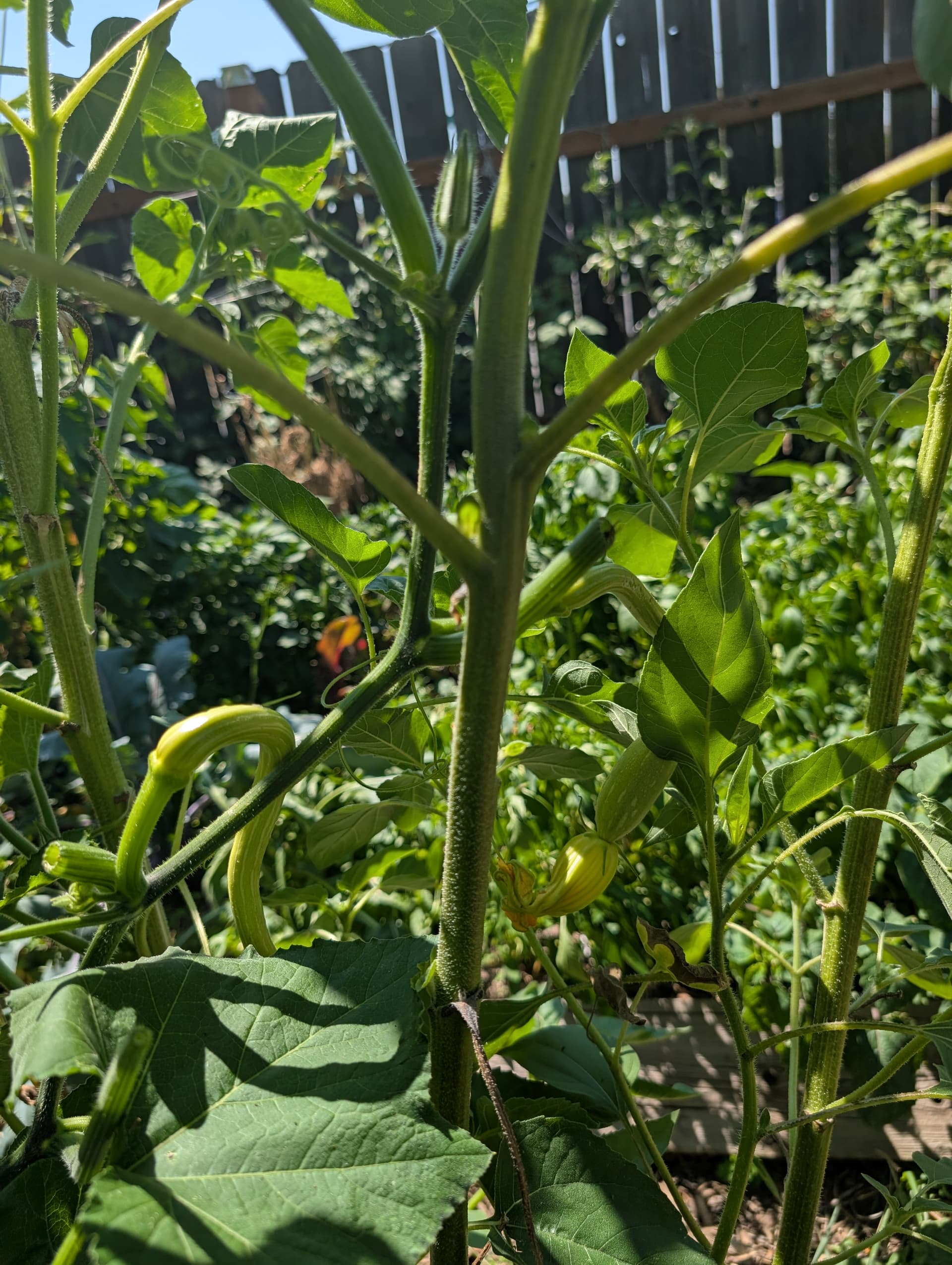
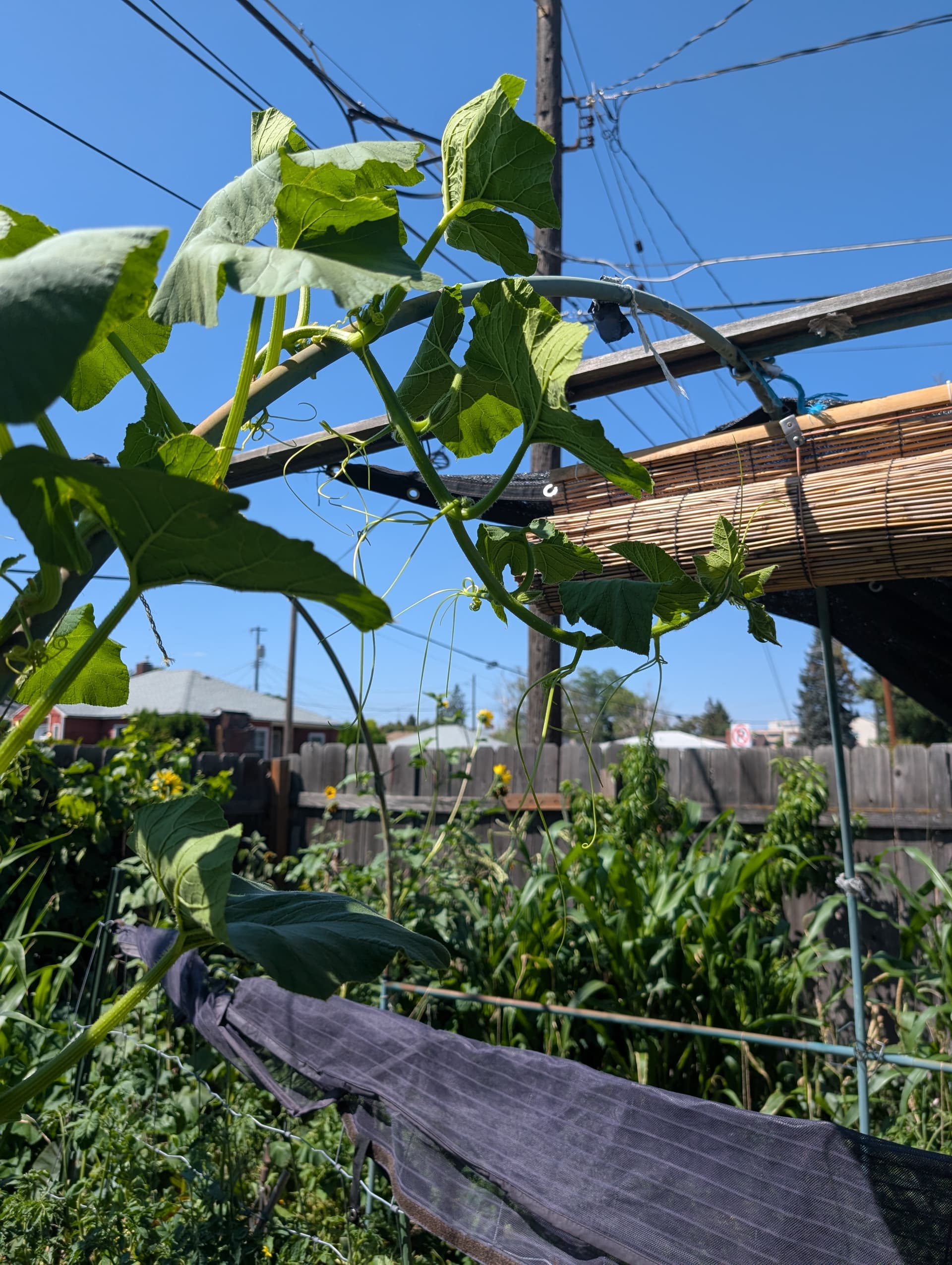

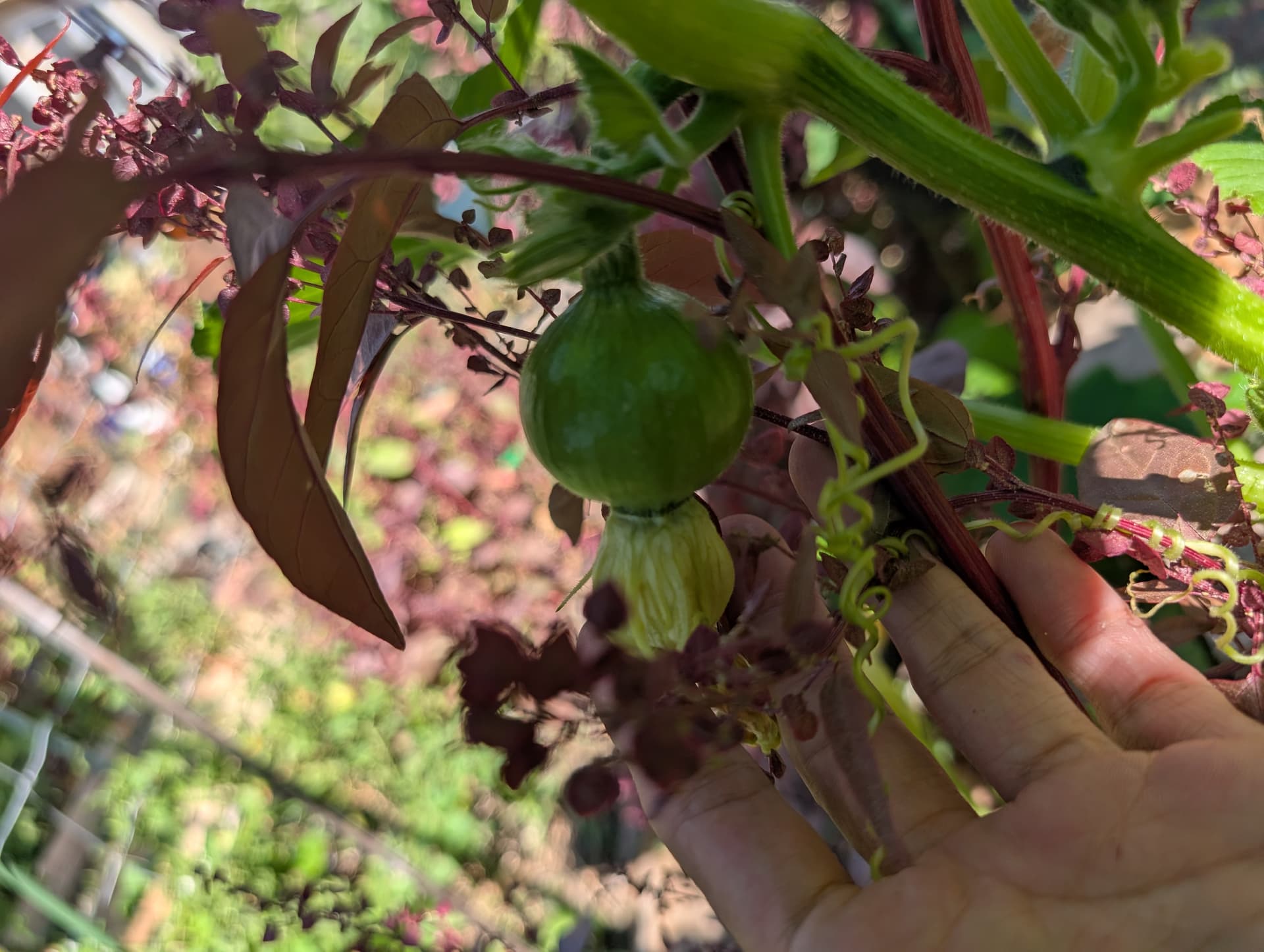
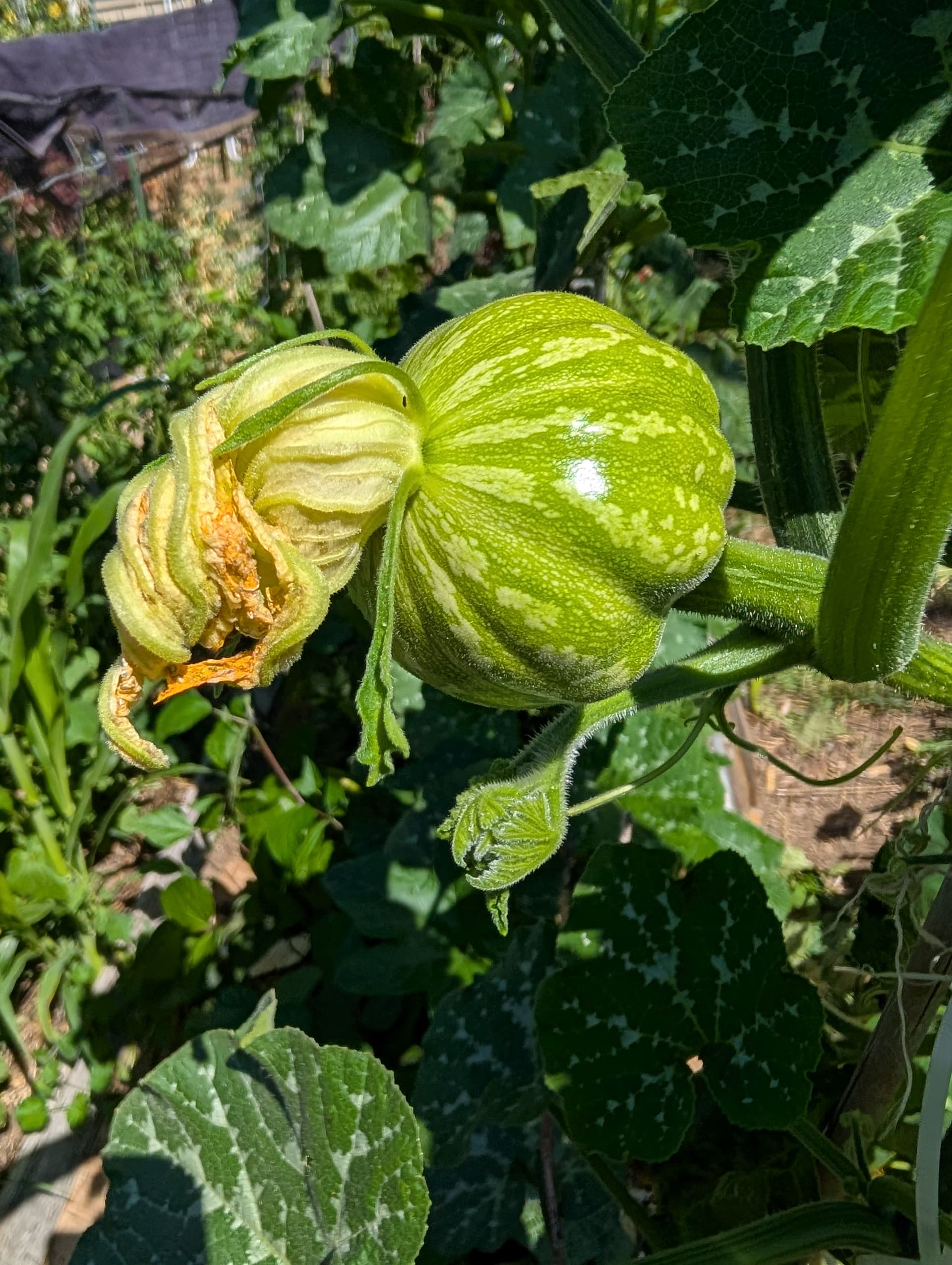
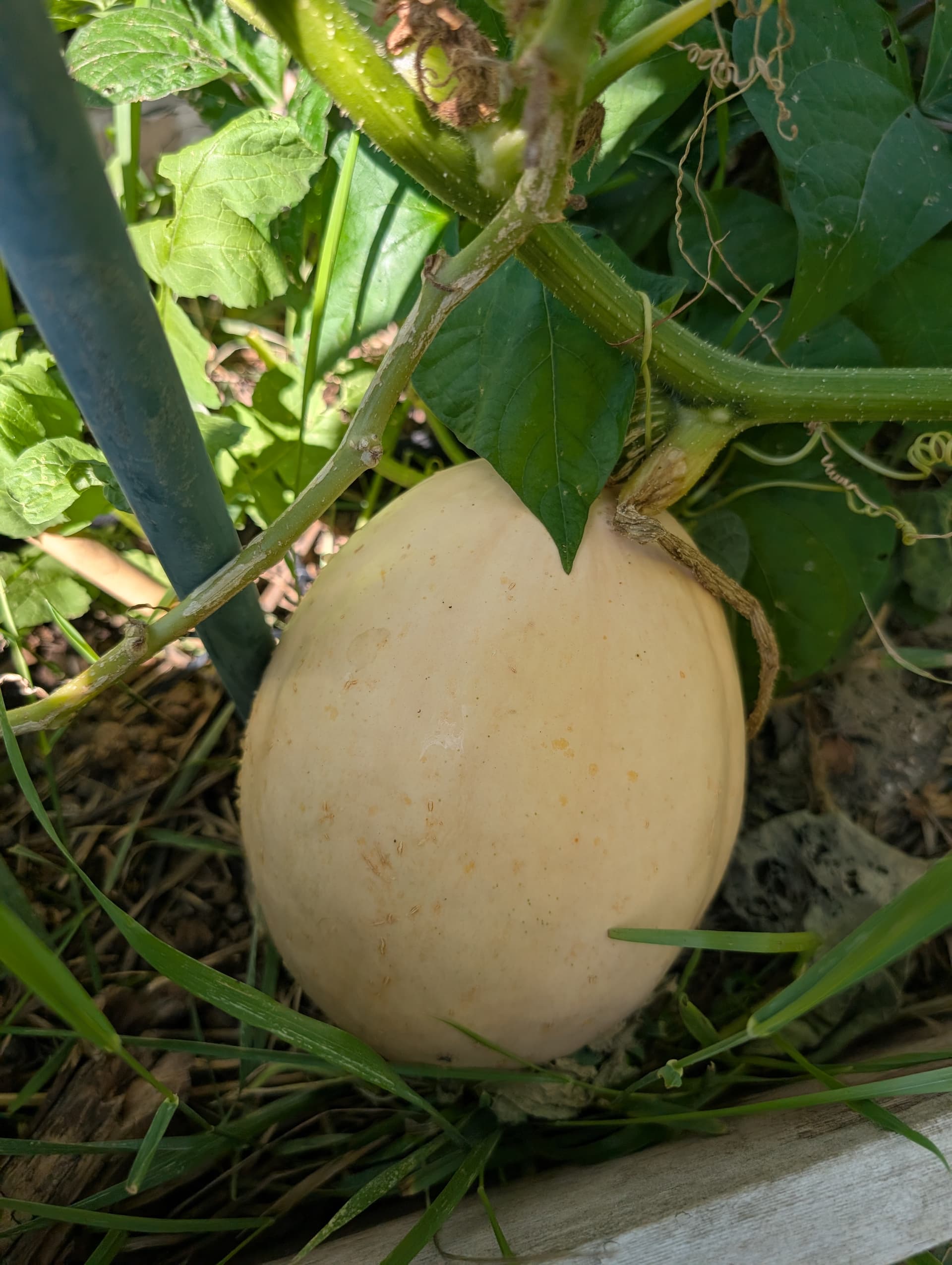

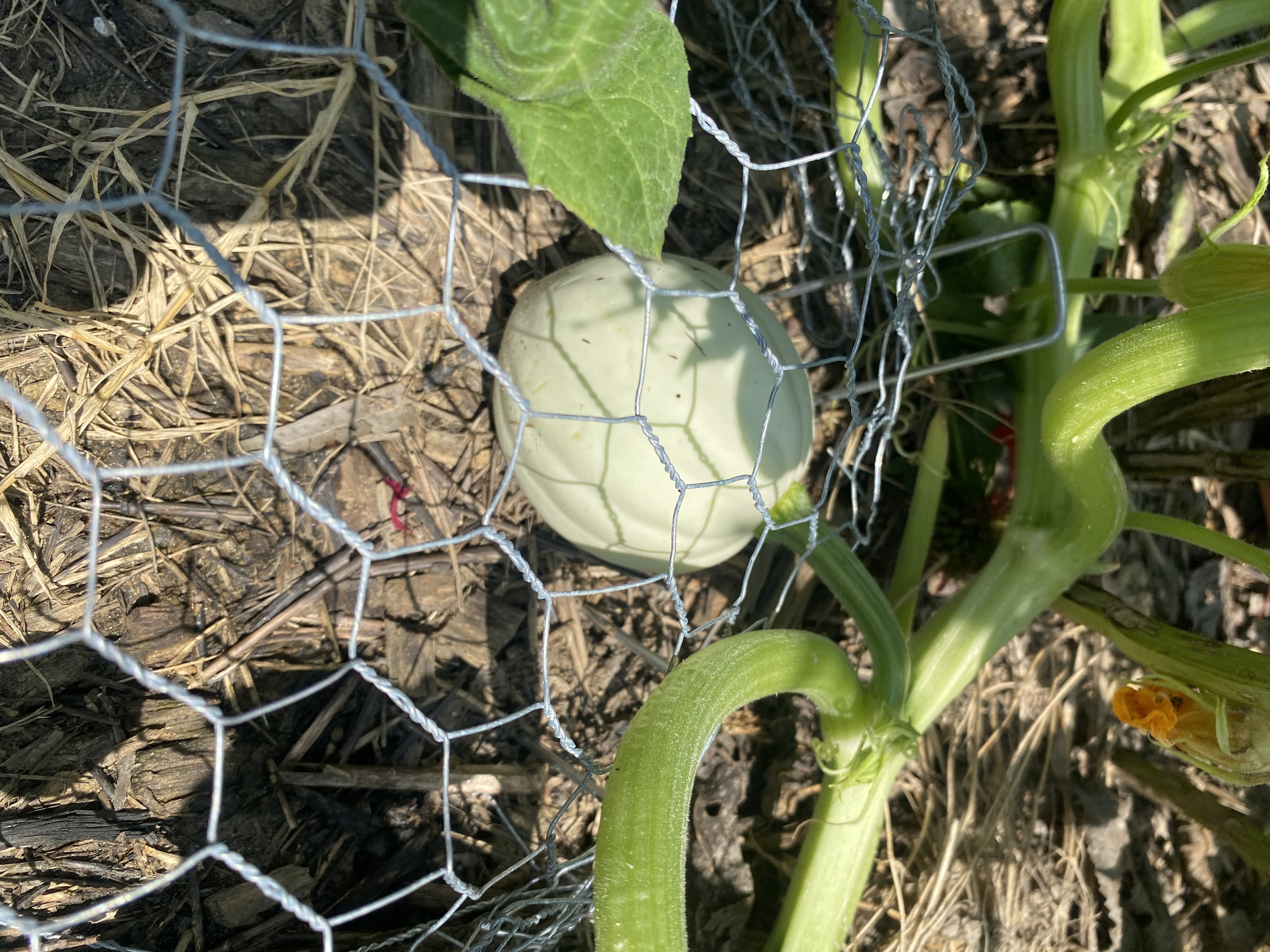
 Is it possible your acorn squash is an F1 hybrid as well, so the offspring is quite variable?