Great yields there! Looks like you are going to be eating a lot of squash this winter! 
2 Likes
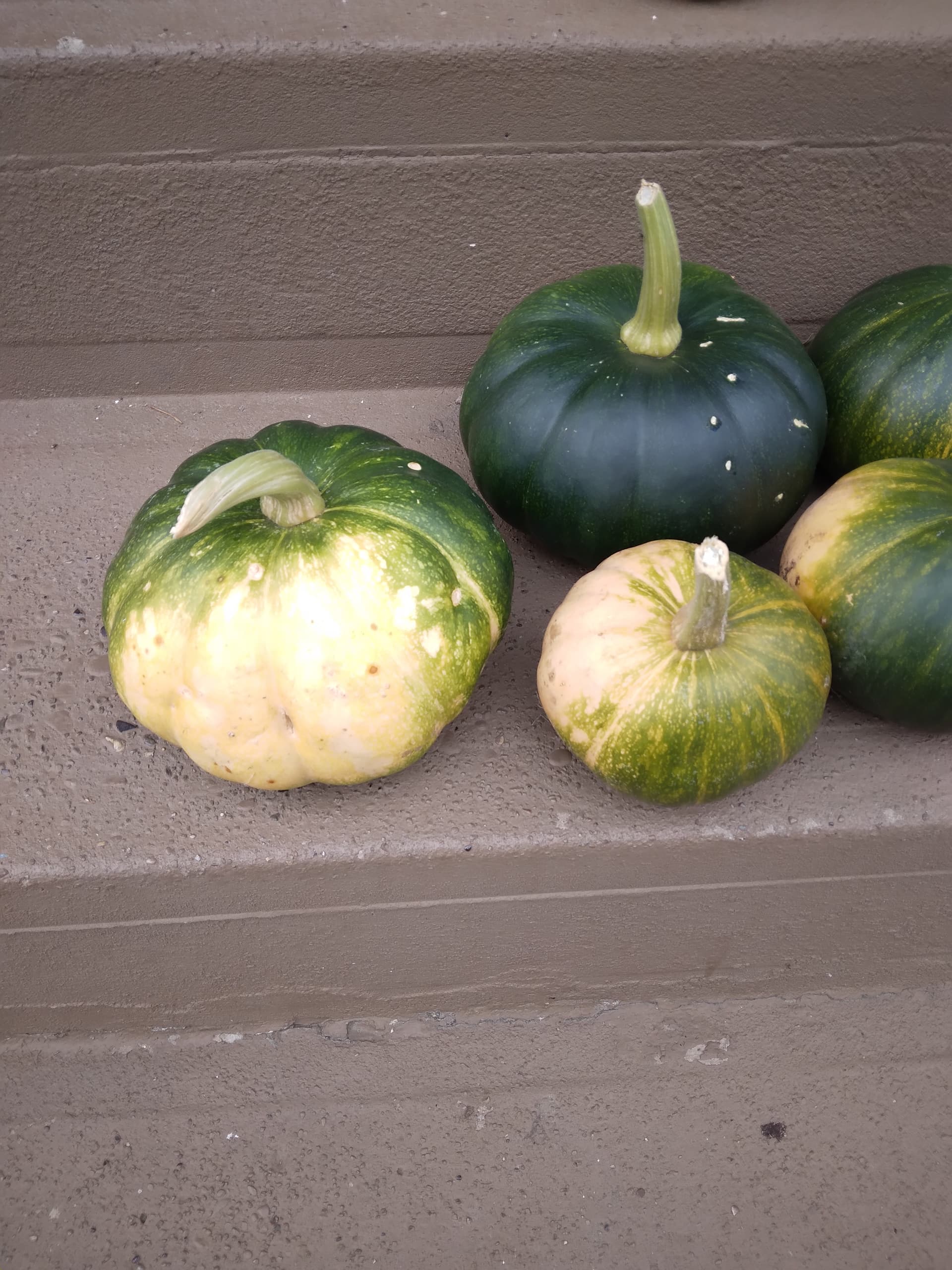
This is my first year growing Seminole pumpkin. It grew great without the pest or disease problems that sugar pumkins normally experience in my location. However, the pumpkins never colored up/matured and the vines were killed by the first few light frosts.
Can these still be eaten?
Will they ripen in the house?
Is this a typical problem with growing seminole pumpkin this far north?
4 Likes
pretty sure theyre edible. i know some people grow various pumpkins and squash for their green form and use it like zucchini, since they cant grow zucchini well in their zone cause of the vine borers
2 Likes
They ought to finish ripening and curing. A lot of squash will cure underdeveloped and have no mature seeds, but still marure the flesh.
5 Likes
@snarfing @KS_razerback
I grew this variety as an experiment for the disease/pest resistance. It grew great but some of the pumkins were on the vine since July but none ever matured.
Thanks for the input.
2 Likes
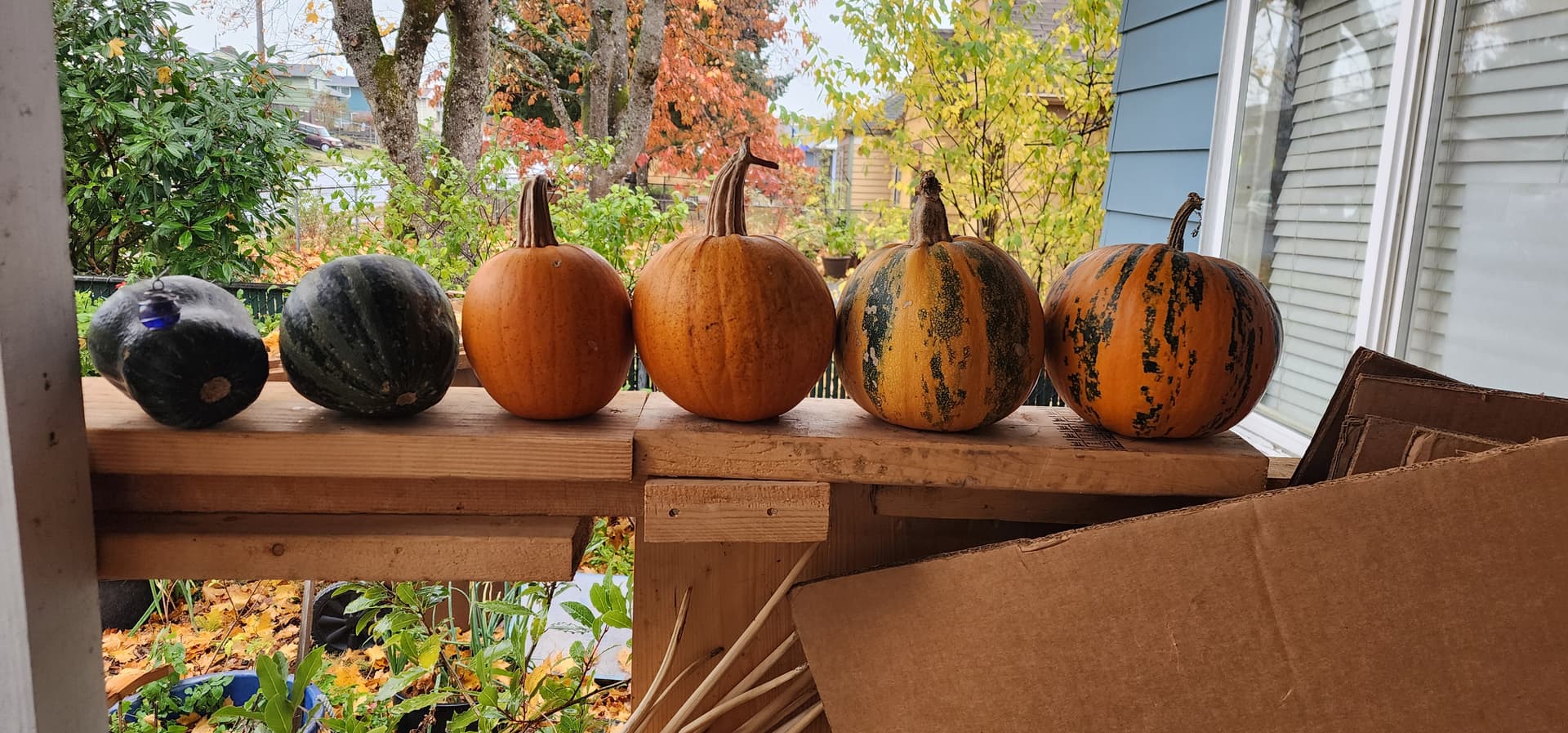
I don’t think remembered to post my final line-up of squash. All naked seed types, but possible cross with romanesco zucchini. (Always forgetting to bag flowers.)
6 Likes
the green ones you should eat first. the ones that started to color up will store longer. just from my experience with these year before last, if they started to color up at all they’ll ripen off the vine
6 Likes
That squash tasted good, very butternut like flavor, the only issue I have with it is the texture is almost spaghetti squash-ish, but it still can be easily mashed into a smooth texture.
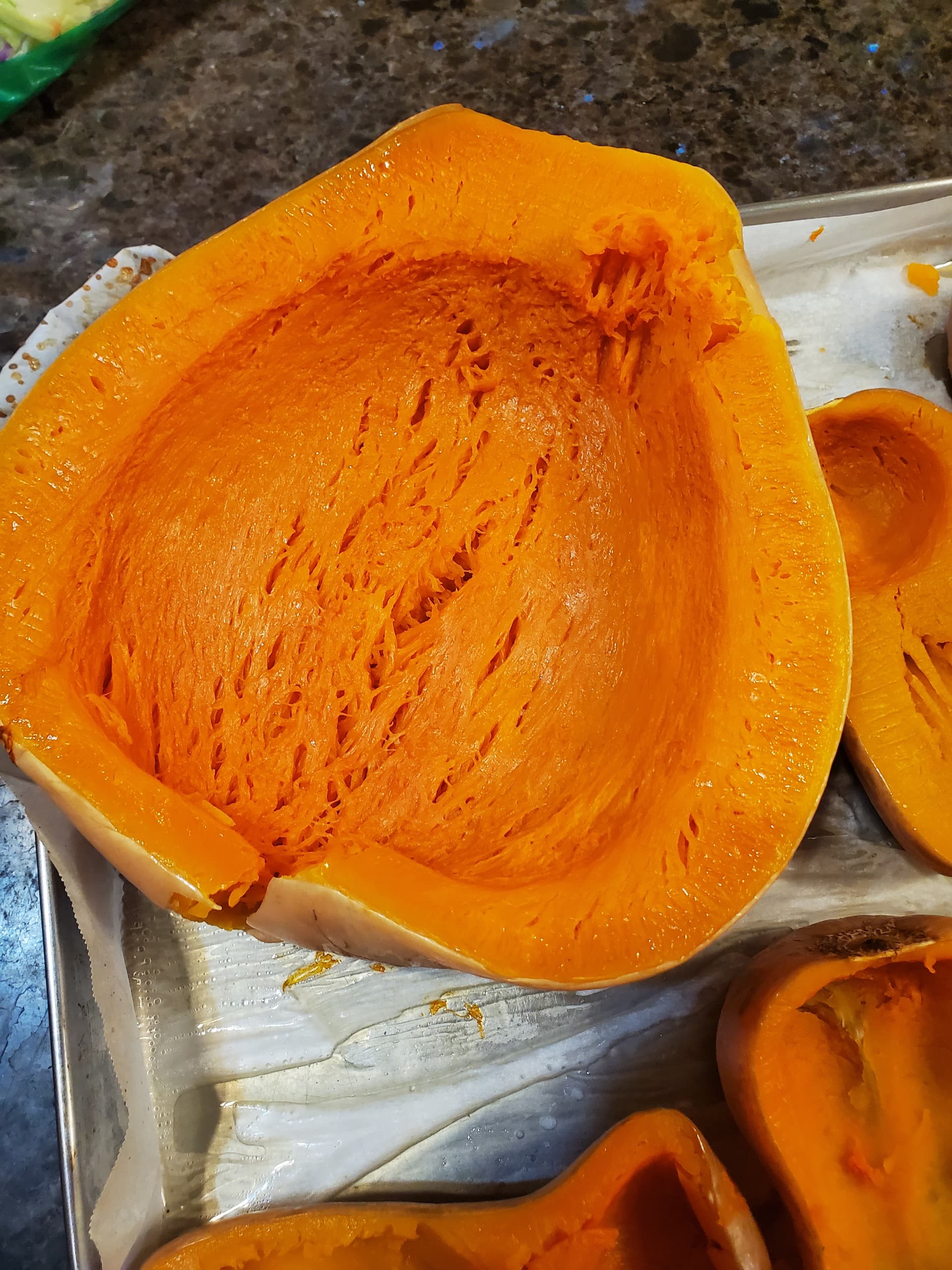
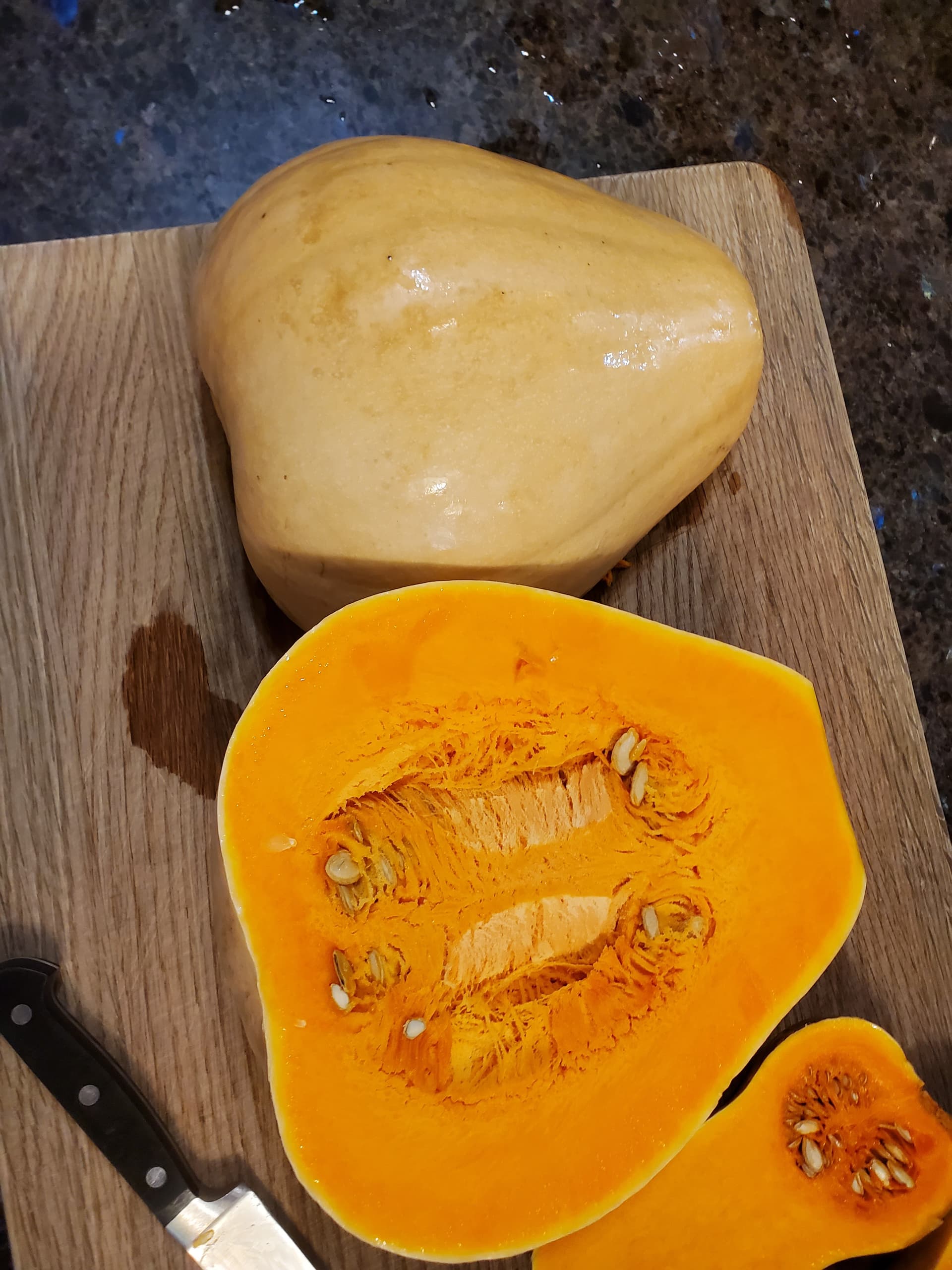
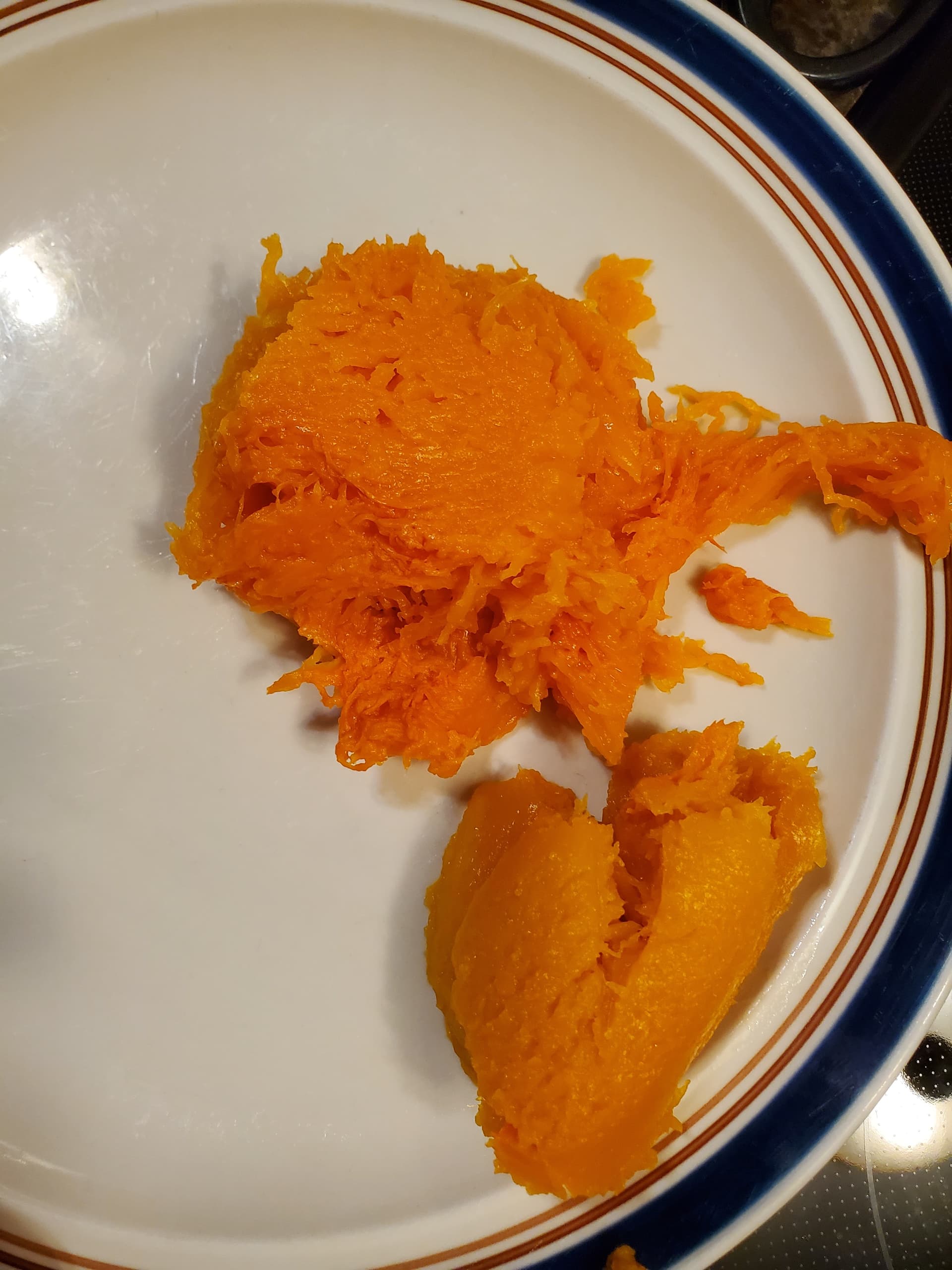
The seeds are large pumpkin sized but look like butternut oned and the cavity is jammed full of seeds (almost 2 cups worth in one squash), so if anyone wants a whole lot of seeds just ask. They more than likely will be backcrossed to butternut.
8 Likes
Use idea…I use butternut squash (“bns”) instead of or split 50/50 or 75/25 with something less sweet like pie pumpkin for all pumpkin baked goods. The stringy texture becomes irrelevant because you put it in the blender. Really gives baked goods more flavor and allows you to cut way back on sugar.
Interestingly, I roasted one of my last white acorn squash this week and it was so much better than the ones I ate last month. Dramatically improved flavor with 7+ weeks storage (I think, I have to go back and see exactly when I harvest) to the point where I’m considering growing again. Although, who knows if the other seeds will be white as they came from grocery produce (that was green).
5 Likes
Cooked the white one on the second to the left.
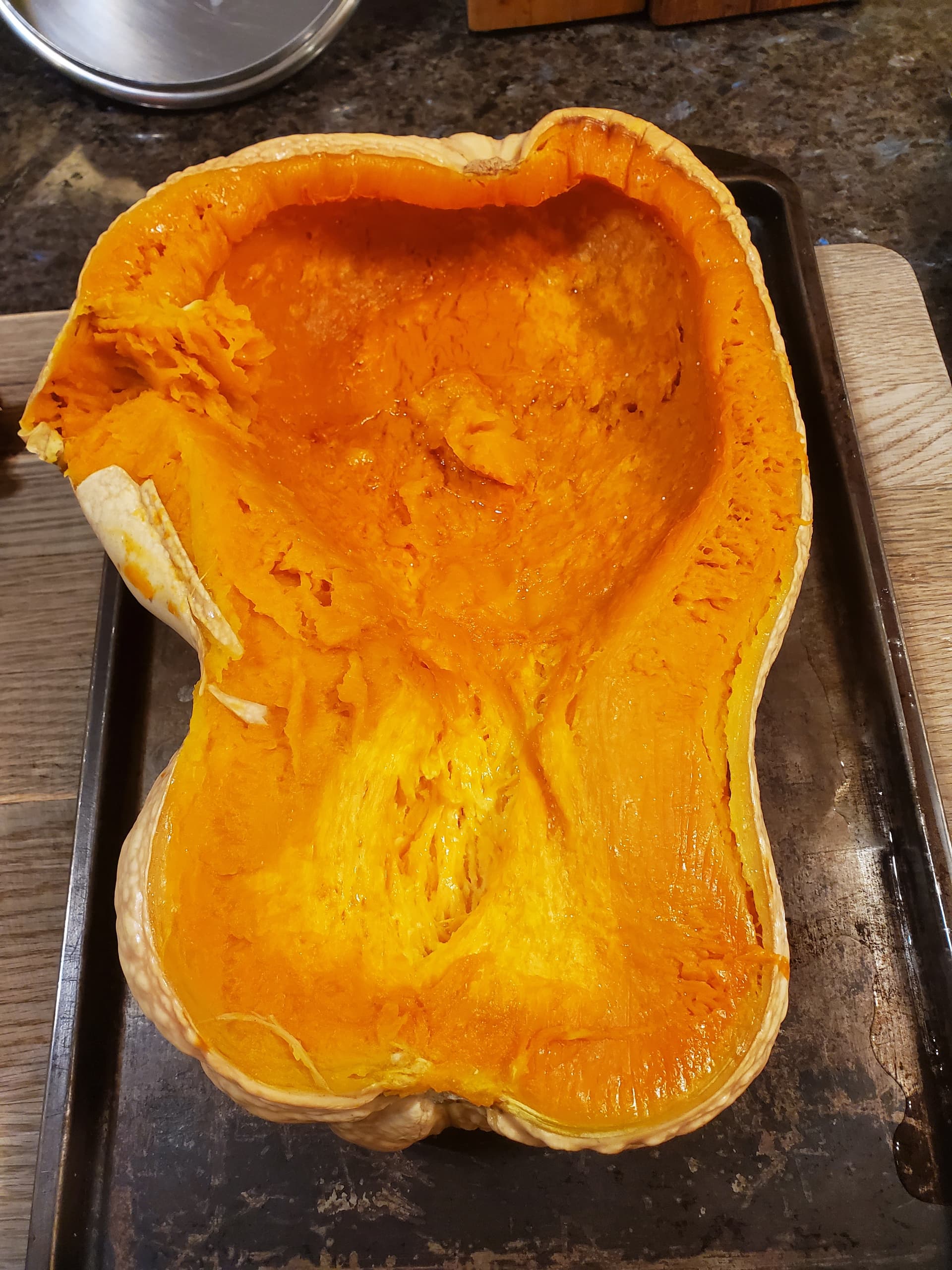
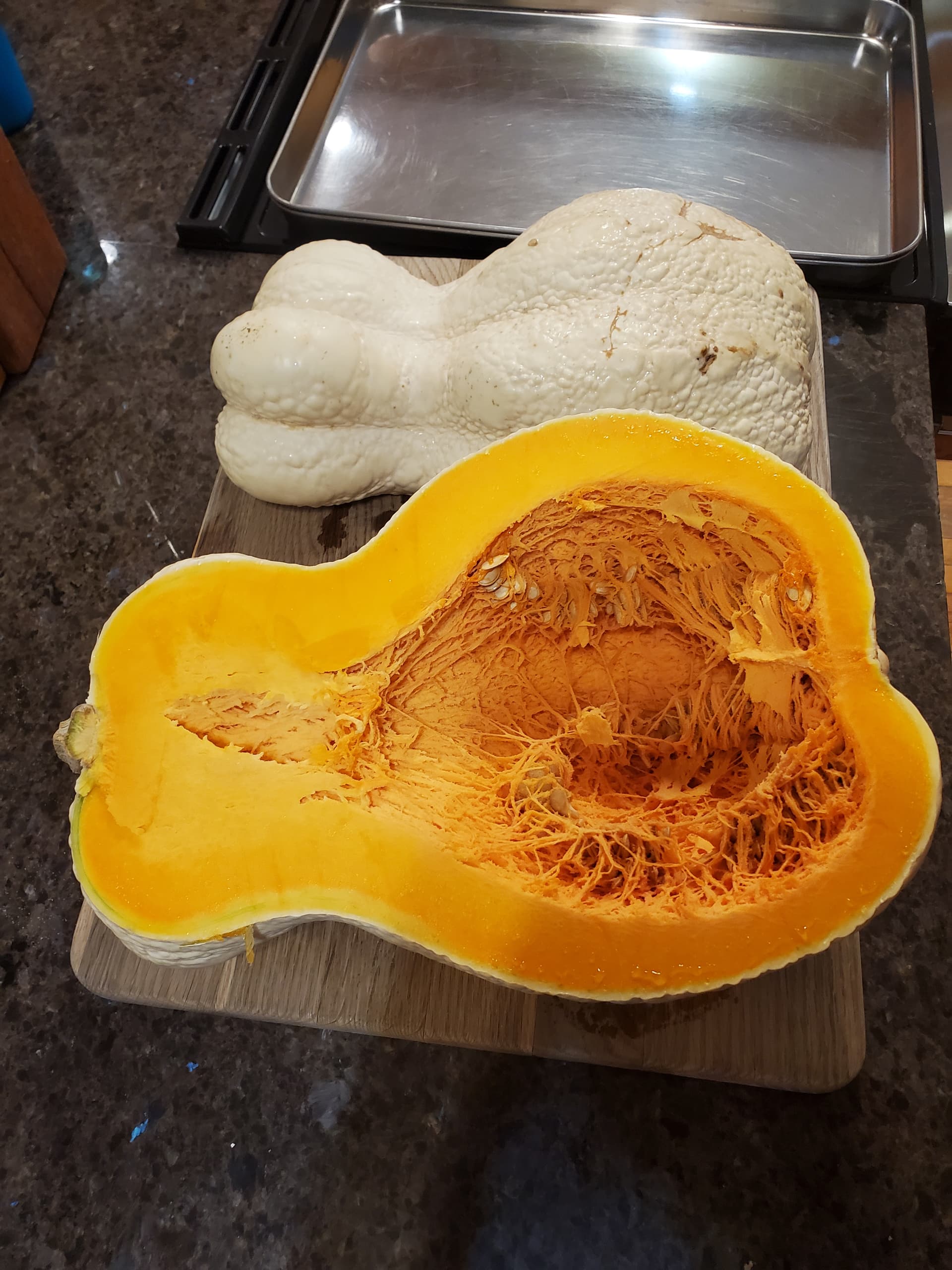
The taste and was very butternut like, a good sweet squash that no-one would complain about, but a little disappointed it didn’t have the incredible flavor of its seed parent. The texture is good, visually it looks like it has stringiness, but when eating it is pretty smooth.
Produced slightly over 26 cups of flesh.
Didn’t have as many seeds as I thought it would have, but still had ~200 or so. Easy to cut in half considering how solid the flesh was and how thick the skin was.
In the picture it looks like the seed cavity extended into the top part, but it was like it just split internally up into it and wasn’t like a dry spot.
The dryness or the wetness of the flesh after being cook on a scale of 1-10, with 1 being dry foamy stuff and 10 being a watery soup that can’t be eaten with a fork, I would rate it as a 4.5, It’s dry enough where if you cooked it with a juicier one it would absorb a little of its juice. A 5 wouldn’t leak juice when being cooked, but also won’t absorb juice from other squash.
3 Likes
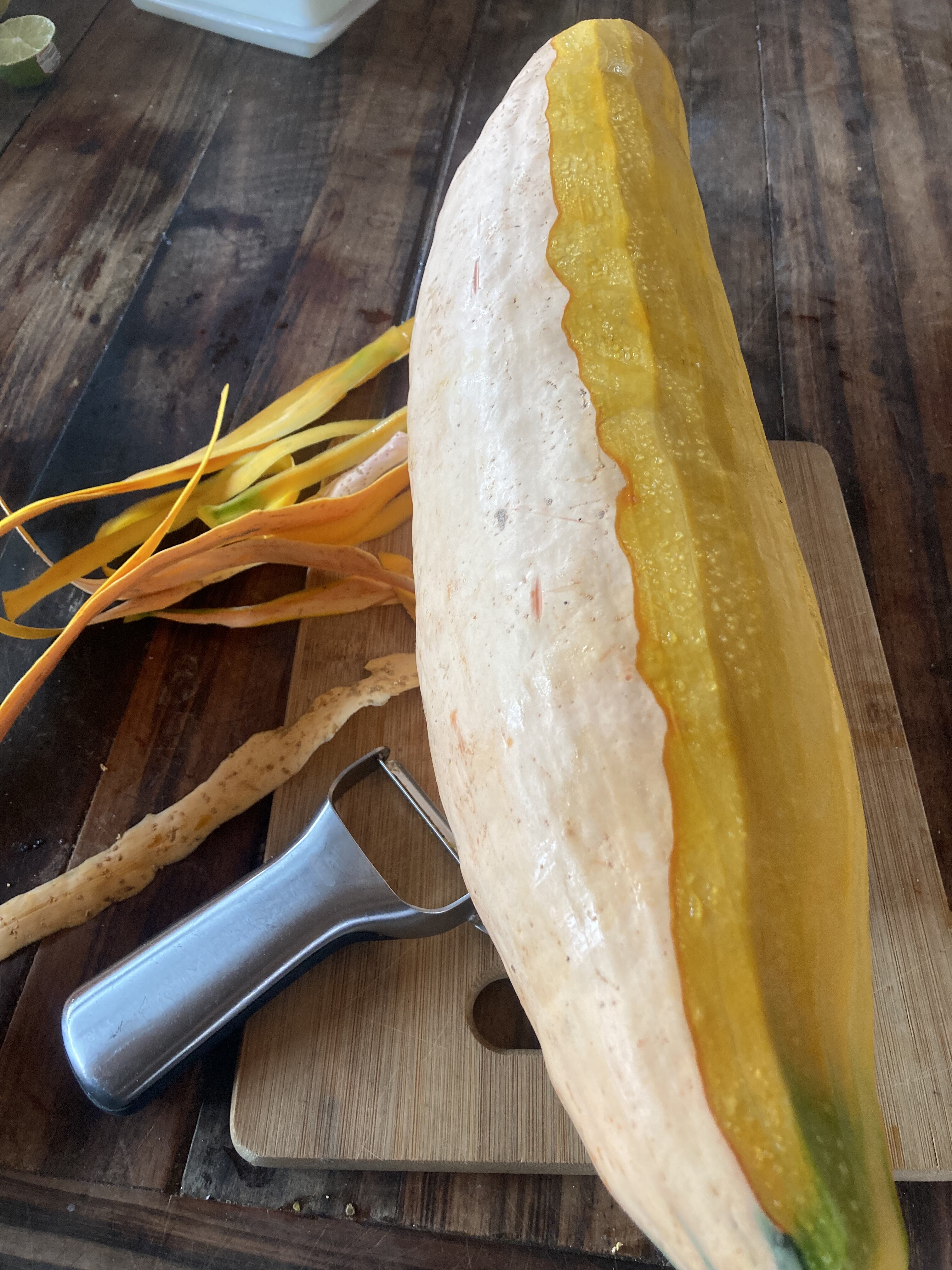
Despite being in z4 Maine the Georgia Candy Roaster grows great here, very productive and easy to process since it isn’t ribbed. Sweet medium textured flesh makes great pies, soups etc. Large!
6 Likes
I had a bunch of under-ripe pumpkins one year that I grated and froze in measured portions, then used it (thawed) instead of the zucchini for my zucchini bread throughout the winter. It worked great.
5 Likes
I made green curry on friday and used one of my underripe pumkins. It is nice because it still has that pumpkin texture, but neutral flavor.
3 Likes
Just ate my last white acorn squash. This was grown from green grocery store acorn squash. They turned out so good with storage! They really needed over 2 months of storage as the ones we ate sooner were very mediocre. Not sure if that meant I picked them all too early or if they just need to cure a long time. I swore off anything but c. moschata for next year, but my husband (who eats almost nothing we grow) loves these so much, I have been guilt tripped into growing it again. Whether or not the next seed will grow out white skin/flesh…we shall see. FYI I always make acorn squash roasted with avo oil, cinnamon, cumin, coriander, salt and pepper.
Does anyone do the aluminum foil trick for squash borer? Other barrier ideas for just one vine? I was REALLY looking forward to a year of no squash borer stress.
2 Likes
Can anyone name this squash for me? Family friends grew it and gave me one, it has stored beautifully. It was an absolutely sprawling vine with easily 100 squash most 3x the size of this one. It had lots of little hairs all over it. There’s a language barrier and I wasn’t able to get the name. It smells and tastes almost like cucumber. I’m trying to figure out how to prepare it. The family told me they made soup (but I’m not sure how).
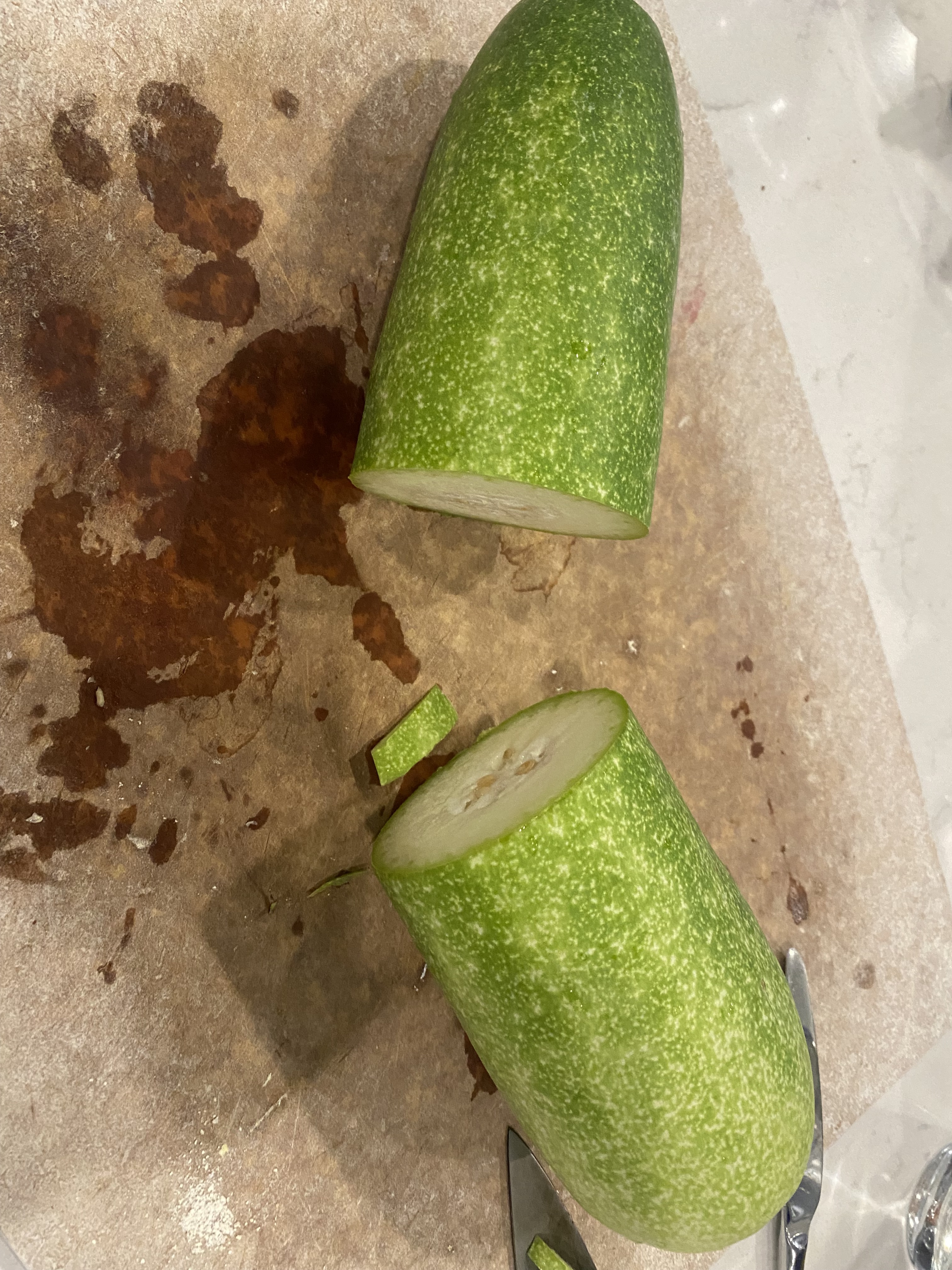

Some photo ID thing my husband did thinks it might be Fuzzy Squash ??
7 Likes
Possibly winter melon aka wax melon. It gets very fine hairs which can almost be like rubbing against insulation when you harvest the melons. Stores amazingly well like you said. Great for soup or strir fry. It can sometimes have a hint of fresh green bean or bean sprout flavor in addition to the cucumber similarities.
6 Likes
That description fits, thank you! I roasted half of it in circle slices with just salt and pepper and it took on a fascinating flavor that was maybe like green beans with lemon.
5 Likes
Agree that it is fuzzy melon / winter melon. You can harvest them smaller in summer as fuzzy melon and then the are known as winter melon (also wax or ash) melon when mature and they get a light grey ashy outside. The one you have looks to be sort of between the stages.
I use them as fuzzies sometimes in a stir fry with bitter melon to reduce the amount of bitter pieces for others who don’t embrace the bitter. They have more of the cucumber flavor at the younger stage. They are very productive and seem relatively unbothered by bugs compared to winter squashes.
5 Likes