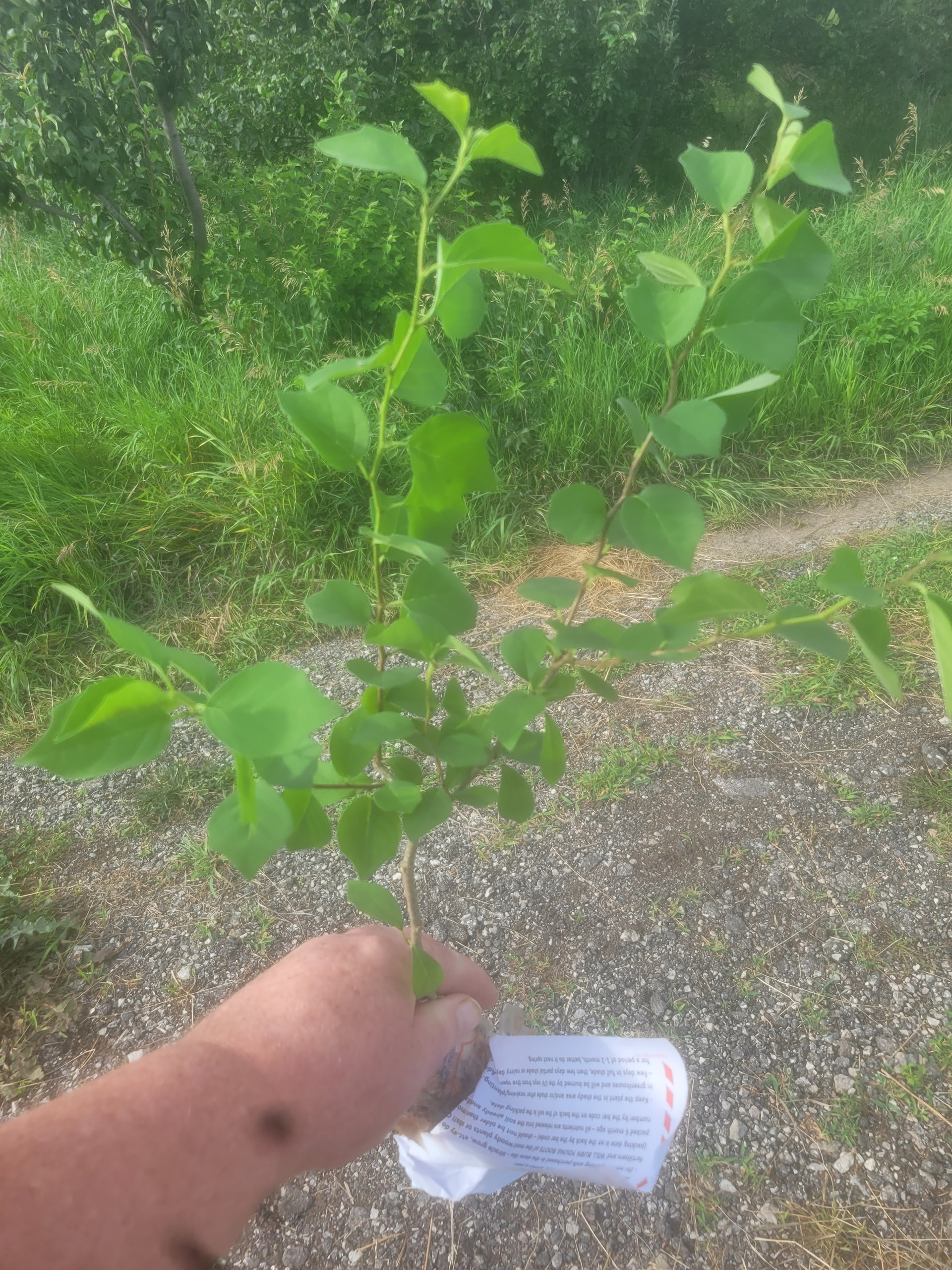
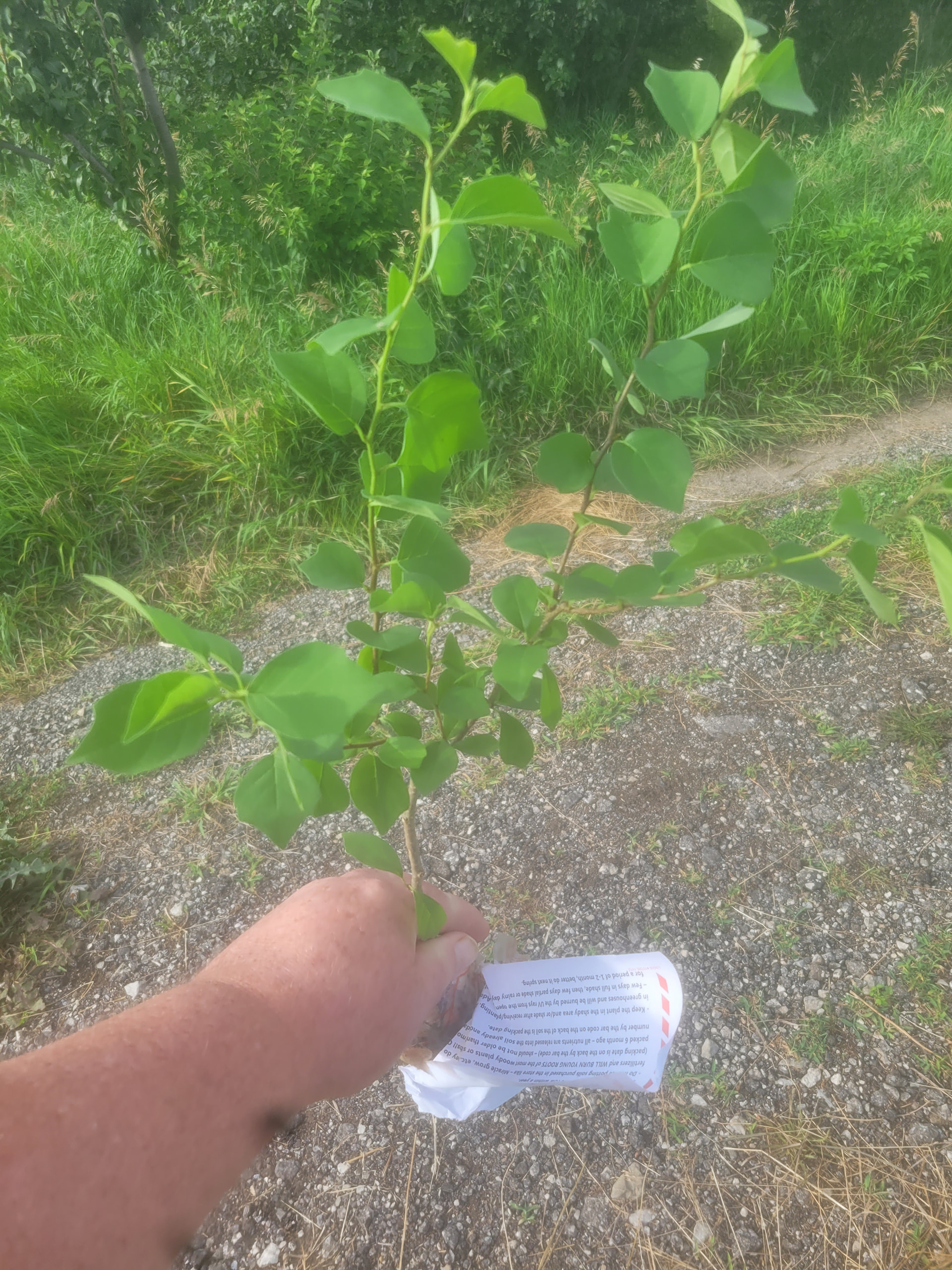
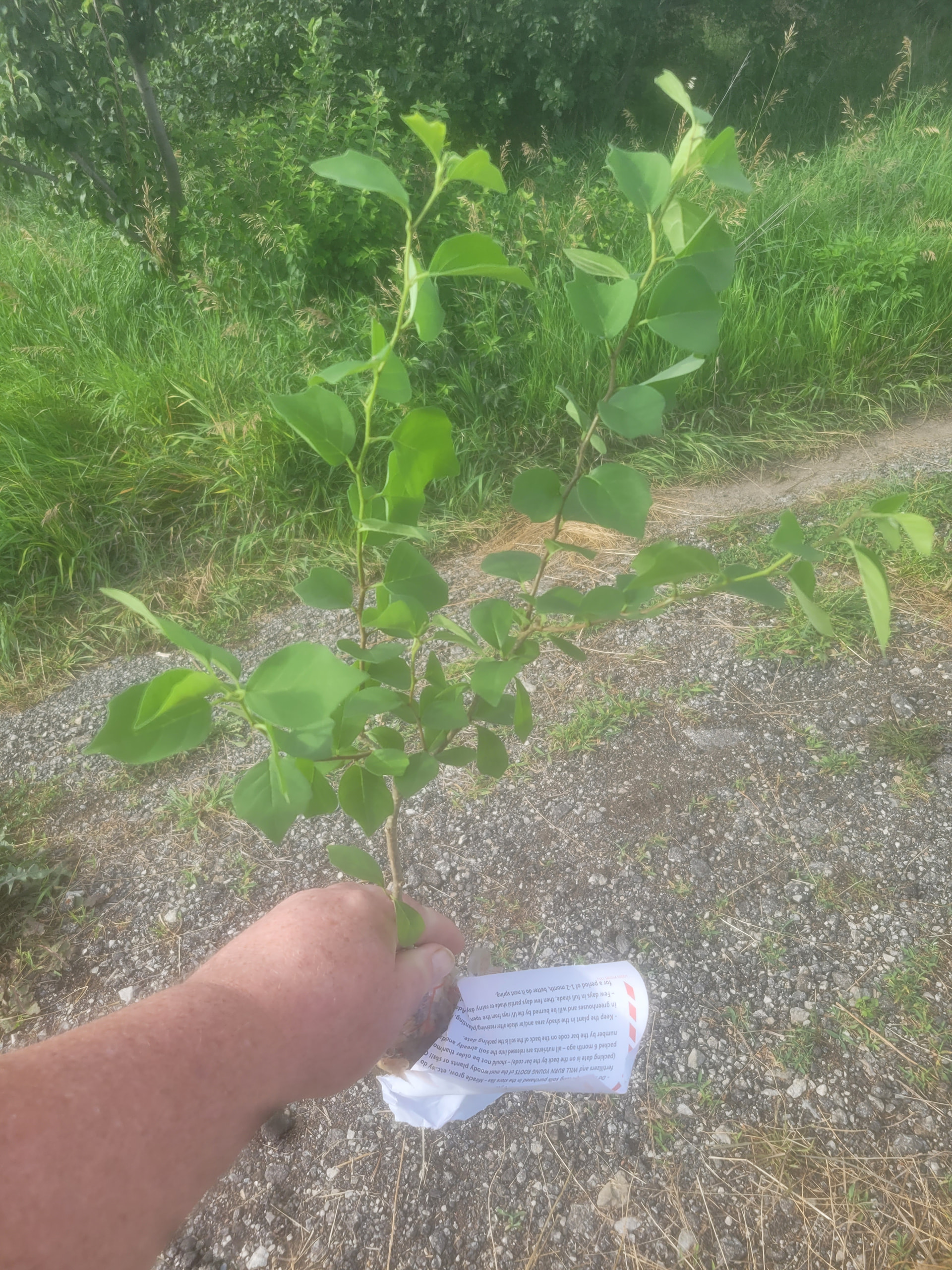
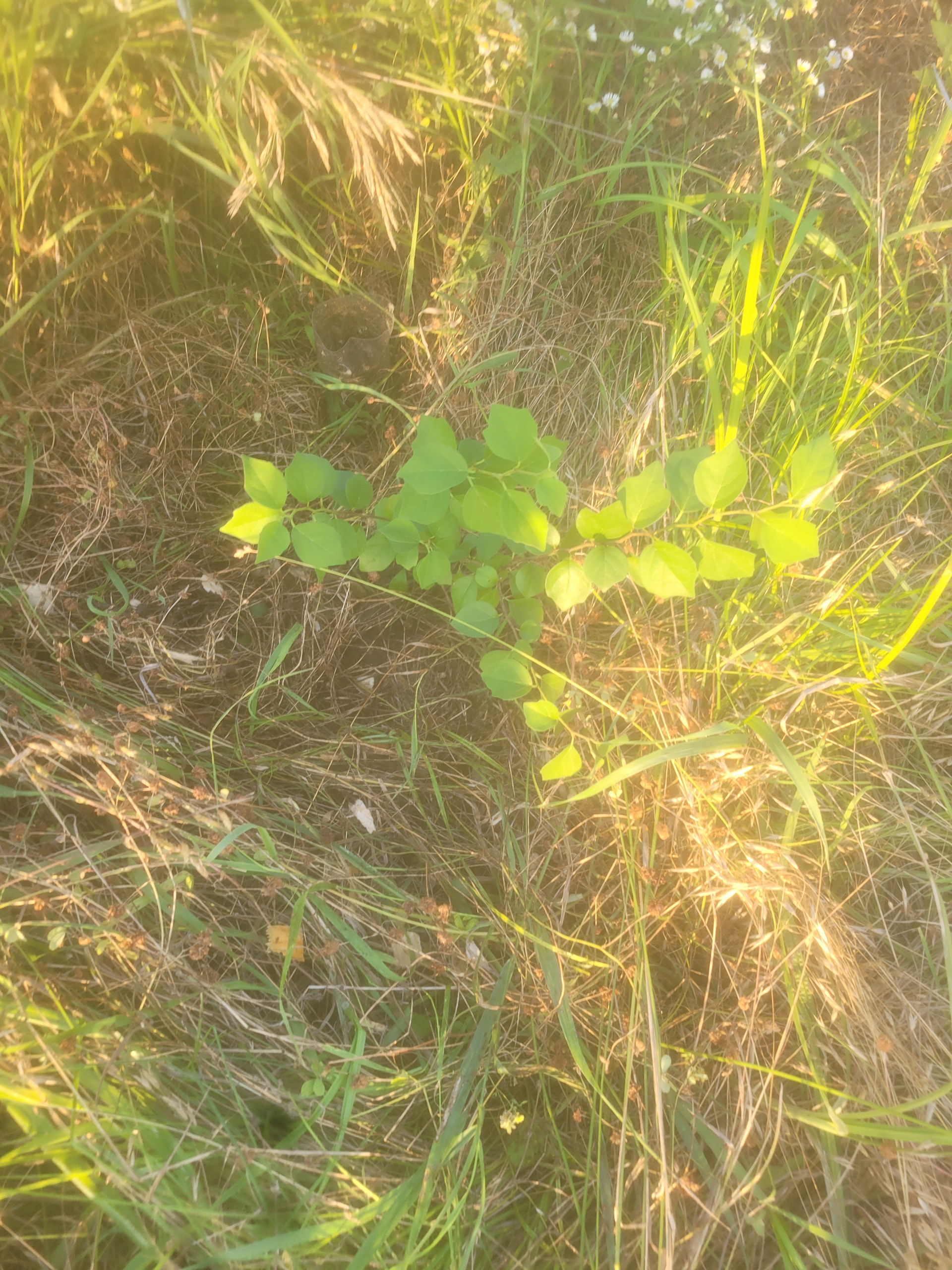
Clarkinks che aka, Silkworm Thorn, Mandarin Melonberry, Cudrang 2026 project

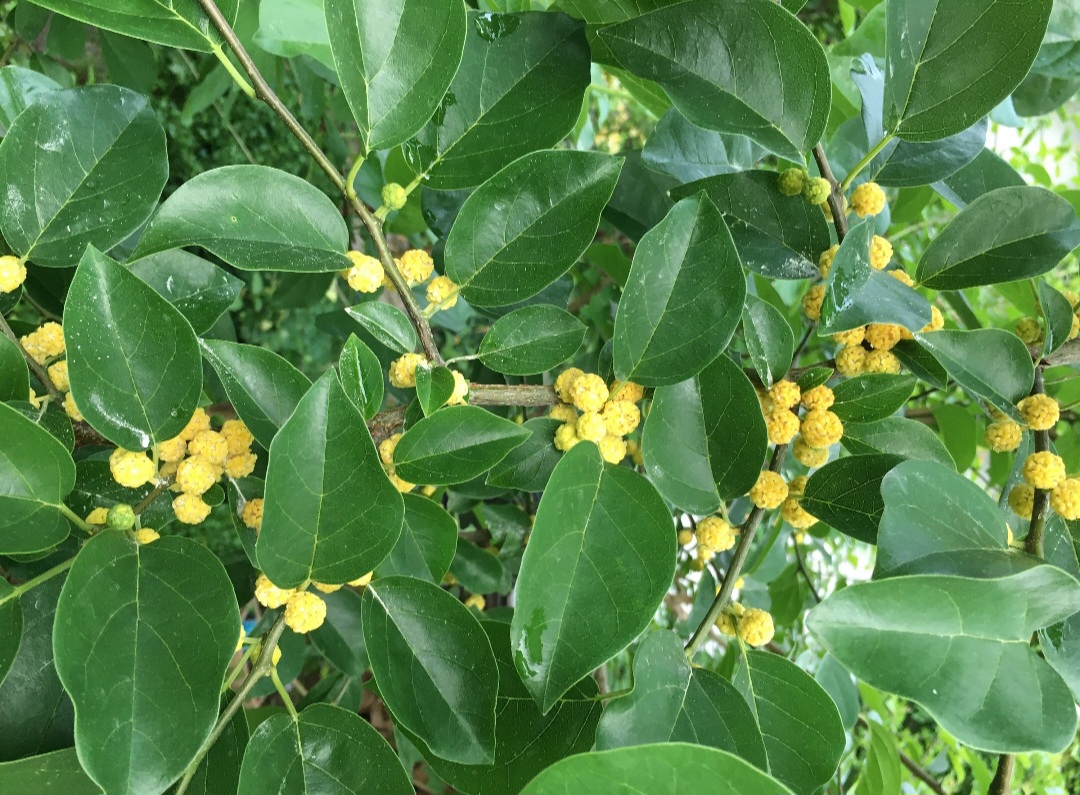
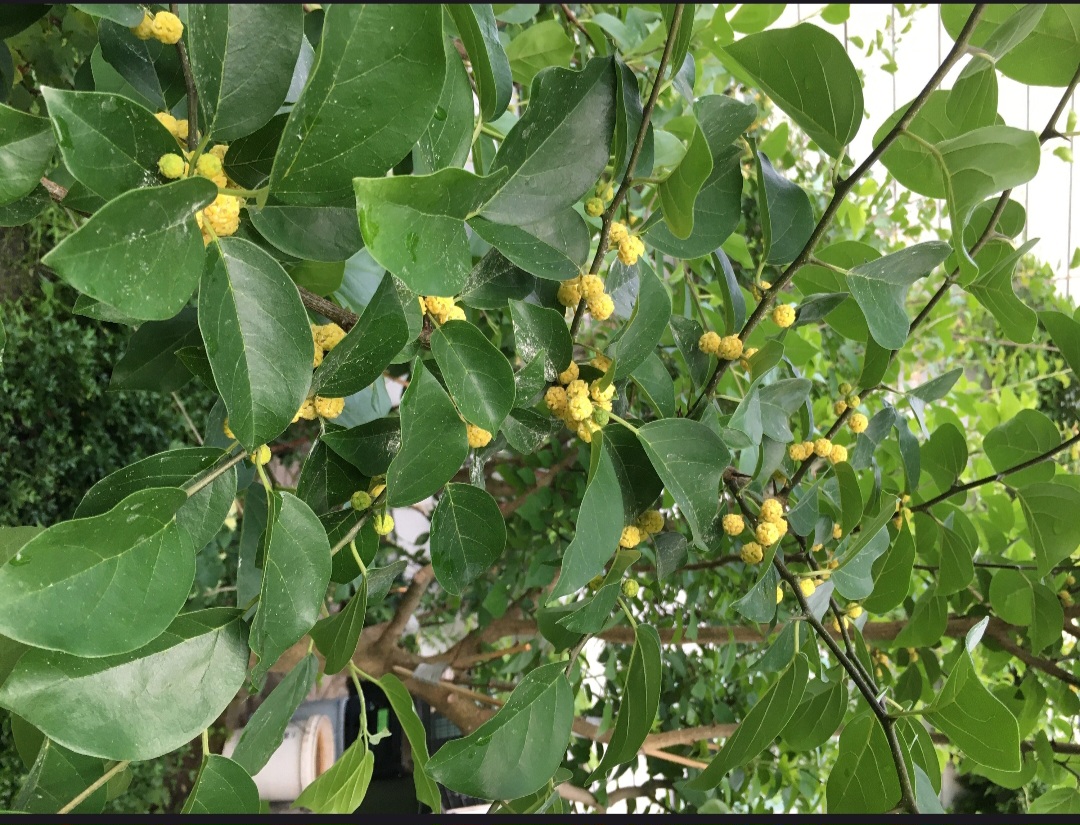
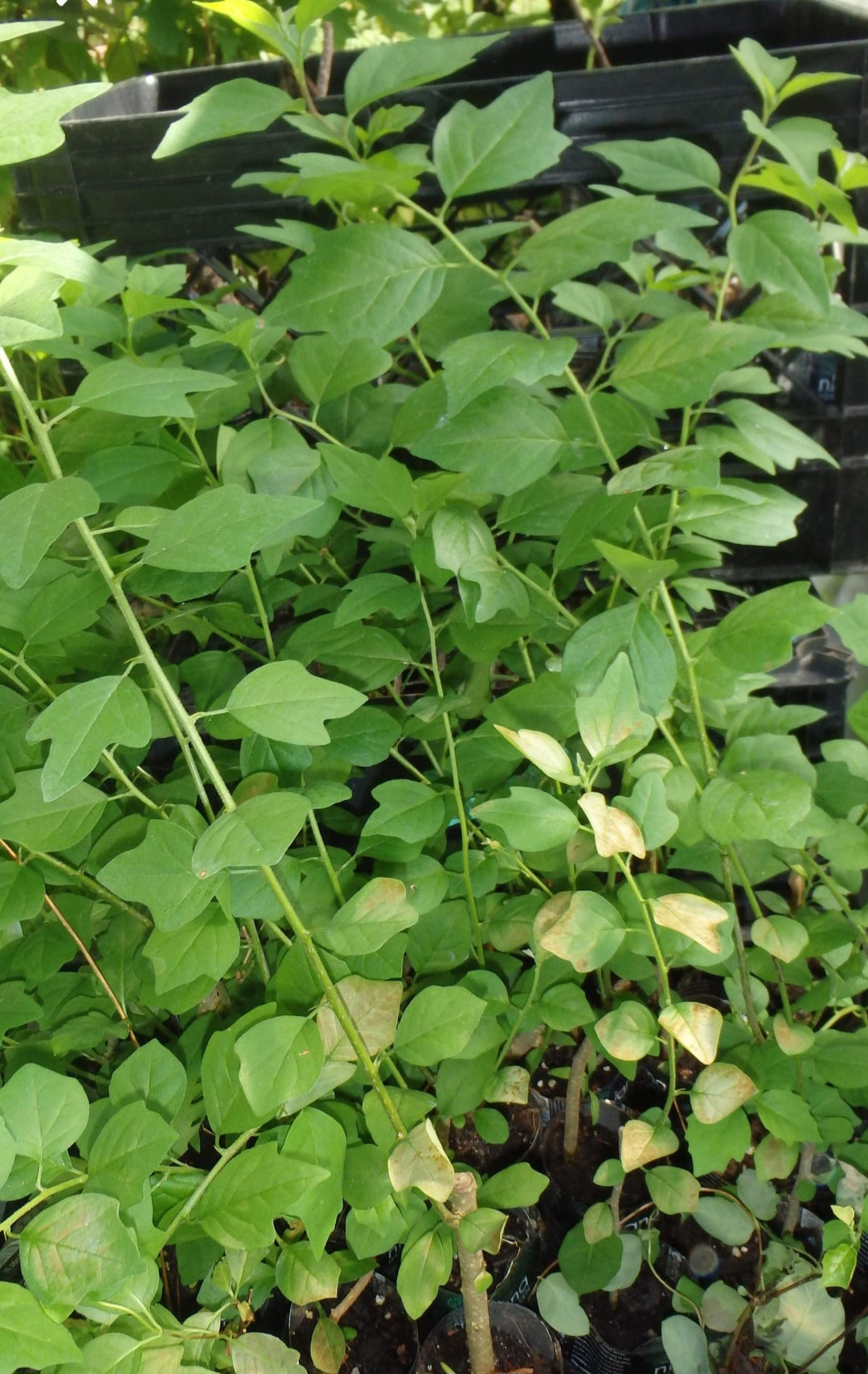
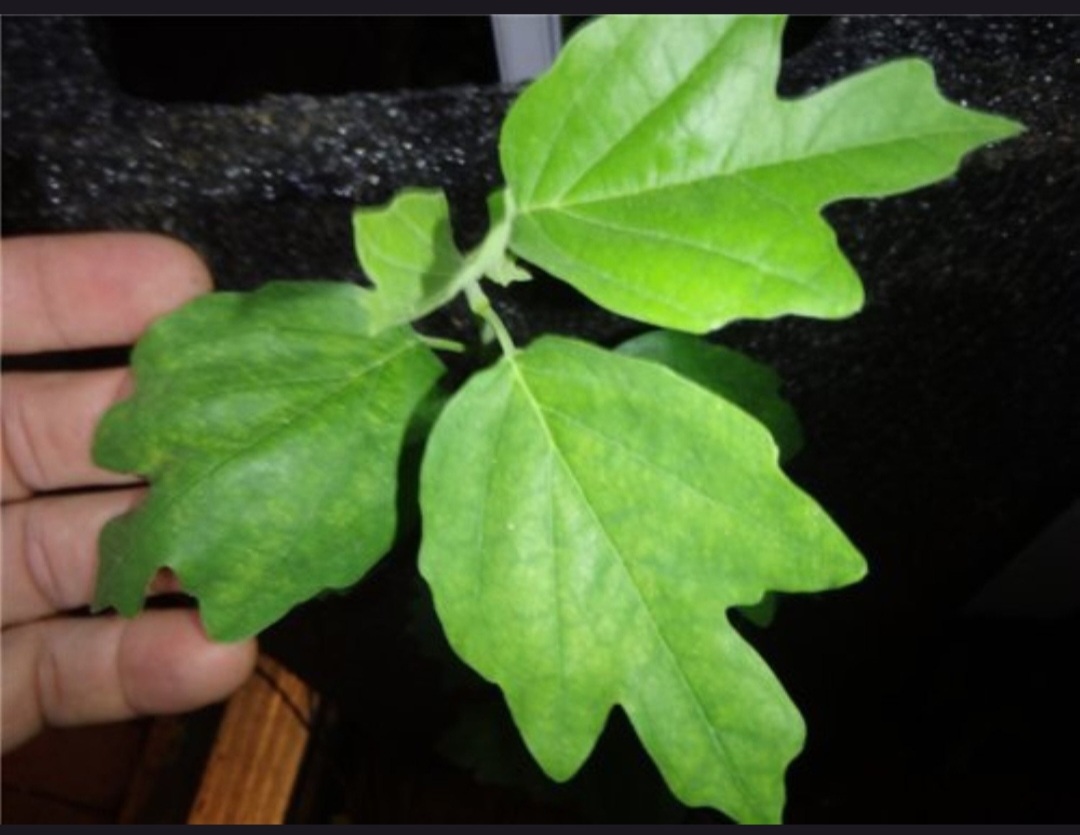
I found a wild seed male that is on its own roots. I picked a plant in new Jersey that matches our zone. Nothing back east is inexpensive but it will give me a way to create some crosses.
“

Garden Oracle / Drought and Heat Tolerant Gardening / Tucson - Phoenix - Arizona - California

*Growing Mandarin Melon Berry / Che:

Maclura tricuspidata*

Back to Fruit, Berries and Nuts

Botanical Overview

A member of the Mulberry family (Moraceae), Mandarin Melon Berry is closely related to Osage Orange, and more distantly related to Mulberry, Fig, and Jackfruit. Seedless cultivars have been developed with several flavors.

Description

Form: A thorny, suckering shrub or small tree.

Lifespan: At least 40 years.

Leaf retention: Evergreen in warm regions. In cold regions, the leaves are deciduous and turn red in the fall.

Growth rate: Slow to moderate depending on location.

Mature Size: 25’ (7.6m) high and as wide after 30 years. Female trees are larger than male trees.

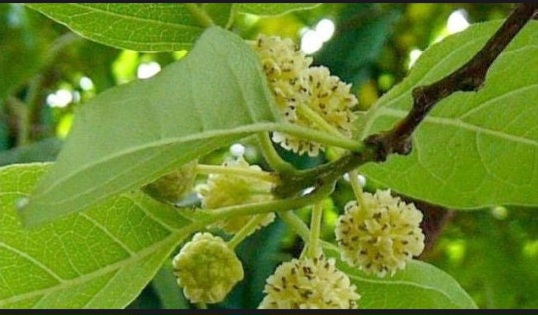
Flowers: Green, pea-sized, separate male and female flowers grow on different trees.

Bloom: Mid to late spring.

Self-fruitful: Depends on cultivar. For some cultivars, females produce seedless fruit without pollination (parthenocarpy). If growing a seedless female tree, a male tree must not be present or the fruit will be excessively seedy.

Years before fruiting: Ten years from seed, 2-3 years if grafted. The tree tends to drop ripening fruit when very young, but gets better at retention with age.

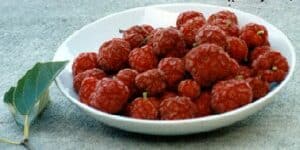
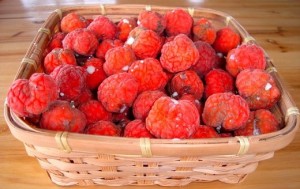
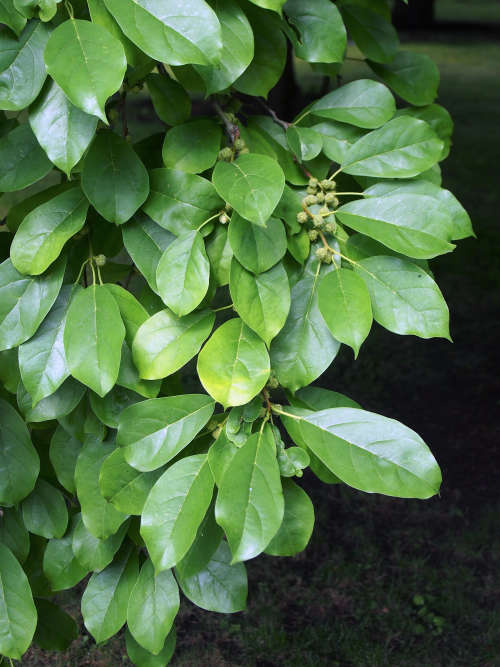
Fruit: The “berry” is an aggregate fruit, red to dark red in color, with many small fruits clustered together. If not from a seedless cultivar, the berry is very seedy with each fruit containing 3-6 seeds. The fruit is poor tasting until very ripe. When ripe, it lacks acidity and is somewhat sweet, like watermelon. The chewy texture resembles that of a strawberry. Fallen fruit will stain sidewalks.

Months for fruit to ripen: 5. The fruit are ripe when soft and darkening with age, possibly tinged black. Ripe fruit can be removed from a stem with a gentle pull. If a hard tug is required, the fruit is not ripe. The stem does not bleed white sap when the fruit is picked fully ripe. Fruit ripen on the tree individually, not all at once, and do not ripen further once picked. One female tree can produce up to 400 pounds of fruit.

Storage after harvest: The fruit can be kept refrigerated unwashed for several weeks in a covered container. They can be eaten raw or cooked.

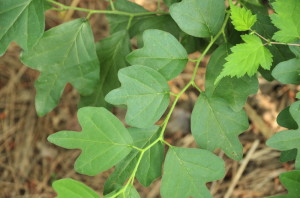
Leaves: Light-green, three-lobed to ovate, variable in shape, with leaf-out occurring later than apples.

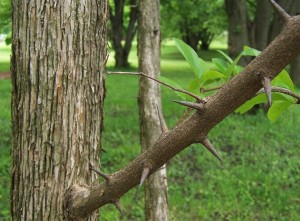
Stems: Thorns exist in random locations on young wood, but disappear with age. The plant has milky sap.

Roots: Mandarin Melon Berry should be grafted onto Osage Orange (Maclura pomifera) rootstock to speed fruiting, reduce thorns, and eliminate suckering. On its own roots, it is less vigorous and grows as a thorny shrub with abundant suckers.

Cultivars of Note:

‘Darrow Melon Berry’ female, seedless, cantaloupe to papaya flavor, USDA zones 5-10.

‘Norris Mandarin Melon Berry’ female, seedless, watermelon flavor with fig overtones, more vigorous, USDA zones 5-9.

Wildlife: Leaves and fruit attract browsing deer. The leaves can be used to feed silk worms.

Toxic / Danger: The milky sap is a skin irritant and is mildly poisonous. Unripe fruit can cause stomach upset. Thorns.

Origin: East Asia for Mandarin Melon Berry. Osage Orange was limited to the Red River Valley of Texas, Oklahoma and Arkansas in pre-Columbian times.

social icons

Cultivation and Uses

USDA hardiness zones: 5-9.

Chill hours: None.

Heat tolerant: Yes.

Drought tolerant: Yes.

Sun: Full sun, including on the soil over the root area.

Planting: Locate in an area with full sun, good drainage, and not prone to flooding. Place trees 15’ (4.5m) apart.

Soil: This plant needs very well draining soil, but is tolerant of most soil types otherwise. It performs best in soil with moderate to high organic content. PH 6.1-6.5 (slightly acidic) soil is preferred, but pH 6.6-7.8 (neutral to slightly alkaline) is tolerated. It responds poorly to flooding. Its native habitat is rocky soil.

Fertilize: Use an organic fertilizer three times a year in February, May and late July. Spread fertilizer under the canopy but 8" (21cm) away from the trunk. Apply a citrus micronutrient solution in irrigation water at the same time.

Water after becoming established: Deep water every one or two weeks during fruiting. Fruit and leaf drop signifies insufficient water.

Mulch: Apply organic mulch inside the drip line, and 8" (21cm) away from the trunk, to retain soil moisture and reduce summer soil temperatures.

First Year Care: Deep water twice a week.

Prune: Prune only in winter when the plant is dormant and sap flow is low. The milky sap is a skin irritant. Heavy pruning encourages new growth and fruiting. Prune branches back about half way. Remove up to half of newly formed branches, especially those crossing or growing inward. Flowers and fruit are produced on new wood.

Litter: Leaves, and abundant, staining fruit, which drop in the fall if not harvested.

Propagation: Cuttings grafted onto Osage Orange rootstock.

Uses: Mandarin Melon Berry is primarily grown as a highly attractive ornamental. The fruit is edible, but bland, possibly due to a lack of nutritional value. It is rarely harvested as a food crop. For residential use, sliced berries can be served with lemon juice and sugar, or blended with other fruit in smoothies.

Comments

Cudrania tricuspidata is a scientific synonym. Another common name is Melonberry.


Do you have additional information or a different experience for these plants that you would like to share? Email info@GardenOracle.com. All contributions are welcome and appreciated.

”
2 Likes

My first male order is Cudrania tricuspidata

My second order should arrive soon Rare fruits, unique or hard to find nuts , etc. website https://ardealandproject.com/feralwood-shop

My seedless females are

“The original melonberry planted here many years ago was a seedling, and as such it has stayed true to its thicket-forming habit. It boasts fruit with wonderful flavor. They are very sweet, with a flavor that merges those of a fig and a watermelon.

Many people prefer to graft melonberry onto osage orange root stock so that the tree does not form its species-typical thicket. Well, I happen to be a thicket lover, and so what I currently offer is that melonberry which will, over the course of a few years, began to spread through suckers. Of course, there are methods to deter this, such as planting the melonberry in an area that will be regularly mowed around or has other buffers to spreading. I see their ideal habitat being along the forest edge, utilizing the space between the forest and the field.

Young growth will have thorns, and these thorns will fade away as growth matures.

Plant details:
Genus & species: Maclura tricuspidata
Hardiness: Zone 5 to zone 9
Sun: Full sun to part shade
Soil type: Tolerant of a variety of soils, well-drained
Soil moisture: Average to moist”

The plan is planting wild seedling of both males and females for excessive seed. In Kansas survival rate from seed might be 1-10% and thus very quickly give us improved types. Wisdom would tell us to keep the seedless Che females far from the males or we might wind up with thickets of these things. The thickets are just what we have in mind! @tonyOmahaz5 @KS_razerback @steveb4 @smsmith and many others eg. @northof53 can then start growing second or third generation seed that gets its cold hardiness by way of Kansas. Since nobody I know of is actively breeding them at this time I believe it’s time we change that.

3 Likes

The Himalayan ranges are not warm

"California Rare Fruit Growers, Inc.

Toggle Navigation

Che

CHE

Cudrania tricuspidata** Bur. ex Lavallee**

Moraceae

Common Names: Che, Chinese Che, Chinese Mulberry, Cudrang, Mandarin Melon Berry, Silkworm Thorn.

Distant Affinity: Breadfruit (Artocarpus altilis), Jackfruit (A. heterophyllus), Fig (Ficus spp.), Mulberry (Morus spp.), African Breadfruit (Treculis africana).

Origin: The che is native to many parts of eastern Asia from the Shantung and Kiangson Provinces of China to the Nepalese sub-Himalayas. It became naturalized in Japan many years ago. In China, the leaves of the che serve as a backup food for silkworms when mulberry leaves are in short supply. The tree was introduced into England and other parts of Europe around 1872, and into the U.S. around 1930.

Adaptation: The che requires minimal care and has a tolerance of drought and poor soils similar to that of the related mulberry. It can be grown in most parts of California and other parts of the country, withstanding temperatures of -20° F.

DESCRIPTION

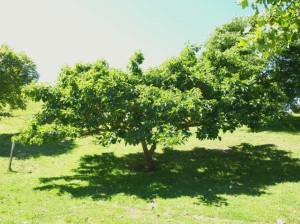
Growth Habit: The deciduous trees can eventually grow to about 25 ft. in height, but often remains a broad, spreading bush or small tree if not otherwise trained when they are young. Immature wood is thorny but loses its thorns as it matures. Female trees are larger and more robust than male trees.

Foliage: The alternate leaves resemble those of the mulberry, but are smaller and thinner and pale yellowish-green in color. The typical form is distinctly trilobate, with the central lobe sometimes twice as long as the lateral ones, but frequently unlobed leaves of varied outlines are also found on the same plant. As the plant grows, the tendency seems towards larger and entire leaves, with at the most indistinct or irregular lobing. The general form of the leaves comprise many variations between oblong and lanceolate. The che leafs and blooms late in spring–after apples.

Flowers: The che is dioecious, with male and female flowers on different plants. Appearing in June, both types of flowers are green and pea-sized. The male flowers turn yellow as the pollen ripens and is released, while the wind-pollinated female flowers develop many small stigmas over the surface of the immature fruit. Male plants occasionally have a few female flowers which will set fruit.

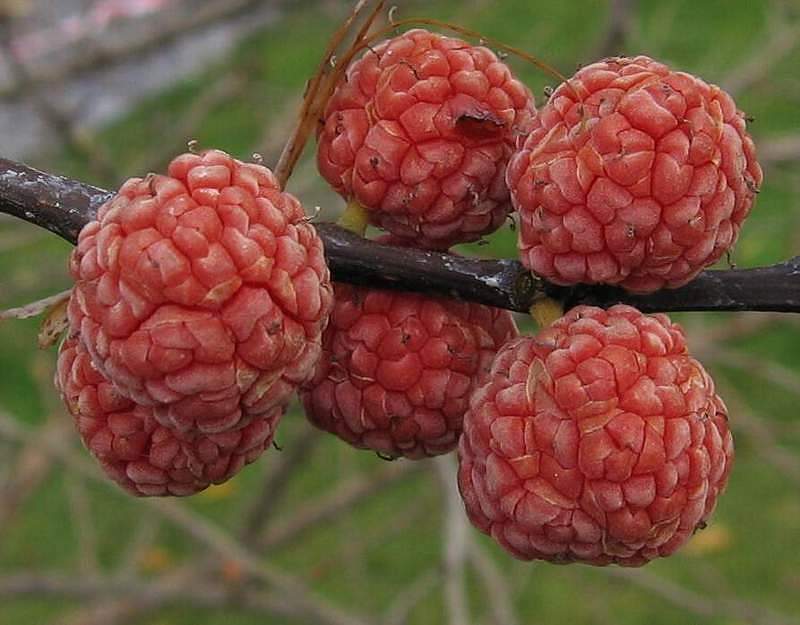
Fruit: Like the related mulberry, the che fruit is not a berry but a collective fruit, in appearance somewhat like a round mulberry crossed with a lychee, 1 to 2 inches in diameter. The ripe fruits are an attractive red or maroon-red color with a juicy, rich red flesh inside and 3 to 6 small brown seeds per fruit. The flavor is quite unlike the vinous quality of better mulberries. While still firm they are almost tasteless, but when fully soft ripe they develop a watermelon-like flavor that can be quite delicious. The sugar content is similar to that of a ripe fig. In colder areas with early leaf drop the bright red fruit are an attractive sight dangling from smooth, leafless branches.

CULTURE

Location: Ches need a warm, sunny location. They should not be planted near sidewalks since the fallen fruit will stain. Like the mulberry, the trees are quite wind-resistant. One method of planting is to put a male and a female plant in a single site, about 1 ft. apart, and prune to a combined volume of approximately 25% male and 75% female.

Soil: The trees are relatively undemanding, but perform best in a warm, well-drained soil, ideally a deep loam.

Irrigation: Although somewhat drought-resistant, ches need to be watered in dry seasons. In summer dry California a deep watering about every two weeks is recommended. If the roots become too dry during drought, the plant may began to defoliate and the unripe fruit is likely to drop.

Fertilization: An annual application of a balanced fertilizer such as 10:10:10 NPK in late spring will maintain satisfactory growth. Nitrogen is the only element likely to be needed in California.

Pruning: The trees need regular pruning to control their shape. The branches formed the previous season should be pruned to half their length. The branchlets on the remaining part of the branches should also be trimmed about 50%. A summer pruning of the male plant is also necessary when planted in a single site with the female. To grow as a tree, in addition to pruning the lateral branches, the leading branch may also need to be staked to point it in a vertical direction. Trees grafted onto Osage orange (Maclura pomifera) rootstock tend to be more robust and grow in a more upright fashion.

Propagation: The che is readily grown from seed, although the plants can take up to 10 years to bear. Seeds should be sown as soon as extracted from the fruit. The plants are often propagated from softwood cuttings taken in midsummer and treated with rooting hormone. The che is also easily grafted to Osage orange rootstock using either a cleft or whip-and-tongue graft.

Pests and Diseases: No pests or diseases have been noted. The ripe fruit is attractive to birds, and deer will browse on both the fruit and foliage.

Harvest: Ches begin to bear at an early age and mature trees can produce as much as 400 pounds of fruit. The fruits ripen around November in California. Unlike mulberries, the ripe fruits do not separate easily from the tree and must be individually picked. It is important that the fruits be thoroughly ripe to be at their best. A darker shade of red with some blackening of the skin is a good indication of full ripeness. The fruit will keep for several days in a refrigerator in a covered dish. The fruits can be eaten out of hand or cooked in various ways. Cooking with other fruits that can contribute some tartness improves the taste. Mixing the ripe fruit in a blender and straining out the seeds yields a beautiful and delicious che “nectar”.

Commercial Potential: In China and other parts of East Asia the fruit is sometimes found in local markets, but is relatively unknown commercially elsewhere. The attractive color and reasonable shelf life of the che seem to indicate that with a little effort, there could be a niche for it in farmer’s markets and specialty stores. There also appears to be some demand for the fruit in Asian markets. Better selection should further increase the marketing potential of the che. A seedless fruit or one with with a bit of tartness would be a great improvement, as would earlier ripening cultivars that separate readily from the branches.

CULTIVARS

In China various selections of the che are grown, but in this country there are no known cultivars as such.

FURTHER READING

  • Darrow, George M. Minor Temperate Fruits. In Advances in Fruit Breeding. Purdue University Press, 1975. p. 282.

  • Forbes, F. B. Cudrania triloba Hance and its uses in China. Journal of Botany, vol. 21, 1883. pp. 145-149.

  • Hendrickson, Robert. The Berry Book. Doubleday, 1981.”

2 Likes

The fact this tree is hardy to withstanding temperatures of -20° F means it is at least a zone 5 hardy tree.

1 Like

Interesting

Cudrania, ‘Norris’ female Che Chinese Melonberry

$ 30

Cudrania tricuspidata** ‘Norris’**

Name in Chinese and pin yin: 柘 zhe

Variety description: This under appreciated fruit is a relative of mulberry and fig, and is native to central China. In addition to being grown for its fruit, traditionally Che leaves were used as a secondary food source for silk worms. Trees bear a prolific crop of maroon-red, 1/2" fruit. Ripe fruit have a sweet flavor which is often compared to that of a fig with notes of watermelon.

This female selection is said to bear seedless fruit in the absence of a pollinator. This may be true in areas with warm summers, but we have found that this tree only produces fruit when it is pollinated. PLANTING A MALE POLLINATOR TREE OR GRAFTING A MALE BRANCH ONTO AN EXISTING TREE IS RECOMMENDED for zones 6 and below.

We graft our Che onto Osage orange (Maclura pomifera) rootstock so that as the plant matures it will develop less of a bush and more of a standard tree form. Young plants have small thorns.

This cultivar was discovered by nurseryman Cliff England growing in an orchard of unusual fruit trees planted in the 1930s on the site of the TVA’s Norris Dam in northern Tennessee. “

Cudrania tricuspidata** ‘Edible Landscaping Seedless’**

Name in Chinese and pin yin: 柘 zhe

Variety description: This under appreciated fruit is a relative of mulberry and fig, and is native to central China. In addition to being grown for its fruit, traditionally Che leaves were used as a secondary food source for silk worms. Self-fertile seedless female trees bear a prolific crop of maroon-red, 1/2" fruit. Ripe fruit have a sweet flavor which is often compared to that of a fig with notes of watermelon.

We graft our Che onto Osage orange (Maclura pomifera) rootstock so that as the plant matures it will develop less of a bush and more of a standard tree form. Young plants have small thorns.

This cultivar comes from Edible Landscaping in Afton, VA.

Site requirements: Full sun location. Che will grow in a range of soil types provided that the roots stay evenly moist throughout the heat of the summer. Deep, well drained loam is ideal.

Size at maturity: 10-30’ tall, up to 25’ wide, depending on pruning. Keep it pruned for a smaller size. Very fast growing.

Hardiness: USDA zones 5b-9. There are some reports of Che growing in USDA zone 5. Cooler climates may have insufficient summer heat to fully ripen the fruit.”

Cudrania, ‘Darrow’ seedless female Che Chinese Melonberry

$ 45

Cudrania tricuspidata** ‘Darrow’**

Name in Chinese and pin yin: 柘 zhe

Variety description: This under appreciated fruit is a relative of mulberry and fig, and is native to central China. In addition to being grown for its fruit, traditionally Che leaves were used as a secondary food source for silk worms. Self-fertile seedless female trees bear a prolific crop of maroon-red, 1-2" fruit. Ripe fruit have a sweet flavor which is often compared to that of a fig with notes of watermelon.

We graft our Che onto Osage orange (Maclura pomifera) rootstock so that as the plant matures it will develop less of a bush and more of a standard tree form. Young plants have small thorns.

This che is propagated from a tree grown by the famed USDA plant breeder Dr. George M. Darrow (pictured left). Over the course of his long career with the USDA, Dr. Darrow worked to hybridize many of the commercial strawberry varieties which are still grown today. Dr. Darrow was also interested in improving other small fruits.

In his book, Uncommon Fruits for Every Garden, horticulturalist Lee Reich writes that his first encounter with che fruit was at Dr. Darrow’s Maryland home. Reich recounts: “I wish that I had become better acquainted with che soon after our introduction. That first meeting was in 1979 at the home of renowned fruit breeder George M. Darrow, then ninety years old and retired from the U.S. Department of Agriculture. His dooryard che, unfortunately, had no fruits ripe for sampling.”

Site requirements: Full sun location. Che will grow in a range of soil types provided that the roots stay evenly moist throughout the heat of the summer. Deep, well drained loam is ideal.

Size at maturity: 10-25’ tall, 25’ wide, depending on pruning.

Hardiness: USDA zones 5b-9. There are some reports of Che growing in USDA zone 5. Cooler climates may have insufficient summer heat to fully ripen the fruit.

Pests and Diseases: None observed. Birds will eat the fruit if you are late to harvest and deer may browse both the fruit and foliage. We protect young trees with a circle of wire mesh to keep the deer away.

Plant size: Grafted tree, grown in a 4" x 4" x 9" MT49 tree pot.”

Cricket Hill Garden

Cudrania, ‘Turkey Best’ female Che Chinese Melonberry

$ 45

Cudrania tricuspidata ‘Turkey Best’

Name in Chinese and pin yin: 柘 zhe

Variety description: A new cultivar for us from legendary nurseryman Cliff England. No information yet available as to fruit size and quality. Also unknown is whether a male pollinator is necessary for good fruit set.

Site requirements: Full sun location. Che will grow in a range of soil types provided that the roots stay evenly moist throughout the heat of the summer. Deep, well drained loam is ideal.

Size at maturity: Likely 10-25’ tall, 25’ wide, depending on pruning.

Hardiness: USDA zones 5b-9. There are some reports of Che growing in USDA zone 5. Cooler climates may have insufficient summer heat to fully ripen the fruit.

Pests and Diseases: None observed. Birds will eat the fruit if you are late to harvest and deer may browse both the fruit and foliage. We protect young trees with a circle of wire mesh to keep the deer away.

Plant size: Grafted tree, grown in a 4" x 4" x 9" MT49 tree pot.”

1 Like

I’ve got Norris.

Interesting that of those three Cliff only has Darrow on his website and yet the other two are from him.

2 Likes

@Robert

It has been brought up before the mastadon ate hedge apples aka osage orange. The only thing eating osage orange now is squirrels which are after the seed only.

https://arboretum.harvard.edu/arnoldia-stories/anachronistic-fruits-and-the-ghosts-who-haunt-them/

Modern elephant spread other things in Africa like avacodo.

Well, cows, Buffalo, deer and horses eat and spread them everywhere here too.

2 Likes

“Garden Oracle / Drought and Heat Tolerant Gardening / Tucson - Phoenix - Arizona - California

*Growing Mandarin Melon Berry / Che:

Maclura tricuspidata*

Back to Fruit, Berries and Nuts

Botanical Overview

A member of the Mulberry family (Moraceae), Mandarin Melon Berry is closely related to Osage Orange, and more distantly related to Mulberry, Fig, and Jackfruit. Seedless cultivars have been developed with several flavors.

Description

Form: A thorny, suckering shrub or small tree.

Lifespan: At least 40 years.

Leaf retention: Evergreen in warm regions. In cold regions, the leaves are deciduous and turn red in the fall.

Growth rate: Slow to moderate depending on location.

Mature Size: 25’ (7.6m) high and as wide after 30 years. Female trees are larger than male trees.

Flowers: Green, pea-sized, separate male and female flowers grow on different trees.

Bloom: Mid to late spring.

Self-fruitful: Depends on cultivar. For some cultivars, females produce seedless fruit without pollination (parthenocarpy). If growing a seedless female tree, a male tree must not be present or the fruit will be excessively seedy.

Years before fruiting: Ten years from seed, 2-3 years if grafted. The tree tends to drop ripening fruit when very young, but gets better at retention with age.

Fruit: The “berry” is an aggregate fruit, red to dark red in color, with many small fruits clustered together. If not from a seedless cultivar, the berry is very seedy with each fruit containing 3-6 seeds. The fruit is poor tasting until very ripe. When ripe, it lacks acidity and is somewhat sweet, like watermelon. The chewy texture resembles that of a strawberry. Fallen fruit will stain sidewalks.

Months for fruit to ripen: 5. The fruit are ripe when soft and darkening with age, possibly tinged black. Ripe fruit can be removed from a stem with a gentle pull. If a hard tug is required, the fruit is not ripe. The stem does not bleed white sap when the fruit is picked fully ripe. Fruit ripen on the tree individually, not all at once, and do not ripen further once picked. One female tree can produce up to 400 pounds of fruit.

Storage after harvest: The fruit can be kept refrigerated unwashed for several weeks in a covered container. They can be eaten raw or cooked.

Leaves: Light-green, three-lobed to ovate, variable in shape, with leaf-out occurring later than apples.

Stems: Thorns exist in random locations on young wood, but disappear with age. The plant has milky sap.

Roots: Mandarin Melon Berry should be grafted onto Osage Orange (Maclura pomifera) rootstock to speed fruiting, reduce thorns, and eliminate suckering. On its own roots, it is less vigorous and grows as a thorny shrub with abundant suckers.

Cultivars of Note:

‘Darrow Melon Berry’ female, seedless, cantaloupe to papaya flavor, USDA zones 5-10.

‘Norris Mandarin Melon Berry’ female, seedless, watermelon flavor with fig overtones, more vigorous, USDA zones 5-9.

Wildlife: Leaves and fruit attract browsing deer. The leaves can be used to feed silk worms.

Toxic / Danger: The milky sap is a skin irritant and is mildly poisonous. Unripe fruit can cause stomach upset. Thorns.

Origin: East Asia for Mandarin Melon Berry. Osage Orange was limited to the Red River Valley of Texas, Oklahoma and Arkansas in pre-Columbian times.

social icons

Cultivation and Uses

USDA hardiness zones: 5-9.

Chill hours: None.

Heat tolerant: Yes.

Drought tolerant: Yes.

Sun: Full sun, including on the soil over the root area.

Planting: Locate in an area with full sun, good drainage, and not prone to flooding. Place trees 15’ (4.5m) apart.

Soil: This plant needs very well draining soil, but is tolerant of most soil types otherwise. It performs best in soil with moderate to high organic content. PH 6.1-6.5 (slightly acidic) soil is preferred, but pH 6.6-7.8 (neutral to slightly alkaline) is tolerated. It responds poorly to flooding. Its native habitat is rocky soil.

Fertilize: Use an organic fertilizer three times a year in February, May and late July. Spread fertilizer under the canopy but 8" (21cm) away from the trunk. Apply a citrus micronutrient solution in irrigation water at the same time.

Water after becoming established: Deep water every one or two weeks during fruiting. Fruit and leaf drop signifies insufficient water.

Mulch: Apply organic mulch inside the drip line, and 8" (21cm) away from the trunk, to retain soil moisture and reduce summer soil temperatures.

First Year Care: Deep water twice a week.

Prune: Prune only in winter when the plant is dormant and sap flow is low. The milky sap is a skin irritant. Heavy pruning encourages new growth and fruiting. Prune branches back about half way. Remove up to half of newly formed branches, especially those crossing or growing inward. Flowers and fruit are produced on new wood.

Litter: Leaves, and abundant, staining fruit, which drop in the fall if not harvested.

Propagation: Cuttings grafted onto Osage Orange rootstock.

Uses: Mandarin Melon Berry is primarily grown as a highly attractive ornamental. The fruit is edible, but bland, possibly due to a lack of nutritional value. It is rarely harvested as a food crop. For residential use, sliced berries can be served with lemon juice and sugar, or blended with other fruit in smoothies.

Comments

Cudrania tricuspidata is a scientific synonym. Another common name is Melonberry.


Do you have additional information or a different experience for these plants that you would like to share? Email info@GardenOracle.com. All contributions are welcome and appreciated.

Latest update: August, 2024
© 2008-2026 by GardenOracle.com”

1 Like

I’m still digging for information https://growingfruit.org/t/che-melon-berry/74834/27 and being handsomely rewarded for the efforts. The more I read on these fruits the more I understand there is not much information available in the USA. I added several peices of info here Che (melon berry)

2 Likes

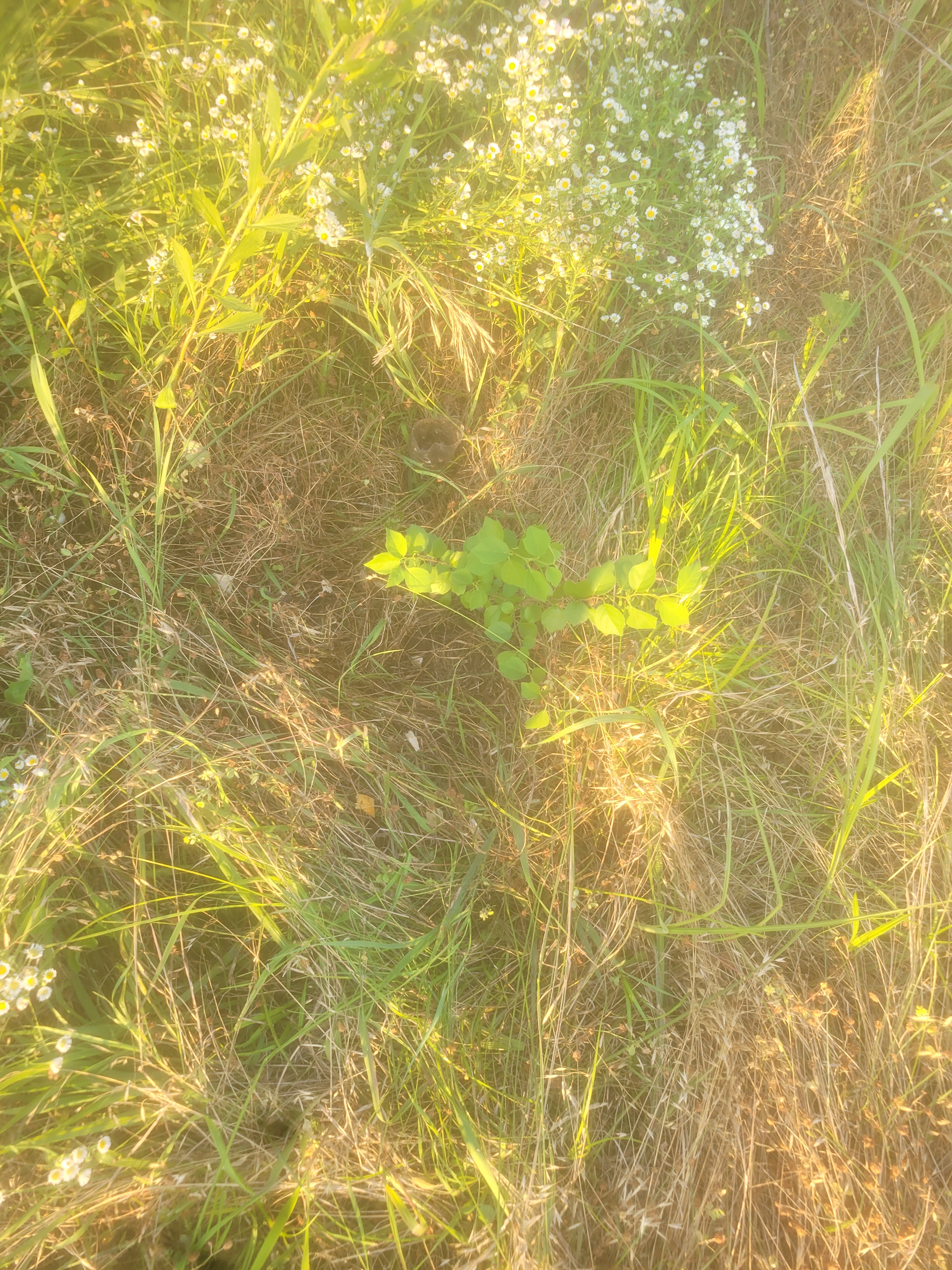
This my new male Che, the father of many new varieties if all goes well.

3 Likes

2 Likes

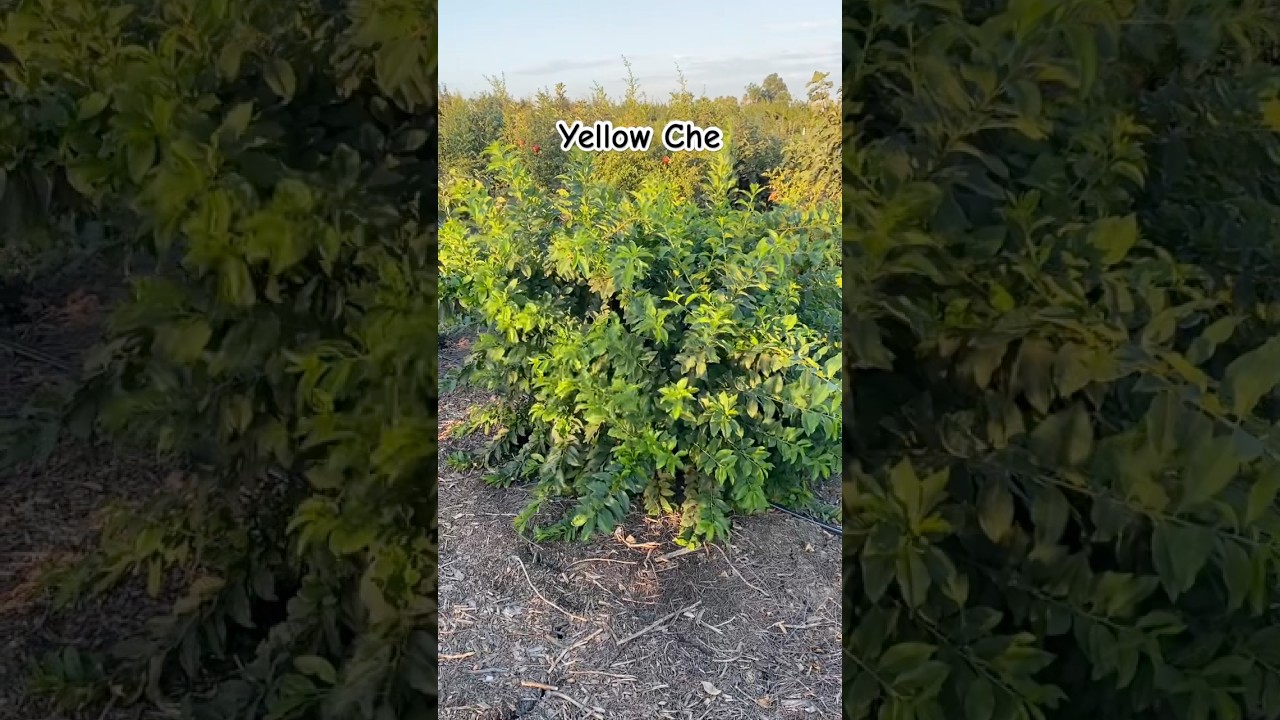
The yellow che Maclura cochinchinensis is a tropical grown in zone 9b in this video. This should not be confused with the red che Maclura tricuspidata https://reallygoodplants.com/

Che (Maclura tricuspidata)
SKU Cultivar Price − Qty. + Avail. Total
RGP-1948 1 × California Dreaming scion (see video) $10. − + out
RGP-1131 1 × Chul-Ri scion (see video) $8. − + out
RGP-1947 1 × CT Seedless scion (see video) $10. − + out
RGP-1949 1 × Darren Bender scion (see video) $10. − + out
RGP-1966 1 × Huang-Kum #1 scion $12. − + out
RGP-1965 1 × Huang-Kum #2 scion (see video, video) $12. − + out
RGP-1129 1 × Huang-Kum #3 scion (see video) $9. − + out
RGP-1130 1 × Huang-Kum #4 scion (see video) $9. − + out
RGP-525 1 × Oregon Exotics Female scion (see blog, video, blog) $10. − + out
RGP-524 1 × Oregon Exotics Male scion (see blog, video, blog) $8. − + out
RGP-1128 1 × Stephenson scion (see video) $10. − + out
Che Yellow (Maclura cochinchinensis)
SKU Cultivar Price − Qty. + Avail. Total
RGP-1996 1 × Josh FL scion (see video) $10. − + out

The red and yellow che listed here are very valuable information for this project! @Marta sells some great stuff on her website. This section is all about her che inventory from her website. These are varities and prices she has on these.

Related to my project the wild male che I ordered for my crosses is Maclura tricuspidata. I’m not sure if the red and yellow types cross yet.

1 Like

I’m sorry guys we got to go down the rabbit hole @KS_razerback made a reference to a hybrid che x Osage orange

Here is that hybrid Macludrania hybrida

Macludrania hybrida

“ Che

byGreen Deane

in Edible Raw, Fruits/Berries, Jam/Jelly, Plant Uses, plants, Trees/Shrubs

Che berries are related to mulberries

Che berries are related to mulberries. Photo by Michale Kesl

Che is not the tree it used to be.

Che's thorns are inconsistent

Che’s thorns are inconsistent

At one time there were just he and she Che trees. Then a few decades ago along came a self-fertile seedless Che then Ches grafted onto a close relative the Osage Orange. The he’s and she’s have also escaped from cultivation in North Carolina and coastal Georgia. I don’t think the seedless escape. Ches are planted from about New York south and west. Your best chance of seeing one is in landscaping in the southern half of the United States and up the west coast. Whether to include Che as a wild edible was a bit of a debate. It’s wild in Asia and has been around North America for more than a century thus it was included. One reason why you might not have seen a Che is birds. They aren’t too interested in the berries so they don’t spread the tree around.

Leaf shape can vary from 3 lobs to none

Leaf shape can vary from 3 lobes to none

The Che is native from the Shantung and Kiangson Provinces of China to the Nepalese sub-Himalayas. It was naturalized in Japan many years ago which is where I first saw one back in the early 70’s. Che (Cudrania tricuspidata) was introduced to France in 1862, England in 1872 and to the United States about 1909. There was one growing at the P. J. Berckman’s Nursery in Augusta Georgia by 1912 and fruiting, which is another issue. Both male and female trees can fruit, she more than he while the grafted seedless fruits the most.

Che benefits from pruning

Che benefits from pruning

The seedless Che is a small tree. The natural species is shrubby and can produce many suckers. By grafting the Che onto an Osage orange a superior single-trunk fruit tree is created. It bears a large crop of red, juicy fruit clusters reminiscent of round mulberries about an inch through, ping-pong ball-ish in size. The flavor is a cross between a mulberry and a fig, which it not remarkable as it is related to both. It is also distantly related to Breadfruit (Artocarpus altilis), Jackfruit (Artocarpus heterophyllus), Fig (Ficus spp.), Mulberry (Morus spp.), African Breadfruit (Treculis africana), Paper Mulberry (Broussonetia papyrifera) and the aforementioned Osage Orange (Maclura pomifera.)

Bonsai Che

Bonsai Che

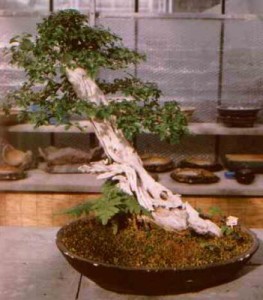
While the Che has been promoted outside of China as the up-and-coming fruit tree for decades in China its reputation varies from valuable to intolerable. This might be because of erratic thorns. The tree is backup food for the silkworm and the leaves have to be picked by hand which means braving thorns. Worse, the tree is not consistently thorny so there’s no pattern to help you avoid them. Silk made from the leaves, however, is reported to make high quality lute strings of pure tone. The Che is also a favored tree of for bonsai. (On a personal note a life time ago I visited Bonsai Machi in Japan, the heart of the bonsai culture. There were amazing specimens there. There was also a small city laid out with miniature buildings and bonsai tress for landscaping. The effect was to be a giant walking down the street. And when I see specials about bonsai they show specimens I saw some 40 years ago, still alive and craggy.)

_3828404

Che berris store well

Besides “Che” the tree is called Cudrania, Chinese Mulberry, Cudrang, Mandarin Melon Berry, Silkworm Thorn, and Storehousebush (why it is called that no one knows.) As for the botanical name Cudrania tricuspidata no one knows where Cudrania came from either or what it supposed to mean. It was named by one Dr. Hance in 1877 and he left no clue as to why his chose that name for the genus. I suspect it has something to do with the common name of Cudrang. Tricuspidata means three pointed as in the leaves though even Dr. Hance said the leaves vary so much calling it Tricuspidata was inaccurate. “Che” (said like the Cuban revolutionary) means “stony ground,” a reference to the tree’s natural habitat of poor, dry soil. But it likes warm, rich soil as well.

Incidentally an intergeneric hybrid exist between the Che (Cudrania tricuspidata) and the Osage Orange (Maclura pomifera) called Macludrania hybrida. Mostly from France they were planted in the US National Arboretum in 1960 and have large orange-like fruit and no thorns. Other than that planting the hybrid seems to have been largely ignored by everyone.

Green Deane’s Itemized Plant Profile: Che

IDENTIFICATION: Cudrania tricuspidata. Deciduous trees to 25 ft. height, often a broad, spreading bush or small tree. rarely to 60 feet. Immature wood thorny, female trees larger than males. Leaves alternate, resemble mulberry but smaller, thinner, pale yellowish-green, trilobate, with central lobe sometimes twice as long as the lateral lobes, frequently unlobed. Flowers dioecious, male and female flowers on different plants, green, pea-sized. Fruit is aggregate, looks like a round mulberry crossed with a lychee, knotty, ripens to red or maroon-red, juicy, rich red flesh, 3 to 6 small brown edible seeds per fruit. Flavor varies from fig/mulberry cross to watermelon.

TIME OF YEAR: Flowers in late spring or early summer, fruit in early fall in cooler areas, later in warm areas. In warmer areas it is an evergreen. In cooler areas the leaves turn red in the fall and persist.

ENVIRONMENT: Likes a sunny, warm location with rich, well-drained soil but can grow in rocky dirt. Planted in zones 5-9, can tolerate -20F. Treat them like a mulberry tree. Fruit stains like mulberries.

METHOD OF PREPARATION: Trees mature early and can produce up to 400 pounds of chewy fruit. Let the fruit stay on the tree until they are soft and dead ripe. Ripening is continuous for about a month. Fruit is eaten out of hand or used like mulberries or figs. Good shelf life.

Grafts are better than raising trees from seeds. Seed planted immediately from ripe fruit germinate at a high rate. Stored seeds must have a period of cool, moist stratification. Plants from seeds can take up to 10 years to fruit. Cloned plants bear very young.”

This is my latest tree I ordered for the project.

2 Likes

California Rare Fruit Growers, Inc.

“CHE

Cudrania tricuspidata** Bur. ex Lavallee**

Moraceae

Common Names: Che, Chinese Che, Chinese Mulberry, Cudrang, Mandarin Melon Berry, Silkworm Thorn.

Distant Affinity: Breadfruit (Artocarpus altilis), Jackfruit (A. heterophyllus), Fig (Ficus spp.), Mulberry (Morus spp.), African Breadfruit (Treculis africana).

Origin: The che is native to many parts of eastern Asia from the Shantung and Kiangson Provinces of China to the Nepalese sub-Himalayas. It became naturalized in Japan many years ago. In China, the leaves of the che serve as a backup food for silkworms when mulberry leaves are in short supply. The tree was introduced into England and other parts of Europe around 1872, and into the U.S. around 1930.

Adaptation: The che requires minimal care and has a tolerance of drought and poor soils similar to that of the related mulberry. It can be grown in most parts of California and other parts of the country, withstanding temperatures of -20° F.

DESCRIPTION

Growth Habit: The deciduous trees can eventually grow to about 25 ft. in height, but often remains a broad, spreading bush or small tree if not otherwise trained when they are young. Immature wood is thorny but loses its thorns as it matures. Female trees are larger and more robust than male trees.

Foliage: The alternate leaves resemble those of the mulberry, but are smaller and thinner and pale yellowish-green in color. The typical form is distinctly trilobate, with the central lobe sometimes twice as long as the lateral ones, but frequently unlobed leaves of varied outlines are also found on the same plant. As the plant grows, the tendency seems towards larger and entire leaves, with at the most indistinct or irregular lobing. The general form of the leaves comprise many variations between oblong and lanceolate. The che leafs and blooms late in spring–after apples.

Flowers: The che is dioecious, with male and female flowers on different plants. Appearing in June, both types of flowers are green and pea-sized. The male flowers turn yellow as the pollen ripens and is released, while the wind-pollinated female flowers develop many small stigmas over the surface of the immature fruit. Male plants occasionally have a few female flowers which will set fruit.

Fruit: Like the related mulberry, the che fruit is not a berry but a collective fruit, in appearance somewhat like a round mulberry crossed with a lychee, 1 to 2 inches in diameter. The ripe fruits are an attractive red or maroon-red color with a juicy, rich red flesh inside and 3 to 6 small brown seeds per fruit. The flavor is quite unlike the vinous quality of better mulberries. While still firm they are almost tasteless, but when fully soft ripe they develop a watermelon-like flavor that can be quite delicious. The sugar content is similar to that of a ripe fig. In colder areas with early leaf drop the bright red fruit are an attractive sight dangling from smooth, leafless branches.

CULTURE

Location: Ches need a warm, sunny location. They should not be planted near sidewalks since the fallen fruit will stain. Like the mulberry, the trees are quite wind-resistant. One method of planting is to put a male and a female plant in a single site, about 1 ft. apart, and prune to a combined volume of approximately 25% male and 75% female.

Soil: The trees are relatively undemanding, but perform best in a warm, well-drained soil, ideally a deep loam.

Irrigation: Although somewhat drought-resistant, ches need to be watered in dry seasons. In summer dry California a deep watering about every two weeks is recommended. If the roots become too dry during drought, the plant may began to defoliate and the unripe fruit is likely to drop.

Fertilization: An annual application of a balanced fertilizer such as 10:10:10 NPK in late spring will maintain satisfactory growth. Nitrogen is the only element likely to be needed in California.

Pruning: The trees need regular pruning to control their shape. The branches formed the previous season should be pruned to half their length. The branchlets on the remaining part of the branches should also be trimmed about 50%. A summer pruning of the male plant is also necessary when planted in a single site with the female. To grow as a tree, in addition to pruning the lateral branches, the leading branch may also need to be staked to point it in a vertical direction. Trees grafted onto Osage orange (Maclura pomifera) rootstock tend to be more robust and grow in a more upright fashion.

Propagation: The che is readily grown from seed, although the plants can take up to 10 years to bear. Seeds should be sown as soon as extracted from the fruit. The plants are often propagated from softwood cuttings taken in midsummer and treated with rooting hormone. The che is also easily grafted to Osage orange rootstock using either a cleft or whip-and-tongue graft.

Pests and Diseases: No pests or diseases have been noted. The ripe fruit is attractive to birds, and deer will browse on both the fruit and foliage.

Harvest: Ches begin to bear at an early age and mature trees can produce as much as 400 pounds of fruit. The fruits ripen around November in California. Unlike mulberries, the ripe fruits do not separate easily from the tree and must be individually picked. It is important that the fruits be thoroughly ripe to be at their best. A darker shade of red with some blackening of the skin is a good indication of full ripeness. The fruit will keep for several days in a refrigerator in a covered dish. The fruits can be eaten out of hand or cooked in various ways. Cooking with other fruits that can contribute some tartness improves the taste. Mixing the ripe fruit in a blender and straining out the seeds yields a beautiful and delicious che “nectar”.

Commercial Potential: In China and other parts of East Asia the fruit is sometimes found in local markets, but is relatively unknown commercially elsewhere. The attractive color and reasonable shelf life of the che seem to indicate that with a little effort, there could be a niche for it in farmer’s markets and specialty stores. There also appears to be some demand for the fruit in Asian markets. Better selection should further increase the marketing potential of the che. A seedless fruit or one with with a bit of tartness would be a great improvement, as would earlier ripening cultivars that separate readily from the branches.

CULTIVARS

In China various selections of the che are grown, but in this country there are no known cultivars as such.

FURTHER READING

  • Darrow, George M. Minor Temperate Fruits. In Advances in Fruit Breeding. Purdue University Press, 1975. p. 282.

  • Forbes, F. B. Cudrania triloba Hance and its uses in China. Journal of Botany, vol. 21, 1883. pp. 145-149.

  • Hendrickson, Robert. The Berry Book. Doubleday, 1981.


“

1 Like

Oh, cool, is that wild male you found thornless? I didn’t see any thorns in those pictures. If it’s thornless, that’ll make for terrific genetics to breed with!

1 Like

@UnicornEmily

It has thorns

Ah . . . oh, well! Hopefully it has nifty genetics in some other way, then. :blush:

1 Like