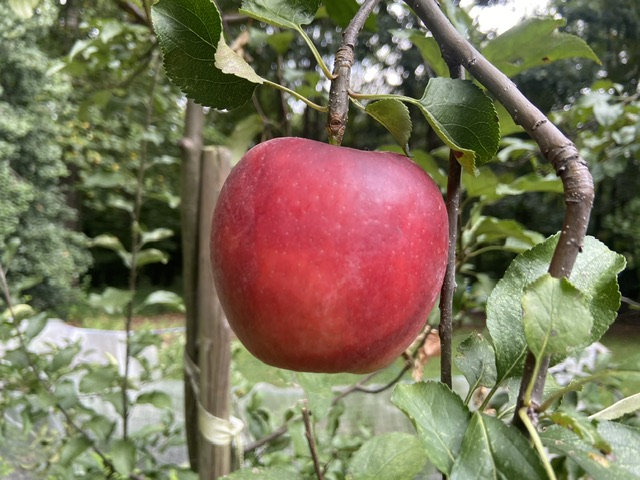
Here in WI Crimson Crisp is a solid apple. Usually picks with Honeycrisp. Good disease resistance except for cedar apple rust (mostly on foliage). Did have some fireblight issues this year for the first time, but it is the worst blight year I have seen. Good flavor, dense, tart, reminds me a bit of Pink Lady. Grown organically they pack out well and sell well retail-solid red. Just planted 20 more trees this year. We have Triumph in the ground but have not fruited it.
2 Likes
Despite my complaints about fire blight, it does taste good (and look good) if you get them through to harvest. It is my kids’ favorite of the varieties that we have in our yard.
3 Likes
Can I ask what State you are in?
Maryland (near Annapolis)
1 Like
I second look and taste in addition to a decent disease resistant.
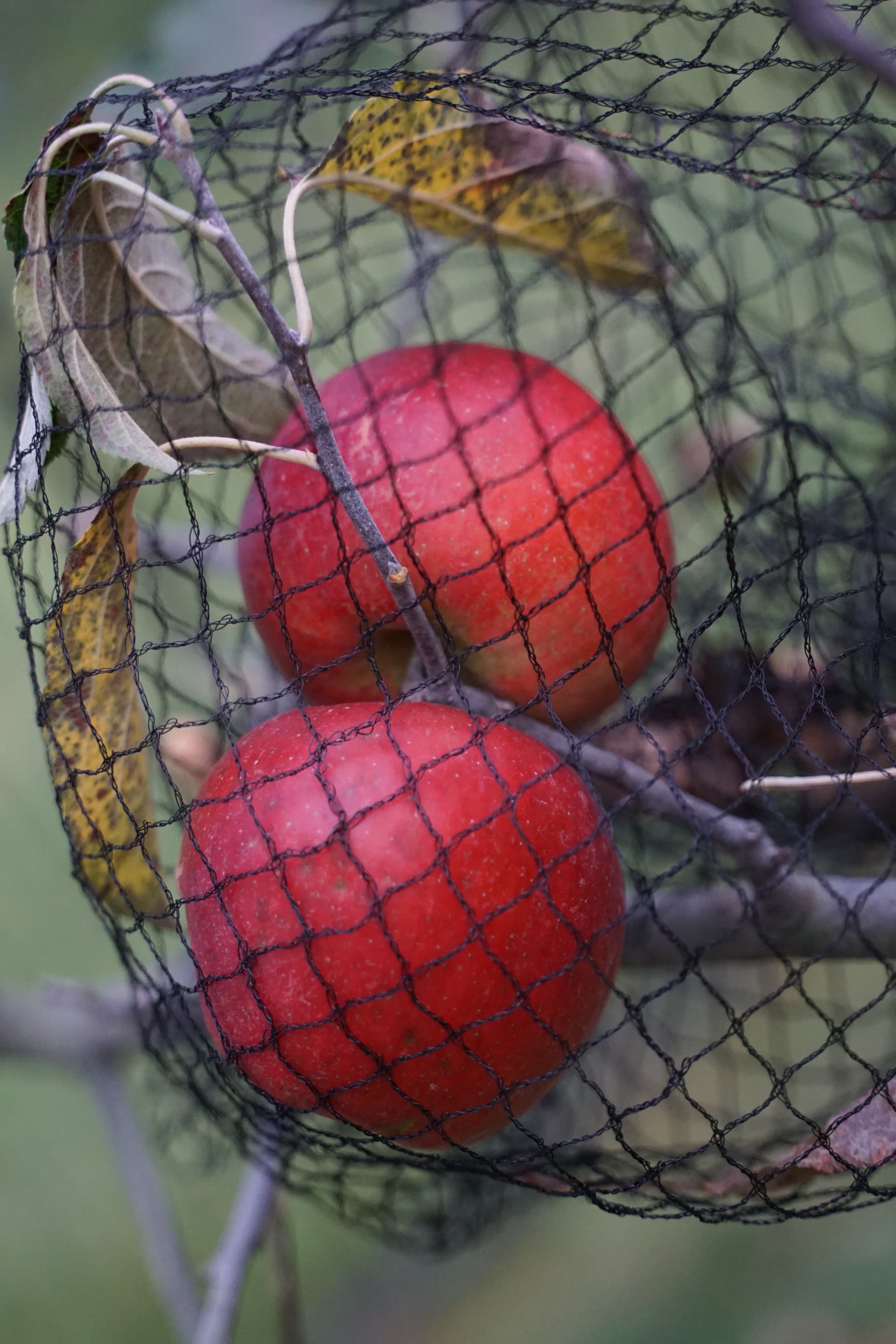
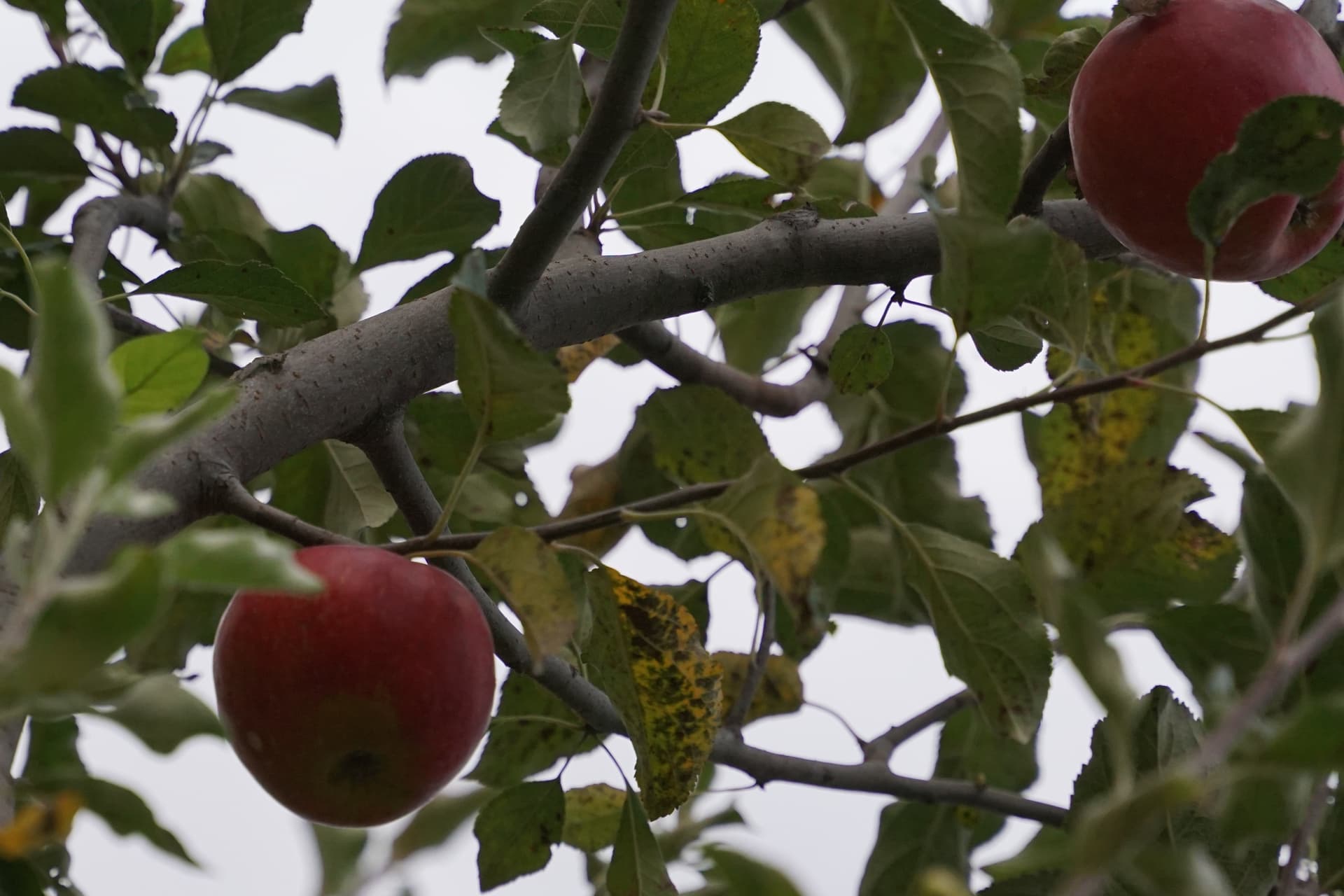
My other apples (Honeycrisp, Cox’s Orange Pippin) were affected by brown rot this year, but Crimsoncrisp seems unaffected.
3 Likes
I grew Crimson Crisp for over 10 years and grafted over it. I found it went from sour to bland, without a sweet with acid stage. Even bland it had decent texture, but bland apples don’t interest me.
My keepers:
Evercrisp
Golden Russet
Goldrush
Sweet Sixteen
Unknown apple that is likely a limbertwig
And there are a few more on probation which could get bumped up or down, as well as a bunch of apples which are still around due to inertia.
2 Likes
Don’t want to hijack the thread, but do you know if Evercrisp is like Honeycrisp and needs a cooler climate to be good? My small Evercrisp is finishing up its second growing season under my possession.
To make this related to Crimsoncrisp, I judging by where the positive reviews are coming from, I wonder if it is a cold-climate apple…
I’m on the border of 6B/7A. Not a hot climate, but warmer than Minnesota. Evercrisp is good here, but I’m not sure how it would do in CA.
1 Like
My Crimsoncrisp keeps getting WAAs. I painted it with neem a while ago and just noticed they are back. The other two apples I have (Triumph and Galarina) that are within 15’ of it remain untouched. It’s annoying. Probably more reason to plant the triumph here in the next week instead of CC, but the triumph is so petite and well branched it just is better in the container. CC looks desperate to get out and grow bigger.
If anyone wants a CC on G.214, I would be happy to trade/offload the spare I grafted before winter (along with a Rubysweet on myro). Will add picture in daylight.
1 Like
Weird. G.214 is rated highly resistant to WAA.
It’s not on the rootstock. It’s on the Crimsoncrisp grafted to it. Is the rootstock supposed to induce resistance in the grafted tree?
That is one of their main sales pitches; yes. Of course G.214 did not do well for me either. 43 of 50 died.
1 Like
Interesting and crazy high death rate? What caused them all to die?
Fire blight mostly. Burnt leaves and Shepard’s hooks.
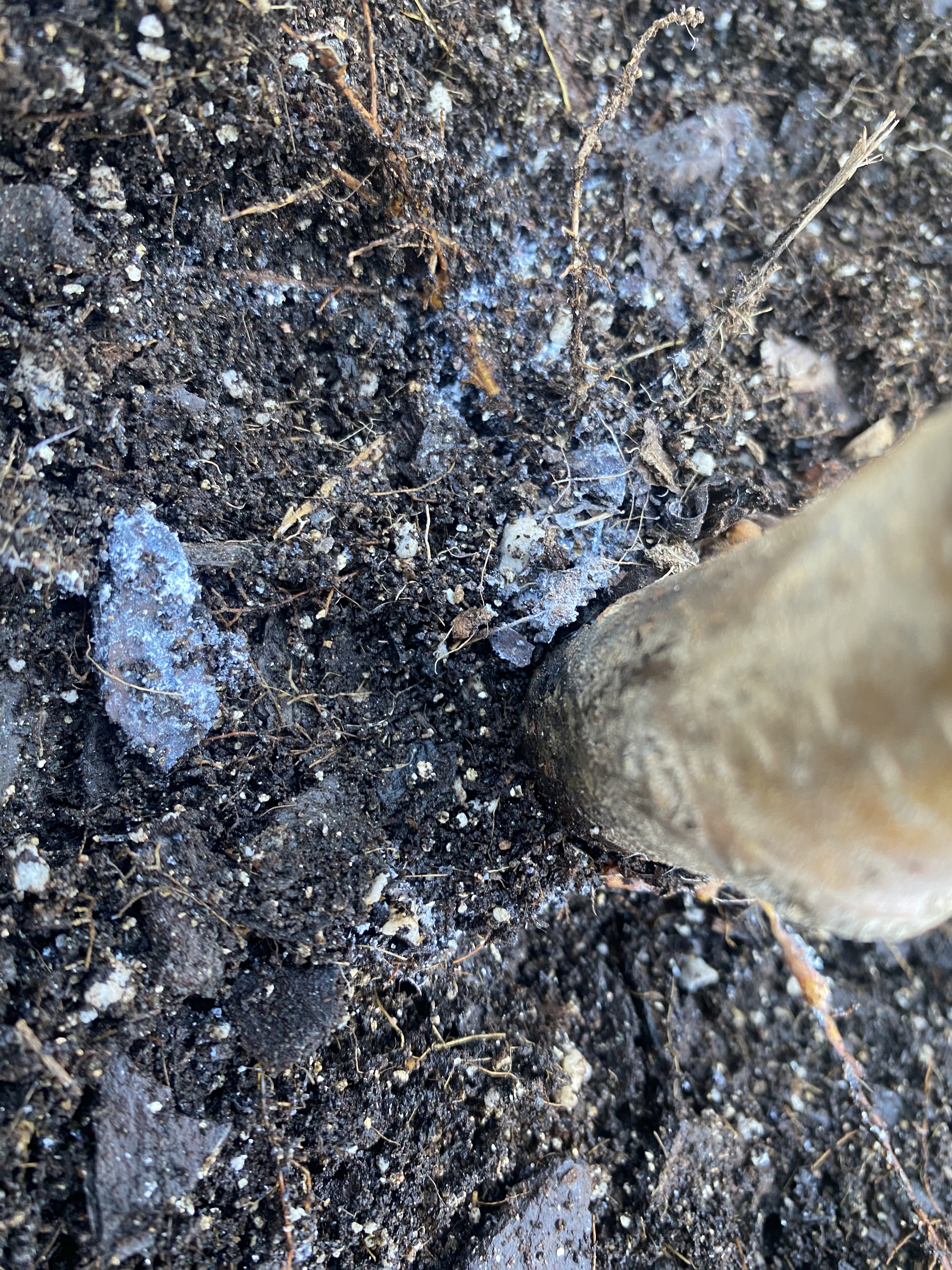
Is this WAA on the roots? This is Crimsoncrisp on G.214 that I was just going to plant. It’s had WAA on the tree, I’m concerned this is it on the roots and I shouldn’t plant this… I planted a Galarina on g.214 2 weeks ago totally clean. I’m guessing the nodules are a sign as well? If yes: advise for this tree? Is there any way to rectify this or will it be a loosing battle and I need to put it in an early grave? i would keep it until winter to save scion to graft elsewhere.
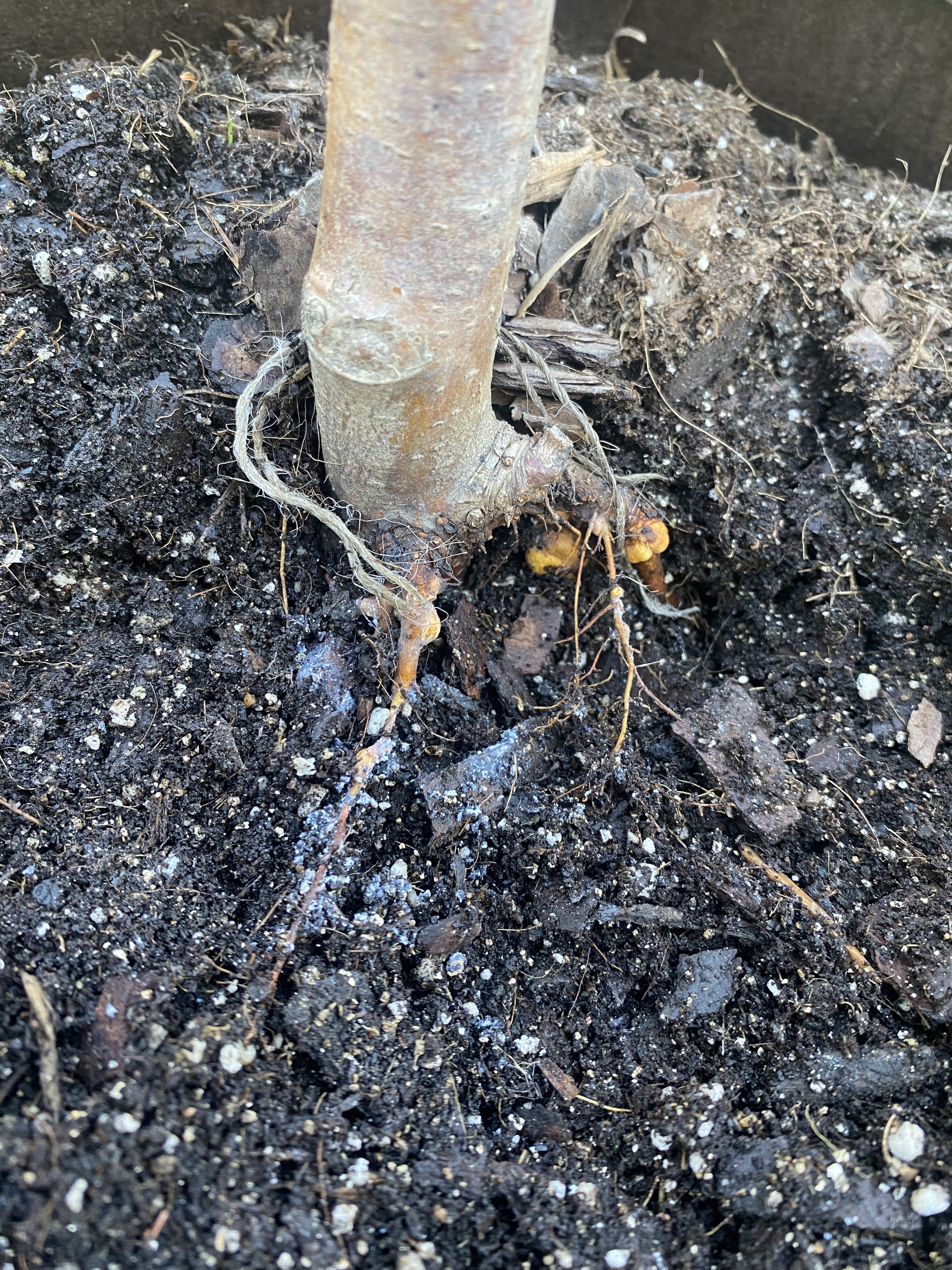

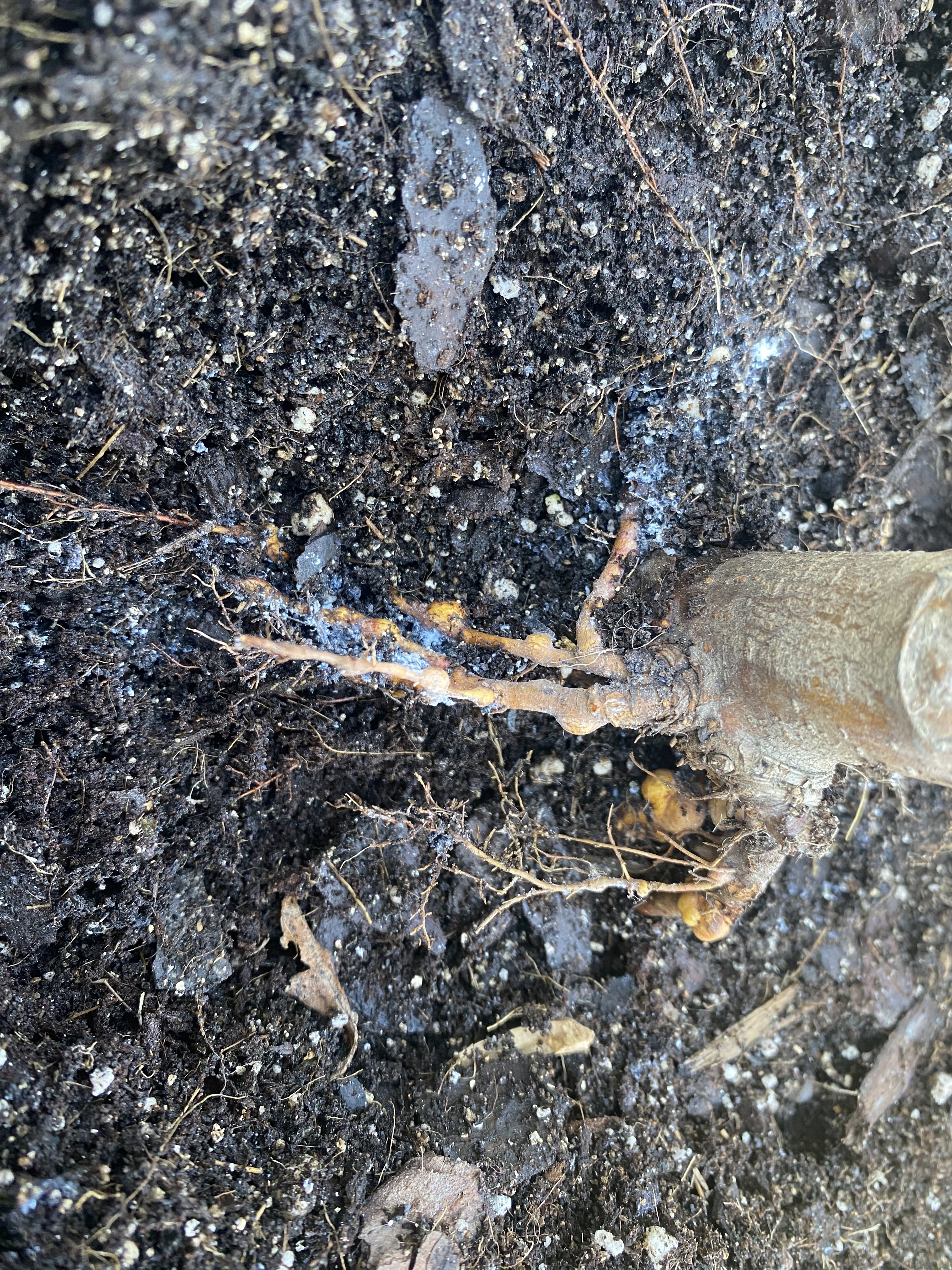
1 Like
That or Root Knot Nematodes Plant it with French Marigolds{very specifically Tagetes Patula varieties only} and sprinkle some crushed black{Indian} mustard seeds.
RKN is awful in our sandy soils. From here on out all plants will get Tagetese Patula companion guardians. They trap and cut off the nematode lifecycle.
2 Likes
Thank you so much for the advice! Will order both of those seeds asap. Could it be both? I dug away at my other potted apple trees considering alternatives to plant and they actually all have the white stuff that I’m assuming is WAA. All G.214 and one G.41. Only the Crimsoncrisp has the nodules.
I am not sure of it being WAA. Again most Geneva’s are highly rated against it. Of course they claimed the same with fireblight. I talked with their main breeder and he concurred it looked like a new fireblight strain. But he also advised I did not heel in the rootstock fast enough as well. Which he thought my have lowered the resistance some.
Usually WAA can look quite furry and fuzzy with bad infestations.
1 Like
I thought the same thing. Looked more like mycorrhizae to me. You can see WAA move was what I thought. Especially if you spray them with dilute ammonia or vinegar. They don’t like acids or bases misted on them.
My experience actually was fighting root aphids on cannabis plants. They did not move until I hit their arses with ammonia. Then they danced. But I had read a similar experience of others with WAA.
1 Like
Thank you both for the information and ideas. I ordered the suggested seeds. Would be great if only the nodules are indicative of pathology and not the white.
Being new to all this, it seems really odd that the speed in which you heel in rootstock would affect their inherent ability to be fireblight resistant. How does that work? I’m sorry for the huge loss.
I use vinegar to kill weeds- that won’t harm the tree spraying a bit on the roots? How dilute?
1 Like