Thigmotropy! A tropism is a tendency for a plant to grow a certain way, for example, growing “up” and facing the sun. It would be weird if a plant produced roots that deliberately grow out of the soil and into the air. A “tropism” is what keeps the roots in the soil. Another tropism is what makes tomatoes grow short and stocky and healthy from being brushed or from a fan blowing across them.
This is some of the coolest stuff. My cousin is doing post-doc work on gravitropism (up and down). If you grow a plant on a moving turn-table all the roots grow at a 45° angle!
And just to round this out–nastic responses are similar to tropic responses but are non-directional, quicker, and able to be “reset”. So a mimosa plant has a thigmonastic response because it’s quicker and will reset to its unfurled form after some time.
Then their is the tendency for cultivar “drift” in the cloning process. For example, a change in growth structure or flavor. Depending on species and cloning method, it is slight to non-existent per iteration. Slight drift is usually not macroscopically noticable in a single generation. Citrus and Figs are among the most susceptible crops. Propagation susceptibilities vary from most to least in this order: rooting, grafting, airlayers, tissue culture.
For figs, a rooting of a rooting … (10 iterations) is sometimes noticable.
For type A bananas and their hybrids, a tissue culture of a tissue culture … (10 iterations) is often noticable.
Cultivar drift is why propagation nurseries maintain a “mother plant” to generate clones.
Epigenetic changes can be induced by conditions during propagation. For example, consistently low temperatures during propagation can result in a slower growing plant as compared with the same mother plant propagated at higher temperatures.
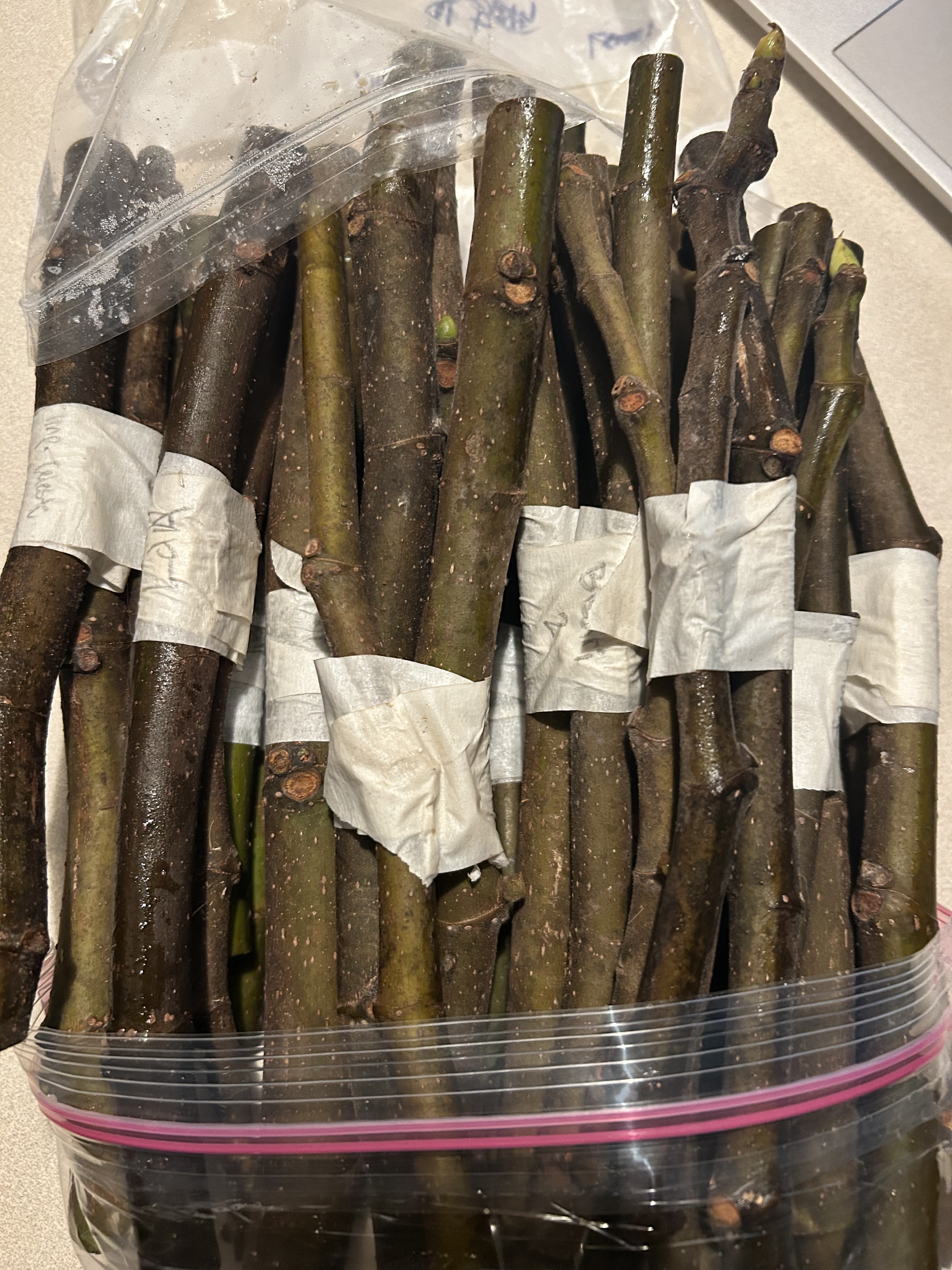
I had good luck in the past simply bundling a batch of fall cuttings with rubber band, letting soak for awhile in weak root hormone water, then dip end in hormone powder. Placed upright in big nursery pot and pour coarse sharp sand covering them. Stored in unheated basement for the winter, (root cellar back when I had one). Late spring +90% had roots ready to line out. Zone 5b/6a
@Melon
First I’ll point out that the ancient Israelites knew about the necessity of “mother trees” at least for Prunus, and around the same time period the Romans knew about it at least for Figs.
In my lifetime, California Citrus orchardists learned about it, esp. with Navel Orange and Mandarin cultivars. In particular: after several generations of cloning Washington Naval, the flavor and productivity began to shift. For this reason, the original CA source of Washington Navel is in a protected cage in Riverside CA. This tree is used to supply scion to the Citrus research facility in Exeter CA, which in turn supplies “scions of scions” to production nurseries on an as needed basis. Several production nurseries (e.g. Durling Nursery) have long maintained their own mother trees.
Figs IME root better with temps around 70F. Grafting generally has to be done with the right temperature for the species. I don’t know fig but suspect it will be 60F or more. Pecan prefers 70F or above.
Really basically the more cuttings you take the more chance there is that “junk” builds up and “gums up” “the works” (epigentically or viruses)
Over time that results in plants that generally don’t grow as well, produce as well, or taste as good as the original
Several changes can occur during propagation. For example, Puerto Rico sweet potatoes have a common mutation which occurs when cell layers switch position resulting in a plant that makes sweet potatoes with light and dark spots similar to vitiligo in humans. One of the conditions for producing Puerto Rico sweet potato slips is that someone has to rogue the roots to remove any with light spots. Please emphasize that propagating plants requires some effort to ensure the result is consistent with the parents.
I just received my order from @ampersand and WOW! I’m really super impressed! The cuttings are SUPER! The best I’ve received so far this year! Thanks so much @ampersand !
Yes! Did you know there are at least 50 types of Red Delicious apple? The original variety, Hawkeye, is actually quite good. I was able to have some years ago at the Penn State trial orchard. There are at least 30 Gala cultivars, too. Usually it’s just a small difference like slightly different color or ripening window, but they add up.
I always assumed something similar has happened with figs, though the lack of industry and centuries (millenia?) of asexual propagation has made cultivar drift an undocumented phenomena. So many figs are similar (Mt Etna types) but not quite the same.

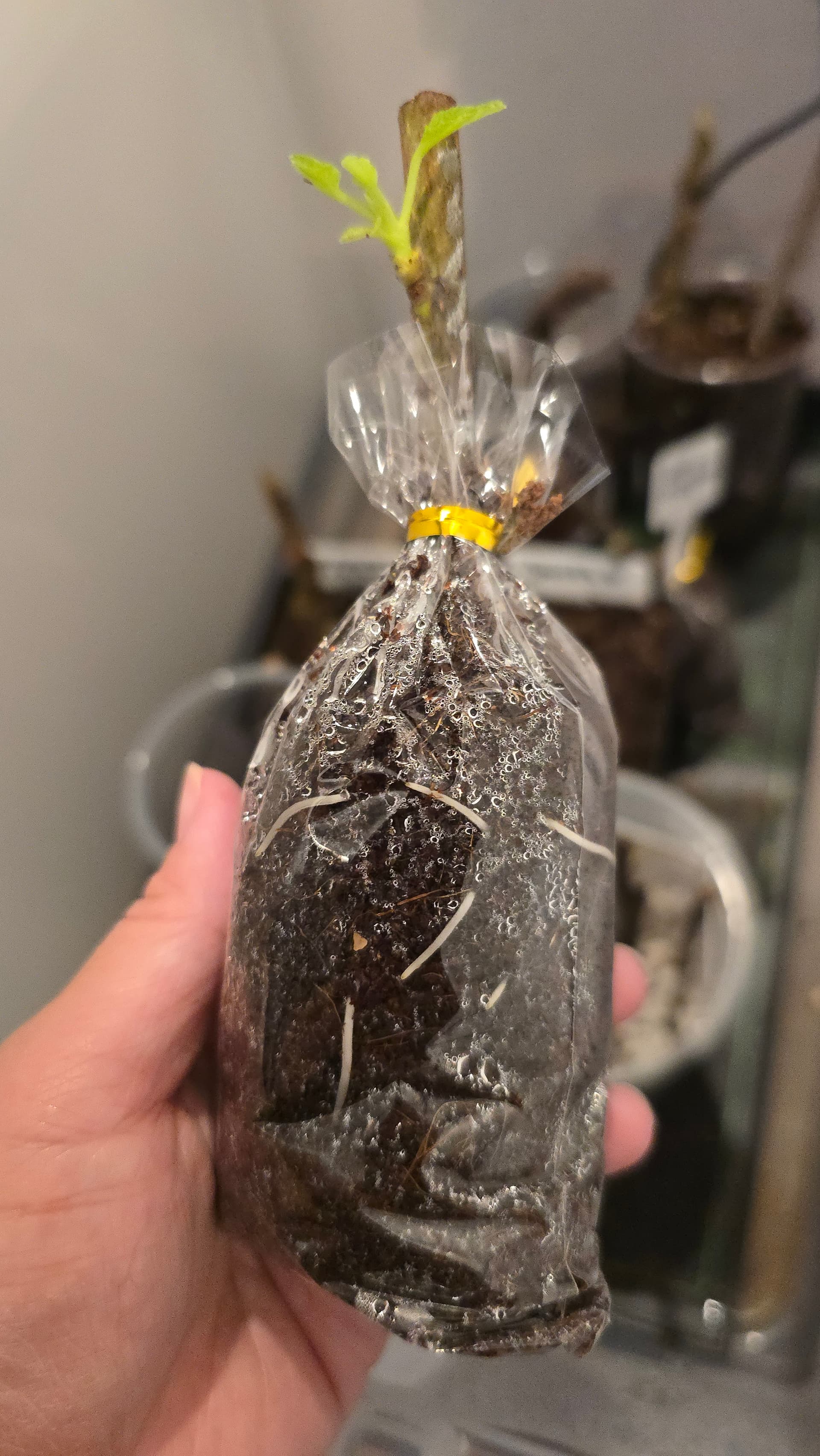
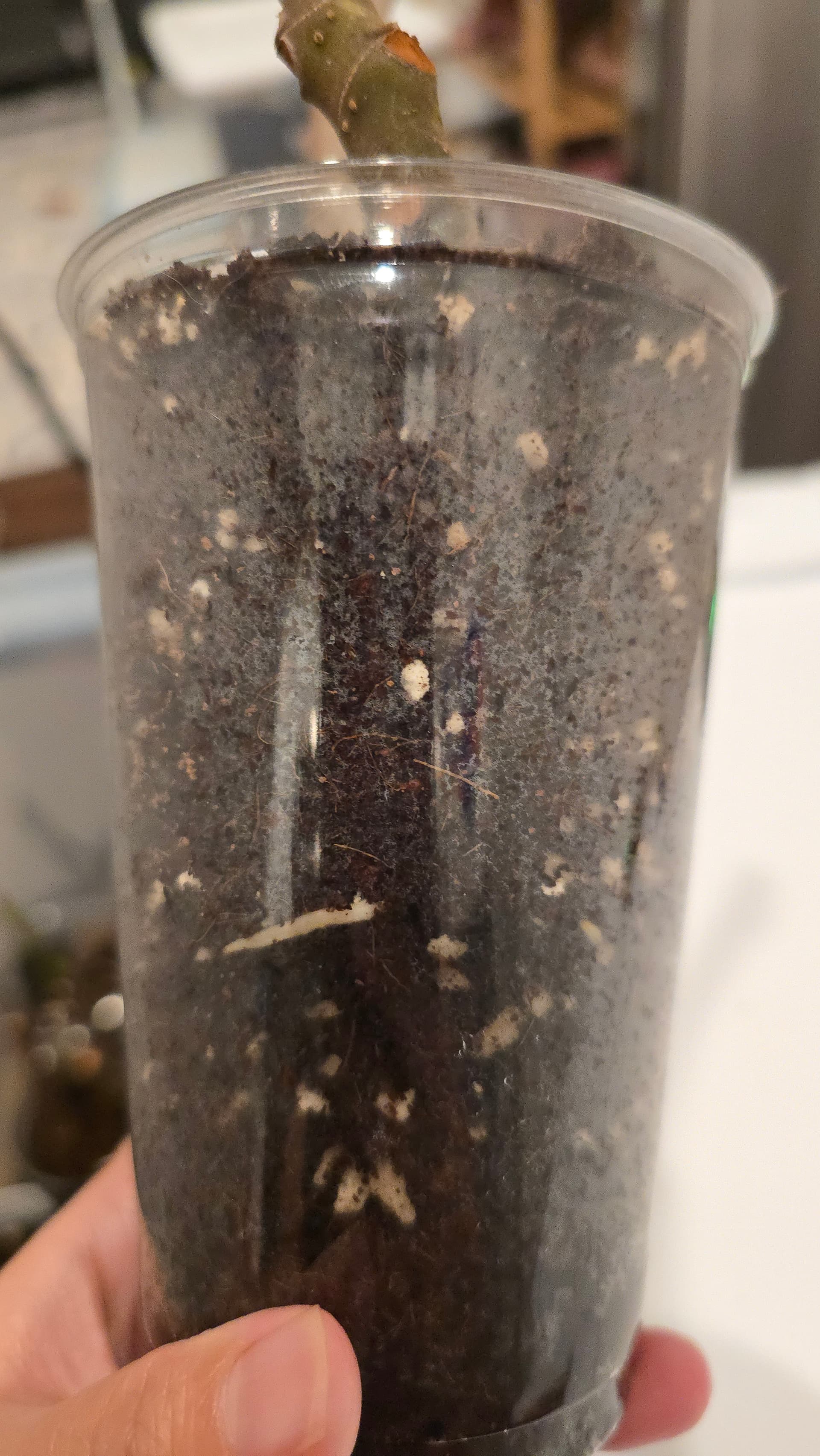
 like, what happens? What does it mean lol. Very interesting