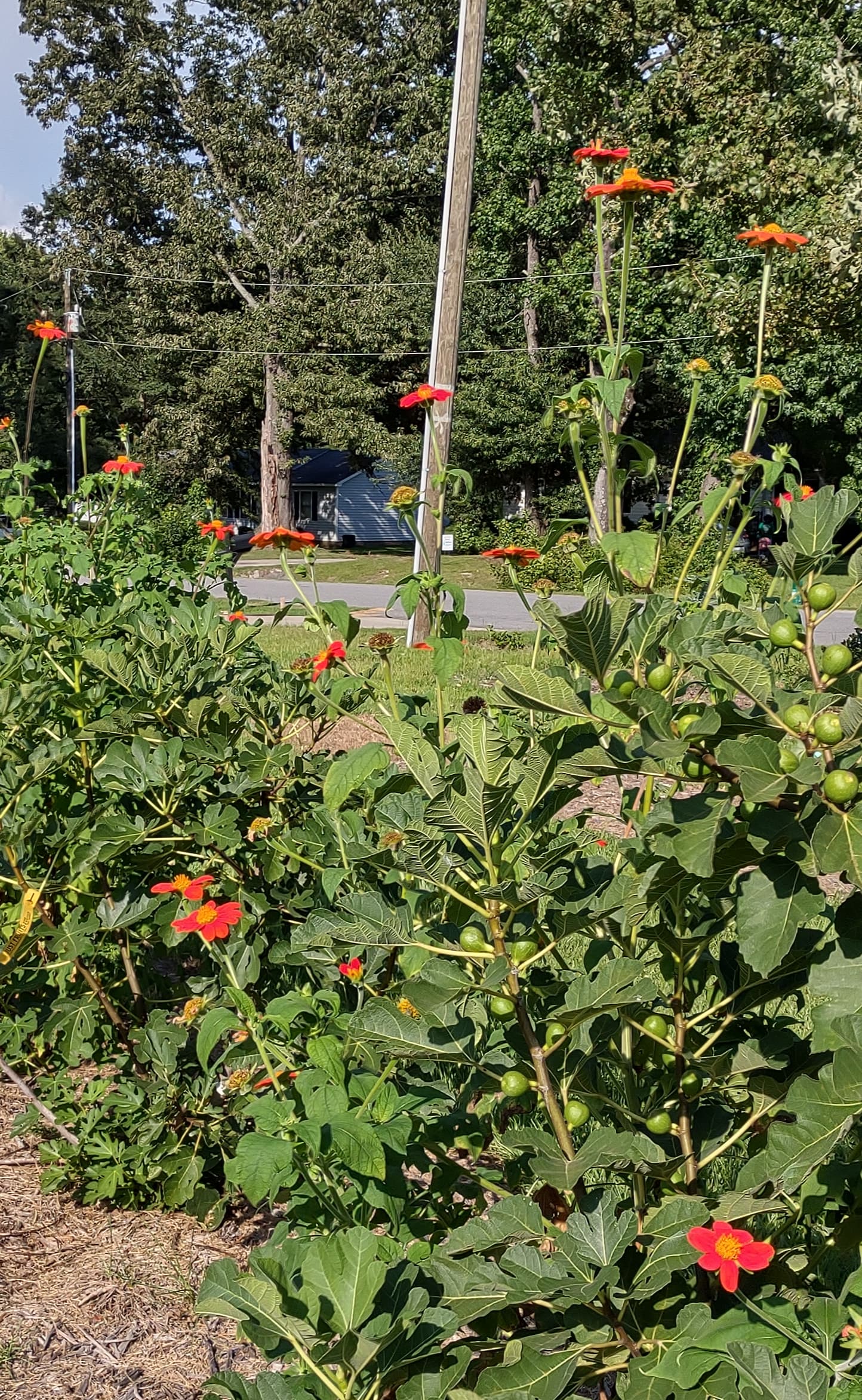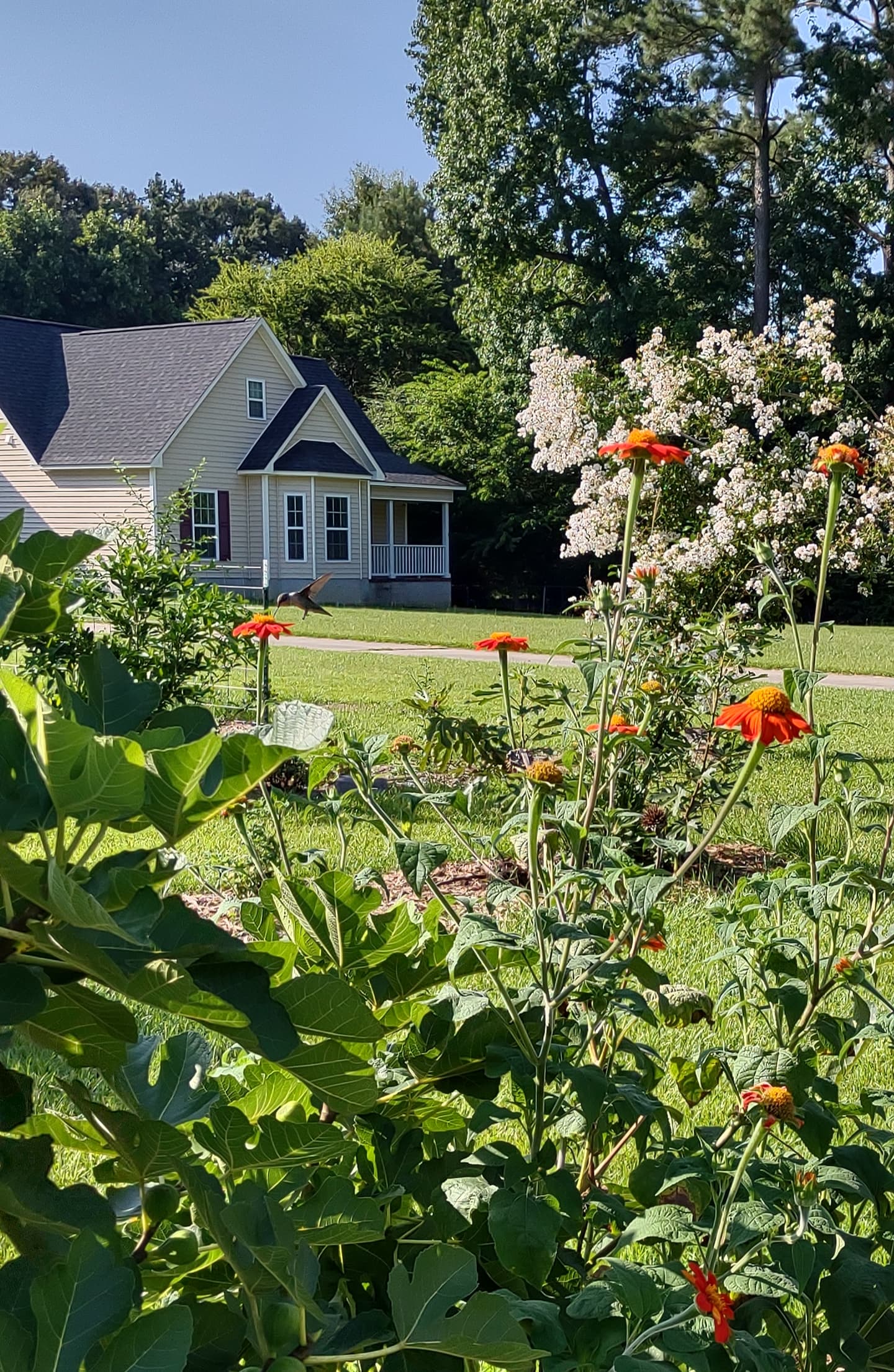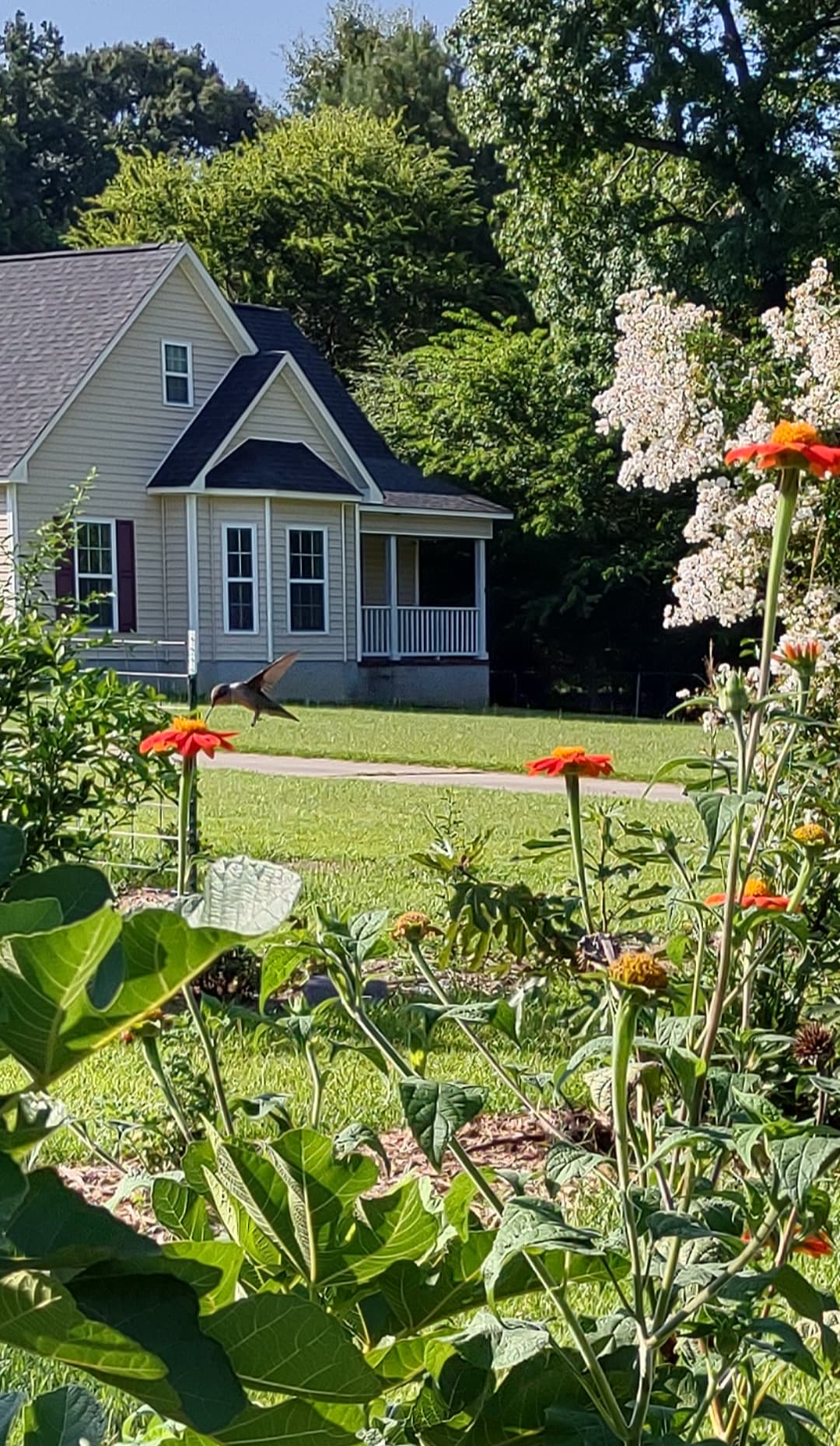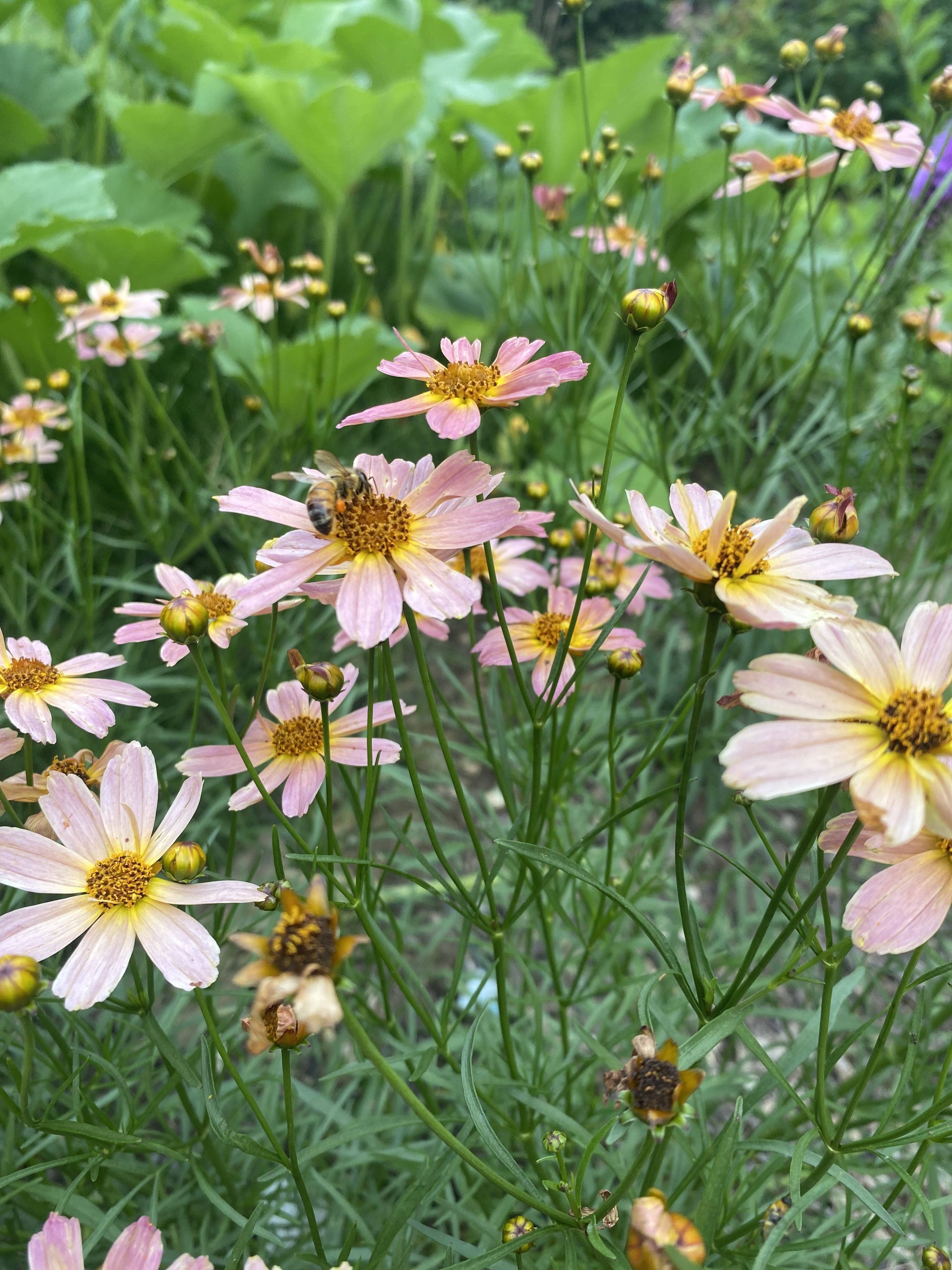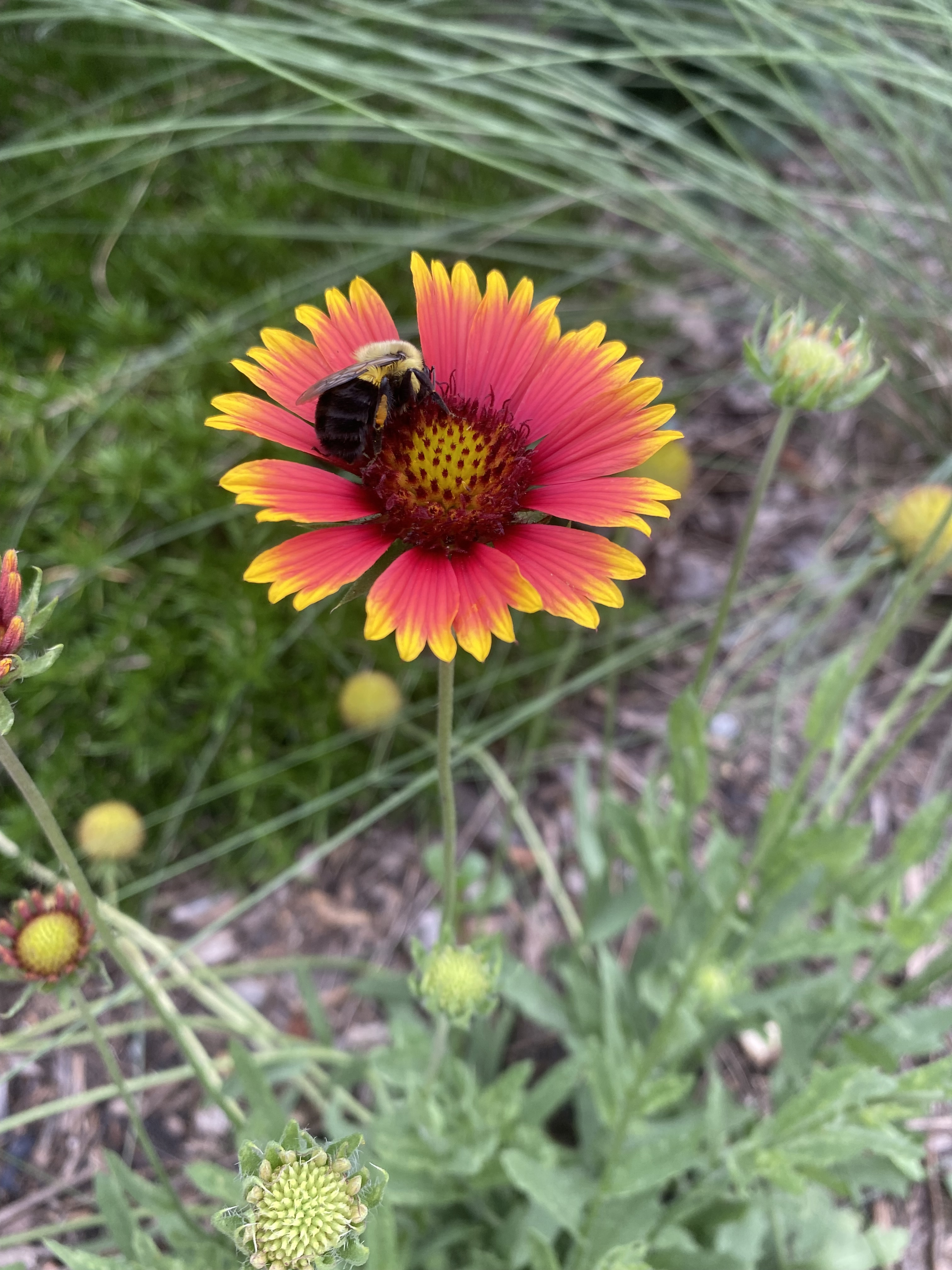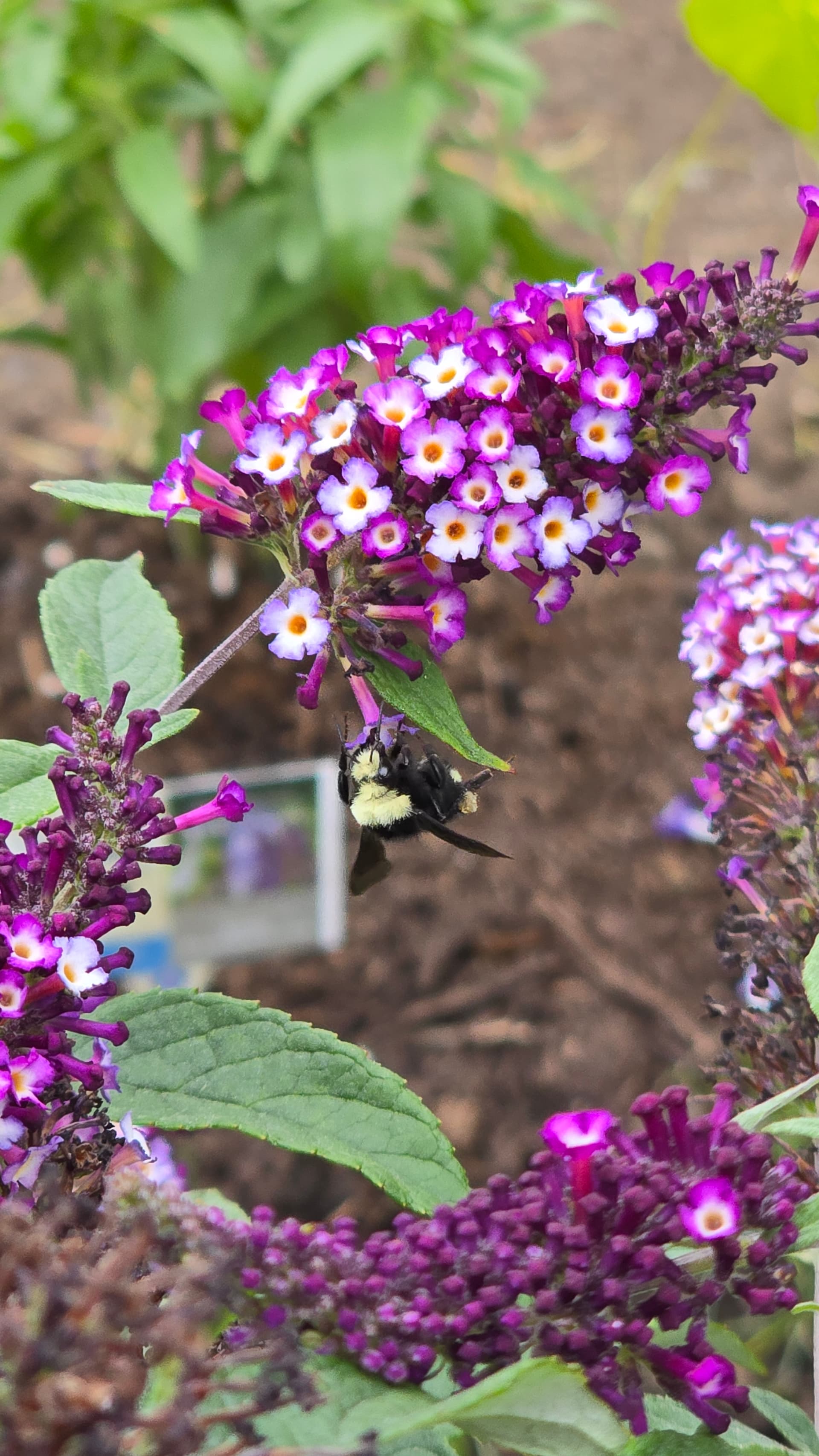

Here are the others
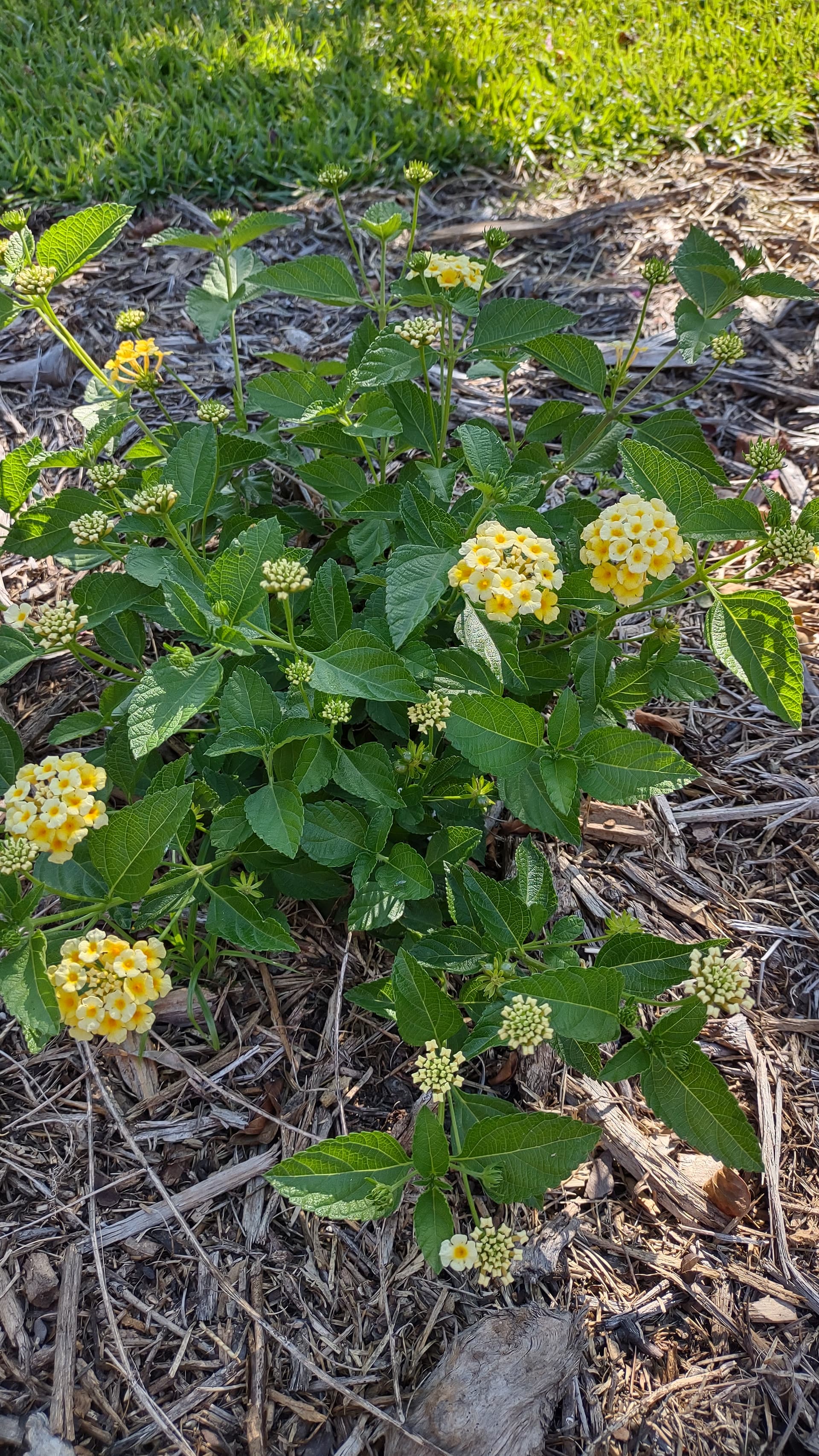
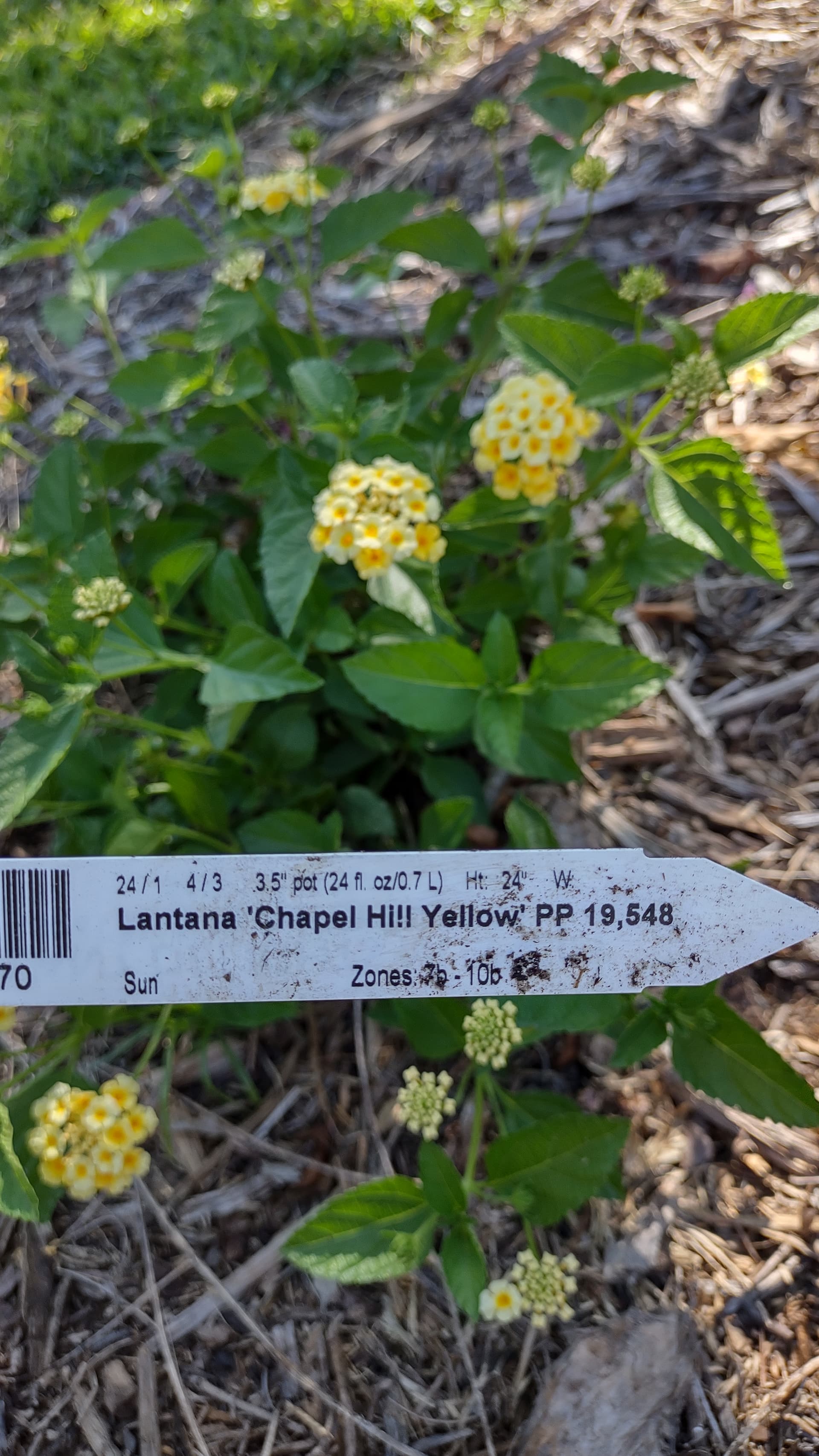
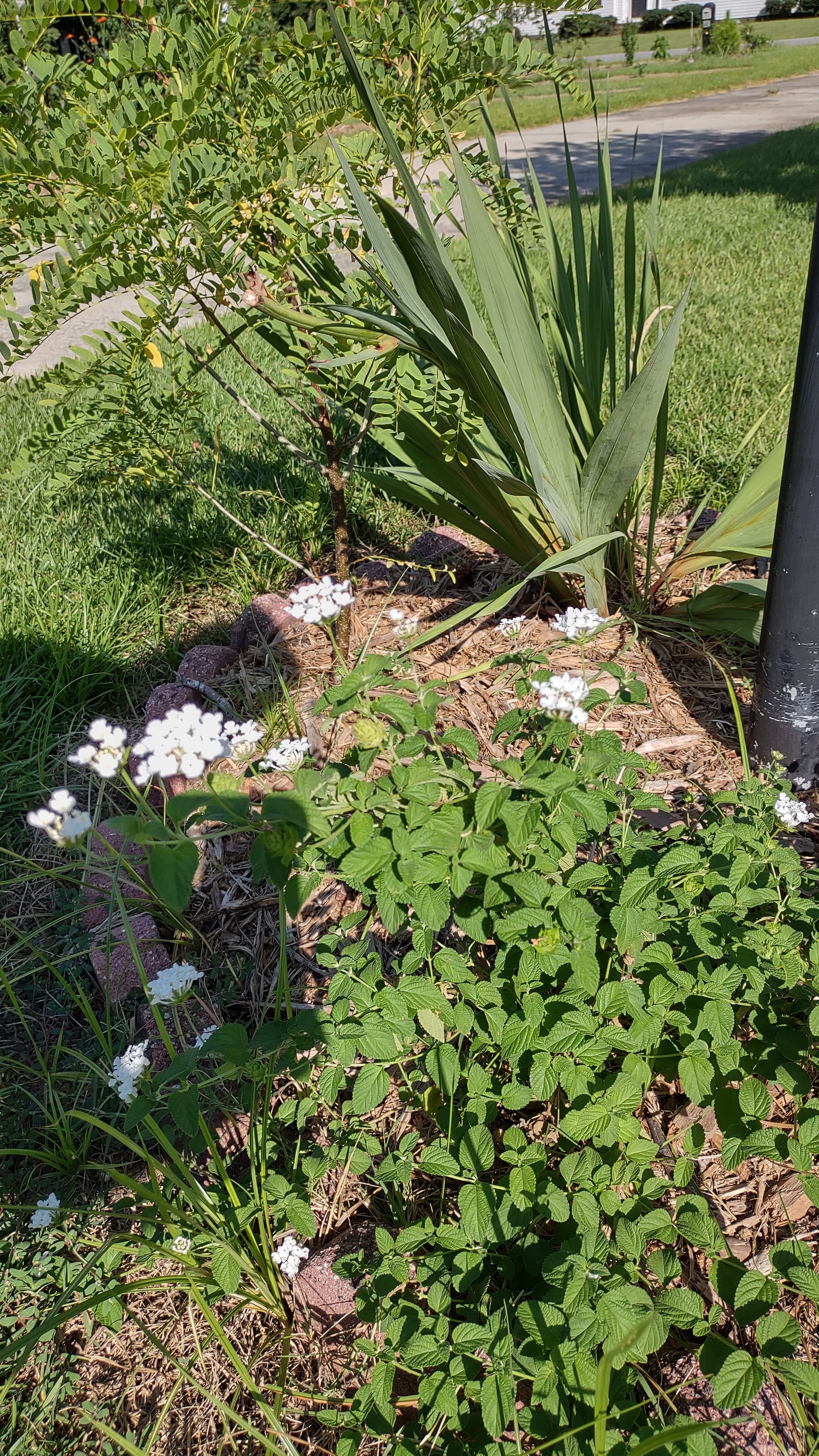
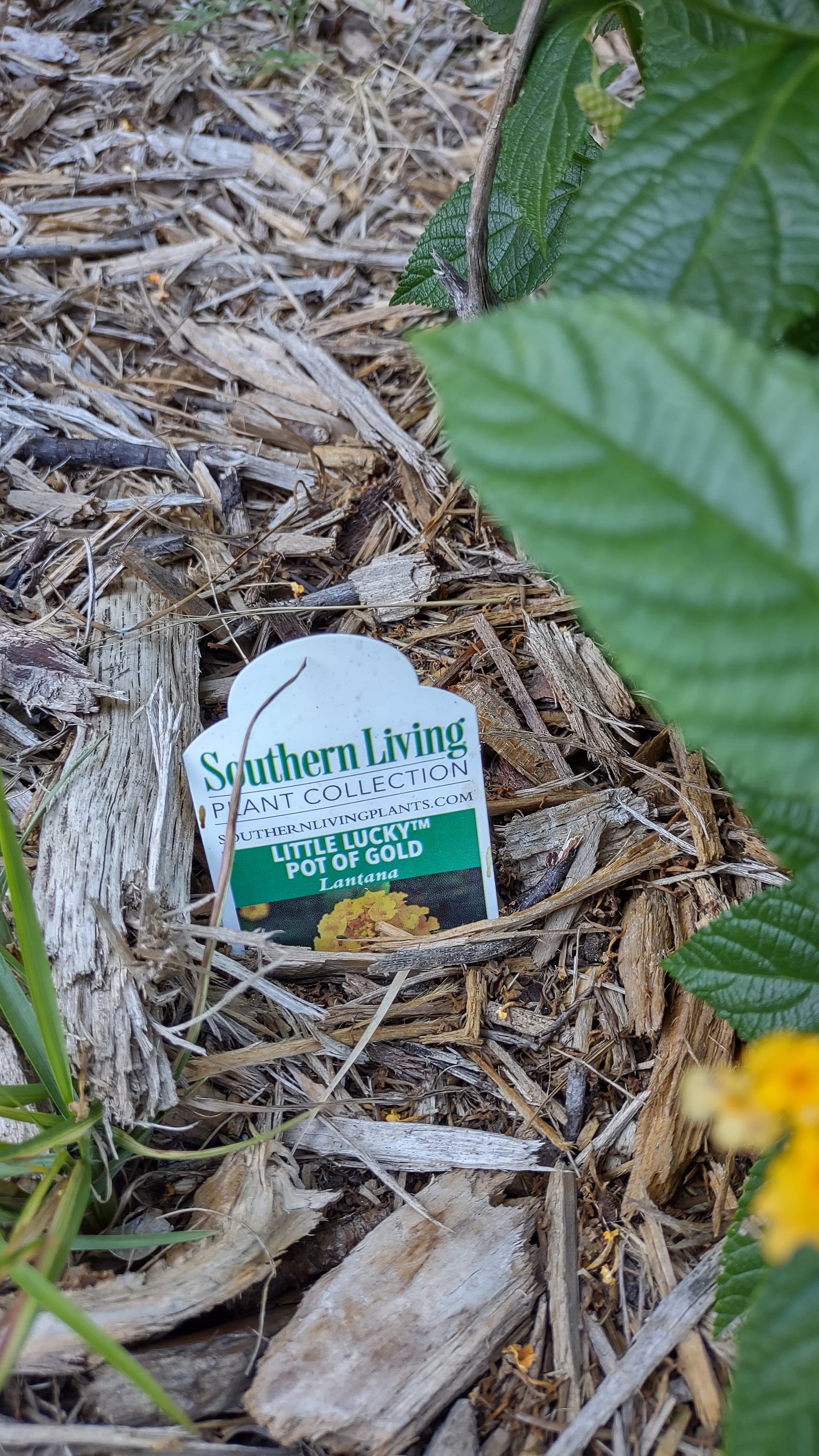
Last one is montevidensis. Full sun makes it hard to get a good picture. Note the Arroyo Sweetwood behind it:)
Here are the others
The only real issue with Mexican sunflowers is that fire ants love to make hills at the base of their stalks. I’ve noticed they do the same with Dahlias, which are not too distantly related. Not sure why.
I’ve found that the deer like to eat the tops off of mine.  I need to protect them with deer netting the same way that I’m doing with my Jerusalem artichokes.
Yeah, they browse mine, but not too bad compared to some of the other stuff they like to eat.
Some of my brown eyed susans are blooming now… most arent yet… I got some seed from a local thicket of them that were pretty prolific. I just walk around on areas that i dont mow in the fall and sprinkle them and they soon take over.
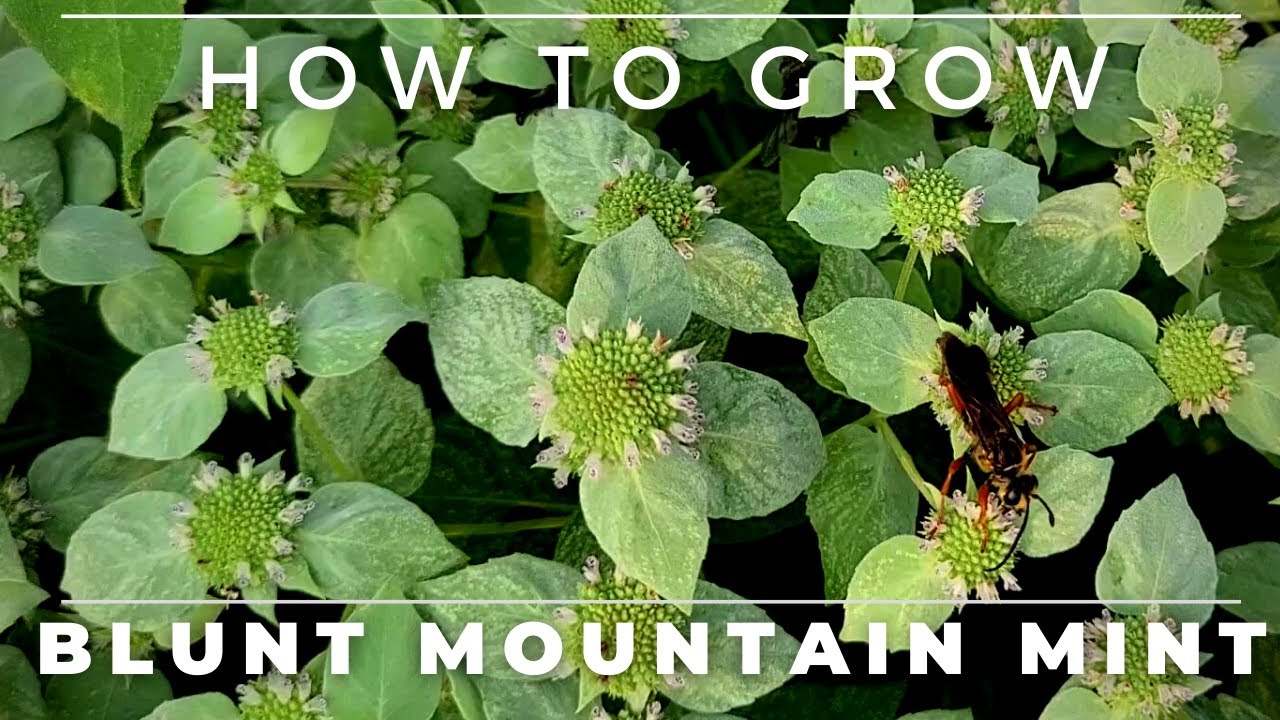
‘feeds over 100 different species of bees and butterflies with nectar and pollen’ ‘blooms for up to two months’

I have seen them bloom longer… up until October… so not exactly sure on the two months fact. Also their seeds attract birds… in the late fall and winter.
A must i think for areas that you dont mow or plan to ever mow… mine are outcompeting some of the weeds and really thrive with competition… which is a plus. YMMV.
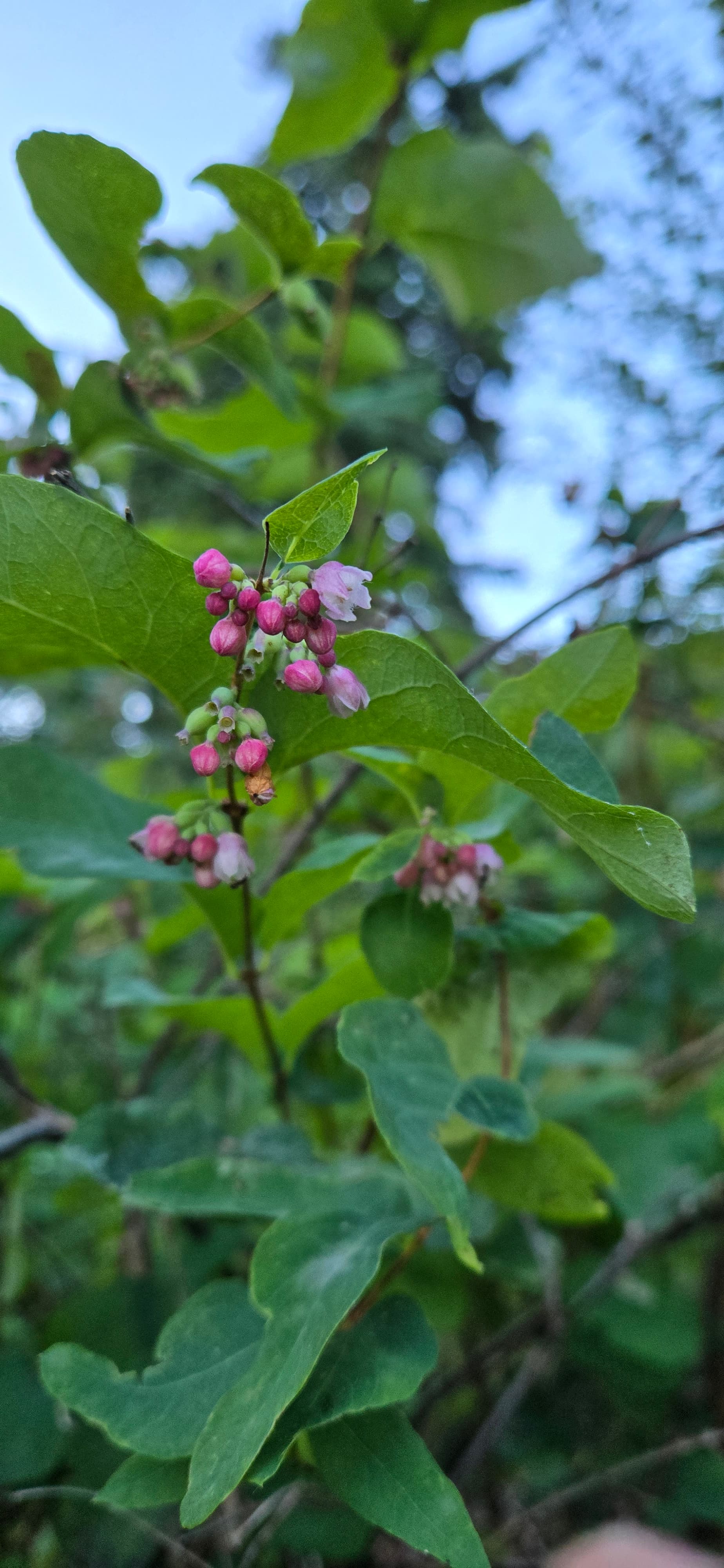
Pollinators at my place especially love the snowberries, despite what dinky little flowers they have. They also bloom for a long period over the summer.
I’m happy to have a bunch of flowering weeds in my lawn, though I don’t know that my neighbors are too excited about the source of weed seeds next to them.
That is a great video, thanks for posting it. Now I need to find me some brown eyed Susan seeds!
Keep an eye on the roadsides here in the next month or so if you find some then go back in the fall and collect them. If not i can shake you out some fairly easily.
There aren’t any of them here where I live. I wish they were.
Thanks though!
 mantises?
They are so chill and tolerant of even my toddler poking them lol. She’s stopped but all she did the other day was try to pet them.
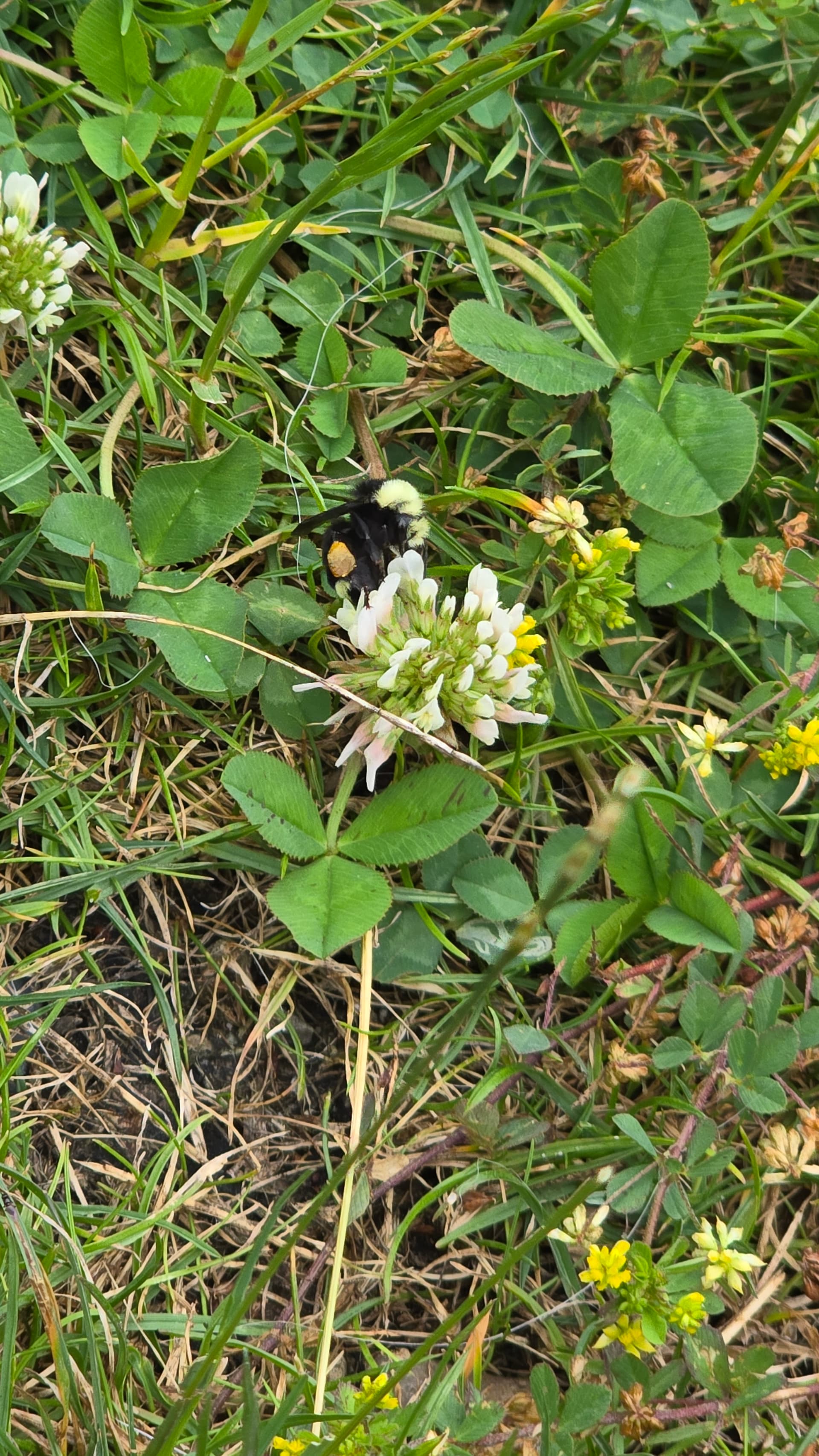
My front yard is a lovely bumble mess.
my wife thinks im nuts for petting them. we have so many here you got to be careful not to step on them crossing the clover patch on the front lawn. we have 3 distinct species here. i just never bothered to identify them.
Yeah, we can only play with the dogs after sunset now or they’ll trample so many just walking.
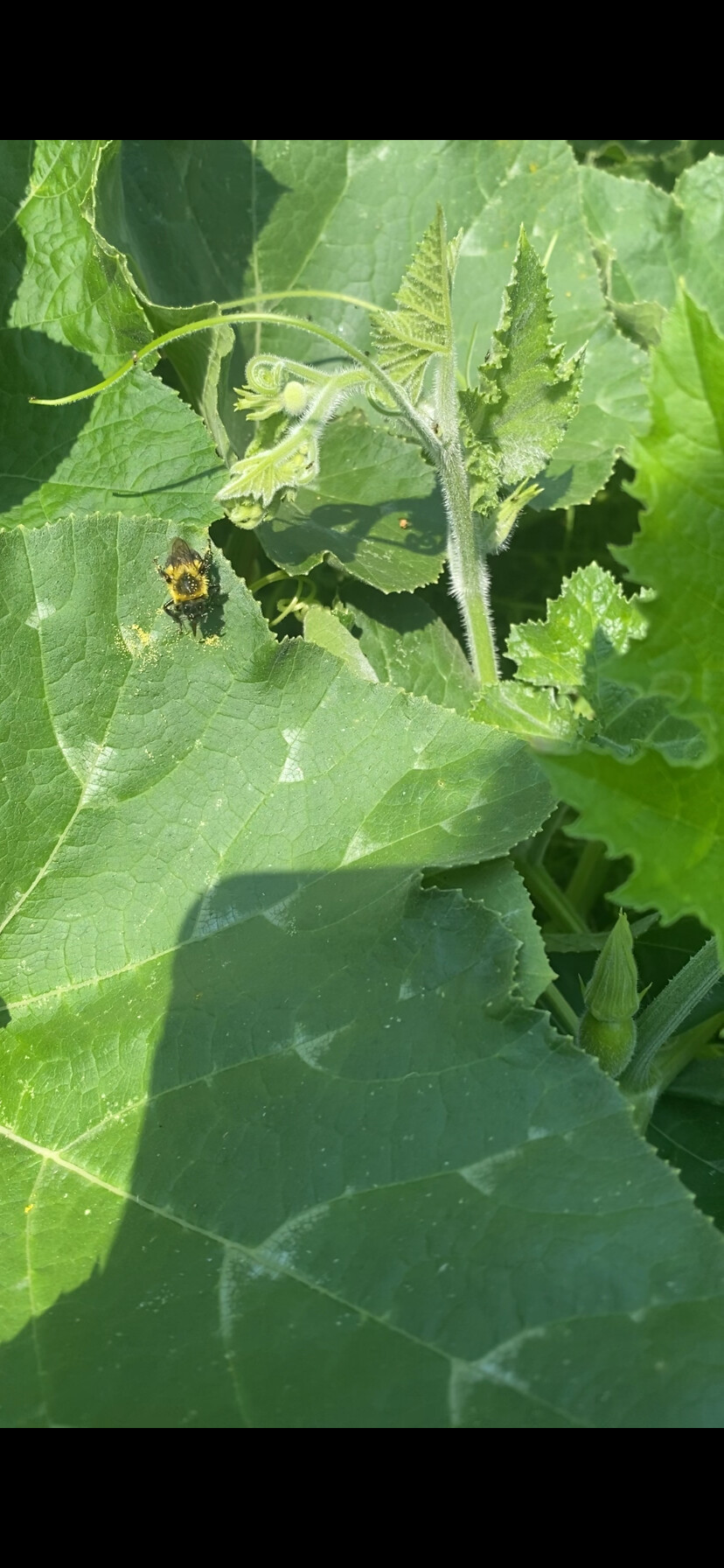
Anyone know what this bee is doing? It was rubbing it’s legs on its face as if wiping off all the pollen and two “piles” of pollen around it clearly that it dusted off.
I tried to upload a video but said it wasn’t authorized. I’m not tech savvy.
I wonder if this might be one of the many solitary bees that carry pollen on their bellies, since I cannot see from this photo any pollen baskets on the hind legs.
BTW, I have seen tiny flies and/or wasps tending lilac in bloom, never any discernable bees. Adding a honeybee hive to the yard confirmed that: no honeybees, either. Nevertheless, some seeds get set on my lilac each year while I do not know how close the next lilac stands. (I dead head lilac soon after bloom is done, to allow it to set buds for next year in plenty of time & not spend energy on making seed.)
Very interesting. I looked and didn’t see any pollen baskets which made me more confused. We will have to look into solitary bees and using their abdomens.
I don’t know but my head chuckles at the thought that she found some better tasting pollen and a lot of it. So she had to offload the less desirable.
Your “bee” looks more like the distant relative Bee Fly, in the Diptera Order.
Both of these insects may groom their head area to remove dust, pollen, mites, etc.
Interesting. Doesn’t look anything like the “bee fly” pictures that come up with Google, but the behavior you describe matches.
I think i have seen this one by some roadsides… gotta get it.