Does anyone have an experience in transplanting plants from old, rotted potting soil to new, inorganic mix? not sure how much I should fight to get the old stuff out vs how disruptive that is for the roots…
1 Like
Success depends on the plant. Some don’t mind at all, some struggle quite a bit (avocados). What are you trying to do it on?
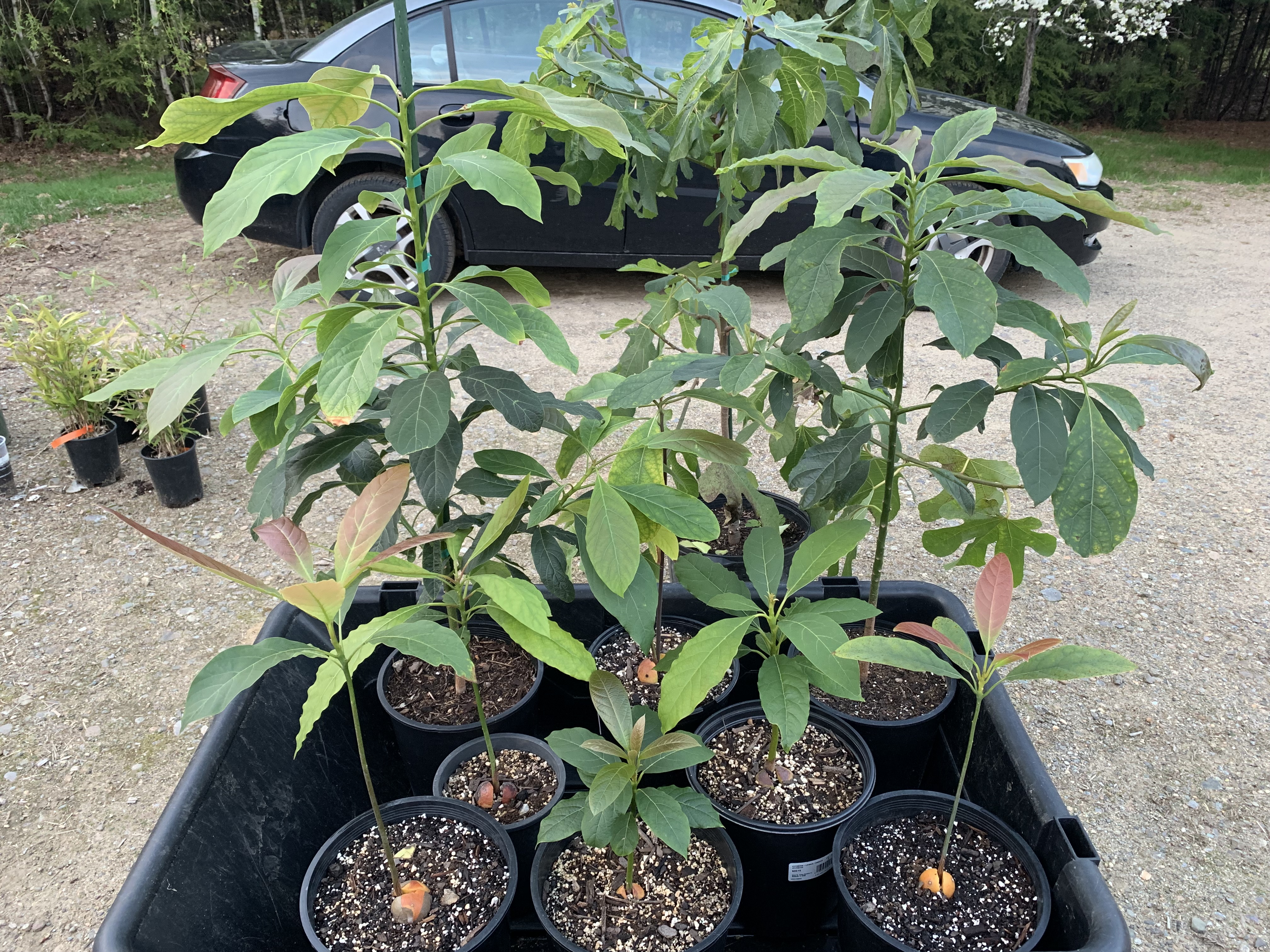
A wide range of container tropicals — citrus, avocado, mango, guava, etc.
I think I used Black Gold cactus/succulent mix for my avo seedlings. They seemed to like it. Not sure how many stores carry it, but always got mine at the local Osborne’s.
Back to the sand topic, I wonder how granular sweet PDZ (zeolite) would work. I have a bucket of used pdz from my chicken dropping box. It would almost work as a slow release fert since it absorbs ammonia and moisture.
Those are all fine except the avocados, which I have done but set them back a year. Partial shade for a couple weeks is recommended if its too hot.
My main objection to all bagged retail potting soil mixes is that they don’t contain a significant amount of sand.
1 Like
Yes. That’s one of the things I liked about Gary’s mix. But I can’t get it so I need to mix my own. Fortunately I am strong so I am okay with the weight of sand; just need to find a source of a good kind of sand and a mix. Do you have any recommendations?
There’s not enough in it.
When hand mixing in a wagon or wheelbarrow, I use:
1.5 cu.ft. bag of potting soil (e.g. Kellogg’s Patio Plus)
0.5 cu.ft. bag All-Purpose sand (e.g. Home Depot)
2 Likes
Thank you! I was thinking about experimenting with something on the order of a third peat moss, a third sand, a third coarse perlite.
Perlite is spun clay. There’s a factory in Escondido that produces it for the plant propagation industry. It’s not a good choice in long-term tree soils because it eventually breaks down.
I use peat moss as a rooting medium and sometimes to amend planting holes (along with cured compost). On a large scale, triple-ground redwood bark is more cost effective.
1 Like
I thought perlite was volcanic in origin? (heated obsidian)
I agree that it is not a great choice long-term, primarily due to its floating (IMHO).
3 Likes
afaik the rock is but not the process to get it to how we use it.
and sand has the opposite result. it lets the lighter stuff float and it sinks.
Perlite breaks down into clay.
I asked the folks at Logees what they use for their long term / permanent large container plants: >
It’s an even part mixture of perlite, pine bark and peat moss.
1 Like
Interesting. Thanks. Gary’s mix is pumice heavy, but it appears impossible to find near me in New England, as is decomposed granite at the moment.
similar but ive been doing 2 parts peat, 2 parts pine mulch, and 1 part mineral(50/50 oil-dri/pea gravel/pebbles). i just dont like the floating/sinking of perlite/sand. i would probably do their mix if i had plans for a plant to be shipped.
Often you can use other types of small pebbles/gravel instead of pumice. What’s available in your local area?
All-purpose builders sand from Home Depot/Lowes is good.
Gary’s uses 10% sand which is my personal limit because of back issues, it’s actually not too heavy, though heavier than average.
@Richard used to recommend a different mix with a larger ratio of sand that I put all of my rooted fig cuttings in my first year of growing them. That was actually a really good mix that my figs did/do well in. They’re still in that mix in fact. It just was too heavy for me to continue with it.
2 Likes
Their choice is based on shipping costs, which are proportional to weight. The same is true of bagged soil mixes.
unless its their mother plants 
Logees is a sales company that routes plants from subcontractors to customers.
1 Like