Living in a state where people sometimes joke that kuzdu eats houses, the plant really isn’t an issue, even if you let it go for long periods of time before doing anything about it. It is a lot easier to eradicate than people realize and it takes a long time to envelop the abandoned houses that you see from country roads.
I think it was in Kentucky that I first got a taste of fire ants as a child, before we moved to Georgia. Now I just keep a gallon of muriatic acid brick cleaner/pool pH adjuster handy. Also works fast and great on yellow jacket nests in the ground when you don’t have time to wait for my original method: a bug zapper placed directly over the hole.
My thought is that the wineries of Napa and surrounding probably all have a very hefty crop insurance policy to guard against a calamity such as the GWSS. It would make sense that selling $300+ bottles of wine would necessitate that
Those insurance companies would be well advised to be careful to just who they sold those high priced policies to. I remember a story about a farmer here that planted his crops too deep and then claimed it on his insurance policy. Then his house and dairy barn burned down and I suppose the insurance folks finally wised up!
When living around metro Atlanta’s Kudzu covered spaces; I noted the Kudzo puts the rodent population on maximum overdrive. It must be a reservoir of rodent borne diseases.
I think compared to say privet it’s easier to control and get rid off, yeah. It’s definitely the most dramatic looking invasive though. And I’ve known several people who tried and failed to control it, but to a T all of them were trying just with hand tools and some mowing in more open spaces, and that’s just not going to work. You’ve gotta be aggressive and use real tools, herbicides, fire when appropriate, etc.
I know people often say goats but in my personal experience goats aren’t actually a realistic option most of the time, way too much management overhead and fencing headaches, and it’s not like they kill the vines or the roots, they just eat the leaves up to the browse line and that’s it.
Makes sense. Dense cover, lots of food and big, tasty tubers for the winter.
1 Like
PD.
The wine making world has known about PD for many decades. I am sure many countries have been working to develop resistant varieties much like Dr Walker did at UC Davis (Errante Noir that I am growing being one of them). Of course there are numerous existing vine worthy varietals that exhibit resistance (Blanc Dubois, Norton Cynthiana, Black Spanish, etc), but the vast majority are not grapes we are used to seeing on a wine bottle. The world will be slow to change and accept the new, preferring traditional varieties, so it’s a tough spot for vineyards in high pressure areas. The public is likely to take longer to change their tastes than a wine maker can weather changing over to resistant varieties.
Kutzu? I think the issue in the south is wilderness areas. It absolutely takes over in areas not controlled. I remember in the 90’s taking work trips to the Natchez area and seeing very large trees completely overtopped and slowly dying from lack of sun exposure.
2 Likes
Most grape breeding programs do not focus on PD, because it has not been a problem in most traditional grape growing regions. Southern California being the only exception, and even there, it tends to have localized hotspots rather than be universal in the region.
I am not aware of any grape breeding programs outside the USA doing any PD resistance breeding in grapevine at all. Within the US, there is the work UC davis did on PD resistance in wine grapes from the arizonica resistance source as you noted. I think there is also some work done with it at the USDA in parlier, using the same resistance sources discovered by UC davis, but no PD resistant cultivars have been released from that program. Beyond that, there was historic PD resistance breeding done by Universities in florida, primarily using vitis aestivalis sources of resistance, and some PD resistant bunch grape breeding continues in Florida today, although at a much diminished level of priority. Beyond that, there is a new grape breeding program at texas a&m that does have a PD resistance focus, a few private breeders doing some PD resistance breeding, and a few legacy PD resistant cultivars from prior work done by the USDA in Mississippi, and a few private breeders like Munson, Dunstan, zehnder, etc.
That’s pretty much the total sum of PD resistance breeding in bunch grape through the present.
5 Likes
It’s always surprised me that such massive ag industries like wine making don’t do contingency breeding work. It shouldn’t be that hard or expensive for UC Davis some French or Italian university to get support from the industry to have partnerships with universities in native PD areas to run some low intensity breeding trials just so there’s plenty of germplasm to draw from if say Napa Valley or Bordeaux suddenly was hit with the disease.
2 Likes
Yes. U of F did a lot of the early breeding work in wine and table grapes as well as aligning with pd resistant rootstock to graft them with.
Alas finding any of them for sale is not easy. And it appears the rootstocks do not convey much resistance to the grafts in some trials.
I wanted to try Valiant on 1103 P though.
1 Like
The main reason is wine grapes are one of the only crops where old cultivars and low yields are cheered and are actually part of the marketing. It’s hard for new wine grapes to break through, even if very, very good. About the only times it happens is in regions that can’t grow the classical wine varieties, so when new wine varieties are bred, it’s usually for regions that historically couldn’t grow wine grapes for one reason or another. When you have built a whole industry around varietal names and their connection to history and Europe, marketing is tough to overcome. Table grapes are a different story, because people aren’t wedded to particular grape varieties for the table the way they are to the name on the wine bottle. As such, a whole lot more new table varieties get developed than new wine varieties.
8 Likes
The crop insurance plan we and most other growers have is only used when yields are much lower than expected due to frost, wildfire smoke, heat damage, etc. For us to file a claim, we need to show that the yield was lower than the average for the vineyard. Since GWSS doesn’t damage grapes itself, that’s not something crop insurance can be used for. We do pay in annually towards the PD Board, which helps fund and organize the nursery inspections and quarantine zones meant to keep GWSS from spreading through the state.
IIRC, strains of PD that affect grapes are not present in Europe and most other grape-growing countries, so it’s not a big deal.
Not only old cultivars, but old cultivars with familiar names. It’s almost as difficult to get someone to buy wine made from Aglianico as it is Errante noir.
4 Likes
To some degree this is a self inflicted problem. Winemakers, and especially New World winemakers, have always been keen to talk up specific varieties in the marketing and really go all out on single variety wines as if that’s the only proper way to make wine (nevermind that in Europe the vast majority of wines, including the best of the best champagnes and Bordeaux reds, are blends). Grape variety and to an extent soil are basically how wine gets marketed. Well, people can only remember and recognize but so many archaic French and Italian grape names.
It’s a pity, because ripeness, yield, climate, winemaking techniques, barrel type, etc. all matter a lot, some arguably more than variety and almost all more than soil, but winemakers painted themselves into a corner decades ago with their marketing choices. And regulatory choices if we’re talking the Old Word…
If single variety wine was truly such a big deal and actually mattered more then all that other stuff, the $5 bottle of Cab Sav at Walmart would be good. It isn’t.
3 Likes
Just curious, are bird cannons used much in vineyards there?
Oh for sure. As are many other problems with the wine industry. Though I’d argue that the consumers are also responsible. Sales of Merlot didn’t tank after the release of the movie Sideways due to winemakers after all.
Not to a huge degree where I am at. There’s a lot of restrictions on their usage, and the crop is valuable enough that some growers can afford to net entire blocks.
2 Likes
Any predictions on the outcome of these shipped GWSS and the possible occurrence of PD?
I’m seeing 23 counties were shipped to in northern Cal. In Napa county alone it prompted the destruction of 63 vines. A remaining 157 vines are unaccounted for.
Correct me if my figures are wrong.
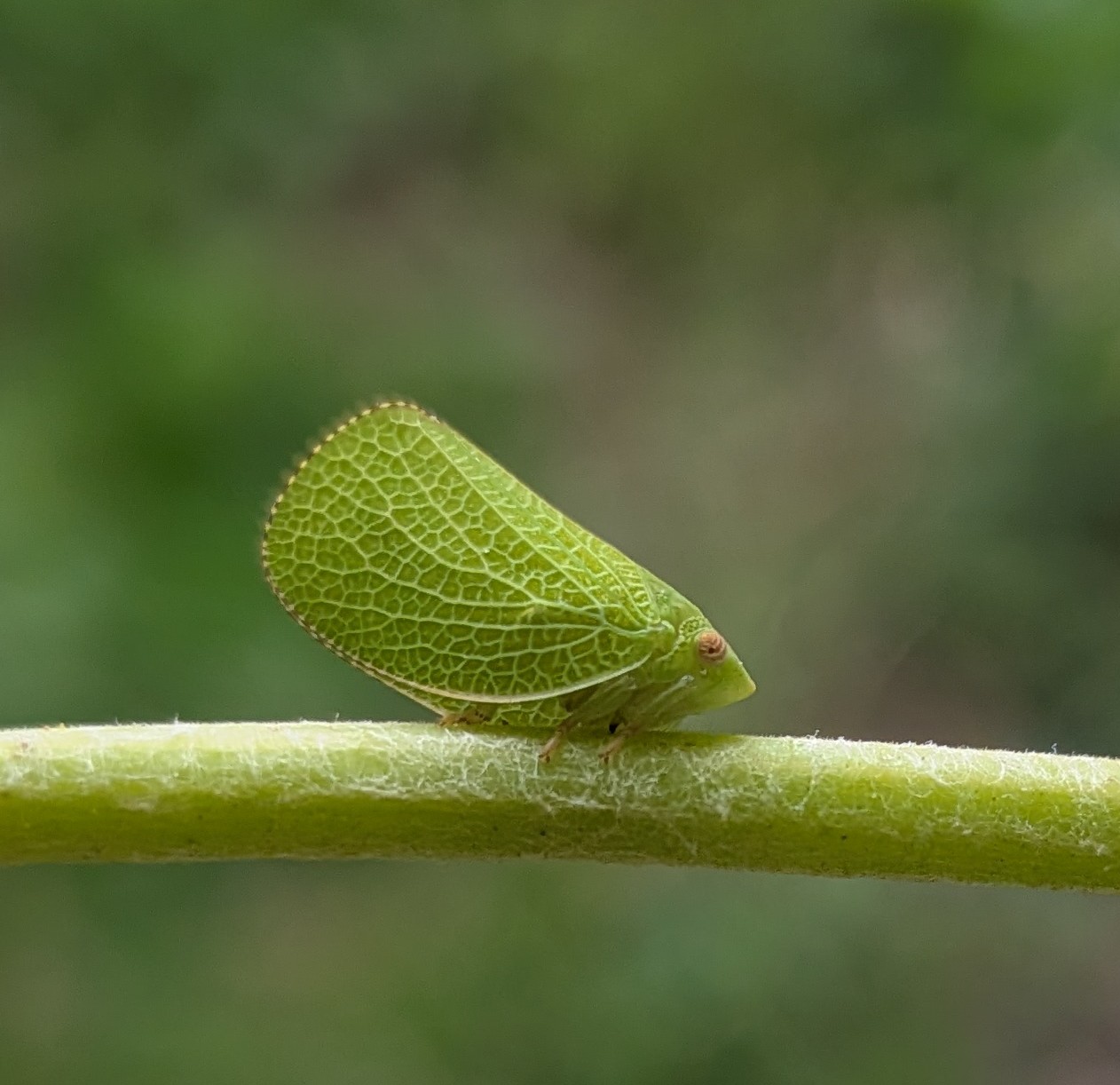
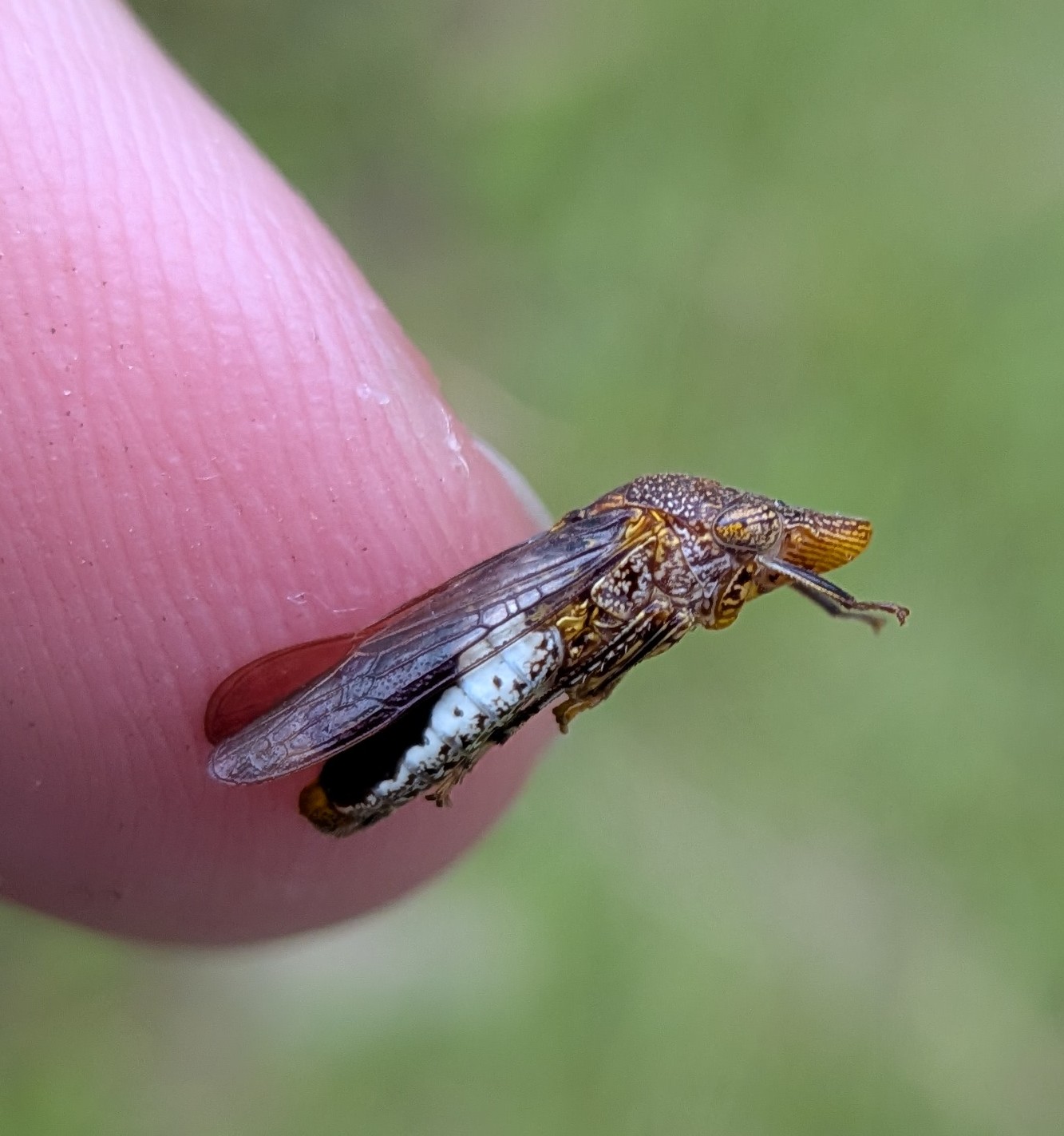
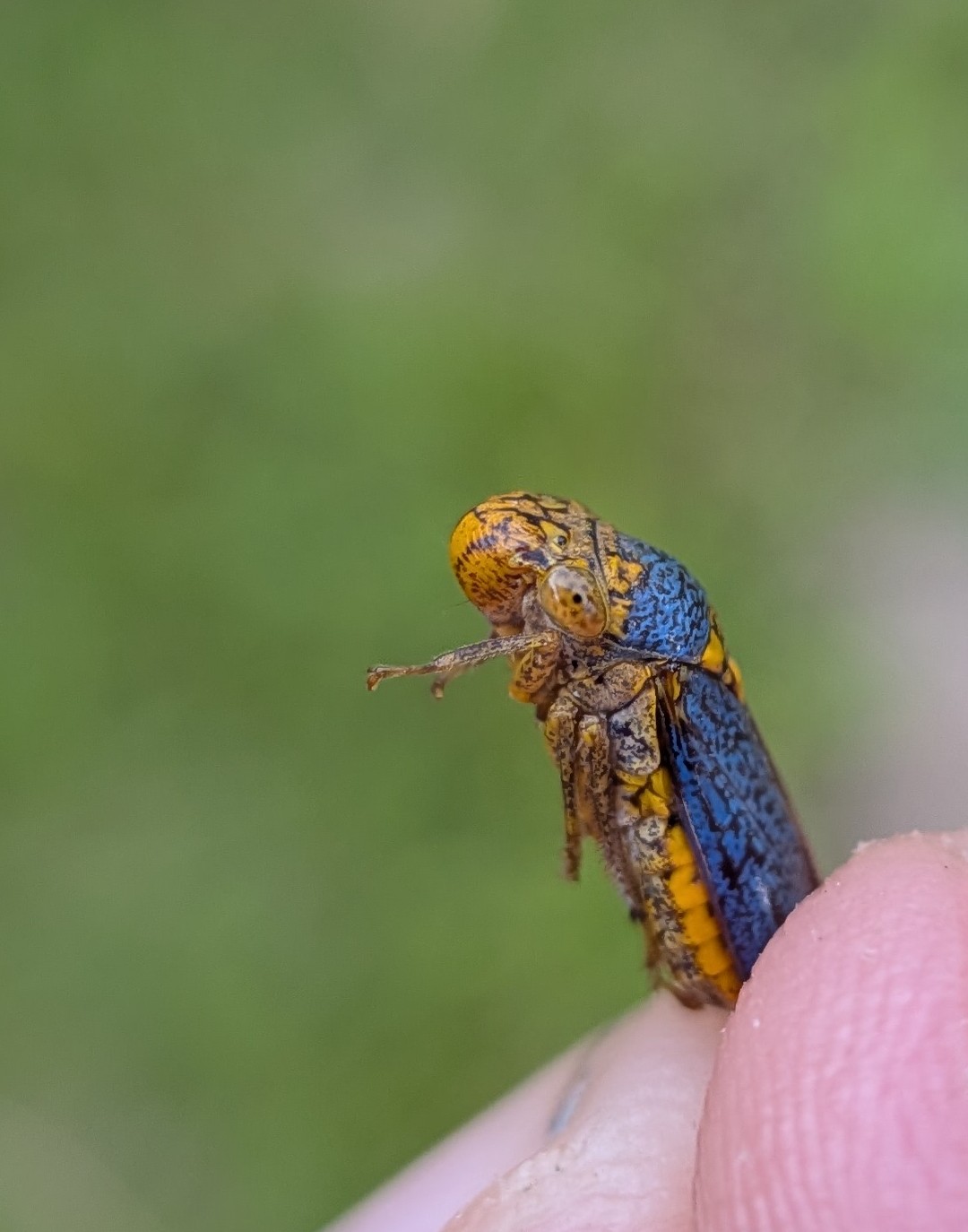
Just in case anyone needs more sharpshooters or assorted sap sucking insects, we have plenty to spare here in East Texas, and not just the famous glassy wing either. Collect the whole set! 
4 Likes