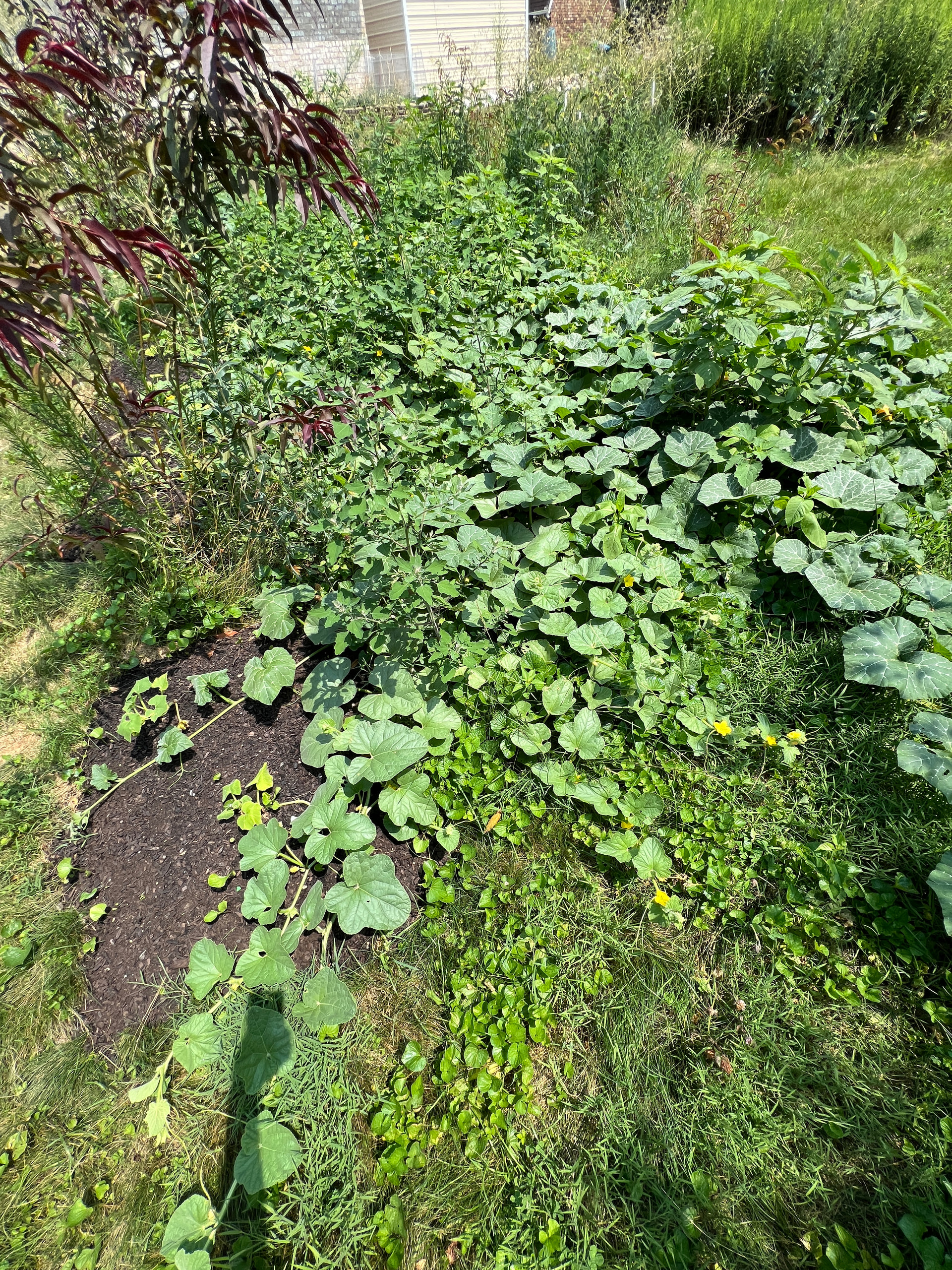
Not PNW but I did struggle with melon for a little bit. With plants it’s genetics, environment, or both. But what you do specifically depends on what your situation is - what is happening to the melons?
For me, what ended up working was I just made the best environment for melons I could - a 3’ wide bed of compost directly on the native soil, and then got some bacterial wilt resistant varieties for assurance since I had struggled with that in the past. Turns out the environmental changes made the wilt go away completely.
Melons really don’t like containers, they like to spread their roots wide and far, so giving them walls and then having more evaporation stress in a container just makes them more vulnerable.
From what I’ve read Piel de Sapo will turn a bit more yellow when ripe, similar to how some cantaloupes will go from a whitish beige to a yellowish beige. I may grow it at some point, seems interesting. Could you let me know how they taste?
I’ve never grown one, but I used to get them sometimes from the melon man at my old local farmers market. I think he liked them a lot because it was often the answer to “what did you eat today”
It’s been a year, but I remember them being very aromatic, very crisp, and quite sweet, but very mild.
I’ve tried a few types, Sugar baby, black tail(?) And some yellow one- the name eludes me. IfI remember correctly I start in pots and transplant. Unfortunately the nights don’t stay warm here until we are a good way to summer, and I think that has been a part of the struggle.
I have harvested three, 2-bite melons over the past gew years. Heh.
I’ve eyed piel de sapo for a few years. Interested to know how healthy that vine grows and how you like them.
@Tiirsys I am absolutely still learning how to grow melons, but maybe 3 years ago I started fertilizing and it does help. I still need to find a good schedule. I always use alfalfa pellets in my containers and in and around the hole at planting of everything. Then, because I’m generally in a rush and it’s easy, I go l synthetic and do 10-10-10 once early into growth around melons and pumpkins and then 5-10-5 when they start fruiting. Then, I go back to kelp and alfalfa. Would love to hear what other people do since I’ve just stumbled upon this and can’t say it’s working great and I would prefer it to be all organic.
You could drop row covers on them in the evenings when nights are expected to be cool and uncover in early morning. Old blankets with no future could also work.
You could also put stones around the melons in full sunlight. Each stone absorbs the heat from the sun during the day & radiates a little heat at night. The more stones, the bigger the effect. With lots of stones you can warm an area, just like the urban heat island effect. During the little ice age in Western Europe, farmers & gardeners would build brick walls on the northern sides of gardens to absorb heat so things like peaches could grow. By the late 19th century there was a section of Paris dominated by walled market gardens.
There are two PNW seed companies I like that sell watermelon seeds. They do everything in the PNW, and use PNW growers for the seeds they don’t grow themselves.
I almost never fertilize. The compost and my native soil provides all the nutrients the plants need. When I get compost, I want the compost to be something that seeds could grow straight in, not a burning compost like certain mushroom soils. Composts made from leaves and/or food waste are typically going to be more up your alley. I use my own compost (restaurant food scrap, my chickens’ manure, green weeds + leaves & woodchips) or a purchased compost made from food waste & woodchips.
Assuming your soil drains well the setup doesn’t need to be any more complicated than this (watermelon). I’m sure you can do a few extra steps to get better results, like putting stones in place.
My cantaloupes. They’re crammed in there more than they should be, I grow my plantings a bit faster than my garden There’s a really vigorous Honeynut squash in there too. The melon on the bottom left has been growing 6” a day. Sensation is really vigorous.
Just had to sacrifice my second vine with nearly ripe watermelon due to wilt. Wilted very abruptly. I’ve had wilt affect cucumbers this year and last, but this is the first year I’m seeing it take out my watermelons and I’m super concerned. The first one I removed a few weeks ago was on a cattle panel and prevented any spread on that plant. This one was in my melon patch which is much more concerning as there are a ton of melons maybe 2 weeks from ripe.
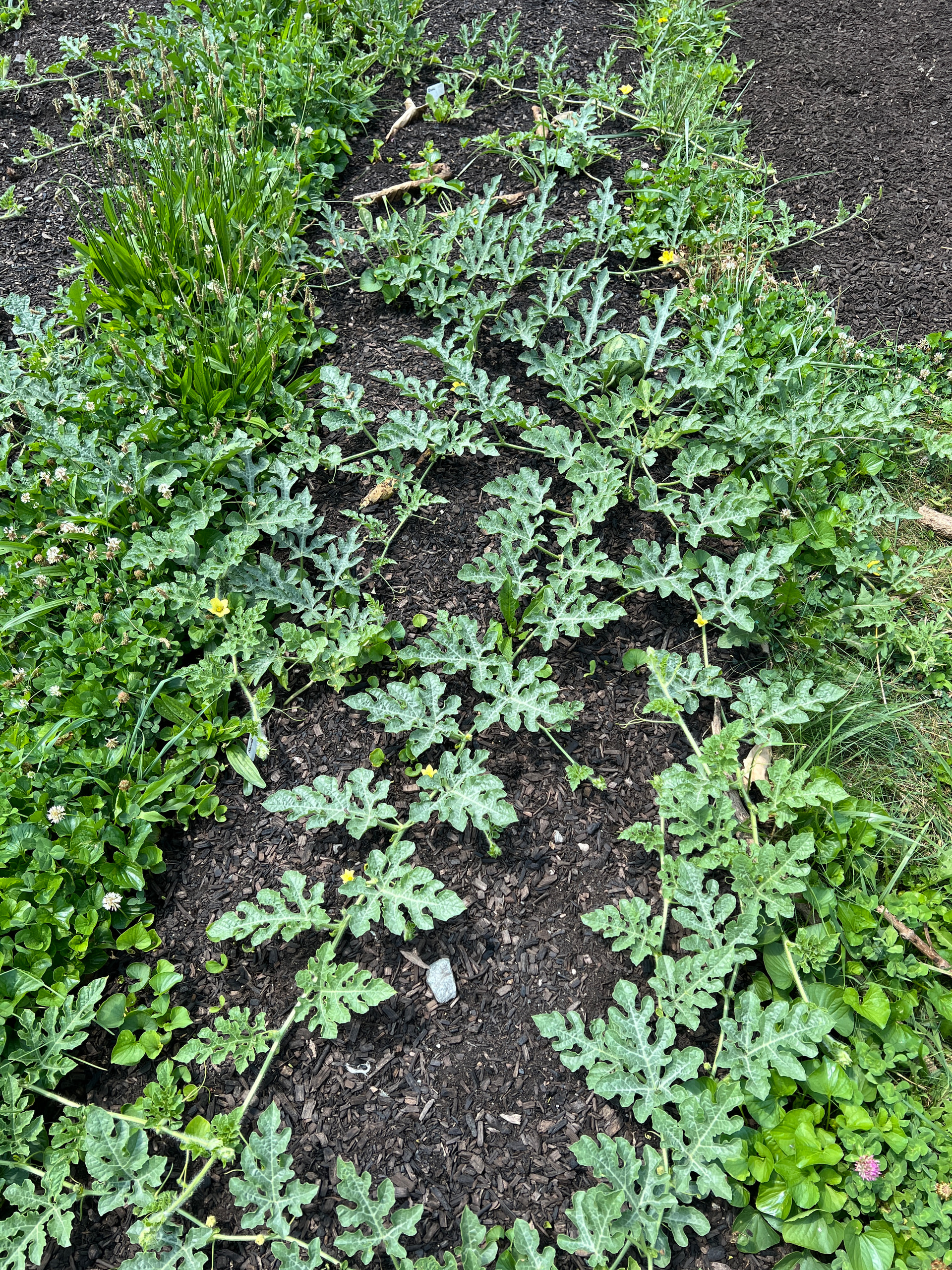
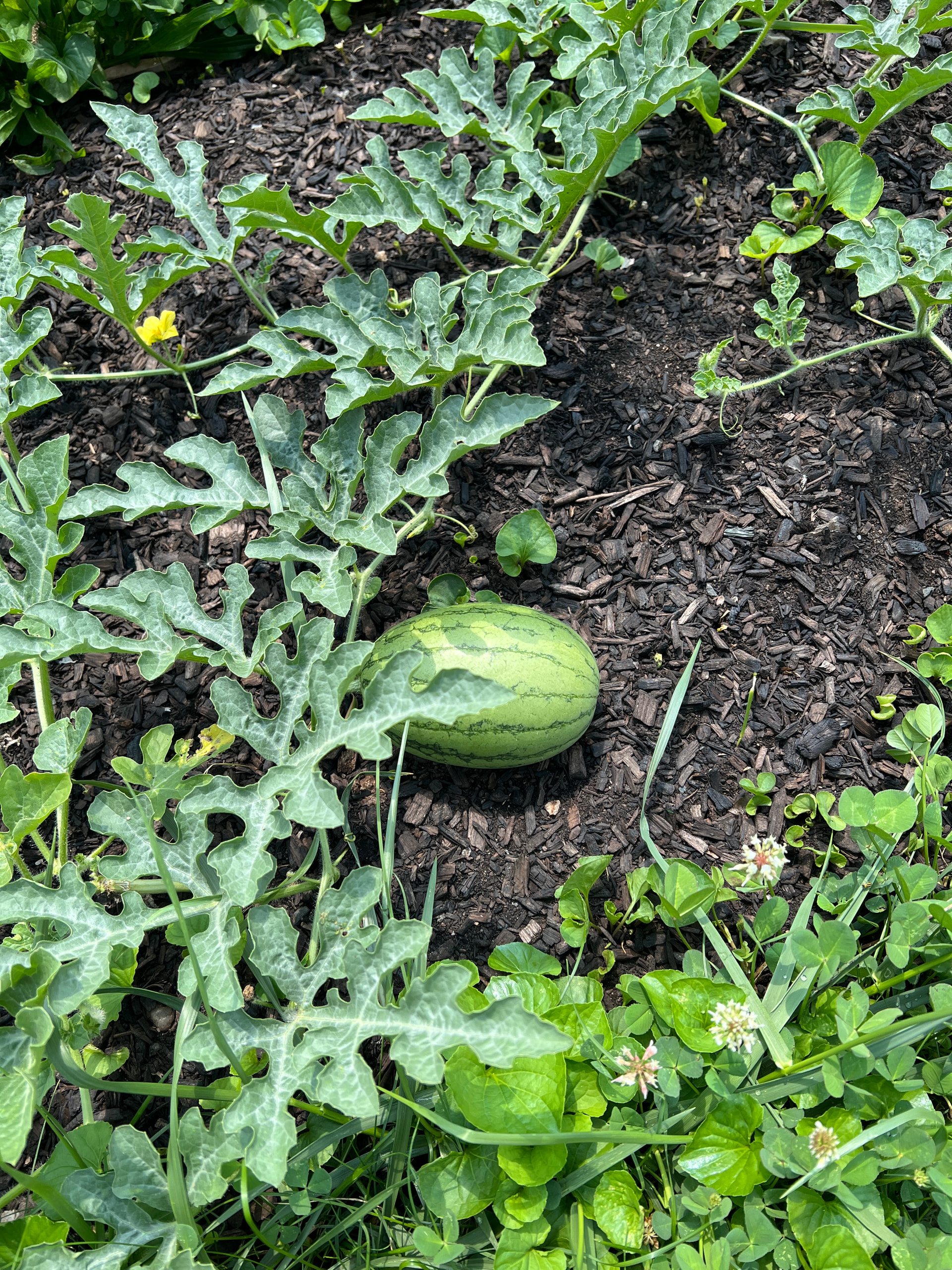
 There’s a really vigorous Honeynut squash in there too. The melon on the bottom left has been growing 6” a day. Sensation is really vigorous.