They could, but the alleles for muscat flavor would have to be introgressed into muscadine from vinifera as seedlessness was. Probably will happen eventually.
2 Likes
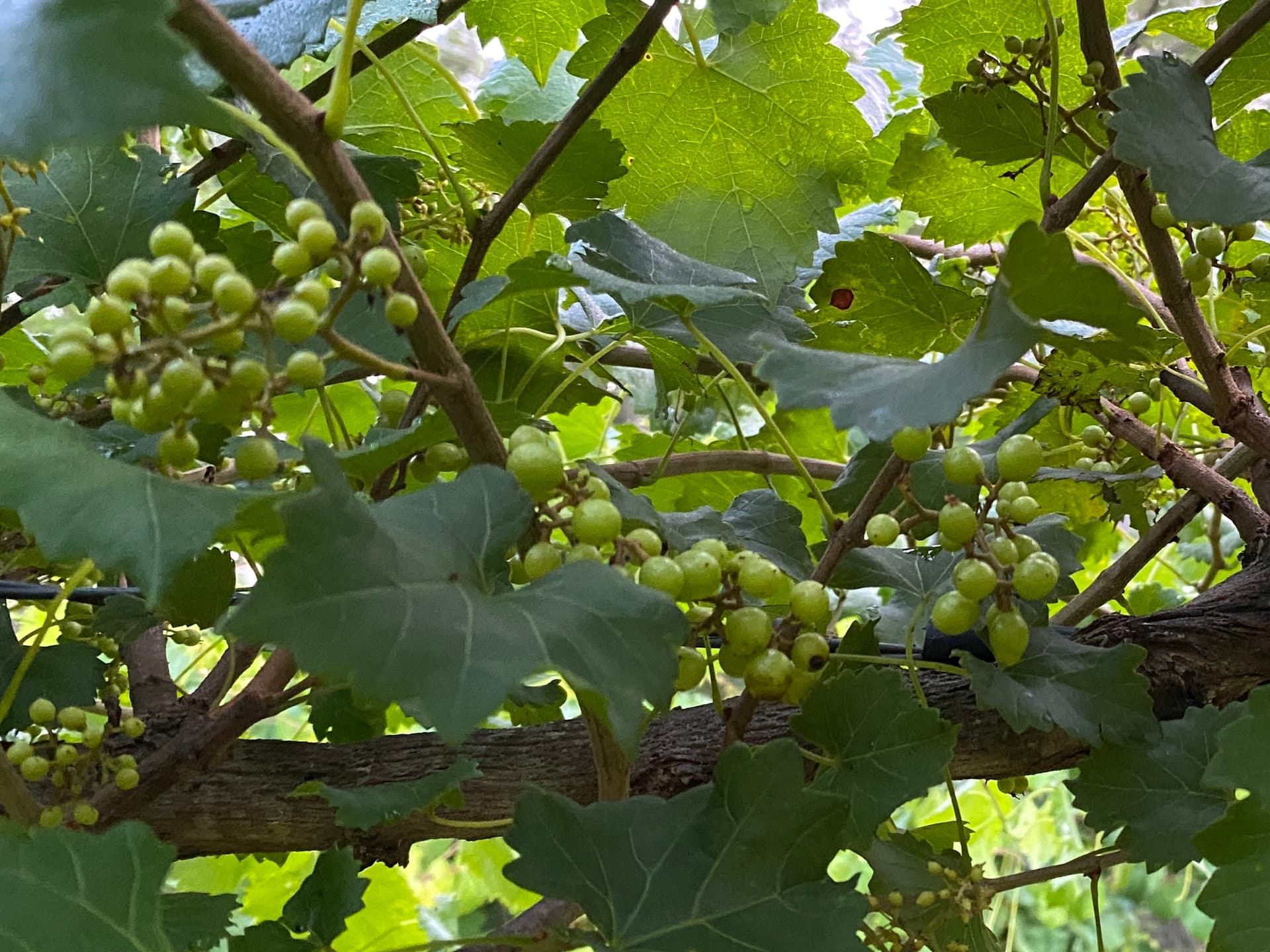
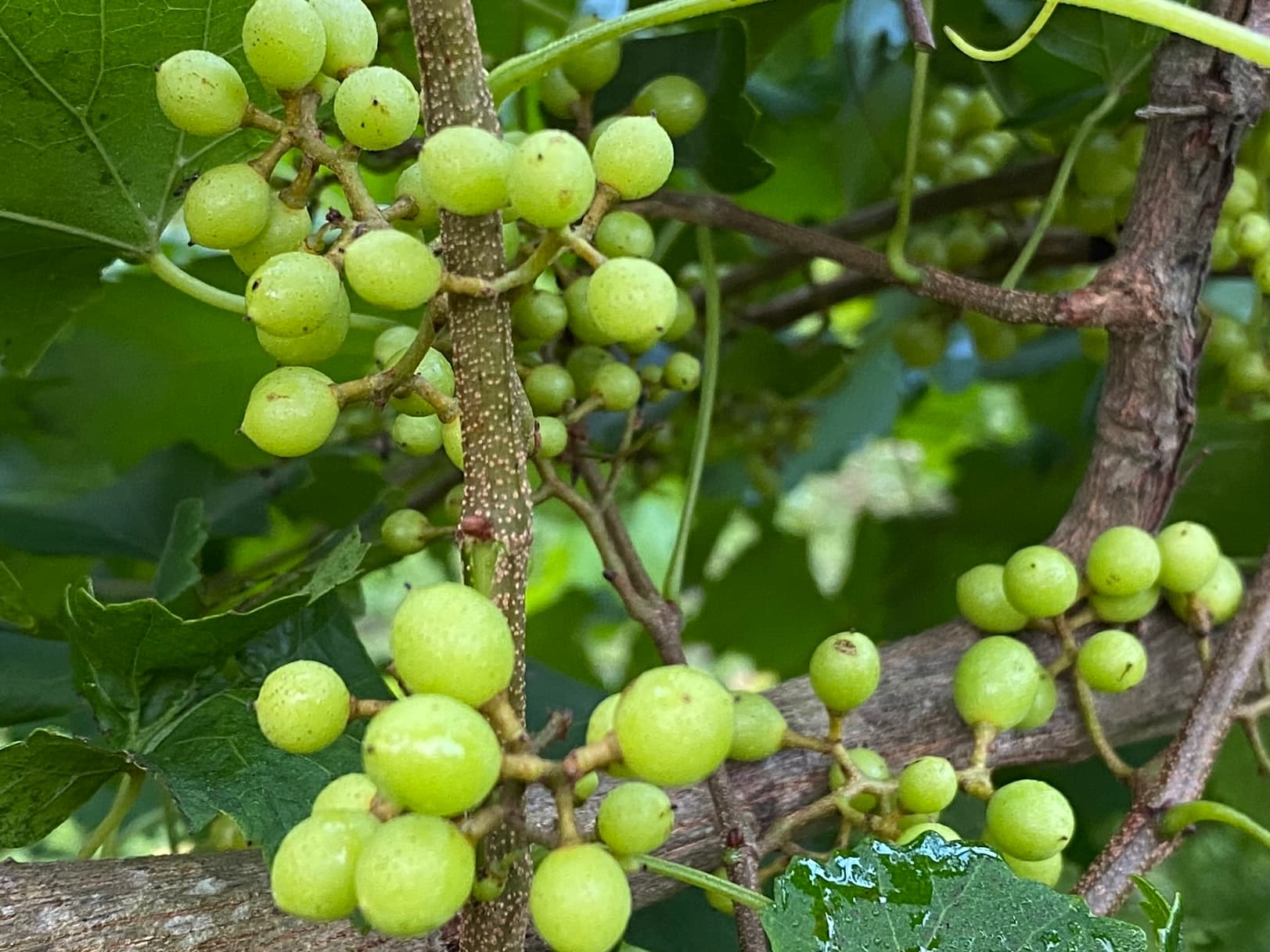
Has anyone here ever canned jam out of their muscadines (tough skin) that they really liked the results?
I’ve canned jam out of tough skinned Concords but did not like the result. Realize now that I may not have boiled the skins down even nearly enough.
Been wondering about that because I’ve had excellent results from canning jam out of plums after boiling them intensely in order to get the pits out. May try boiling the muscadines so that the skins are to the point where they are not noticeable at all. Of course it would first involve separating the skin from the muscadines. Then putting the remainder thru cheesecloth (or steam juicer) to remove the seeds. Then adding the skins back and boiling hard.
Is “Oh Yes” a patented variety? I couldn’t find more detailed information—where can I look it up?
1 Like
I’m quite certain that “oh yes” either does or will have a plant patent, however, it was first offered to the public only a very short time ago, and the developer has a one year period from the date a variety is first offered for sale to apply for a patent. There is no way that a commercial breeding program in the USA would ever offer a new cultivar for sale without a plant patent. Just wouldn’t ever happen. Chances are the patent has already been applied for but that information just hasn’t been published yet, as it often takes a year or two for a patent to be approved/published.
3 Likes
It’s from Gurney’s exclusively, they probably have the patent number on their site. I’m 99% sure it’s patent protected.
1 Like
‘Oh Yes’ is covered by a utility patent. I’m not sure that actually prohibits propagation and not just breeding, but you may have to sign a non-propagation agreement when you purchase it.
1 Like
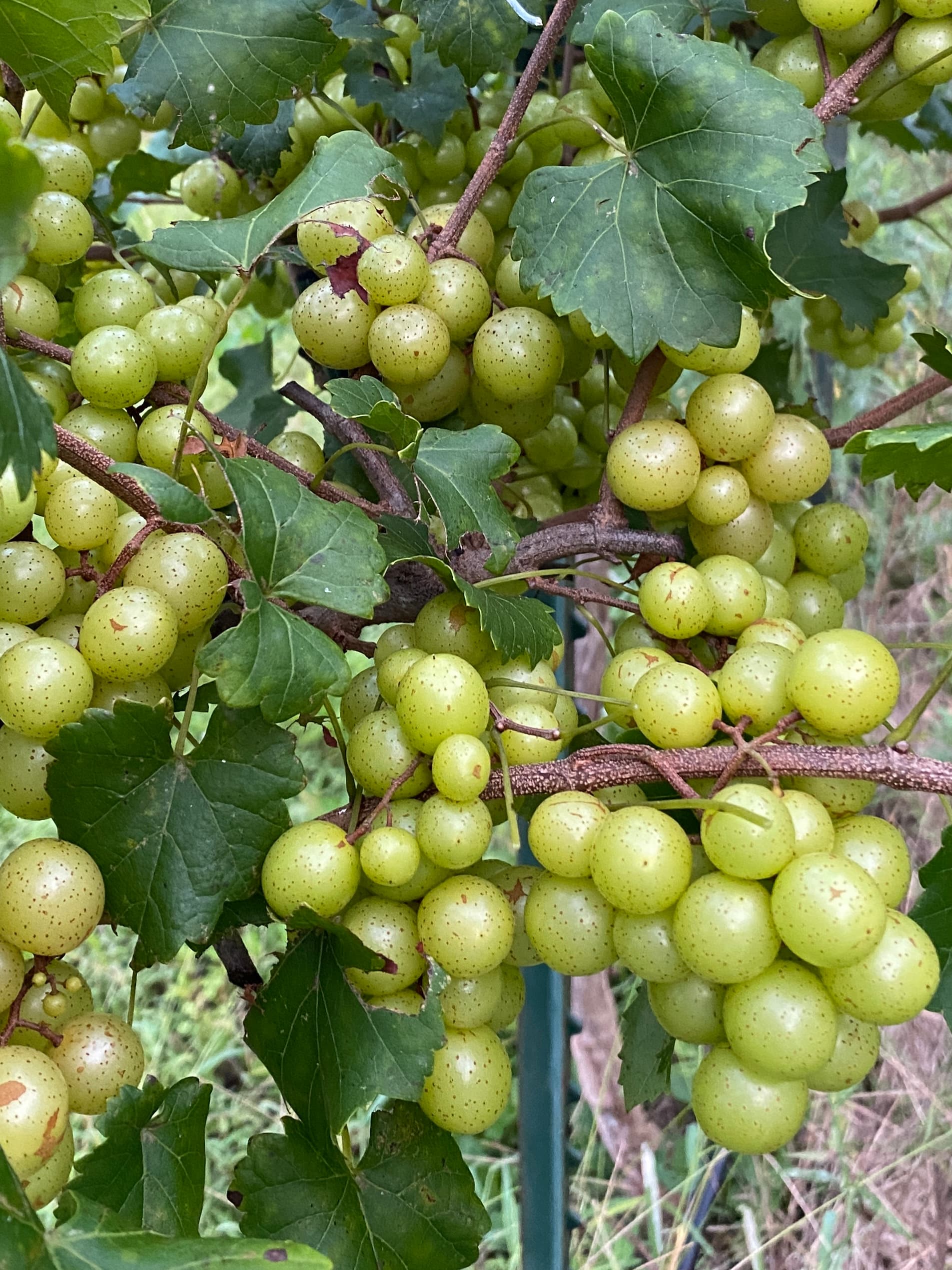
They look sumptuous. 
1 Like
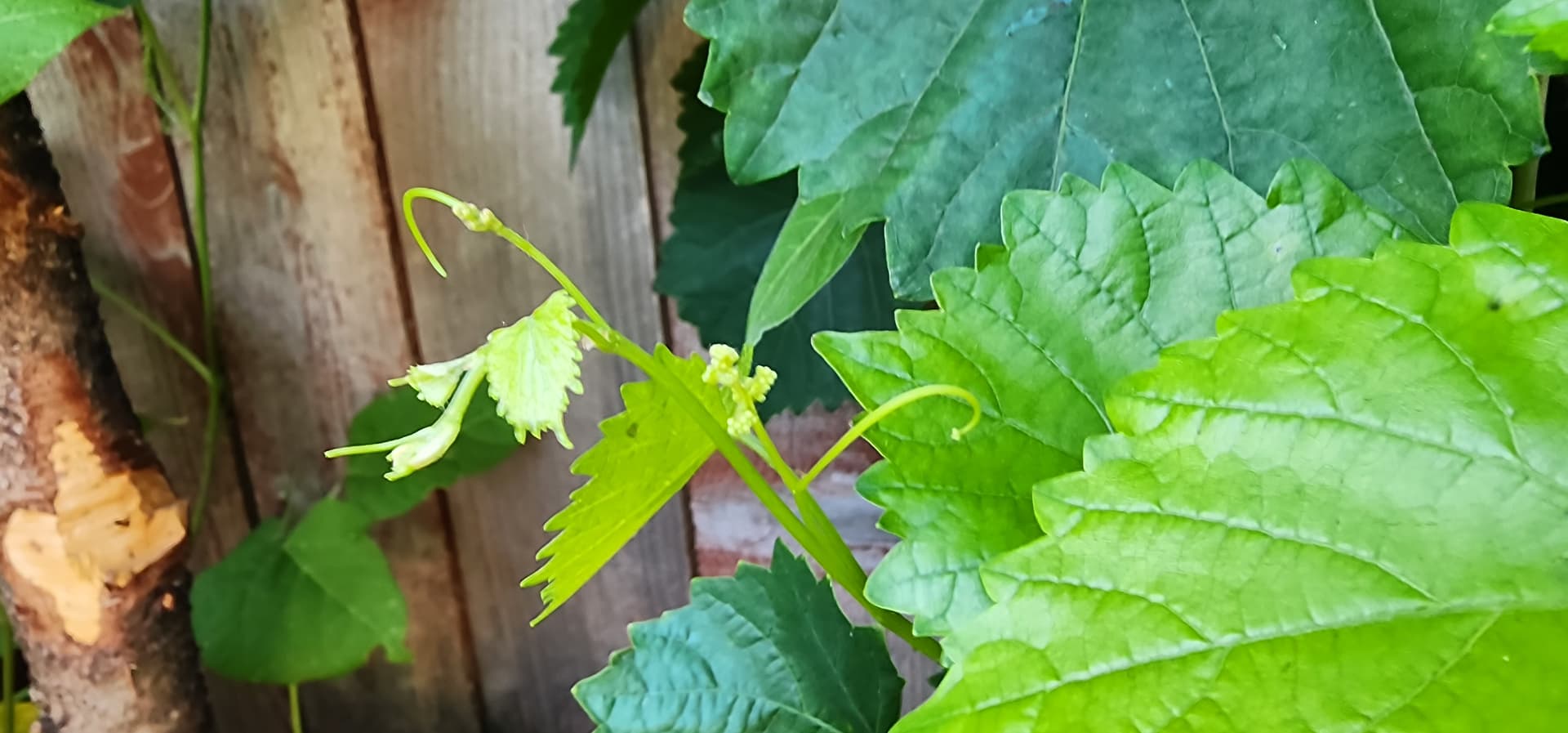
I keep forgetting to upload some pictures of what the clusters look like now. Some new ones forming.


3 Likes
Possible outlet for extra fruit. Each summer I see a few trucks loaded with vegetables that they grow backed up near roads selling what they grow (pedlers). Some of these people work hard to have enough extra to sell. Whenever I have a need I will stop and buy things like tomatoes from them. A few days ago while driving a train had the traffic backed up and one of these peddlers was set up nearby so I pulled over and bought a few tomatoes from him. We talked for a while and I asked him if he had ever sold muscadines which he had not. I let him know that I don’t sell any fruit and I just like to pass them on to people who want them and I would bring him a few 5 gallon buckets in a few weeks as they ripen. He seemed pleased and I think based on what I saw he could benefit from a little more income. I know several of my growing fruit friends donate extra apples etc but muscadines are different as to who you can donate them to. This will be a trial year for an outlet while I’m considering a reduction in the amount of dines that I grow.
6 Likes
This has been an unusual summer in that It has rained enough that I haven’t had to add additional water to my muscadine vines. There have been a few short periods that I could have added water but I didn’t. I also haven’t added any fertilizer since last year (2024) when I distributed a post harvest application of 13-13-13. Normally I follow most of the growing suggestions but I wanted to see how the vines would do without any help. I think that the extra rainfall is one of the most important factors as to how vines perform. All the vines are touching the ground and loaded with fruit. The fruit of Paulk seems to be slightly smaller this year but the few that have ripened are very sweet. My Lane is loaded and as usual the leaves are showing signs of over fruiting. What I did this year is not intended to be suggestions but more of an observation. I don’t know but I think the post harvest fertilizing helps the vines get off to a good start next year. I also think that without extra rainfall the vines performance would not be so good.
3 Likes
I went ahead and bought one… and just planted it a few days ago. I will update with news as things develop but it will likely be a couple years before I have much to say.
3 Likes
I bought one too. I think I’m going to replace my Alachua with it, and give the Alachua to a neighbor. My Alachua has poor vine vigor, seems off.
University of Arkansas says they releasing two muscadines later this year.
1 Like
Auburn, muscadines with abundant rain but no fertilizer tend to produce just as well as they would with fertilizer. Where things go haywire is the size of the fruit tends to be smaller and the vines wind up at the end of the year with inadequate stores for winter. They may winter kill. You will also see stress in the leaves which tend to turn yellow prematurely.
We are just entering the time where vines are under maximum stress. They are carrying a load of fruit and trying to complete the triple objective of maturing the fruit, maintaining enough leaves for photosynthesis, and storing reserves in the roots and stems for winter. This is the point at which lack of fertilizer will show up most.
3 Likes
Thanks
My biggest problem is record keeping. I don’t trust my own record keeping so it ends up with when in doubt throw on fertilizer. I’m using 13-13-13 now because that is what I’ve got. I’ve never had winter kill on muscadines but I have had it on Concords.
When do you know when you have over fertilized?
Could it be because they are seeing more Pierce’s Disease in their bunch grapes? They could be seeing reduced interest in bunch grapes. There is no cure for P. D.
They have been very involved with the breeding of bunch grapes over the years. They have developed some outstanding bunch grape varieties. Except that they have been susceptible to P.D. for the most part.
Nice muscadine winery in that part of the country too.
No. Their primary breeding/testing location where they have historically and currently do that work is in Clarksville Arkansas and pierces disease is not and has never been present there. Their bunch grapes were never selected for tolerance to pierces disease and have very little in the way of pierces disease resistant genetic material in their background, so it’s unsurprising they have not been resistant to that in locations where it’s a problem. The two bunch grapes releases that originated from their program and are thought to have some resistance to PD are Victoria red and southern sensation seedless. It should be noted that they are not universally considered to be PD resistant in all locations for all people. I know for me, both varieties show heavy PD symptoms quite rapidly, by the second year in the ground, and do not survive much longer. They cannot be successfully grown at my location, and PD is the culprit.
Muscadines on the other hand, are almost all strongly resistant to PD with only a few susceptible types known. Because this resistance is so widespread in muscadine germplasm, muscadine releases tend to be resistant to PD even if selected in locations where PD is not present.
The Arkansas program gave up breeding bunch grapes 15 years or so ago and focused instead on muscadines, in addition to some other small fruits. There is some possibility they may pick up breeding bunch grapes again as well at some point, but I haven’t heard anything definitive at this time. What I would expect long term is for a lot more bunch grape/muscadine hybrids to come out of that program. I would generally expect these hybrids to be muscadine like with some beneficial traits introgressed from bunch grape.
2 Likes
I would expect that it would be exceedingly difficult for any hybrid to retain its table grape quality (i.e. thin skin and taste). Otherwise what would be the point?
A person in the industry once remarked to me that if you plant a table bunch grape vine along side a muscadine vine, that the table grape will take on a muscadine flavor. Heck if I know if that is true or not but it seems possible.