Thank you! I had I think Gabe and Ian in my cart somewhere, but then read about how they are all pit and didn’t buy them, which I now regret. I was going for the whites, because of the pest pressure anything red experiences. I love red currants, but planted many more whites because of this, and only golden raspberries.
Do you or does anyone here know if they the white and red ones and the various white ones amongst each other are similar in taste? Are white sweeter?
Sorry, so many questions, as I am getting ready to chase some down.
Mine have not, they should probably fruit next year.
If you have a tractor supply, check them in early March next year. They had Oregon champion gooseberry, hinnomaki red gooseberry, aronia, red nanking and a few other things. They were inside in small boxes for like 9 dollars each.
The white cherries have not ripen for me and are still firm. I tried a couple just in case and they’re definitely not ready yet. I think when people commented about Nanking they are subconsciously comparing them to sweet cherries you buy from the stores. I didn’t expect much from a sour bush cherry and I set my bar low so I was pleasantly surprised…
LOL, I should be good, then, since I enjoy wild autumn olives and eat them by the handfuls in the fall. So much so that I just took many more cuttings from the wild yesterday.
Any ideas about whether nankings are wind or insect pollinated?
I have a few scattered around the yard, two were right next to each other but one gotten eaten bad by rabbits this winter so I had to cut it back. So I’m wondering if the insects will travel around the yard and cross pollinate.
I‘ve never heard of any rosaceae being wind pollinated. As a rule of thumb: if it has beautiful flowers, it is pollinated by insects. Wind pollinators usually have very inconspicious flowers
My white Nanking cherries are finally ripen, it seems to have a orangish blush when ripe. It’s less tart than the red Nanking. Also, my Carmine Jewel held on to 2 fruits and I finally got to taste it. Here’s pic of comparison of the 3 varieties.
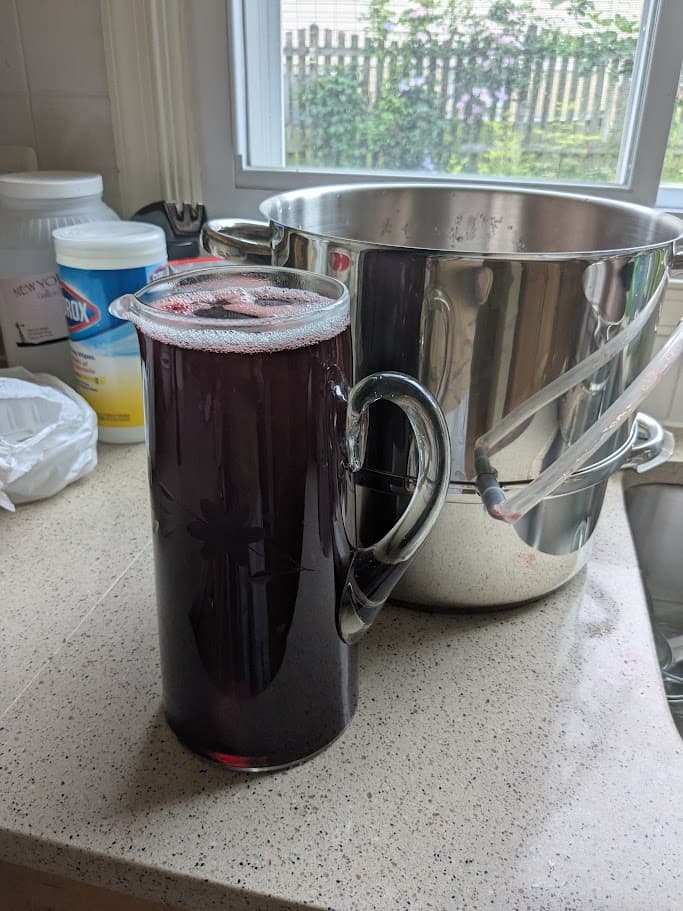
I still like the red Nanking best at this point since it has a nice balance of sweet and tart, then the Carmine Jewel next since it’s also somewhat tart, the white comes in last since it the least tart of the 3. This may change in future years since the white Nanking and CJ are smaller/younger and less developed than the red Nanking. The juice of the red Nanking is great by the way, my wife added a some honey to balance out the tartness of the juice. It’s very concentrated and I have to add water to dilute it.
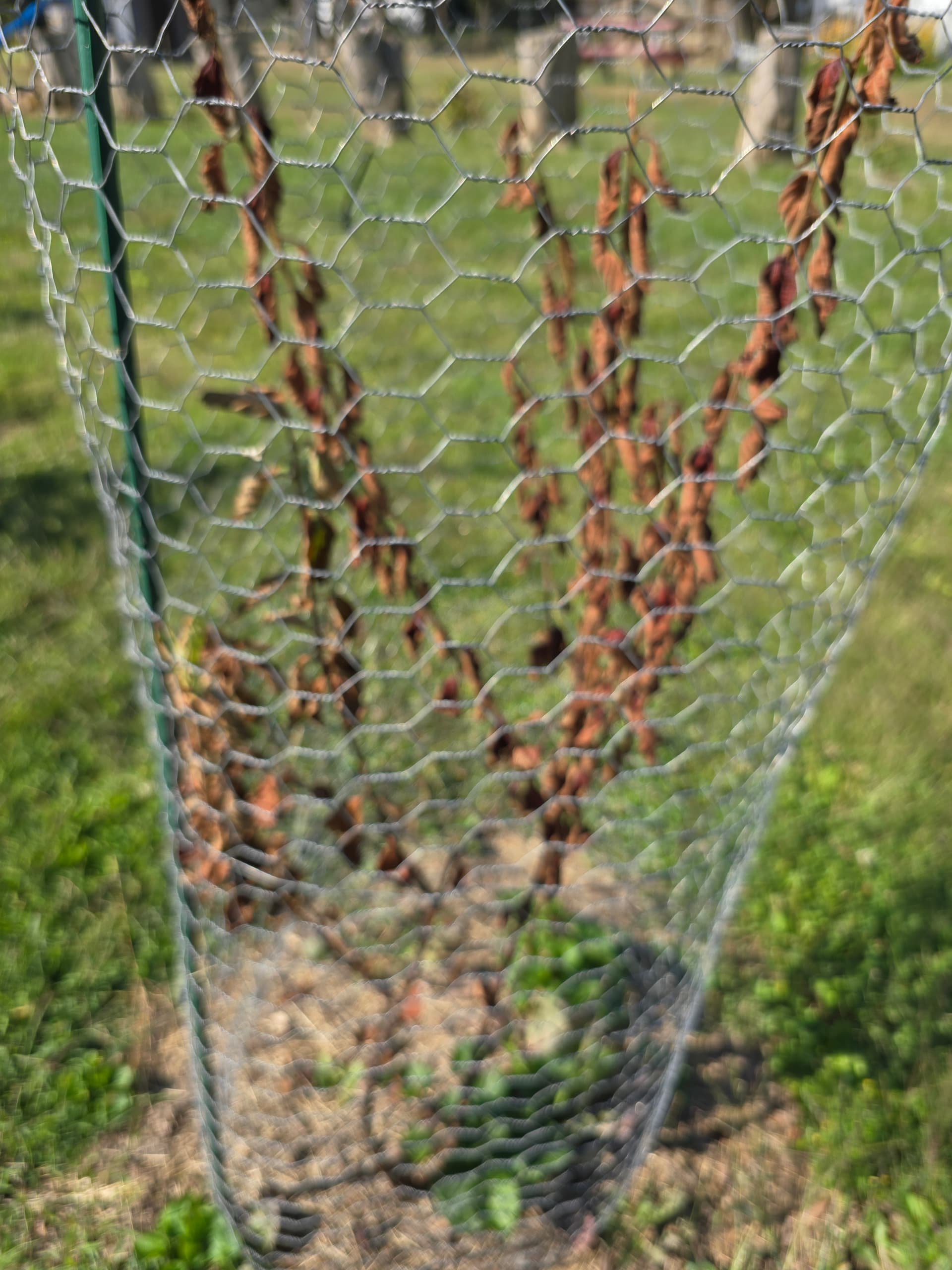
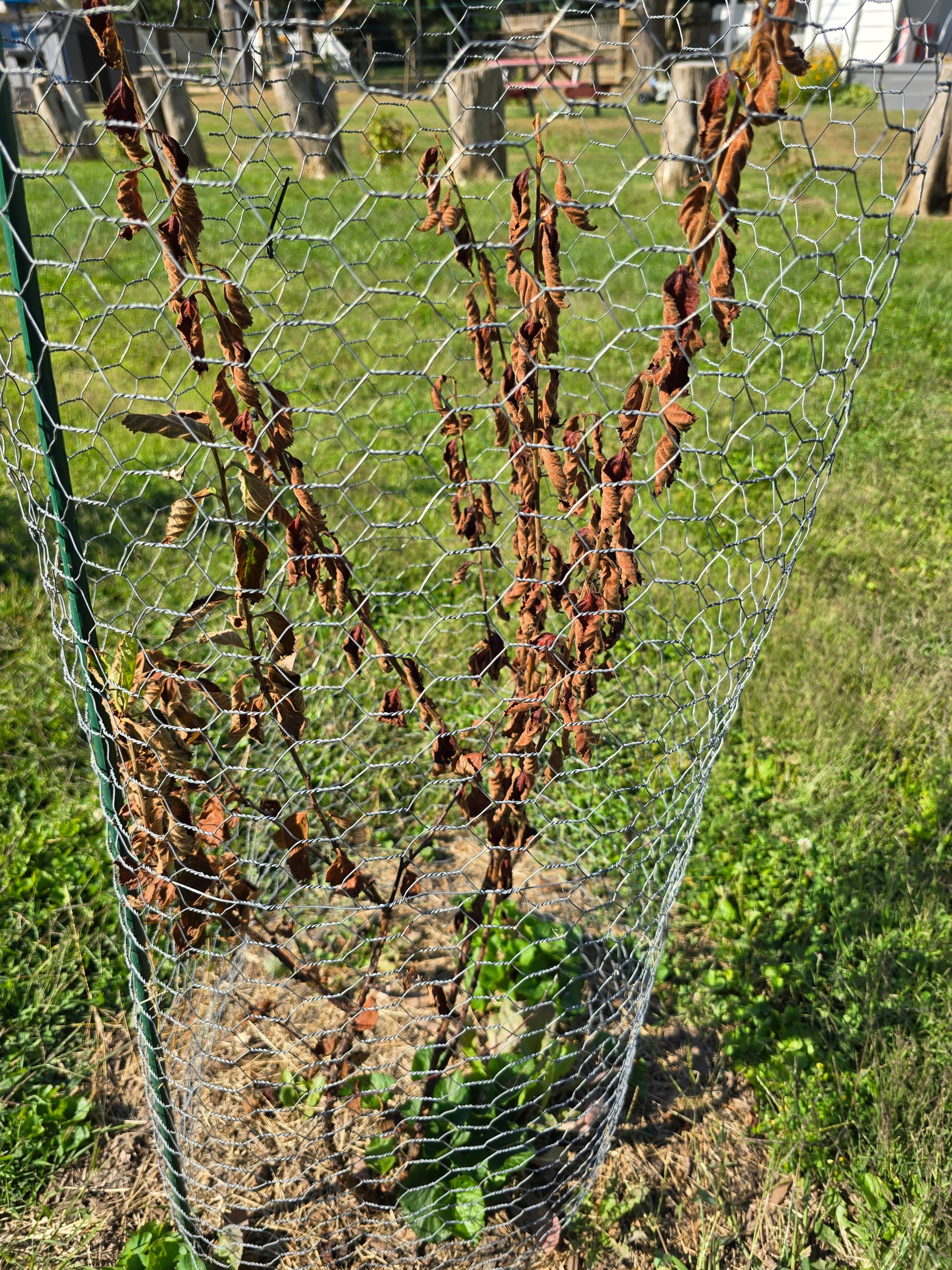
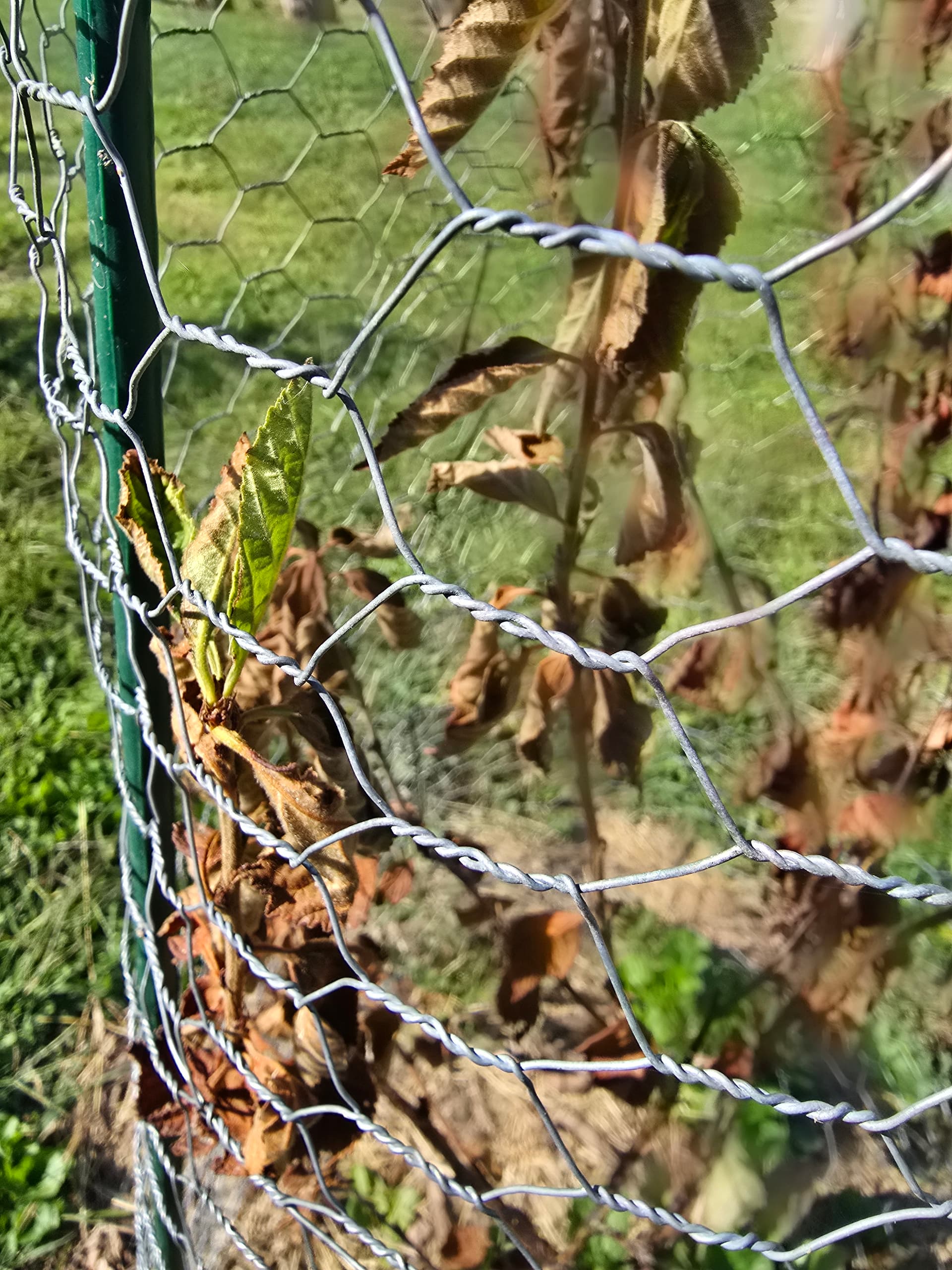
So this is one of the white nanking cherries. It was doing fine. Then about a month ago I found like 4 cicadas attached to it/the cage and 1 Browning branch. Now it looks like this, the leaves are all dried out, but the bark still looks green. It does have some ooze coming out in some spots. Do you think this is from cicada damage? There’s another white nanking 4 ft from it and it’s totally fine.
My Nankings seemed to suffer from some sort of disease, they would start with one branch at the tip and the leaves would wilt and die, it would spread down the branch to the trunk, sometimes it would kill half the bush, sometimes it would kill all the branches and the bush would try to regrow from the trunk, sometimes it killed the whole bush, it could have been bug damage instead of disease, I never identified the true problem.
@Fishsauce I see you commented here and elsewhere you’ve found nanking cuttings root easy. What method are you using? I tried some dormant last year with no success, but that said, I didn’t try very hard. They were some of many prunings that I stuck in dirt just because I had them. I’d like to propagate them though. I tasted the red ones for the first time this year and was really impressed. Like you said, I had low expectations but they turned out to be a pleasant “yard snack” fruit.
I have never try rooting dormant Nanking cuttings, only fresh ones so far. I would just remove most of the leaves from the cuttings, scrape the bark at the bottom of the cutting and dip it in rooting hormone and stick them in a pot. I just leave them in a shady spot in my yard and make sure the soil doesn’t dry out. Usually a few will dry up and turn brown but the rest would sprout new leaves within 6-8 weeks. I usually start them around May-June time frame.
I’m curious if some are variants self fertile. My understanding is that most reds are seedlings. If this is true then each plant is its own variety. It would be expected that somewhere someone would have a self fertile plant.
Also possible that they may cross pollinate with something else, at least enough to stimulate fruiting, whether seed is viable or not.
Mine was bought but I’m not sure if it’s a variety or a seedling. I know nobody around here has one. Unless they’re cross-pollinated by regular cherries but they flower much later here so there’s no overlap.