Perhaps someone more knowledgeable can give a better answer. From what Ive observed and my few years trying- some are too easy and some a bit challenging. Stratifying and starting indoors worked better for me than intentionally seeding in fall or winter. Letting the plants self-seed worked the best.
1 Like
The price comparison of seeds vs. established plants is a driving factor for me. Plus having an interest in all things propagation related…cuttings, seed starting, stool beds, etc.
3 Likes
Most natives, even down here in Florida, need some sort of stratification and alot also benefit from scarification. Other than that, starting natives from seed is no different than starting flowere or veggies of fruit trees from seed. Tiny seeds typically need to be surface sown and wildflowers that have wind spread seed shouldn’t be planted to deep.
2 Likes
I’d appreciate help identifying the 3 tall plants. I also got a closer picture. I’d just like to know if this is a desirable native or an undesirable “weed”. ChatGPT says horseweed, conyza canadensis.
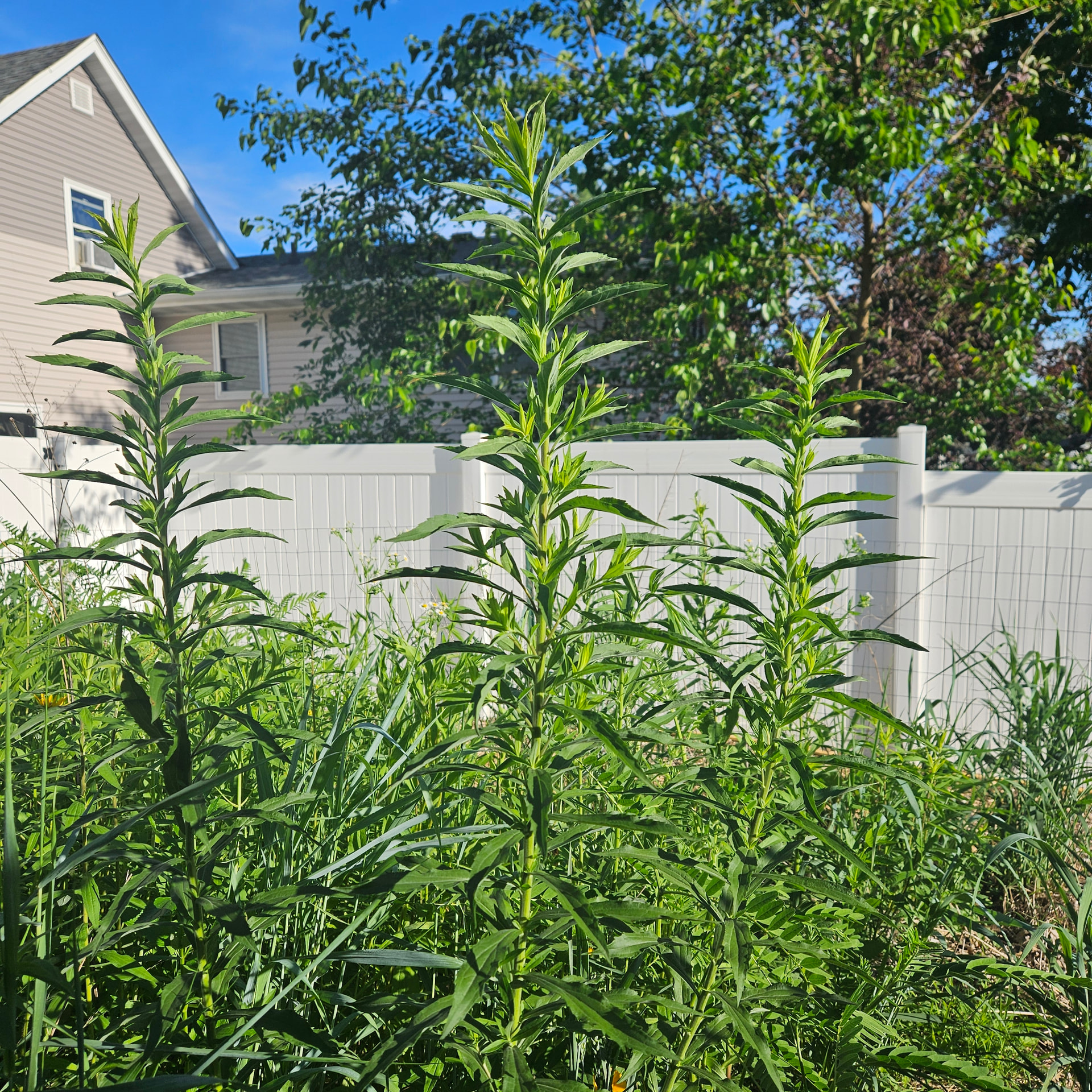

yes theyre weeds and will take over if allowed to grow. they make a big bush. i just pulled a ton out of my yard and sprayed the small ones i missed. the chics. like it.
1 Like
I agree that starting seeds very much depends on what you’re trying to start. I have had good luck starting some (black eyed susan, little bluestem) and terrible luck with others (milkweed). I got my seed from a fancy conservation place and they print germination rates on them. The milkweed is listed as 8% but it’s been more like 1% and fussy.
I have both scarified and/or cold stratified based on recommendations and frankly, I didn’t notice much of a difference.
I’ve found native plants grow slowly and don’t like being transferred. Also, things that seem like they’ll do well, sometimes completely fail. I think there’s a reason native plant plugs are so tiny and so expensive.
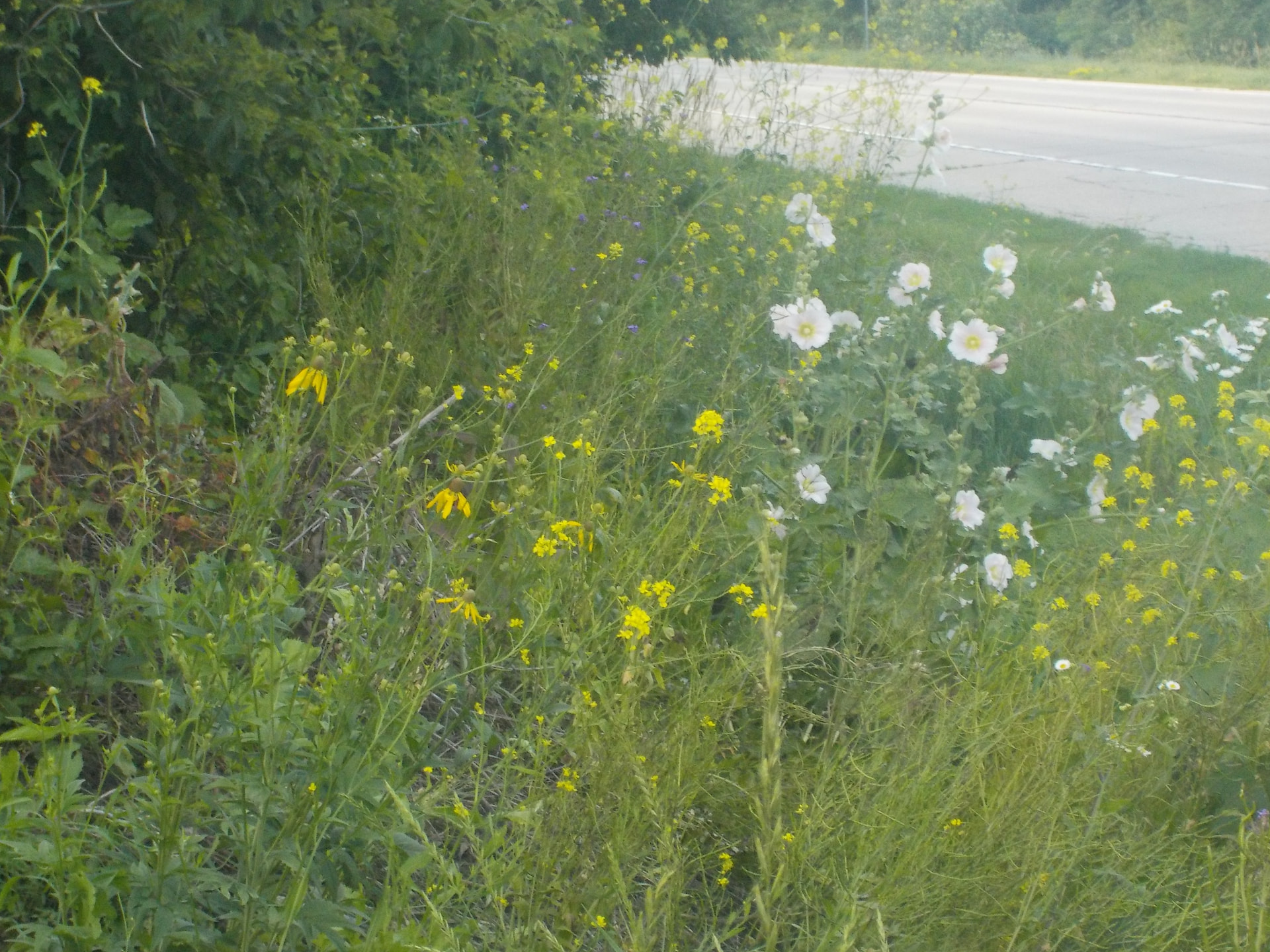
Additionally, when I’ve gotten some consultations they all ask for my soil pH (7.6-8.2 depending) and then they tell me that none of their seeds or plants will work in my pH range. Obviously, there were some native plants that grew here - so something must grow! Also, based on the roadside, there are some that I know are okay with my pH (yellow wingstem/ironweed - more like weed than anything you’d plant, orange milkweed, swamp milkweed, blue false indigo, and little bluestem).
Anyways, it’s hard to find things that will work here + won’t be mowed down by deer.
1 Like
It’s interesting, I don’t think in general native plants grow slow. I various types of volunteers grow great and be a great size by end of season. Others need year two. I divide and transplant established and seedling natives from March to November without any issue. But, this was the first year I started a bunch indoors, and they looked great, so I transplanted them out after all the late frost crap. I was most excited about the shooting stars I planted. Over half slowly declined and died. I have no idea why when I can transplant volunteer seedlings half the size of what I planted. And I’m not gentle with volunteers, I often rip them out and take a stick to shove them in somewhere else. But, I think the volunteers have thicker roots. My indoor seedlings had big but dainty roots, maybe because of the fluffy soil? They didn’t have to work for it? I have no idea.
2 whorled milkweeds declined and appeared to die, and then last week I noticed they had grown back from nowhere to the size they were in April. so, that was super exciting. For me, the best is very clearly self seeding and moving volunteers. I’m excited because I’ve identified a bunch of purple lovegrass seedlings to move around…those look SO much like weed grass when they come up, I think I probably ripped out a lot in May before I figured it out! There is definitely a learning curve to identifying volunteers when they are babies!
3 Likes
Oh @benthegirl i know most natives supposedly like slightly acidic soil, but my driveway and street garden were excavated and backfilled in order to plant. I used 50-50 top soil-compost with a pH that started around 7.4-7.8. Nearly everything growl beautifully. Chrysopsis Mariana is one of 100+ species in there that does very poorly. Does excellent at a family property with total crap compacted clay, unknown pH. I suspect that like some of the grasses, it really just needs nutrient-poor soil.
Being native or not doesn’t really tell you much about where they’ll grow, since the area has a lot of different habitats. And the most vigorous ones are often considered weeds.
2 Likes
I like the idea of transplanting volunteer seedlings. I have to get better at ID-ing them. Guess I didn’t realize you could separate and transplant for such a long window in the season.
1 Like
You can do it at any time. You just need to water them if you do it in the heat of summer.
flower pictures. Helenium flexuosum. I like these guys.

I added helenium autumnale (I think that’s the name?) last fall and they haven’t bloomed yet. they were also getting way too tall for what I wanted, so I pruned them and now are growing bushier and better for their spot. The bushier plants at center of photo below
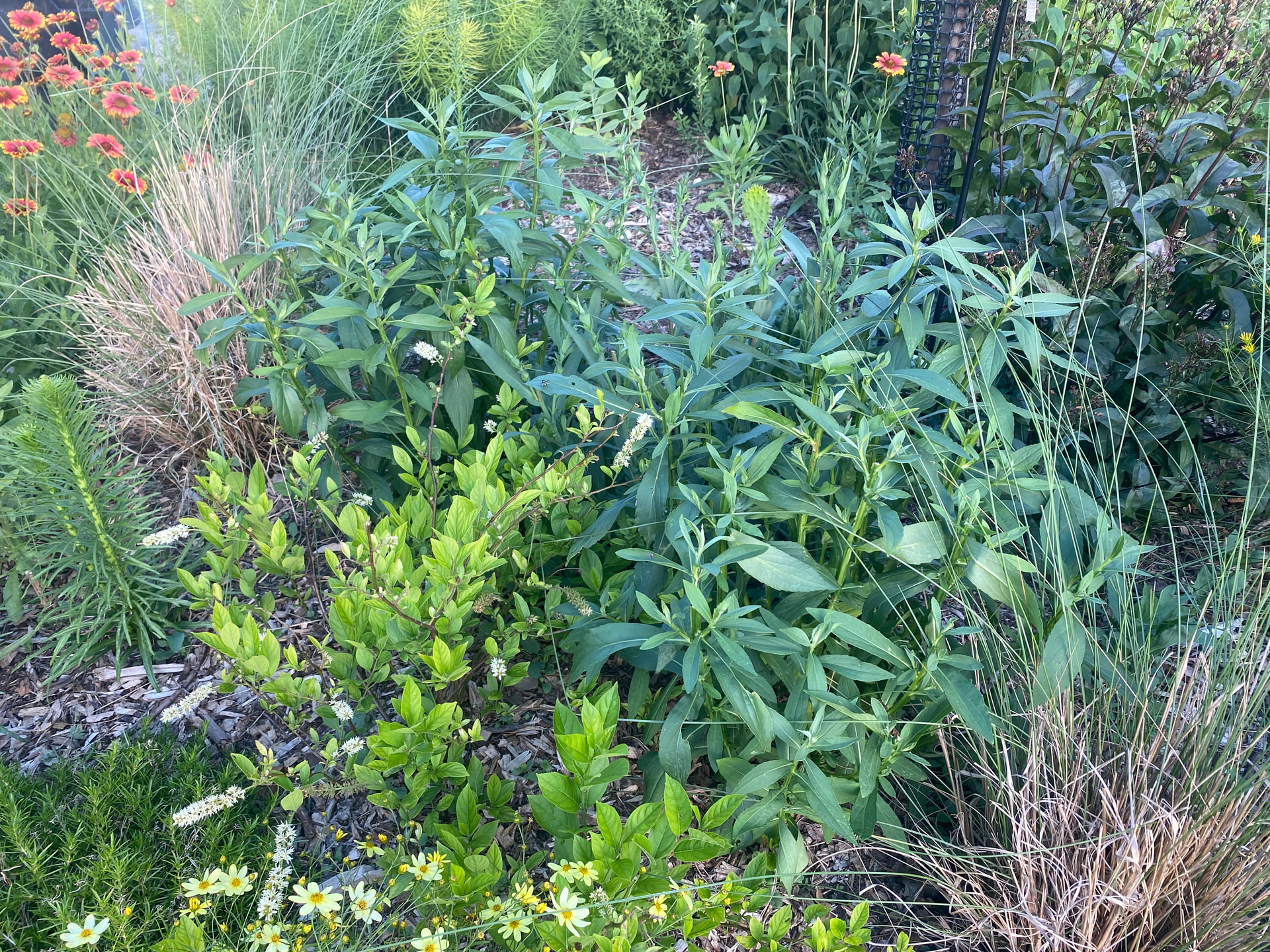
Clinopodium vulgare- wild basil. I’m shocked more people don’t use this plant. I never see it around and when I have asked about it in lectures focused on native plants, the lecturers haven’t even known it. It’s self seeds like mad and can really quickly act as an under 1’ ground cover or just fill any spots in your garden. Tiny pink/purple flowers that don’t last long, but bees love them. The seed heads turn purplish and are gorgeous late summer into fall. I have it in full sun, but have planted it in part shade and still blooms. It is insanely easy to transplant- I literally tear it out do the ground and shove it somewhere else because I get annoyed with it. It can’t be killed. I left maybe 15 chunks of it in pots with some leaf litter filling the extra space and they transplanted without a hitch a week later and are blooming at their new houses. I can always give this plant away, should anyone want some. It’s bottom left of picture below

One last thought- I’m annoyed with “nativars.” I love some of them, super cool. Sure if you change flower morphology and color it might lose its beneficial-ness, but if planted in a sea of straight species, who cares. My issue with them is that they seem to do great year 1, grow back microscopic year 2 and then they’re gone. They’re more expensive than straight species, and I think I’m just done with them. I’ve had especially poor luck with cultivar dwarf monardas and agastaches. Total waste of money, they essentially are annuals here. Don’t even get me started on the insane number of cultivar coreopsis I’ve purchased over the last 5 years. Fast decline. Yet, so pretty I keep frickin buying more.
3 Likes
I want to try growing clasping venus’s looking glass. I saw it while hiking on billy goat trail and like its growth habit. It’s like a tiny little tower
I’m not entirely sure it’s native to North American, it seems like it might just be extensively naturalized
Some California native reed grasses I’ve been staging in containers for when I eventually sheet mulch a section of the front yard and put them in their permanent homes:
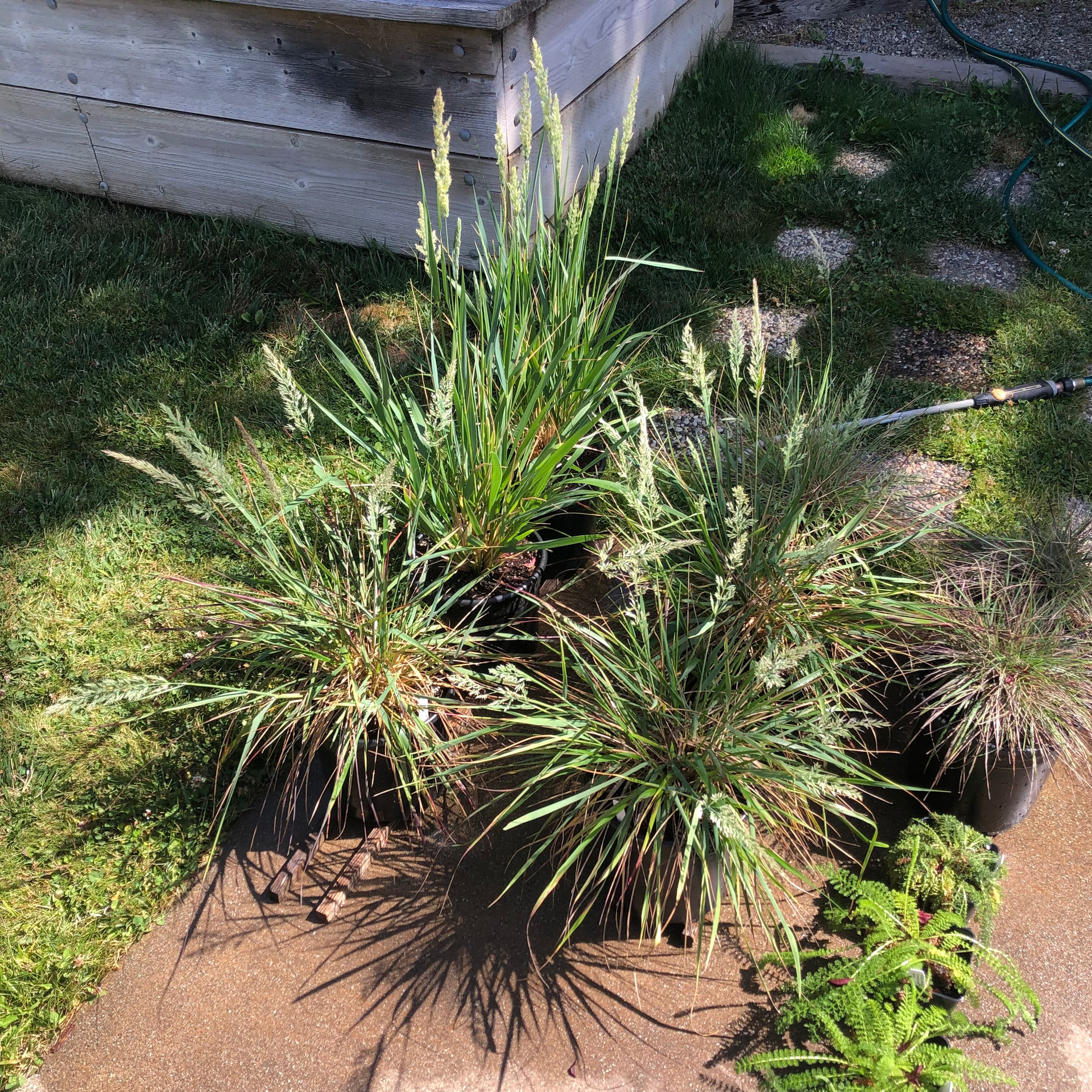
The larger ones are Calamagrostis nutkaensis ‘The King’, the medium sized ones are Calamagrostis nutkaensis x foliosa ‘Little Nutka’ and the smallest are Calamagrostis foliosa. On the far right is Sonoma Coast Yarrow. All of the Calamagrostis plants are basically different forms of Pacific Reed Grass which we have growing in abundance on coastal bluffs. I’m hoping to have them in the ground by fall.
1 Like
Honestly, I’m not well read on the value of true native v landrace, at what point landrace gets called native etc.. Richard pointed out early on that the first plant I listed is landrace. If prairie moon’s map shows it in my area and my county sells it at their native sale from their native restoration nursery, and I see it swarmed with happy pollinators, that’s good enough for me.
@Eme I think you’ve sort of described my issues.
I don’t have a lot of volunteers in my area. I am not eager to landscape with the ones I do have.
I paid for some small plants from local sales or prairie moon. I’ve managed to keep a couple of them alive. Many things touted as deer resistant were not. Some didn’t make it to the second season, like you described.
That’s when I decided to grow the seeds. It seemed silly to keep trying to buy little three or four packs for 20 dollars and have lots not make it.
1 Like
You can get quite a few seed packets for $20 vs. potted plants.