What is DV?
then you get the older tree bark compared to the younger. the younger ones are easier to identify from the leaves. after leaf drop takes some real knowledge. like all the cherry family look the same when small and they sometimes grow in the same areas. then you got serviceberry that looks real similar.
2 Likes
YES!!! Cherry is very confusing. For me the thing that really got me wasn’t a cherry though, it was a black birch I passed on the way to work. It was the worst!!! I saw it first in fall and until summer came I had no clue. The bark of older black birch looks like a million other trees. Not like expected birch bark at all. Same with older river birch which I recently encountered.
If I hadn’t been able to touch the bark of the river birch I would have had no clue. Birch bark and cherry bark both feel a particular way to me. Cherry feels much “harder” and less rubbery.
And cherry fruit trees-- total mystery. Actually, most of the stone fruit. I’m okay now at saying something is a peach tree. But I just found one the other day and I couldn’t tell you… so maybe I’m not better. =)
2 Likes
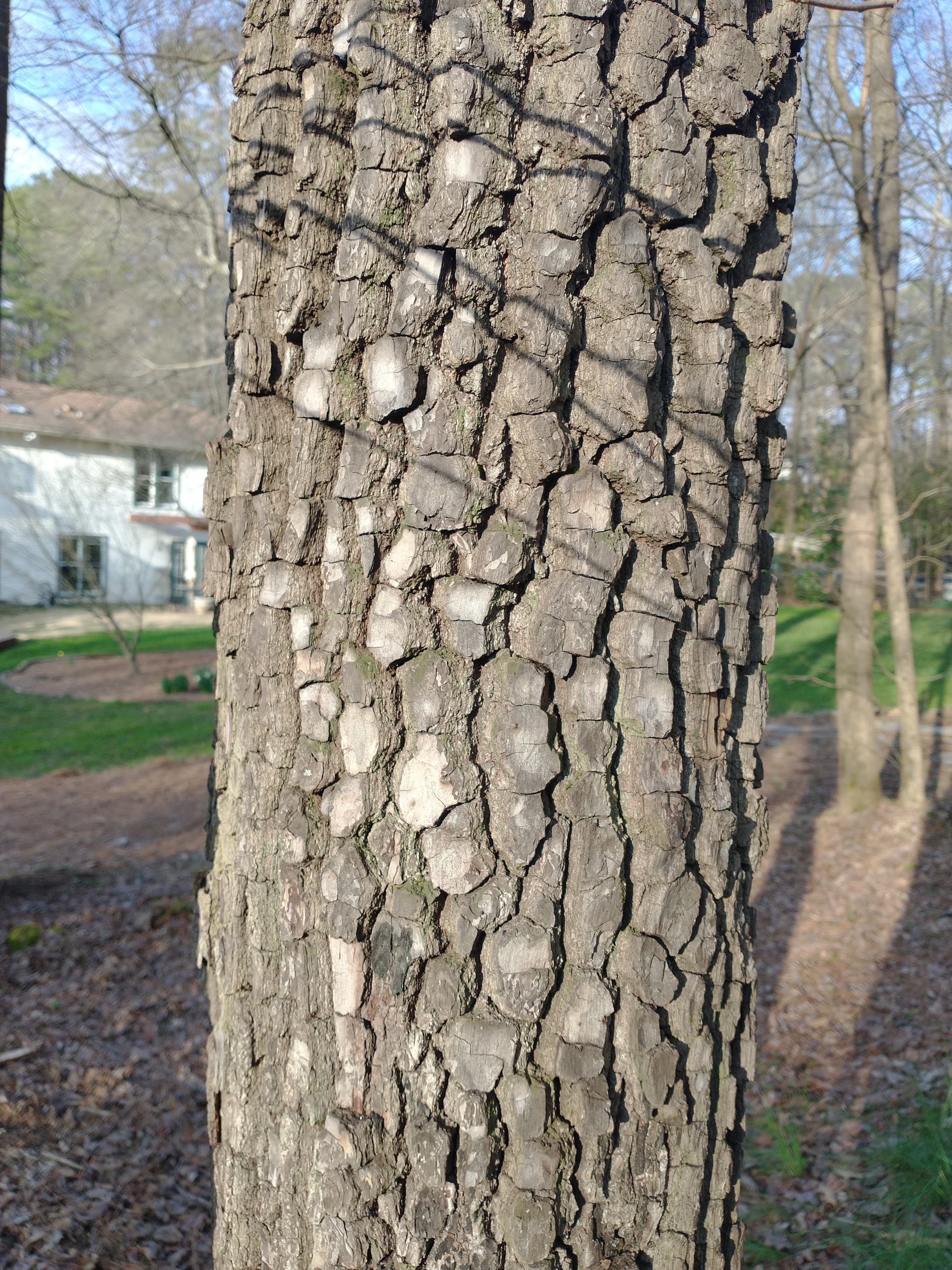
Diospyros virginiana (the native persimmon common in the East of the United States) is oftentimes abbreviated DV on the forum.
¡MOAR PICTURES!
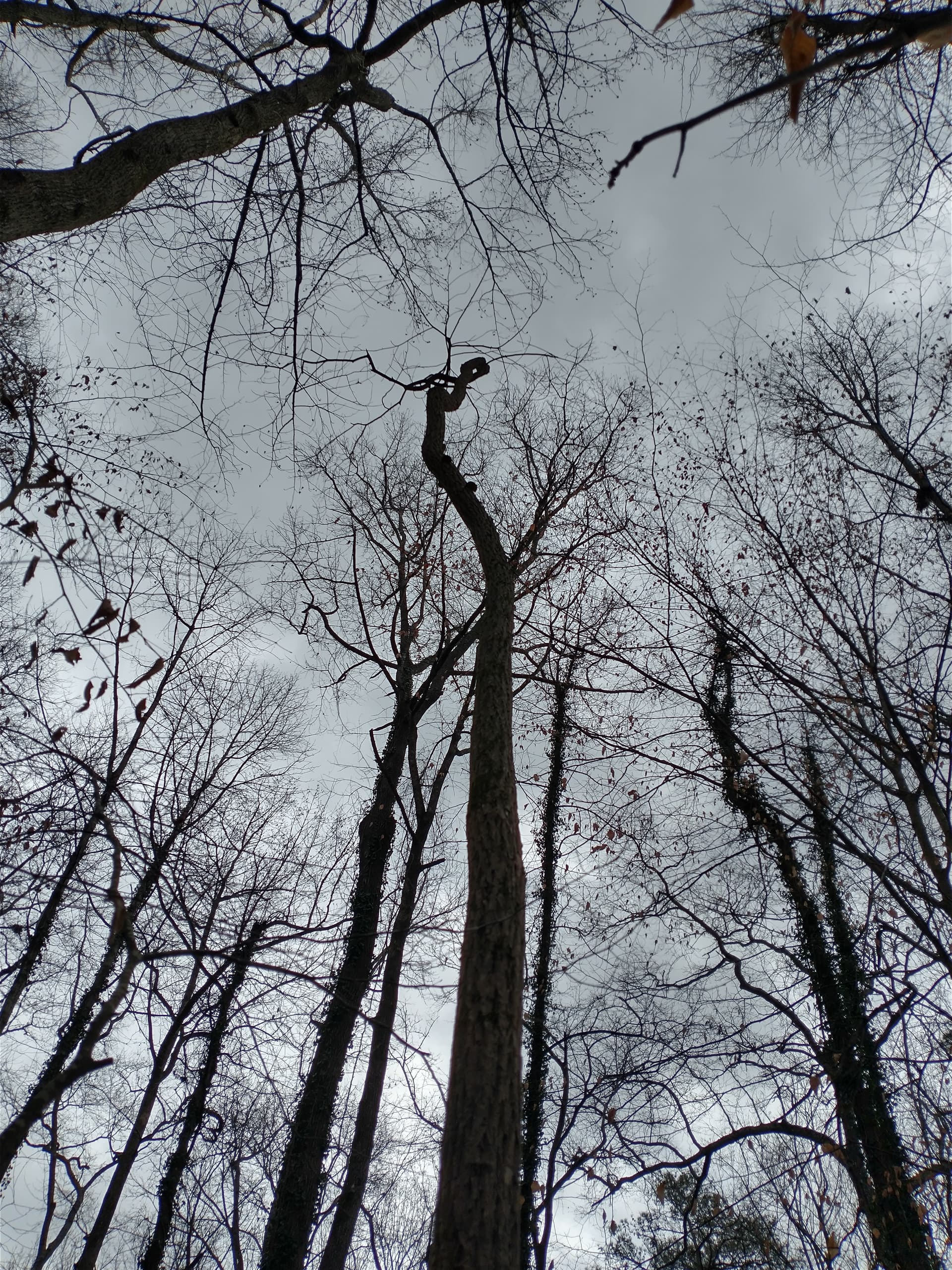
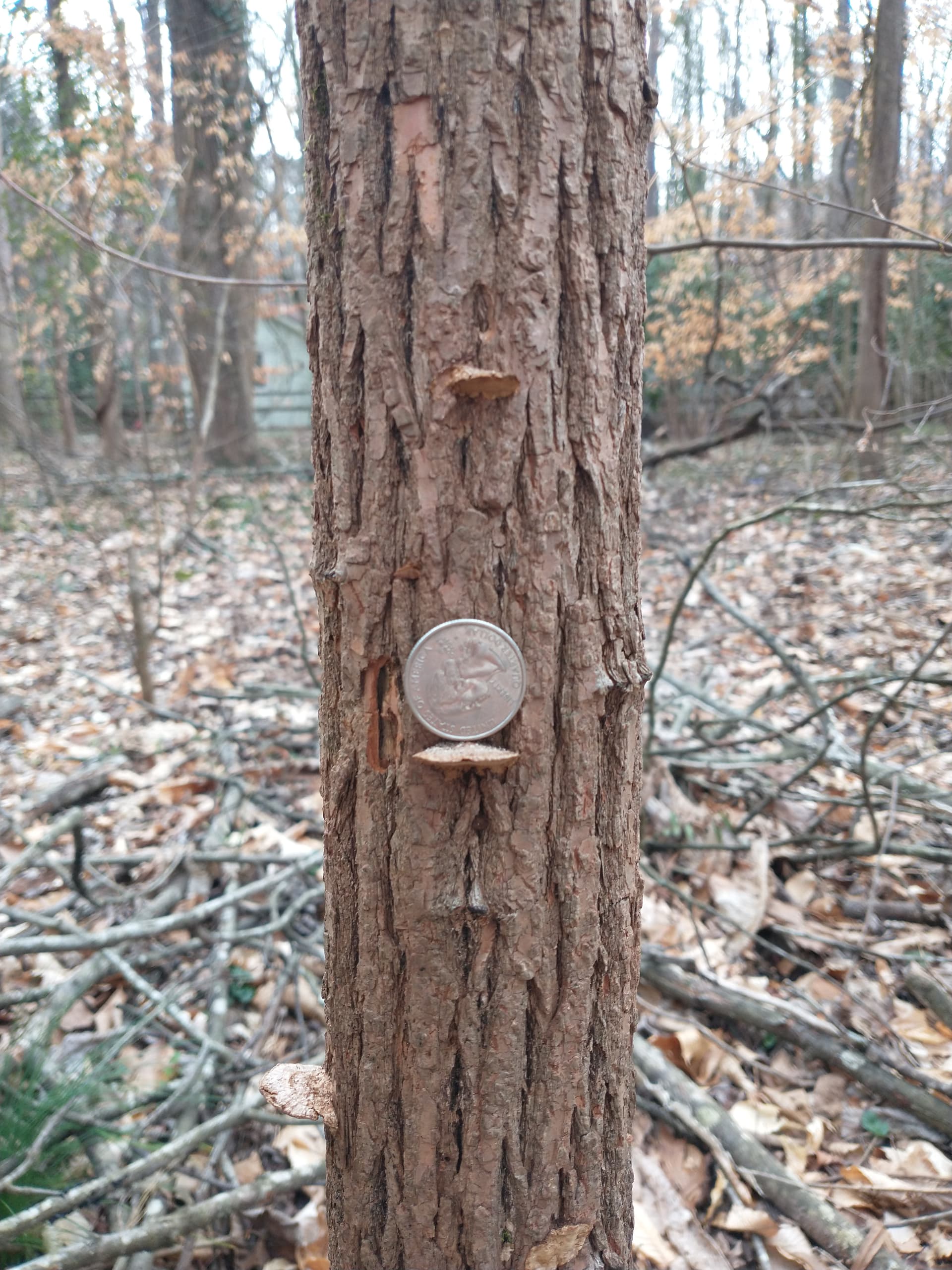
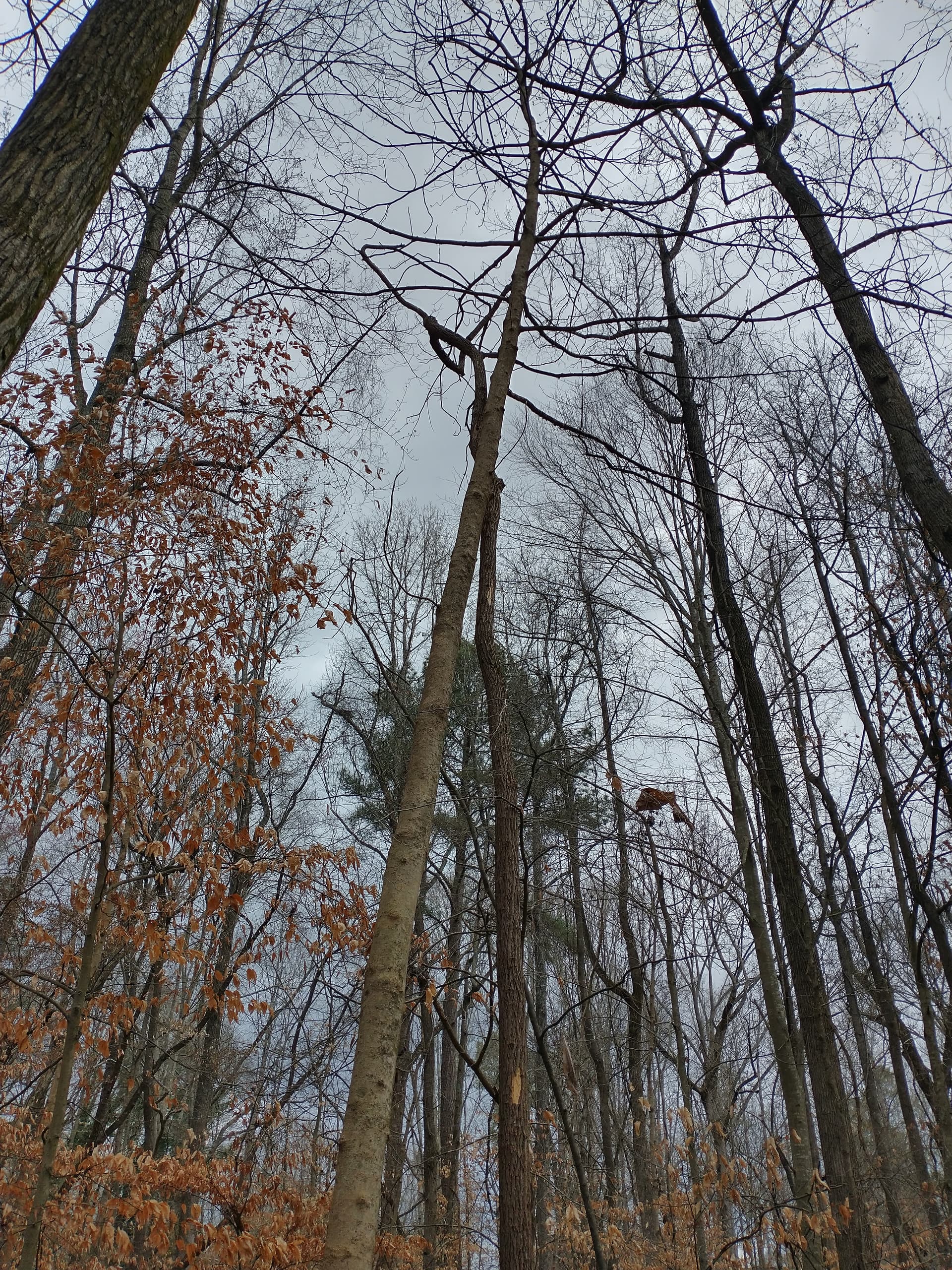
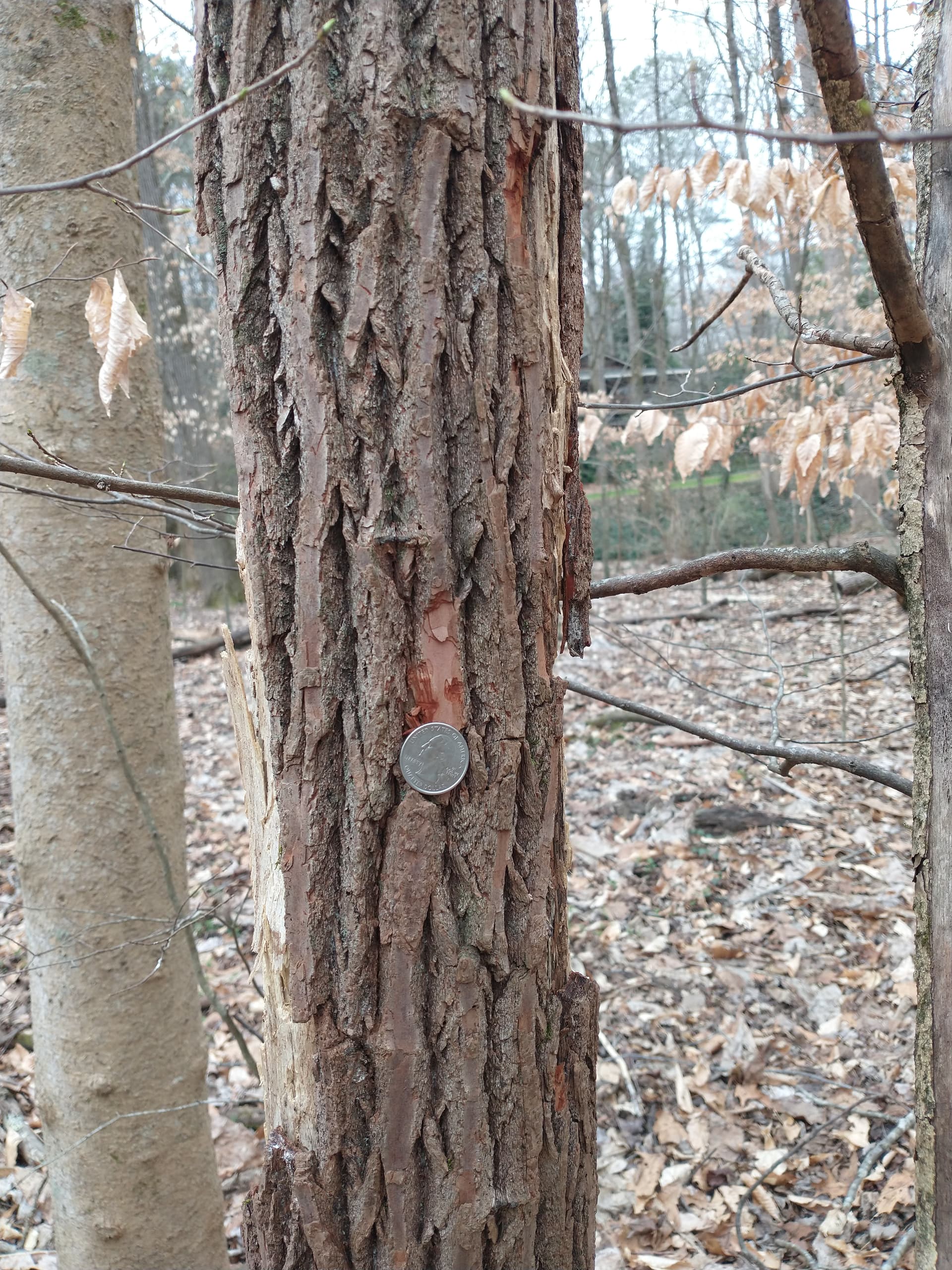
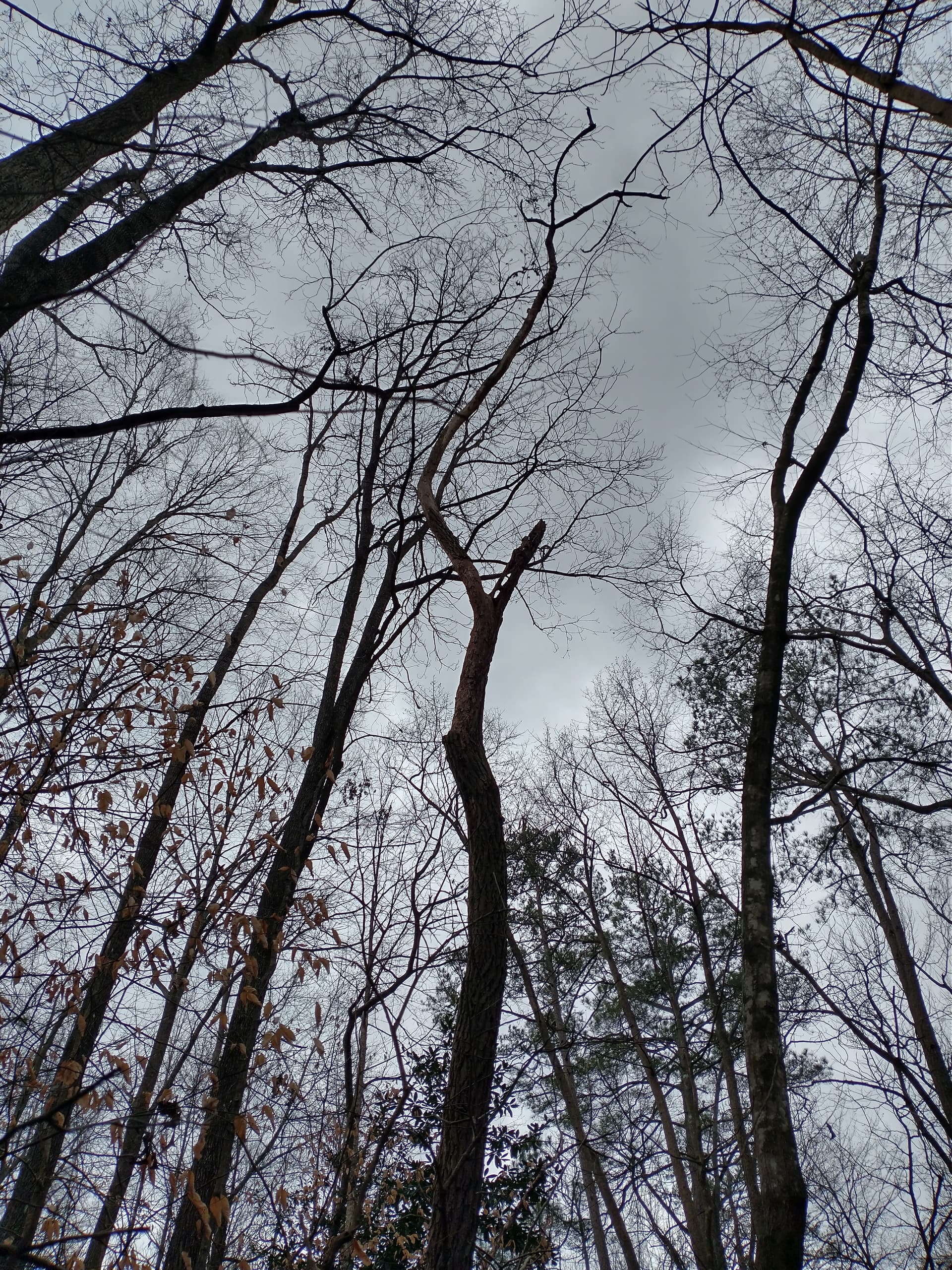
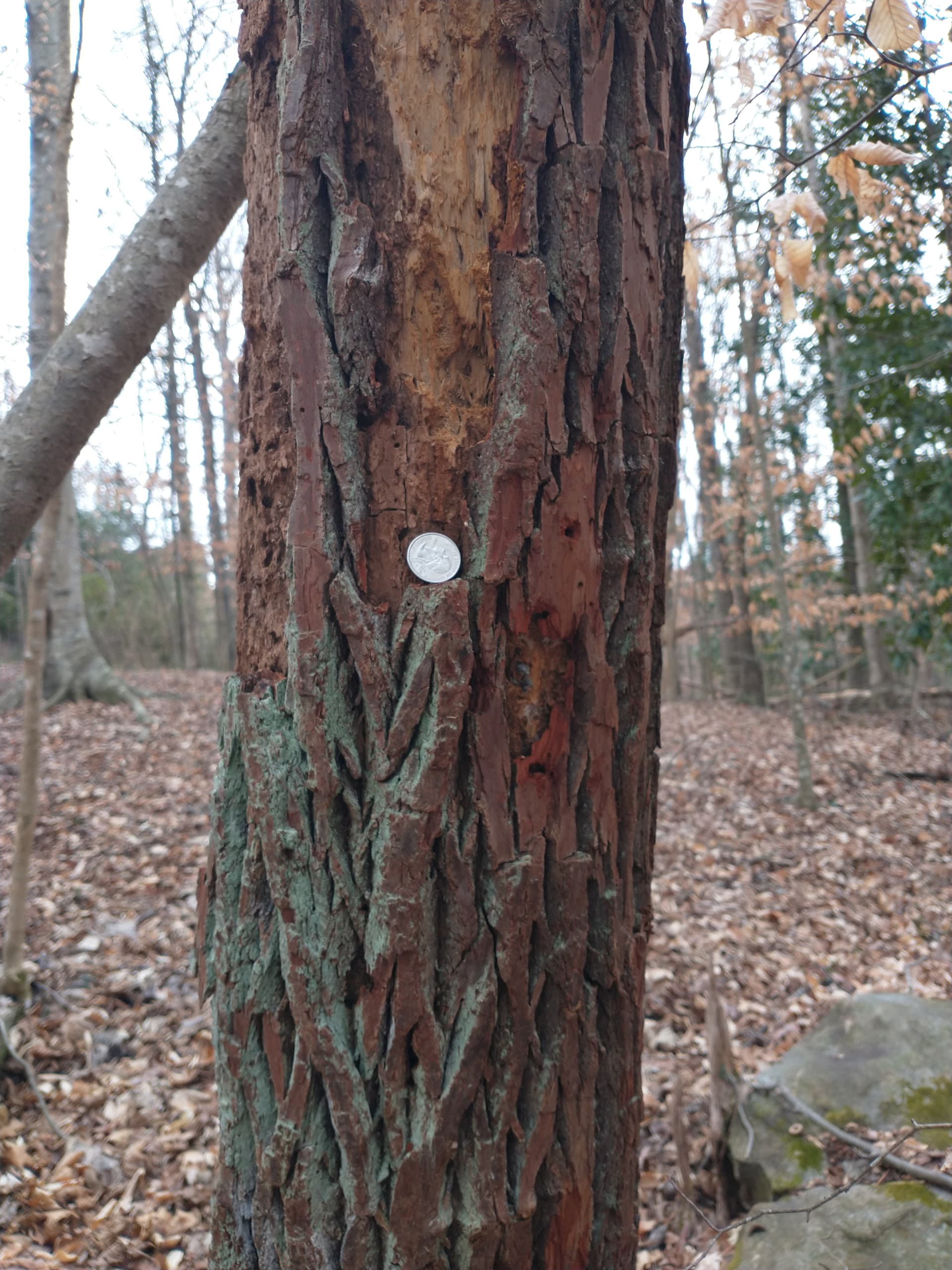
The smallest of the three had a shelf fungus growing on it. The tree was so small that I decided to try and push it over and I succeeded. The trunk broke a couple feet up from the ground, and I wrestled the stump out of the ground. It did not have the distinctive scent that I am accustomed to with sassafras, but it has been dead for a while. It did have a gentle, somewhat spicy scent. Based on the bit of branching that was still attached to the top of that trunk I would suggest that it is a deciduous tree.
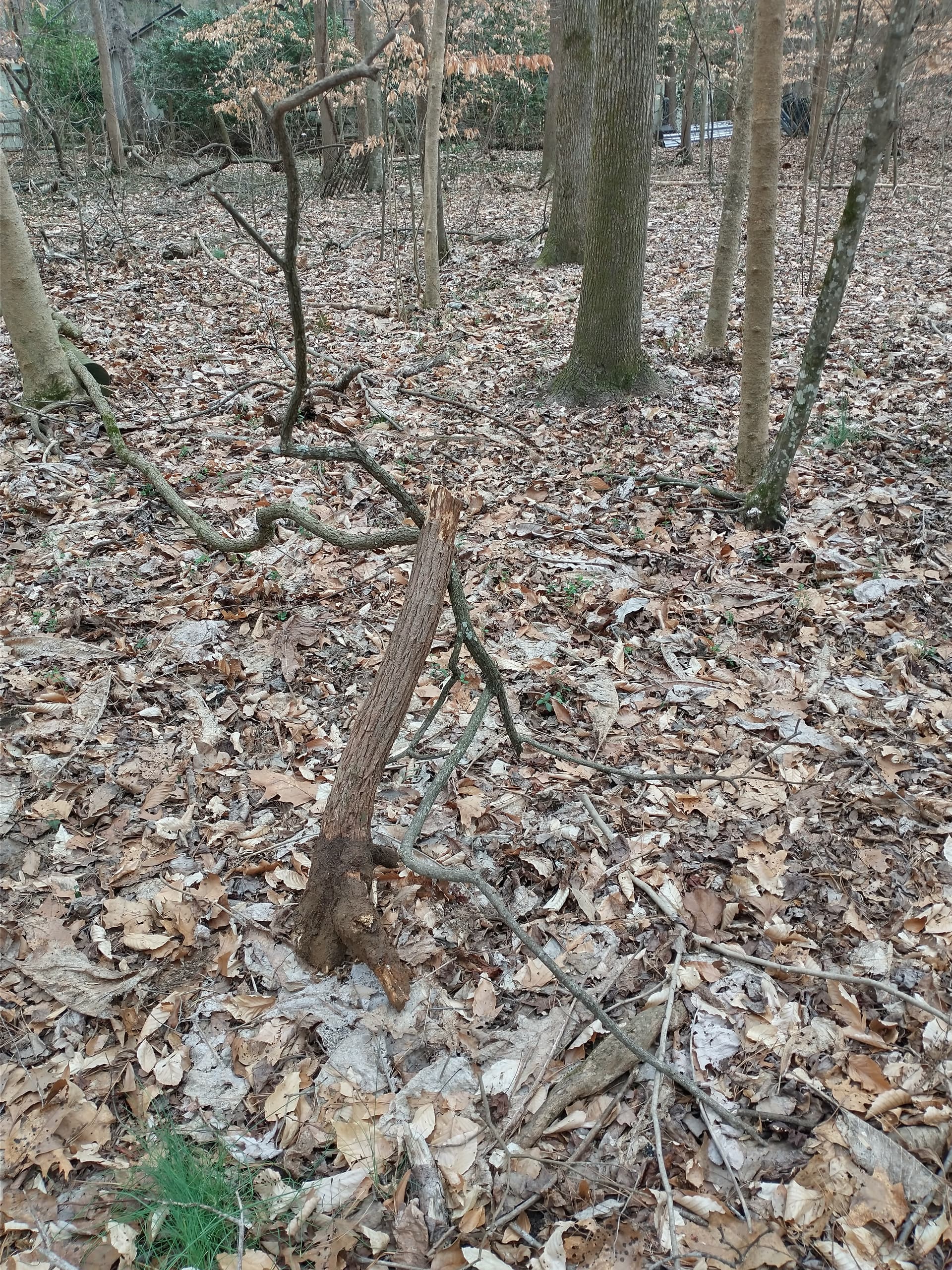
We do have eastern hemlock growing in this area but these trees don’t remind me of them in bark or other form.
1 Like
Shelf fungus growing on a tree in this part of the country… Black Locust.
1 Like

I love some tree pics.
Also, funny story since I know you take down trees for a job. My bff’s husband was eager to help me and I set him a practice tree to do a proper wedge type notch to do a hinge and then fell the tree. I wanted him to practice on a little (mostly rotted) tree.
My bff walked over to husband who was in deep thought about the tree. I’m sure bff’s husband was thinking on my very intelligent wedge commentary and my bff pushed the tree over.
This resulted in them trying to find all the trees that could be pushed over… of which there are SO MANY. Now if only they’d push them over and then chop them up for firewood…
2 Likes
Here’s a picture of what our eastern hemlock bark looks like in this part of Georgia. This tree is growing about 3300 feet away from my property, at the home of a customer.
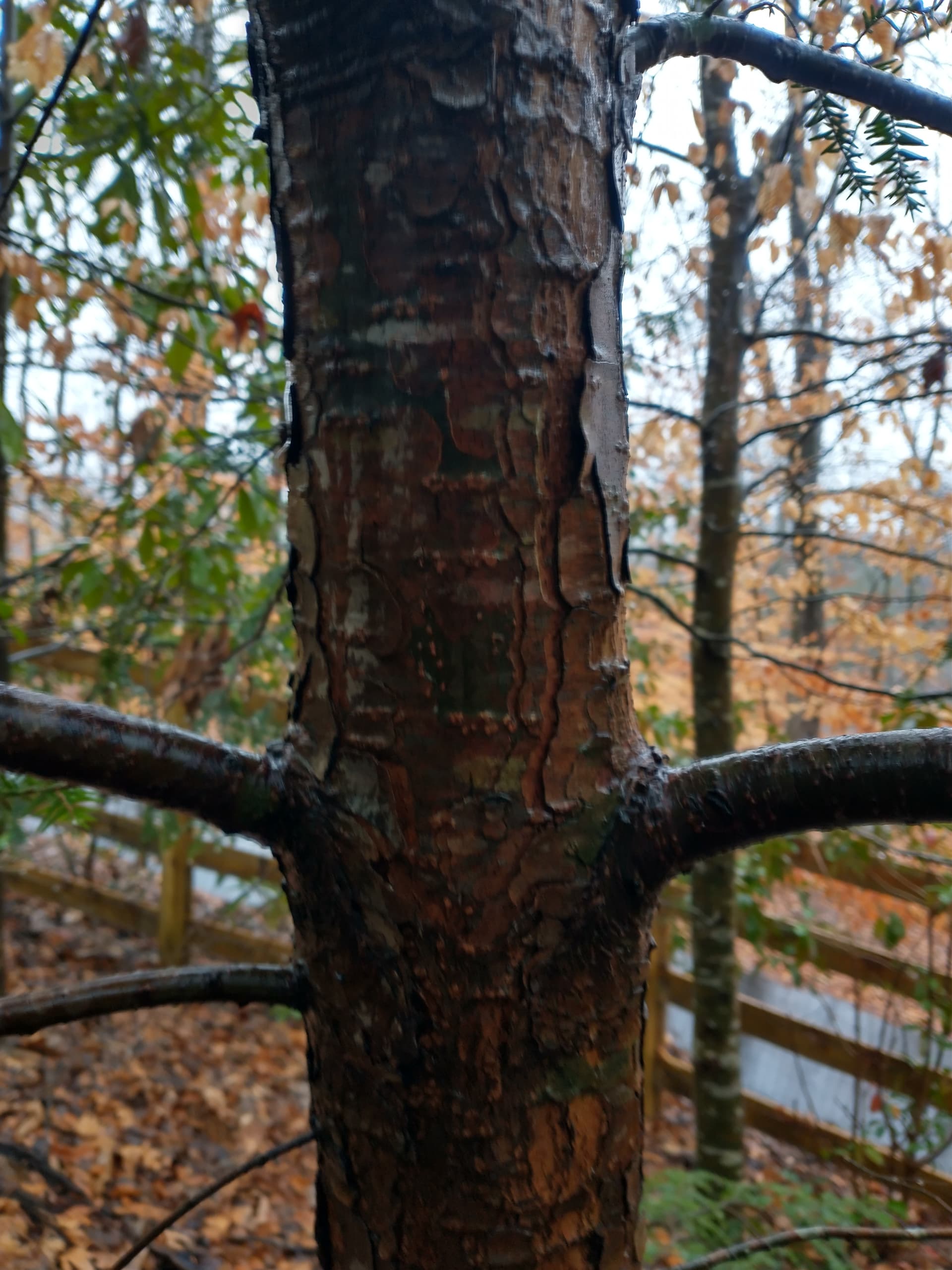
1 Like
They look like sassafras to me, but black locust is not out of the running.
Shelf fungus… I see it on both declining/dead BL and sassafras on the farm here.
4 Likes
Interesting… Never seen it on Sassafras but then there are very few mature Sassafras in my immediate area. Which is odd because Sassafras seedlings are fairly abundant here. Can see large ones sometimes in national forest or park areas, will be more observant for potential shelf fungus on them next time.
Sounds like it “prefers” black locust but can live on others as well: Phellinus robiniae - Wikipedia
1 Like
Hearkening back towards the beginning of the thread, this is a picture of the large and old native persimmon tree that I grew up having in the backyard of my parent’s house.
1 Like
I paddled by 3 black locust while on the river yesterday, and I took the opportunity to examine their bark. I am in full agreement that the trees on my property are black locust which had already died.
2 Likes
