Cool, let us know how it goes.
1 Like
High Water Table- Anyone succeeding growing Pawpaw over high water table? A friend wants to try with my seeds. Happy to experiment but wondering if it’s futile?
Woody Walker has a whole thread on this on FB, check his info out. He’s tinkering with strains that can handle wet feet.
2 Likes
It can definitely work. There’s a wild pawpaw near me that lives in a lake essentially. For months out of the year it’s in the water and thrives and produces fruit.
3 Likes
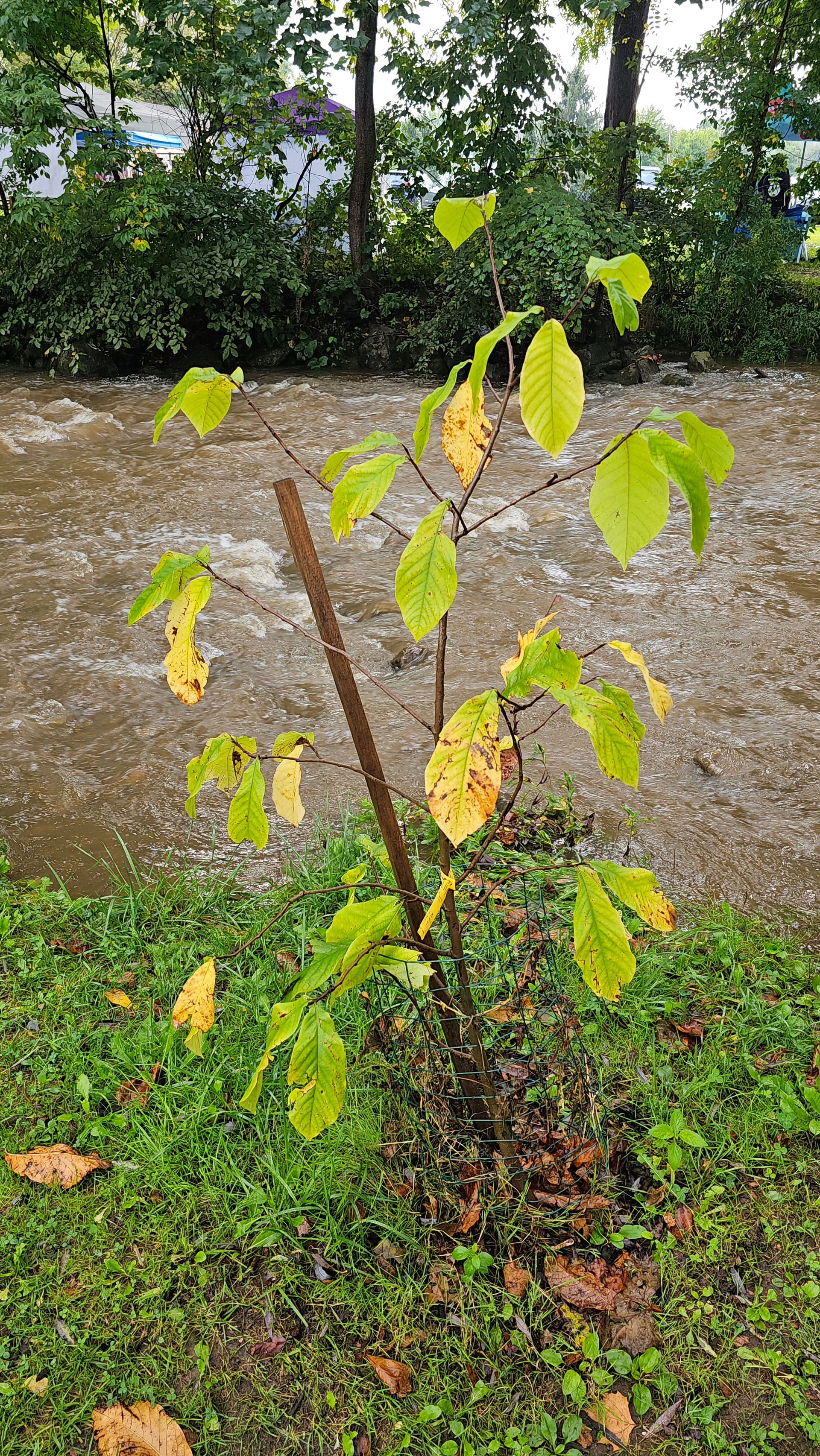
This one was planted at a park not super far from me. Not sure if this is what you meant but they naturally grow along streams like this and don’t seem to need significant height above the water.
4 Likes

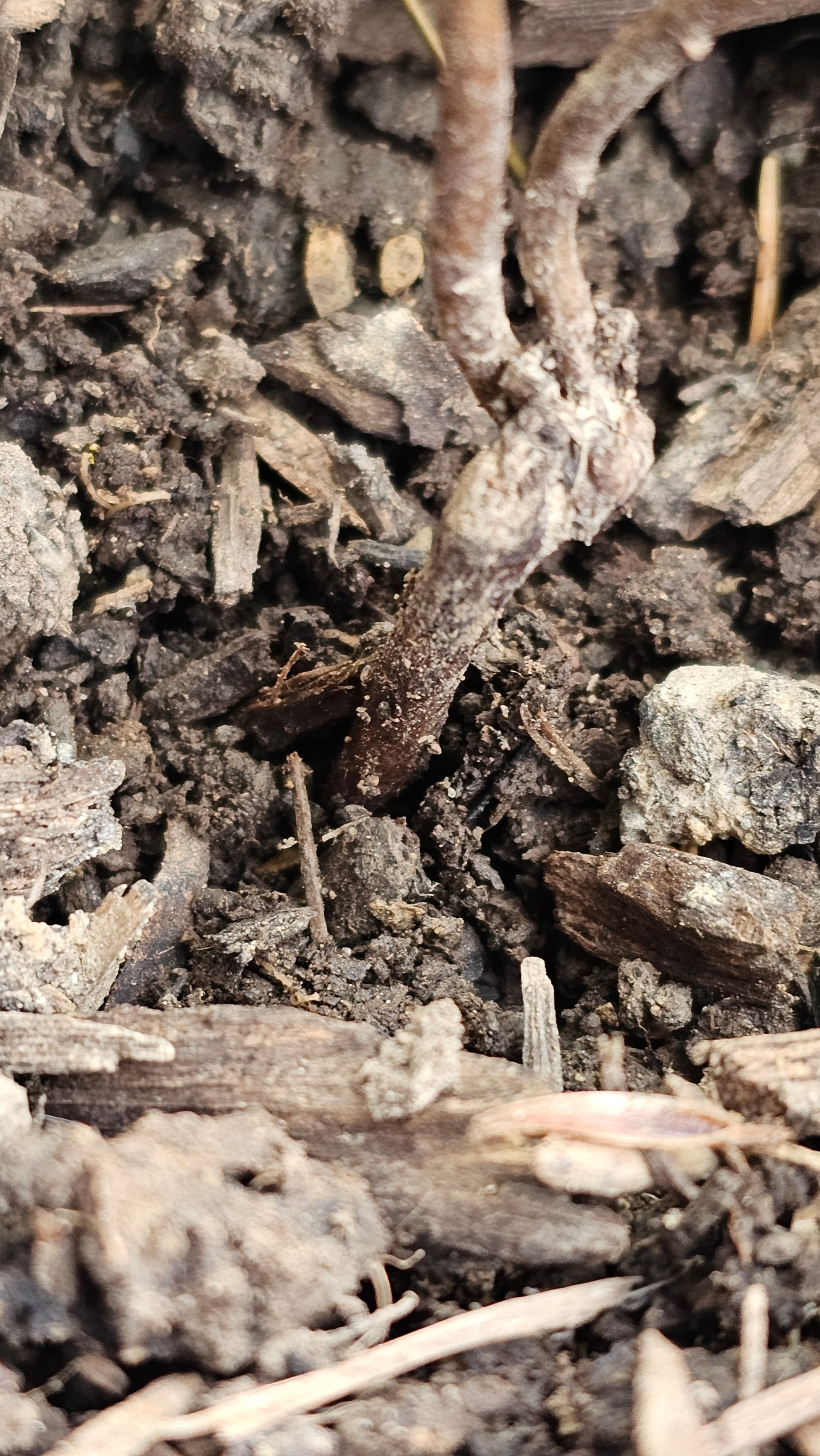
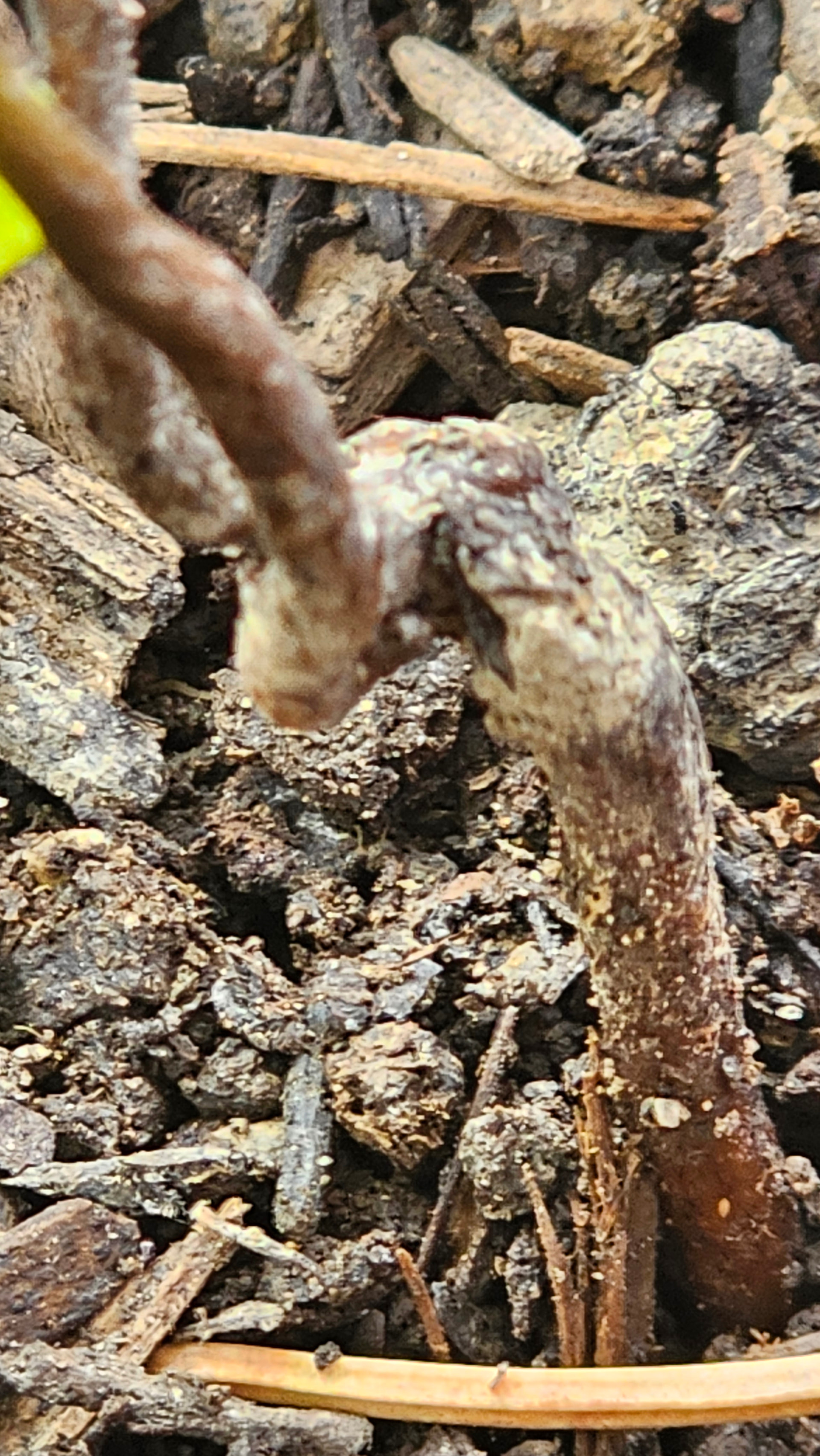
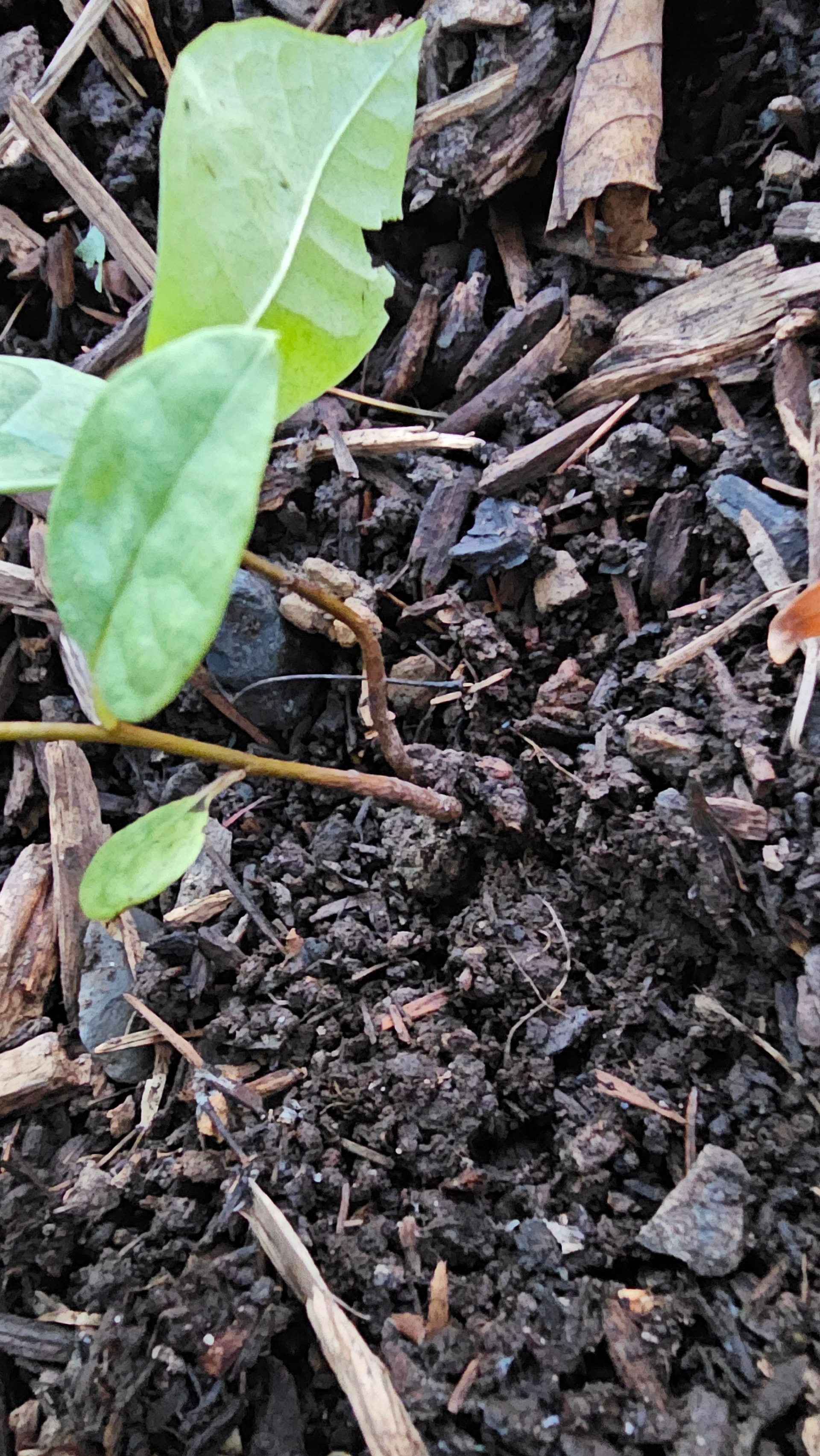
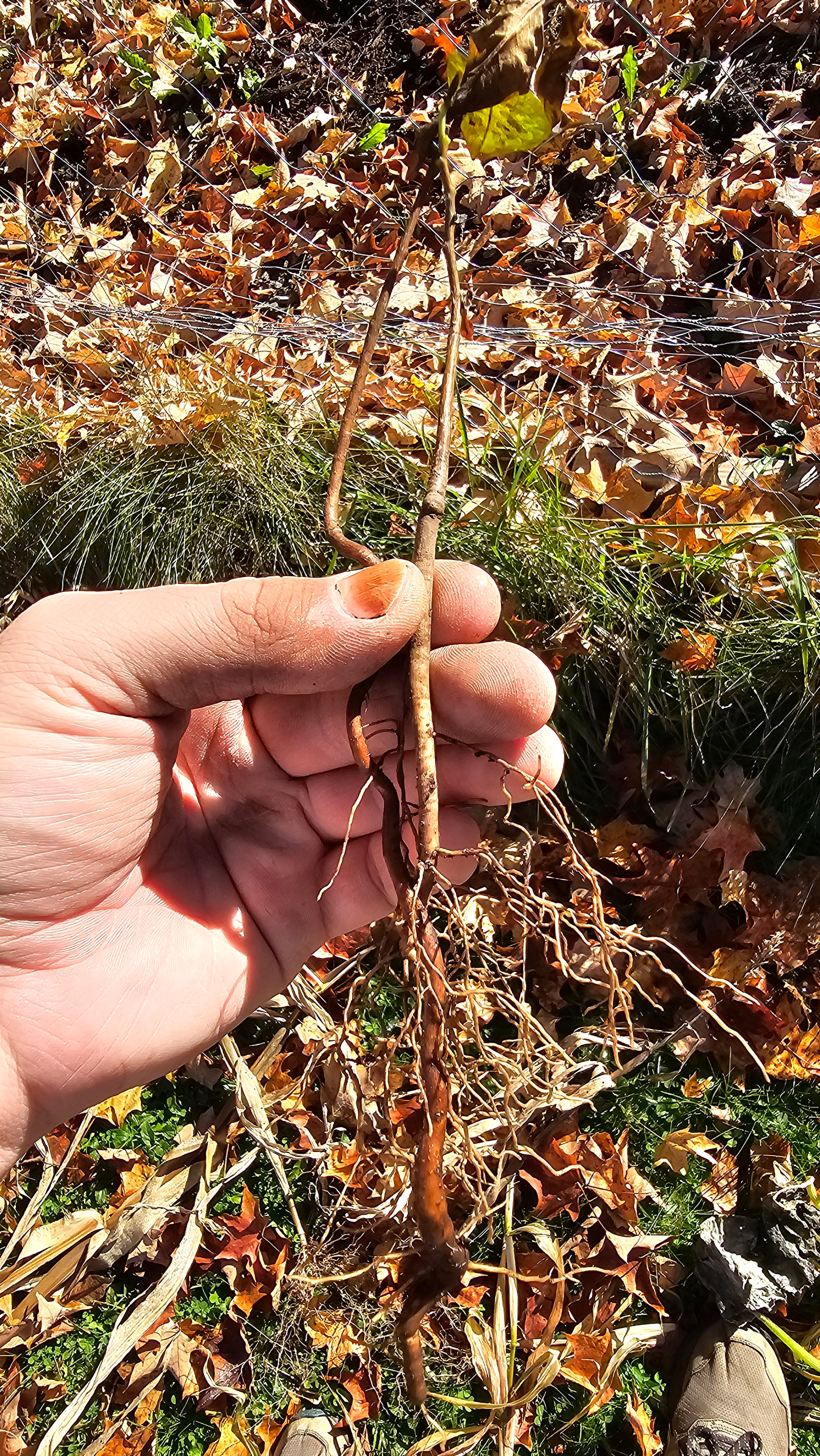
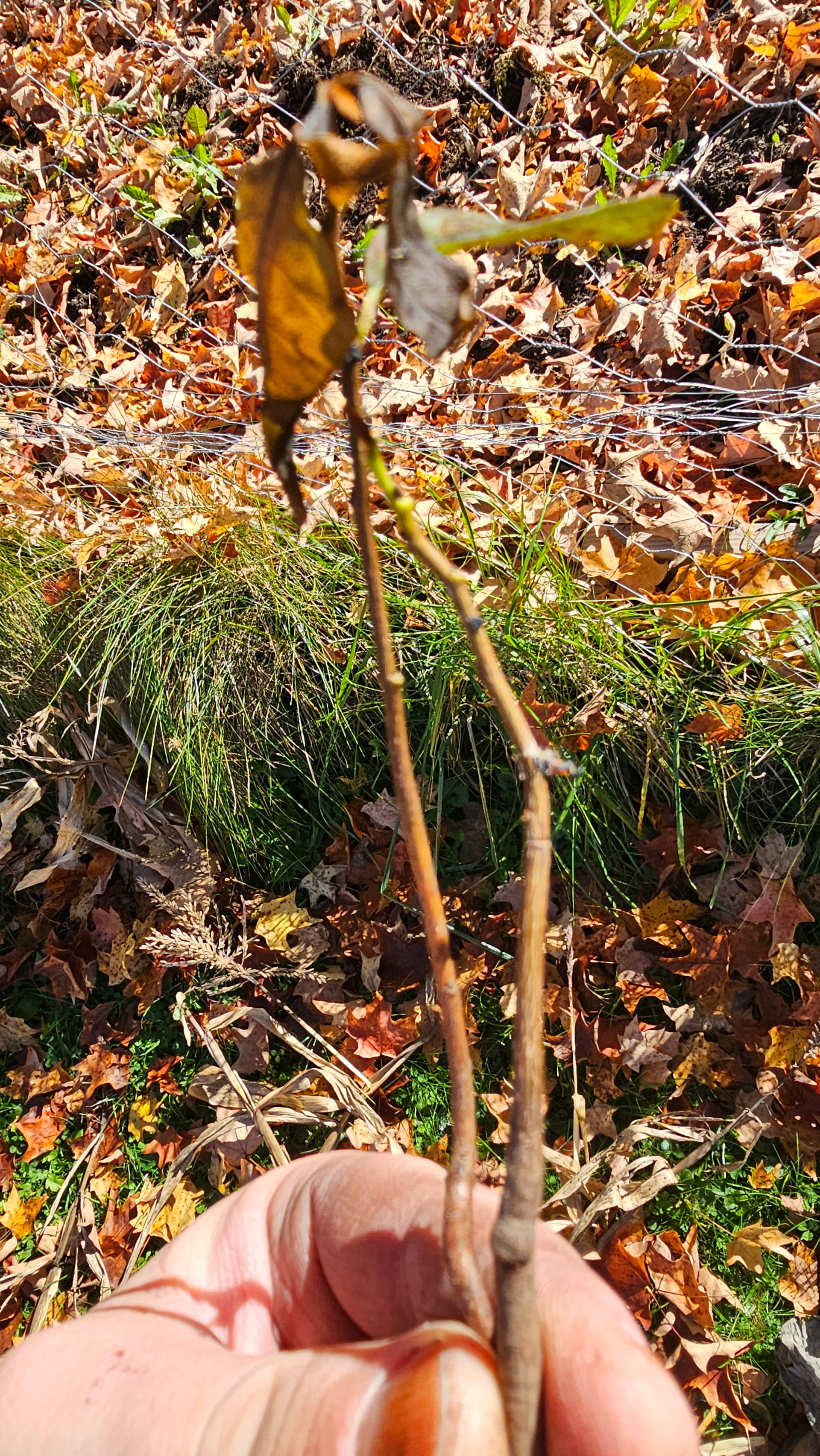
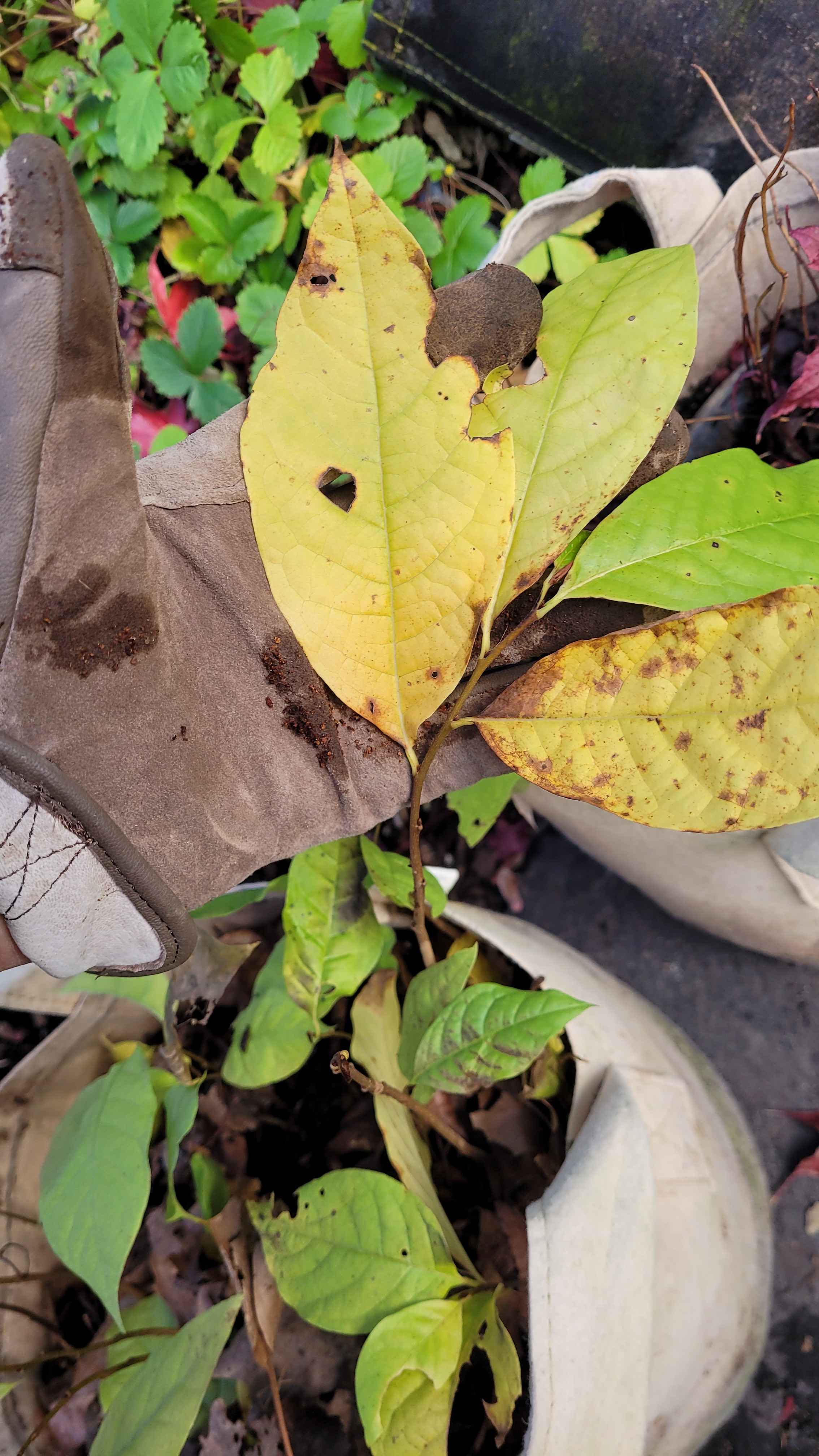
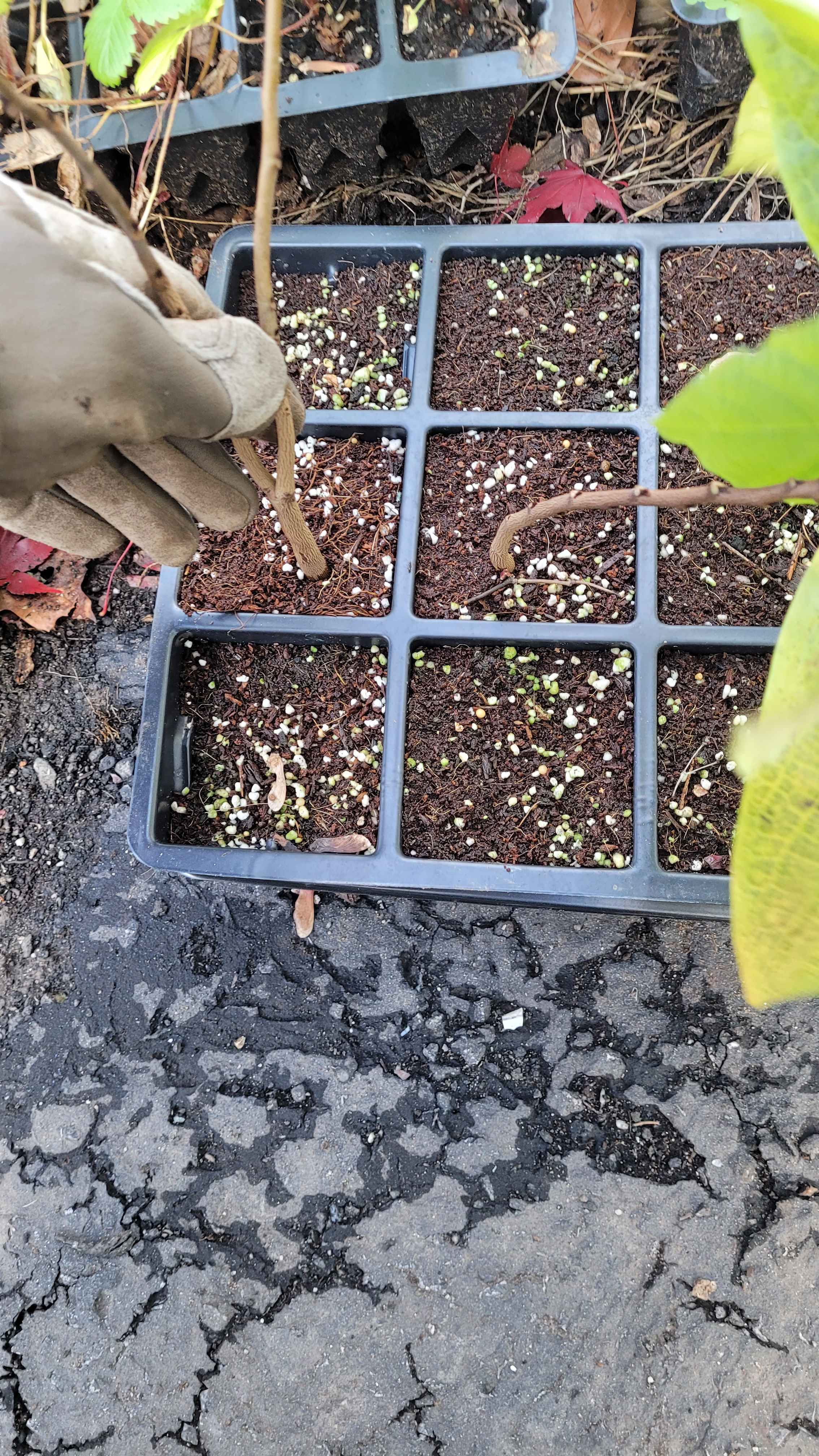
I’m pretty hyped that my first batch of volunteer seedlings included a polyembryonic pawpaw (editing to add this is most likely incorrect). This will definitely be fun to experiment with to see if I can keep both alive.
Mother of the seed was likely PA Golden but I also put Shenandoah and Allegheny seeds in that spot so one of those tree.
Looks more like mechanical damage than a poly embryonic seedling. I have seen seeds push a double taproot/stem.
2 Likes
That might be the case on second thought, I got a bit excited being new to growing them from seed. Given a July germination, honestly surprised it had the energy to push those out. Also interesting that both have almost identical stem thickness and it’s the only seedling still holding green leaves of the dozen I found so far. That might also explain that ugly looking part that looks like it was grafted. I’ll keep an eye on it and see what happens next year.
1 Like
Nothing wrong with being excited! When I leave seed outside all winter and let it sprout naturally they usually pop up around the summer solstice.
I think it is a call back to a time where the growing season was much shorter and the pawpaws that lived avoided popping up too early and being killed by cold later on. By waiting they have ample heat to really push growth.
Remember growth is not always linear.
2 Likes
That makes sense on the timing since you’re in a noticeably warmer zone than I am. I noticed these pop up in July but totally didn’t notice they were pawpaws until just recently. I actually didn’t notice until I pulled some out haha, a mistake I’ll not repeat again. Since I pulled those, I was able to see the roots so here we get a fun little peak of how they were doing. The larger one clearly was normal taproot heavy, the smaller one had an interesting focus on branching, lateral roots. Replanted both immediately, luckily I have 10 more growing in that same bed. My guess is the mushroom compost greatly aided them and the lateral rooting one was connecting with beneficial fungi. Still cool to see regardless.
3 Likes
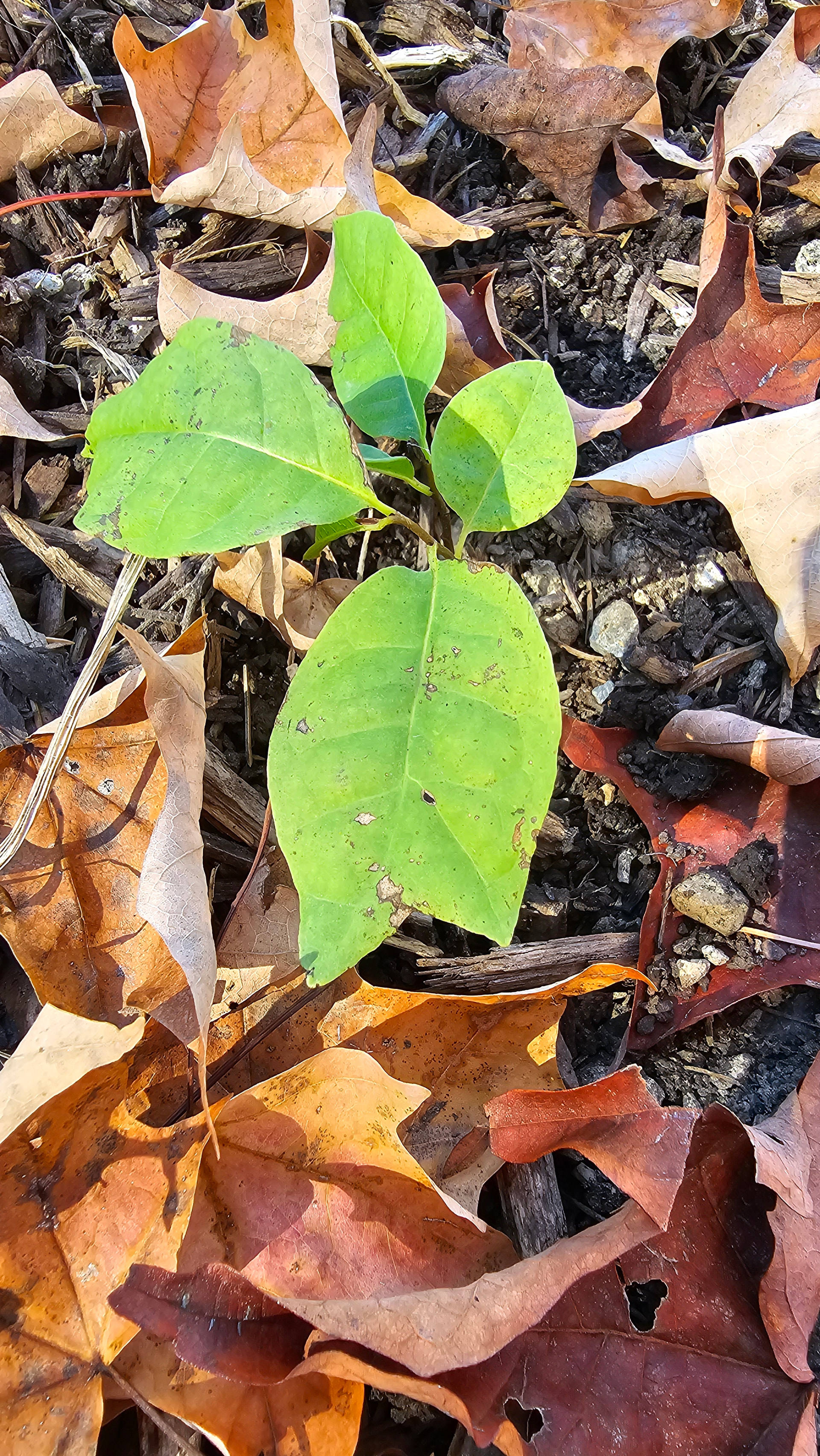
Noticed one of my seedlings has a mutated leaf, will be interesting to see if that was a one-off or if it returns next year like that.
A customer recently sent me this. It was satisfying to get some feedback on one of my cultivars by someone who has fruited it:
‘I’ve purchased many different plants from you and they’ve all been great. I just wanted to thank you for all the work you put into making these great specimens available for people to be able to build their small piece of Eden at home. I specifically wanted to give feedback on your ‘Avatar’ Pawpaw. I purchased it from you at the time reluctantly since I was interested in other cultivars that were sold out. It happened to be a great decision, it made pawpaws this year and a delicious flavor explosion. I had other pawpaw enthusiasts try the fruit comparing it to other cultivar fruit and they all still preferred ‘Avatar’s’ fruit including myself. It’s interesting because being this was first year it fruited the quality was good not only on flavor but fruit size, texture, and fruit set amount. At the moment my favorite cultivar. The other enthusiasts are salivating at the chance to purchase the ‘Avatar’ cultivar as soon as it is available. Thank you again for your work and I am located in Zone 6 A/ B Methuen Massachusetts they were all ripe around September’
10 Likes
Results of two different seeding methods for Pawpaw trees.
Dense sow in partially lined fabric pots vs Rootmaker 18 cell trays.
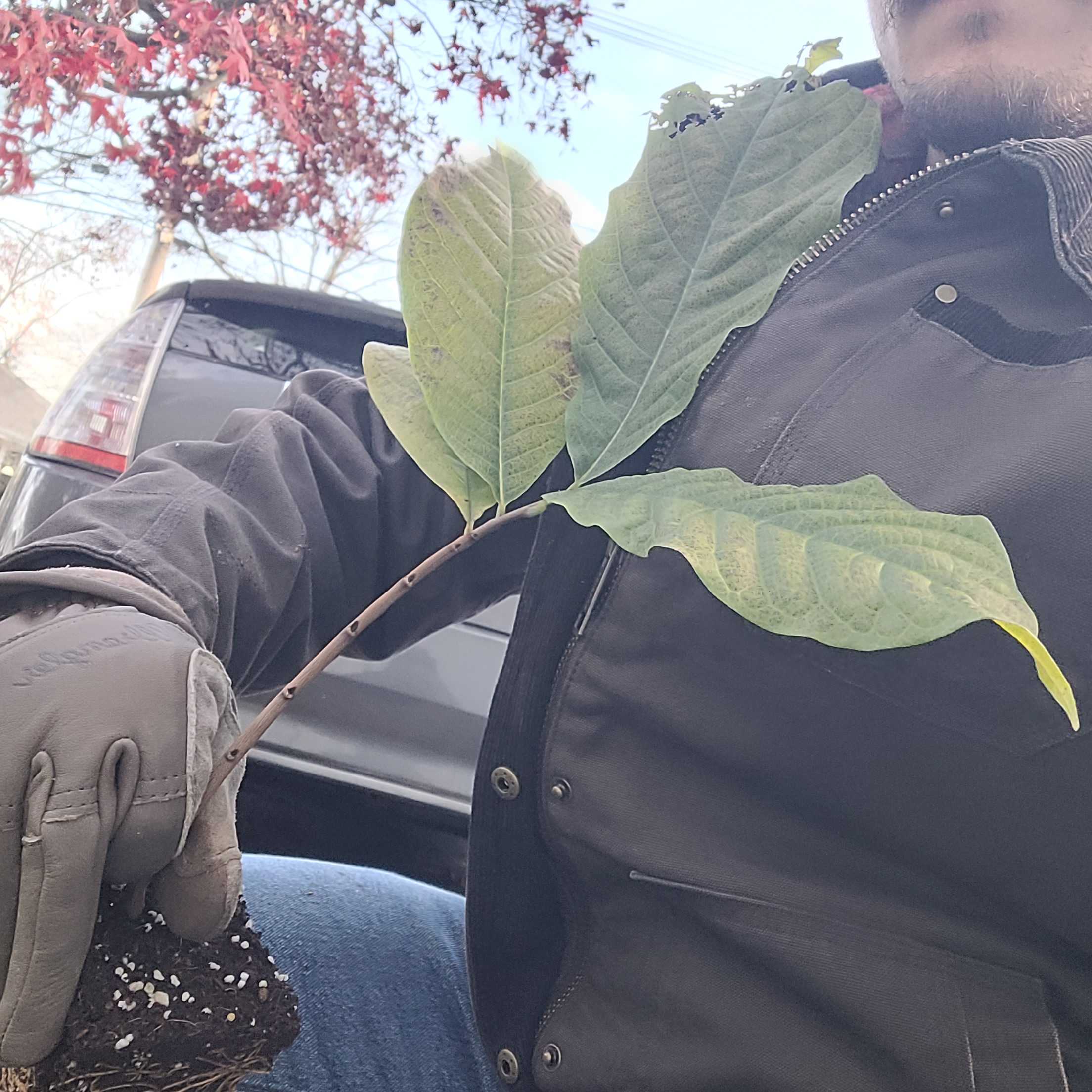
Dense sow- about 40-60 seeds had been placed into a 3 gallon 247 “worm” pot, which contains a woven plastic lining, much like a laundry bag, on the inside of the walls of the pot. I chose this because it would theoretically retain more consistent hydration in the soil, which is vital to the success of pawpaws in general. I thought about making air-prune boxes, but this seemed like it would be a lot easier (It was) and cheaper (It was for me, these cost $1.50 when I got them, and they take no time to assemble.) and more mobile ( These have handles and weigh about 10 lbs when filled. Below are pictures of what the root structure of the seedlings look like from that setup.
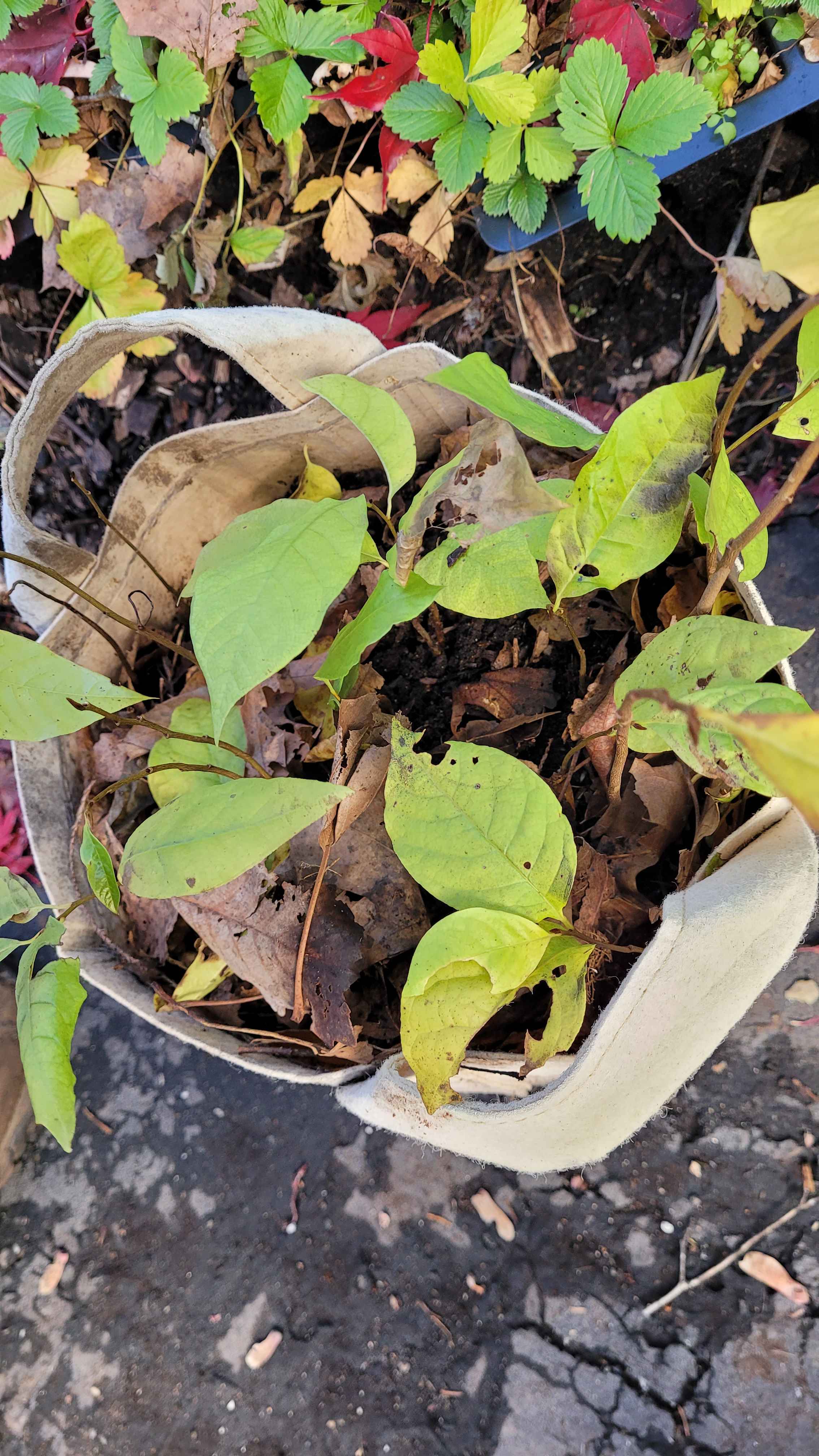

Seedlings are about 6 inches tall give or take 2 inches. I found it interesting that the taproot basically stopped growing, and there was no J-hooking, since I just had these on the ground in a shady spot. I did not need to water these pretty much at all, but I am sure that would be different if they were in more sun. I did not give much care or attention to these.
Now, the Rootmaker trays I had started a couple of months before spring, so it may not be the fairest comparison, but much of what I observed should still apply. I took germinated seeds of pawpaw and placed them into the trays that I filled with a seed starting mix and some osmocote. They grew under grow lights before going outside, in a shady area. Cell Dimensions - 3.25" X 3.25" X 4". Cell Volume - 25 Cubic Inches. Theoretically, these should air-prune the root tips and create a dense root system that will take to grafting better. I have not tried grafting these rootstocks yet, so we will see. Below are pictures of the root systems.
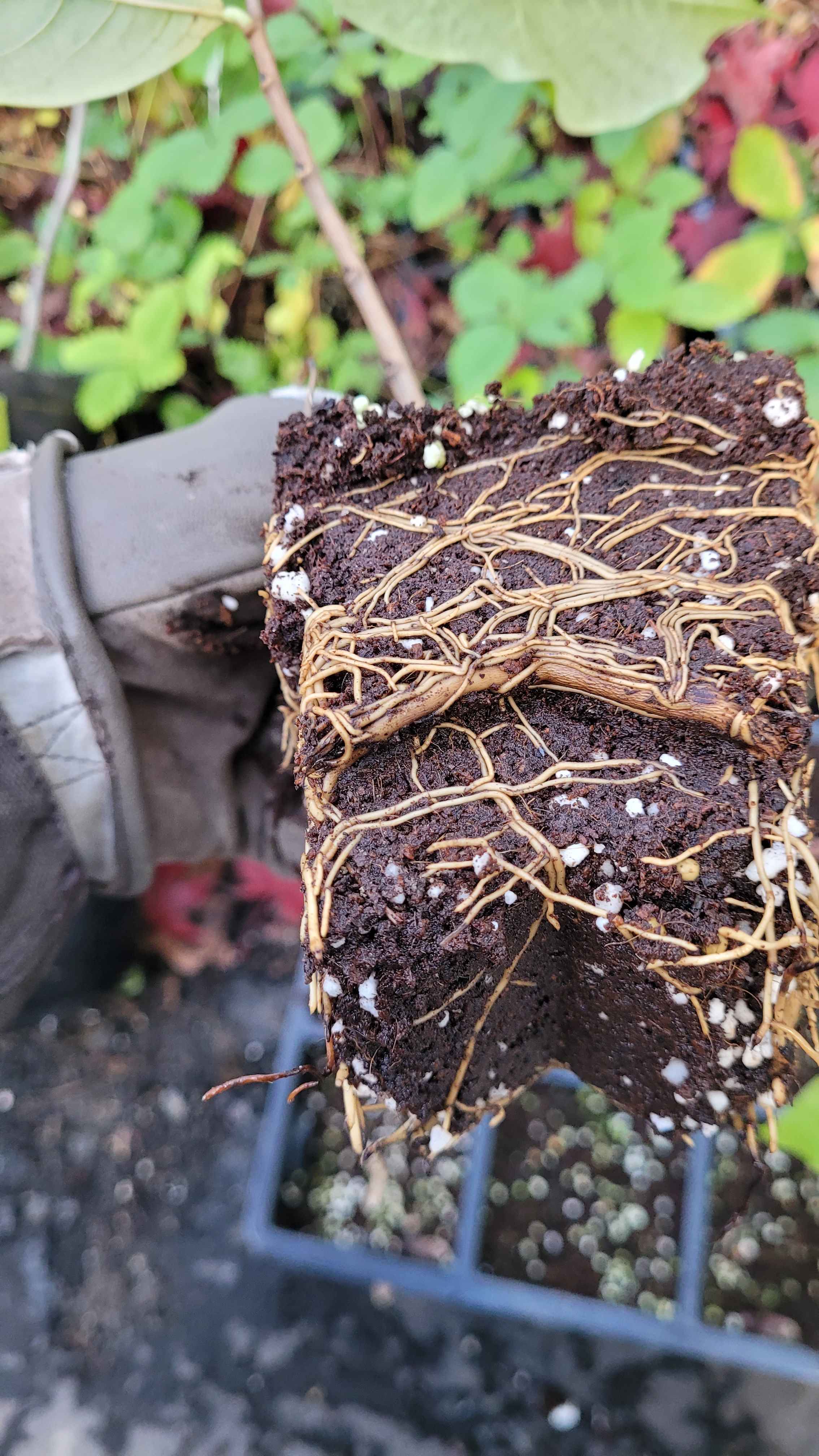
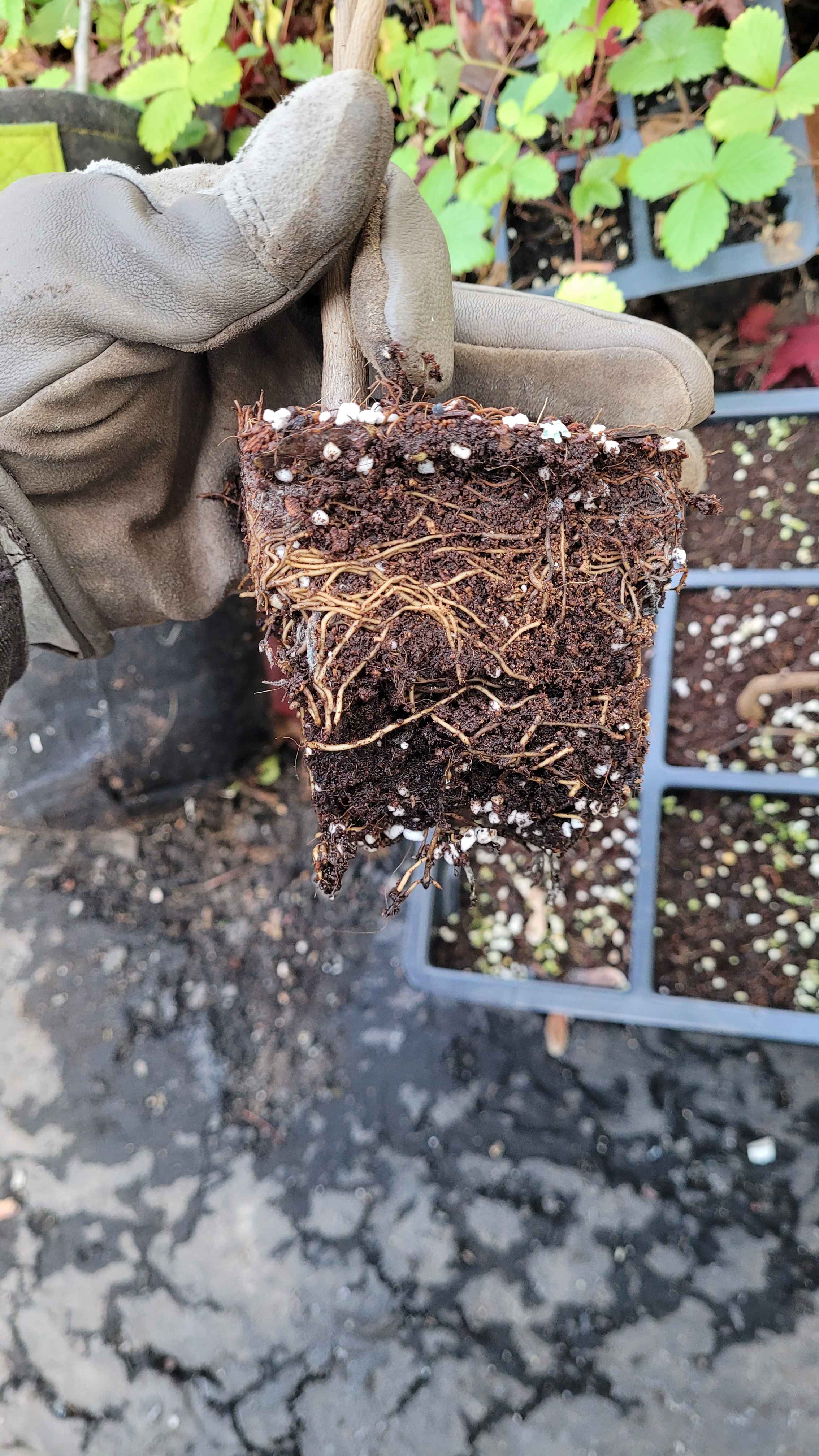
Ignore the mold, I was messing with this one a lot and some of the roots died.
They were definitely much better seedlings with higher caliper, taller growth, greater root mass etc. The only downside to this set-up is the intensive care that these trees need. The soil dries out so fast, especially in indoor settings with grow lights. I lost many of my seedlings by the soil blocks getting dried out. If you are trying to start seeds this way, there really needs to be some sort of automated watering system or you need to be watering 1-2x a day. this was not as bad outdoors in a shady area, but even that resulted in dehydration and death. they also grow taller than my grow racks, and that became difficult to manage. Overall though, if you could find a way to negate those issues, this is certainly a good system for seedlings.
As a side note, the persimmons were much easier to manage as they are more drought tolerant, but they grow much faster than the pawpaws and should not be left in these cells for the 8 month period I left these lol. I would recommend the trees get planted out or up-potted when they fill their cell, maybe 4-6 months, just to manage water. I kept peppers in these trays all season, and they were dwarfed by the inability for the roots to expand, so overgrowth is not really an issue.
Either system can work for grafting, as I have grafted seedlings as small as the first one pictured before, but I feel that the growth potential is just going to be higher with the larger root mass of the rootmaker ones.
I will be testing out these this year in my classroom, just for fun. I have a feeling that there will be circling on the bottom based on the design, but I may modify a few to see.

9 Likes
I grew up in south central Louisiana. Now I live in central Arkansas. My farm is surrounded by a loop of the Alum Fork of the Saline River with lots of bottom land that gets flooded frequently. Wild Pawpaws grow only in the bottom land where they are frequently in standing water and shade. There is a slough maintained by beaver that has Pawpaw trees growing on the bank right up to the water. Some of those trees are 30 ft tall with their tap roots below the water table year round. That bottom land reminds me of the Atchafalaya Basin in Louisiana. When I first started growing Pawpaws, I simply tried to imitate what I saw in nature. Sometimes you just can’t see everything. So I started planting Pawpaws along the edges of creeks and ponds and low spots in pastures around the farm to see what would happen. I chose sunny spots to maximize fruit production. I suspect that the excellent soil in the deciduous forrest of the bottom lands is about right for Pawpaws and makes the wetness more tolerable to them. But also, they prefer the deep shade in the forrest. They just don’t make much fruit in there until a big Oak falls down and lets in the sun. Wet clay soil in a hot sunny pasture is a whole different thing. I killed alot of Pawpaws early on due to multiple factors. I’d blame the Central Arkansas heat for some of that, wet clay soil for some of that and buying trees with bad roots for some of that. Add all three of those things and what you get is a bunch of dead grafts and if you are lucky, a new patch of random root suckers. So you learn to graft and take advantage of what pops up. I currently have 12 cultivated Pawpaw patches all in different ecosystems around the farm- lots of different cultivars - still learning. But I am now able to successfully grow Pawpaws in all of them with different approaches. You will have similar challenges in Louisiana. Buy trees with great roots grown in tree pots (Peaceful Heritage, Beautiful Beginnings and Madison Citrus Nursery). Try to plant in areas with rich soil (preferably where lots of leaves have rotted) or build your soil with lots of compost. I have put down leaves and covered them with cardboard and then covered that with hardwood mulch and let the whole thing rot for a few year with good results. I built small levees of good soil on top of rotten logs and covered them with weed barrier and planted a patch with afternoon shade. It has survived floods and standing water. Consider locating Pawpaws in a place with afternoon shade (to protect them from the brutal Louisiana heat (maybe less fruit, but much happier and lower maintenance trees). A few trees in a yard is much easier, you can prepare your soil so that it is well drained no matter what (I have recently had great success in clay soil plantings by amending the soil with a mixture of solid humate powder and Kelp meal to break up the clay). And give your trees a break from the mid-day sun or late day sun but choosing a good location. As for cultivars, the only tree that has seemed clearly more susceptible to stress from the heat and humidity in my world is Potomac. It also has the biggest problem with leaf roller caterpillar (Asimina Webworm) Yuck! I am sure that over time I will notice more cultivars that suffer from our heat and humidity. I am paying attention. Right now it’s tough to know whether they are suffering from heat and humidity or from some mistake of mine. I hesitate to recommend cultivars. But from 5 years of watching them grow in hostile heat / humidity, I would consider planting a Shenandoah and an Allegheny and a KSU Chappell. There are others I am enthusiastic about but have not grown them long enough. I am absolutely certain I will have a different list in 3 years as my newer cultivars react to what I put them through. But those three have been less troubled for me. Give it a try. Laissez les bons temps Rouler.
9 Likes
Oh yeah. NC-1 has also been pretty happy here and would be another great starter tree. Plus it’s pretty and tolerates Phyllosticta well. Caveat: Paint the southwest facing bark of your trees with white interior latex paint diluted 50/50 with water every fall or every other fall. ‘Southwest disease’ (not really a disease) is a heart breaker.
Good info, the only thing I would add is that pawpaw leaf roller and Asimina webworm are two distinct species that affect pawpaw differently. Webworm is far more destructive.
Thank you very much for helping me to make that distinction. The ones that just roll up the leaves are tolerable except when they injure the few leaves on a new graft- that’s lethal. The ones that injure the wood are the webworms. I had not made that distinction on my own. One observation I have made that is pretty consistent is that the webworms mostly affect my trees that have part shade and low air circulation. Those things are often paired but not always. Infestation severity and frequency in order of microclimate / ecosystem: Worst is low air circulation and more shade and least is high air circulation and more sun. If I had to bet on which factor is most important I’d bet on the low air circulation. On my farm, with 12 orchards/patches with varying soil, sun, air circulation and moisture the opportunity for comparison is very good.
I also want to take the opportunity to say that for the general health of the tree, one variable I won’t compromise on anymore is root system. Starting with a 10” or longer, healthy root system is critical in getting trees through their first summer in our hot humid climate. I learned that from your tees. Thank you very much. I can overcome most of the other variables but a good root system right out of the pot needs to be a constant.
Thanks for the positive feedback about our trees.
As far as Asimina webworm, I’ve seen no correlation as to sun exposure or air circulation and infestation. They seem to just infest any tree they want to, anywhere and any size and age. I think perhaps trees that are in shadier or more overgrown locations don’t get identified as being infested until the infestation is bad, simply because of the camouflage effect of shade, etc.
2 Likes
I planted two genetic lottery seedlings as well as a Benson and Atwood this year. Excited to watch them grow.
3 Likes
Welcome to the forum in general, looking forward to seeing how they do in time. Growing from seed is always a fun venture.
1 Like