Have you read through the threads on deer protection, specifically related to double fences?
1 Like
That’s a big investment in terms of time and labor, especially if you plan to amend your soil. Here’s my advice: go to your nearest university extension office and find out how to collect and submit soil samples for analytical testing. I’d get the NPK/nutrient/pH test as well as the soil composition/% organic matter tests done on the samples. My local extension office also asks grower what types of crops they’re growing and includes advice tailored to those crops growing in your soil in the results. Collect the samples this month or next to avoid the spring rush and get your results faster.
Your extension office will also be able to tell you which cultivars/varieties do best in your area.
2 Likes
I have. The spacing on this side was not meant to prevent jumping like described in those posts.
So far, the deer have respected this electric fence for this combined chicken and orchard area. If they don’t, I am putting 8 foot fencing where you see the wooden fence around the entire pasture.
This thread is absolutely ripe (har har) with such good advice and support! I thought I was in Zone 7 but apparently I’m Zone 6, I feel like I have to triple check that now…anyway, good luck to you! Happy harvesting (hopefully!)!
1 Like
I’m now in zone 7 on the updated map, but until recently in zone 6b. I’m sure many sites are still using the old numbers. Which versions are you referring to?
1 Like
Good to know! I used that website, my county is still listed as 6B but we’re surrounded by 6A also. I figure I’ll aim for plants that handle 5-6 and 6-7 at least.
1 Like
Spring update after planting everything 1-3 months ago. Things are doing really well! More mature trees from the local orchard that closed down have blossomed, with some fruit set! They will be a problem in a few years because they were pretty root-bound and I did my best to fix them. The three trees from Willis Orchard all look good. Only one of the 33 trees from Adams County Nursery (Glengo Peach on Bailey Rootstock) seemed to have died off. Everything is planted on mounds mulched with wood chips, given the pasture gets a little soggy in the winter time. Sprayed dormant oil in early February and copper between silver tip and half inch green in March.
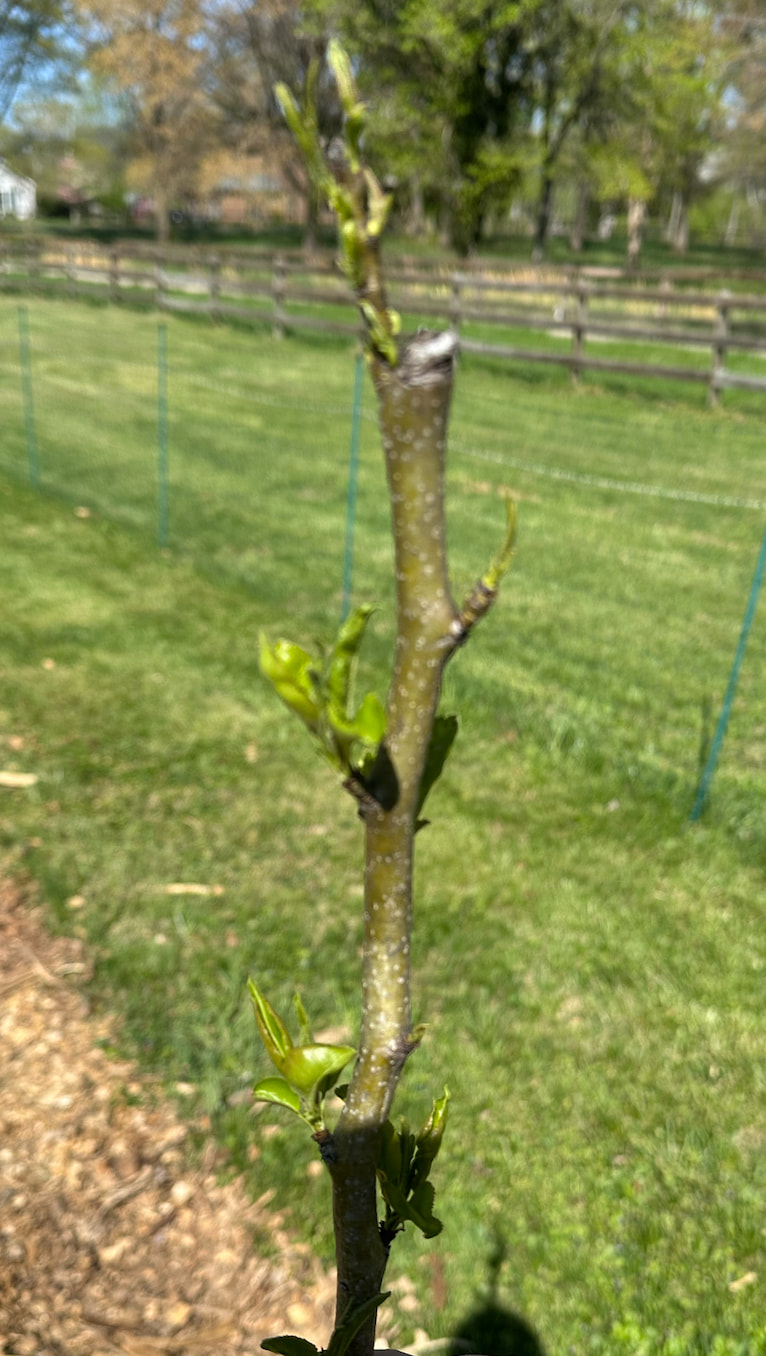
There is a potential issue with the Tawara Pear. It was blooming like crazy two weeks ago and has a TON of fruit setting, but a lot of leaves have turned a reddish hue and are dropping. See the progress from beautiful blooms to leaves now dropping in the pictures below. Does anyone know what is the typical cause of this?
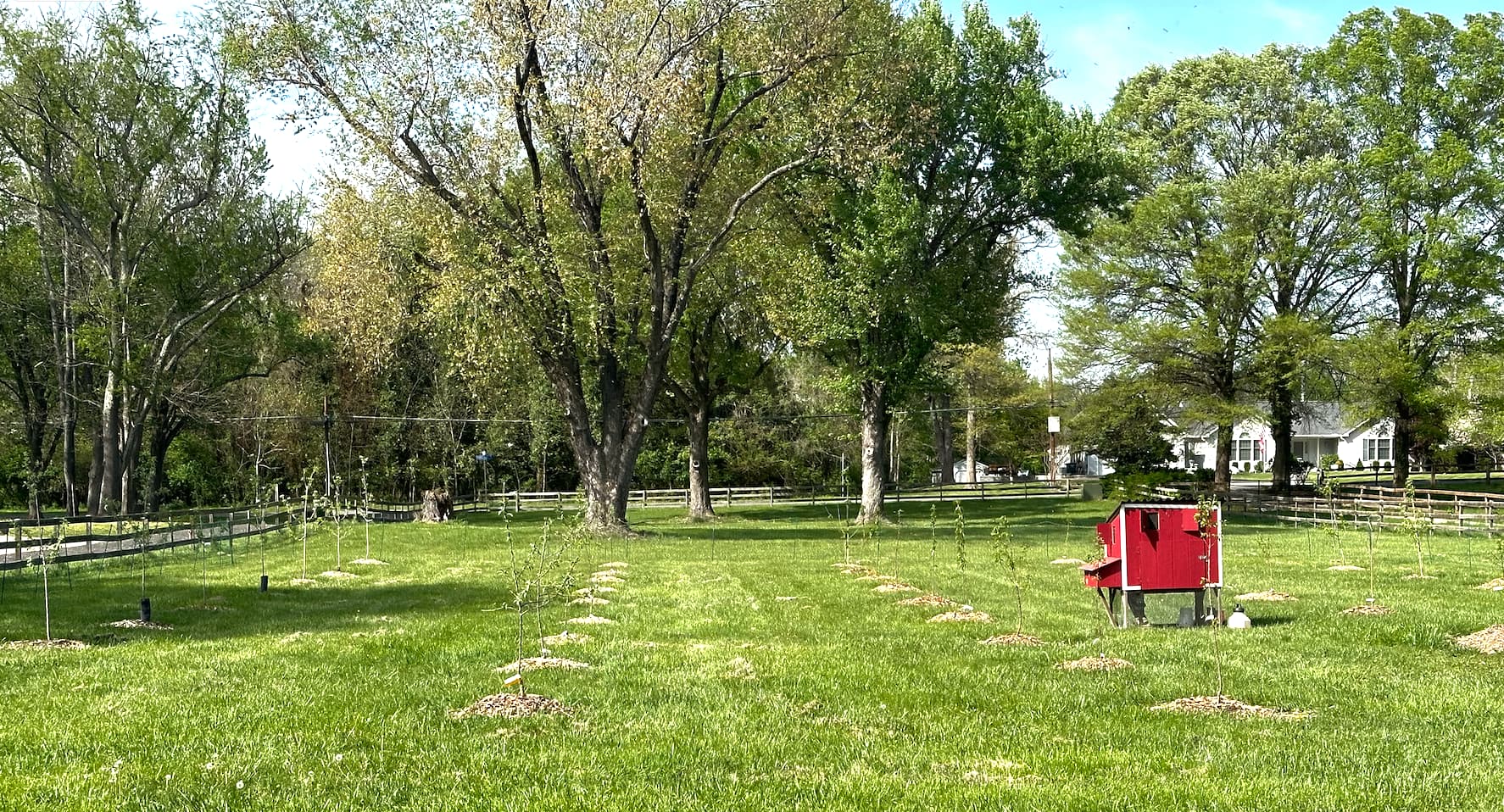
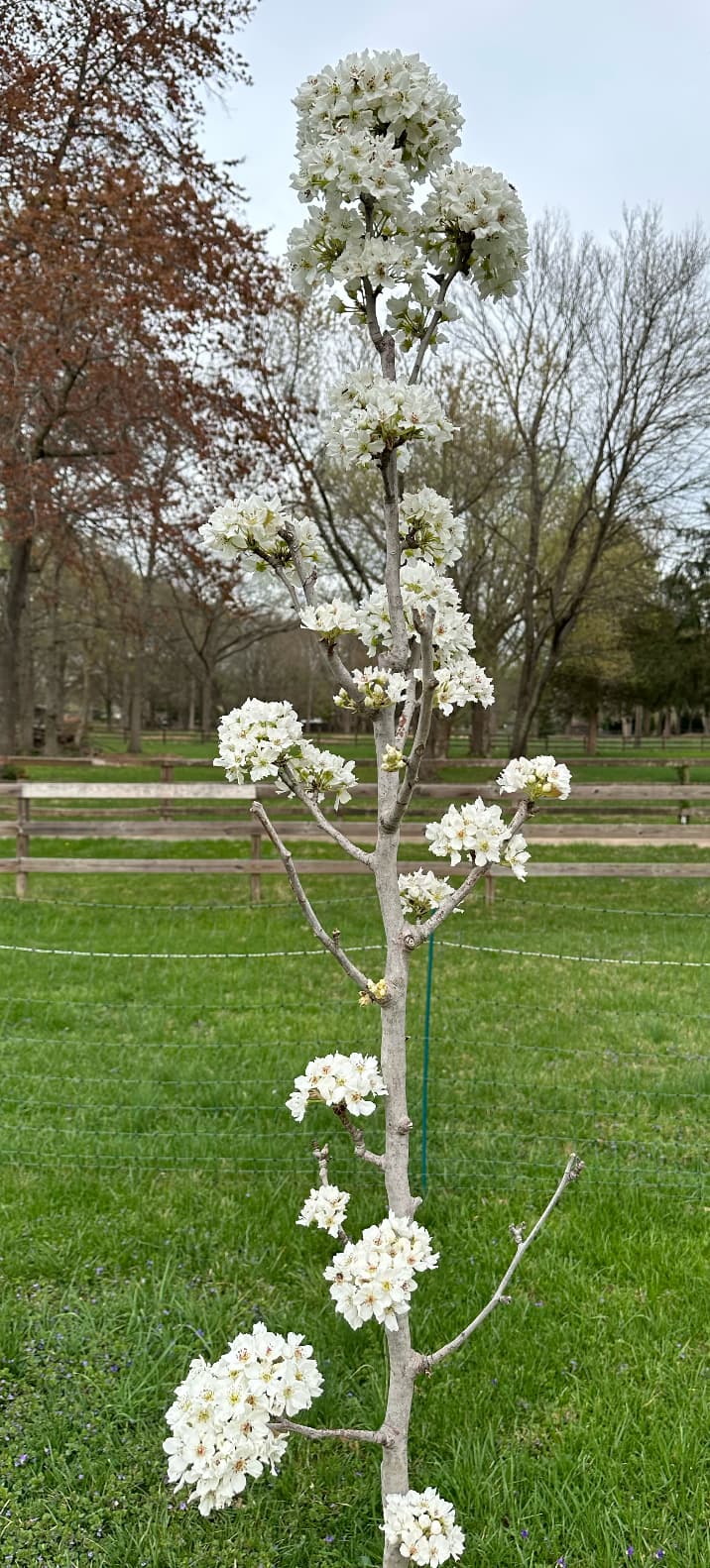
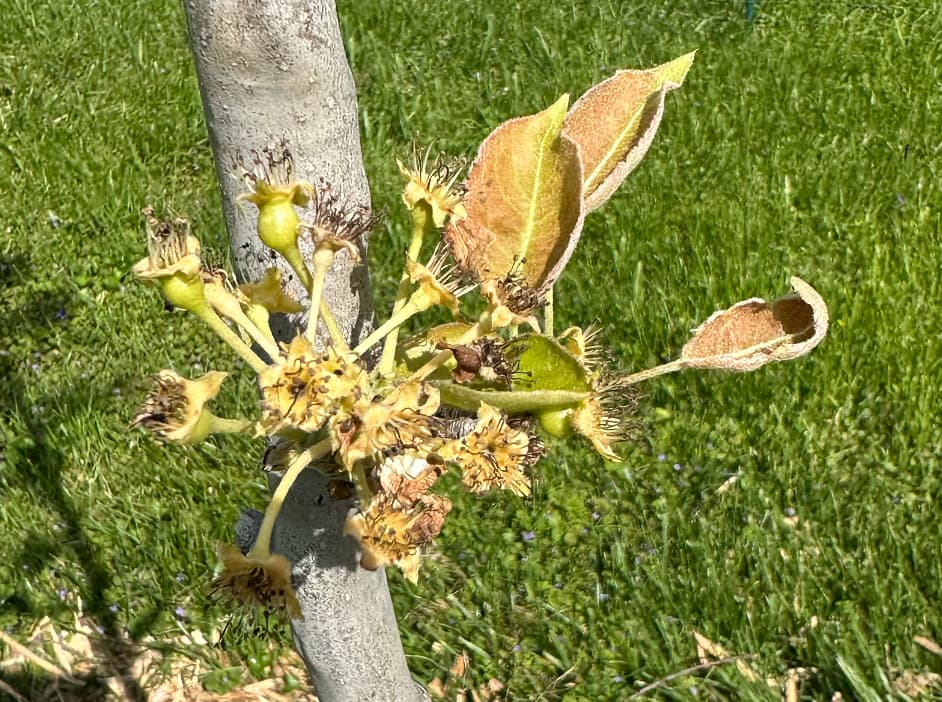
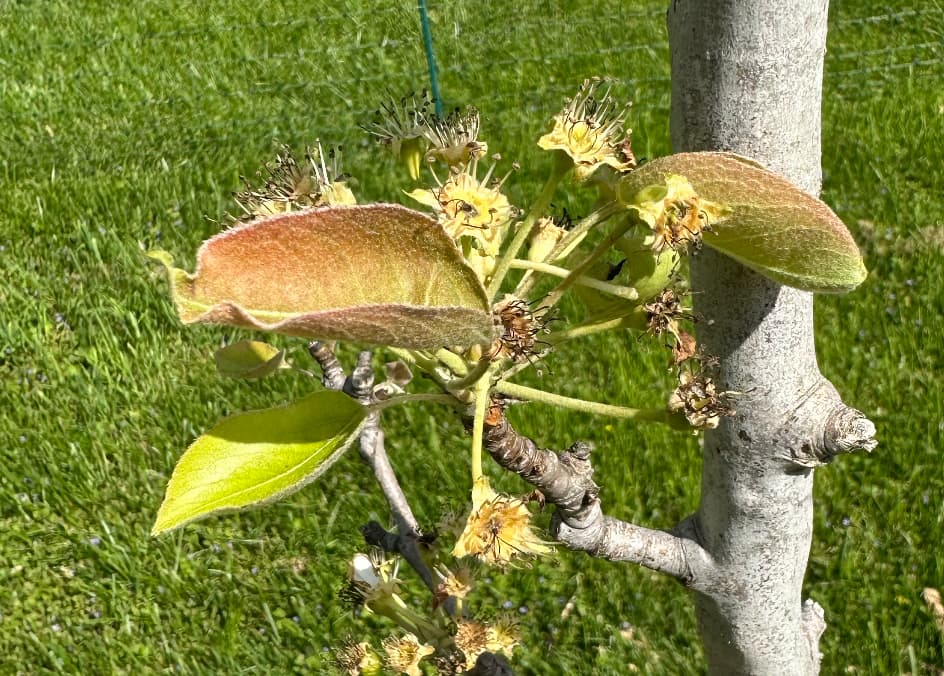
Update after 11 months in the ground. Just pruned today.
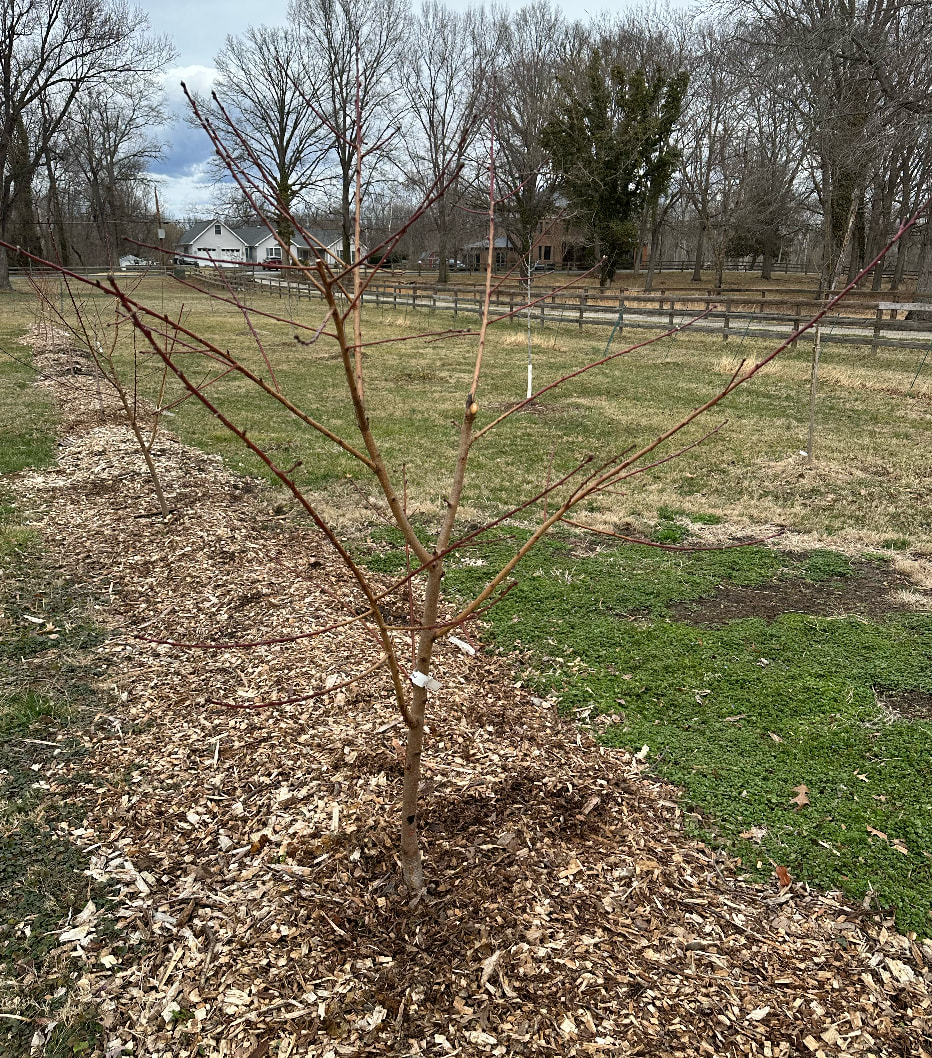
Peach, Nectarine, and Apricot trees have grown so much it is crazy (second picture). Two sadly have gumosis, so I gently pruned them compared to the others.
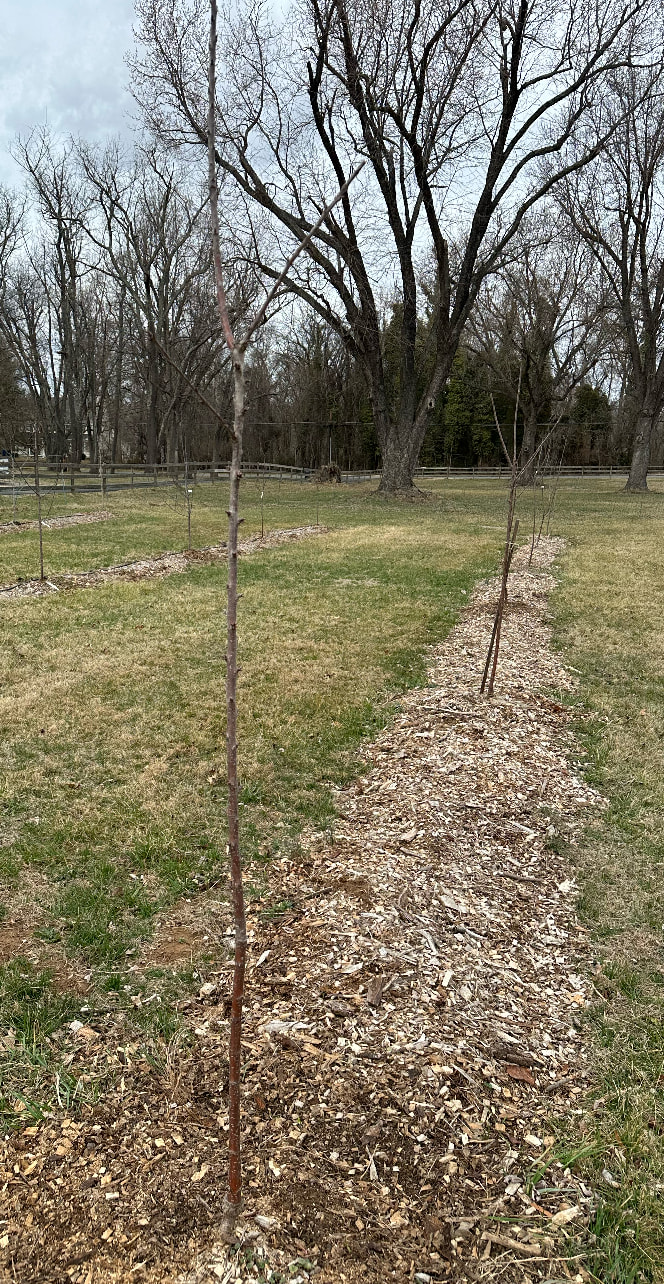
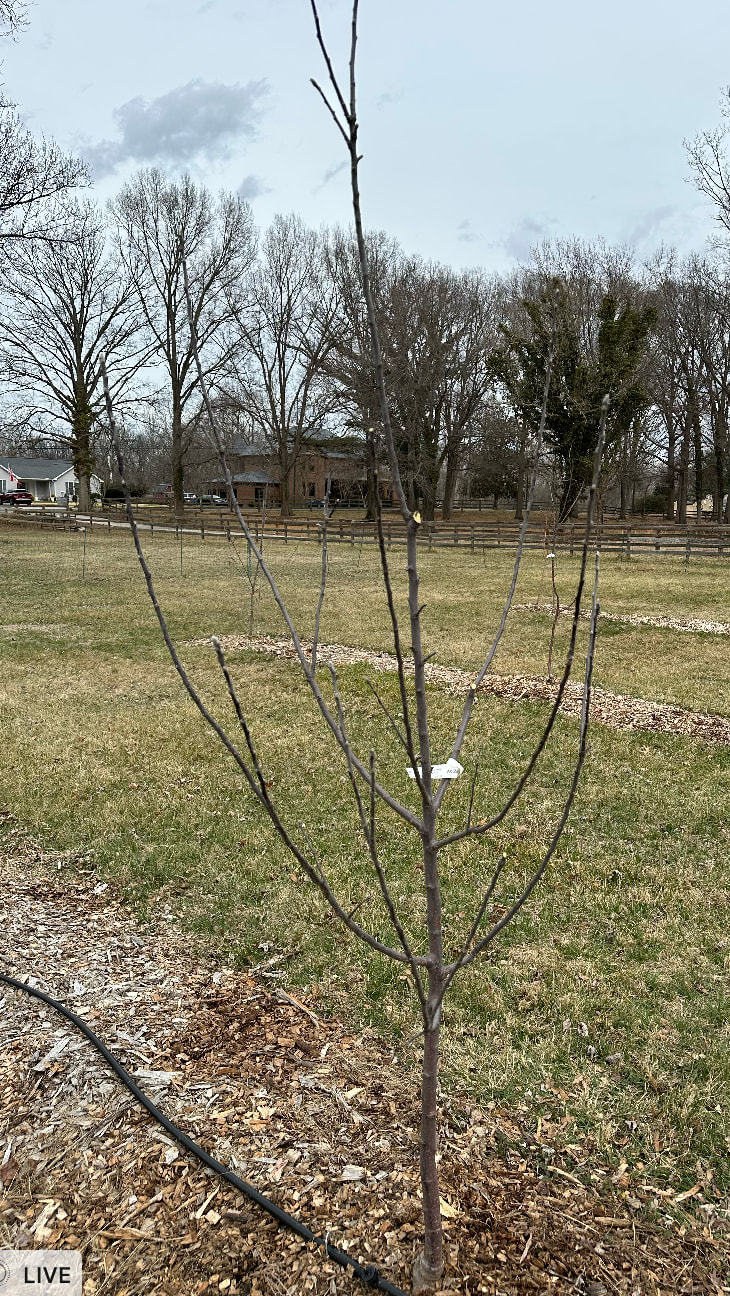
Bare root apples have grown nicely (fourth pic after pruning), where the apples from pots (nursery liquidation sale and last picture) have not grown much at all. Cherries still look like just whips (third picture), but have grown slightly. All 59 trees are still alive, with one pear having not leafed or branched out, but the bark scratch test is still showing green.
Hoping to see if I can successfully graft some scion I just trimmed to M7 rootstock I pulled off last year here in a little bit.
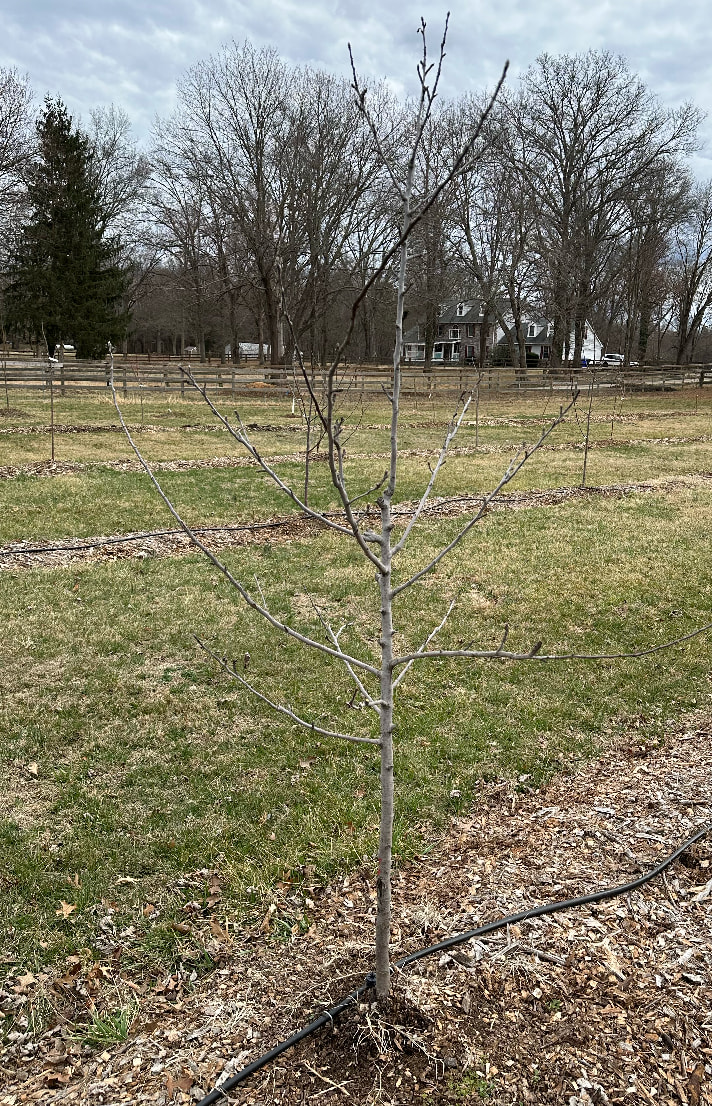
1 Like
April 2026 Update (13+ months for bare root trees and 19 months for trees from pots):
BLUF: Bare root trees I researched and selected based on the advice in this thread are doing much better than potted trees I acquired from an out-of-business auction from my local nursery (see table below). I of course had a “give me one of everything” attitude regardless of disease resistance at that auction given 6-8’ potted fruit trees nearly nearly 1” caliper were going for $15-30 each. I figured why not try. Appreciate all the feedback from folks that made it this successful thus far, and just tagging a few. (@smsmith @mroot @TNHunter @Wethinkyoushouldgrow @Olpea @TheGrog )
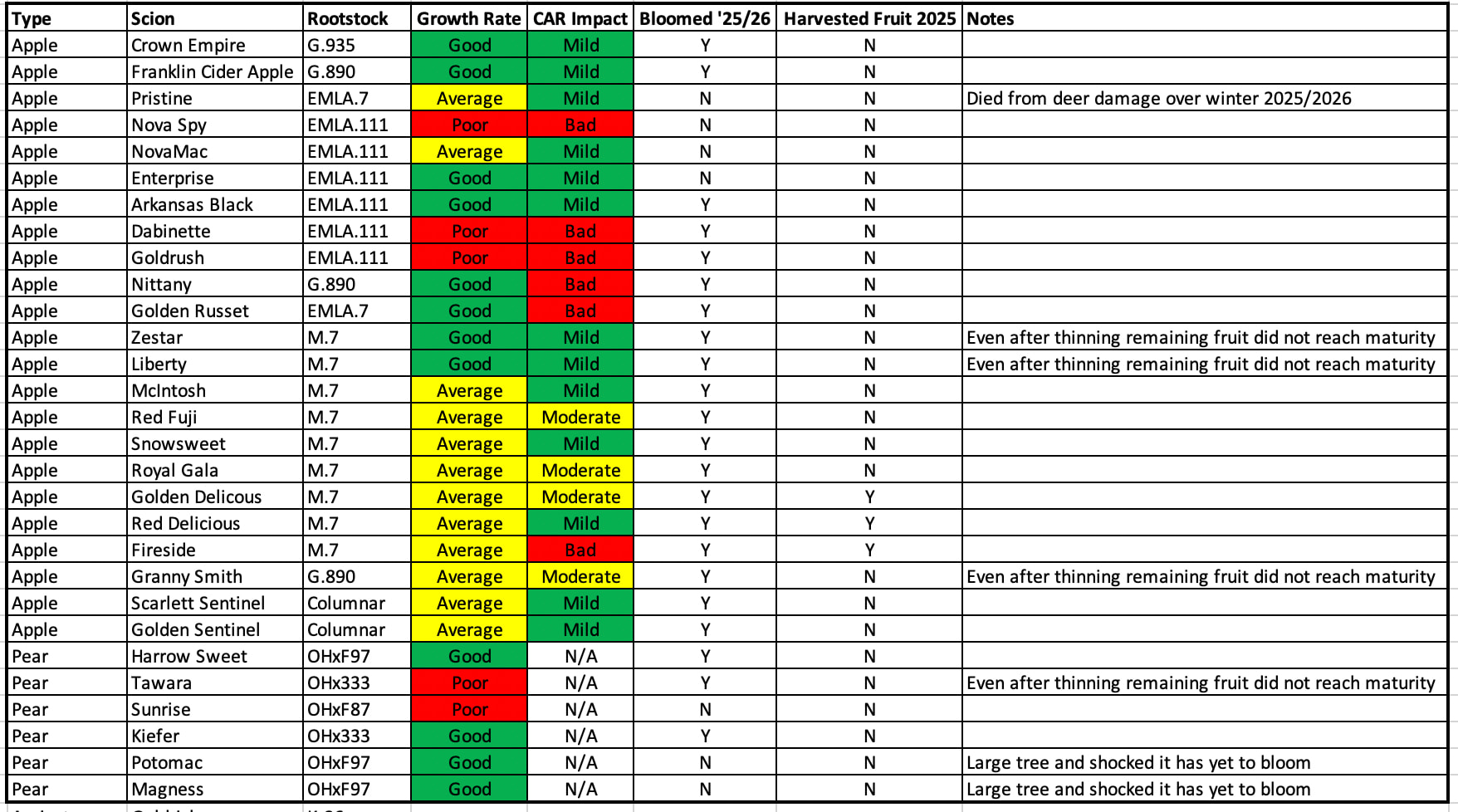
The good:
- No disease related deaths on the ~60 trees on my property (44 in orchard)
- Very good vigor on apricots, peaches, nectarines, some apples (Arkansas Black-M.111, Enterprise-MM.111, Franklin Cider Apple-G-890, Crown Empire-G-935 ), and some pears (Magness-OHxF97, Potmac-OHxF97, Kiefer-OHx333, Harrow Sweet-OHxF97)
- A ton of blooms on the apples from pots I scooped up at auction (and a few apples last year), the bare root peaches, apricots, the nectarines
- Rows with wood chips work nicely, even with chickens who habitually scratch the woodchips into the grass row
- Two rows of drip irrigation with emitters about a foot on either side of the rootball seemed to work nicely, working on remaining three rows this spring and automating it
- Tying down branches and using spacers to make them less vertical seems to have worked nicely
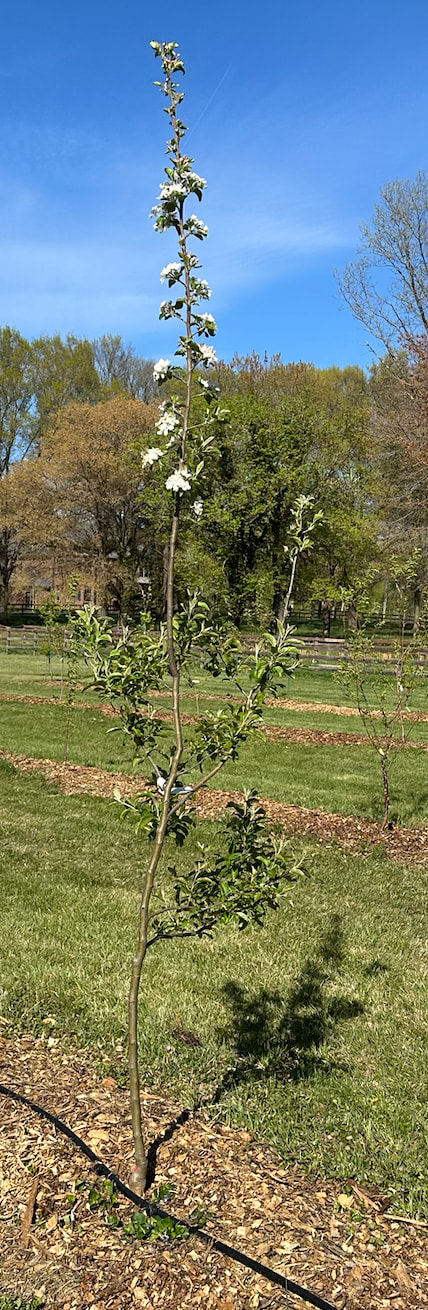
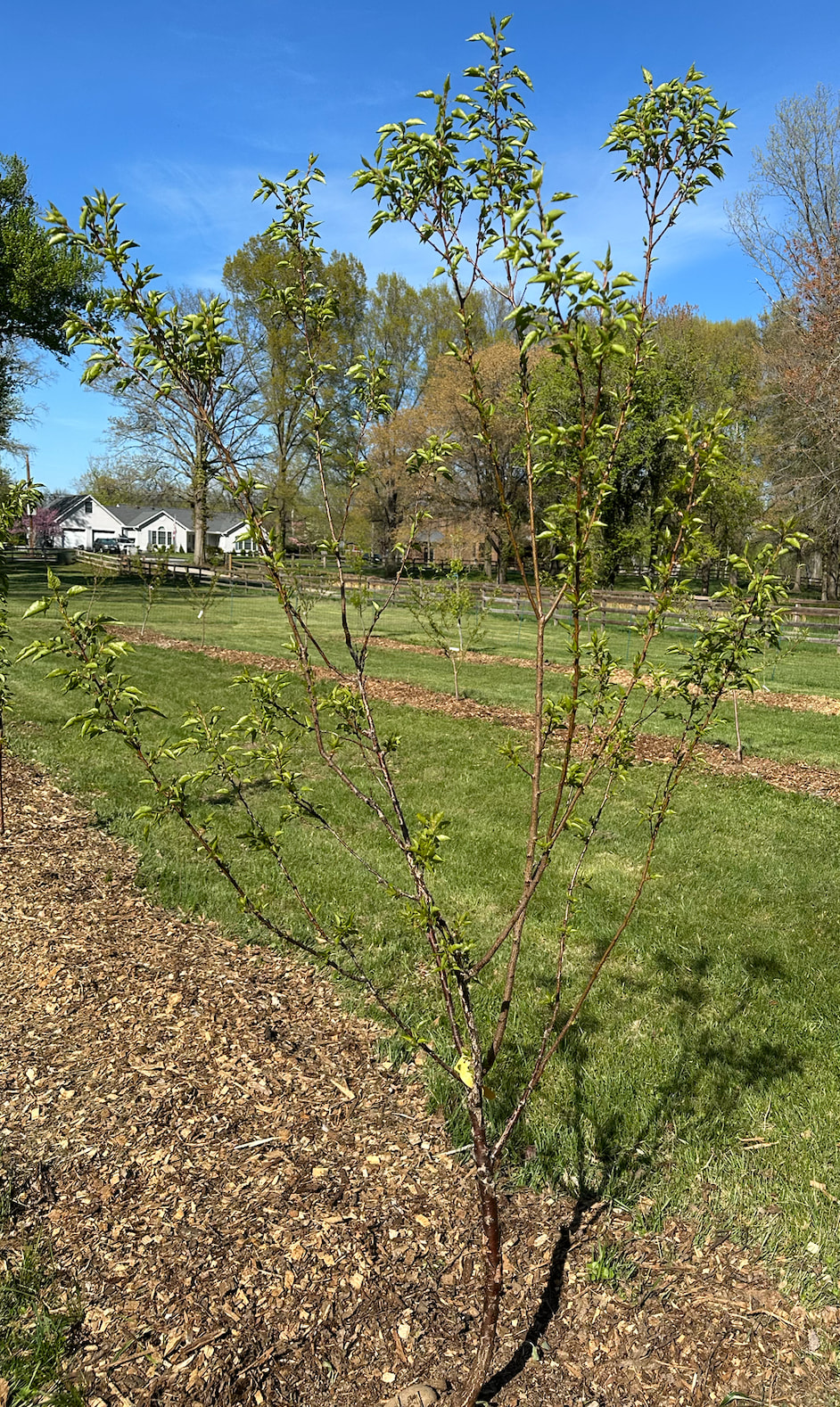
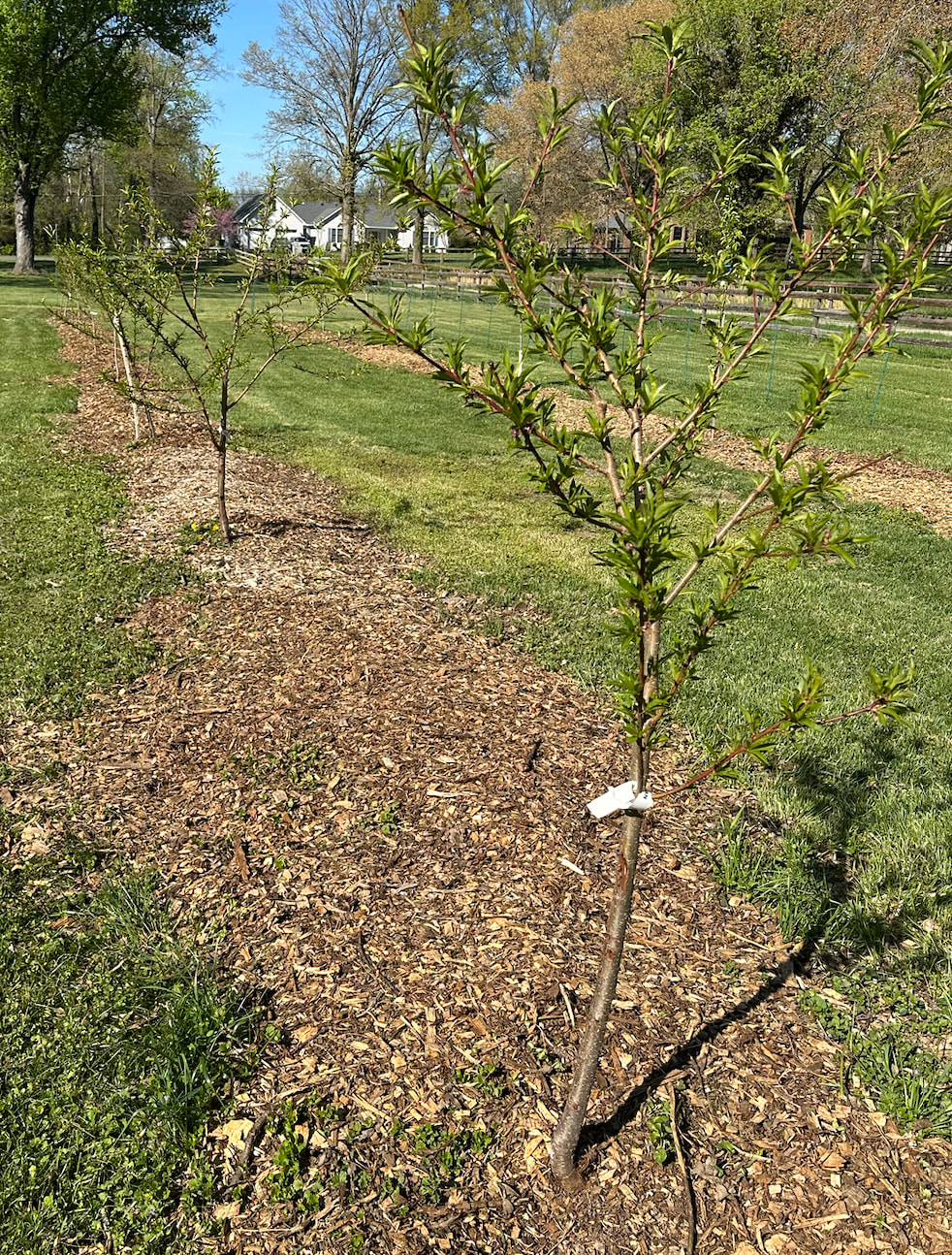
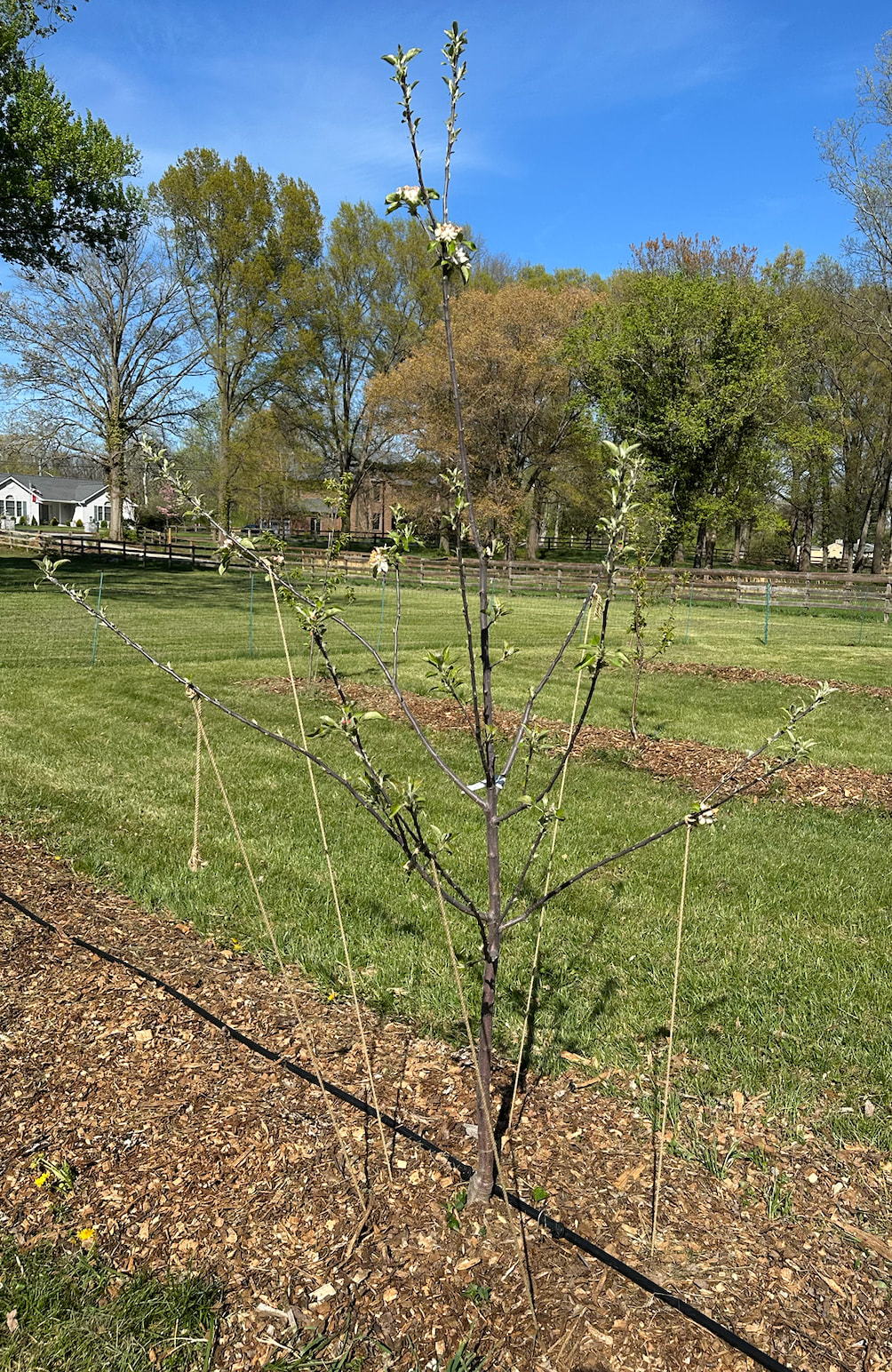
The bad:
- Late frosts killed all my apricot blooms two years in a row, almost all my peach and nectarine blooms, and a small percentage of my apple blooms were killed off by a frost earlier this week
- Cherry growth rate is just abysmal across all rootstocks (Mazzard, G-12, G5, Mahaleb)
- Apple growth from the potted trees is very bad, but they at least have bloomed a ton
- Some trees bloomed so much last year that they seem to be bi-annual and not blooming this year (Scarlett Sentinel-columnar, Tawara asian pear-OHxF333)
- My sunrise pear on OHxF87 is alive 13 months after planting but has literally only grown an inch
- Cedar apple rust (CAR) was pretty bad on some trees last year with only two copper sprays; upping to three this year, but expect a similar result for trees that were not selected for CAR resistance
- Two largest pears (Magness and Potomac) that I guess are 4 or 5 years old based upon size when I purchased them have still yet to flower. I had to prune these down to 8 feet, so they are not small
- Bloom timing of my three plums I got from auction have not been ideal, with the Superior and Stanley getting killed by late frosts, and the Mount Royal being later than the other two

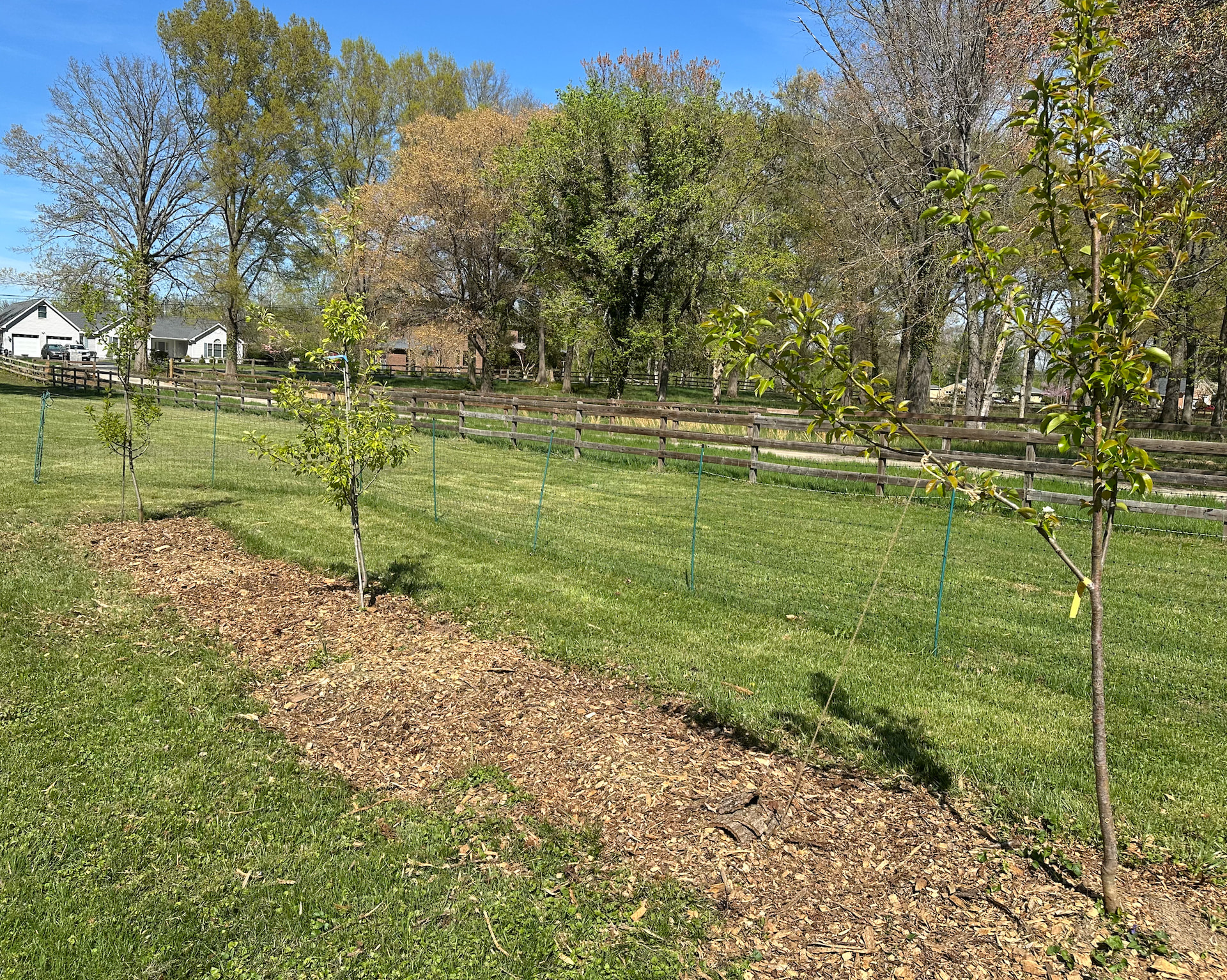
The Ugly:
- While the chicken electric fence has seemed to deter deer and small game, there was a week in the winter where it appeared to not work due to a snowstorm and multiple trees were scraped by bucks or bark was eaten by I assume squirrels (have never seen a rabbit on my property); Otherwise it has surprisingly worked nicely to deter deer and small game for only being 48” high
- Did not really prune the apricots and peaches that had bark eaten due to the stress and gumosis they showed, so some are a little unruly with great growth
- Pristine-M.7 tree scraped by deer appears to have died (but thankfully the Dabinette did not)
- Rainer-Mazzard cherry tree completely eaten by Japanese Beatles last year did not recover this year and is clearly dead
3 Likes
Greatly appreciate all this detail! Doesn’t spraying something like copper on apple trees after petal fall run the risk of creating russeted fruit? I have watched a few videos from the channel below and I thought that was one of the drawbacks of spraying a fungicide any time after pink?
1 Like
There are certain cultivars of apples that are prone to russeting if you spray copper. I think Golden Delicious is one of them. Others are much less prone to russeting. But russeting is harmless and really only a concern if you’re a commercial grower. Many apples are natural russets like Ashmead’s Kernel and Saint Edmund’s russet. I wouldn’t be concerned with russeting.
However, at high concentrations there is some risk of phytotoxicity to leaves. I would make sure you carefully follow the labels instructions when spraying copper later in the year. You might take a look at this thread that talks about spraying copper. Also copper comes in different forms Kocide, liquid copper, etc. and they have different rates of application which is something you should be aware of .
Are you spraying copper for fireblight or CAR? If you are spraying for CAR I would recommend looking at spraying Immunox instead. It’s more effective than copper on CAR and you don’t have the issue of metal buildup in the soil, has lower toxicity, etc.. One spray at petal fall will probably take care of CAR for you.
As far as the slow growth on the cherries I usually see slow initial growth. For example, I planted a small sweet cherry tree-BlackGold on Gisela 12. The first year it grew little, the second year good growth and the third year I got about a dozen cherries.
1 Like
I am spraying copper as a general purpose fungicide to prevent CAR, scab, and fireblight. CAR is quite prevalent in my area, but in my year and a half of having trees I have not seen scab or fireblight yet. I was trying to keep the orchard organic, but if things go downhill quickly this year (didn’t last year), I will quickly pivot.
1 Like
I’m not too far north of you and CAR is probably going to be a problem if you want to be organic. I did about ten years of 100% organic and while the copper helped a bit I still had a great deal of CAR. It doesn’t generally affect the fruits, it will just knock back the vigor a bit on things and will look horrible.
After looking into long-term toxicity of copper in the soil I decided one spray of Immunox post-bloom was overall a better approach than drenching things with copper year after year. So thats what I’ve done for the last 15 years or so. I sometimes use copper on stone fruits and grapes, but not on apples.
Scab is not as common for me, and I found sulphur controlled it pretty well. Fireblight you mainly can control by keeping trees well-pruned, and removing any highly susceptible varieties. I have done zero sprays for fireblight in the last 15 years for example. CAR and rots are the two things I found the most difficult to deal with on my organic apples.
6 Likes
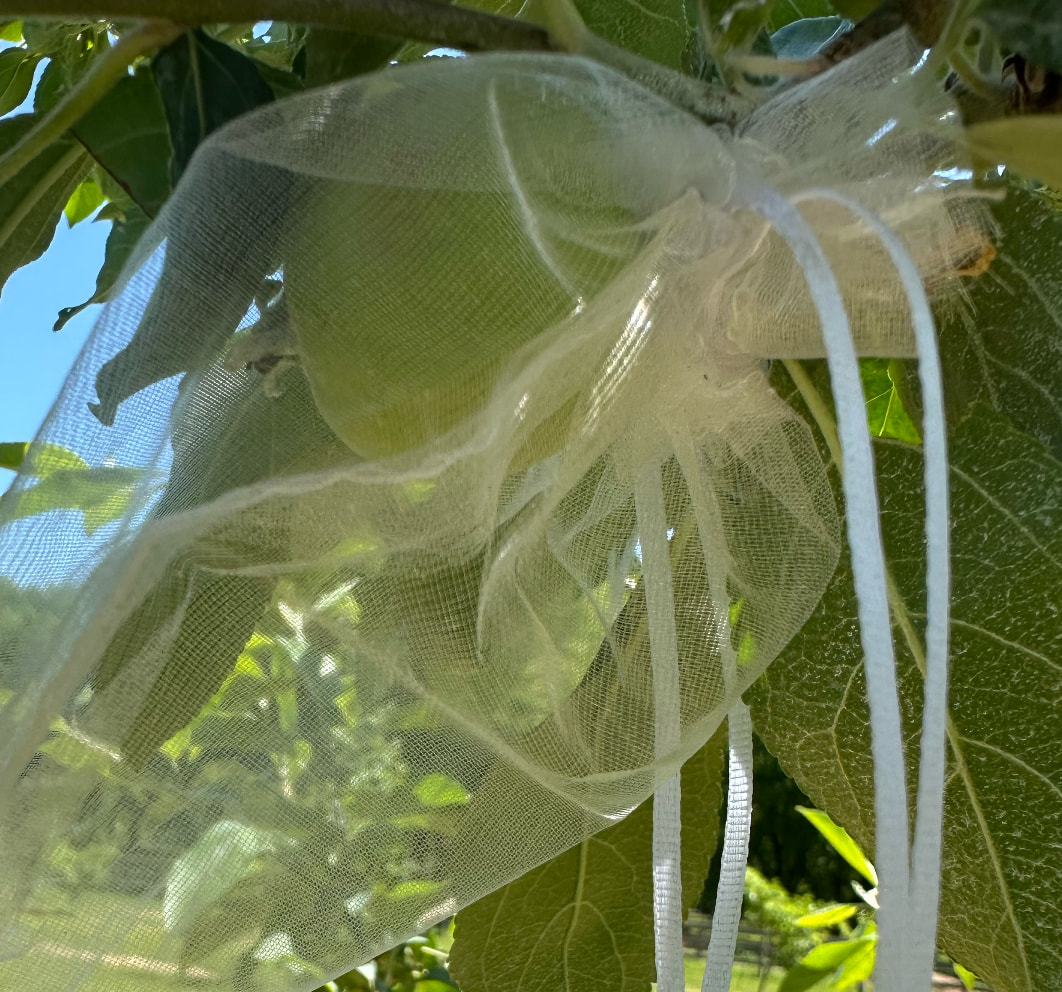
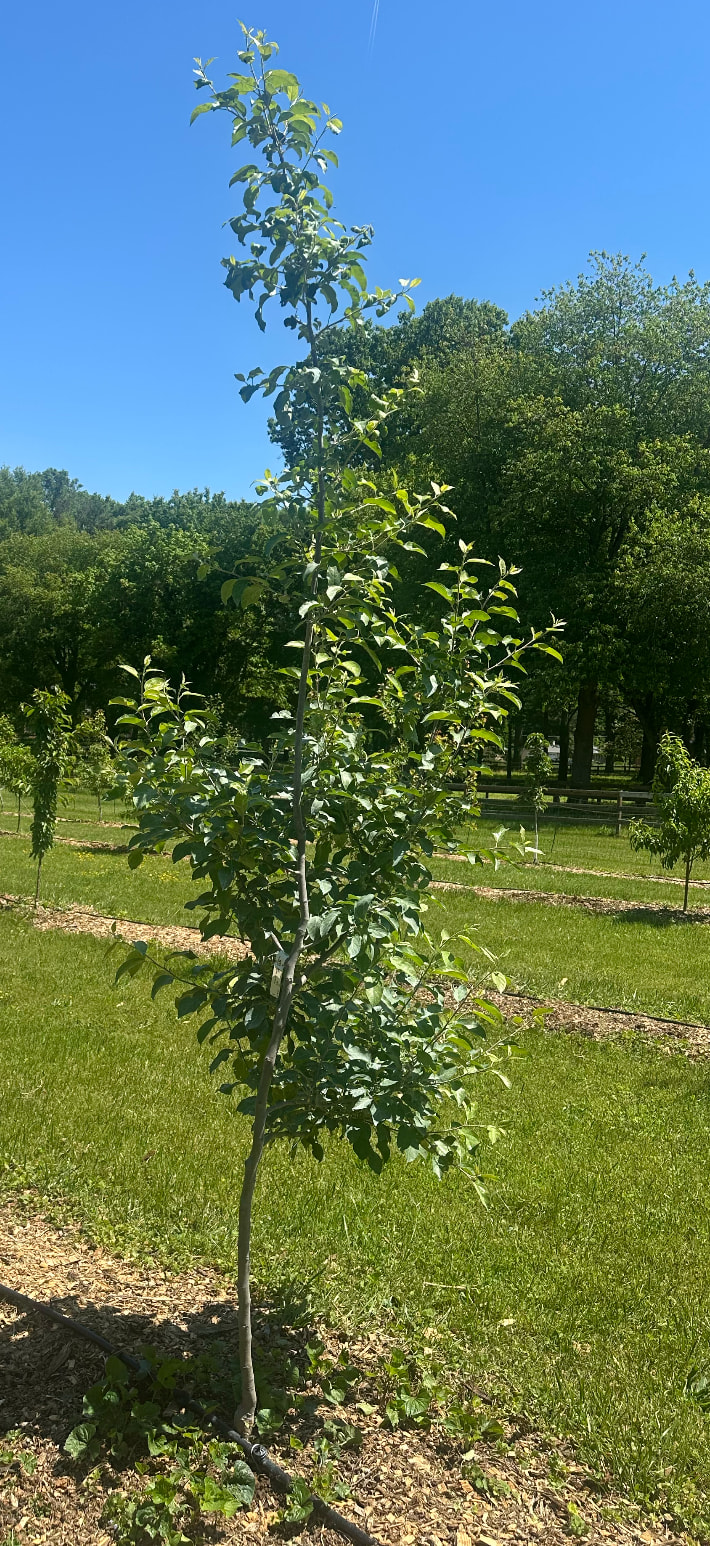
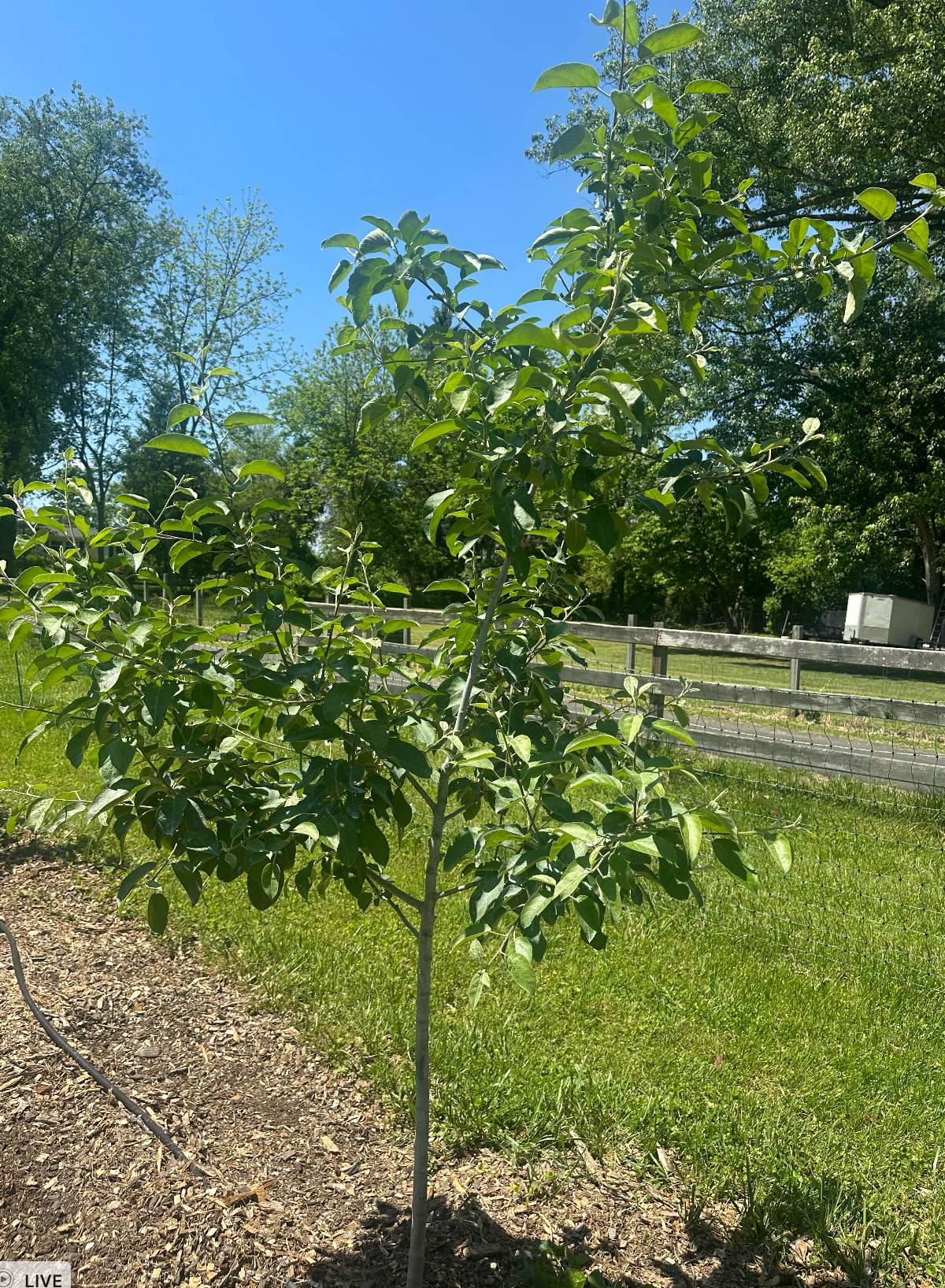
Mother’s Day Update with the trees now in the ground for 14 months or 20 months, pending source (bare root or pots from nursery). Growth has really taken off this year! See the summary below, but it looks like I will be getting some fruit this year (20 apples, 4 peaches, and 1 cherry remain) after a devastating late frost!!!
-
Zestar and Liberty Apples producing very well. After thinning, I have 7 and 5 apples left on them respectively. A few other apple varieties have 1-3 apples left on them, where I have three peaches on two trees and one stardust cherry holding on for dear life.
-
After winter pruning causing some dieback, I went much lighter this year. That, combined with incredibly growth has caused some really thin, tall, and weak trees. Planning to do some pruning on the trees without fruit once we have a few day dry spell. My Franklin Cider Apple is literally 11 feet and has been in the ground 14 months!
-
Pear, peach, nectarine and apricot growth is insane! I feel like I will have to prune three times this year at this rate!
-
Disease pressure not as bad as last year so far (I have done two copper sprays), with only one tree getting CAR (Golden Russet G.890), and a few getting Frogeye Leaf Spot/Black Rot very lightly (Zestar M.7, Liberty M.7, Fireside M.7, Goldrush EMLA.111, Scarlet Sentinel, Golden Sentinel).
-
Cherries started out really poorly, but are finally getting some growth the past few weeks here
-
My sunrise pear (OHxF87) is not dead, but has literally not grown at all. I do not know what gives. I pruned it when it arrived as one would do, but just grows leaves and no branches. Need to figure out what to do there.

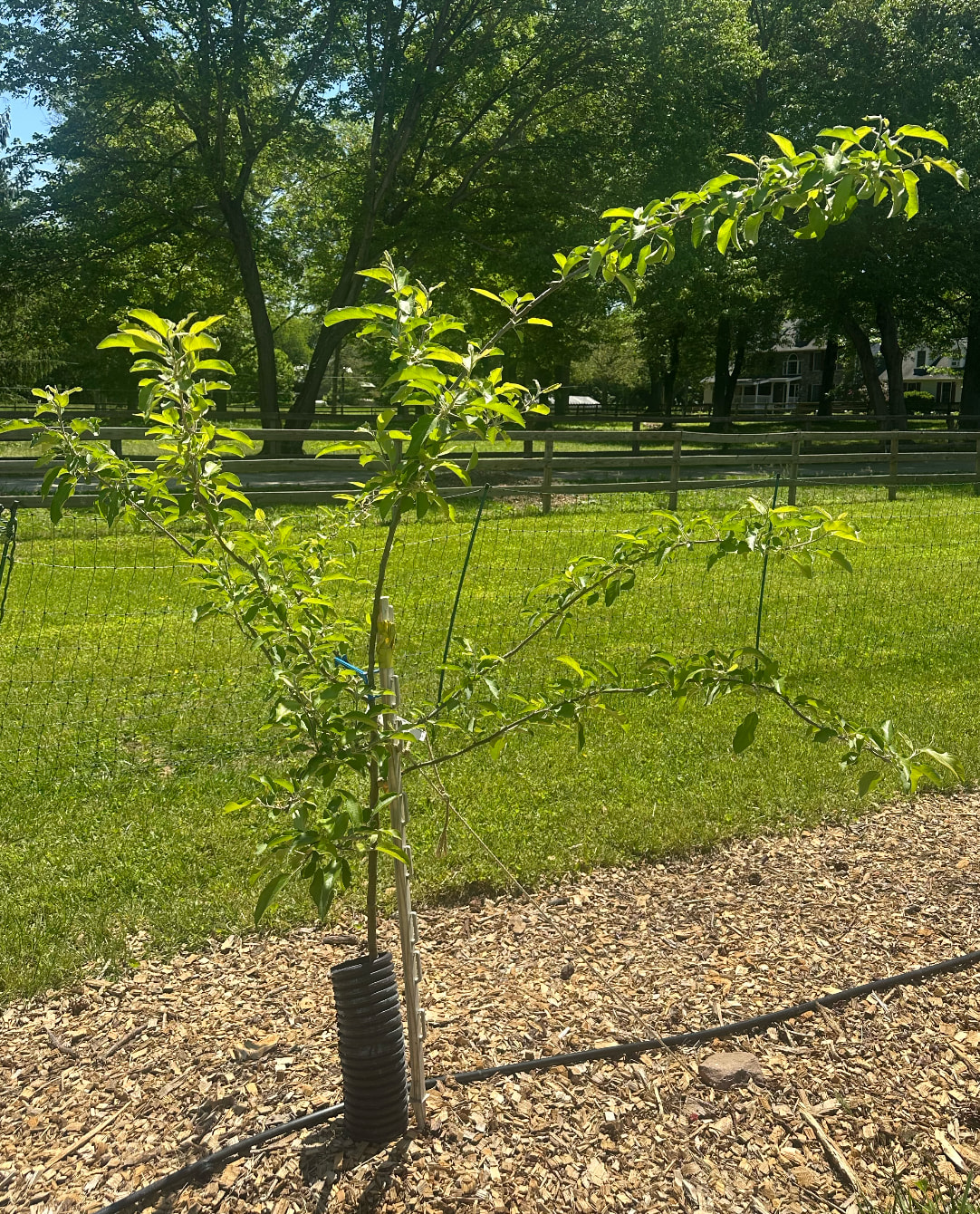
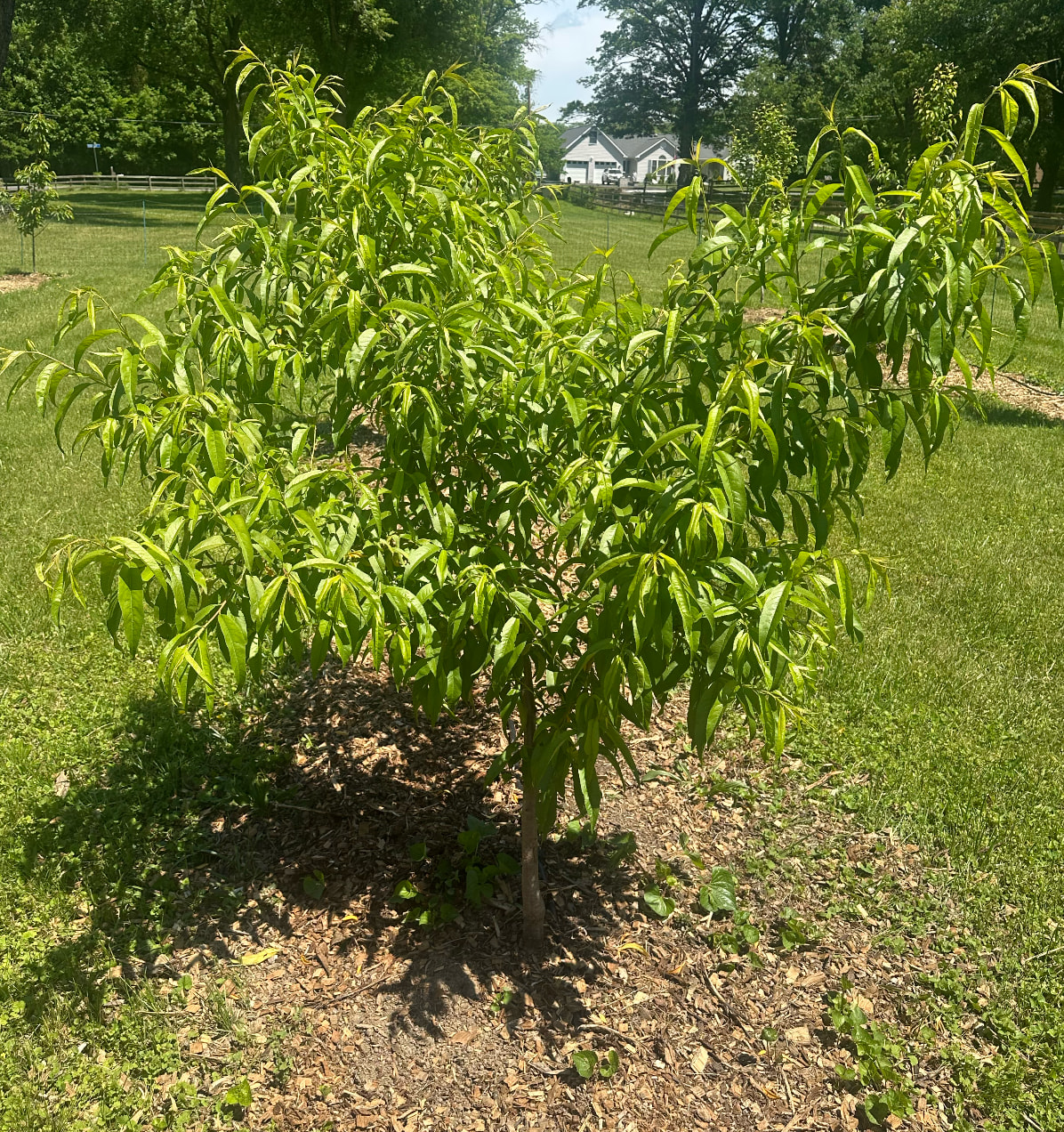
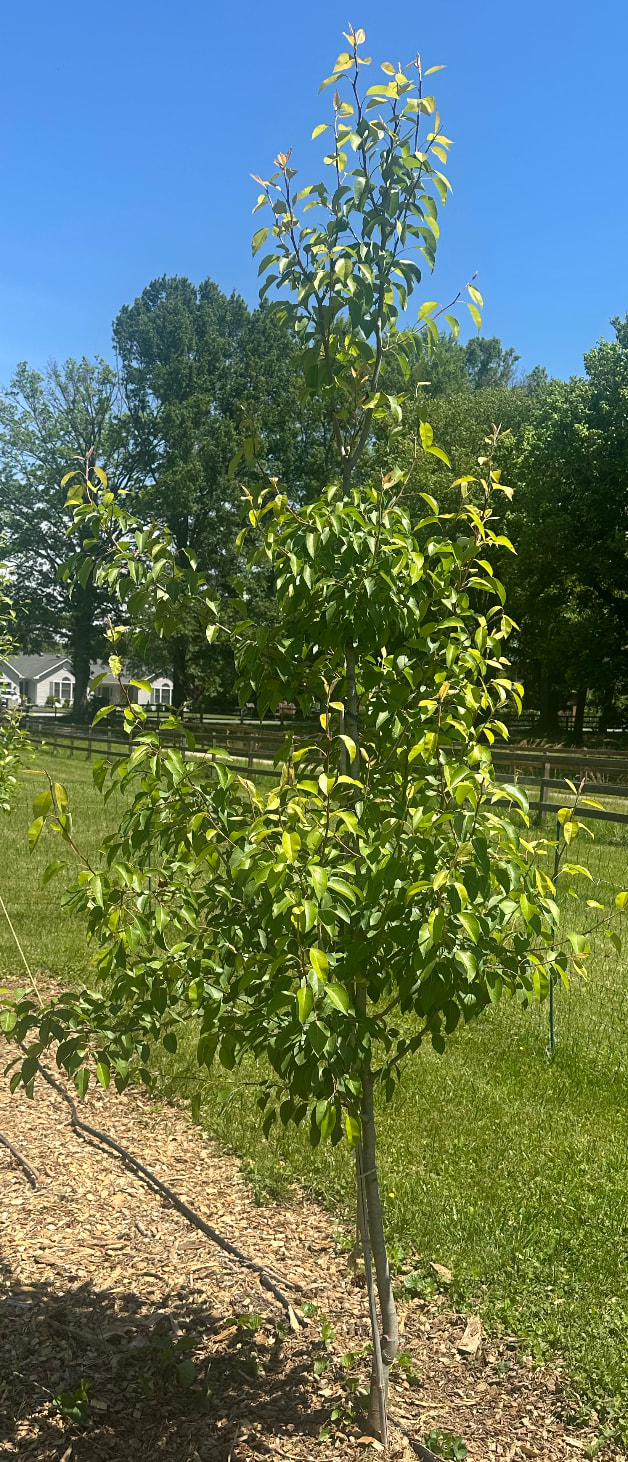
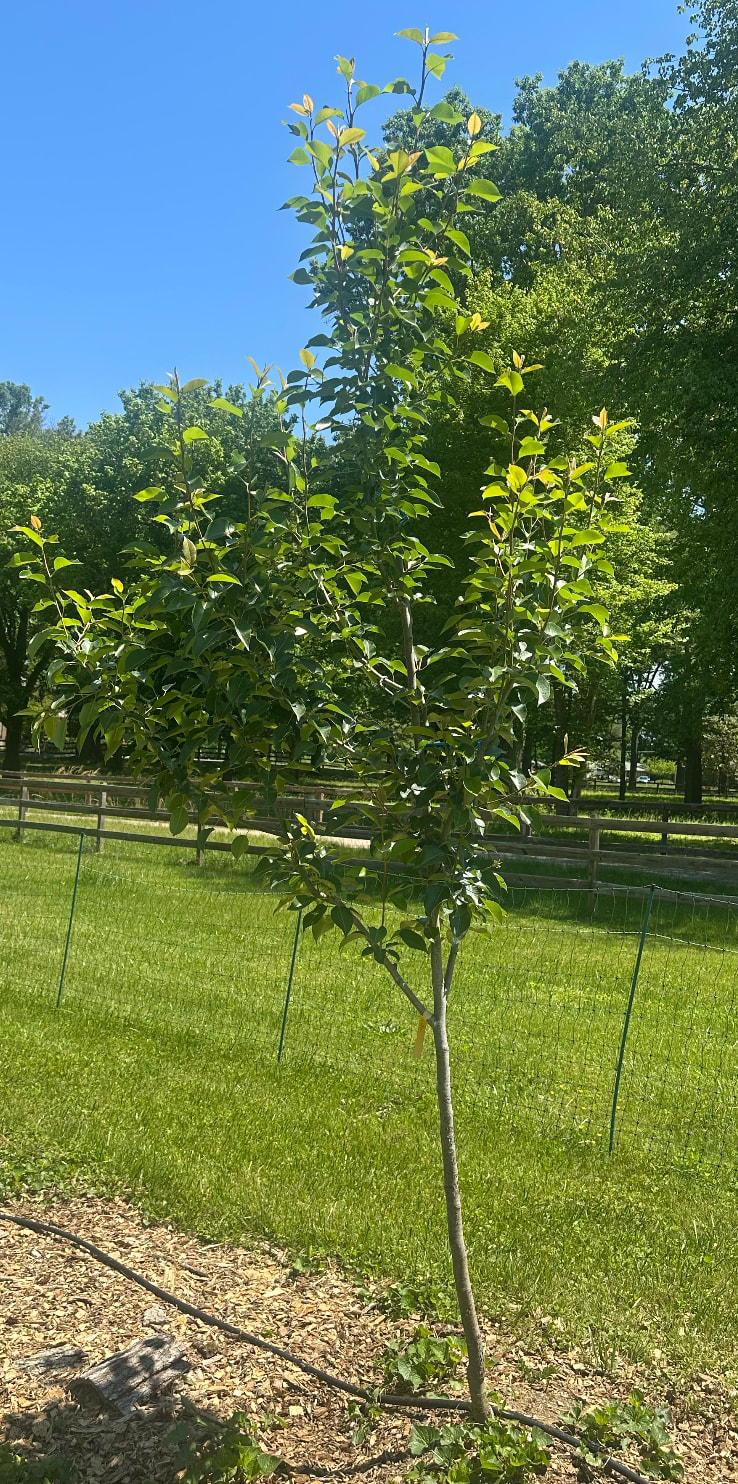
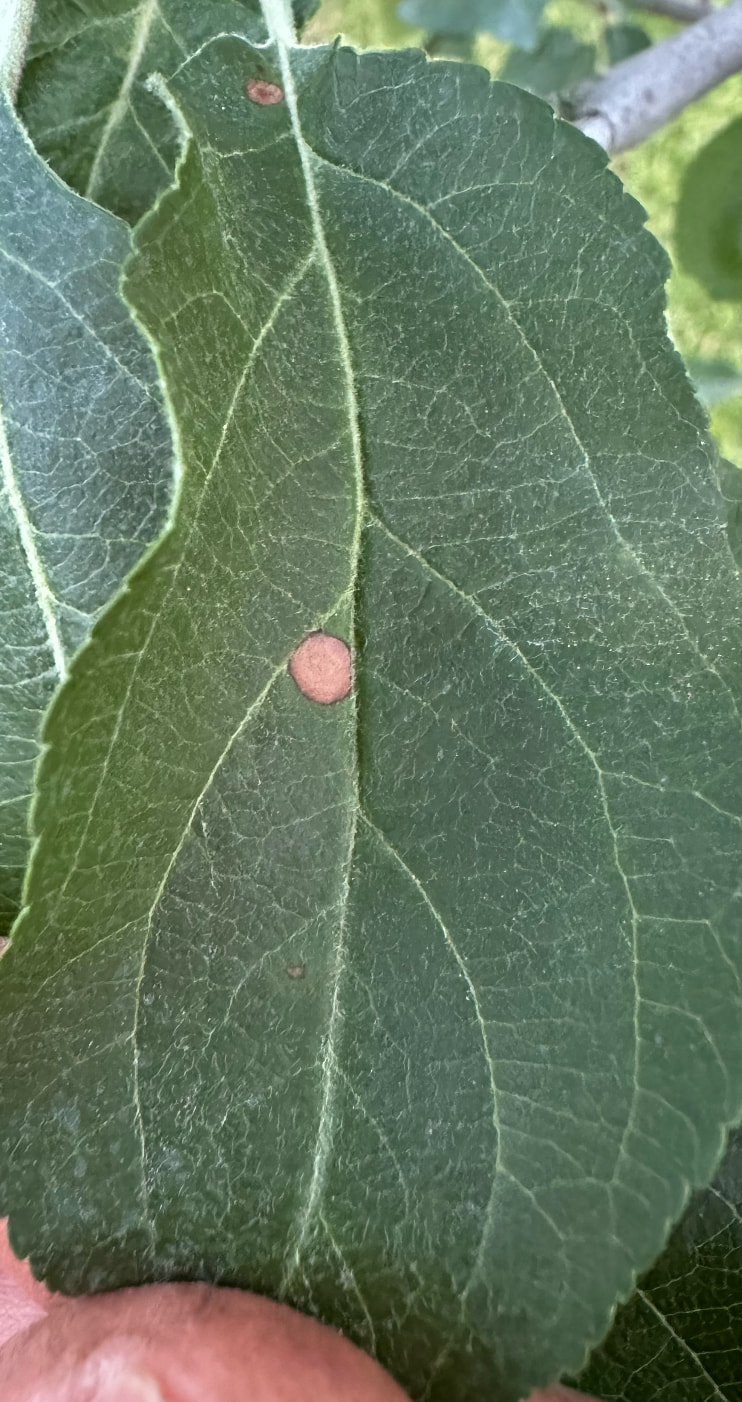

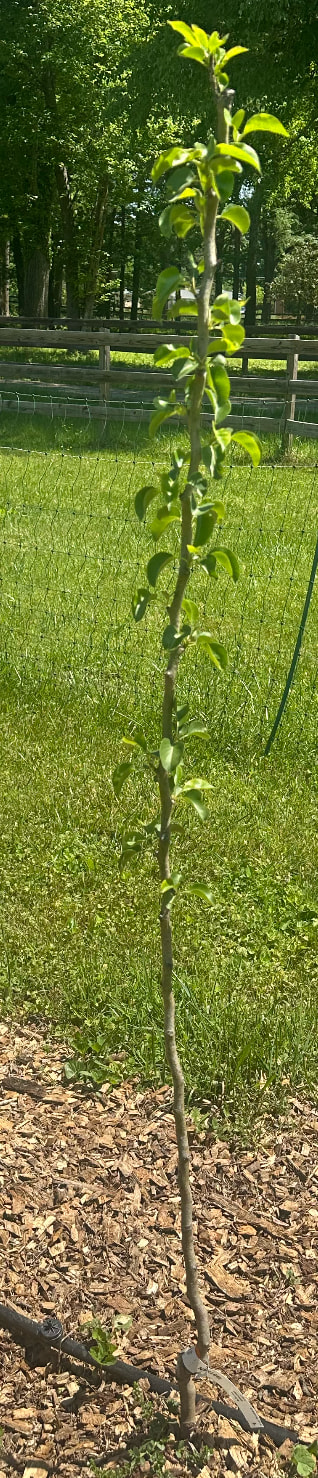
3 Likes
Sounds stupendous! Where are the photos of this orchard?
Excellent work!
I wish I was as organized as you when I started.
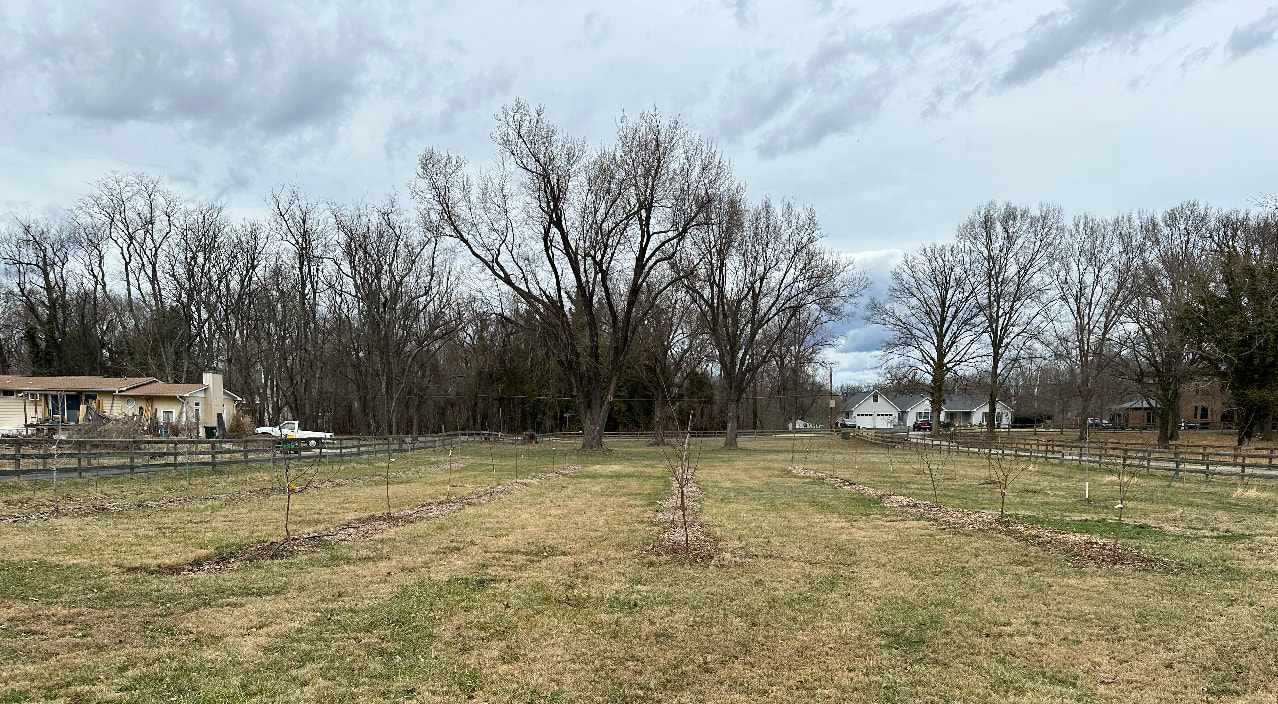
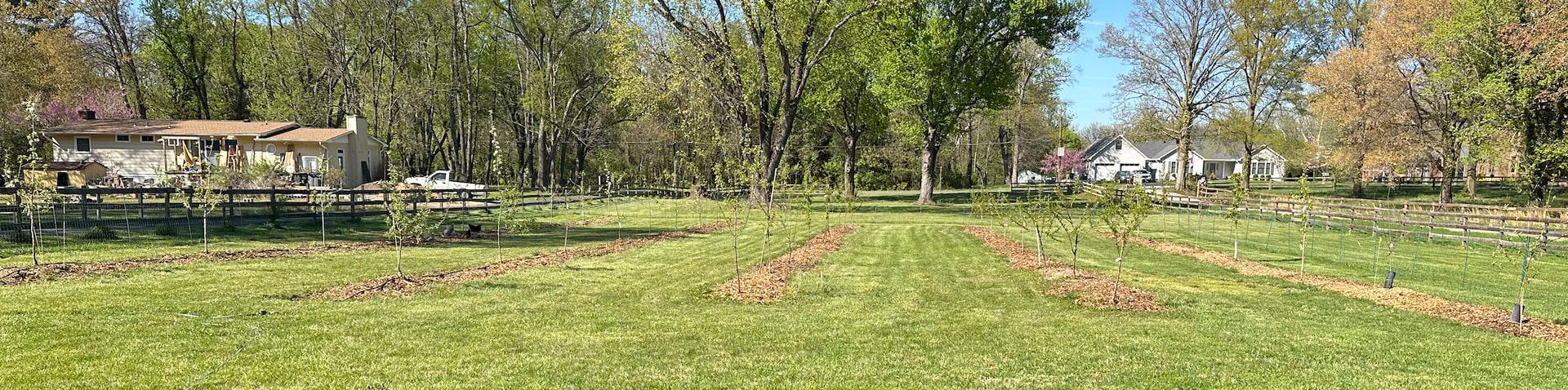
Given the orchard is so wide (~75’) and long (~120’), hard to capture a good picture. That being said, this is like peanuts compared to the awesome orchard @AndySmith has built. Here are some more pictures from the beginning of April, and I need to take an updated panoramic picture. Looks better with the chicken coop in it too (minus the chickens scratching at the mulch and tree roots!).
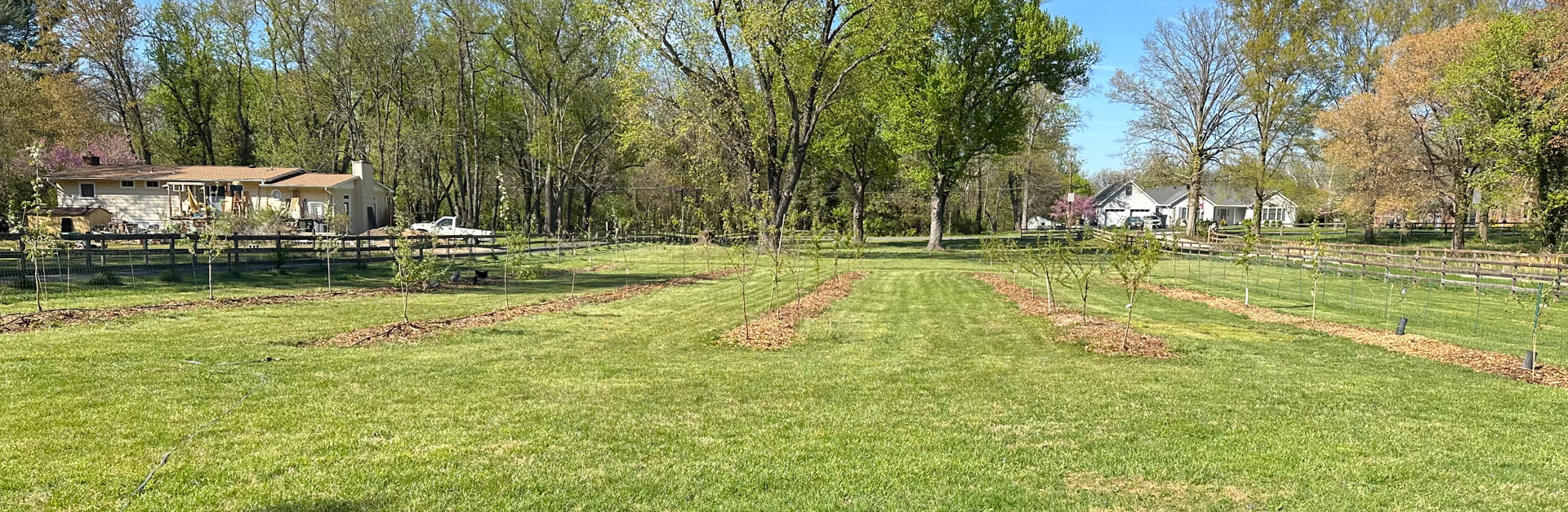
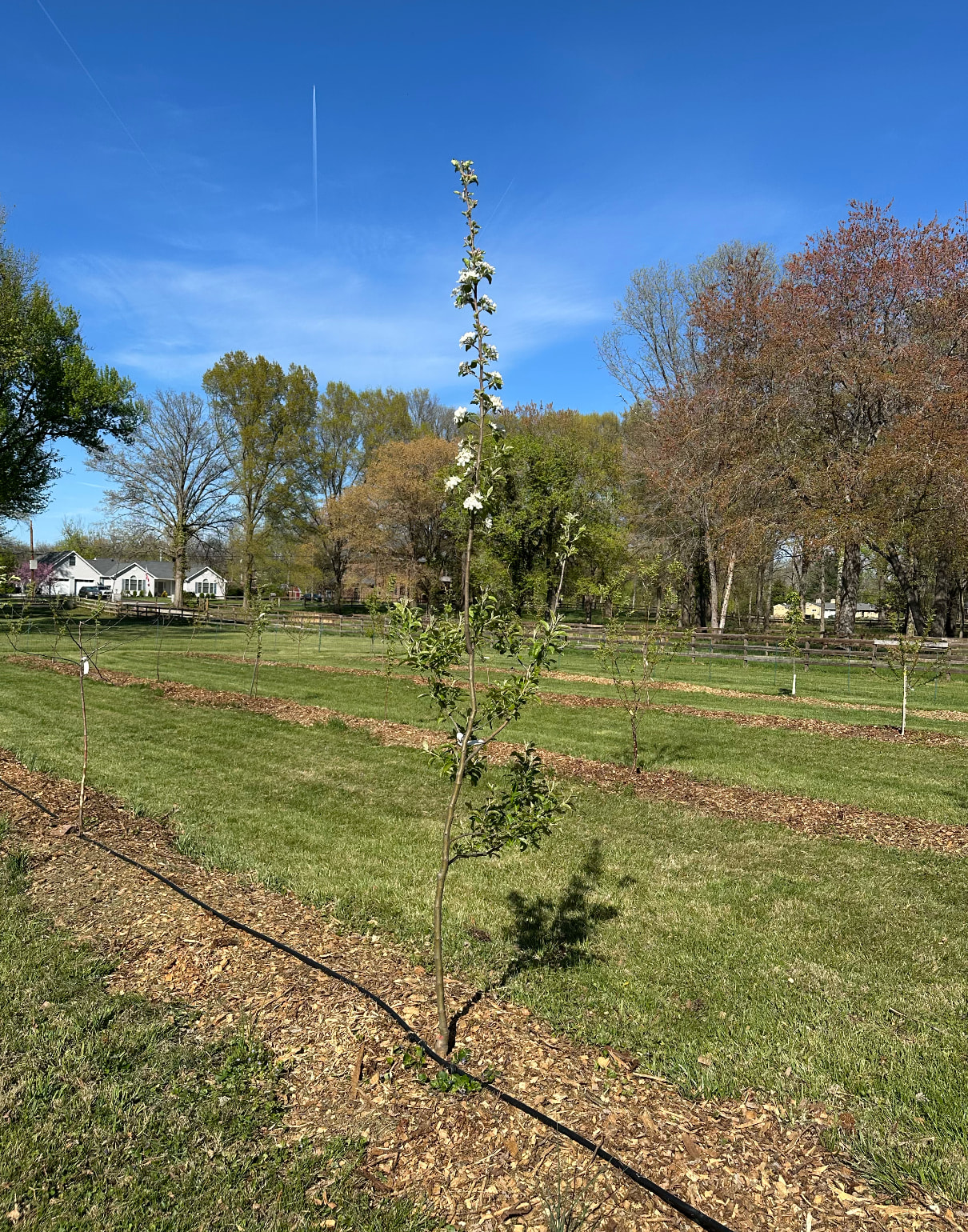
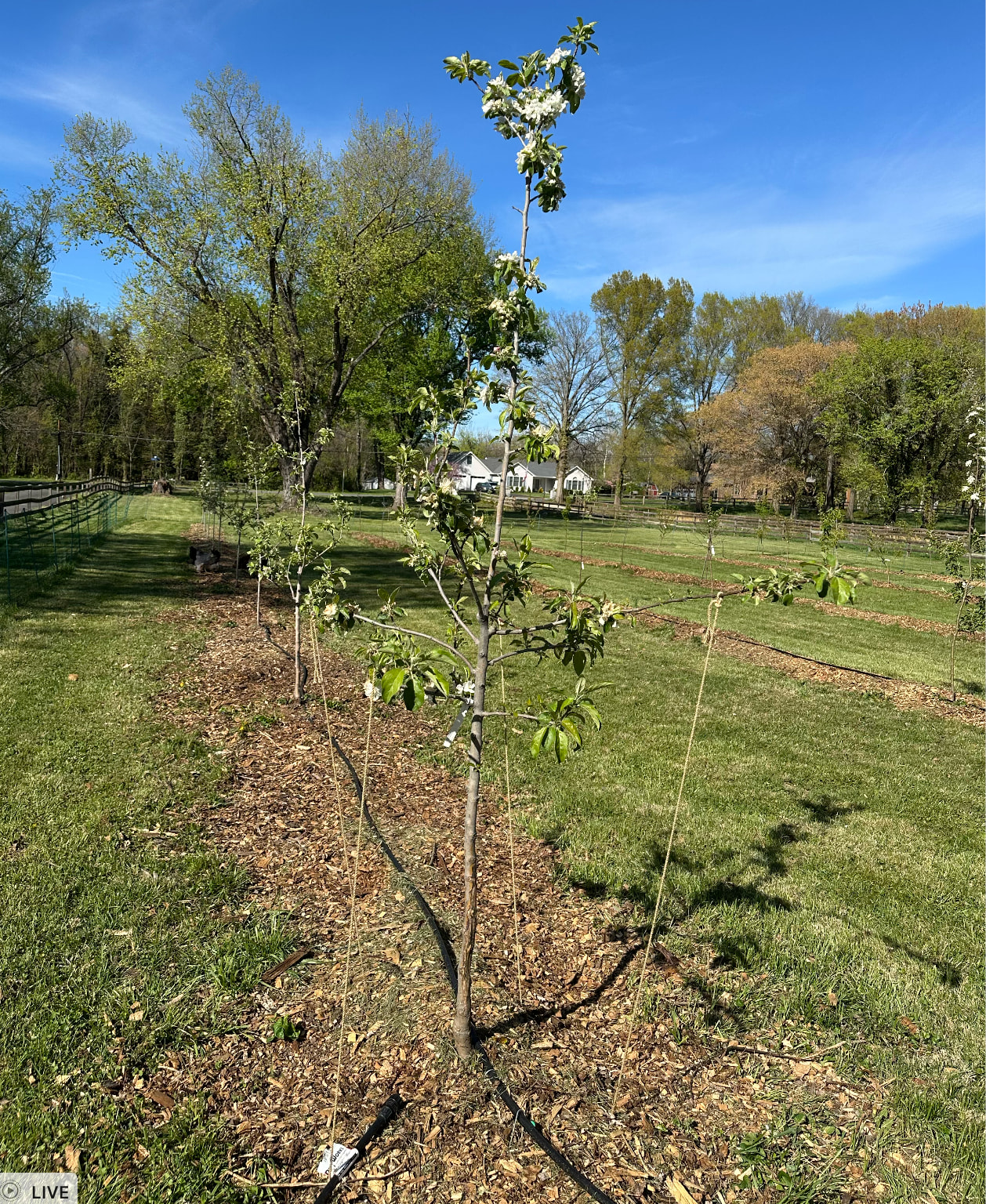
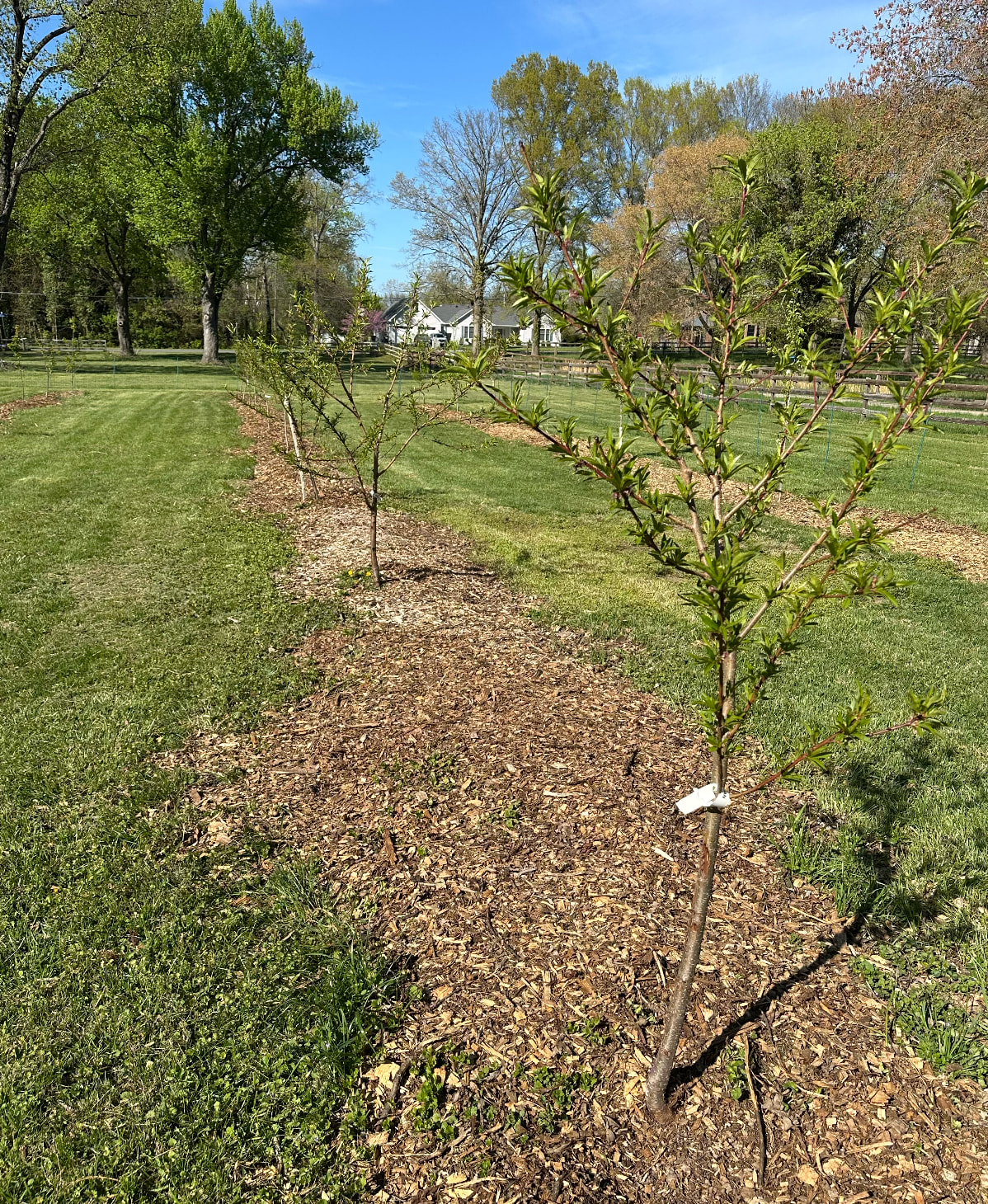
2 Likes
You have incredible vigor with your trees, and a very picturesque setting. Looks like you’re going to have a beautiful orchard in short order, well done! Looking forward to seeing this grow.
2 Likes
Would love to hear what your before (organic only) and after (not exclusively organic) approach for rots looks like. Were you just spraying copper after petal fall, or were you doing a Lime-sulfur? After seeing Frogeye creep up on so many of my trees the past few days, I am really questioning the practicality of staying organic.
Also, I saw you have Sweet Sixteen apples. How have they done in your area? After reading about their taste and seeing them at a nursery, they definitely peaked my interest.
I was using wettable sulfur, lime-sulfur, Serenade, Saf-T-Side oil, and a bit of copper.
If I was growing only apples I probably could have stayed 100% organic and just gotten used to all the ugly CAR on the leaves. But the stone fruits were near impossible, I was losing most and the ones that made it to ripe I had to eat immediately as they would rot on the counter in a day or two.
A key thing if you want to minimize sprays in general is to remove any disease-susceptible apple. I removed literally hundreds of rotting apple varieties.
Sweet 16 is a great apple with a completely unique taste profile. I’d say it’s a must-grow if you have more than just a couple varieties. It’s not the best on disease resistance but it’s the best of the Northern Spy types that I grew. My current tree is fading so I made a new one this spring. I’ve heard some reports that it’s not the greatest in hot climates but I didn’t notice that so far.
4 Likes