i dont have toka but i have wanetta and black ice. got a bunch of black ice scions in the fridge. if i have time ill try grafting a few before leaf out.
1 Like
both my nankings died of root rot even though they were on mounds on a incline. must be fairly sensitive to wet feet. got carmine jewel cherry right next to them doing just fine.
sure! still got some time before leaf out. what you looking for to trade? got a bunch of black ice scions in the fridge.
Hi Steve
Would need to wait until dormant, mine are already blossoming so too late to cut now, but I would be happy to send in Feb if you remind me.
Dennis
1 Like
I’ve been trialing various prunus species and cultivars for Prunus virginiana compatibility, here in our corner of southern manitoba we have var. melanocarpa, black fruit chokecherry. So far going into year three some selections of Prunus americana have been the most compatible, so if you have wild plum in your area it’s worth trying - just keep in mind americana is often hybridized and it’s seedlings will often appear true to type but graft compatibility I’m sure may vary. Prunus nigra or Canada wild plum has not been compatible in any tests yet but I’m growing out seedlings and will try a better sample of genetics. Toka is an americana hybrid and it’s also compatible, but I would only use it on a larger stock because it outgrows choke cherry quickly - like 3-4 ft with secondary branching in the first season. It can have issues hardening off in time in the first year. I have Toka in year 3 that’s healthy and survived some cold winters and hopefully will fruit. I’ve started double working other plum varieties onto these. We have very sandy soil and we’re in zone 3, and I’m finding these topworked chokecherry are outperforming other prunus rootstocks.
4 Likes
Many other prunus varieties like I’ve tried Waneta will take initially and grow for part of the summer, long enough to get some budwood. In my experience while almost every plum I’ve grafted does initially grow, but then they decline in the heat of the summer, water stress from a less compatible union seems to be the cause, a couple ft of healthy growth in june just wilts on a hot day in july - but this could be different if you’re say on the east coast and have more rain than us, we tend to have hot dry summers, and for sure there could be populations of choke cherry that are more graft compatible, your milage may vary.
3 Likes
Interesting! I’ve seen them growing close to an irrigation ditch and to the river, but then our soil is particularly well drained.
1 Like
they grew well the 1st. 2 years but last summer was real wet and muggy. both wilted and died by early fall.
1 Like
i think we have the black chokecherry here as well but im on heavy clay. we average about 38in. of rain but we got double that last year. our summers are relatively cool as well.
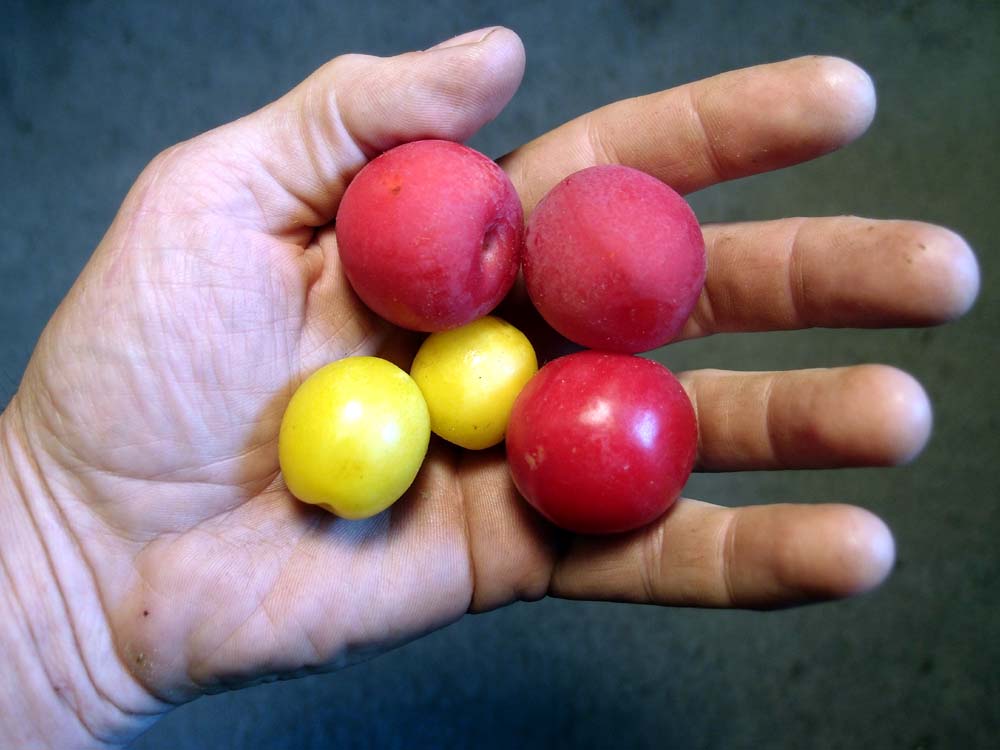
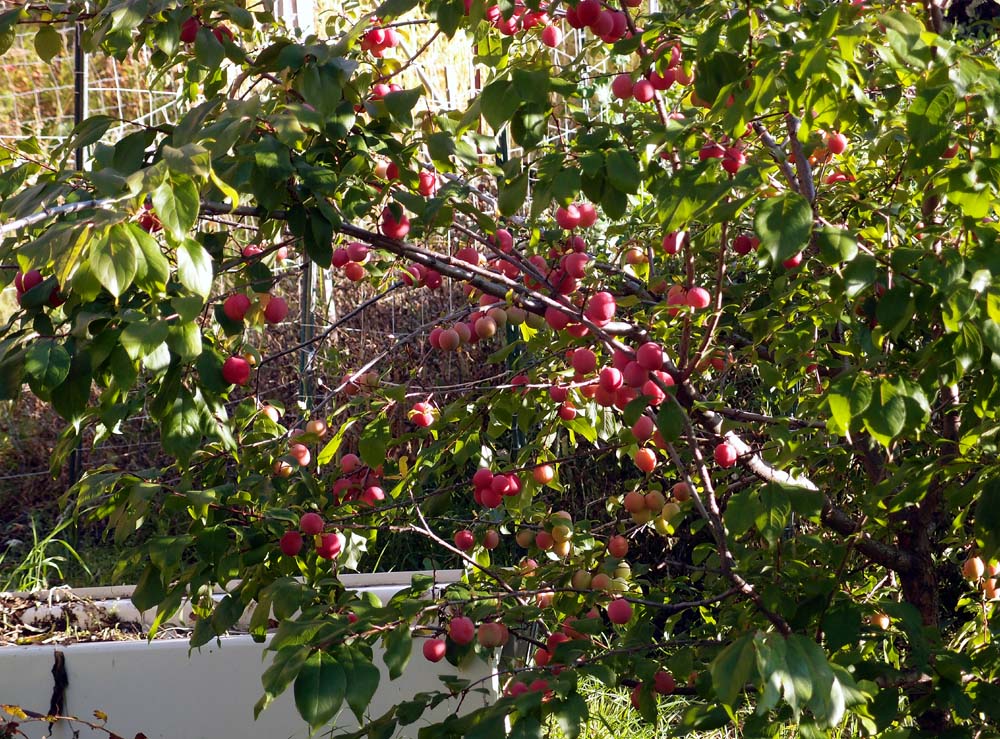
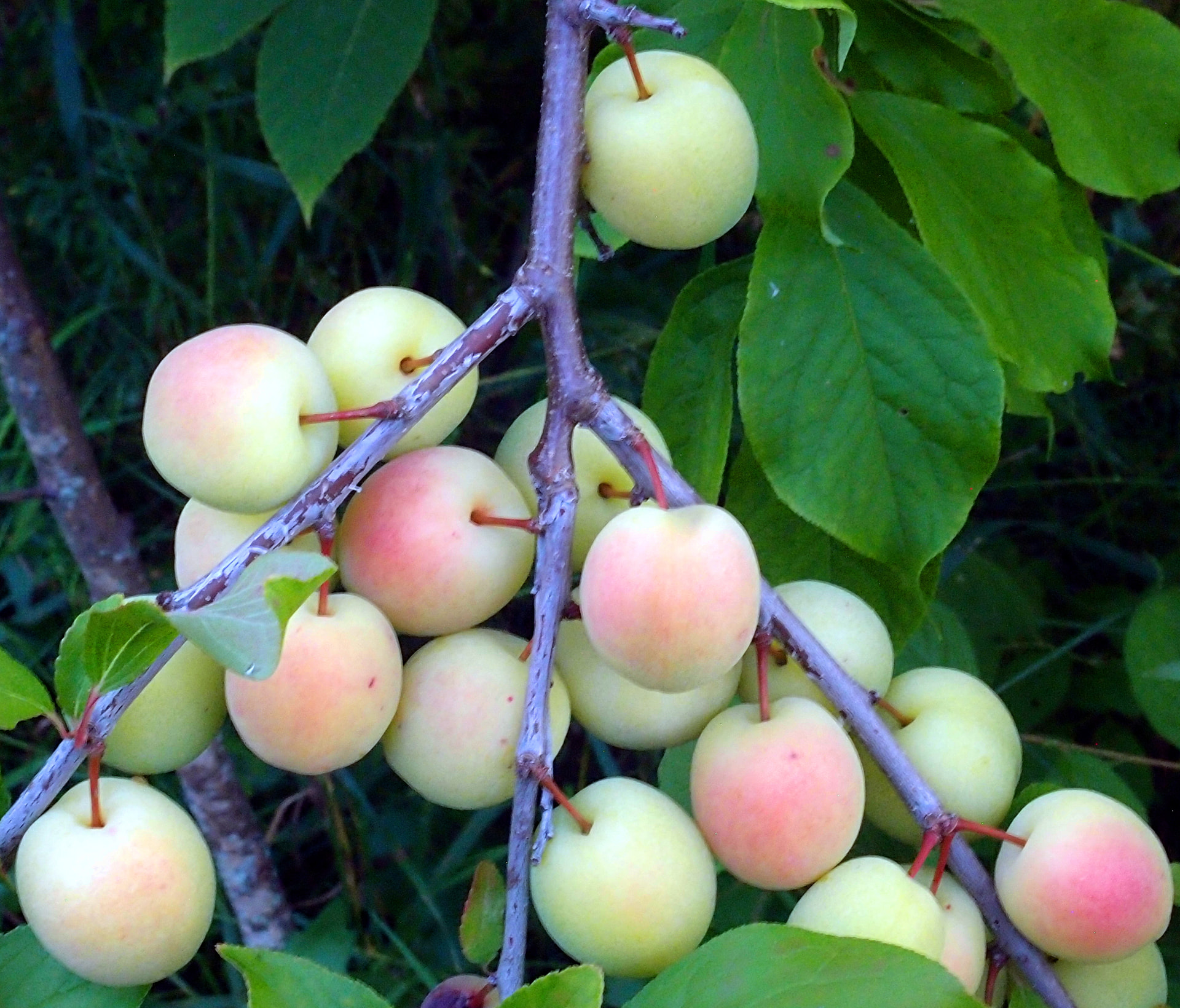
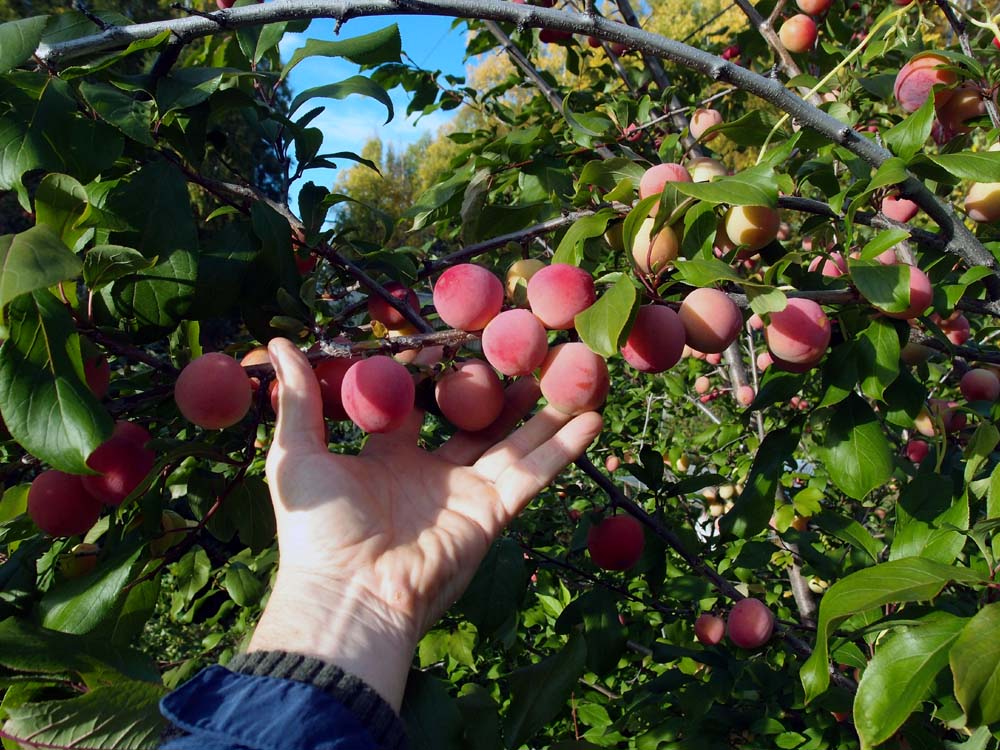
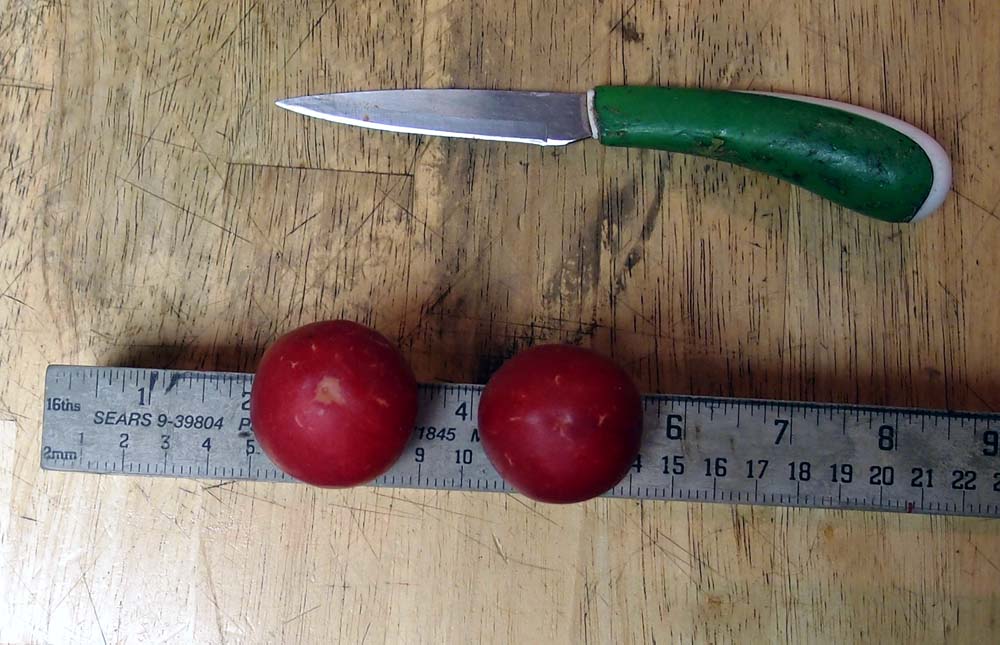
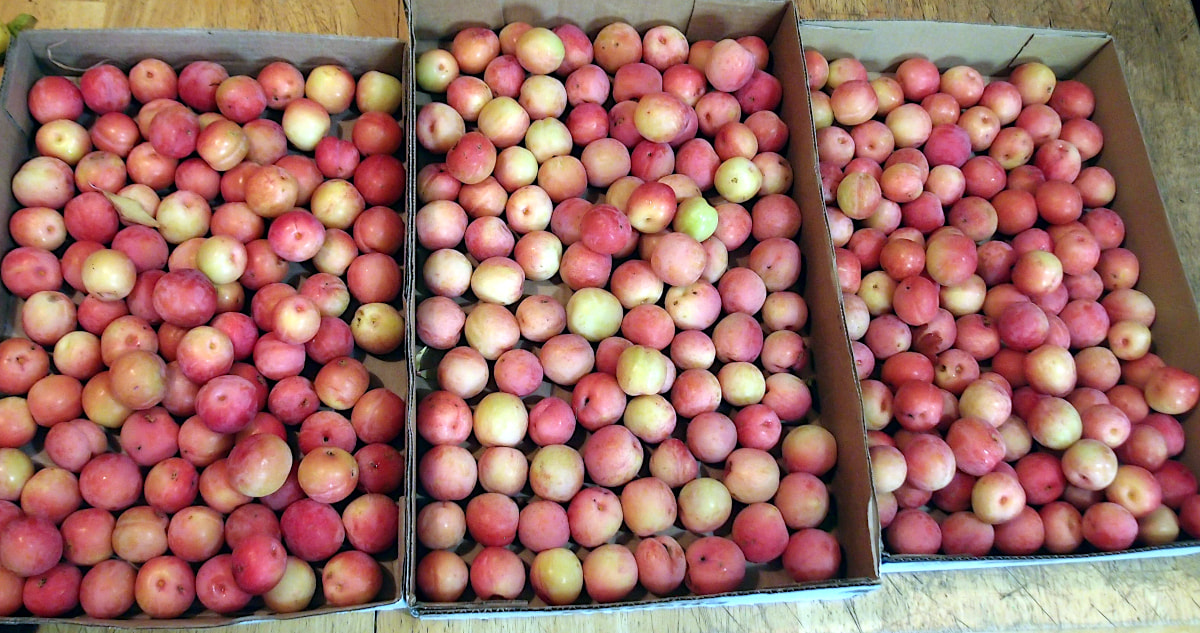
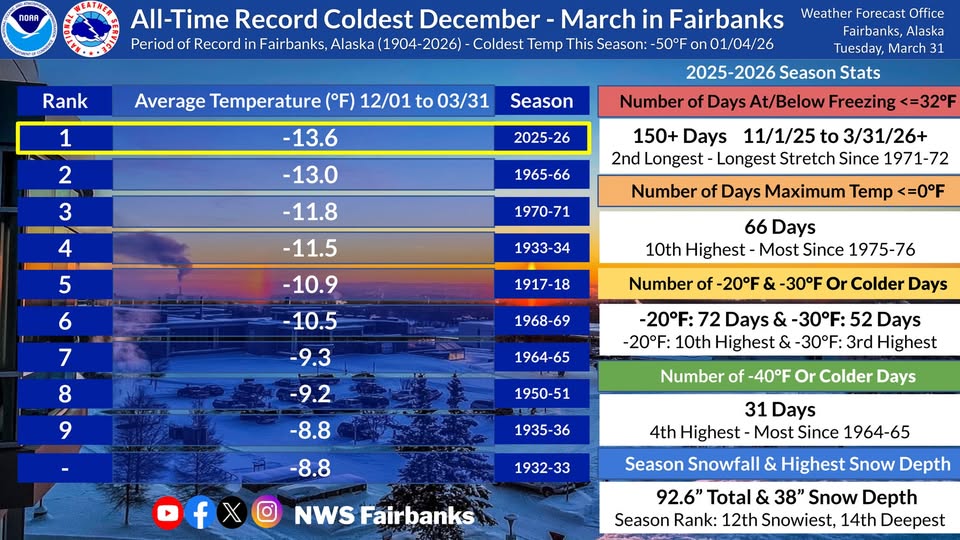
Wow, my fame is spreading! I’m the Vic in Vic Red…didn’t name it, but shared it around, and others have immortalized me. Here’s the story on it: about 25 years ago, I had a dozen or so failed grafts in a nursery row, which were starting to crowd one another, so I selected a few and let them grow to maturity. I think they came from the now-defunct Lawyer Nursery. Not sure it’s pure americana, since I presume it to have been open pollinated. This one and a yellow Manchurian plum were the first to fruit, about ten years later. It’s a nice plum; very aromatic and plummy tasting. A bit late for us in interior Alaska; occasionally we get a summer too cool for them to ripen, but that shouldn’t be a problem almost anywhere in the Lower 48. The largest fruit I’ve seen on it was slightly over 1.5”, but I don’t thin and they’re very productive–one year I harvested 1,100+ plums from the original tree, which is still producing, but in decline. When completely ripe, the fruit is dark red and semi-freestone. It’s super hardy; we just had the coldest average winter temps on record and there is no dieback. It’s endured colder than this winter’s lows, but we did have more than 30 days below -40F. Glad to see it’s getting some distribution; it’s definitely worthwhile, especially for those dealing with severely cold climates. It will be interesting to see how it does outside Alaska.
What I believe to be a seedling of the yellow Manchurian rootstock plum pictured below just bore for the first time last season, and it was outstanding–far superior to its likely parent, so maybe there will be a Vic Yellow!
15 Likes
@VicJ.. nice to meet you. I was sure hoping Vic Red would help me overcome my problems growing plums.
Unfortunately.. it was grafted to my Shiro plum tree.. it and a graft of a wild sourced in PA.. and a few other varieties….
And my Shiro tree up and died on me this spring. I just removed it yesterday.
Limb by limb the leaves just started wilting.
Same thing happened to a EU Plum here a few years back. It had.. previously had black knot 2 times.. and died one spring when leafing out. Limb by Limb wilting.
My Shiro had no sign of disease but died the same way.
Plums are near impossible here.. a real challenge. In 18 years of growing jplums… 1 good crop. 2 or 3 other small crops.
Late frost wipes them out almost every year.
Vic Red bloomed the same time as Superior, AU Producer here. Around March 10.
Alderman, Waneta, Pipestone bloom a few days later. I have Alderman and Waneta grafted on my last jplum now.. will add Pipestone next spring.
The battle for plums continues.
TNHunter
2 Likes
wow! 30 days of -40 is rough. makes for a very long winter. we used to see a handful of -40 here but havent in 5 years. those guys that burn wood must go through 10 - 12 cord in a winter like that.
The Altai Mountains crab scion I got from you has proven to be an annual producer of tasty fruit. They look like huge cherries in August. My trees have “only” seen -38 for a low. Zero tip dieback
Thanks again
I would just like some clarity on what species you mean when you say Manchurian plum. Do you mean Manchurian apricot? Or something else? An extremely cold hardy wild type Prunus Salicina (Japanese plum)?
Prunus salicina mandshurica. The most extremely hardy Japanese plum species.
2 Likes
Nice! Glad to hear they’re productive for you too. Those are my favorite drying apple. I got the scionwood directlly from the Central Siberian Botanical Garden in Novosibirsk back in the late ‘90s.
3 Likes
Yeah, it was an ordeal. Fortunately we had good snow cover. Zone ratings are iffy up here; it’s one thing for a plant to be exposed to severe temps for a day or three, but prolonged deep cold is another matter. It will be interesting to learn what made it through last winter unscathed, and what was killed outright.
1 Like
I have a large potted Toka that I’m planning to plant out this year that flowered at the same time as my large american plum. I’ve never had more than 1 plum on the american because of lack of pollination so I decided to put the Toka directly under it. If I get decent fruit set I think it’s safe to say it’s because of the Toka. We shall see.
1 Like
winter of 08’-09’ were like that here. record cold and record snow. it hit -51 out 70 mi. west of here on the Big Black river with 220in. of snow. massive flooding that spring also.
We’re fortunate here; with the cold temps and dry climate, pests and disease are minimal problems. I know it’s a different story back east, where I grew up. Sorry to hear the plum perished; LMK if you want to try again and I’ll send you some wood.
3 Likes