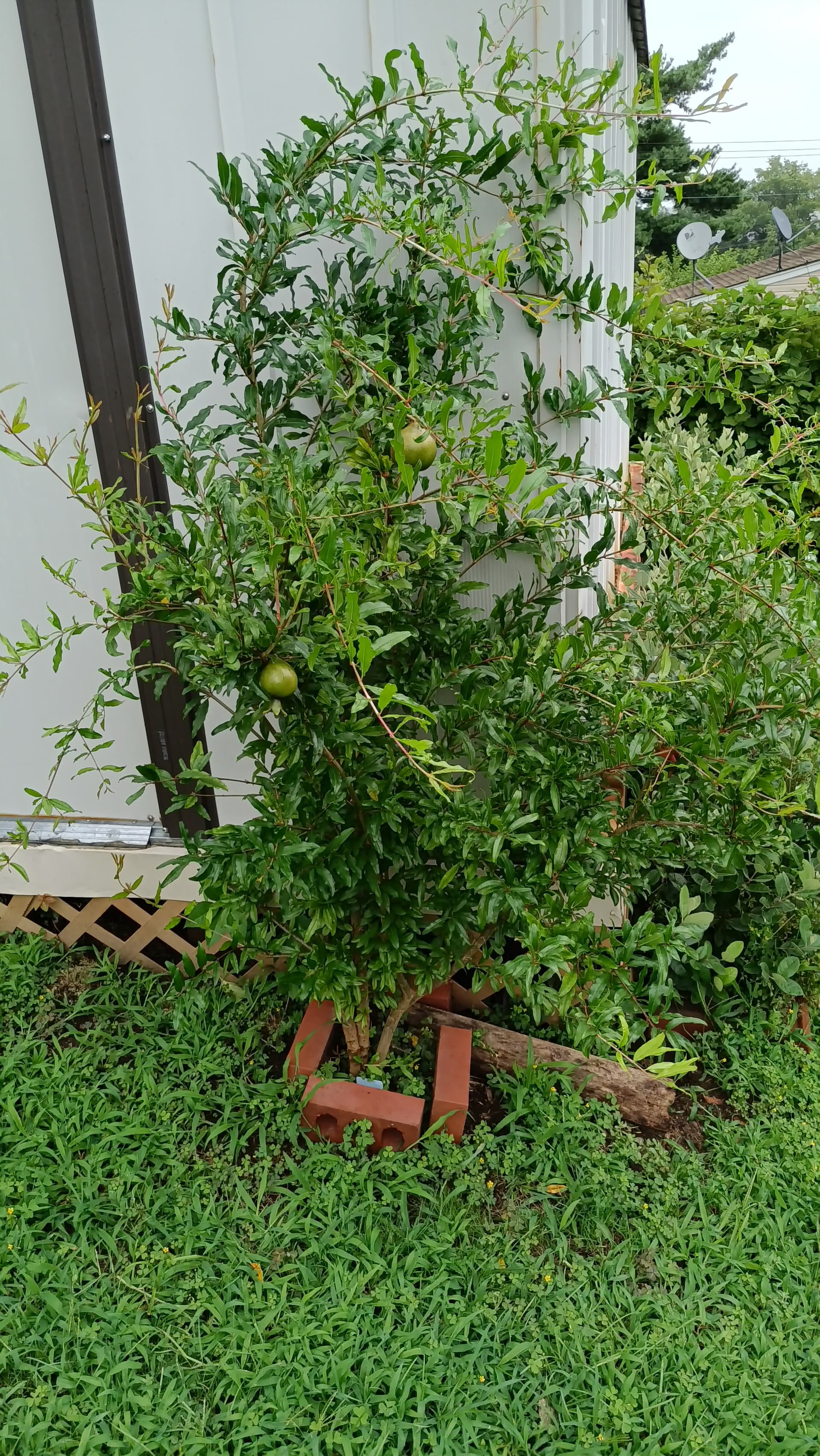
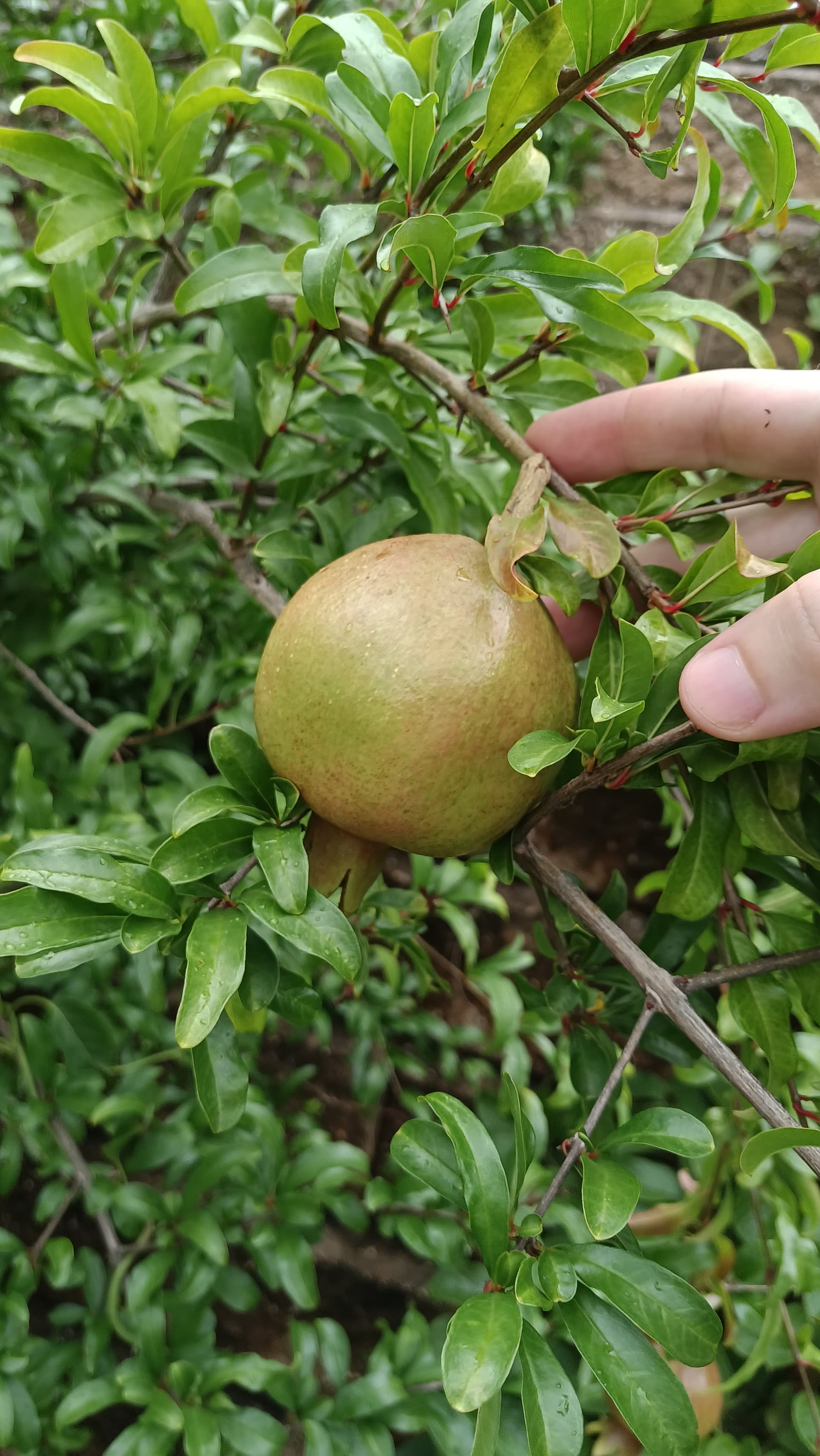
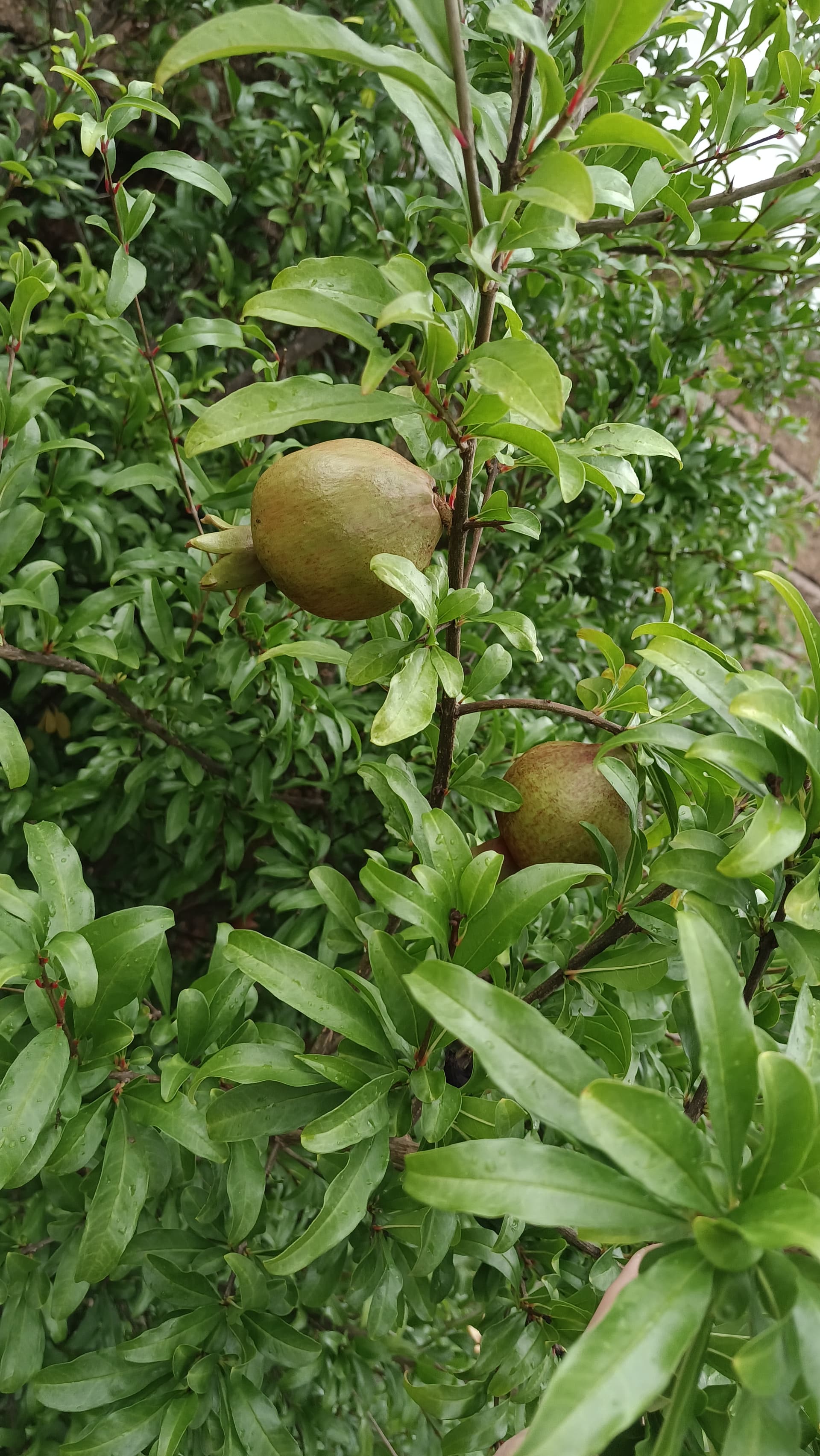
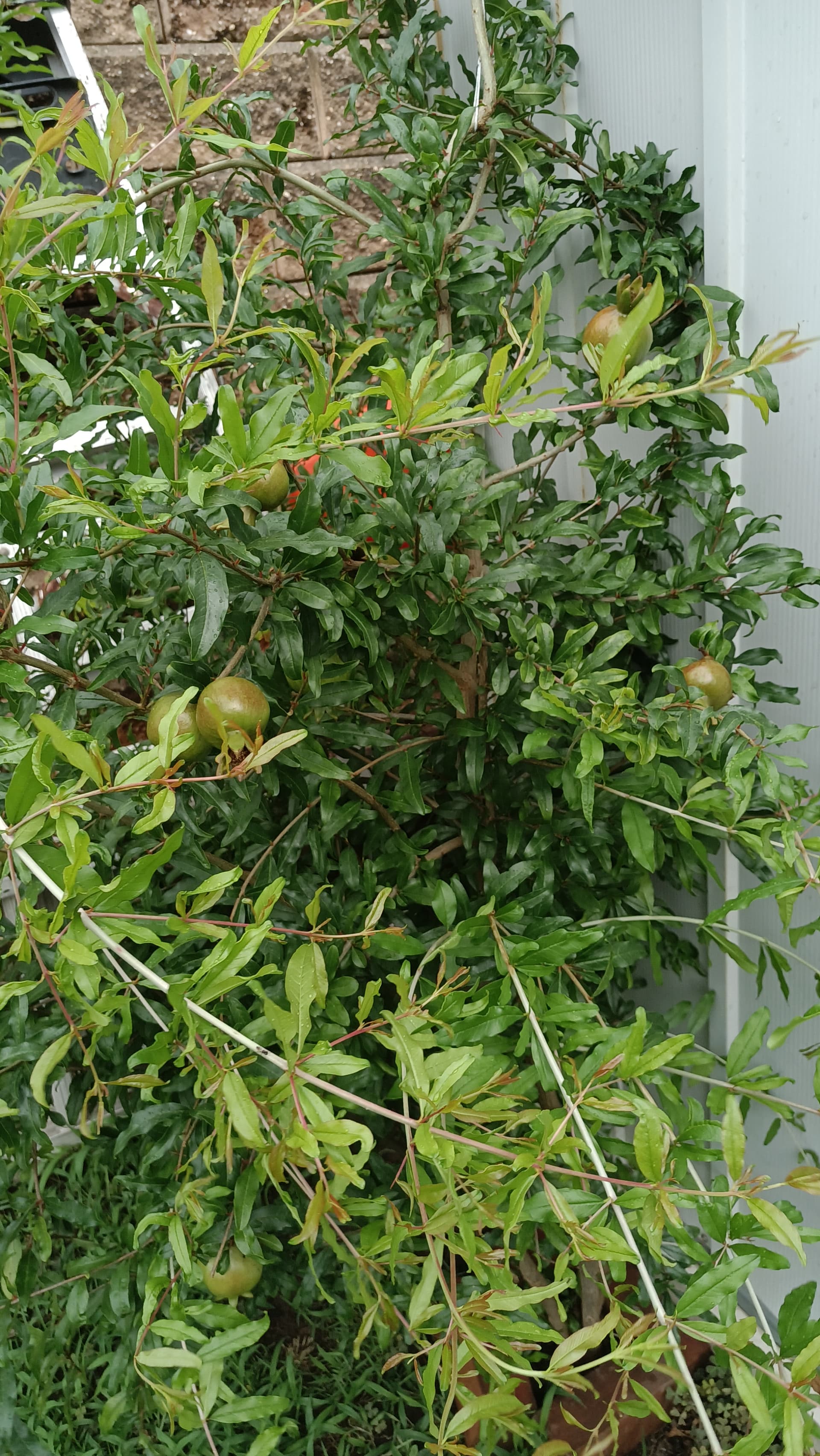
I encourage you to try more figs, there is a huge variety of flavors and you just might find some you like. I grow a couple dozen varieties. VDB is probably my favorite and is super productive on a small tree.
1 Like
I just read a study from Florida about pom resistance to rot (Anthracnose), and Azadi is a yellow skinned variety that shows strongest resistance. Other resistant varieties include Fleishman and Eversweet. I have young Azadi plants both in Greenhouse and outdoors. I will give progress reports as fruit forms.
1 Like
Sorry, Steve . . . I’ve been MIA on the forum for awhile. Busy with art shows. I just saw your post. I have many many pear blooms, for the first time, on some of my grafted branches. So, hoping for some pears this year. I have had good years and horrid years with my apples. Last year was one of the HORRID ones. The year before - super. Who know why???
And figs. Well . . . I just don’t care for them. Maybe it’s the texture. ? They are pretty plants(trees?) though.
1 Like
I understand about busy artists as I know a few. Last year was a terrible blight year for much of East Coast. Un-thinned apple trees will also sometimes flip into every other year bearing. Took nieces and nephews to Plein Air Easton last summer and surprisingly it captured them.
2 Likes


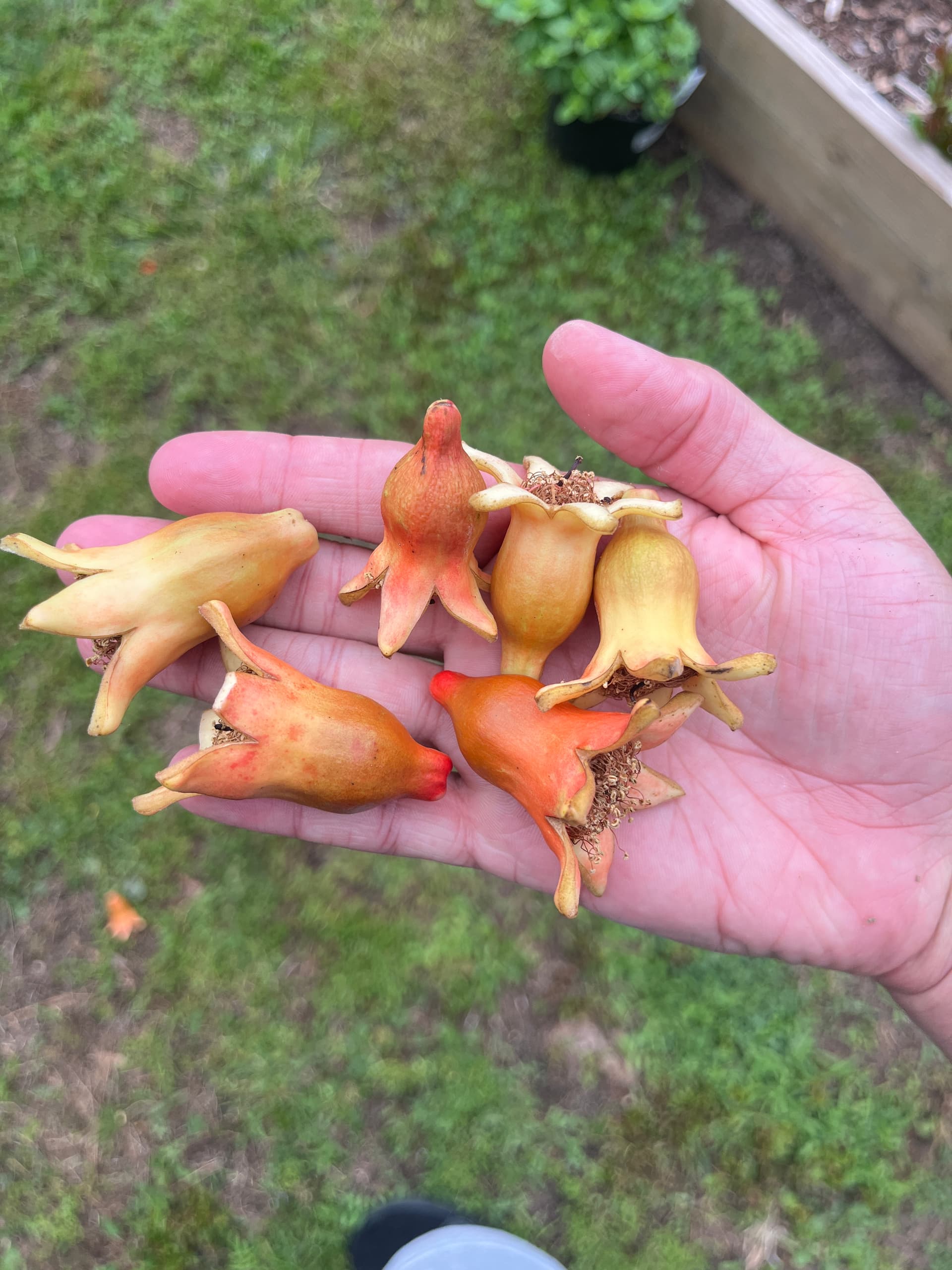
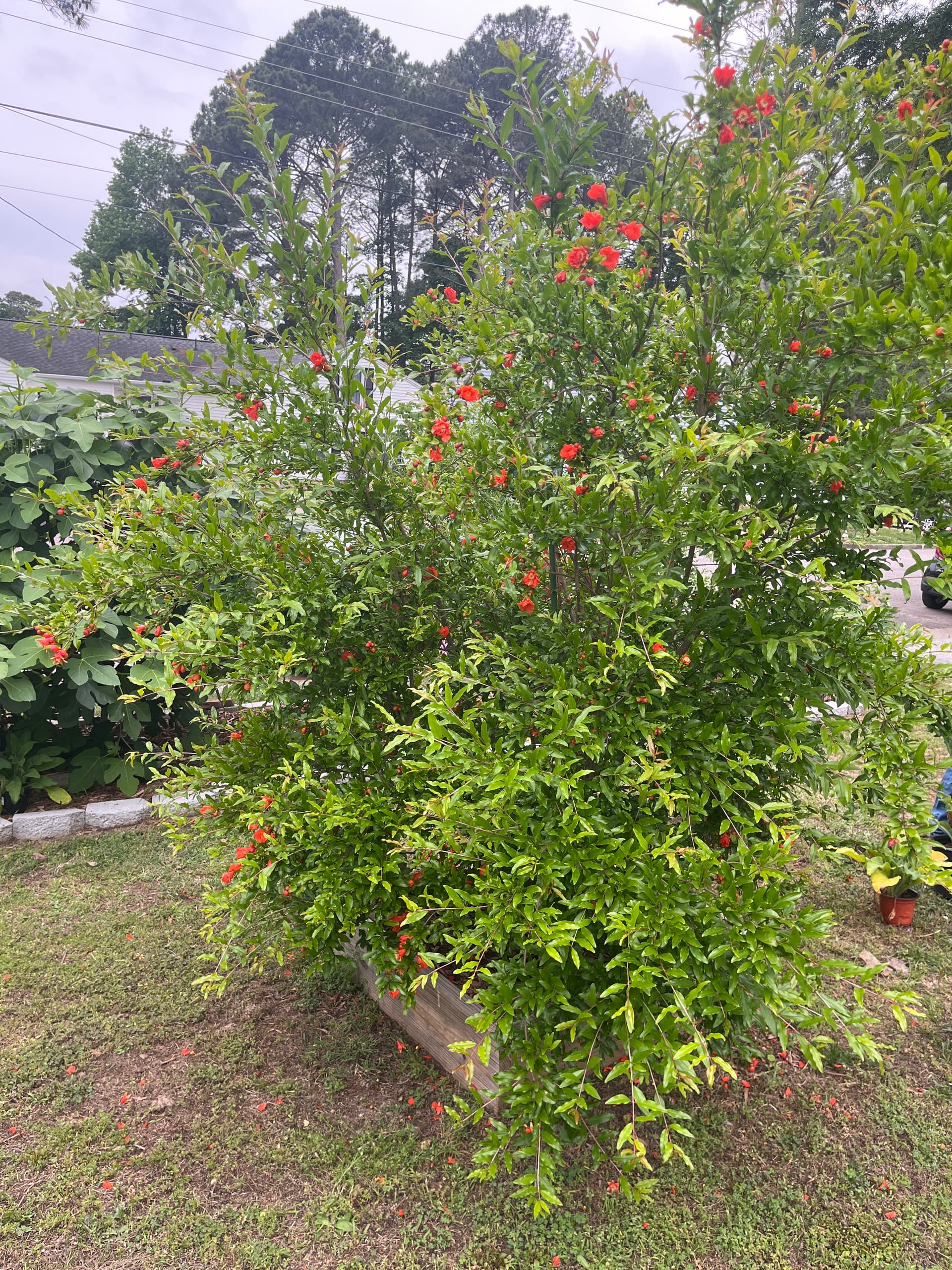
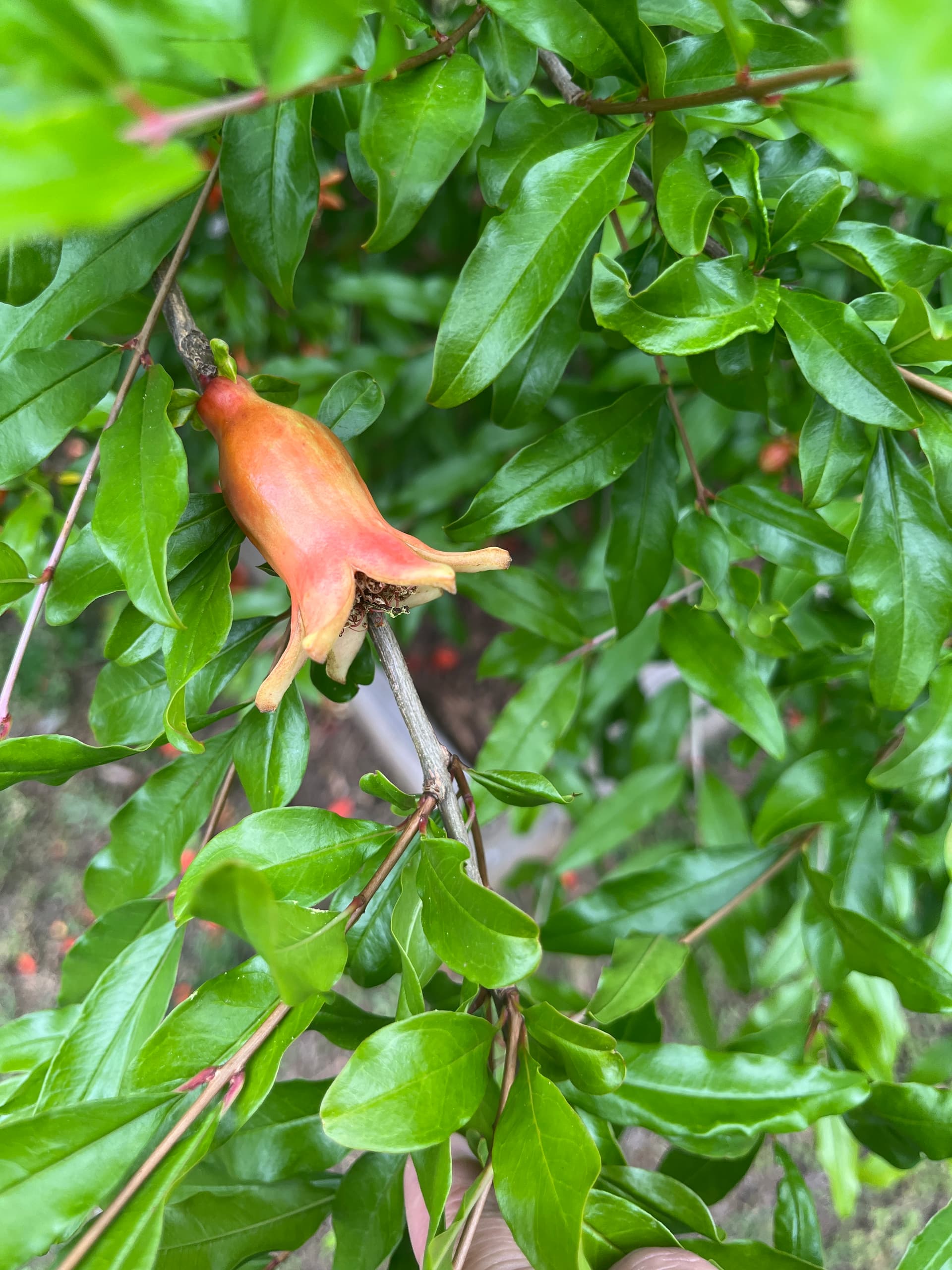
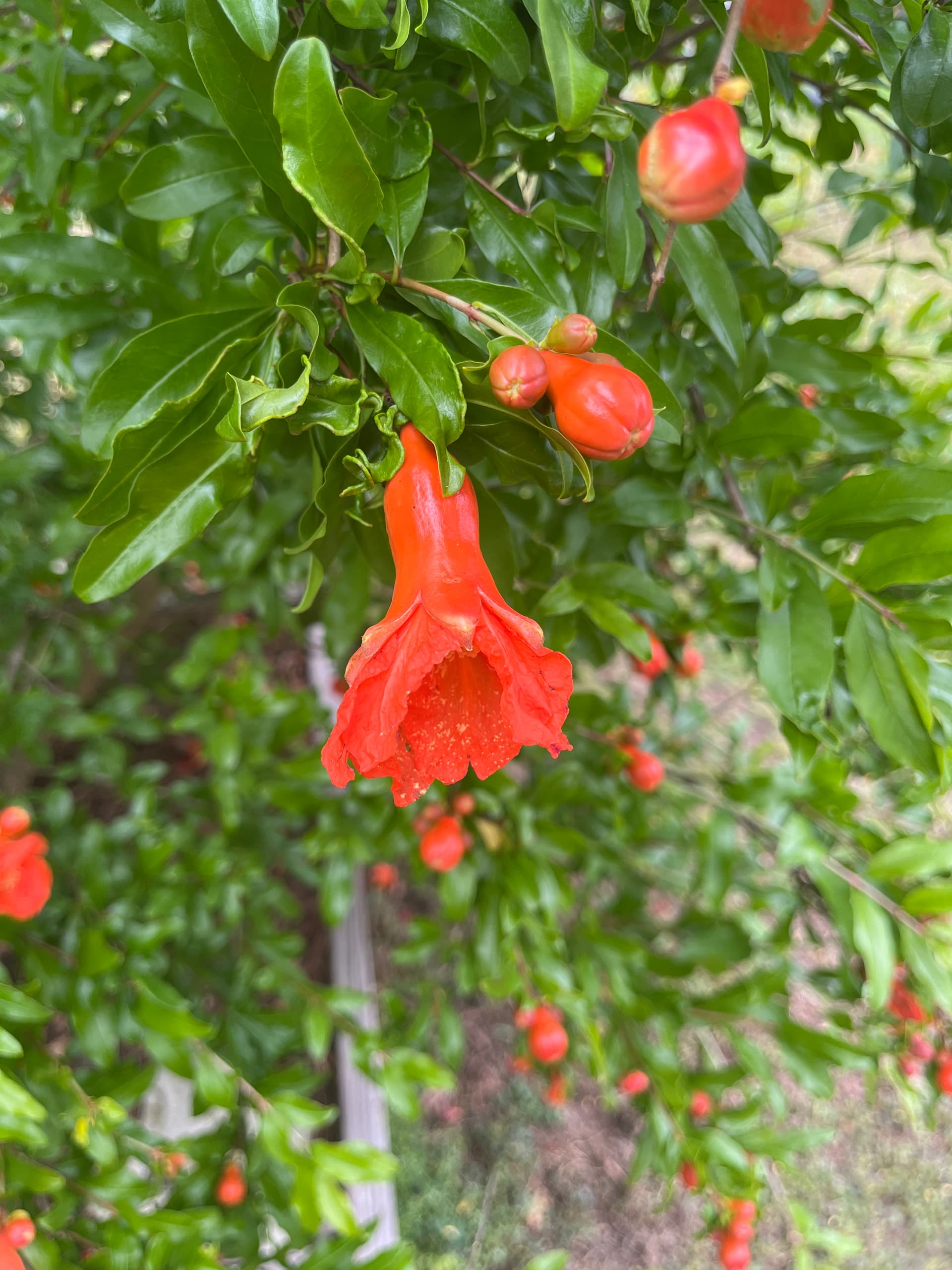
Do you need to hand pollinate? Seems like a lot of my female flowers dropped, not sure if that is normal?
1 Like
I do not hand-pollinate. Flowers drop all the time. I wouldn’t worry about it.
And they bloom for such a long time that it is almost impossible to spray, if you do, for insects . . . and Japanese Beetles love to crawl into the blossoms and hide out.
It has been determined that the fungus that takes the “fun” out of growing pomegranates starts in the blossom. I have tried just about every chemical fungicide there is . . . and still have terrible fungal issues. So this year . . . it’s sink or swim for all my poms. I just don’t want to waste anymore time trying to get clean fruit.
I sure hope that you don’t get the same problem, Will. For a couple of years my pomegranates were in good shape . . . then the Black Crud arrived. - Good Luck.
1 Like
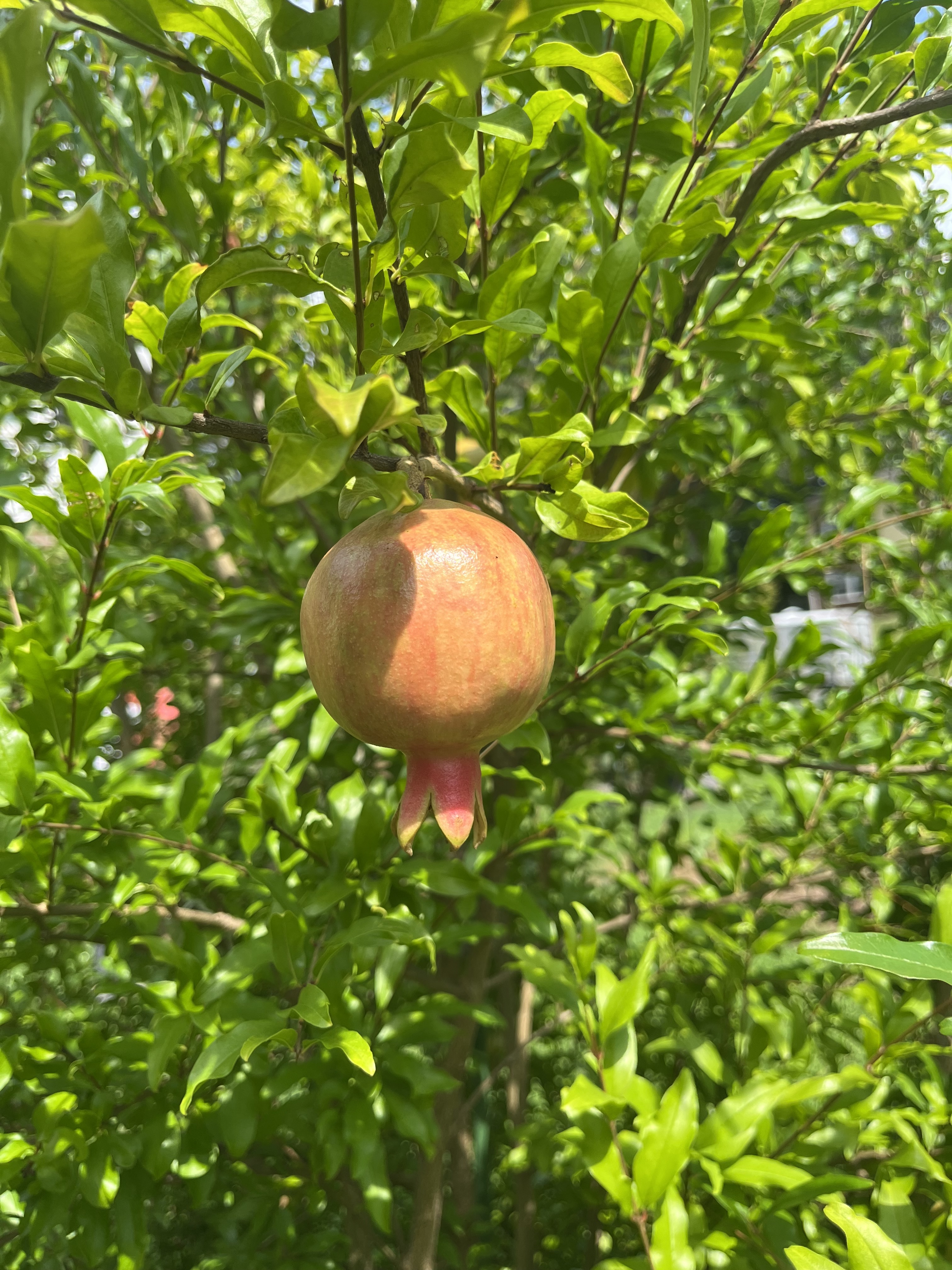
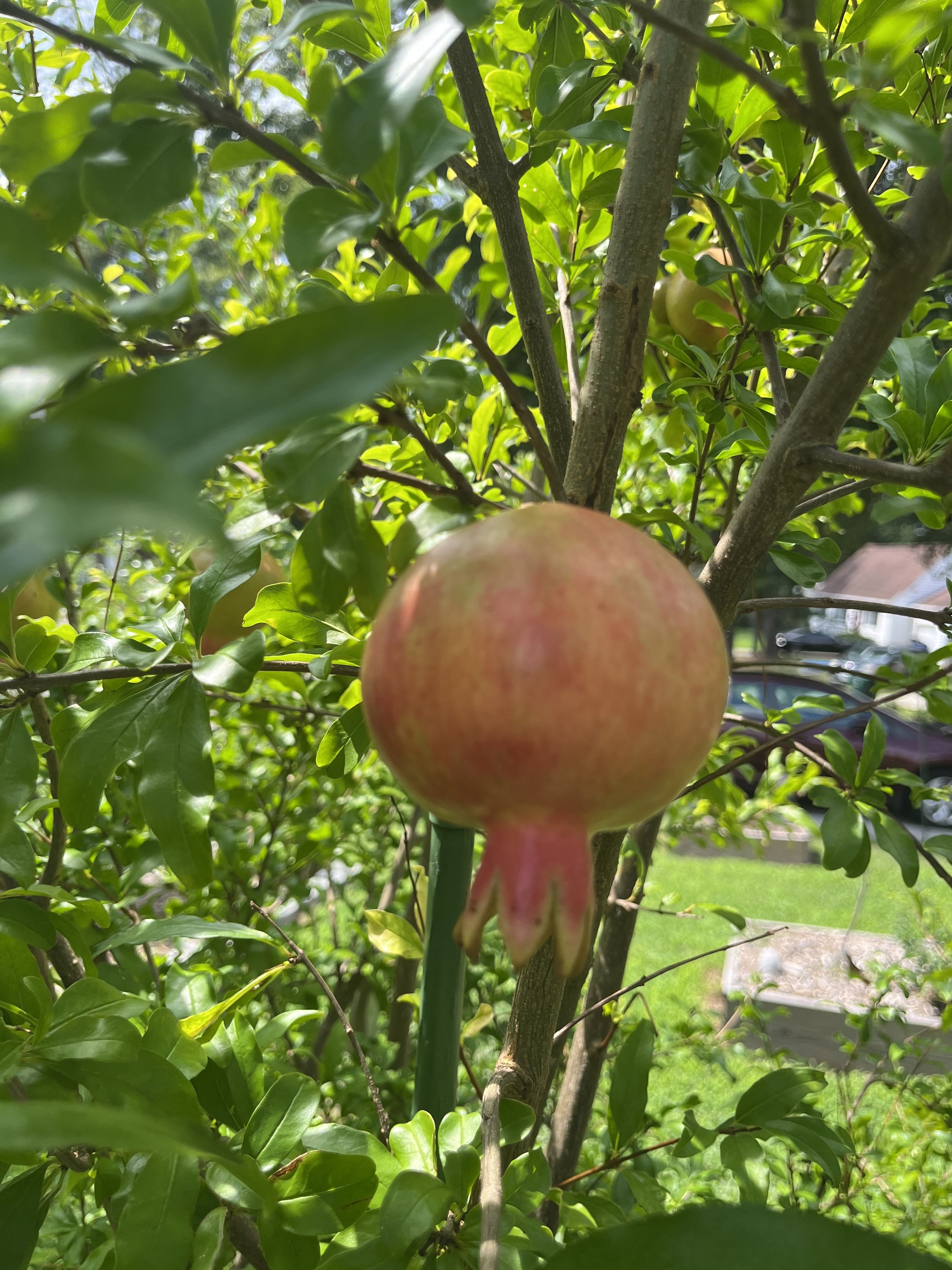
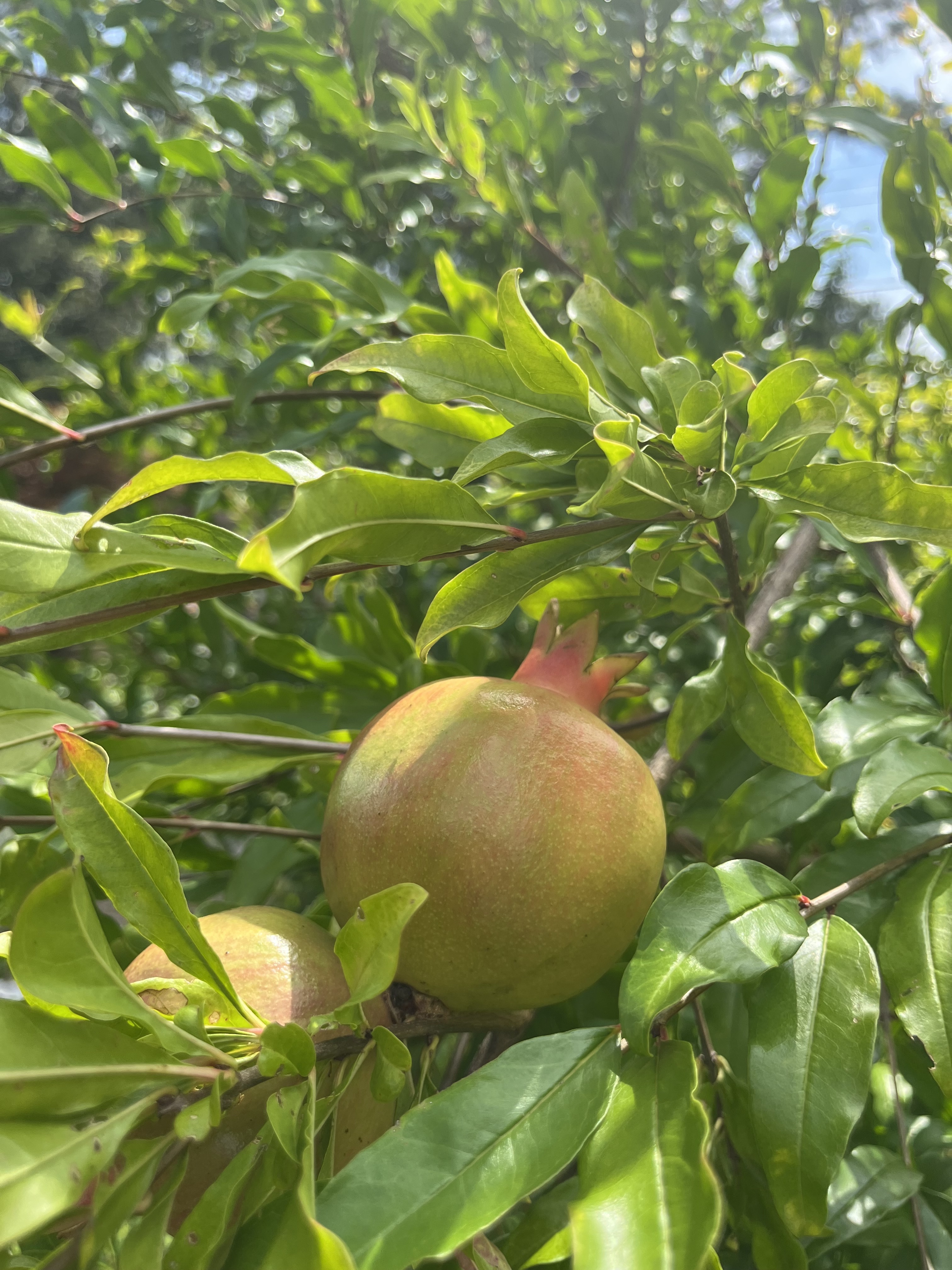
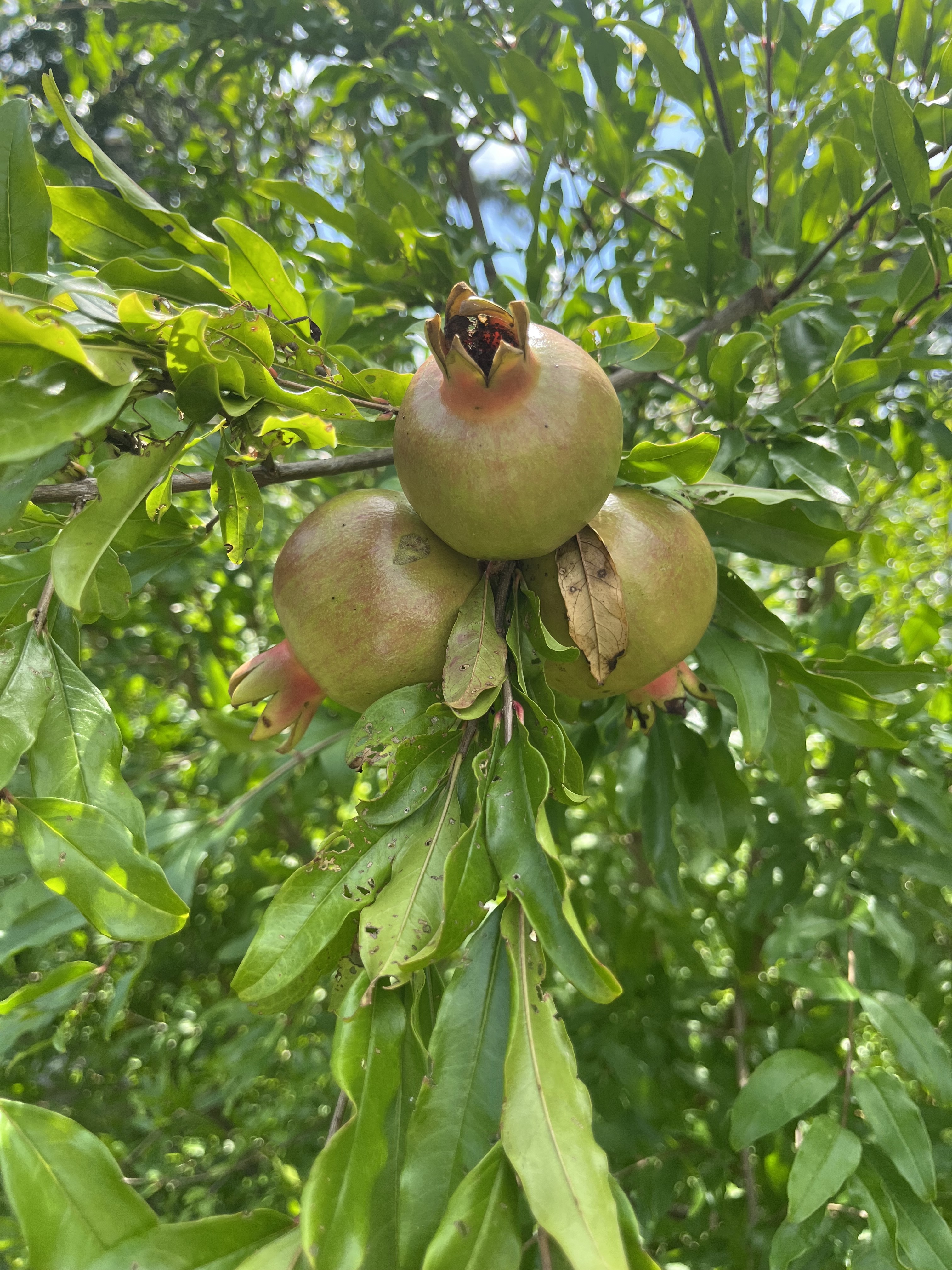
@757Will They look great! I cannot recall what Surh Anor fruit was like. ? Or if I was ever successful with that one to even get fruit. Some of my fruit looks ok right now - but Mr. Fungus is creeping in. I am not doing ANYTHING to my pomegranates this summer. I’m using the famous, “Sink or Swim” method this time. I’m banking on apples and pears this time around! Good Luck! - karen
1 Like
That rot deal looks just like an infuriating thing to watch as it consumes your harvest.
Over here In CA we have a Wonderful pomegranate tree here that’s around 45 years old now.
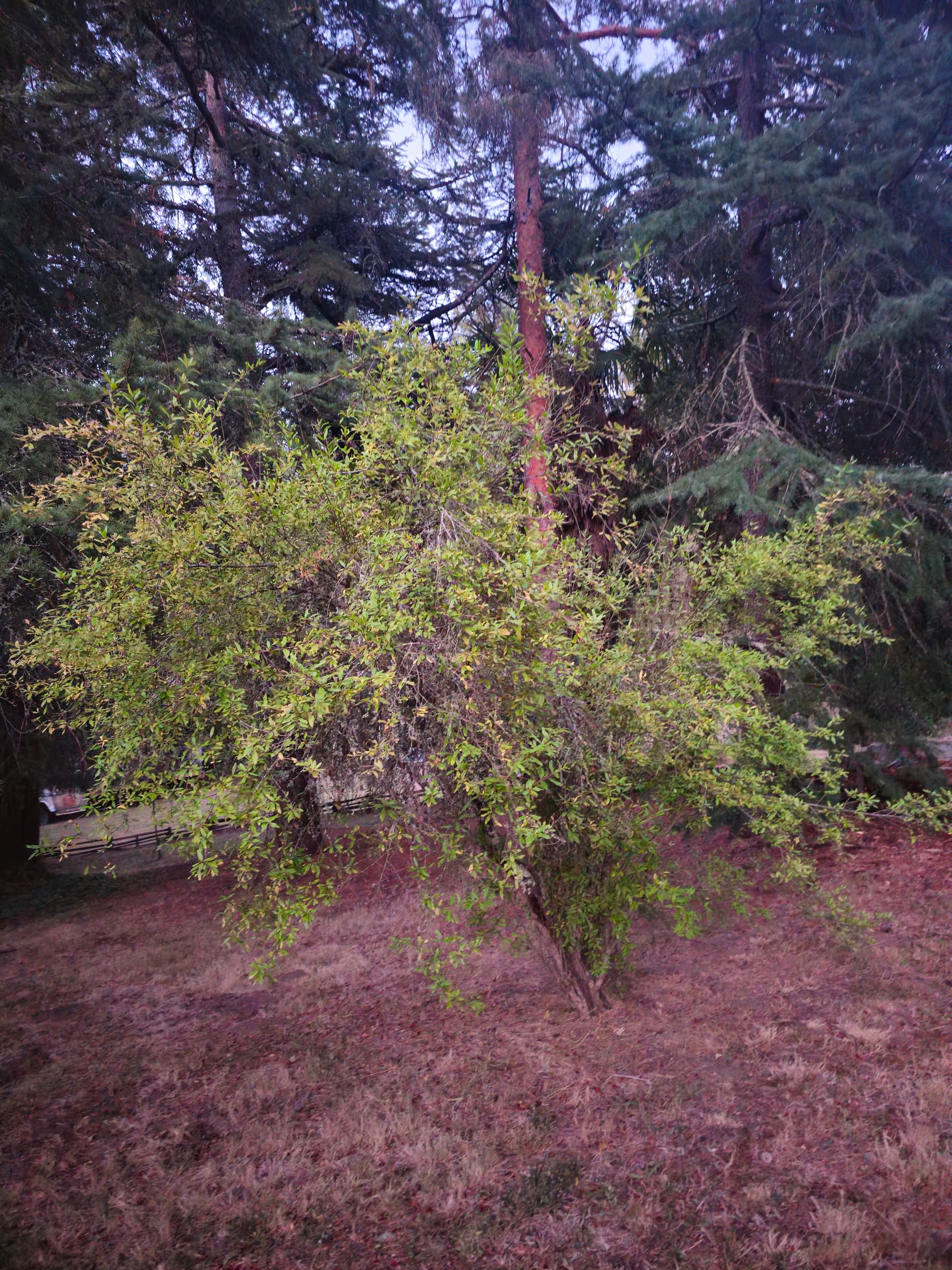
It used to get at least a few pomegranates every year (8 was considered awesome harvest, normally 2-3) but it hasn’t produced anything for around 2-3 years now. Any idea what’s going on?
It doesn’t bloom very much.
We also used to have another smaller tree the same age that struggled in a very shady spot until it died around the same time as this one stopped producing. Could that be part of it?
I’d like to possibly graft another variety into it if possible. Any recommendations?
Hope you guys figure out a rot massacring solution.
1 Like
Do you prune it?
2 Likes
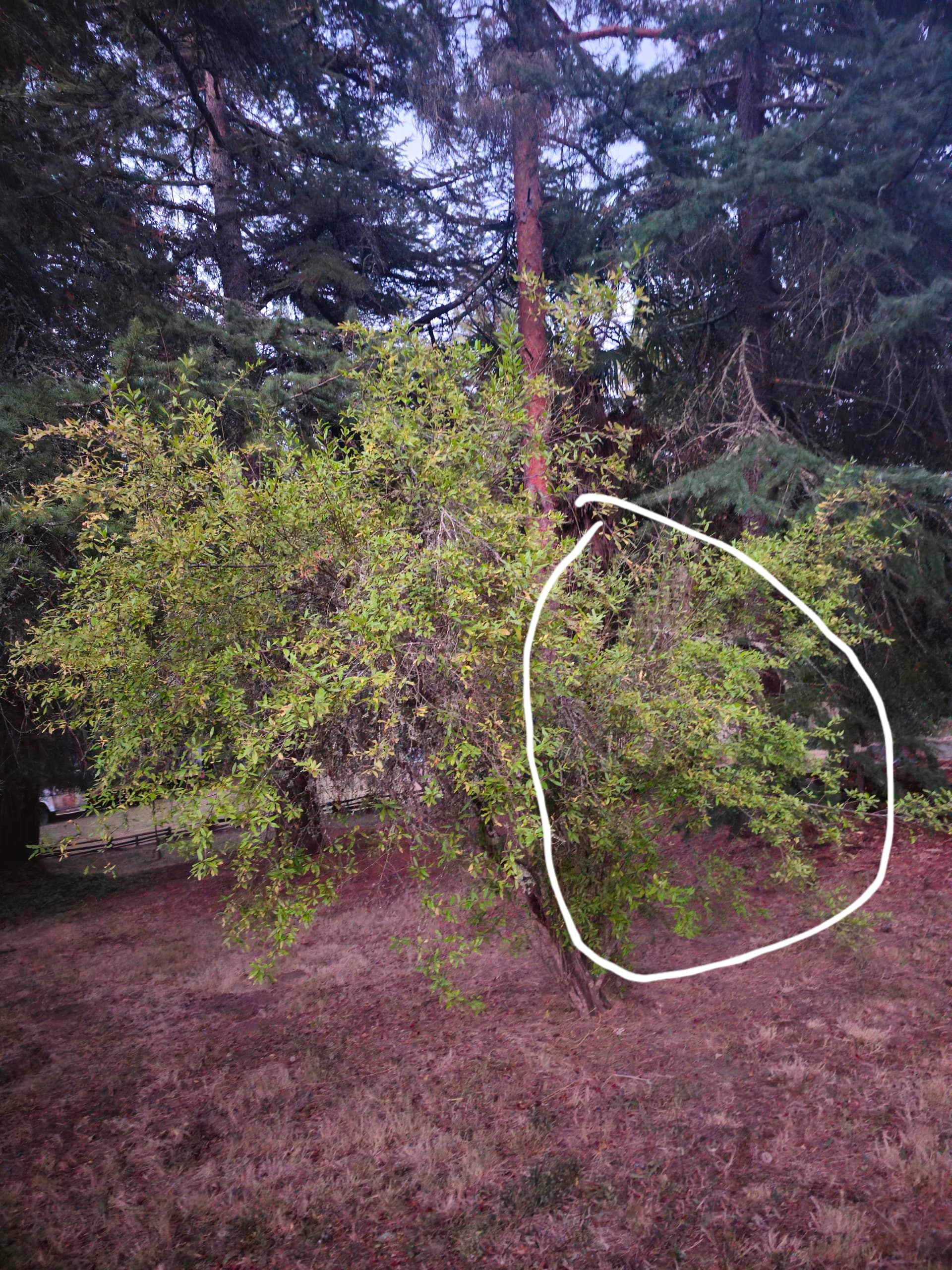
Used to prune, that fell out around the time it stopped producing. Kept it as a nice single trunked tree. All of this has grown out since we stopped pruning:
Pomegranates are nutrient hogs, a lot of different native soils still have enough nutrients in it to have a tiny to a good crop despite that, yet after 40 something years I’d imagine that the tree probably used all the nutrients that the tree needs to produce. I think you should amend the soil.
Most pomegranate bushes these days are rooted cuttings, or air layerings, which have shallow roots.
In the past a lot of pomegranates bushes were cuttings rooted on to seedlings, or they were just seedlings. Pomegranate seedlings, their roots go much deeper, so it takes them much longer to run out of nutrients in the soil. Also the deeper the roots, the better the pomegranate bushes deal with drought.
2 Likes
Thank you! I’ll try that! Can I just throw some 20-20-20 at it?
I’ll probably graft Desertnyi or Azadi onto those unpruned shoots.
You could although, I would also put some compost, and some Dolomitic ‘limestone’. Like citrus, pomegranate needs calcium and magnesium to produce.
Most pomegranate fruit forms on 2nd year wood, anything older or new will probably have no fruit, so you need to prune every year to get fruit every year. Yet don’t prune to aggressively either.
If it was warm enough here in the winter, and if it did not rain so much here, I’d be grafting on to seedlings. That in it’s self would help prevent depletion of nutrients, and would prevent drought problems
2 Likes
@CAvocado Eddie, Pomegranates don’t do well in the shade. They crave full sun. And I’m finding out the hard way, that they hate Virginia! LOL But . . . fungi love it here!
2 Likes
I would take some cuttings or do an airlayer and start a new tree while you tend to this one
1 Like
That pomegranate does get decent sun, not quite full since the pine trees behind it have grown some. The picture looks a little dark because I took it during dusk at 8:30 pm.
Karen, you’re making it sound like instead of pomegranates you should have done a shroom garden.
2 Likes