Does Indar work on pomegranate rot?
1 Like
No. Indar will not give you clean fruit. I’ve tried it.
As far as I know, they are still testing fungicides that will control the diseases common to pomegranates. What they do know, is that the disease enters during bloom stage. Problem with this is - poms bloom for a long period of time.
So, this is what I do. As soon as I have a good amount of pollination - and young fruit developing - I remove any subsequent blooms. They probably don’t have time to develop, anyway . . . or will be way behind the already forming fruit. They only serve to attract more pollinators ‘who’ spread the disease as they move from flower to flower.
This year (knock on wood!) I have tons of fruit on my big Granada . . . but, as usual, very few on my Wonderful right beside it. ??? So, I have been removing blossoms that keep forming, as well as ‘duds’ that are drying up on the trees.
And the fruit looks like it may have a chance this year. It’s always a ‘wait and see’ game.
Here are links to a couple of videos that discuss chemical ‘therapies’ for common problems - and prevention.


I wish I had an easy fix . . . for me and everyone else struggling with pomegranate cultivation. But - there appears to be no Magic Bullet. At least - not where humidity is a problem!
2 Likes
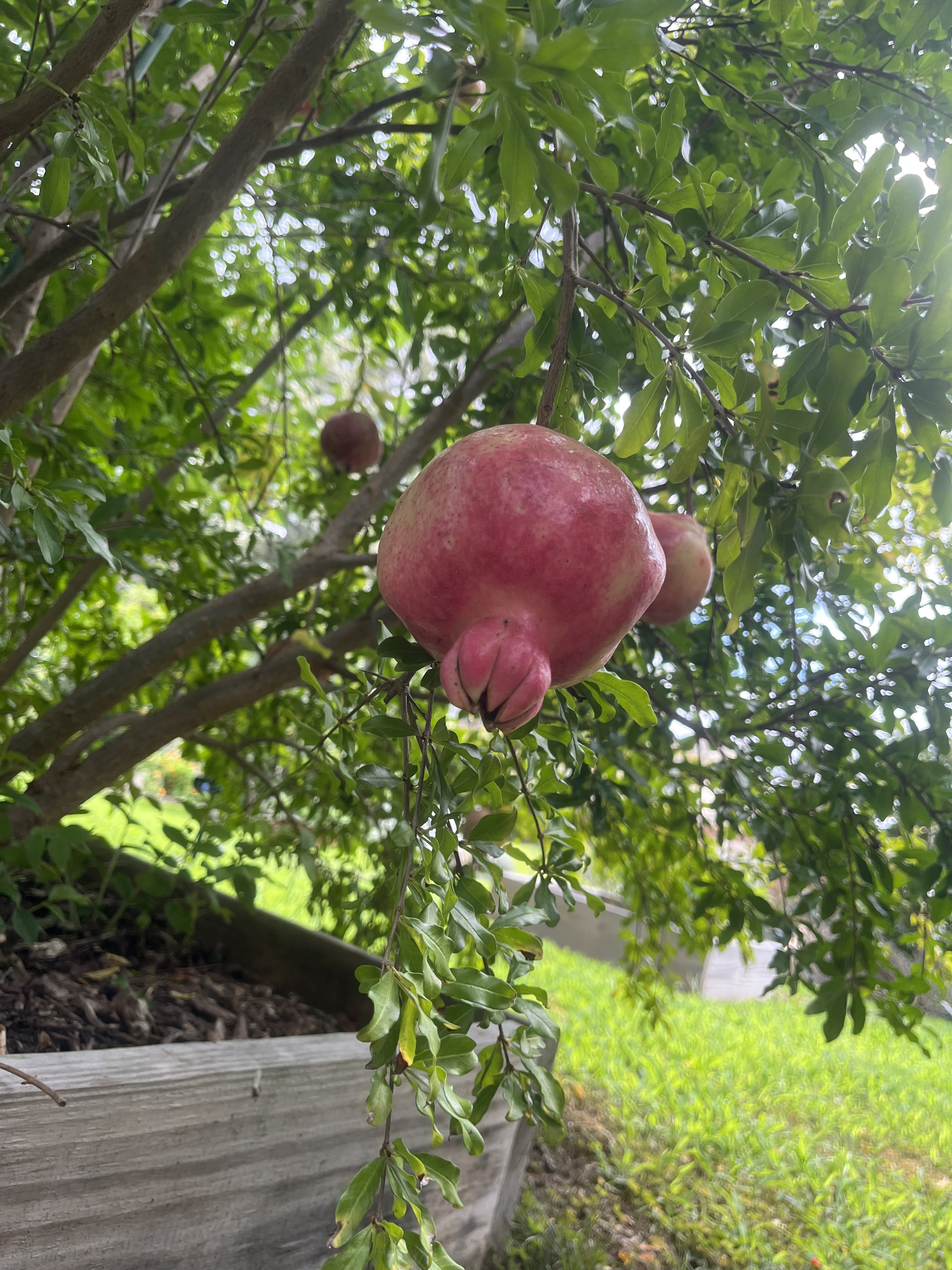
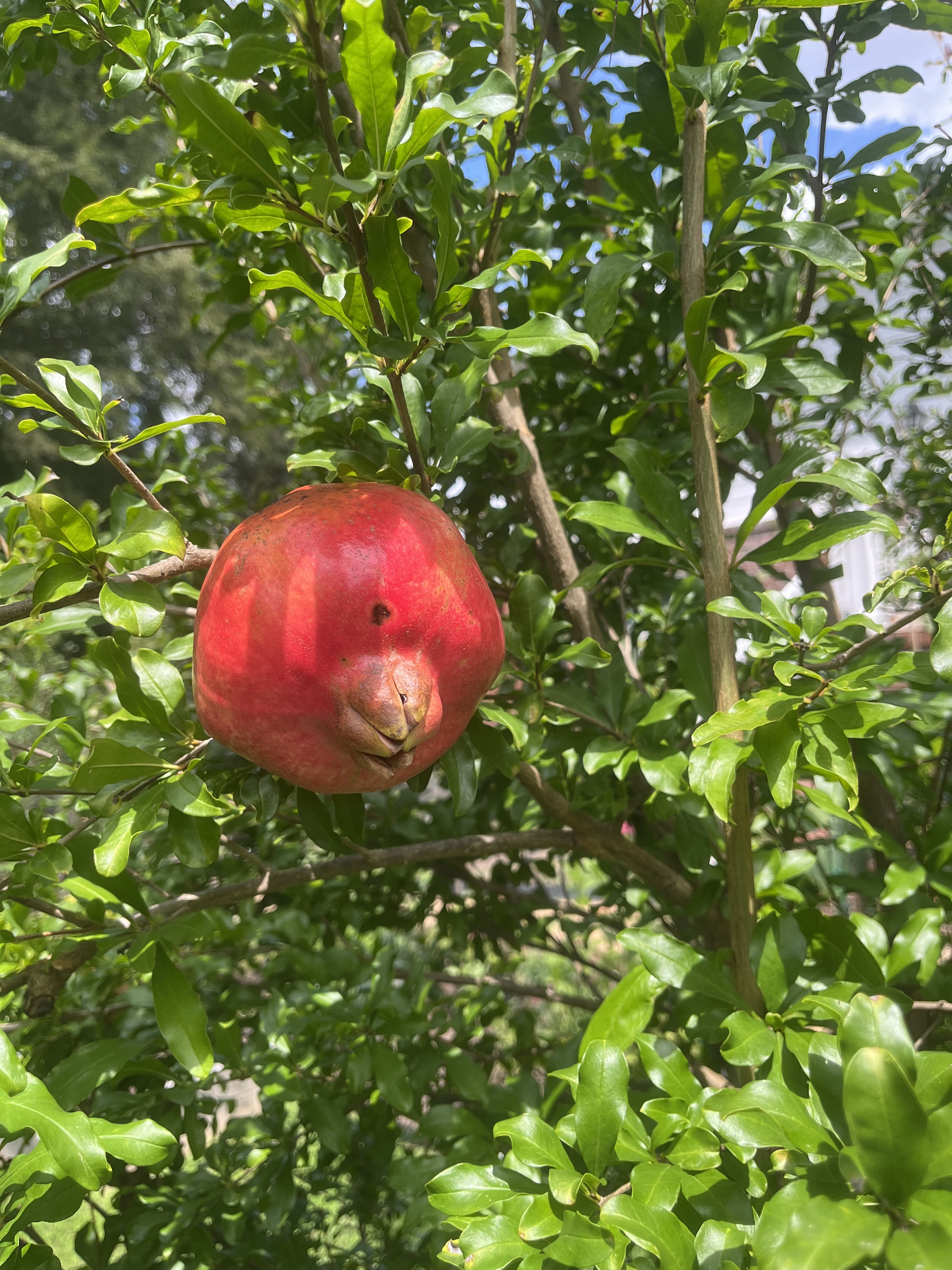
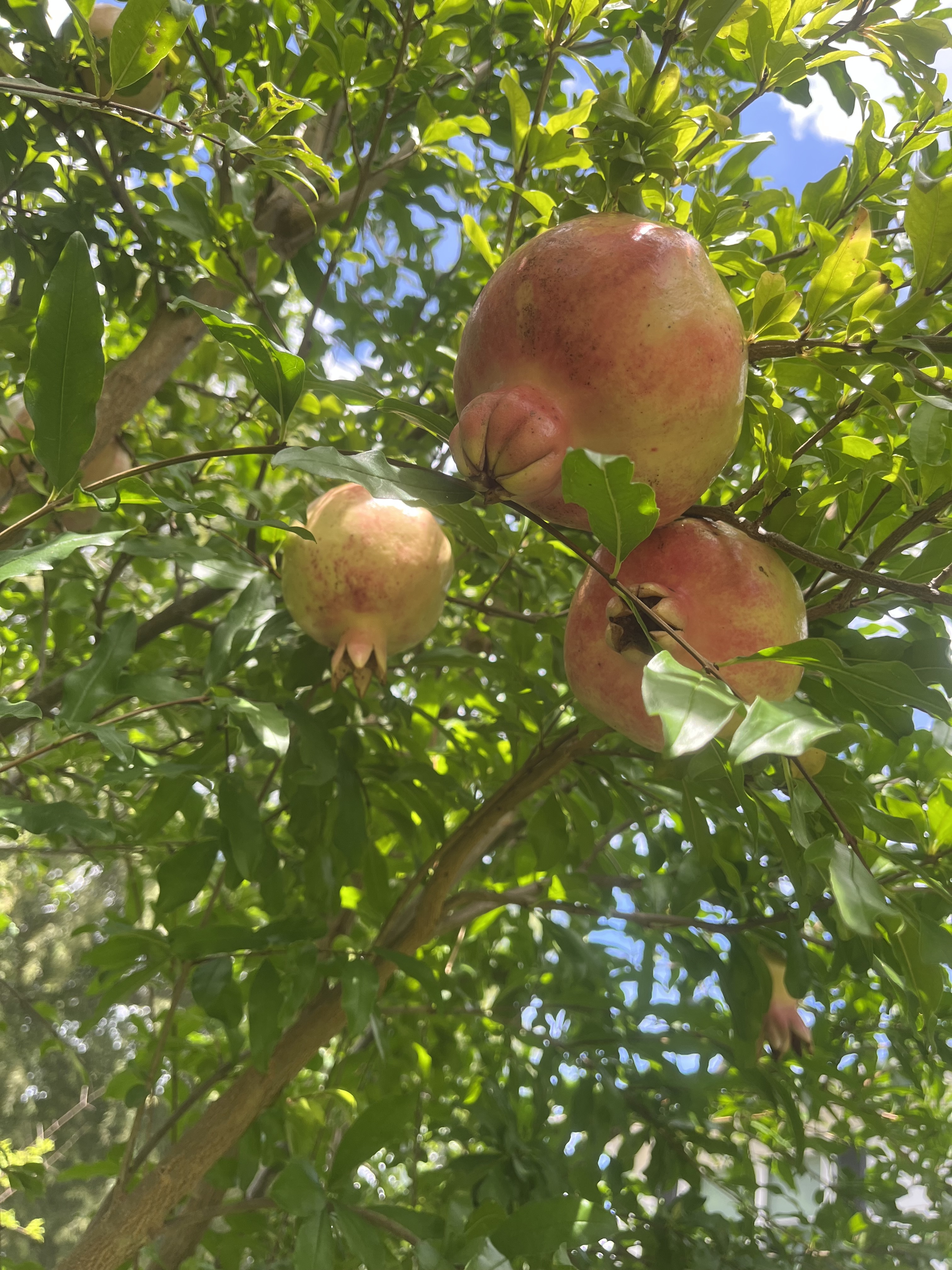
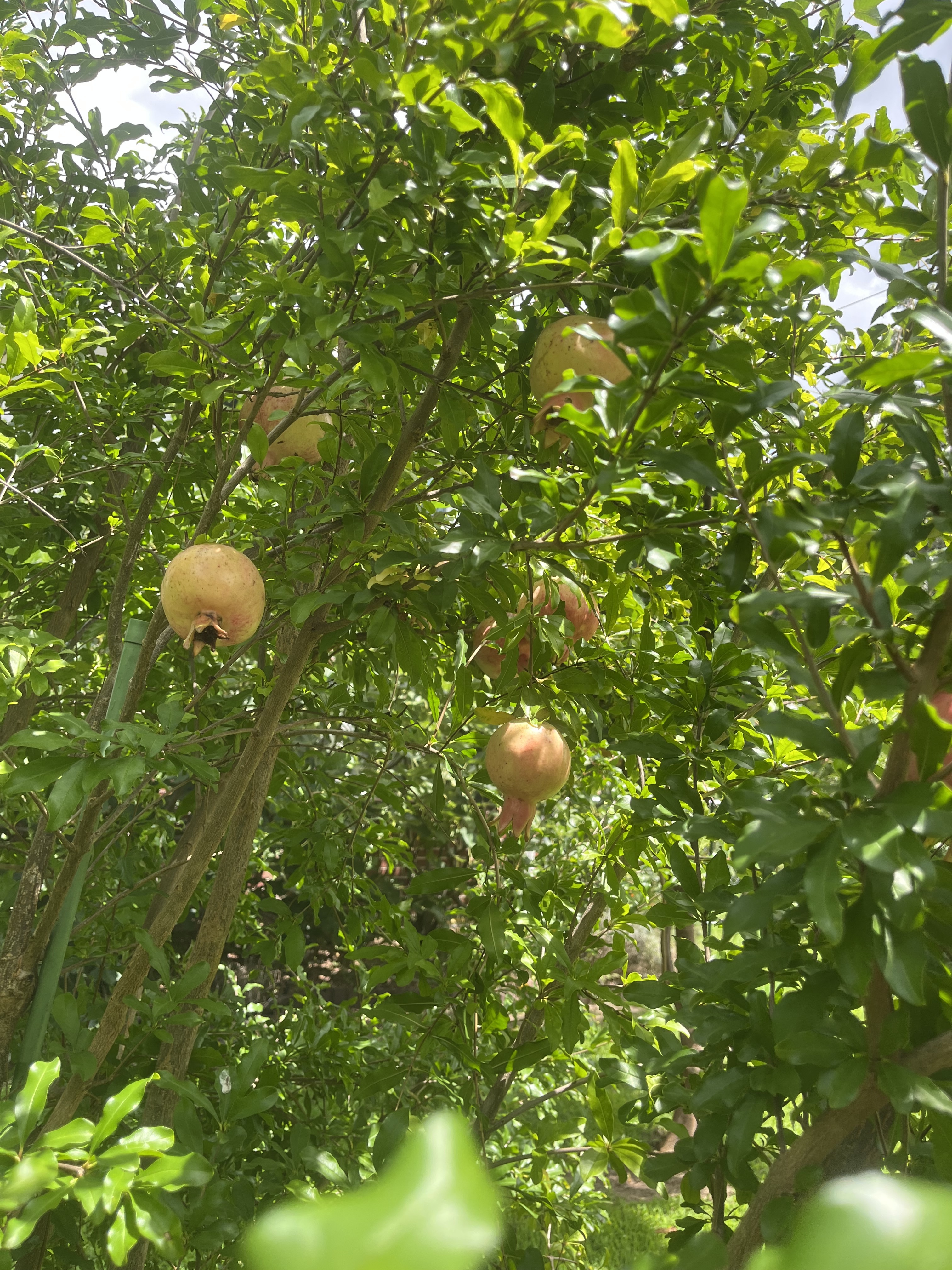
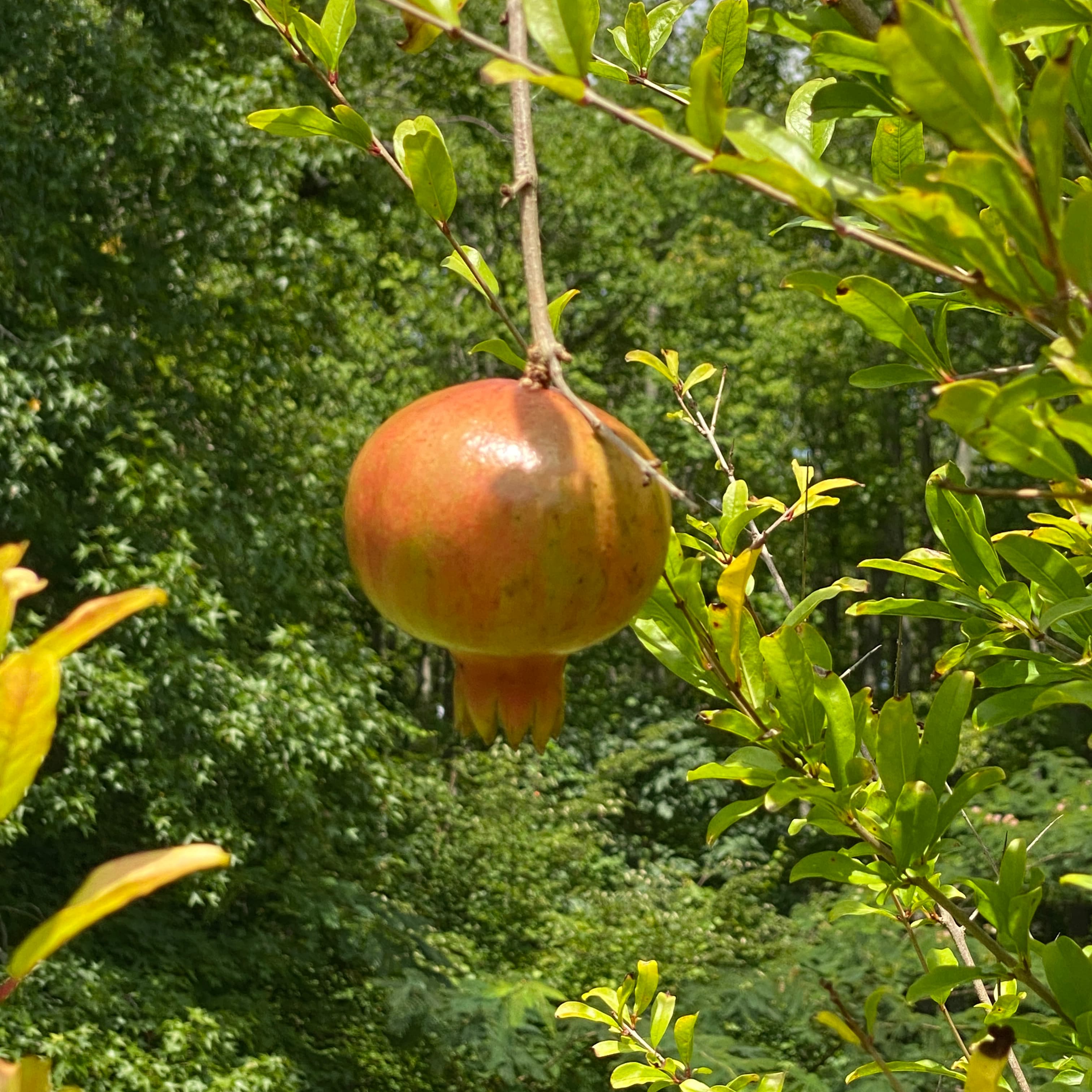
Looks like the rot isn’t bad which is good considering it’s almost September. I only had to pull off a few poms so far. I think most of the fruits on the tree will make it to October.
5 Likes
@757Will
me too. I don’t know what happened this year . . . but mine still look pretty clean, too.
4 Likes
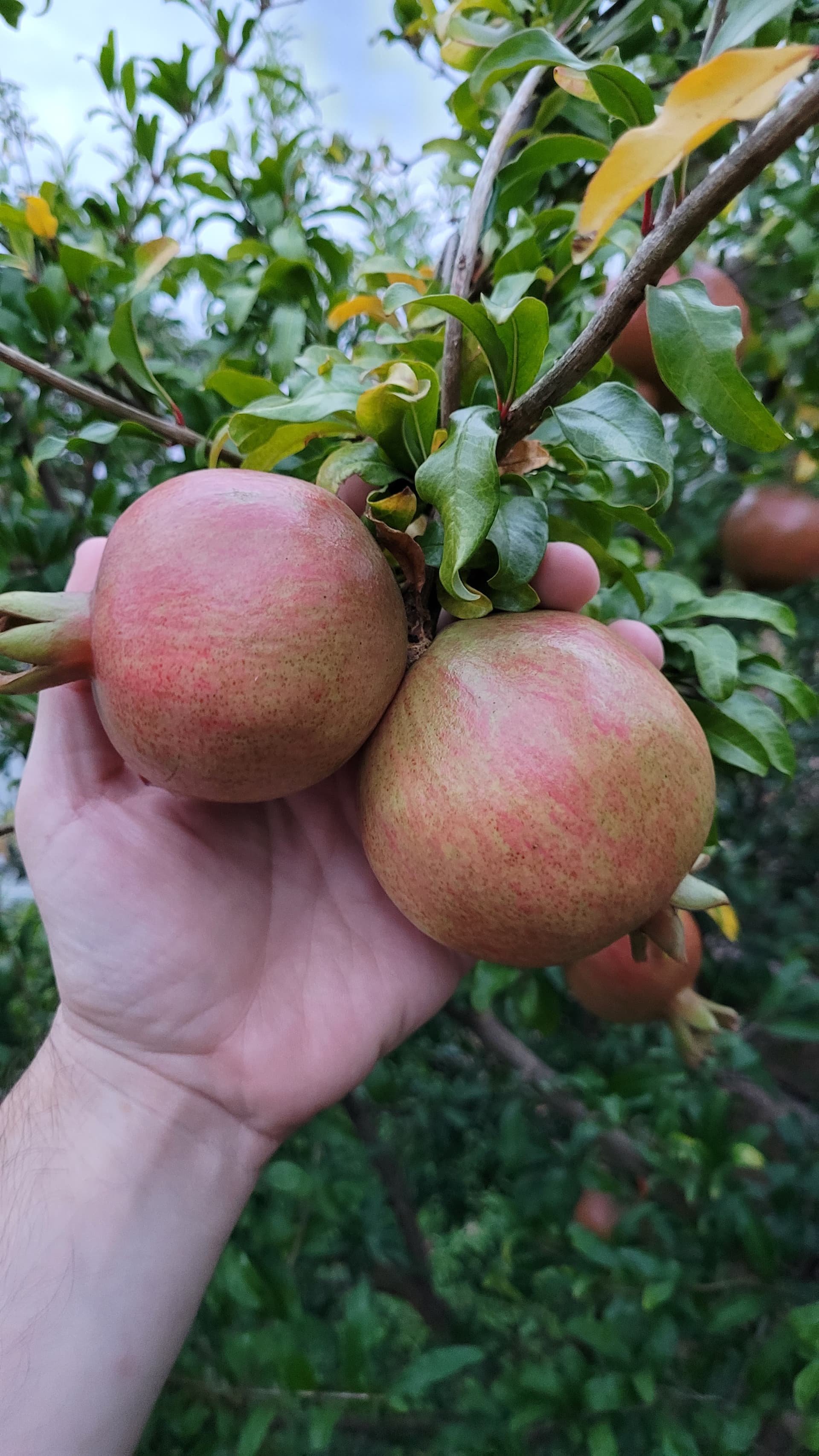
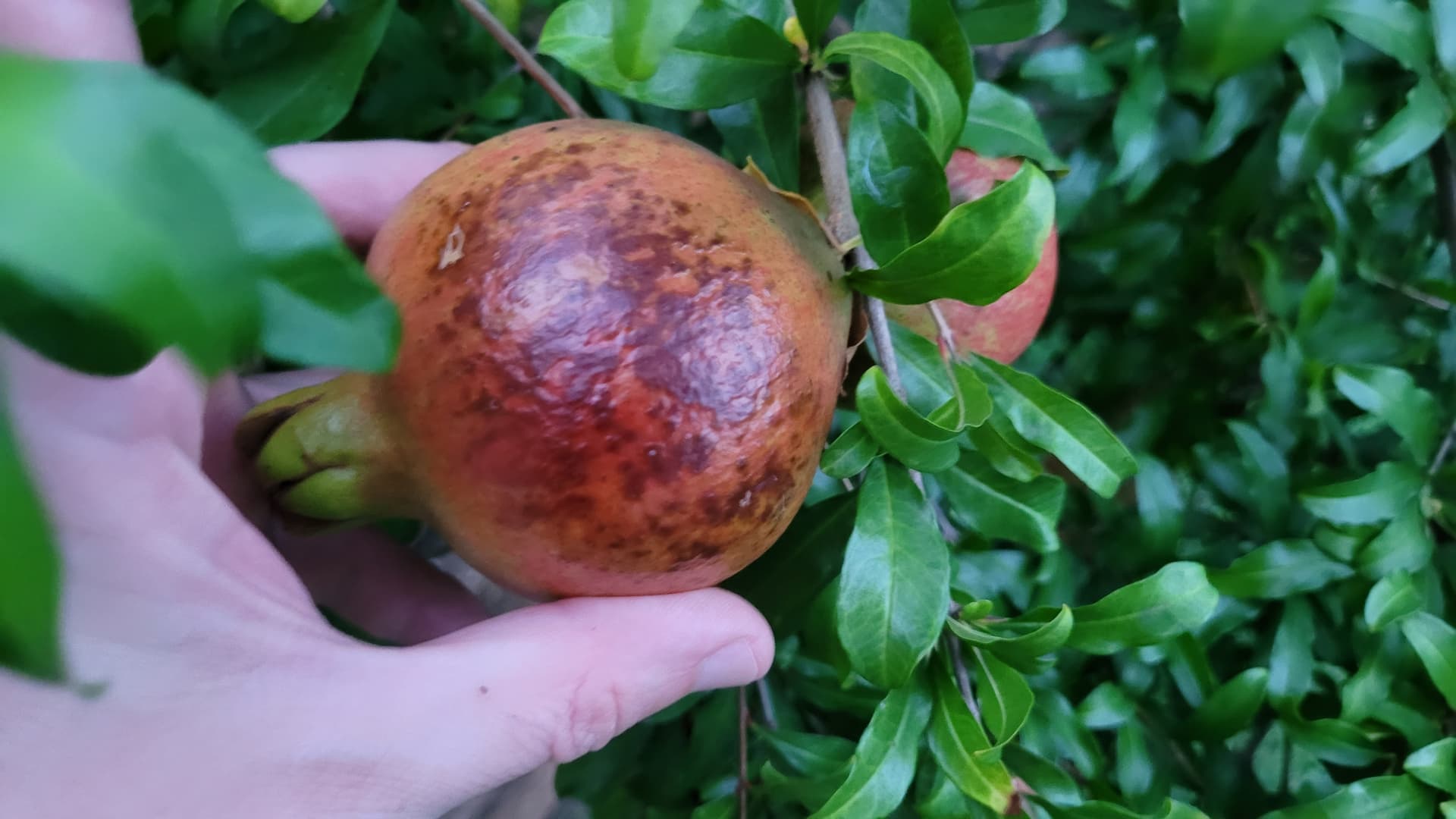
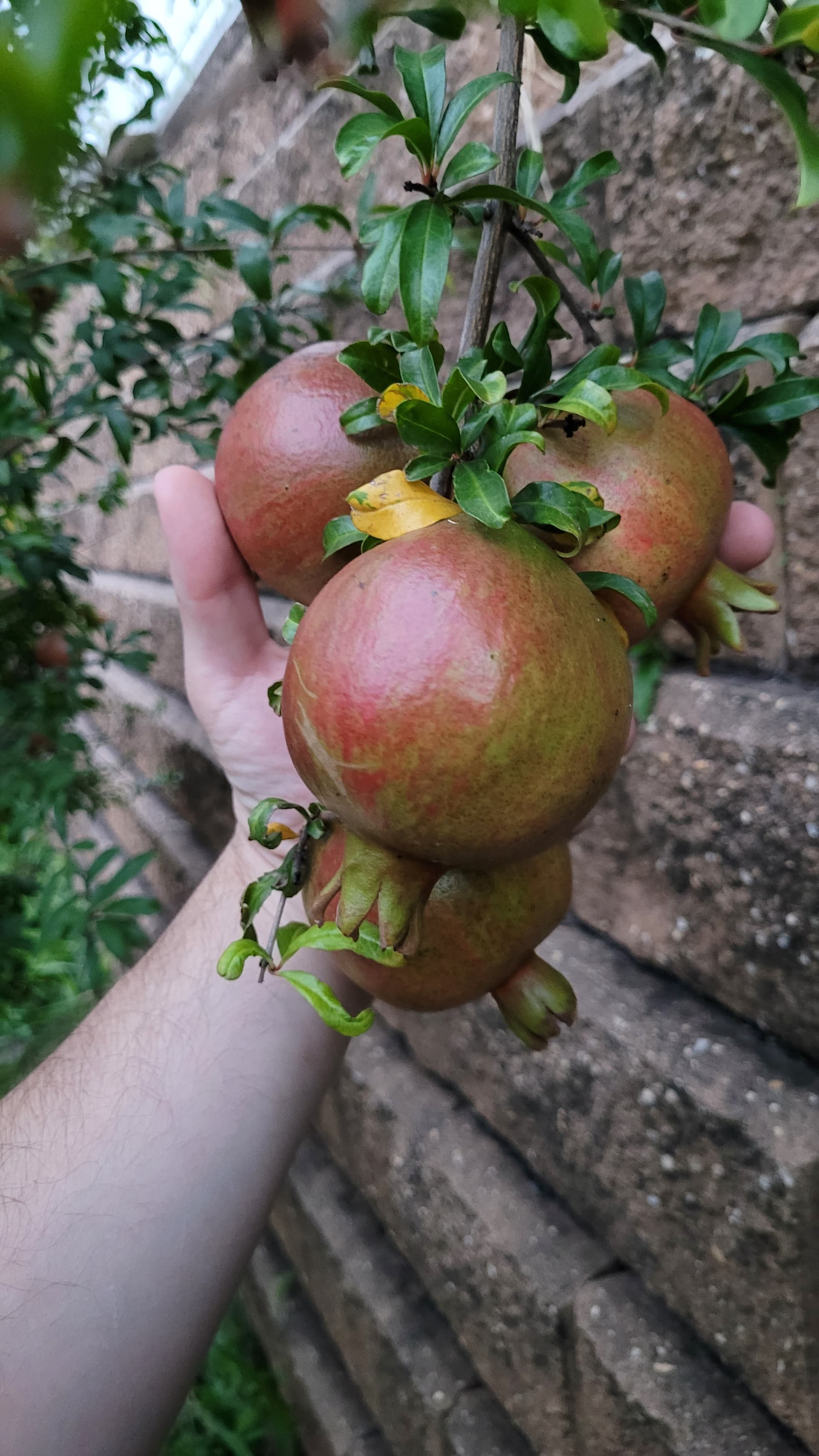
Coloring up. I do get sunscald which can cause cracking when close to ripe. The fruit under leaf cover doesn’t burn

4 Likes
Those are beautiful. Most of mine have started to show signs of the dreaded fungus. And I have a lot of sun scald too. I’ve been picking the ones with fungal spots and they are edible - even quite good - but for the most part . . . they could have used another month or so on the tree. Didn’t want to chance them being taken over by the fungus - or infecting more of the fruit.
Here is one I took off this week. It is a monster. 1 lb. 7oz. I haven’t cut into it yet . . . a Granada.

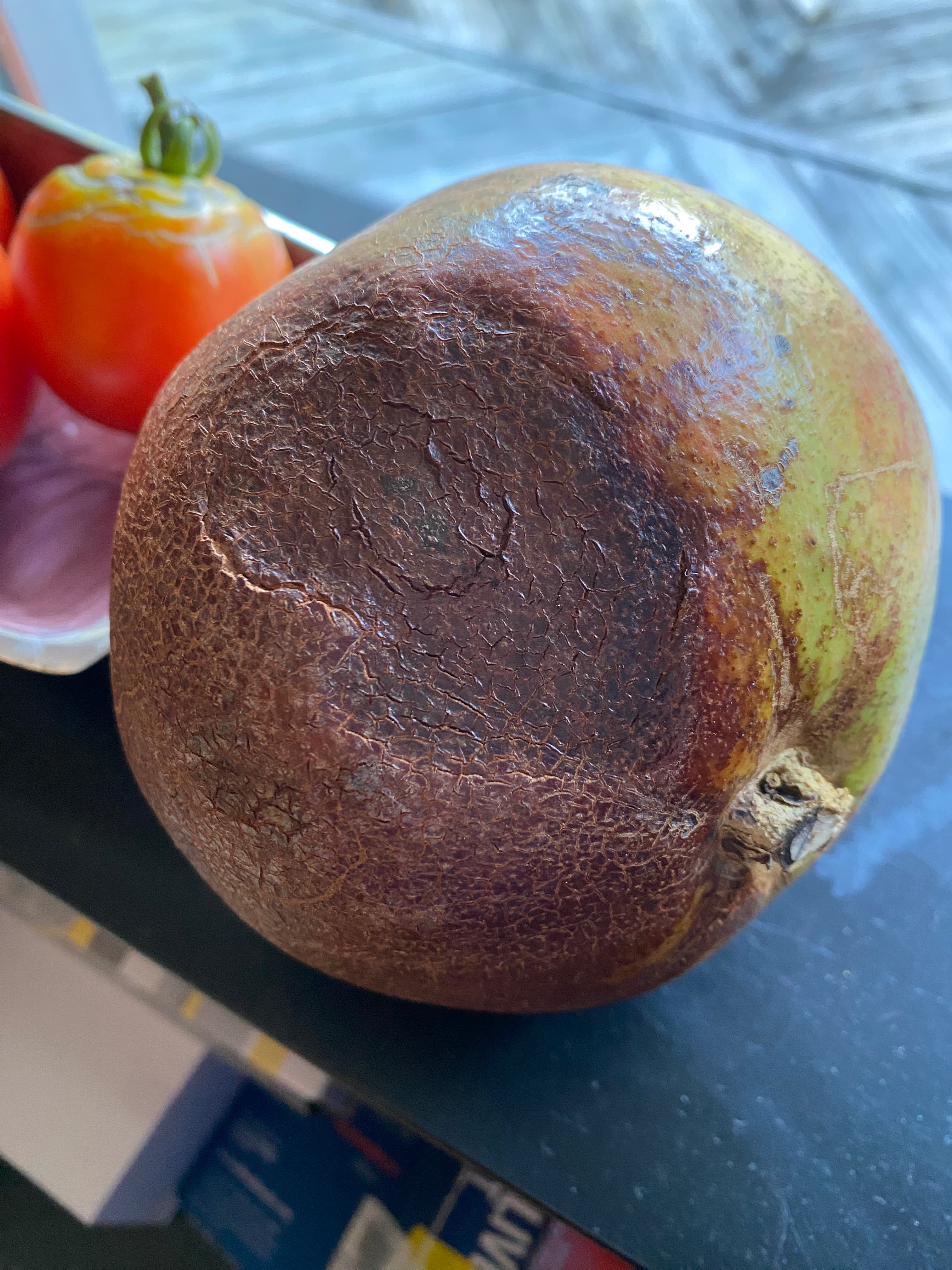
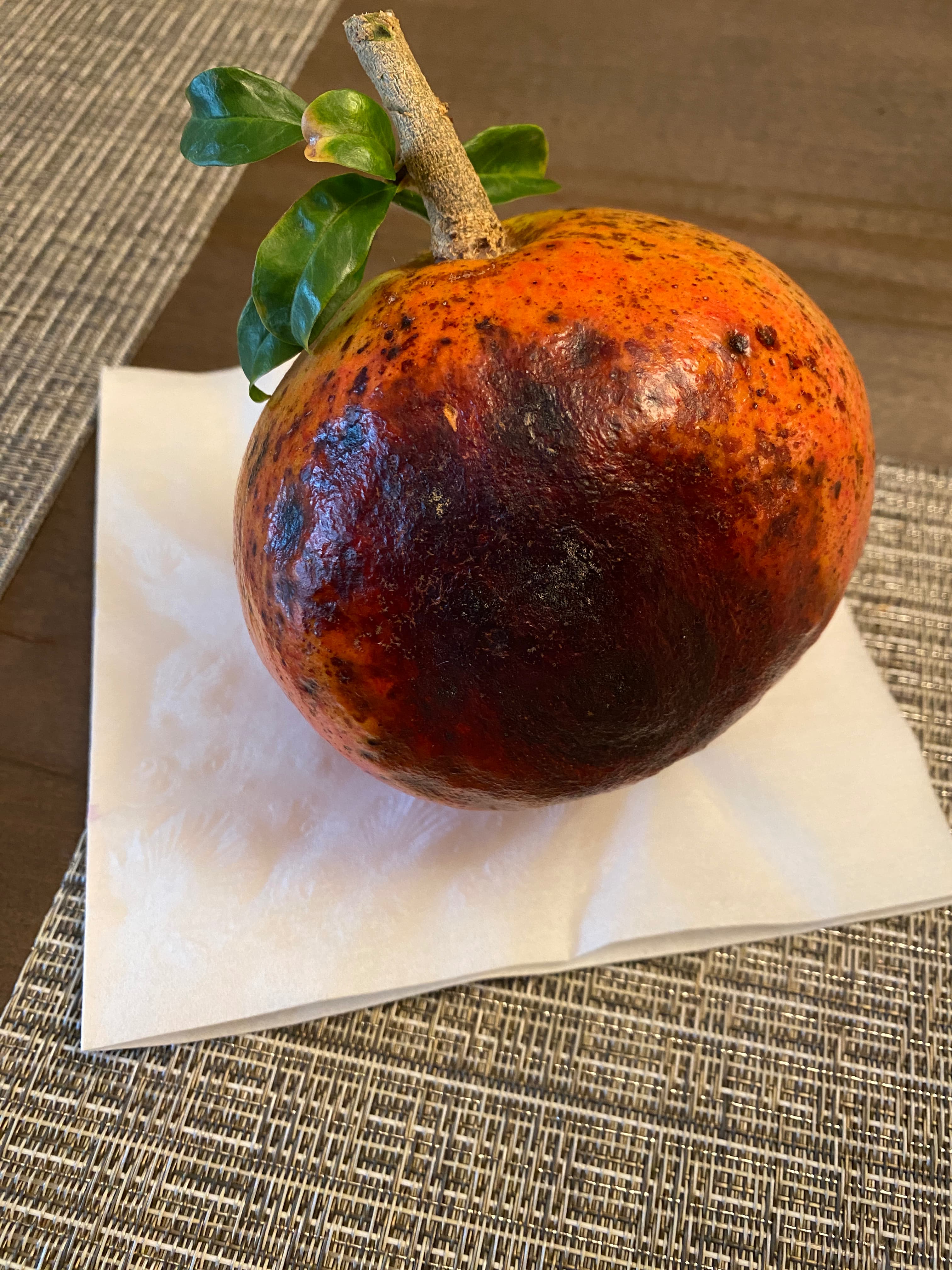
4 Likes
I didn’t realize they got sunscald. Are any of yours in part shade and producing? All the sites selling them say part-full.
1 Like
Hi Eme.
All of mine are in full sun, except a couple at the end of a row in the orchard. The tall trees in the swamp that border my property shade them in the late afternoon. (One of my grape trellises too. And those grapes are never as good or as sweet as the ones that get more sun.)
The pom varieties that do get the shade, come 3pm or so, have never matured as well as the rest. This year was the first for any of them - Sumbar, Serenevvi (sp?), Sweet, SuhrAnor - to have any fruit. And each had just a few. Some only one.
I think that shade doesn’t ‘help’ them . . . but a little probably wouldn’t hurt. ? How much shade are you talking about?
3 Likes
Thanks for the information. I’ve only been growing them for two seasons, so I have nothing to offer about sun and shade. I was just trying to gather more data.
2 Likes

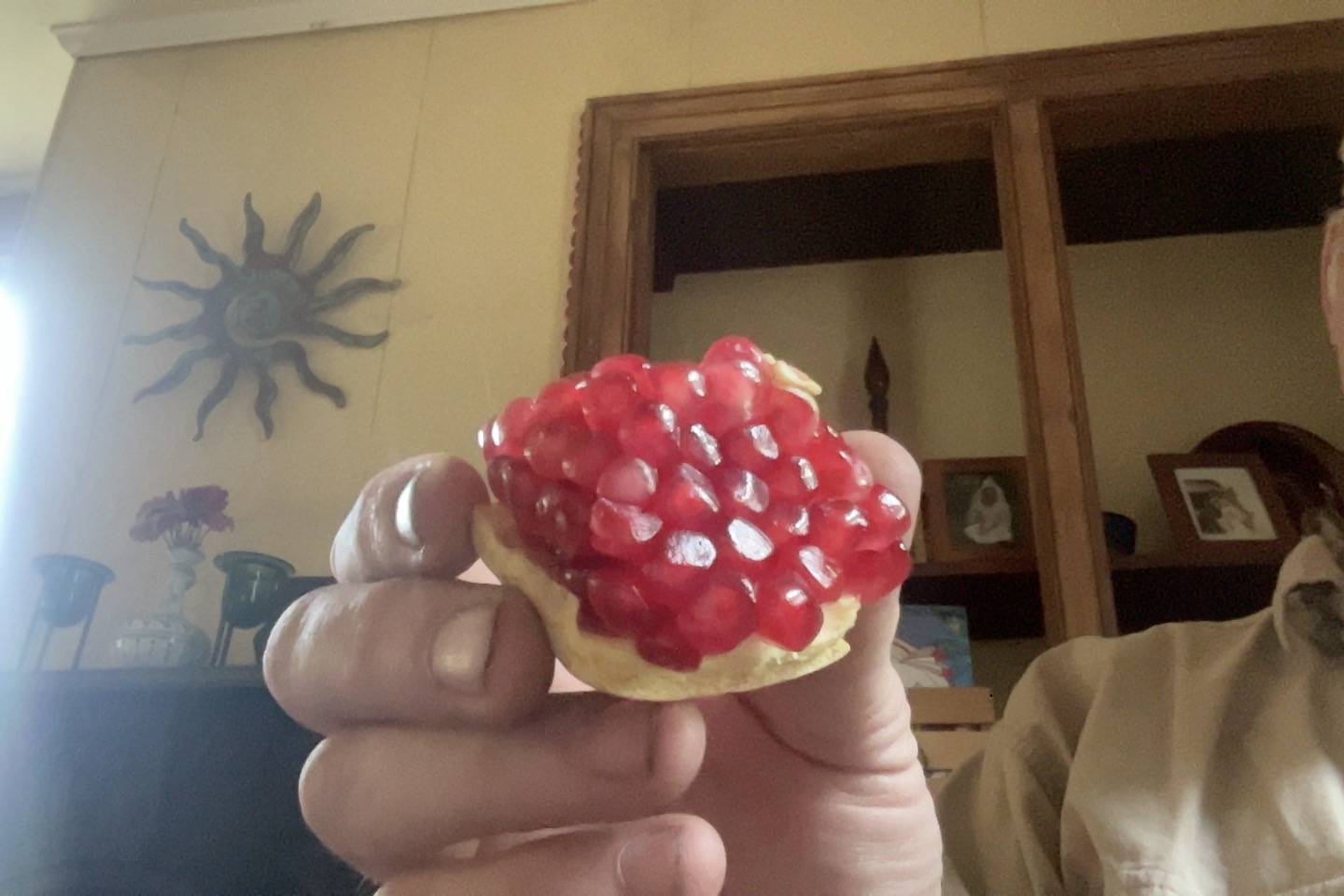
The arils look right to me, I think that the description you two are seeing online is misleading. I forget where I had seen it, although my notes for this variety basically suggests that the arils of this variety are ‘Transparent with red patches’.
4 Likes
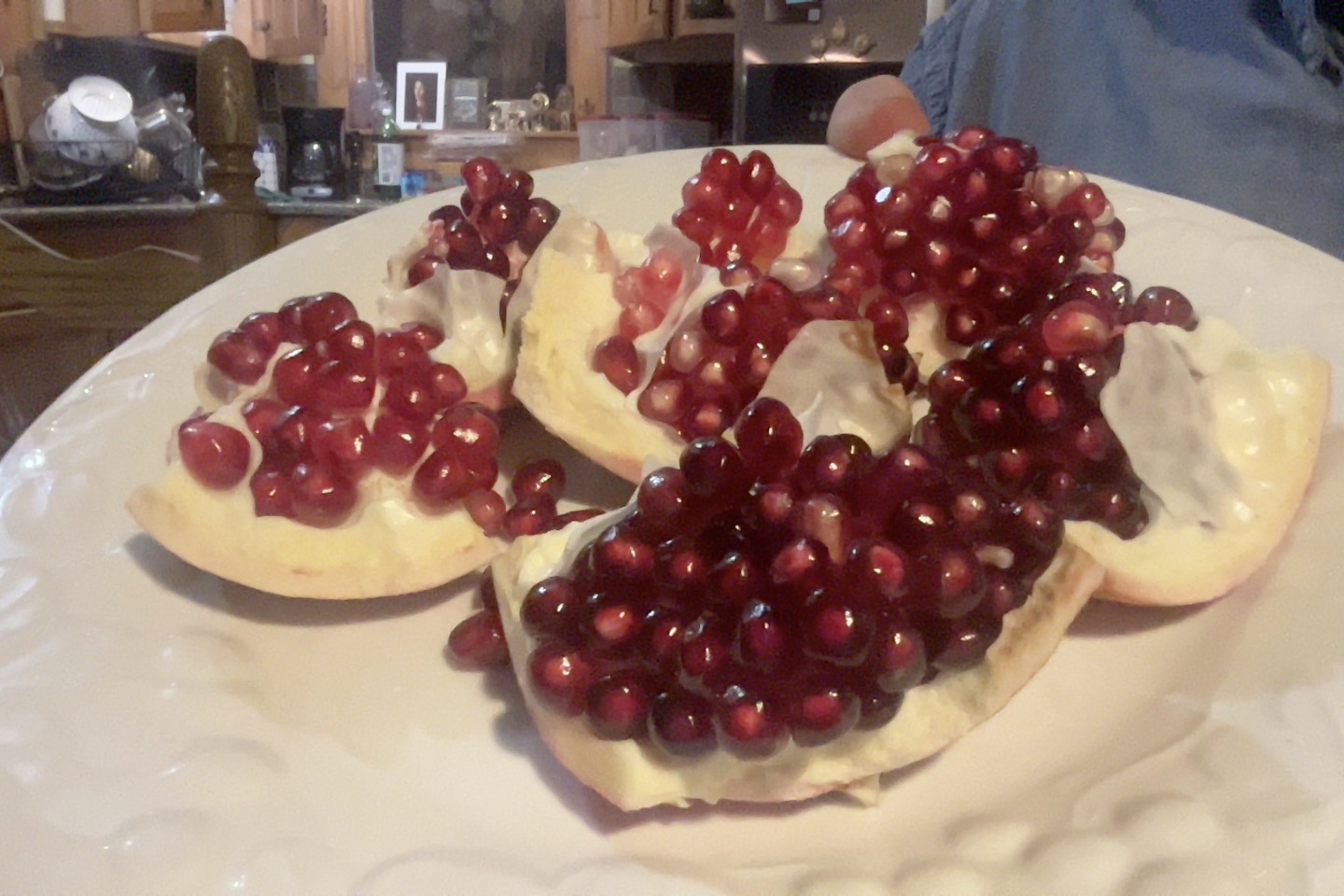
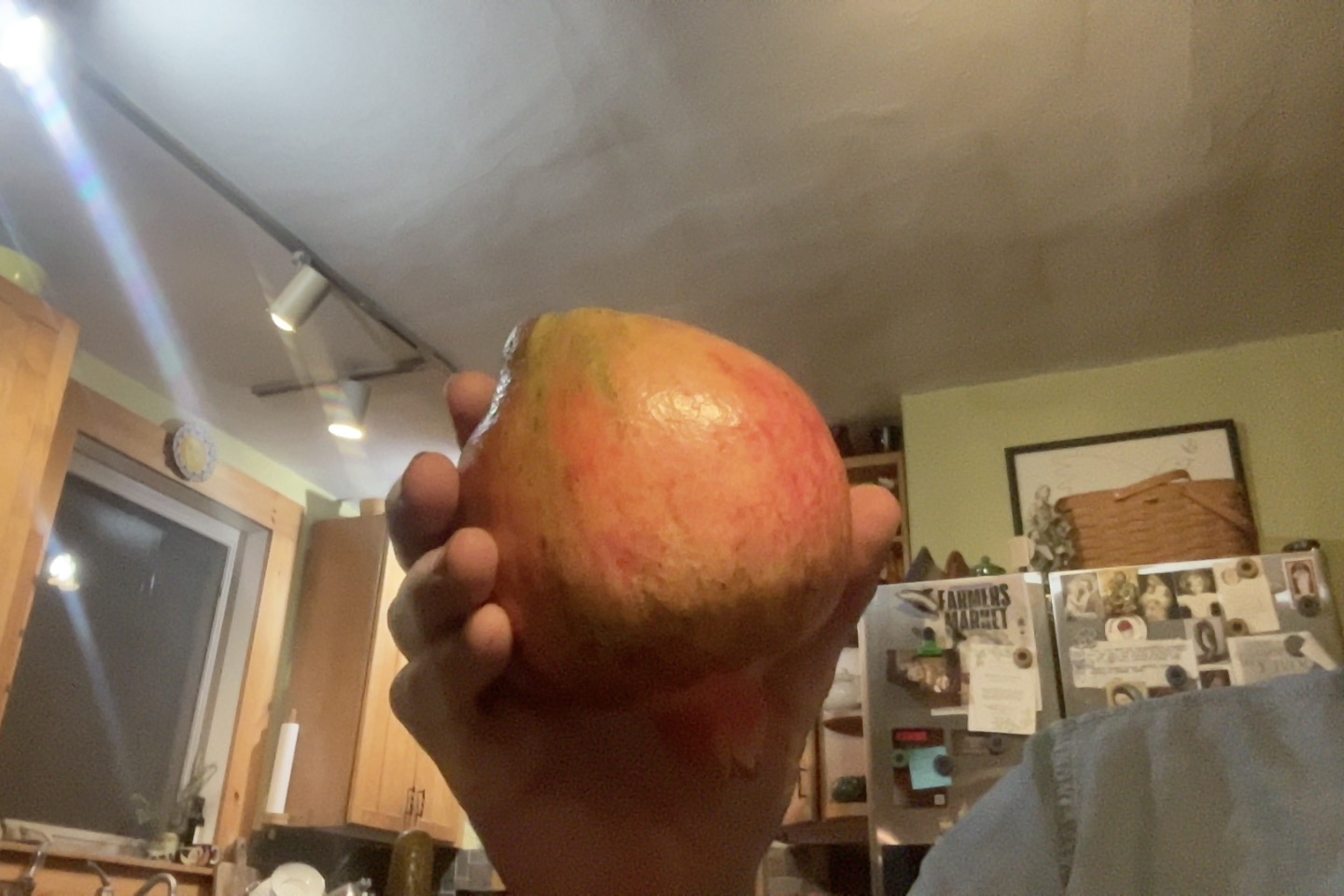
This is a large Salavatsky grown in an unheated greenhouse in Frenchtown, New Jersey. It is softball size, with good colr and flavor, a sweet/tart mix
9 Likes
I have a couple Salavatski hanging now that didn’t rot, but based on past years I want to wait a few more weeks. In later October they are super sweet. Yours probably ripened earlier in the greenhouse.
4 Likes
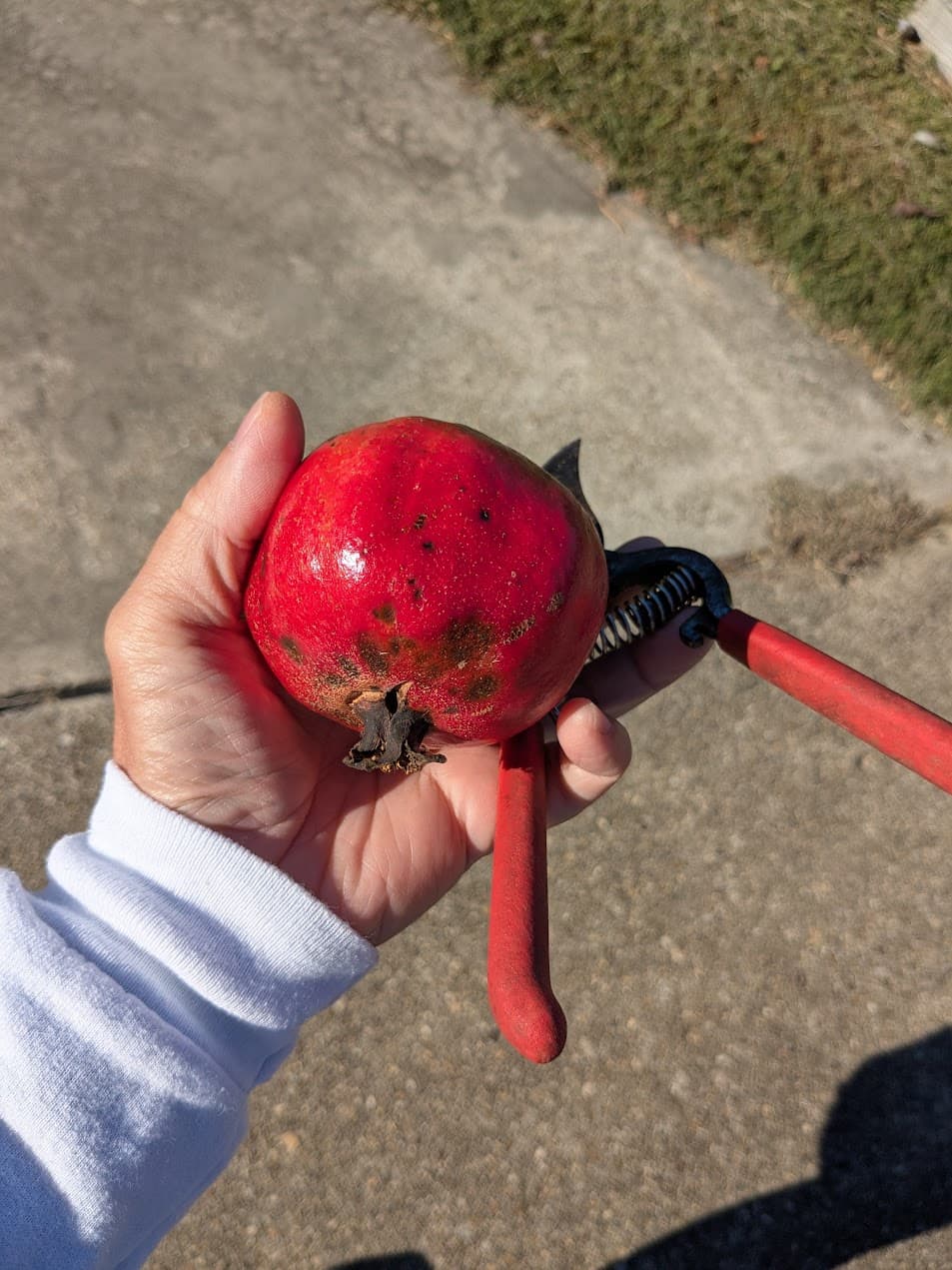
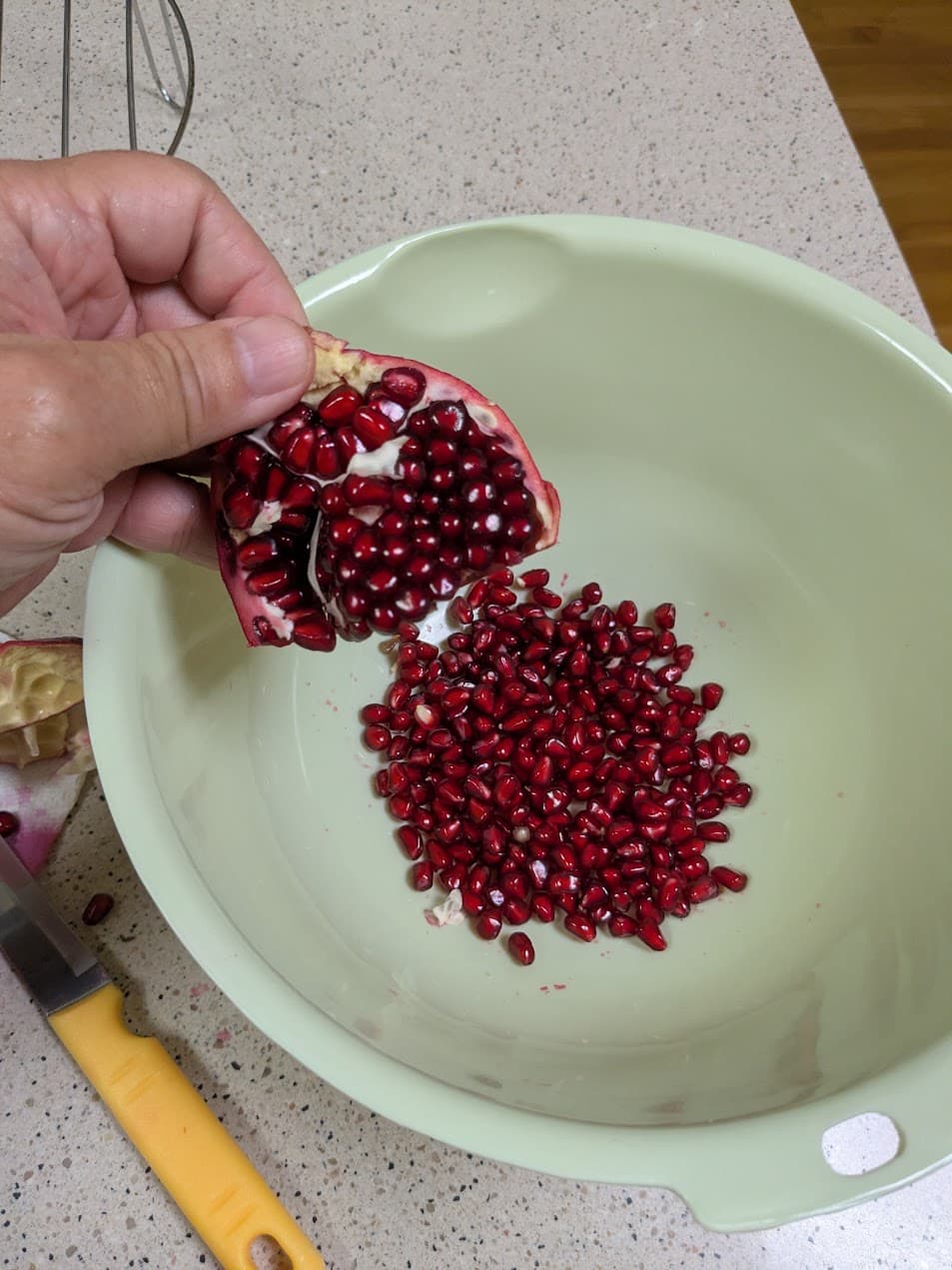
My first and only fruit that gotten big enough to harvest, most of them just rotted and dried up on the tree. This 3 yeas old tree is supposed to be a soft seeded Angel Red from Willis but was probably mislabeled, the seeds are hard.
7 Likes
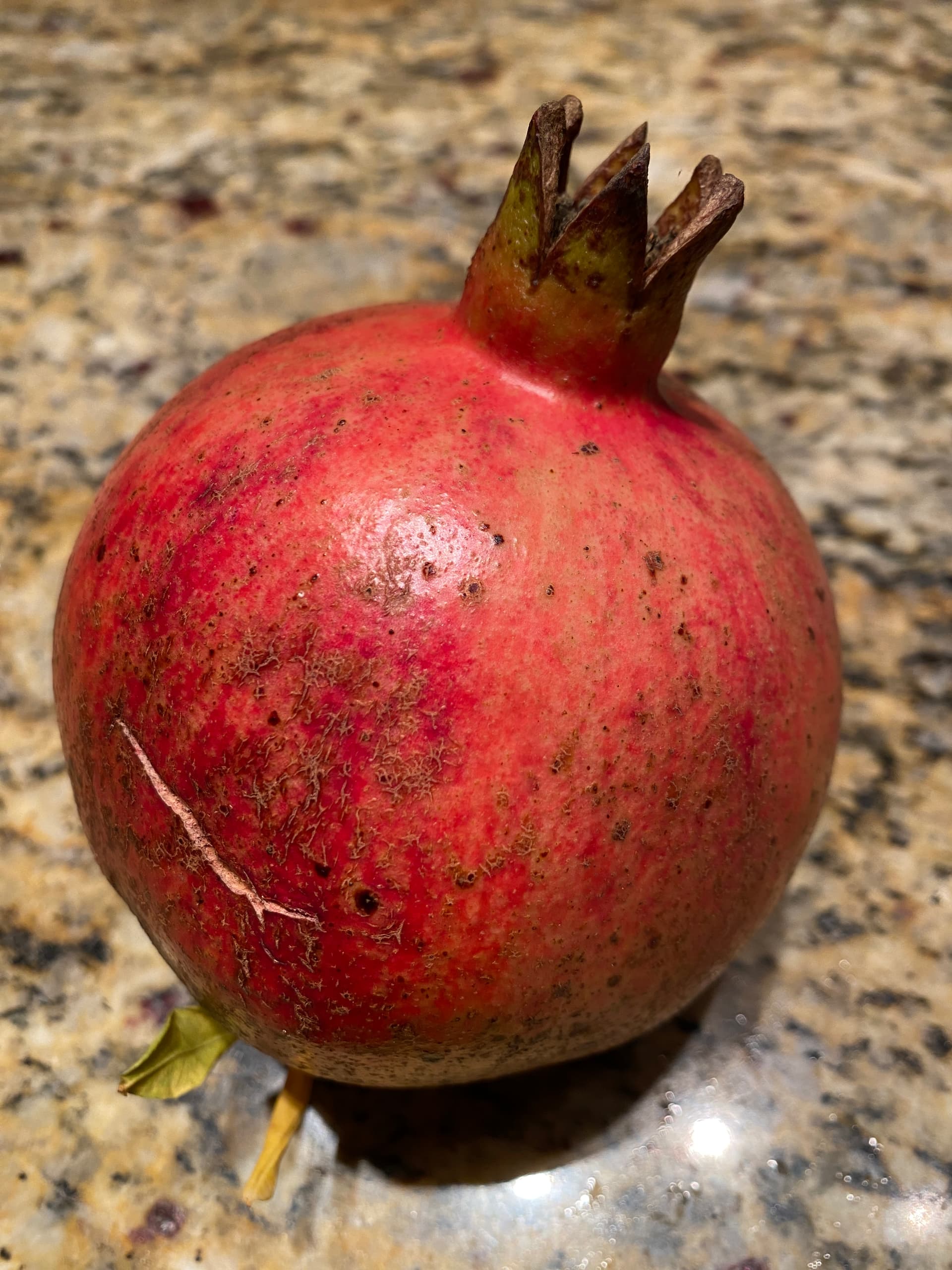
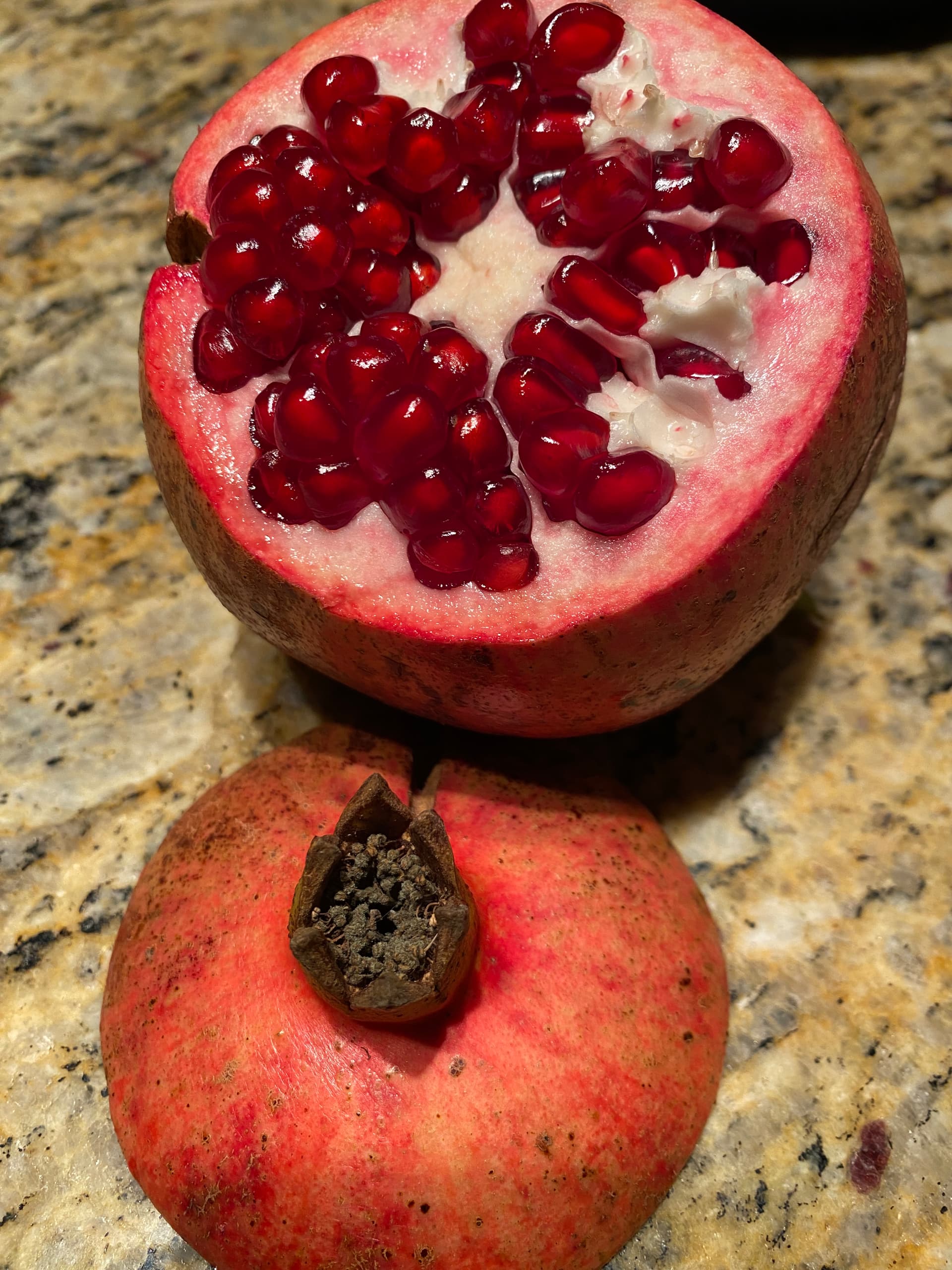
Found this pomegranate on the ground. Not sure which tree it fell from! I think it is a Serenevyi. It’s a bit soft-seeded, but the arils are not dark red! It tastes very mild compared to my Granadas and KajAcikAnors. Anyway . . . it’s very interesting to have a mature fungus-free variety different from these two. I still prefer Granada!

Serenevyi
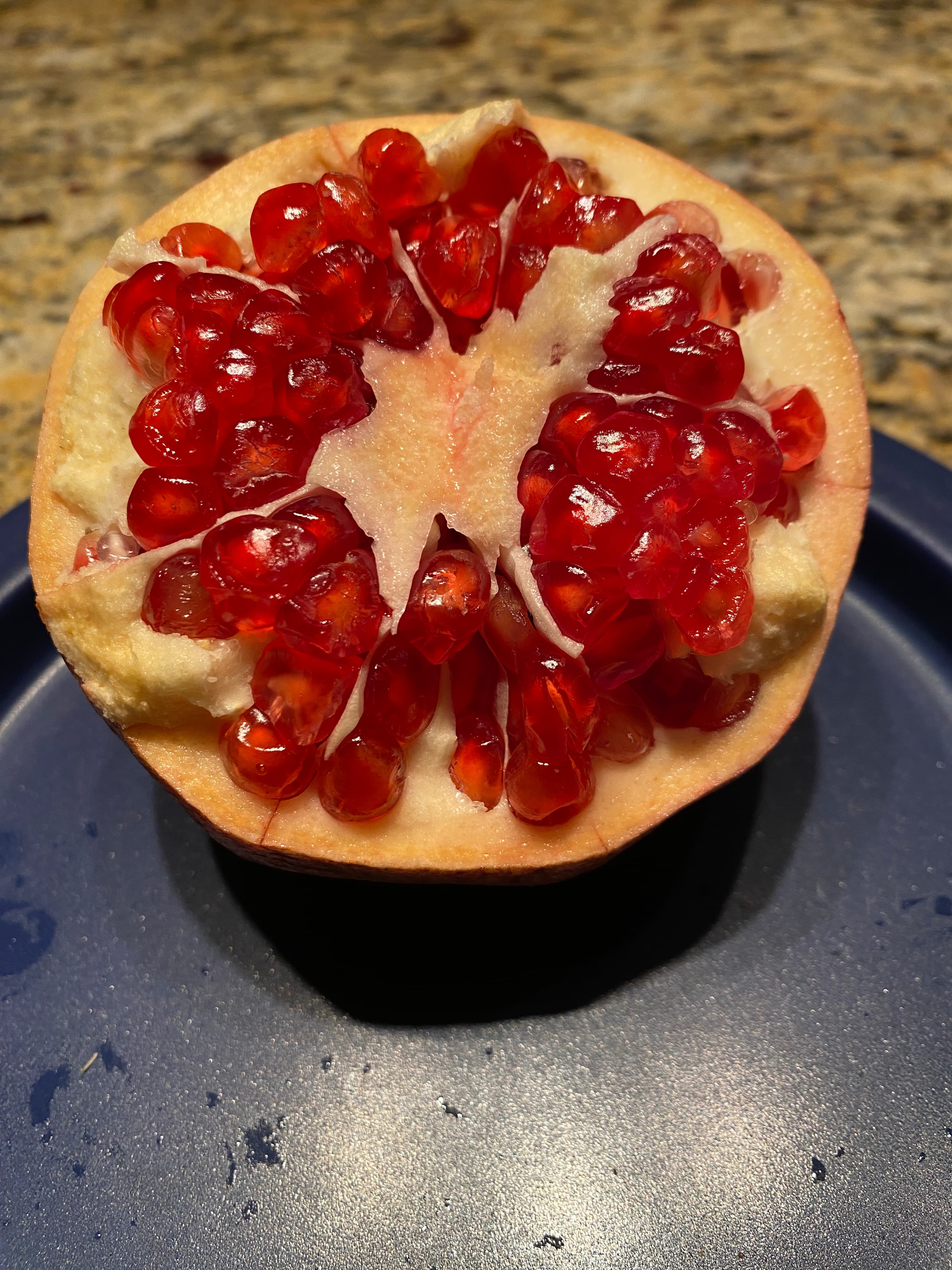
Serenevyi
A particularly good Granada. It had a large crack and some sunburn - but the arils are perfect - and not too tart. 
“SomeOne” has a cruel sense of humor. NOT funny to me.
I’ve been having problems with my stomach . . . hiatal hernia that will most likely need surgery.
Ouch. But this has left me with an intolerance for . . . . guess what???
Pomegranates! 

 And the only thing I really enjoy growing in my vegetable garden . . . Better Boy tomatoes. Well, any tomato.
We have a bumper crop this year (naturally  ) of pomegranates. So, I’ve been packing them up and shipping them to my grandkids, in Richmond. They get very excited about them.
Maybe next year, PomGranny. Maybe next year.
8 Likes
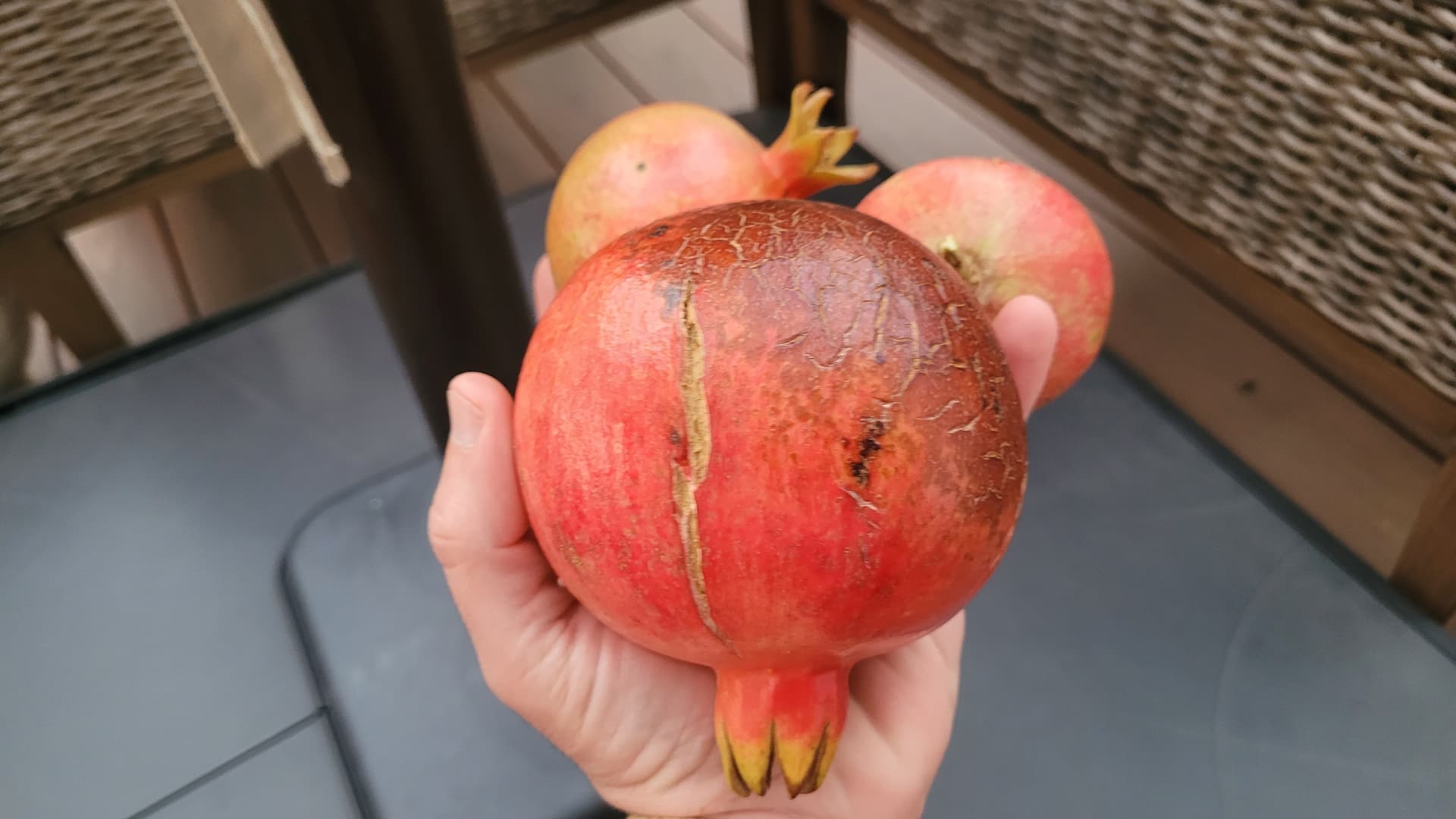
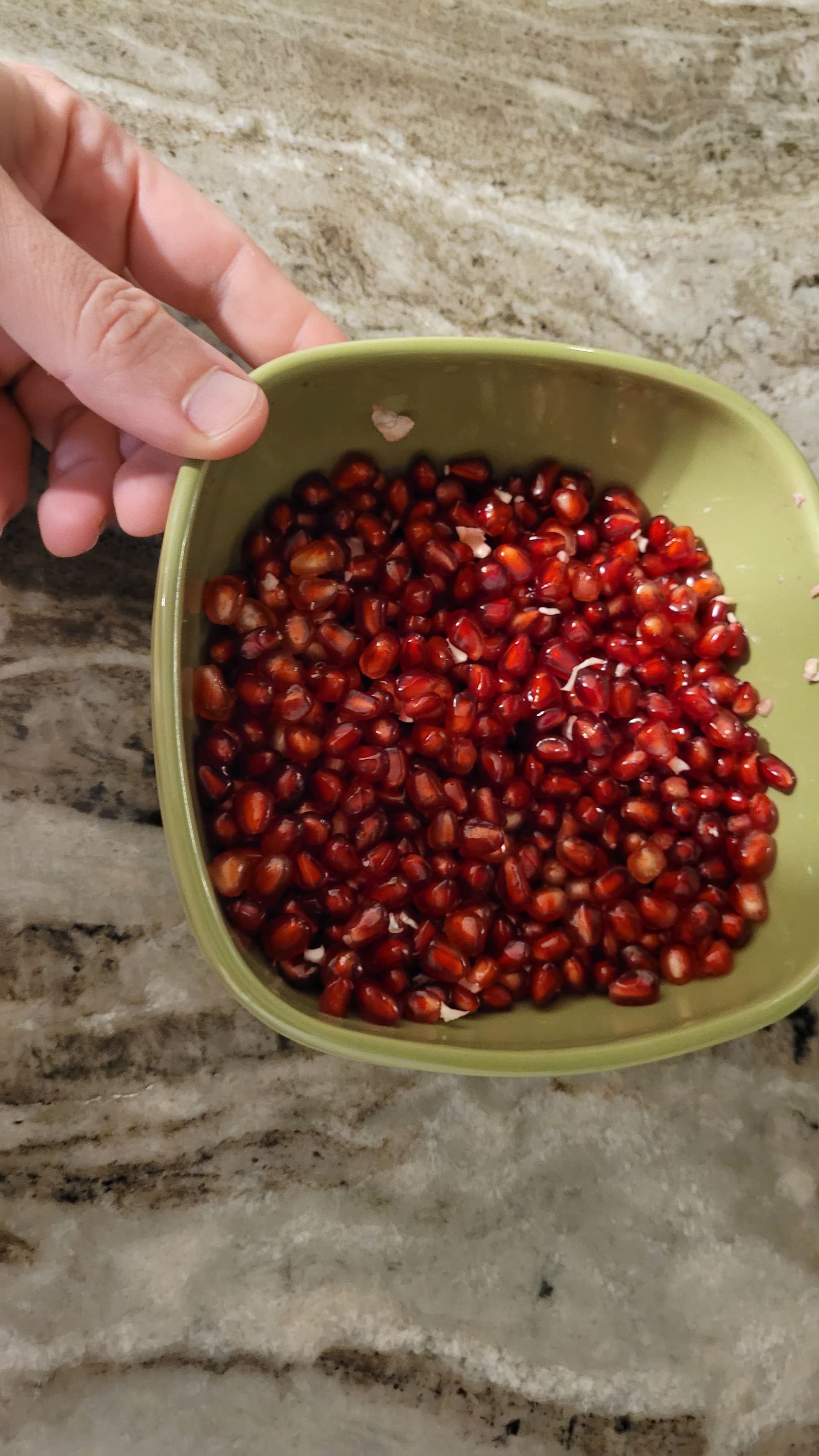
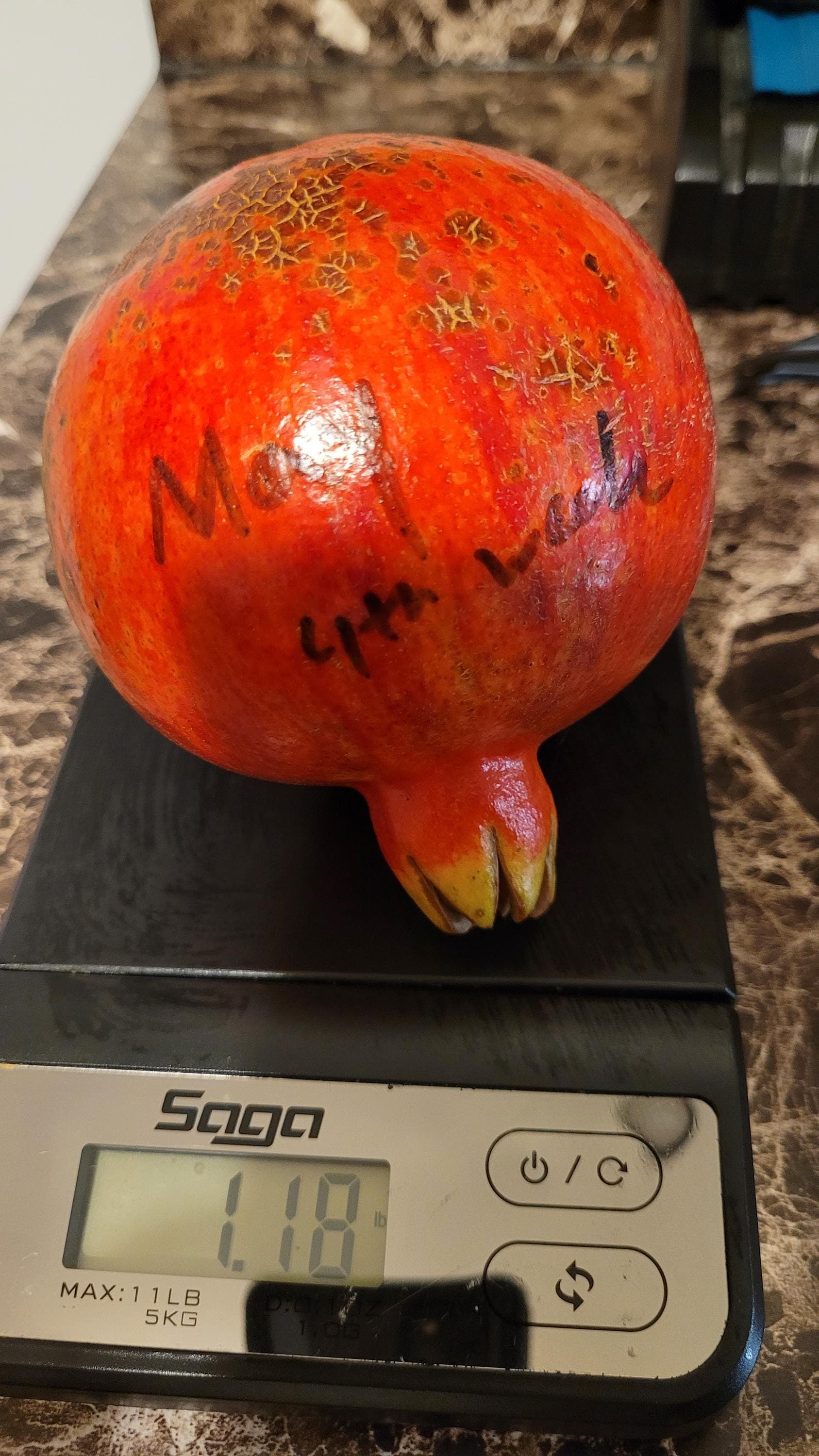
Pom season is upon us in NJ lol. This Afganski/R26 pom was tasty though it really needed at least another week to develop more flavor… was still great! Picked it because we had heavy rain and it cracked so I had to pick it before rot sets in. It was over a 1lb / 535g.The spots on the fruit are sunburn which I will try to address next season… maybe keeping fruit that is under leaf cover and also thinning fruit after June (thanks for the tip Peter) as those won’t get very big. Although keep in mind I had a huge fruit last season that set from a July bloom!
The smaller ones also cracked for whatever reason and those were pretty tart. Mixed them all together in the bowl for balance lol
5 Likes
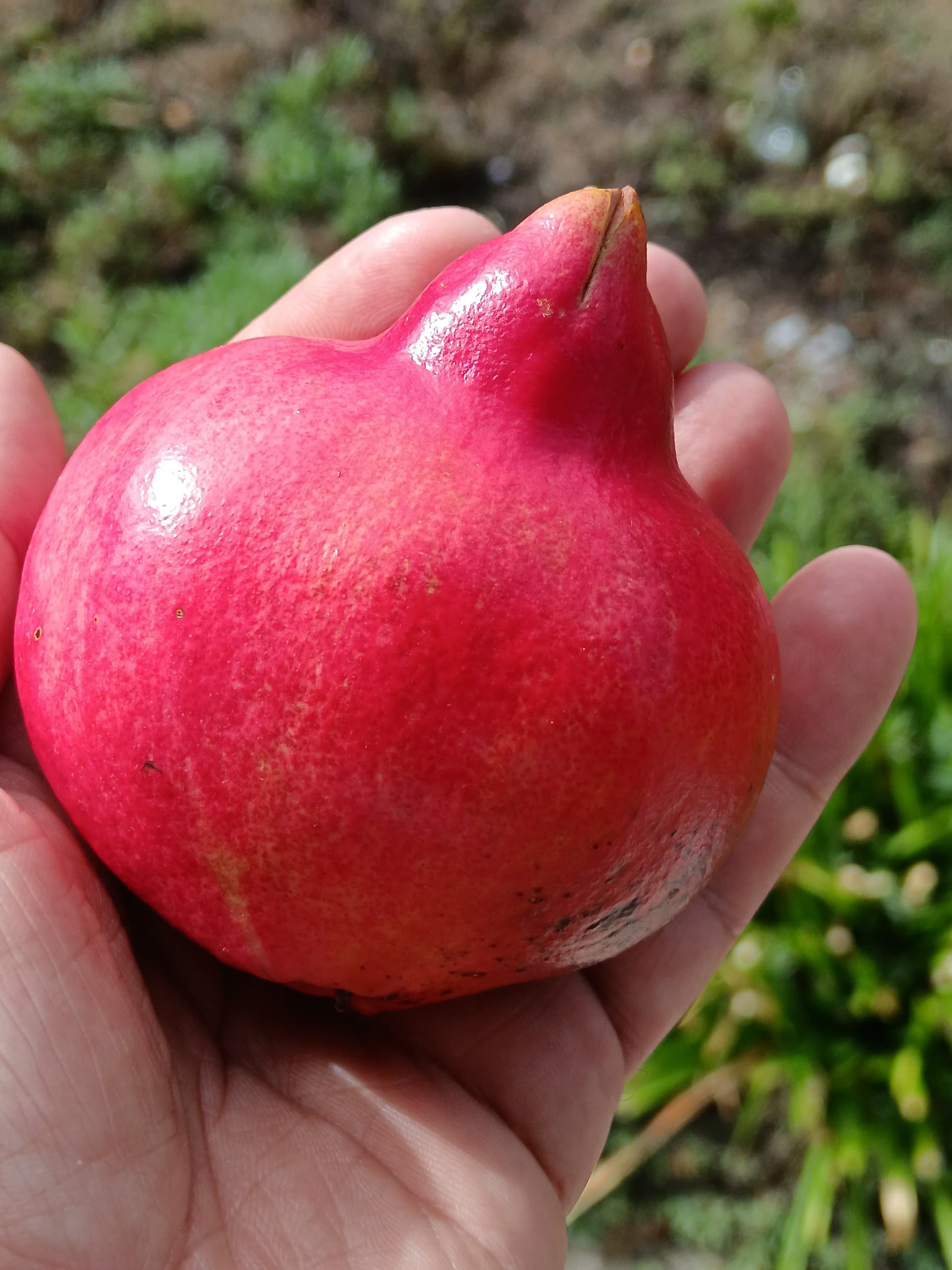
Ya know, I’m not trying to be a wise guy . . . . however, I’m beginning to think that everything is mislabeled. Or at least 50%. The descriptions are ‘all over the place’ - very few accurate. Maybe it depends on our individual soils and climates, but very few of my ‘odder’ varieties are true to type, as described in the catalogues and books, etc. Even my regular old ‘Wonderfuls’ are yellow! Usually fairly tasteless. The varieties that are said to be hard-seeded . . . are not quite that. None of mine have ever been soft . . . and I thought I was growing a few of those varieties.
It’s a crap shoot. That’s my experience.
If you like surprise after surprise . . . it’s a lot of fun. In fact, when we order and they ask what variety we’d like . . . we should just say, “Surprise me!”
4 Likes
So many of my poms that reached maturity look exactly like yours, in NJ. Sunburn. A crack or two. (But I like that. I know I can pick them and they will be good at that point!)
I only had a few that were almost - or - perfect specimens. And learned a lesson from them - I think? They were all those from a late bloom - that I hand pollinated. I can tell by their location on the trees. So, maybe they avoided the Japanese Beetles which are tremendous rot-spreaders? Who knows.
But, next year I plan to do early hand pollinating to give some of the fruit an early start and long ripening time. And then . . . a late pollinating. Like in July? And see if those are nice and ‘pretty’ and clean - free of fungus.
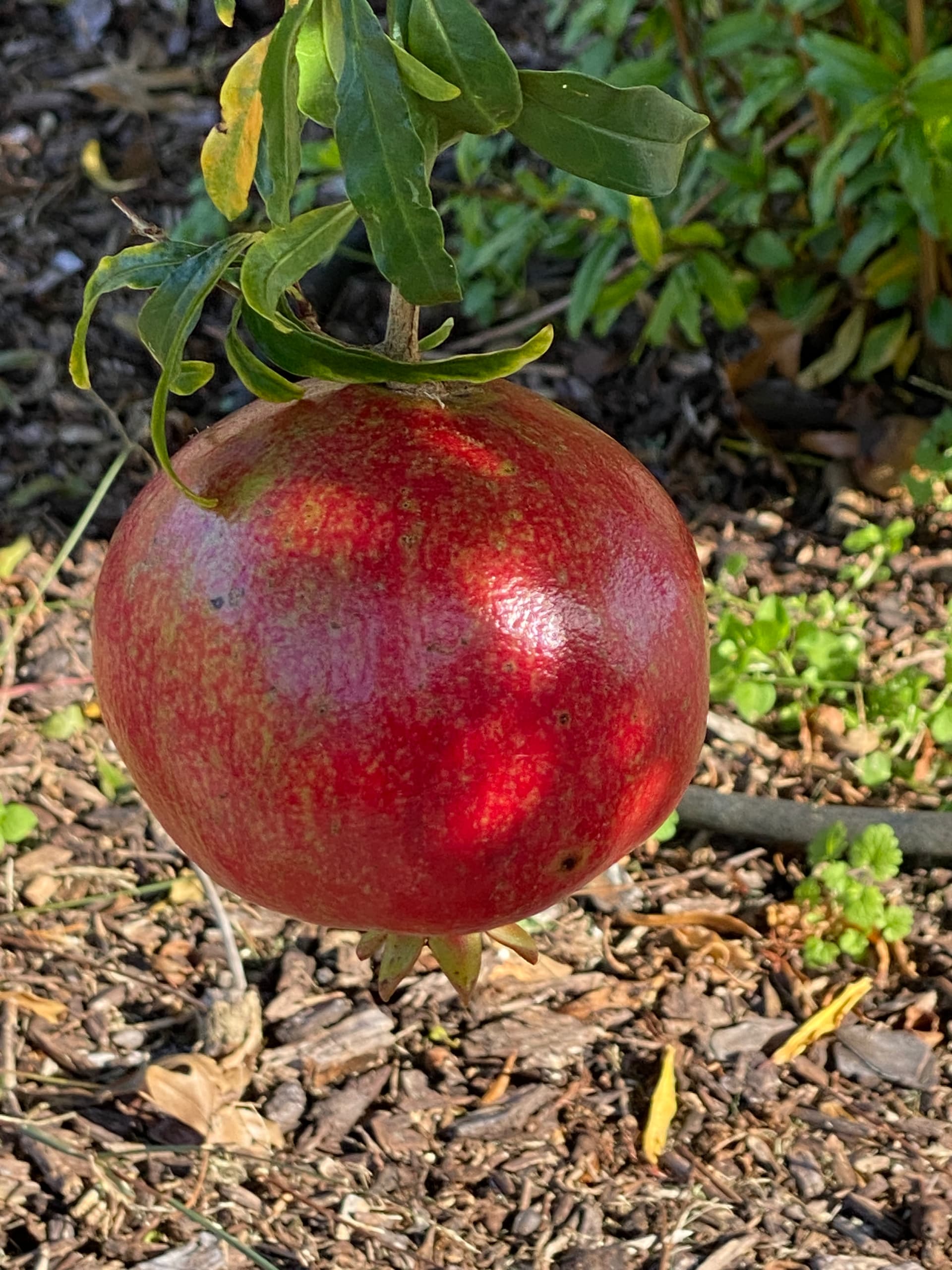
Here’s a beauty. A Granada.
One or two little specs of black. The rest pretty darn perfect!
9 Likes
That is a beauty! I agree they are still perfectly edible even when picked early. It seems like a lot of these “Russian” varieties are not astringent/bitter when underripe only different levels of tartness. The lighter arils also don’t seem any more tart than the darker arils inside the same fruit, I can even say that they are a little on the bland side.
1 Like