total tree death or above ground death?
Report: Looks like all the in-ground figs tops did not survive -8 F Winter even with some protection
1 Like
I live in East TN, not Middle TN like @TNHunter , but my USDA zone is 7 like his. For me, lots of protection is necessary due not to the lowest temps, but due to temp swings that bring the fig out of dormancy too soon. In the beginning of March for example, we had some 70-80F sunny days, followed just last week by lows in the 20s. About 3-4 days later, the afternoon high hit 83F. Last year, we had a 20F low in mid-April!
2 Likes
I haven’t seen a lot of tree death, so I’m basing this opinion on what I read of the experience of others. . . .
-
When a dormant tree experiences severe cold (i.e., 0 - 10 F or less), the above ground tissues are killed. But the ground usually remains warm-ish, say 28-30 F. So the roots usually survive and sprout new growth.
-
When a non-dormant tree experiences freezing cold (i.e.,. 20-30 F or less) for any extended time, the above-ground tissues are killed. The roots are often also killed, though maybe not immediately. I’m not sure why but I think the reason involves desiccation of the tree and freezing of the vascular tissues. The non-dormant tree has watery sap; a hard freeze causes the sap to freeze, drying out the tree and damaging cells, especially vascular tissues in the cambium. This damage prevents nutrients from flowing from the leaves to the roots. I think.
3 Likes
I like this idea, how deep did you make yours?
1 Like
My Olympian fig has been growing in about 3/4 shade for 3 years. Always dies back to about 5 inches above ground without protection, but never produced a fig for obvious reasons. I’ll probably dig it up and move it somewhere else this year. We get temperatures below -5 F every year.
2 Likes
Olympian is over rated as a cold hardy fig. Cold tolerance is OK but the figs ripen fairly late and are mediocre quality outdoors. I grew one in our high tunnel for years and it produced much larger, better figs but the large open eye was a magnet for fruit flies, and I removed it.
It’s well suited to Washington state but in the eastern US I find it very mediocre and not adapted (large open eye, fairly late ripening, mediocre flavor).
6 Likes
So it would seem you would benefit from using a few inches of soil topped with mulch to get protection. If you didn’t want to create a low growing tree you could grow the tree in an in-ground bag and tip it into a trench just before severe weather then cover it with soil and a thick layer of mulch. I have one tree I keep in my well house over winter that is in such a felt-like bag. It pops out of the ground easily, and isn’t too badly set back by losing a lot of fine roots growing outside of the bag.
Ten hunters figs are impressive, but fig trees do tend to be productive. We generally get more than my wife and I can possibly eat. I’m not going to eat more than 6 or 7 in a day and a lot of our crop always spoils if we don’t give a lot away. I have 3 small trees- 2 that bear at the same time on one that bears later. .
4 Likes
I haven’t seen anything pop outside yet, but we briefly went down to around - 11F this year and I definitely see living figs above ground with snow for protection. It looks like Unk Abington, Chicago Hardy, and Reservoir are in decent shape but we’ll see. Trabia and Improved Celeste don’t look as good but they had less growth.
3 Likes
Agree with benthegirl, way too early to call it. Figs are some of the last things to wake up in spring and they can look completely dead for weeks before pushing new growth from the base. I’d leave the roots undisturbed and give it until late May before making any decisions.
3 Likes
Here is what I used to protect a Chicago Hardy fig through the winter. It’s practically filled with leaves for insulation and used an outdoor lamp in the bottom during 8 degree weather. Haven’t uncovered it yet this year. We had plenty of figs to enjoy in southern Louisiana where I grew up. Now in the northern Texas panhandle growth zone 6b and semi arid climate makes it tough however we sure enjoy the fresh fruit right off the tree. Not many, but good quality.

1 Like
The dimensions are 49”L x 42”W x36”D. The plants are planted 12” above the bottom on a raised section leaving the front open space for cold sink or future geo based ventilation
2 Likes
Here’s what I did this past winter, and it seems to have worked well (I accidentally nicked some of the wood while digging out the tree, and it looked green and vibrant).
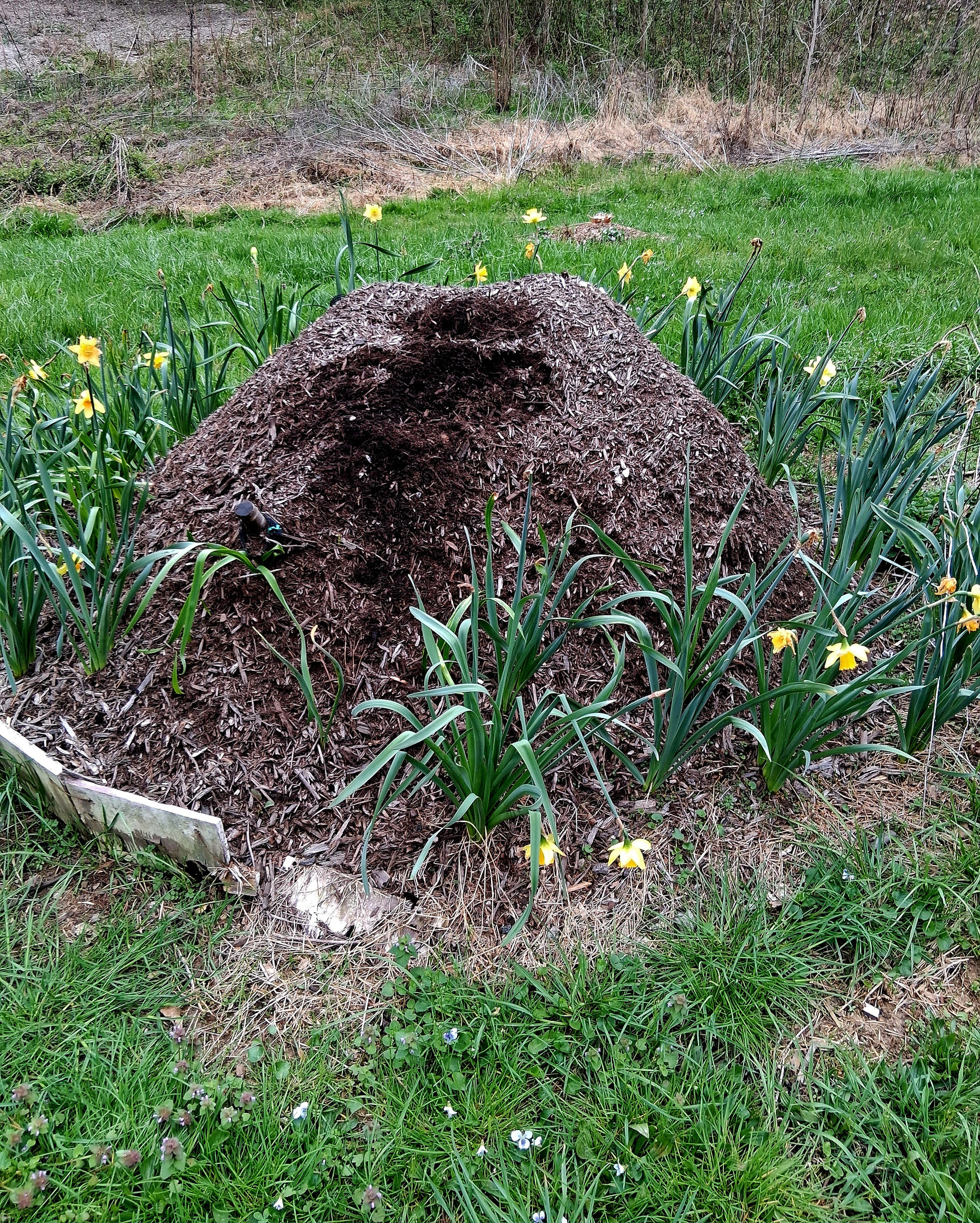
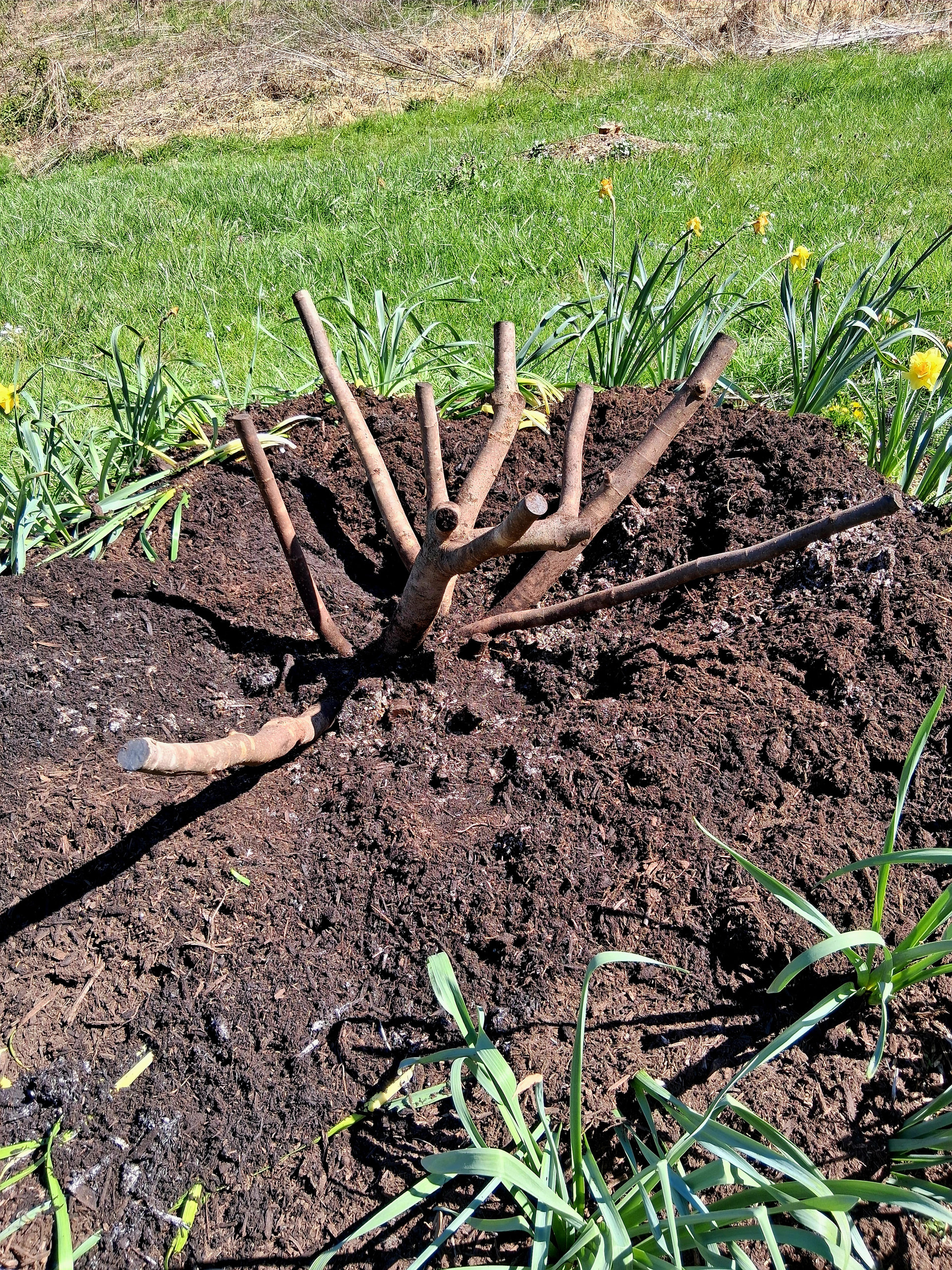
The tree was still fully dormant when I dug it out, so I’m hopeful that it won’t die back when exposed to the 27F nights we have coming up.
I’ve considered the root-bagging method, but it seems to me that this mulch-dump method may be less labor-intensive.
5 Likes
Not a problem for a dormant tree.
3 Likes
Thanks for the reassurance! I get nervous about temps and dormancy this time of year because I don’t know how cold hardy figs are at different stages of their waking process. The only thing I’m sure of is that cold hardiness decreases as the trees wake up.
1 Like
Understood. It’s a bit of a crap shoot but your tree seems totally dormant. I’ve deliberately left out dormant trees (leaves dropped, branches dried) down to almost 20 F just to harden them off – without harm. Even trees that had leafed out but suffered an unexpected frost (30-ish F) were OK, just leaf damage. You just don’t want a hard freeze on tree with branches full of watery sap.
1 Like
chopped back to see if i could find green. no dice.
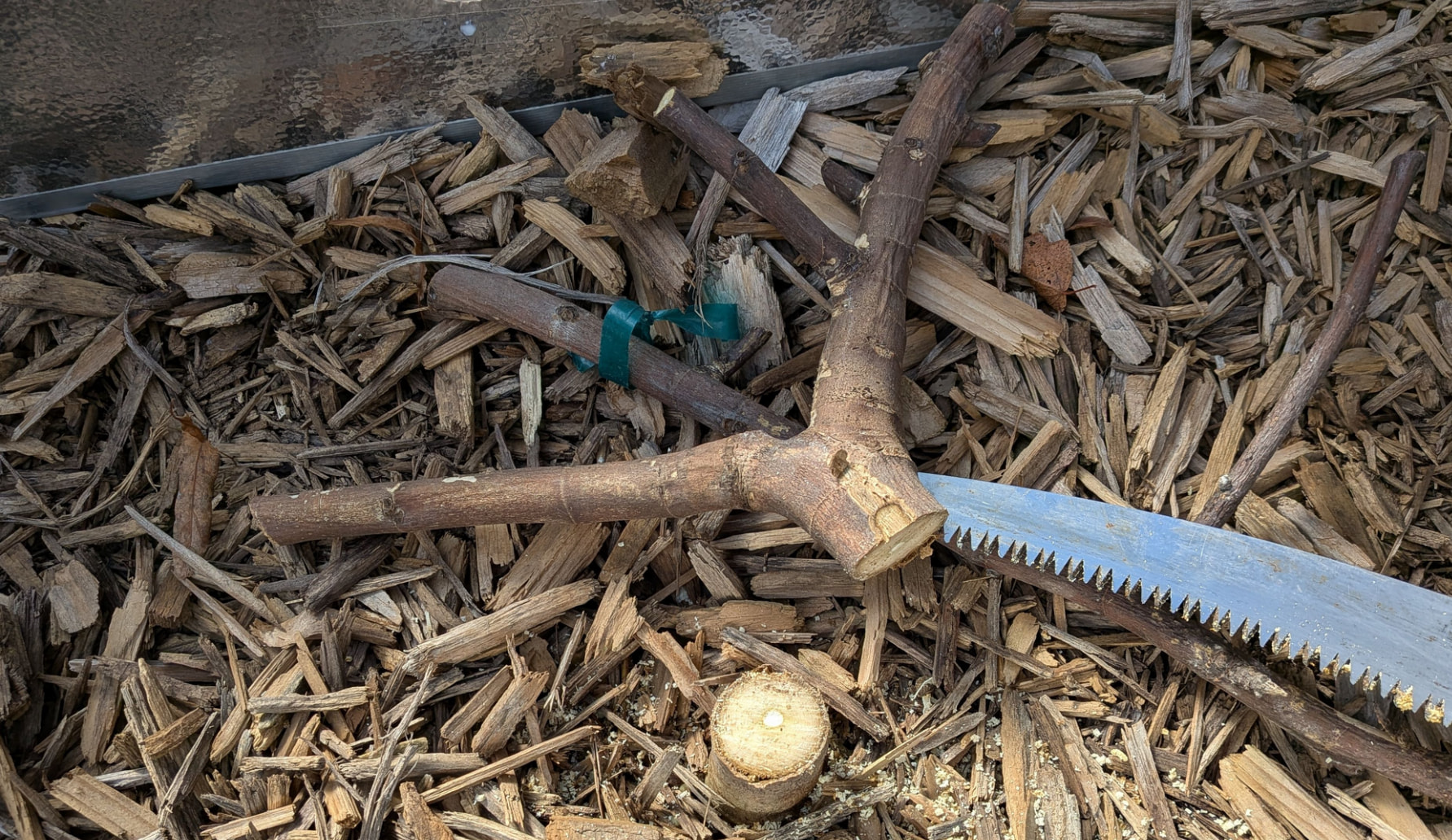
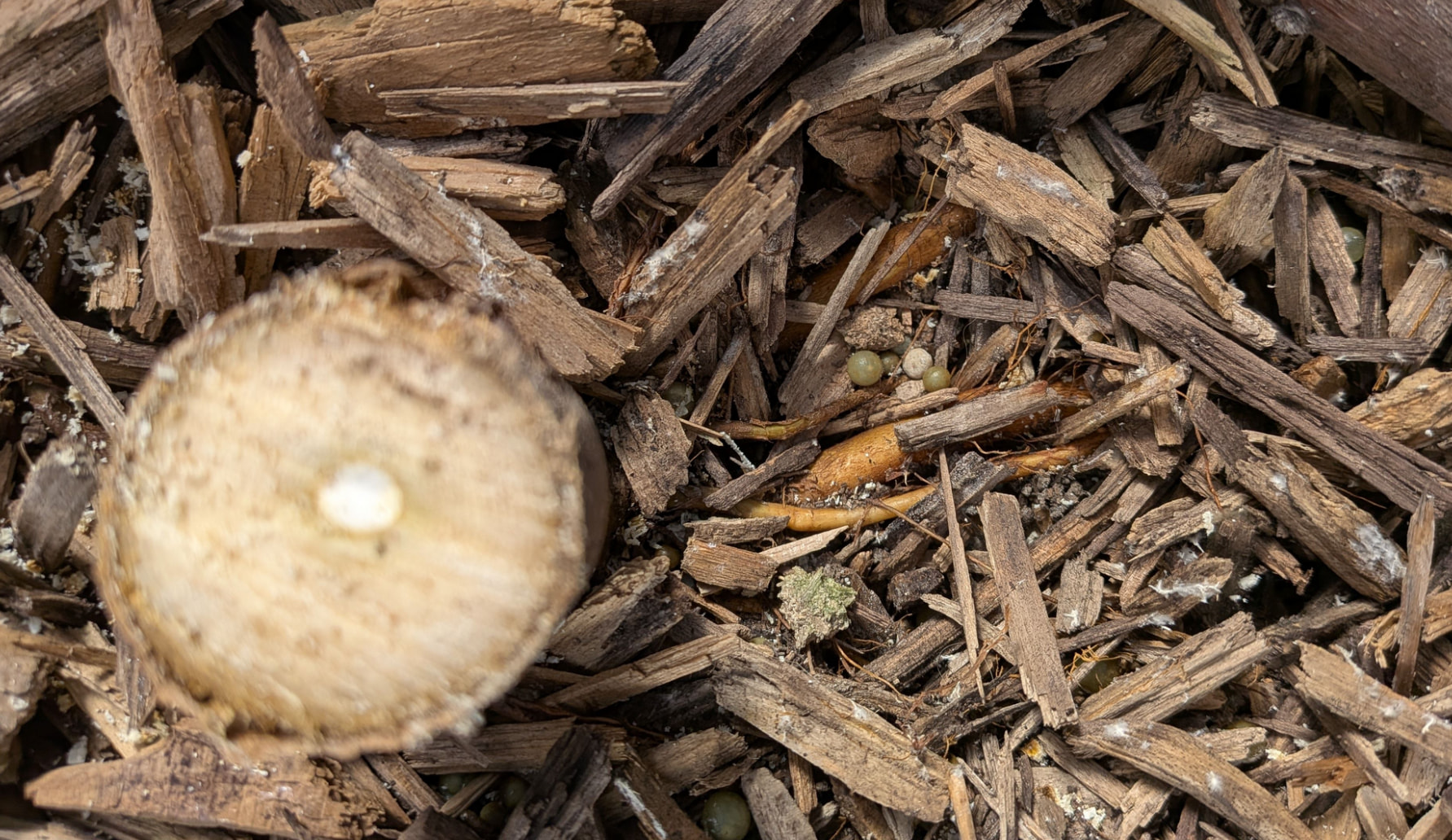
does seem like the roots have the trunk secured below ground so maybe its alive down there. the surface roots look ok:
1 Like
That is similar to what I did for a client although I used a mix of stable compost and sand and a ring of fencing lined with aluminum bubble wrap after reducing in height by 2/3. I will free it up next week.
I attempted protection on one of my own trees by leaving more tree and filling up a taller ring with wood chips, another I used leaves and another I did the safest thing and popped the bag it grows in out of the ground and wheeled into my unheated well house where it never gets much below freezing.
By the standards of the last decade the -9F we got is probably a test winter, so I’m testing it.
3 Likes
So I freed up two of my fig trees today, one packed in wet leaves and one in fresh arborist wood chips. The latter was a quicker job to construct and both trees have green cambium suggesting they survived winter well. -9F for a low and a couple or record setting warm spells, but never a long stretch of them. However, I doubt either system would be much set back by a KY warm spell, especially if you wrapped bubble wrap around the diameter but leaving the top or some of the north side open for ventilation.
I believe the wood chips were Norway spruce, but certainly mostly conifer. A leaf pile can heat up as can a chip pile but when they are tightly packed in about a 3’ cylinder it doesn’t seem to be a problem.
3 Likes
Welp, one fig started to sprout from the bottom at the end of April. A Violette de Bordeaux.

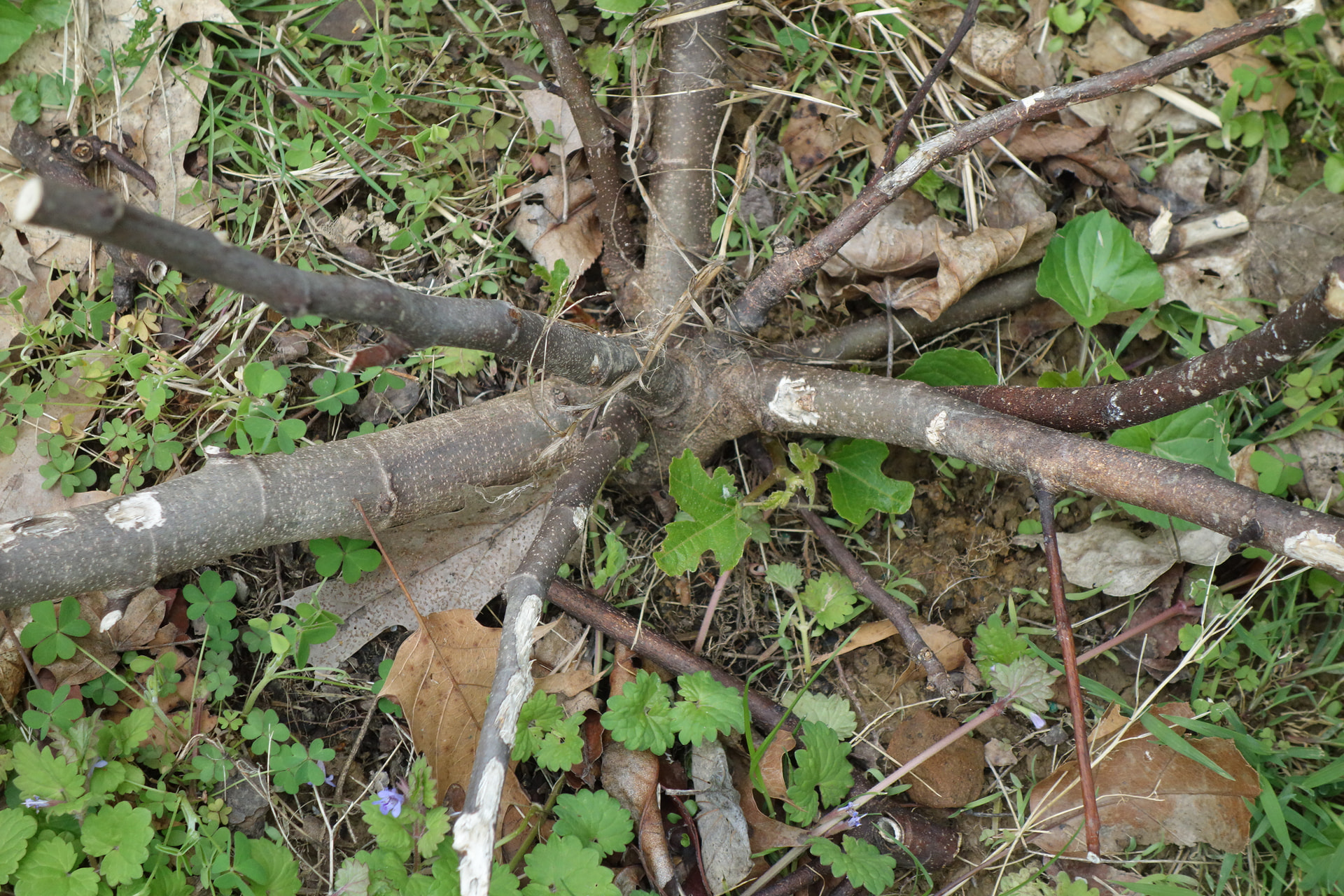
I will cut them all down late May. I am not going to regrow them. Just curious how the experiment turned out. Too bad, these were bigguns and would have made nice potted figs. But didn’t know, I was just learning the ropes.
The chew marks are from Fall 2025. little animals destroyed 3 out of the 6 in-ground figs. And I mean to the ground!
why not keep them since VdB has a short growing season? And why not dig them up and at least move them to a pot?