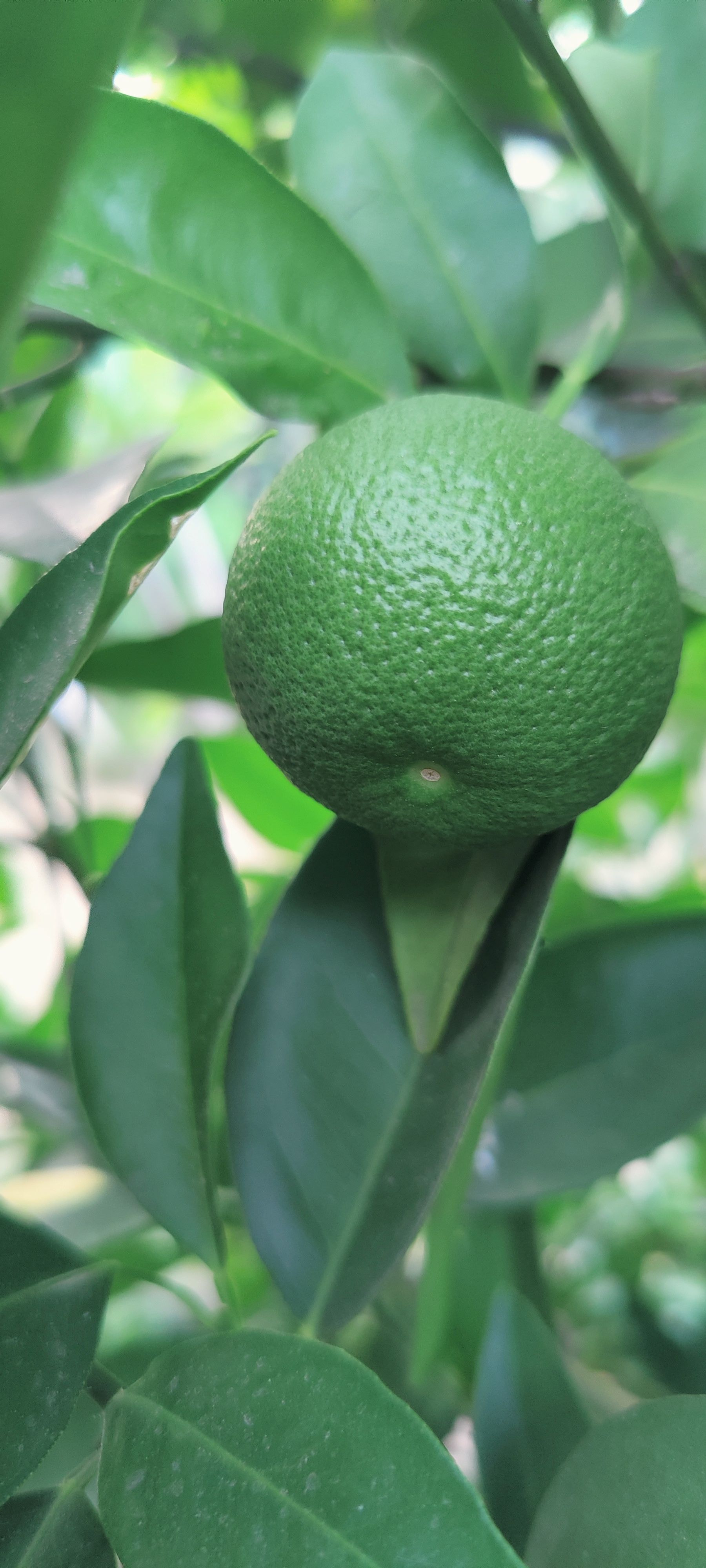
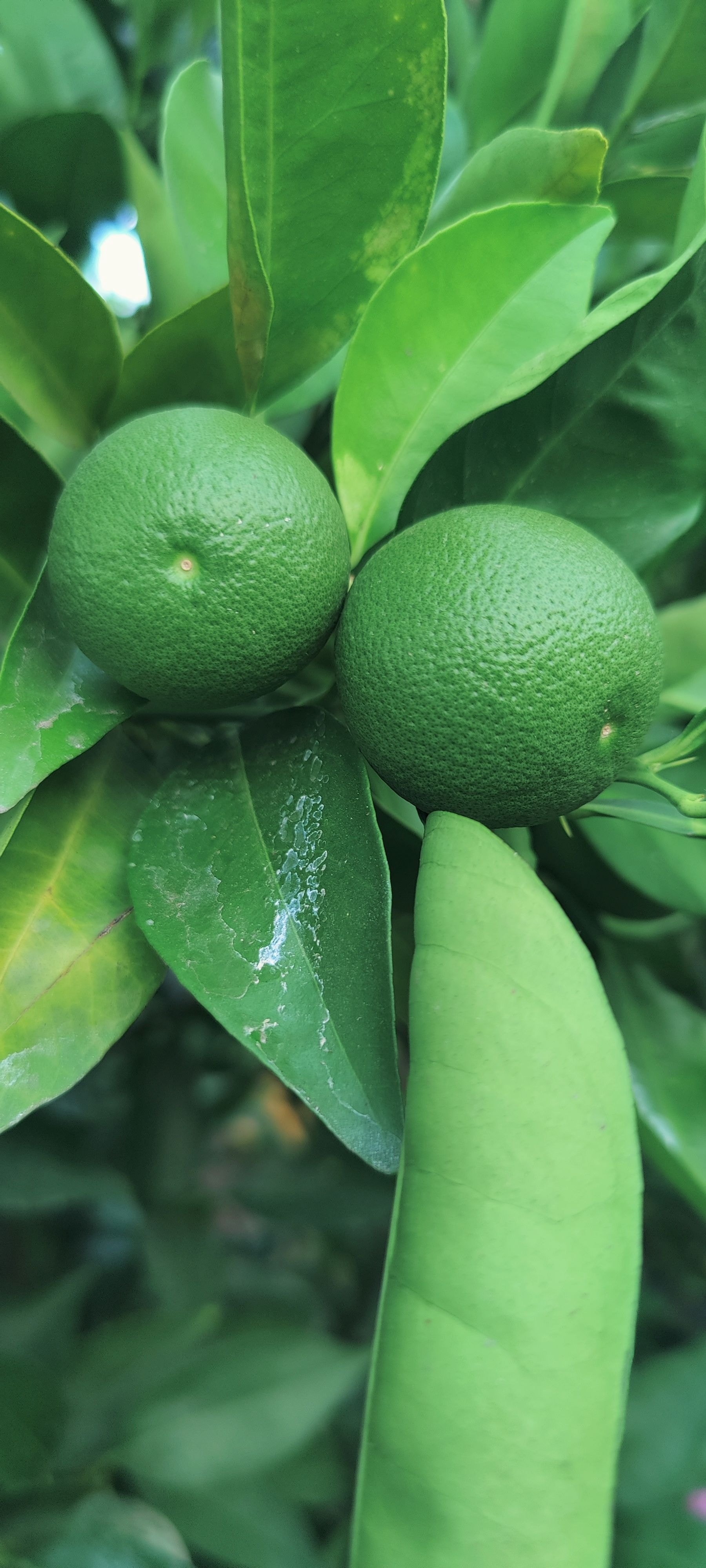
I waited 10 years for my blood orange seedling to flowers. Don’t know if it will be blood orange, sour orange, bitter orange, or sweet orange. At least, the wait is over. It may produce fruit this year. 3 of them flowered at the same time. All from compost survivors. I’ll post pictures if any of the fruit make it this year.
11 Likes
My bets are on a blood orange result that is identical to the fruit the seeds originated from. Virtually all oranges are strongly polyembryonic and orange seedlings are reliably genetic clones of the “mother” parent (minus any viruses). 10 years seems like a long wait, but I personally know someone who waited over 30 years for his seed-grown grapefruit tree to finally bear fruit. Yes, please update us when you know the answer!
8 Likes
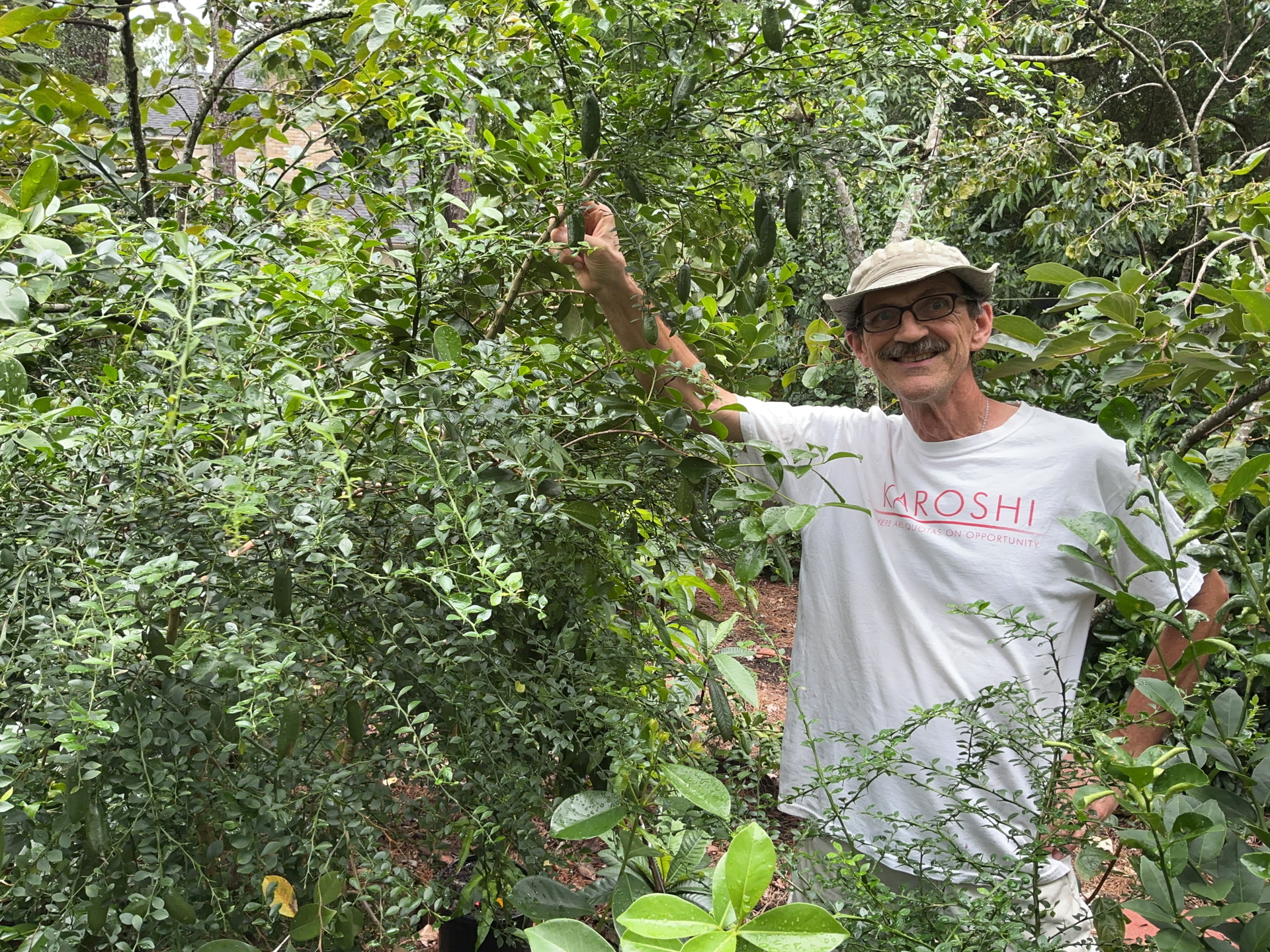
About 10 years ago I brought a couple Australian Finger Lime fruits back to Texas with me from California, courtesy of California Rare Fruit Grower Dan Kinnard, who has a small commercial orchard near San Diego. Thanks Dan! I extracted about a dozen seeds and germinated them all. Those dozen seedlings were then planted in-ground in our orchard (The Woodlands, north of Houston) as a hedge alongside our driveway. By 2020 they were about 3’ tall and we even had a few fruits on 4 of them. Then came the disastrous February 2021 freeze! We dropped to 9 F and were below freezing continuously for several days. Fortunately, I had mounded the lower trunks of over a hundred in-ground citrus trees with fresh hardwood mulch, including the Finger Limes. Essentially every single citrus tree in our orchard froze down to the level of the mounded mulch, but amazingly nit a single one of them died back all the way to the rootstock. The 12 Finger Lime bushes were already well established on their own roots and quickly regrew. Last year I harvested a total of perhaps 2 pounds of finger lime fruits over the course of the year. The largest tree/bush is now about 8’ tall. After a winter low of only 24 F (they all got covered with a moving blanket and large tarp), they are now loaded with fruit (easily several pounds of fruit). Here I am standing underneath one of these in-ground trees yesterday:
Here I am holding a sample of 4 fruits I picked from 4 different trees:
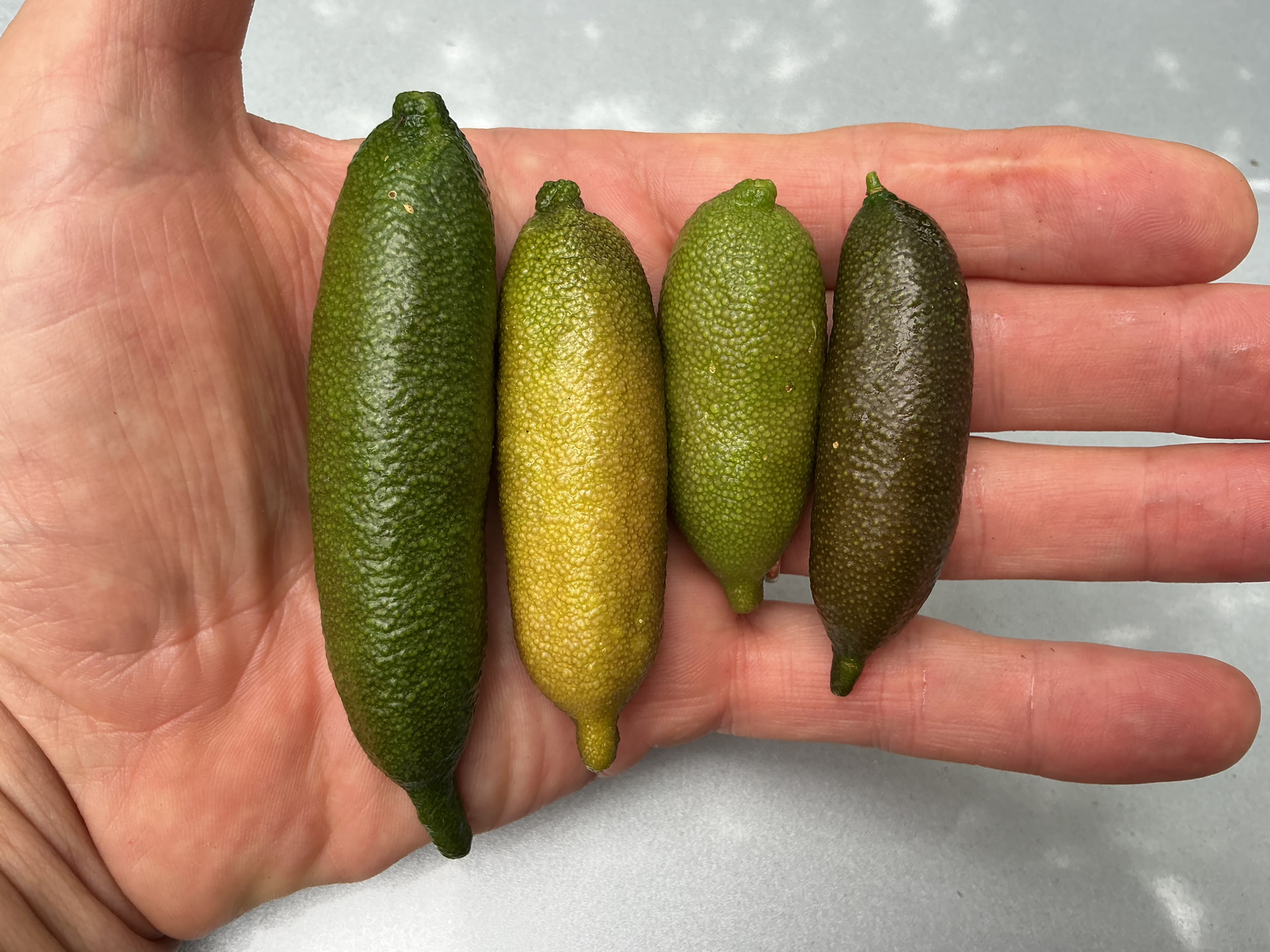
The variability is quite remarkable, considering the seeds for these plants all originally came from the same 2 fruit. The fruit may not taste very good, but at least these are fun plants to grow and they are reported to be immune to Citrus Greening Disease.
9 Likes
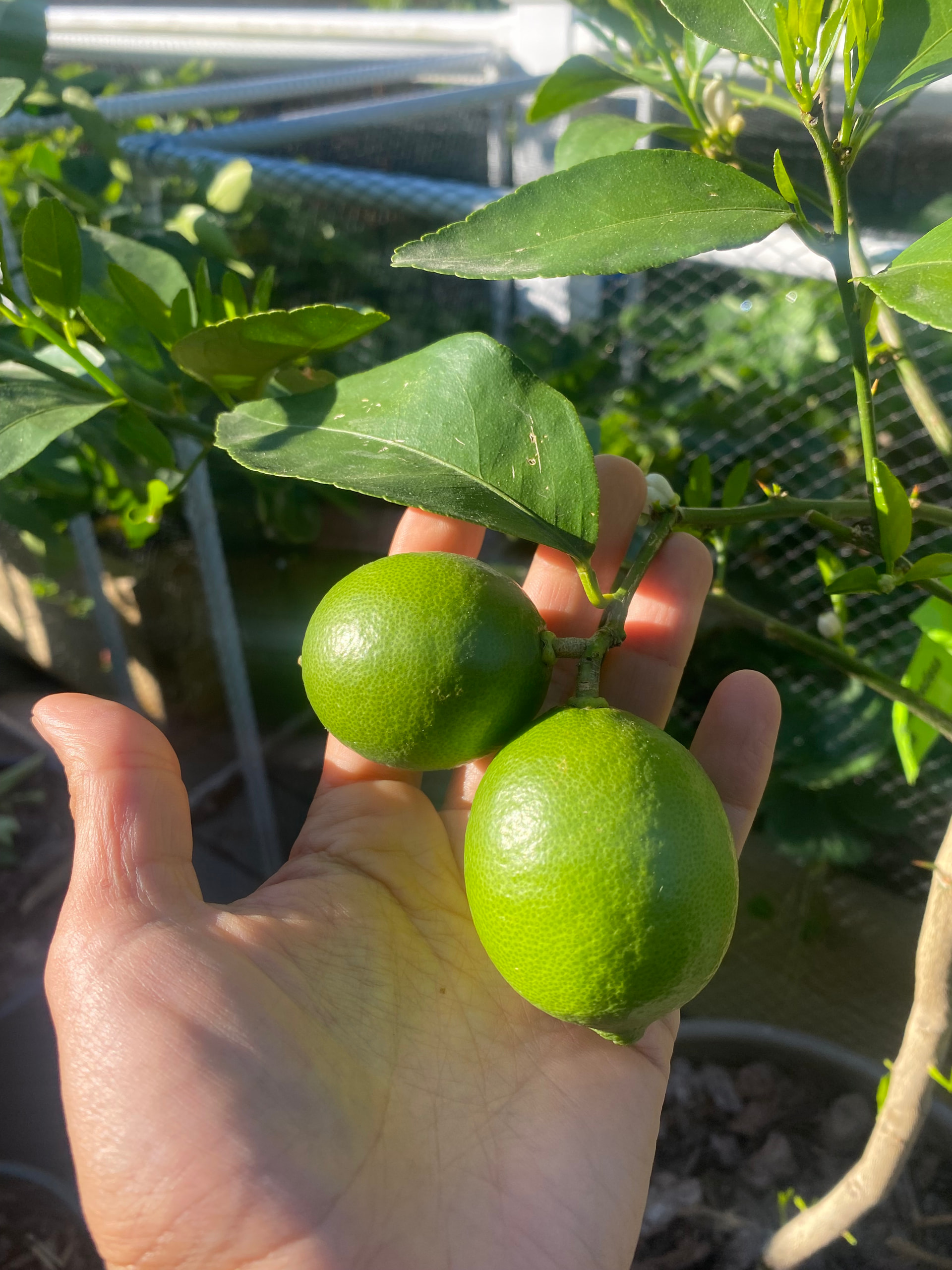
Limes by smell and size. When its the size you want and when you smell it, it smells like a lime, it is good to go. They will eventually turn yellow if you never pick em though.
5 Likes
Going by their lighter green color, I’d say those are ready to pick now. They should have a little give when you squeeze them between your finger and thumb, not real firm. That is how I like to pick mine.
4 Likes
I agree. Commercially grown limes (and most lemons for that matter) are picked by size, not color. Since they don’t sweeten when “ripe”, they can picked anytime they are large enough and juicy enough to use. If left to hang until they turn yellow, limes become very subject to stylar end breakdown and the resultant loss of the fruit. I would pick them now or soon.
5 Likes
I’m not a commercial grower. We know how they harvest fruit days and weeks early. I’ve grown Persian Limes for the past dozen years.
From link: Unlike true limes, Persian limes are picked and sold green, but they actually turn yellow when fully ripe. Most commercial limes are picked green for shipping purposes, but homegrown Persian limes develop the best flavor when they start showing yellow patches.
Persian limes are most flavorful when picked with slight yellow coloring, not completely green
4 Likes
Great, thank you all for the tips.
1 Like
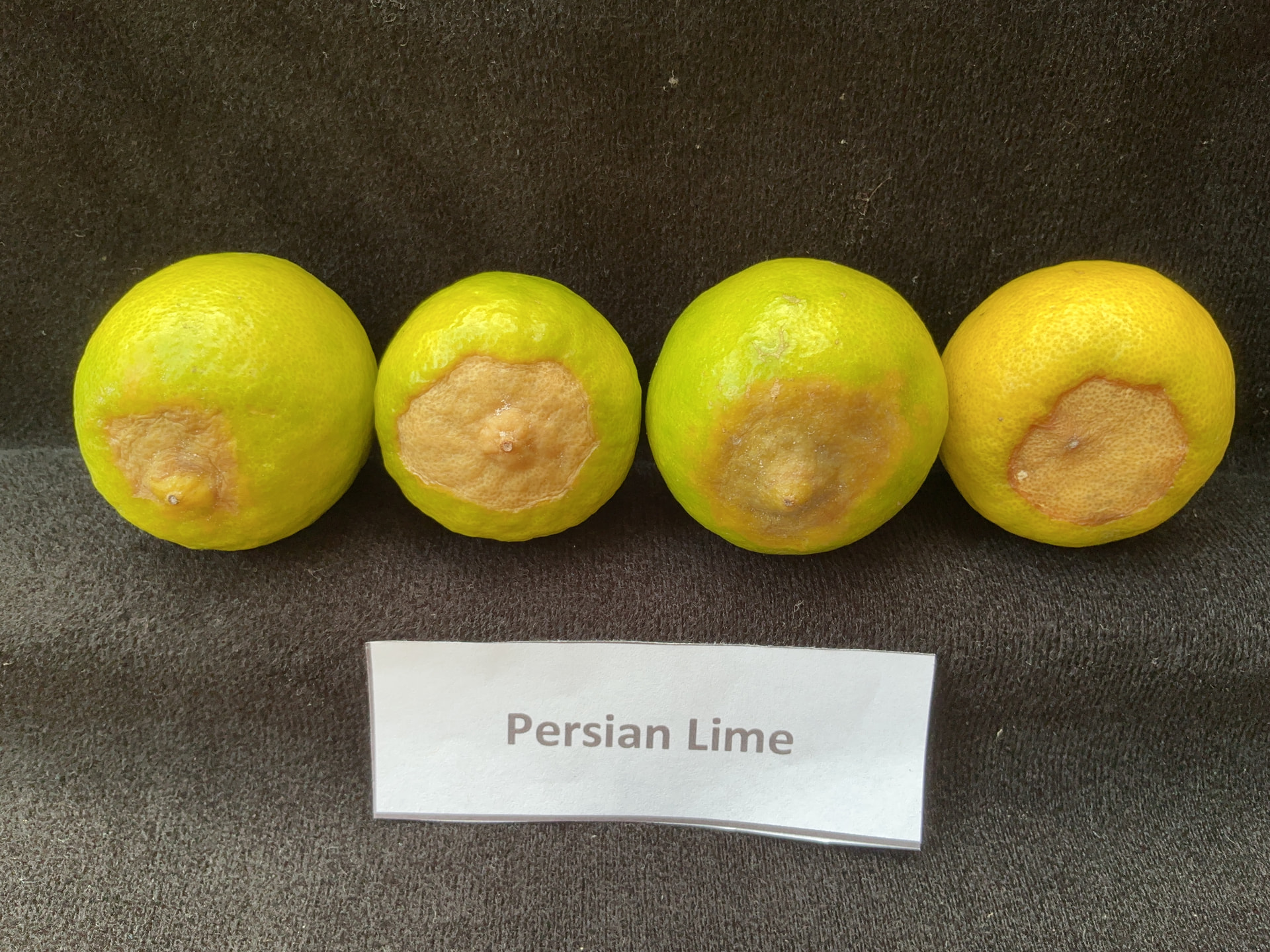
It is true that Persian limes are the juiciest and best tasting just as they turn yellow, but leaving them hang on the tree that long also invites Stylar End Breakdown (SEB) and the resultant spoilage of the fruit. Here are 4 Persian limes I picked on November 16, 2025 that show the external appearance of SEB:
When my Persian lime begin to spoil like that it is a sure sign they need to be harvested ASAP. This is a photo I took on November 25, 2025 (about 1 week later) of all the Persian Lime fruits that remained on my tree:
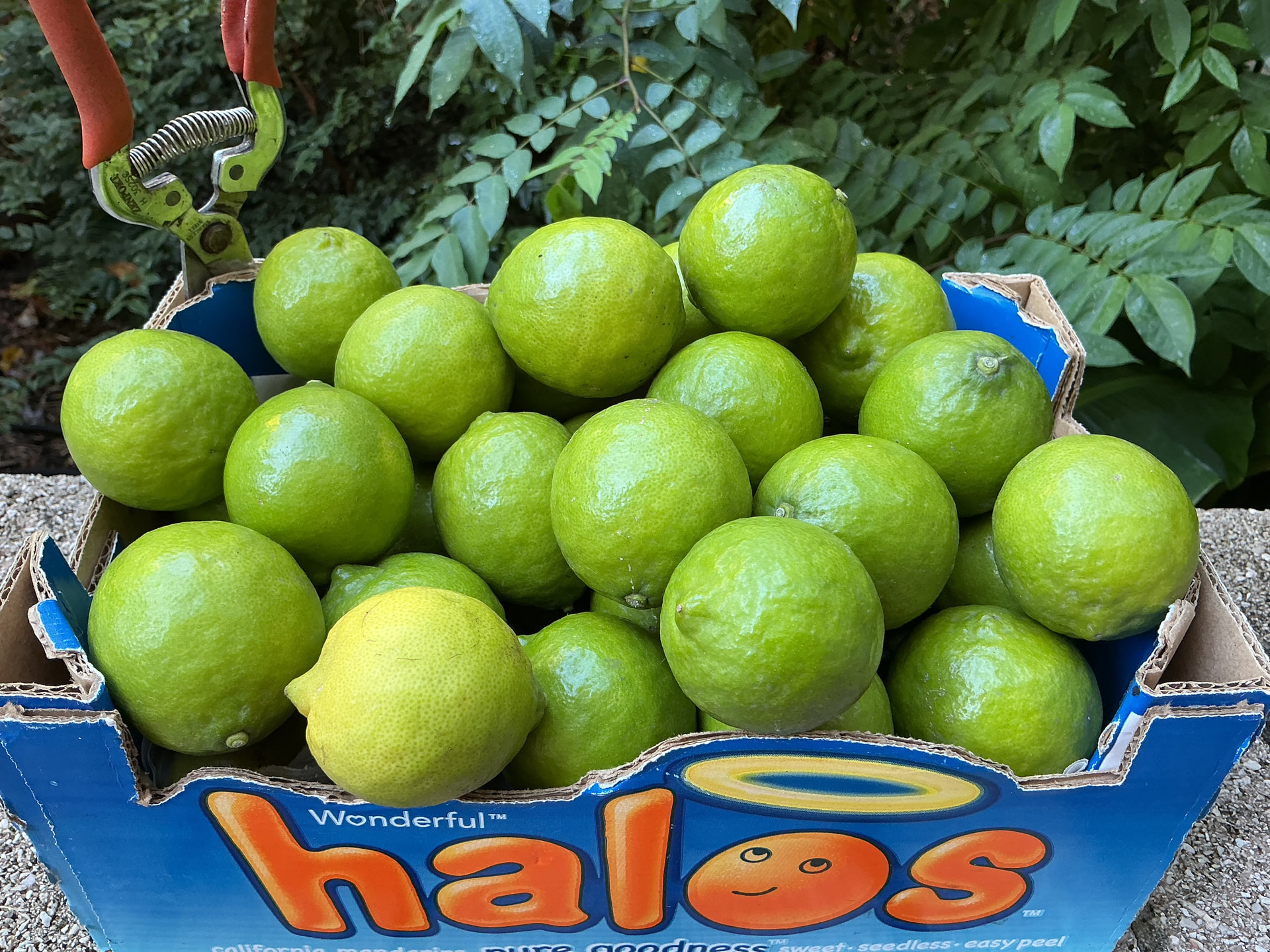
Note that the yellowest one (left front) was also starting to spoil due to SEB. Leaving Persian Limes, Key Limes, and Eureka Lemons hanging until they turn yellow, at least in SE Texas with our high average humidity can cause significant losses due to SEB. I do know drier settings (lower average relative humidity) will improve on-tree storage of limes and lemons, allowing full peel coloring.
8 Likes
Good pictures. I have seen the damage on my limes and lemons that stayed on the tree too long.
3 Likes
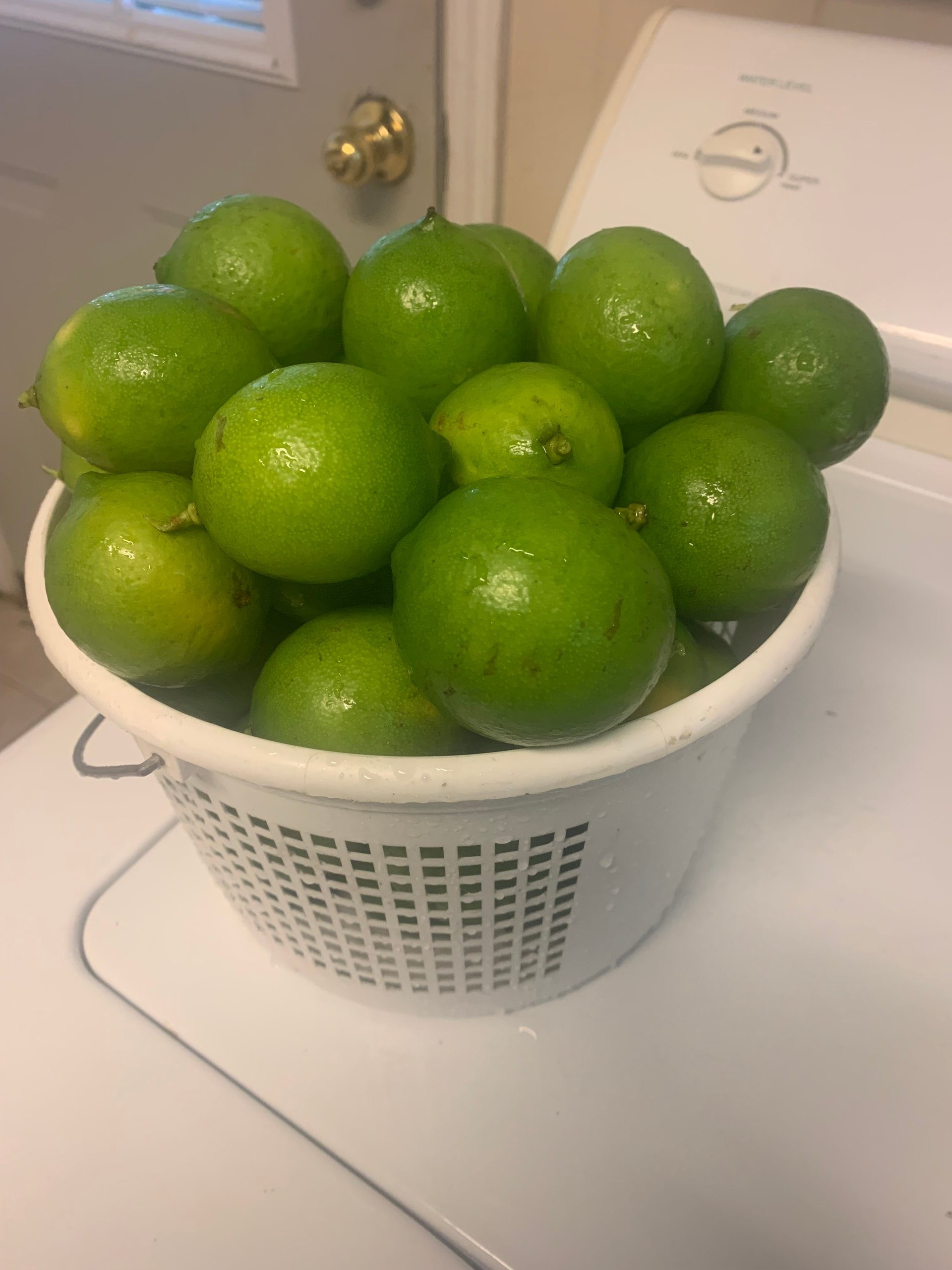

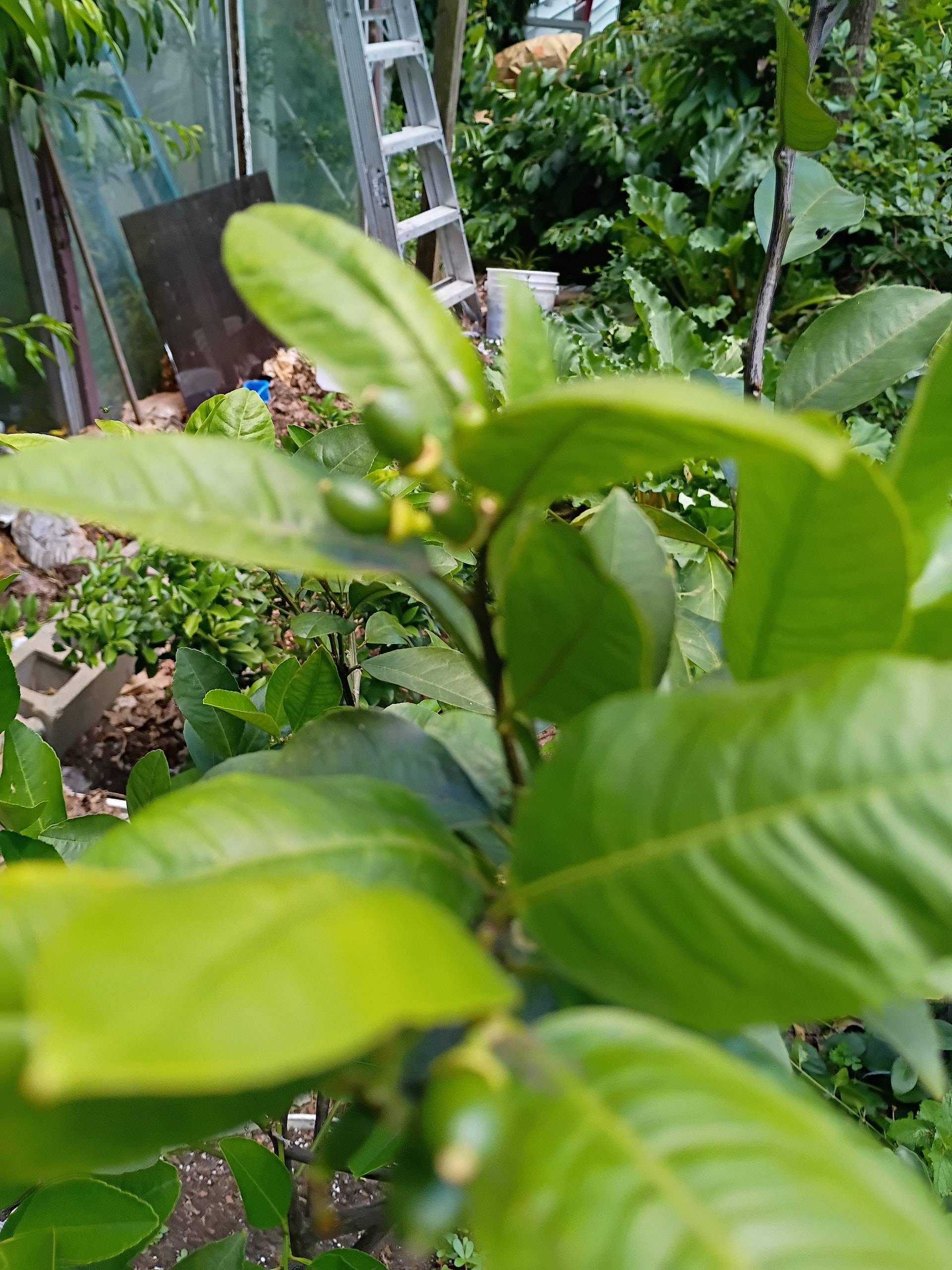
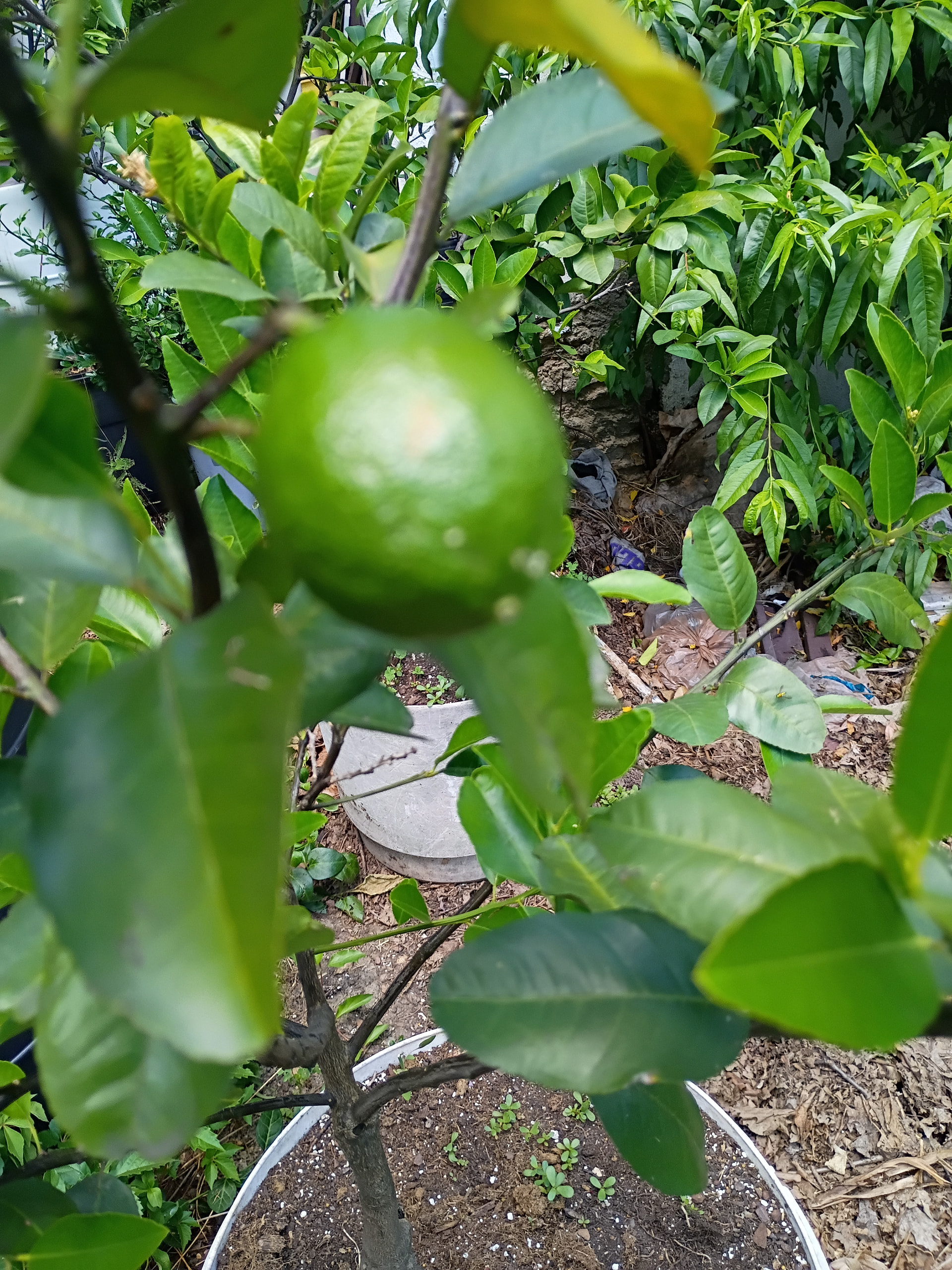
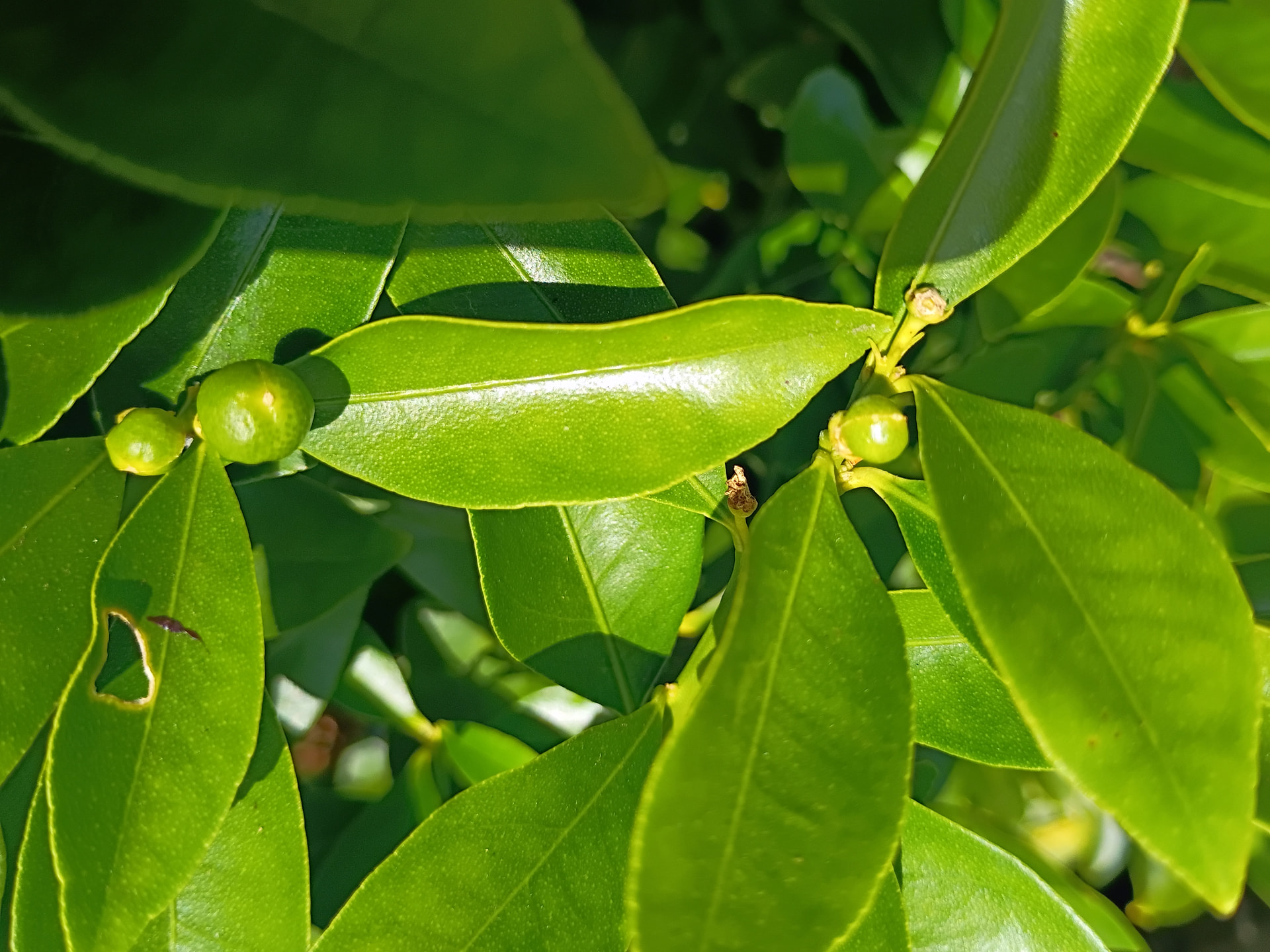
Some limes 
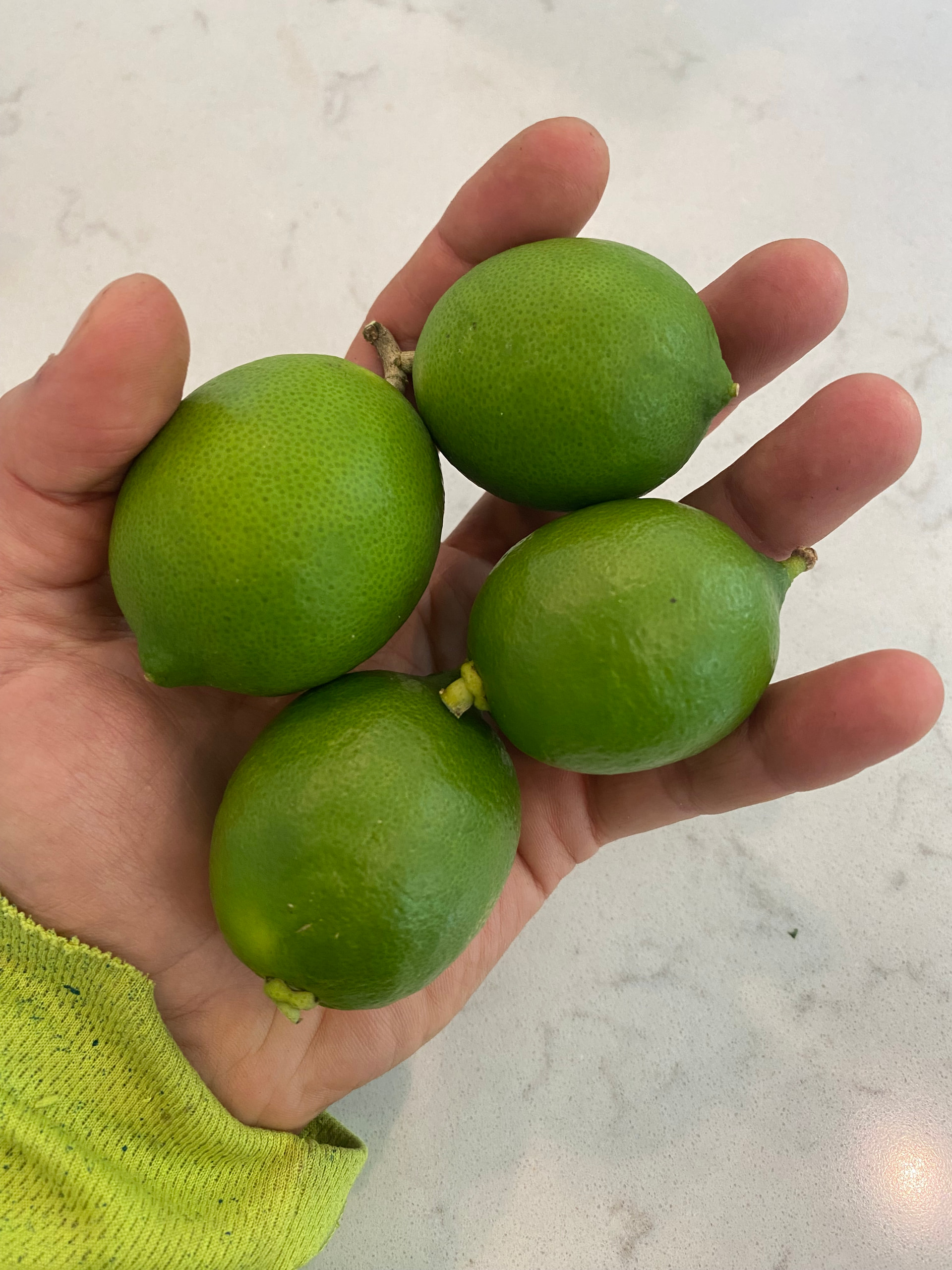
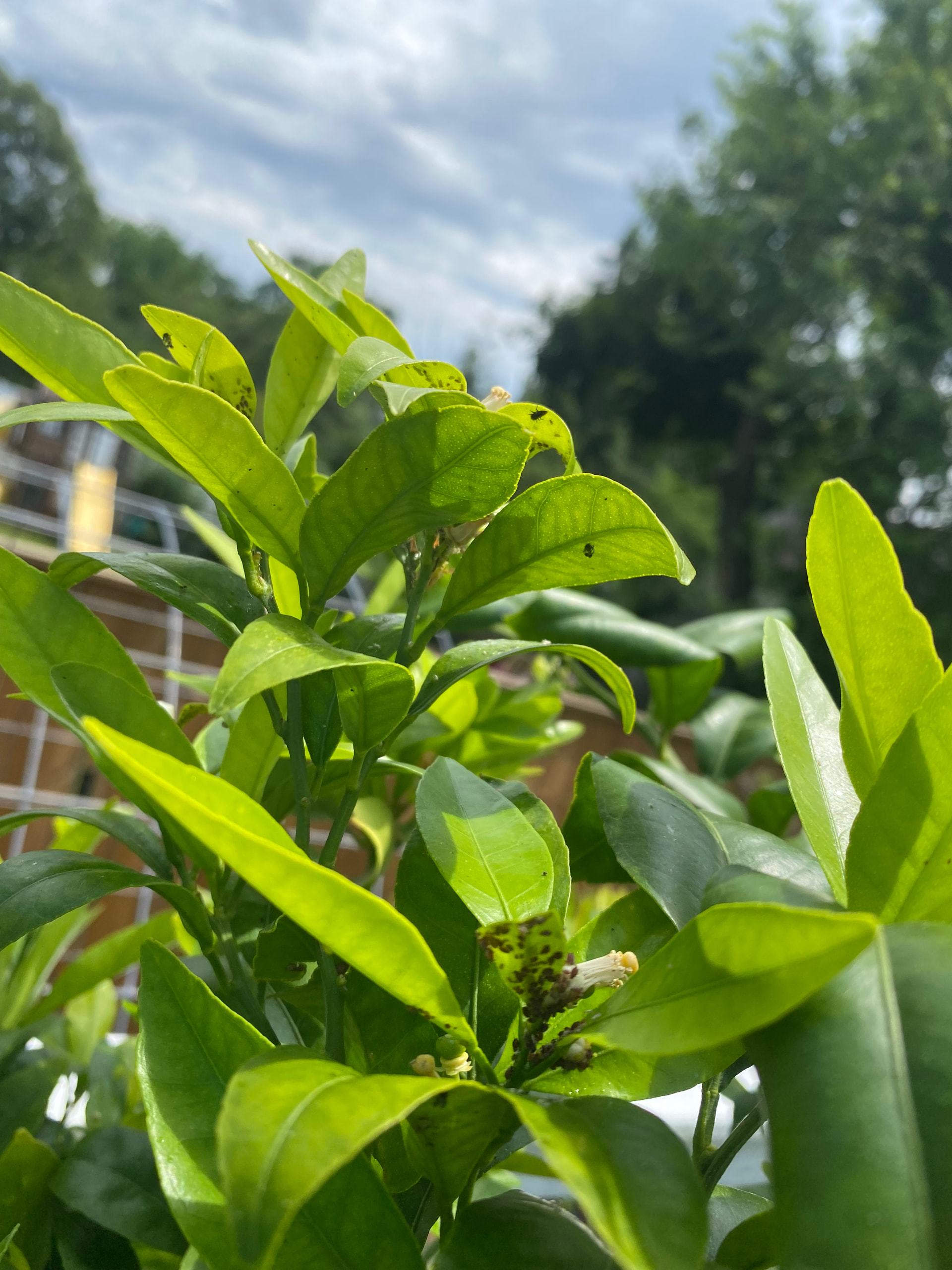
And adding this- I hadn’t seen aphids on my citrus until recently. There were a few lady bug larva running around eating, so I’m letting it be. Only on Kishu.
5 Likes
Watch those aphids closely. They can explode in numbers is just a few days. A ladybug or two may not be sufficient control.
Here are some of our container-grown Bergamot fruits this morning. Note the persistent stylar bases, that reflect the citron (Citrus medica) parentage:

6 Likes
Buddha’s Hand Citron is nothing if not weird! Here is a the flower cluster on my container-grown BHC plant yesterday:
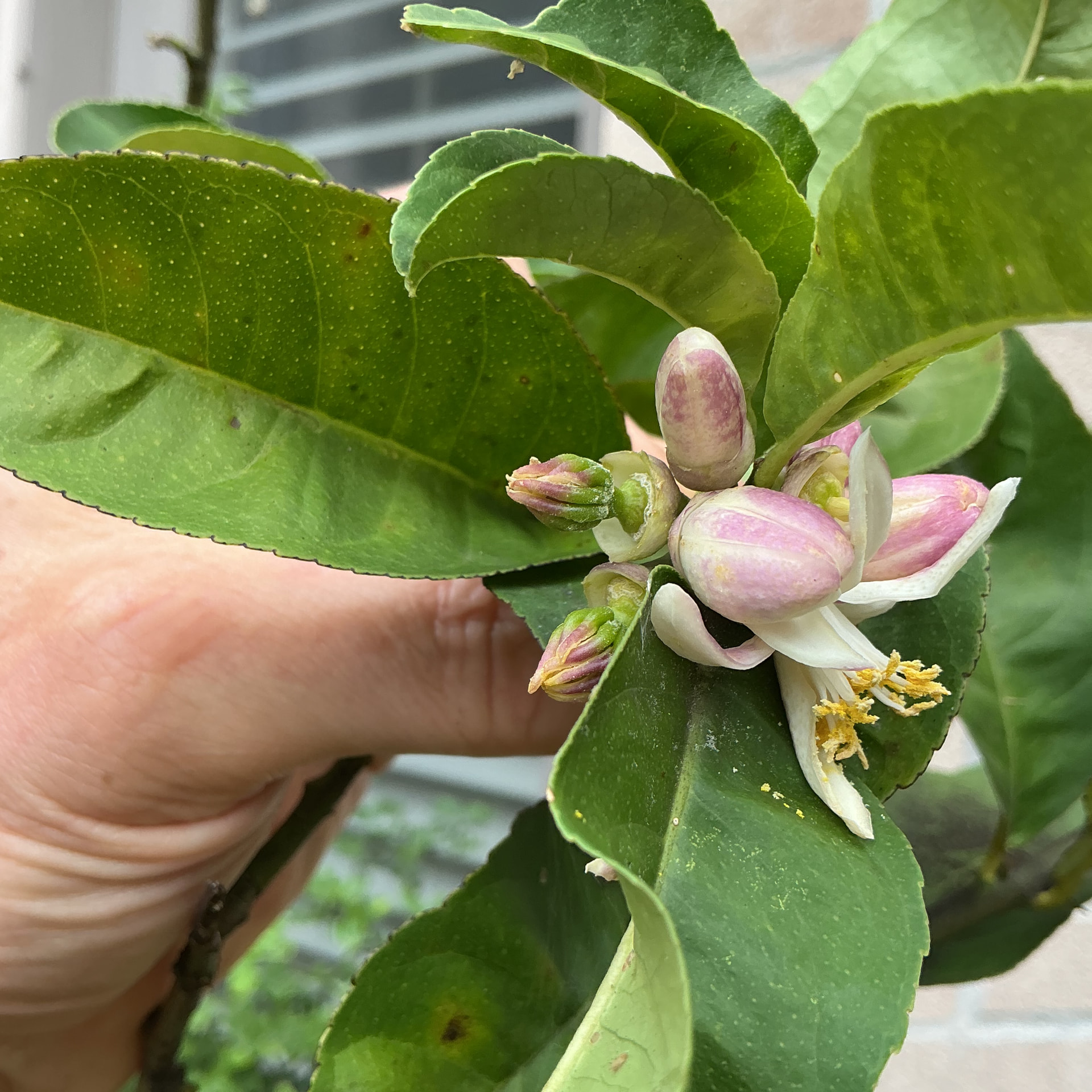
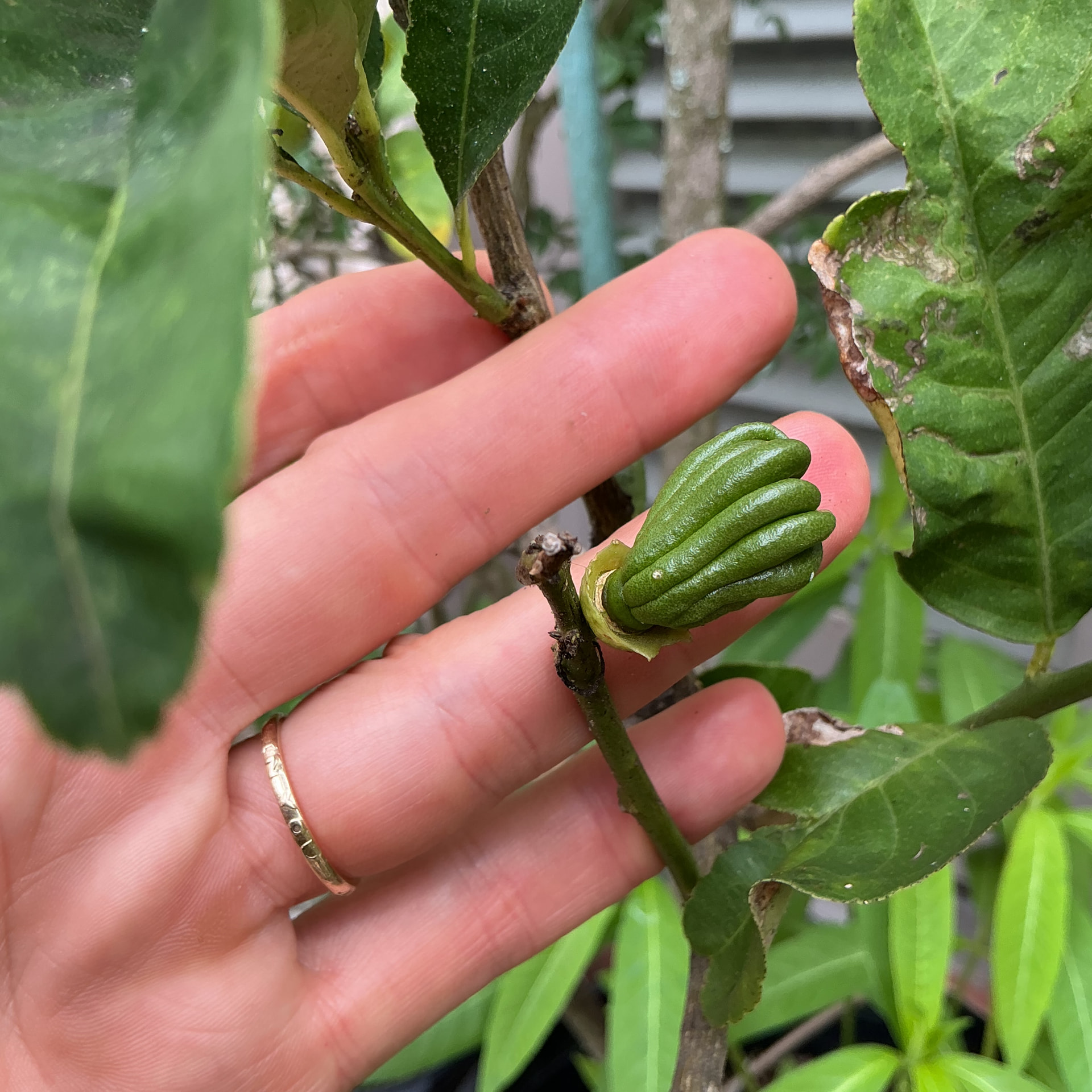
Note the open flower at lower-right is functionally male (it lacks viable ovary and pistil/style). The vestigial fruitlets at left show the intact pistals that may become fruits (most drop off while very small). Here is one that did not drop:
Here is one that is about half-grown on a cutting I rooted two years ago:
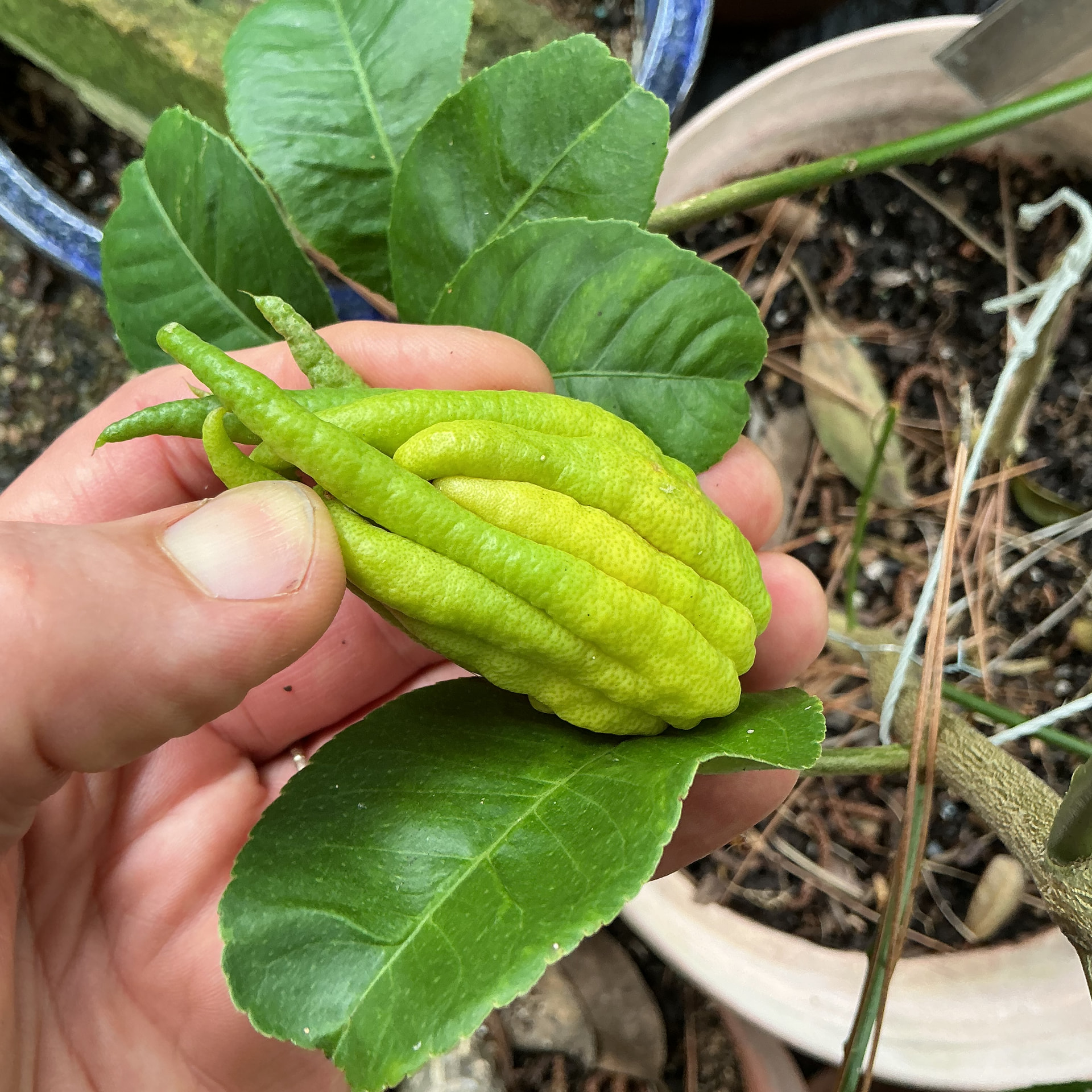
Here is a strangely deformed with only a few “fingers” on that same rooted cutting:
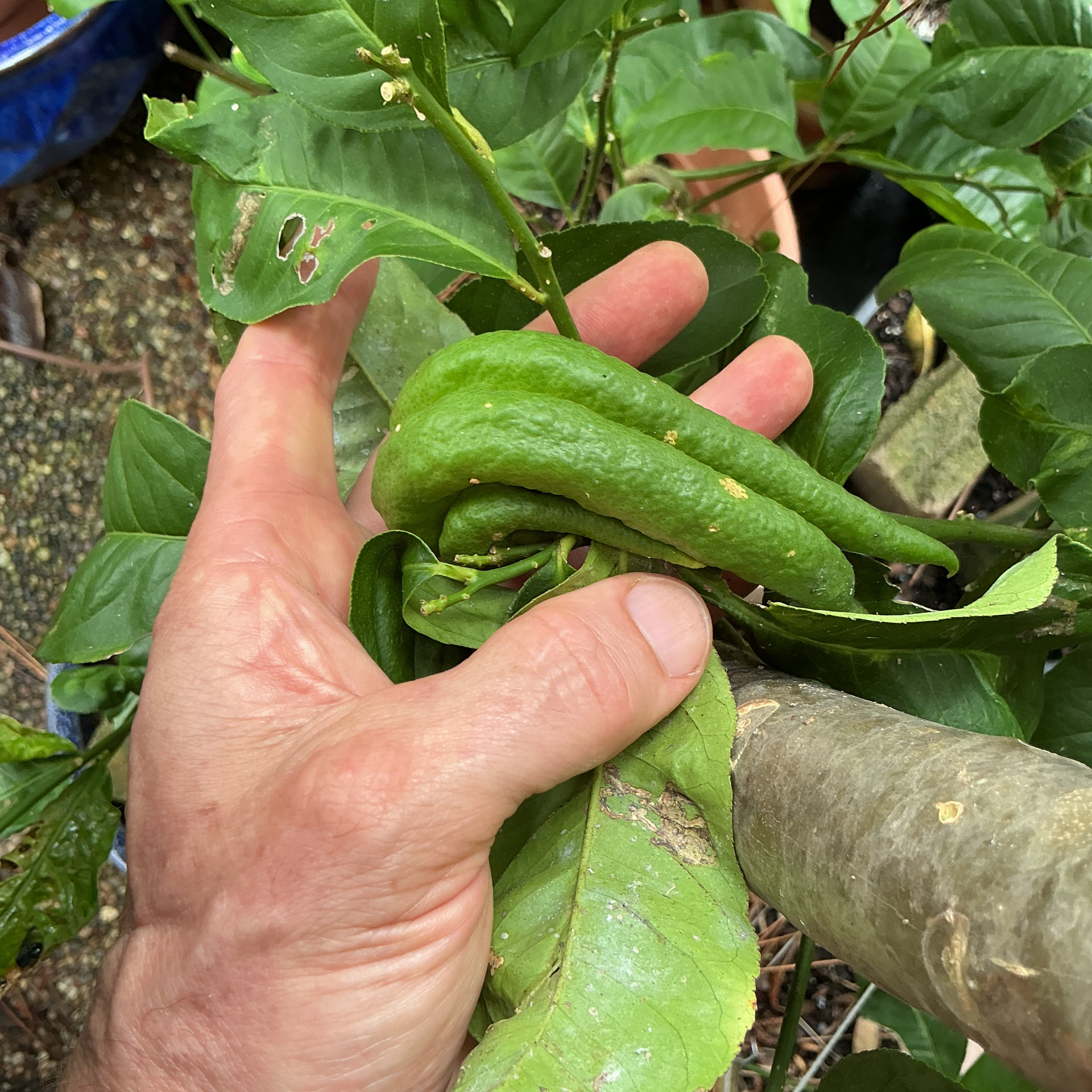
Here is a fully formed one that is starting to ripen yesterday from a fruitlet that formed late last year:
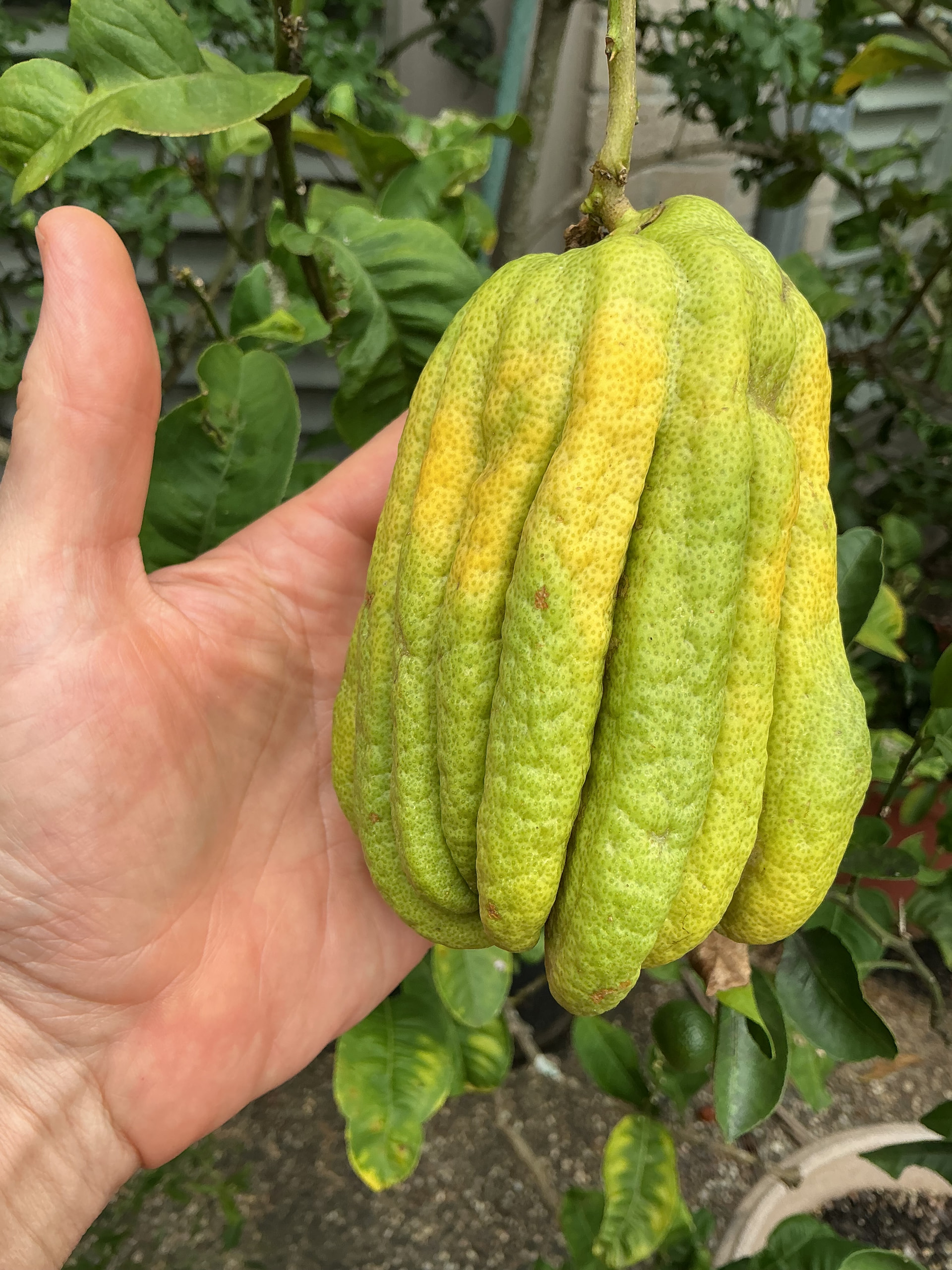
Note the curled-in “fingers.” Finally, for comparison, here is one I harvested last November that had splayed-out fingers:

All of these are from the same clone. Apparently the finger spreading is a function of the temperature when the fruitlet forms.
8 Likes