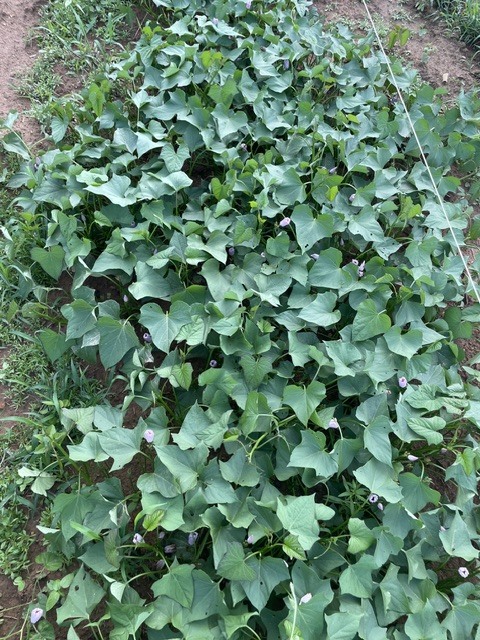
Sweet potatoes are in the morning glory family. They have typical blooms although not as many pretty colors.
Re harvest, you can dig them any time they are large enough to eat. You can even harvest 1 or 2 and leave the rest to finish maturing. This is a very common practice when they are grown in very long season climates.
For an update, the Korean sweet potatoes I am growing (purple skin, yellowish orange interior for gungoguma) are out to about 3 feet long and growing rapidly. I wound up with about 50 plants.
@Fusion_power You had me at Gungoguma. If you have a tried-and-true method please share. I tried the viral ice shock method last year, but it didn’t work too well. I just don’t think I have the right varieties for it yet. I’m trialing a couple of new to me varieties from the USDA this year that I’m hoping might be better suited to that technique. Both are Chinese cultivars. The true Korean red skin/yellow flesh varieties best suited for Gungoguma haven’t done well for me, so I’m testing a bunch of different options.
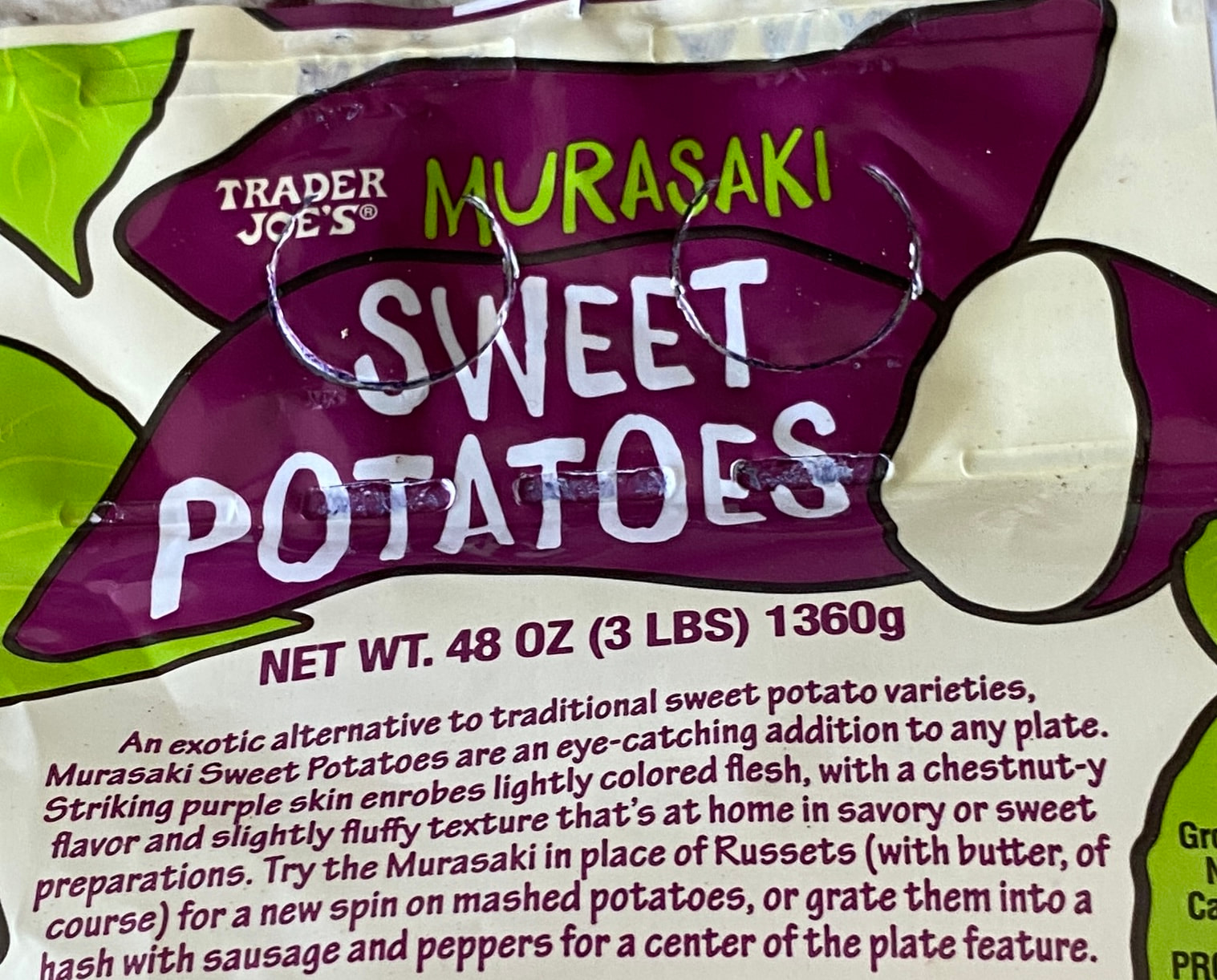
oo is the ones for gungoguma a different variety than those murasaki types they sell at hmart/asian markets? I love getting them when its hot out, one of my favorite lunches lol. If not though im trying the hmart korean ones, but as i said theyre not growing great
Maybe @Fusion_power has better info on that. I’m not positive what traits make a variety best suited for Gungoguma but I’ve tried several without success. Could be I’m the problem though. I suspect a decent sugar content, creamy texture, and a not too high dry matter content might be important.
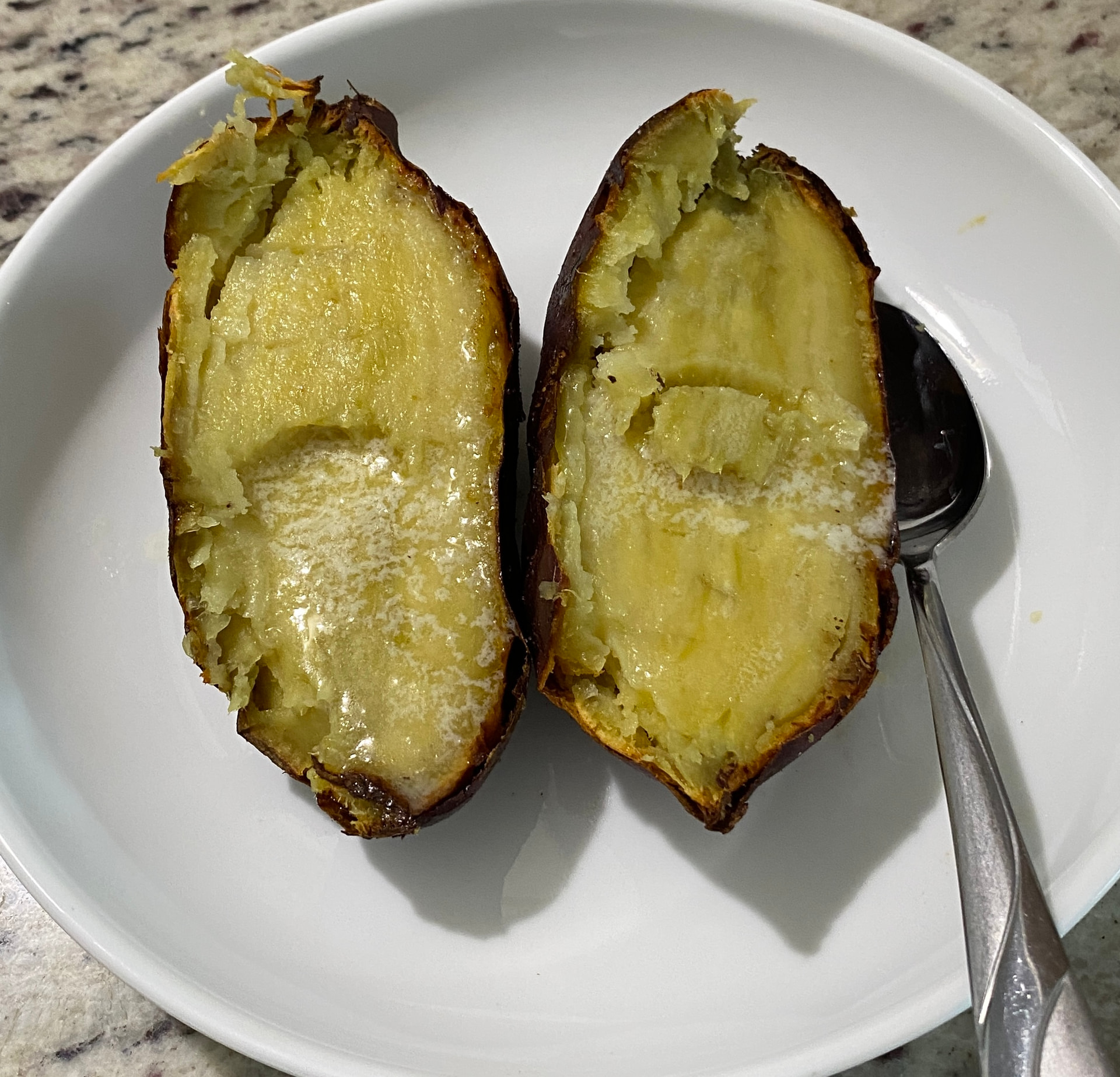
You can’t use common orange flesh sweet potatoes. The key is high sugar, caramelize when baked, and a specific starch texture that I have not seen in other commonly available sweet potatoes… and I have looked.
I got these from a Korean market in Montgomery Alabama just over a year ago. So far, they behave like typical sweet potatoes meaning that they prefer moderately fertile sandy loam soil and high temperatures along with relatively high soil moisture. My plants are about 5 to 6 feet across now and should double in size over the next 3 or 4 weeks. Blooms are abundant, much more than I am used to seeing on sweet potatoes.
For background, there are 4 varieties commonly grown for gungoguma in Korea. I know that what I have is one of them because the lady at the Korean market spoke of using them for gungoguma. She wanted to know if I was going to “bake them” in broken English.
i just have whatever hmart labled as “korean” for one of mine. and then one a local smaller chain labels japanese which was similar but much more chestnut whereas the korean was more vanilla flavored
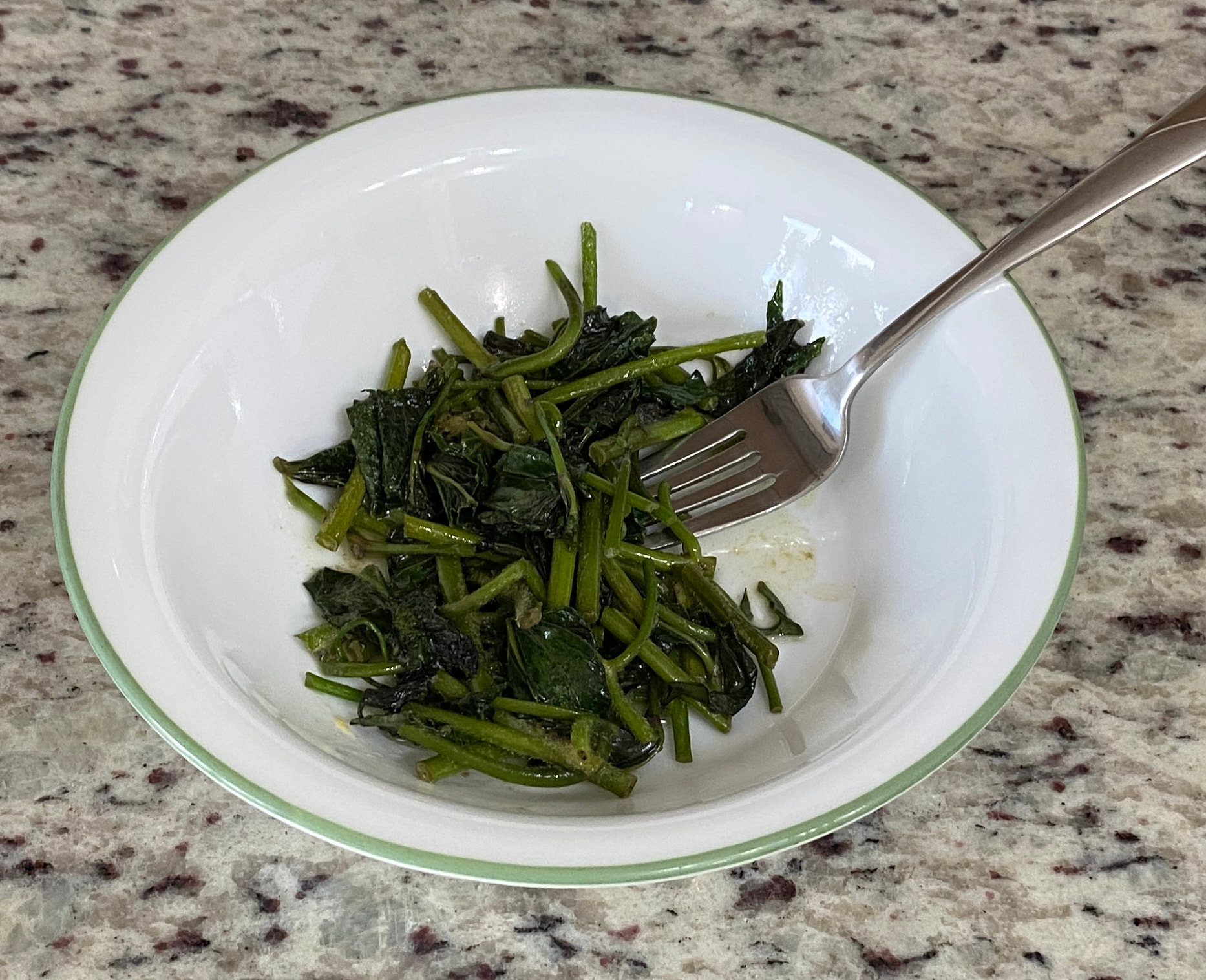
I’m not sure from the picture if you used the actual vine, but that would not be tasty. Fiberous and hard!
I like to strip the leaves from the vine with the stem. Wash well and stir fry with a healthy amount of garlic, a sprinkle of chicken or pork essence, and a splash of Maggi or soy sauce at the end.
The leaves hold all that flavor and the stems have a nice texture.
Sometimes close to where they attach could be fibrous so you could try trimming just a bit of that off.
Grow bags work well for small spaces, I’ve had reasonable harvests in 20-25 litre bags. The vines will still sprawl a bit but you can train them back on themselves. Shorter-season varieties help too if you’re not in a particularly warm spot.