I just got a tejocote tree… just hope she adapts well here… i’m very excited! 
6 Likes
Another two good non american hawthorns are:
Crataegus schraderiana (large fruited form of C.orientalis)
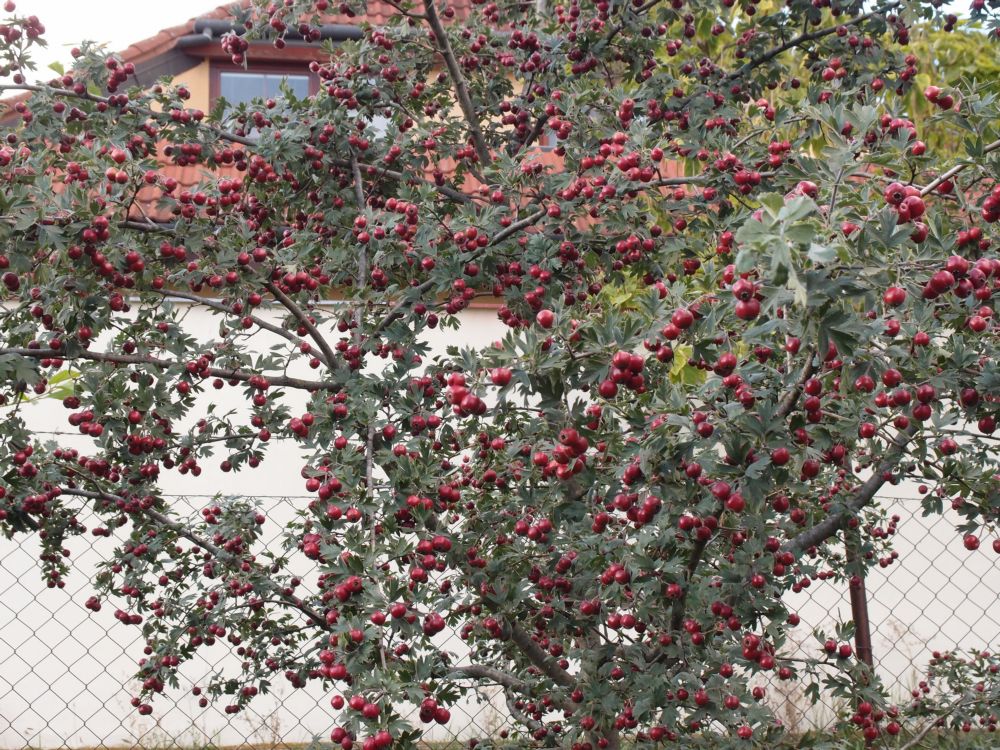
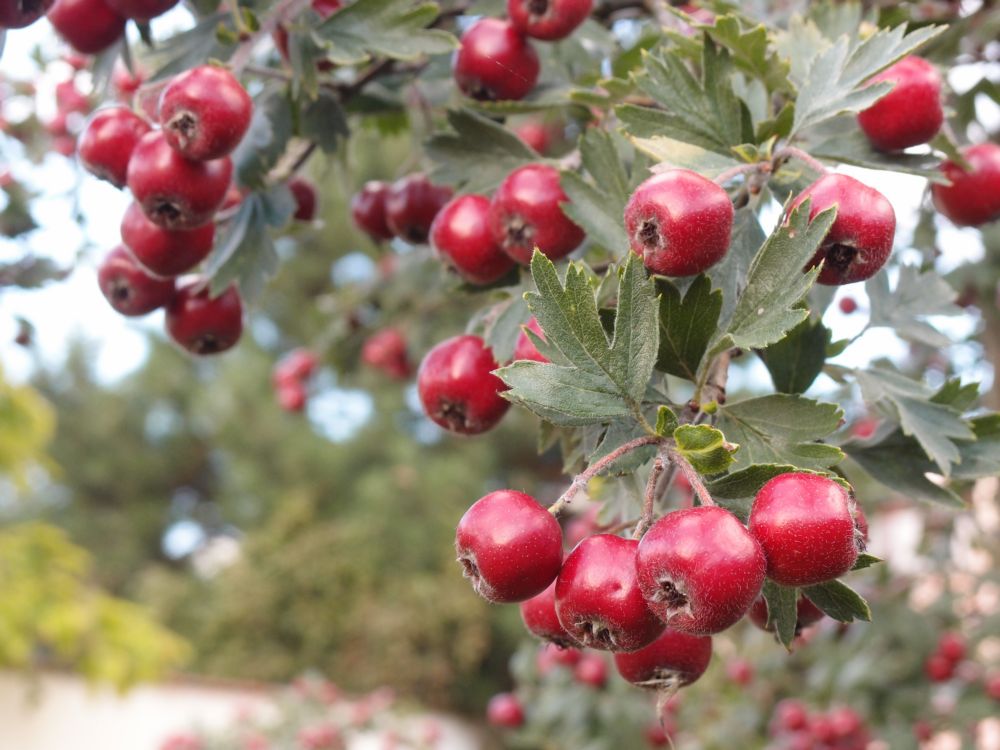
and Crataegus tanacetifolia
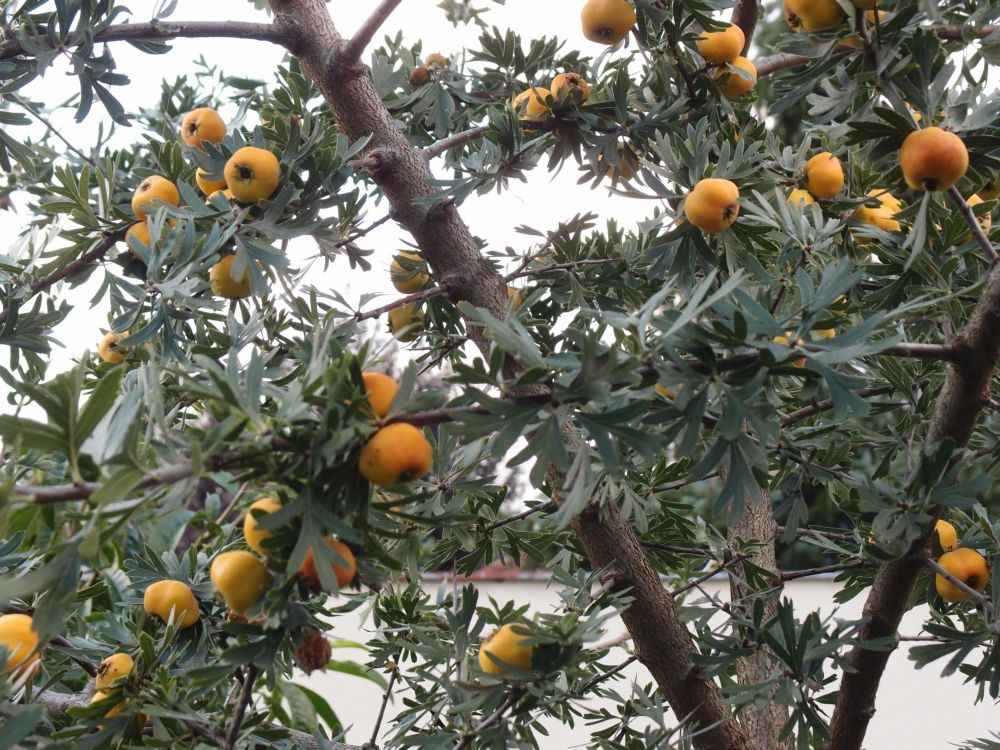
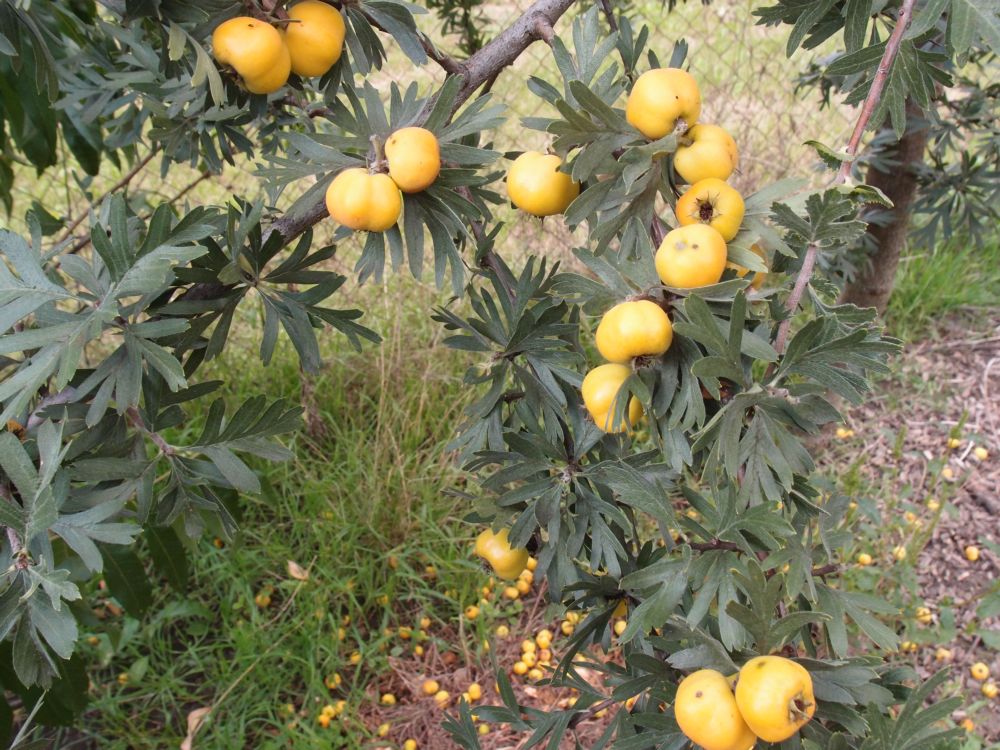
Virtually no spray trees, both are excellent for jelly and fresh eating. My top favourite for taste, though, is the american Scarlet hawthorn Crataegus coccinea and its form C.ellwangeriana. But I’ve yet to taste many others that I grow.
8 Likes
Has anyone had luck grafting tejocote onto anything? I’ve been trying to propagate it since I have a tree and others have been asking me for it. The last few grafting attempts I’ve done have all failed. I believe I’ve tried it on both seedling Crataegus monogyna and Cydonia oblonga. I find tejocote begins growing slowly in late winter and just gets too active in the cold which causes it to dry out before enough sap is flowing in the rootstock. I’m trying again this year, but this time I grafted scion that was already actively pushing onto C. monogyna that was also already pushing. I’m hoping that the active growth on both scion and rootstock combined with the current cool weather will help the graft to form a union quickly before the scion dries out like they did when I was grafting them when dormant.
3 Likes
Hawthorns are very easy to graft. Incompatibility within the whole genus does not exist. You can graft american species onto european and asian and vice versa. The general rule for spring grafting is:
rootstock in active growth and scion dormant.
2 Likes
Oh, what sort of winter temperatures has your tree taken? Is it the red or yellow form?
1 Like
The closest weather station indicates it dropped briefly down to around 12°F, but the lowest sustained temp was closer to 14°F. I’m not sure the actual temp at my location though. I have not detected any winter damage to my tejocote in the 4-5 years I’ve been growing it.
I had originally bought both the yellow and red fruited form, but both arrived with no leaves (despite being an evergreen/semi-evergreen species). Neither ever leafed out. Later, I found a nursery who was selling them (from the same original wholesaler) and they had received them bare root with no leaves as well. I looked through them all and almost every one in their inventory was dead, but I found one of the yellow fruited clone that was still alive. It’s taken a few years to establish, but looks like it’s well settled in now and hopefully I’ll actually start getting fruit within the next couple of years.
3 Likes
Yes. As I mentioned though, the challenge has been that the tejocote wakes up and becomes active in cool temps. We were still having periodic freezes when it started pushing growth for the season. That’s why I’m trying something different this year. In the future I think a good alternative would be early summer bud grafting as well.
1 Like
Interesting. Maybe I’ll get some from the Hispanic grocery and try to grow out the seeds. I figured it’d be decently hardy, given it’s relatives and given that it grows in the same biome as black cherry, sweet gum, and plenty other plenty hardy species (sure, Mexican and Guatemalan cloud forests don’t have frosts in the current climate, but in recent geological history? I suspect they did.).
Seems the general pattern for a lot of Mexican species in otherwise more northern genera are surprisingly hardy. Hesperocyparis in like zone 10+ in California and Mexico are often hardy even as far as zone 7 or worse, for example. And even some tropical stuff is weirdly hardy, Myrospermum and a lot of agaves being prime examples.
3 Likes
Ive had tejocote a few times. Ive bought it jarred in syrup before, and it wasnt bad. It has a meaty texture, which is kind of enjoyable. Its fairly dry and mealy but not mushy. I bought some fresh yellow tejocote (only had yellow ones jarred) a month or two ago at Berkeley Bowl and was unimpressed enough that I didn’t eat the 3 that Id bought. They were bland and mildly astringent with little sweetness or acid. I can see that they might have potential when processed somehow, but Ive found native haws that were far more enjoyable, some actually quite tasty. Tejocote is better classified as “edible”. Size wise, they are impressive for sure though.
2 Likes
I think there’s a reason that tejocote are traditionally a cooked fruit. The meatiness of them appeals to me because I like a full belly. That said, I’d love to try hybridizing them with other hawthorns to see what kinds of interesting new flavors could occur.
5 Likes
yeah, I can see them being good cooked. I was traveling, so no real time or access to a kitchen.
2 Likes
Just an aside…there’s no ‘e’ on the end of hawthorn… Unless you’re talking about Nathaniel…
3 Likes
Got some tejocote seeds from the mezkin market today. The fruit wasn’t too tasty but im going to try sprouting the seeds anyways.
2 Likes
It’s not meant to be tasty alone. It’s super rich in pectin (soluble fiber which is really good for you) and is used as a base to season and add liquid to.
1 Like
I came across Tejocote hawthorn at a grocery store today and decided to give it try it. It reminded me somewhat of quince. I wasn’t blown away by the taste but it is somewhat pleasant.

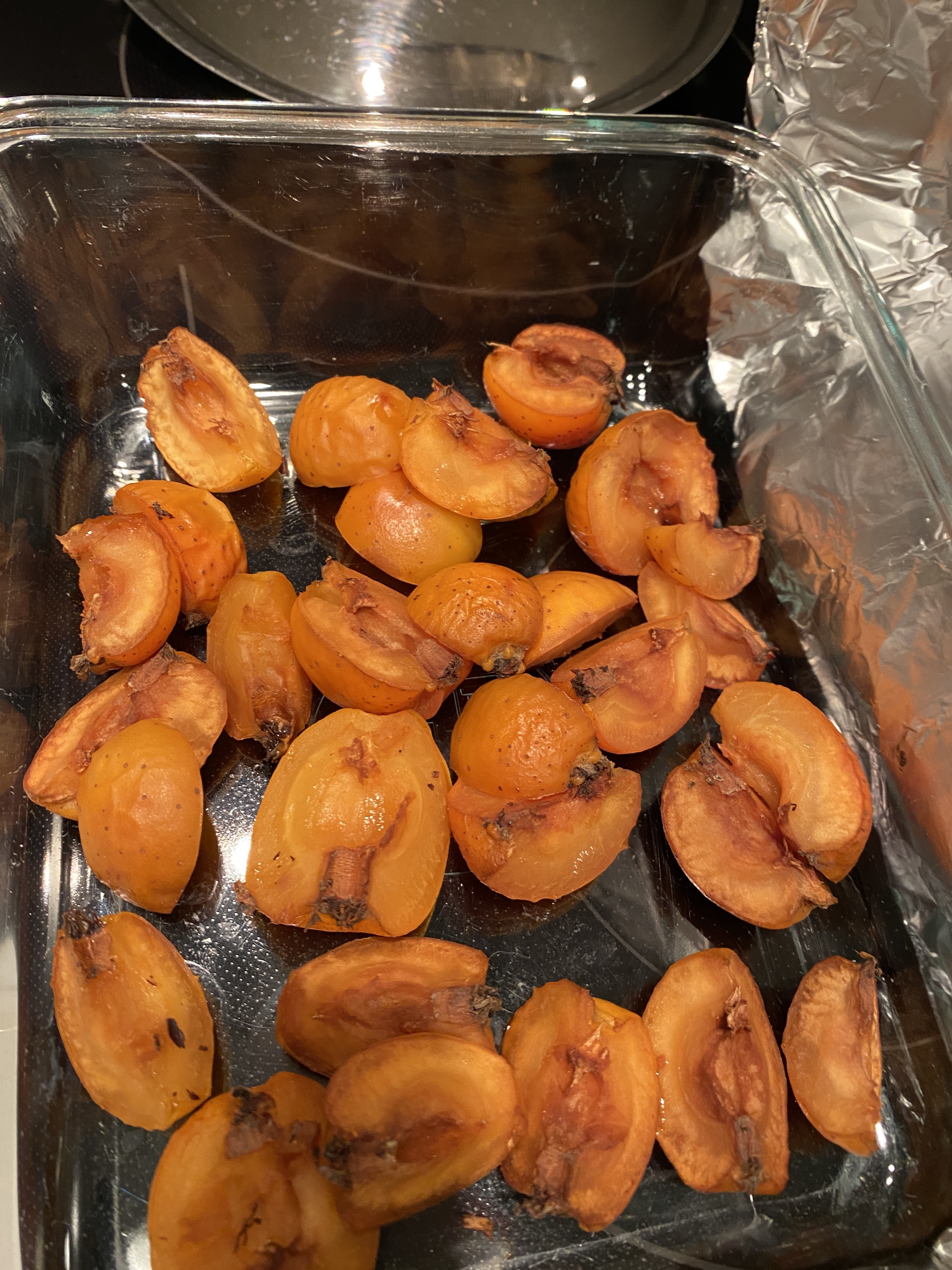
3 Likes
i only have direct experiance with Crataegus monogyna wich only has 1 seed per fruit. I have yet to taste the fruit. But i might try some this year.
If used it as rootstock. Next to the ones you mentioned it is also medlar compatible. If made a medlar tree with it for family. Its next to a large tree and a hedge. And did great. Stayed relatively small. and is very productive last time i saw. It thrived where other tree’s runted out or never took off. It is in a highly competitive spot and dry soil. It did better in those circumstances than a MM111 apple tree did.
there seems to be quite a large graft compatibility between these species. Because i think i remember reading that some are also compatibly with the following
(??species?? is used when I’m not sure.)
- Sorbus
- Amelanchier
- loquat (Eriobotrya)
- Cotoneaster
- ?? apple ?? (when a medlar interstem is used??)
- ?? asian pear ?? (when a EU pear interstem is used??)
- medlar ( Mespilus germanica)
next to the already mentioned
- pear
- hawthorn
- quince
it would be an interesting monster of frankenstein tree containing all of those. I might have to try that out of curiosity.
1 Like
I have one pear (Hoskins or Mooers) grafted onto cockspur hawthorn (C.crus-galli) in 2001. There were a couple others of similar makeup (pear on hawthorn) that have been removed to make room for other stuff.
In my limited experience, the hawthorn understock is quite dwarfing; this one is maybe 9 ft tall, almost 25 years later, and almost like one of the pole/columnar apples in growth habit.
1 Like
I know i made this post nearly 10 years ago. I’m glad to see many of these old posts are still being used. Our group has greatly expanded compatibility grafting now and knowledge of rare fruits. The members of this group are some of the best fruit growers in the world. I realize many people read this content and repost it to youtube or facebook to promote themselves. Some even start their own websites. I dont mind those things as long as the knowledge continues to increase for everyone. @scottfsmith started this website 10 years ago. We know since that time it has continued to attract the best fruit growers in the world. Don’t be surprised to see the next generation of fruit growers expand the breeding of Tejocote for various purposes. I’m very impressed with some of the new generation. I taught my sisters children to graft and ensured they were brought up with fruits and vegetables like my family has done for generations. One of my sisters orchard is about 40 trees. Another sister received an advanced education in horticulture. She taught me techniques of making cuttings etc. when i was still in diapers. I now have 3 degrees and graduated with a 4.0 from my masters. My sister with the orchard did the same. My mom and another sister received straight A’s as well and were on the Deans honoral. Do you think a healthy diet of fruits and vegetables and fresh meat is crucial to doing well in school? My grandpa taught me about fruit and nuts. My uncle was a professional orchardist. My mother and Dad were farmers. My extended family also grow plants. I’m not sure how long we will all be around to share knowledge but i will advise you all the sooner you plant things the sooner you get fruit. It seems like yesterday i was making cuttings with my sister. Do not wait to get an orchard in the ground. There were times as a teenager affording $1 buckets to fill with dirt and compost to plant things was a financial burden. Thanks for reviving this old post. I expect many of you will do 100x more than i have done on topics like this and be 100x smarter. Many things my generation did like this went against the grain of society at the time which were more interested in other things.
I’ve tried and failed multiple times now to graft scions from my tejocote to English hawthorn (C. monogyna). If anyone here has succeeded, I’d like to know how you did it. Also, last year I grafted medlar onto Washington hawthorn (C. phaenopyrum) and although the grafts took and grew a ton, the understock did not seem to be receiving nutrients back so it may end up failing in another year or two like what happened when I grafted quince to English hawthorn. The scion basically ended up being a parasite on the rootstock. Hawthorn (Crataegus sp.) is such a hugely diverse group of species, that I cringe a bit to read generalizations as to what is and isn’t graft compatible with it.
2 Likes
Just the ordinary chip budding works quite well. C. mexicana is fully compatible with C.monogyna and the resulting trees are very vigorous.
C.mexicana, especially its variety stipulacea makes an excellent rootstock for any hawthorn.
Seeds are scarce, though, and need to be extracted from the pyrenes and then stratified for three months.
1 Like