Tropical fruits on the east coast

How’s jelly palm doing for you up there in Va? I’ve wanted to try it but been concerned about hardiness here in eastern NC. And concerned about how long I’d have to wait haha

Feijoa should be an easy one, once established anyway. I’ve found them to be fairly slow growing but otherwise really tough. Citrus options in 7b are limited unfortunately. There’s a world of difference between 7b and 8a when it comes to citrus, and between 8a and 8b.

1 Like

Did they have heat(lights?) some plants do take a while to show cold damage while others show it immediately.

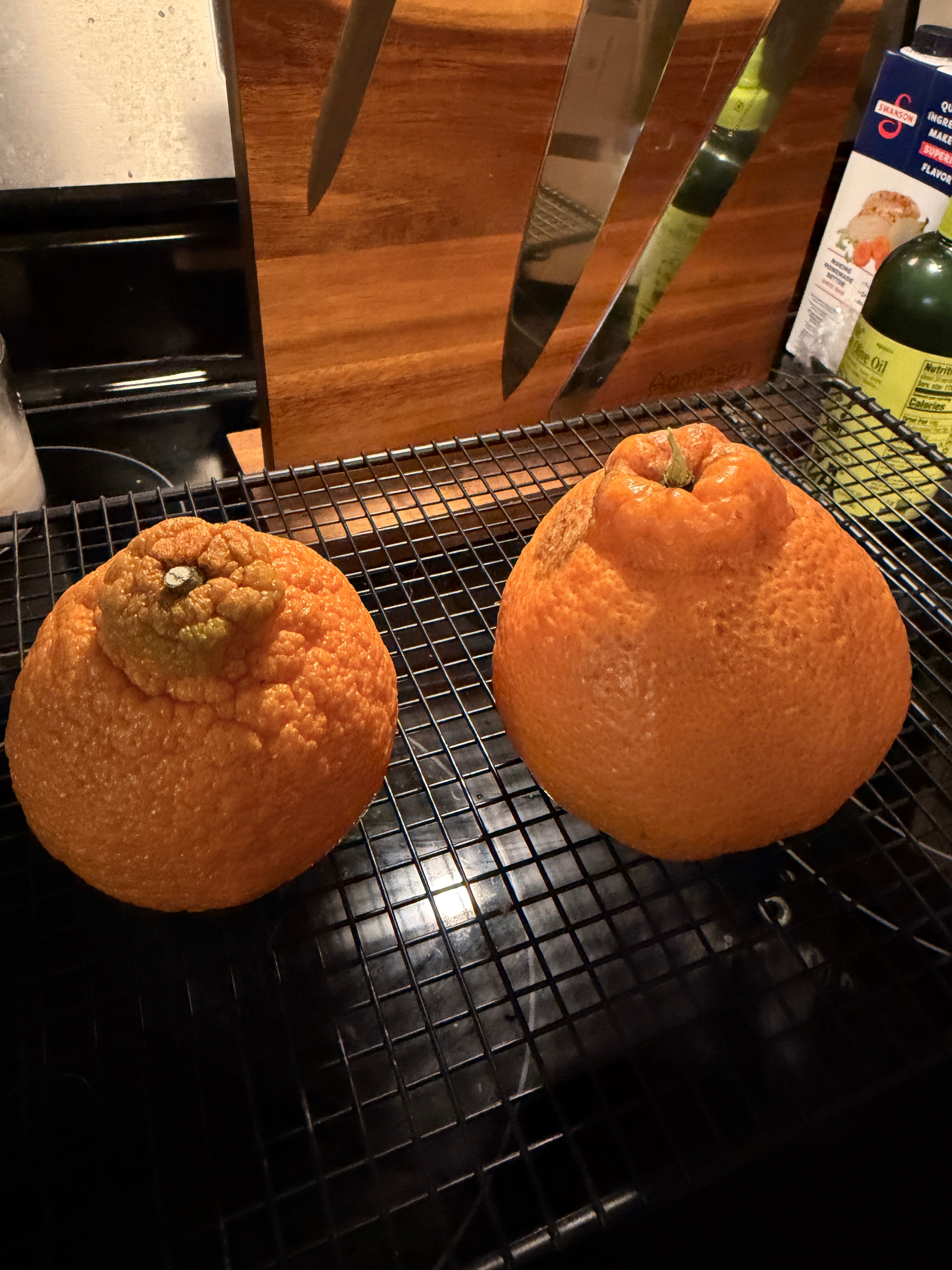
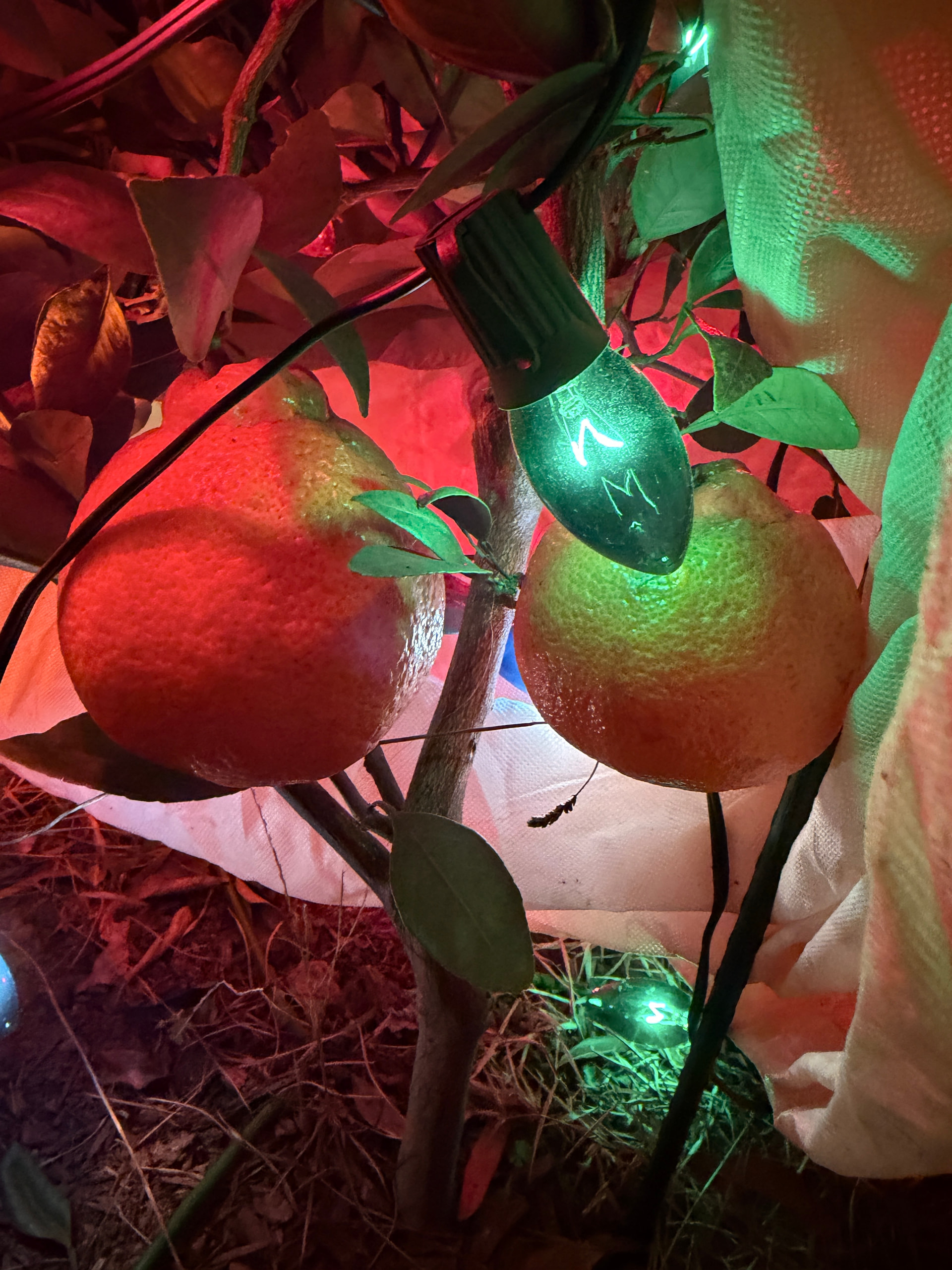
Also got my first 3 Shiranui(sumo) from my in ground tree, phenomenal. First pic is after 2 12 degree nights.( many similar sub 20 degree nights before as well)

I’m in zone 8a

Store bought Sumo brand on left

1 Like

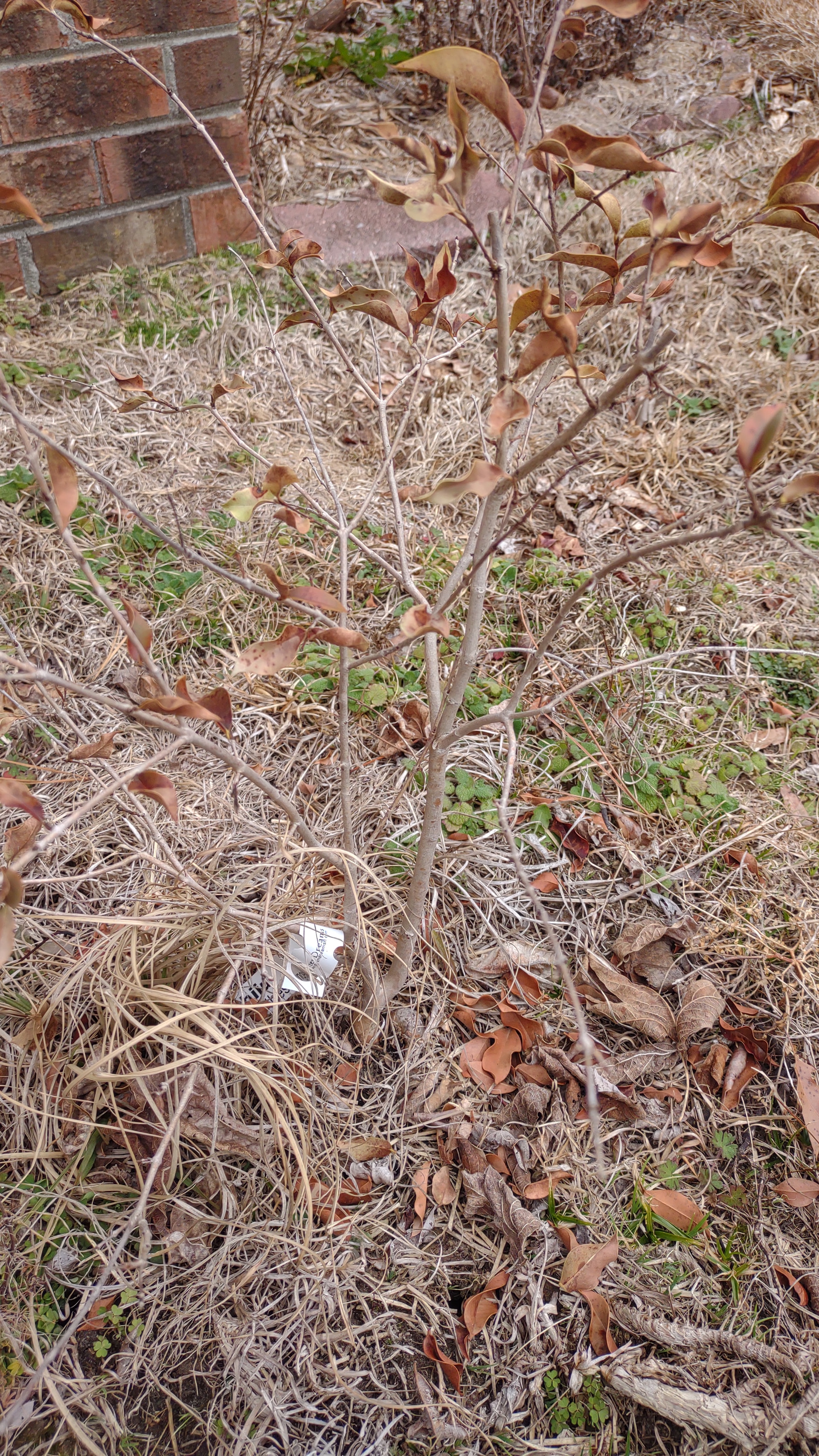
No protection at all other than its location. Its got some crispy leaves, but other than some leaf drop, I expect it to be fine. Its never taken any damage before when its supposed to be a very cold sensitive plant. My jaboticaba hasn’t show any signs of cold damage. It looks scraggly, but it always looks scraggly. I don’t think it likes its location or our soil, which I have heard about jabos before.

they are ripe in the fall i got mine from Virginia beach in September i think. Best palm fruit I’ve ever had. a little tangy and its like a pina colada taste kind of without the cream.

I’ve seen them fruit at like 2 feet tall but I’m not sure how old it was. this winter i just put some foam over it and its still alive after 6f. if your by the coast you don’t have to do anything they grow unprotected in Virginia beach very well.

2 Likes

That’s great news! I’ll look into them

It’s finally warming up again. Man that was a rough few weeks. We bottomed out at 10 F here officially, though my yard was likely a degree or two colder so single digits, and that after so, so many days below freezing.

I planted several potted subtropicals last year to test their hardiness. I was hoping for a zone 8b winter so they’d have an easy first time around. Ha…

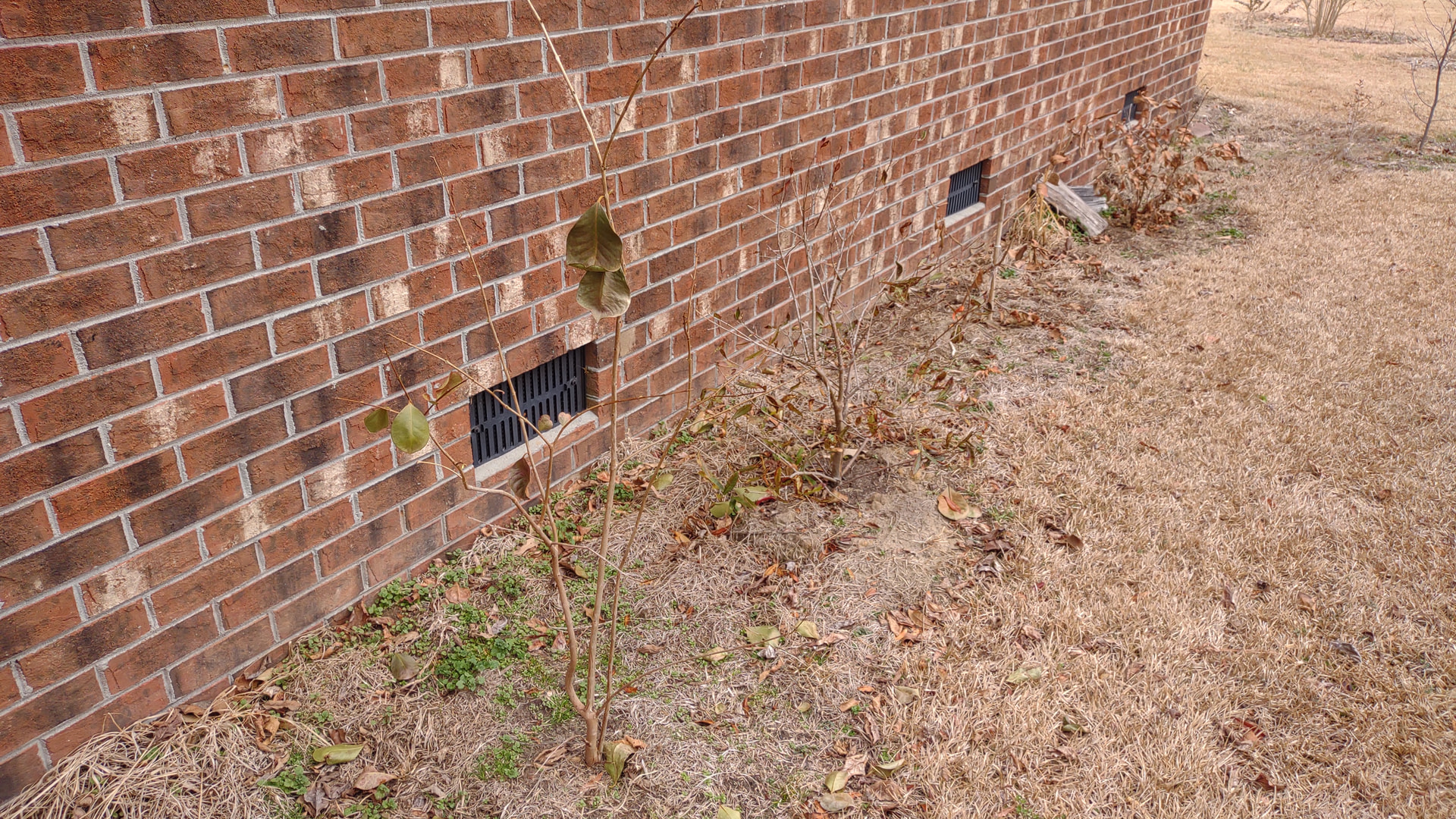
Psidium longipeteolatum, CORG, psidium robustum, psidium litorale, guabiju in a row.

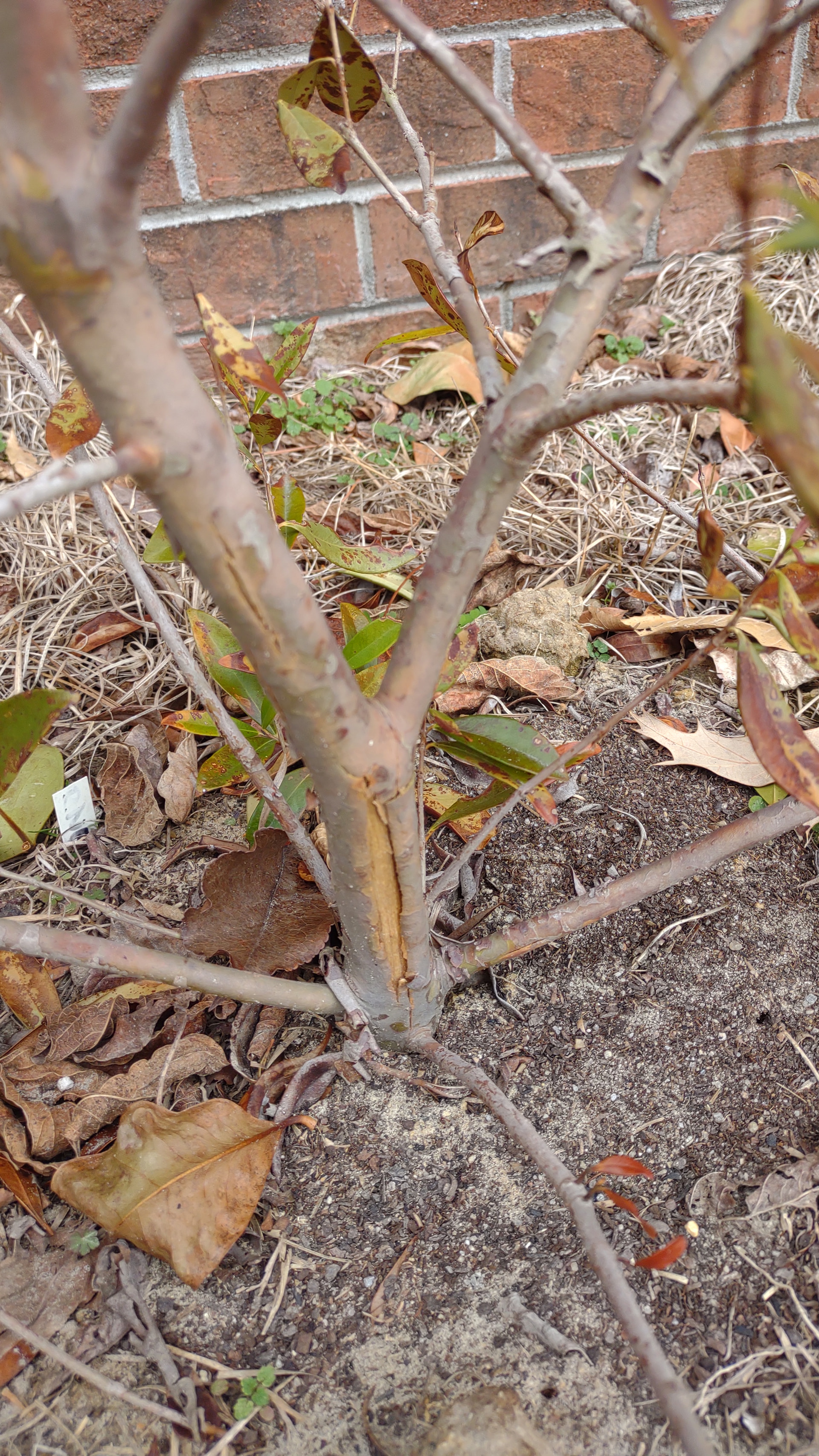
Longipetiolatum was holding out the best until last week, now major bark splits.

CORG is toast, robustum too

Lemon guava miiiiiight be ok? we’ll see.

Guabiju defoliated, some dieback on small branches, but so far might be ok. We’ll see once it leafs out.

Pineapple guava is fine. Expected, it’s so much more hardy than anything else.

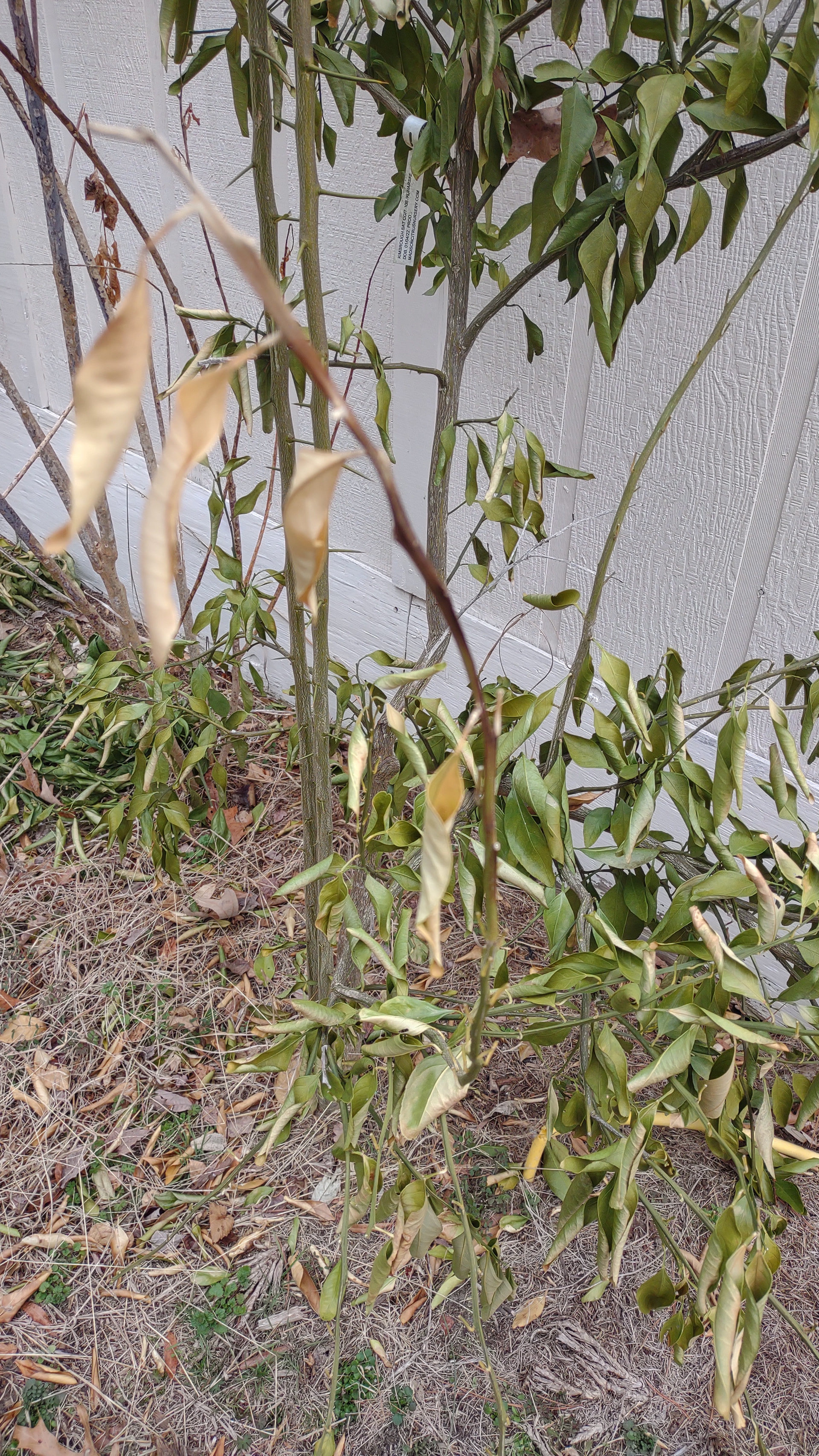
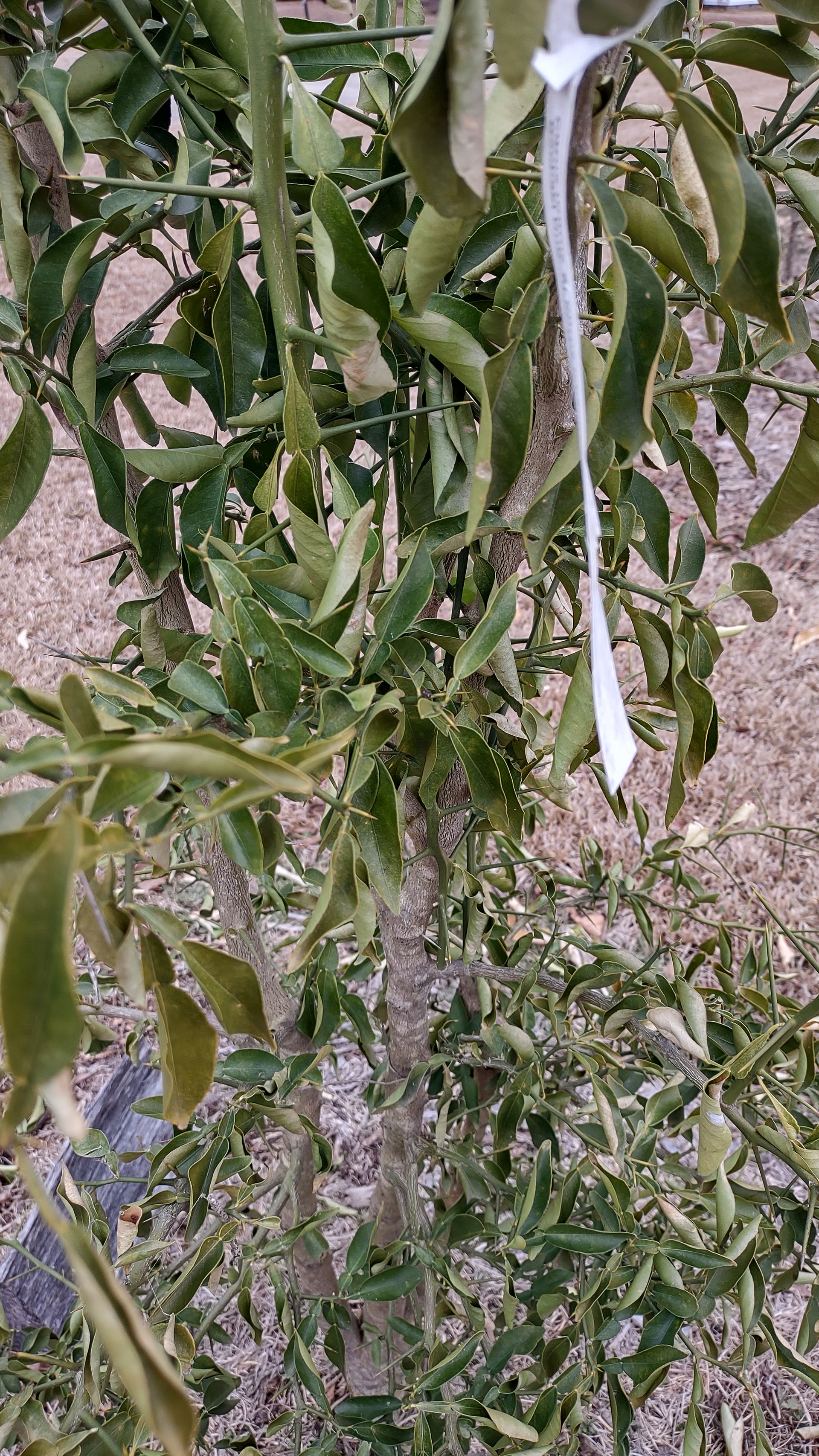
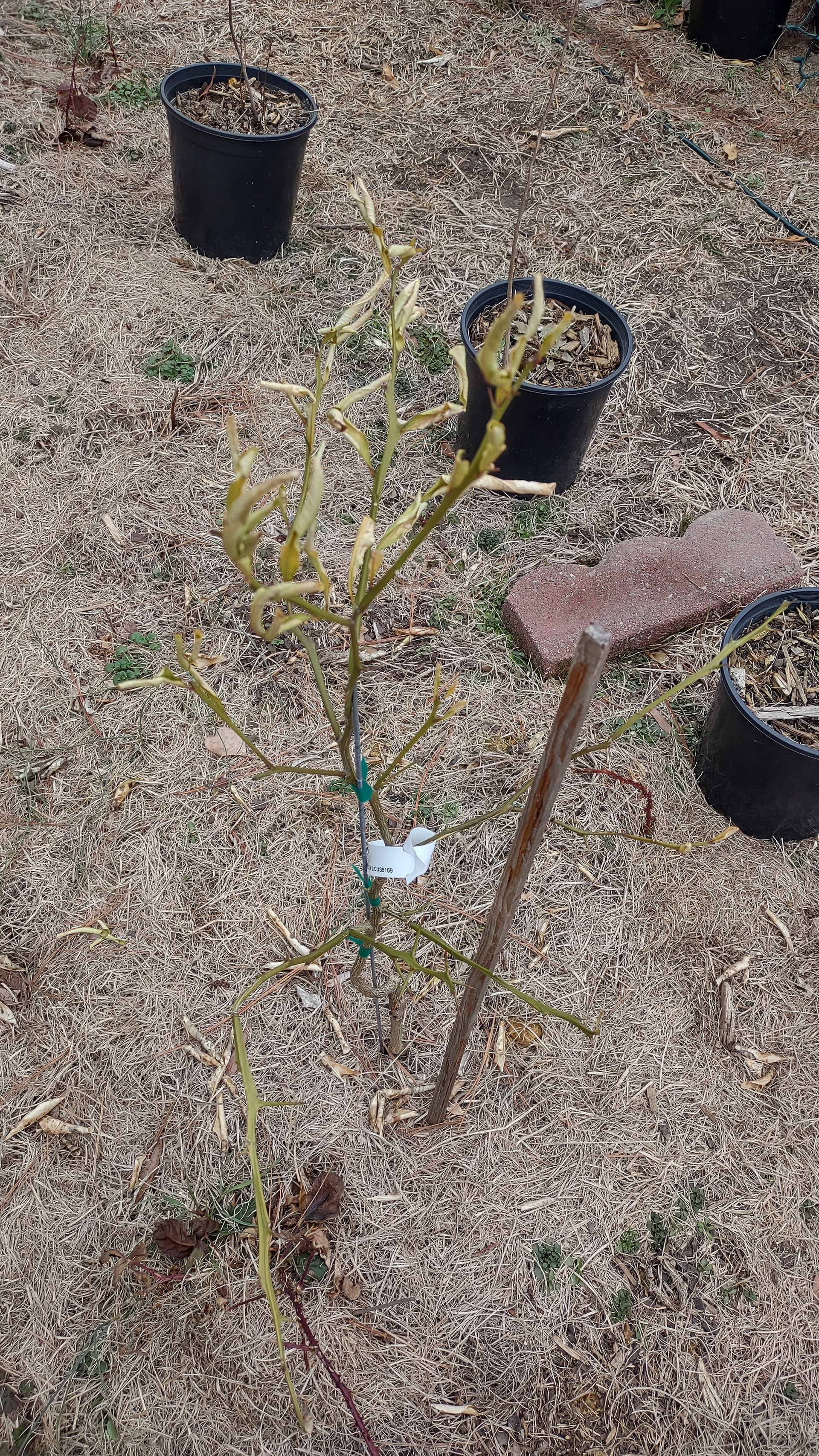
Satsuma on kukharske will defoliate, some die back on the twigs, but no bark splits. Will see if it survives, single digits are supposed to kill satsumas.

A larger Dunstan is looking decent.

This is my most exposed satsuma, but also the one with the most stuff grafted to it such as an Ichang Papeda in the middle there. IF it survives I’ll be impressed and very happy.

That Ichang Papeda lost most of its leaves but held a few, most of which look fine.

Out of focus but the stems on the satsuma actually look ok for now, not pitting or discoloration yet. Hard to tell before spring though.

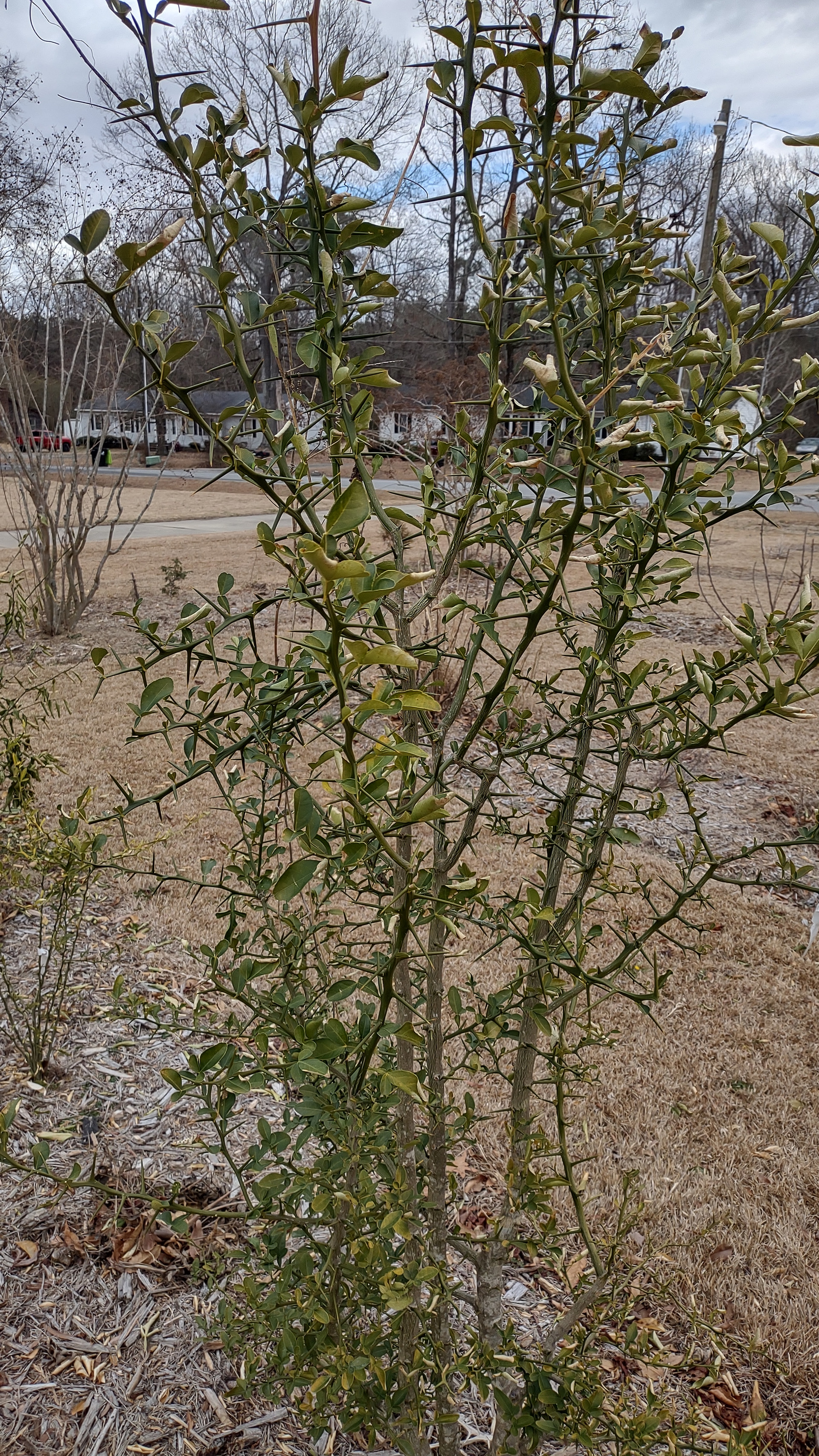
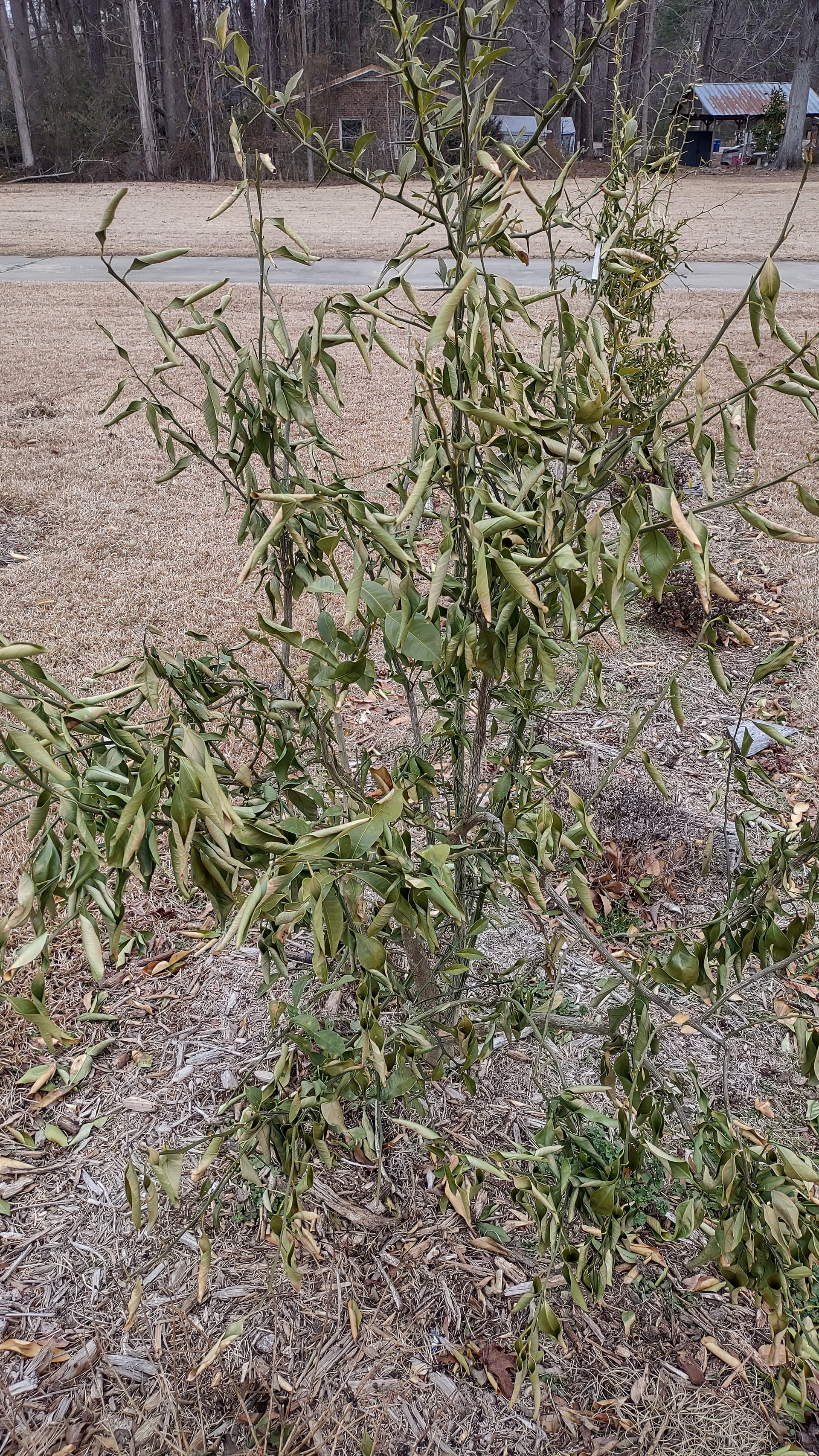
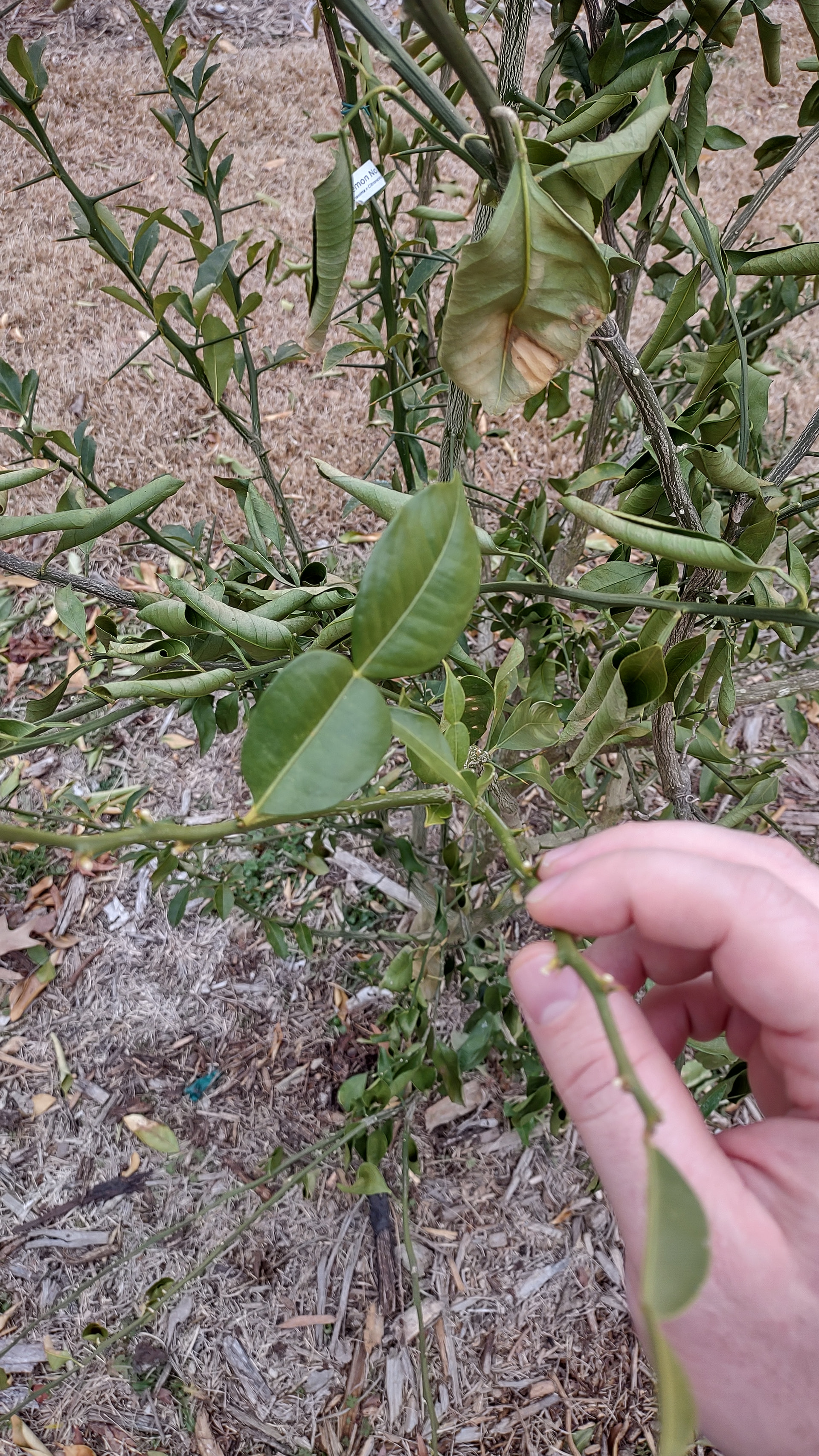
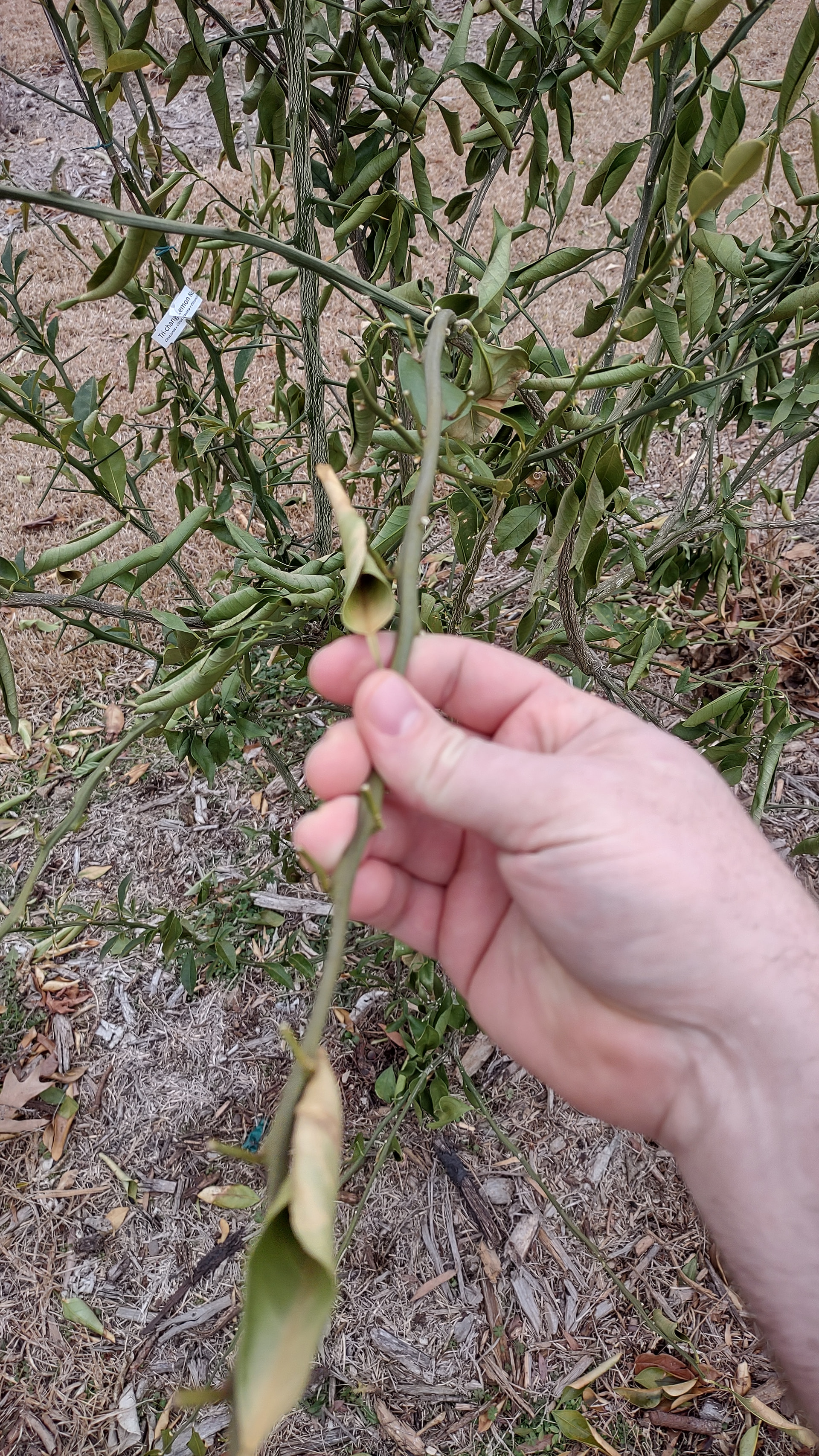
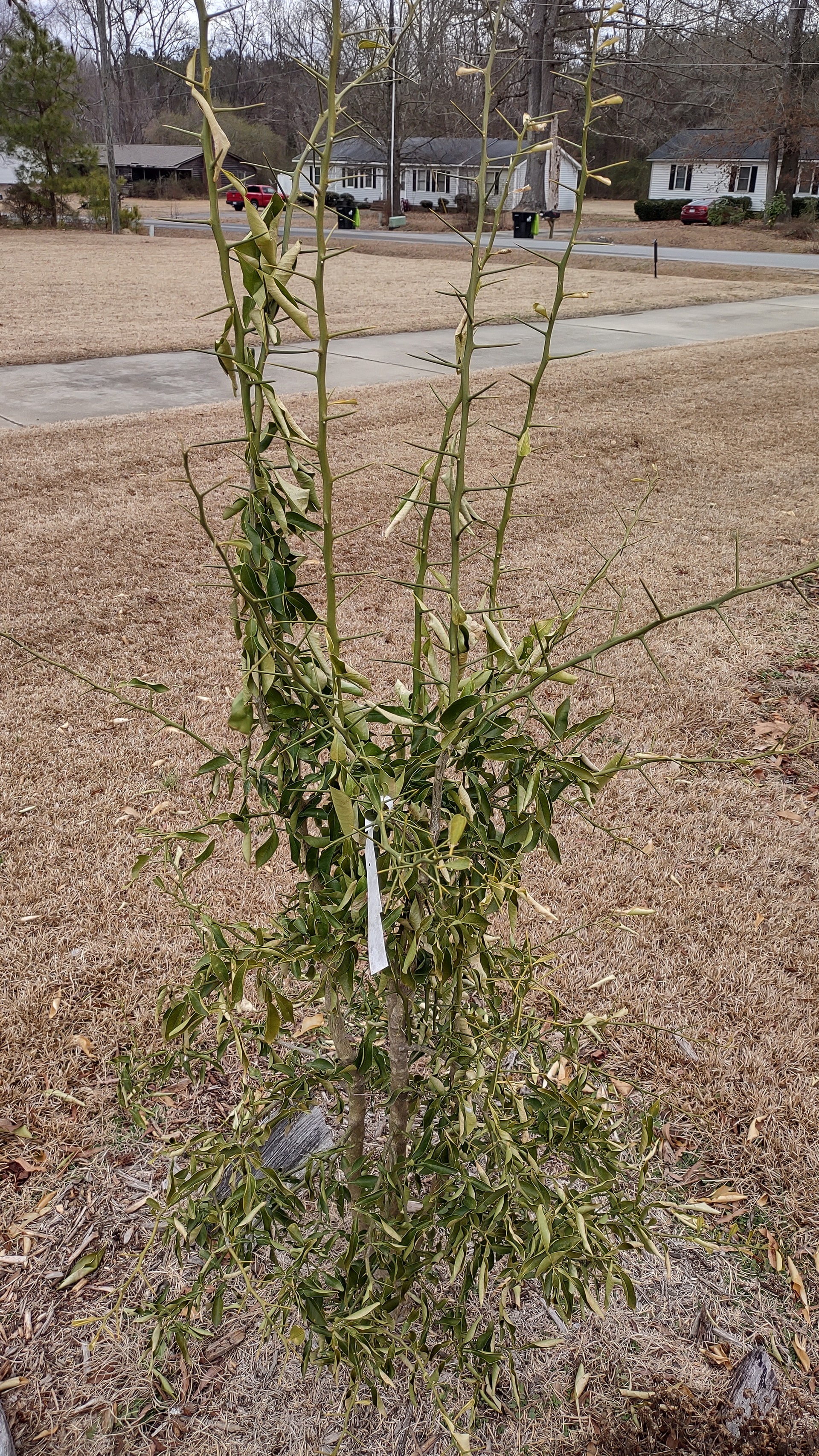
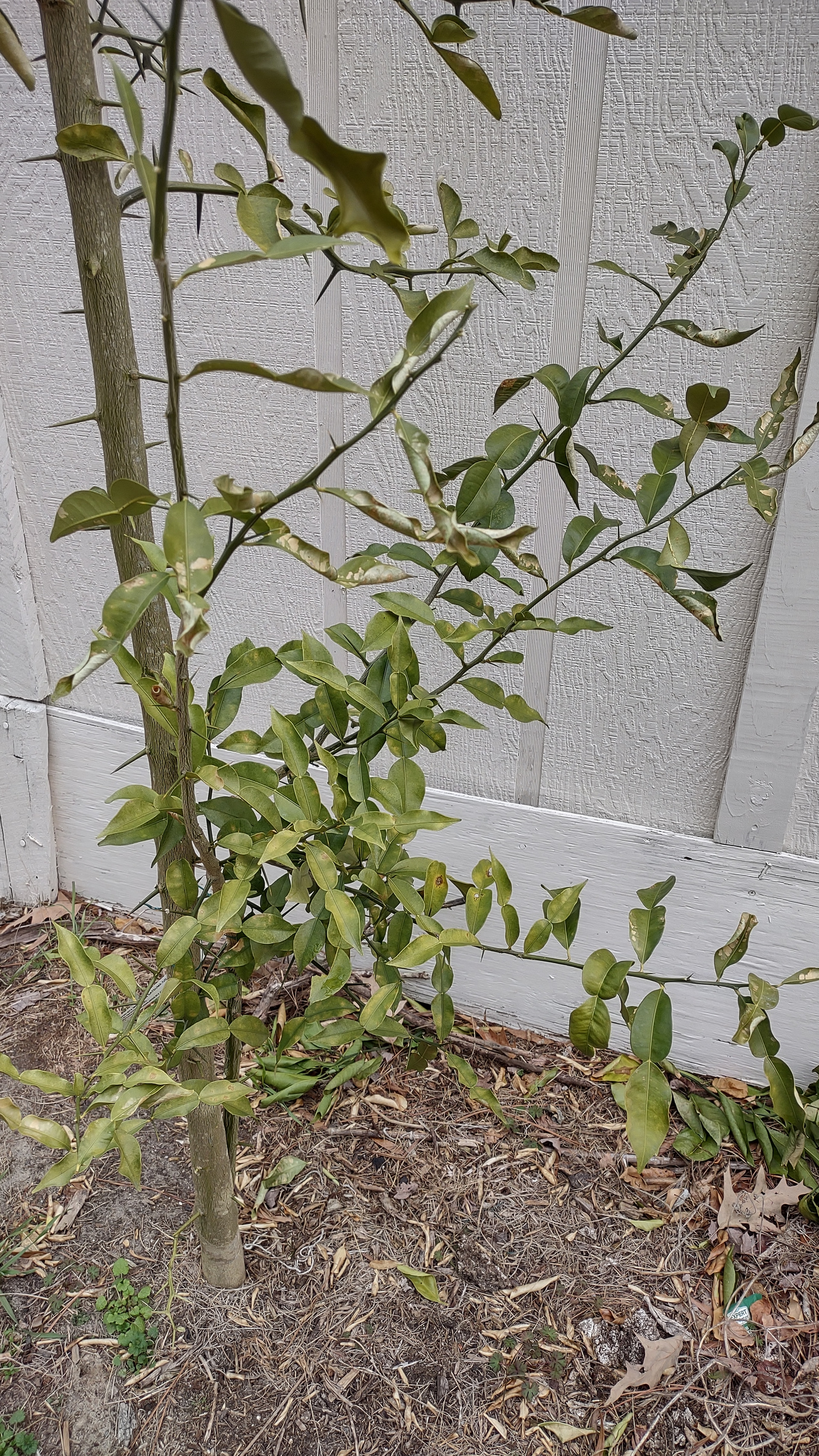
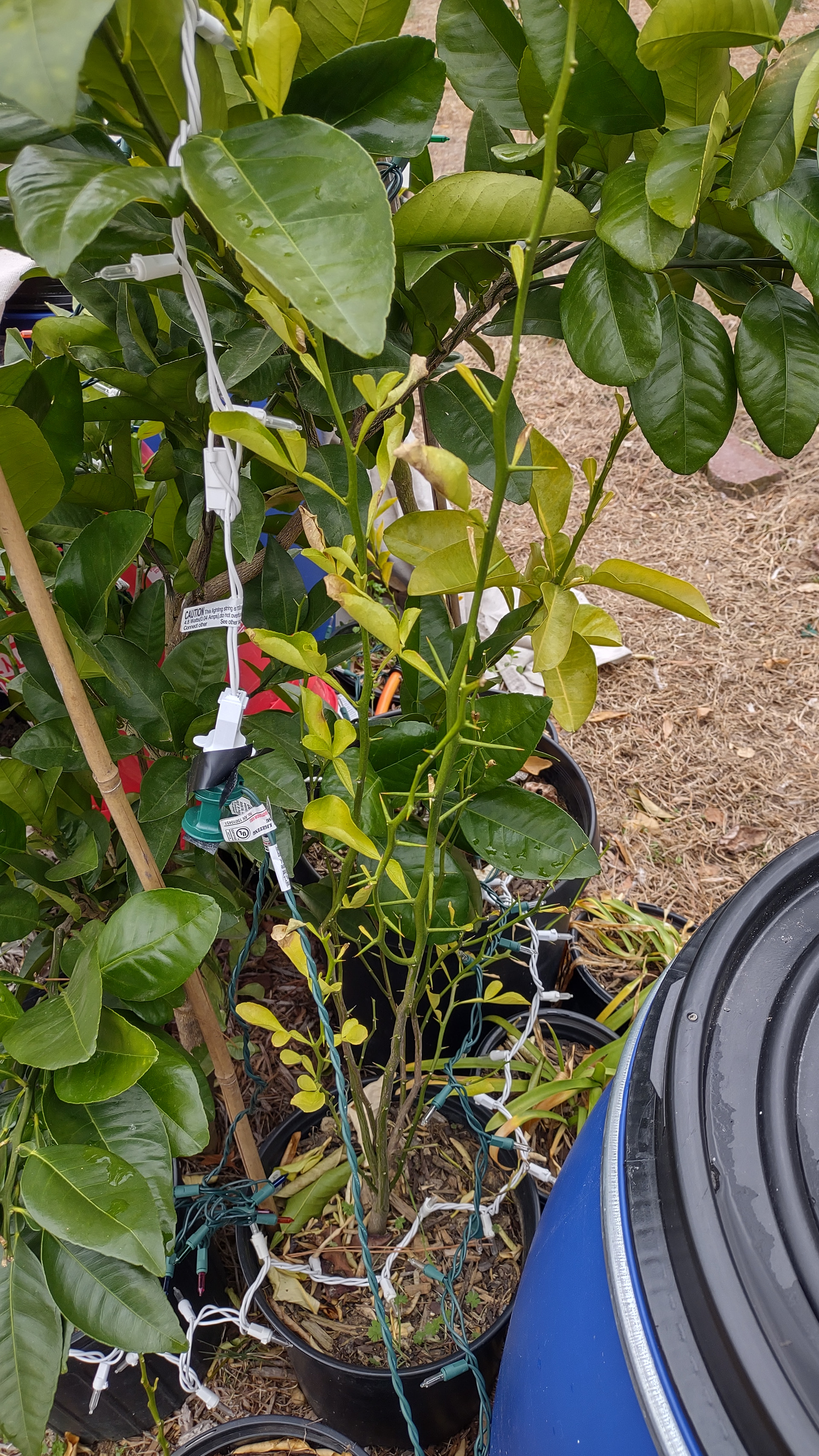
Ichang lemon will recover. Exposed branches defoliated, dieback at the tips, lower leaves curled, but

Leaves in the dense center of the plant look alright.

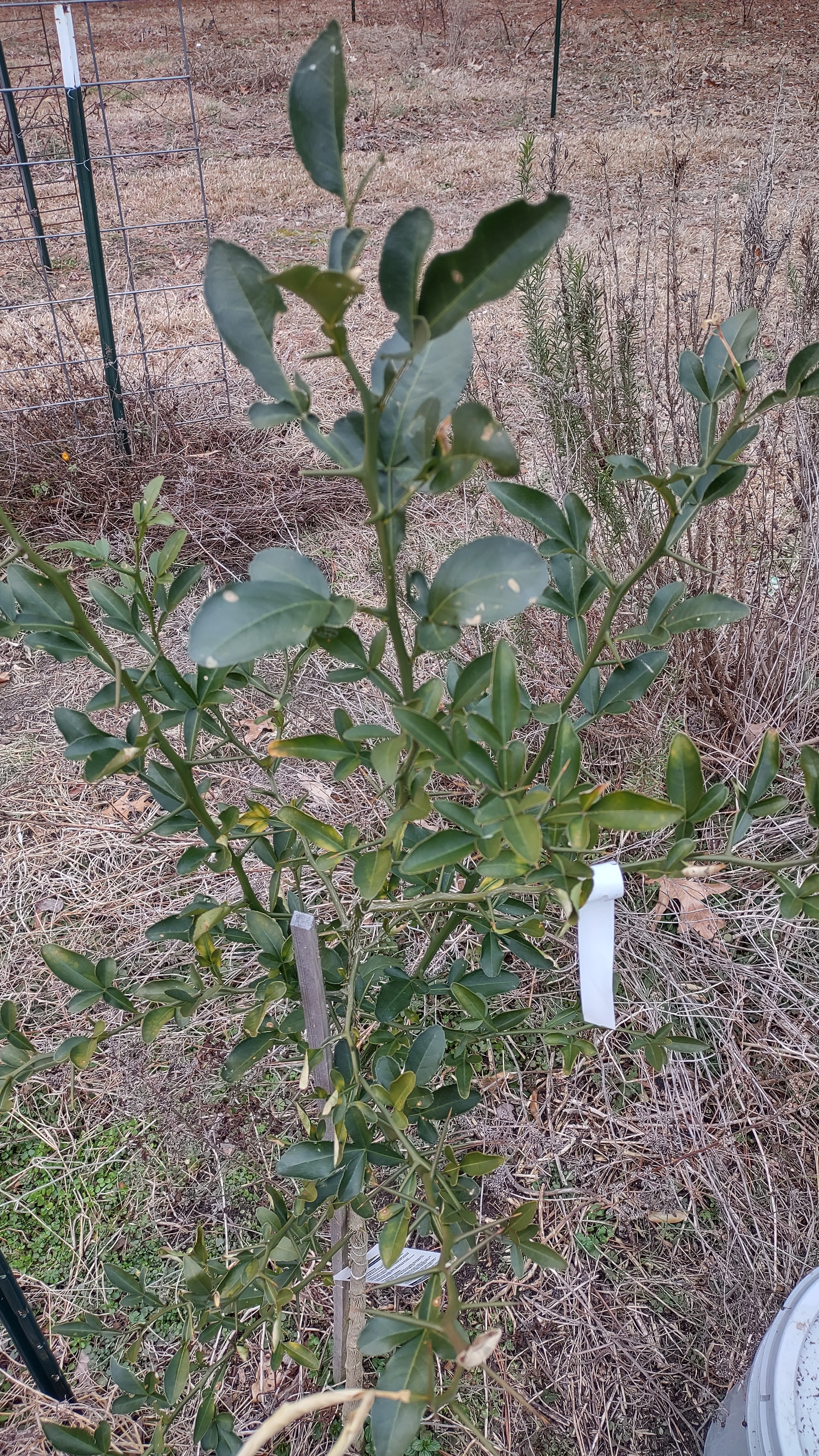
This ichang papeda graft is looking mostly ok, some leaf curl and damaged spots on more exposed parts, but honestly looks great, better than most of my other evergreen citrus.

US-802 is partially deciduous I think, most of the leaves fell off long before it got really cold. Not to much leaf curl on the remaining leaves.

One of the best looking of the evergreens is this second year US-1516.

In contrast to a one year US-1516 which might have been killed. It’s wild how much a difference establishment makes.

My covered and protected citrus look fine, even my pumelo. Funny enough, a Dunstan seedling right next to the pumelo is almost completely leafless. I’m guessing it’s also partially deciduous, which is odd because I’m pretty sure it’s Dunstan x ClemYuz, which I wouldn’t expect to be deciduous. Then again, my ClemYuz and Yuzu and Kabosu all dropped most of their leaves, so…

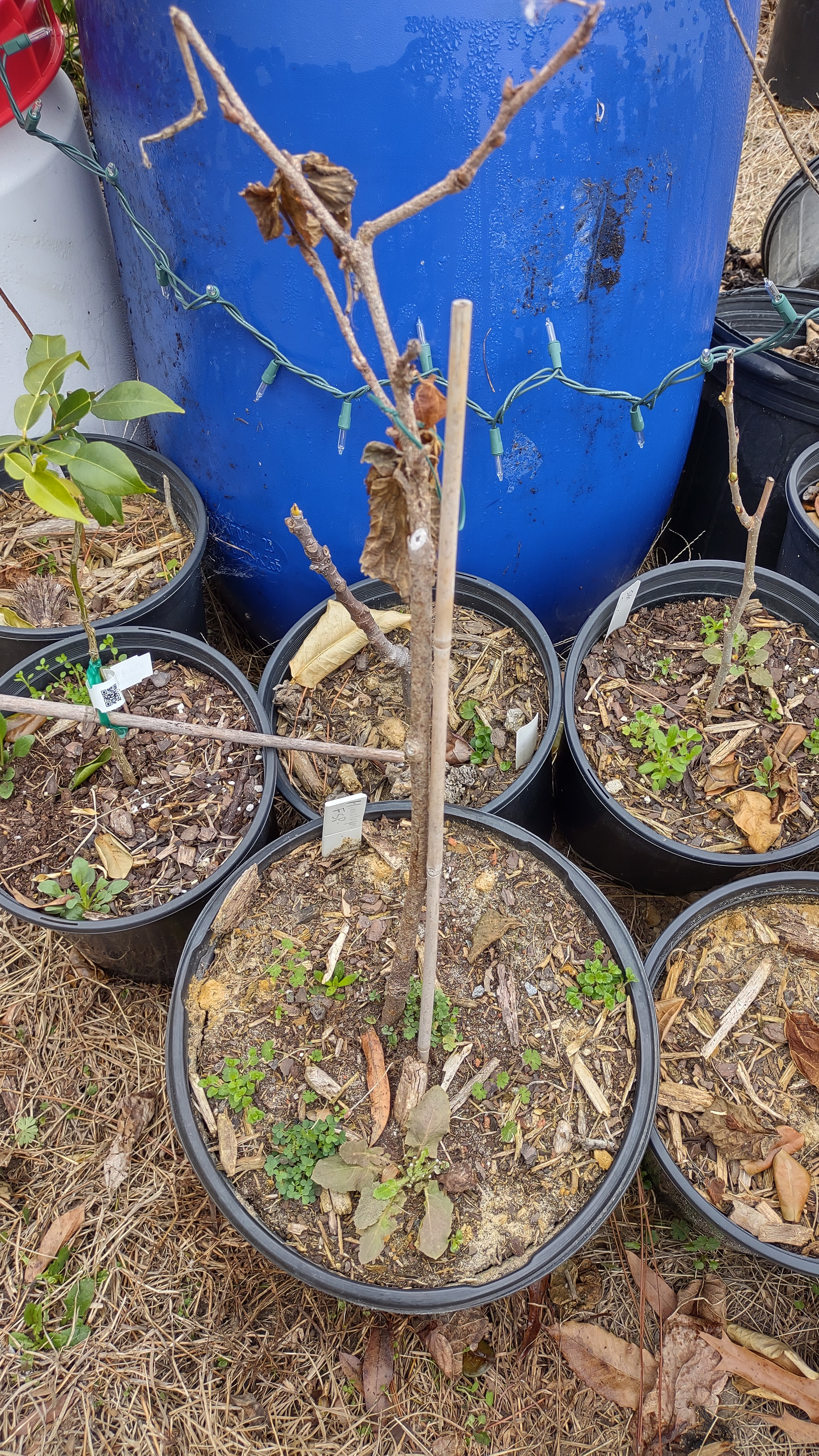
Black Pakistan mulberry, deader than dead. Less hardy than pumelo, which is saying something, sheesh.

Siam Jumbo on the other hand is fine. Though already budding, which is not good.

I left one Siam Jumbo completely unprotected and in a pot and, honestly, it looks alright. Props to Siam Jumbo, it’s pretty hardy. Just buds out way, way too soon. The unprotected one at least isn’t budding out as much yet like the protected ones are, so that’s worth remembering.

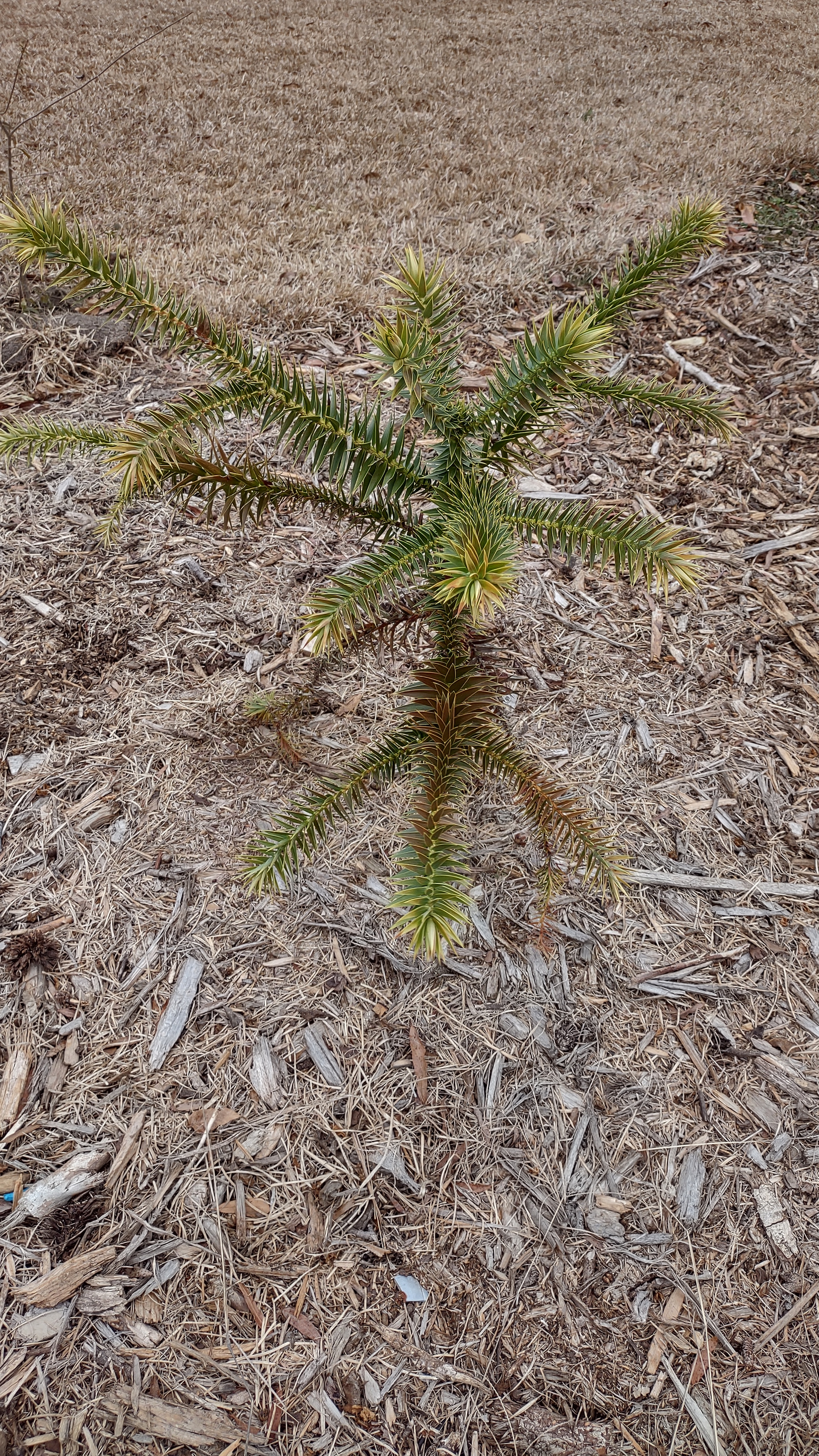
Parana pine is a bit bronzed but pretty decent looking for now. It handled two nights at 12 F last winter as a much smaller and less healthy plant, so I’m confidant it was not damaged at 8-10 F.

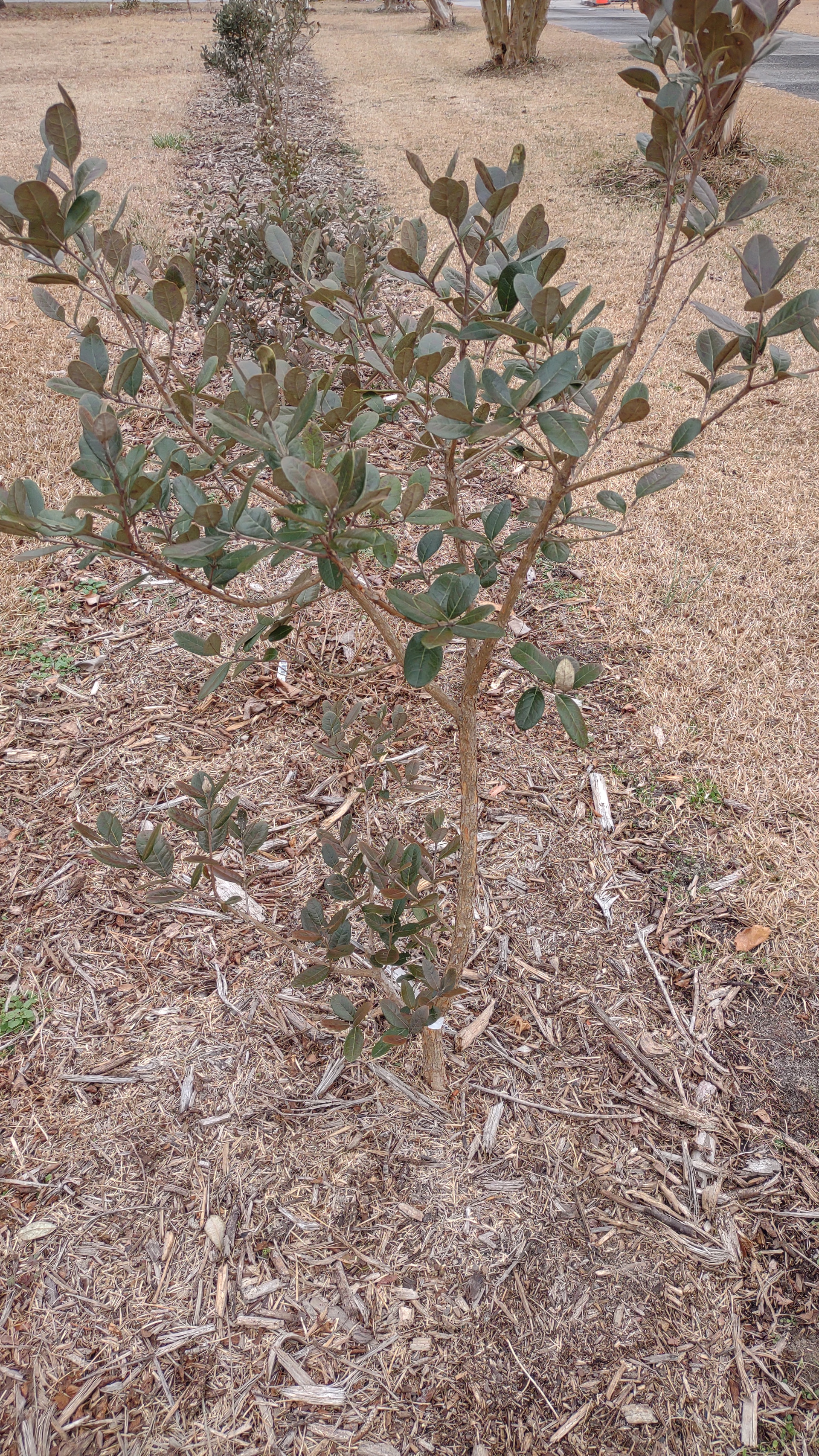
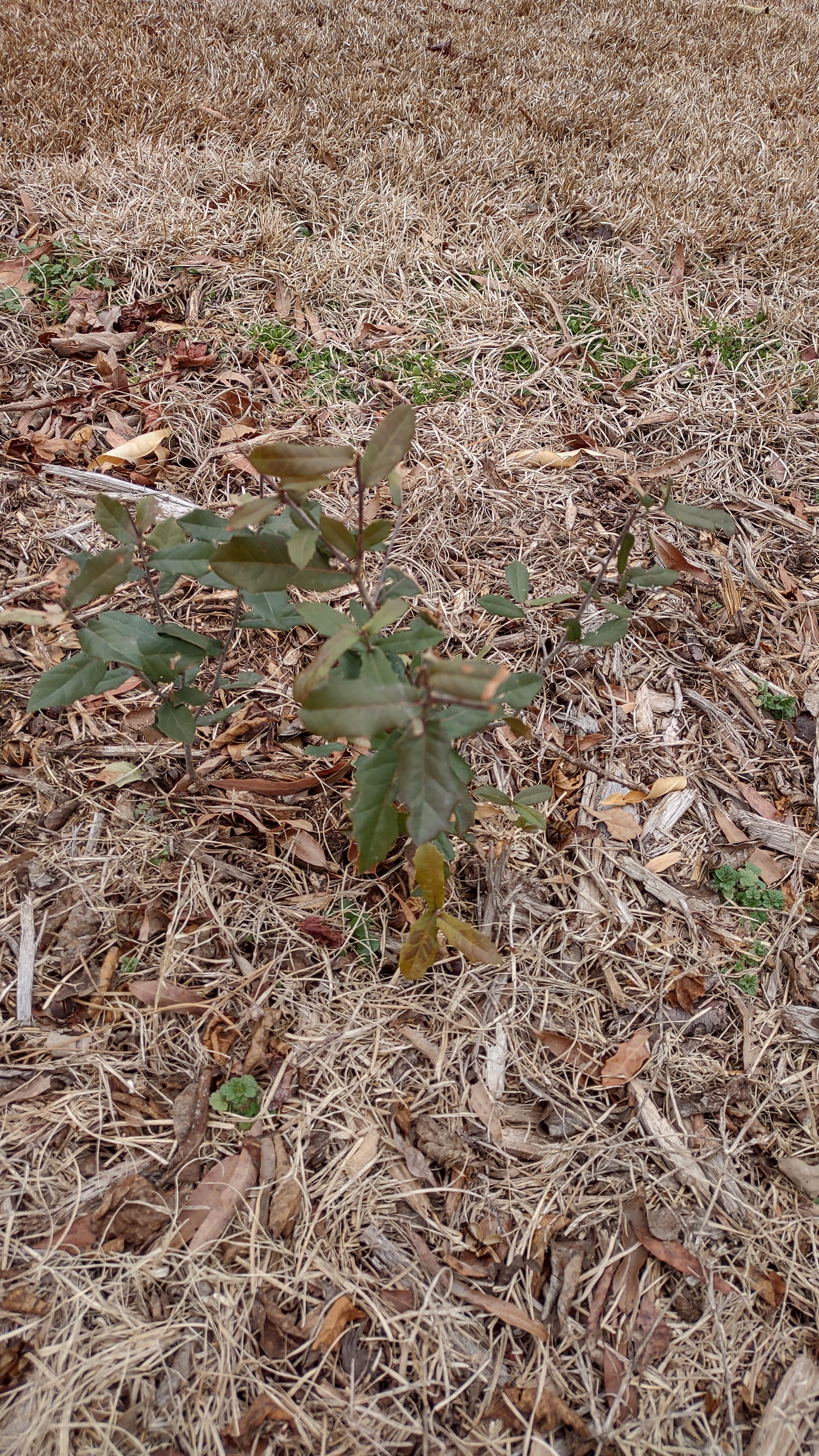
Volunteer live oak. Completely unfazed as one would expect.
4 Likes

I finally got the nerve to walk around and do a scratch check on everything. Honestly, could have been worse with two nights in the low-mid 20s. I know the scratch test isn’t full proof, but it lets me get my hopes up or down. All of these are in ground.
Failed or was just dead:
Barbados cherry (2 of 2)
Sapodilla seedling
Banana
Pigeon peas (10ish)
Purple possum Passionfruit (1 of 2)
Ackee (1 of 2)
Giant Granadilla passionfruit
Wax jambu (or whatever type of water apple it was)
Ice Cream Beans (5 of 7)

Passed:
Purple possum passionfruit (1 of 2)
Ackee (1 of 2)
Miracle fruit
Moringa
Hildebrandt’s Moringa
Peanut Butter Fruit (2 of 2)
Black Mission fig (very young TC one died back basically to the roots)
Passiflora malaformis*
Key lime/lemon multigraft (getting removed though)
Papaya

Alive with no test needed:
Sugarbelles (2 of 2, some damage, but not alot)
Tree tomato (defioliated by already pushing new growth better than it was before)
Loquats
Feijoa
Blue and black berries
Dwarf Everbearing Mulberry

I have 1 surviving non-greenhouse tomato that actually still has leaves. I got a couple that are bouncing back from just a green stem already. Had a few peppers that were overwintered properly do fine. Cutting them really short helped immensely. Will do more like that next year. There is still more damage that can show up, but its recovery stage now. At least I got some space freed up now.

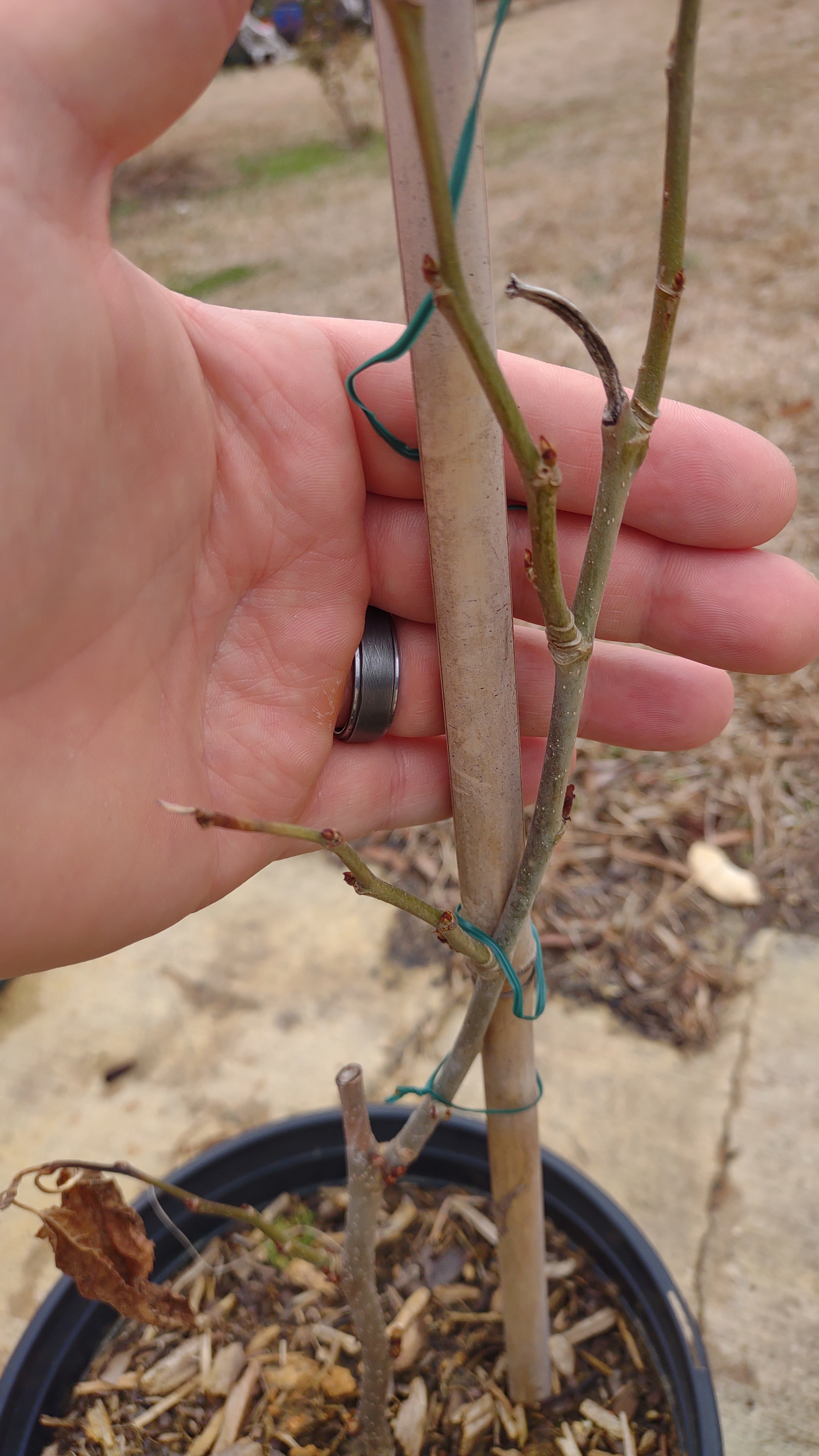
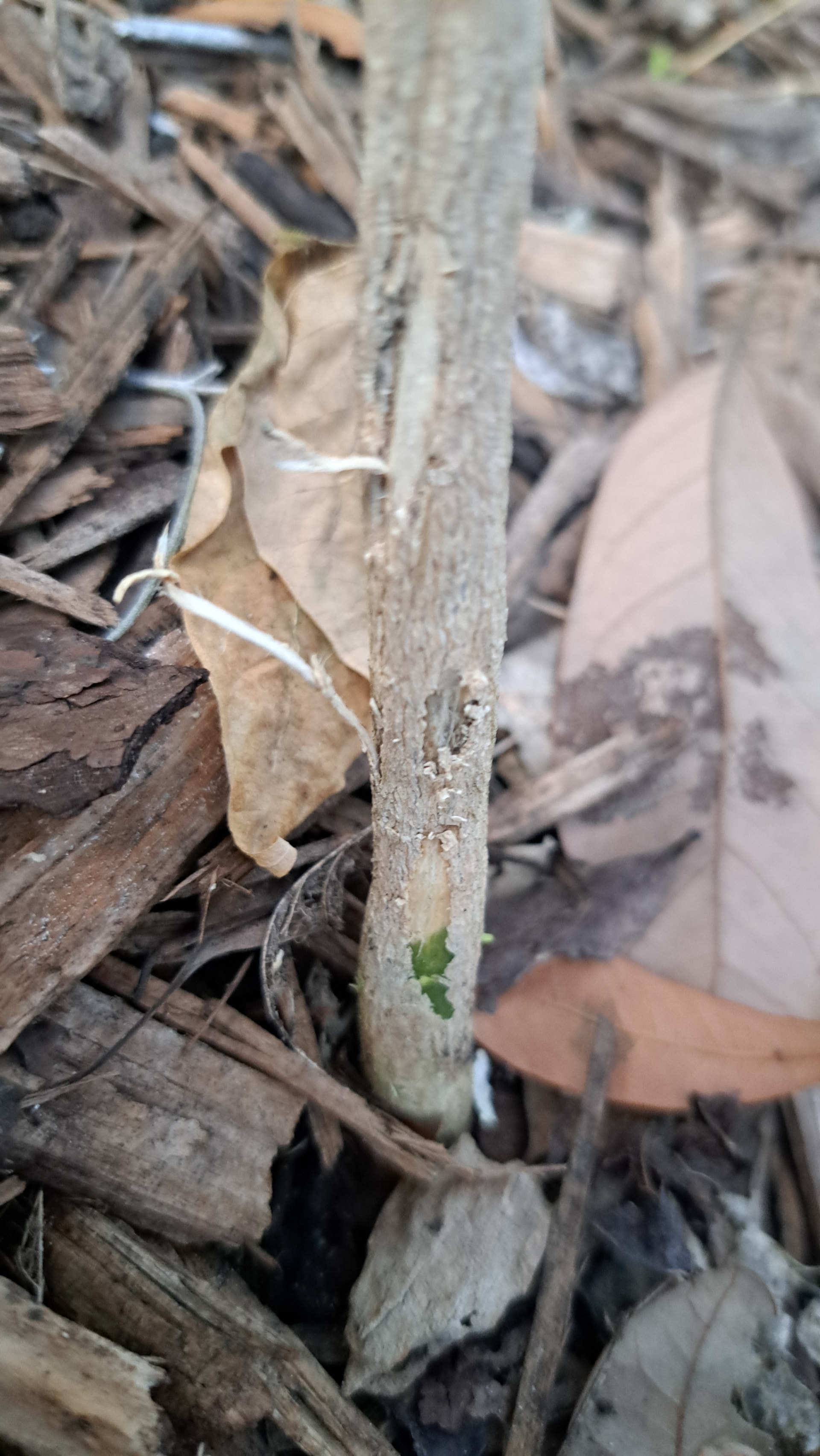
*I’ll post a picture below, but I think the p. malaformis is still alive. Looks like the stem is dead, but the roots might still be alive. If it is still alive, I’ll remember to propogate some cuttings for backups like I did for my Giant Granadilla.

3 Likes

There are desiccated leaves still attached to the stem of that FSP mulberry, looks like it didn’t have a chance to harden off before it got zapped.

Perhaps, but it was exposed to light frosts earlier in the year, only went under protection once we started getting really hard frosts.

I’m hoping the roots are still alive, I’d like to propagate it and test it more extensively. This wasn’t supposed to be the test year.

So I think im going to try a cara cara orange after watching millennial gardens video.

I think i can possibly protect it if its on flying dragon rootstock. My plan is to watch what area melts snow the fastest and plant it there. Then we’ll use frost covers snd christmas lights. Ive been updated to zone 7b so maybe protected we can finally achieve my dream lol

Mine hasn’t held fruit yet and is in the ground for 4 years. I think you could do ok with a satsuma but I think a sweet orange is a wasted effort. You may well keep it alive, but I doubt you’ll ever ripen fruit as the fruit is ruined far earlier than the plant is. Satsumas ripen by December at the latest, and oranges will be January most likely.

4 Likes

There are a handful of early orange varieties like Ambersweet but yeah Cara Cara and anything else that’s in the navel orange group is going to be really hard to get ripe fruit from.

2 Likes

Also, quite a vast difference between 7b (marginal) to a comfortable coastal 8b. Due to the timing of frosts and amount of warmth among the cold snaps.

2 Likes

True. I am a coastal 7b though. I live on an island. We dont get big temperature swings at all.

Satsuma are definately a possibility. I even saved a little seed from the sno mandarin which is normally seedless just for fun.

Are there any red fleshed satsuma out there? My search is really hampered by the plum of the same name

There are not, but there are a handful of blood mandarins. Amoa-8 is the only commercially available one. A few collectors have a blood clementine but it’s incredibly rare. Neither of those are actually true mandarins since they are technically tangors, but that’s immaterial.

That’s if you’re looking for “blood” coloration ie anthocyanins. If you want red or pink flesh like Cara Cara or red pumelo, ie lycopene, then I don’t think there are any mandarins with that, let alone satsumas.

1 Like

Id do either, enjoy the flavor of both. Hmmmm i guess the question is do I try cara cara and probably fail, or do I try this blood mandarin and see what happens….

I will say Amoa-8 likely isn’t much earlier than Cara Cara, but don’t quote my on that. I’m hoping mine fruits this year so I find out if I can ripen them well. Don’t have Cara Cara for comparison though.

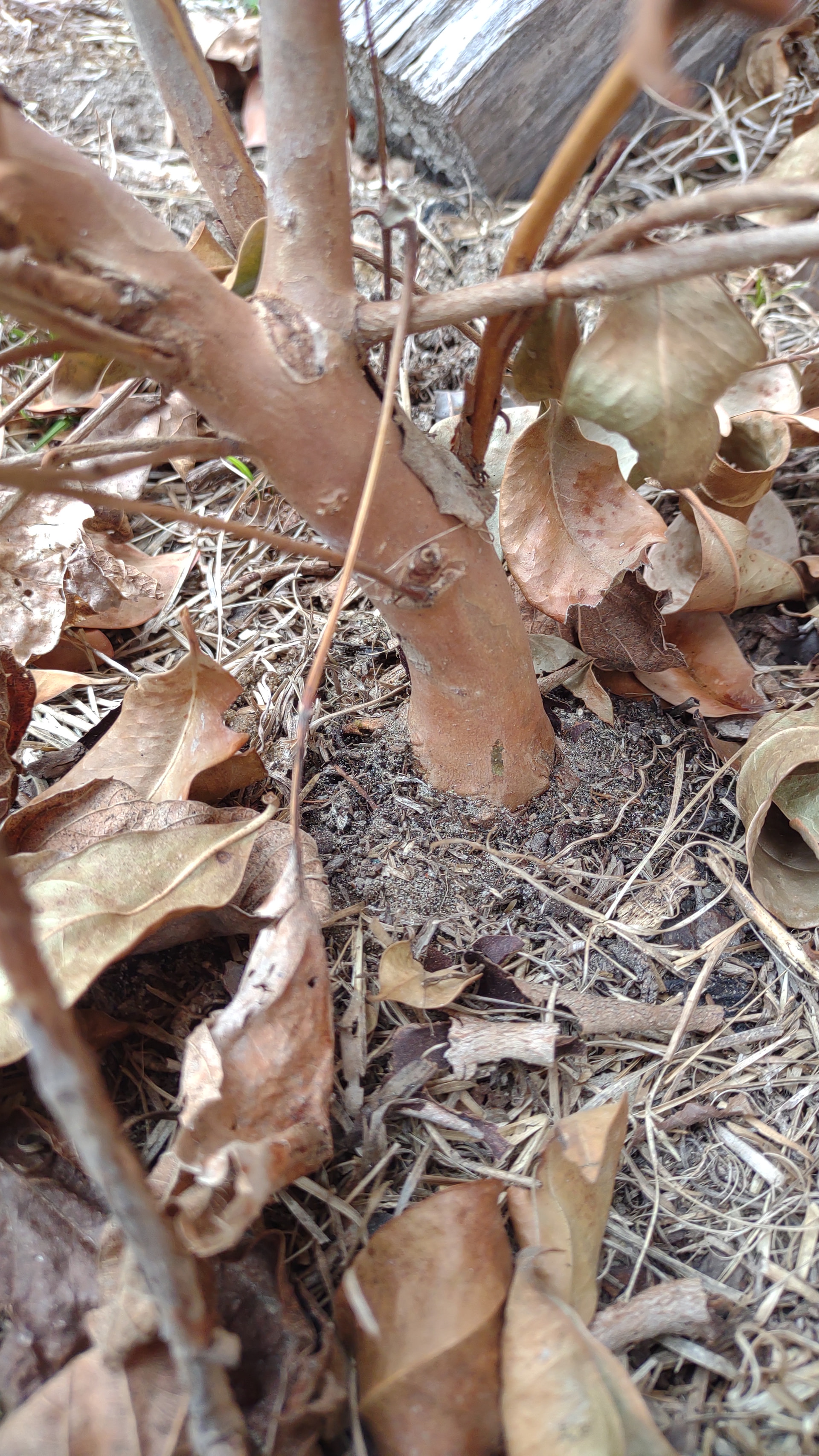
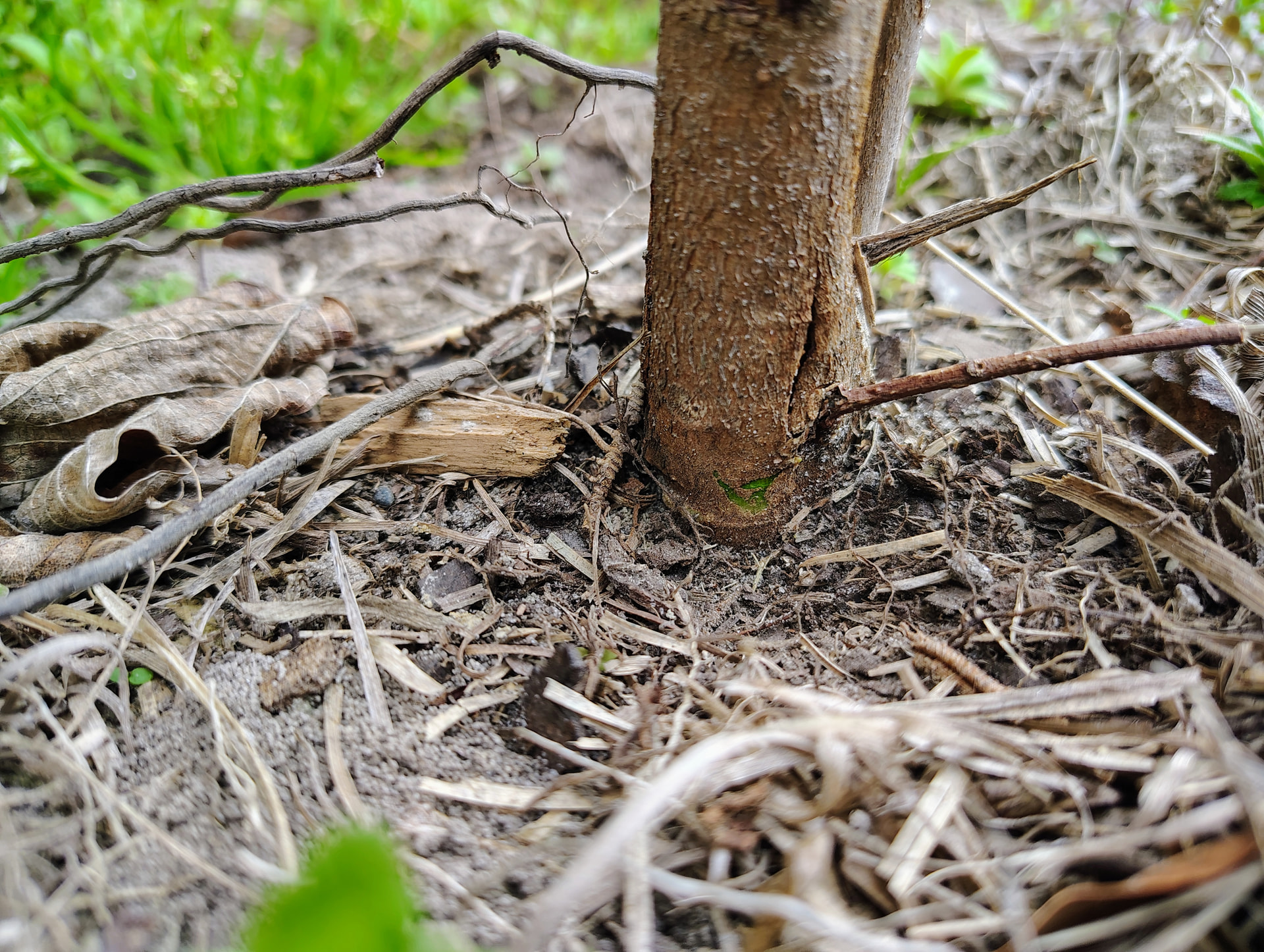
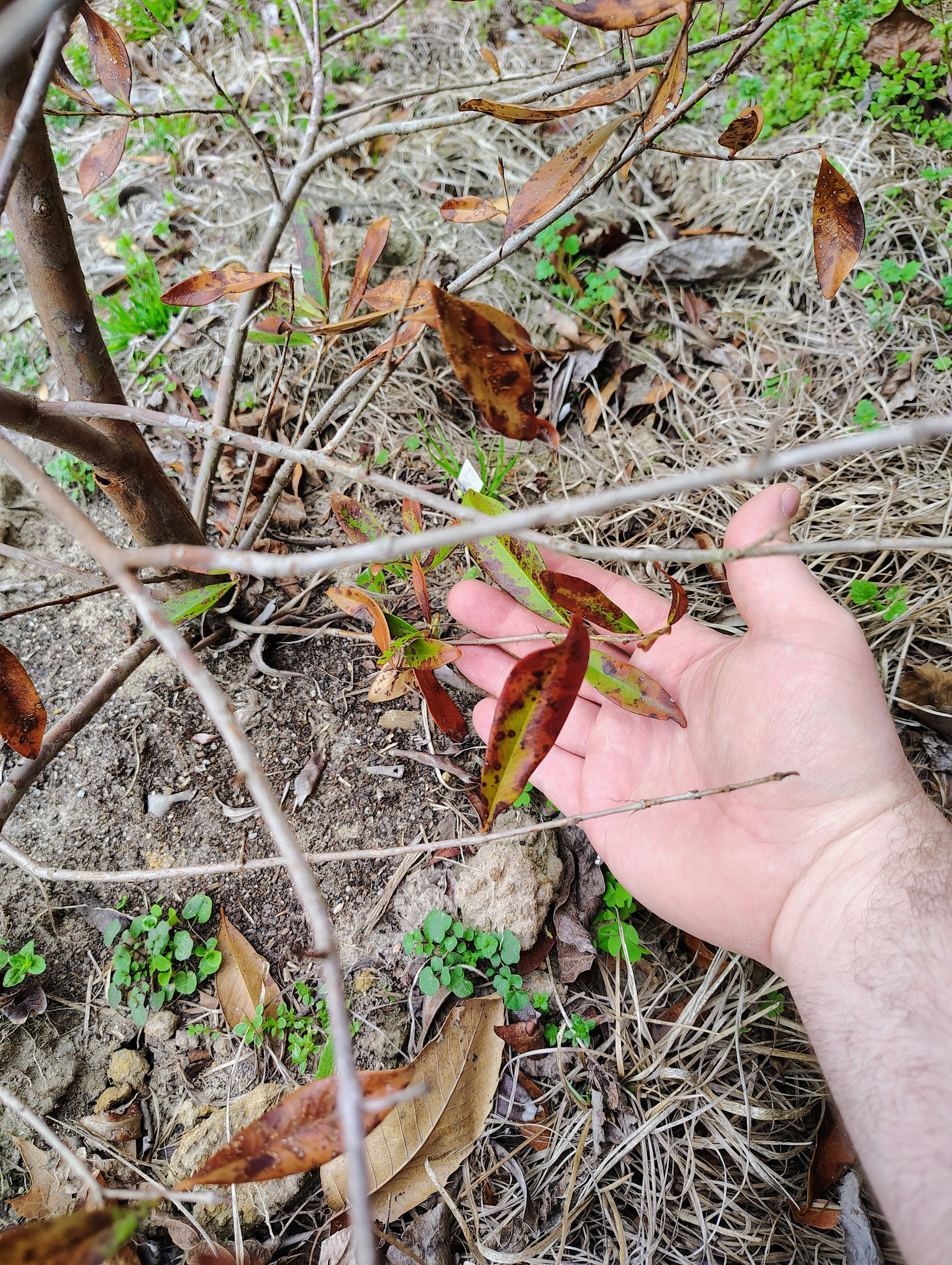
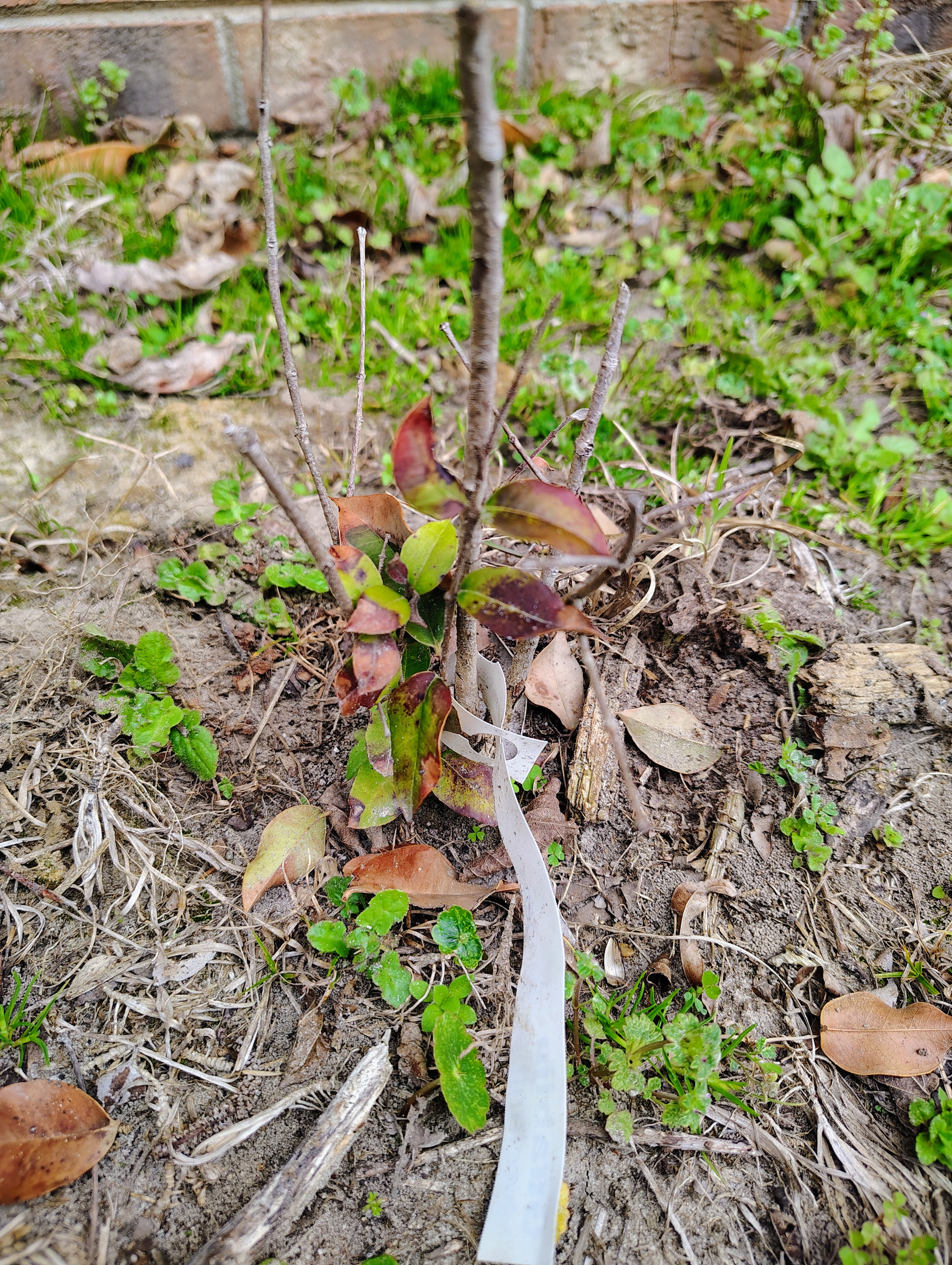
Looks like Psidium longipetiolatum survived at the roots

We’ll see if it sprouts back or if the roots just die after a while…

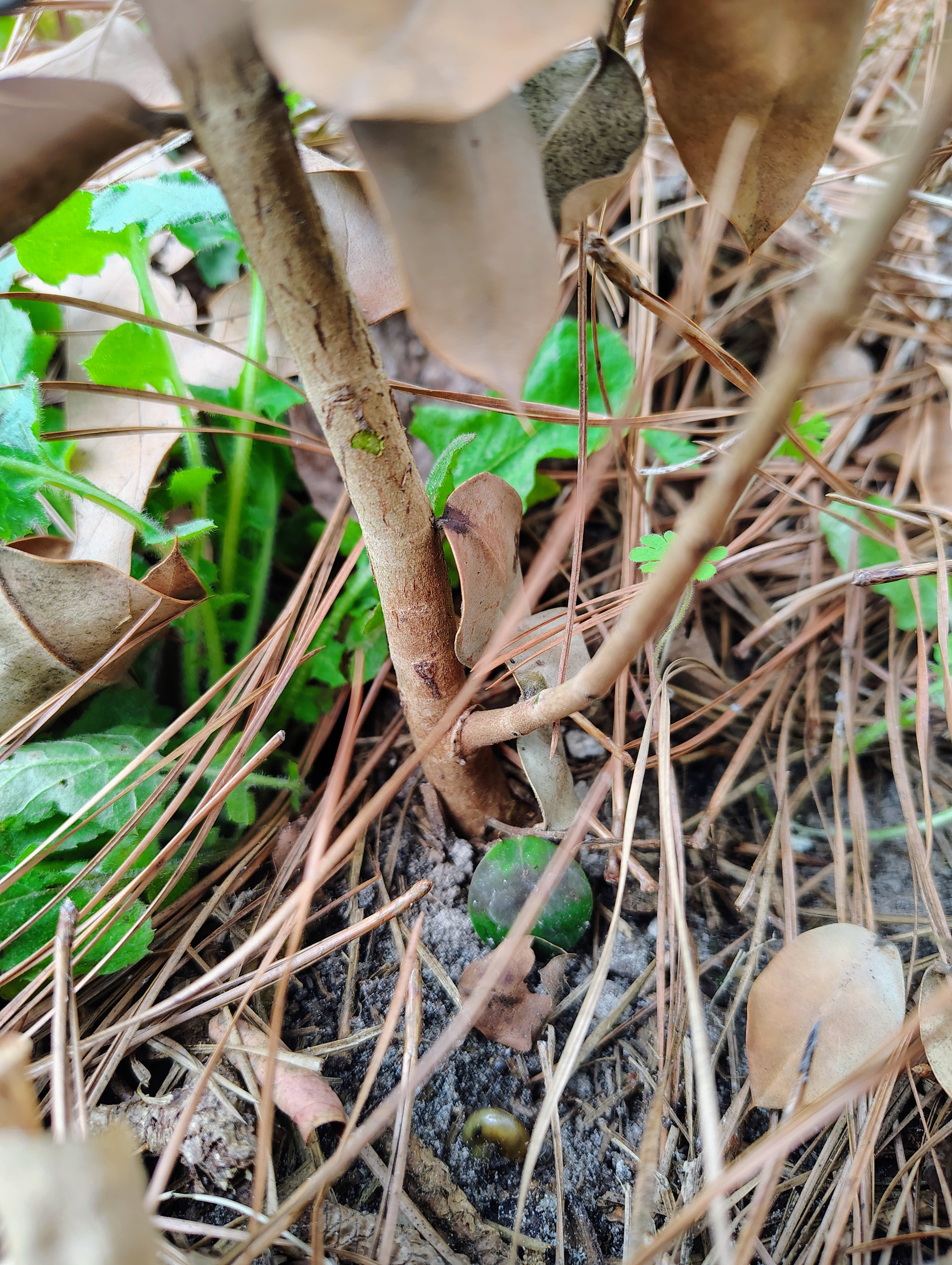
One surprise, Cherry of the Rio Grande is still alive, even held a few leaves despite the awful bark split.

Two of my Guabiju plants are holding on, though one of the more exposed plants died.

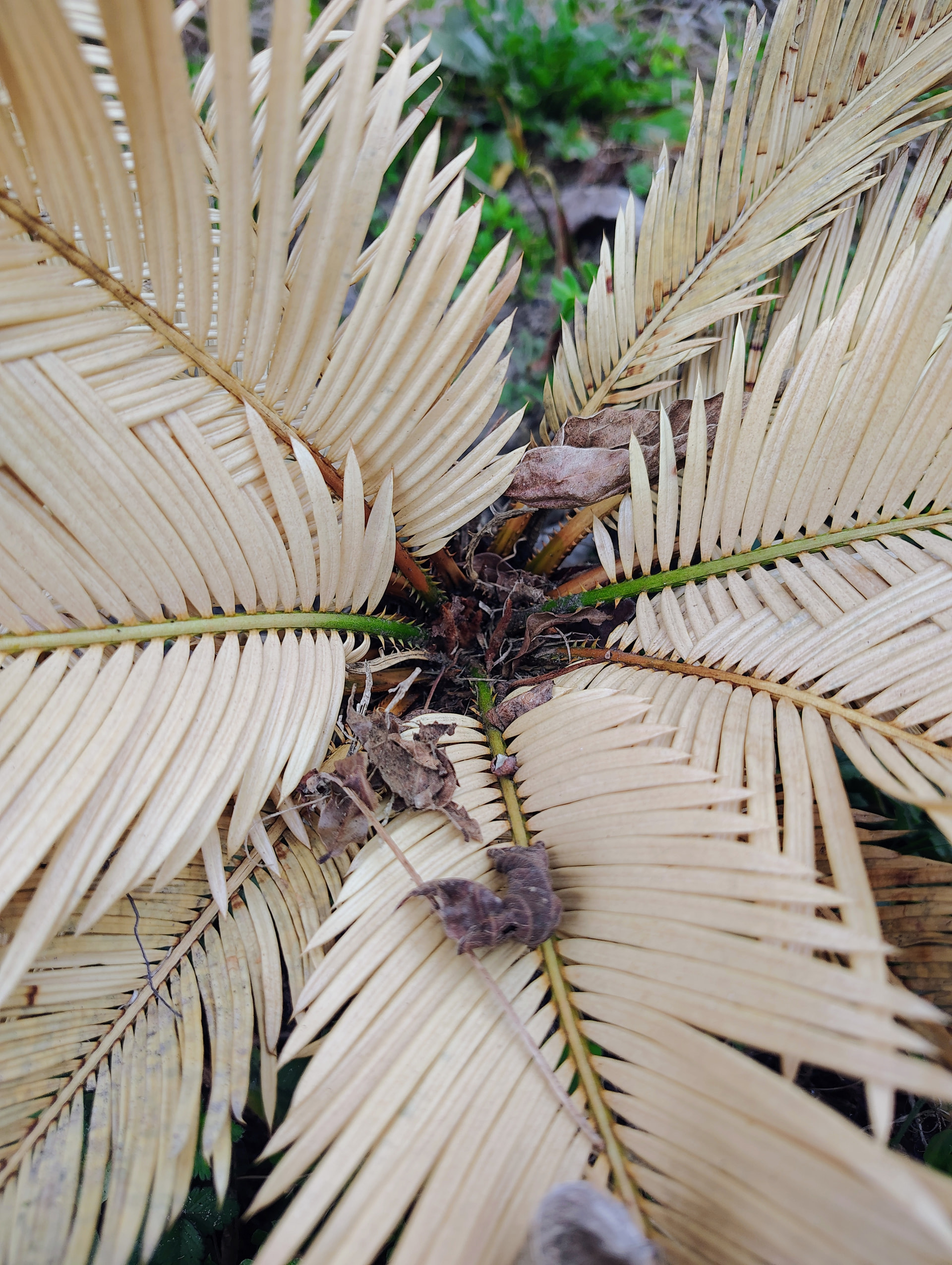
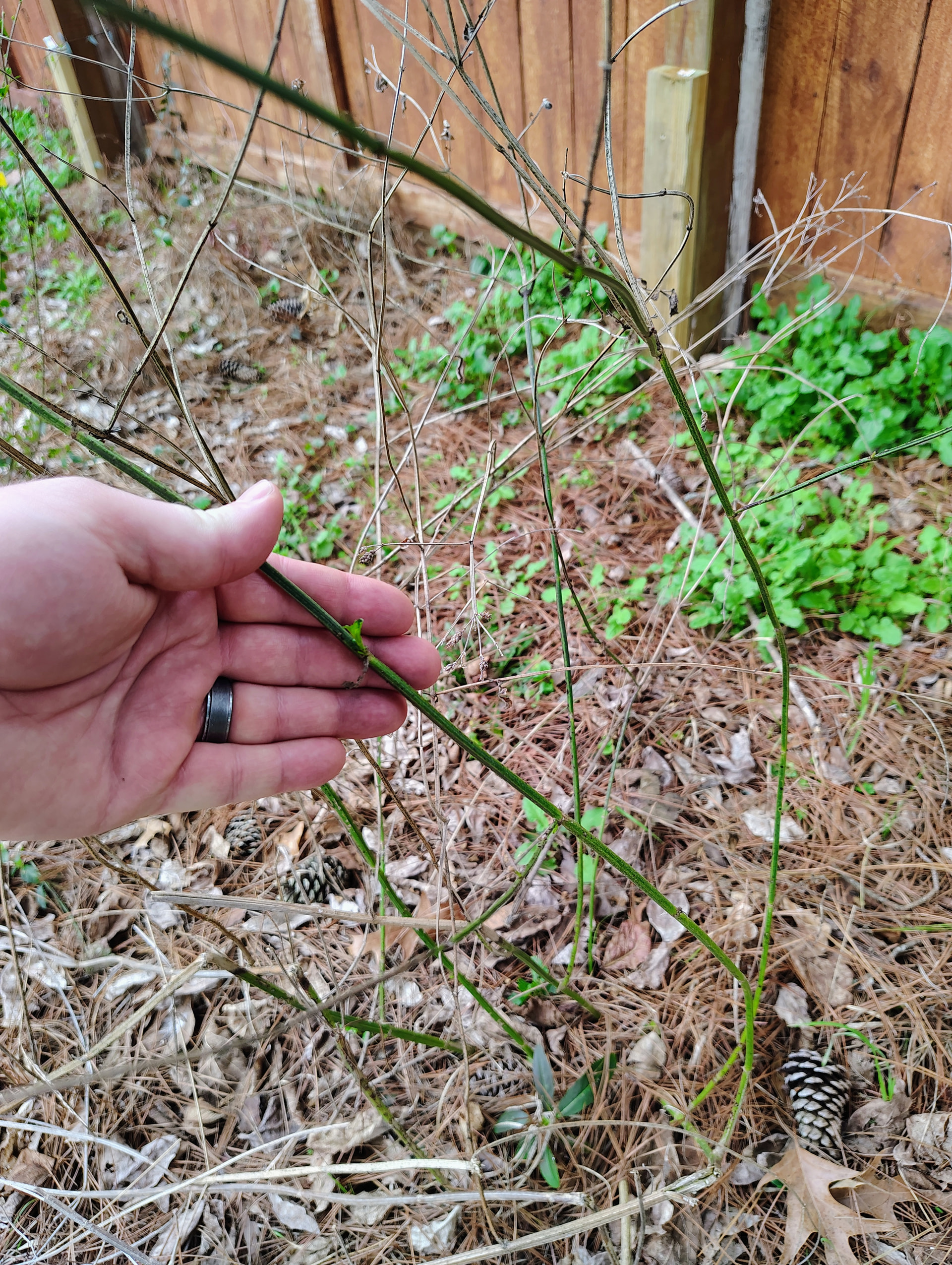
Not fruit, but my cycad and a volunteer Brazilian vervain survived

2 Likes