This year ill be growing strawberry blite which is a fun one
1 Like
I just looked up tigridia on pfaf.org and they say the bulbs are tiny. Is this your experience too?
I still have yet to dig mine, but the original planting, yes. I assumed they were small because it would be like buying small bulbs of anything else to get you started.
There was an forum thread on an website I used to visit- since shut down- where the topic was breeding/selecting/improving for edibility.
You used to be able to get some material from Cultivariable.com, but I don’t remember if it was seed or bulbs. Right now neither is listed, and William is only selling seeds as of now. Here is a link to his website where he describes the taste. They sound good! https://www.cultivariable.com/instructions/root-crops/cacomitl-tigridia-pavonia/
I harvested seed from my random acquisitions of this plant and hope to grow a bunch next year. I will also, soon, harvest and sort bulbs.
2 Likes
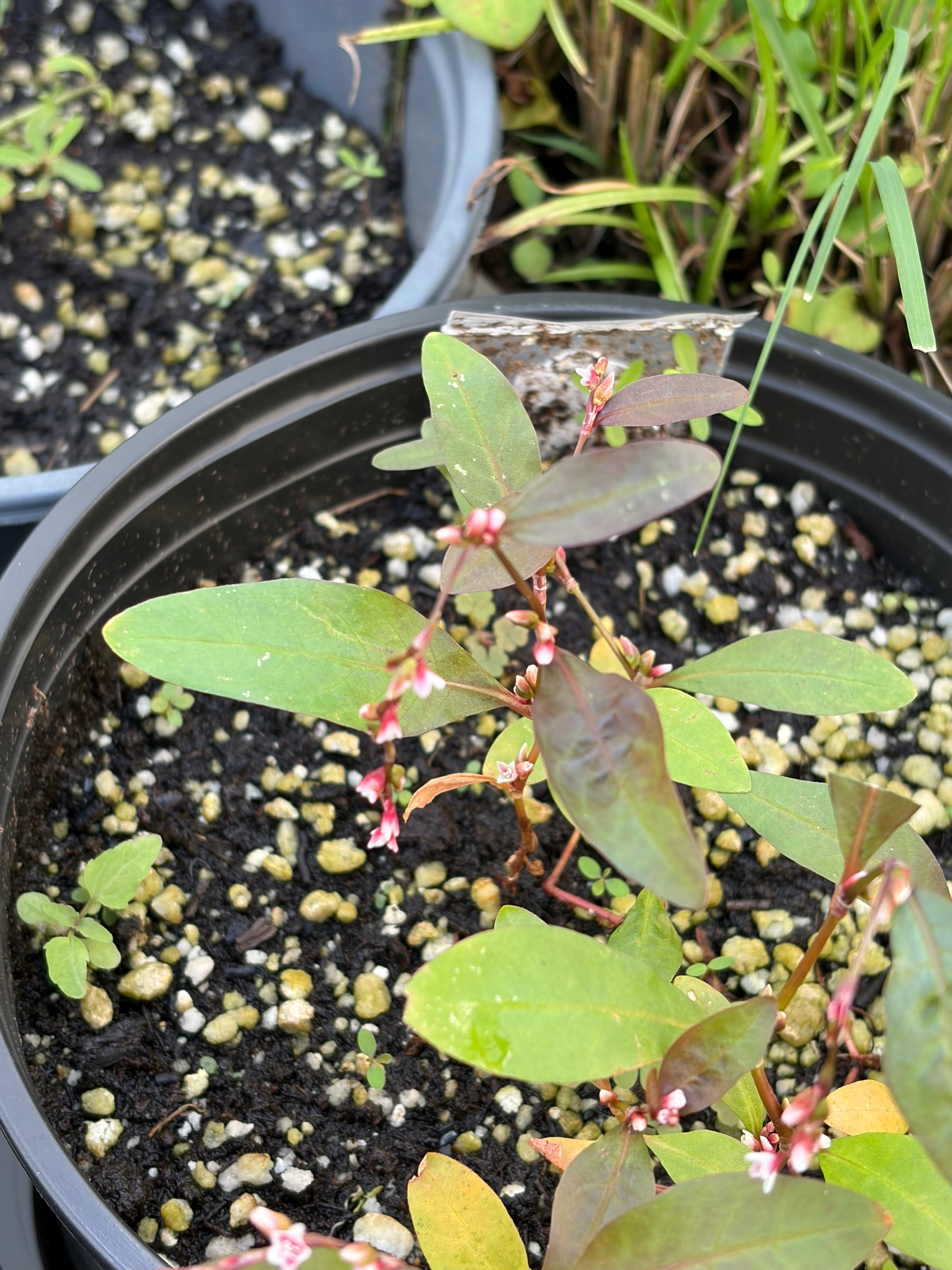
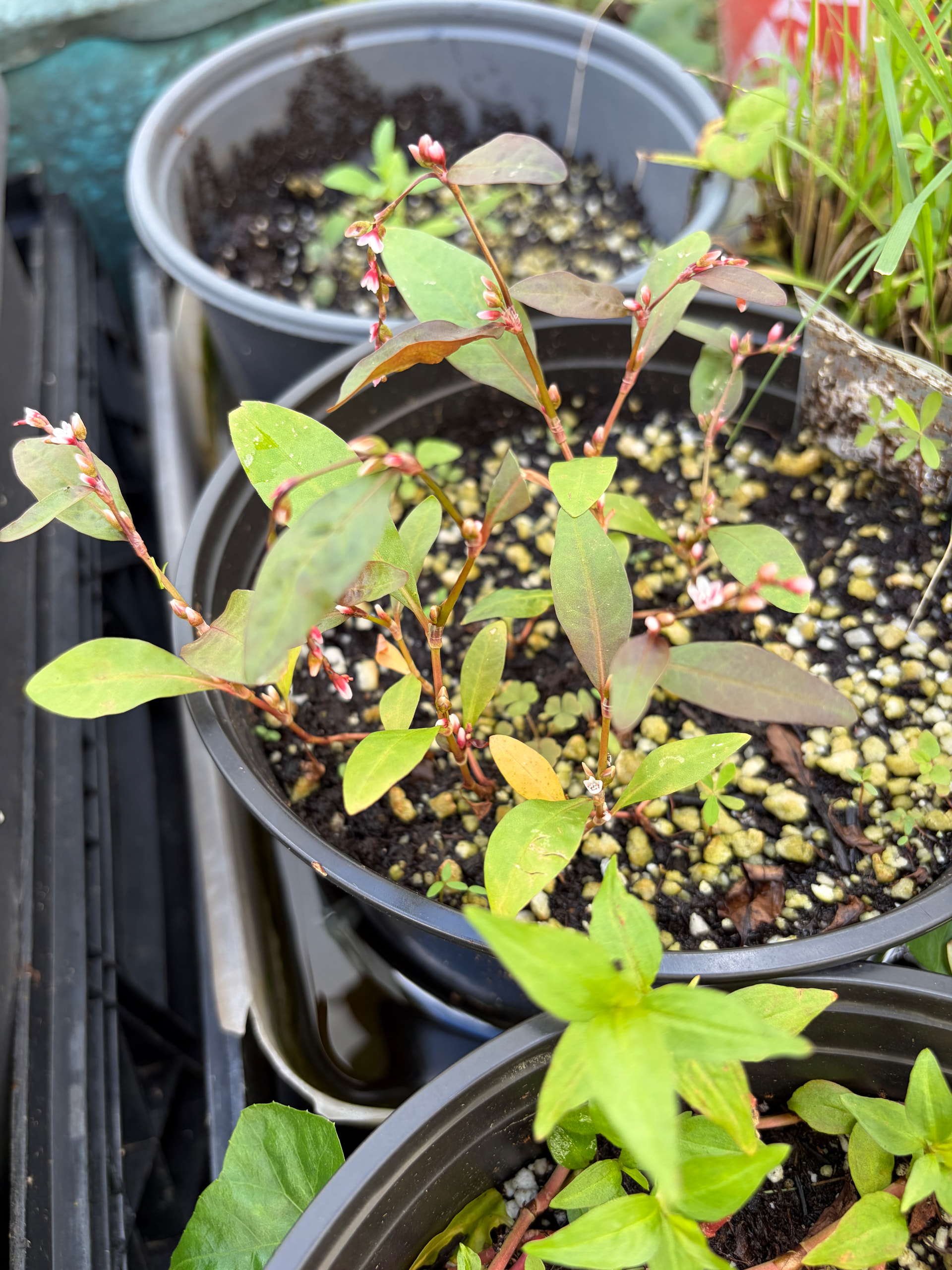
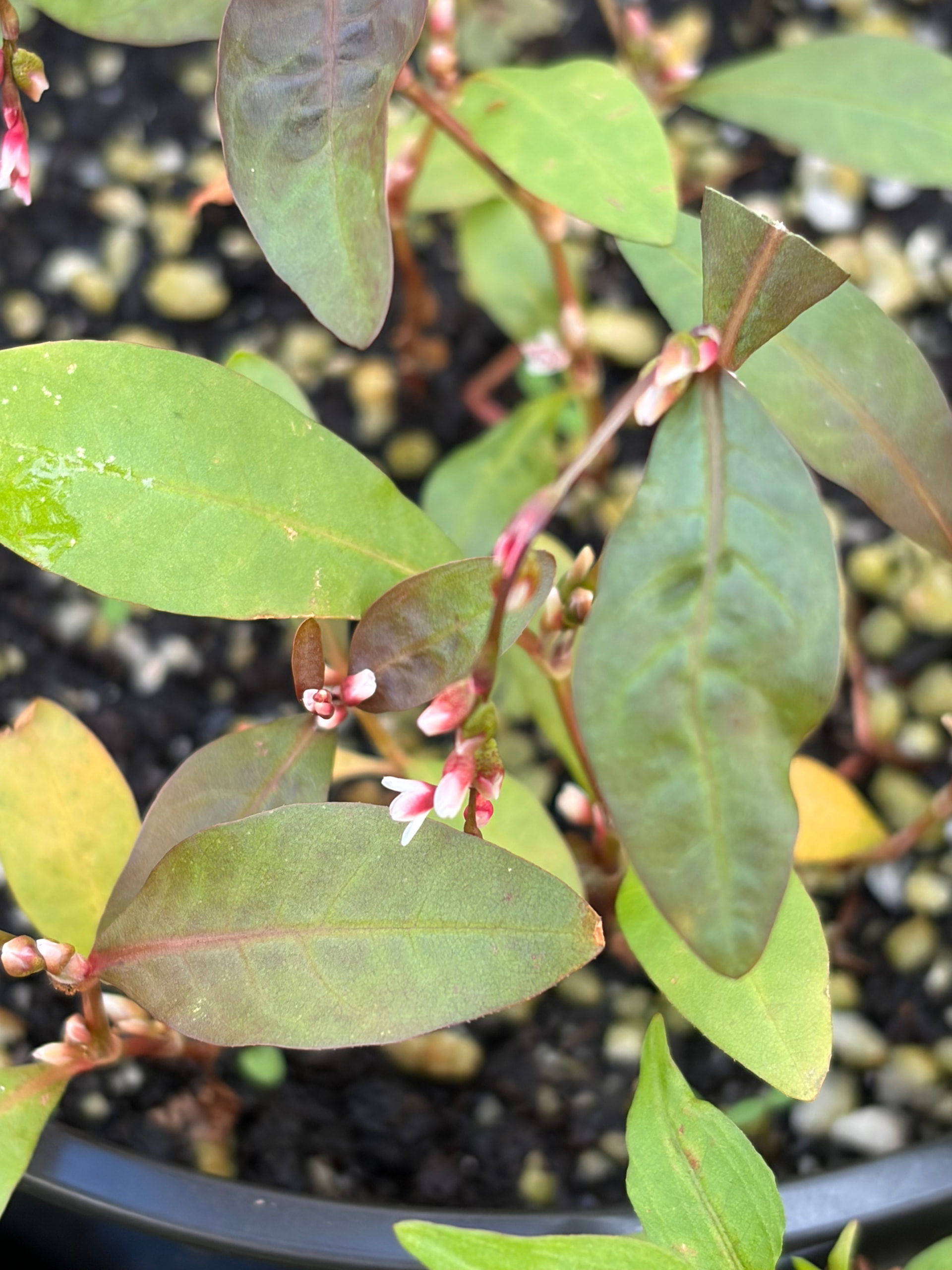
I tasted Water Pepper (Persicaria hydropiper) for the first time. I don’t remember the nuances, but I did find the flavor appealing, and the spicyness was strong and interesting. Kind of like black pepper, but different. I liked it enough from that one leaf, that now I wanna keep growing and establishing it. I was disappointed to learn that it seems to be an annual (unlike its relative, Vietnamese Coriander – P. odorata), and to add insult to injury my own plants put on very little growth before flowering, despite some occasional fertilizer. If I can get seed off of them, I want to see if any of them will sprout without needing cold stratification… if successful, I’ll keep selecting for the trait. This is my second attempt with it, and the first one failed because I didn’t stratify the purchased seeds. These were stratified for only a month before they started vigorously sprouting in the fridge. A couple of the photos have some P. odorata leaves in the foreground (more pointed, resembling dayflower), and a close look reveals the particular leaf I broke off for tasting.
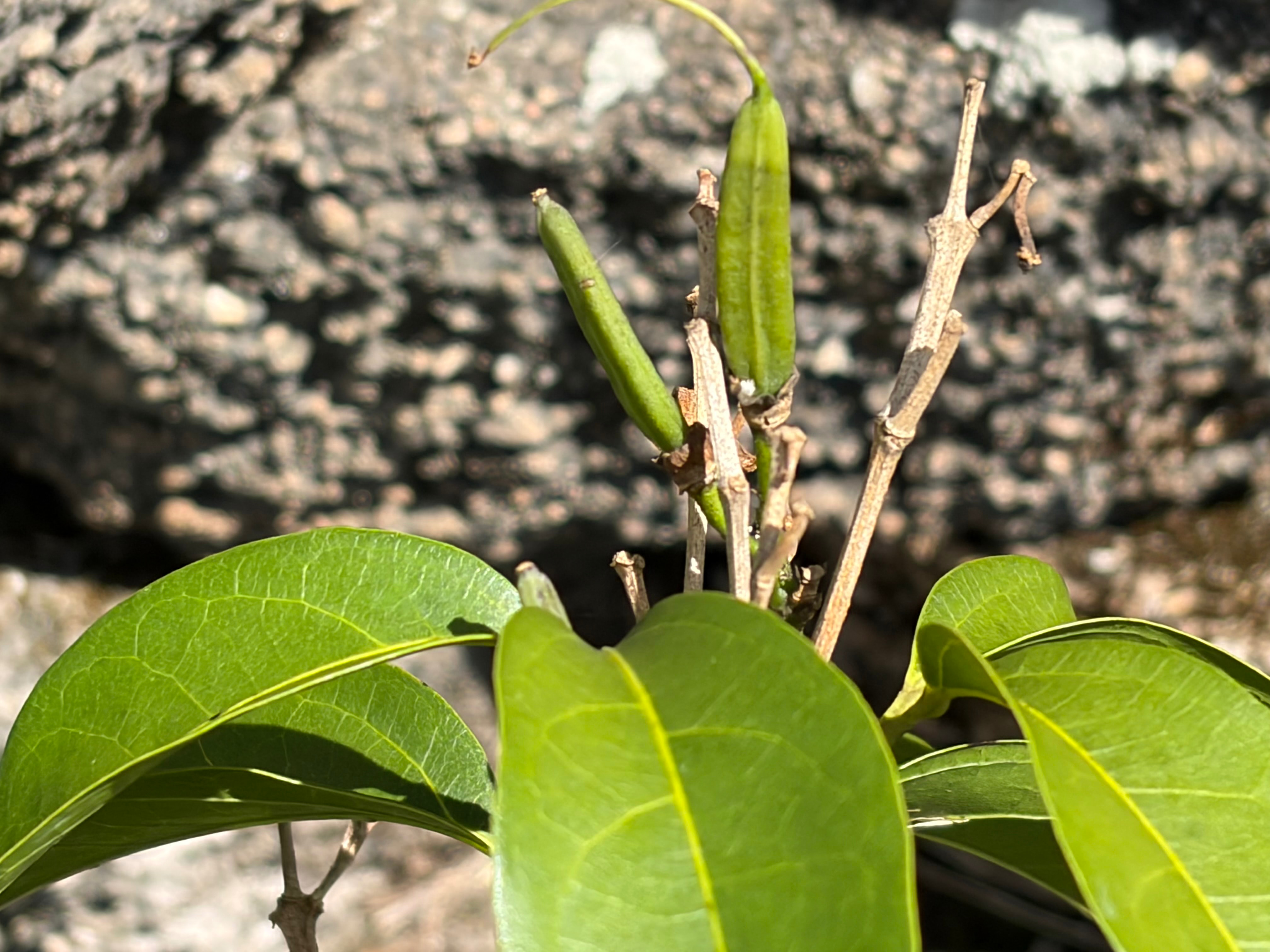
After a long time seeing it flower, I just noticed some seed pods on my Garlic Vine (Mansoa alliacea) for the first time. I wonder what changed to allow the selfing.
My Lolot / Lalot Pepper (Piper sarmentosum) came with a seed pods, and I was eager to see it mature, and maybe taste it or sow the seeds, but it fell off when I wasn’t looking. Couldn’t find it anywhere in the vicinity. Maybe the birds ate it (they’ve recently become a nuisance on my Jaboticaba tree). From the same source I received Bugleweed (Lycopus lucidus) and Sissoo (Alternanthera sissoo). From a different source I started growing Mushroom Plant (Rungia klossii), and I got Fingerroot off eBay (Boesenbergia rotunda). I’m eager to taste all these, but I’m focused on getting them established first. I’m also waiting on Grains of Paradise (Aframomum melegueta), and am soaking some Sichuan Pepper seeds for stratification. I’m looking for all kinds of flavors.
8 Likes
Oh nice, I’m planning on trying that one once it warms up here.
Do you remember it well enough to comment on the differences in flavor between P. hydropiper and odorata?
1 Like
I plucked another leaf from each. Hydropiper has a generic “greens” taste, like spinach or Indian Aster / Kalimeris. Basic, but yummy. Then the heat kicks in. It felt like eating greens, at least at the start. Odorata tastes like straight cilantro, it didn’t feel like I was eating seasoned greens, rather it felt more like I was eating seasoning, an herb meant to flavor something else instead of serving as a vegetable.
I should note that I basically nibbled a pair of small leaves, so the experience may differ when eaten in quantity.
5 Likes
I really enjoy sissoo. Out of the tropical spinachs, it is my favorite tasting. It is also the most managable, growing more as a small bush than a vine or sprawling plant. Its curly leaves are also very attractive. Jewels of Opar would be my next favorite tropical green, it is so buttery smooth.
6 Likes
I have Jewels of Opar. I don’t know where it came from but it’s been with me for about 15 years. It reseeds itself every year. I like grazing on it when I’m in the garden.
5 Likes
Three species of tuberous mint: Lycopus lucidus, Plectranthus rotundifolius and Plectranthus esculentus:
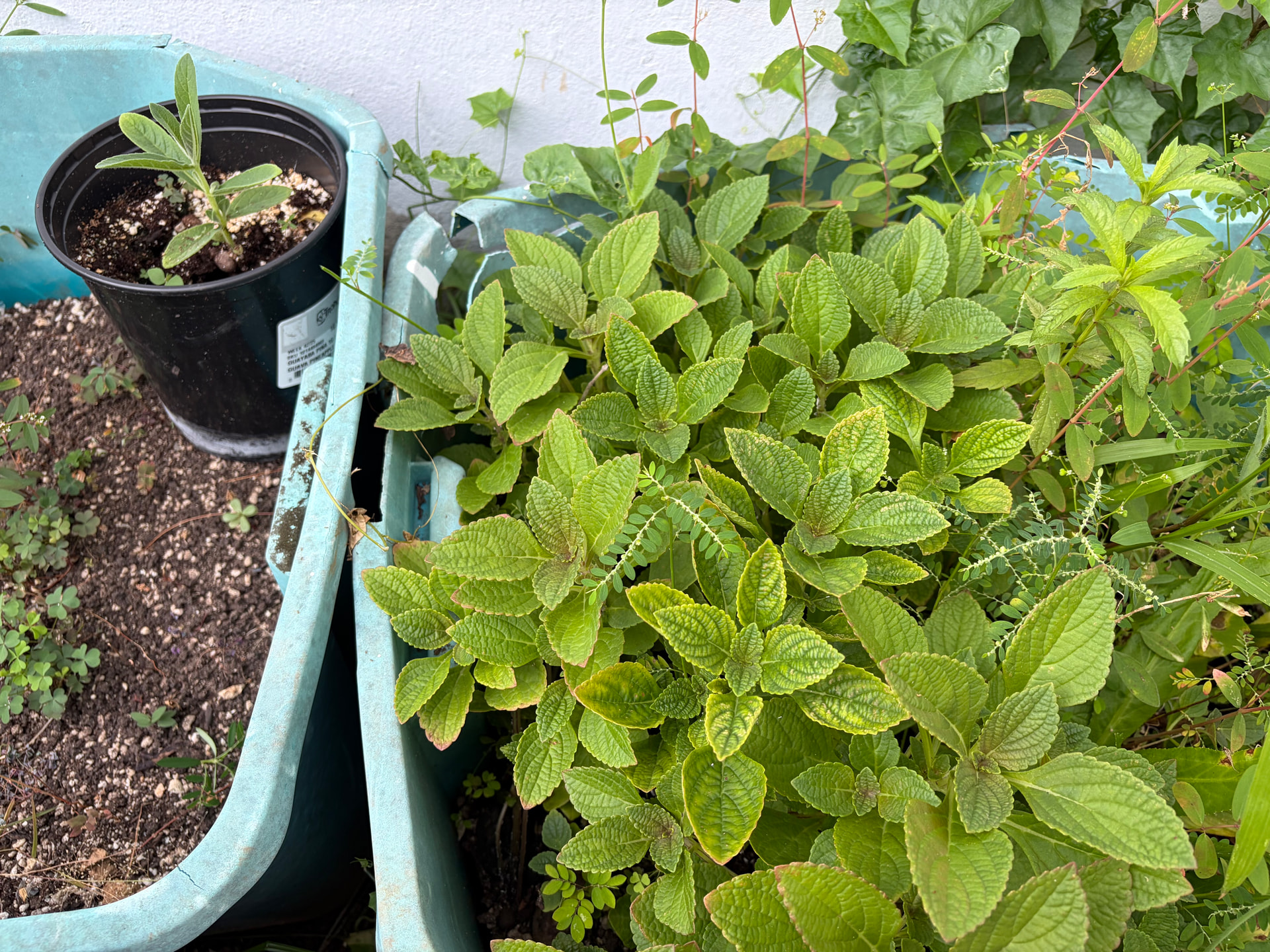
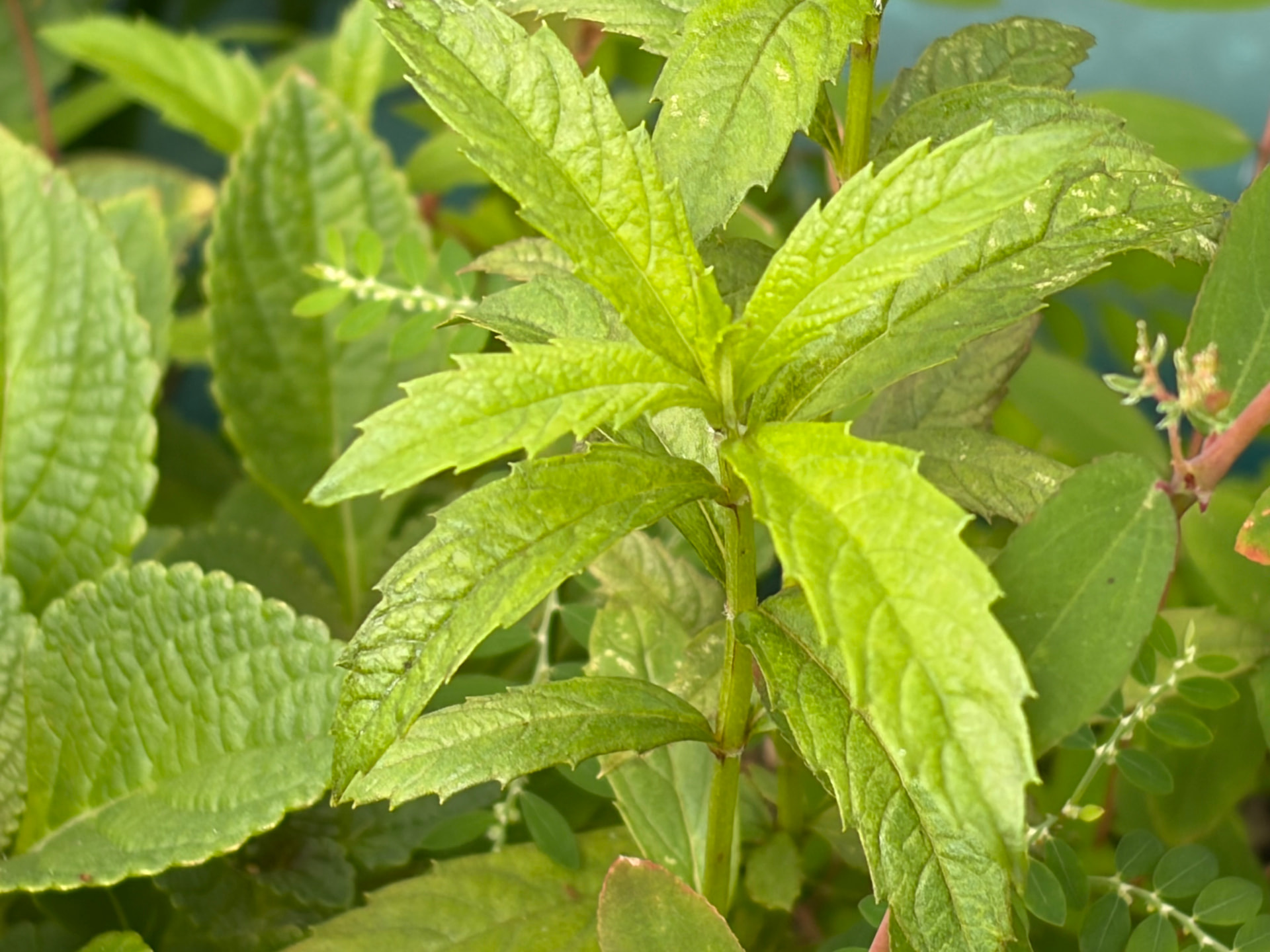
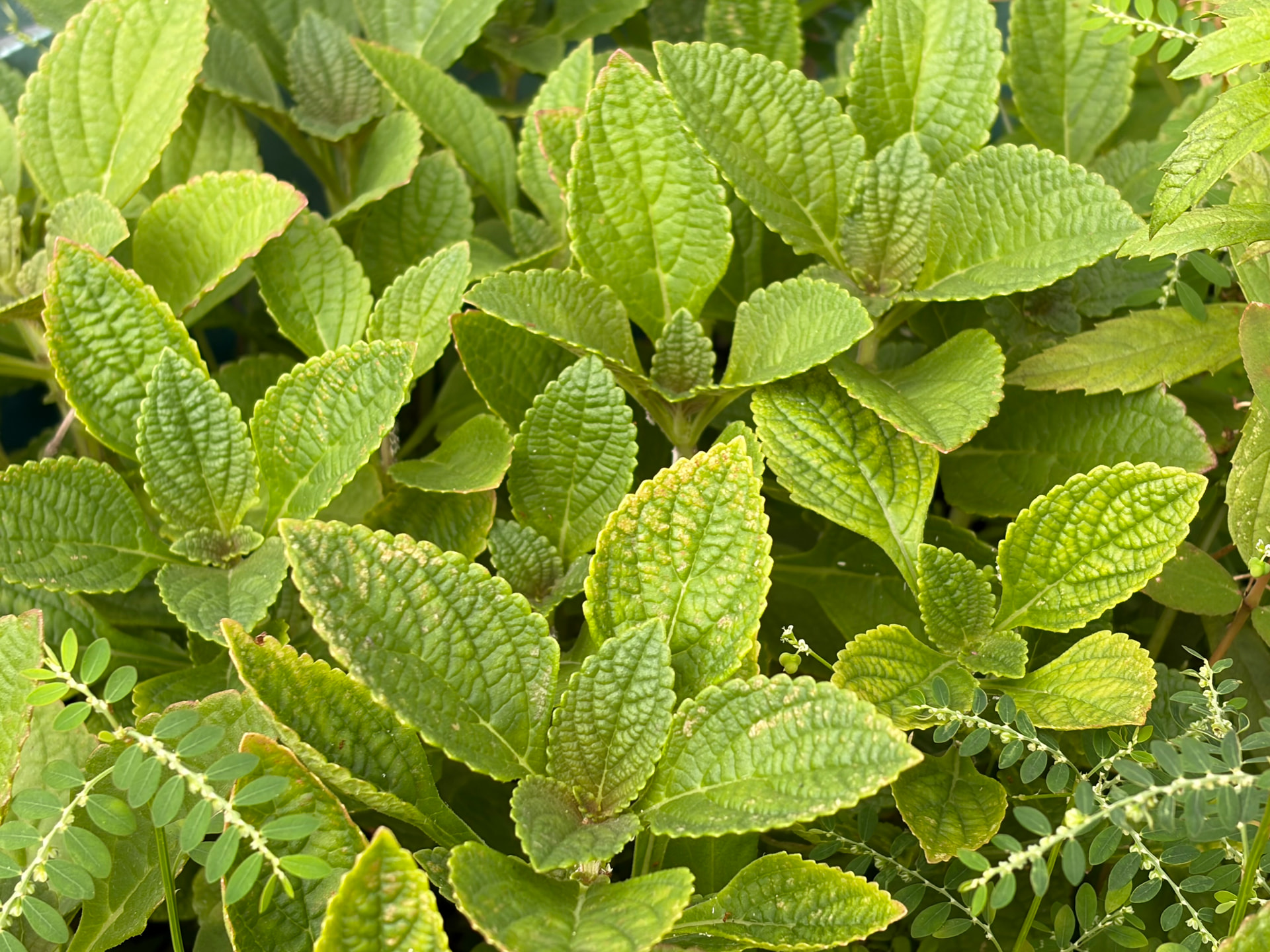
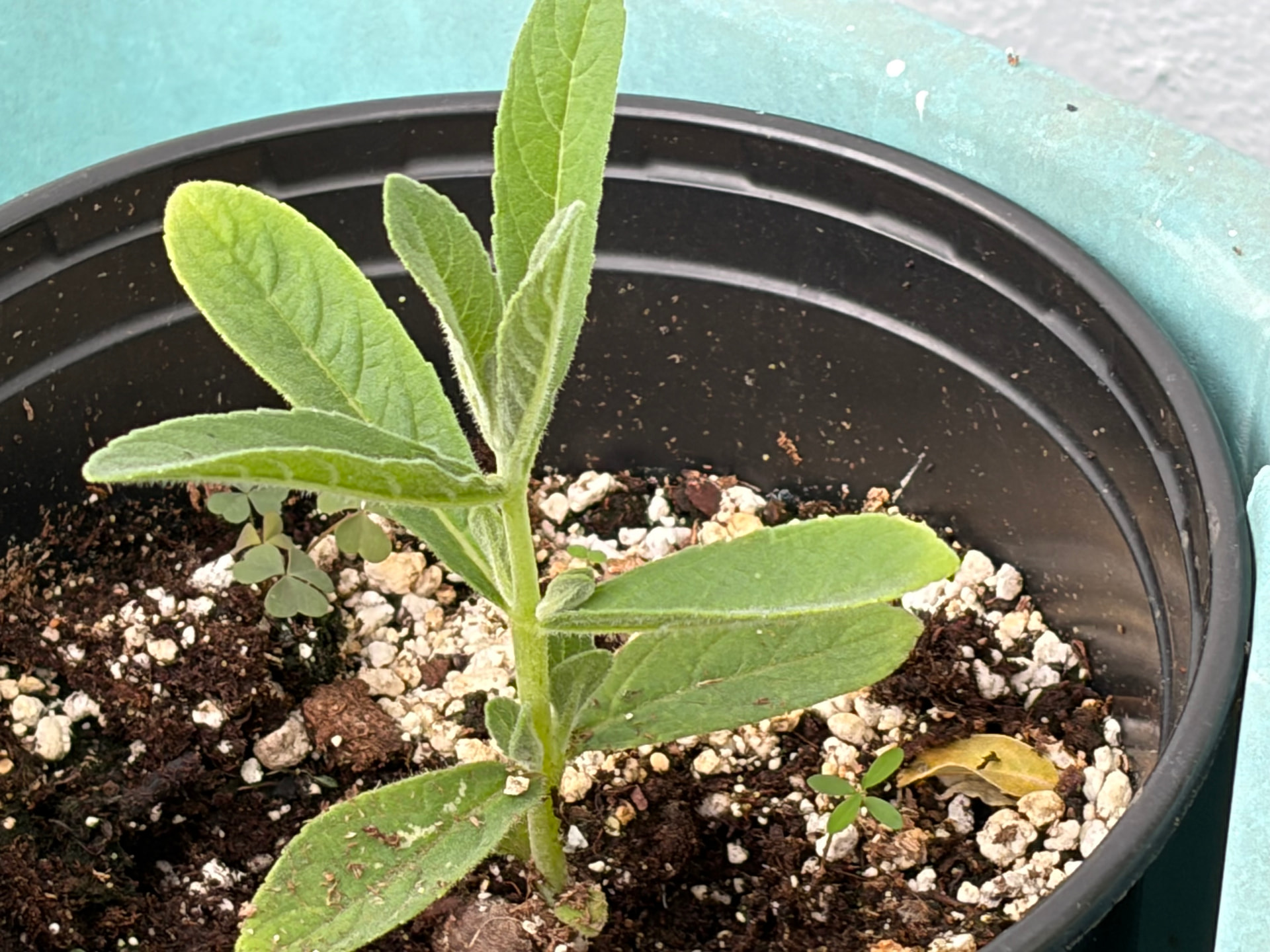
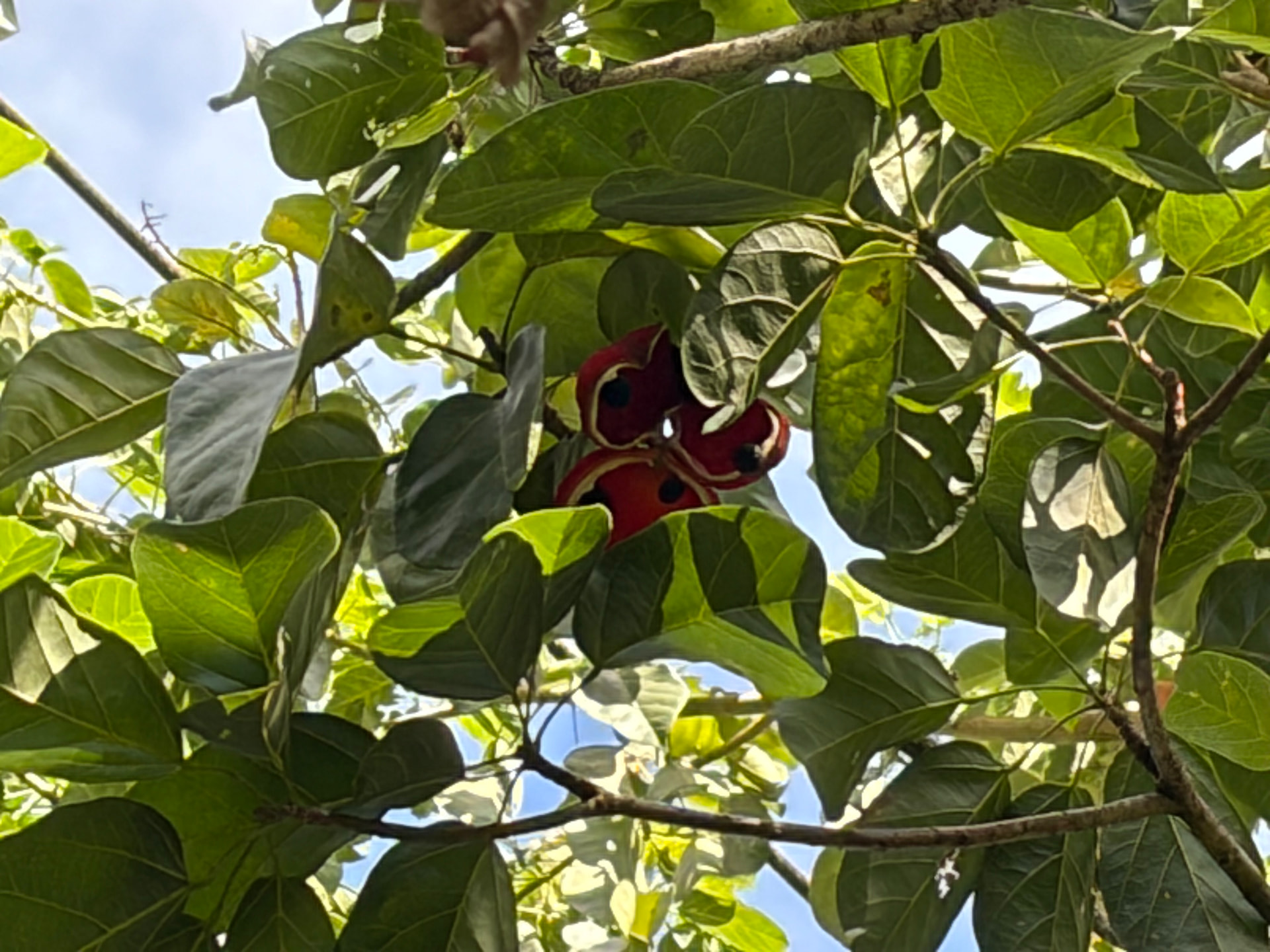
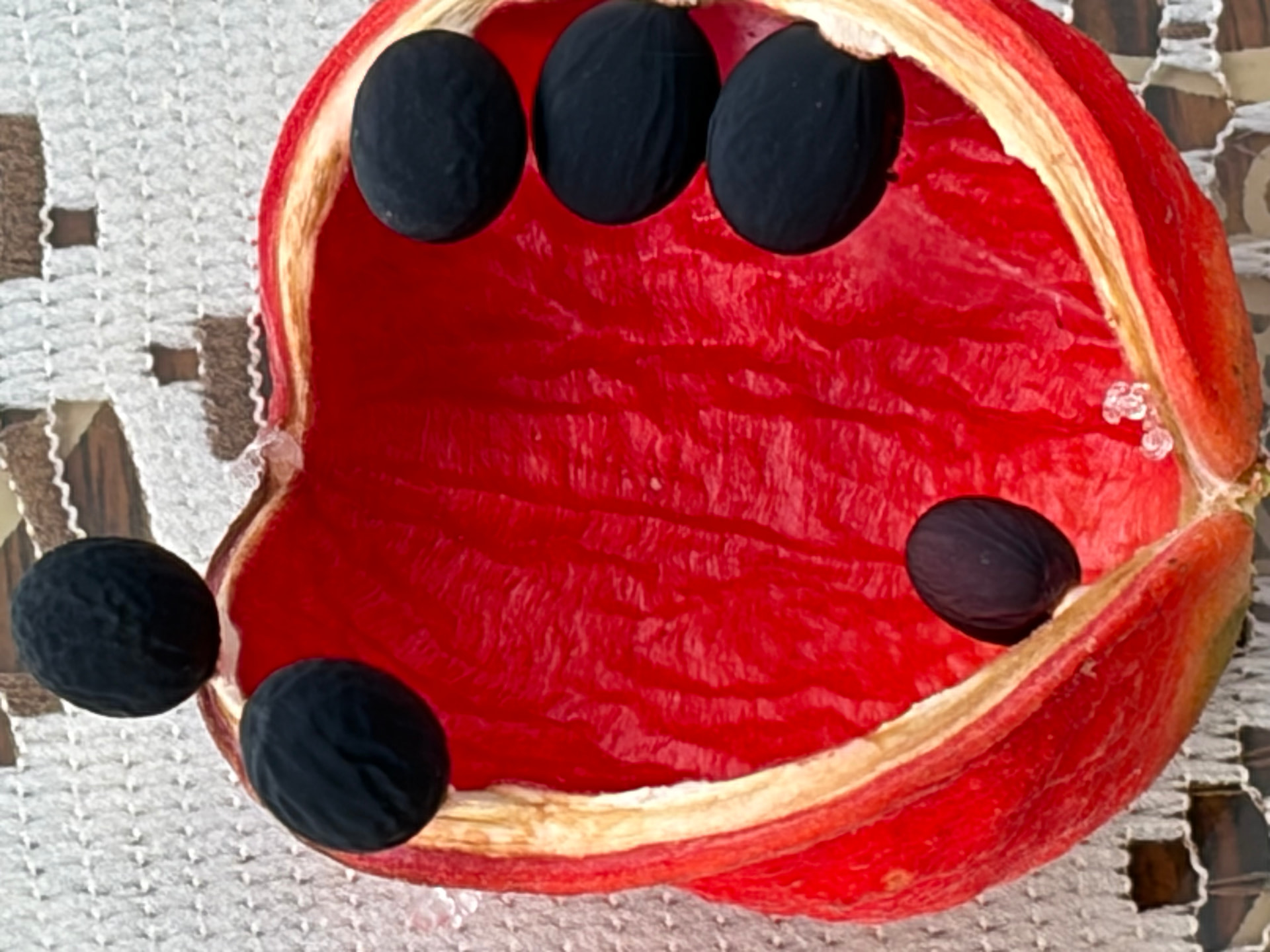
Edit: Australian Tree Peanut (Sterculia quadrifida):
6 Likes
I have found that if a vegetable is unknown or rare, there is generally a reason. Success is contagious.
1 Like
The reason isn’t always one that makes it undesirable for home gardens though. Sometimes it just doesn’t hold up well after harvest and must be used fresh.
7 Likes
i adore purslane, lambs ear, lambs quarters, orach and bitter melon, but i think they’re almost all hard to ship. or package. and easy to grow if you’re not mono cropping.
makes them less commercially viable i guess
i grew a lot of chicory for the root recently, the early leaves are good too. anything anybody is growing that is good with drought and heat, cold winters? perennial or heavily reseeding would be great. I’m always looking for anything new that’s not greens
6 Likes
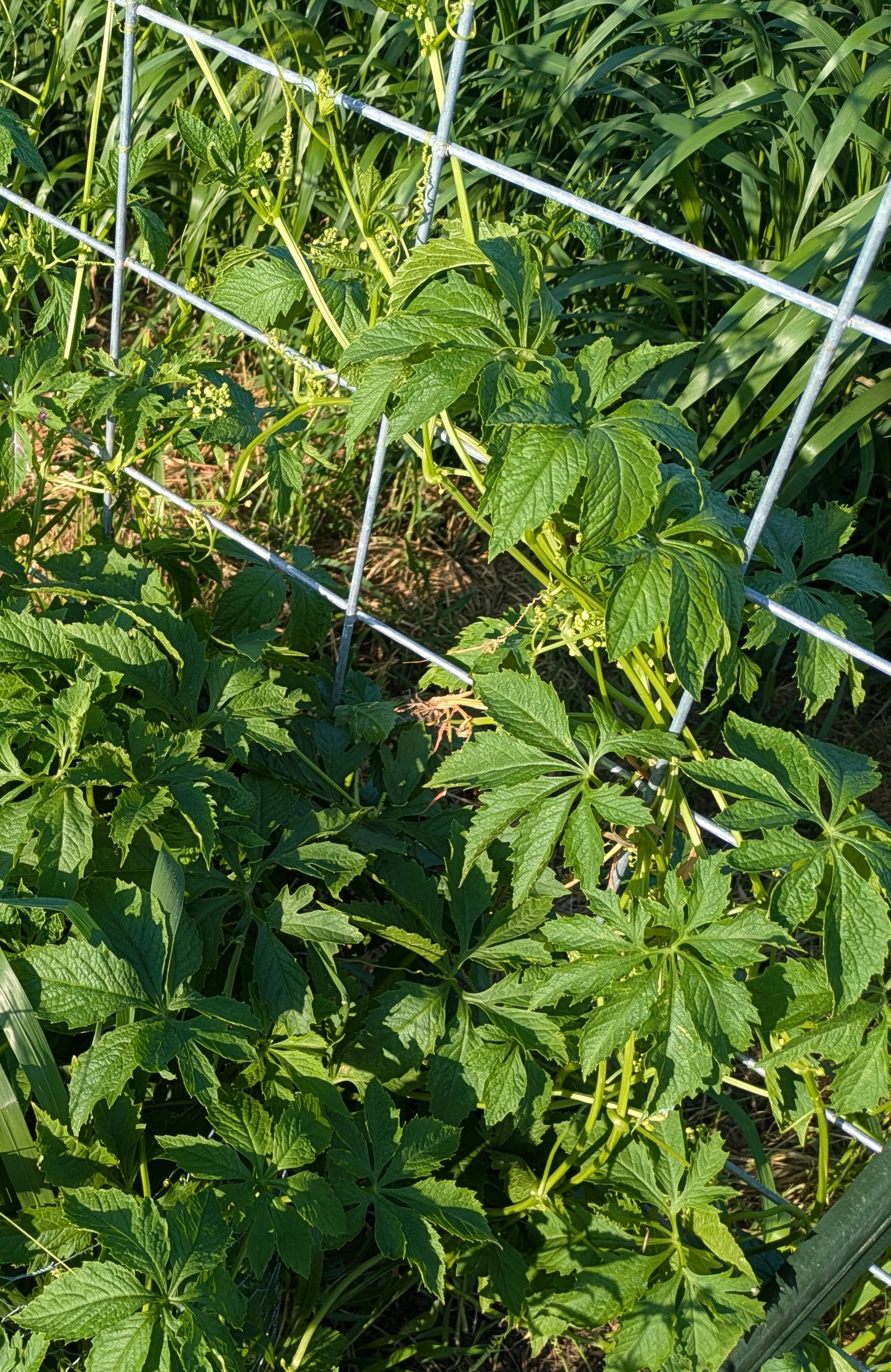
I’m trying Achocha/Caigua this year. Seems to appreciate the hot summer we’ve had. But I can already tell I understimated the size of trellis it needs.
I saw @Luisport post about this one before and was fascinated. Can’t wait to taste it.
6 Likes
Horseradish and rhubarb.
3 Likes
I really like the speckeled snake gourd so far, idk if it qualifies as “unusual” but ive never seen it in a store and its texture is way nicer than zucchini to me and no squash vine borers
3 Likes
You will not get disapointed. I use the leaves too…
2 Likes
Very cool, thank you for posting this!
3 Likes
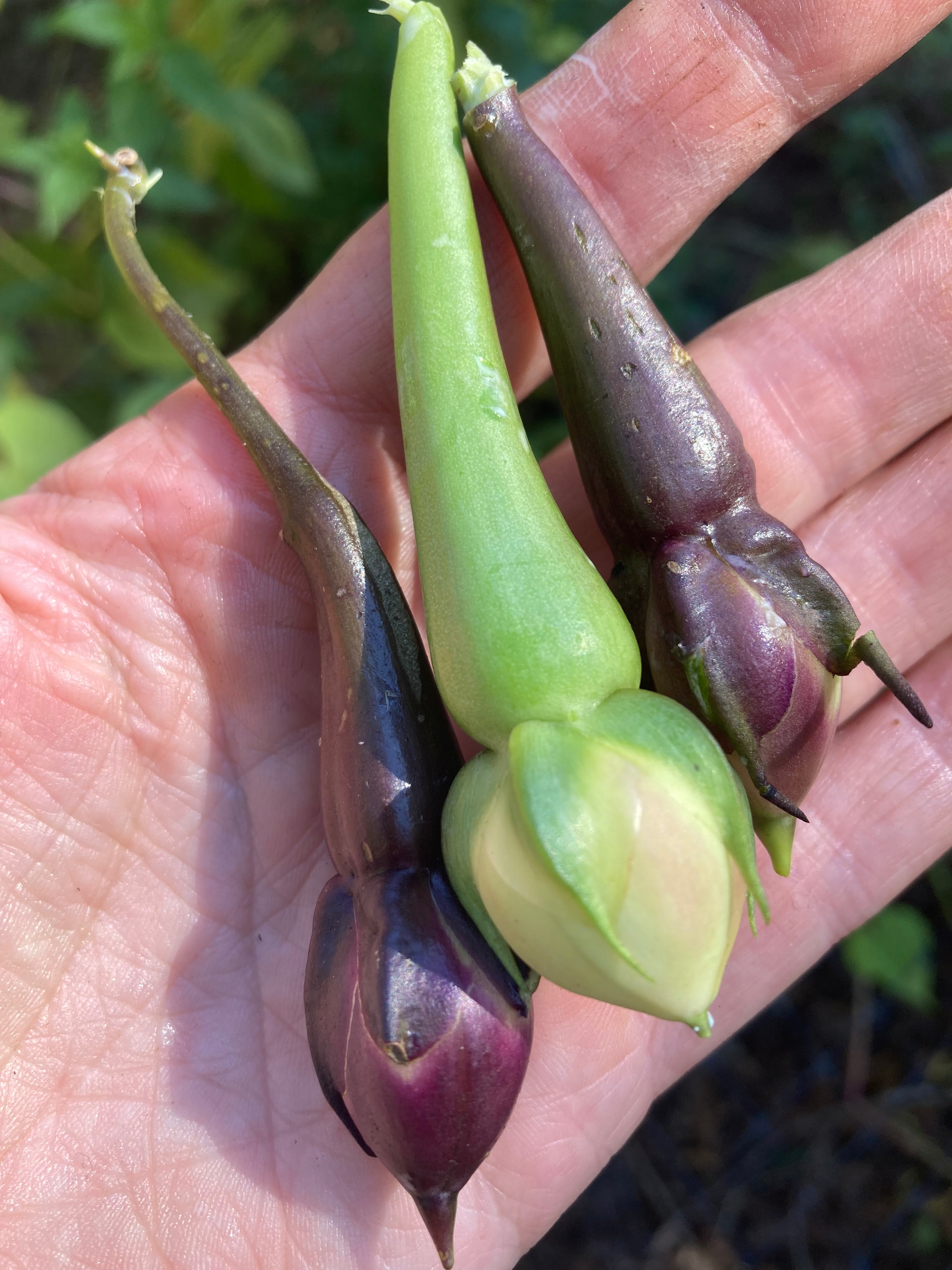
Hi, I’m a new member & I love this thread! My favorite unusual veg addition from last year is clove bean, Ipomoea Muricata. Also called Nitya vazhuthananga. I grew seeds from a few sources so I had purple and white flowers. They seemed a touch daylight sensitive but grew super well for me in my hot & humid climate & it’s mild & easy to add to eggs, stir fry etc.
9 Likes
Have you tried skirret? I like it way better than carrots. It’s happy in full shade, and even though it’s an aquatic plant (so it doesn’t mind soggy soil at all), it has been surprisingly okay with growing in my very dry soil, as long as it’s mulched well and in full shade.
The roots taste just like carrots, but they cook down into softness in about two minutes, instead of about two hours. It’s also a perennial, so you don’t have to choose between roots or the seeds — you can have both! It’s also incredibly obliging about being easy to divide: each plant will split itself into multiple crowns that are completely separate at the end of each year, so when you dig them up, you can just gently tug them apart, and they’ll come apart easily.
Figs are a fruit, but are you aware that you can eat fig tree leaves? Those would count as a vegetable, or perhaps as a spice. I like to wait until the leaves are almost ready to fall off for the winter, and then harvest them all. I crumble up the dried leaves and use them as a flavoring in cooking. They make delicious cakes and cookies.
Salsify is a delicious edible weed. I encourage it to grow everywhere.
Canola leaves are delicious. It’s a Brassica napus, which isn’t exactly a rare species to grow, but seriously, the leaves are way better than the oil from the seeds.
Violets are a common ornamental, but I don’t often see them talked about as a vegetable. They’re delicious! Especially the flowers, but the leaves are nice, too.
Turk’s cap is a mallow with very tasty leaves.
Blue mustard (Chorispora tenella) is my favorite weed. It’s delicious, it grows through the winter, the little purple flowers are pretty, the developing seed pods look quite cool, and the germination rate is shockingly high for how tiny the seeds are. It requires no care. It is happy to self-sow. It has no allelopathic tendencies. It’s an annual, so if it doesn’t go to seed, it won’t spread. It’s happy to grow in a polyculture with peas or anything else I’ve planted it with.
Walking onions are every bit as easy to grow as garlic: you just put the bulbils in the ground, give them some mulch, and you can pretty much just ignore them from that time forward. They seem to be fine with full sun, full shade, wet soil, dry soil, whatever you want to throw at them. Unlike garlic (which is dormant in summer and actively grows through the winter), walking onions are evergreen, so there are always leaves aboveground you can eat.
Everlasting peas make delicious flowers that taste like peas with a bit of a sweet, flowery aftertaste. The leaves are also edible. The seeds aren’t edible unless you put forth a lot of effort to make them so, so I don’t eat the seeds.
Black hollyhocks are delicious. The big, fat, soft roots taste like mucilaginous carrots. The leaves are sandpapery, so they’re not great to eat, but the unripe seed pods are basically okra with a different shape. (Or common mallow cheeses, except big.) All hollyhocks have those things in common, but black-colored flowers are the best because they have the most flavor: when harvested fresh, they taste like nothing at all, but when dried, they taste like marshmallow. I like to dry my black hollyhock flowers and crush them and use them as flavoring in baked goods.
Marsh mallow is another closely related vegetable. And common mallow. There are a lot of good mallows to eat, really.
I hope those give you some fun ideas! 
11 Likes
I’m surprised you said one I did not know! I had never heard of using fig leaves! Now I must try! 
I knew about hollyhock being edible, but was always so concerned to get the seeds that I never thought to try any of it! (Besides making “soup” out of it as a kid. I would gather grass, hollyhock flowers and whatever else looked good. Leave it all in a bucket of water. Next day I would go out and have fun with the resulting slime soup!)
1 Like