What are you planting? A bag of garden soil in a hole may be useful for a short time only, since roots can spread 10 to 30ft from some plants. Others like blueberries might only spread a few feet.
How are you liking rice hulls? I want to switch to using. But, shipping costs are through the roof, and I’m concerned about herbicide and pesticide residues.
I don’t usually use sand because perlite accomplishes the same thing with a whole lot less weight. I use 1 part each per volume of compost, peat moss and perlite.
My nursery trees are in mostly 25 gallon pots and start out growing in real soil in Rootmaker Whitcomb bags. So my potting mix actually has pure soil rootballs surrounded on all sides of the pot with this mix. This is an original idea as far as I know and it works better than if the trees were in pure potting soil… I’m only glad it works- soil works better than potting soil for growing whips into 2.5" caliber bearing age trees. I move them into containers and try to sell them the following season- no transplant lag for my customers. The soil makes the pots heavy enough without adding sand.
Understand that this is not at all the same as mixing a lot of soil with a potting mix- that would likely create drainage problems in a pot.
Well I might as well chime in with my opinion. Sand is not a must but I would advise you to have some source of silica and silicon. Why silicon is not listed as an essential element for plants is beyond me? Studies prove
it increases root mass and foliage too. Sand, perlite, or diatomaceous earth. I prefer DE or pumas too. Silicon is essential for cell wall growth in plant cells
DE is pretty much all silicon. Light weight fast draining holds 120% of its weight in water. Pores are big enough you will often see roots growing into DE. It gives my potted plants an extra day of water. I’m always away during the summer and this has been very helpful for me.
I have used it as a rooting medium too. Works fantastic
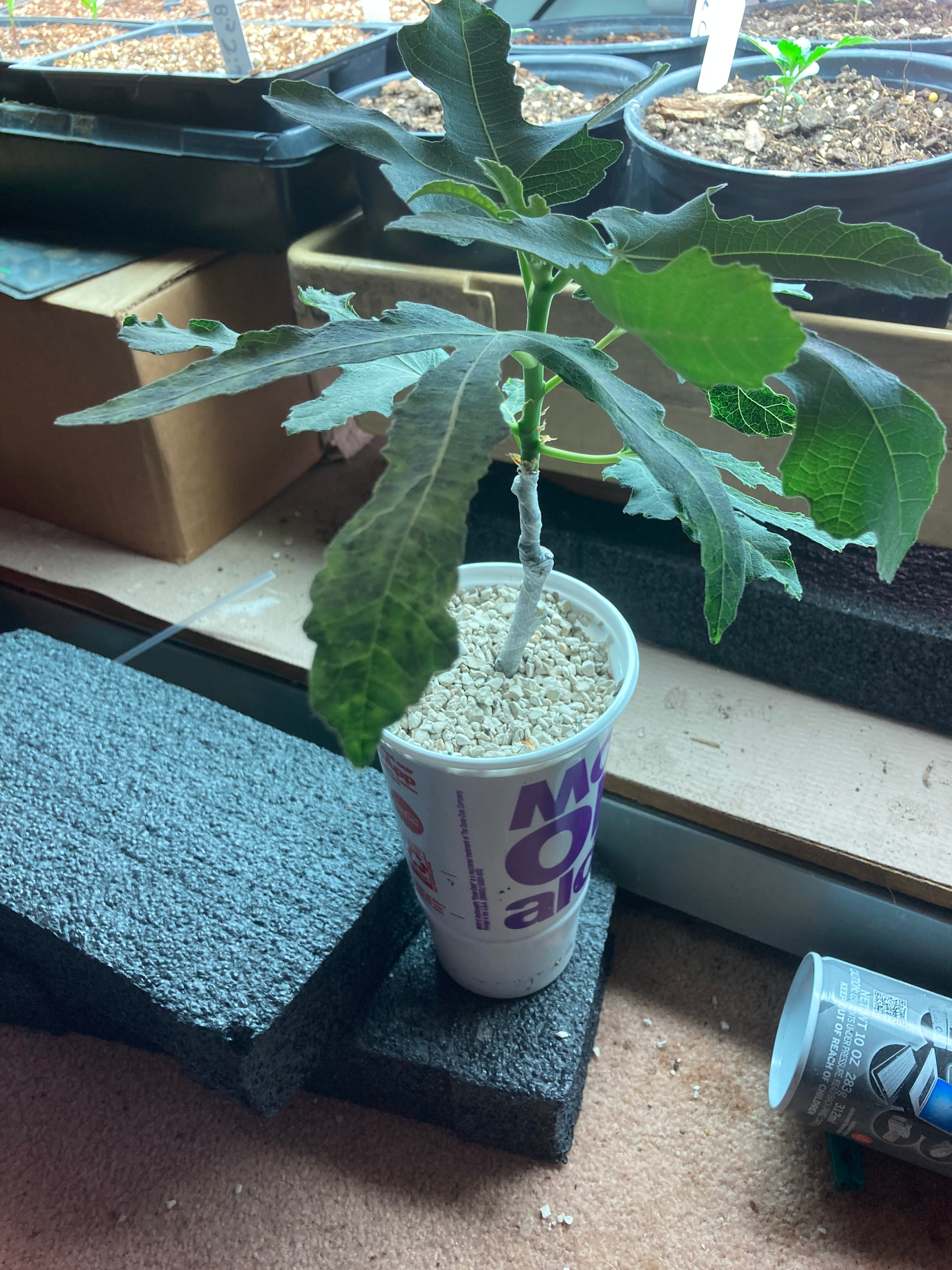
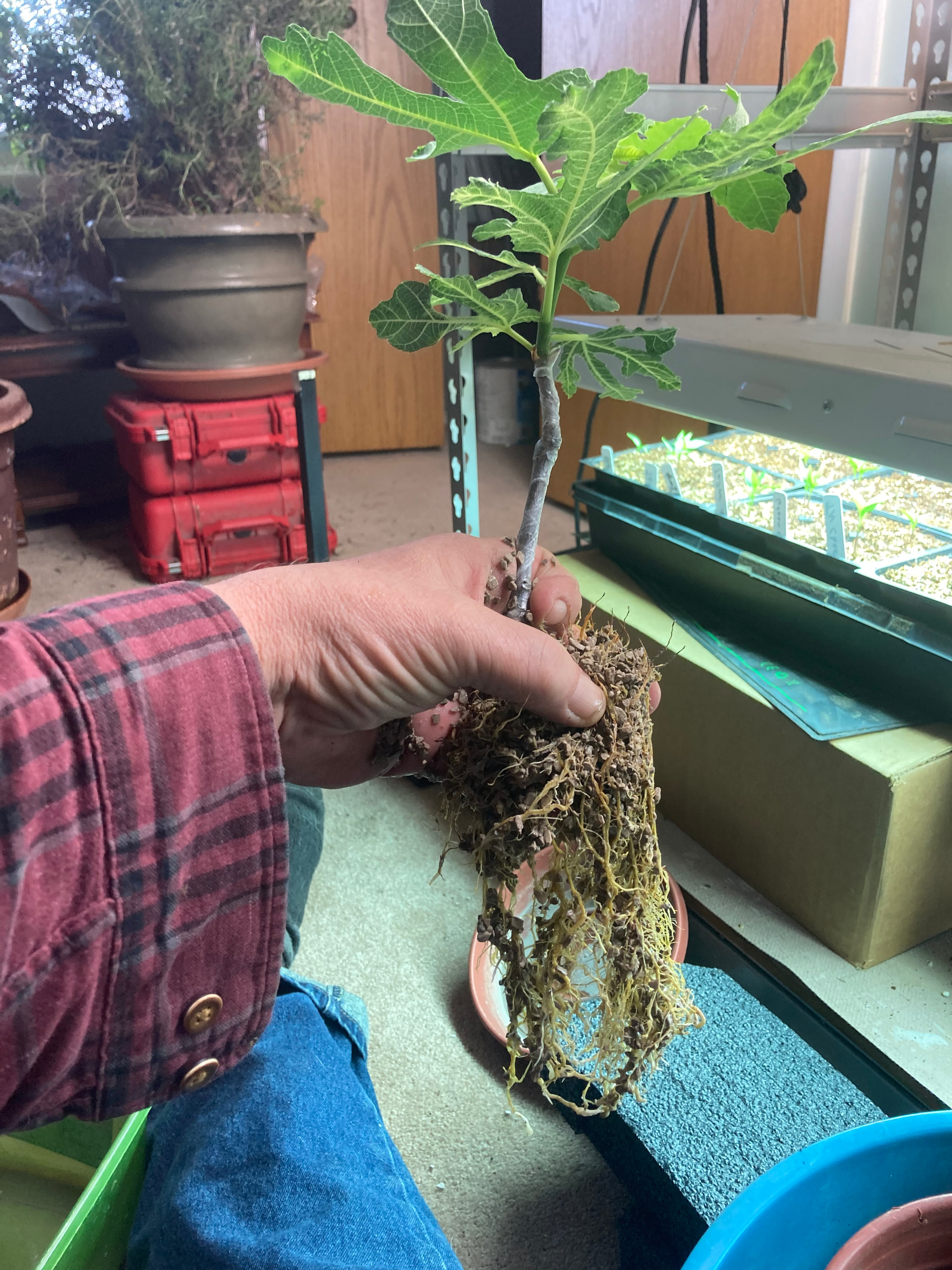
4 Likes
Of course recipes can work very well even if all the ingredients in it are not responsible for its success. Essential nutrients are those required for growth and for most plants silicon isn’t considered essential, even if it may be useful.
I’m quibbling here, and consider your comment to be quite useful overall. There is ample evidence that your claim of improvement by adding silicon to potting mixes and I had no idea of this. I know you hate AI, but if it is used right it can be your friend. It helped me understand your comment.
. Research has shown measurable plant responses from adding silicon in soilless/container media, but the response is species- and condition-dependent, and sometimes there is little or no effect.
A good starting point is that standard soilless media often contain very little plant-available silicon, so supplementation can matter in containers in a way it often does not in field soil. Rutgers noted that a peat-and-pine-bark potting medium contains little silicon, and a 2023 HortScience paper reported that silicon is usually ample in mineral soils but is “minimally bioavailable from soilless substrates.”
There is direct evidence of positive responses. In container-grown blueberry, one ASHS study found that adding silicon through fertigation benefited vegetative growth in coir fiber, although no effect was observed in the pine-bark substrate used in the same work. That is a good example of silicon helping in one container medium but not another.
There is also evidence for disease and stress benefits in container crops. A 2021 review/article on silicon sprays and substrate drenches for container-grown ornamentals reported prior work showing supplemental silicon can reduce foliar diseases, improve plant quality, and delay wilting/increase resistance to wilt in crops such as poinsettia, sunflower, and zinnia.
On the substrate side, a 2023 HortScience paper specifically tested silicon release from soilless substrate additives and found that wollastonite and rice hulls steadily released silicon for up to 4 months, identifying them as useful silicon sources for container-grown plants. That paper is more about supply than growth response, but it supports the idea that some amendments can meaningfully raise silicon availability in potting media.
I gave up on fancy mixes after a few years of overthinking it. Roughly half decent multipurpose compost, half perlite, and a slow release fertiliser chucked in at potting time. The trees don’t seem to care as long as drainage is good and they get fed. The ones I lost were always from waterlogging, never from using the wrong brand of compost.
I bought a bag through A.M. Leonard,when they offered free shipping.They work fine.
At this time when using,about 10% is the ratio,compared to the other ingredients of the mix.Another grower used more and ran into problems involving moisture.
I bought about 20 peach, nectarine and apple trees in January and up-potted to 15 gallon using a local nursery’s bed mix which is largely pine bark fines with some perlite and some peat. My trees don’t seem to be thriving and a dug down and see that it’s still very wet after rains from 2 weeks ago. Much wetter than I thought it would be. (Same for three citrus in 30 gallon)
I’m wondering if I ride it out or if there is any benefit this late in zone 8b in repotting with a more well-drained mix, or is that going to create other issues? A few more recent ones with large pine bark mixed in are draining better.
Try it on one tree and see how it tolerates the disturbance and death of fine roots- you will have an answer within a week. No real damage would mean you should do the rest. Lots of growing season for peaches left.
Don’t forget fertilizer.
1 Like
I have been making soil just securing ingredients and getting ready. I plant potatoes in fabric bags. About one third filled as the plant grows I add the rest of the soil. I’m growing three different purple potatoes this year. A new one from MSU too. I like these potatoes and find them hard to get in the stores. After harvest I use the soil for up potting. Using new soil most years. This year I am using some older soil.
3 Likes
picked up a few more bags of this and its mostly fines this time. looks like theyve added sand to it too:
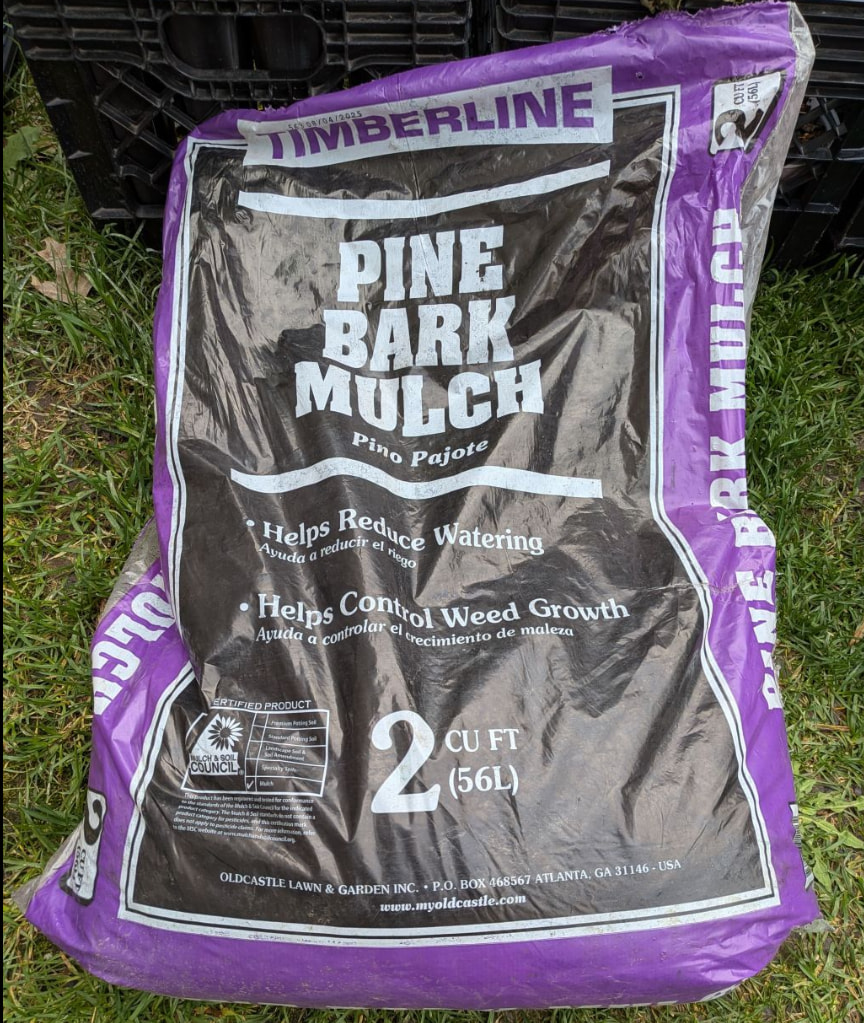
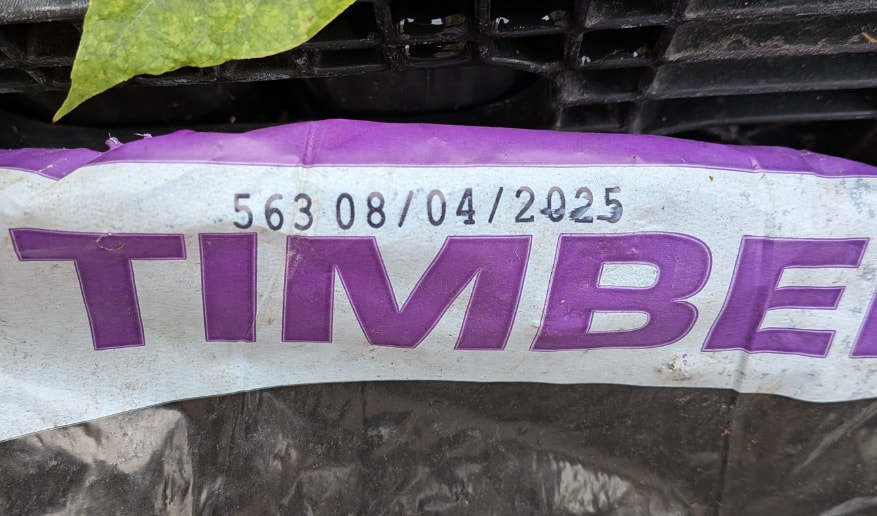
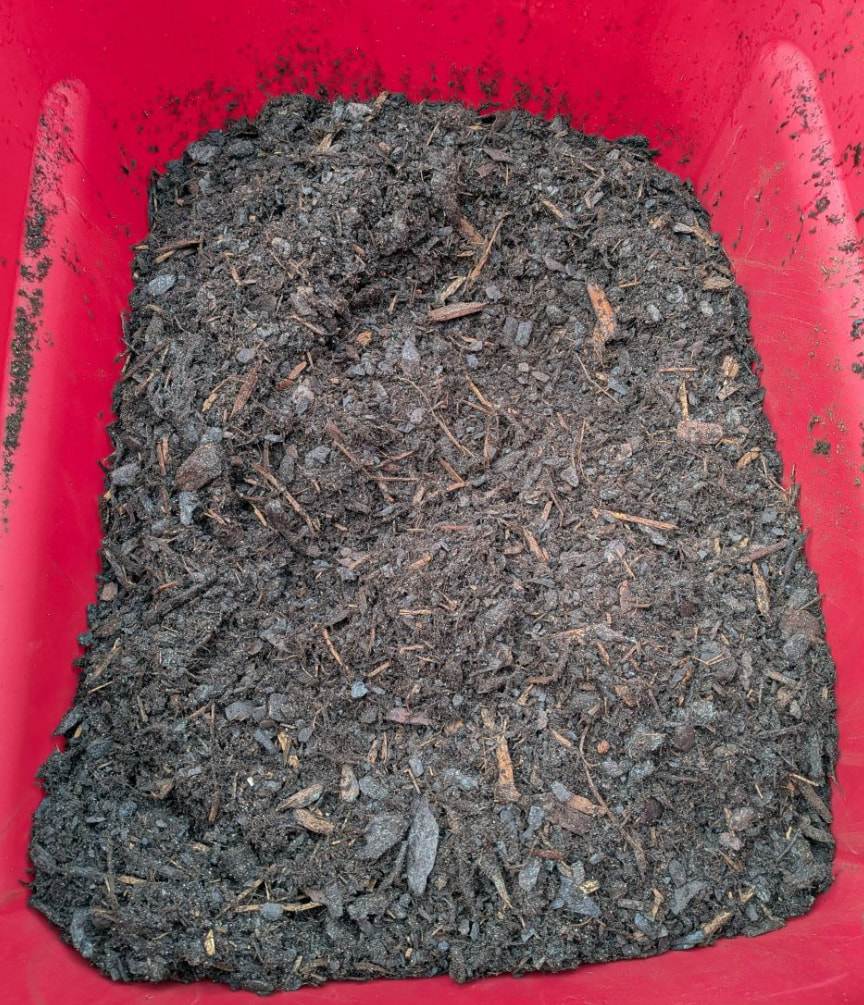
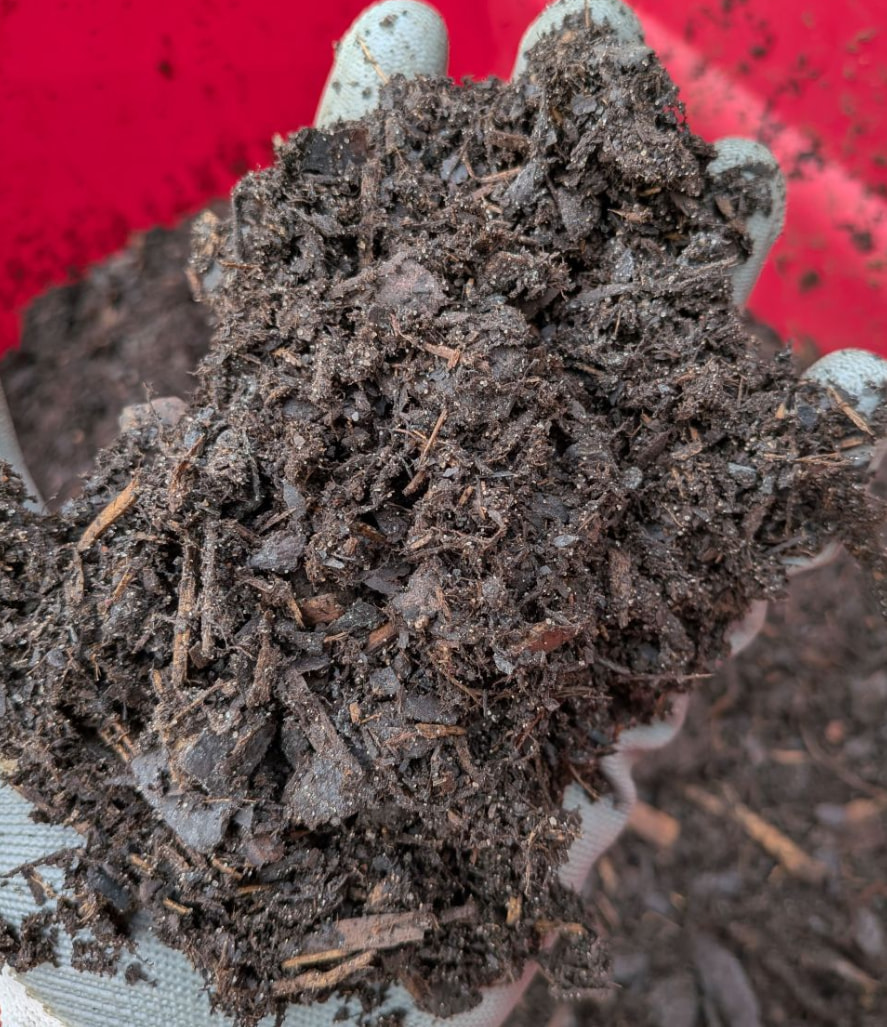
date from last year. was already holding moisture from being outside so i didnt add any peat to it. used it for repotting the bananas.
2 Likes
I just use sta-green and extra perlite but now i have wood chips so I’ve been missing sta-green potting mix from Lowes with woodchips.
Also I’ve been adding weeds and rotten veggies to the very bottom of my tree pots as well as worms.
1 Like
I heard about this from a neighbor who had all of his plants killed by it. I had already bought and mixed some of the bagged play sand I got at home depot, but I checked the SDS, and it only had quartz listed, and so far seedlings have sprouted in a mix with them. Hopefully stands that way.
I’m way less experienced than others here. But after getting Gary Matsuzaka pilled, I’ve been experimenting with two formula this year:
- ProMix all purpose (https://www.homedepot.com/p/Ultimate-2-cu-ft-All-Purpose-Soil-Growing-Mix-1020030RG/205360639) – Canadian sphagnum peat moss, Peat humus, Perlite, Limestone – Mycorrhizae - PTB297 — extra perlite mixed in (if I need it to be lighter) or 100% quartz play sand mixed in (if it need it to be heavier)
- ProMix High Porosity + Biofungicide (https://www.pthorticulture.com/en-us/products/pro-mix-hp-biofungicide-plus-mycorrhizae) — Sphagnum Peat Moss (65-75%), Perlite. Calcitic and dolomitic limestone, Wetting Agent + proprietary biofungicide and mycorrhizae — for my most root-rot or fungus prone trees (citrus, mango, etc), plus some sand in some cases
This is me trying to replicate Gary’s mixes on a budget. The first kind of ProMix is like $8 a cubic foot near me; the second is more expensive but I’m using it sparingly.
2 Likes
I used the play sand from HD last year and a little this year since I happened to have it. We looked it up prior to buying to other purposes and deemed it safe. No issues with my plants last year. I have mainly used their multipurpose sand this year, and a lot of it.
I was worried about what should go in my potting mix. I kind of obsessed over it and thought too hard. Probably because I had tried several recipes for seed starting mixes that were all terrible.
In the end, it became necessary to just throw something together quickly because plants needed to be planted:
- two bags of timberline pine bark mini nuggets from lowes put through a piece of fence as a filter for smaller pieces (1"x1" squares). Larger parts I kept aside.
- one large bag peat moss
- half a bag of left over pearlite (3-4 gallons worth)
- 3/4 bag of pro-mix that I had left over
- a bag of floor dry
I mixed it all on a big tarp (while wearing a respirator because it was throwing up dust but if I got it wet I was worried it would be really heavy). It was really acidic when I measured, so I added about a gallon of fireplace ashes which solved the problem.
This was about a month ago and I’ve been really happy with the results so far. Just wanted to report.
2 Likes
I’ve used this material in my mixes. Its good, just be careful on the ratio or it can go hydrophobic.
1 Like
Are you just using the promix with either extra perlite or sand, or in combination with something else as well?
I’ve always done 5-1-1 pine bark fines perlite peat plus lime and fert, but with this baby here I’m thinking of just up potting into promix despite the cost factor or they’ll never get repotted. I do have a couple small trees in straight promix (bx I think) with some osmocote and they seem to love it.
2 Likes
What is floor dry?
Promix with perlite or sand.
Promix is less expensive than coast of maine, which I was using before.
2 Likes