AI
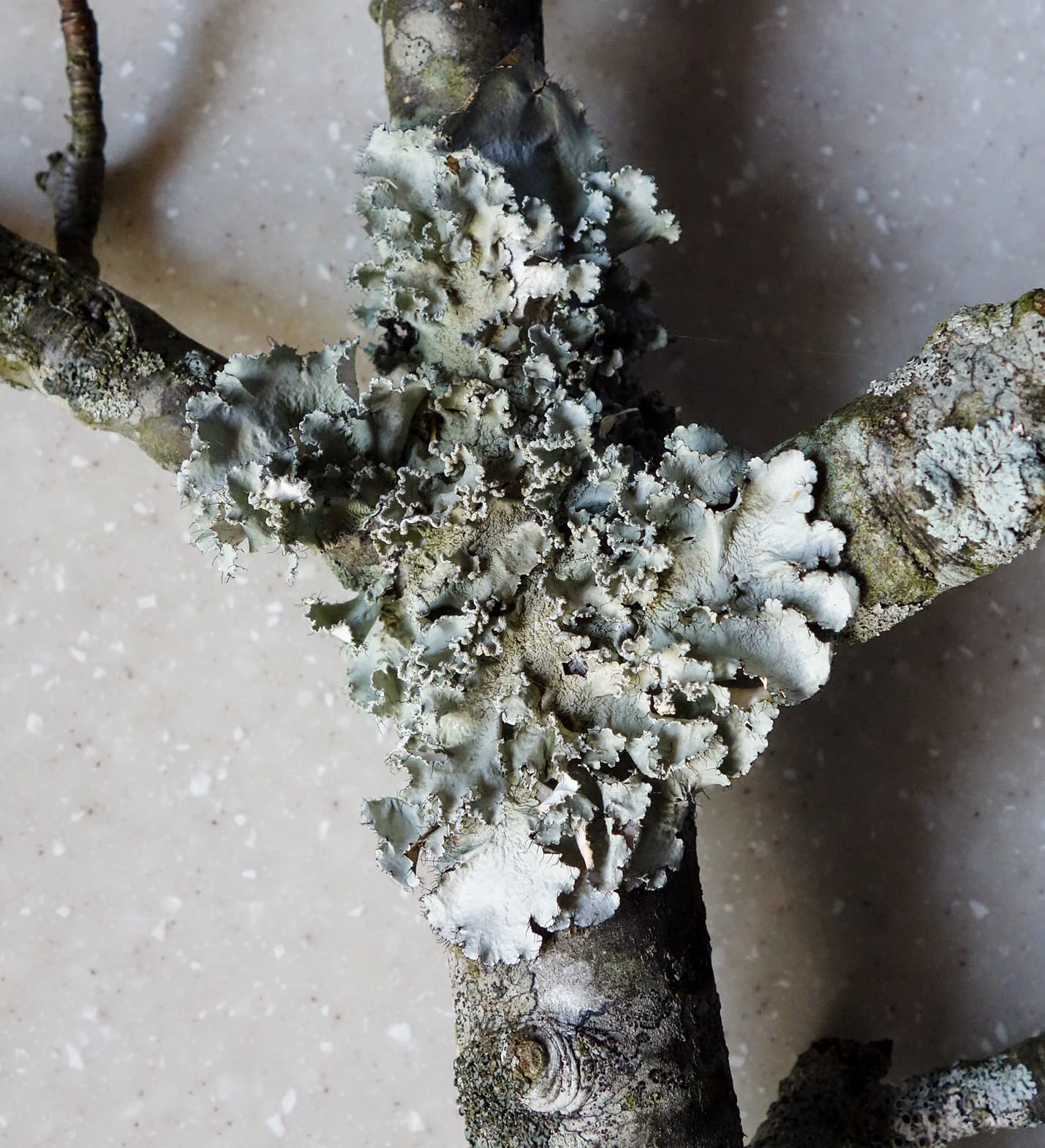
Ruffle lichen does not directly harm a fruit tree. Lichens are non-parasitic, self-sustaining organisms that use the tree’s bark only as a surface to grow on, deriving nutrients from rain and air, not the tree itself.
However, the presence of an abundance of lichens, including the foliose (leafy) type that “ruffle” lichens belong to, can sometimes be an indicator of an underlying health issue or decline in the tree.
Why Lichen Presence Might Indicate Stress
Lichens grow very slowly, and on healthy, vigorous trees, the natural process of bark exfoliation (shedding) prevents them from becoming established or extensive. They thrive in conditions where they have stable surfaces and light exposure.
When a fruit tree is stressed or in decline, several things happen that favor lichen growth:
Thinned Canopy: Stressed trees may lose leaves or have a less dense canopy, allowing more sunlight to reach the inner branches and trunk, which provides ideal growing conditions for the light-loving algae component of the lichen.
Slower Growth: Slower bark growth means the surface remains stable for longer periods, allowing lichens time to colonize and grow.
Moisture and Air Quality: Lichens absorb everything from the atmosphere and their presence is an excellent indicator of clean air quality. They also prefer damp environments, so their abundance often suggests consistent moisture.
What to Do if You See Lichen
Do not remove the lichen: Attempting to scrape or rub off the lichen can damage the tree’s bark, creating entry points for pests and diseases, which causes more harm than the lichen itself.
Focus on overall tree health: The best approach is to identify and address the root cause of the tree’s potential stress. This may involve:
Ensuring proper watering and fertilization.
Checking soil pH and drainage issues.
Properly pruning the tree to improve air circulation within the canopy.
Removing competing weeds or grass from under the tree’s canopy.