I’m based in northern Spain (Galicia) where it is a bit milder than southern Spain, and with more rain.
I have an old Conference pear tree which probably doesn’t have many years left. I want to take cuttings from this and graft onto another tree. I have a Quince cutting growing, and I plan on using that as the rootstock. I have also grown a few pear seedlings from pips; I realise they unlikely aren’t true-to-seed and so the plan is to graft onto those too.
What I am not sure about is this:
Generally what size (or stem thickness) should my pear seedlings be (the rootstock) before I try to graft onto them? I am guessing pencil thickness at least, to make a good cut?
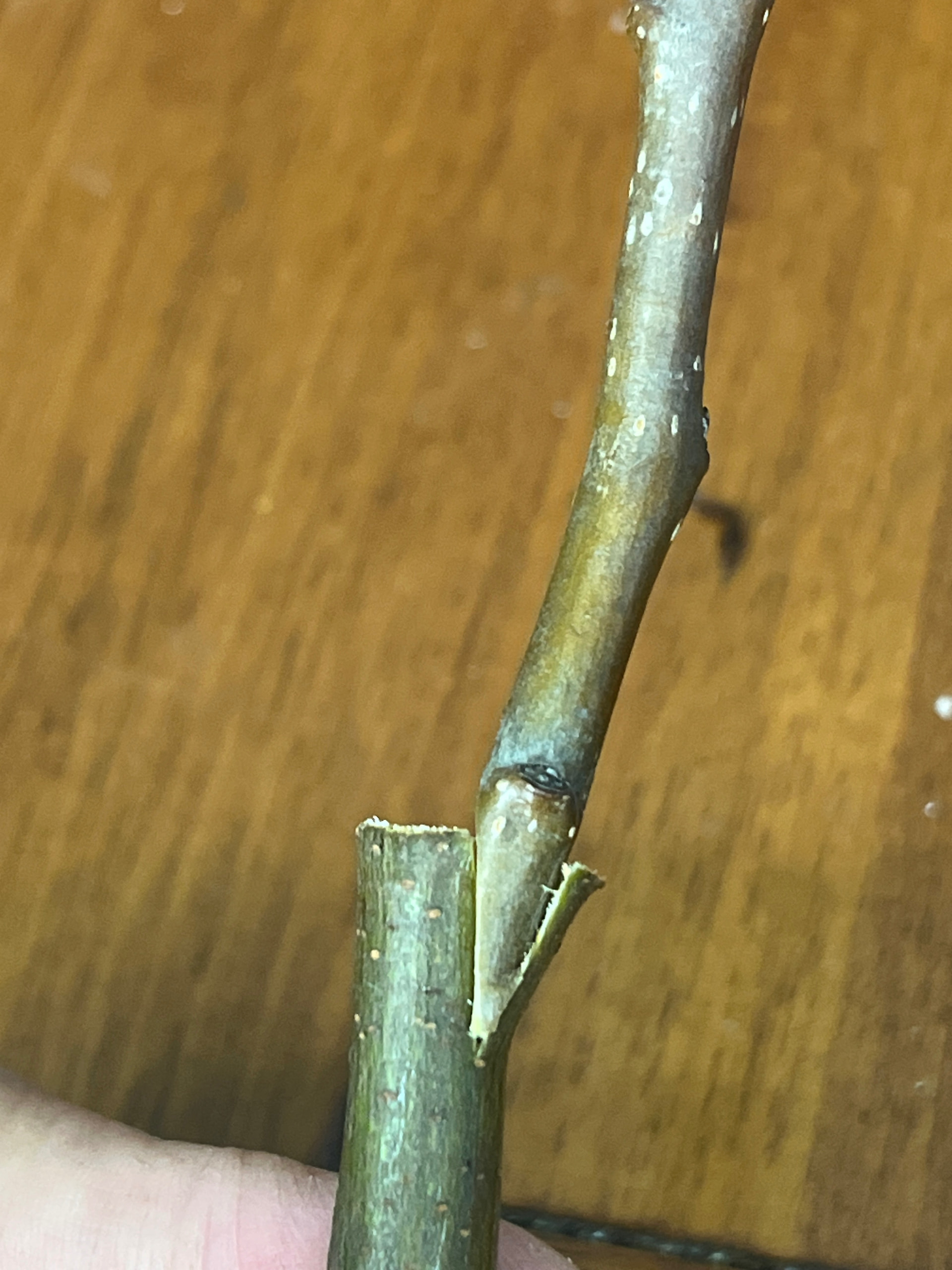
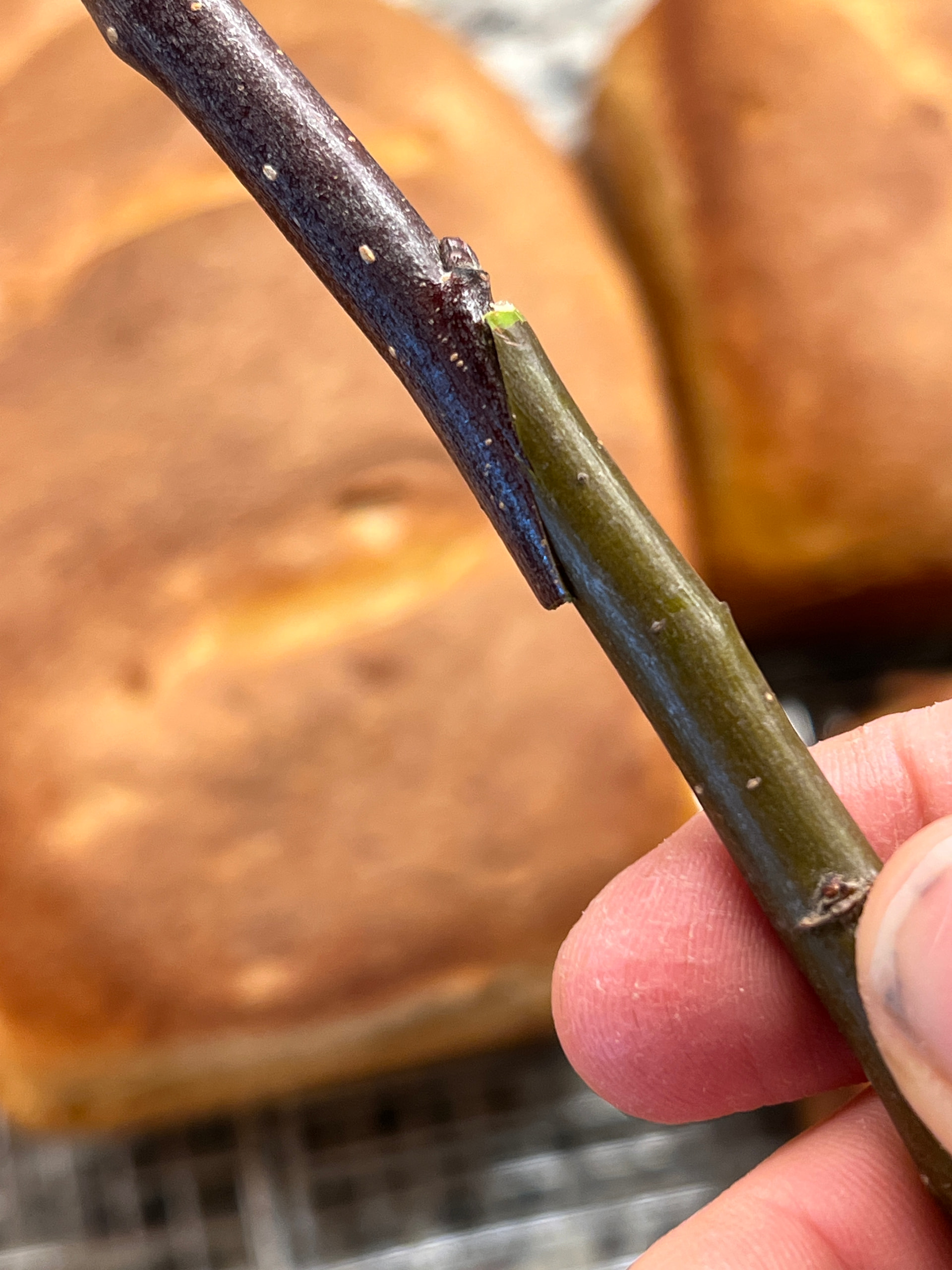
Any recommended/preferred type of grafts here?
My seedlings (rootstocks) are all in small pots, is it best that they are planted in the ground direct, or no real difference?
After making the graft, should I put a plastic bag over the graft area to try and keep humidity high?
Last year in Spring I did many avocado (Persea americana) grafts but nearly all of them failed, despite looking good for the initial few months. I can’t work out why they failed but for those I didn’t bag them (and thus; I wonder if humidity levels weren’t quite high enough, and the grafts died out?) I ask here in case that is relevant to the question about bagging the grafts or not.
Any other tips I should be aware of here when doing the conference pear graft? All my shoots are at least a pencil thickness in diameter - so perhaps I definitely need to wait until my rootstock is a bit thicker than a pencil…
Sorry for all the questions and thanks in advance for any help!
Pencil thickness or a bit more is good. A simple whip or whip and tongue is nice, but a cleft or wedge graft will do too. I would probably recommend planting the seedlings out before grafting, but either will work. Don’t know about the bag, but I doubt it would be helpful. Here in relatively dry Montana wrapping the scion thoroughly with parafilm and then the graft with more parafilm has always been enough to prevent desiccation of the scion.
Pears are pretty forgiving to graft. I don’t think you’ll run into any problems.
Conference onto quince should be fine, that’s a pretty standard combination. Just worth double-checking any other pears you try down the line as some need an interstock or they’ll eventually decline, but Conference shouldn’t give you trouble.
Pencil thickness at least. Really the more reserves the seedling tree has the easier it can take a graft.
IMO just don’t graft close to when you transplant the seedlings. Pears are very sensitive to transplant shock. Either graft & wait for the graft to take before you transplant, or graft after your seedlings are established.
You can cut a wide strip off a plastic bag and wrap it tight around the graft. Some people then wrap that with a string to keep the plastic tight. If you’re using a plastic bag like this you might need to take it off a few months after the graft heals.
I’m confident something like parafilm is also available where you are. You could also use rubber splicing tape that electricians carry. Parafilm and splicing tape will break off as the tree grows.
It’s most important to remember that as long as you align and press together the cambium tissues (green layer under bark) on the scion and rootstock to where no light shines through, your graft will be fine.
I personally prefer grafts that compress a little on their own, like modified cleft grafts and whip & tongue. It makes wrapping with tape easier when the scion can hang on the tree for a bit.