It seems like the juice thing is variable. Some people have mostly seeds, and some have quite a bit of juice. Not sure if they’re different vareties circulating, if it’s a rainfall thing, or of rootstock is the difference. Thomasville is juicier than sudachi if you want that. You can also get Ichang lemon from Justfruitsandexotics in Florida. They usually carry it…
3 Likes
The yuzu I got from the store were more difficult to zest than a lemon because the skin was soft like a satsuma and the interior was so squishy and juicy. Pretty similar to a Meyer Lemon, though less mandarin-y, and more floral and sour.
I just use one of those cheap citrus juicer metal cone things and it catches the seeds. If Yuzu is too seedy I’d think Taiwanica and Ichang Lemon would be too. Unless you get the UGA irradiated Ichang Lemon which I think is only for sale in Georgia still?
3 Likes
I have a less than 1 year old Thomasville and was worried about it making it through its winter here. So far no hard frosts yet but the past 2 years have had near record lows of 7-10F. Do you have an idea of your record low for last year?
Last year for me the low was 21.4F. I also had 4-5 days in the 23-24F night time lows. It had fruit on it and did just fine. Without fruit should be fine down into low teens
2 Likes
Thanks. Good to to know.
I bought a bunch of Georgia grown satsumas today under the “Southern Sassies” brand. I recall seeing a post that the satsumas this year from that area were huge due to pretty good weather and rain this year.
No kidding

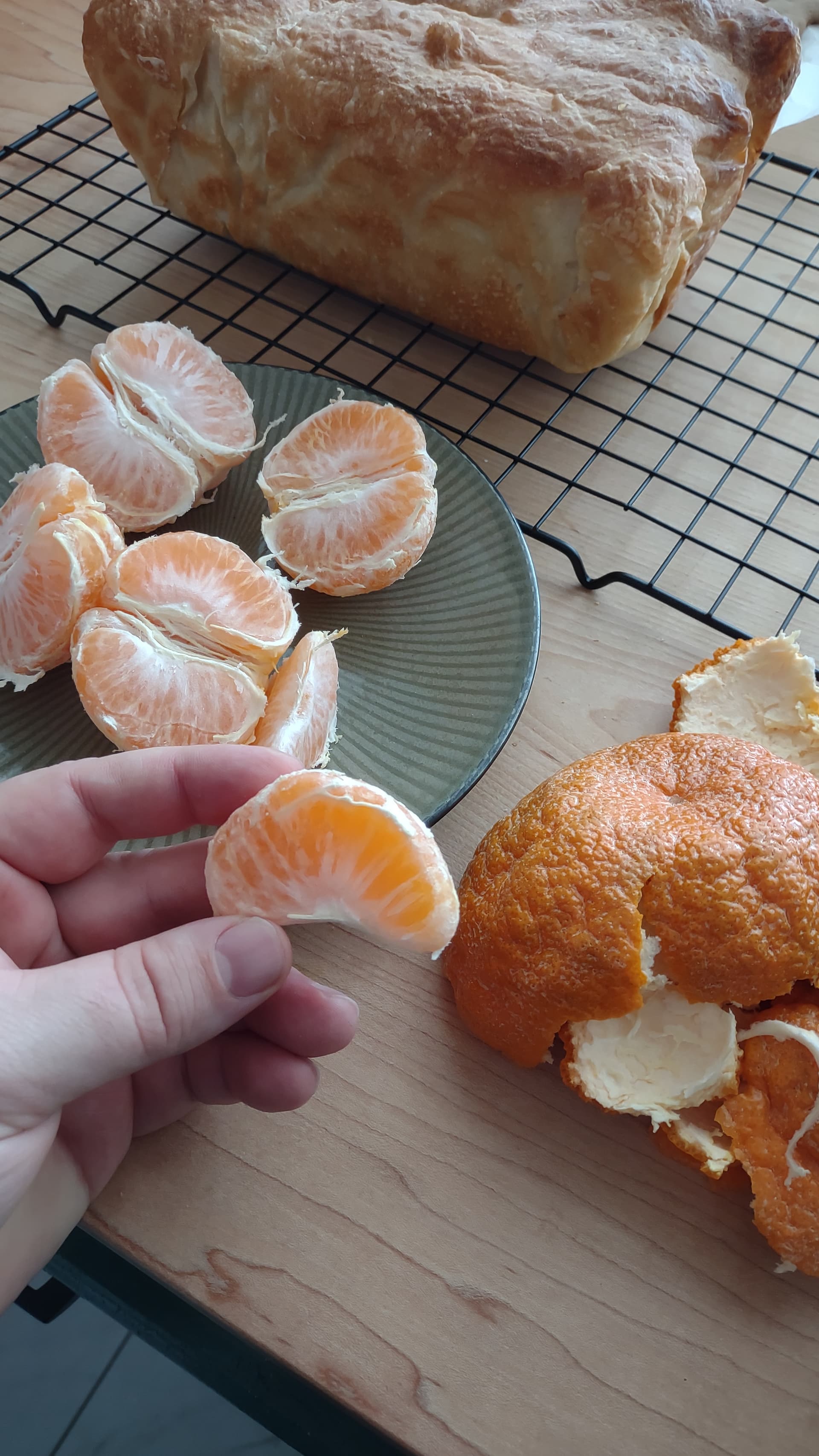
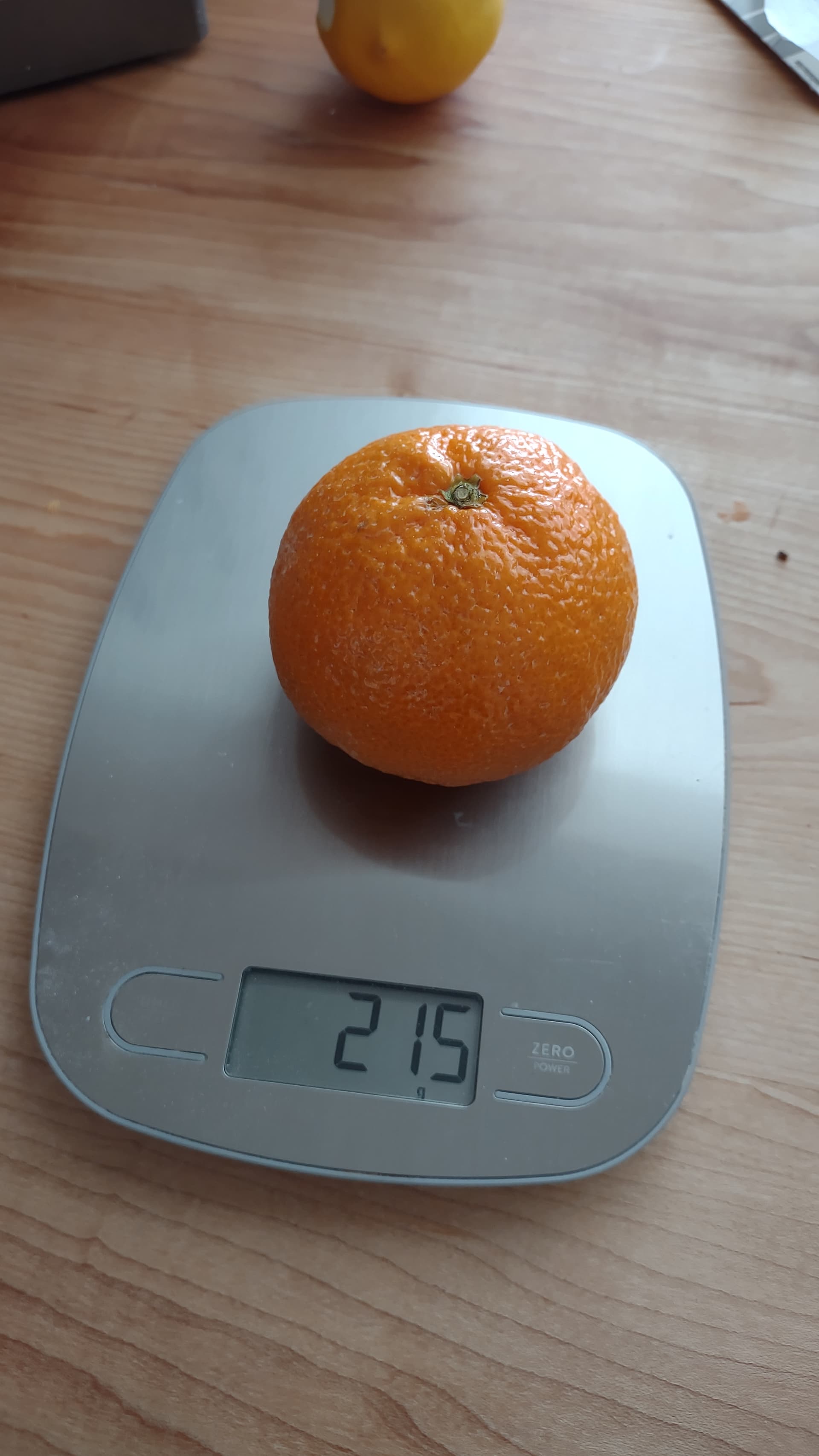
These things are the size of a typical supermarket California naval orange! Plenty sweet still, which is impressive as I expected them to be watery at that size.
I suspect a lot of these trees originated from Madison Citrus Nursery. @LouNeo think these were from you guys?
3 Likes
The first ones might be Shiranui/“Sumo”/whatever the other names it’s known as…Dondekopon? My brain is tired. No idea about the second one.
The packaging listed them as being satsumas. These don’t taste like Shiranui and it’s too early.
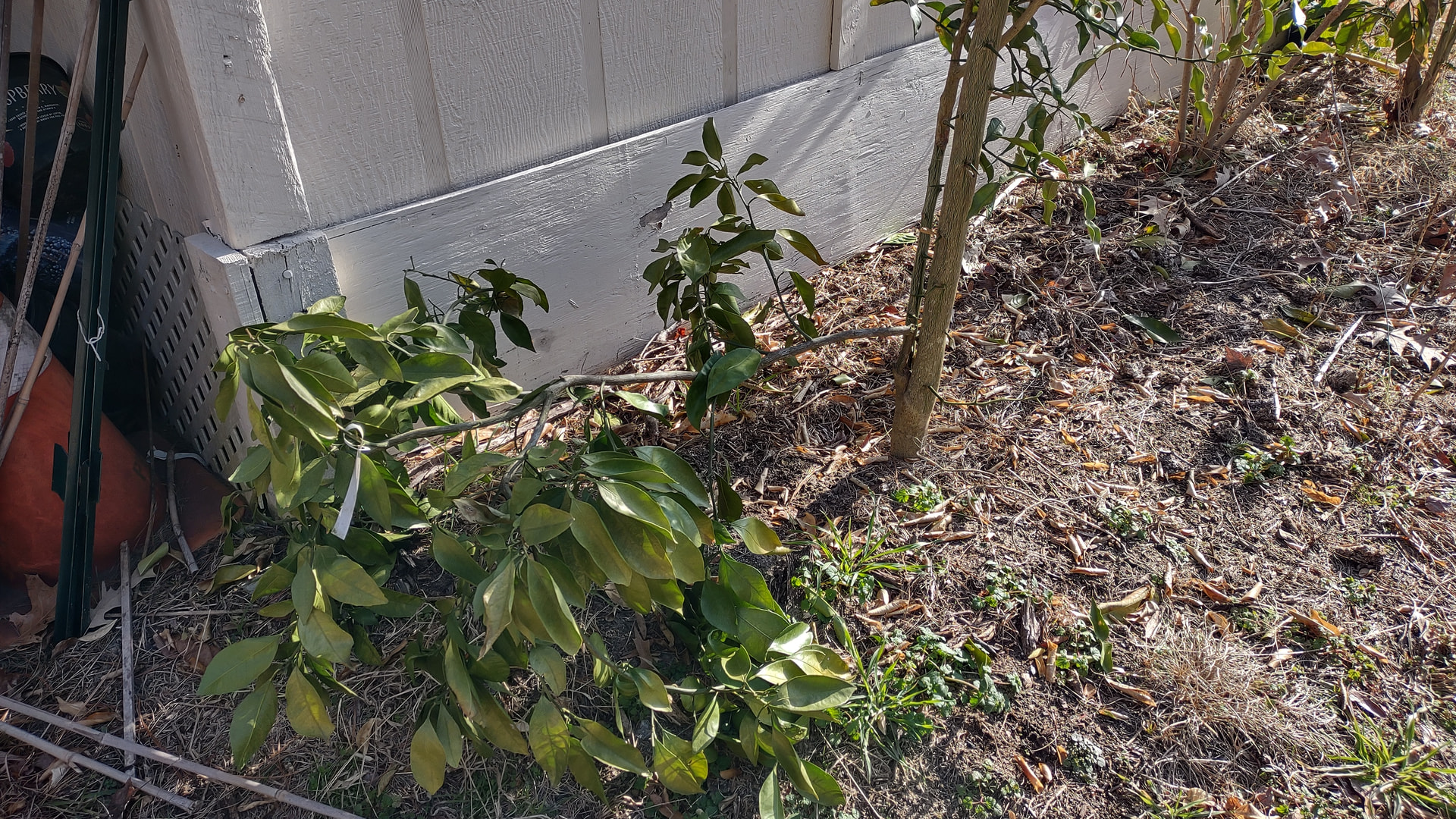
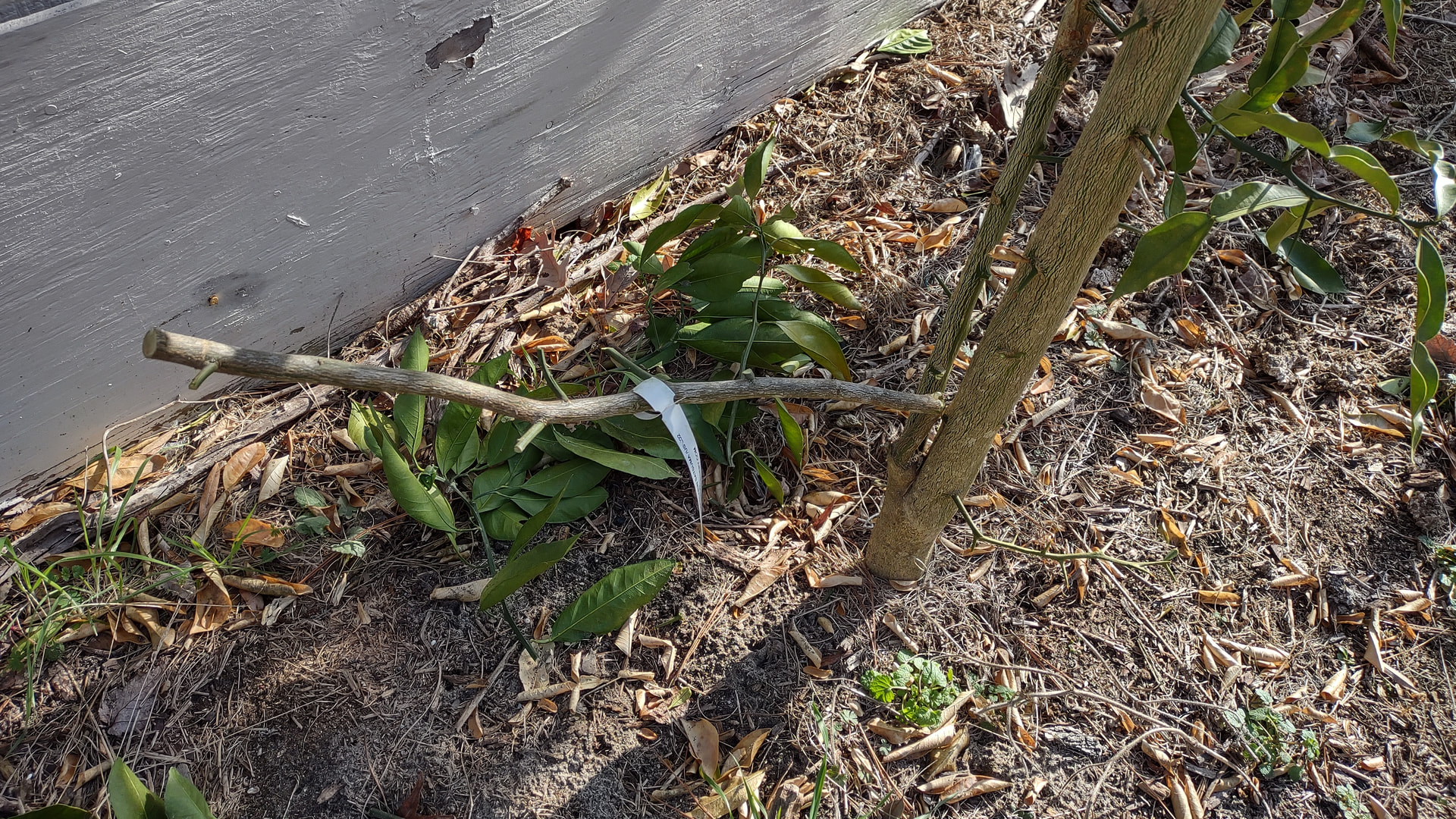
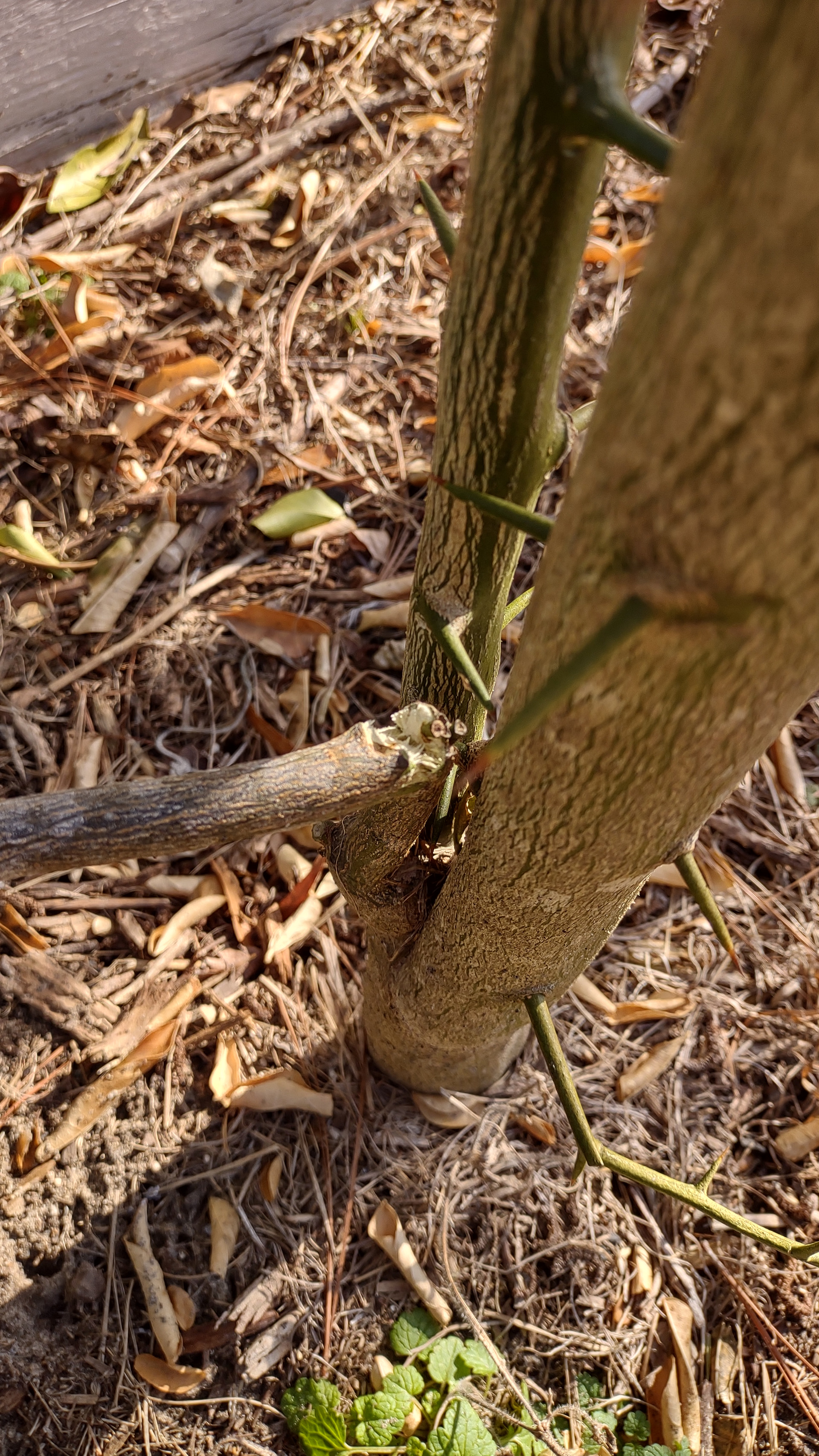
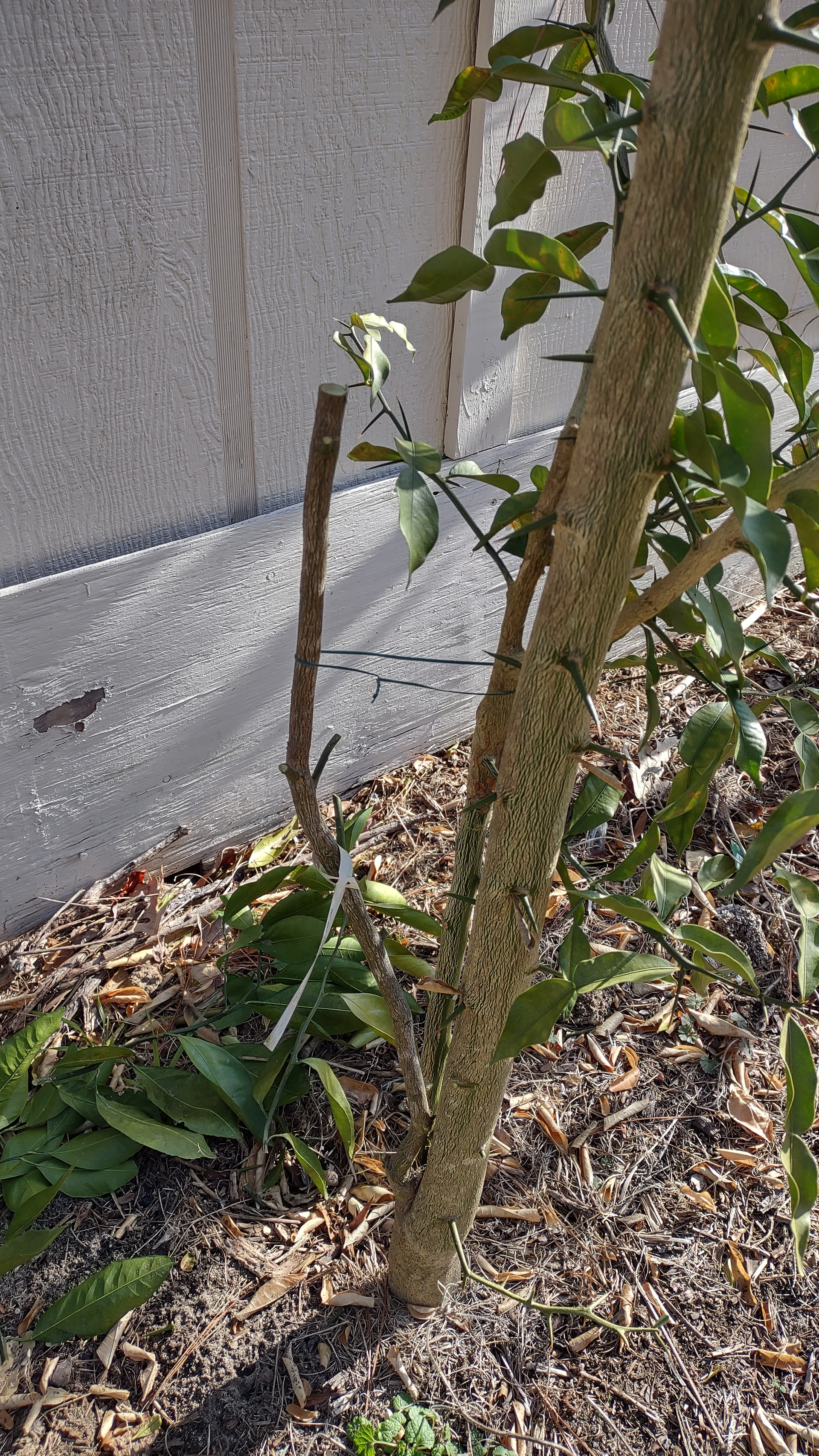
We’ll see if I can save this one. Owari satsuma broke near the graft during last week’s ice storm. About a third of the bark is still attached.
6 Likes
Good luck! That’s a shame. Looks like it handled the ice storm well aside from that haha
If it doesn’t heal, I can send you some budwood anytime.
1 Like
Yeah, it handled mid and low teens like a champ these last two years. Of my satsumas, Owari had the least defoliation so far this winter (compared to Kimbrough and Silver Hill). I don’t know if that’s because of the variety being more hardy or the plant being more sheltered (seems more likely), but regardless, it was my best looking satsuma this winter. Darn ice storm and that weak stem.
3 Likes
My Indio is looking pretty crispy. Others liked on prior to the latest storm.
I avoided this thread for 2 years, Sigh now im back.
Anyone ever root trifoliate cuttings?
1 Like
What is the very large stem next to it? Rootstock? Is that like for protection while the graft grows?
US-802, which is the rootstock. I’m letting a waterspout grow and mature for evaluation and breeding purposes. US-802 is a Siamese pumelo x trifoliate hybrid with very good vigor and from what I can tell better hardiness than Dunstan. That stem is all of two years old and something like 8-9 feet tall. I’ve not seen any winter damage on stems or branches, unlike Dunstan for comparison which normally has some winter dieback for me. My guess is the hardiness is closer to a typical citrandarin than to typical citrumelo.
I think I’ll be getting fruit this year, and more importantly pollen that I’ll be using on Clementine and a few others. I don’t expect 802 fruit to be very good, but they are apparently one of the largest citrumelo fruits. IF the pumelo parent was Siamese Sweet then the acidity shouldn’t be too bad, but I suspect the parent was just a regular Siamese pumelo. Regardless, I’ll be evaluating the fruit once I get some as no one here or on TFF have ever fruited US-802.
I’ve let some suckers grow out on a few of my other citrus for the same reason, and I’ve bought a handful of different rootstocks without grafts, so at some point I’ll be able to test and use for breeding US-1516, Kuharske, US-812, US-942, US-897, US-1279, US-852, 5 star citrumelo, and Bishop citrandarin, probably roughly in that order. And an unknown citrange that I think may actually be a citremon.
The other stem on that tree is a graft of the JC Raulston ichang papeda. Same purpose. I’ve a number of other less common citrus as well I plan to use.
I’m pretty early in on this breeding project, so far I’ve a Dunstan seeding that looks to be a hybrid with Ten Degree Tangerine and a batch of Clementine x Thomasville seedlings. And I’ve seed from Meyer lemon x Kishu that I haven’t planted yet.
6 Likes
Interesting crosses! Can’t wait to see the traits
6 Likes
It’s been quite fun and very interesting.
The Dunstan seeding was the only zygotic one I got from a batch of OP seeds, Ten Degree Tangerine is the likely parent and the one I’m hoping most for. I nearly lost it last winter to spider mites.
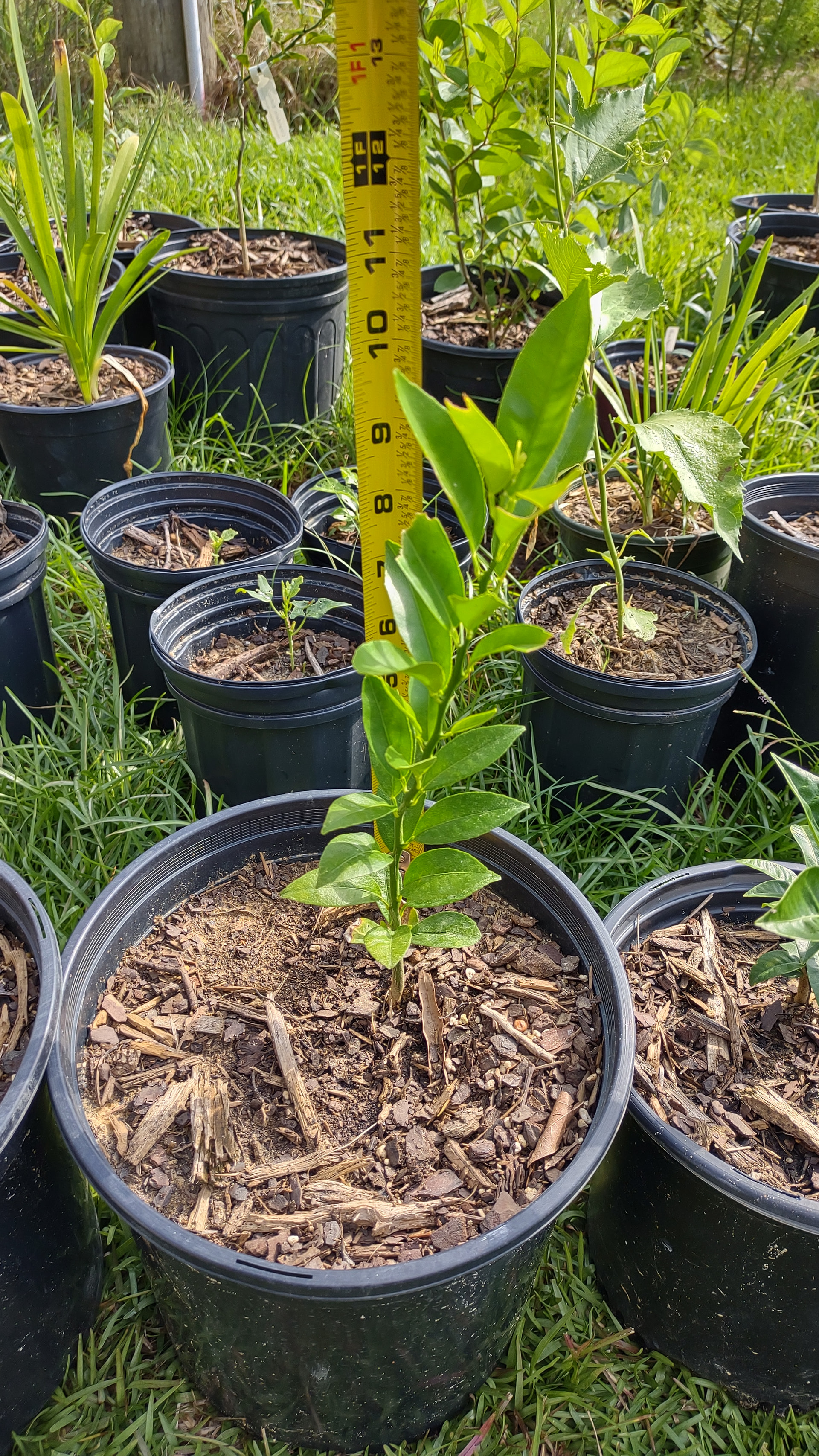
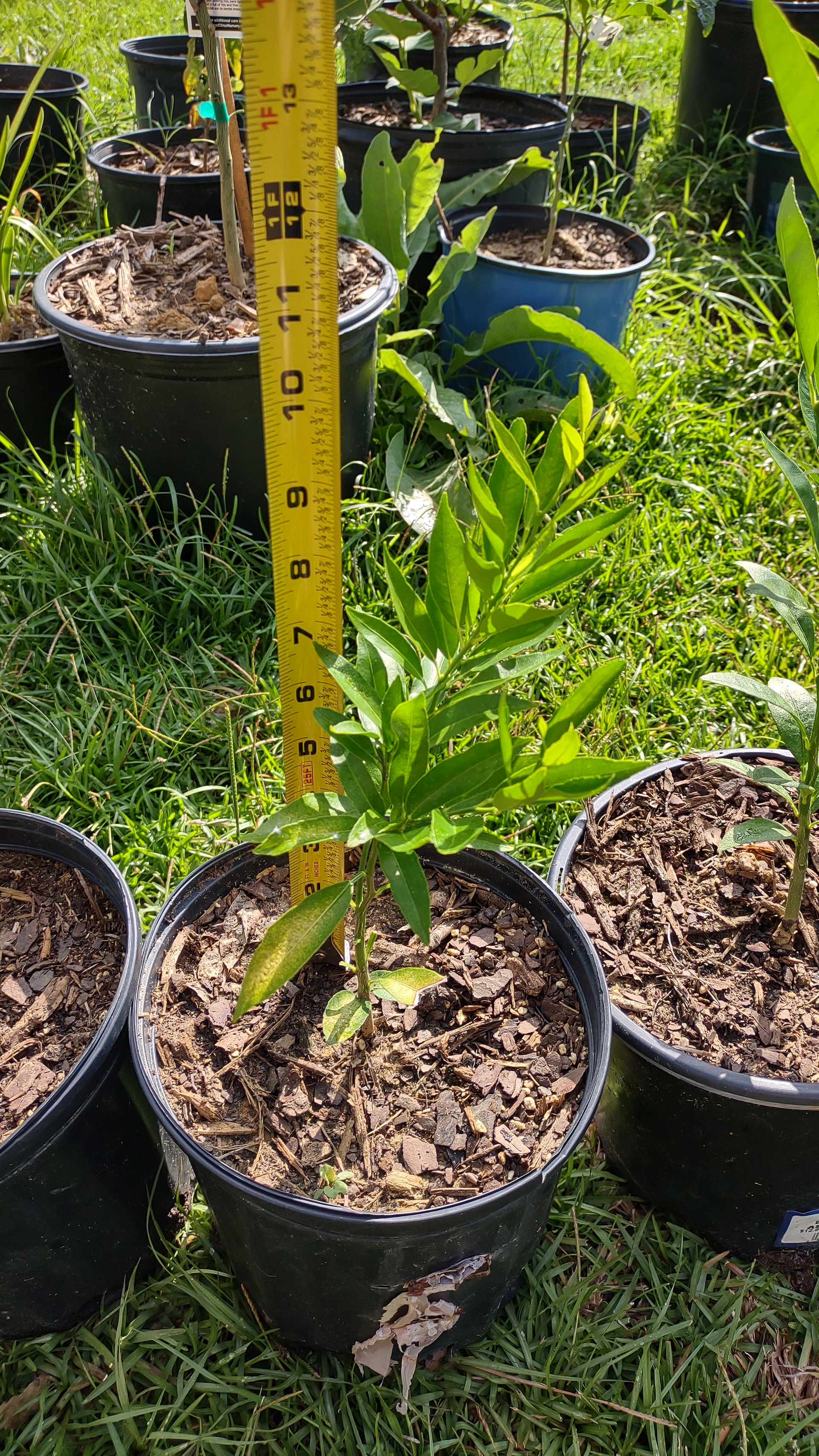
The Clementine x Thomasville seedlings are all over the place in terms of characteristics. The variability makes sense with them being (sweet orange x willowleaf mandarin) x (nagami kumquat x (ruby blood orange x trifoliate)). Here are photos of some of them from back in July at about six months old.



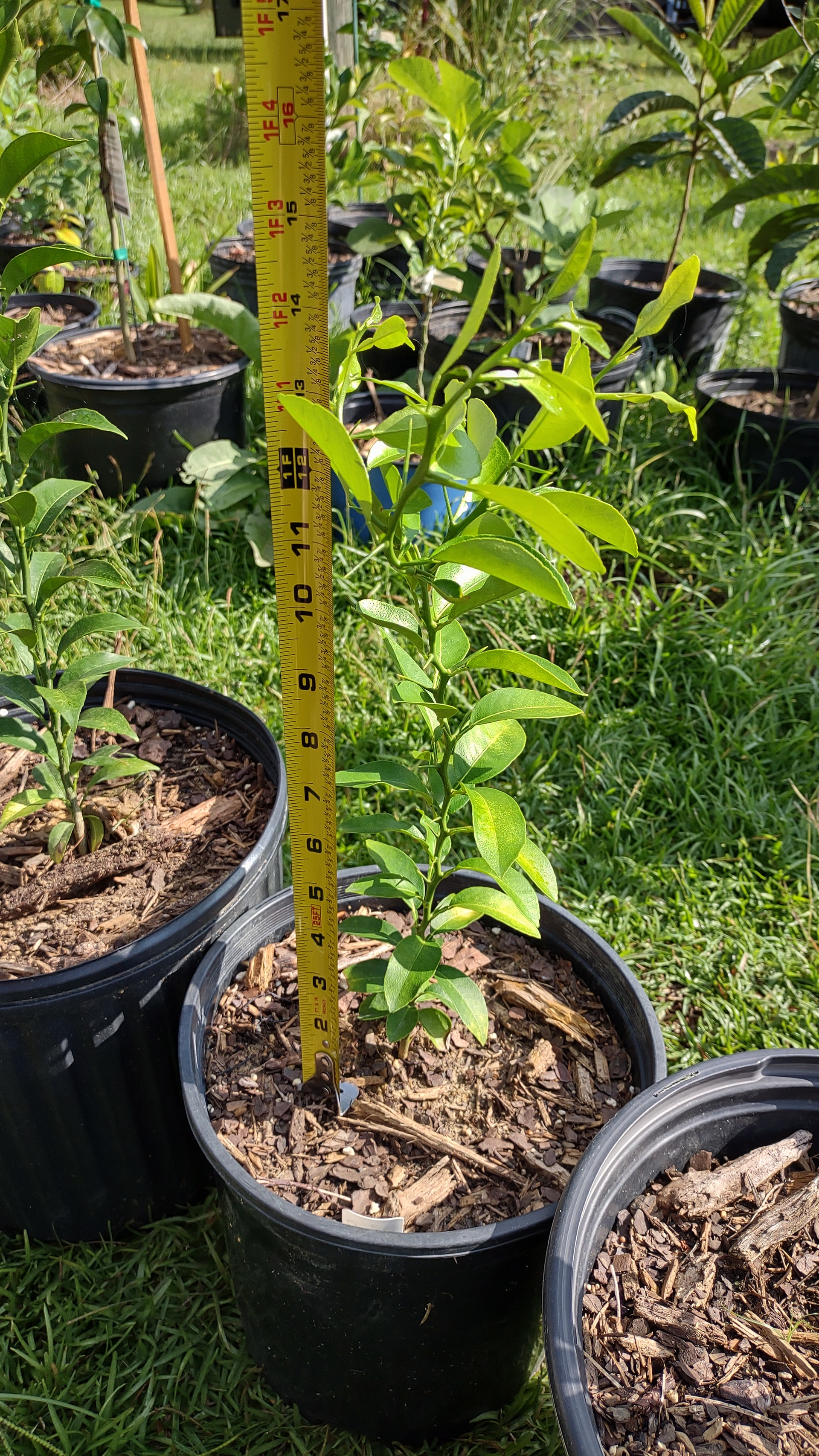

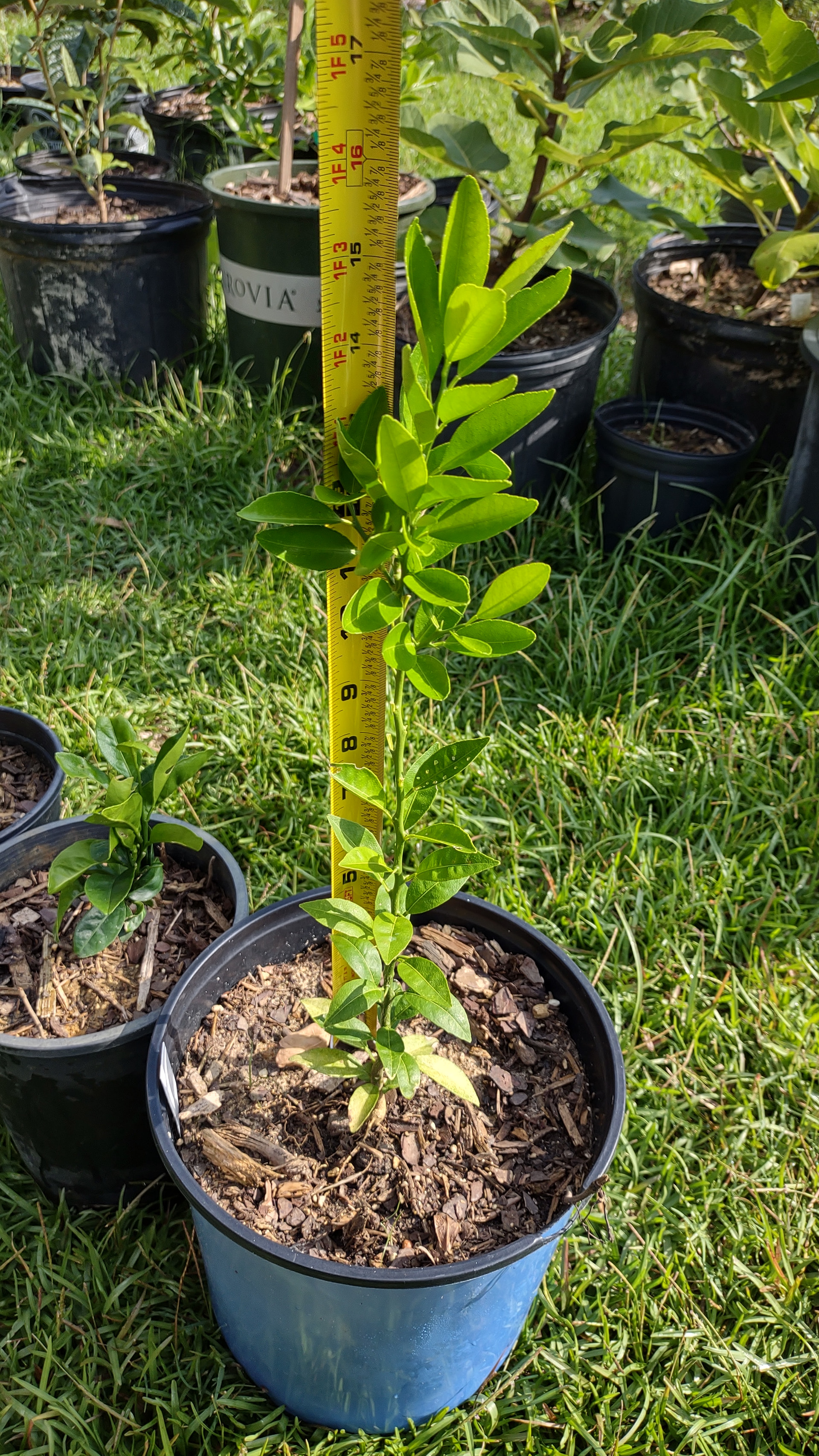
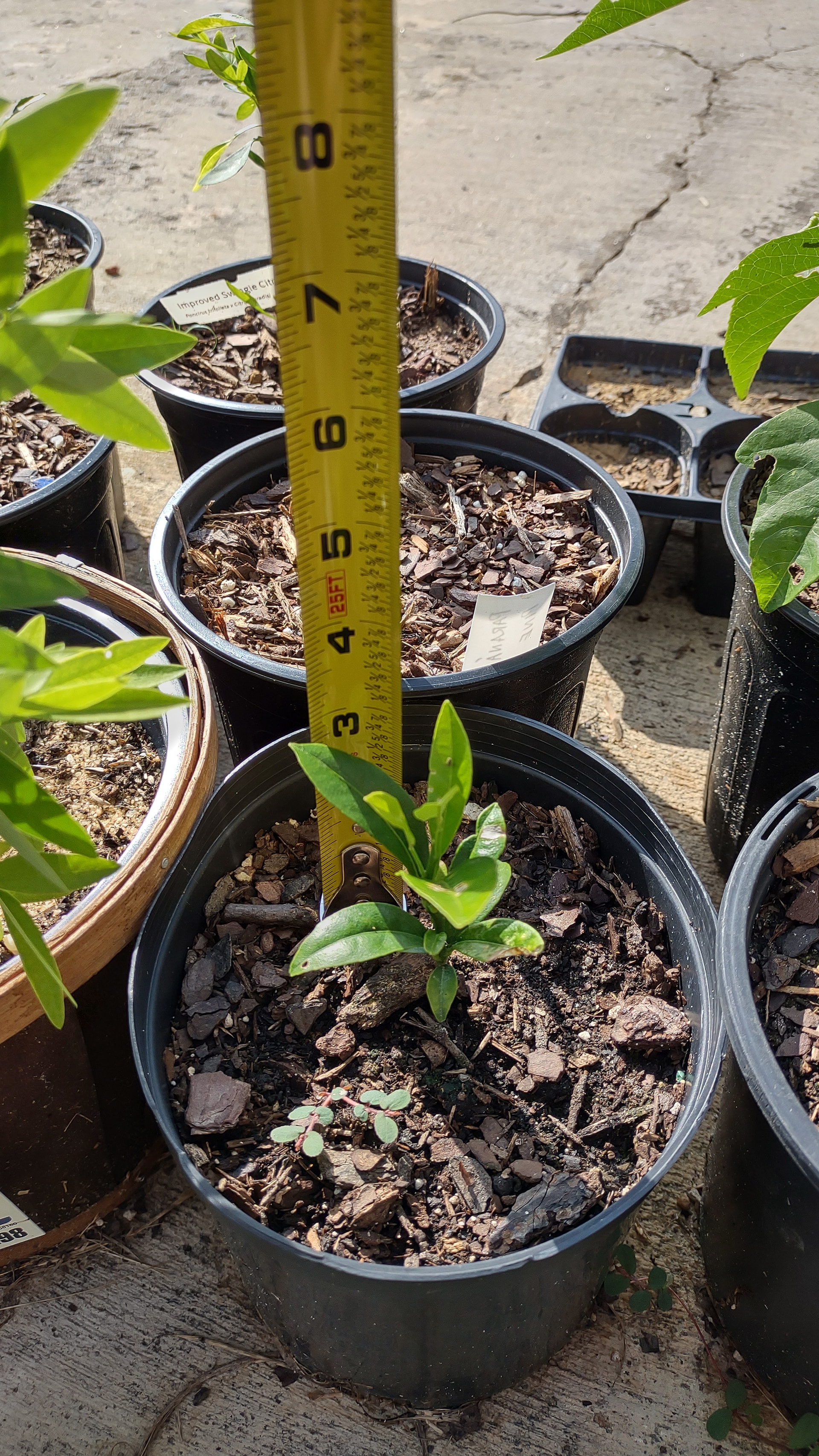
I expect about half of them will produce zygotic seed. My plan is to use the most hardy of the zygotic seed producing ones to make further back crosses with trifoliate and papeda hybrids.
9 Likes
With US 802, it’ll be pretty awesome if one parent actually is Siamese Sweet. Siamese Sweet is effectively acidless and makes for a very good breeding parent for producing low acid progeny. It’s one of the parents of Oroblanco and Valentine pumelo. Ilya, a senior member on TFF and one of the old Citrus Board members, has himself been using Valentine for those low acid genes.
But it might just be regular Siamese pumelo or perhaps Siamese Pink that was the parent. My guess is most likely the regular variety.
5 Likes
so my harvey lemon trees did worse this winter than last winter even though last winter was colder (low of 15F) and the coldest it got this winter was 20F, but it was super windy, they say wind chill has no effect on trees but i think it does. i protected them the same as last year, last year i only had the leaf and stem damage to the periphery of the canopy, this winter, the lemon trees are totally defoliated. on US-897 rootstock, which isn’t cold hardy at all. i’m going to give it another year, since they’re young and only have been in the ground 2 winters, before i decide to remove them. also have 2 red limes on kuharske rootstock, the smaller one was protected better so no leaf loss but other has totally defoliated and lots of branched are dead. these are going to get dug out. i have another red lime on trifoliate rootstock and it has done well the past 2 winters. if it’s not on trifoliate rootstock, i’m probably going to get rid of it. my calamansi has done well and is a keeper. though i didn’t get much fruit from it this past year.
4 Likes
Wind dries them out (dessication) and is almost a separate issue, the windchill can’t be added to the temperature like with the human “feels like” though
4 Likes