I am going to be crossing Roselle (Hibiscus sabdariffa) and Cranberry Hibiscus (Hibiscus acetosella) both ways. The goal is to make a hibiscus with red leaves and edible calyxs, whether that is a Roselle with red leaves or a Cranberry Hibiscus with plump non-spikey calyxs. Pontentially could pass on some PM resistance to the Roselle too.
I did a little last year, but it got hectic with the hurricane and I lost which flowers were crossed. Not sure if I am going to do it with both Red and White Roselles yet, but I probably will.
4 Likes
I’ve known Ted Daniecki for 25 yrs or more. He was one of the first people, other than me, to graft & fruit ‘Lawson Dawson’, and although he swears he has no recollection of it, he was my source for ‘Stearns’ mulberry.
We’ve not talked in a number of years, but I was aware that he was doing some mulberry breeding…I think I recall him mentioning a male ‘Rupp’s Romanian’ that he was using at the time as a pollen donor.
I have a couple of Ted’s ‘Grainger’ shagbark hickory crosses,but they’ve not borne nuts for me yet. He was also doing some pecan breeding.
6 Likes
I have to ask the question… When crossing a non-edible species with an edible species to make an edible hybrid, how does one determine if the hybrid is safely edible?
5 Likes
They are both edible, in the sense they are not poisonous or toxic to consume. The reason you can’t eat the cranberry hibiscus calyx is because they are hard and spikey. So if its not hard and spikey, I would attempt to eat it. The leaves of both are edible and tasty, I actually prefer the leaves of cranberry hibiscus over roselle, but roselle calyxs make a very good jam.
8 Likes
North Iowa gardener here who likes this idea! In your experience, does the siberian peach produce well in your climate?
1 Like
Same! 
Mine are still young and haven’t started bearing yet. There are reports of them surviving -38 F, so they should be ok to get through the winters, but I’m sure they will occasionally loose crops to late frost.
2 Likes
Hope your crosses go well. Would love to hear updates as your project continues!
2 Likes
Here’s an update four months in. Starting to wish I’d separated all the seedlings when they were tiny. Only one of the open pollinated seedlings has survived, but it’s over 2’ tall already, way taller than the others. The leaves are starting to look identical to those of the mother tree too, confirming my suspicioun that the pollen donor was also ‘P2-SG’ (see below):

Interestingly, the different crosses clearly have distinct morphologies already. Him.FSP x rubra has wider leaves with broader teeth, Him. FSP x P2-SG has normal cordate leaves that become more acuminate as the seedlings grow, & the pure rubra seedlings I sowed have leaves that are much more narrow & spear shaped:

Guess I better start looking for a big nurse tree to graft all of these onto next year lol
11 Likes
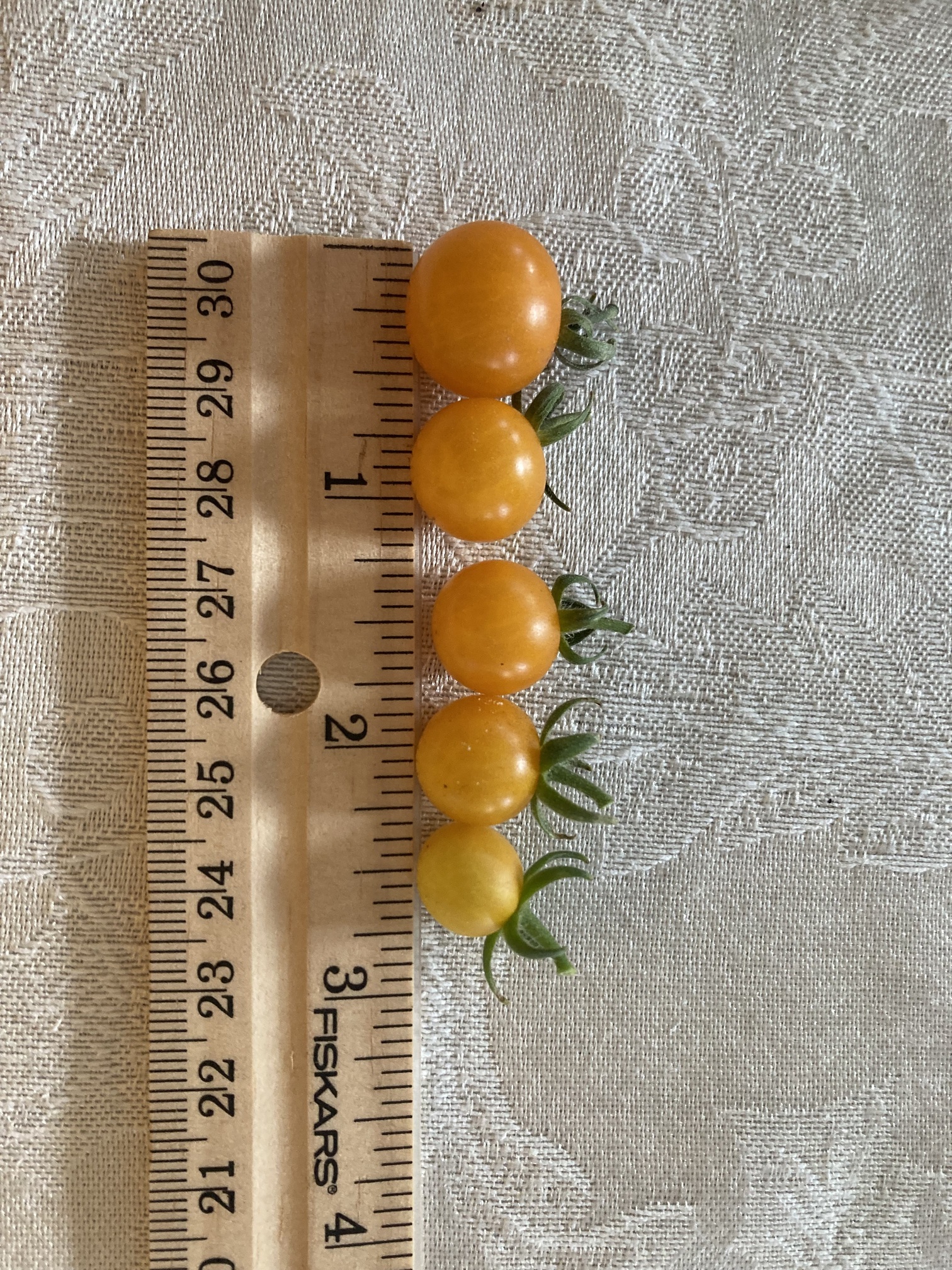
Ongoing mini sun gold breeding

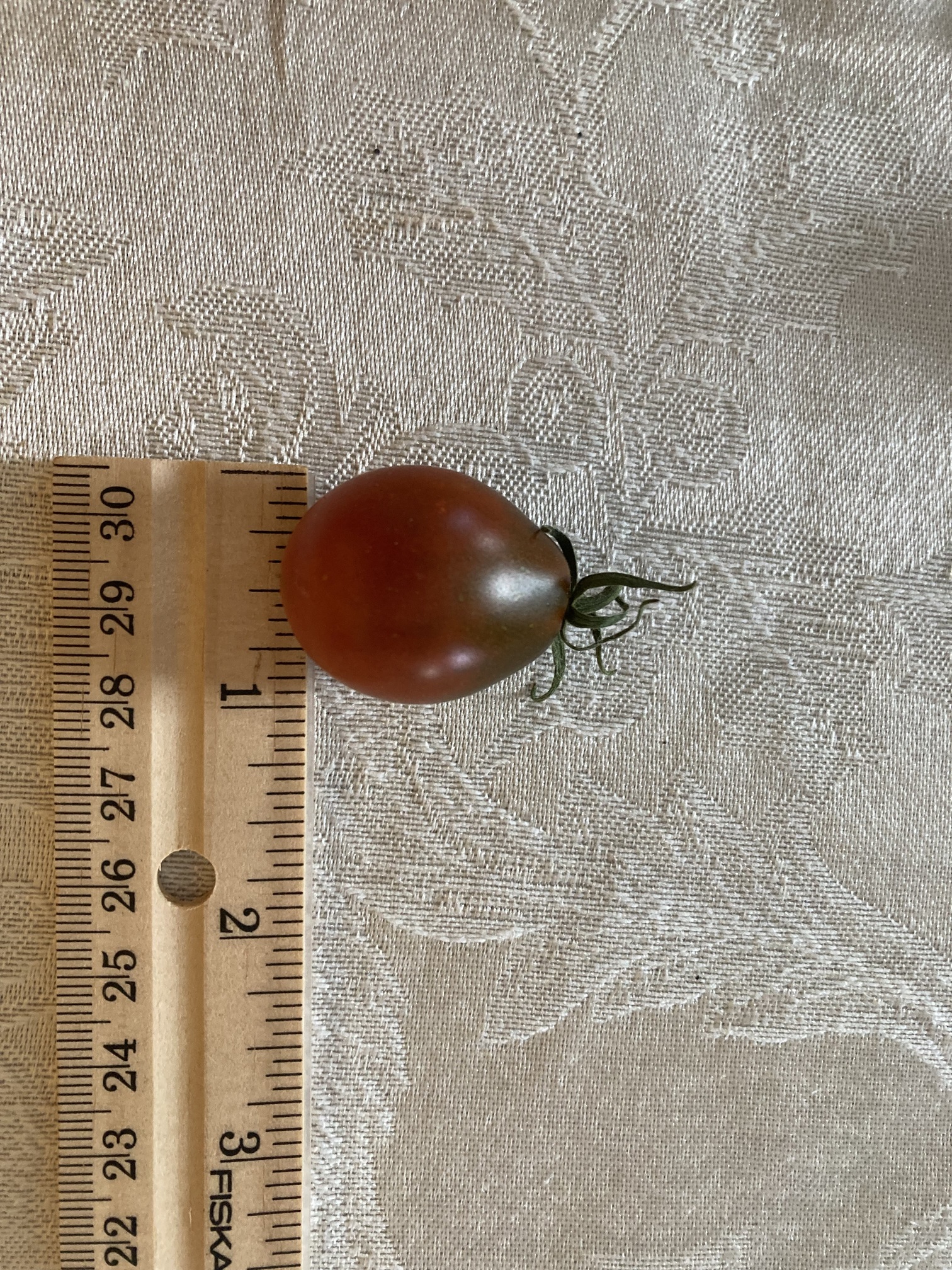
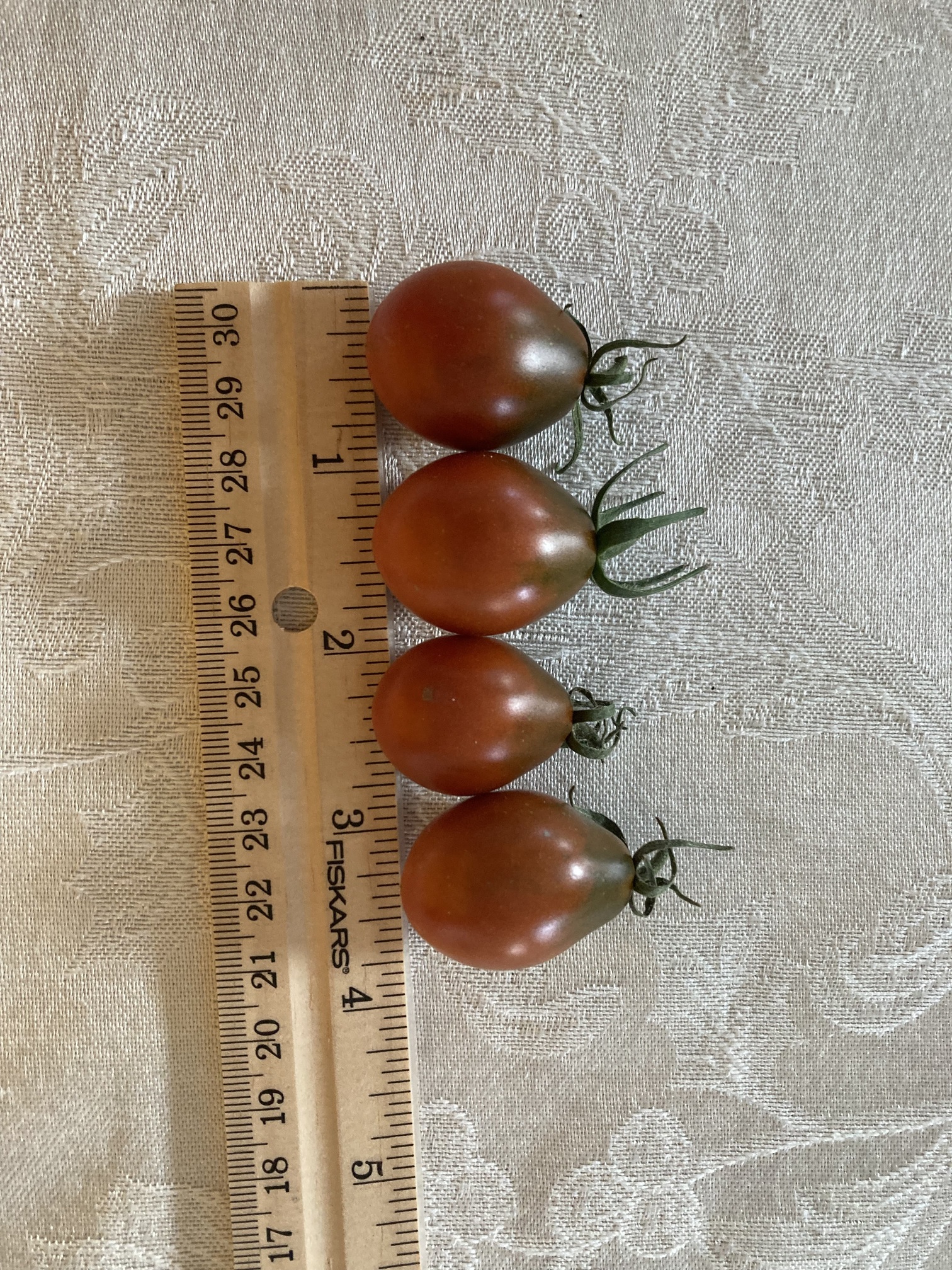
Heavy bearing red pear shaped paste tomato. Im growing it in a pot this year so yields are less and the tomatoes are smaller. They are usually around 1 inch in width.
9 Likes

This spring I pollinated several McIntosh and Fireside apple blooms with pollen from Skillcult. McIntosh x Cherry Crush has been the most prolific thus far. I’m hoping for a cherry wine flavored apple out of this cross.
13 Likes
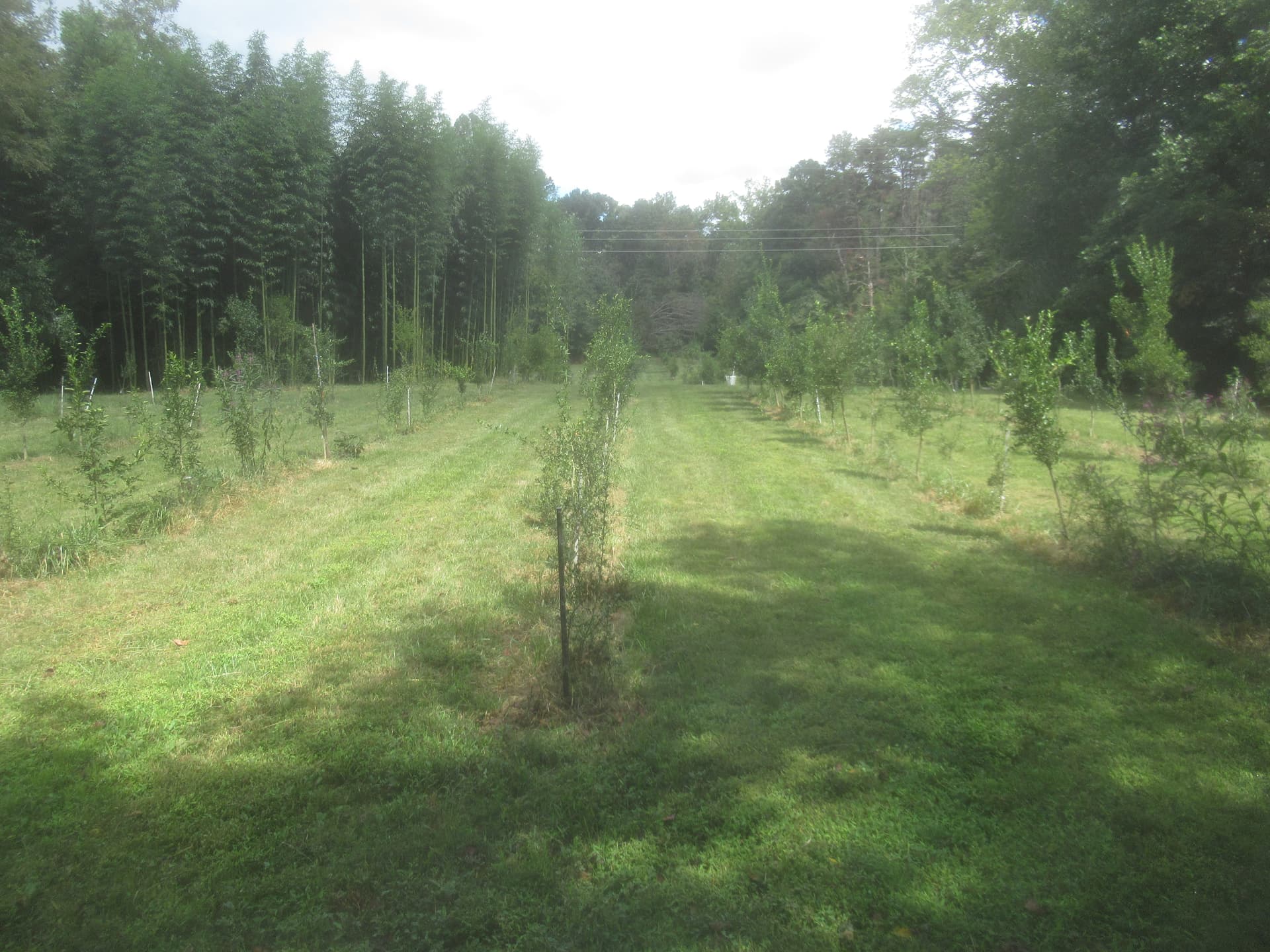
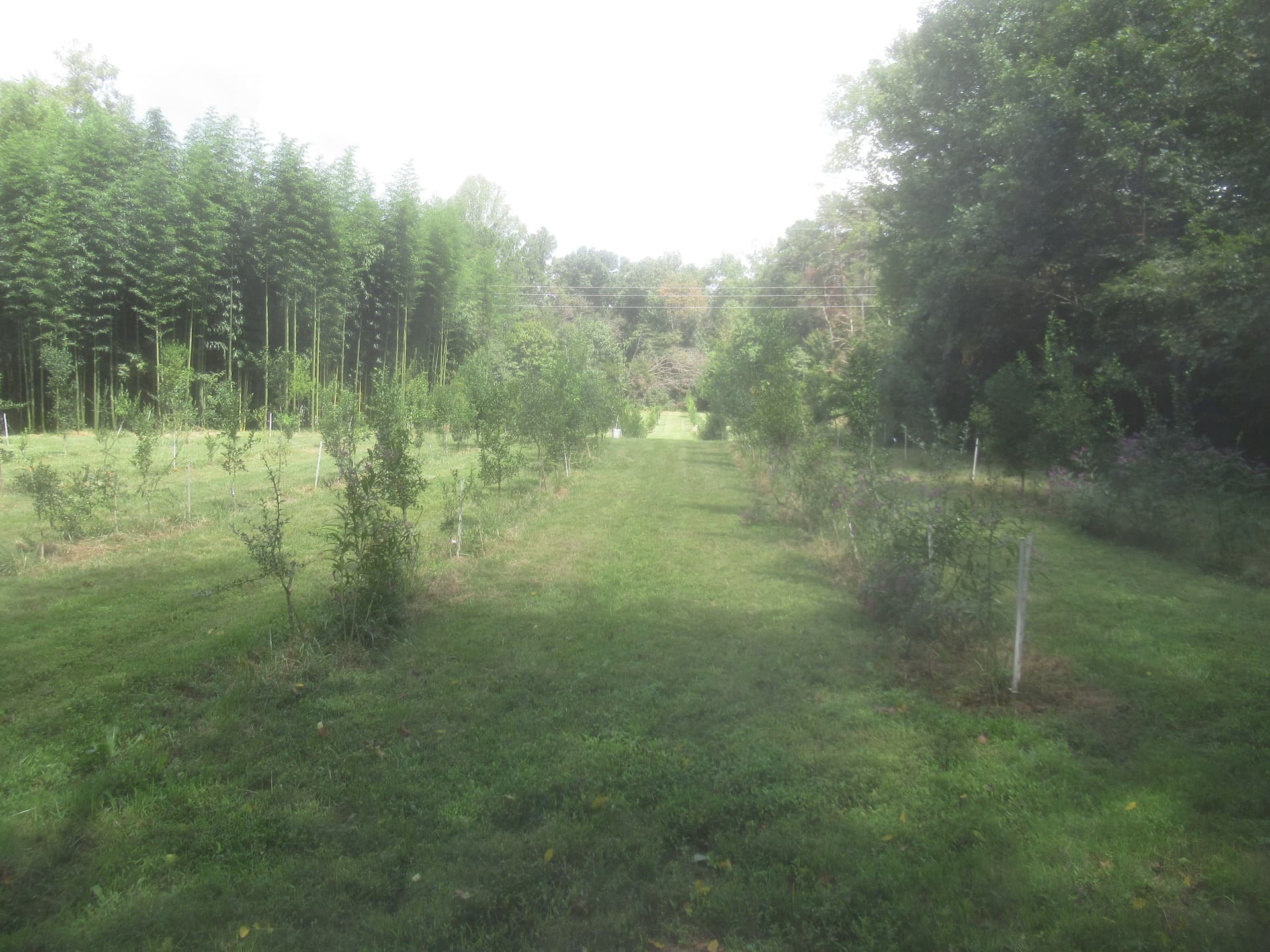
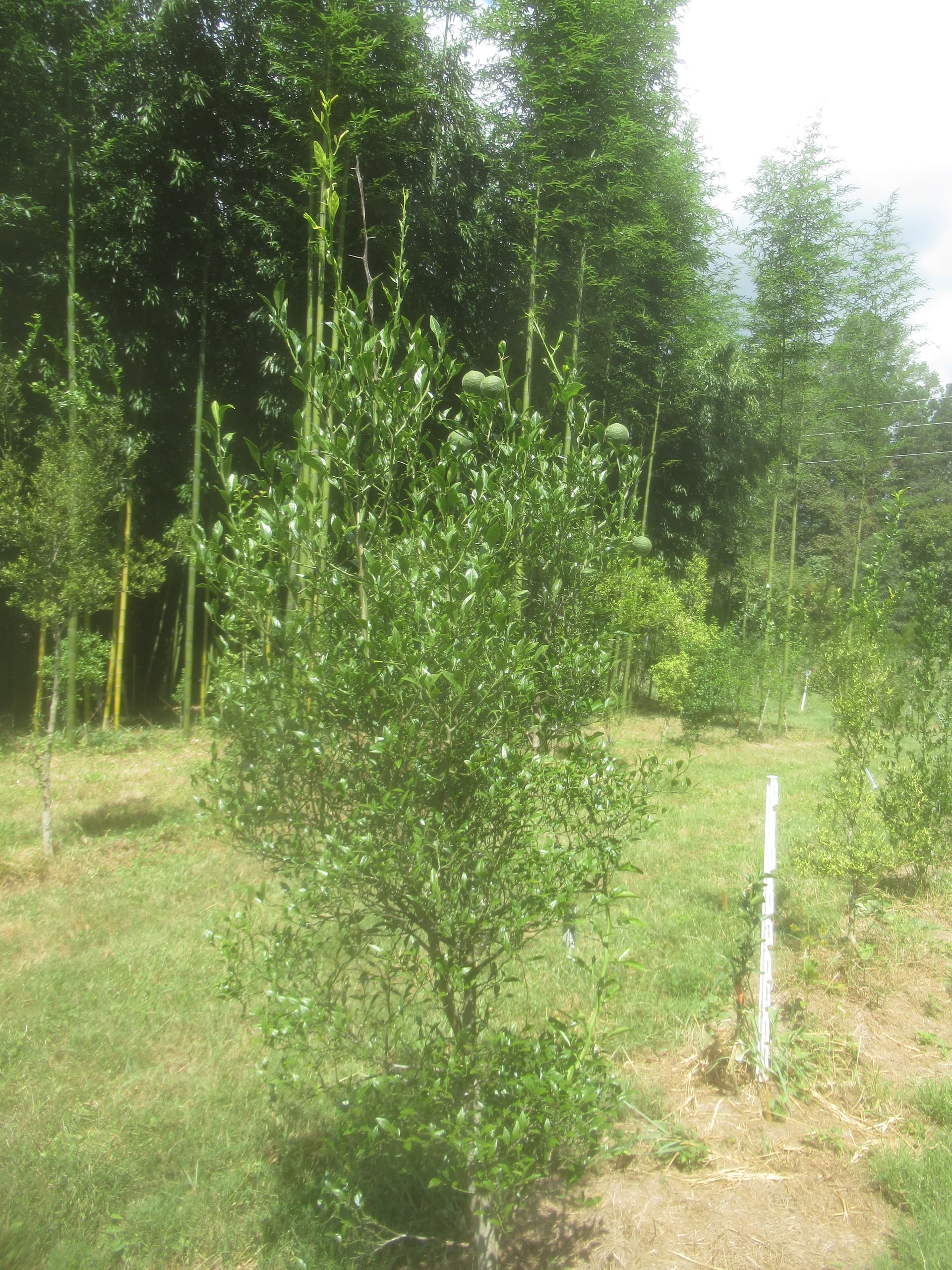
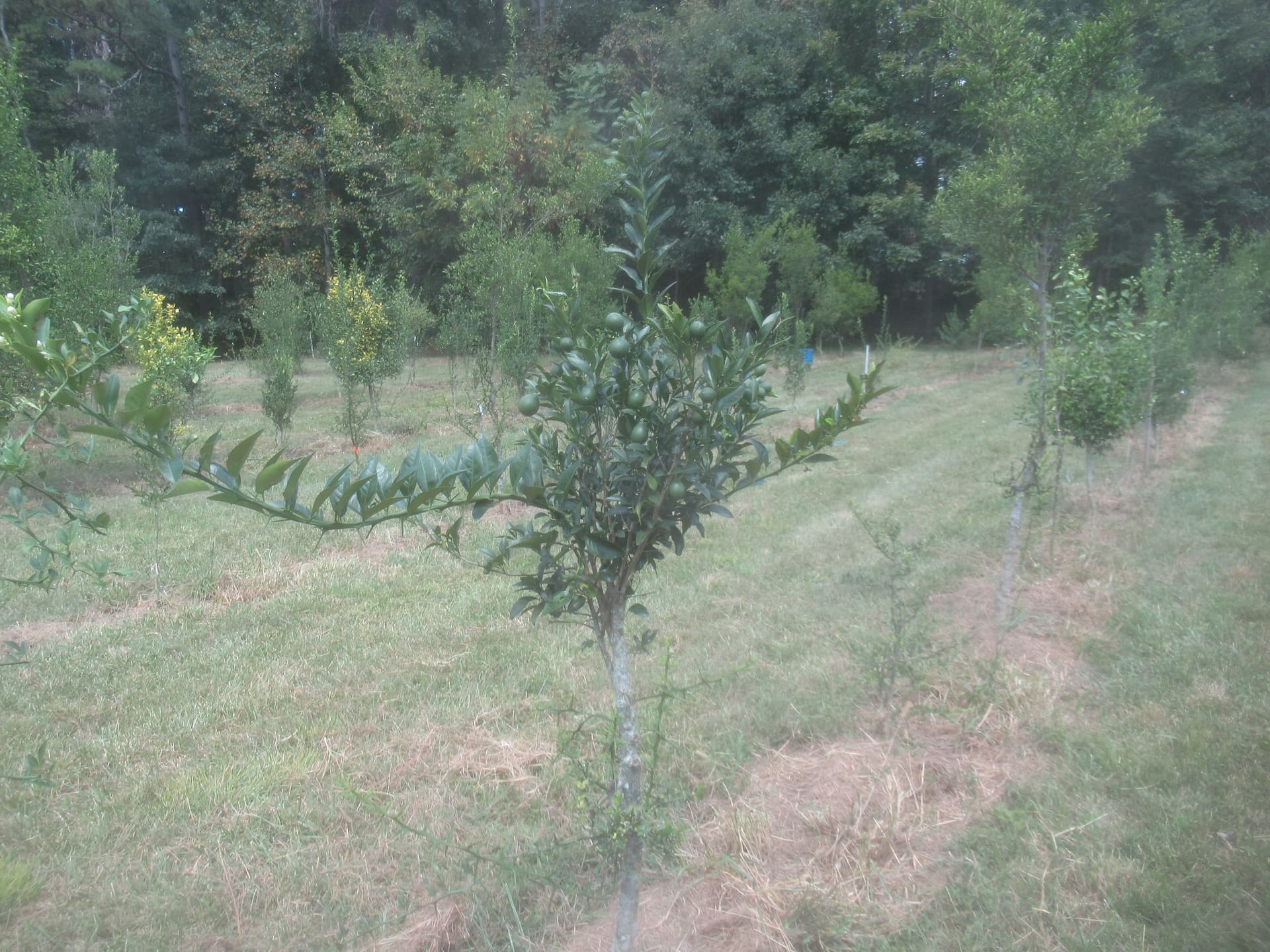
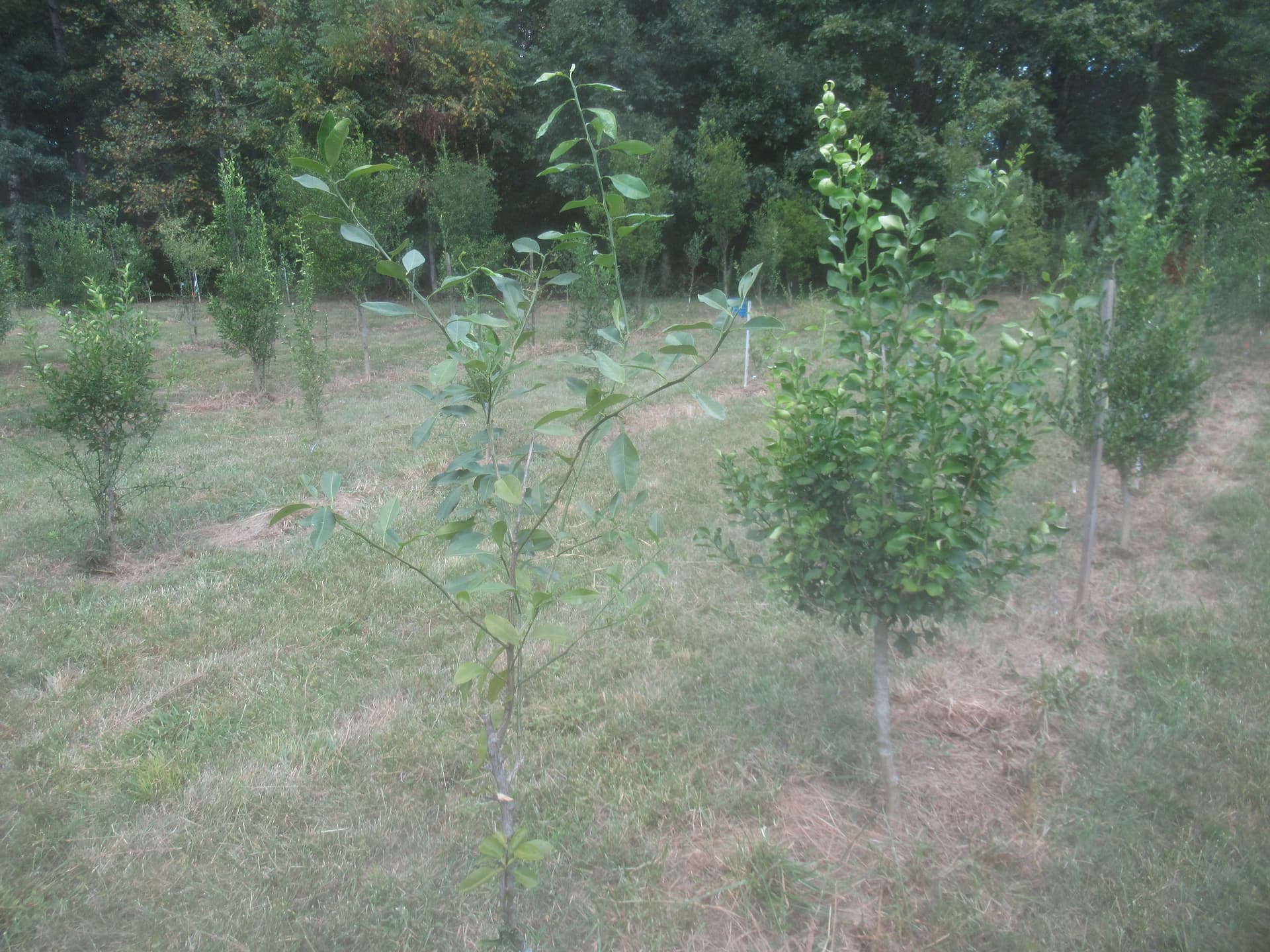
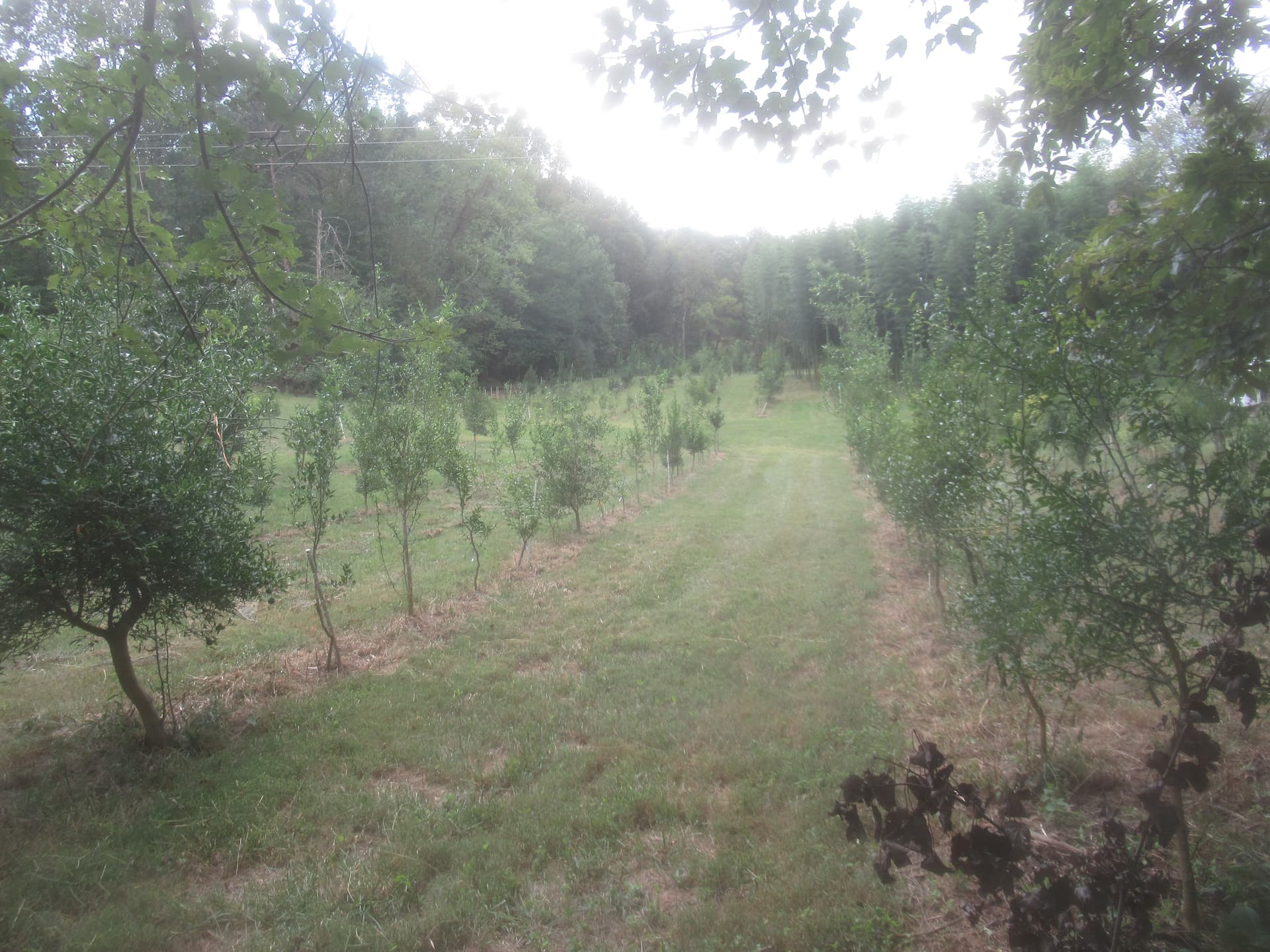
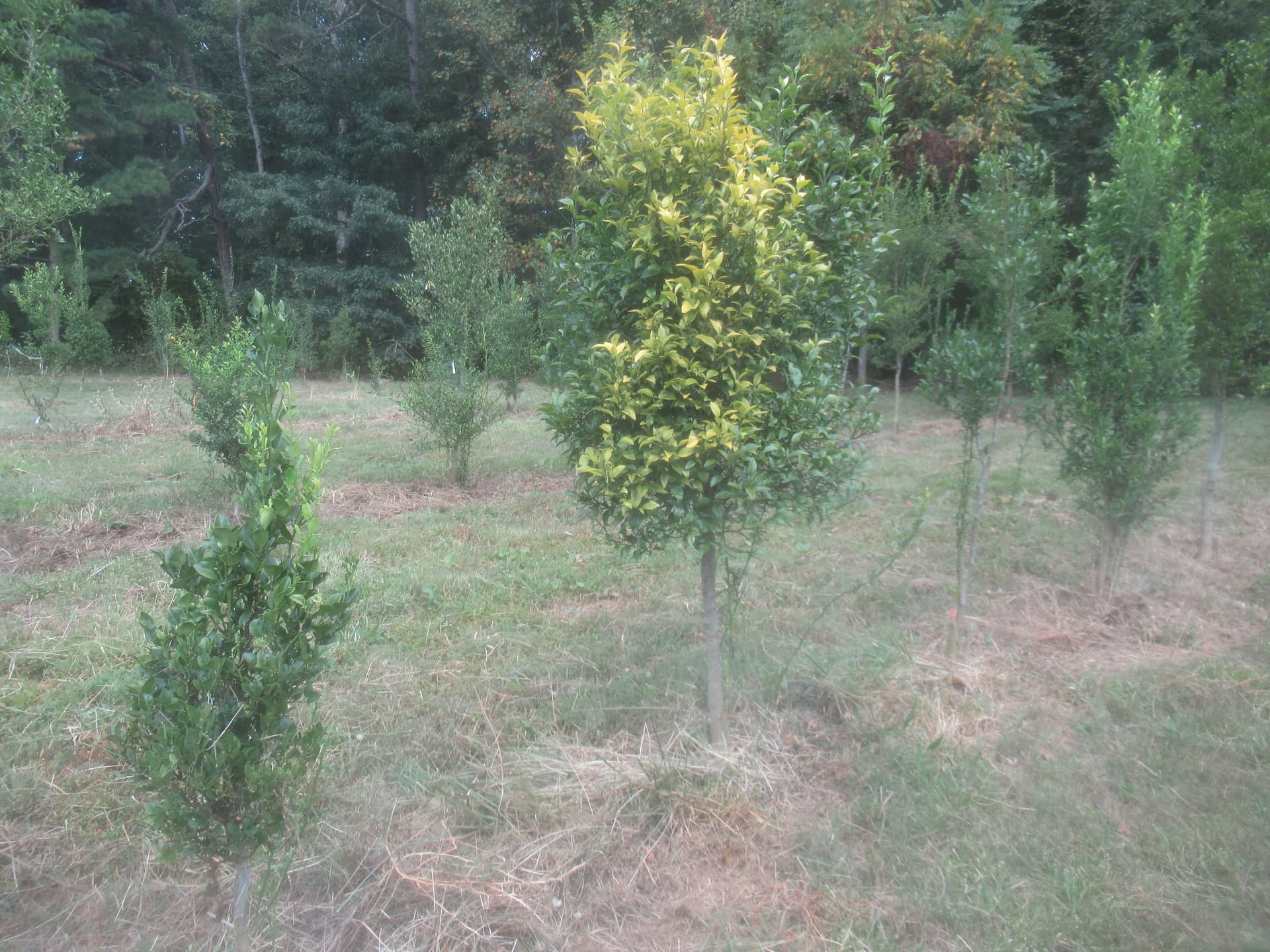
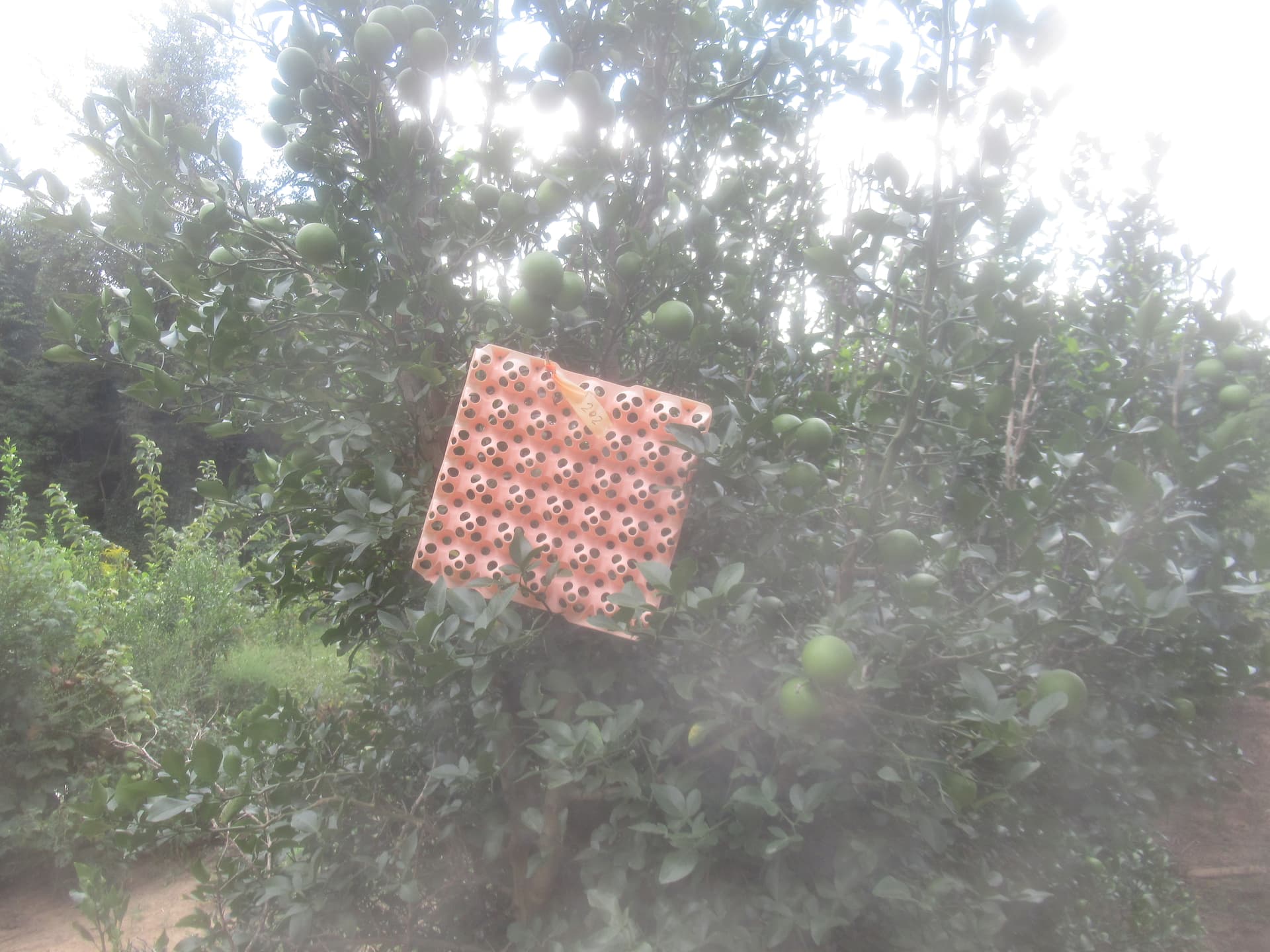
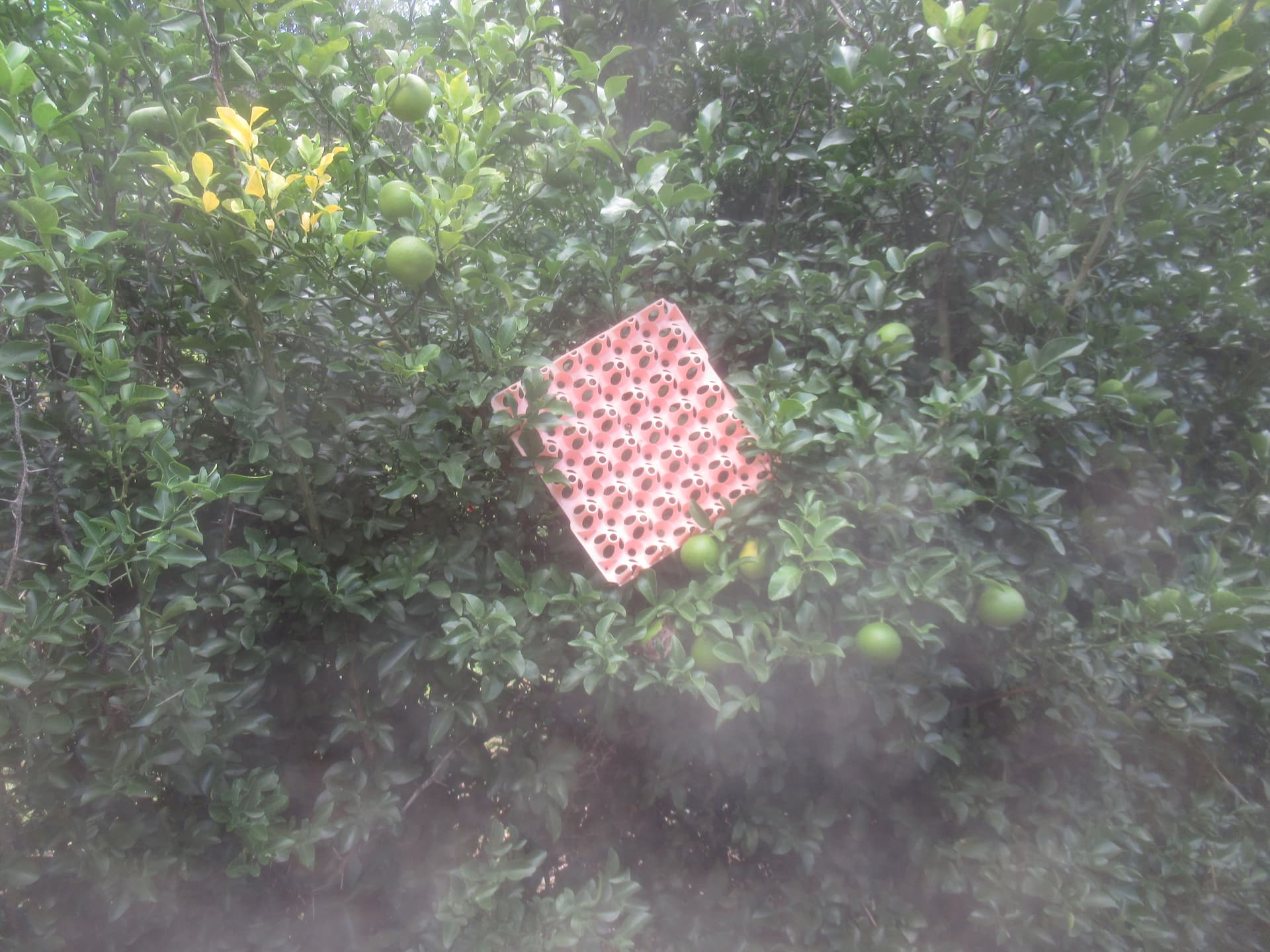
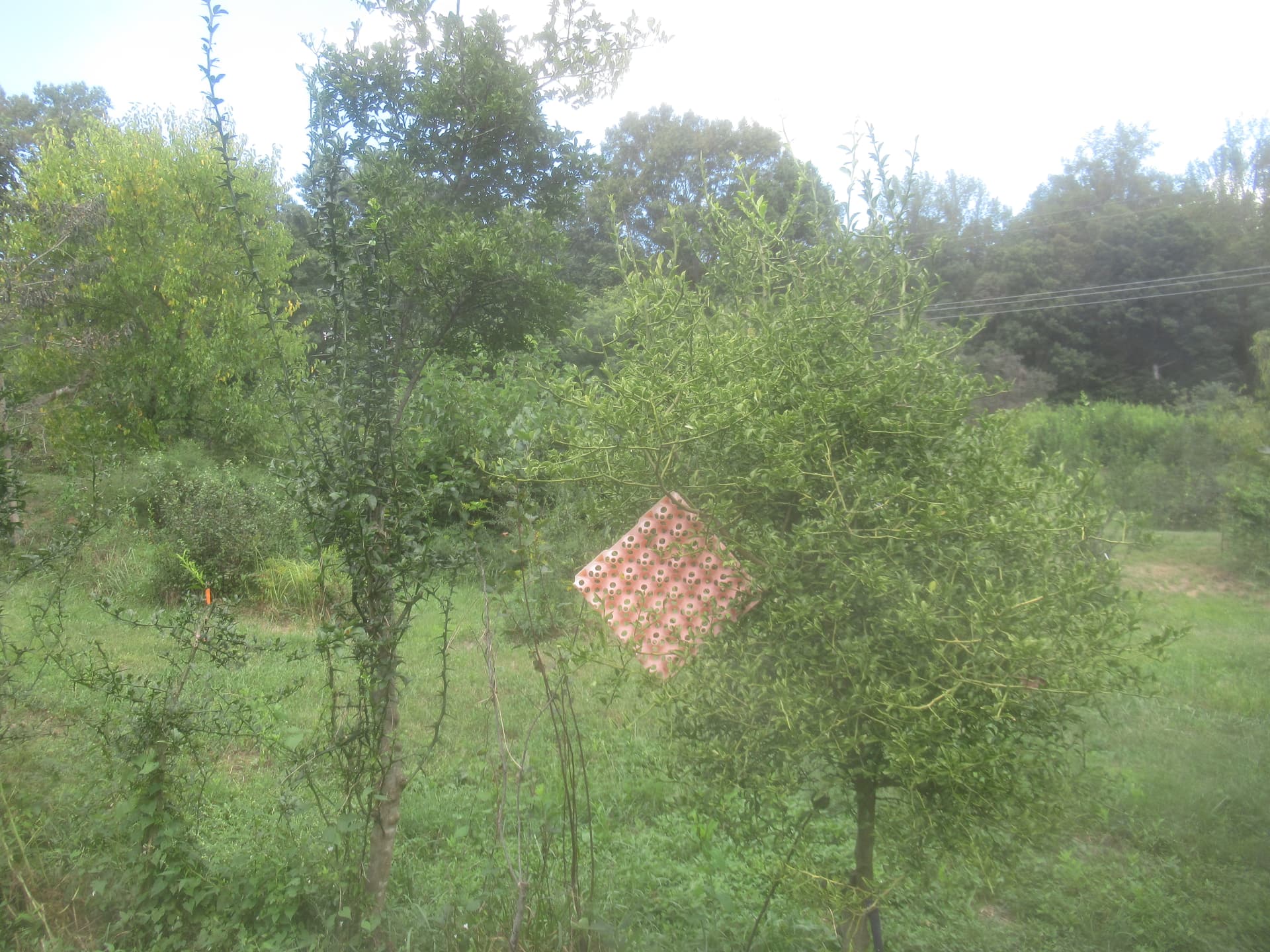
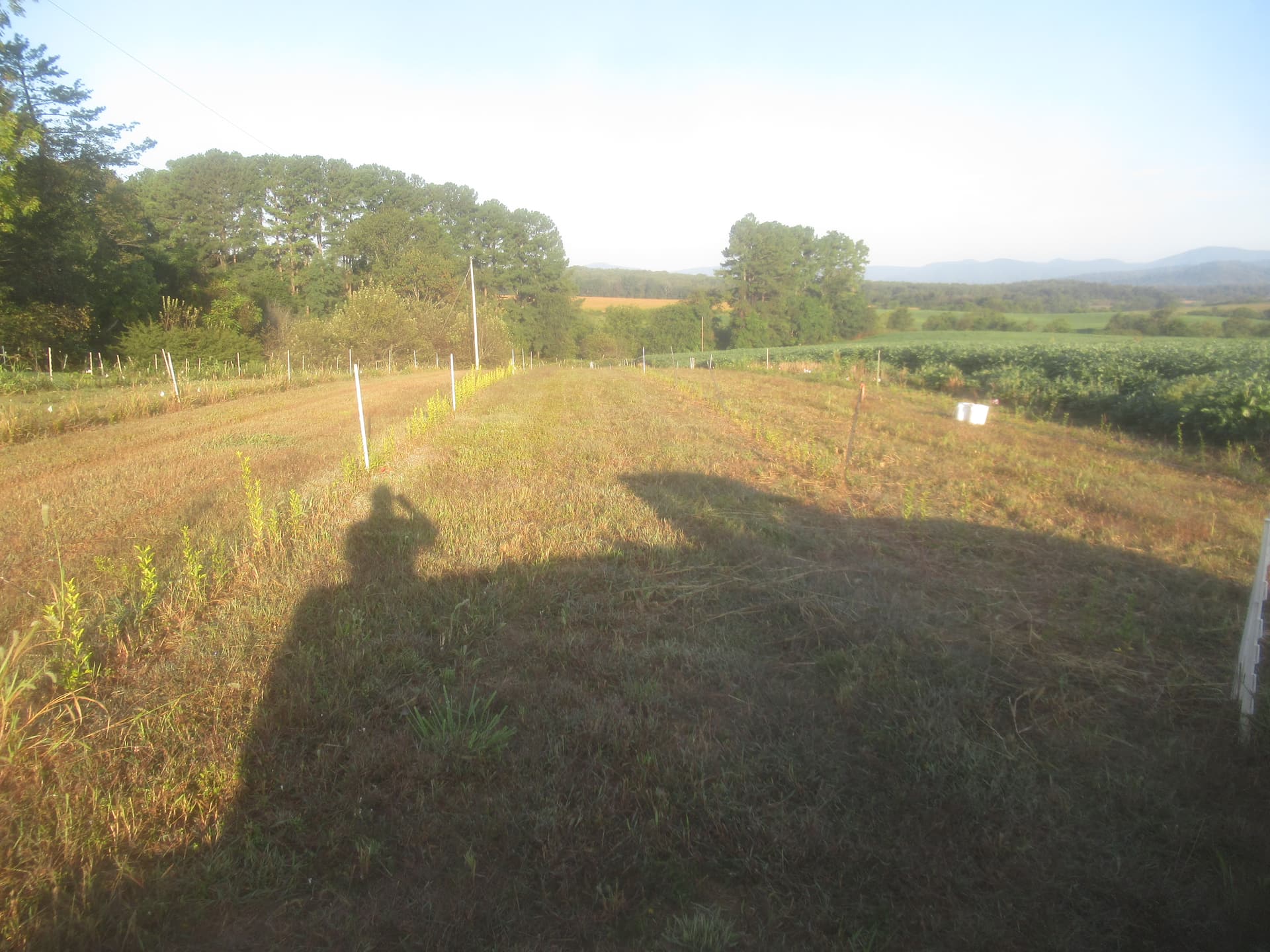
Playing the “numbers game” with semi-hardy citrus by planting as many seeds as possible from various hybrids. Zone 7a in north-central Virginia piedmont for inground trees. Also have some parents of future hybrids in pots that are stored in basement during coldest part of winter. Might never get a good sweet (yet hardy) fruit (I’m almost 70, so not much time left), but at least I should end up with a good diverse genetic population that the next person can do selections from.


23 Likes
That’s incredible David! Many of those look a good five, six, or even more years old, when did you start this and what parents did you use?
You’re further along than almost any cold hardy citrus breeders I’ve seen. And in the unforgiving 7a!
3 Likes
When? My interest started back when I was a teenager and first learned of the existence of Poncirus trifoliata, thinking if only you could cross it with regular citrus… The lady who used them to decorate the tables at a church supper, gave them to me, and I planted them. I also planted some grapefruit seeds, at that point not knowing how long it would take to reach maturity (if at all, in a pot). The P.t. survived, but the grapefruit trees later succumbed to neglect during college and early years of work life. My interest also survived, but was unfruitful until we moved into a new house with a big “back yard” and simultaneously received a piece of junk mail, a small catalogue from “Oregon Exotics” (now defunct). From them I got several hardier citrus and hybrids that I kept in pots so they could move into our basement over winter, hoping to eventually save seeds from them and grow F2 generations and make more crosses. I think this was in the early 1990s. Later (2004) I also learned of “Sherwood’s Greenhouses”, Sibley LA, owned by elderly J.S.Akin. I got more varieties from him and would have gotten even more, but he passed away and the business ceased. My big boost came when I learned of the availability of bulk orders of hybrid seed intended for rootstocks used by citrus nurseries. Because of them, the largest number of my plants are F2 of C-35 and Yuma citrange. I’m still occasionally adding additional prospective parents, doing some hand pollenating, but mostly leaning on open pollination and the “numbers game”. We’ve been having relatively mild winters compared to my childhood; the last testy winter was a decade ago when a number of trees died back close to the graft, or died outright. I still expect to eventually get some hard winters again, for a real test.
19 Likes
Incredible story.
Needless to say there are plenty of us who are interested in planting out and crossing seeds from your fruits
4 Likes
If and when time allows, we’d love to hear your thoughts on some of the plants you think are most promising. Do you think you could share photos and reviews of some of the ripe fruits this fall?
Your experiment is a lot like the one “kumin” on the Tropical Fruit Forum is doing. I believe he also started with C-35 seed, but he’s up in PA so the vast majority of his F2s all die their first winter so his sections tend to be extremely hardy but also favor trifoliate more than orange.
4 Likes
So far I’ve been planting every seed, but I’ll soon be swamped with more than I can manage. I wouldn’t mind sharing them, but remember that nothing here has shown up sweet; they all need lots of sugar.
5 Likes
That’s the easy part, especially further south. You’ve done the hard work
Echoing what @a_Vivaldi said please identify the most promising ones (the ones that have survived with the least trifoliate resin basically)
The plan is to cross and then probably backcross these hybrids with the cold hardiest sweet citrus
3 Likes
I know what you mean about “favor trifoliate more than orange”. One of my first F2s was a self pollinated Morton citrange (supposedly, at least), that even in full maturity was identical in every way to P.t., both in tree and fruit. I remember being confident that it had not had opportunity to back cross with a P.t… The same fruit that produced that seedling also produced a few monofoliates, of which I still have one of them, though it has never reached maturity due to frequent die backs. I still get exited when I get the monofoliates, since I know they are zygotic. I tend to graft more copies of them to reduce the risk of completely losing them some winter.
4 Likes
That makes a lot of sense.
I’d be more than happy to graft some of those to the bigger rootstocks I have, both to backup yours in case of a bad winter and to hopefully get them to maturity faster (I’m in the middle of zone 8). I’d then be able to send some mature budwood back to you if yours still haven’t fruited.
I have a decent number of cold hardy citrus varieties at this point, so in return I can share budwood from any of those you might be interested in.
2 Likes