I started doing some red flesh pear crosses this year. I just checked my tree and I it looks like my pollination success was low but decent enough. I saw fruitlets for:
Rescue x Summer Blut Birne
Orcas x Summer Blut Birne
Orcas x Joey’s Red Flesh
Joey’s Red Flesh x Rescue
Joey’s Red Flesh x Orcas
Joey’s Red Flesh x White Doyenne
White Doyenne x Joey’s Red Flesh
Beurre Giffard x Orcas
I am also doing a bunch of apple crosses atm, mostly focusing on using Malus sieversii varieties from Kazakstan as well as rediscovered varieties from the lost apple project.
As long as I can keep the squirrels and blue jays away I should have a surplus of both pear and apple seeds for others if they are interested.
I’ve been wanting to breed raspberries but i keep forgetting where i plant them… tried a bunch last year but i also moved acrossed the country and then between 2 places in less than 6 months. May try again this year but last year, a lot of stick labels disappeared and i forgot where i planted them.
Trying to make a primocane big pink raspberry, early fruiting that with emphasis on taste as well.
Gave up on breeding blueberries, they take too long and I’ve realized i don’t have the patience for that one
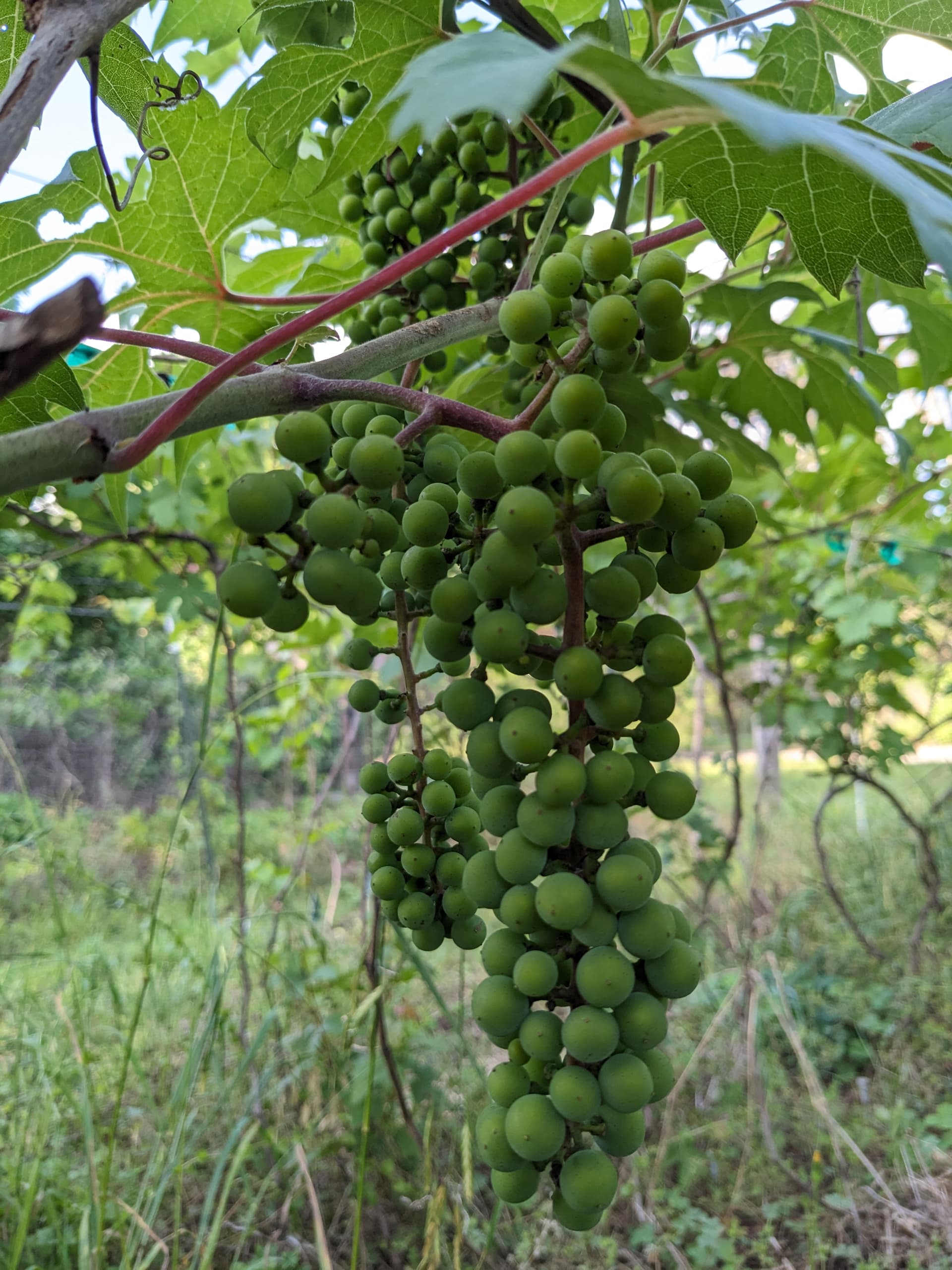
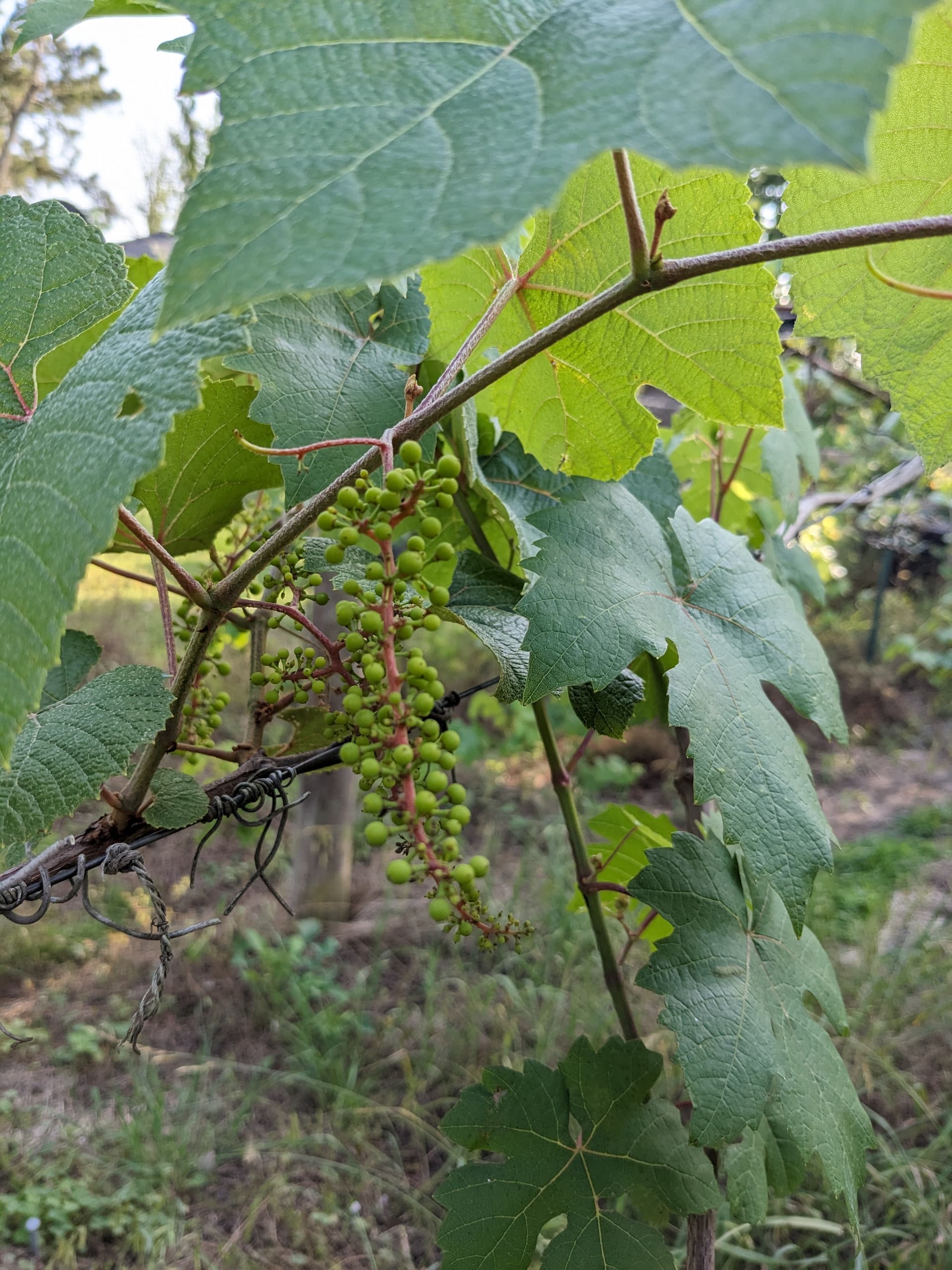
I do a fair bit of grape breeding. I dabble occasionally in breeding other fruits and vegetables, but grape breeding is my only really serious breeding effort. I’m mostly interested in developing disease resistant, juice and seedless table types for the southeastern USA. I use a fair number of wild species, most of which I’ve collected myself, as well pure vinifera grapes and various hybrid varieties from various historical or current breeding programs. These things are long term efforts, but if you keep selecting based on your goals, and moving through the generations, you do make progress! Nothing is close to harvest here, but here’s a few pictures of random things from the breeding vineyard today…
I’m trying to develop a true zone 4 apricot that also blooms late to avoid spring frosts. My trees are still young, hopefully I can start cross-pollenating within the next 2 years (weather permitting). I’m planning to cross ultra-cold hardy varieties like Morden 604, Westcot, Debbie’s Gold, and Precious with moderately cold-hardy, very-late blooming varieties like Zard, Hoyt Montrose, Harglow, etc.
I also want to breed a more cold-hardy peach with good fruit. Planning to mostly test Siberian C x Contender, but I also have Reliance, Veteran, Madison, and Iowa White to play around with for the second generation of crosses.
Very cool stuff, y’all! I didn’t even know red fleshed pears is a thing.
@SethDoty This is definitely intergenerational, never ending work. We may never get to see the “end results” (I’m just hoping nobody names anything after me, the world doesn’t need a ‘Dijon’ mulberry lol).
Several of us are working on breeding persimmons. I’m working on apples, with the specific goal of a few options for backyard homestead/farms in the Ozarks. Mostly leaning towards great taste that can actually produce a decent crop in a backyard no spray situation. Still evaluating which ones would be the best options to breed together.
That sounds awesome, do you have any of the selections from the old University of Arkansas apple breeding project? I feel like those would be a good place to start
I don’t have any from the old UoA program, but I was able to get plenty of good scions from Geneva before they clamped down on sending out material to regular folks. It’s exciting and kind of surprising to see what can hang and what can’t as far as diseases.
Yes. There are a number of wild grape species that can provide that. My strongest sources for black rot resistance have originated with vitis aestivalis var. Lincecumii, but there is also resistance in cinerea, rupestris, etc. all of which I use. Of course, the problem is, in the deep south, resistance to one disease does you no good. You need good resistance to downy mildew, black rot, pierces disease, anthracnose, phomopisis, and in a lot of areas, it would also be nice to have resistance to powdery mildew and isariopsis leaf spot as well. Most of those resistances are controlled by multiple genes in most material. Add to all that the desire for at least half way decent fruit quality, which is also controlled by many genes, and it’s easy to see why most southern varieties fall short in multiple areas. You need a whole lot of things that are difficult to combine in a single package.
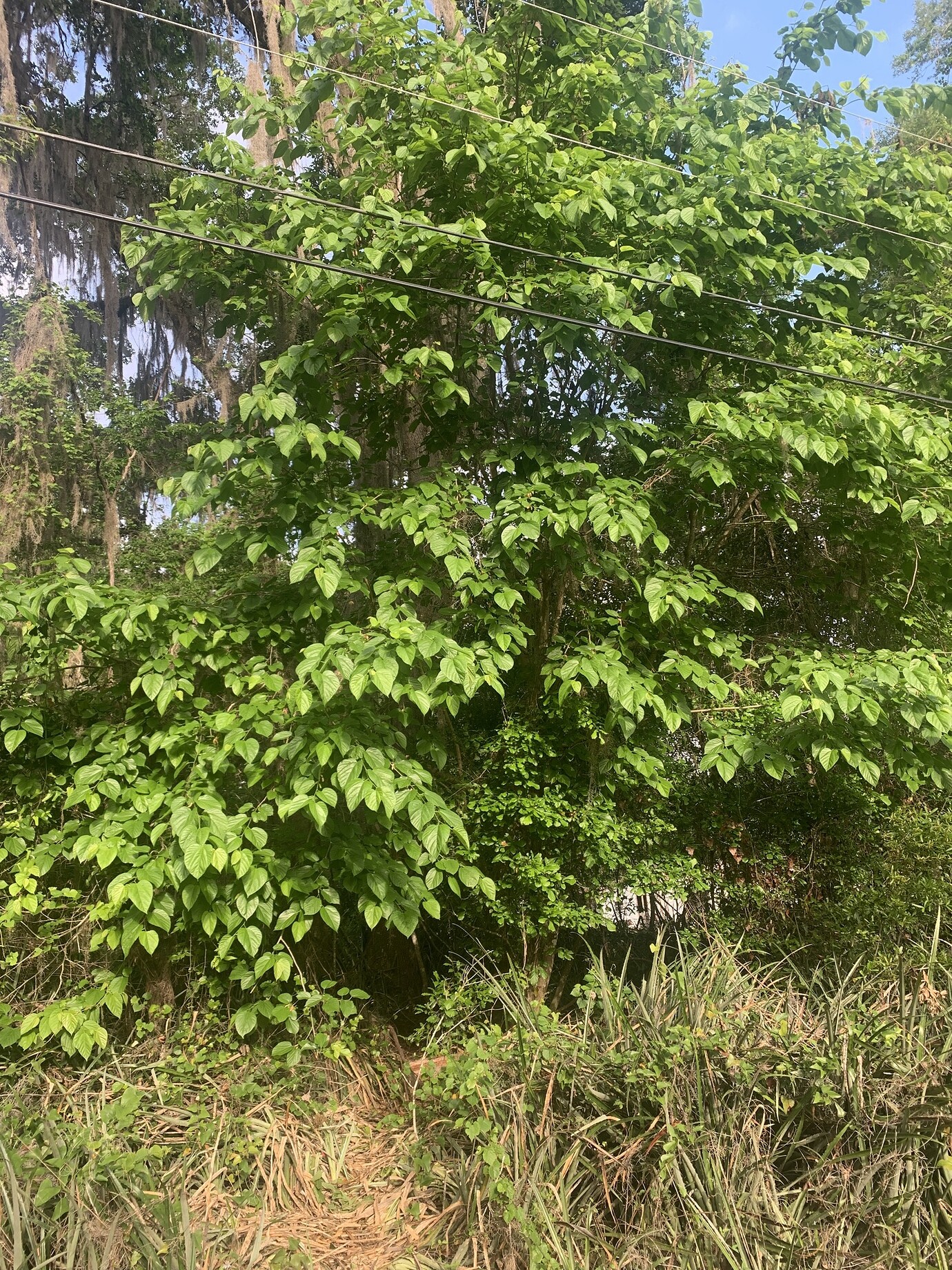
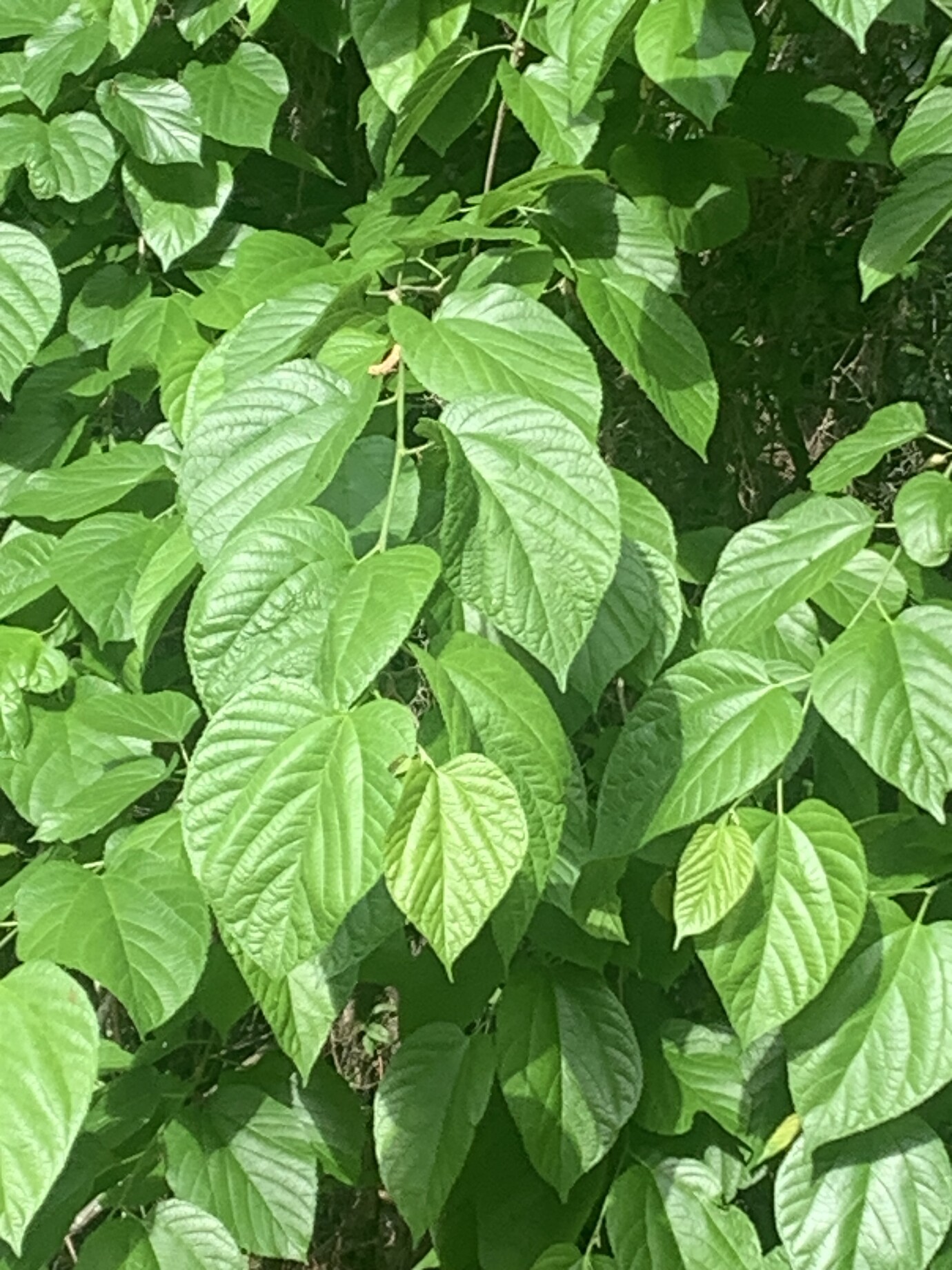
As a chance, possibly wild find, I’m not sure of the parentage of ‘P2-SG’, but IMO the large semi-fuzzy leaves imply some amount of M. rubra in it’s lineage. Livinginawe came & looked at the tree, & he speculates it’s a natural hybrid between a native rubra & ‘Pakistan’ (or some other macroura cultivar).
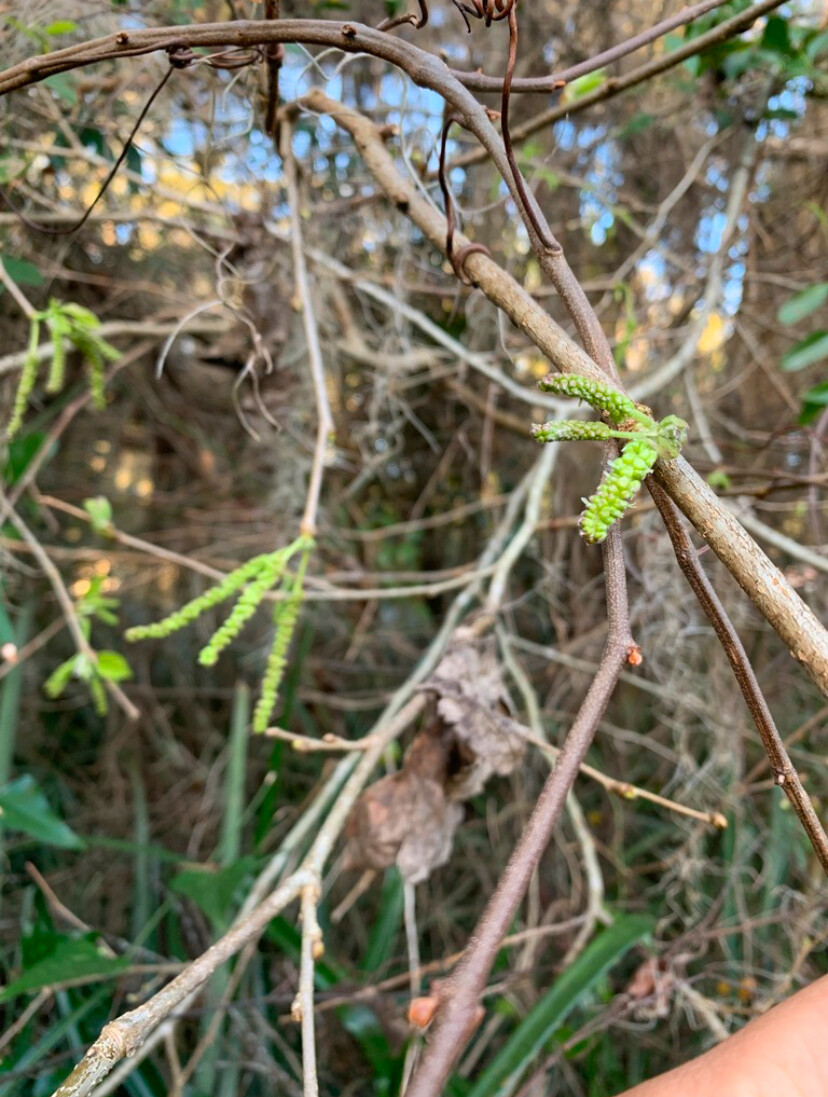
I originally thought she was male, but most of the tree bore female flowers. It seems only a few branches grew strictly staminate/male catkins. I’m not sure how many of the female branches also had male flowers.
Ive been interested in doing some Morus macroura x alba/rubra crosses. DMOR9 ie Himalayan Pink) does well in a container here. Theres a fellow in PA or NJ named (I think) Ted Daneke that has been growing some of these crosses out. He’s active in the NNGA I believe. Is anyone on list in touch with him or apprised of his efforts? maybe @Lucky_P ? I was given a small stick of scionwood a couple of years ago by @Buzzferver but it was scrawny and didn’t take. Seems like a worthwhile project though. My efforts are limited by the fact that I don’t have any superior males to cross. A polygamodioceous mulberry with good fruit quality would be a godsend for this type of thing. @DijonG, what is the fruit like on your find P2-SG?
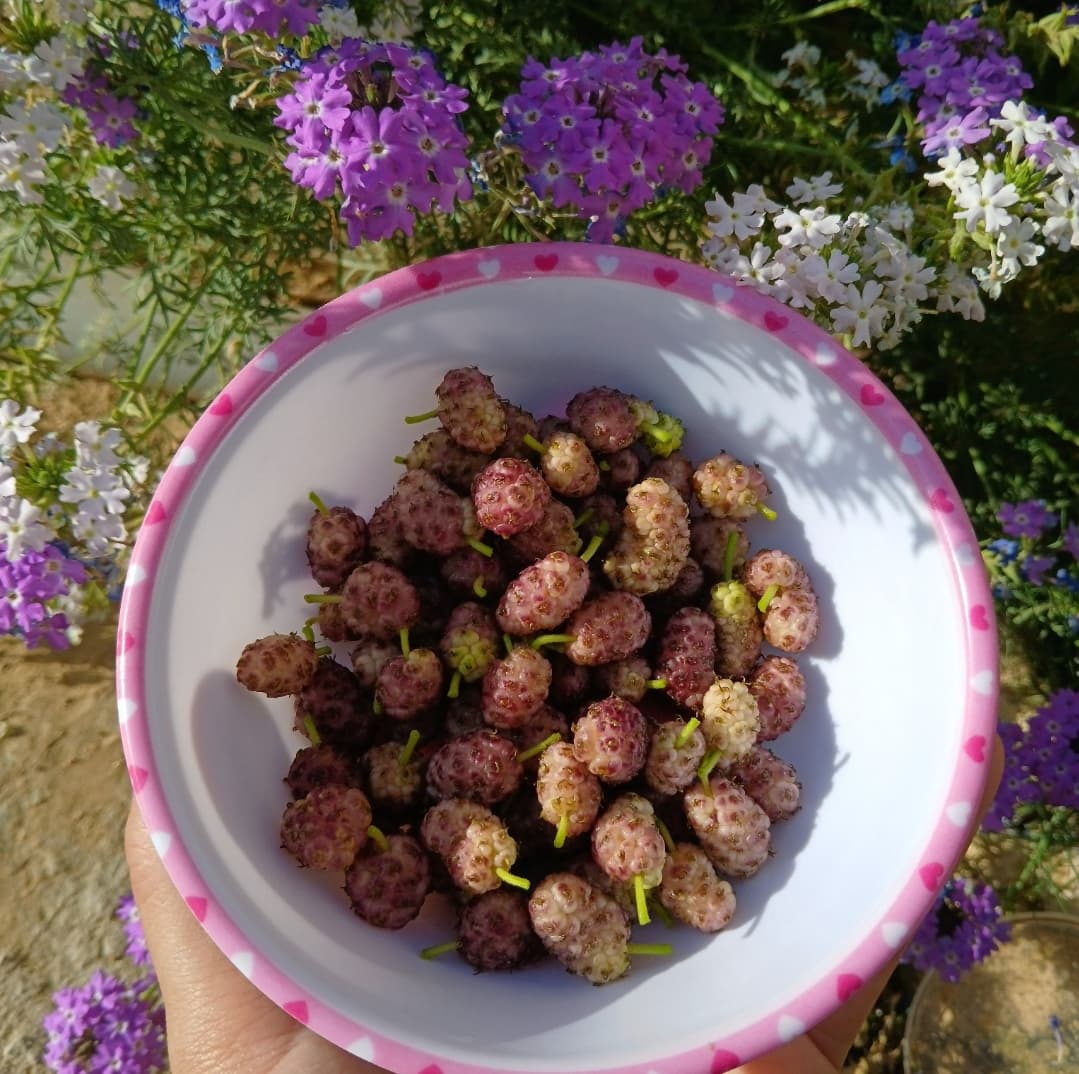
The fruits of P2-SG are on the juicier end of the spectrum & perfectly tart when eaten with some pink still showing, although the few fruits that cling to the tree long enough to turn solid purple do tend to be boringly sweet (imo). The flavor reminds me of the “invasive” wineberries (Rubus phoenicolasius) back north. Livinginawe also thought they were “at least as good” as the classic & widely praised Florida variety “Tice” - which I suspect P2-SG might be.
I’ve had berries from beloved varieties like ‘Illinois Everbearing’, ‘Shangrila’, & ‘Black Prince’; & while delicious & respectable in their own right, I didn’t find any of them remarkable by comparison. I’ll add the caveat that I only got to try most of the northern varieties from trees grown in the south, however.
@hobilus Have you tried crossing DMOR9 with wild rubras? Cold tolerance/delayed budding is the main thing macrouras lack as far as I’m concerned.
I’d also love to know more about the work this guy Ted Daneke’s doing, thanks for the lead!