This is a great starter article
Here are the actual plants for sale

"
How to Plant, Grow, and Care for Coffee Plants
The coffee plant produces beautiful foliage and fruit which can be enjoyed as both food and drink. In this growing guide, gardening expert Rachel Garcia teaches you how to get it right!

Written by Rachel GarciaHorticulture review by Sarah JayLast updated: December 9, 2025 | 12 min read
Contents
Who says coffee has to be limited to cafes, break rooms, and morning commutes? In this article, we are introducing a new place to enjoy your caffeine fix in the garden. No matter where you live, you can grow your own coffee plant.
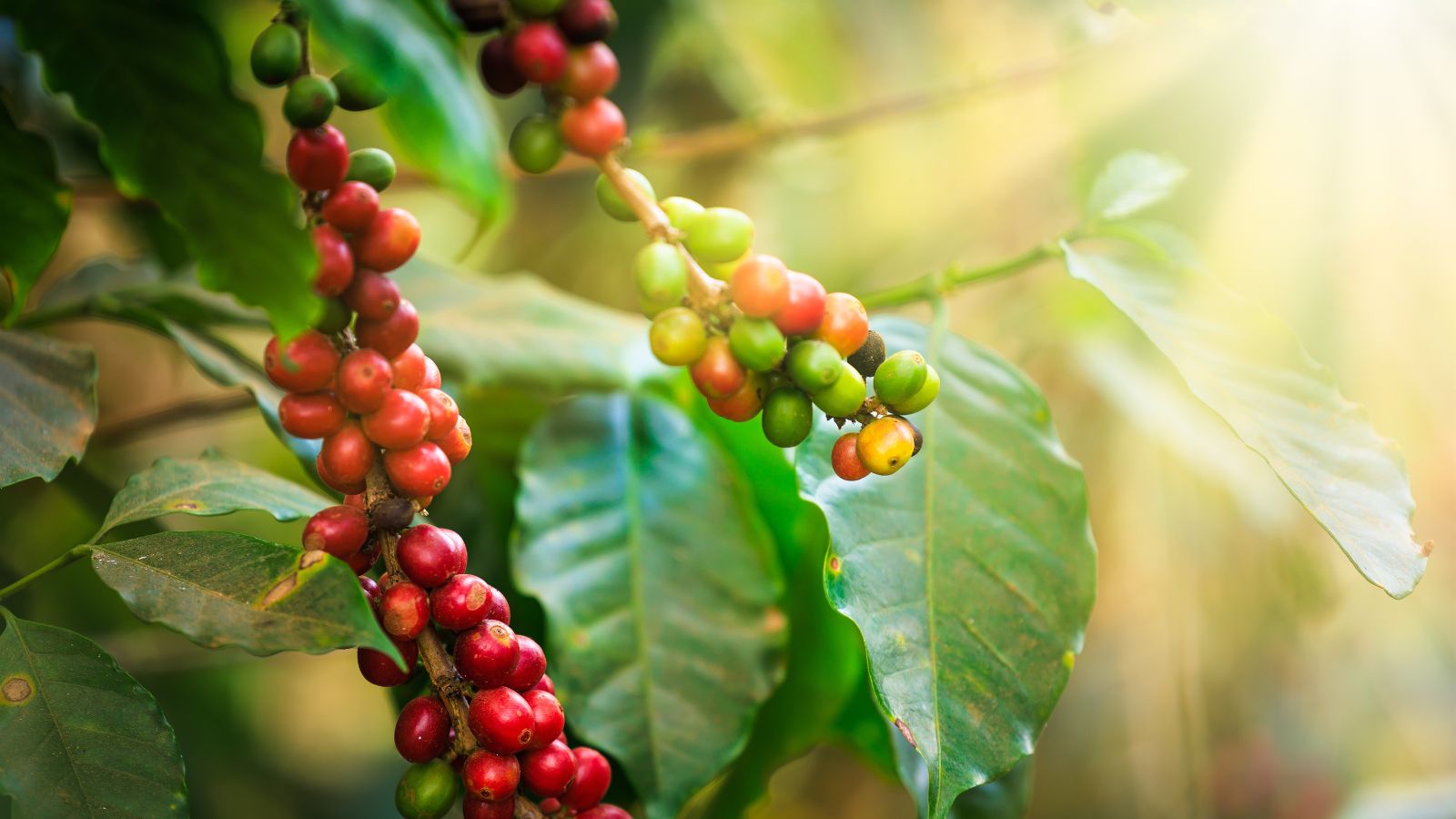
Growing coffee trees is an exciting venture and always a great conversation starter. Caffeine aside, the plant is so beautiful that it is often grown ornamentally in landscapes and as a houseplant. It has glossy dark green leaves and clusters of white, jasmine-scented flowers. The blossoms only last a few days, but they are soon replaced with bright red, grape-like berries.
One tree will not produce enough coffee beans to brew a full pot, but you can still roast them, use them in recipes, or turn them into nutrient-rich coffee ground compost. There is no end to the benefits of growing your own coffee beans.

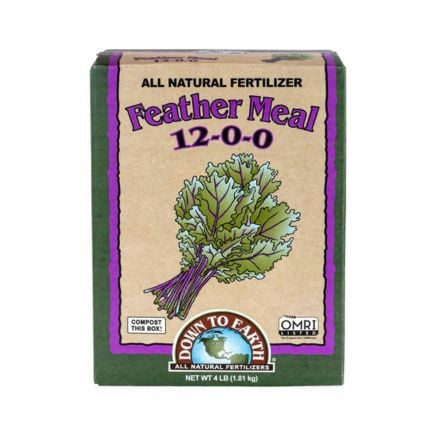
Nitrogen Boost: Feather Meal
Our Rating
Nitrogen Boost: Feather Meal
Epic 4-Cell Seed Starting Trays
Our Rating
Epic 4-Cell Seed Starting Trays
Epic 16-Cell Seed Starting Trays
Our Rating
Epic 16-Cell Seed Starting Trays
Quick Care Guide

Scientific Name Coffea arabica, C. canephora var robusta
Time to Harvest Around 6 months
Light Partial shade outdoors, sunny indoors
Water Once or twice a week Soil Well-draining, loamy, and acidic
Fertilizer High nitrogen; 2+ times during spring and summer
Pests Nematodes, mealybugs
Diseases Coffee leaf rust, coffee cherry disease, bacterial blight
All About Coffee Tree
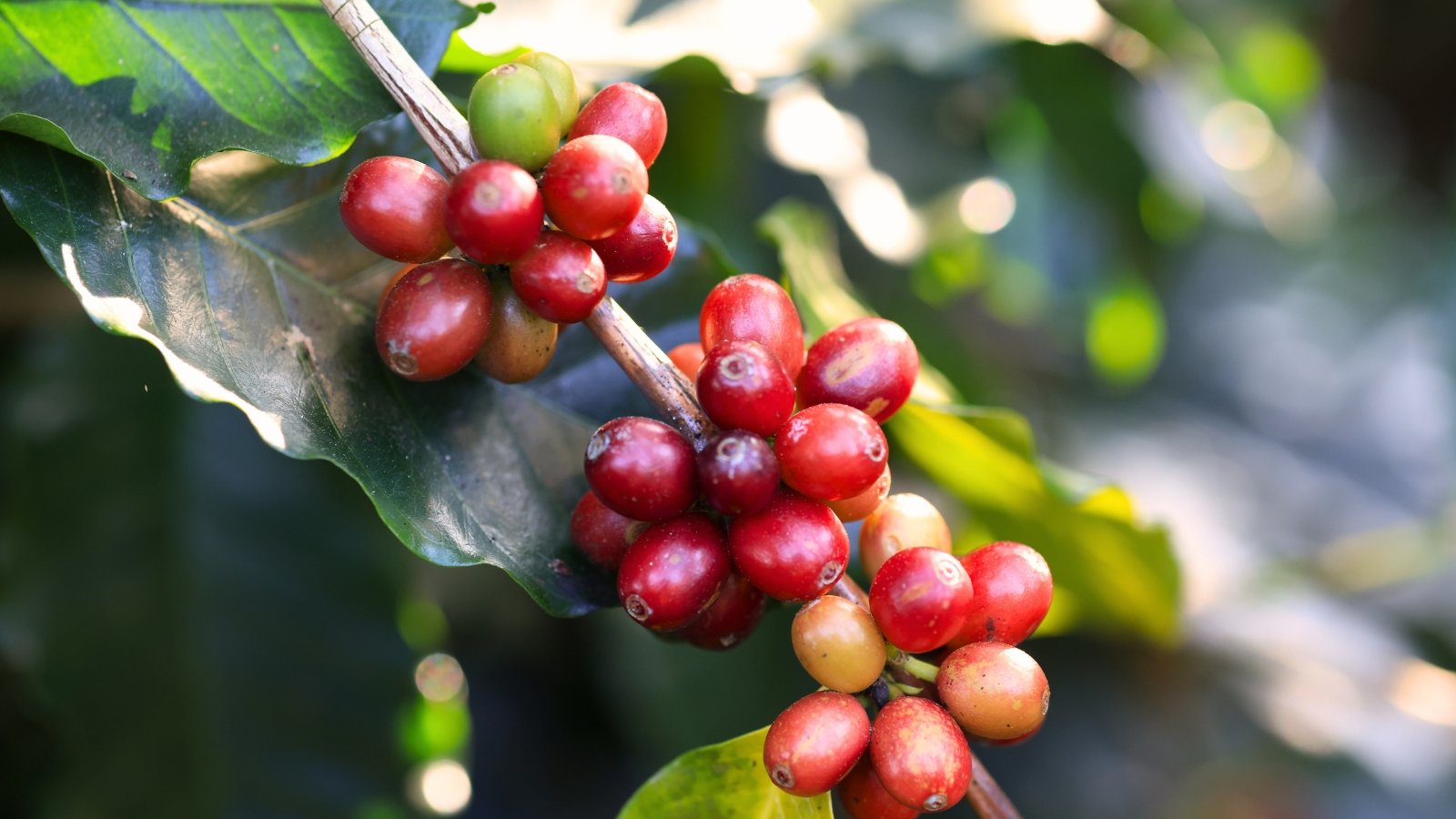
The seeds are extracted from the harvested berries.
It may surprise you to hear that coffee beans are not beans at all. They are seeds that grow inside vivid red berries, commonly called coffee cherries. The berry itself is edible, but it is far less valuable than the caffeinated seed inside.
Coffee plants are often referred to as trees, but they actually grow more like shrubs. They typically bloom in May and June and are ready to harvest from September to March, depending on location. There is usually only one harvest each year, but it lasts for two to three months.
Coffee trees are native to tropical Africa, where they are still widely grown commercially. In the United States, they can grow outdoors in zones 10 through 11. In colder regions, they thrive as houseplants and can even be moved outdoors during warm summer weather.
Beyond keeping half the world awake, coffee provides farming jobs for an estimated 100 million people globally. It is a vital part of Ethiopia’s economy and plays a major role in agriculture across Latin America and Africa. It is one of the most popular beverages in the world, second only to tea.
Sadly, about 60% of coffee species are endangered, including Coffea arabica, the most widely grown. Climate change, deforestation, and the spread of pests and diseases contribute to this decline, and some species may already be extinct.
Types of Coffee Plants
There are 124 known coffee species, but we only get our daily fix from two: Arabica and Robusta.
Coffea arabica
It is often used for brewing.
It is the most popular and highest quality coffee used today. You will find it in most brewed coffees as well as in desserts and flavored drinks. Chances are, the classic roast in your pantry is made from Arabica coffee.
Coffea arabica originates from Ethiopia, but it has been cultivated in Arabia for more than one thousand years. In the wild, it can grow up to 20 feet tall, but it can be kept around six feet when grown indoors. This plant is self-pollinating and produces large, elliptical seeds.
Coffea canephora var. Robusta
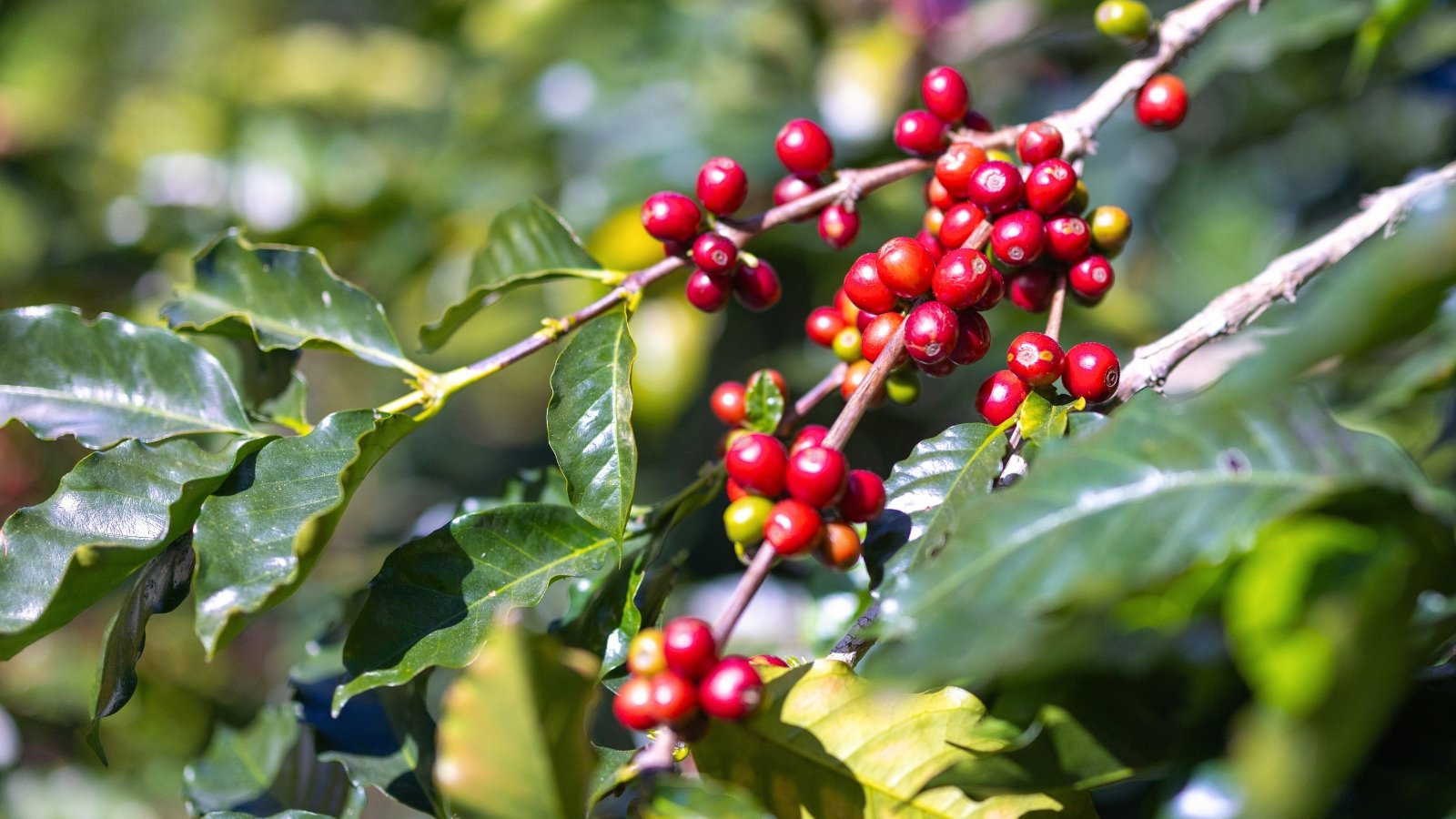
This variety is cheaper and has more caffeine.
It is often considered the off-brand version of Arabica. It is much cheaper but significantly more bitter. This species is easier to grow, which makes it popular for commercial production. The tree can reach up to 40 feet tall and prefers warmer temperatures than Coffea arabica. Its small, round seeds require cross-fertilization to develop.
The Robusta coffee bean contains nearly twice as much caffeine as Arabica. Because caffeine evolved as a natural defense against insects, the plant is highly pest-resistant. Unfortunately, caffeine also contributes to a more bitter flavor, which explains why this species is less popular. It is commonly used in instant coffee, espresso, and as a filler in blended coffees.
Planting Coffee
The best things take work, and coffee is no exception. The coffee planting process is detailed, but the end result is a beautiful plant.
When To Plant

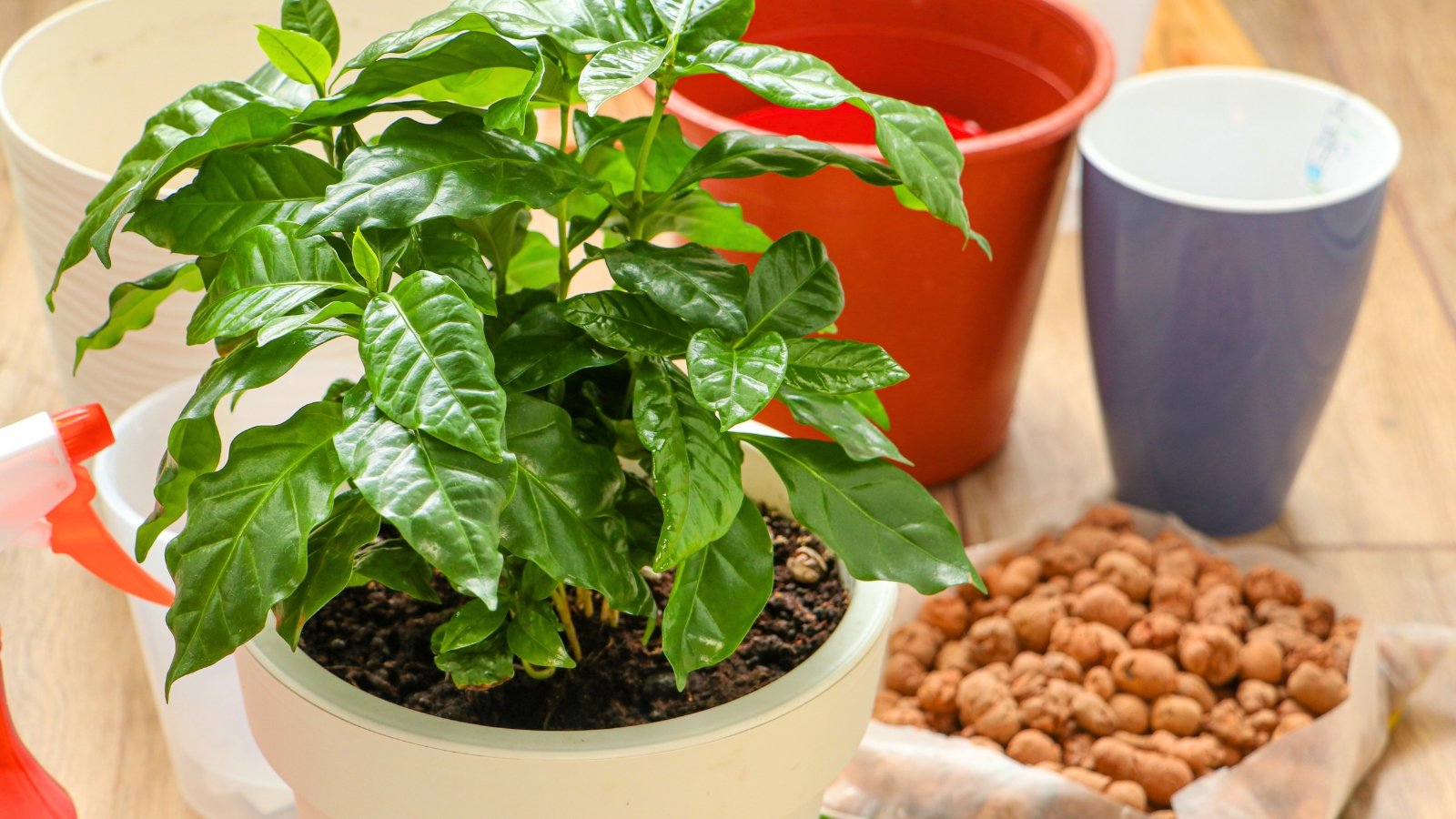
A young coffee plant growing indoors.
The growing season for coffee plants runs from April through August. It is best to plant seedlings shortly before this period, so they have time to settle in.
Finding coffee plant seedlings or seeds can be unpredictable in stores, so you may need to order them online. Give yourself plenty of time to source what you need before planting season arrives.
Where To Plant
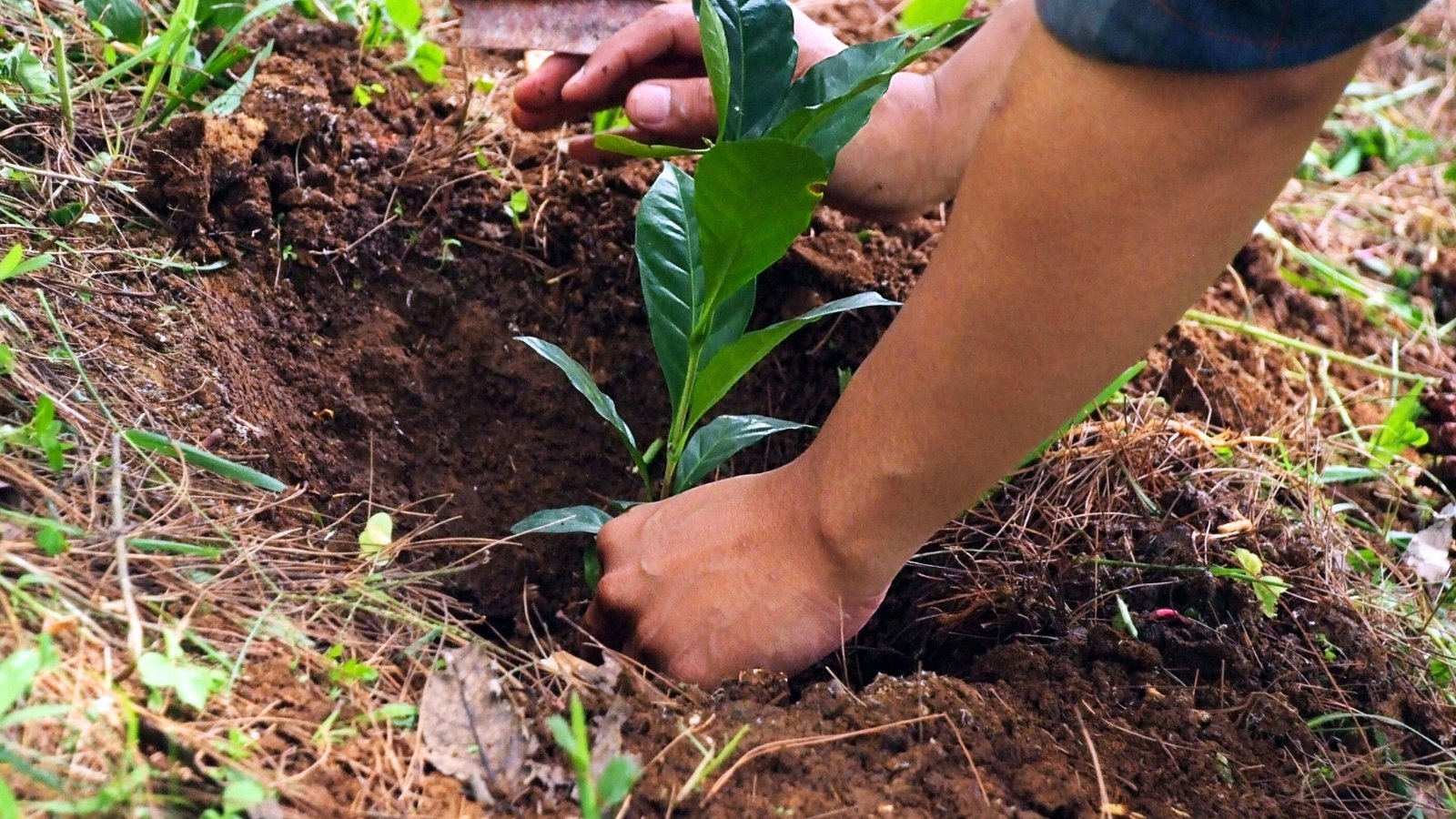
Plant them somewhere with enough space for them to mature.
If you live in the tropics or in zones 10 to 11, you can plant this tree outdoors. Start seeds indoors and transplant them once they have developed sturdy roots. Young plant starts can be planted directly in the ground.
Keep in mind that these are large shrubs that take up considerable vertical space. Give each plant at least three feet of room from surrounding plants. Choose a location with part shade for most of the day, especially in the afternoon.
Indoor plants will grow to four to six feet tall, so plan for enough space. They thrive in sunrooms and sunny windows. In summer, you can even treat your plant to a trip outdoors, as long as it stays in the shade.
How To Plant
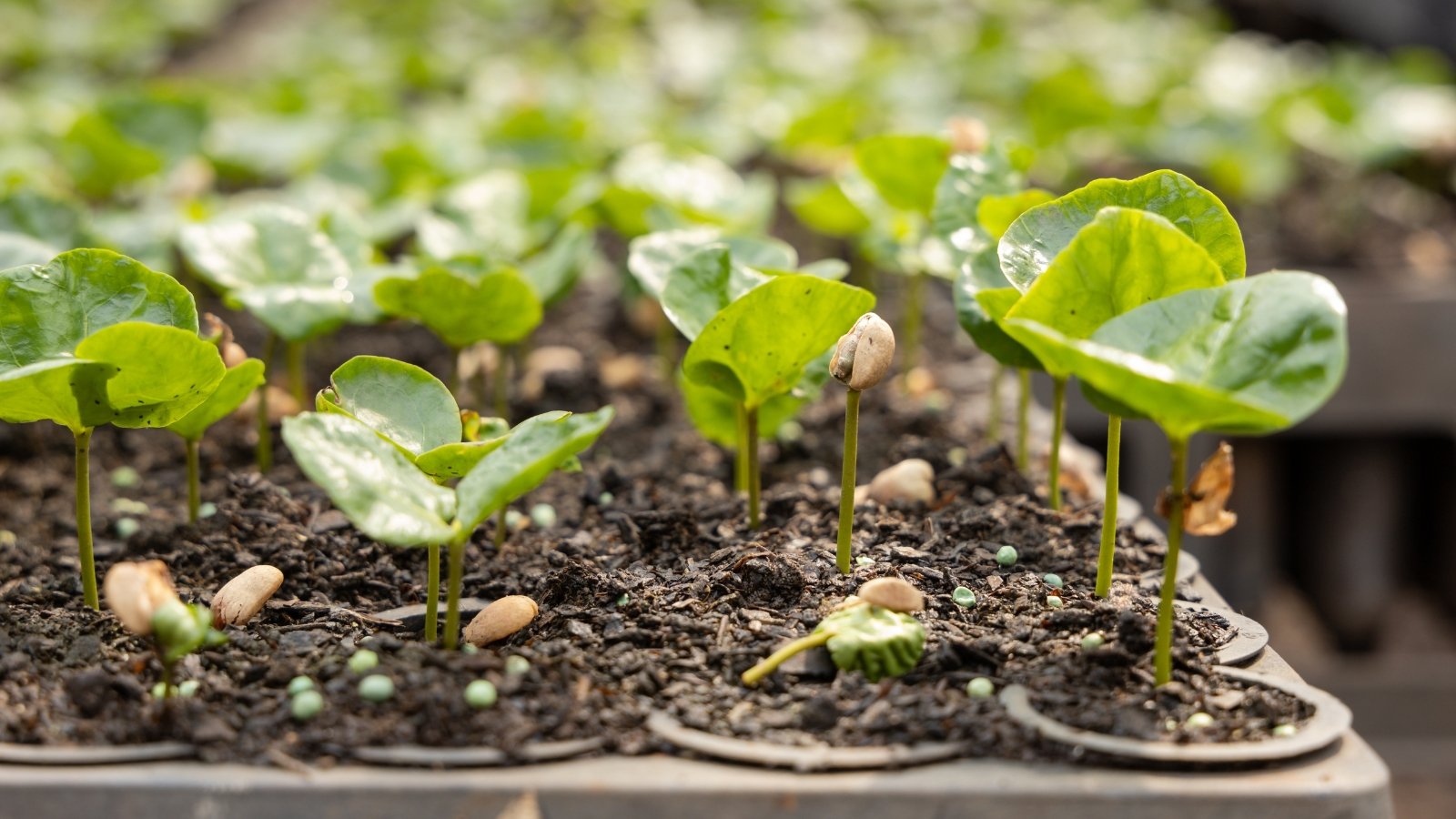
Buy seedlings in bulk.
When you buy coffee plant seedlings, they may arrive with several seedlings growing in a single container. Soak the soil and gently divide them. Once separated, plant each seedling in its own container or in individual spots in the garden. Use fertile, well-draining soil and keep it consistently moist while the seedlings establish.
Fertilize three to four times a year during the first few years of growth. Each spring, size up the pot if needed, keeping the container proportionate to the plant. Too much unused soil will hold excess moisture and can drown the roots. You can expect your new coffee plant to begin flowering in three to five years.
How to Grow

Coffee flowers on a healthy plant.
The taste of coffee is heavily impacted by the conditions the plant is grown in. So, if you want the best quality beans and a vivacious tree, you’ll have to pay special attention to coffee plant care.
Light
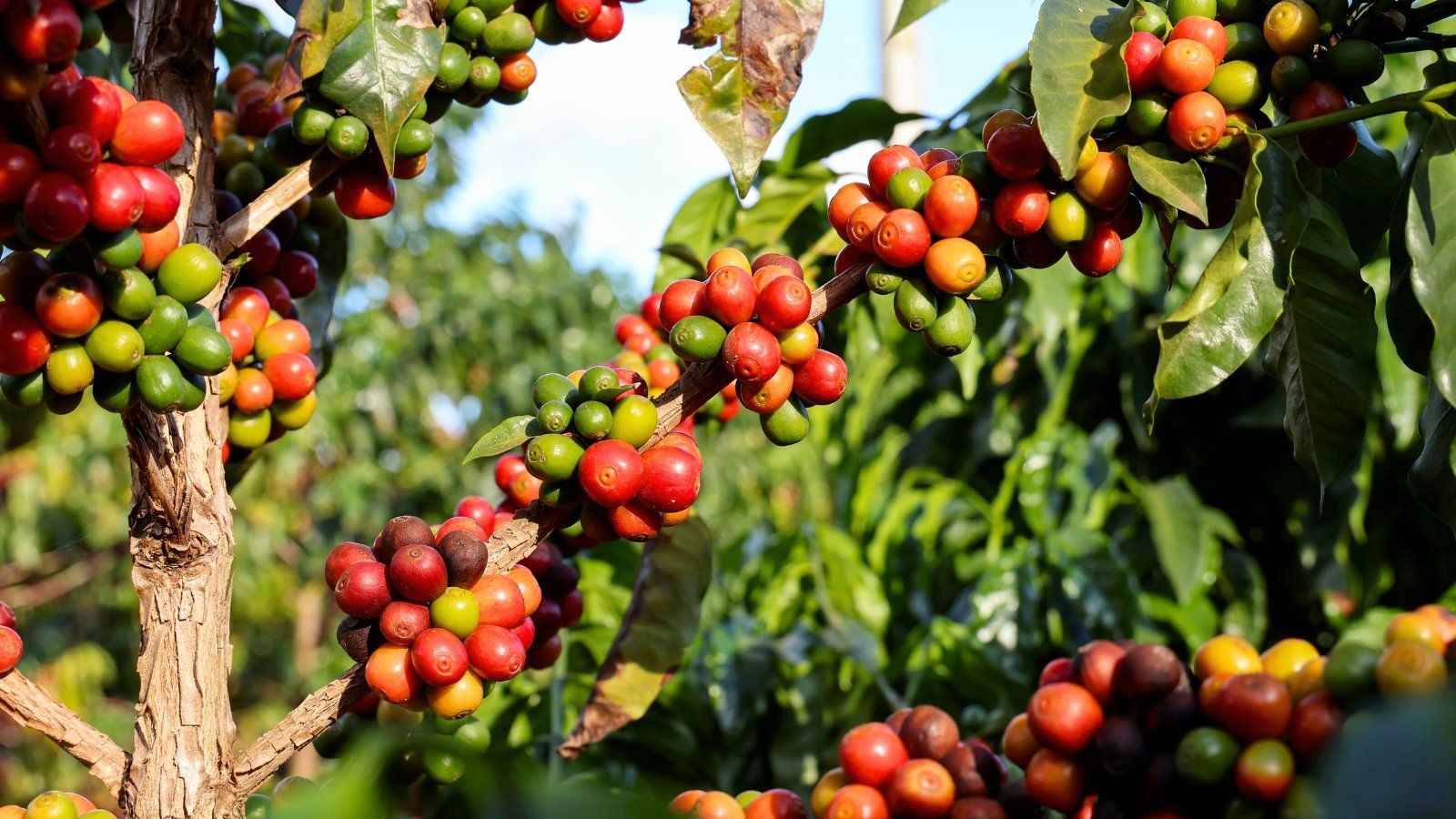
Avoid placing them under direct sunlight.
When grown outdoors, coffee plants need partial shade. They cannot tolerate direct sun and intense heat, which can scorch the leaves. Indoor plants, however, should be placed near a sunny window. A south-facing window is ideal since it receives the most consistent light.
Water

They need consistent moisture.
Keep the soil consistently moist by watering whenever the surface begins to dry out. Depending on your climate, this usually means watering about twice a week. Reduce watering significantly during winter since drier conditions help promote flowering in spring.
Avoid overwatering or allowing the roots to sit in standing water. The plant will wilt and recover quickly when it needs moisture, but try not to rely on this as a watering cue since repeated wilting can cause unnecessary stress.
Soil
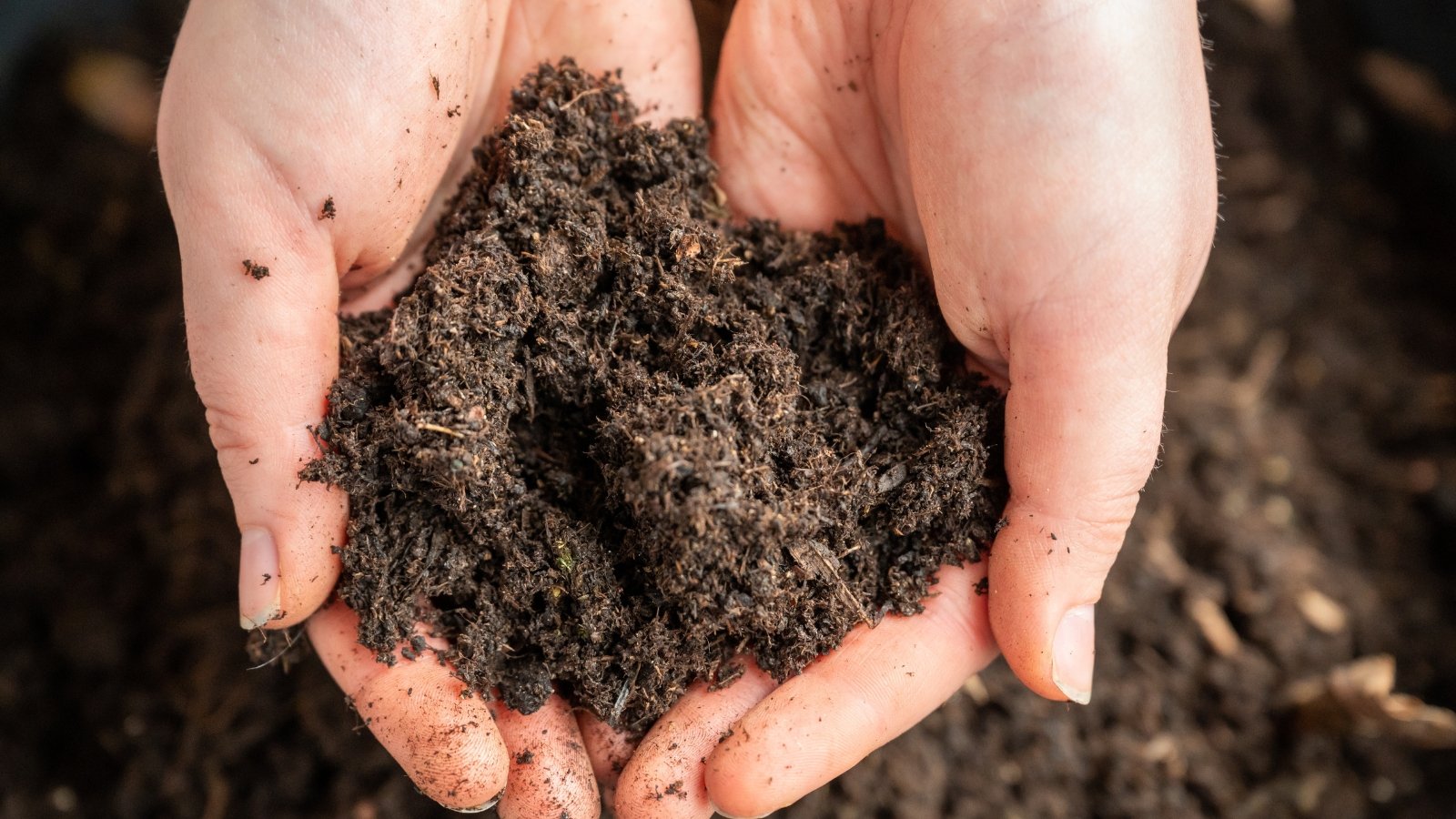
They thrive in fertile soil that drains well.
Coffee plants are heavy feeders, so they need rich, fertile soil. Before planting, you can amend the growing medium with organic compost. Just make sure the soil does not hold too much water. If needed, add sand or perlite, so it stays well-draining while still loamy. Mulch can also help with weed suppression and moisture control.
For best results, the soil should be slightly acidic, with a pH between 4 and 7, and ideally around 6 to 6.5. You can slightly increase acidity by adding sulfur or peat moss. Always test the soil before making adjustments, which you can do with an at-home soil testing kit.
Temperature and Humidity
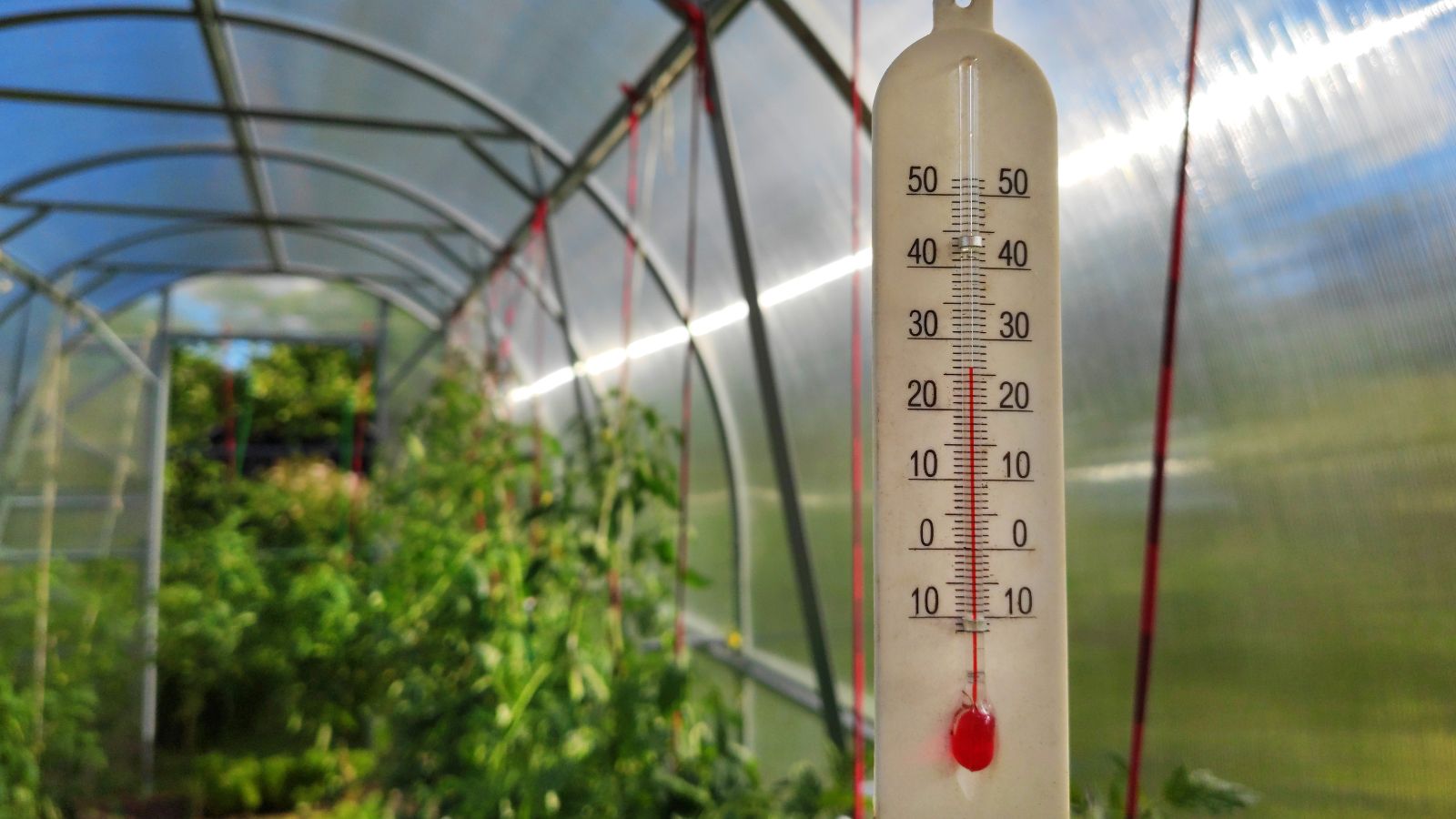
These tropical trees need warm temperatures and high humidity to thrive.
Because coffee plants are tropical, they need temperatures that are warm but not hot. A range of 60 to 80°F (16 to 27°C) is ideal. Temperatures below 55°F (13°C) can cause leaf drop, and frost can be fatal. Plant outdoor coffee trees in protected areas, such as the south side of a wall, to shield them from cold winds.
High humidity is essential for this tropical species. This is usually easy to maintain in tropical or coastal climates. For indoor plants, keep them away from heating vents, which dry out the air quickly. To monitor indoor conditions accurately, consider using a hygrometer.
One of the easiest ways to increase humidity in a dry room is with a pebble tray. Choose a tray or saucer larger than the pot and fill it with rocks. Set the pot on top and fill the tray with water just below the level of the rocks. As the water evaporates, it creates a humid microclimate around the plant. Just be sure the water level stays below the rocks so the soil does not absorb it.
Fertilizing
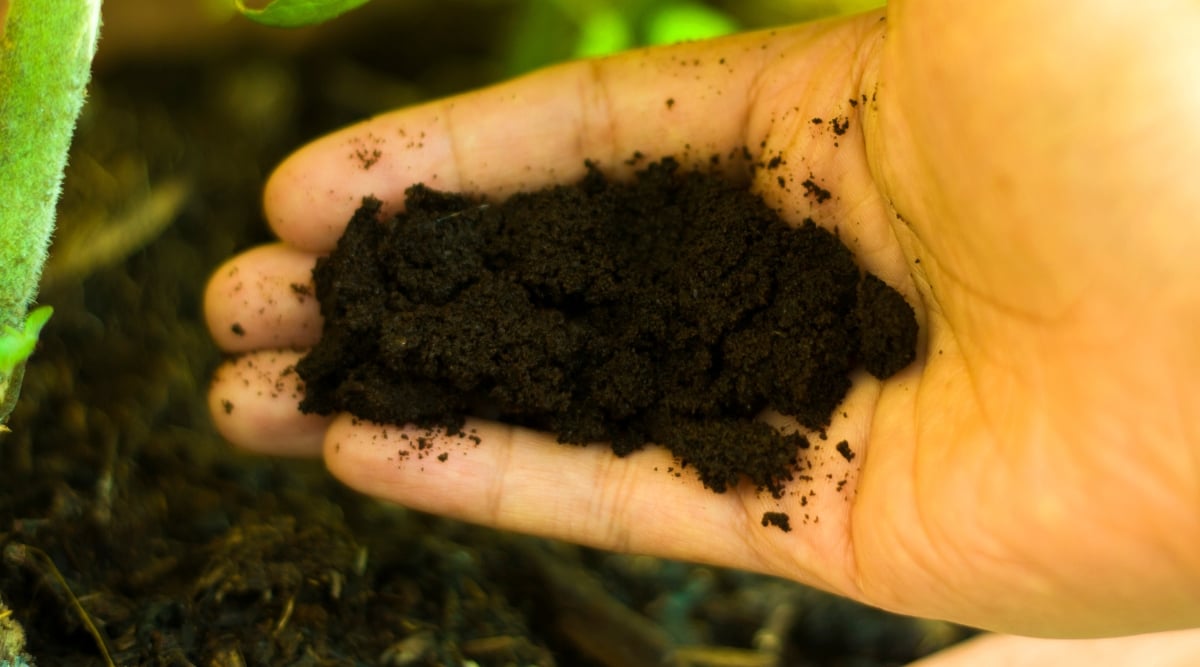
You can use coffee grounds to fertilize these trees.
Feed your coffee plant a few times during the growing season in spring and summer. This tree needs a fertilizer that is high in nitrogen. Rose and citrus fertilizers work well for keeping coffee plants healthy. You can also fertilize with coffee grounds since they contain many of the nutrients the plant needs.
Coffee plants need micronutrients as well. Magnesium, sulfur, iron, zinc, calcium, and boron all contribute to proper growth. When choosing a fertilizer, look for one that includes at least small amounts of these micronutrients along with the standard NPK.
Pruning

Coffee trees in an area with lots of greenery.
Across the world, coffee plants are typically pruned to six feet tall or less for easy harvesting. Keeping them this small does require consistent maintenance. Expect to prune at least once a year and possibly more often if your tree grows indoors.
Coffee plants can be pruned at any time, but early spring is ideal so the plant is ready for the growing season. Do not hesitate to prune it heavily since this shrub is quite resilient, but avoid removing more than half of the plant at once.
A helpful approach is to prune secondary and tertiary branches while leaving the main primary branches intact. Because coffee plants grow like shrubs, they are easy to shape. Prune lower branches if you want a taller plant. If you prefer a bushier look, trim the top growth to redirect energy to the lower branches.
Propagation
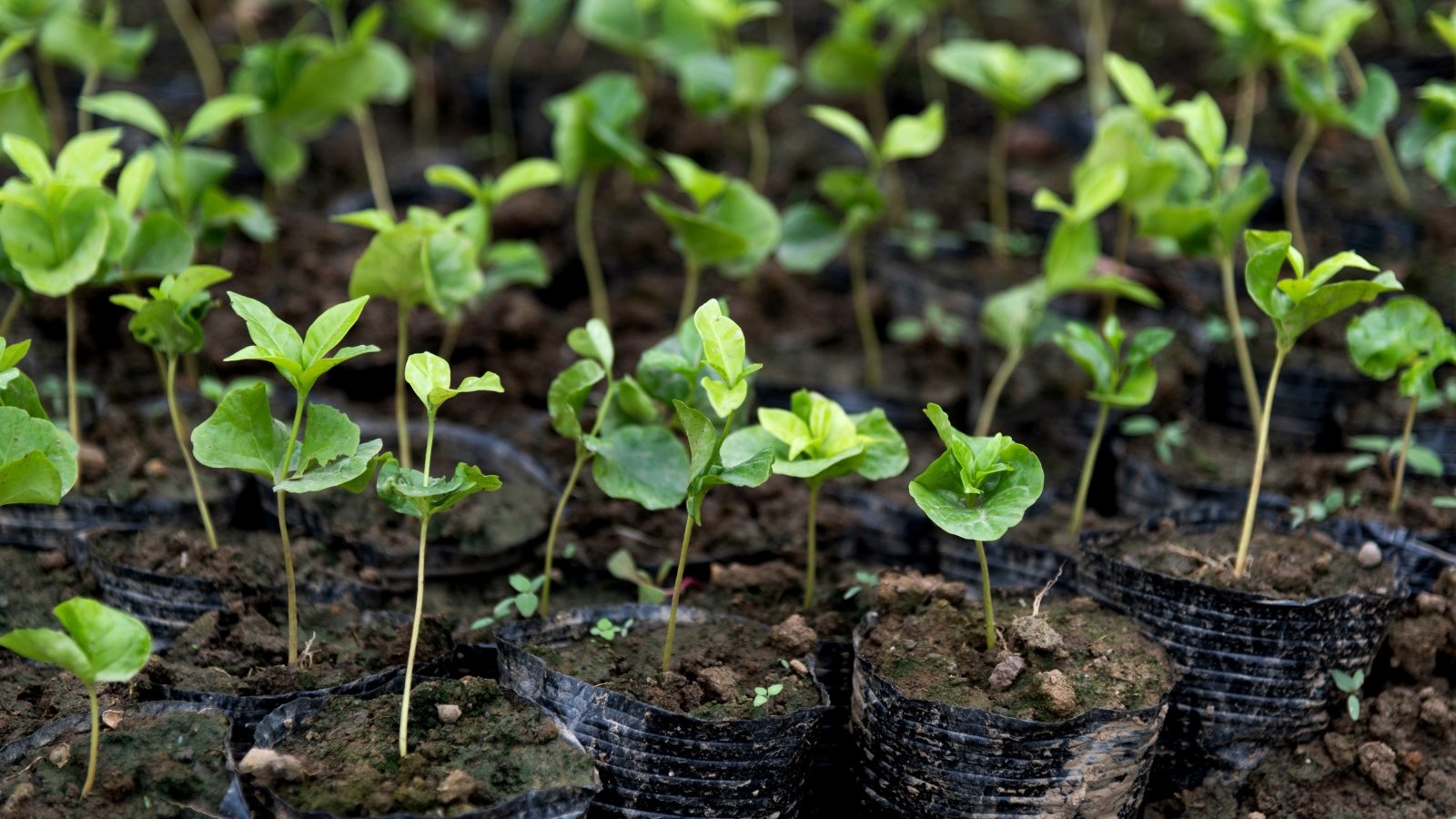
It is common to use seeds when growing them.
The most popular method of propagation is growing coffee from seed. The key is getting the right type of seed and germinating it correctly. You will need fresh, green coffee beans, not roasted ones. They must be removed from the coffee fruit and rinsed.
Gather some from a friend’s tree or order green seeds online. A number of varieties are available from retail sellers. Ask for seeds that are as fresh as possible. They are viable for about four months, but the likelihood of germination drops as they age.
Once you have your seeds, soak them in water for 24 hours. Then place them in damp but drained sand or vermiculite. Keep the seeds there until they germinate. When the baby plants begin to poke out, gently remove the germinated seeds and plant them about a centimeter deep in fertile, well-draining soil, flat side down. Keep the soil vigilantly moist until seedlings appear.
Cuttings
If seeds are not your thing, you can grow coffee plants from stem cuttings. The process is straightforward. Choose a healthy, mature branch with leaves but no fruit or blooms. Using a sharp knife, make a diagonal cut four to five inches from the tip.
Remove the leaves from the bottom third of the cutting. The nodes you exposed will form new roots, while the remaining leaves collect sunlight. Dip the cut end in rooting hormone to give it a better chance of growing.
Plant a little less than a third of the cutting in well-draining soil. A mix of peat moss and perlite works well. Water thoroughly and cover the container with a clear dome, like a zip-top bag. Keep the cutting indoors in a warm, sunny area and keep the soil consistently moist.
Once you see new growth on the cutting, such as fresh leaves, remove the dome. When the roots are established and the cutting is actively growing, you can repot it or plant it outdoors. It usually takes two to three months for a cutting to develop into a full coffee plant.
Harvesting
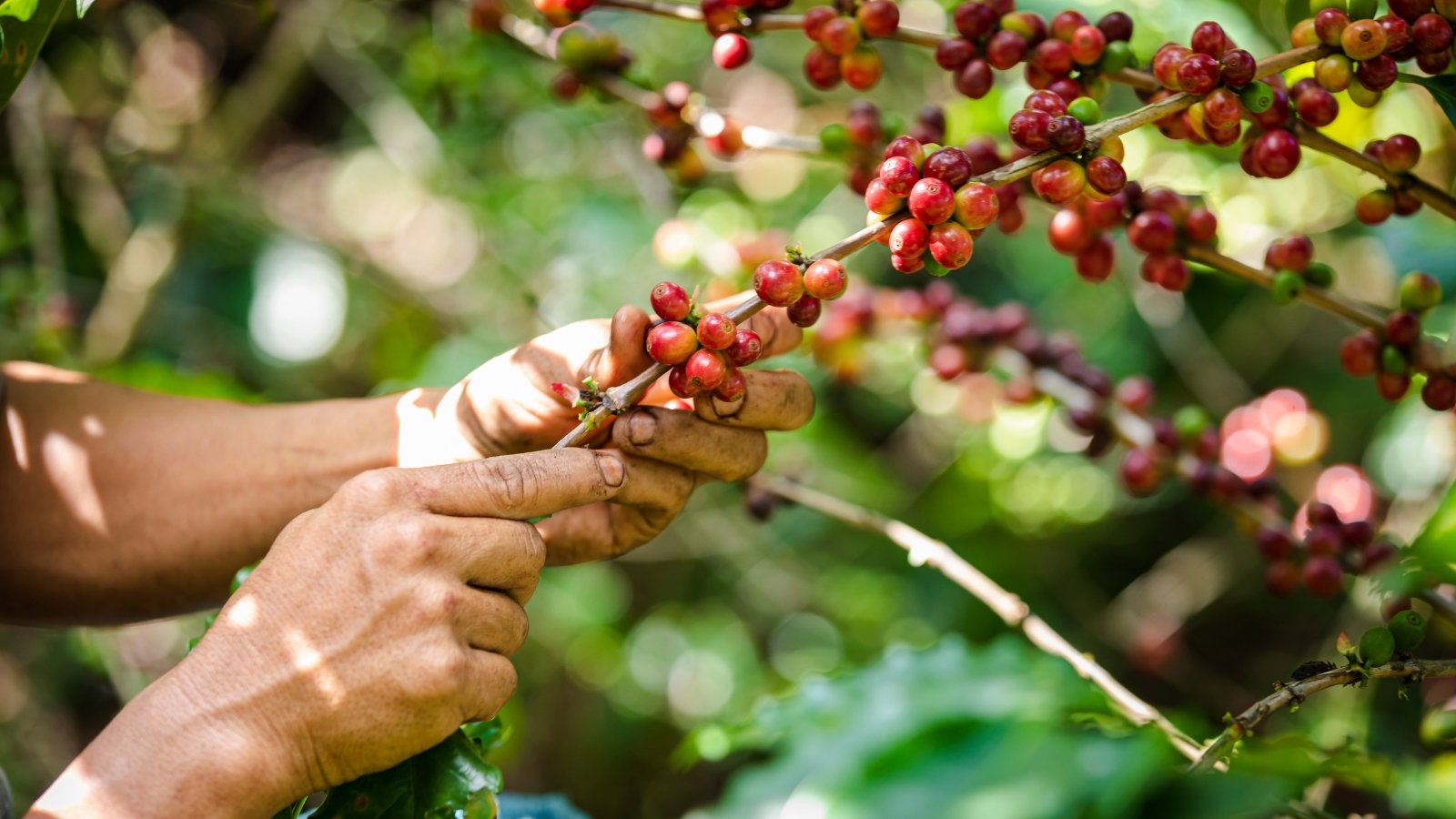
Coffee cherries being harvested from the plant.
After all the coffee plant care, we are finally at the most anticipated part, harvesting that delicious coffee. It is a long process, but one true coffee lovers will appreciate.
You may not get a huge harvest from your coffee plant, especially if it is growing indoors. The amount of fruit you get depends on the plant’s maturity and how precisely it has been cared for. One plant likely will not give you enough beans for a full pot of coffee, but you should have enough to roast or use in a dessert such as chocolate-covered espresso beans.
When the cherries are ripe, they turn a vivid dark red. They do not fall off the tree, so you will need to pick them by hand. Only harvest berries from a disease-free plant and start processing them as soon as possible so the fruit does not spoil.
The berry itself is edible and somewhat similar to a grape. If you want to eat it, remove the seed by cutting open the cherry with a knife. Otherwise, you can extract the seed by soaking the cherry in water overnight and then squeezing it out. If you have a large harvest, you can lay the cherries on concrete and crush them with a board. Once you have your green seeds, you can plant them to grow more coffee or begin preparing them to eat.
Storing

They are roasted to prepare them for various uses.
Roasting the seeds is a long but rewarding process. The outside of each bean is coated with parenchyma, a soft tissue that must be removed before roasting. To remove it, you will need to ferment the beans.
Fermentation occurs when enzymes break down the bean’s outer material. It sounds complicated, but all you need to do is soak the beans in water for 12 to 48 hours and let the enzymes do the work. The parenchyma feels slimy, so continue soaking until the beans feel rough. Discard any seeds that float.
Rinse the beans thoroughly and set them out to dry in the sun. If you plan to store the beans before roasting, let them dry for several days. If you are roasting right away, simply wait until they are dry to the touch.
Once dry, the seeds will have a tan parchment layer that can be removed by hand. After that, it is finally time to roast. Place the beans in a pan over medium heat and stir continuously. When they are roasted enough to eat, you will hear a cracking sound. The longer you roast them, the darker they become. If you hear a second crack, remove them from the pan so they do not burn and turn bitter. Once the beans have cooled, you can grind and brew them or snack on your homegrown harvest.
Store roasted coffee beans in an airtight container kept in a cool, dry place. They will last for months, but for the best flavor, use them within one month. Freezing them in an airtight container can extend their quality to three to six months, although freezing may slightly alter the flavor.
Coffee cherries can also be stored long-term by drying them. Spread them on a tray and leave them in the sun for a few weeks, turning them occasionally so they dry evenly. When completely dry, the skins will harden. These dried skins can be used to make cascara tea.
Troubleshooting
As always, prevention is the most important part of coffee plant care. In this section, we’ll go over the symptoms to watch for and how to handle them.
Growing Problems

Monitoring is key when caring for these trees.
Humidity is extremely important when you grow and plant coffee, so you will need to monitor it closely. If the tips of the leaves turn brown and begin to dry out, the plant most likely needs more moisture. Place the container on a rock and water tray or move it away from heating vents. The damage may be permanent, so it is best to keep the room humid from the start.
If the browning is not limited to the leaf tips and appears in spots, your plant may be sunburned. Move it away from direct sun and heat right away. Also check that the plant has enough water, since heat can dry it out quickly.
Pests

Nematodes target their roots, impacting overall plant health.
If you have a Robusta plant, you will not need to worry much about pests thanks to its naturally high caffeine content. With a Coffea arabica houseplant, though, you will need to watch for a few common insects.
Nematodes are among the most dangerous pests for coffee plants. These tiny worms attack the roots and cause root knots. Other symptoms include yellowing leaves, wilting, and reduced fruit production. To prevent nematodes, clear the soil of old roots before planting and add organic matter regularly. Existing populations can be managed by introducing beneficial nematodes, which help defend your plants.
Mealybugs are another pest you will need to watch for when growing coffee. These small white insects feed on plant juices and leave behind a cottony residue. Infested plants wilt, lose color, and may eventually die. Mealybugs also attract ants, which makes infestations even worse.
Remove small numbers of mealybugs by dabbing them with rubbing alcohol. For larger infestations, apply insecticidal soap or a mycoinsecticide. Prevention is always easier, so avoid overwatering and apply neem oil periodically. It also helps to control ant populations since they have a symbiotic relationship with mealybugs.
Diseases

This plant is vulnerable to fungal infections and other diseases.
Coffee leaf rust looks exactly how it sounds. It appears as rusty colored spots on the leaves and eventually causes defoliation. This fungus spreads through spores carried by wind and rain, so you are unlikely to encounter it indoors. Outdoors, you can prevent and control it by spraying the tree with copper fungicide.
If the cherries on your tree develop dark, rotting spots, you may be dealing with coffee berry disease. This fungal infection originates in the tree bark and spreads to the berries through spores. It often causes the berries to drop as soon as they are infected. Prevent and treat this disease with copper fungicide.
Bacterial blight is caused by consistently cold and wet conditions. It produces dark, wet spots on the leaves and eventually causes cankers and damage to the plant’s vascular system. This disease is fatal to coffee plants. Multiple applications of copper fungicide usually help control bacterial blight.
Frequently Asked Questions
Is coffee a tree or a bush?
Do coffee plants smell like coffee?
Is coffee tree toxic?
Share This Post

How to Plant, Grow, and Care for Arabica Coffee Plants
The popular caffeinated drink consumed by billions of people daily comes from the beans of the coffee plant. Out of the many varieties of coffee in the world, it is Arabica that provides nearly 80% of the world’s daily coffee fix. In this article, gardening expert Wendy Moulton shares how to grow and care for this stunning tree at home.

Learn to grow.
Join our community for future updates.
23 Organic Fertilizer Types and How To Use Them
If your plants are struggling to grow, you might need to amend your soil with organic fertilizer. Learn about them and how to use them here.
How to Compost Coffee Grounds
Composting with coffee grounds is one of the best ways to make use of a waste product most of us just throw the trash! Epic Gardening Founder Kevin Espiritu explains all the ways you can compost with coffee grounds in your home and garden.
How to Use Coffee Grounds in Your Garden (and What Not to Do)
How do you use coffee grounds in garden beds? In this guide, we explore your options. Learn how to make the most out of your cup of joe, and where not to use those grounds on your plants.
What is Nitrogen Fixation? How it Helps Plants
Many forms of biological nitrogen fixation occur in the soil. Follow this guide by soil expert Ben Anderson to understand this essential part of soil building!
What Is Soil? An Intro To What It Is And Isn’t
Exactly what is soil, anyway? We take an introductory look at what soil is and isn’t to try to clarify and answer this tricky question!
5 Composting Myths You Shouldn’t Believe
There are plenty of myths surrounding the practice of composting, from smell to pest problems and more. We break down the most common composting myths and why you shouldn’t believe them.
Learn to grow.
Join our community for future updates.
Shop
About
- About Us
- Editorial Team
- Community Program
- Ambassador Program
- Customer Gardens
- Wholesale Inquiries
- Shipping Policy
- Return & Refund Policy
- Privacy Policy
- Terms and Conditions
- Accessibility Statement
Community
Customer Service
Track Your Order
Ask a Question
FAQs
Returns
Customer Service Hours
Mon-Fri 7-4 PST
Reach Us By Phone-
619-759-5631
© 2026, Epic Gardening

 Questions?
Eric
Hi! I’m Eric, your gardening assistant. How can I help you?
Send
Or choose from our Trending Topics
What should I plant this month in my zone?
Can you summarize this article for me?
Who are you?

Chat with EricInstant Answers

Talk to an ExpertChat with real gardeners
ID My PlantIdentify plants
Information from your device can be used to personalize your ad experience.