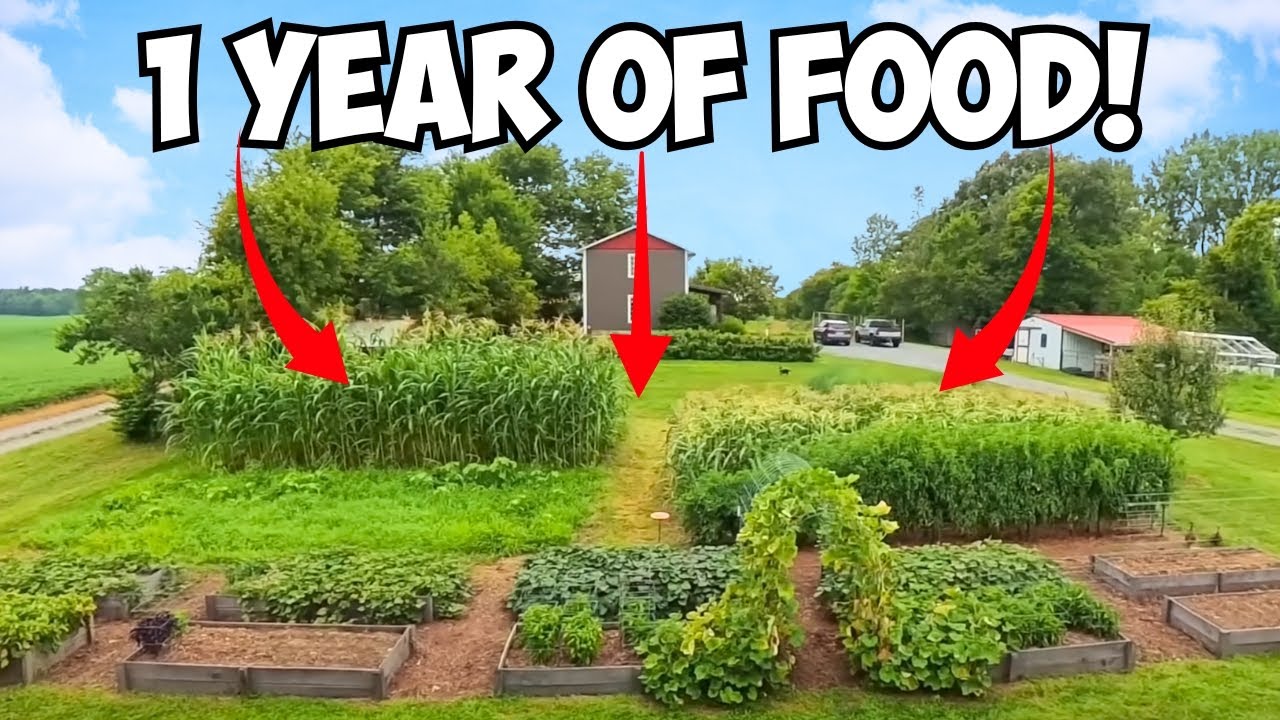
Technically, about an eighth to a quarter acre is all that needed, split between potatoes, corn, and soy, with a few plants of different vegetables for essential nutrients. But that’s a meaningless number because nobody is just going to eat boiled potatoes, corn, and soybeans for months on end. That’d be self sufficient, sure, but a self sufficient peasant life.
For just calories and protein, you can actually feed about a dozen people with just an acre of potatoes or corn with modern conventional agriculture, it’s that efficient and productive. But again this is too abstract, and no amateur gardener is going to see yields like that anyway, especially in less productive climates and without mechanization.
There really isn’t a hard number on the acres needed, because dietary preferences and climate are such huge variables. An acre in Cuernavaca is worth a hundred in Utah.
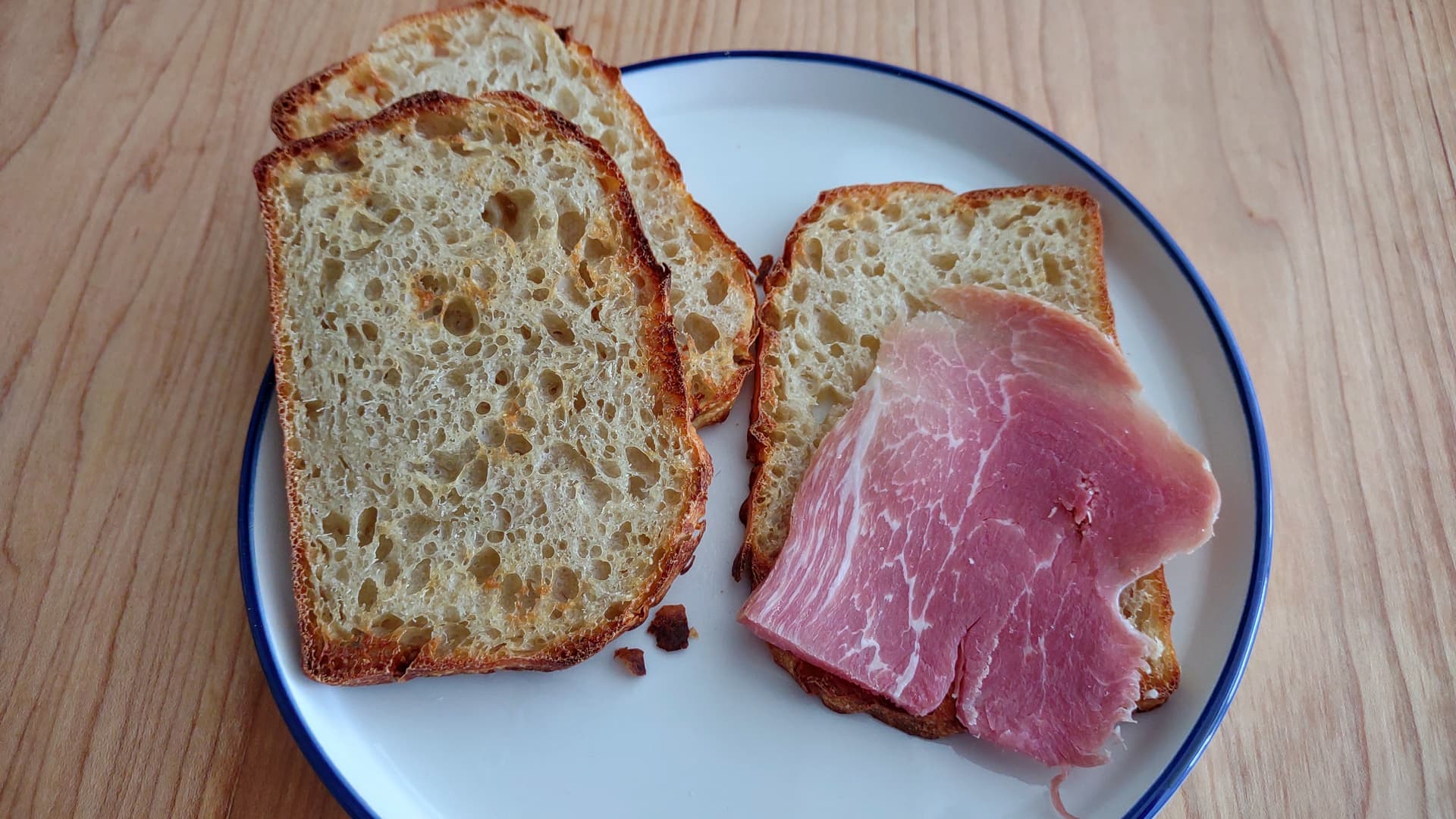
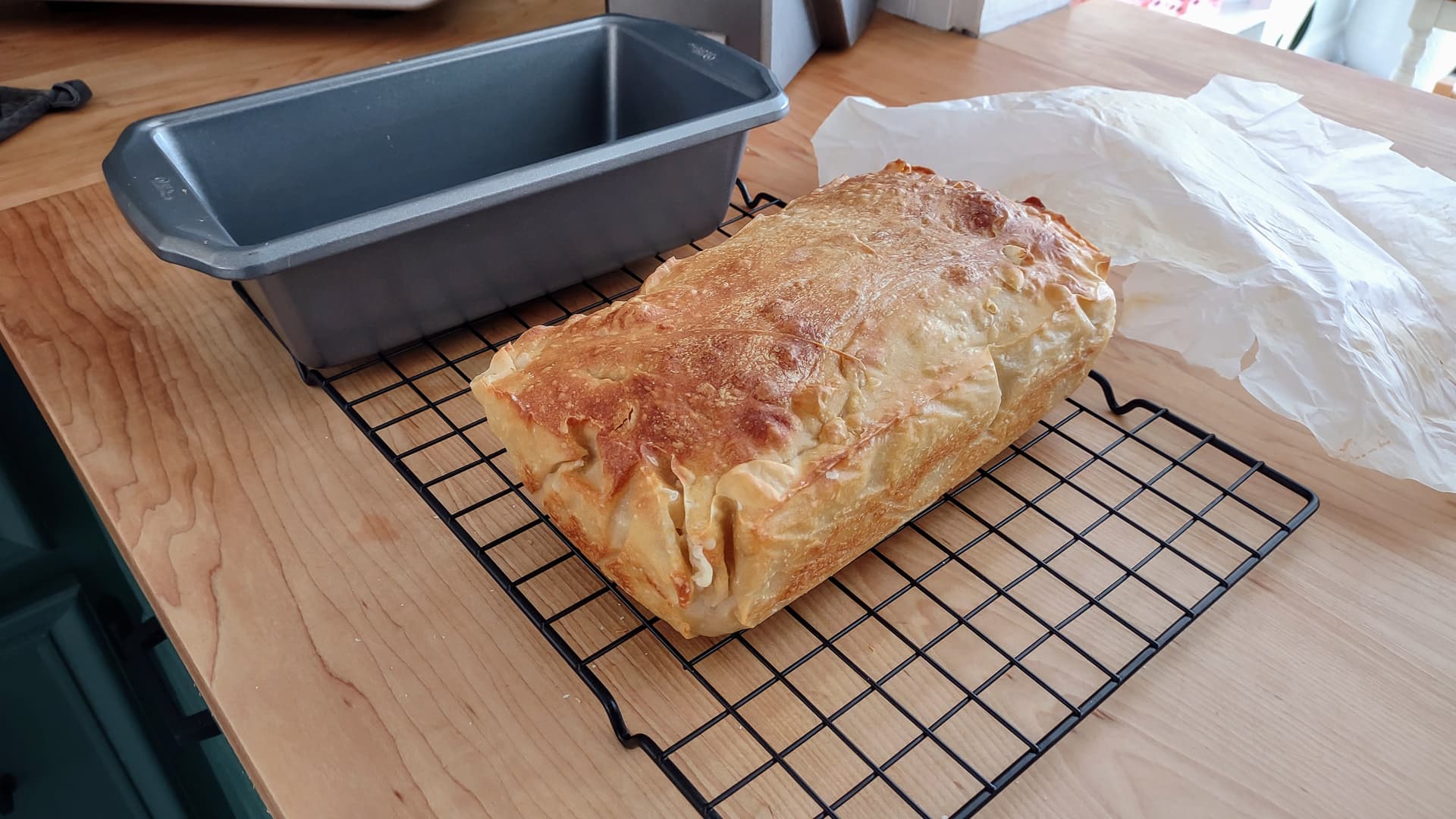
I’d strongly suggest abandoning a bottom up approach. It’s very nearly pointless to try and grow grains and other basic crops, and it’s very likely to end in failure anyway. On the odd chance it doesn’t, the end result is indistinguishable from the much cheaper and more reliable commodity products on the market anyway. Start top down. Learn to make your own bread. My family eats a few pounds of bread every week, but other than the odd loaf or two we haven’t bought bread in years. I have a recipe that’s incredibly low effort that produces dang good sandwich loaves with about fifteen total minutes of labor each week. A professional chef I know actually commented on how good my bread is. I will never grow my own grain, and yet it’s been years since I’ve had to buy bread and I’ve been eating to notch stuff instead with less total effort than it takes to make coffee daily. We’re moving on the same direction with cured meats. Once I get the set up right and the recipes dialed in, I don’t expect we’ll ever have to buy bacon, ham, prosciutto, salami, or lunch meat again because I’ll be making better versions at home for half or a tenth the price. I don’t plan on ever raising a pig though, because the effort and equipment is takes to raise a pig exceeds the effort and equipment costs or takes to turn cheap bulk cuts from the grocery store into high quality cured meats.
Full disclosure, I didn’t cure the meat in these particular pictures
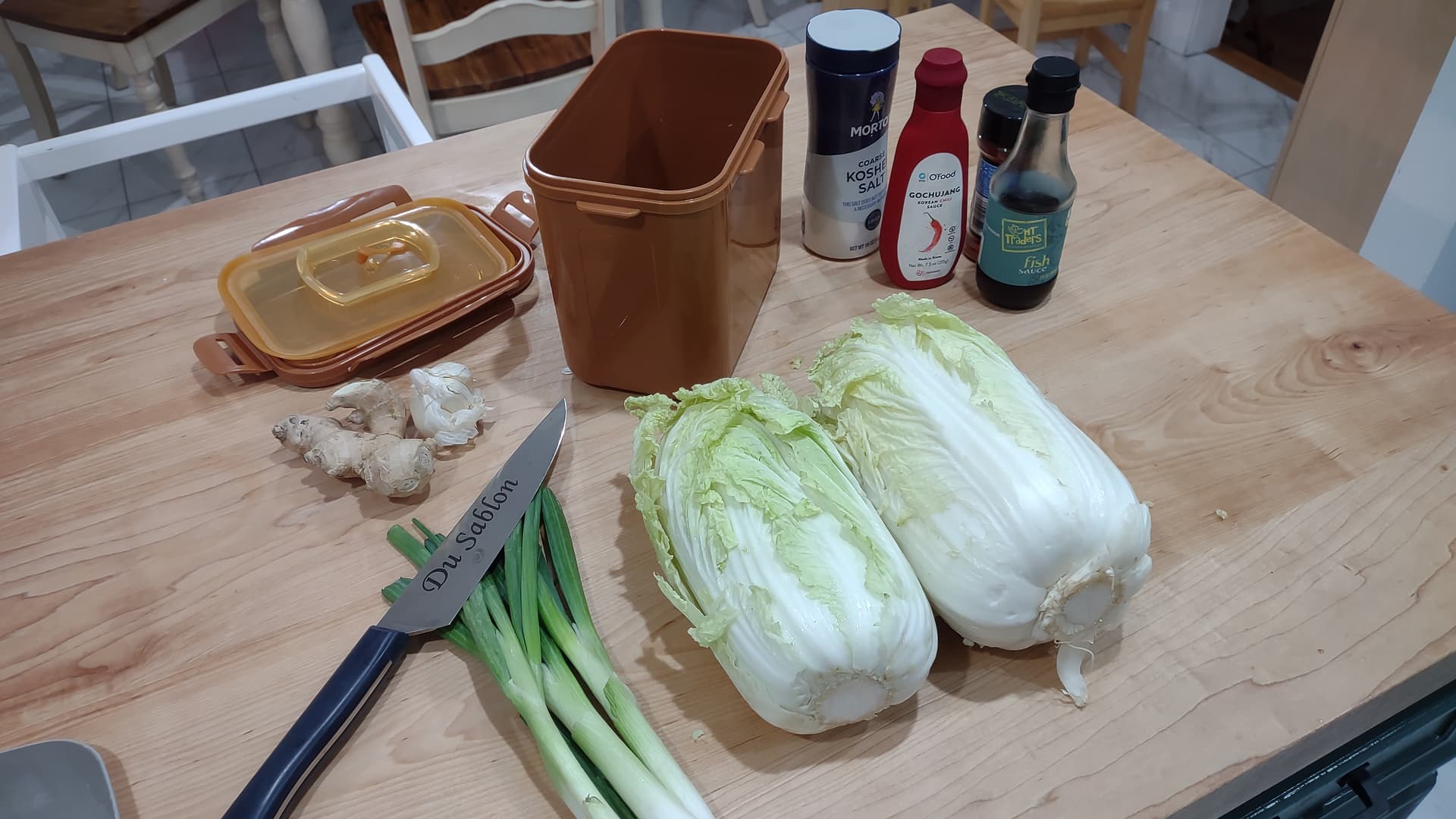
I don’t grow cabbage, but I make and eat a lot of kimchi with grocery store veggies. Buying the kimchi itself would cost about five times more, while being less healthy and not too my tastes anyway.
I won’t grow chickpeas or lentils, but I often make hummus, and I love me some home fermented lentil dosa. Flax, sunflower, sesame, chia, and poppy seeds would be an absolute pain to try to grow all of and get good harvests, so I don’t bother and instead buy them in bulk for the homemade seed crackers I make using a tortilla press. I tell ya, those are some dang good crackers, super healthy too, and the press cooks them really quickly unlike the traditional oven methods.
I love cheese, I promise I’ll never, ever, get a milk cow and make cheese. I don’t have that kind of free time and I need a more reliable cheese supply. Instead, we buy large blocks of hard cheese, and for soft cheeses we often either make them with a simple acid cheese recipe using Greek yogurt (it’s already been stained so there’s much less whey) or I just blend up cheap ricotta or cottage cheese, some cream cheese, a bit of Parmesan, and fresh herbs with plenty of salt to make a soft herb cheese that’s very, very tasty while being vastly cheaper than the bourgeoisie soft cheese at the grocery store. In the future I plan to also do some home aging to try and turn affordable young hard cheese into fancy old hard cheeses (but I don’t plan to make hard cheese from scratch, it’s just not worth the effort).
I’ve a mind to perfect a low alcohol unfiltered wheat beer recipe at some point in the future. I expect I can get the price down to about a dollar a pint, all while making something better tasting and arguably comparatively healthier than the expensive craft beer I like.
I like fish, and I’m lucky enough to live by the sea. I’ve a few times cured and smoked fish and loved the result. Now I’m planning on developing a recipe to turn pinfish, which are the most plentiful and easiest to catch trash fish in our waters, into a lovely homemade substitute for high end tinned smoked fish. Not that I’ll actually can the fish, that’s an absolute pain, risky, and just not worth the effort since I don’t actually need to preserve fish for long time periods, so why bother? Just eat the stuff within a few weeks.
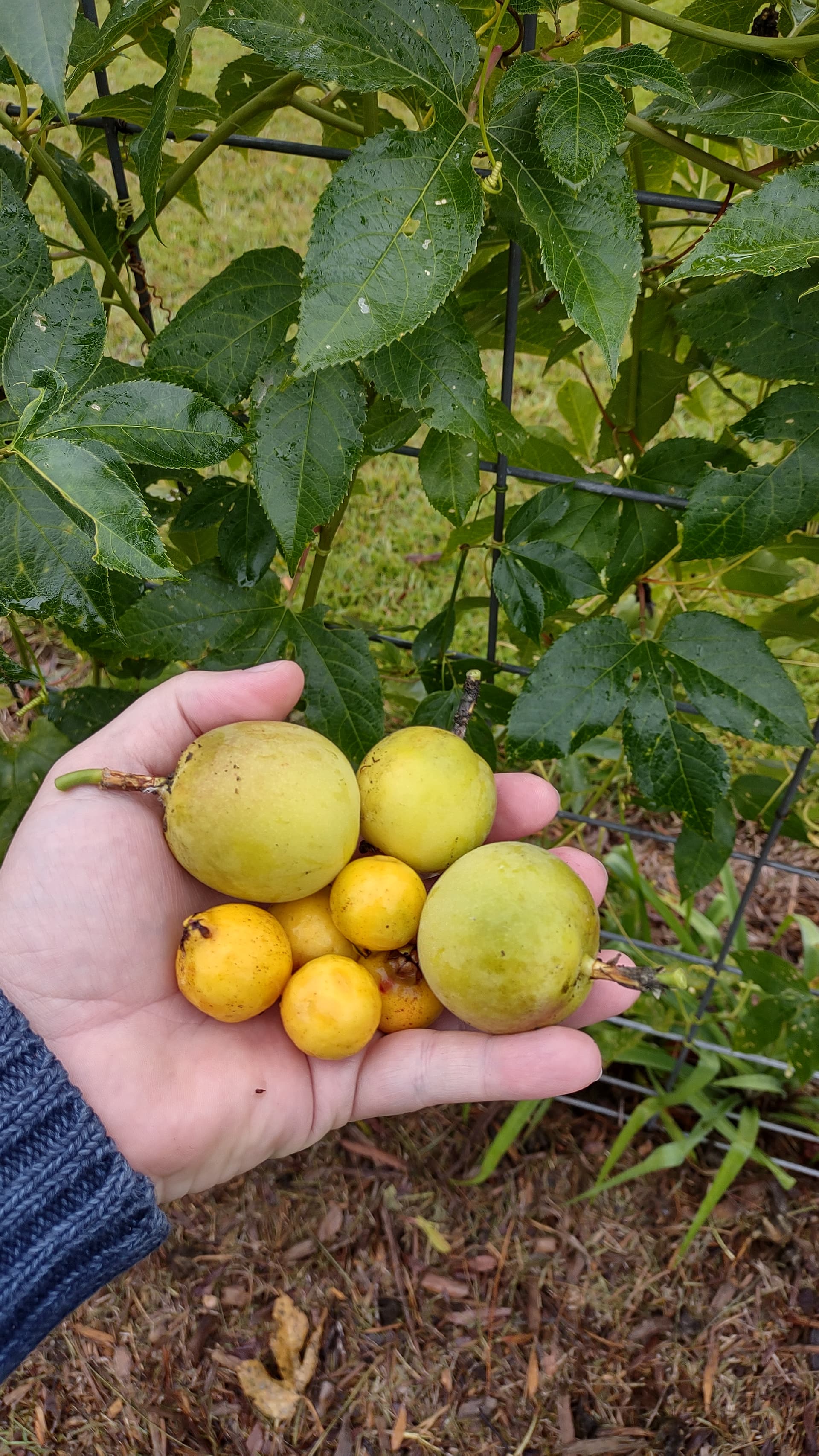
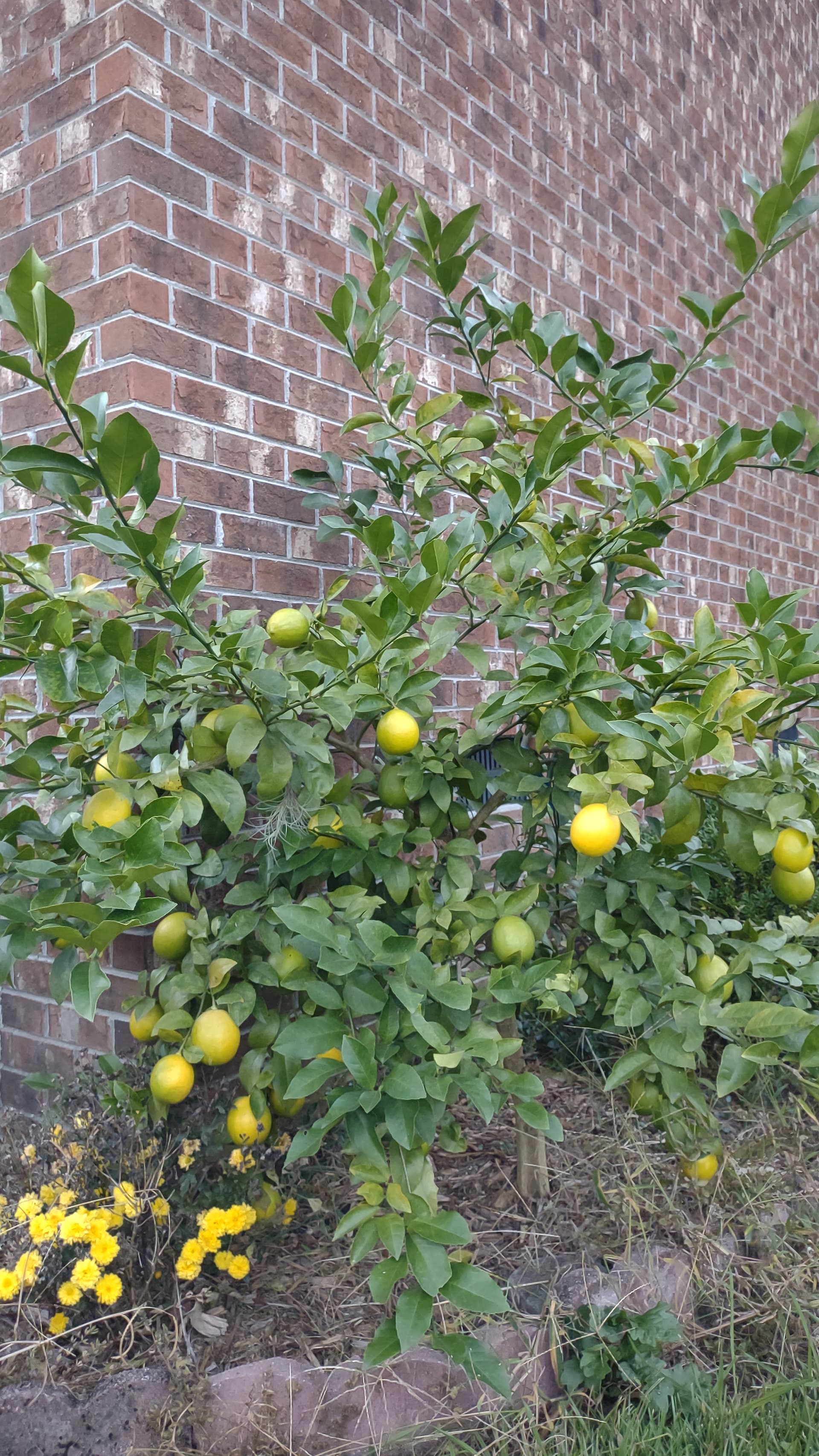
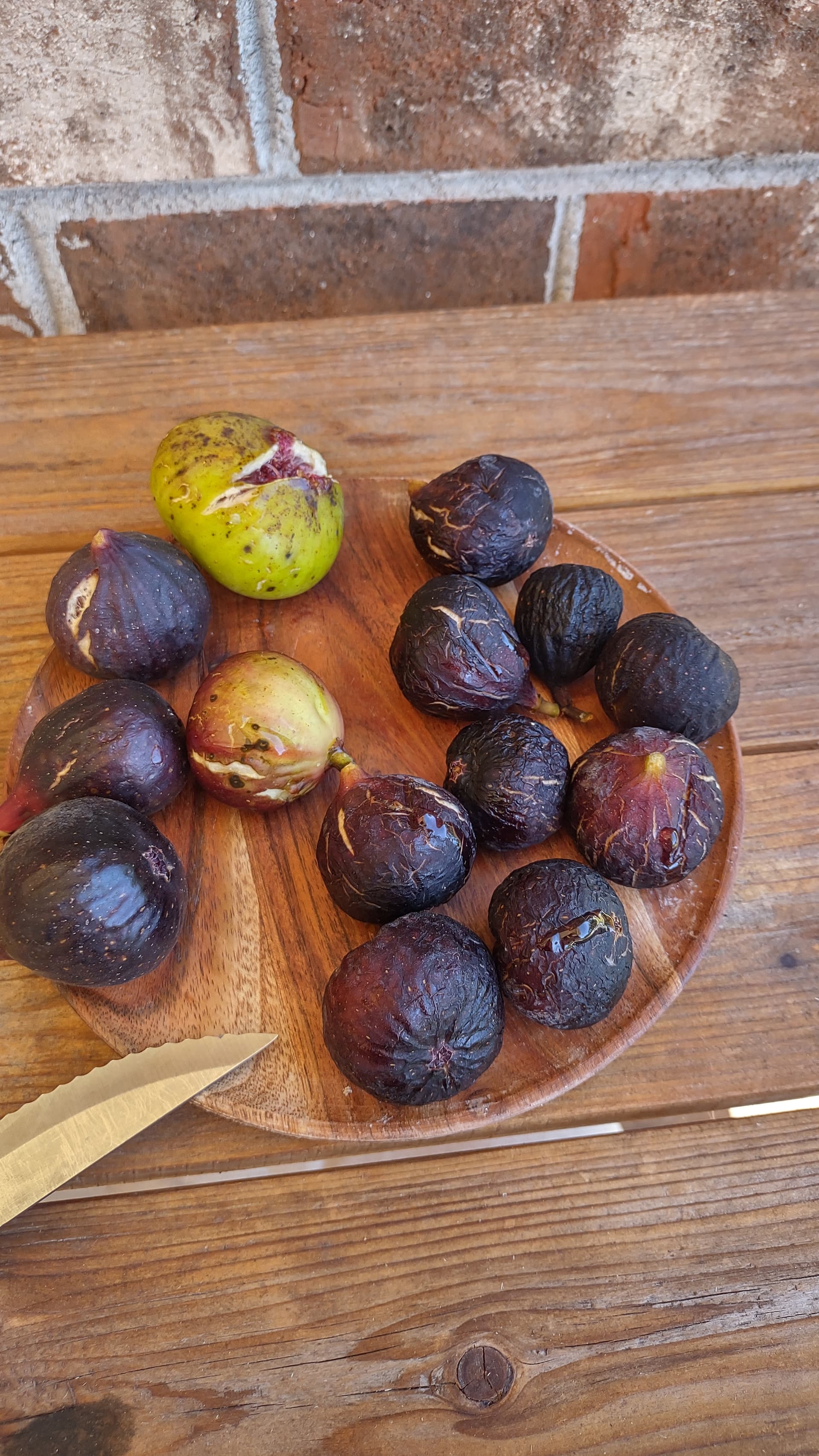
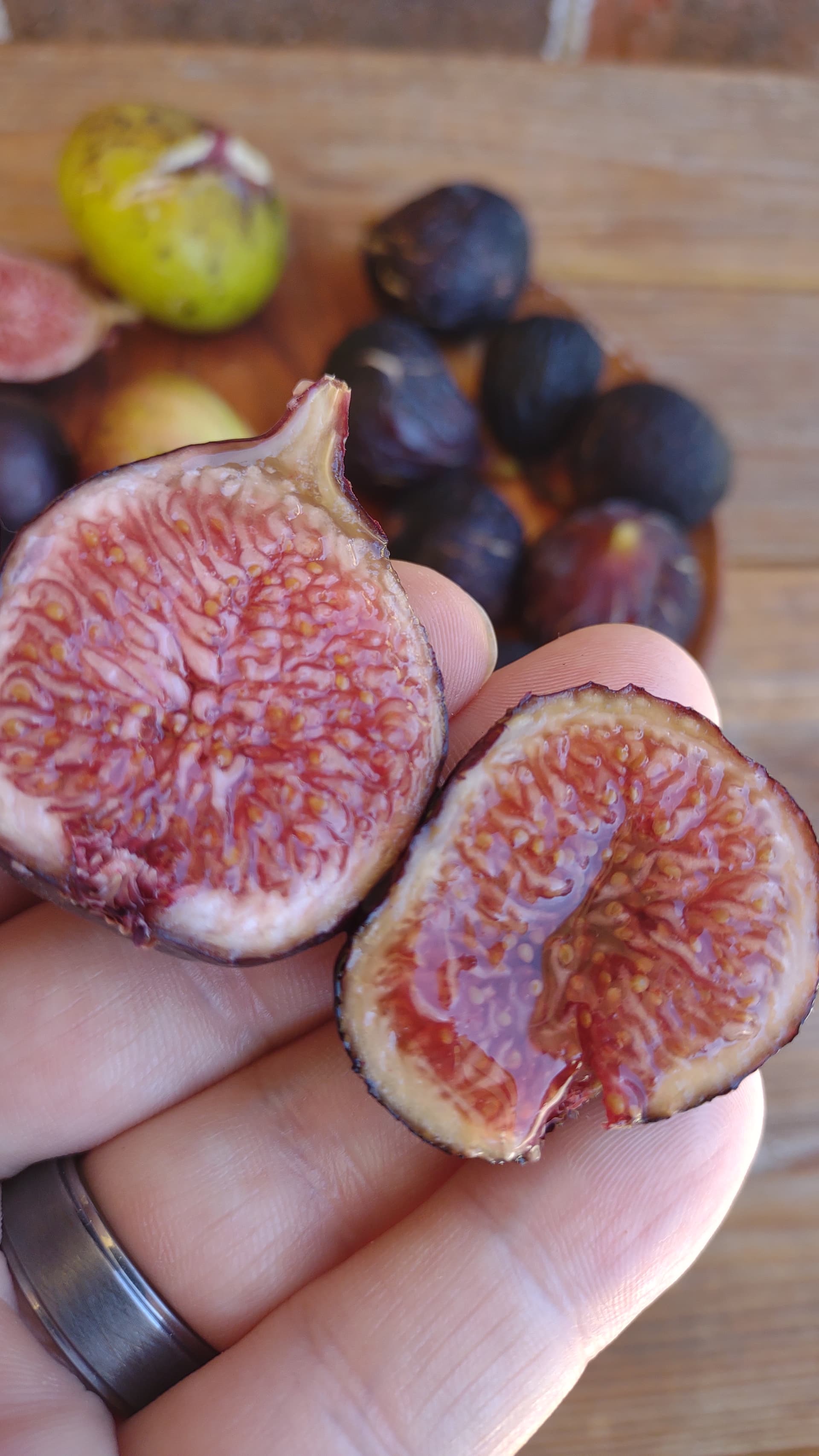
And of course, I grow lots of fresh fruit and berries, and I eat them fresh. It’s one of the better joys of my family life. I’ll never bother making jelly. Jelly is a simple commodity, fresh fruit is not, why put effort turing a luxury food into a commodity? It’s better to put that effort into planting the right amount of different varieties to spread the harvest through the year.
Etc. Top down, not bottom up. Start with the highest quality foodstuffs that are the most expensive or unavailable at the grocery store and figure out effective, cheap, easy ways to make those high quality foods from basic commodity products from the grocery store. I let “the system” figure out how to produce a steady supply of pork and cabbage and wheat and whatnot, because in my book the best stuff sufficiency is in turning those basic things into life enriching and wholesome food for my family. Shop like a peasant, eat like a king. Be a self sufficient king, not a self sufficient peasant.
Your time and effort is limited, choose carefully where on the value chain to invest it, in producing raw ingredients and basic commodities, or in turning cheap raw ingredients things into fantastic, delicious, healthful goods.


 I am not deterred.