If it really is an oxidation thing you could dry your pawpaws in a smoker  (the smoke forms a reducing environment instead of an oxidative one)
Then again who knows what effects the pawpaw compounds will have when reacted with combustion byproducts
If it really is an oxidation thing you could dry your pawpaws in a smoker (the smoke forms a reducing environment instead of an oxidative one)
Then again who knows what effects the pawpaw compounds will have when reacted with combustion byproducts
Years ago I remember reading about edible Common Camas,because the plant grows here,in the PNW.There is another that looks similar,especially before flowering,called the Death Camas.
It may be possible they mistook one for the other.
Yes that’s one of the theories. I’d have to review the journal entries, etc, but I didn’t think the corps foraged it themselves but were given the camas by the Nez Perce, which if true would not account for the poisonous camas being the culprit.
interesting, I am going to charles west’s paw paw workshop and it allegedly involves “Food items” made of paw paws. curious what he has to say on the matter…
Many folks practice and promote baked goods with pawpaw despite the information posted above. It’s not a settled matter, so to speak. A lot of it comes down to variation in preparation and individuals’ digestive sensitivities or lack thereof.
Have fun at Charlie’s place.
Appreciate the deference - yeah probably not in the cards this year though maybe this will marinate in my brain and I’ll go for it.
wouldnt surprise me. People also say taco bell makes them poop themselves and yellow dragon fruit. But i personally they they just never eat fiber and then the first time they have a food with fiber their body explodes, I eat plenty of both without issue.
hell right now im eating 2-3 figs a day, a couple of dates, and jujubes or an apple LOL.
i dont know that its oxidation. at the ipc via kysuag, you can see here in the timestamped videos they pull out a bag of clearly oxidized pulp and use it:
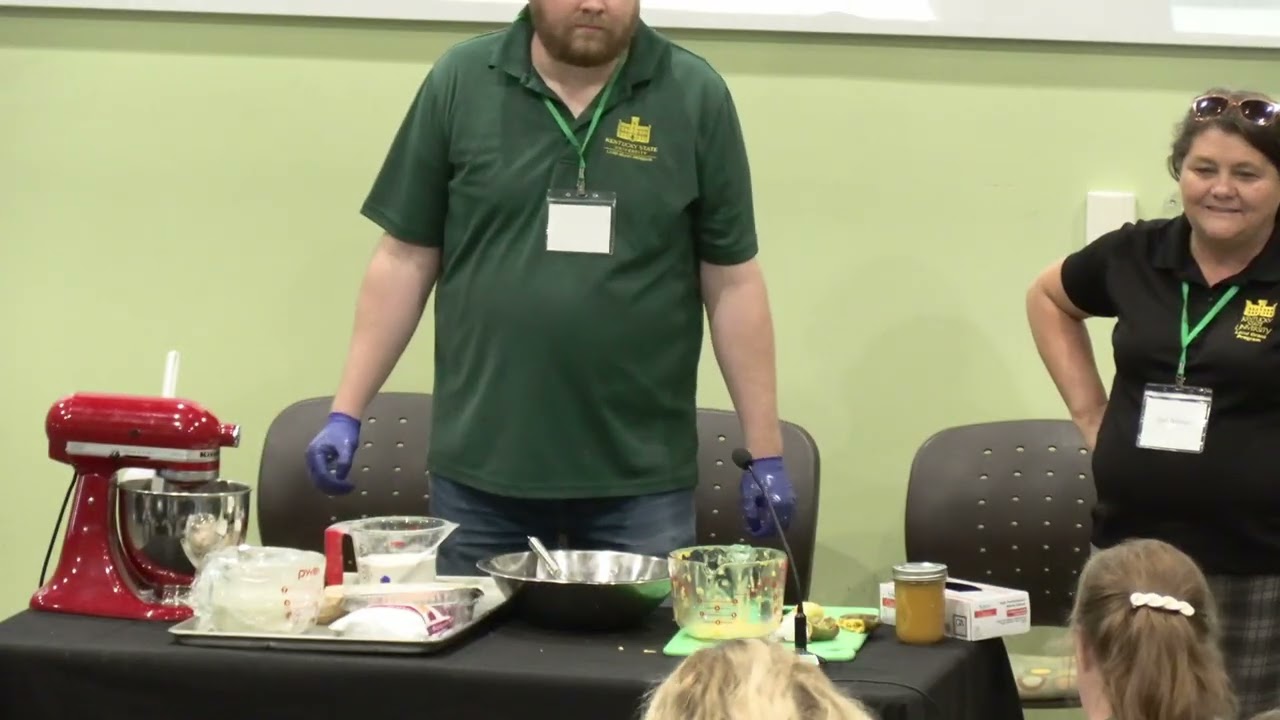
twice he was asked in this video about cooking pawpaw making people sick and states that its the length of time(30m)/temp that you cook it:
I should have been more precise. It’s the heating in the presence of oxygen
Time and temperature are relevant but we have good evidence from various experiments on the forums that the presence of oxygen AT HIGH TEMPERATURES is the key
It’s interesting to hear about how to cook pawpaws.
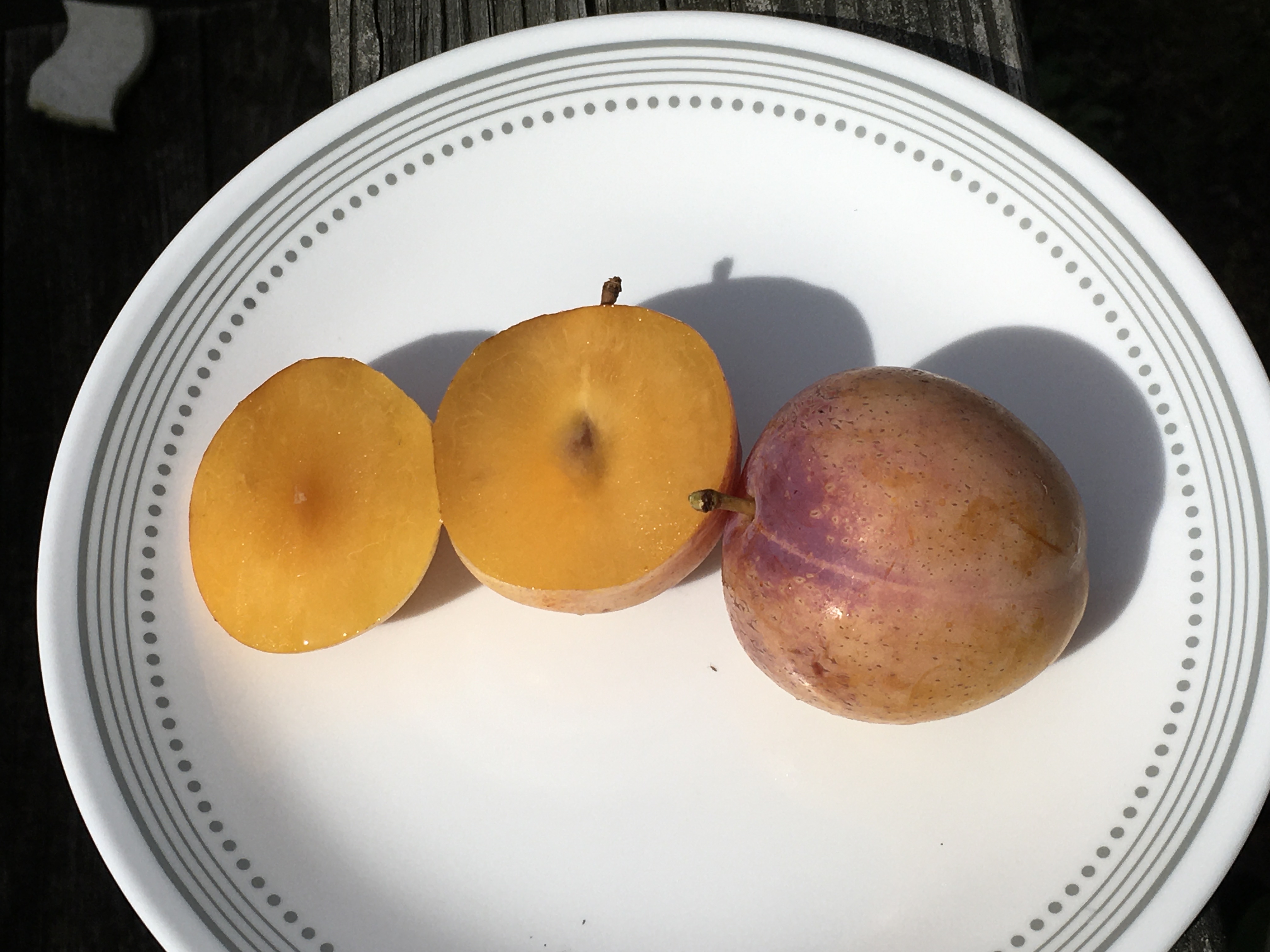
I finally found a tag of my yellow late plum. It is Inca plum. I wish more people grew it. It’s a beautiful, large plum with an excellent blend of sweet/tart taste and firm flesh.
I am surprised people have not talked about Inca as much it is deserved.
@scottfsmith - I’m not certain that the natives ate dried pawpaw. While I’ve not done any research, much less at an extensive level, I’ve never seen any indication that that was a thing. I have, though, seen comments that the Cherokee regarded pawpaw fruit as ‘powerful medicine’, and did not advocate for gorging on them .
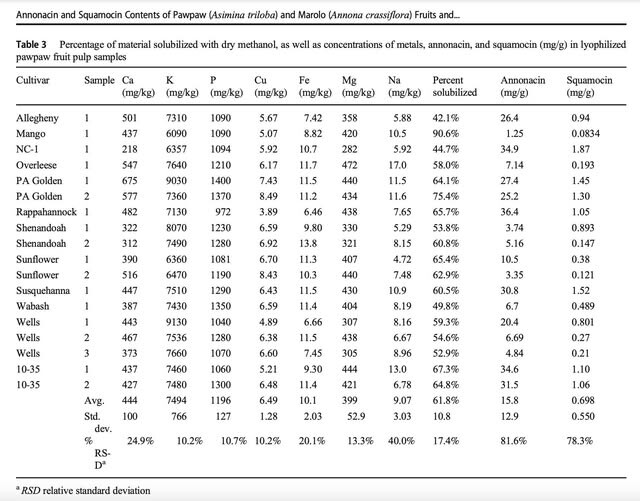
With the concerns (yet to be debunked) about the annonaceous acetogenins in Pawpaw possibly contributing to a Parkinson’s Disease-like neurodegenerative condition, there may be a very good reason that pawpaw fruit were ‘naturally’ only available during a very short window of harvest, with no good way (prior to refrigeration/freezing) to preserve them outside of that limited window of availability. Perhaps we were never intended to eat them in large quantities, or outside of a few weeks in the fall.
the KSU videos someone linked a few days ago delved into the this a little. I think in the end the amount is very low in paw paw fruit and seems exceedingly likely to not be an issue. The parkinson’s thing seems like it likely was more to do with atype of pesticide they used than the fruit, which is banned in most other countries (i forget which country the parkinson thing was in, French West Indes?).
Referring to these two recent talks
Has there been any kind of comprehensive cataloging of the other compounds pawpaws produce?
I’m wondering because the chalky and metallic tastes seen in many wild finds are presumably not annonacin given there are other annona fruits with similar or higher concentrations without these flavors
Maybe these mystery compounds are much higher toxicity (and vary more widely between cultivars)
i dont think theyve comprehensively catalogued all compounds, this would be a really huge task. they have catalogued the acetogenins though https://www.kysu.edu/academics/college-ahnr/school-of-anr/pawpaw/pawpaw-and-acetogenins.php kysu has some studies linked on this page to that effect.
Also agree, the off taste you get is not from this, the cultivars that have been tested for acetogenin amounts prove this. Some of the worst offenders of the bitter aftertaste are lower acetogenin plants, etc.
I do have a graft or two,but it probably takes a little more heat,than what is received here,to bring out the full flavors.
there does seem to be a correlation between the stronger and richer flavored pawpaws and the acetogenin levels. still not worried about them, though.
Yeah the only reference I recall was by Andy Moore in his book Pawpaw.
I haven’t checked his sources or done any other research on native usage of Asimina triloba.