Thanks for sharing this plant info. It looks interesting to try
2 Likes
Jeremiah, can you tell me a little more about Chinese cabbage? I have never eaten it. Does it taste more like cabbage, or lettuce? Do you eat it raw as a salad component? Have you tried “Hilton”? Baker Creek carries that one.
2 Likes
@KSprairie It’s very tender and crisp. Has a very mild, slightly mustardy taste. We usually chop it and use it as a salad base. It’s very delicious—just as good as lettuce in a salad, though of course different. All Chinese cabbage tastes pretty much the same to me. The only differences among cultivars seem to be shape, size, maturation time and bolt resistance. (There are a couple of new red hybrids, but have not tried them yet.) Most of the old, open-pollinated cultivars have a tendency to bolt in the warming and lengthening days of spring, and so Chinese cabbage has traditionally been grown as a fall crop. Bolt resistant hybrids such as “Blues,” however, can be grown all season. Needs direct sowing, as it does not transplant well.
Have never grown “Hilton,” but I’m sure it would make a great fall green. I’ve never met a Chinese cabbage I didn’t like!
3 Likes
Is it similar to Napa or book Choi?
2 Likes
I tried growing this from seed last year and I lost it (but probably my own fault). Thankfully I still have seed and I’ve planted 2 pots worth just this week.
I’ll let you know when/if I see something coming up.
Scott
2 Likes
Thanks so much for that information! It sounds great! I guess because of the name, I thought it would have taste and texture like cabbage, just with a more elongated shape. Having a crisp texture would be a real bonus. That is tough for us to get in our home grown lettuce here. I use a lot of kale in a salad mix to get more firm/crisp texture. I will look for the “Blues” hybrid, otherwise I may just try Hilton for fall. Thanks again, I really appreciate getting your perspective on Chinese cabbage!
1 Like
When I did a search for Blues hybrid, it says that it is a type of Napa type cabbage.
1 Like
@KSprairie, you may also want to check out Southern Exposure’s garlic selection (see below). They’re based in Virginia, and what they have should perform well in warm summer climates.
2 Likes
I think napa and Chinese cabbage are pretty much synonyms. Bok choy is very closely related (two different subspecies of Brassica rapa), similar in flavor but very different in growth habit.
I like growing potatoes and green beans the best. Green beans just taste better grown at home. I also like growing speckled lima beans. You can’t get these from the store, or at least around here.
1 Like
Thanks, I will check them out!
1 Like
This is a weird question. How can we measure “best”? I suppose there will be different criteria for each of us. Personally, I really can’t place one above another in most cases since they’re all great in their own right.
I suppose if I could only grow 3, I would choose potatoes, onions, and cabbage. Storage considerations are very appealing to me.
I’ll put in a second for Chinese cabbage (Napa) as well. It’s very easy to grow. I’m still eating kimchi now from last Septembers harvest.
2 Likes
‘Hilton’ is great. But there are lots of others that are also very good. I grew several different cultivars from Kitazawa Seed last year and they all performed well. The shape of the plants seems like the most distinguishing thing between different cultivars. They all taste exactly the same.
1 Like
For me there are 3 characteristics on which I grade all fruit and vegetables I grow in deciding what’s best: input required, productivity and flavor. More often than not you can only get two of them.
Input required is the time and effort you have to put in to get a good yield. Productivity is the average yield after things like adverse weather, disease and pest pressure are factored in. Flavor is how much better it is than the average, or what’s available at the store.
2 Likes
Garlic is probably the big winner on that front! It checks all three boxes when homegrown. There’s a reason it’s popular in peasant cuisines. Onions and shallots are a close second.
2 Likes
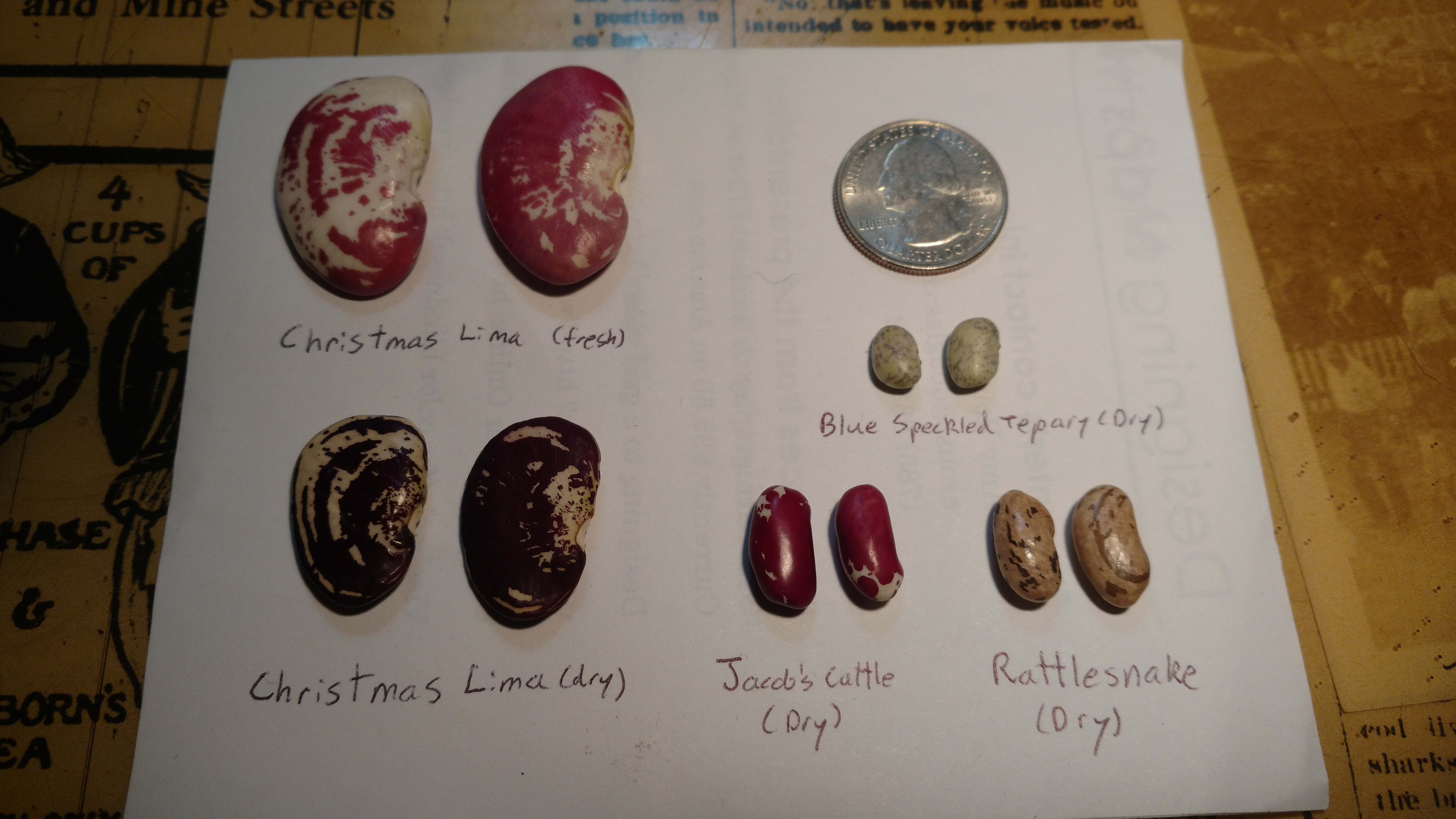
I’d strongly advocate for pole limas as an easy vegetable, with one caveat. The only hard thing is building a substantial trellis. I grew Christmas limas, which have an excellent, chestnutty flavor and yield buckets of gigantic beans. I spaced them 3’ apart on an 8’ high trellis. They grew to the top, then back down to the bottom, and back to the top again! A teepee or cornstalk won’t cut it with these beans. They’re best used fresh or frozen, but dried is great too.
It works better in some climates than others. It likes a lot of warmth, but it won’t set pods if the temps are too high. The Chesapeake and Delaware Bay regions are about perfect; Delaware leads the nation in Lima bean production! But it can work elsewhere. I grew these in Kansas, and production didn’t really kick in until late August/mid-September. Somewhere with more moderate summers would probably have started setting beans at least a month earlier. It’s also worth starting them ahead in pots (beans transplant just fine, contrary to popular perception) if you have a shorter growing season, as they need warmer temps to germinate than common bean, but similar cold tolerance.

8 Likes
Wow, those are some huge lima beans!
3 Likes
I know! It makes for much easier shelling. Unfortunately, it’s the large-seeded types that have the most trouble with heat and low humidity, due to their Andean origins.
1 Like
Where’d you find these?! I bet they would love our WI summers. I might have to give them a try.
1 Like
I got them at a store in Kansas City, but a lot of the heirloom veggie places carry it. Try Southern Exposure and Seed Savers. Also, Seed Savers has opened up the exchange to non-members, so it may be worth trying there. I’d share some seed, but I need to grow it out. If you’re still looking next year, hit me up and I may be able to help you out. I would caution that they need a long growing season (90+ days of tomato weather), so you may need to start them 2-3 weeks ahead indoors.