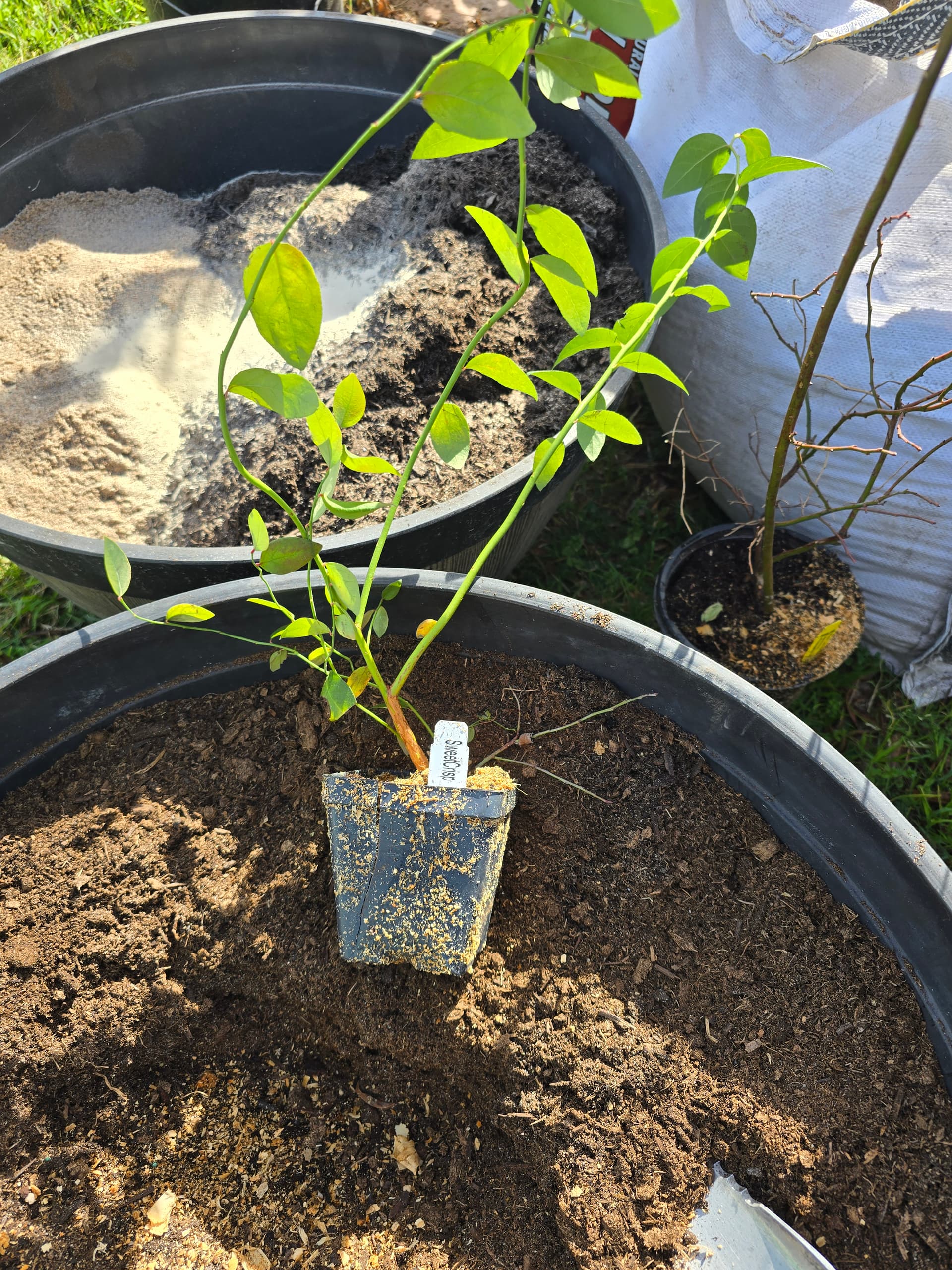
I received my order of blueberries and started planting them. I had floroda rose rabbiteye on order and received a plant with sweetcrisp stake. I let the seller know (Berries Unlimited) and the person is telling me by growth habit I did in fact receive a mislabeled Florida Rose based on the upright growth and not the sweet crisp. I checked online and they both reportedly have upright growth habits, so how can you tell from a leaf pic if this is or is not the florida rose?
1 Like
i mean at worse you’ll know when it fruits
True.  I have another rabbiteye I bought for this one to pollinate with though. So, it interferes with the larger plan.
I can’t read. Nevermind me
Can’t read?
I replied with something and realized i read it wrong. So i edited and wrote that
1 Like
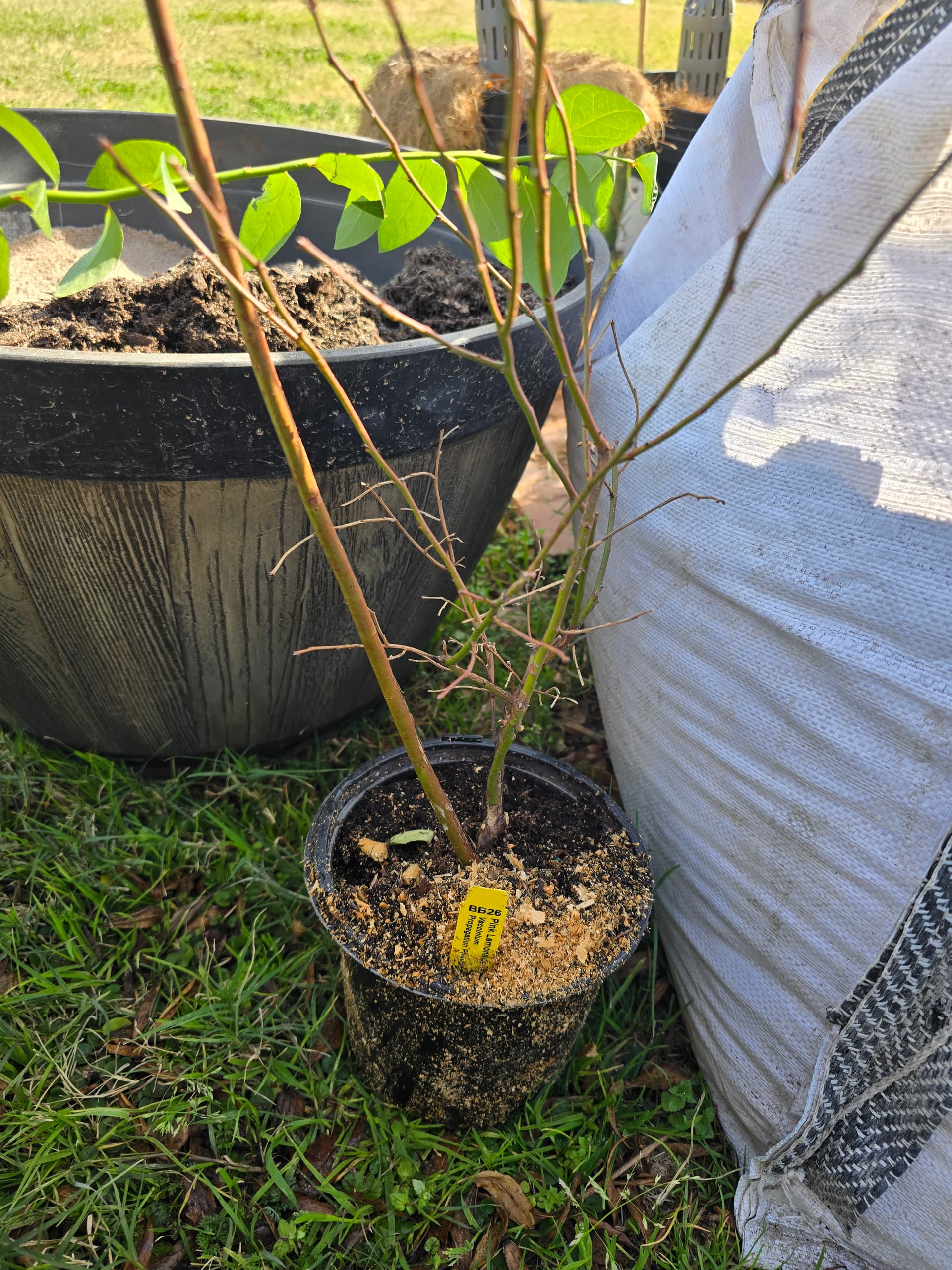
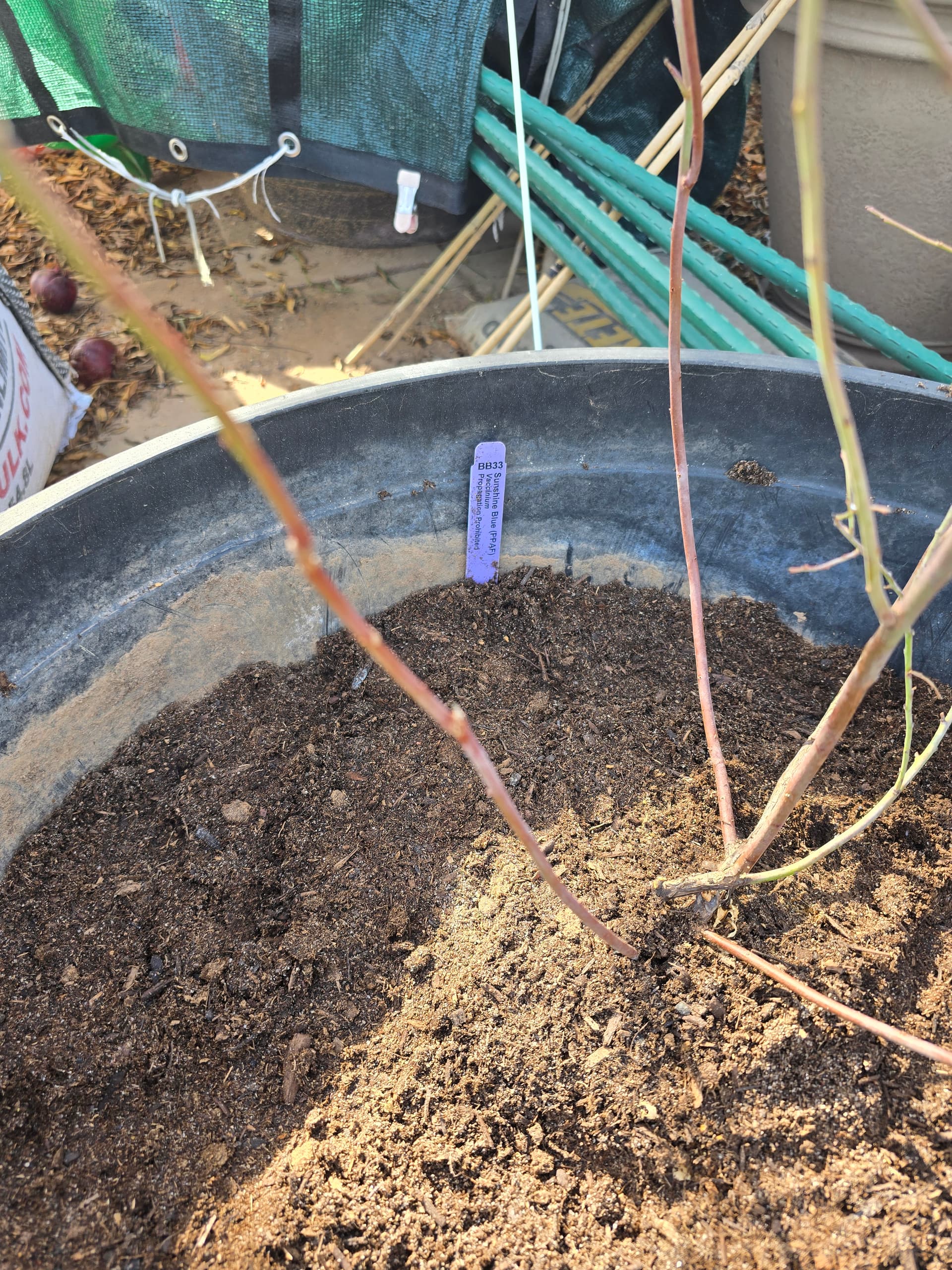
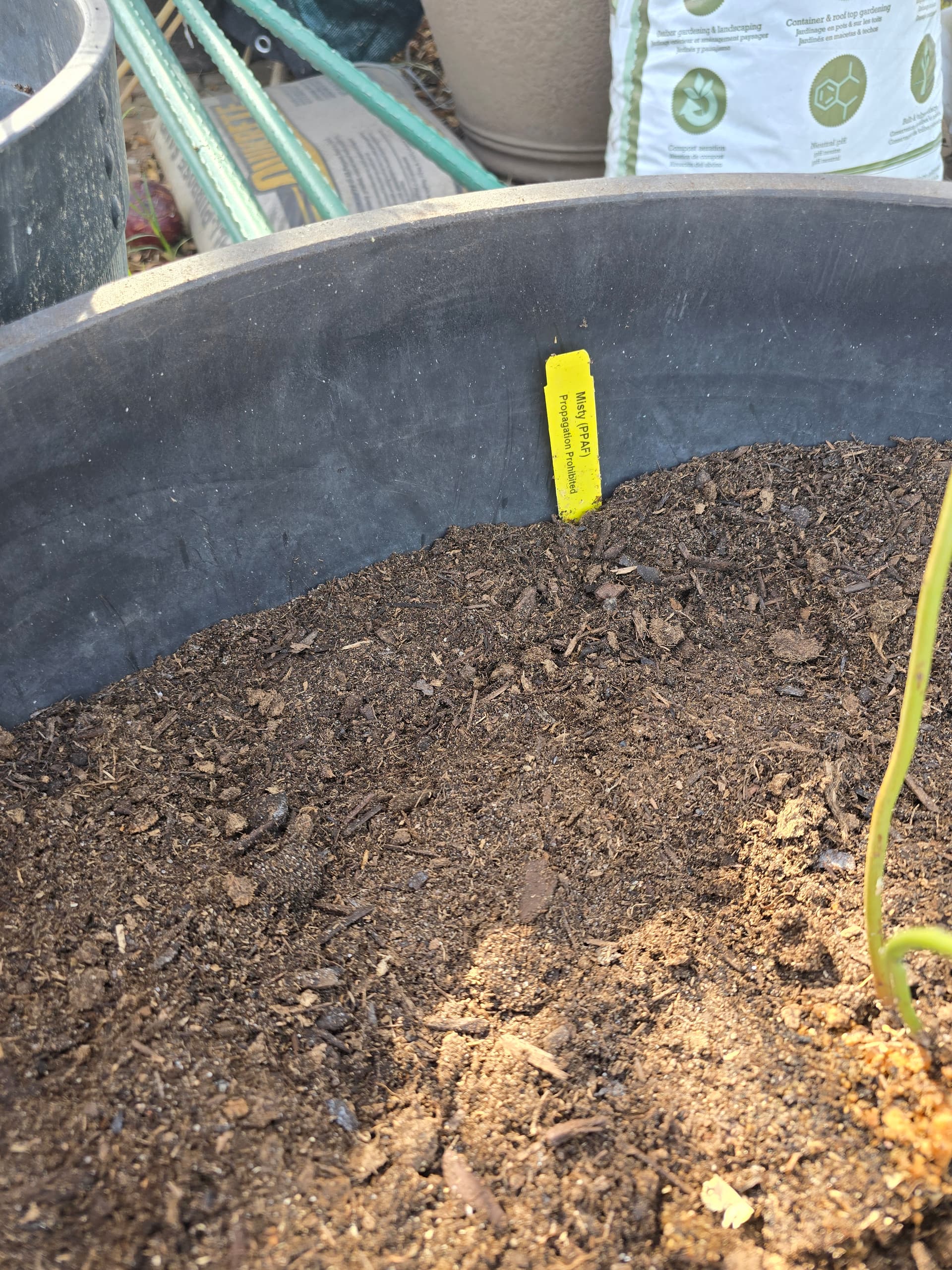
It’s interesting that Propagation Prohibited,is printed on some of those tags.
Patented probably, though looking it uup it does nto appear to be so and they would have to label the number SOMEWHERE to claim its patented. Not sure what their game is there
Yeah,Misty is an older variety,that has been available since probably the1980’s and to my knowledge,Sunshine Blue never was patented.
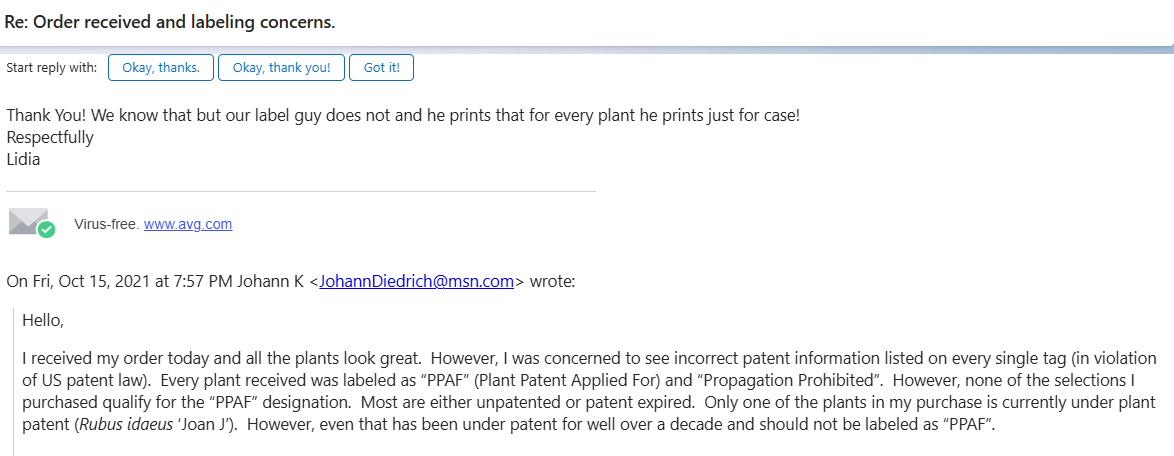
I emailed them a few years ago about why they put “Propagation Prohibited” on all their tags even when it’s not true. They said they received legal advice that it was good practice to do so. I let them know it’s actually unlawful to label them as such when it’s not the case, but they don’t seem to care. Plant patents expire after 20 years, but I got one plant from them that had already been in distribution for over 100 years and they still labeled it as “Propagation Prohibited” and another plant labeled as such had never even been under patent protection in the first place.
Basically, if someone had a good lawyer and was feeling litigious, they could get a pretty good payout if they took that company to court over their mis-labeling as there are hefty fines associated with that misrepresentation, but I don’t think most of us plant people are inclined to go that route.
1 Like
Any time a blueberry starts putting on a vigorous new shoot, it’s gonna be upright like that. I would assume it’s the variety that is stated on the label rather than the variety you had asked for.
hmmm as an intellectual property attorney it is appealing… but im not really sure what the damages are. its not something ive ever experienced… especially if its on the advice of a real lawyer, they have a good argument its non willful at least
They can’t argue it’s non-willful because they’re not paying royalties on the non-patented plants they produce. That means they either know which ones aren’t patented, or they think they are patented and are simply not paying the royalties. It’s been a couple years since I looked it up, but I recall the possible legal fine amounts were not insignificant.
The “damages” would be that their misrepresentation can make people think they’re obligated to re-purchase varieties they already have if they want more even if they could have propagated them themselves. It can also make other nurseries afraid to propagate those varieties if they are mislead into believing they are patented which can allow them to monopolize production of certain varieties.
Also, in addition to labeling “Propagation Prohibited”, I see that the ‘Sunshine Blue’ is labeled “PPAF” which is short for “Plant Patent Applied For”. Even if ‘Sunshine Blue’ were patented, PPAF would be inappropriate on a label since a patent must be applied for within 12 calendar months of a plant being released to the public. ‘Sunshine Blue’ has been on the market for many years. At this point, it’s either patented or it’s not. PPAF is egregiously inappropriate in that scenario and the only reason I can see them justify using it is because they want people to assume it’s protected even if they can’t find a valid patent listed for it (which you wouldn’t be able to if it was still in the application phase). That is just straight up misleading.
well if they acted on the opinion of lawyer they can actually. Thats evidence they can submit and use as non-willfulness and thats usually enough. Itd be unusual for it to not be enough, though not impossible. Add on to that damages would have to be people showing they changed their behavior in someway, which is a hard thing to show… theres false advertising claims i suppose, would depend a little on the state because the federal ones are not that protective and as far as I know basically all need specific intent (somethign that hte advice of counsel defense cures).
I dont disagree it sucks, but i also dont know if youd get any money out of it for those reasons, and lawsuits are expensive.
*note i am not anyone who is reading this’s lawyer, and this is not legal advice.
Except, it’s possible they did not actually receive legal council to label inappropriately and are just saying that to protect themselves. They would need to have proof of that council.
This forum offers proof. I’ve seen many posts of people warning others not to share propagation material from varieties listed as patented, and also post from people saying they are afraid to share their own material since the company they bought it from indicated it was under some sort of propagation protection.
Shoot, I was mis-remembering. I looked up their response in my emails and it said their “label guy” not their “legal guy”. Therefore I mis-spoke when I asserted they had received legal council to label as “Propagation Prohibited”. It’s just the guy who prints their labels who advised them.
1 Like
interesting. well idk, you can always report it to the FTC see if anything happens
I’m not interested in taking legal action personally, but I wouldn’t mind if someone took the time to at least scare them into doing the right thing and correcting their tags. Perhaps having it publicly visible for all the internet to see would give them some pressure.
1 Like