Oof, now we need to make 3 different chimeras and hybrids.
1 Like
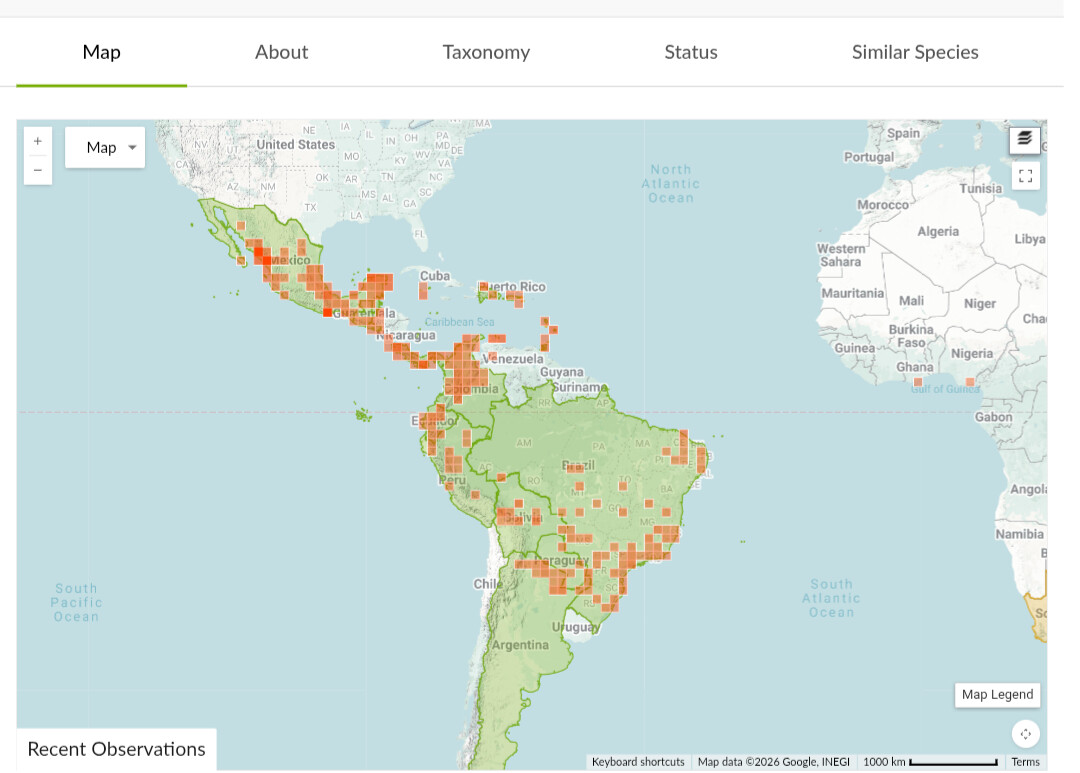
One of the main reasons that stopped me so far. But I really really want to.
3 Likes
Fair enough, I can understand that. Fresh off killing some Indian jujube myself.
3 Likes
I’m super skeptical that this photo shows the real hybrid, despite the title—but I figured I’d post it anyway.
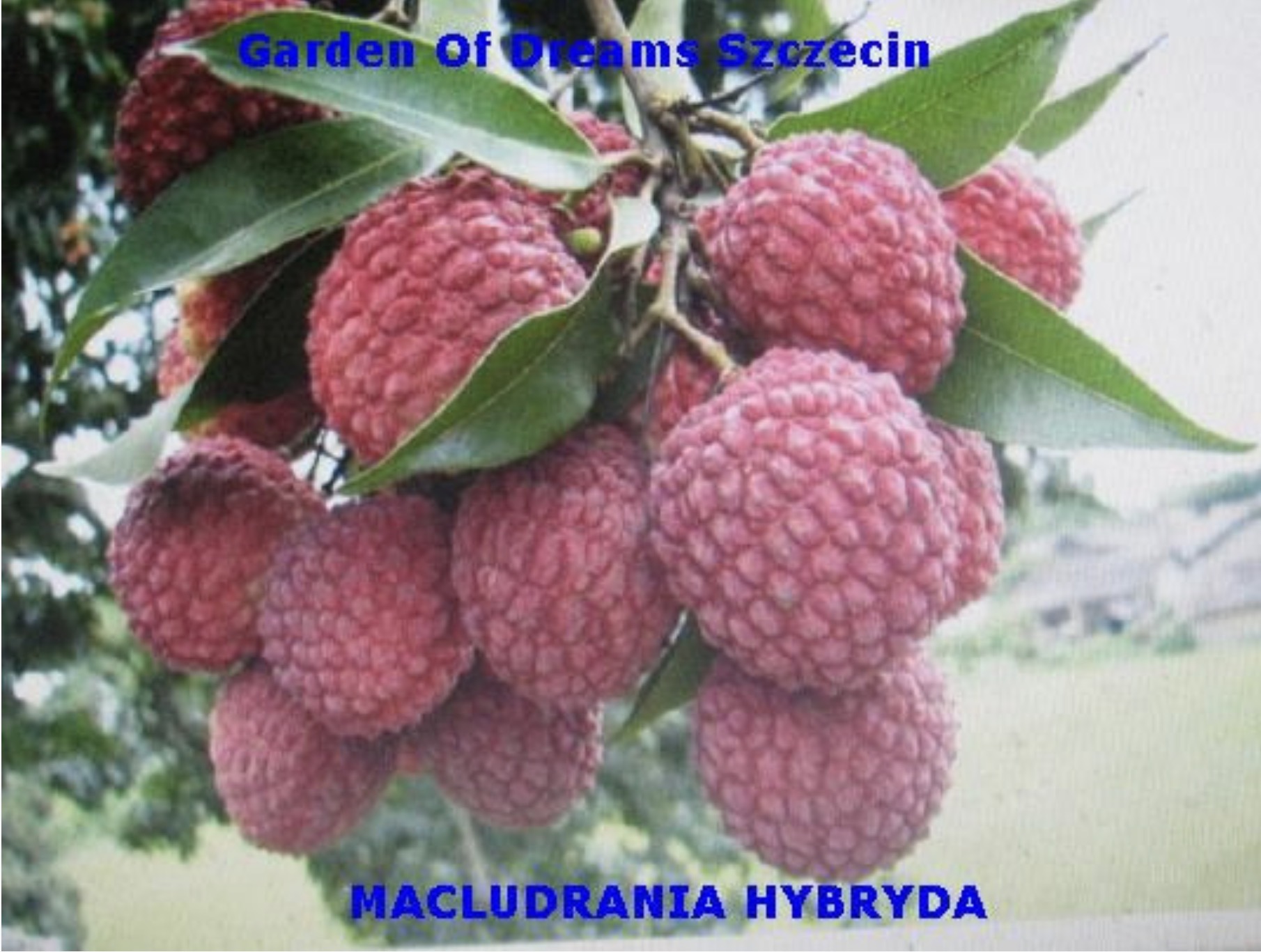
More possible
I think your second picture might be it, but the first picture is definitely a lychee fruit not any maclura.
3 Likes
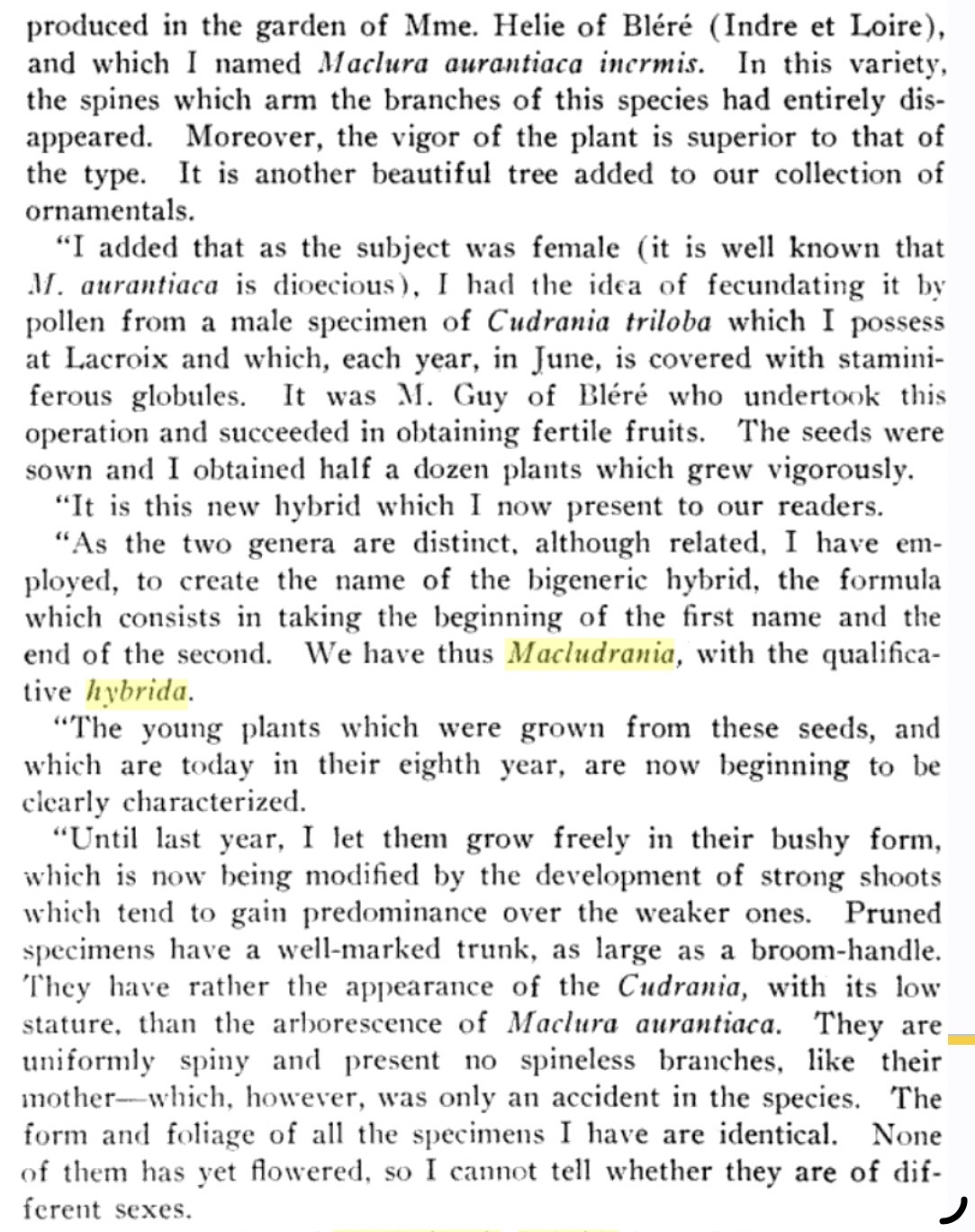
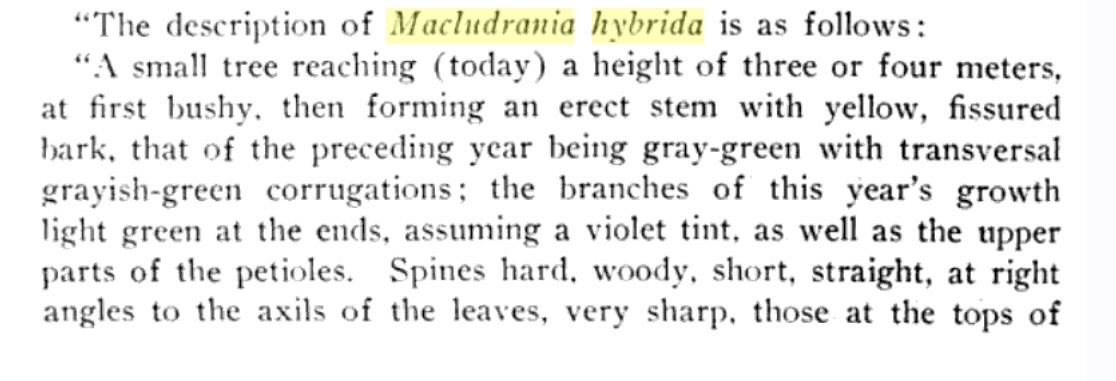
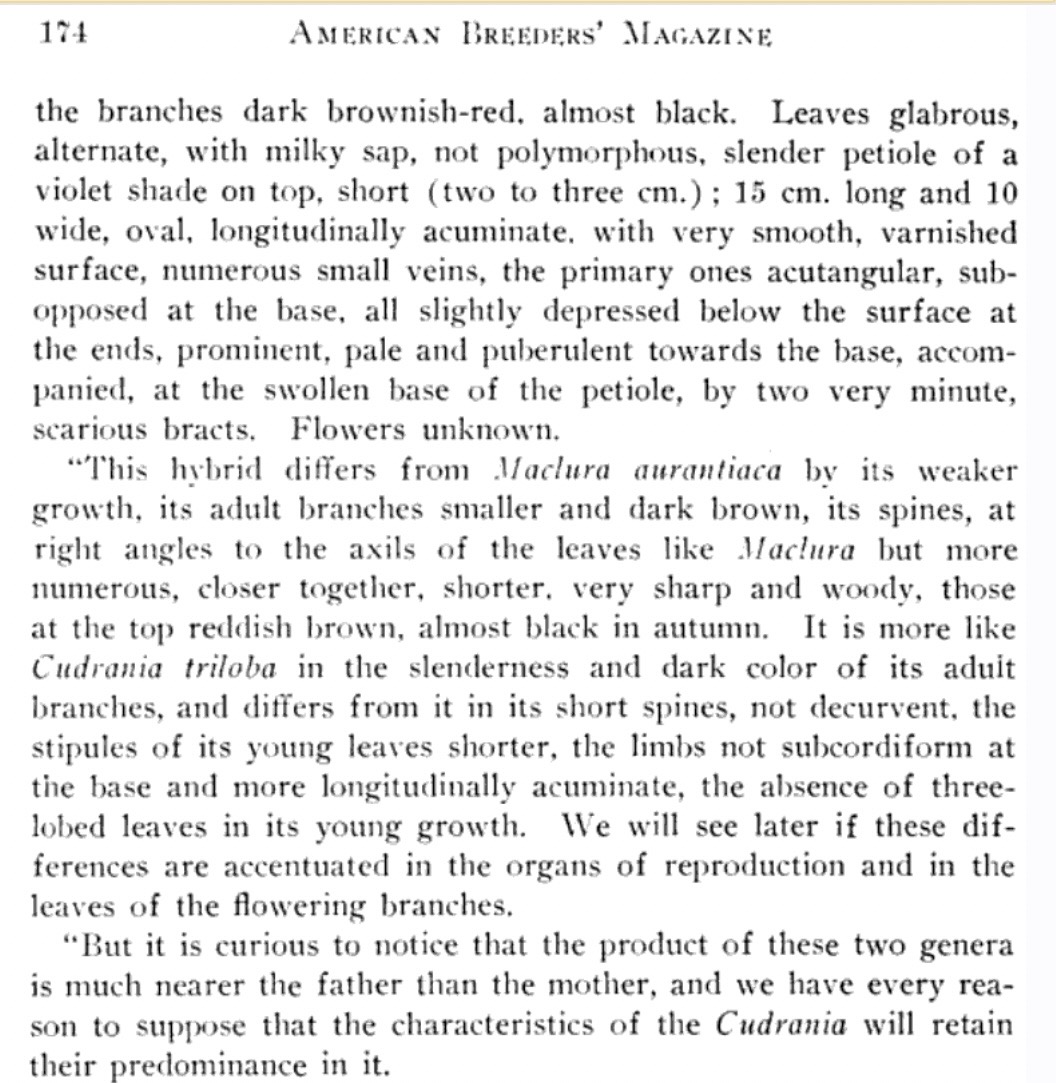
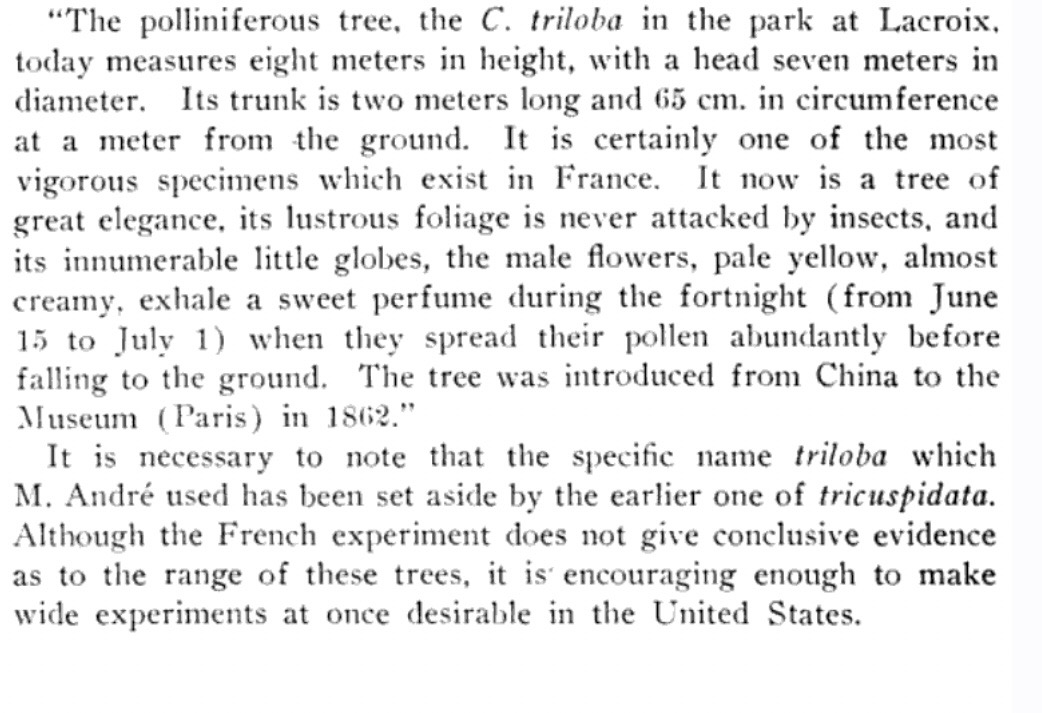

2 Likes
That’s a little concerning that the che was the pollen parent of that cross. If the osage orange can’t be the pollen parent it will be a lot easier for someone else to do the cross.
1 Like
Did I read it wrong? I thought che was the seed parent for the cross with a large male Osage orange being the pollen parent.
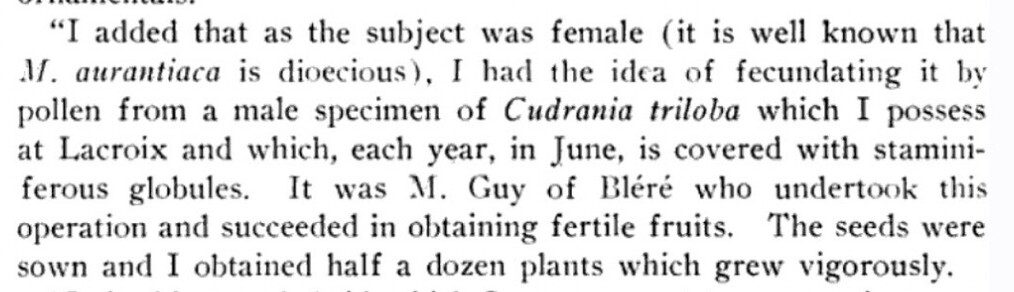
You’re right. I had it backwards. However, it looks like they just used what they had available and that is why che was the pollen parent. I don’t see anything that indicates it couldn’t be the reverse cross if they would have had a female che and male Osage orange available.
3 Likes
Well, I’ll find out this year or next year if osage orange can be the pollen parent, we have osage orange pollen everywhere.
2 Likes
I wonder whether there are reports of seedless Che producing seeds in the Midwest. The next time I’m home visiting my parents, I’ll check to see if there are any male Osage trees nearby. If there are, I’ll be buying a seedless Che for them.
3 Likes
There are a fair amount of maclura pomifera planted in Argentina so so someone who lives in northern Argenina, southern Brazil or Paraguay might be able to cross hedge apple and fustic using already mature trees
4 Likes
My weakest of the che grafted onto osage orange died back to the graft union, but there are sprouts starting right at the union.
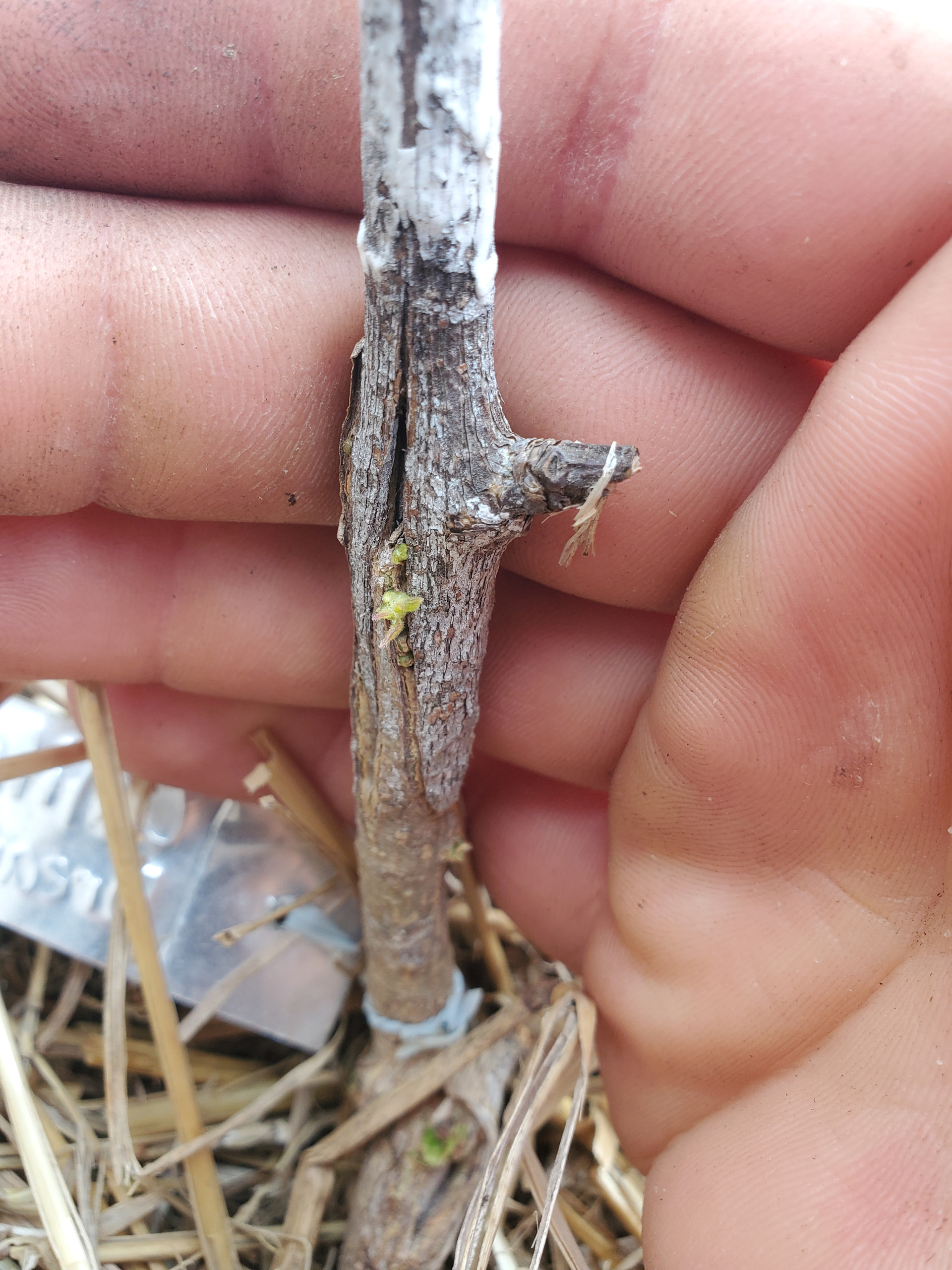
And what is very encouraging is some of the leaves emerging from the graft union have a red tint, and osage orange does not have red on any bit of their new growth.
Hoping I end up with a chimera.
7 Likes
Very cool!
2 Likes
Was this a graft that initially took but then winter-killed?
It had took, but it never looked good, because I just used up the remainder of my scions was grafted onto a tree without much of any roots, and I had accidentally let the pot get a little too dry over the winter. I don’t think it was killed by the cold, but I’m not going to rule that out for such a weak graft.
3 Likes
@a_Vivaldi Pretty sure Marta M. at reallygoodplants had budwood of cochinchinensis for sale last fall. I remember it being described more as a “vining shrub” than a tree tho.
4 Likes