Buffaloberry -- all about

Three types of Buffaloberry are native to the USA.

Silver Buffaloberry

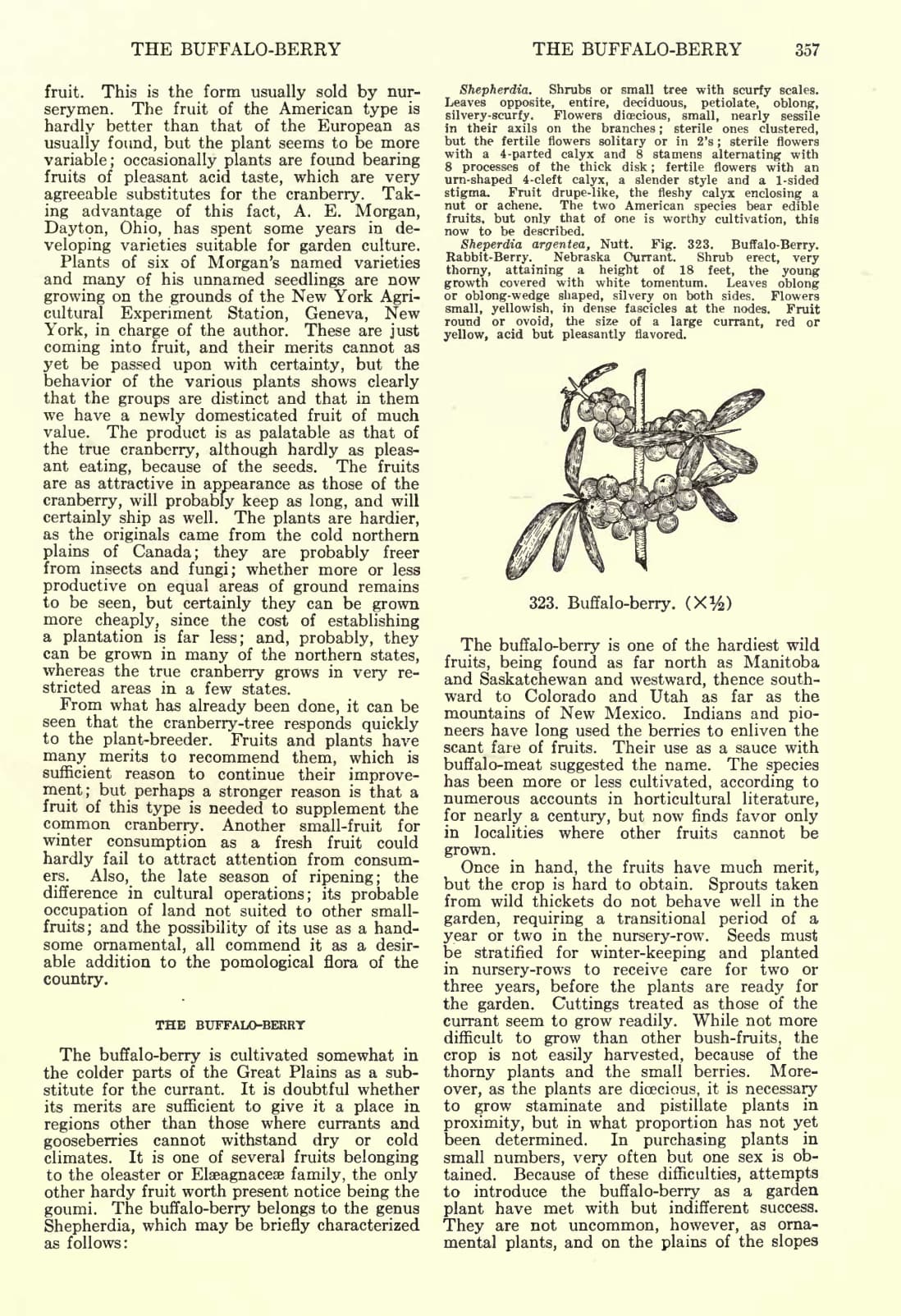
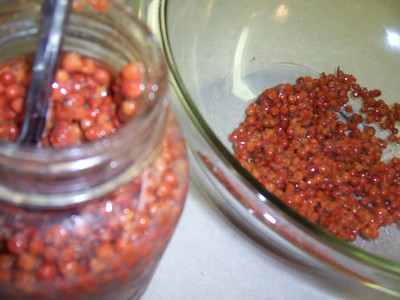
The most commonly planted is Silver Buffaloberry (Shepherdia argentea). Often considered a Great Plains or South Dakota shrub that the Minnesota Department of Transportation has used for windbreaks and erosion control, the thorny plant has red berries that can be harvested in August. It’s dioecious: there are male and female plants. Burnt Ridge Nursery sells seedlings in multiples of 1, 10, or 100. Once you have 1 and if the male:female ratio of offspring is 1:1 (50% male), then the probability of getting n more of the same sex are probably 0.5^n, (1/2 to the Nth power). But I don’t know the ratio of seedlings. (For persimmons it’s as high as maybe 80% male). Anyway, I just planted 7 seedlings this year. Drought tolerant, tolerates poor sandy soil, fixes nitrogen. The native nursery near the Twin Cities “Outback Nursey” carries for local buyers, and some permaculture and native food forest oriented websites also sell this variety.


Canada Buffaloberry aka Russet Buffaloberry

Russet Buffaloberry aka Canada Buffaloberry (Shepherdia canadensis) also known as Soopolallie or Soapberry, grows in mountains of the USA western states, though some understory plants occur in northern Minnesota and in North Dakota. The berries have a higher saponin content than Silver Buffaloberry, and reportedly can be whipped into a foam that is only digestively tolerated in small quantities. Available from Burnt Ridge Nursery. Should fix nitrogen.


Roundleaf Buffaloberry

Roundleaf Buffaloberry (Shepherdia rotundifolia) grows on the Colorado Plateau but is widely not considered edible by humans.

https://www.swcoloradowildflowers.com/Yellow%20Enlarged%20Photo%20Pages/shepherdia%20rotundifolia.htm

4 Likes

The Shepherdia are a north-American sister genus of Hippophae (Sea Buckthorn). There are 3 species:

  • Shepherdia argentea, silver buffaloberry
  • Shepherdia canadensis, russet buffaloberry
  • Shepherdia rotundifolia, roundleaf buffaloberry

Like their sister genus, all three of these contain saponins. The first two are considered severe diarrhetics and toxic when eaten fresh. However, Shepherdia rotundifolia contains less toxins. Obtaining cultivars of this species can be problematic owing to distributors and sellers with mislabeled plants and seeds.

4 Likes

We have pretty much decided the Buffaloberries have to go. Their fruit is awful. They seem to have a semi-invasive habit. Basically wanting to take over our pond banks. Those and the pines are coming out.

River birch, American Hazelnut, Morus Rubra and Sycamores are joining the Oaks on the banks. Our citrus trees and Martínez pinyon are going on part of the topside.

2 Likes

‘all about’ - a little deeper is that the name comes from that Natives used this berry to flavor their buffalo meat…along with other spices and berries etc.

The flavor of buffalo berries is incomparable. It most closely resembles alum, a cooking ingredient you probably will no longer find in your kitchen if you don’t make pickles. One-quarter teaspoon of alum, or a handful of buffalo berries, makes your mouth feel like you are eating Death Valley.

I considered planting these myself for my ecology side project of diversity…but went instead with Buffalo Currant aka. Clove Currant aka. Buffalo Berry… as i already have way too much autumn olive and think that Buffalo Currant/Clove is a more edible desirable plant for myself, pollinators, nature etc… let alone the fragrance.

2 Likes

was just reading a scanned book from 1921 that mentioned this and wanted to search the forum for thought about it.

Can find the full book here, lots of really interesting stuff. older apple cultivars. https://ia601006.us.archive.org/16/items/cyclopediaofhard00hedrrich/cyclopediaofhard00hedrrich.pdf

What was especially interesting to me is aparently in 1921 they had not yet succeeded in any cultivation of high bush blueberry. i had no idea it was that new. Crazy how there is more info on whatever buffalo berries are than blueberries!

5 Likes

We tried harvested some wild ones in the Great Basin this year. There was considerable variation from bush to bush, and unripe fruit were very astringent. There was one bush that had quite pleasant fruit however, sweet and tart, somewhat like a cranberry and sour cherry.

4 Likes

Some university professor’s breeding project maybe 20 years ago was trying crossing compatibility with seaberry. He was dealing with the higher and lower chromosome count’s of the buffaloberry species. Never heard if they was successful, interesting though.

1 Like

Need to go through a bunch again and collect some seeds of the best tasting, and maybe some with other superior desirable features eg; large fruit, low thorniness, good growth form.:slightly_smiling_face:

2 Likes

The University of Wisconsin Uncommon Fruit lab (zone 4) tried growing Buffaloberry, picking the silver kind (Shepherdia argentea) for its lower toxicity and ease of finding a seller:

https://uncommonfruit.cias.wisc.edu/buffalo-berry-silver-buffalo-berry/

2 Likes

There different colors of Buffaloberry (Shepherdia argentea) out there, orange looking ones and yellow.
Here’s a source for some orange looking ones.

2 Likes

I collect S. canadensis whenever possible. It is a fruit for wildlife, not people. Its highest/best use, aside from basic shrub diversity for habitat quality, would probably be in mining reclamation as it is a very tough plant that can grow on pure rock. It is also found pretty much exclusively on calcareous sites.

One of the striking things about S. canadensis is its very close similarity to Eleagnus species. In the relatively small areas of Michigan where both Russet Buffaloberry and Autumn Olive can be found, I would expect Shepherdia is sometimes targeted during AO control work.

3 Likes

I can also mention that S. canadensis is a very early bloomer, which can cause fruit production to fail quite easily. I don’t know if it has a strong pollinator value as a result, but I expect the early Salix species would be superior in that regard.

2 Likes

Here is an old thread you might like

"

the evolution of me

A Nebraska farm girl makin’ her way in Music City. By day: digital marketing expert; By night: singer. songwriter. painter. brownie maker. Always: dreamer & believer.

4.23.2007

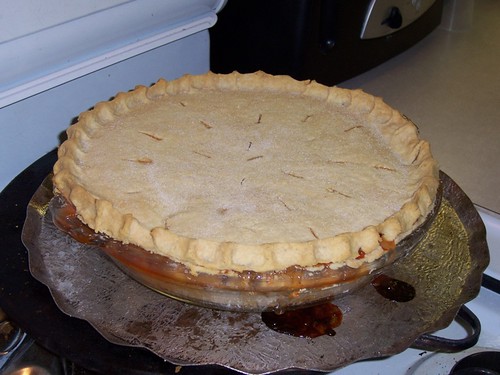
Buffaloberry pie

My favorite pie in the entire universe is: buffalo berry pie.

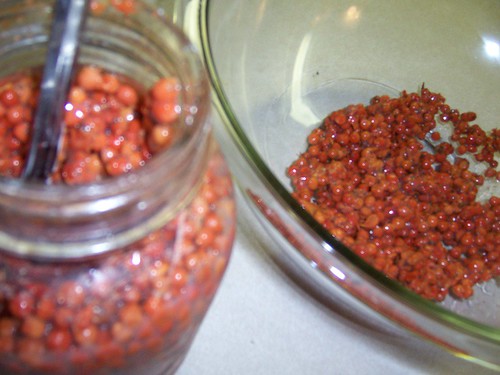
What the heck is a buffalo berry? Well… it’s a wild currant-like berry that grows on a silvery tree / bush in my parent’s pasture in Nebraska. The berries are very rich and almost nutty in flavor… and they make excellent jam and pie.

When I was home over Christmas, my Mom gave me a couple of canned quarts (Thanks, Mom!). I’ve been saving them for this week… last night, I made a buffalo berry pie with one of the quarts as a birthday present to myself. (Thursday is my birthday! Whoohooooo!)

It turned out pretty good… and I’ve decided I’m going to eat a piece of pie for breakfast every day this week until it is gone. I figure, it’s fruit… bread… no different than eating a Danish or something, right?!

Heh.

Anyway… here are pics of the event.

Yummmmmmmyyyyyy.

Tasted so good, John and I went online and ordered ten buffalo berry bushes / trees (if you click, you’ll have to scroll down to see the description) to plant along the west site of our yard.

Whoohooooo.

Once they’re planted and grow a couple years, we’ll have buffalo berries of our very own to pick and can.

I see more buffalo berry pies and jam in our future!

BB Logan at 6:50 AM

[Share](javascript:void(0):wink:

4 comments:

Anonymous4/23/2007 04:02:00 PM

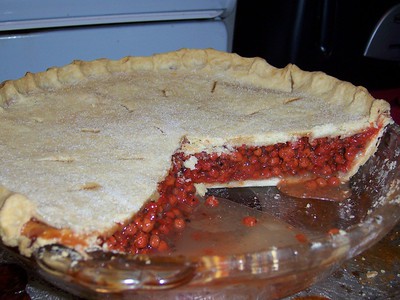
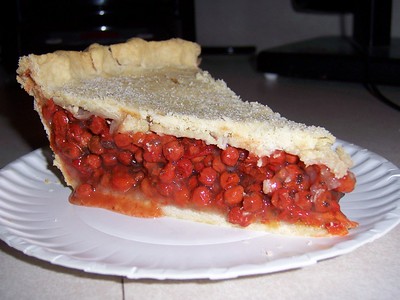
OK, just so everyone knows…I ate a piece of this (this actual piece, so BB tells me), and it was most interesting (read: what you say when it’s not good or bad). What was hilarious was just how many berries were in this thing! Here’s the comparison - using same peice size:

Strawberries = 7-9
Blueberries = maybe 16
Blackberries = 9 or so, if you’re lucky
Buffalo Berries = 2, 632

Just look at the picture. Hey, new game, BB…guess how many B-berries in this peice of pie, and get…

[Reply](javascript::wink:

BB Logan4/23/2007 04:08:00 PM

Another piece of pie!

WhoohoooHOOOOOO.
Chaser wins.

heh… it is definitely like no other pie you’ve ever tasted… nutty and tart at the same time… very rich. About 1/3 the size of a normal piece of pie is what I recommend. I also recommend a cup of coffee and/or some ice cream when you eat it. Mmmmmgood. Cuts the tartness a little.

[Reply](javascript::wink:

Anonymous5/17/2019 03:20:00 PM

So where is the receipt

[Reply](javascript::wink:

Sis5/28/2024 04:41:00 AM

My mother in law used to make sour cream buffalo berry pie, I used to make it too. Instead of rhubarb b you use the berries, very good . Think it was 2 cups of berries in place of the rhubarb

[Reply](javascript::wink:

Home

View web version

Who is BBLogan?

BB Logan

View my complete profile

Powered by Blogger."

Time to get sentimental… because MyFlickrYear is here!


:sparkles: Get Pro

About Jobs Blog Advertise Developers Guidelines Help Privacy Legal Terms Cookies

English

buffalo berry pie

by JeanneAPR

11 photos·578 views

I’ll need to eat small slivers of this…

Mmmmmm… one slice of buffalo berry pie.

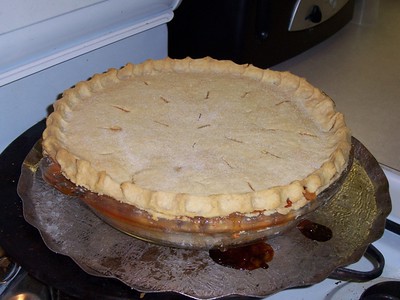
Viola! Buffalo berry pie… fresh out of the oven.

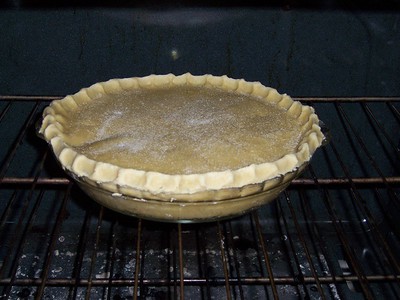
In the oven… only one hour til it is done!

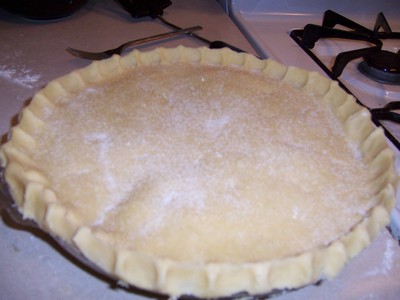
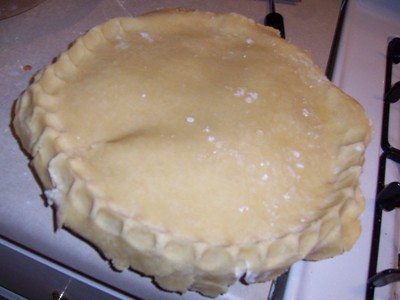
A few air holes and a dash of sugar for the top!

sealing the edges with some finger scallops…

the top crust… about to be added…

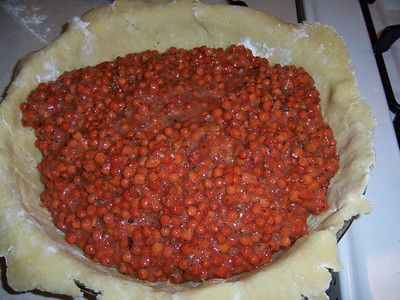
just the right amount of buffalo berry pie filling…

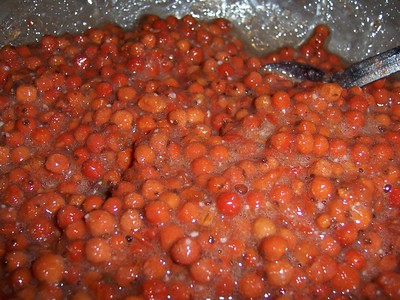
buffalo berry pie filling

Opening the quart jar… making the filling.

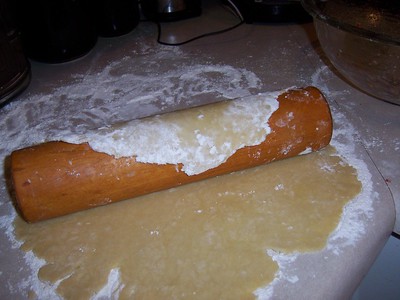
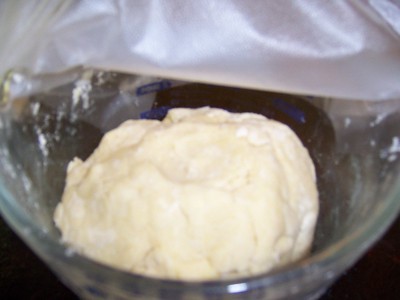
homemade pie crust… chilled and ready to roll.

This site uses cookies to improve your experience and to help show content that is more relevant to your interests. By using this site, you agree to the use of cookies by Flickr and our partners as described in our cookie policy.

Connecting people through photography."
"

4 Likes

Can (Shepherdia canadensis) Russet Buffaloberry aka Canada Buffaloberry grow in mostly understory on steeply sloped sandy soil? I have an area that I can’t fence off and I need something that survives against rabbits and deer and woodchucks. Wondering if it would work for that.

I tried calling nurseries in Minnesota and nobody has any. If I order from Burnt Ridge Nursery, it’s not going to be genetics from anywhere close to here.