When will you have more of these available?
3 Likes
I received my Carolina Lime seeds from www.toughcitrus.com- unfortunately the website is no longer working. I corresponded with them via email- toughcitrus@gmail.com. Anybody interested might email them to see if they’re still selling seeds.
5 Likes
I think Aaron, the guy who set up that website, mostly stopped doing business after he moved back to Florida.
6 Likes
This sounds fascinating. I haven’t been convinced any of the fruit from other cold hardy is worth the stress of zone pushing. But, I would love to waste some money and see if I can get this to fruit in ground here in 7b DMV. It’s rare we go into the single digits, so would hopefully only be less than a week of stress/protecting.
3 Likes
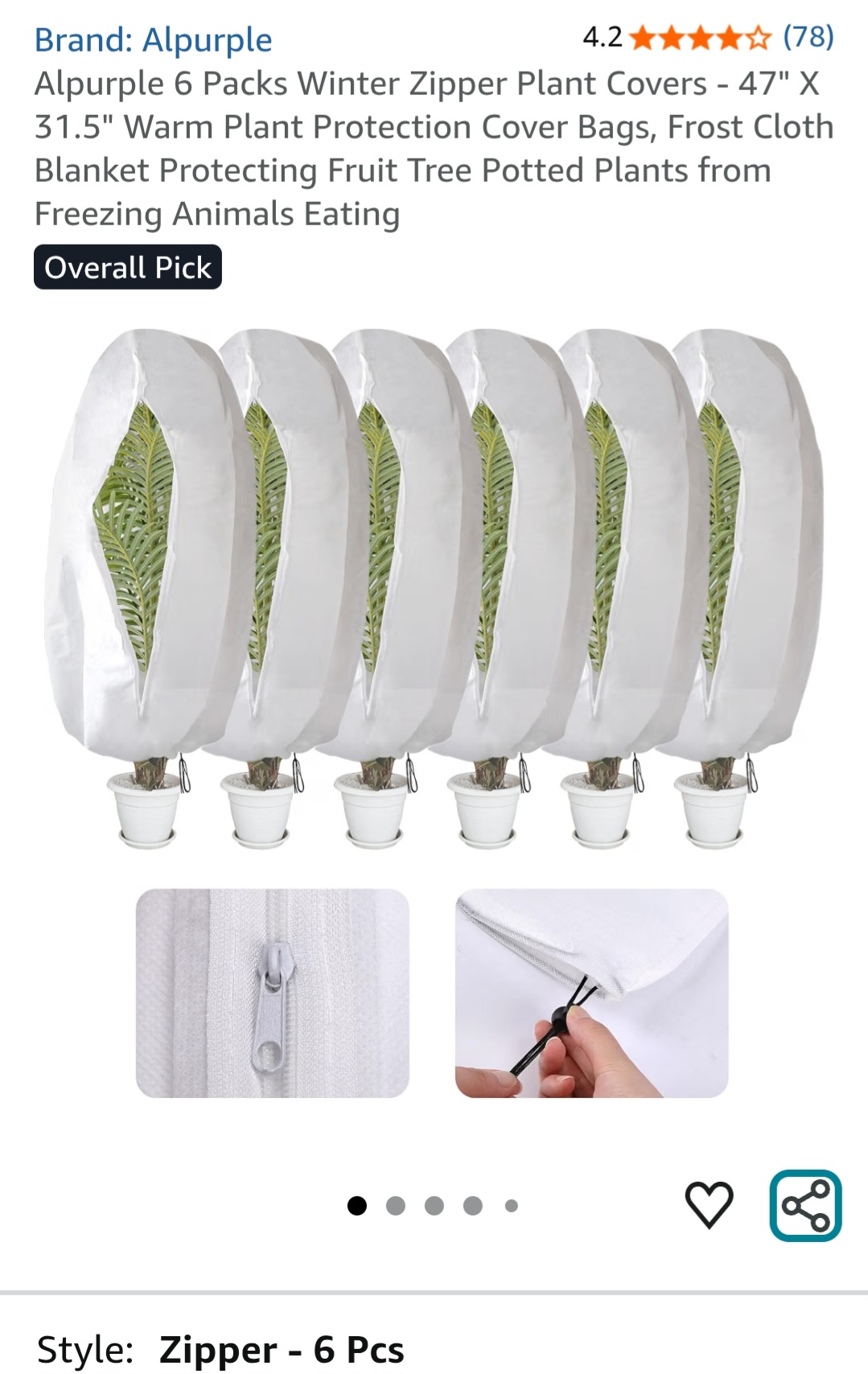
Check these out they zip up on your fruit trees come winter then you take them off in the spring Amazon.com : Alpurple 6 Packs Winter Zipper Plant Covers - 47" X 31.5" Warm Plant Protection Cover Bags, Frost Cloth Blanket Protecting Fruit Tree Potted Plants from Freezing Animals Eating : Patio, Lawn & Garden
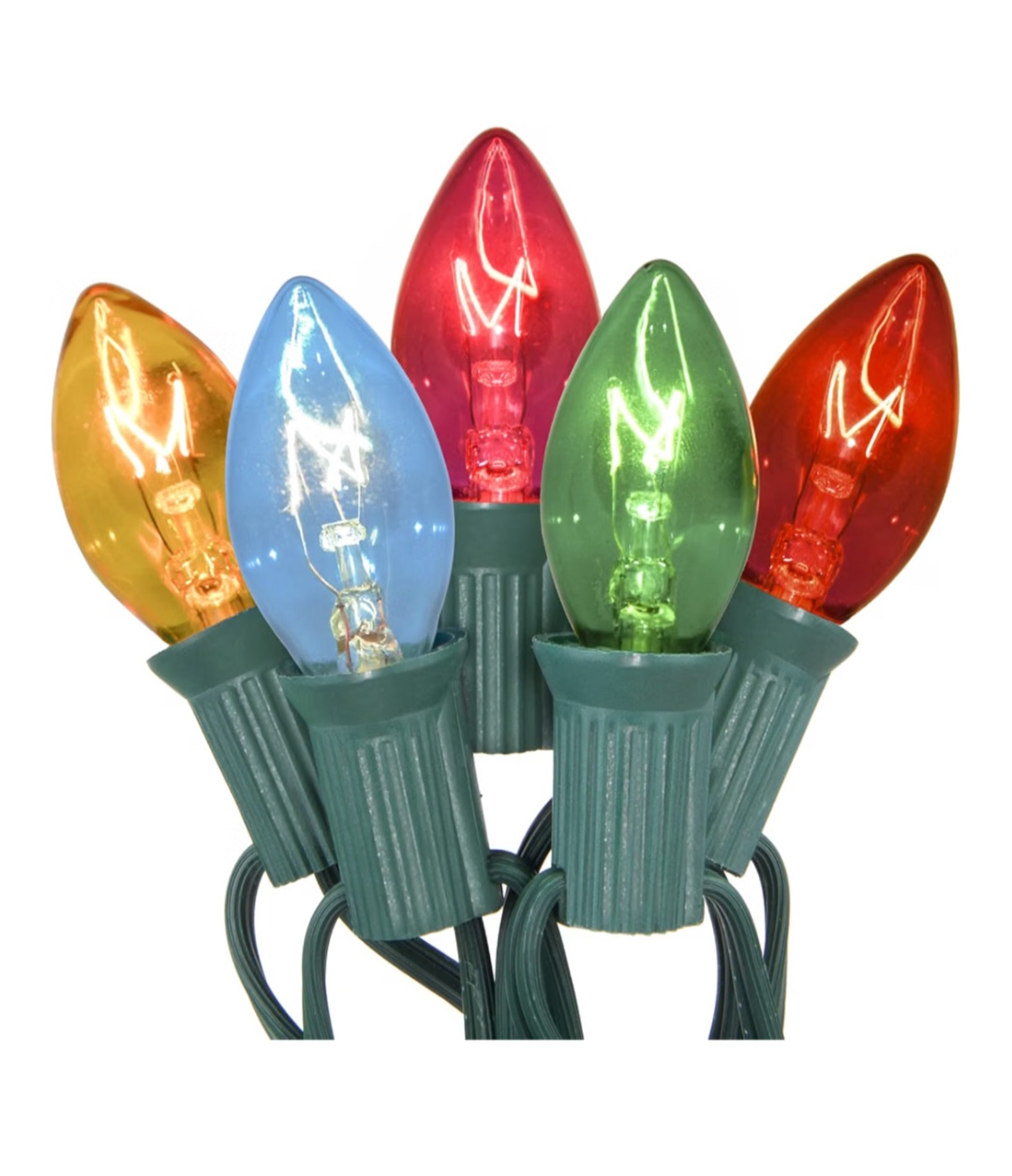
Then use some strings of C7 Incandescent Christmas Lights on your tree you turn on for the coldest nights. SUNSGNE 25Ft Multicolor Christmas Lights, C7 Incandescent Christmas Light with 27 Clear Vintage Outdoor Colorful Lights (2 Spare) for Holiday Prom Party Wedding Decor, Green Wire - Amazon.com
Then learn the other zone stretching tricks
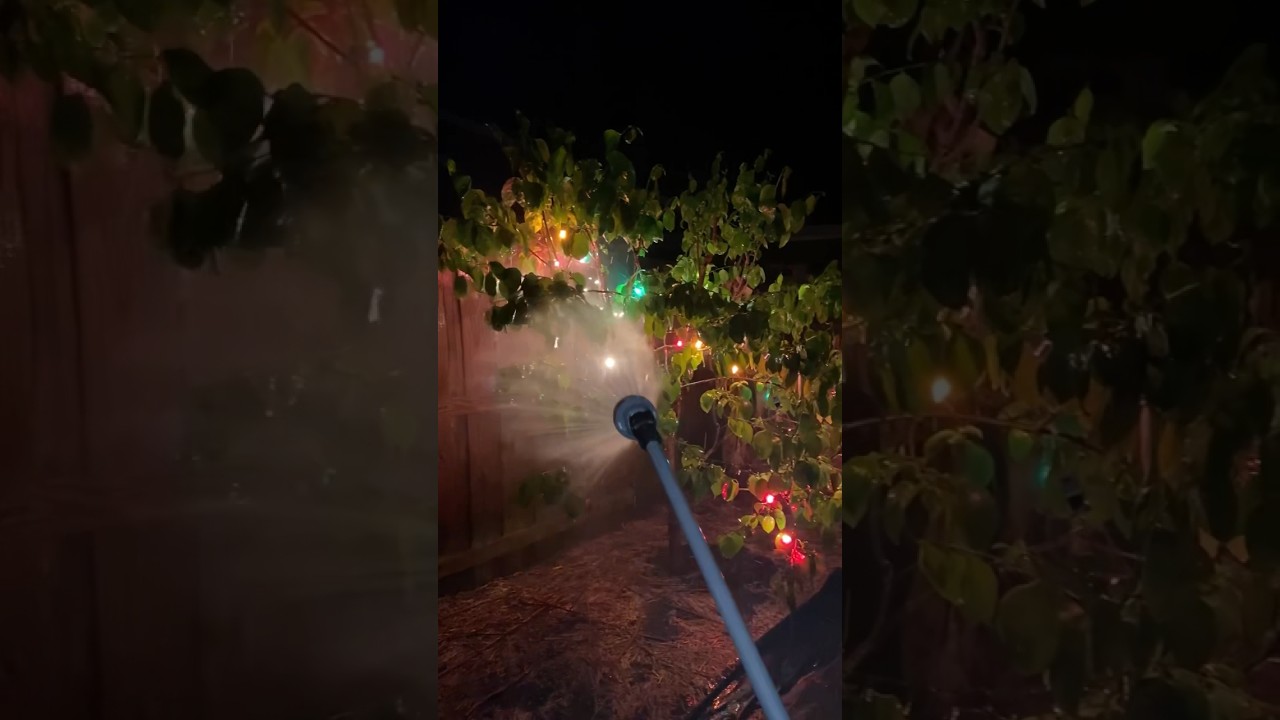
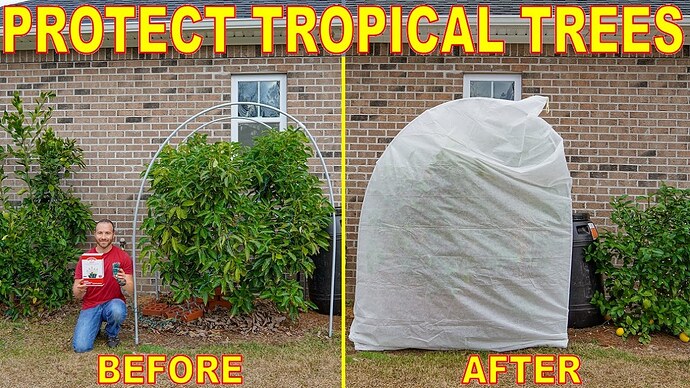
Any one of those tricks would likely be plenty for you to grow even more than limes , but you might as well do all the tricks and grow all of what you want. You could grow a bunch of things in your climate.
4 Likes
Thanks!
3 Likes
Carolina lime are really hard to get right now.
2 Likes
The Carolina Lime is an excellent hardy citrus that is very likely an F2 seedling of CiClem x Clementine, retaining that characteristic green flesh but with a noticeable lime-like flavor that is much stronger than any other hardy lime substitutes. Despite probably being 25% trifoliate orange on paper, it has a relatively clean flavor, with only trained palates being able to distinguish any trifoliate influence.
It’s a fairly slow grower except under greenhouse conditions, and even then, it’s far from our most vigorous. This works to its advantage outdoors however, since it lignifies well going into the Winter, and exhibits good dormancy. It seems reliably hardy to high single digits fahrenheit so long as the freezes are not too long, otherwise I am not sure of its maximum potential since there aren’t enough mature specimens to learn from outside of Stan’s. Zone 7 locations would definitely benefit from at least some passive protection like a good microclimate and frost cloth.
Once it gets going, it blooms profusely with these beautiful pink-white flowers, and sets a surprising amount of fruit, as we are noticing on our 2-3 year old tree now; we had to thin them. I like the fruit best when they are picked green since they mellow out a bit as they turn yellow. They can start being picked in late Summer.
What I love about this citrus is that it symbolizes the progress being made with hardy citrus in recent times, both through intentional breeding and the selection and preservation of unique variants. There are more promising examples of 25% trifoliate hybrids like the Staruzu which lead me to believe that if efforts are focused we will see more high quality hardy citrus like the Carolina Lime over the next few decades.
In regards to the availability of these plants, it is constrained for the time being until there is more of them being grown. I know Stan is trying his best to keep up with demand, and we have 1-2 dozen plants we’re trying to prepare for the Fall. The grafts grow slowly, the cuttings are not eager to root, and the seedlings have poor germination, slow-to-moderate growth rates, and often vary. This makes it a tricky variety to propagate. I planted 3 more trees this past season which should allow us to produce more budwood in the future.
10 Likes
Man, I should have gotten ahold of one of these back when they were a little easier to get a few years ago.
So the presumed parentage is Clementine x (Clementine x Trifoliate)?
I wonder if there isn’t something else going on with this one, pinkish flowers are not something you’d expect to see from those parents no?
5 Likes
Haha, yes it seems like there might even be more Prague than Carolina Lime available in the short term.
Clem x Tri x Clem is the presumed parentage, and it seems very similar but distinguishable from the Clem x Tri x Clem that @VirginiaFruitGrower has. I believe the seeds traded hands between European and American growers and this particular seedling ended up back in the hands of Stan McKenzie and grew up into the Carolina Lime!
I’m not too suspicious of the pink tint the flowers have, just because I’ve even noticed trifoliate oranges with a very light pink tint to their flower buds, as well as other 25% hybrids like Rangpur x Troyer. Tai Tri and US-1279 are also 50% hybrids with pinkish blooms.
6 Likes
I have a small carolina lime from themulberries that I got last year that I’m thinking it’s about to plant in ground. Was quite tiny at the time of purchase but it had grown significantly in my greenhouse with fertigation. Definitely not the fastest grower, but still not bad too either when babied at least. It has been slowly filling out its 3(?) gallon pot now, so hopefully it’ll keep going alright in ground. The leaves are at least fairly nice looking (sorry but no picture). Can’t comment on hardiness as it’s been kept warm, but I have high hopes for this one.
5 Likes
What about grafting on to larger trifoliate orange trees in the spring? They lose their leaves and go fully dormant, so if the whole tree gets cut back and then grafted with Carolina Lime or other cold hardy citrus they should also have the rapid growth that we get on deciduous trees, at least in that first season, right?
I’m sure it won’t be like growing a 6 foot apple tree in the same season as grafting it, but still, it should put on a lot of growth, right?
4 Likes
That sounds like a good idea purely for the purpose of harvesting budwood! There’s a couple of wild trees I could experiment with too. It would almost be like coppicing or pollarding the rootstock trees and encouraging the regrowth to happen on the scions. I think it’s possible with a bit of management.
I’ve pruned the tops off discounted store-bought citrus trees for the purpose of re-grafting the hybrid rootstocks and the growth from the grafts is usually very vigorous. If they were more reliable hardy, I would use X-639, Swingle, or other vigorous rootstocks more often for slower-growing varieties like Carolina Lime.
I will say though, while our Carolina Limes “sleep” a bit during the first year, they skip the creeping and go straight to leaping in the second year! We planted a small tree in the greenhouse and it has exploded this year. Must have put on 3+ feet of growth already, and that’s on trifoliate roots. It’s nice to hear your tree has grown significantly too @CAvocado!
Side note: I do love the leaves on this variety. They are quite ornamental, normal being big, glossy and dark green. There’s a couple of other hybrids with similar leave characteristics, the two that come to mind are: Trifeola and Nr. 82 Citrumelo.
6 Likes
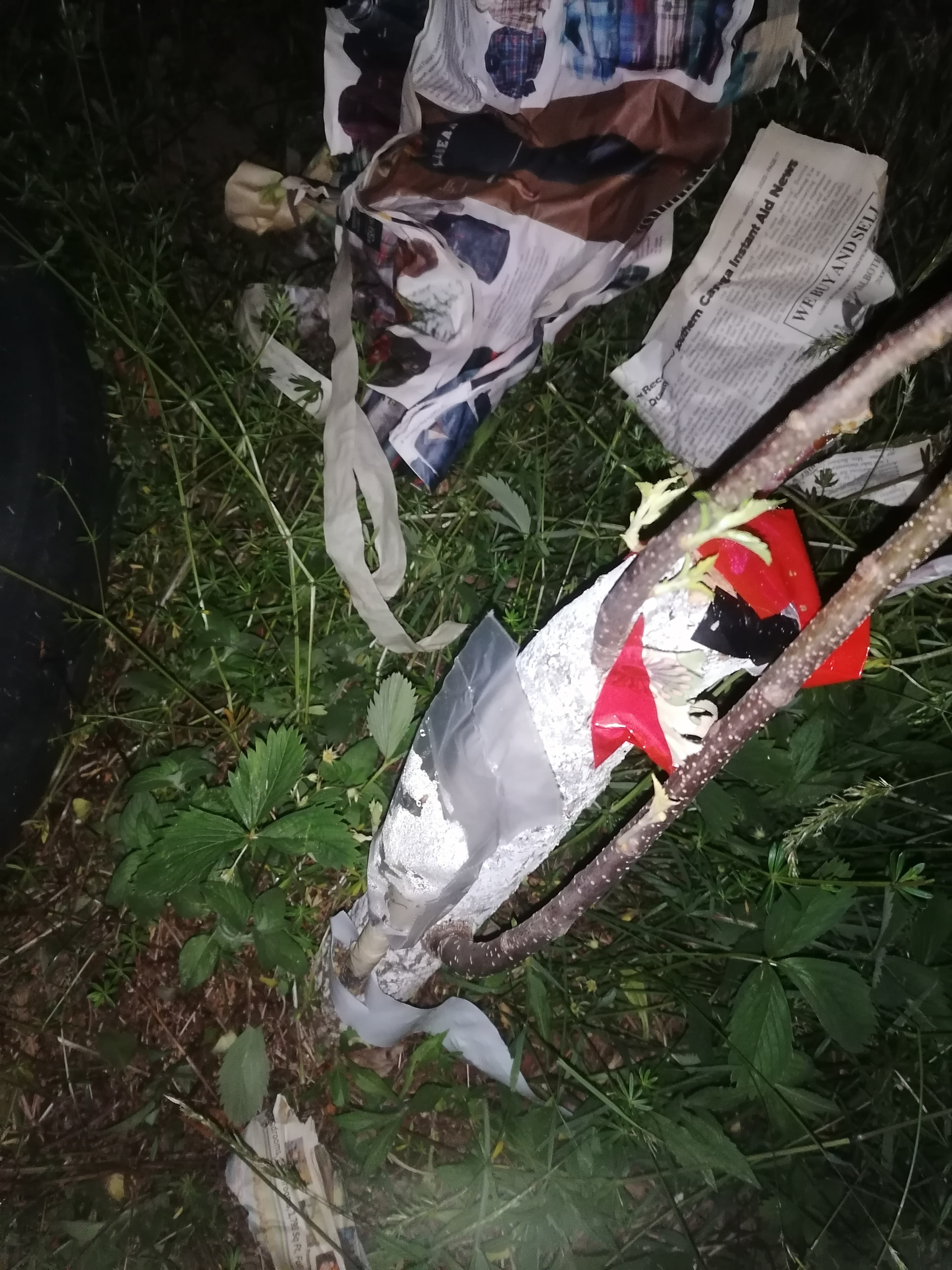
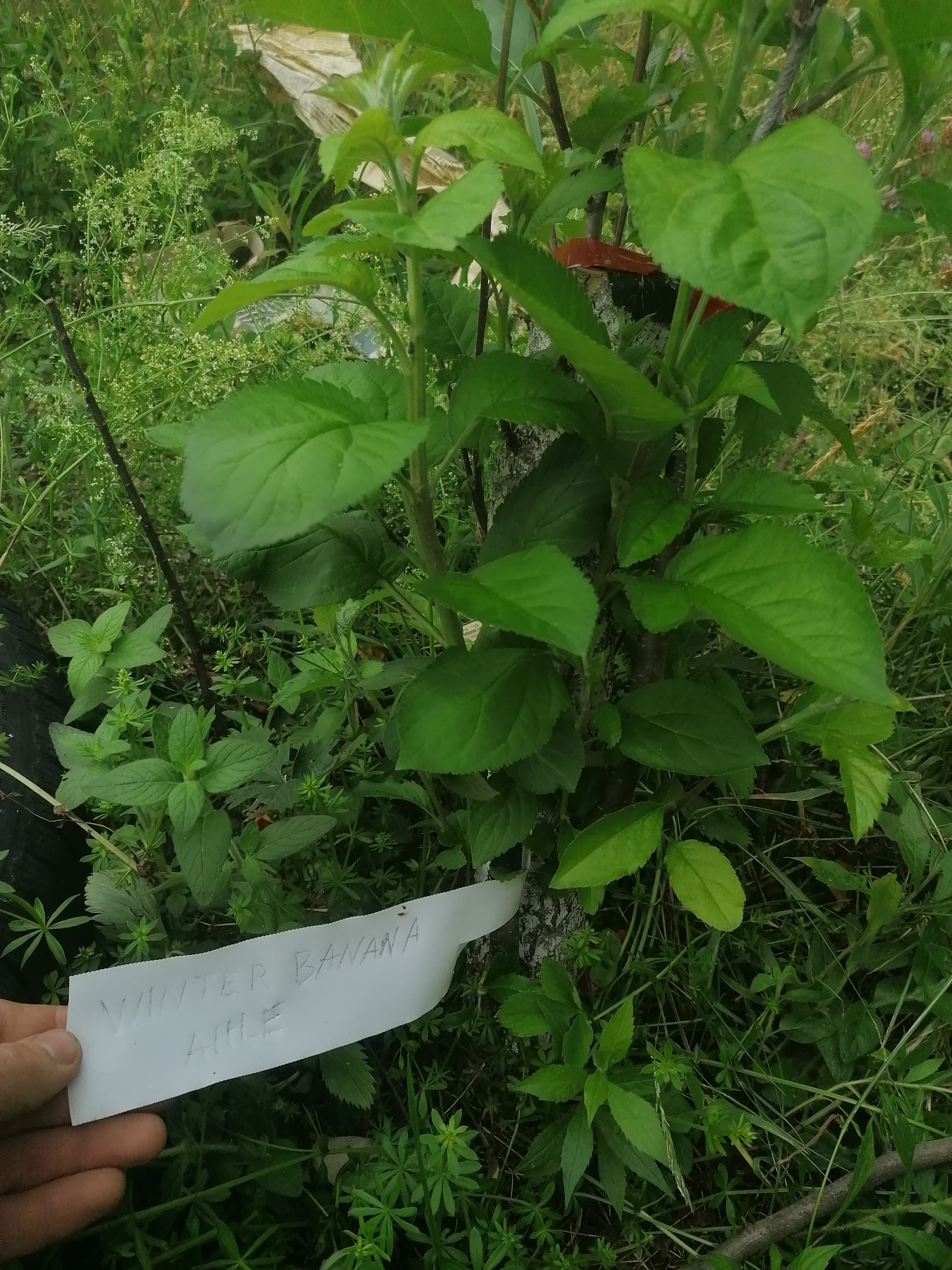
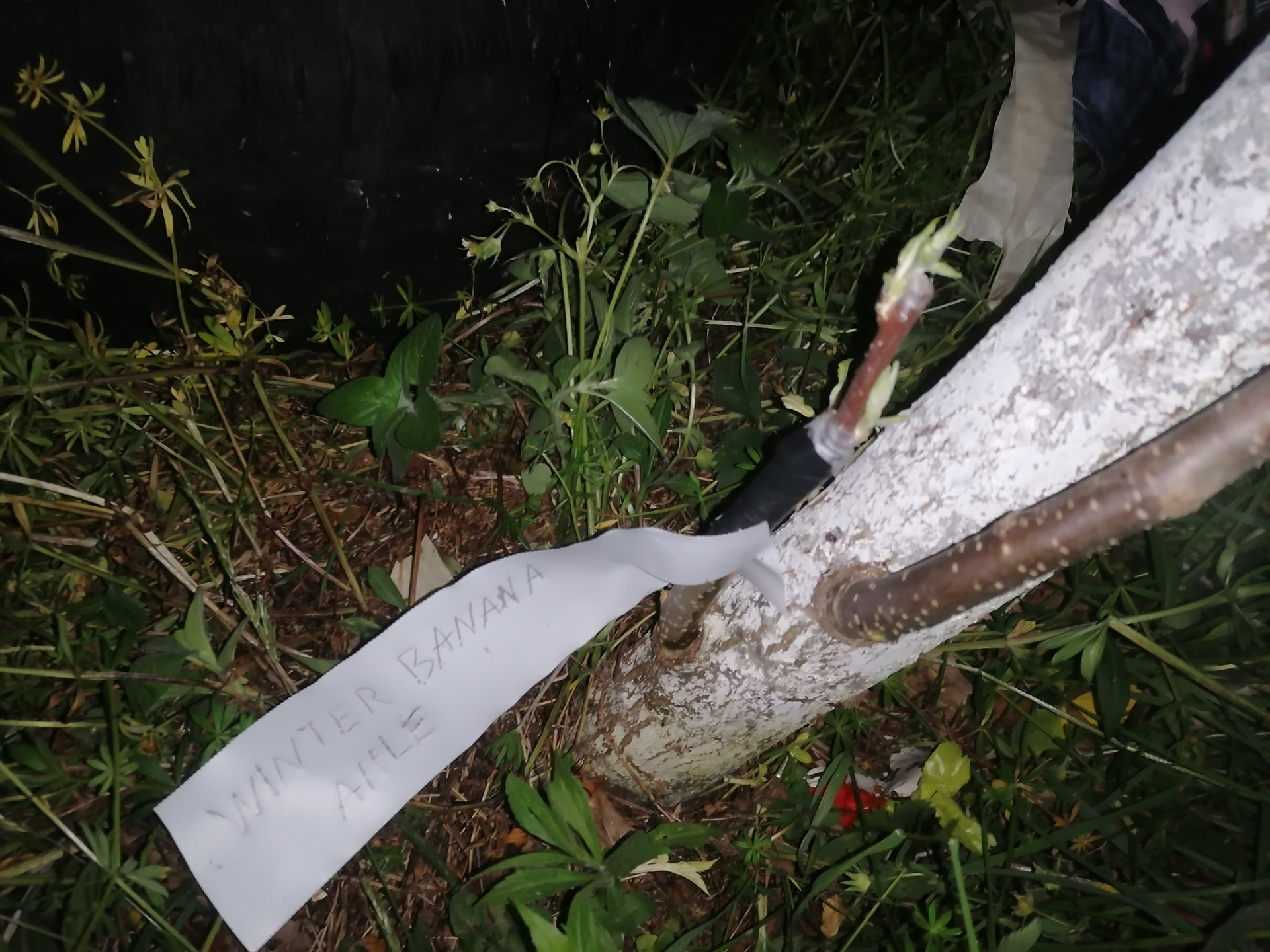
I grafted onto a sucker off of this apple trunk (probably wild and got rubbed pretty badly by a buck) and then cut the trunk off to just above the sucker, below all the anytime rub damage, and cut the second scion in the modified cleft graft down to almost nothing, and it took off. It was almost 6 feet tall by the fall, but it did start almost a foot off the ground.
After the picture where it was all leafed out and I was fully confident that it would survive, I cut the trunk back, cutting off my backup graft, Enterprise apple probably, because I wanted a whole Winter Banana tree. Then I think I sprayed it with some black limb sealer and put a piece of aluminum foil on top for extra protection especially from the sun on the black sealant, and pruned the second scion in the cleft graft back to one bud and maybe only one good leaf, and it was off to the races, putting on another 4 feet.
I have a chestnut that was similar, but I grafted that in the previous summer and cut off the Red Oak trunk just above the chestnut graft in the late winter.
4 Likes
The carolina lime was not easy to get similar to prague. They are obtainable, be prepared for a lengthy wait. I will attempt to cross prague and carolina lime. Both are very cold hardy. Both are reported to be good quality. I can tell you ahead of time only 1 in 100 seeds if I’m lucky will sprout based on the McKenzie’s experience with the carolina lime. I will likely use another citrus in the cross when its time for f2 hybrid crosses. The trifoliate is not always necessary in the cross there are other ways to get there.
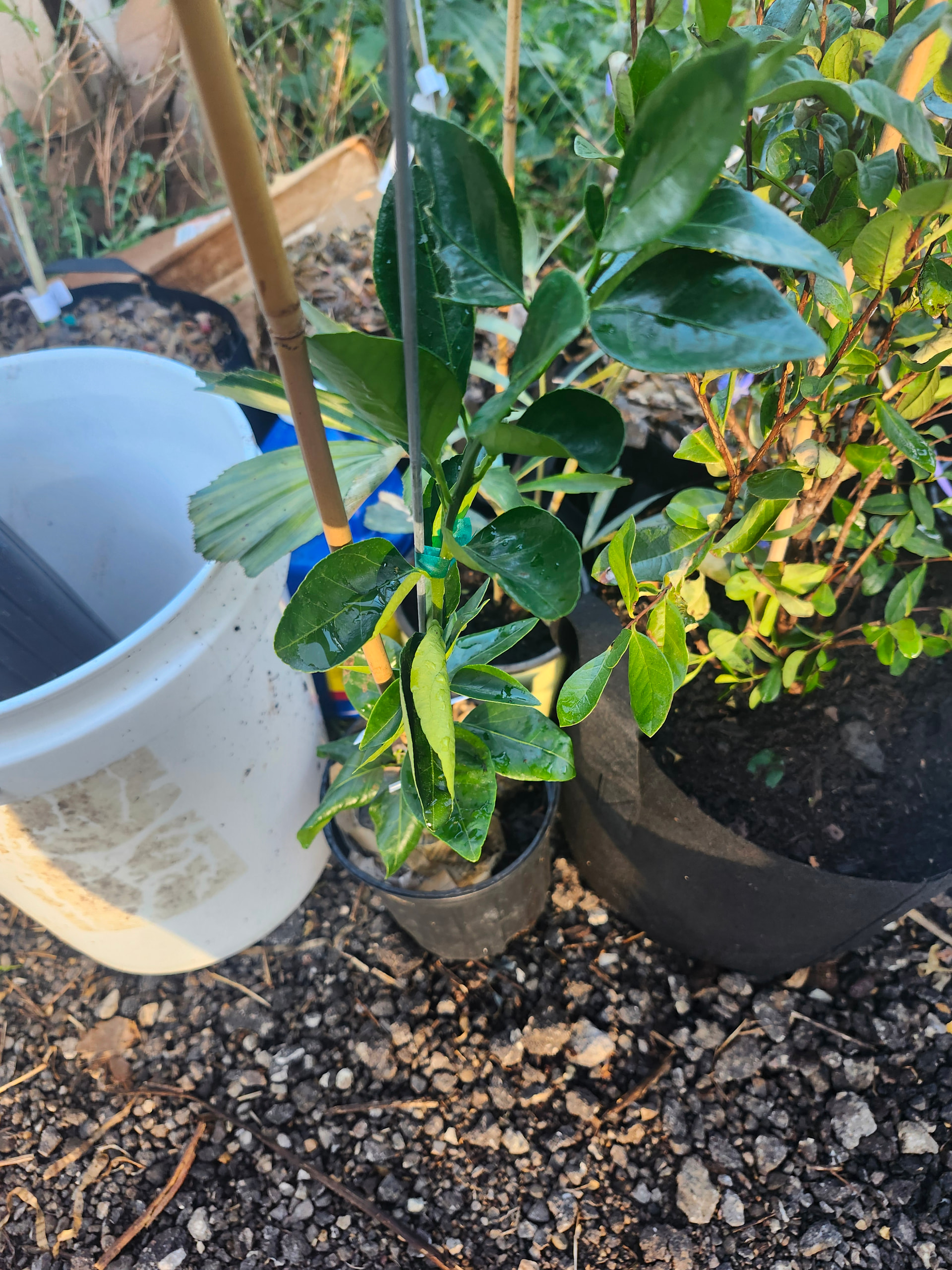
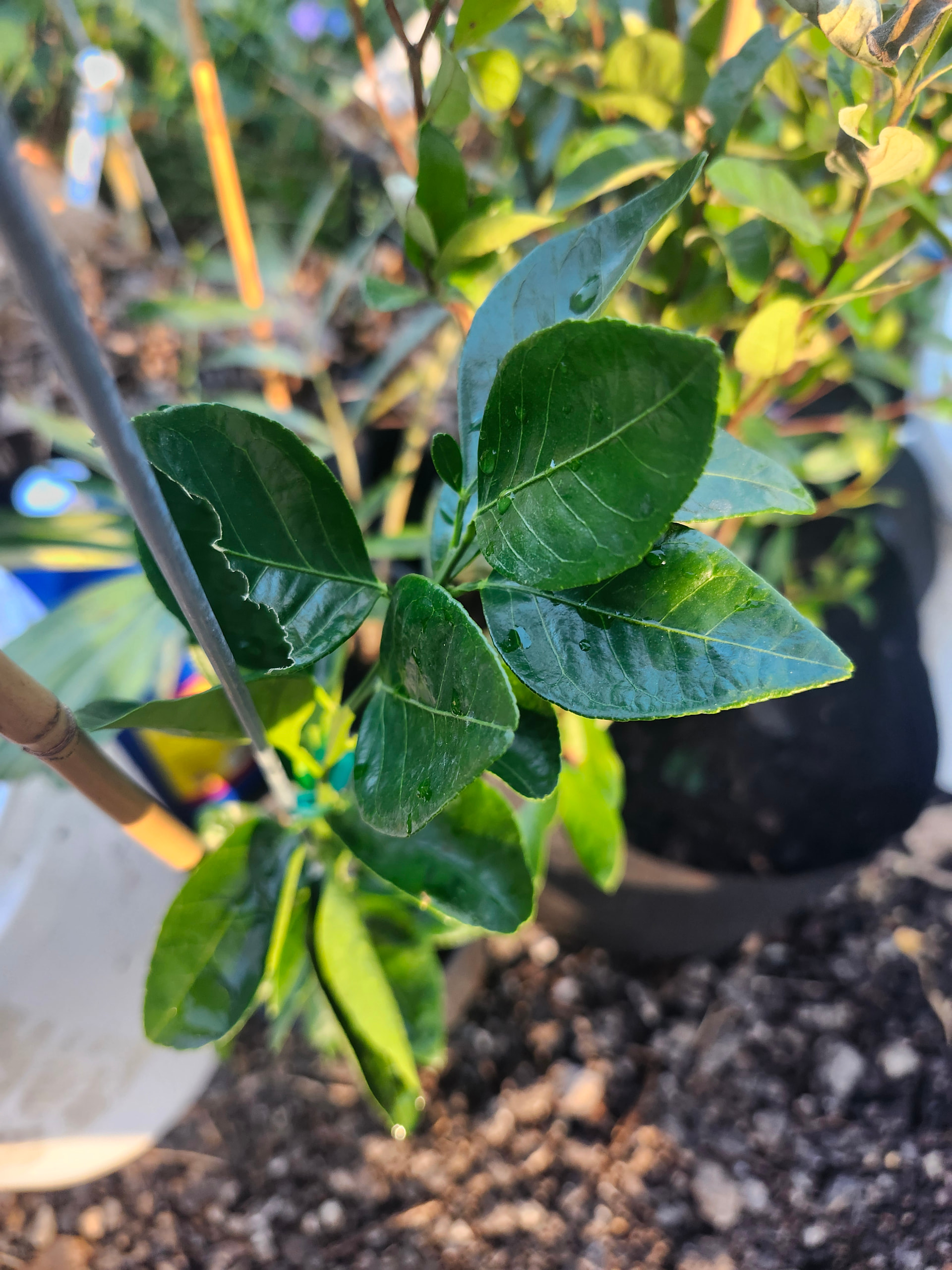
Carolina lime is a beautiful plant. I need to repot this one soon as it is beginning to grow very well.

4 Likes

5 Likes
I think propagating these is nearly impossible. They do it obviously but I believe it’s very challenging.
2 Likes
It’s a slow process, especially on trifoliate orange rootstock which is most desirable for outdoor planting. I may experiment with a Citrandarin interstock and see what happens. It has worked good for Prague so far!
Though I complain about it’s reluctant growth/long time in between flushes, this also gives it an advantage going into the Winter, since it doesn’t get caught off guard by cold and readily goes dormant.
3 Likes
I can complain about more than one citrumelo that do the opposite… haha
5 Likes