I recently tried citron jam and it was excellent. I now want to grow citron. There are many cultivars at UCR, Etrog being one. I don’t want to grow Buddha’s hand, a neighbor actually grows that. Does anyone have any experience with the different citron varieties? If I want to graft onto rootstock, which rootstock should I be looking to get (Southern California, inland 9b)?
Do you intend to use the rind (marmalade) or pulp?
The rind for jam or you could technically call it a marmalade I suppose
2 Likes
Your choices are Corsican and Etrog, which have well-documented flavor differences. I like them both but do not currently grow them. To maintain healthy plants, both require protection from sustained temperatures at or below freezing.
4 Likes
@Richard, thanks, any thoughts on rootstock choice?
1 Like
The consumer sources of Citron I’m familiar with do not offer a choice of rootstock. I’m familiar with Citrus grown in-ground in the Inland Empire. A Corsican or Etrog on standard rootstock in-ground there will vigorously develop into a large tree. So if you have a choice and do not want a massive tree, I suggest semi-dwarf for in-ground and super-dwarf for potted (40 gallon tree box).
3 Likes
What would a Citron trifoliate hybrid be called? You wouldn’t call it a citromon like a lemon trifoliate hybrid?
1 Like
Citromon… I CHOOSE YOU!
Citrus: Gotta Catch 'em all!
1 Like
@Richard, sorry what I meant was I’m going to get citron scions from UCR and was wondering what rootstock to graft onto. I normally field graft but my take rate is <30% so I hope to have better luck bench grafting.
2 Likes
Are you planting in-ground, and if so do you care what size tree it develops into?
The citrus orchards I’m familiar with in California use semi-dwarf trifoliata hybrids (e.g. C-35 citrange).
2 Likes
Yes, in ground. Semi dwarf is good. Thanks for the advice!
1 Like
Never thought I’d come across Etrog on here. It’s just Hebrew for citron, and is used for ceremonial purposes on one of the holidays. Very fragrant, I heard some people would process it into a marmalade though didn’t personally know anyone that did that
4 Likes
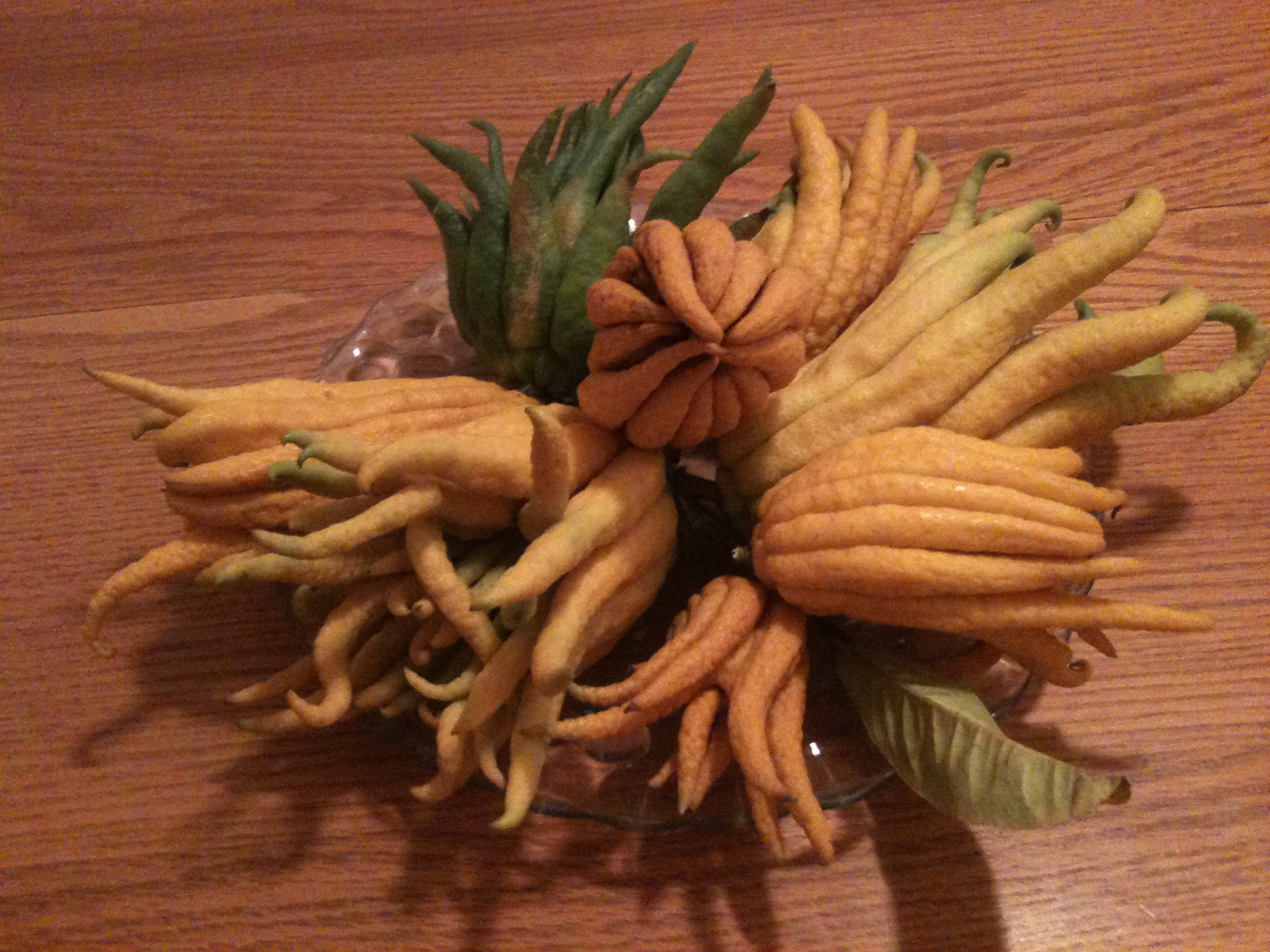
There is an “Etrog” cultivar that is distinct from other Citron cultivars. Etrog marmalade was part of my childhood in Redlands, CA. I also grew Citron “Budda’s Hand” in San Diego, 2003-2012. These were harvested right after a cold snap in Dec. 2011.
5 Likes
I have seen Etrog in my area a couple times.
3 Likes
Well if you grow a good amount of etrog and have an in you would probably be able to make a lot of money.
They would sell in October for usually 10-20 but up to 100 or more dollars an etrog (people only buy one per family member per year). Or at least that’s what they were years ago I imagine breaking into that pop up industry would not be super easy. Most of them are imported.
Anyway I’m going to be in 7b and somewhat jealous of people who can reliably grow citrus. I have a Meyer lemon I bring in every winter that nearly dies after I bring it in and comes back to life the next spring but barely. Debating getting a yuzu, but I feel my area will be a little too cold for it
2 Likes
I can believe it in intemperate climates. In my region the trees are sold at nurseries and there are specialty growers who produce fruits in high tunnels for the restaurant trades.
Way too cold for it.
On the other hand, there are a number of great fruits that prefer hardiness zone 7b and fail miserably here.
2 Likes
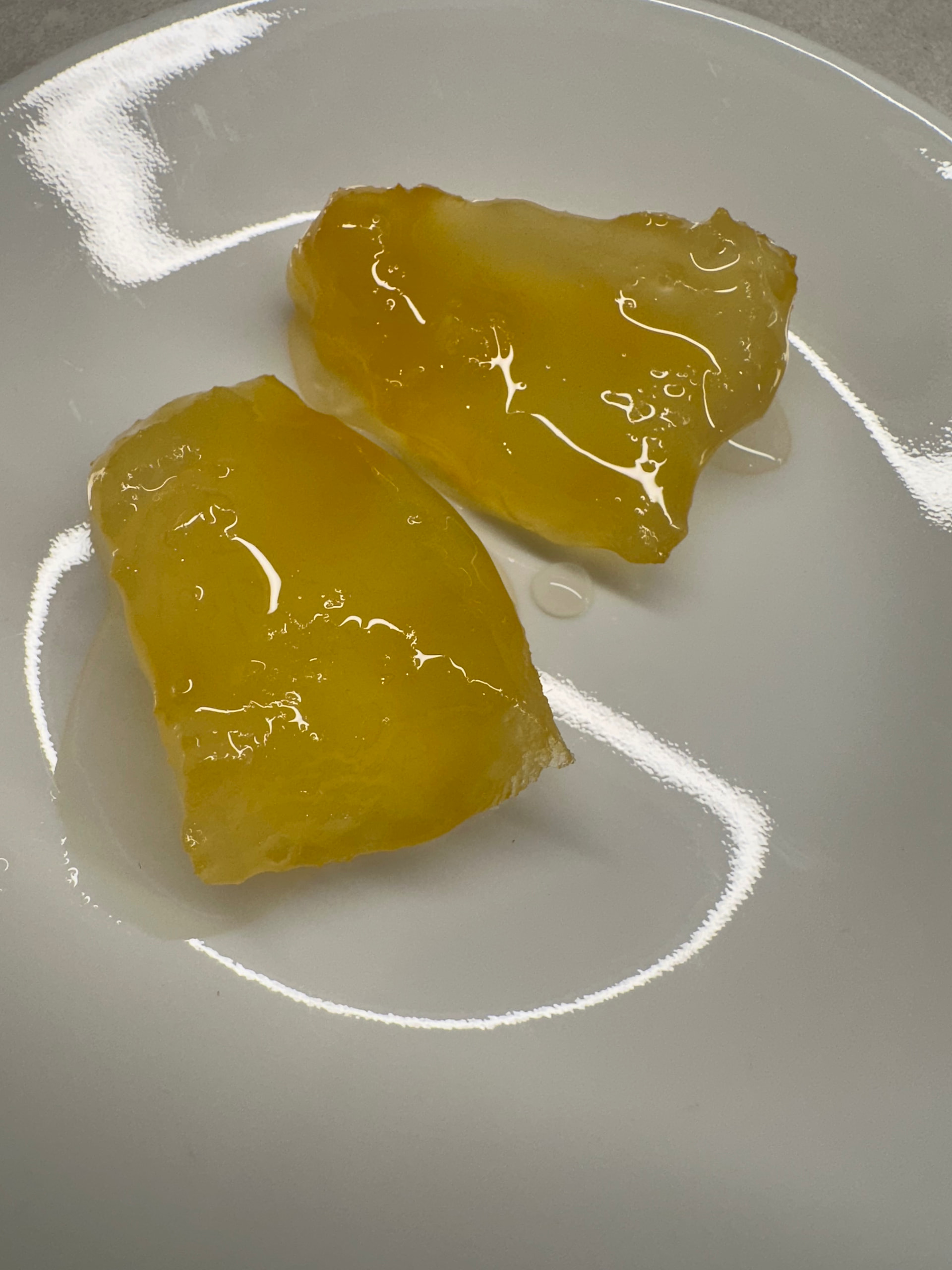
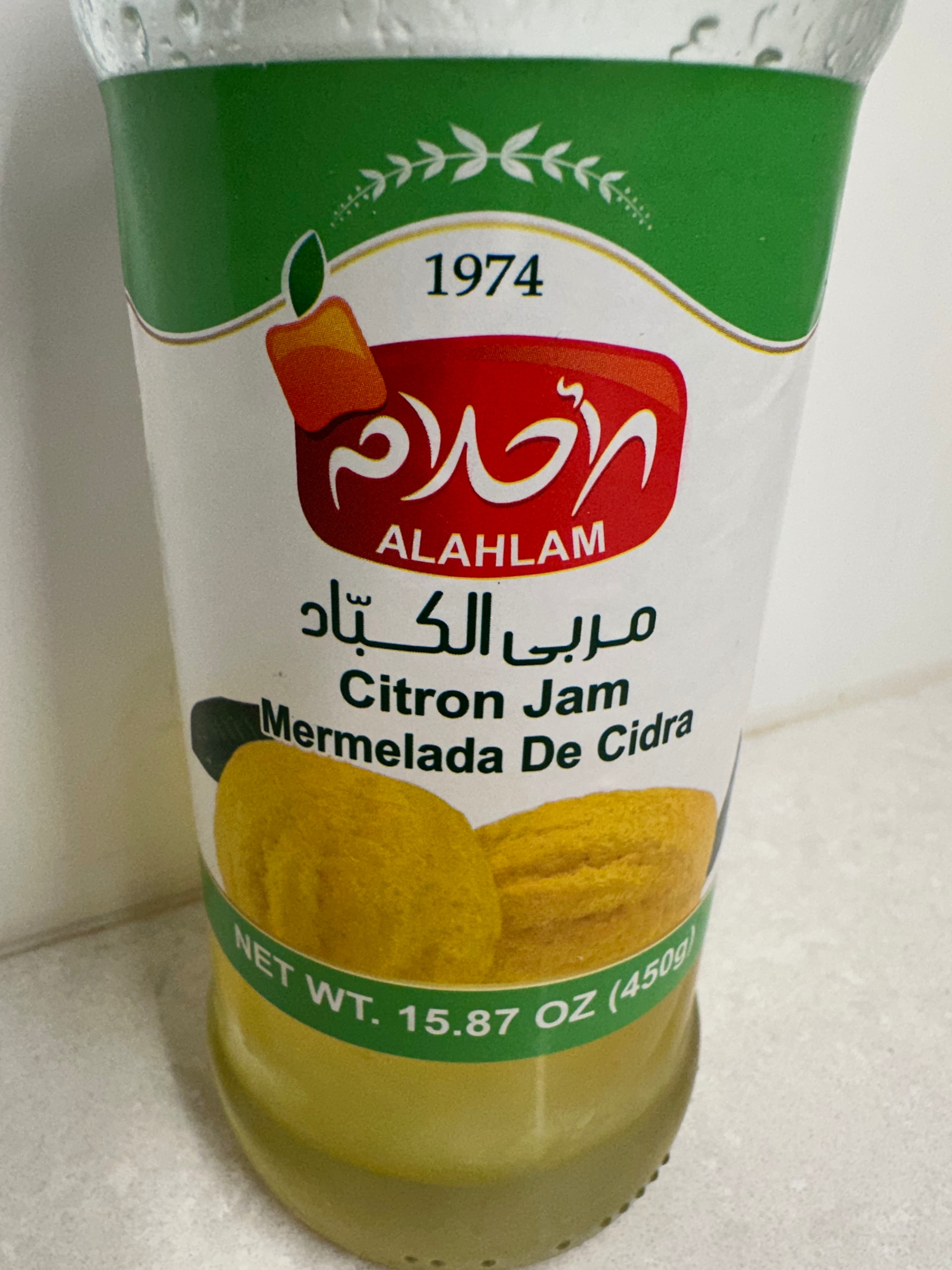
This is the citron marmalade I picked up at a local Mediterranean store. Big chunks of rind….fragrant and delicious. Imported from Syria.
3 Likes
Yuzu would probably fare better! I feel you on bringing citrus inside, just to have it almost die. I got fed up and started moving them into my garage, then not moving them at all. They would always defoliate and get lots of scale every time I would try and bring one in the house. Outside they were fine!
2 Likes
In France all Agrumes, ‘citrus’ also covers as Citron. Some citrus is grown for its rind, and not juice. They are candied, pickled, or used in baking. They are still all considered citrus. These ‘specialized’ citrus has already been mentioned. They are bitter and filled with seeds. Like Buddha’s Hand, they are grown for fragrance and for making candied rind.
3 Likes