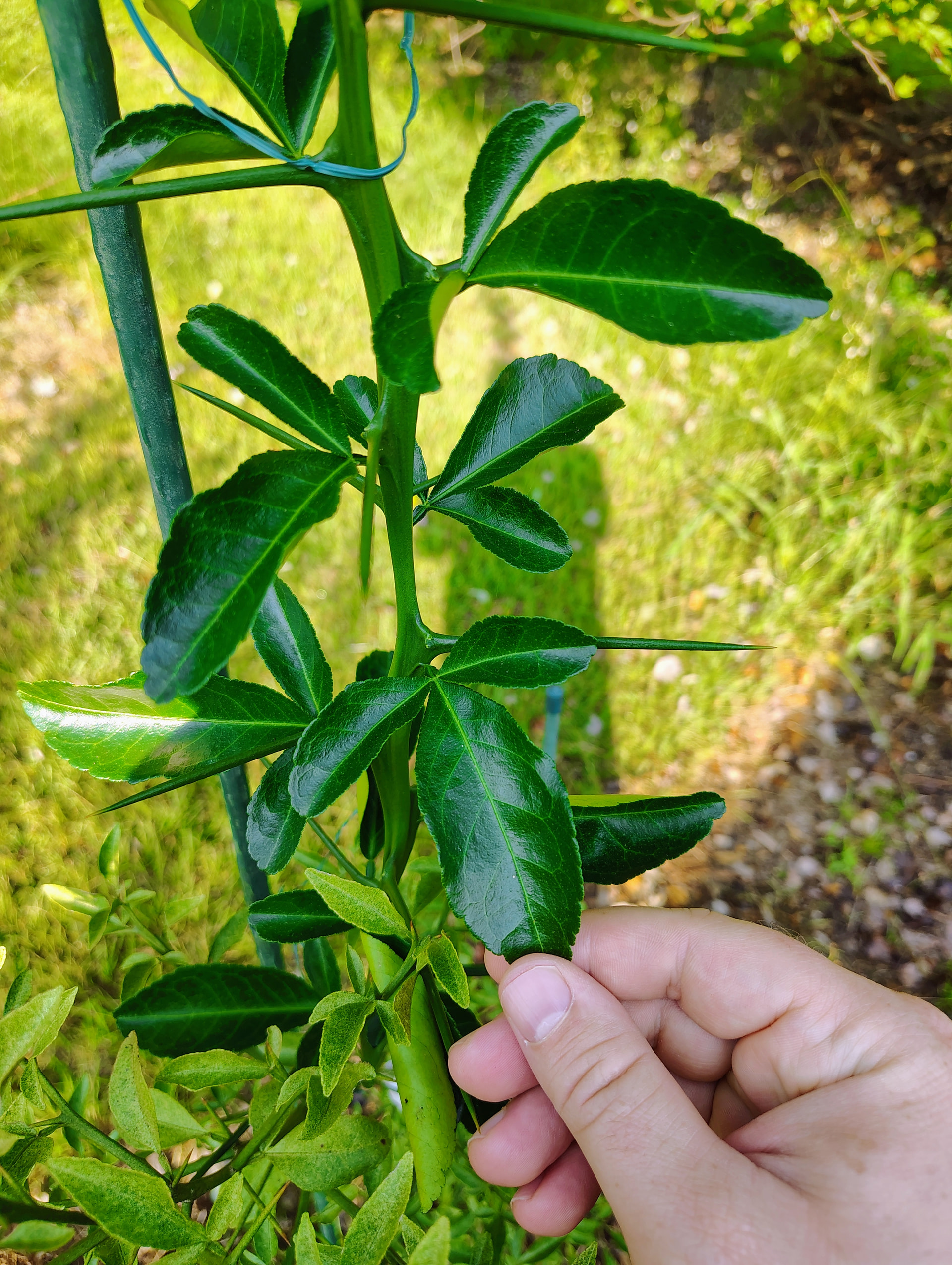
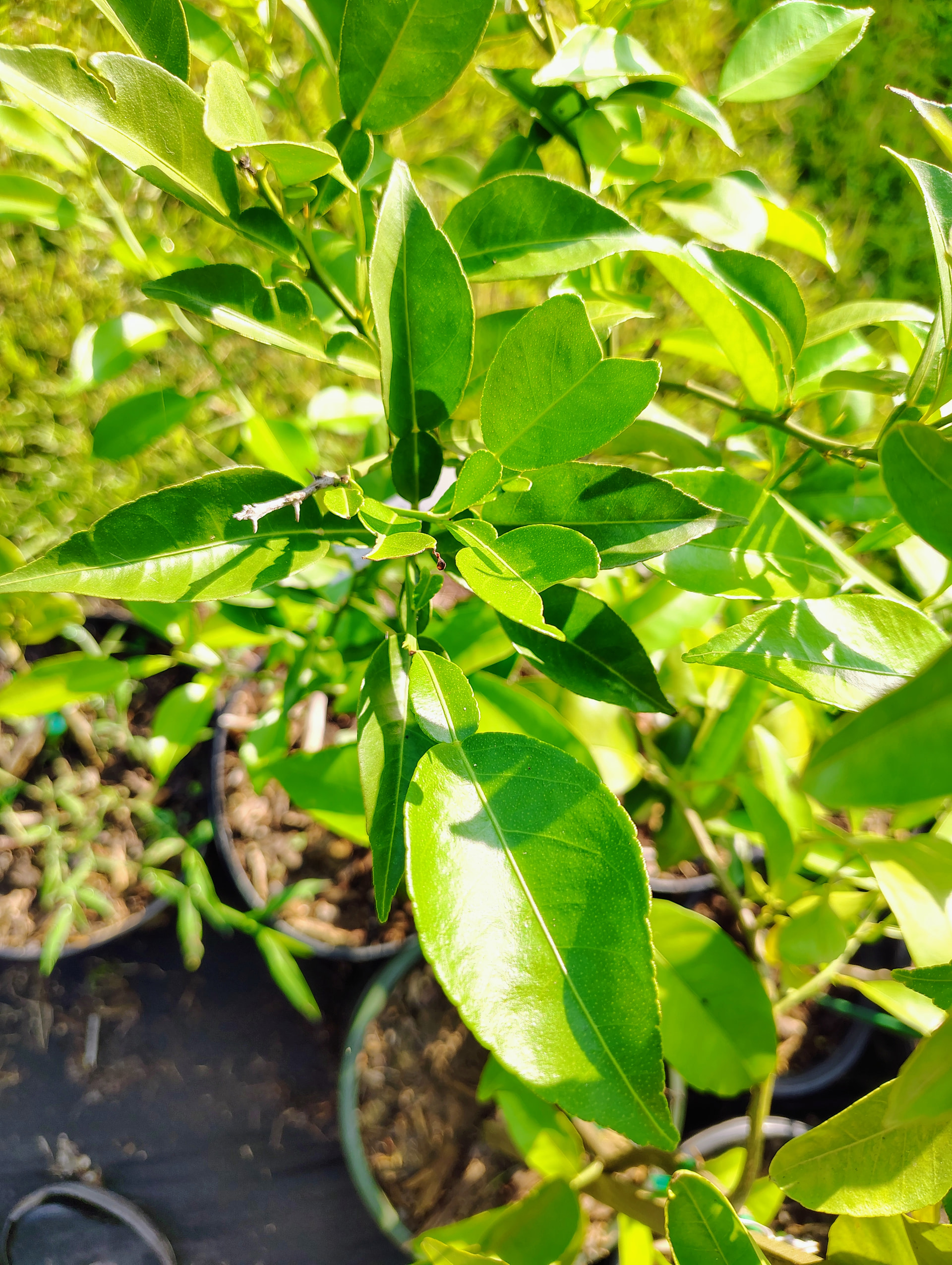
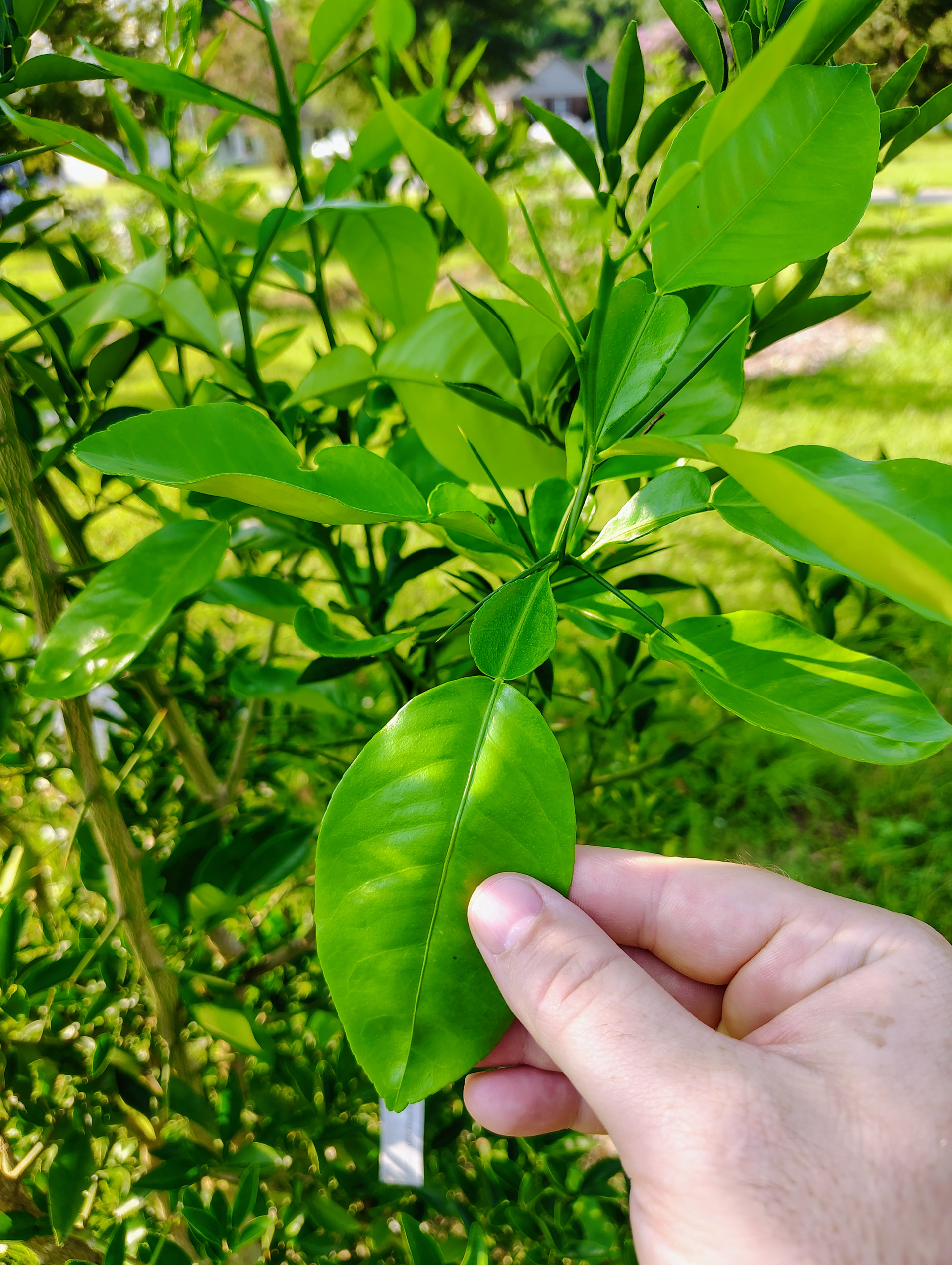
@Richard
Please do not take it as an insult to anyone. I just know more about what I’m talking about in this case regarding a specific mandarin. I’m not talking about the mandarin you are thinking of. That is how I know what is possible. You can disagree with me but you can’t disagree with the science and its already been done. Once this orange enters the usa and is crossed with trifoliate and back crossed with the swingle collections and others it’s over. Give me 5 years and I will be growing them in my field when my hands touch that mandarin. I meant what I said I dont ever just say things. I just had not told anyone yet what I already knew. I dealt you a compliment that you take as me insulting a citrus institute. I doubt they are interested in cold hardiness for oranges in Kansas. They are likely focused on the succulent honey bell greening resistant and moderate cold tolerance.
https://www.sciencedirect.com/science/article/abs/pii/S009884722030397X
“Transcriptome analysis of Chongyi wild mandarin, a wild species more cold-tolerant than Poncirus trifoliata, reveals key pathways in response to cold
-
Chongyi wild mandarin is more cold-tolerant than Poncirus trifoliata.
-
•
BRs pathway might be dominant in cold signaling of Chongyi wild mandarin.
-
•
Profound accumulation of osmoprotectants was cold-induced in Chongyi wild mandarin.
Much effort has been made on the dissection of cold response in citrus, but relevant study in wild germplasm has been rare. Based on the result of the membership function value analysis with 12 physiological indexes, we reported a wild citrus germplasm, Chongyi wild mandarin (Citrus reticulata), which was more cold-tolerant than a cold-hardy rootstock, Poncirus trifoliata. To gain an overview of transcriptome changes under cold, leaves of Chongyi wild mandarin were sampled at 0, 1, 5 d after 0 °C treatment, and sequenced using an Illumina sequencing platform. Totally, 3921 and 5995 differentially expressed genes (DEGs) were identified in 1 d and 5 d, respectively. And then, RNA-seq results were further validated via real-time quantitative PCR with 17 DEGs. Many DEGs related to various cold signaling pathways were identified, especially those related to brassinosteroid cascade. Around 10 % of the total DEGs were transcription factors from 67 families, suggesting that transcriptional regulation, both C-repeat/dehydration responsive element-binding factor-dependent/independent pathways, was crucial for the cold tolerance of Chongyi wild mandarin. Our data also revealed that the transcriptional levels of many DEGs related to anti-oxidant enzymes and osmoprotectants metabolism were altered, which were consistent with the results of physiological experiments. Moreover, a number of DEGs involved in ABA, BR, GA metabolisms were isolated. Accordingly, the levels of ABA and BR were significantly increased under cold, but GAs were decreased. Taken together, this work provided a comprehensive view of physiological and transcriptional alterations in cold response of Chongyi wild mandarin.
Abbreviations
ABA,
abscisic acid
;
ABI5,
ABA insensitive 5
;
APX,
ascorbate peroxidases
;
BAK1,
brassinosteroid insensitive 1-associated receptor kinase 1
;
BES1,
BZR1-EMS-suppressor 1
;
BIN2,
Brassinosteroid-insensitive 2
;
BR,
brassinosteroid
;
BRI1,
brassinosteroid insensitive 1
;
BZR1,
brassinazole-resistant 1
;
CAMTA,
calmodulin binding transcription activators
;
CAT,
catalase
;
CBF,
C-repeat binding factor
;
CIPK3,
calcineurin B-like protein-interacting protein kinase 3
;
COR,
cold regulated
;
CPKs,
Ca2+-dependent protein kinases
;
DEG,
differentially expressed gene
;
DREB,
dehydration-responsive element-binding factor
;
EIN3,
ethylene-insensitive 3
;
ICE1,
inducer of CBF expression 1
;
EL,
electrolyte leakage
;
ERD6,
early responsive to dehydration 6
;
GA,
Gibberellin
;
GO,
gene ontology
;
GPX,
glutathione peroxidase
;
INV,
invertase
;
KEGG,
kyoto encyclopedia of genes and genomes
;
LEA,
late embryogenesis abundant protein
;
LRR-RLKs,
LRR receptor-like serine/threonine-protein kinases
;
MDA,
malondialdehyde
;
MFV,
membership function value
;
MPK/MAPK,
mitogen-activated protein kinase
;
NCBI,
national center for biotechnology information
;
NCED,
9-cis-epoxycarotenoid dioxygenase
;
OAT,
ornithine aminotransferase
;
PDH,
proline dehydrogenase
;
P5CDH,
delta-1-pyrroline-5-carboxylate dehydrogenase
;
P5CS,
delta-1-pyrroline-5-carboxylate synthase
;
POD,
peroxidase
;
PP2C,
protein phosphatase 2C
;
qRT-PCR,
quantitative real-time RT-PCR
;
ROS,
reactive oxygen species
;
RPKM,
reads per kilobase of transcript sequence per millions base pairs sequenced
;
SnRK,
SNF1-related protein kinase
;
SOC1,
suppressor of overexpression of constans 1
;
SOD,
superoxide dismutase
;
SUC,
sucrose transporter
;
SUT,
sugar transporter
;
SWEET,
sugar will eventually be exported transporter
;
TF,
transcription factor
;
TPX,
thioredoxin peroxidases
;
U,
unit
;
ZAT,
zinc finger of Arabidopsis thaliana
Keywords
Citrus
;
Wild germplasm
;
Low temperature
;
Brassinosteroid signaling
;
ROS
;
Osmoprotectants”
China is doing work on it now
“Genome-wide identification and low temperature expression analysis of the XTH gene family in Chongyi wild mandarin (Citrus reticulata)
Online:2026/4/13 11:23:34 Browsing times:46
2026 No.4
Author: LIU Jianxiong, CAO Xinlei, FANG Tian, CHEN Haowei, TAN Qiuping, PENG Ting
Keywords: Citrus; XTH gene family; Whole genome analysis; Low- temperature stress; Expression analysis
DOI: 10.13925/j.cnki.gsxb.20250338
Received date:
Accepted date:
Online date:
 PDF (46) Abstract(46)
【Objective】Chongyi wild mandarin (Citrus reticulata) was discovered in 1977 in the primeval forests of Niedu Township, Chongyi County, Ganzhou City, Jiangxi Province, China. Remarkably, it is more cold-tolerant than Poncirus trifoliata, a widely used cold-hardy citrus rootstock. Xyloglucan endotransglucosylase/hydrolase (XTH) can catalyze the breakage and reconnection of the xyloglucan-cellulose cross-linking network, functioning as an indirect loosening agent controlling cell wall remodeling. It catalyzes the cutting and reconnection of xyloglucan, thereby achieving dynamic reconstruction of the cell wall and regulating cell wall relaxation and reinforcement. However, current knowledge on XTH genes in Chongyi wild mandarin remains extremely limited. In this study, we systematically identified the CrXTH gene family members, analyzed their sequence characteristics, and examined their expression patterns in response to low temperature treatment.【Methods】Based on the whole-genome data of Chongyi wild mandarin and the hidden Markov models (HMMs) for XTH conserved domains (PF00722 and PF06955), CrXTH gene family members were identified using BLAST, HMMER3.0, and SMART. TBtools was employed to extract genomic features of CrXTH family members, including ami-no acid length, chromosomal distribution, gene IDs, and collinearity. Protein molecular weight (MW) and isoelectric point (pI) were predicted using ExPASy. Plant-mPLoc was used for predicting protein localization and SignalP 5.0 was applied to identify potential signal peptides. MEGA11.0 and chiplot were used for multiple sequence alignment of XTH proteins from different species and phylogenetic tree visualization. Gene structure, conserved motif identification and promoter cis-acting element prediction were conducted by GSDS 2.0, MEME Suite 5.5.7, and PlantCARE, respectively. To analyze the expression patterns of CrXTHs in response to low temperature, one-year-old seedlings of Chongyi wild mandarin were subjected to cold stress at 0 ℃, and leaves were sampled after 0 d, 1 d, and 3 d for RNA extraction and subsequent real- time quantitative PCR analysis. The 1500 bp promoter fragments of three CrXTH genes were fused to the GUS reporter gene to assess their responsiveness to low temperature treatment.【Results】A total of 27 XTH family genes (CrXTH1-CrXTH27) were identified in the Chongyi wild mandarin genome. All CrXTHs gene family members contained two conserved domains: Glyco_hydro_16 and XET_C. The protein lengths of CrXTHs ranged from 267 to 356 amino acids, with molecular weights spanning 30.66 kDa (CrXTH12) to 40.46 kDa (CrXTH6). The isoelectric points (pI) varied from 4.91 (CrXTH9) to 9.2 (CrXTH27), with 57% of proteins being basic (pI>7.0). Subcellular localization predicted that CrXTHs were primarily located in the cell wall, with 14 members also detected in the cytoplasm. Signal peptide prediction analysis revealed that CrXTH5, CrXTH16, and CrXTH26 exhibited Sec/SPI scores below the threshold of 0.5, suggesting these members likely lack typical signal peptides. In contrast, all other CrXTH proteins contained high-confidence Sec signal peptides. Based on phylogenetic analysis of Chongyi wild mandarin, Arabidopsis thaliana, and Oryza sativa, the XTH gene family was classified into four distinct clades: Group Ⅰ/Ⅱ, Group Ⅲ-A, Group Ⅲ-B, and the Ancestral group. Among the Chongyi wild mandarin XTH members, GroupⅠ/Ⅱ represented the largest proportion (19 members, 70.37% ), followed by Group Ⅲ-B (4 members, 14.81% ), with both Group Ⅲ-A and the Ancestral group containing 2 members each (7.41% respectively). Chromosomal distribution showed an uneven distribution across nine chromosomes (Chr) of Chongyi wild mandarin, with Chr4 harboring the most genes (13) and Chr1 and Chr9 containing only one each. Collinearity analysis identified four gene pairs between Chongyi wild mandarin and rice, and 25 pairs between Chongyi wild mandarin and Arabidopsis thaliana, indicating closer evolutionary relationships with dicots. Cisacting element analysis of CrXTHs highlighted abundant light responsive elements, followed by five types of hormone- related elements including 77 abscisic acid response elements, 72 methyl jasmonate response elements, 30 gibberellin response elements, nine auxin response elements, and seven salicylic acid response elements. The main abiotic stress response elements were anaerobic induction, drought, and low temperature. Regulatory growth and development response elements mainly included meristem expression, metabolic regulation, and seed-specificity. These results suggested that CrXTHs might play important roles in photoregulation, hormone signaling, abiotic stress responses, and developmental regulation. Under cold stress, CrXTHs exhibited four types of expression patterns: (1) Sustained induction type, including 14 genes (CrXTH1, CrXTH3, CrXTH6, CrXTH8, CrXTH9, CrXTH10, CrXTH11, CrXTH12, CrXTH14, CrXTH15, CrXTH18, CrXTH21, CrXTH23, and CrXTH27), which exhibited 4- to 57-fold upregulation after 1 d and 3 d of cold stress; (2) Late-phase upregulation type, including 9 genes (CrXTH2, CrXTH5, CrXTH7, CrXTH13, CrXTH17, CrXTH19, CrXTH20, CrXTH24, and CrXTH25), whose expression showed no significant change or even a decline at 1 d but increased significantly (P< 0.05) by 3 d; (3) Suppression type, including CrXTH4 and CrXTH26, whose expression decreased by 3- to 10-fold compared to the control under cold stress; (4) Non-responsive type, including CrXTH16 and CrXTH22, which displayed no significant expression changes at either 1 d or 3 d. The qRT-PCR results indicated that most CrXTHs were involved in cold response of Chongyi wild mandarin. The GUS staining and quantitative analysis showed that the promoter activities of CrXTH10, CrXTH11, and CrXTH12 were significantly induced under low temperature conditions compared to the control, consistent with the previously observed upregulation of their corresponding gene transcripts.【Conclusion】Twenty-seven CrXTH genes were identified in Chongyi wild mandarin, demonstrating uneven chromosomal distribution and evolutionary conservation with dicotyledonous plants. The promoter regions of CrXTHs contained abundant light-responsive elements and stress-related hormone response cis-acting elements, particularly for ABA and MeJA. Under cold conditions, 92.6% of CrXTHs showed significant upregulation, indicating their crucial role in cold response of citrus.
**Previous:**N/A!
Next:Analysis of volatile compound variations and screening of regulatory factors in the peel of Citrus reticulata ‘Chachi’”