For anyone in a summer dry or mediterranean climate trying to figure out climatic origins (needs) of various bulbs etc. Or anyone else trying to control conditions in a GH.
I was trying to find summer water needs of tulips (scarce) and found this page. Excellent resource for anyone in a mediterranean or summer dry climate trying to get enough info on naturalizing bulbs etc from S. Africa, Central Asia, Chile etc. There is so little accurate info available! If you scroll down the page there are enlarged map sections.
Also trying to find out what I can not water at all during the sumer. “drought tolerant” doesn’t really mean much as that can be quite variable.. This really helps!
EDIT; if there is anyone in northern Ca, north of Sonoma county that has had good luck with no-water summer dry very showy flowers please let me know? I’m thinking tulips, pestemon. I know that naked ladies & daffodils for sure works here!.
4 Likes
i tossed iris, tulips, daffodils and grape hyacinth along the side of my place where there’s no water, blazing heat all summer in full sun- everything but black locust and some fig and apple have died there. mint and jerusalem chokes have died there, it was a weed patch. bone dry in summer.
i hand water the fig and apple and pear i put out there, every two weeks or so. it doesn’t get spread around to other plants. i was pretty sure i was killing the bulbs putting them in there in August in 110F weather but they come back two years now and have multiplied so I’ve even bought in some nicer colors than yellow
the only shade is this morning shade as it’s the southwest side of the place
1 Like
Our dry season is typically longer than many other summer-dry climates. Some of the Mediterranean species seem to like more summer moisture than we get, so they do better if not allowed to get bone-dry. For me, trying to figure out how much frost things can tolerate is actually more difficult. A lot of things that are fine with our dry summers can’t take much frost in the winter when they are growing.
Bulbs that have done well in my mostly unirrigated zone 9b front yard are:
Lachenalia quadricolor - this can be borderline in frosty years
Oxalis obtusa
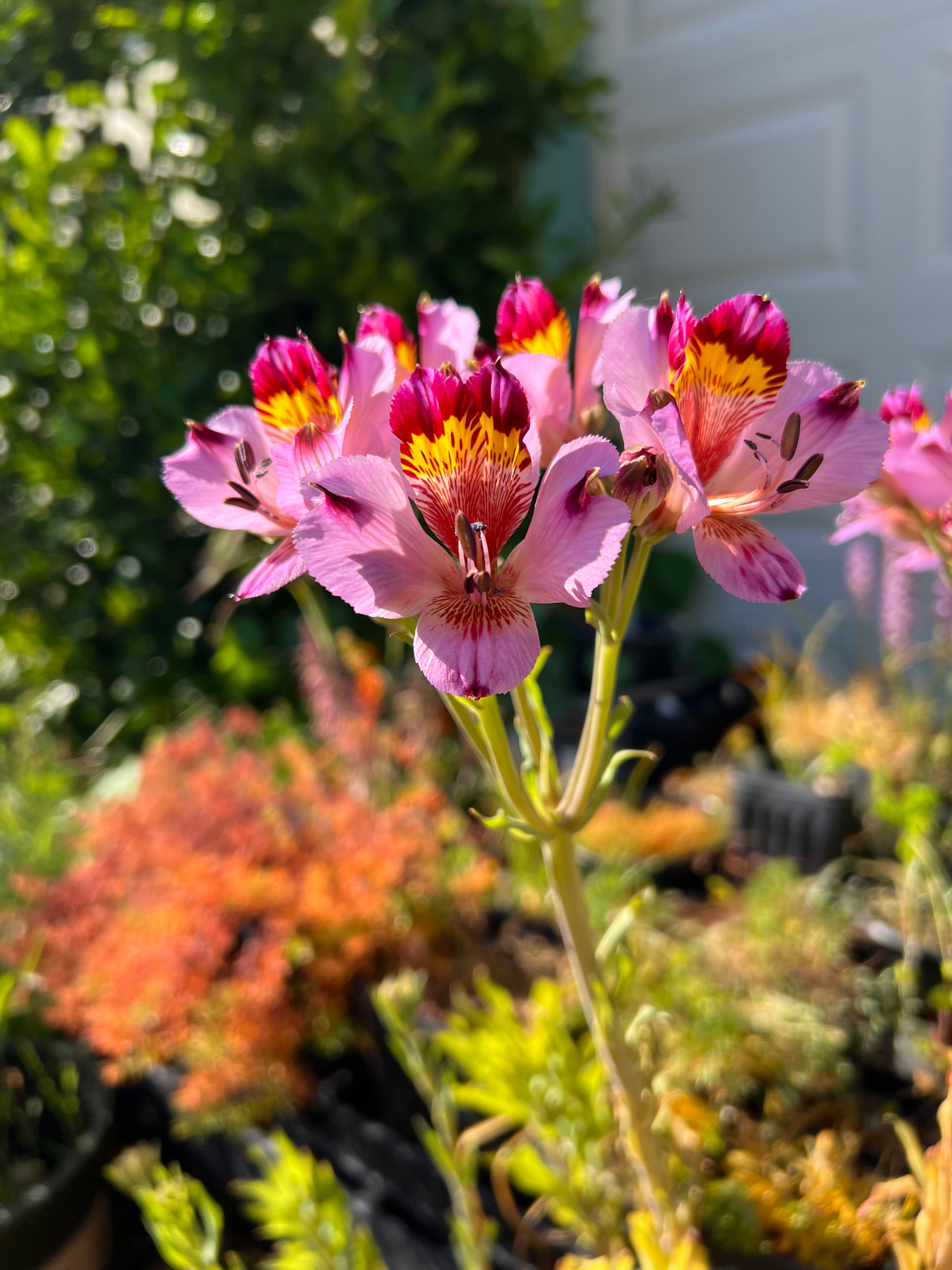
Alstroemeria ligtu
Alstroemeria magnifica
Brunsvigia josephinae
Tulipa saxatilis, clusiana, and cretica
Triteleia laxa
Brodiaea californica
Ixia hybrids
Watsonia aletroides
Romulea bulbocodium
Crocus laevigatus
Gladiolus tristis
Arum creticum
Freesia species and hybrids
Bulbinella nutans
Cyclamen coum
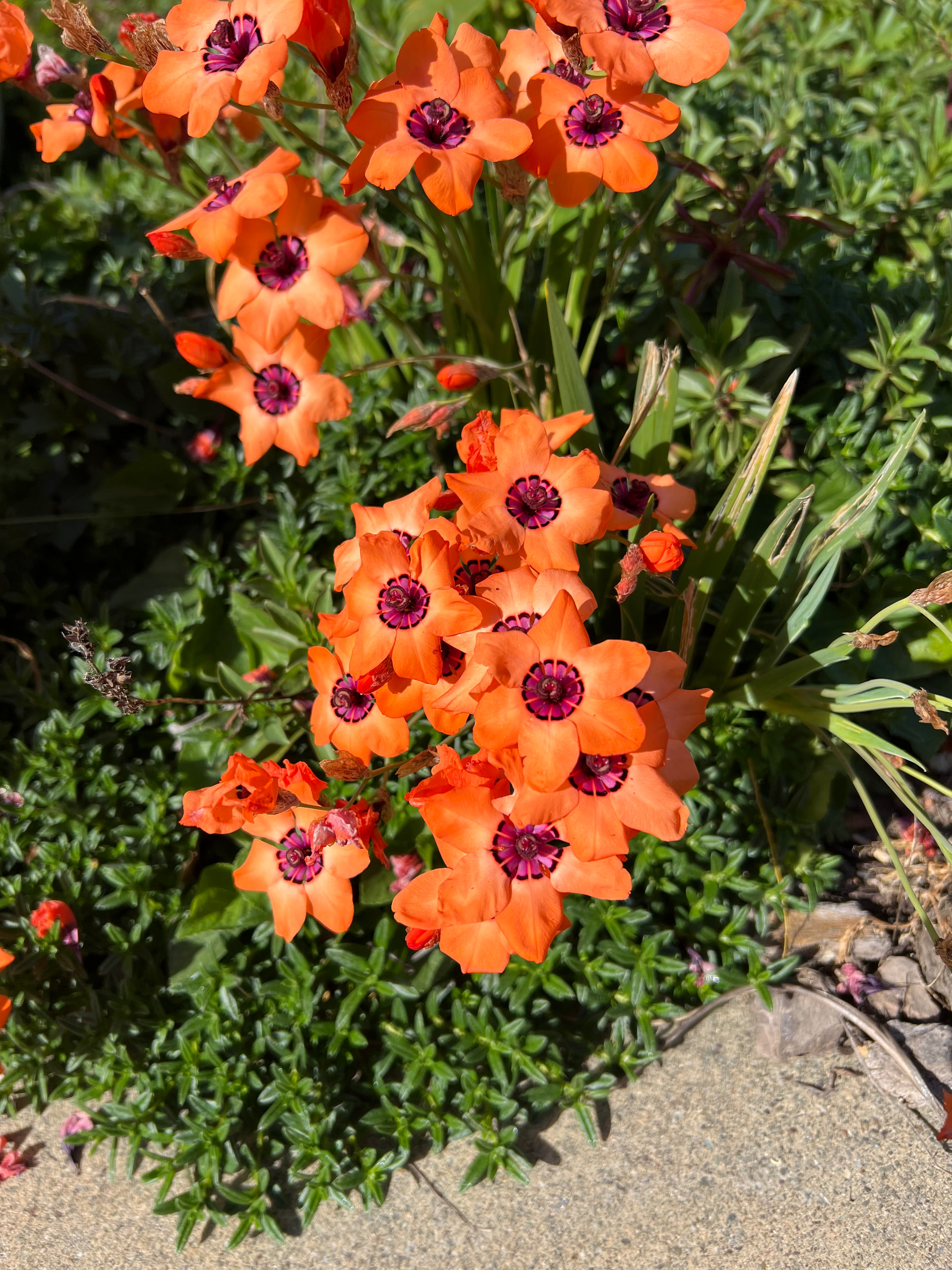
Sparaxis elegans
Tuberous anemones
Persian ranunculus
Spuria irises
As you have noted, naked ladies do very well here. There are some “improved” selections with Brunsvigia ancestry that are even showier. Not all daffodils have returned well for me. The tazettas and jonquils have done best. We have a lot of showy native shrubs like monkeyflowers, sages, and California lilacs. Nonnatives like rockroses are great mixed in too.
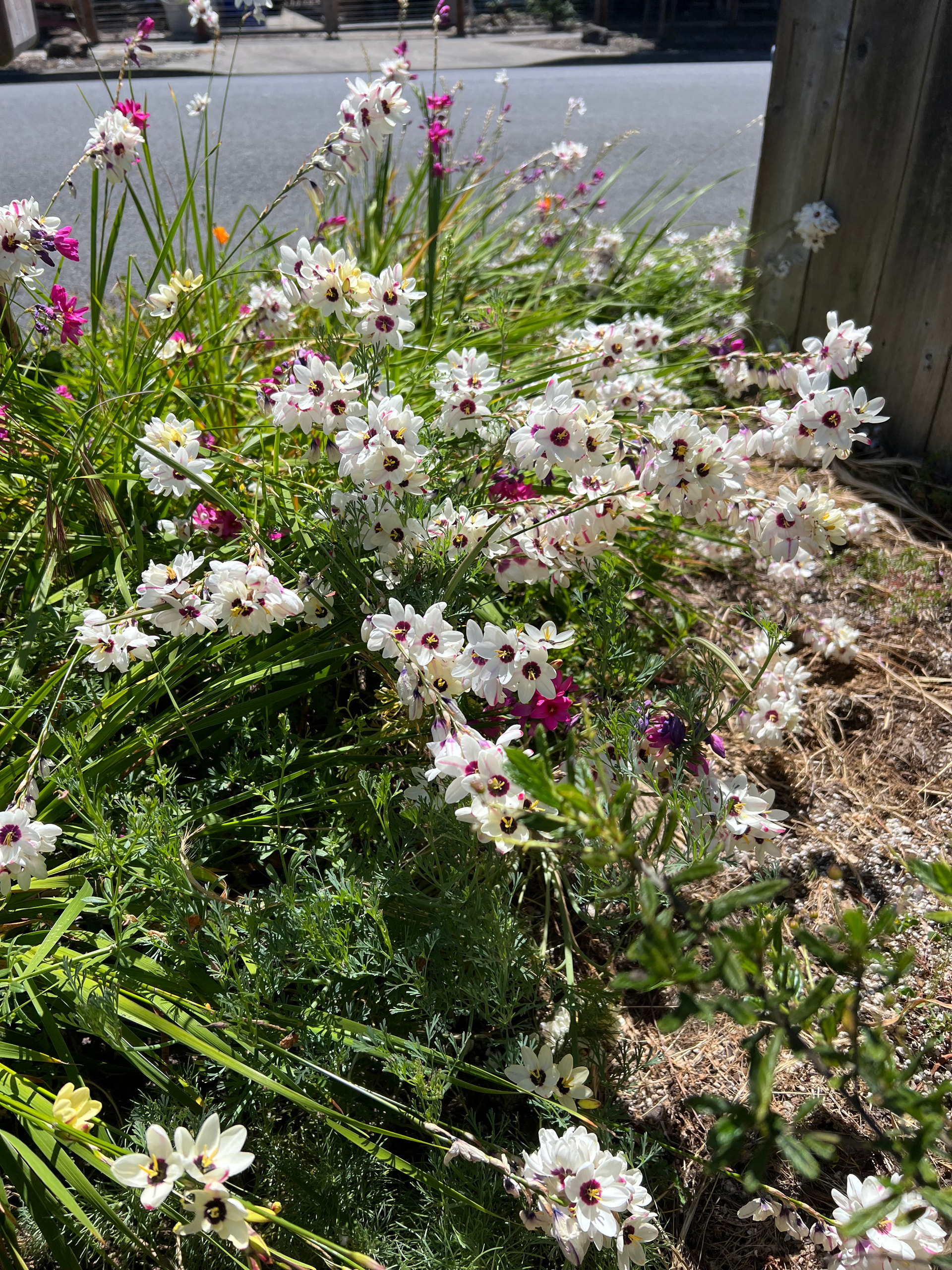
Ixias
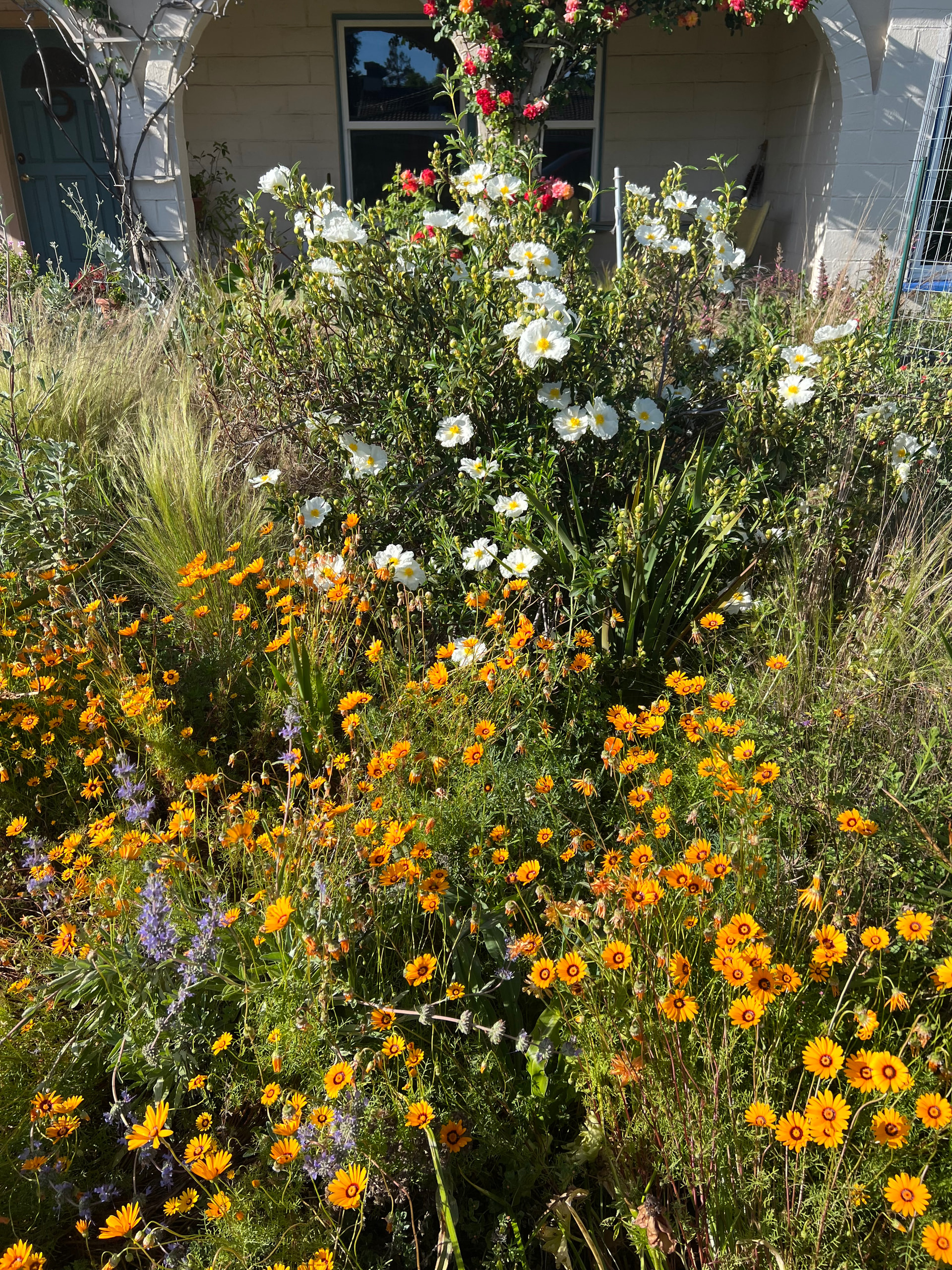
Ursinia anthemoides and Cistus ladanifer
Alstroemeria magnifica
Sparaxis elegans
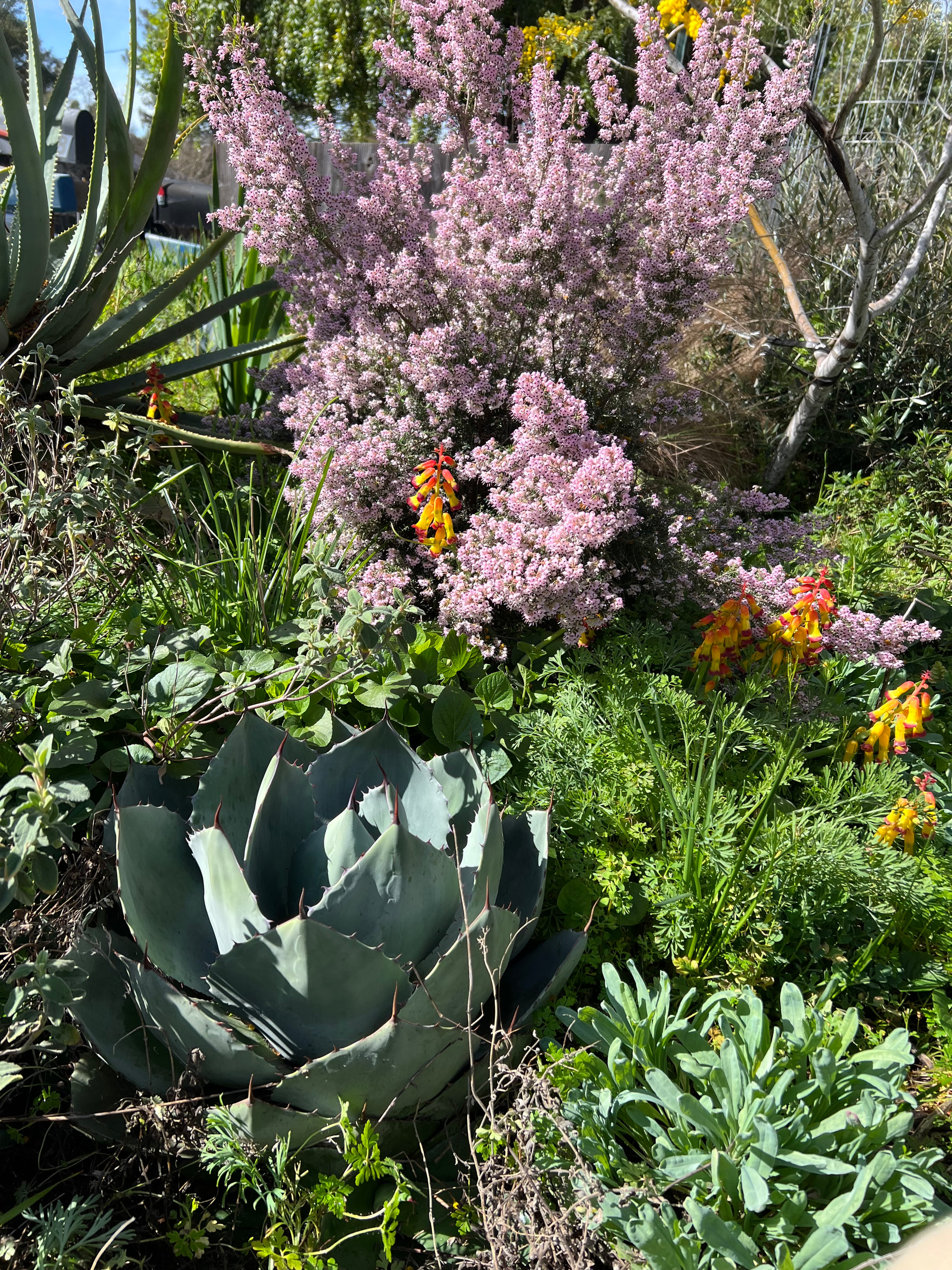
Lachenalia quadricolor with Erica canaliculata and agave
1 Like
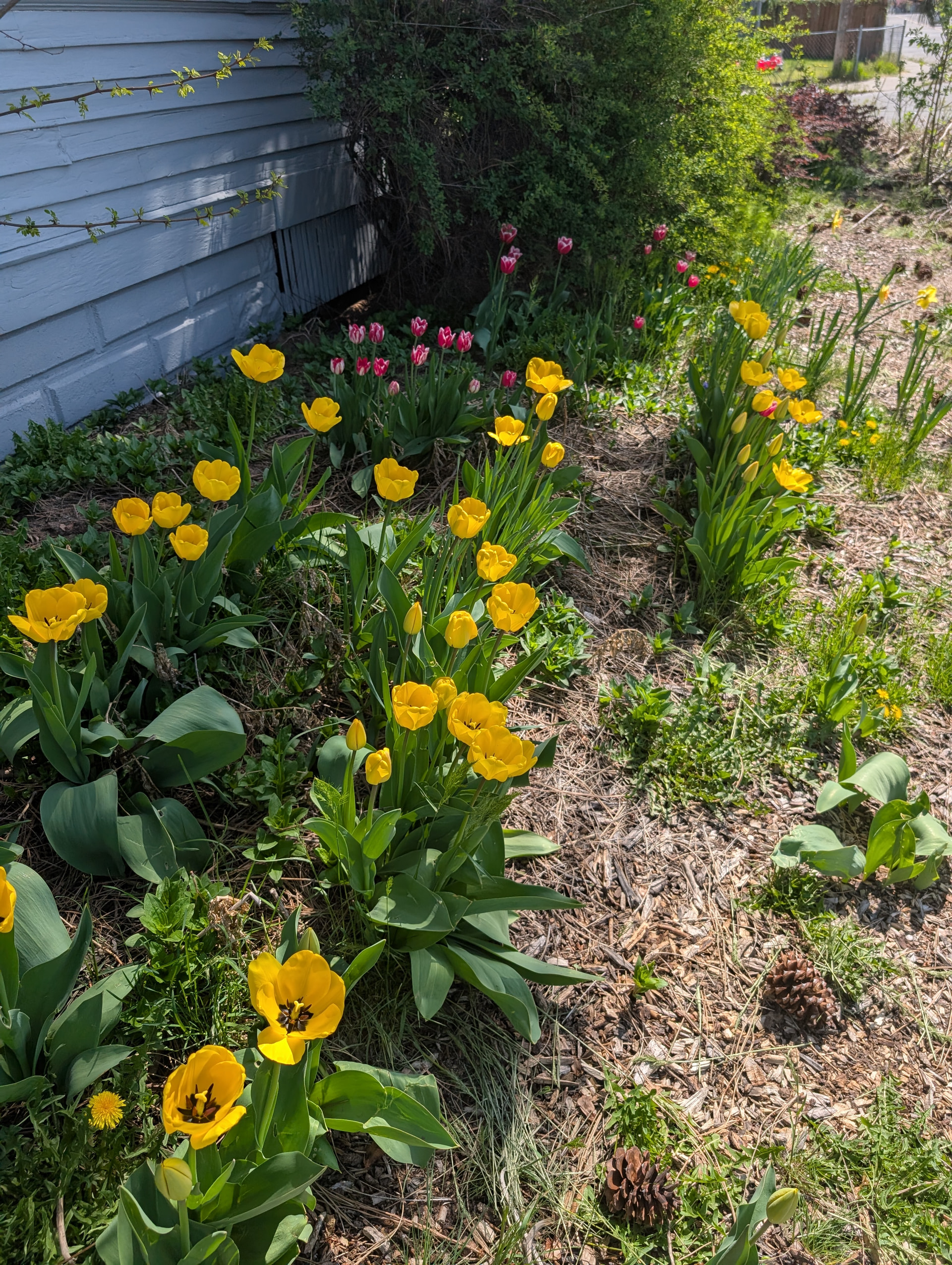
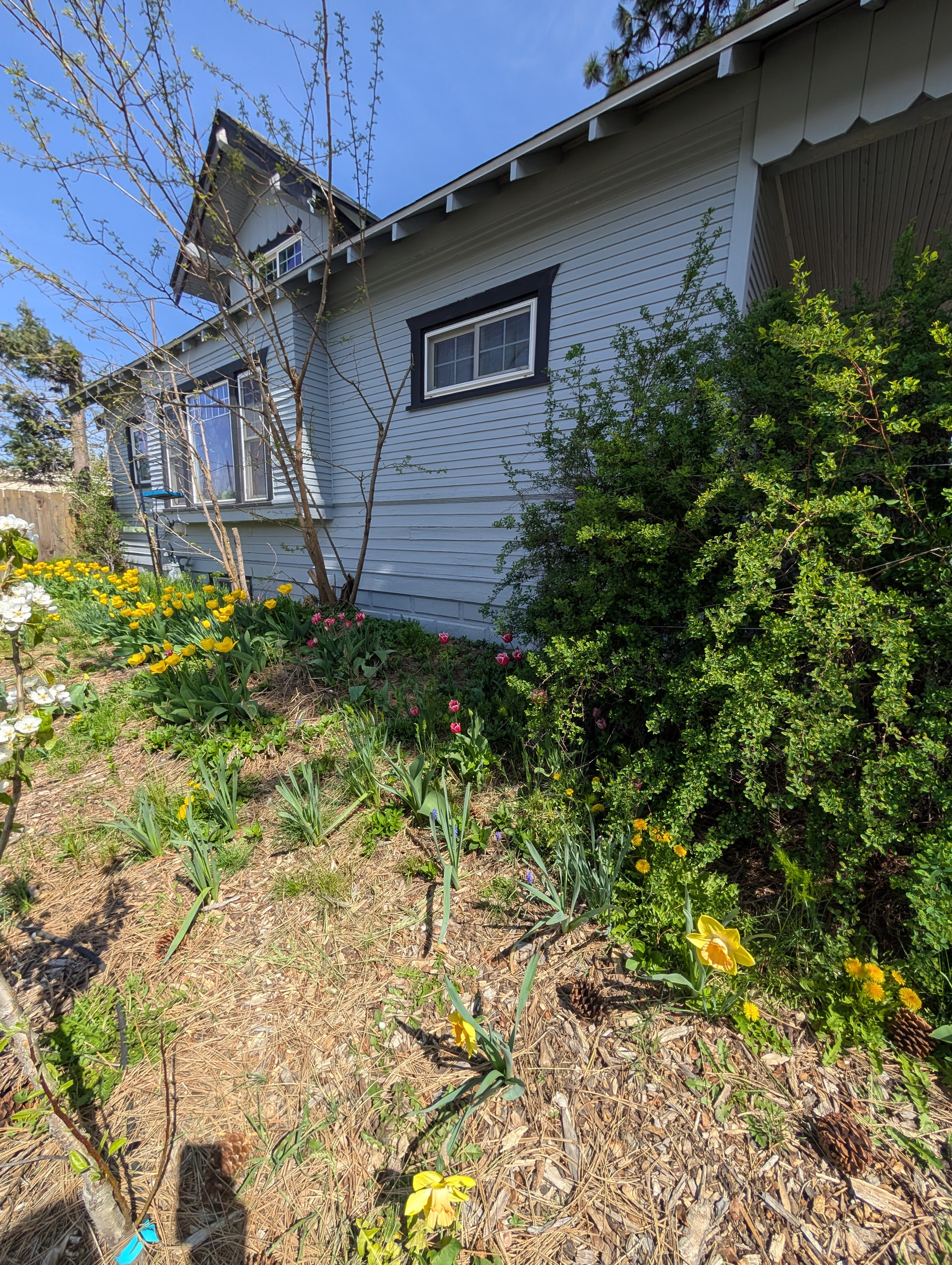
Oh that’s awesome! The yellows look like they might be Darwin tulips and the red/white ones look close to a wild one or the type they breed in Turkiye.
I have an old german iris that has survived 20 years of neglect but it is near a stream.. I have seen them survive neglect on other homesteads though in dryer places. Not completely dry- more moist - ish for most of the year. Like maybe 15 feet from a seasonal seep.
1 Like
That was a nice well thought out reply Grapenut, TY.
For me, trying to figure out how much water they can handle in the winter is a big deal.
Also, finding some of the plants come from dry or warm regions but the microclimates they are originally from are more wet or colder than the surrounding areas that they are classed in. For instance some tulips seem to grow on mountain seeps with lots of mist in forests surrounded by arid regions.
If I was younger and had the money I’d be looking into frost hardy protea. Which is something you should be able to grow in 9b. I read a plant expedition report where they mentioned King protea being found in a very high elevation spot where there were frequent frosts. I’m in 8b and it’s a thin gamble if they’d survive here- probably not. But out of 100 seedlings I’d bet a few would thrive in 9b or 8a.
Out of your bulbs, which came back year after year without watering? Or only watering 1 to 3 times per summer?
I’m also trying to figure out the life cycles of things like glads and tulips as sometimes when they flower they split into several smaller bulbs and won’t flower again for another 2 - 3 years. Most people just throw them out but it seems that staggered plantings each year might make a good perennial bed. Or maybe the whole bed left alone staggers itself over time, IDK.
The baby glads are just too much though! I must have gotten over 60 bulbettes from 6 regular bulbs planted last year..
Does your Ixia just sort of self regulate and flower each year?
Daffodils will do fine with more shade than recommended. Might give them a leg up. I have some that only got maybe 4 1/2 hours of sun and they flowered fine.
EDIT; Triteleia laxa and some others look interesting.. TY! Looking some of them up now
1 Like
I was going to suggest the same but in a much less thought out post. Also our native lupines are very showy, albeit with a short bloom window. I’d consider monkey flowers to be nice and showy as are many of the southern ca/baja sages. I haven’t had issues with too much rain with them, even in containers. Though you real norther Californians do get more rain than us down in the bay
An advantage of natives is that they’re adapted for this climate. Event still, many benefit from some extra water to keep the blooms going and can go draught deciduous if that’s a problem for you.
Have you messed around with calflora or calscape? Calflora looks like it’s out of 2004 but the bloom wheel is helpful and calscape used to have a handy set of filters, I haven’t used it since they redid their UX so I can’t speak to it as much anymore.
Also, they might be too basic but I’ve had cosmos and zinnias do great in my curb strip with little/no supplemental water all summer. Cosmos will definitely self-seed so decide if that’s a good thing or a bad thing for you