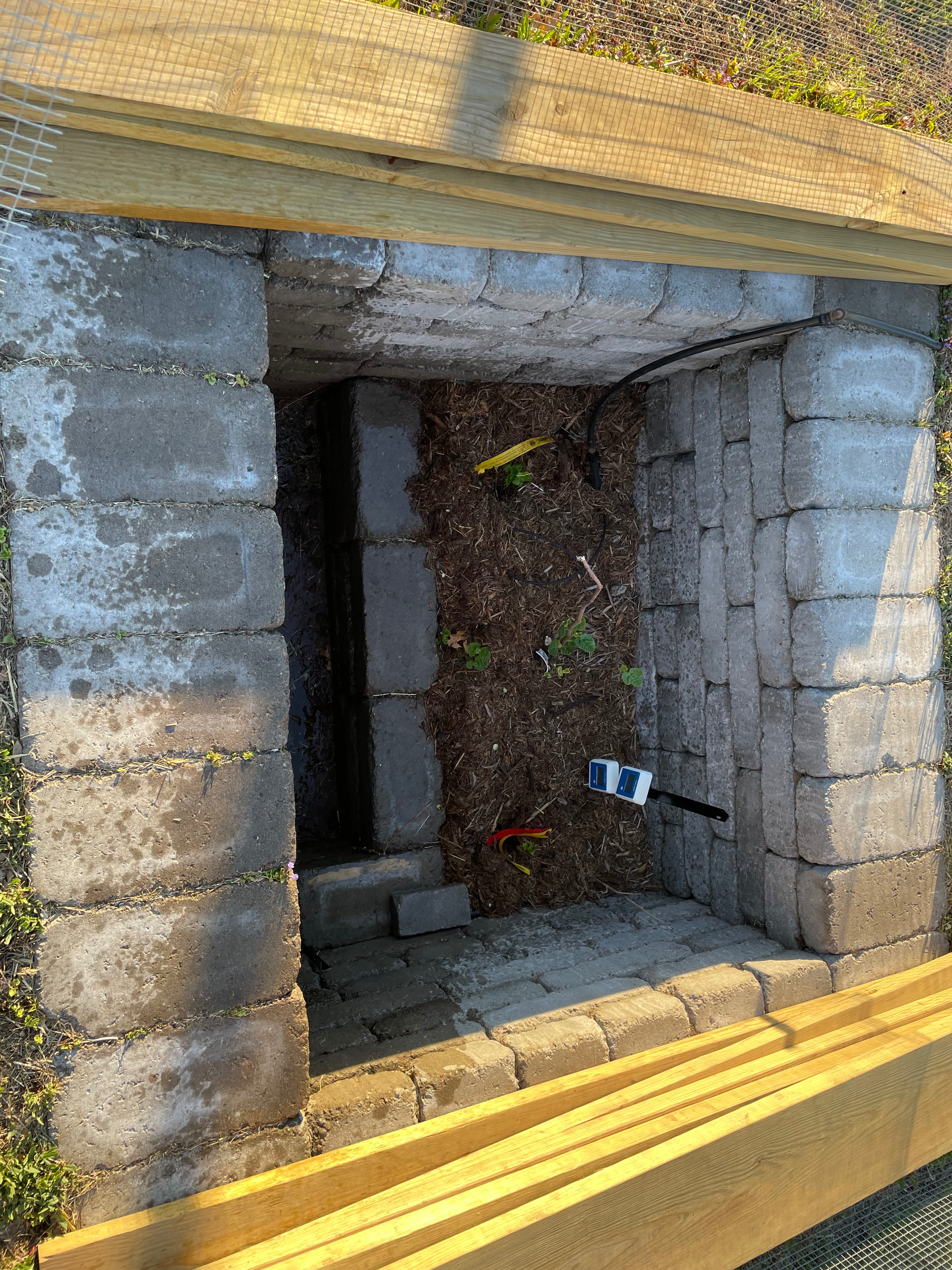
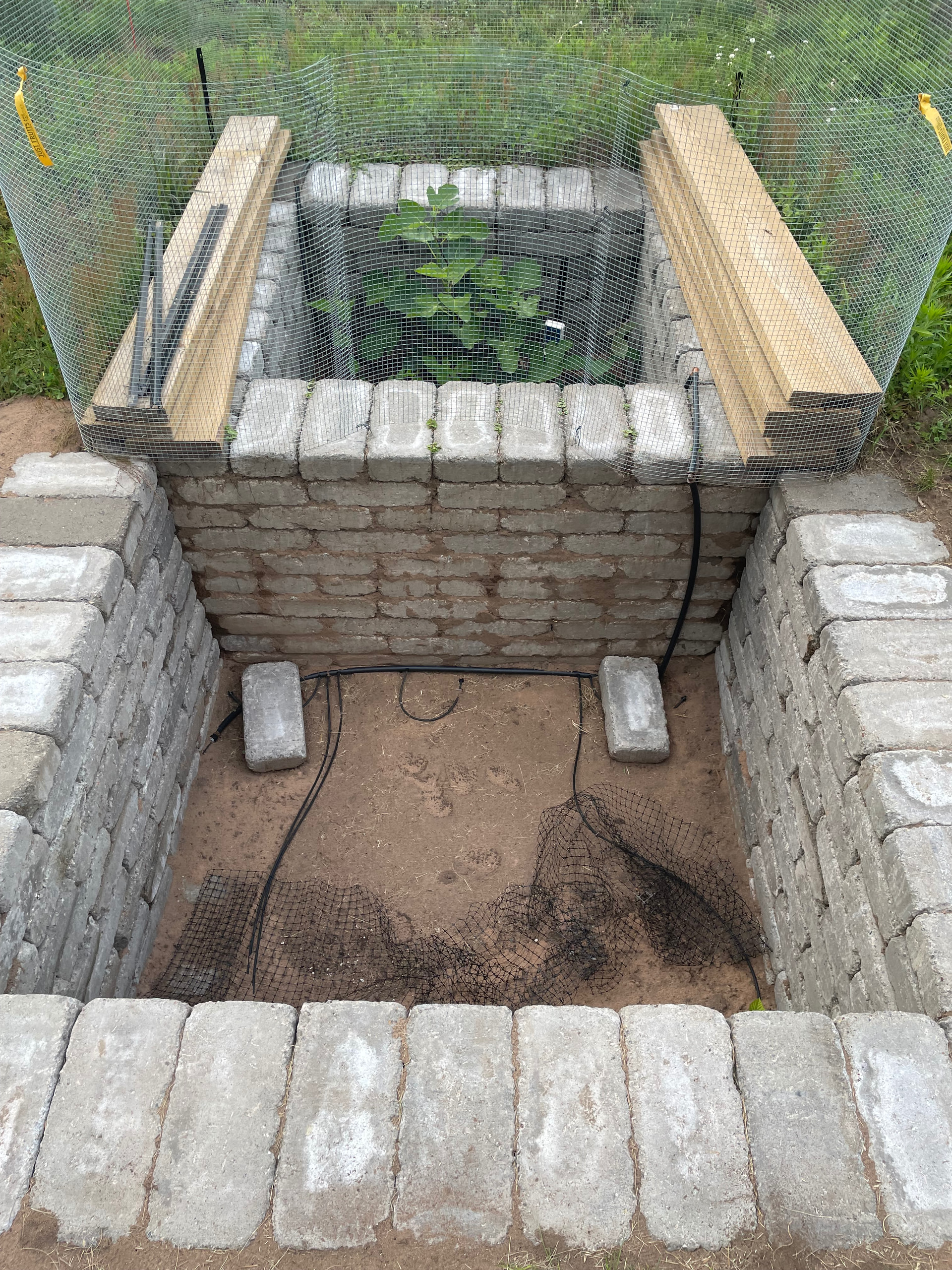
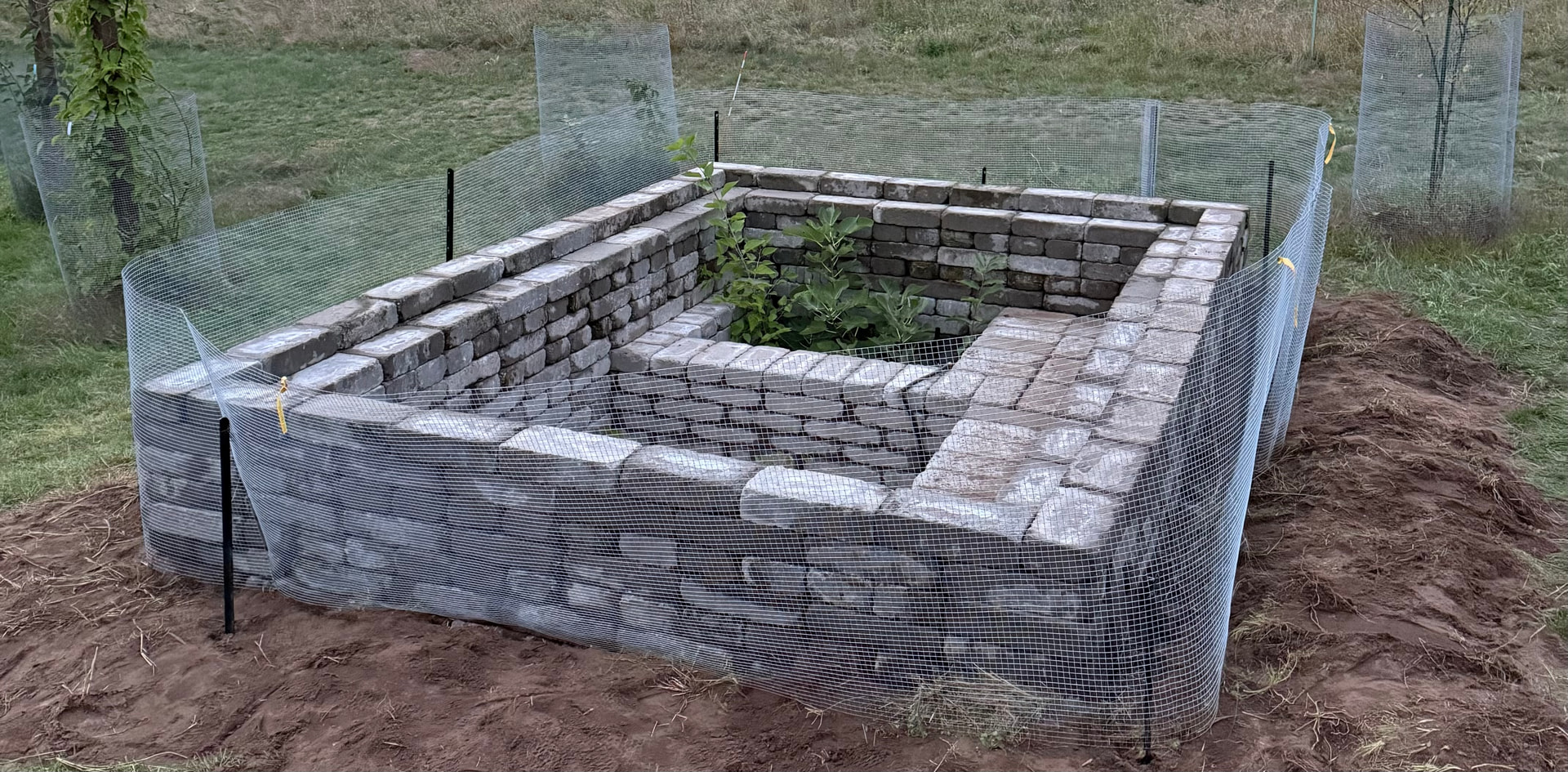
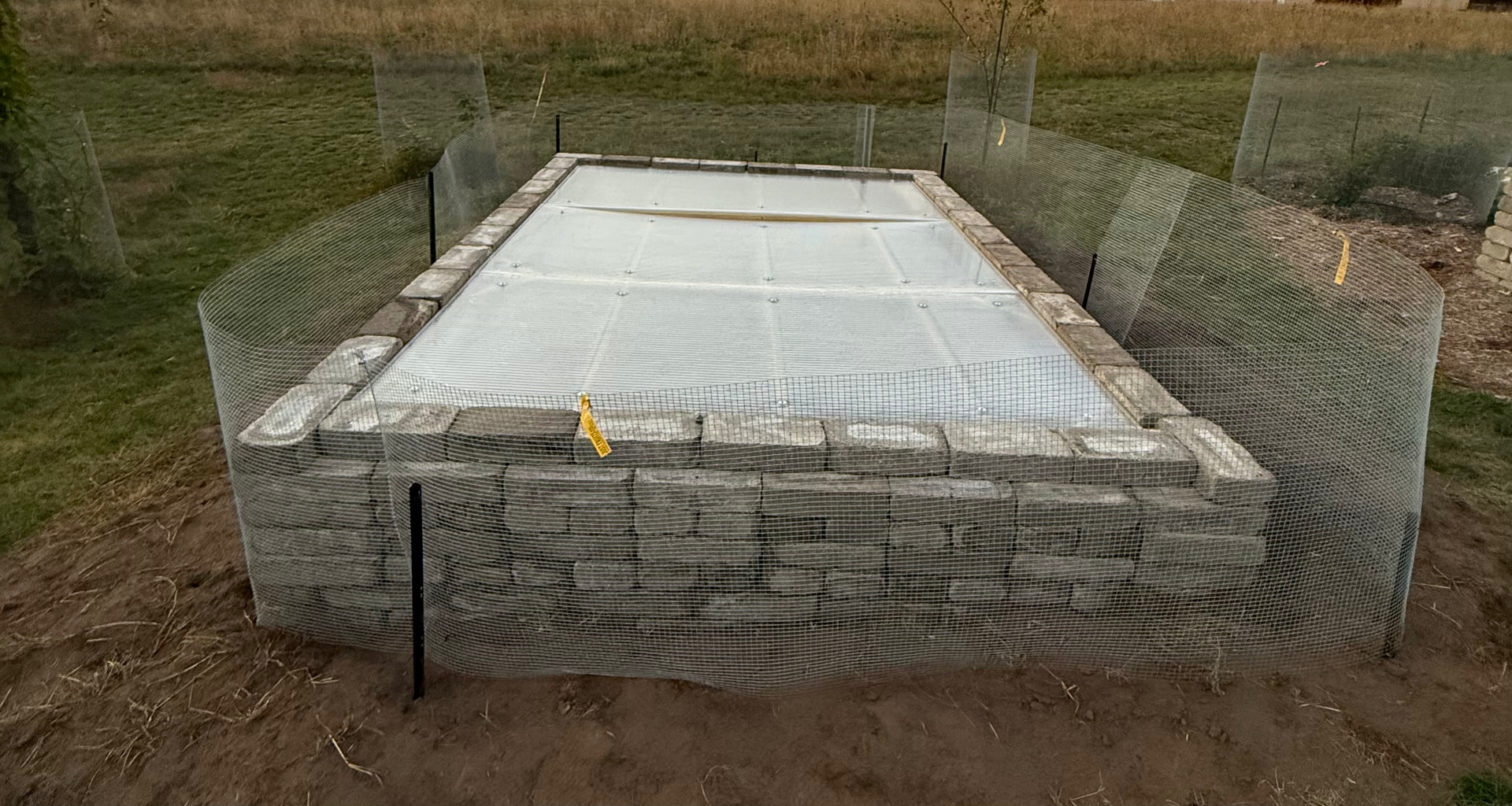
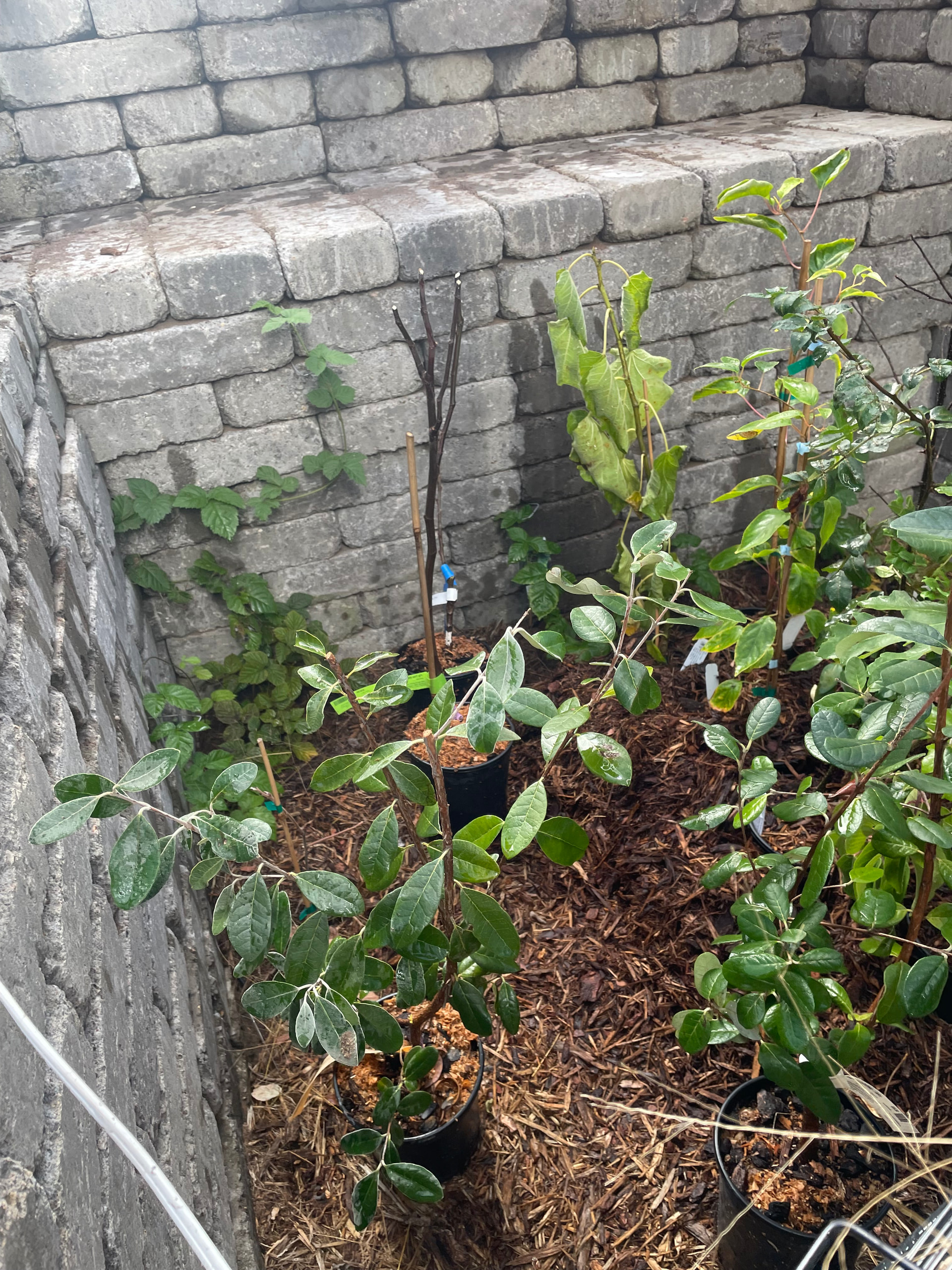
Here are some photos of the modifications / expansion on my dry stack block walapini. My primary goal is data collection and experimentation. I’m operating on the idea that anything that can be grown and harvested in the Seattle area should be achievable here as well with protection from the harshest lows as our summers are significantly warmer. I’m using Seattle area as a reference point as many of the nurseries nearby and posts here have data about ripening there so I can extrapolate at bit about what might be possible. Additionally, the build is modular / adjustable / non permanent so outside of the physical labor I can rearrange by hand such as removing the protective enclosure during the non risk season.
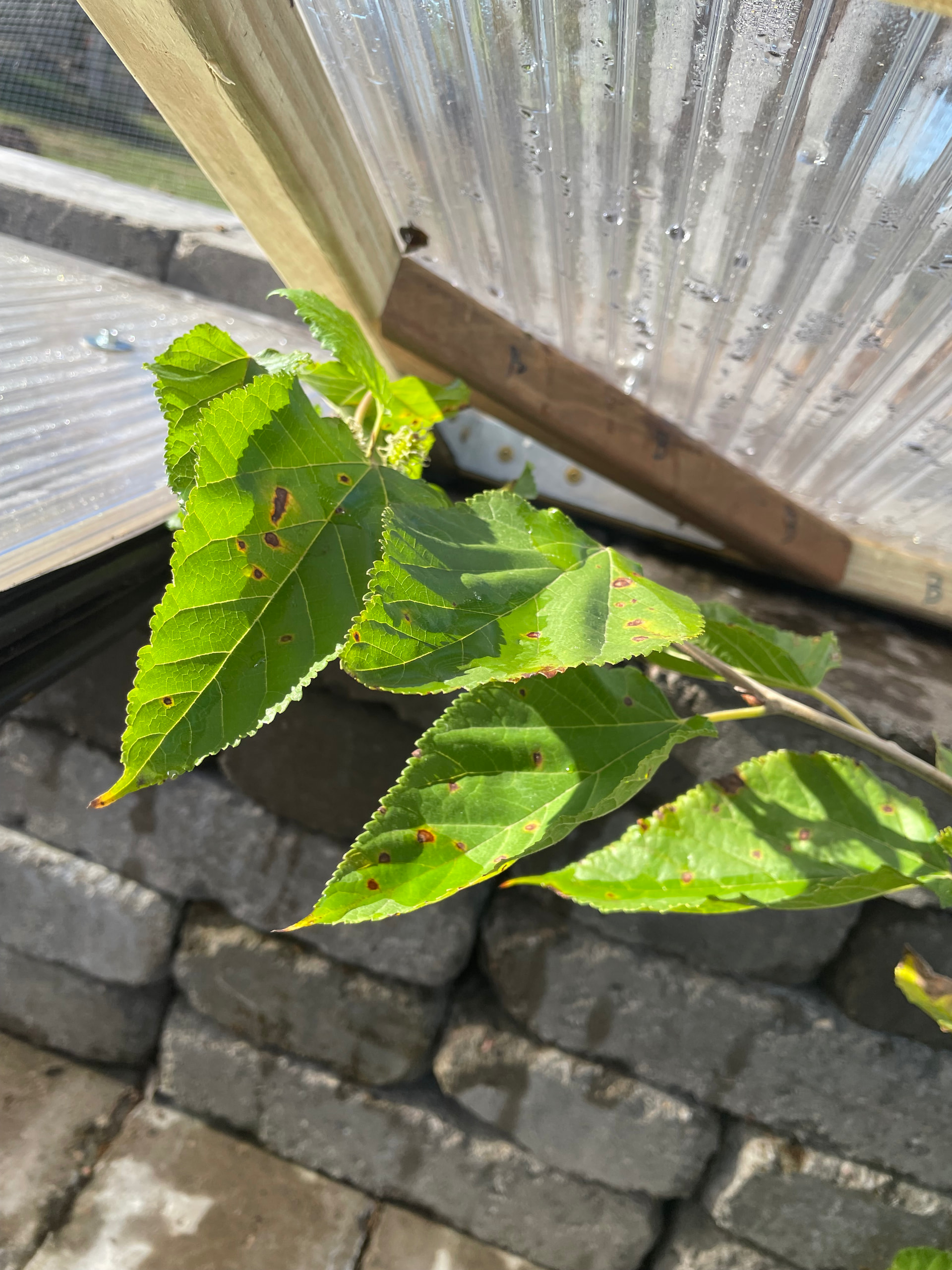
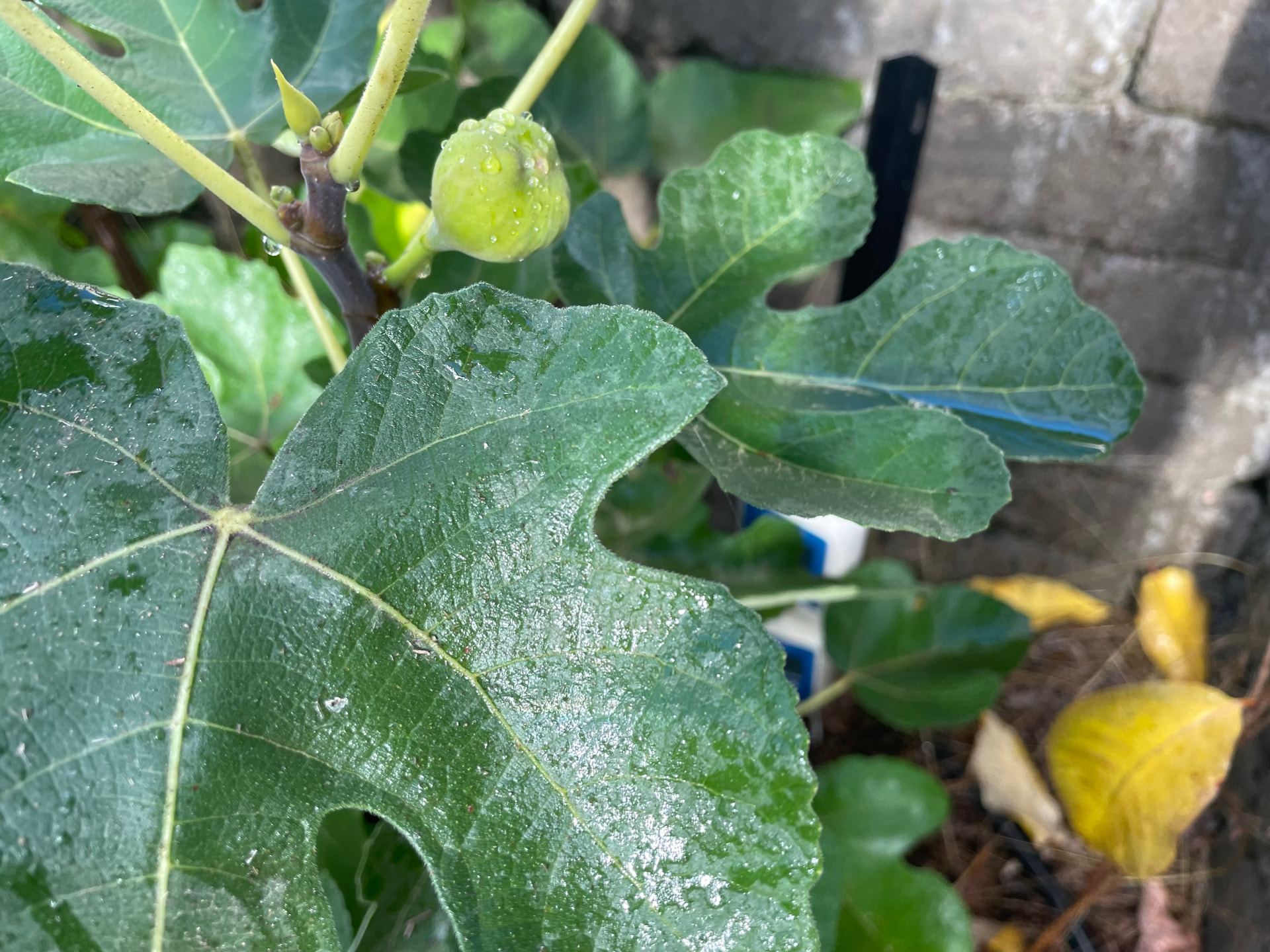
As the season progressed and growth of the fig and mojo mulberry started to reach beyond the top, I decided to add another 18.5” of height to provide them more room for permanent growth. I can continue to add to this a bit more, but I stopped this time just because back filling the soil / mulch is a large task.
Following that, I figured why not see how far we can extend the seasons by swapping the simple 2” board covering for 16mm triple wall poly panels. There is basically no rise (3.75”) and they are facing the wrong direction for ideal solar gain but the current shape and panel size dictated that orientation.
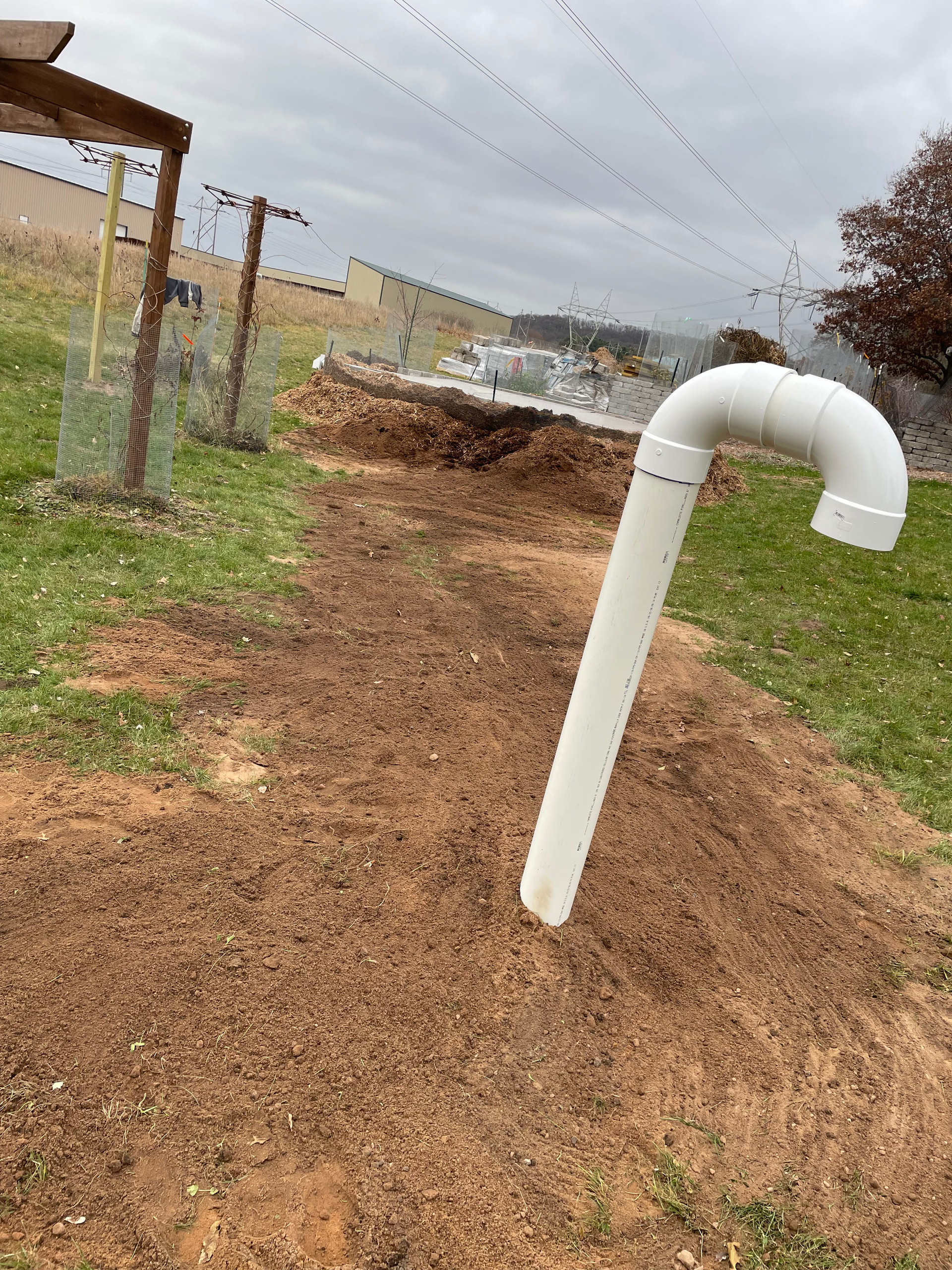
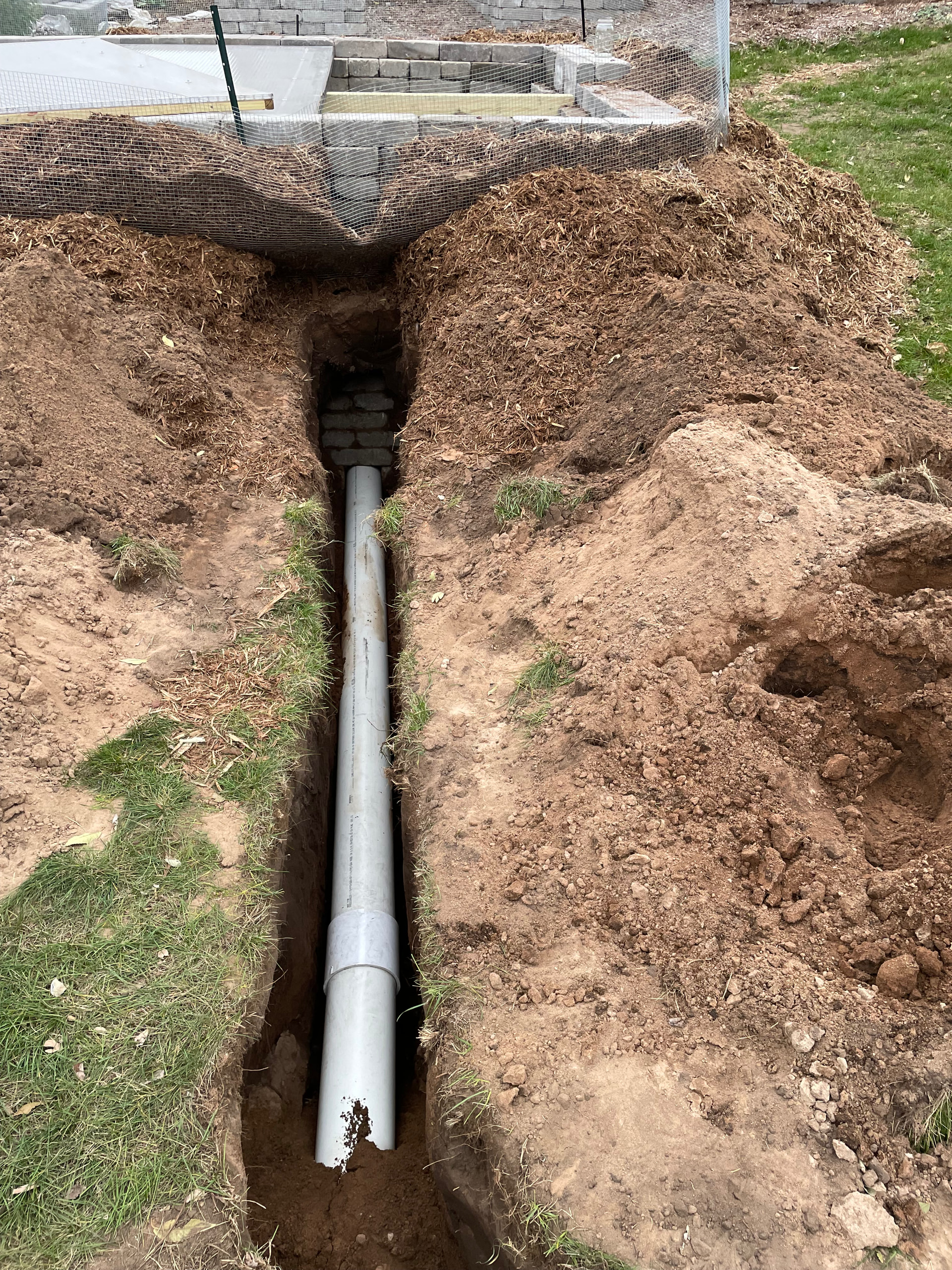
The remaining primary problem being humidity, so with the addition of two 20” fans and a 50’ 6” trenched intake vent I believe I have improved that. The intake and exhaust inline fans I have now are a bit too much CFM and can very quickly exchange the air but that comes with the cost of taking the outside temperature.
That’s probably fine once everything goes dormant from reducing light and temperature as it needs only to stay ~20F or so. But honestly not sure when we will see that with the addition of solar gain and the option to recharge the thermal mass if we see any more unusual high temperature days.
So far it’s Nov 22, I see four more Improved Celeste that are sizing up and not a hint of leaf drop, one appears to be ripening and the Mojo berry is fruiting it’s first fruits. It’s overly packed right now until the spring when I can move the other temporary guests to their own enclosures.
Those appear to be olives in addition to figs and Mulberries. I like your design idea as you can improve as you go along. Modular is smart you just expand a bit every year. Long term you may decide instead of extending the season your going to change the seasons. I love where this is going. Nice thermal heating and cooling using that Amish air-conditioning technique. What i’m seeing that should stay at 30 F+ even in zone 4b. That will grow all those zone 7 things if that is 8 feet down.
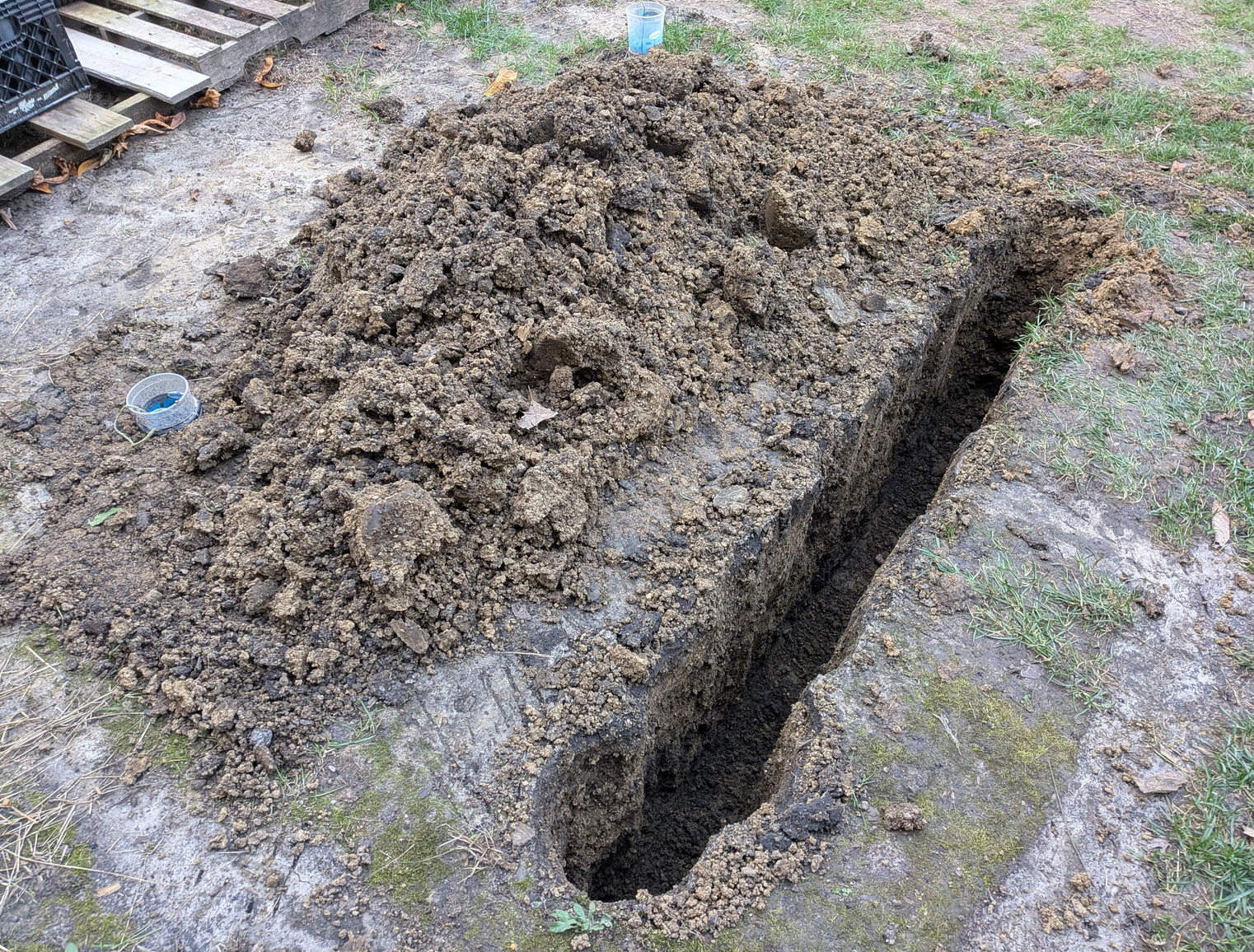
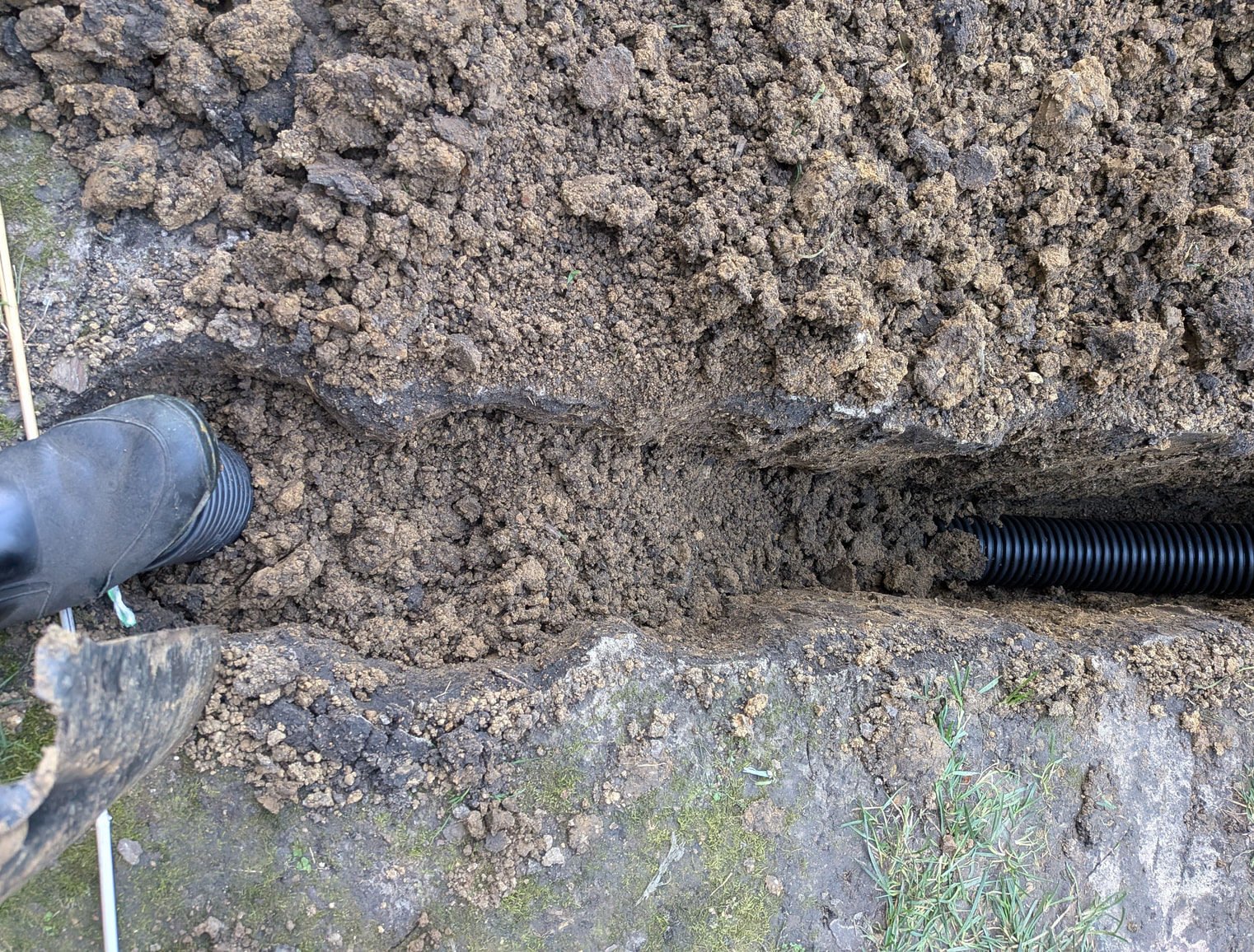
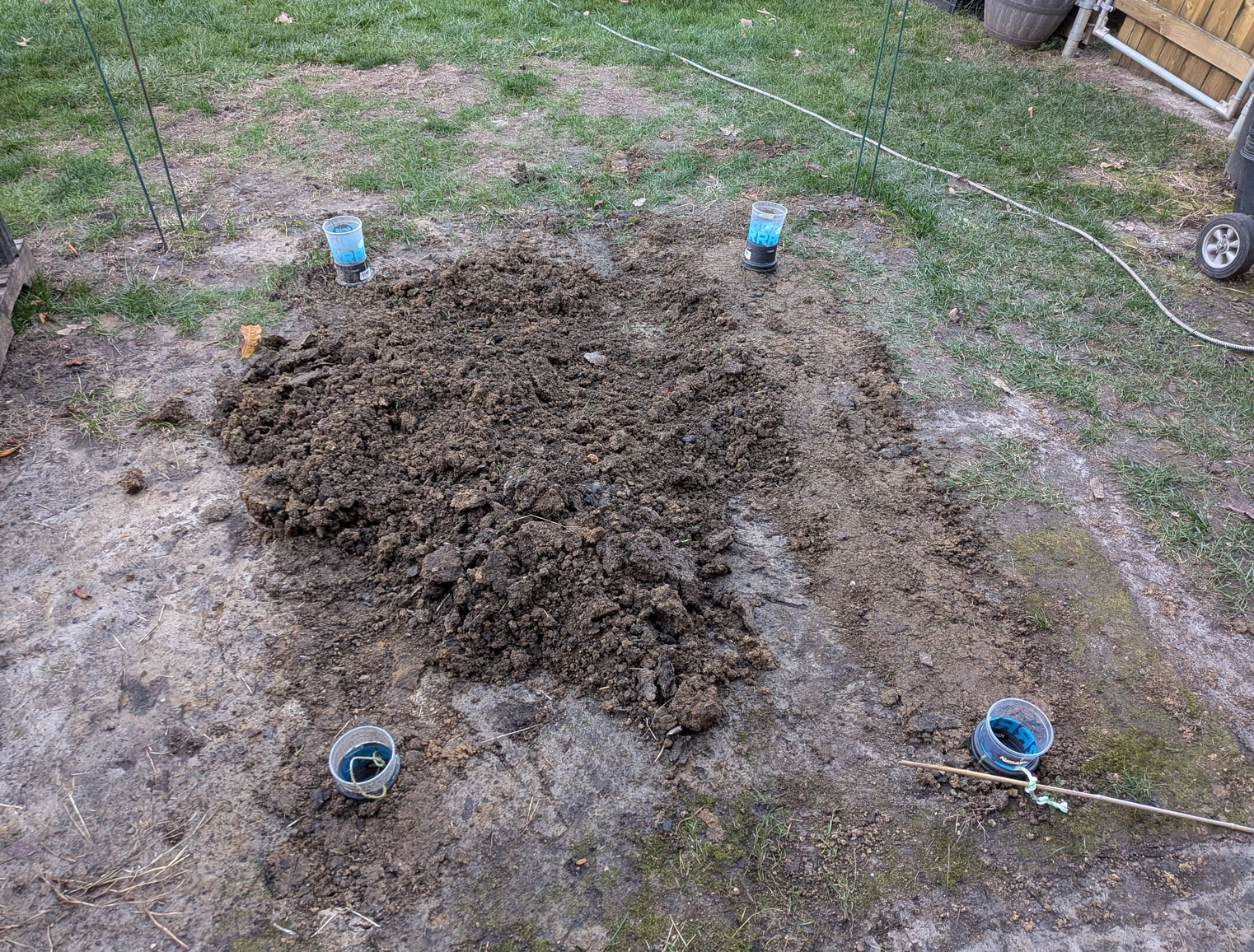
ive buried two 10’ lengths of 4" perforated corrugated drainage pipe right at 2’ deep to try and aid with passive ground heat for my 8’x8’ plant chamber this year. all of the data from locations around me suggest that it never gets colder than 34f at 2’. hoping that it will cycle the air via convection but i will probably toss a couple 120mm fans on the ends of them. from what ive heard is that the perforation allows for the modulation of the humidity. will know if thats the case this winter of course. last year the chamber was basically 100% humidity with condensation. i dont think it was a problem, though. there was mold on some of the mulch in the pots and parts of plants that were dead. on the plus side, i didnt have to water at all.
Western Washington winters are quite mild already. Last year we even had celery make it through into spring, along w the usual Brassicas, alliums, and roots. There are many fig and mulberry trees around this area in the ground.
Aside from the olives, wondering what your reasoning is for the walpini?
Water holds heat way better than anything else. 3x better than most things. Wet the dirt down over your pipe and your greenhouse will be warmer. Larger diameter pipes tend to work better up to a point. If the pipe is to big it starts to work against you.
well im in luck because its basically straight clay that i had to dig up and fill back in around the pipes. its holding plenty of water. especially after yesterdays rain that helped settle the back fill. pallets will go over these pipes for plants to set on and then the chamber will be erected around them:
The humidity problem makes sense for a walapini, since it is basically a sealed pit with warm moist soil. Two fans and a drain trench should help a lot, and venting the glazing on warm days is what keeps the condensation off the plants. The figs sizing up in late November is impressive. Nice build, and the dry-stack approach looks like it went together fast for the size of it.