I know fig people are passionate. Please be civil to one another. We can agree to disagree. Once it gets to be personal, posts will be removed.
Thank you for your cooperation.
I know fig people are passionate. Please be civil to one another. We can agree to disagree. Once it gets to be personal, posts will be removed.
Thank you for your cooperation.
Everything has pros and cons.
In California, there is BFF outbreak. We do not have to deal with.
In Texas and Florida, root knot nematodes are very common. A lot people can’t even grow fig plants in ground. We do not have such problems.
I’m not saying it is not good to grow fig plants in those warm regions. But it is just totally wrong to make a strong statement that “fig grows happier in zone 8, 9 and 10 than in zone 6”. That is totally wrong.
Whatever you say
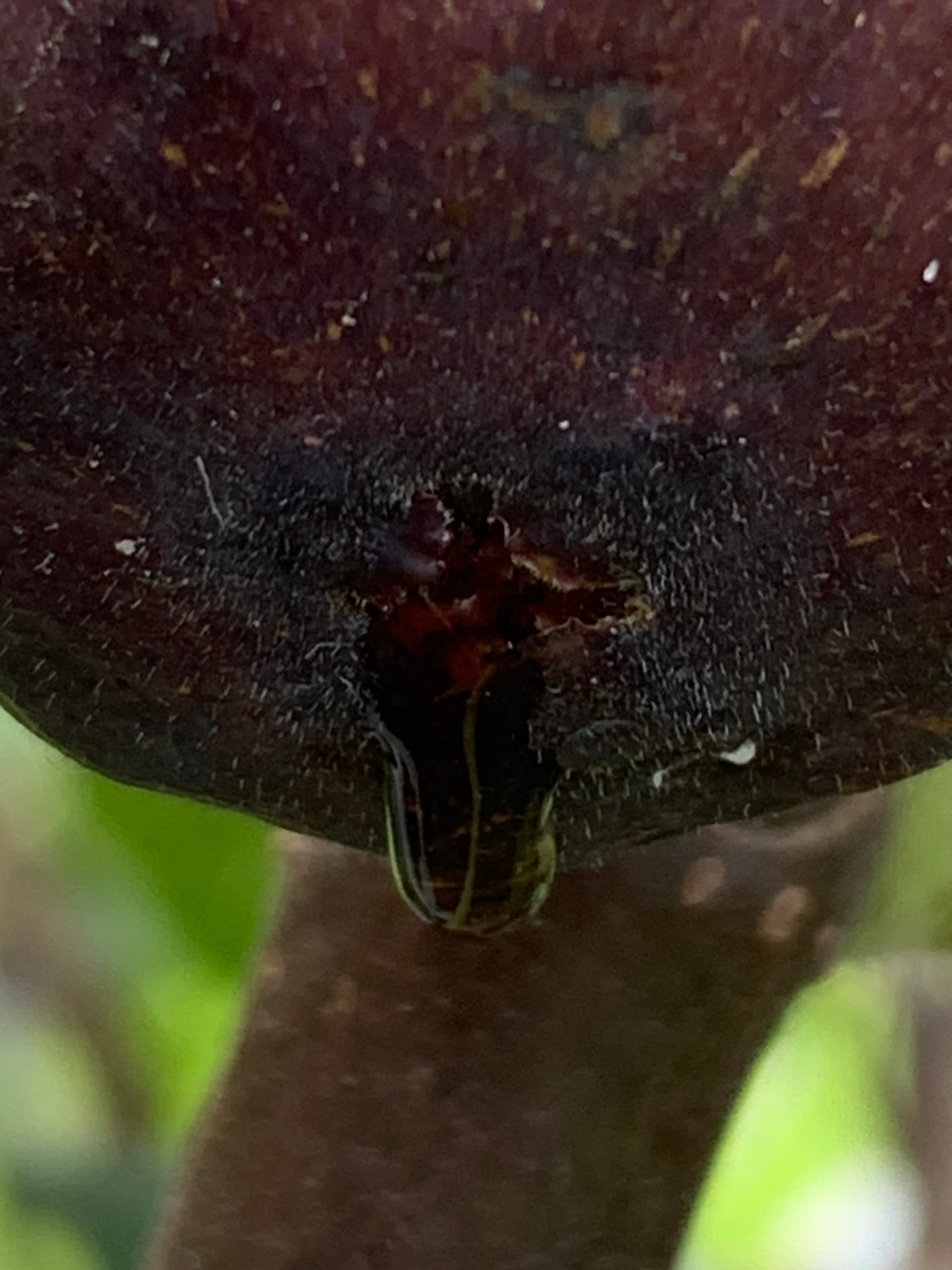
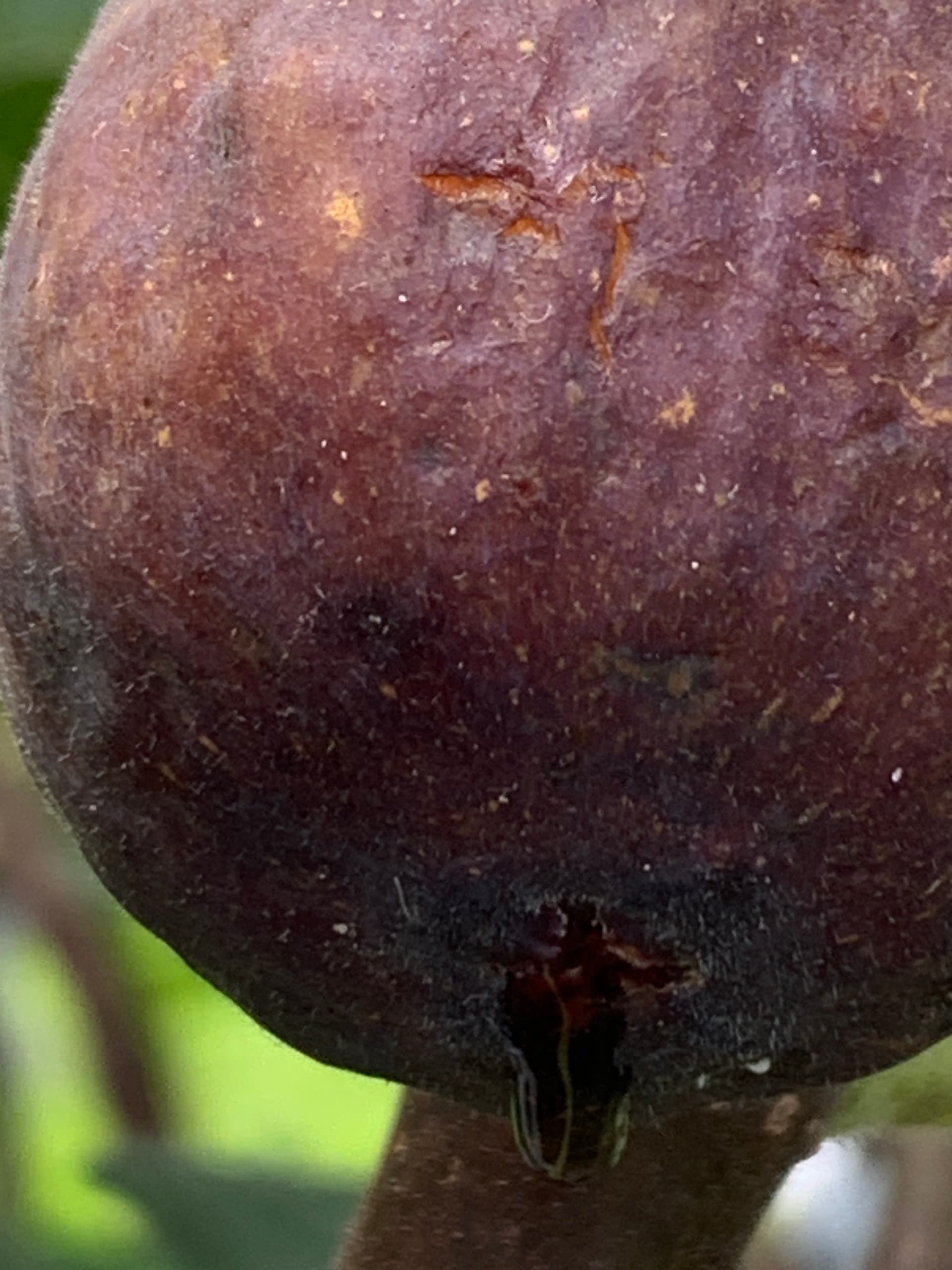
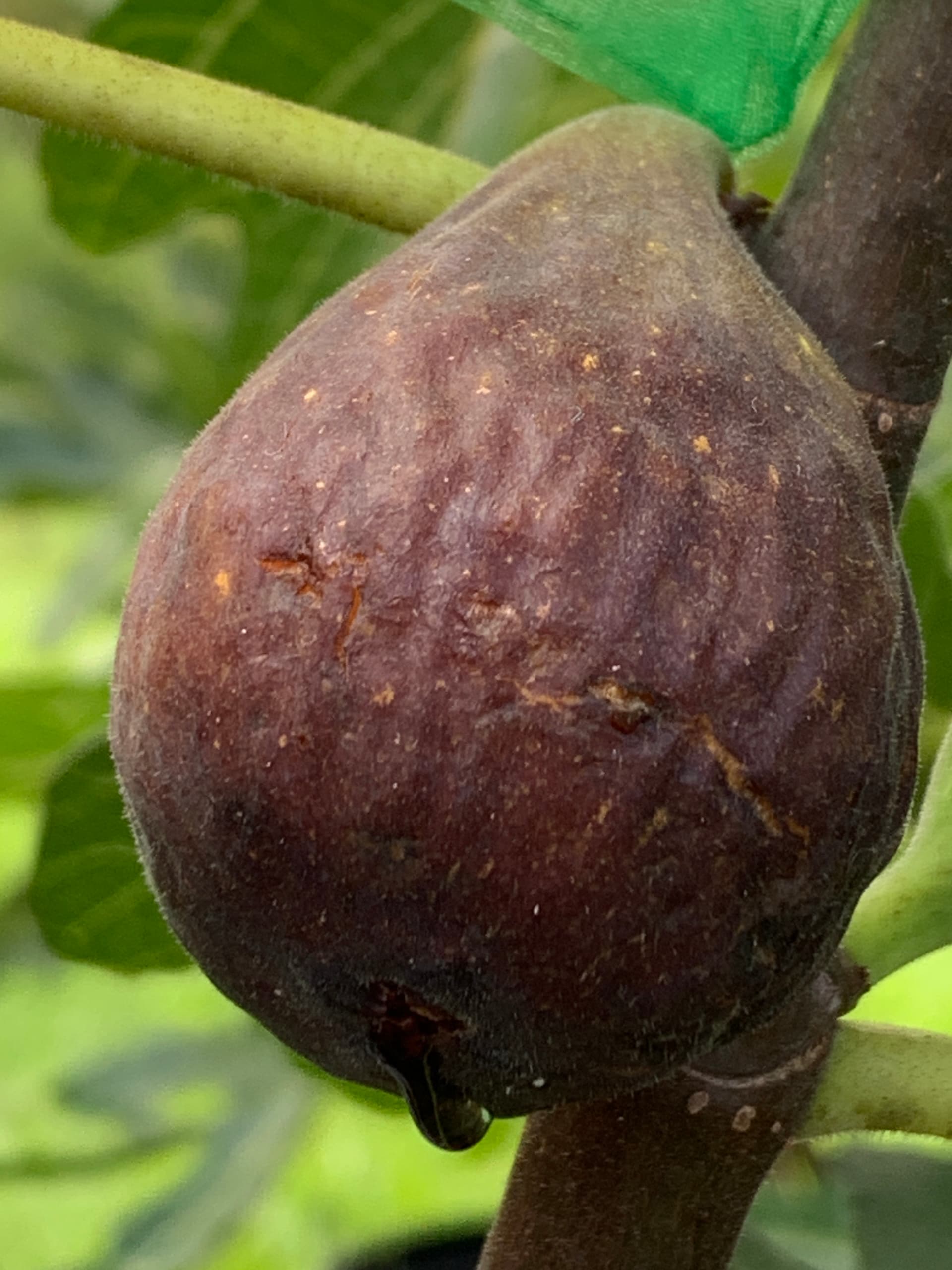
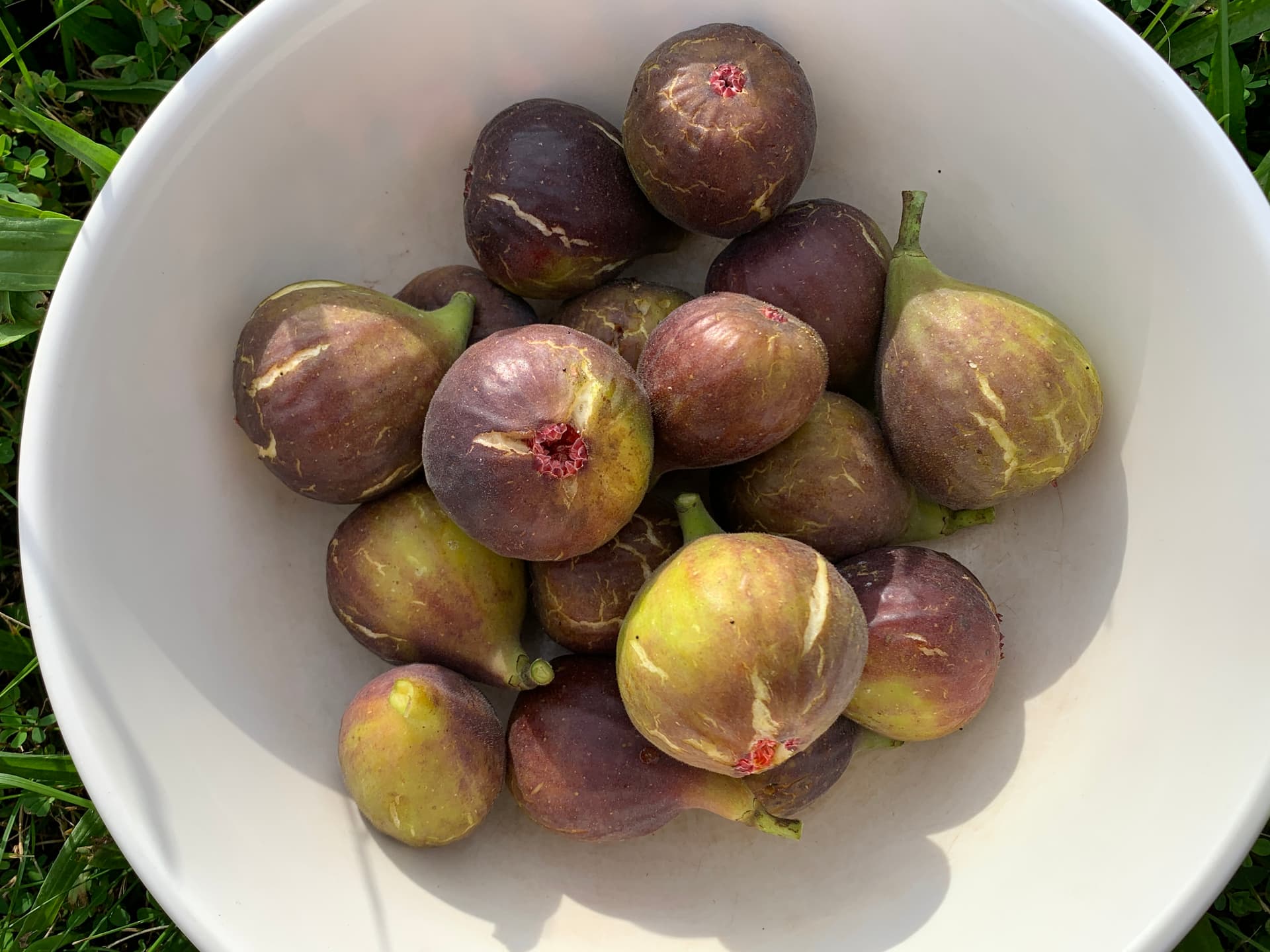
Honey dropping from honey “Reservoir” fig. It is not common to see honey dripping from Mt. Etna figs. It is our zone 6 heat that we can ripen dark berry figs to their full flavors.
I could post countless pics of citrus and figs yielding impressive fruit in the Midwest, eastern Canada, New England, the mountain west, etc…That doesn’t mean those trees are in their element and would flourish without winter protection. I travel around zone 8 and 9 all year and the amount of massive fig stands I encounter that are growing like weeds, completely unattended and covered in fruit are way too many to count. They are literally in every third vacant lot or overgrown backyard. Often enough they are growing next to feijoa shrubs, citrus and loquat trees all covered in fruit. Those are the kinds of results you can expect in the warmer growing zones. I also find myself in zone 6 quite often in the Mountains and at best I’ll see are fig trees in pots. Which is fine, and wonderful for the people making the effort. And I know they can grow in ground in zone 6 with some winter dieback most winters. But figs will not flourish on their own in these cold zones. It takes a dedicated person to make that happen. Alright, so that’s the last I have to say about any of this. I think it’s all pretty self evident to anyone who has grown figs and spent any amount of time in these various zones. I wish you luck with your figs and whatever else you’re growing.
Whatever you say.
You are totally wrong to come here to make a strong statement that figs are happier in zone 8, 9 and 10 than zone 6. That is totally wrong. There are far more things than just the USDA zones. Only newbies are fooled by those zones. All experienced fig growers know better.
Vasilika Sika
Some say this one is like Dalmatie. But my tree shows it is an Adriatic type of fig. No fig yet. But leaf shape points to Adriatic.
You remember the main crop figs?
I agree with fruitnut. The mites look more like termites than anything else. They are a bit larger than the hairs on the leaves (if you can’t see the hairs with your *scope you likely won’t see the mites). I use a cell phone clip on 60x scope (cheap on Amazon) and then use video mode so the autofocus will actively try and get a lock. Sometimes it’s easier to just pull a small leaf and set it on a table then trying to look while attached to the tree.
Mosaic virus seems to track the cellular structure of they leaves whereas mites are kind of a point location fading out from there center.
Where did you buy this tree? I try to avoid buying from regions that are known to have fig mites.
How do you protect your figs in the winter? I’d love to grow them here in Zone 6a (British Columbia), where we do have hot summers. But I am quite a bit farther north from you (51 degrees latitude compared to 40 degrees), so the sun is not as strong, growing season probably shorter and we often have strong cold snaps in winter. For example, both of the last couple years we have seen -15 F for several days and had plenty of frost in April and October.
I grow fig trees both in ground and in containers. Here is how my buddy protects his trees. He is a pro and that is his full time job. He wraps 50 in-ground trees of his own. And he wraps more for customers. I do similarly. But I do not wrap that many trees.
People need to know what they are doing.
This large tree behind our town’s post office is loaded with figs. Most of them fall to the ground uneaten. No idea what it is, but they were tasty to me. Thinking of trying to root a cutting in the spring time.
M
That is indeed a Dalmatie. Or close to LDA.
I’m going to wait and see what figs I get. I received it from another fig friend. Most of his figs are true to names.
If you live in a wasp area, that looks like a seedling fig. Hard to see with figs from figs in California.
Most of the people I know who live in zone 6 grow them in pots and bring them inside for the winter. Some grow then outdoors too and wrap them for cold weather. Most of the people I’ve talked to have modest success, but nothing nearly as impressive as the yields from huge trees growing in warmer zones. Something to keep in mind if you grow figs in the ground in zone 6 or lower is that you have to be prepared for disappointment sometimes, with dieback to the ground not uncommon after severe cold snaps. Anytime you grow a plant outside of its natural comfort zone that can happen. Which is why so many people don’t bother growing them in the ground below zone 8. Figs are much happier in zone 8 and warmer, and will thrive without any human intervention, getting massive with literally several hundreds of figs twice a year. That shouldn’t deter you from giving it a shot, just keep your expectations realistic. In zone 6 you won’t be able to grow the huge stands of fig trees people envision when they think about the groves growing in the Mediterranean or along the Pacific coast of North America.
That would be acceptable. As long as it’s not a insane amount of effort it seems worth it, because fresh figs are simply not available where I live in semi rural BC.
You need to listen to people who have been growing figs for many years. Not someone who does not know much and have no experience in growing figs in cold climate.
I gave away all my fig and other warm climate plants to friends when I moved to North 20 years ago. I thought it was too much work and too hard to grow figs. Now I’m here again and have not been happier than before.
Now I have 10x or 20x the numbers of figs plants someone has. I’ve grown figs in warm climate and cold climate too. It is not as hard as someone else stated…
We do not grow fig plants on internet or fig forum. We grow fig plants in our yard or garden.
Gardening and fig gardening is a life journey. Do not let others stop you.