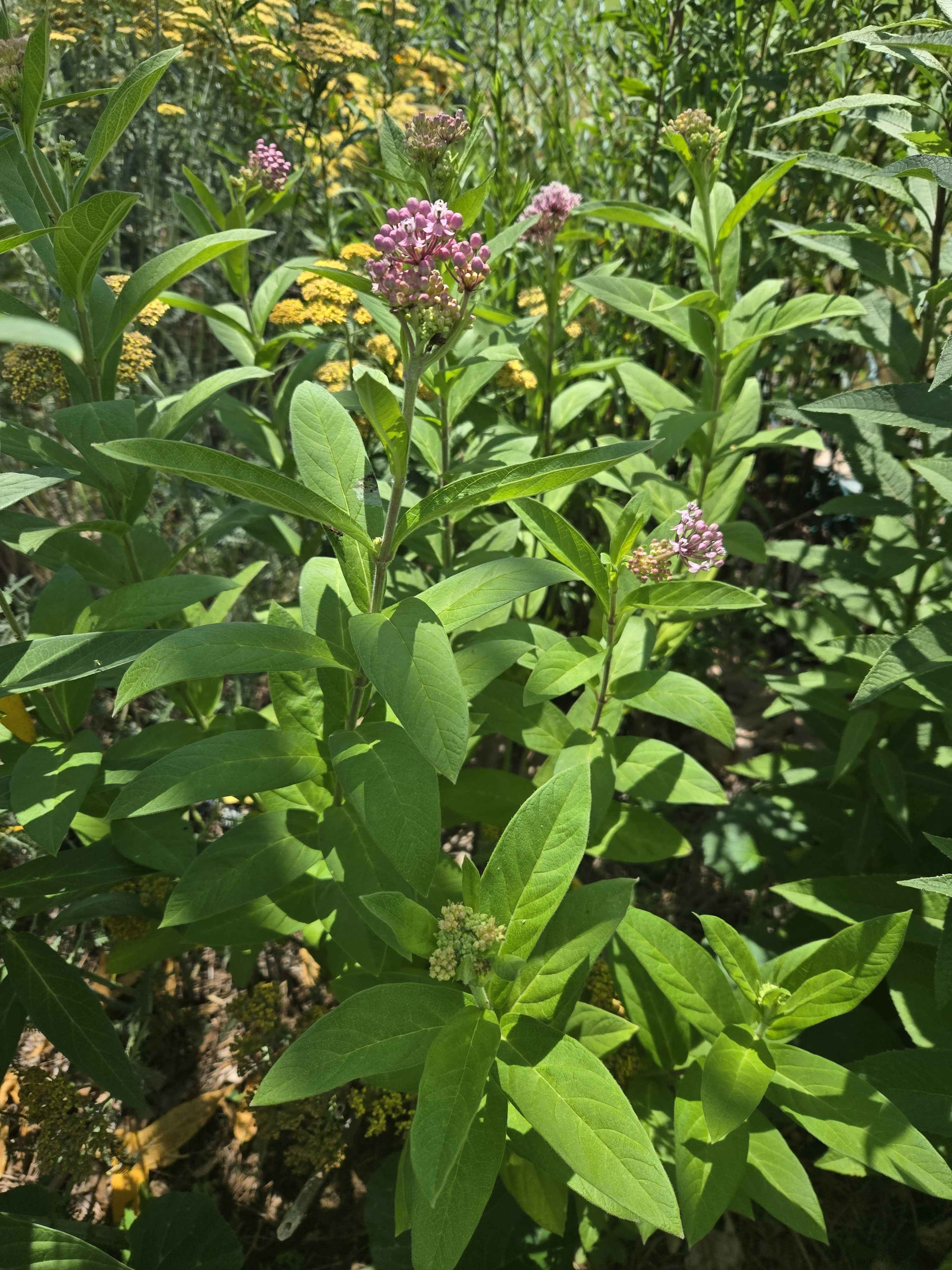
so i have two plants that are both “swamp milkweed” but they have really notably different phenotypes, any ideas?
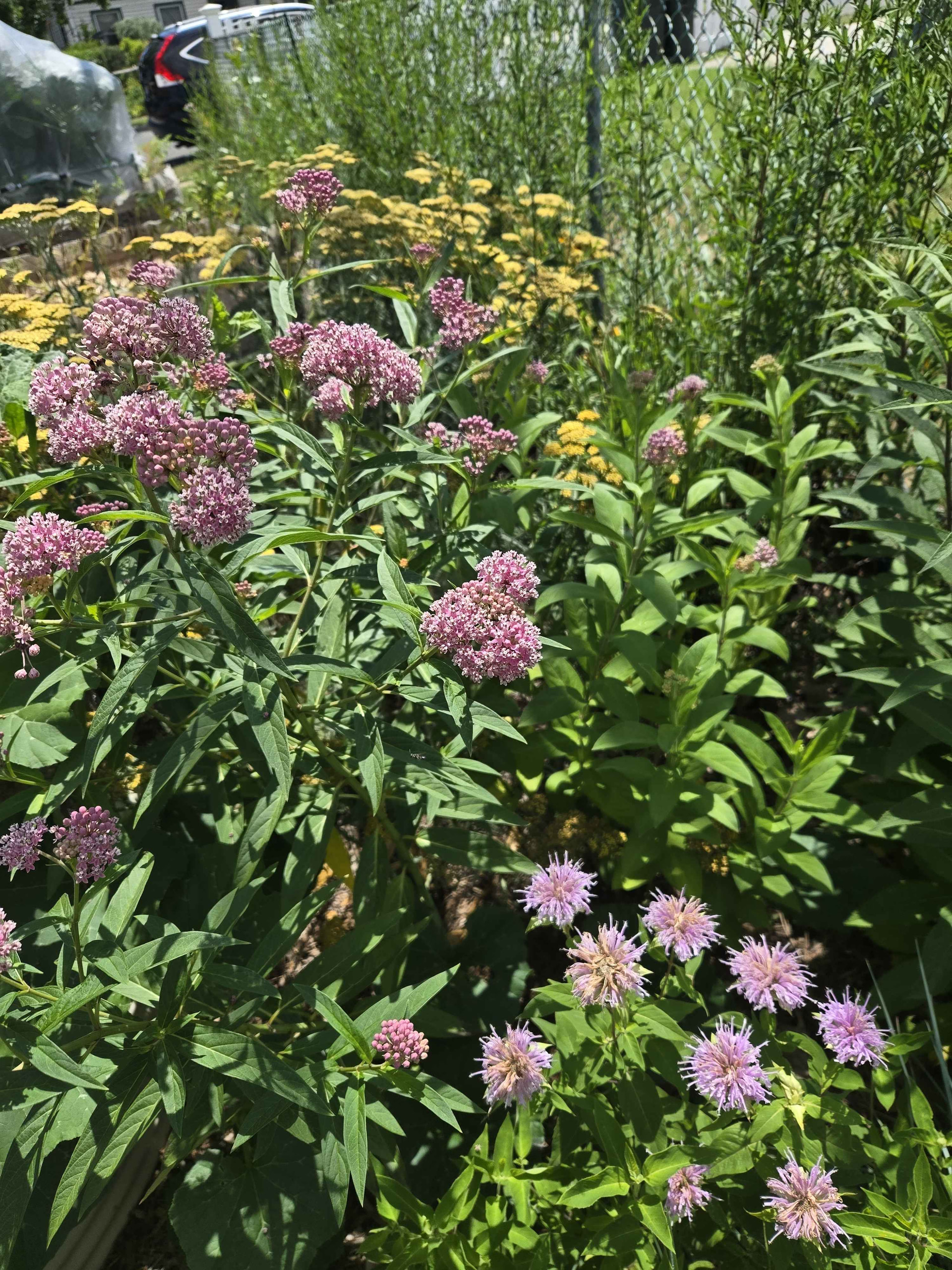
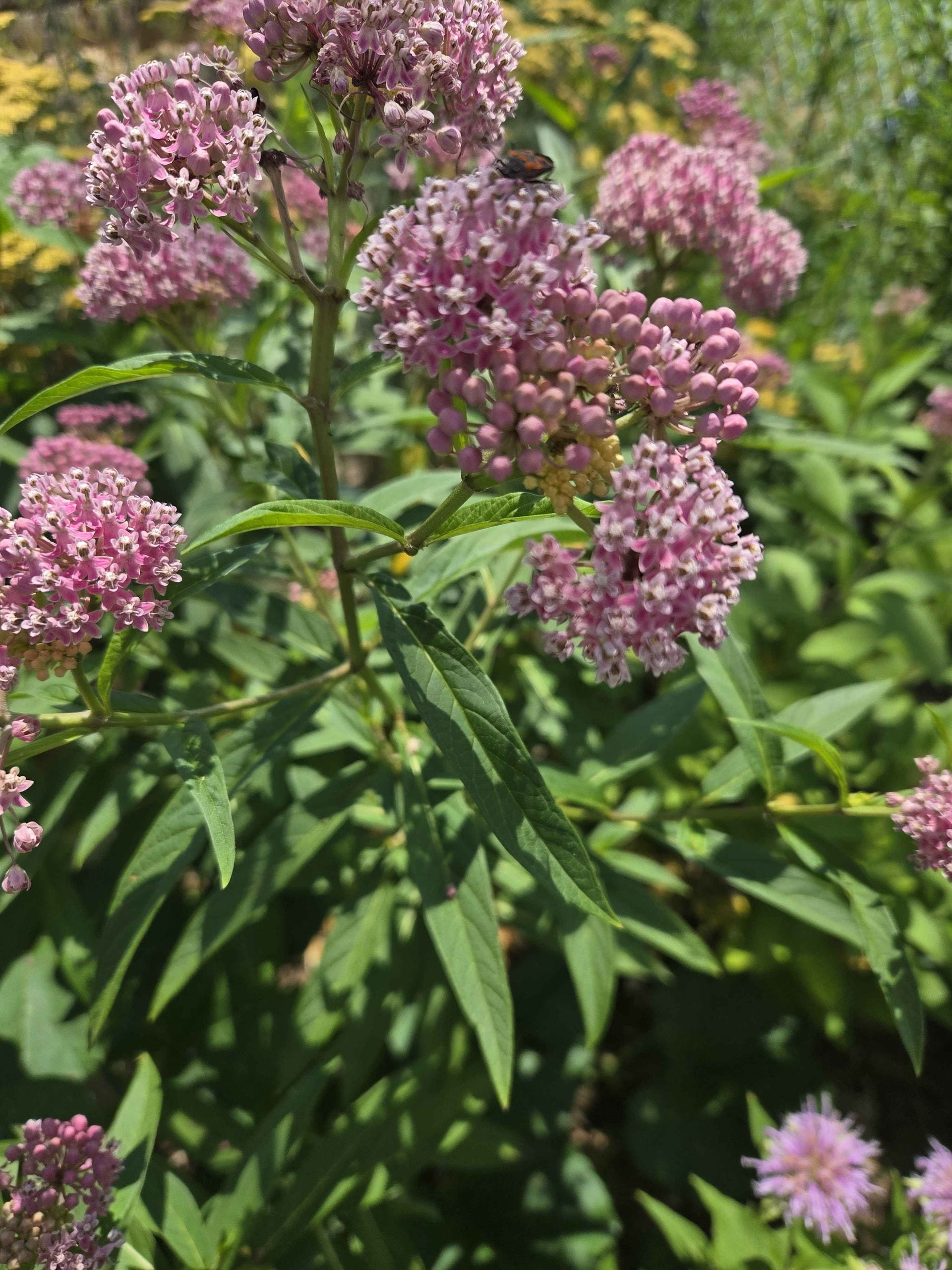
one has blunter, fuzzy leaves, light green leaves and is a bit shorter while one has slender longer, smooth, leaves and is taller.
so i have two plants that are both “swamp milkweed” but they have really notably different phenotypes, any ideas?
one has blunter, fuzzy leaves, light green leaves and is a bit shorter while one has slender longer, smooth, leaves and is taller.
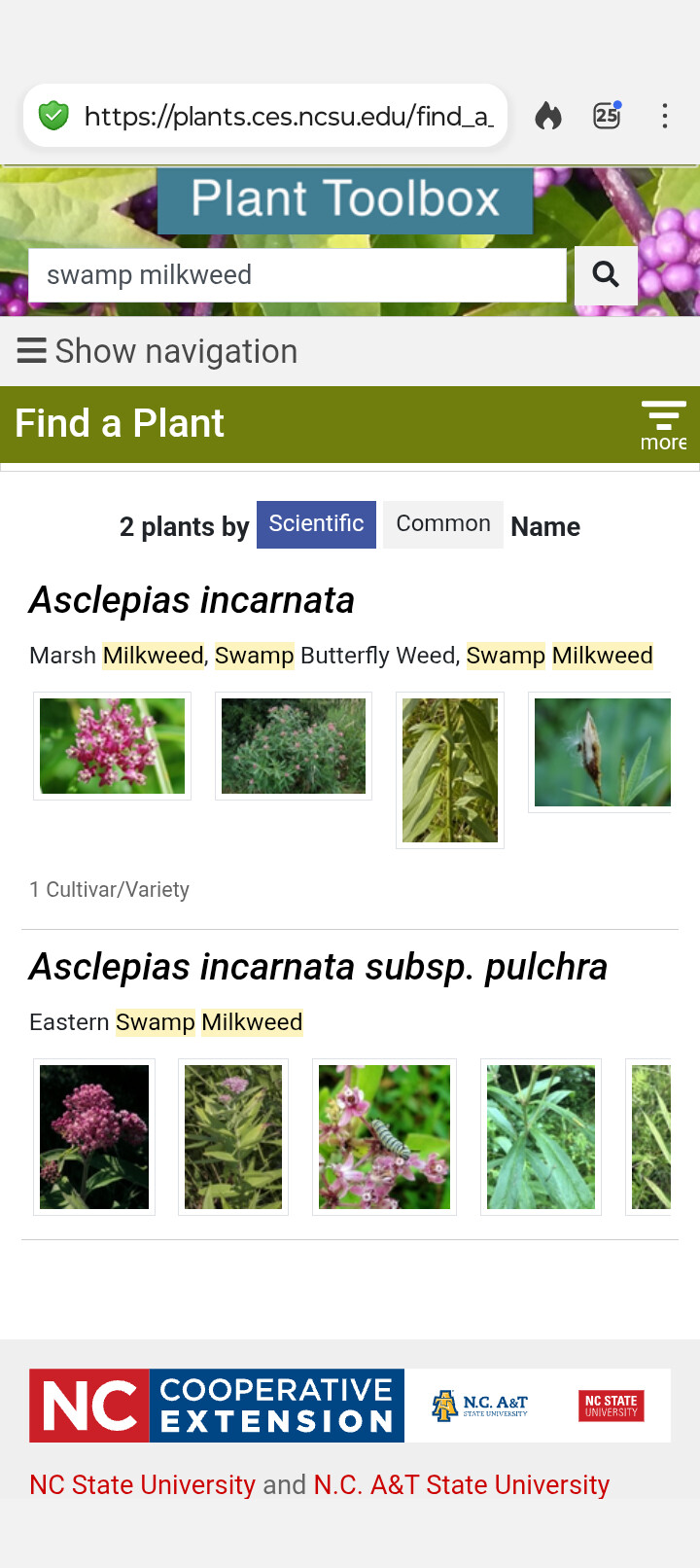
The North Carolina Extension Service (my favorite go-to for non AI plant results) indicates that there is a subspecies of asclepias incarnata (swamp milkweed).
Hm interesting. Does it show the range of them at all?
Edit: seems like only one is actually native to me… both are thriving so I think ill dead head the non-native one and let the native guy spread
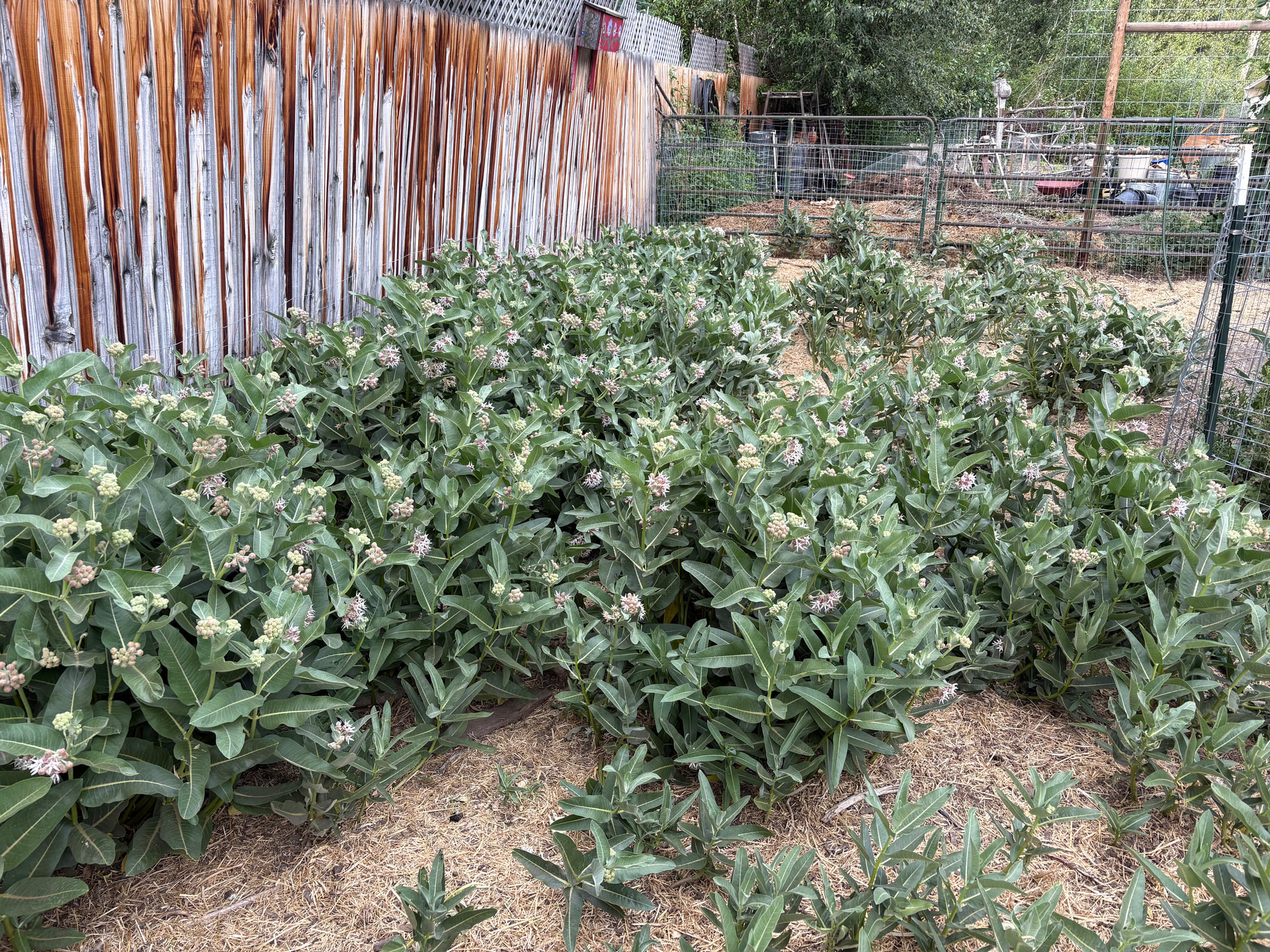
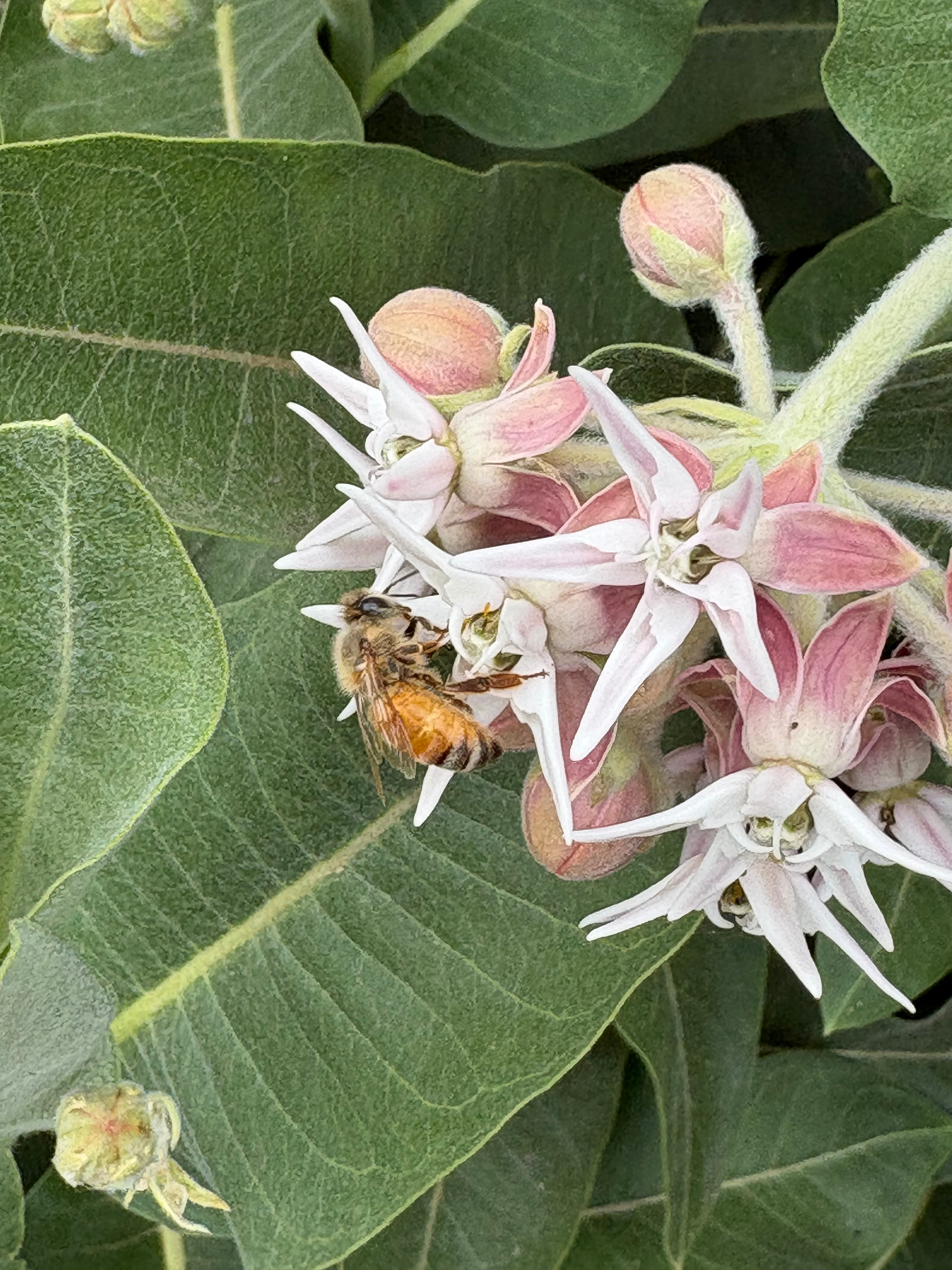
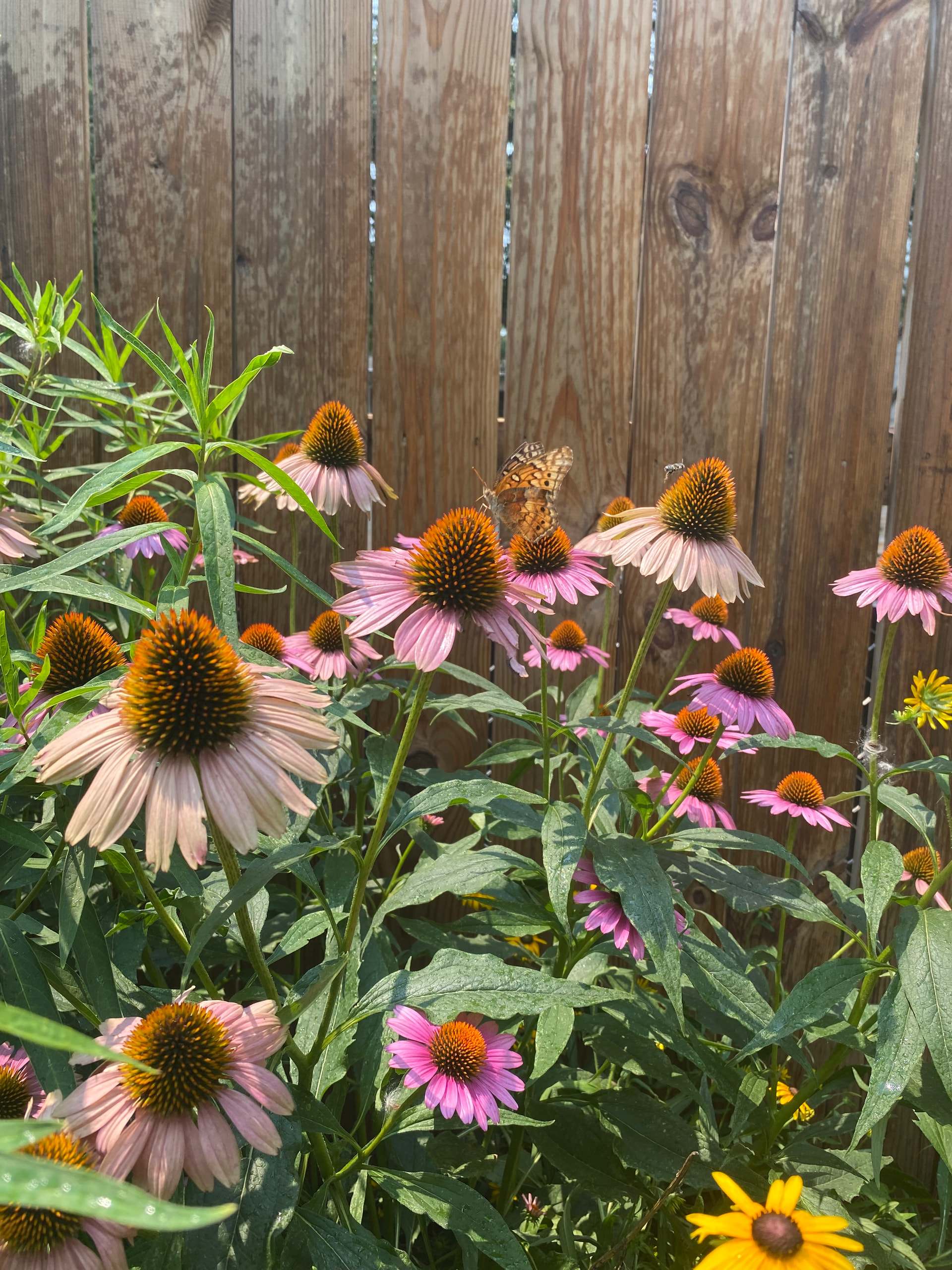
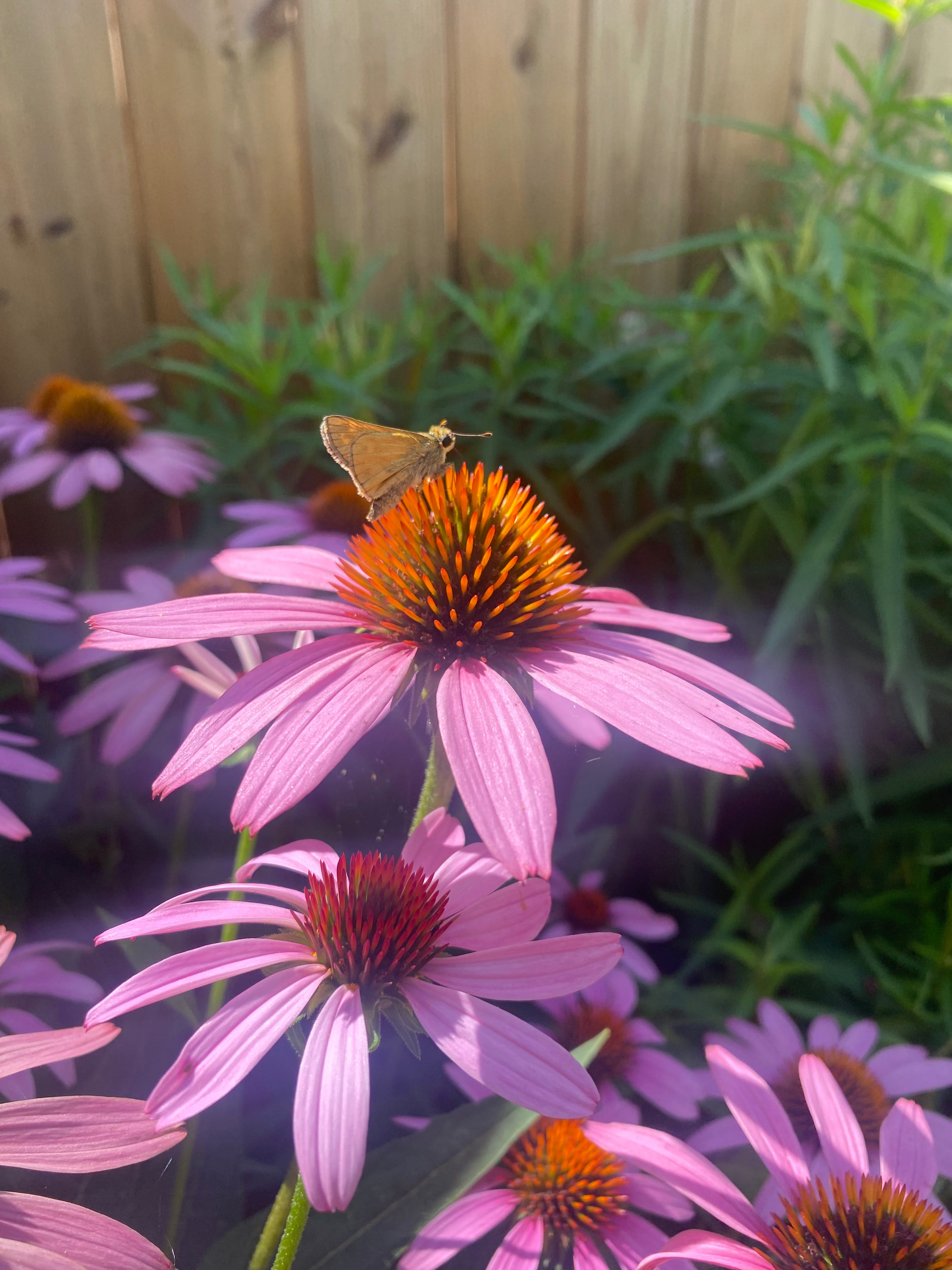
Milkweed has been slowly taking over the goat/chicken corral for years. They don’t seem to mind and they don’t eat it. Bees absolutely love it, as do butterflies and others.
That’s sad. Sadly, far too common for the roadside wild spaces.
@TravisWS what an amazing patch!!
As long as it’s in bloom at the right time and not too late, why remove it? It will still be beneficial.
im not removing it but why let it spread when i can let my other one spread.
When we lived in Salinas, California, there was plenty of honeysuckle growing amidst the really big cotoneaster bushes. Every year we had an Anna’s hummingbird nesting in one of the bushes and using the honeysuckle. It was great fun and our backyard smelled good much of the year.
Thanks for bringing back that memory.
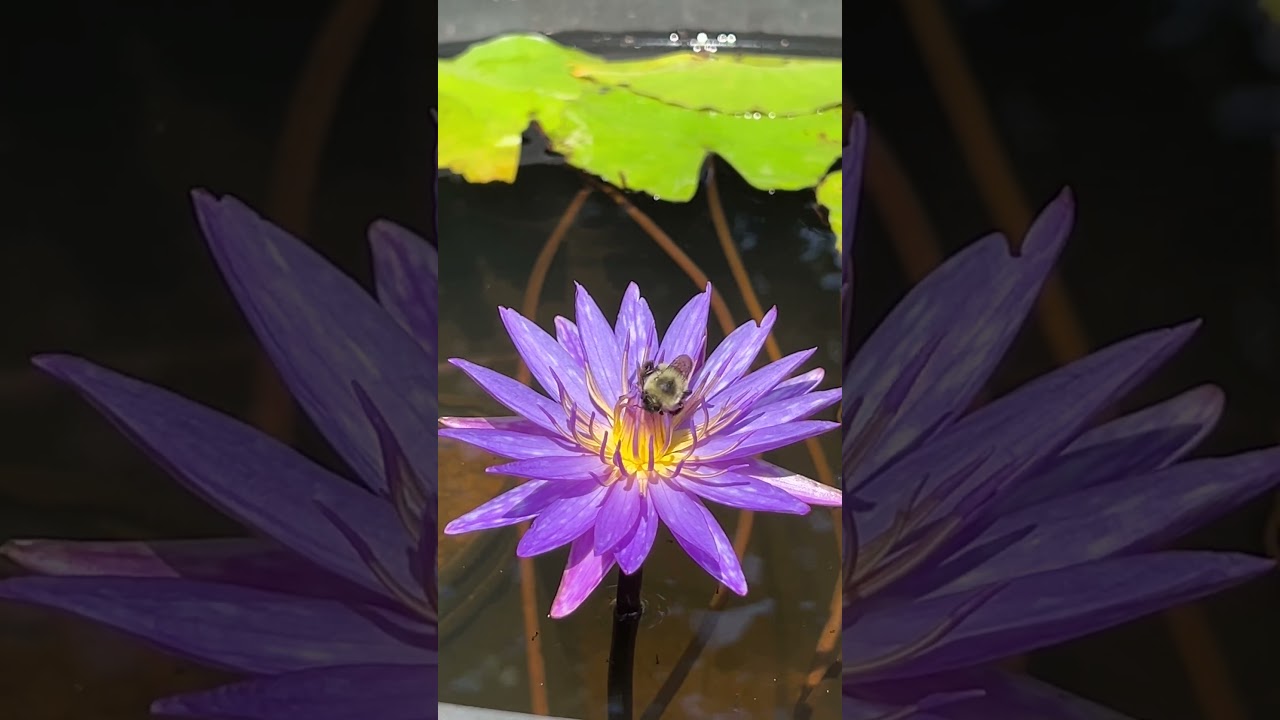
My native pollinators, particularly bumbles, seem to particularly like the water plants. Pickerel rush, a native, has been a huge bumble favorite in my yard and I just noticed a steady stream of bumbles stopping by my new tropical water lilies. I can’t really tell if it is just frantic in general, or trying to get into the tightly packed middle.
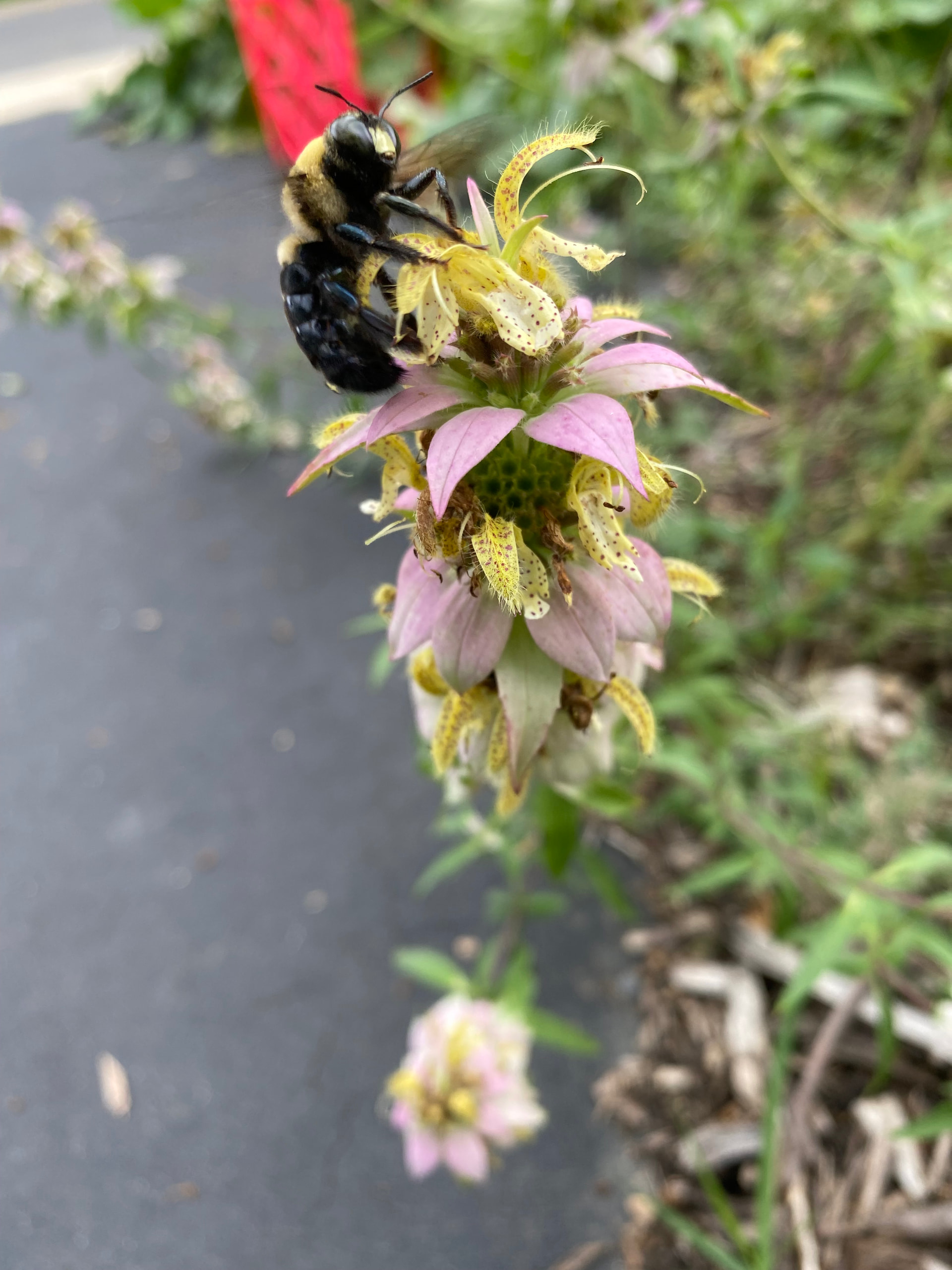
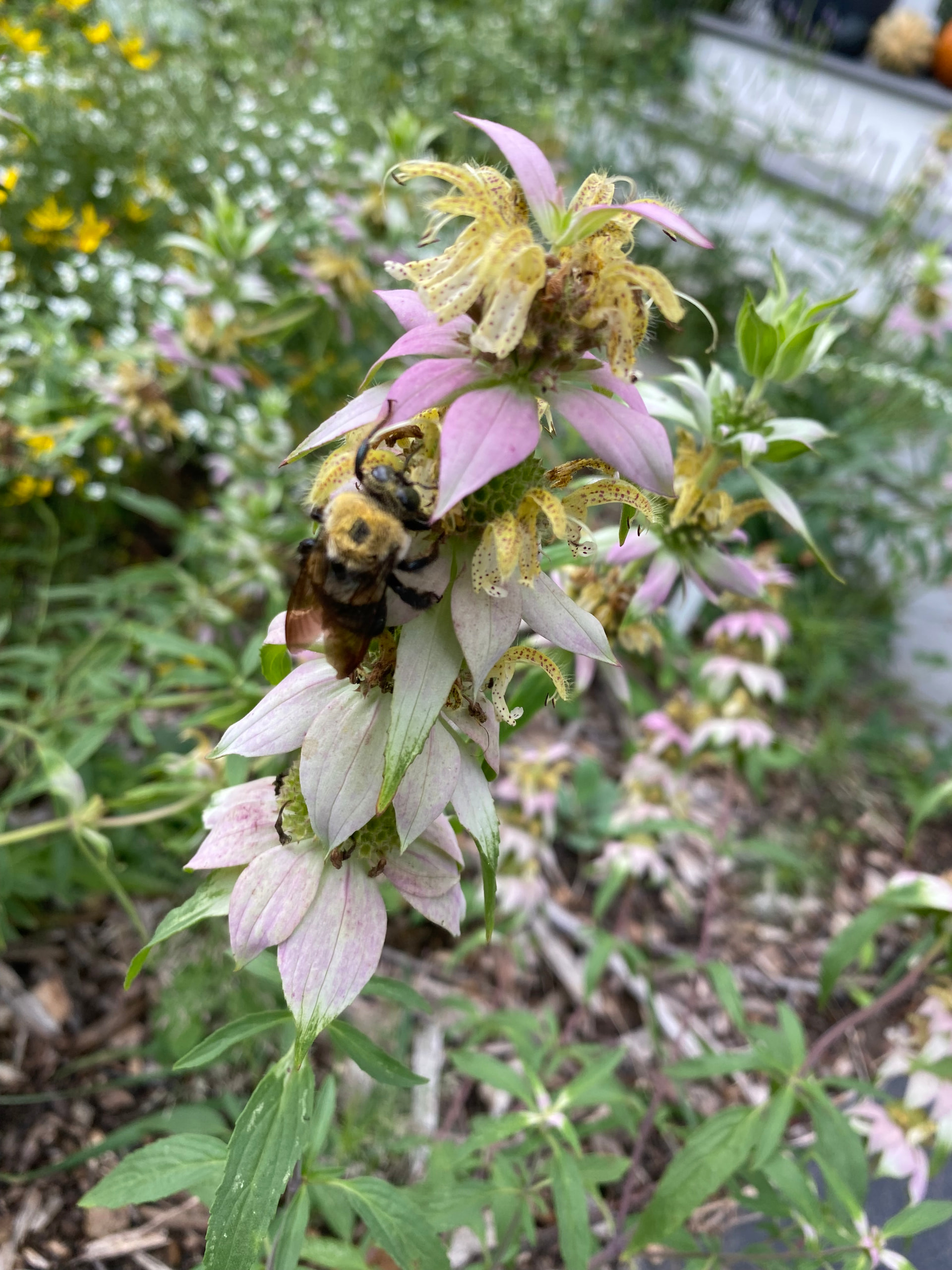
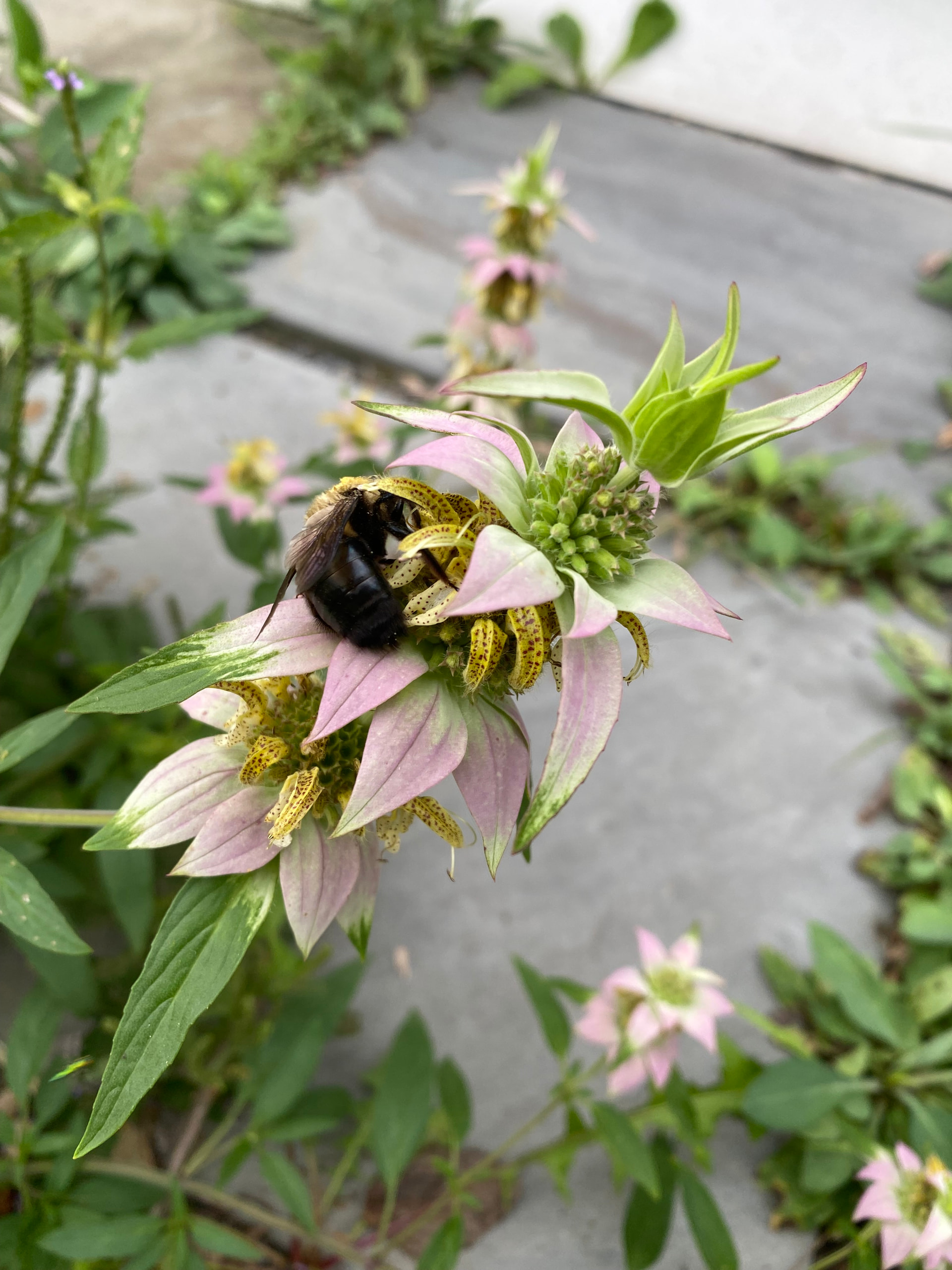
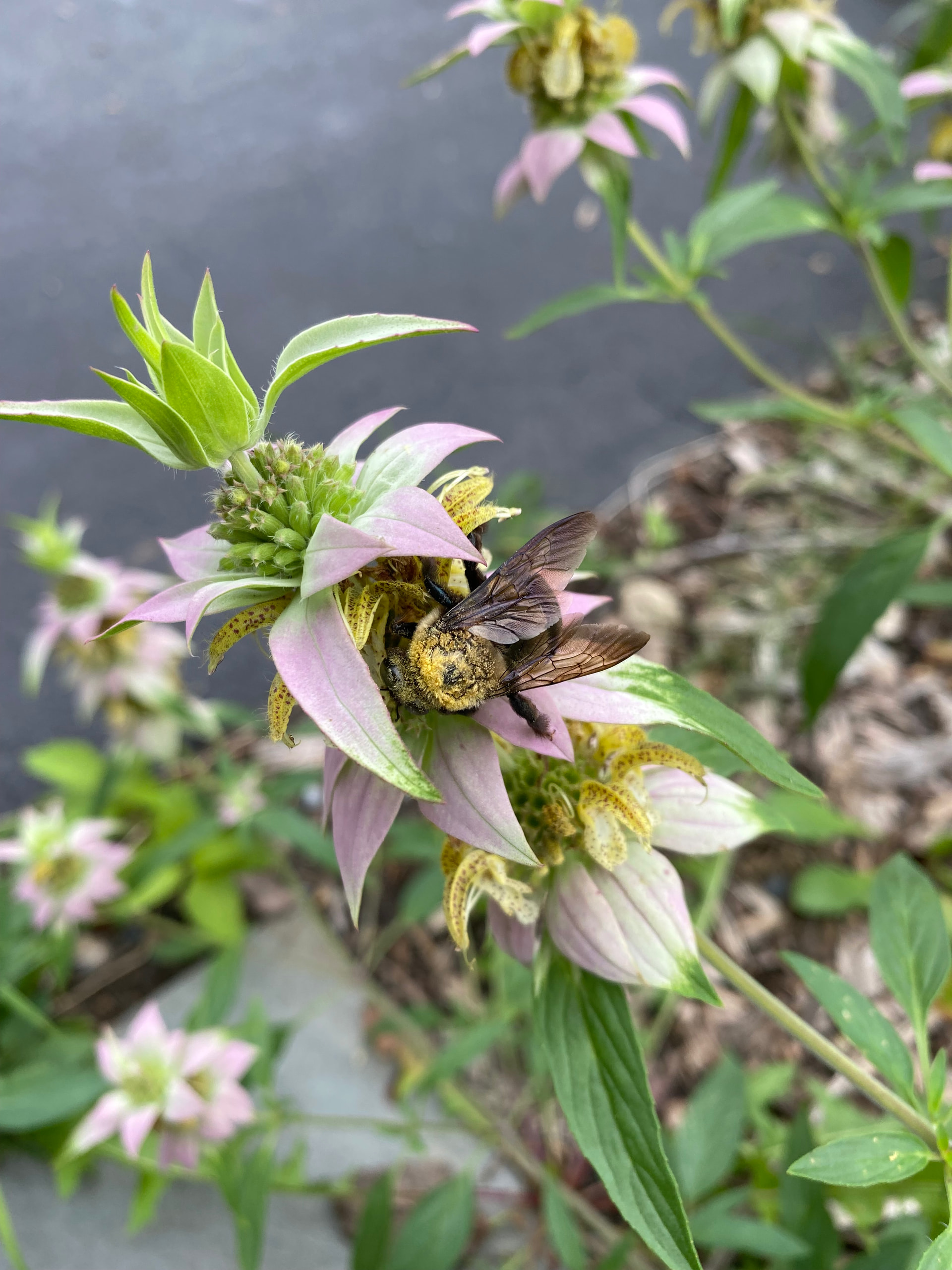
Carpenter bees on monarda punctata.
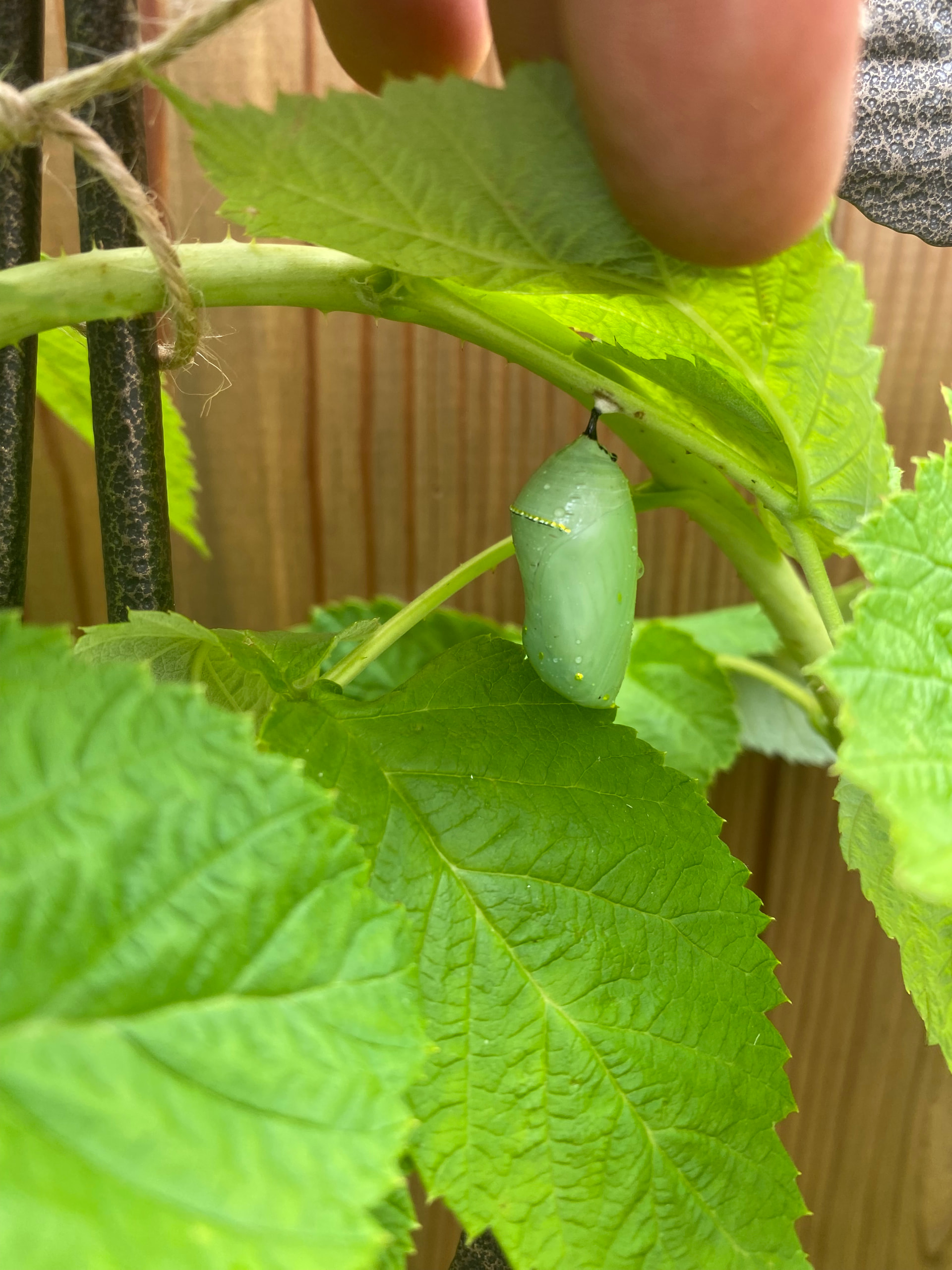
Didn’t have much time for the natives today, but a quick search revealed zero monarch caterpillar, which is weird. Did have a monarch butterfly there while looking in 1 patch and have seen quite a few this summer. I need to look harder tomorrow because they’re clearly there. we came across this chrysalis while looking at this raspberry plant! Crazy a caterpillar decided to climb a thorny raspberry instead of anything smooth in the vicinity. Normally they scale the fence and hang off the underside of the top piece.
My favorite time of the year for beneficials is now.
For those with creeks or ponds etc.. have you been seeing a boom in dragonflies these past couple of weeks?
I have a creek and there are many hundreds if not thousands of dragonflies on attack of every insect in my orchards. (i dont spray so there are lots of insects).
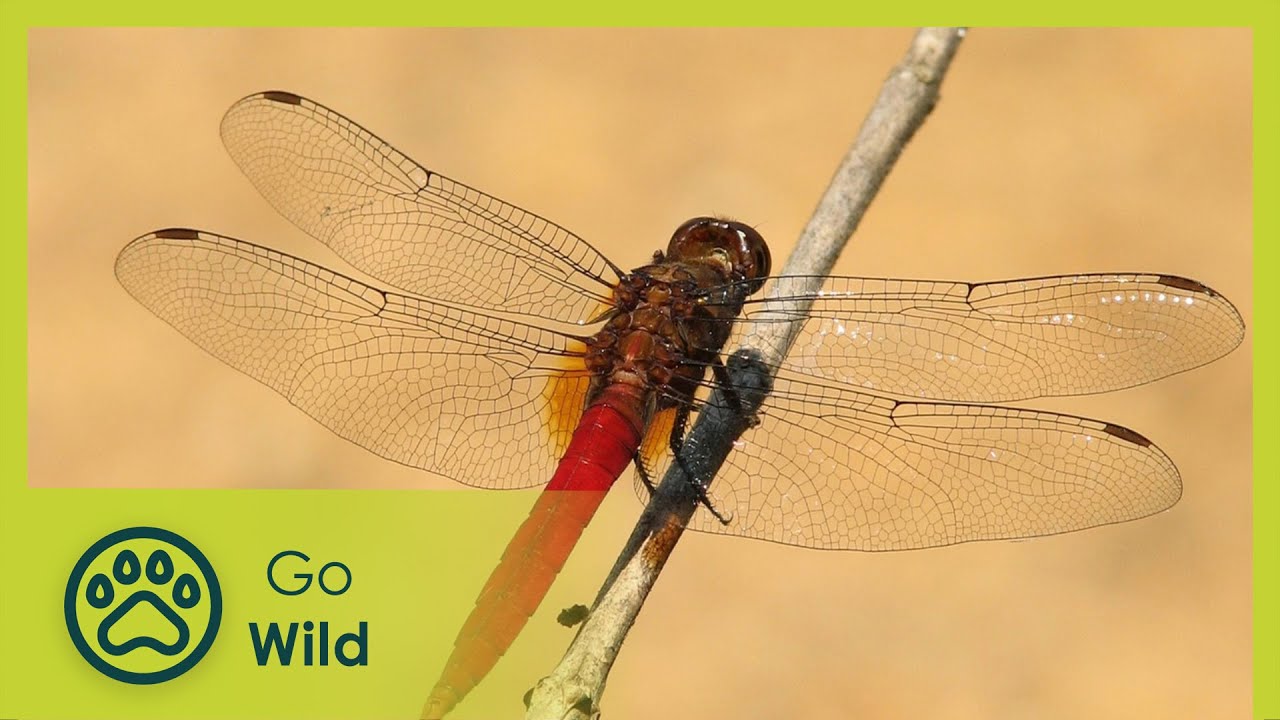
Yes to dragonflies! Just not on property but nearly areas closer to the river and creeks.
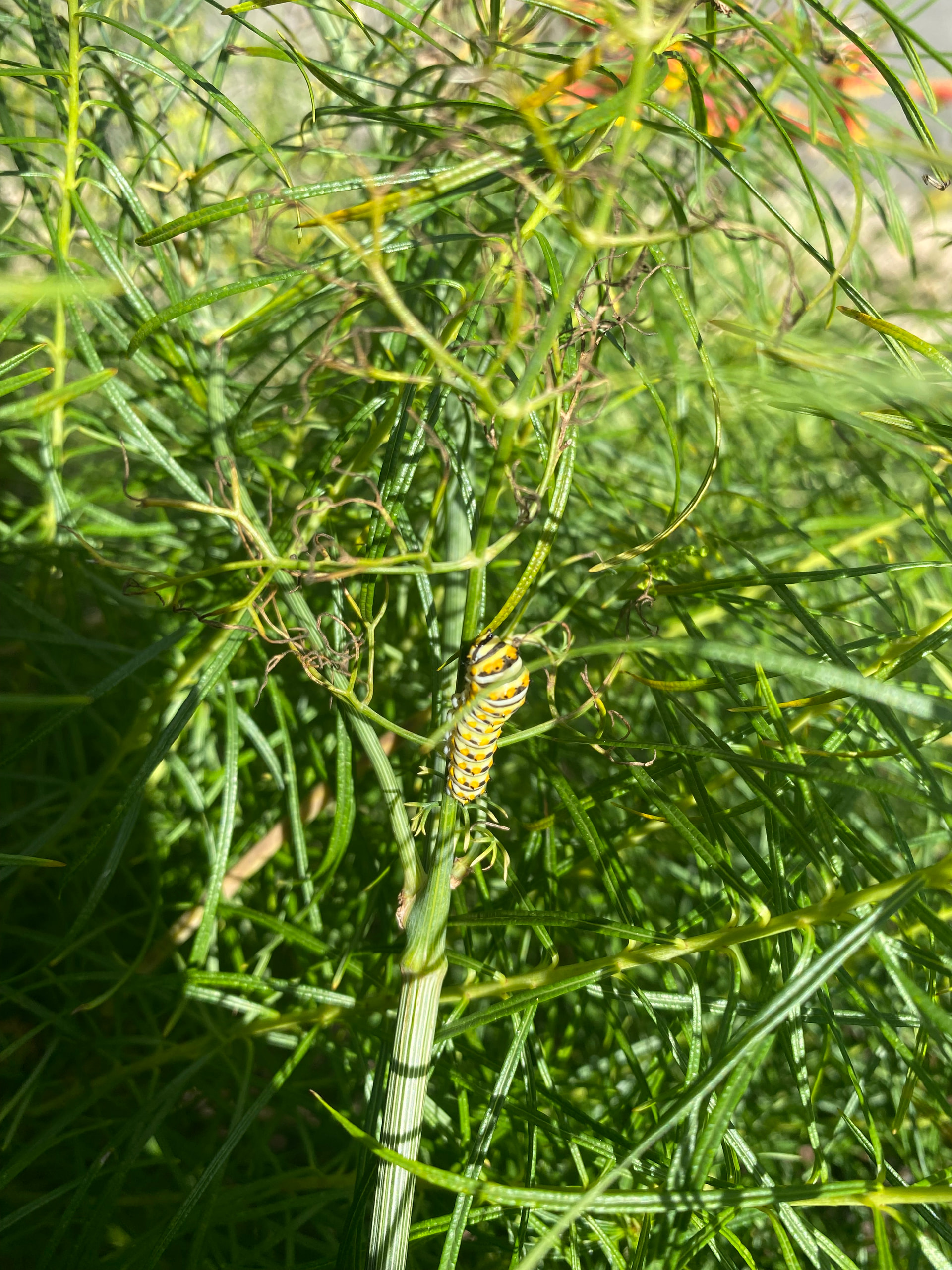
Incredibly excited about this- have been planting and hoping for black swallowtail for 3 years and we finally have 2! It’s crazy, if I lived 20 mins away from this dense area, I would probably have hundreds as I see them everywhere outside of city land.